General General 4 min read

American hidden food treasures

10 regional American dishes you've probably never heard of
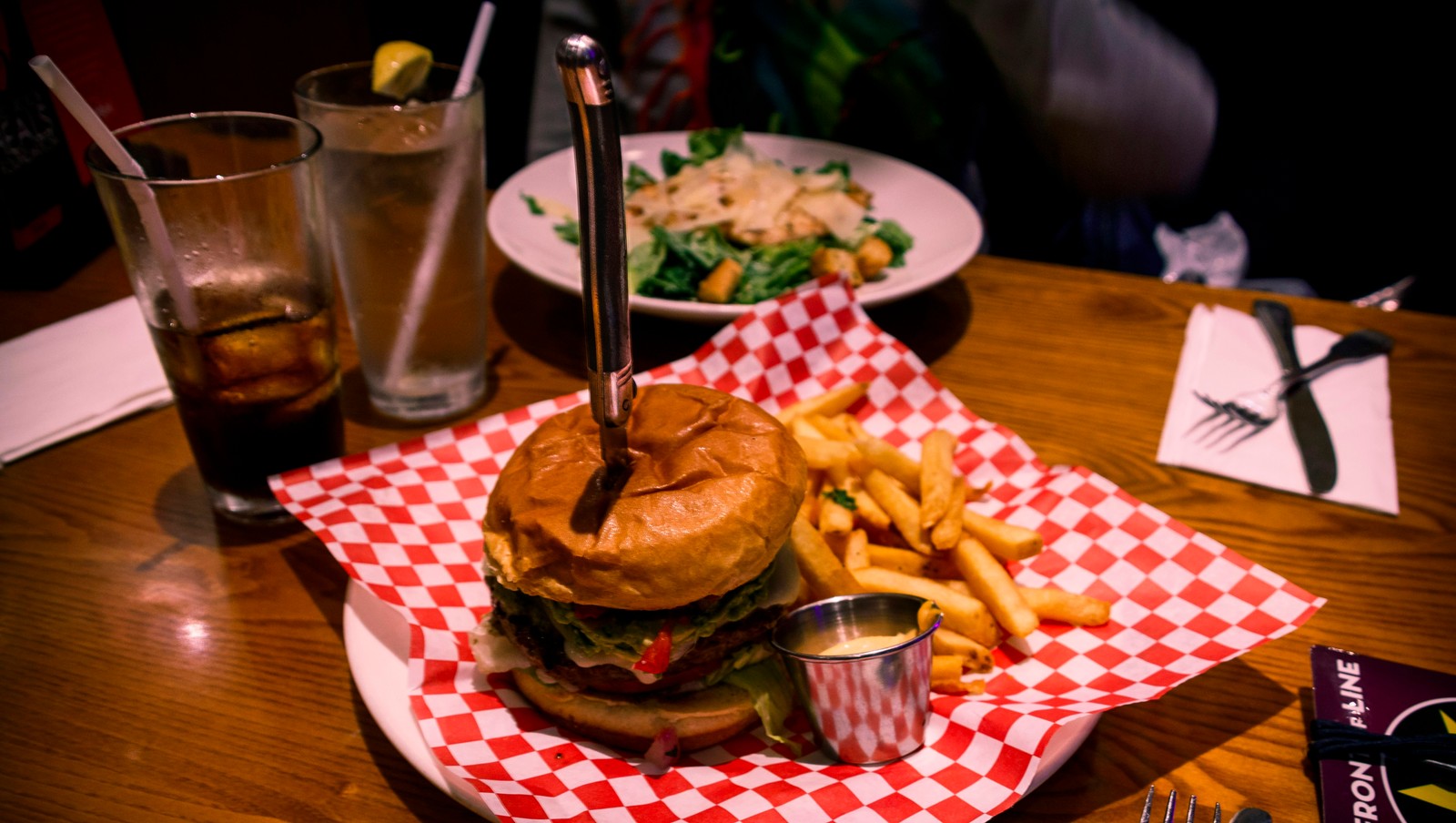
Image: Petter Boccia

America's culinary landscape stretches far beyond burgers and apple pie. Tucked away in small towns and regional pockets across the country are dishes so obscure that even Food Network hasn't discovered them yet. Let's take a delicious road trip through America's most wonderfully weird regional specialties .

1
1. Goetta (Cincinnati, Ohio)

Image: Austin Ban

Goetta is a mixture of ground meat, steel-cut oats, and spices that Cincinnati has been frying up since German immigrants brought the recipe over in the 19th century. It's pronounced "get-uh," and locals are passionate enough about it to hold an annual Goettafest.

The oats give it a texture that's simultaneously crispy and tender when pan-fried, creating something that's part sausage patty, part savory oatcake. Cincinnatians slice it thick and serve it alongside eggs, or get creative with goetta burgers and sandwiches.

2
2. Pasties (Michigan's Upper Peninsula)

Image: Annie Spratt

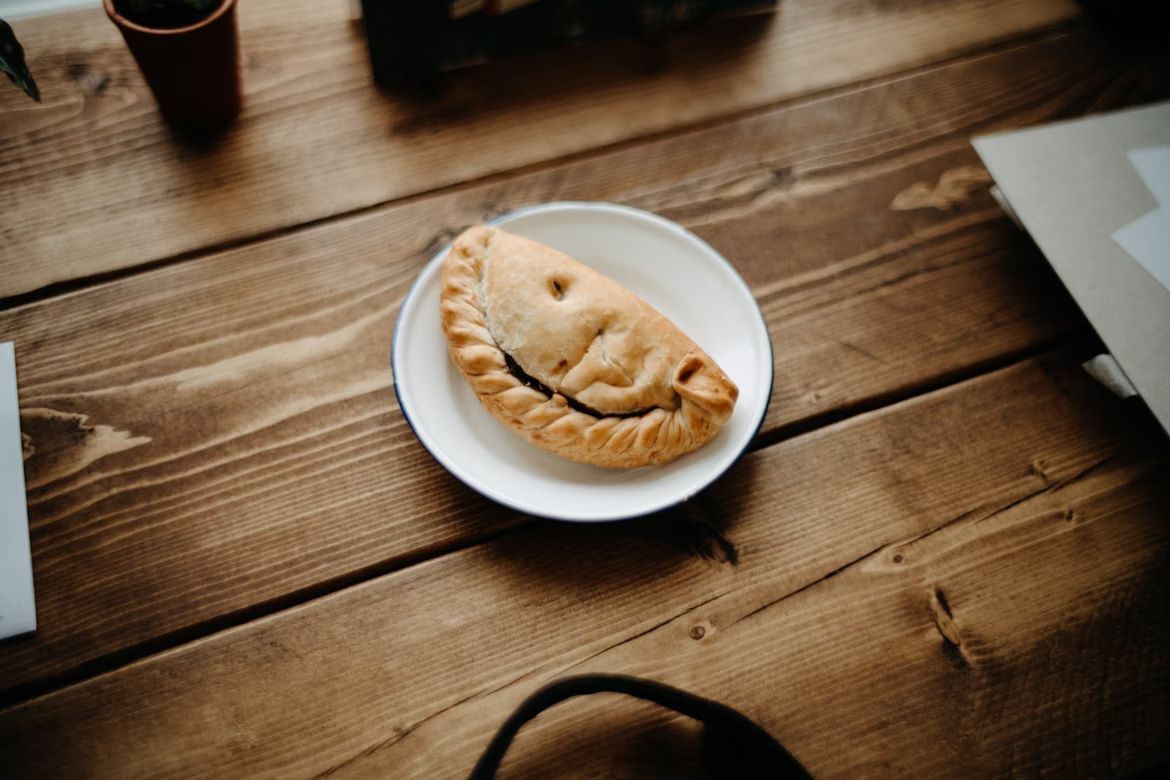
The Upper Peninsula of Michigan is practically its own country, and its national dish is the pasty— a handheld meat pie that Cornish miners brought to the copper mines in the 1800s . These aren't dainty; they're hefty D-shaped pockets of pastry stuffed with beef, potatoes, rutabaga, and onions that could double as hand warmers in a blizzard.

The genius of the pasty was its portability and built-in plate. Today, you'll find pasty shops scattered across the U.P., each claiming the most authentic recipe.

3
3. Frito Pie (New Mexico)

Image: Dollar Gill

This isn't plated food— it's literally served in a torn-open bag of Fritos corn chips, topped with red or green chile, cheese, and onions . You eat it with a plastic fork while standing at a high school football game or state fair.

The dish embodies New Mexico's chile-obsessed culture, where "red or green?" is practically the state motto. The Fritos get soggy in all the right ways, absorbing the spicy chile while maintaining just enough crunch to remind you they're there.

4
4. Scrapple (Mid-Atlantic, especially Pennsylvania)
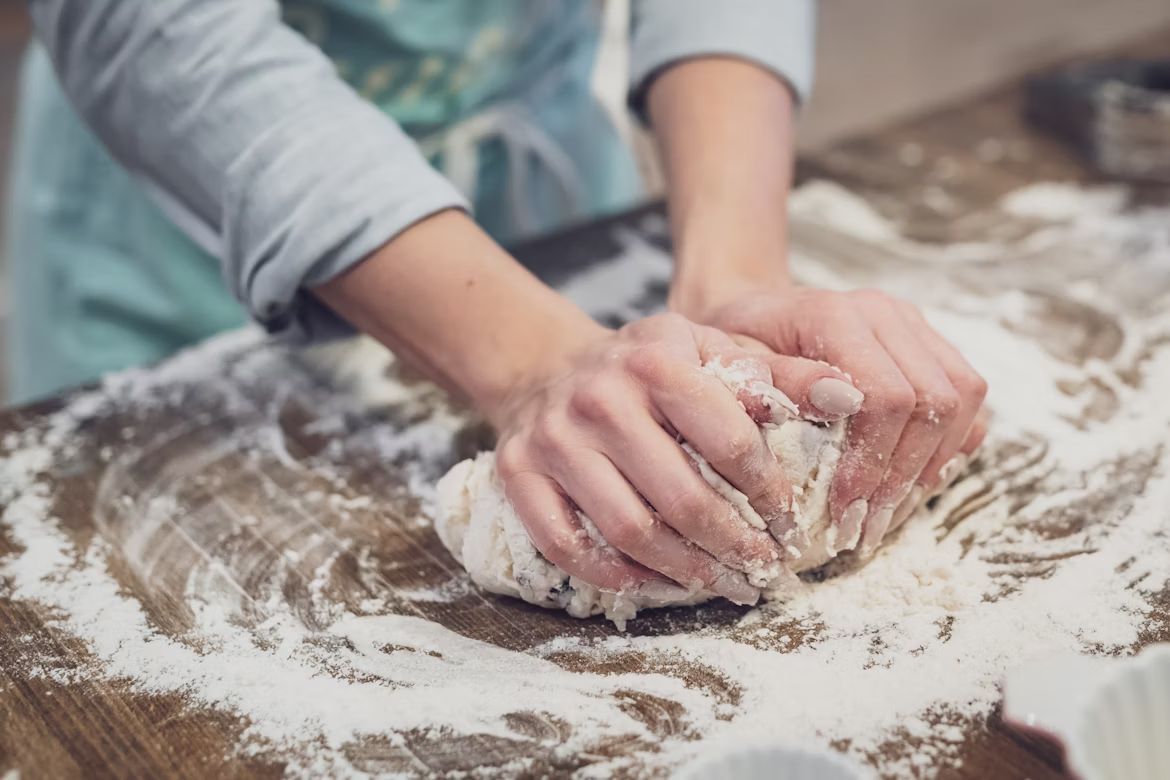
Image: Theme Photos

Scrapple is what happens when Pennsylvania Dutch settlers decided that absolutely nothing from a pig should go to waste. It's a loaf made from pork scraps, cornmeal, and spices, then sliced and fried until crispy .

The texture is distinctive—crispy on the outside, soft and almost pâté-like inside. Philadelphians and Delawareans grow up eating it alongside eggs, though the rest of the country largely treats it with deep suspicion.

5
5. Burgoo (Kentucky)

Image: Artur Kornakov

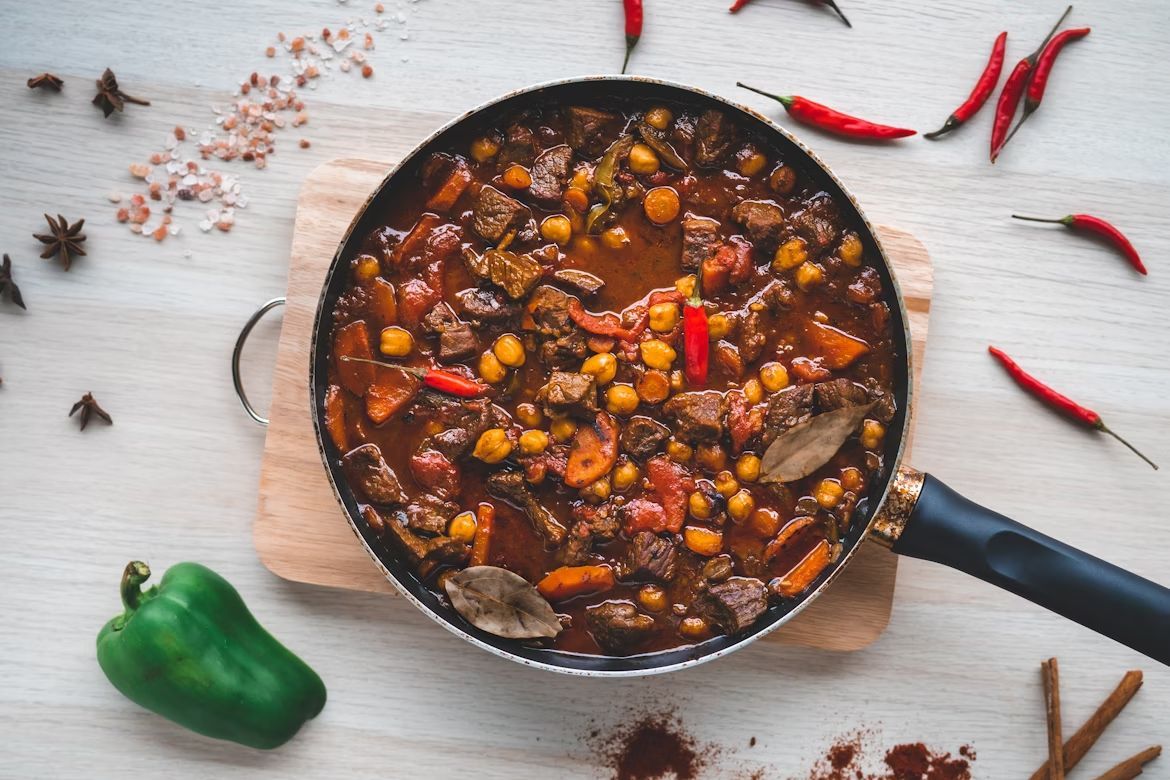
Kentucky's contribution to the stew hall of fame is burgoo, a thick, slow-cooked concoction that traditionally contained whatever meat was available—sometimes mutton, sometimes squirrel. Today's versions stick to more conventional proteins like chicken, pork, and beef, mixed with every vegetable imaginable in a tomato-based broth.

Burgoo is serious social food, cooked in enormous quantities for church gatherings, Derby parties, and political rallies. The cooking process takes hours, sometimes overnight, until everything breaks down into a thick, hearty mixture that's more texture than individual ingredients.

6
6. Chicken Bog (South Carolina)

Image: Douglas Fehr

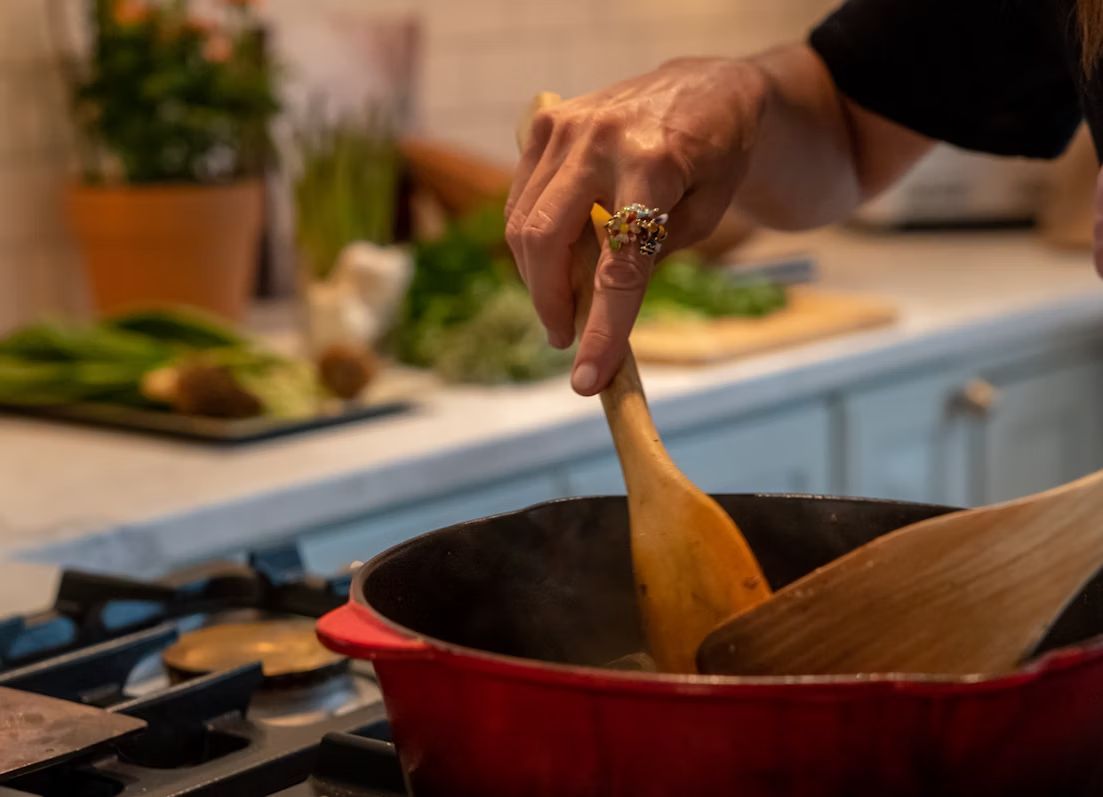
It's a one-pot dish of chicken, rice, sausage, and spices cooked together until the rice absorbs all the flavorful liquid . The "bog" refers to the thick, creamy consistency, though no actual wetlands are harmed in the making.

This dish turns up at family reunions, church suppers, and fundraisers throughout the Pee Dee region of South Carolina. It's essentially a drier, heartier cousin of chicken and rice, with smoked sausage adding a smoky punch.

7
7. Tavern Sandwich (Iowa)

Image: Jessica Tan

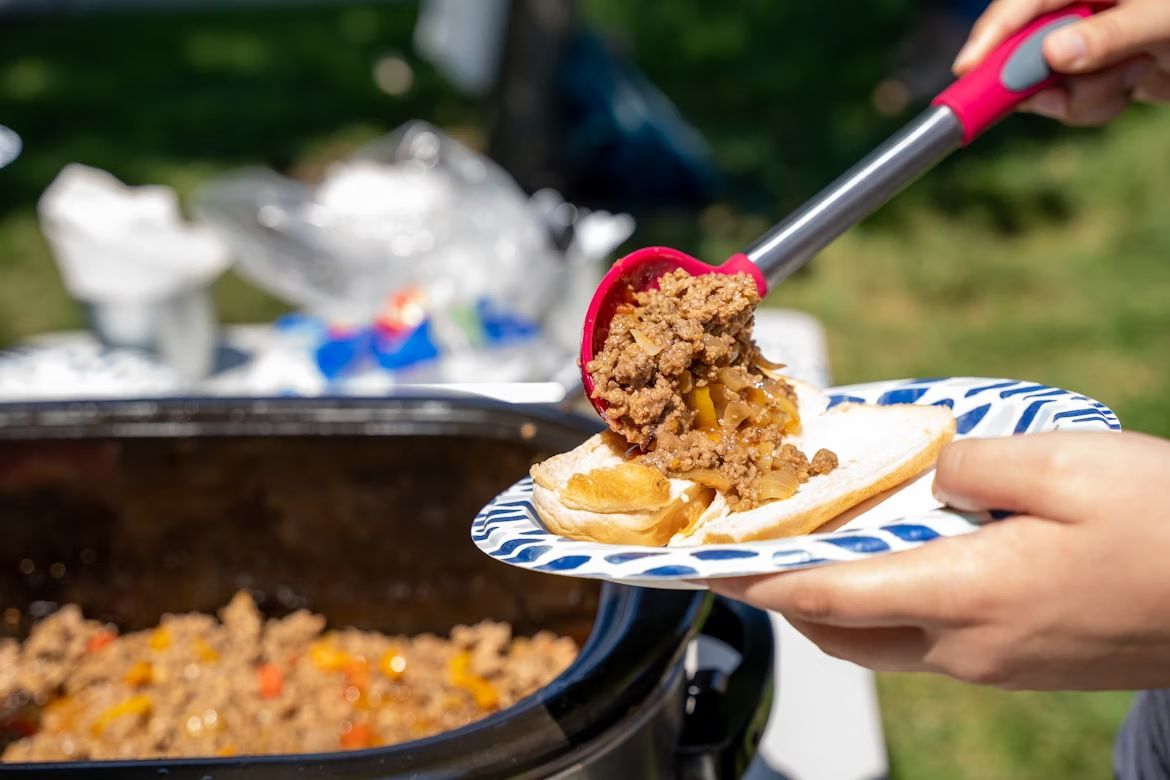
Iowa's tavern sandwich is what happens when a sloppy joe goes to finishing school. It's seasoned ground beef served on a bun, but unlike a sloppy joe, there's no tomato-based sauce . Just perfectly spiced, slightly steamed ground beef piled high and falling apart in the most dignified way possible.

The sandwich gained fame through the Maid-Rite restaurant chain, founded in Iowa in 1926. The meat is cooked with a secret blend of seasonings and stays loose rather than being formed into a patty.

8
8. Boiled Peanuts (The Deep South)

Image: Tom Herman

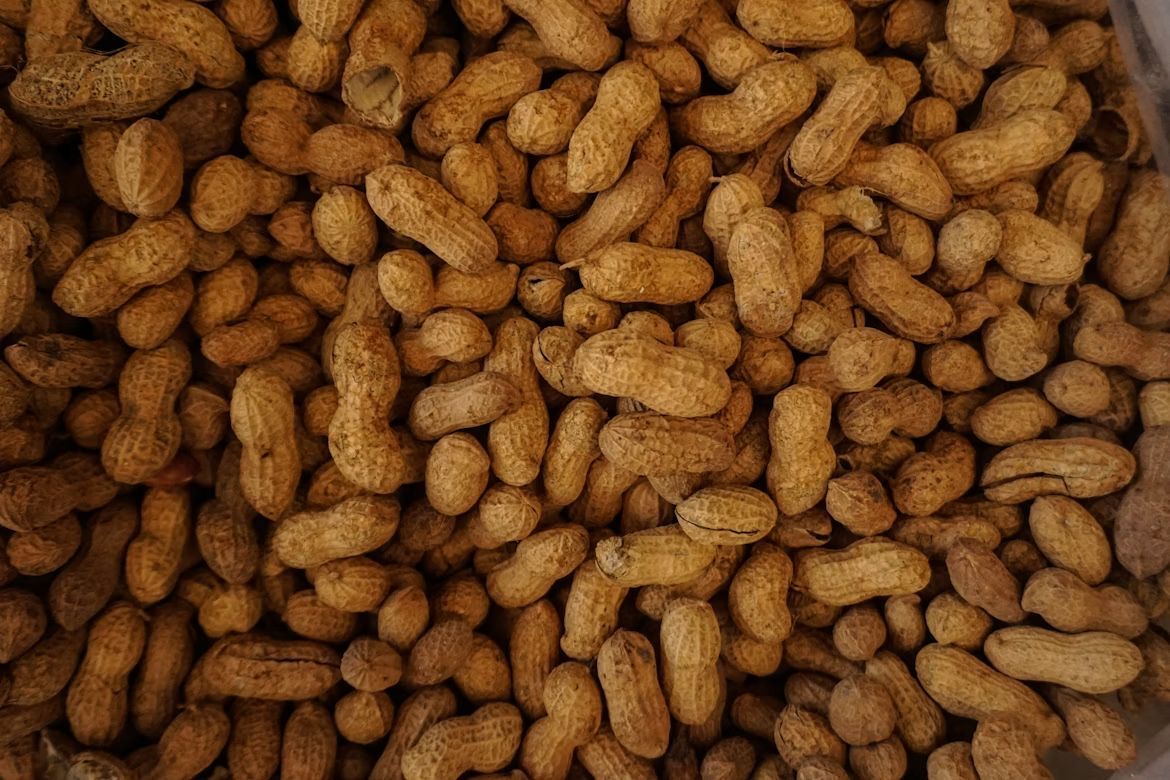
These soggy legumes are sold from roadside stands in the Carolinas, Georgia, Alabama, and beyond, often out of slow cookers perched on card tables. They're warm, salty, and utterly unlike any peanut you've eaten at a ballgame .

The texture shocks first-timers—soft and almost bean-like rather than crunchy. You pop open the shell, squeeze the peanuts into your mouth, and toss the hull. Cajun-spiced versions add heat to the mix.

9
9. Runza (Nebraska)

Image: ClickerHappy

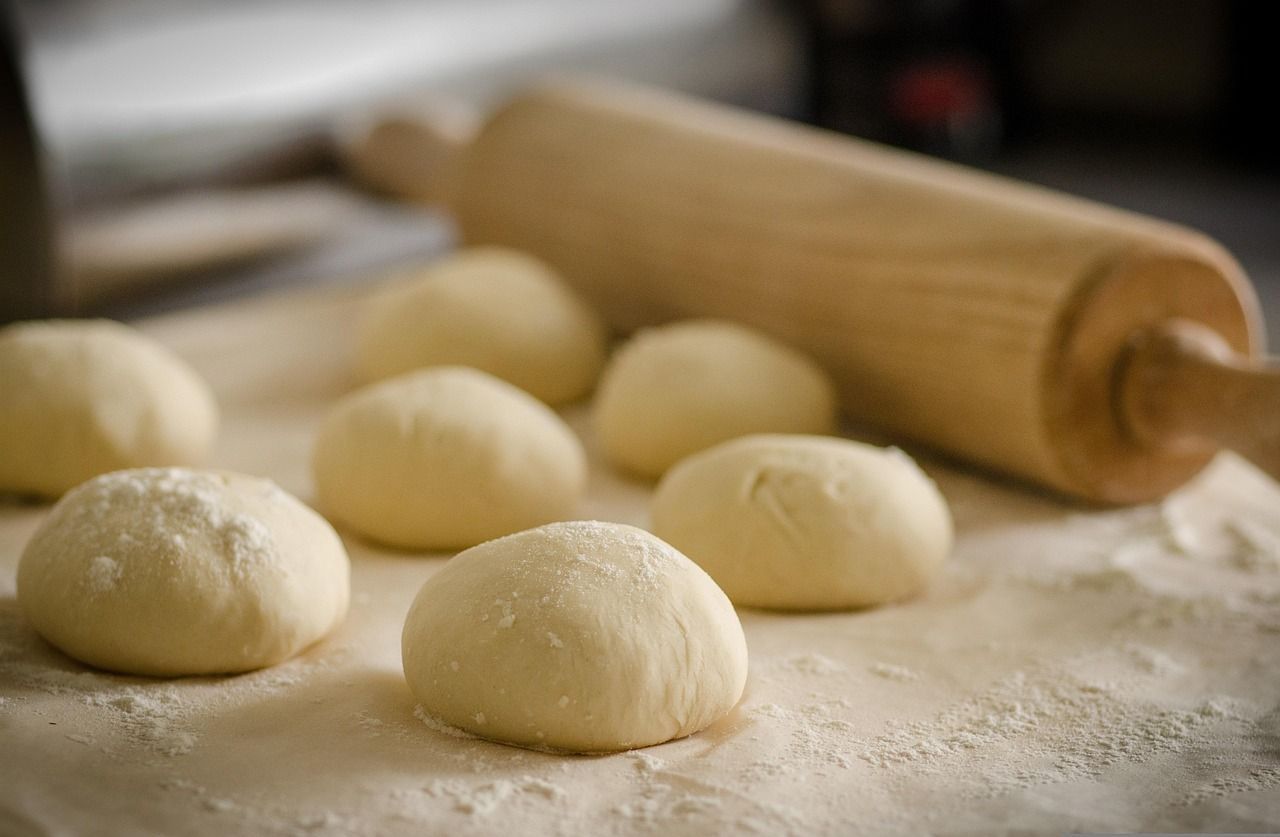
Nebraska's state snack is the runza, a rectangular pocket of yeast dough stuffed with seasoned ground beef, cabbage, and onions . German-Russian immigrants brought this handheld meal to the Great Plains, where it became so beloved that an entire fast-food chain bears its name.

The beauty of the runza is its portability and balanced flavors. The sweet, slightly tangy cabbage cuts through the savory beef, all wrapped in soft, golden bread. Nebraskans eat them at football games, after school, and whenever they need portable comfort.

10
10. Slug Burger (Mississippi)

Image: Mike

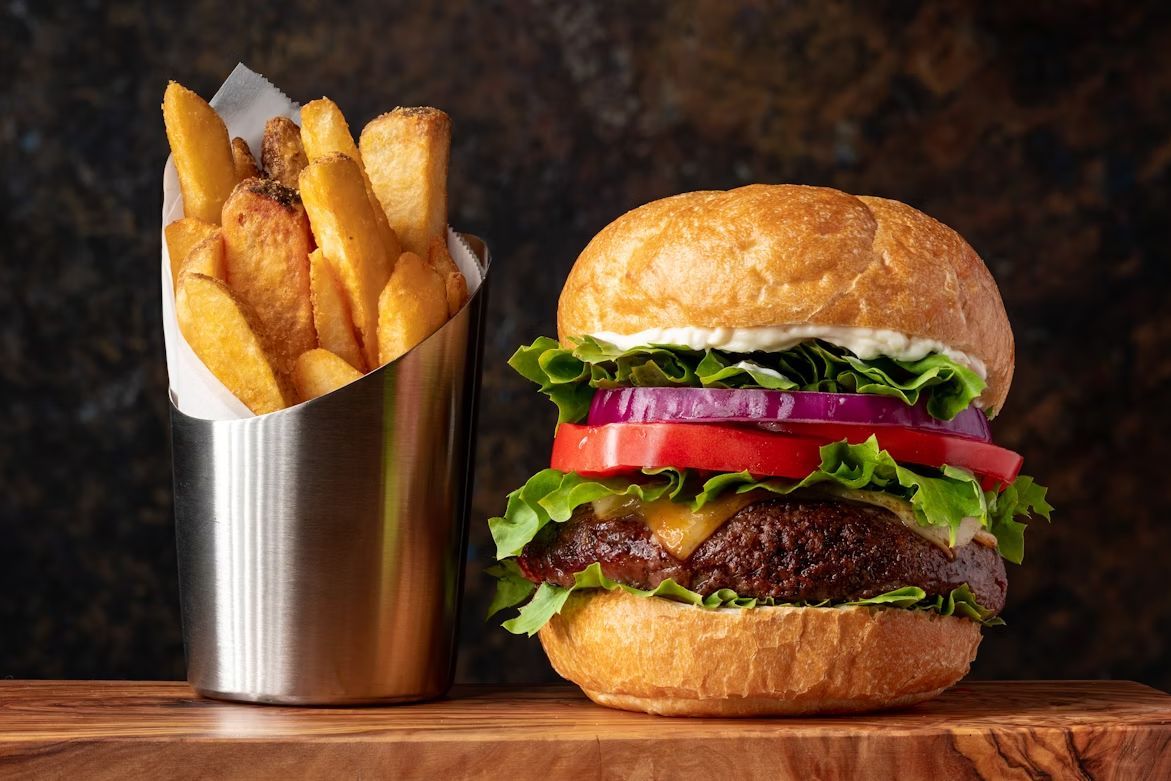
Mississippi's slug burger has nothing to do with garden pests and everything to do with Depression-era ingenuity. When meat was expensive, cooks in Corinth stretched ground beef by mixing it with flour, potato flakes, or even cornmeal before forming patties and deep-frying them .

Today, this crispy, slightly bready burger remains a regional treasure, especially during the annual Slugburger Festival. The extenders give it a unique texture—crunchier outside, denser inside than a regular burger. It's served on white bread or a bun with mustard, pickles, and onions.

Geography Geography 6 min read

WORDS OF WISDOM

Celebrate all that makes us great with these 10 American state mottos!

Image: Maik Poblocki

Mottos truly have a tough job, don’t they? These phrases usually have the gargantuan task of having to summarize everything they represent in just a few words. However, it’s in that simplicity and brevity that their beauty truly shines, and perhaps this concept is most clearly seen in our nation’s inspiring state mottos. These brief yet powerful words are astonishingly able to convey the beauty, history, and character of each of our 50 states, so we have decided to pay homage to 10 of the most remarkable American state mottos. Enjoy!

1
California - "Eureka"

Image: Chor Tsang

According to legend, after the Ancient Greek mathematician Archimedes discovered his groundbreaking principle, he happily proclaimed, " Eureka! " This expression, which means "I have found it," is almost as famous as Archimedes’ work, so it stands to reason that the State of California chose Eureka as its state motto.

The Golden State’s slogan references the California Gold Rush. It is believed that a miner who finally struck gold was as excited about his discovery as Good Old Archimedes was. While the California State Seal has included the word Eureka since its design in 1850, it was only adopted as the state’s official motto over a hundred years later, in 1963.

2
Kansas - "To the stars through difficulties"

Image: Taylor Hunt

In 1861, the State of Kansas adopted its official state seal which depicted a beautiful prairie at dawn, filled with hardworking Kansans under 34 stars and the Latin motto Ad Astra Per Aspera. Anyone who reads the English translation of this motto will immediately realize how perfectly it describes the industrious and resilient people of Kansas: Ad Astra Per Aspera means "To the stars through difficulties."

Our 34th state chose this phrase alongside its state seal in 1861, only a few months after the first Governor of Kansas delivered the inaugural "State of the State" address. Nowadays, this motto stands as a reminder of both the bravery and diligence of the state’s first settlers, as well as the hardships that Kansas had to go through in order to gain statehood.

3
Indiana - "Crossroads of America"

Image: Steven Van Elk

The phrase "Crossroads of America" has long been associated with the state of Indiana , particularly after a specific intersection in Terre Haute, where U.S. Highways 40 and 41 met. Over time, Indiana itself proudly embraced the title of "the Crossroads of America," eventually adopting it as the state motto in 1937.

Interestingly, while "Crossroads of America" is the state’s official motto, some Hoosier cities have adopted this phrase —or variants of it— as their respective city slogans. For instance, Indianapolis adopted the motto in 1988, to reference how the city serves as a junction of 4 different Interstate Highways.

4
West Virginia - "Mountaineers are always free"

Image: Sara Cottle

Have you ever reached the summit of a particularly steep mountain after hours of arduous trekking? If you had to describe that amazing feeling in one word, what would it be? We’ll leave you to ponder that while we tell you the first word that came into our minds: freedom.

Apparently, we share this feeling with the good people of West Virginia , since its motto reflects the freedom that its magnificent mountains and hills inspire. West Virginia’s motto is the Latin phrase Montani Semper Liberi, which means "mountaineers are always free." Furthermore, since one of West Virginia’s demonyms is "mountaineers," this phrase also speaks to the core of West Virginians’ identity.

5
New York - "Excelsior"

Image: ben o'bro

Any Marvel fan will associate this phrase with comic-book legend Stan Lee, after all, he made this word his catchphrase throughout his many media appearances. However, you might be surprised to learn that "Excelsior" is also New York’s official state motto, and it perfectly describes New Yorkers’ industrious and resilient nature.

"Excelsior" is a Latin word that’s commonly translated as "Ever Upward," but it can also mean "higher" or "superior." It is featured in New York’s coat of arms, which features the representations of Liberty and Justice standing above the state’s motto.

6
Montana - "Gold and Silver"

Image: Trevor Vannoy

Just like West Virginia, Montana pays tribute to its breathtaking mountains and landscapes with its motto. However, it focuses on another key aspect of its geography, more akin to its nickname: Montana’s motto Oro y Plata literally translates to "Gold and Silver," which is a direct reference to The Treasure State’s proud mining history.

Montana first included the phrase Oro y Plata on its State Seal many years before it was adopted as the state’s official motto. Shortly after Montana was declared an official U.S. territory in 1864, the newly formed state honored the gold rush that had led to its territorial status by including its two most precious metals into its State Seal. Finally, the state motto was officialized in 1865.

7
Tennessee - "Agriculture and Commerce"

Image: Nathan Anderson

It’s no secret that state mottos sometimes reference their state’s most prominent industry: As we mentioned before, Montana and California pay tribute to the mining that helped build their economies. In that regard, Tennessee is no exception; its state motto is incredibly straightforward, directly praising the industries that helped the Big Bend State grow.

Tennessee chose "Agriculture and Commerce" in 1987. In turn, this motto was directly taken from the State Seal, which was adopted in 1801. The seal shows both sides of this state’s industry, with "Agriculture" referenced by a bundle of wheat and a cotton plant, while "Commerce" is depicted by a riverboat, presumably trading goods.

8
Texas - "Friendship"

Image: Brandon Zanders

Texas’s state motto may only feature one word, but it singlehandedly describes an essential part of Texan history. Before we can delve into that, though, we have to take a quick look into the etymology of the name of this great state. The word Texas is believed to come from the Caddo word táy:shaʼ , which means "friend." Spanish settlers adopted this word for the area, spelling it as Texas or Tejas.

In that sense, Texas pays homage to its history with the single-word motto "Friendship." Not only that, while Texas is mostly known by the nickname "The Lone Star State," its official slogan is "The Friendly State."

9
Vermont - "May the fourteenth star shine bright" & "Freedom and Unity"

Image: Eric Chen

Vermont is the only state on this list to feature two official mottos: "Freedom and Unity" and the Latin phrase " Stella quarta decima fulgeat, " which translates to "May the 14th Star Shine Bright." Interestingly, this last phrase is also the newest slogan to be made official, since it was elected as Vermont’s state motto in 2015.

In any case, both mottos represent Vermont’s individuality, strength, and, perhaps more importantly, its solidarity: "Freedom and Unity" describes Vermont’s mission to create a free and neighborly community, while "May the 14th Star Shine Bright" depicts the search of the common good throughout the entire state.

10
Rhode Island - "Hope"

Image: Praswin Prakashan

We’ll end this article with probably the most beautifully simple American state motto. The State of Rhode Island has the single-word motto "Hope," which is also featured in its State seal. In tune with their long maritime history, the seal depicts a golden anchor emblazoned in a dark blue field.

The inspiration behind both Rhode Island’s state motto and seal is probably a biblical quote found in the New Testament, which reads "Hope we have as an anchor of the soul." Considering that this state was founded by a Christian minister seeking to escape religious persecution, this single word expresses a very powerful sentiment: the hope that people could find in this new land a place of refuge and freedom.

Culture Culture 2 min read

Wild words

Hold your horses! 10 phrases born on the American frontier

Image: Documerica

The American frontier shaped more than just maps—it shaped the way people talked. From cattle trails to mining camps, settlers coined many blunt and vivid expressions that have stuck. These everyday phrases still carry the grit of survival, the humor of hardship, and the improvisation of a world built fast. Here are 10 common sayings whose roots run straight into frontier soil.

1
Circle the wagons

Image: Dana Davis

Pioneer wagon trains literally circled their wagons at night for protection.

Creating a closed ring helped shield families, livestock, and supplies from raids, wild animals, and harsh weather—and the formation later evolved into a metaphor for any type of unified, defensive action.

2
Hold your horses

Image: Cemrecan Yurtman

Frontier riders needed to keep horses steady at all times, but particularly in chaotic and potentially dangerous settings like stage stops and river crossings.

By the mid-1800s, the phrase became a common command, later evolving into a figurative call for patience.

3
On the warpath

Image: Andrew James

This term originated as an English rendering of a Native American expression for wartime mobilization—specifically the route or course taken toward an impending conflict.

Euro-American settlers later adopted the phrase, and by the late 19th, century newspapers were using it metaphorically to describe anyone behaving aggressively or angrily.

4
Branding iron

Image: Jonny Gios

Ever wonder where the term "brand name" comes from? Frontier ranchers used heated irons to mark ownership on their cattle.

The idea of a distinctive identifying mark later moved into the commercial world, where "brand name" came to signify a recognizable product or company identity.

5
Come hell or high water

Image: Furkan Elveren

Ranchers driving cattle across rough terrain used this phrase to signal determination despite floods, storms, conflict, and whatever else the wild frontier could throw at them.

The earliest known printed use appears in an 1882 issue of The Burlington Weekly Hawk Eye, an Iowa newspaper. Railroads later adopted it in contracts requiring delivery despite natural obstacles.

6
Riding shotgun

Image: Paul Einerhand

In Wyatt Earp’s era, the seat beside a stagecoach driver was reserved for an armed guard carrying a shotgun to deter bandits.

By the early 20th century, the job had vanished, but the expression endured as a casual claim for the front passenger seat.

7
Belly up to the bar

Image: Vidar Nordli-Mathisen

Saloon bars on the frontier often lacked stools, so patrons had to stand and lean their bellies directly against the counter.

The phrase soon came to mean approaching something boldly, whether at a bar or any other challenge.

8
Kick the bucket

Image: Lucas van Oort

Rural butchers often suspended animals from a beam called a "bucket," and they sometimes kicked during slaughter.

The phrase was popular on farms and frontier towns, eventually becoming a euphemism for dying.

9
Dead ringer

Image: Annie Spratt

Frontier horse racers engaged in plenty of shady practices—and one of the most common was substituting a horse with a look-alike, a "ringer," to scam bets.

When the substitute was an exceptionally close match, it was called a "dead ringer," emphasizing its perfect likeness.

10
High noon

Image: CHUTTERSNAP

Before standardized clocks or reliable rail schedules, "high noon" was an easy way to tell time by noting the sun at its highest point.

It also became associated with showdowns and other events because midday offered the clearest visibility.

Explore more American facts

Choose your favorite category!

General
General

As American as apple pie—the very best America has to offer!

Culture
Culture

Delve into the astounding richness of American lore.

Geography
Geography

Hop in and explore vast and diverse American landscapes.

History
History

Discover the key moments that shaped the United States.