Culture Culture 5 min read

10 influential American women
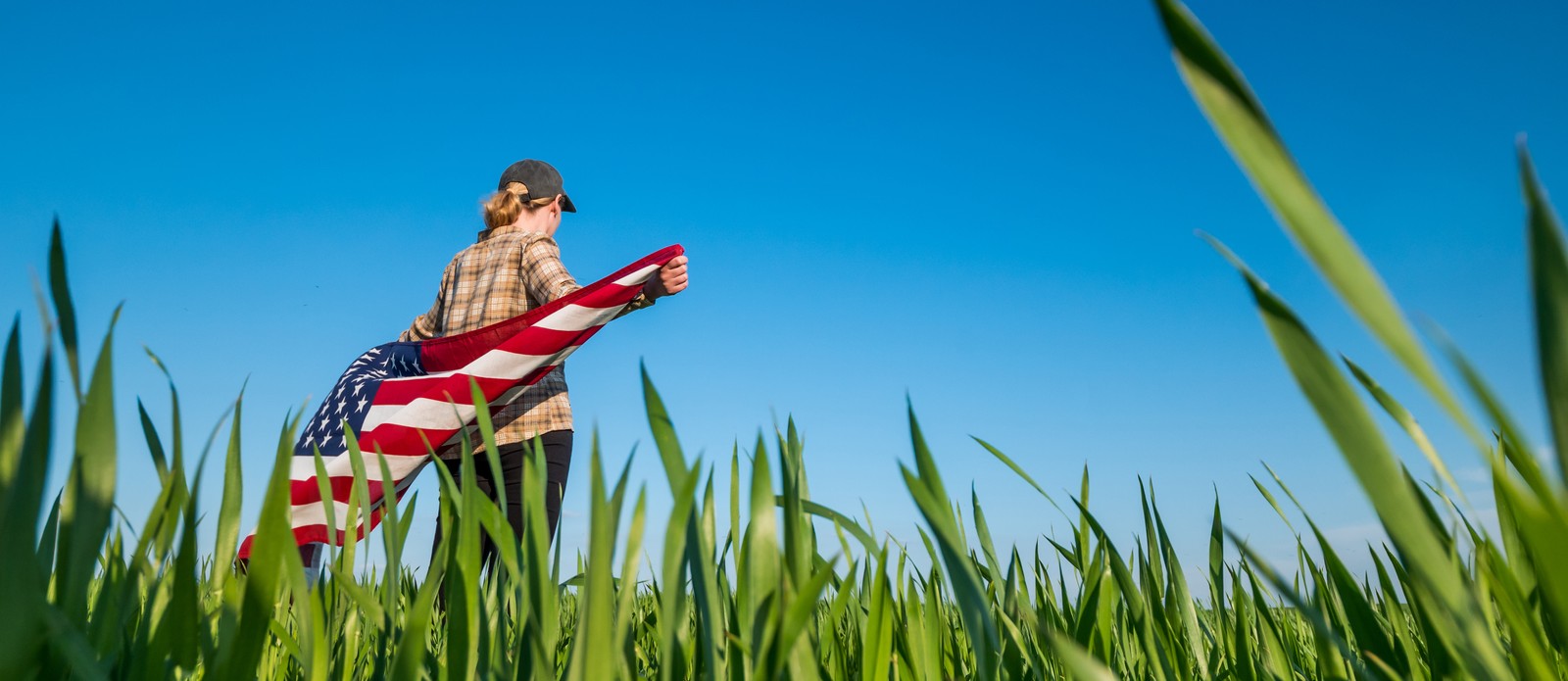
Image: StockMediaSeller

This country’s history has been deeply shaped by influential women in every field. Many things we now take for granted exist thanks to the effort and courage of women like Rosa Parks and her unwavering fight in the civil rights movement; aviator Amelia Earhart , who demonstrated that women could excel in male-dominated fields; or Harriet Tubman and her heroic acts freeing enslaved people on the Underground Railroad. Let’s pay tribute to these 10 American women who changed the course of history.

1
Rosa Parks
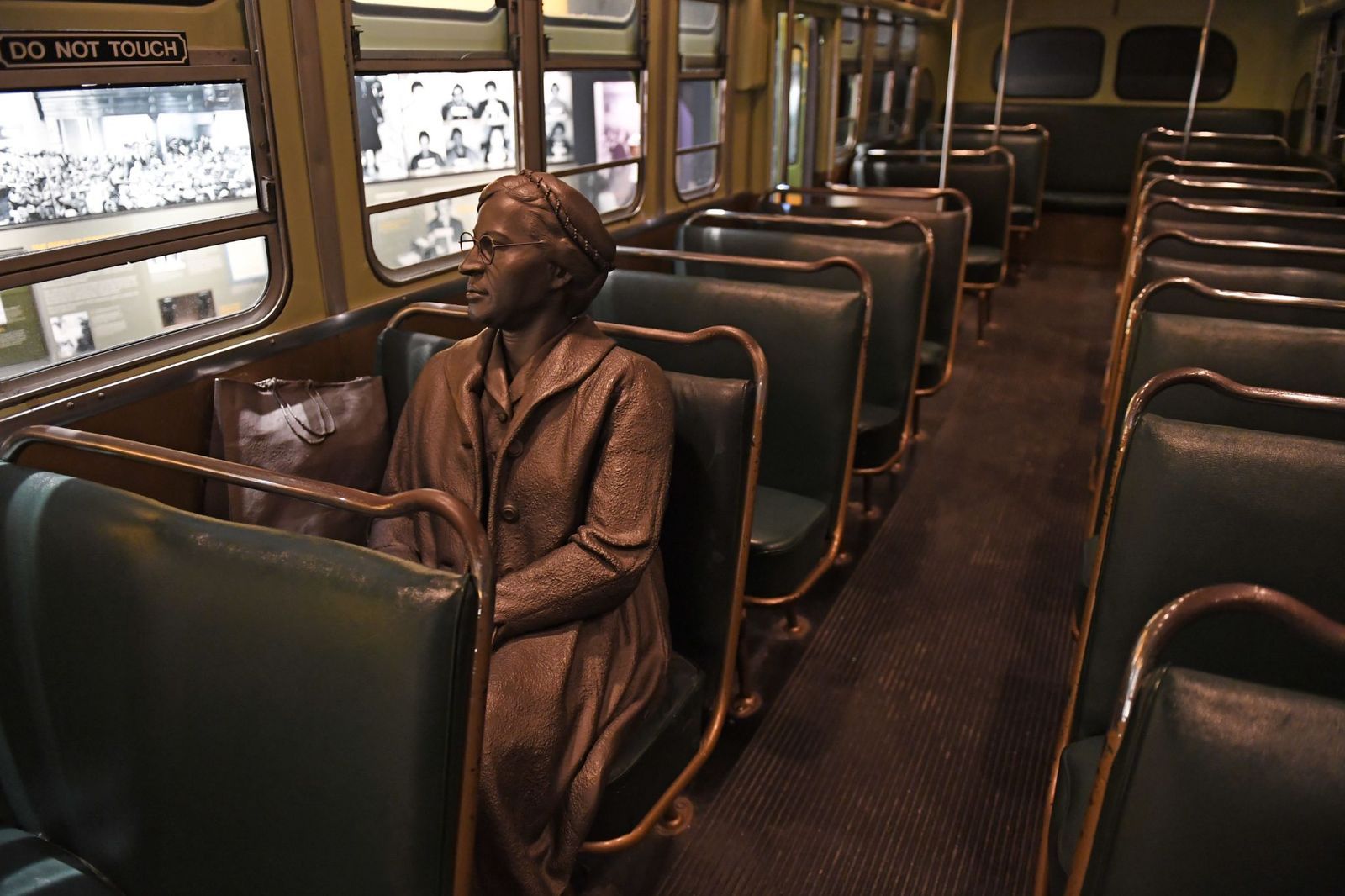
Image: Gino Santa Maria

Amid the fight against racial segregation in 1955, activist Rosa Parks rebelled against authority in an act of courage that went on to become a defining moment in America’s Civil Rights history . She was sitting on a bus alongside three other Black passengers when the driver asked them to give up their seats so a white passenger could sit. Parks refused to do it and was arrested.

This single act of bravery triggered the Montgomery Bus Boycott, which not only helped bring Martin Luther King Jr. to national prominence but also helped put pressure on the U.S. Supreme Court, which later upheld a lower court ruling that segregation on Montgomery’s public bus was unconstitutional.

2
Amelia Earhart
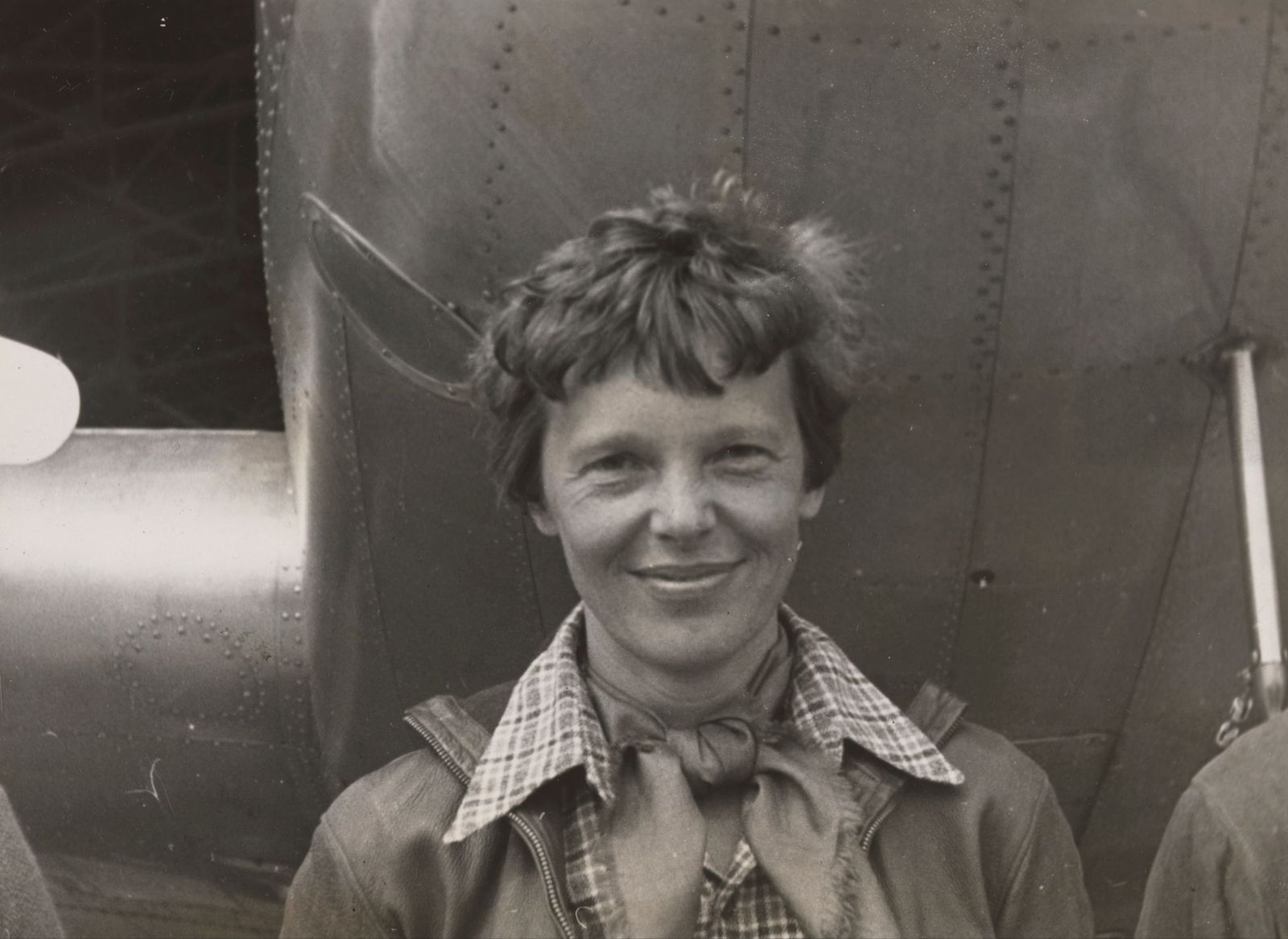
Image: Rawpixel.com

Looking back at Amelia Earhart's story is fascinating, but understanding the context in which she achieved those feats is even more incredible. She broke aviation records at a time when women were still not socially accepted in male-dominated fields .

Earhart became the first woman ever to fly solo across the Atlantic Ocean in 1932, the first woman to fly solo nonstop across the U.S., and the first person to fly solo from Hawaii to California. Earhart tragically disappeared in 1937 during an attempt to become the first woman to fly around the world, though her legacy inspired countless people to pursue their dreams no matter their gender.

3
Harriet Tubman
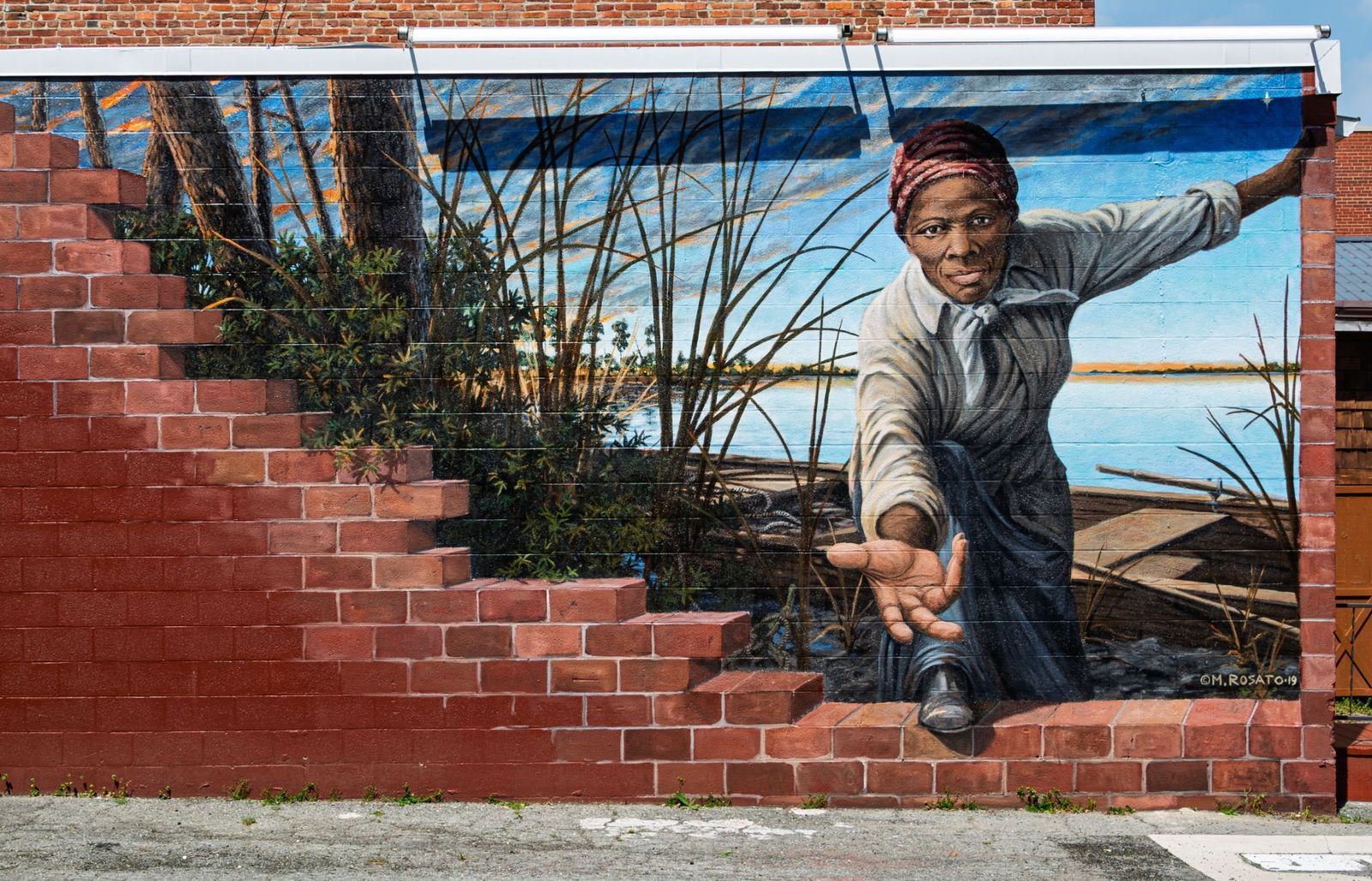
Image: Alan Kolnik

Harriet Tubman's life story is one of the clearest examples of heroism in this country’s history. She not only rejected the life she had been forced to live as an enslaved person and escaped to Pennsylvania in 1849, but she also gave up the safety she had found in the North and returned to the South to continue fighting for her people’s freedom .

Tubman is mainly known for being one of the conductors of the Underground Railroad, a secret network that helped thousands of enslaved people escape to the free states and Canada. She also worked for the Union Army during the Civil War and became involved in the women's suffrage movement afterwards.

4
Helen Keller

Image: mega noer cahyani

How did a young girl who had lost both her sight and hearing due to a terrible illness become an accomplished writer, speaker, and activist? It all started with her teacher, Anne Sullivan, and her revolutionary approach by which she taught Helen to communicate using fingerspelling, relying on manual finger-spelling pressed directly into the girl’s palm.

This enabled Keller to learn Braille later and eventually speak, but that wasn’t enough for her, and she also went on to become the first deafblind person to earn a bachelor’s degree in 1903 (at Radcliffe College). Her story is not only about overcoming barriers, but about helping and inspiring others in similar situations to overcome them.

5
Susan B. Anthony
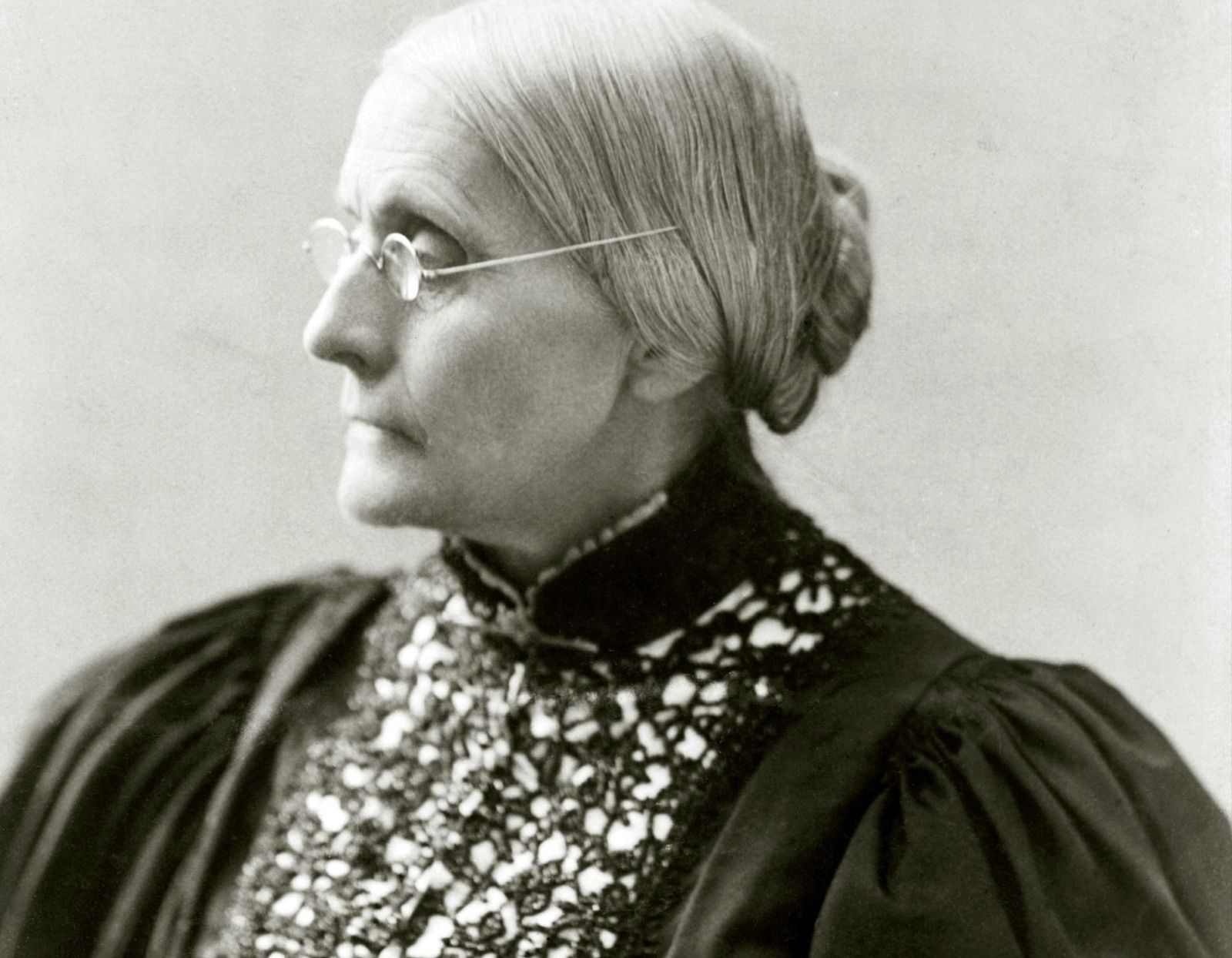
Image: Everett Collection

When it comes to the women’s suffrage movement, Susan B. Anthony is a name that stands out. She was a relentless civil rights activist who challenged authority regardless of the consequences. In 1872, she deliberately voted in the presidential election even though women were not legally allowed to, and was arrested and tried.

She fought for women’s rights until her final days and, unfortunately, didn’t live long enough to see the fruits of her work, which came in 1920 with the ratification of the 19th Amendment, fourteen years after her death at age 86.

6
Eleanor Roosevelt
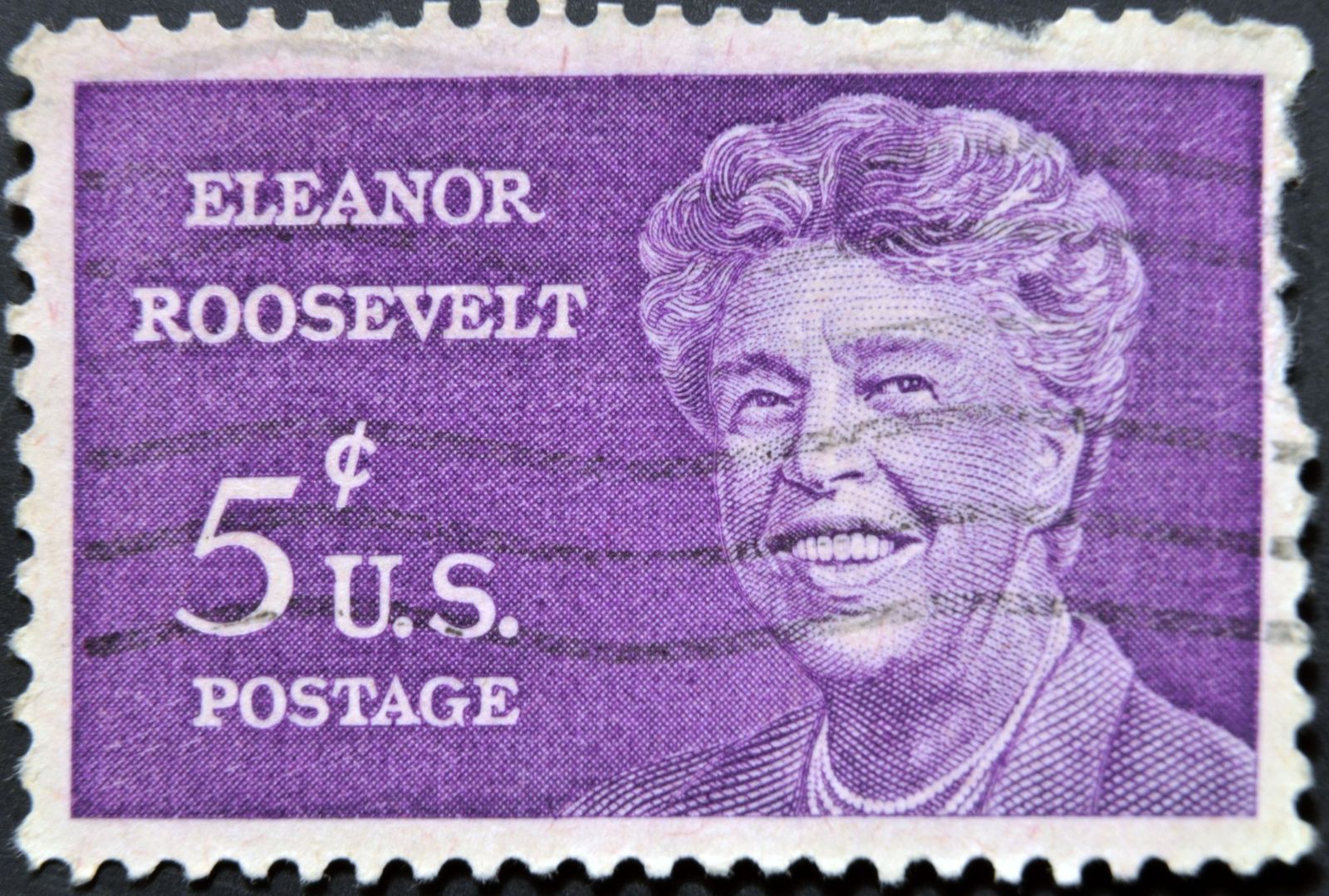
Image: neftali

The First Lady who stepped up and refused to just be in the background : that’s Eleanor Roosevelt, someone who transformed her socially expected passive role into a much more active platform for social causes.

Using her position as a First Lady (from 1933 to 1945), she advocated for civil rights, women’s rights, workers’ rights, and the rights of people living in poverty, challenging the status quo. Among the many causes she participated in, Eleanor also chaired the UN Commission on Human Rights and played a key role in drafting the 1948 Universal Declaration of Human Rights.

7
Clara Barton
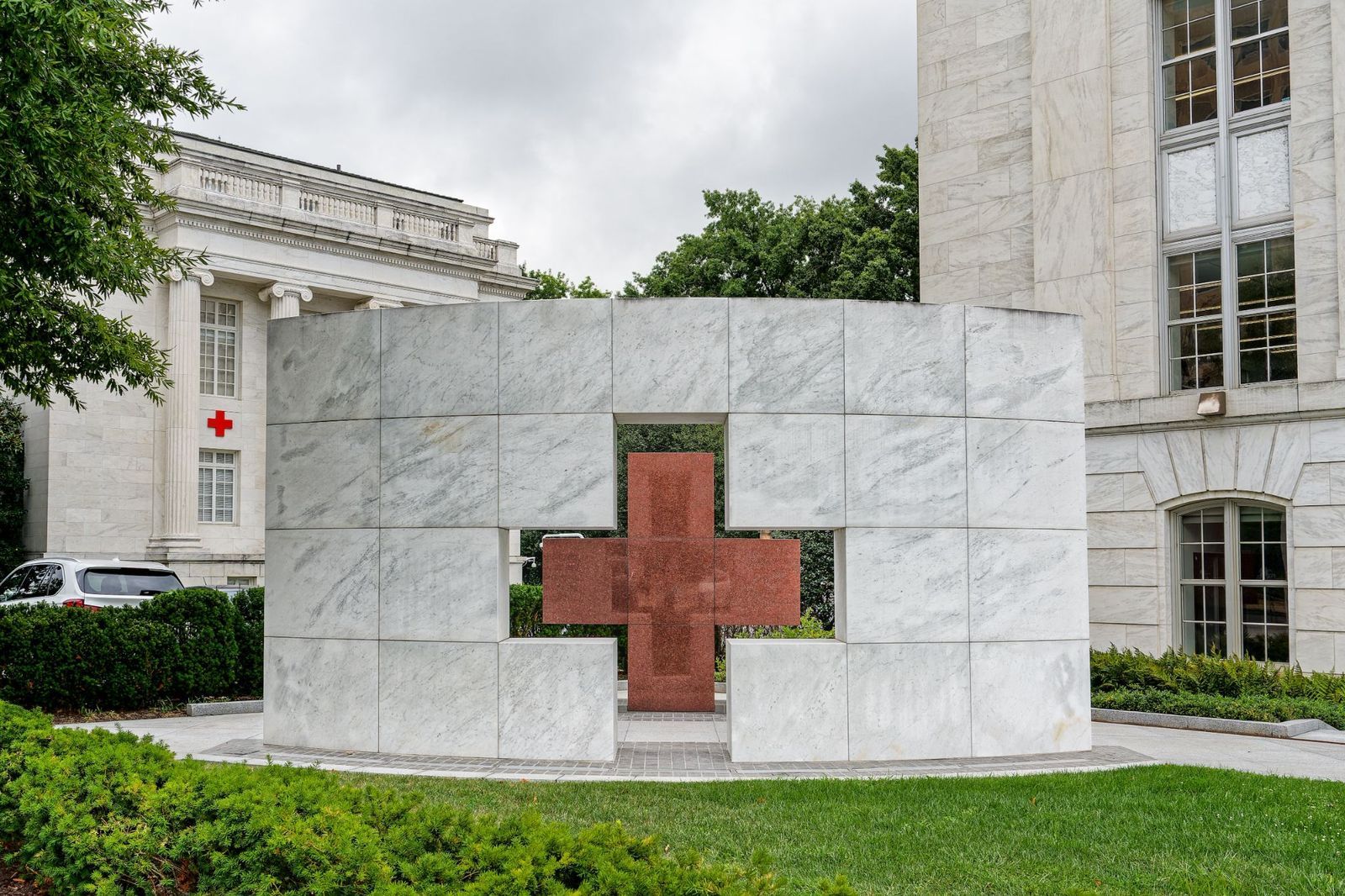
Image: Rosemarie Mosteller

Clara Barton, aka "The Angel of the Battlefield," was a central figure during the Civil War and was later responsible for saving thousands of lives through the creation of the American Red Cross .

She helped wounded soldiers, collected and distributed medical supplies to Union soldiers, and even went directly onto battlefields to care for troops. And after the war, she dedicated her life to helping people affected by disasters.

8
Maya Angelou

Image: hamdi bendali

Maya Angelou’s powerful and moving I Know Why the Caged Bird Sings (1969) was one of the first autobiographies by a Black American woman to achieve widespread recognition, and her story became a symbol of resilience and dignity .

Angelou worked closely with Martin Luther King Jr. in the civil rights movement. She was also an actress and a singer, and in 2011, President Barack Obama awarded her the Presidential Medal of Freedom.

9
Katherine Johnson

Image: Jaguar PS

Katherine Johnson’s story wasn’t widely known until the 2016 film Hidden Figures (where she was portrayed by Taraji P. Henson) , which introduced modern audiences to the fascinating contributions of this mathematician, whose calculations were crucial to some of the United States’ earliest crewed space missions and whose career helped break barriers for women and Black Americans.

Her work was partly responsible for the success of the Apollo missions (1969 to 1970) and the development of the Space Shuttle program through the 1970s and early 1980s, and while she wasn’t an activist, the fact that she became one of NASA’s most respected mathematicians challenged the norm and inspired social change.

10
Billie Jean King

Image: lev radin

The four biggest tennis tournaments are known as Grand Slams, and Billie Jean King racked up 39 — but that wasn’t even her best achievement. King’s biggest battle was against the inequalities women faced in sports , where she played a major role in turning things around.

She was responsible for the creation of the Women’s Tennis Association in 1973, co-founded the Virginia Slims Circuit, which provided professional opportunities for women in tennis, and played in the legendary "Battle of the Sexes," where she defeated Bobby Riggs in front of roughly 90 million viewers worldwide.
Geography Geography 3 min read

Natural wonders

These are the 10 most visited national parks in America

Image: Nate Foong

America’s first national park, Yellowstone, was created in 1872 with the intention of protecting the unique landscape and all its environment for future generations. Nowadays, the National Park System includes 63 officially designated national parks among its 433 units (which include recreation areas, monuments, and historic sites as well).

National parks are a popular choice for those who want to enjoy nature, interact with wildlife, and enjoy recreational activities such as hiking, skiing, or kayaking. Let’s have a look at the top ten national parks by the yearly number of visitors.

1
Olympic National Park, Washington (2.9 million visitors)

Image: Jachan DeVol

Located in Washington state, in the Pacific Northwest, this park offers a mix of glaciated mountains, lush rainforests, lakes, rivers, and more than 70 miles of coastline . Established as a national monument in 1909, it was designated a national park in 1938 by President Franklin D. Roosevelt.

2
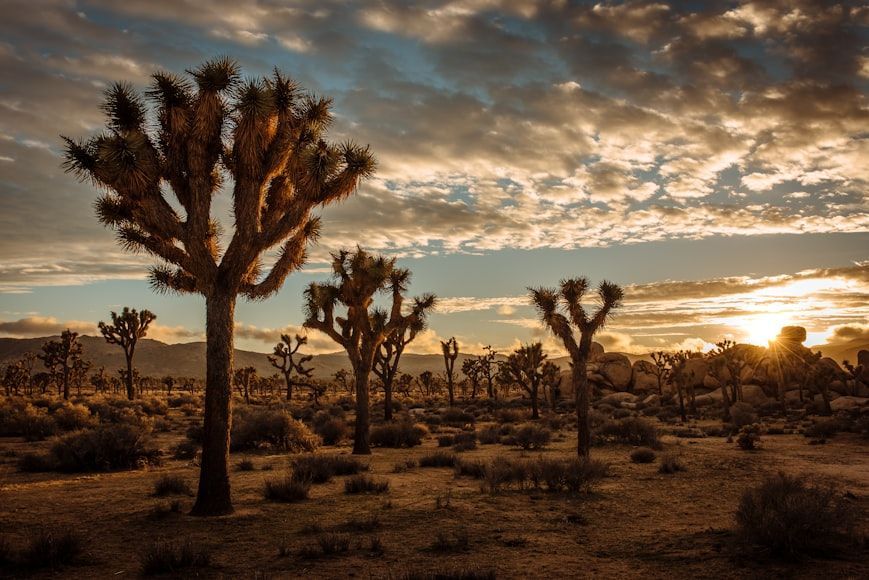
Joshua Tree National Park, California (3.2 million visitors)

Image: Cedric Letsch

Famous for the Joshua trees that give it its name, this area was designated a national monument in 1936 and a national park in 1994. The park encompasses part of two California deserts —the Mojave and Colorado deserts—and is lined by the Little San Bernardino Mountains in the southwest.

3
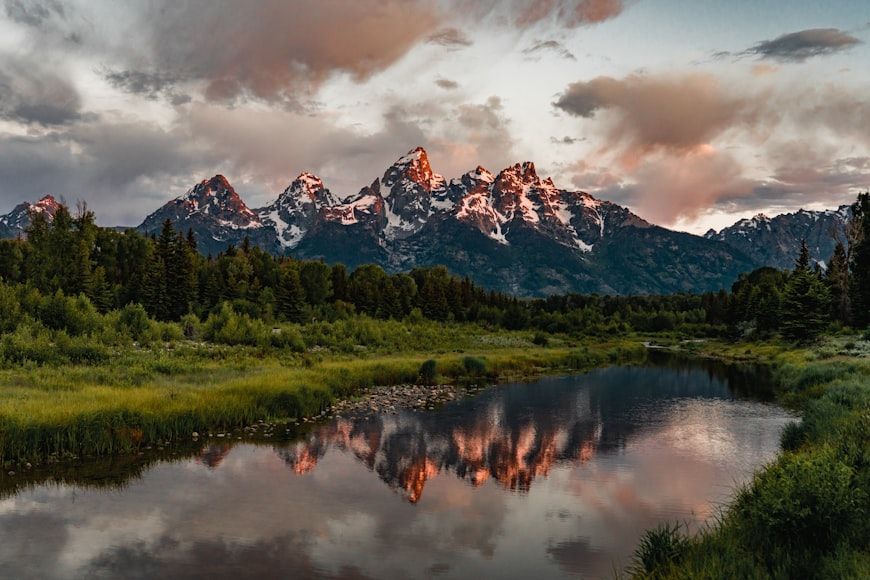
Grand Teton National Park, Wyoming (3.4 million visitors)

Image: Toan Chu

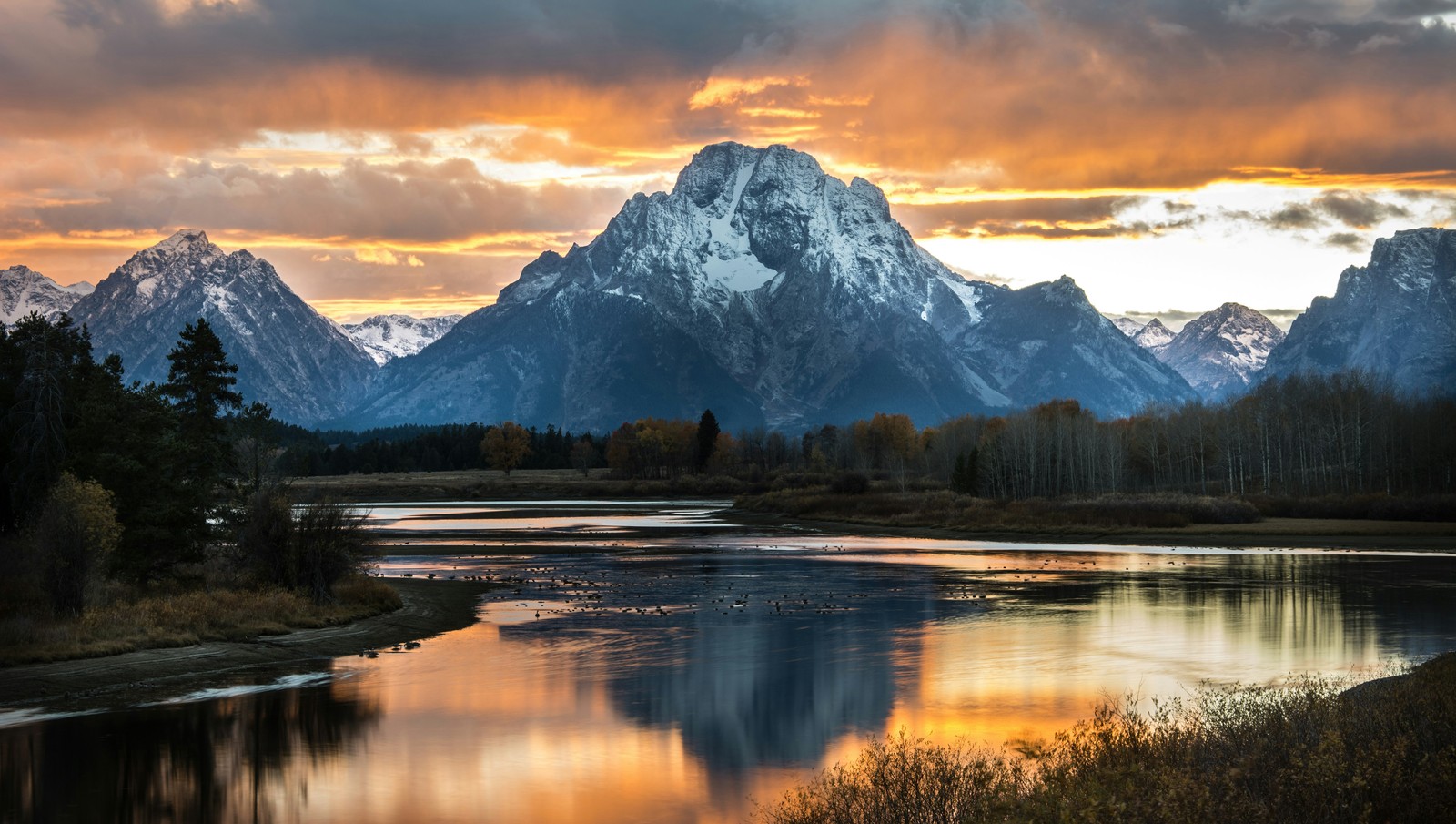
Did you know that most of this national park exists thanks to an oil magnate? The park was established in 1929, but it was enlarged when John D. Rockefeller Jr. —who also contributed to many other national parks— secretly purchased surrounding land to be established as a monument. The park gets its name from the tallest peak of the Teton mountain range , and it's famous for its pristine lakes and abundant wildlife.

4
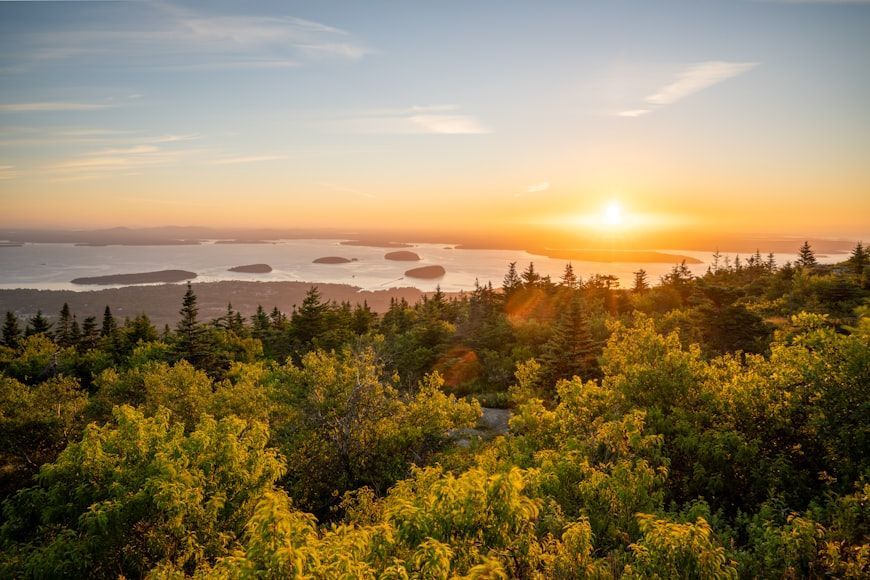
Acadia National Park, Maine (3.8 million visitors)

Image: Ran Ding

Located on the Maine coast, this park was established as a national monument in 1916 and a national park in 1919. Besides the beautiful Atlantic shoreline, Acadia National Park offers granite mountain peaks, forests, lakes, and islands .

5
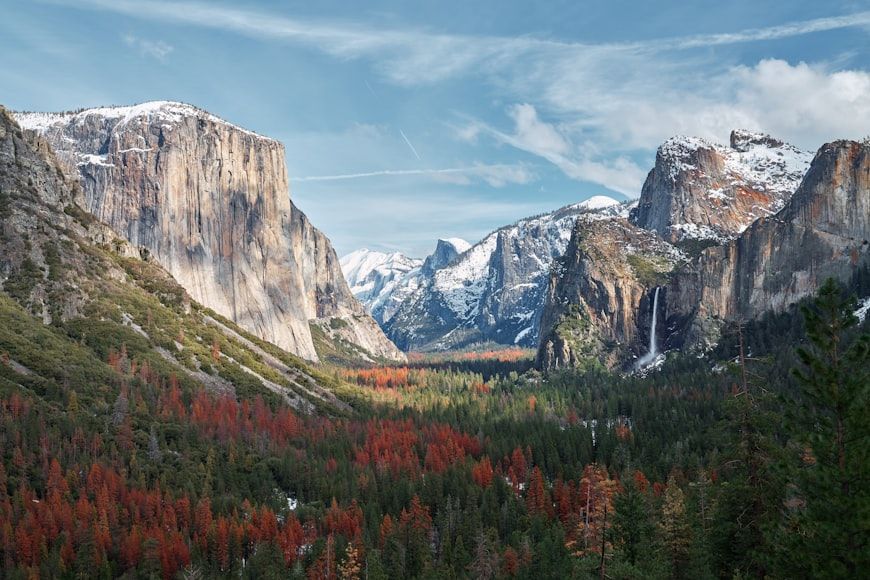
Yosemite National Park, California (3.8 million visitors)

Image: Aniket Deole

Famous for both its granite peaks and its tall sequoias, Yosemite National Park is located in the Sierra Nevada range in California . Established in 1890, some of its popular features are the El Capitan —a tall rock formation— the Cathedral Peak, and the Sentinel dome.

6
Rocky Mountain National Park, Colorado (4.1 million visitors)

Image: Sonja Wilkinson

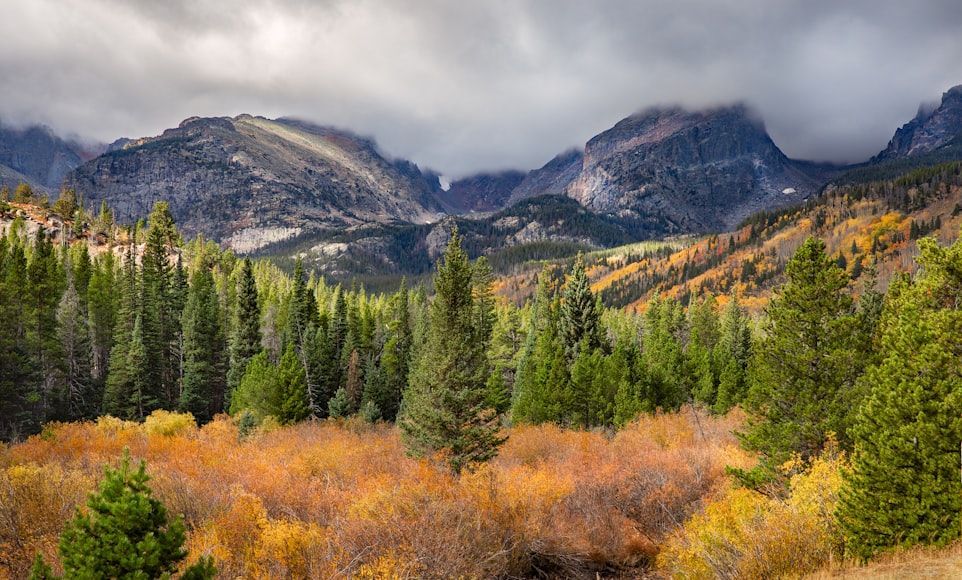
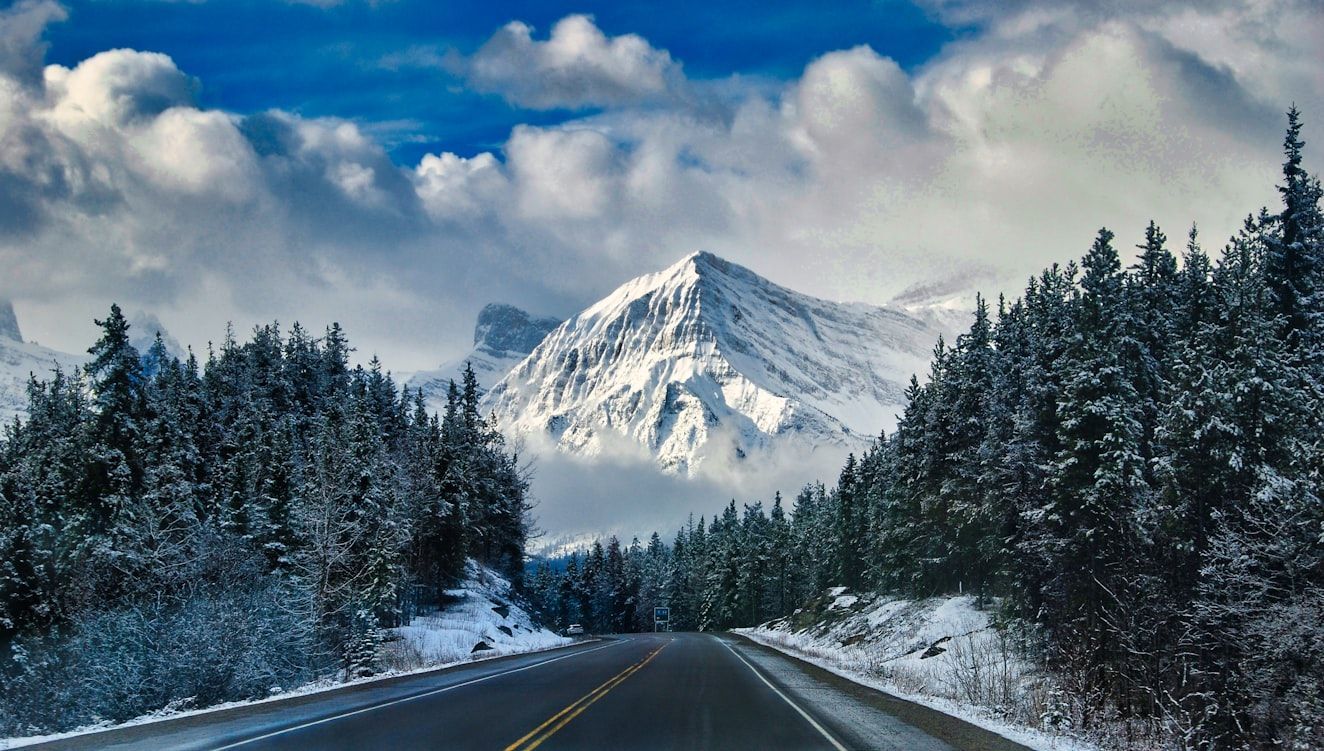
Located within the Front Range of the Rocky Mountains, it was established in 1915 by President Woodrow Wilson. Besides its stunning mountain views and alpine lakes, the park is home to the Trail Ridge Road , one of the highest paved routes in the country.

7
Yellowstone National Park, Wyoming, Montana, and Idaho (4.5 million visitors)

Image: Meina Yin

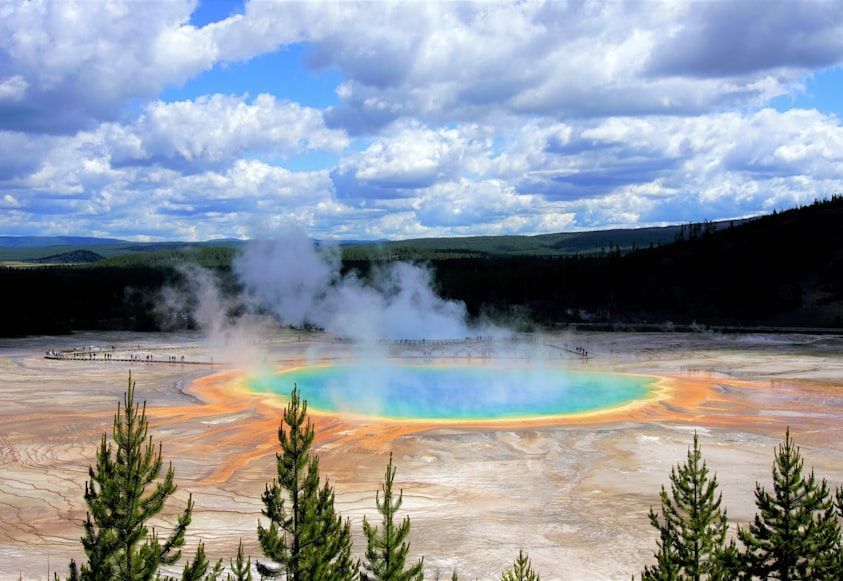
Considered to be the first national park in the world, Yellowstone was established in 1872 and covers part of three different states —Wyoming, Montana, and Idaho. Besides its wildlife and mountain scenery, it is famous for being located in a volcanic caldera and having many geothermal features. The most famous among them is the Old Faithful geyser.

8
Zion National Park, Utah (4.6 million visitors)

Image: Rich Martello

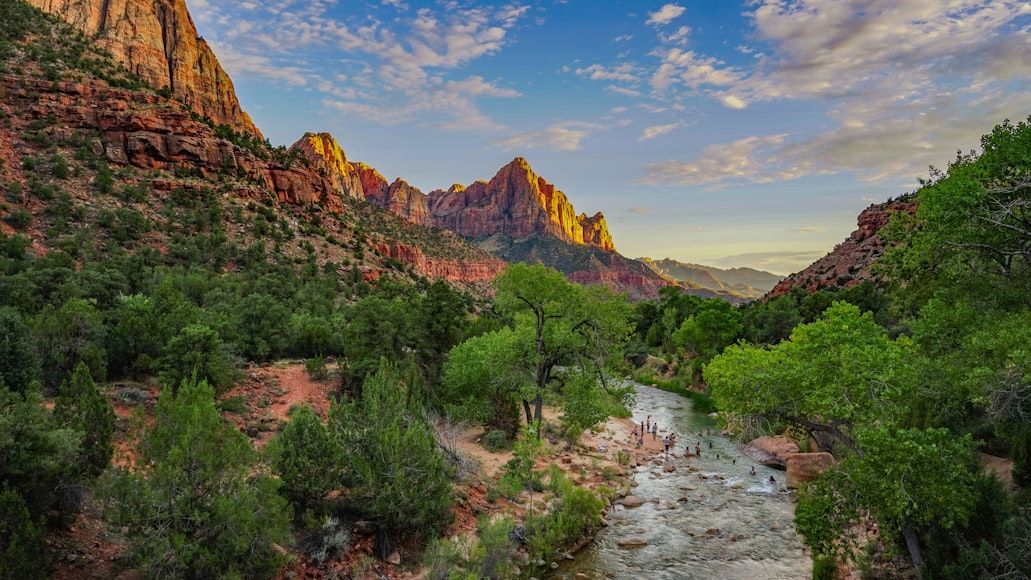
Located in Utah, where the Colorado Plateau, the Great Basin, and the Mojave Desert meet, this national park boasts a hugely diverse ecosystem , with varied plants and animals. Its geography includes mountains, canyons, buttes, mesas, and monoliths, including the famous Zion Canyon. The park was established in 1919.

9
Grand Canyon National Park, Arizona (4.7 million visitors)

Image: Quinn Nietfeld

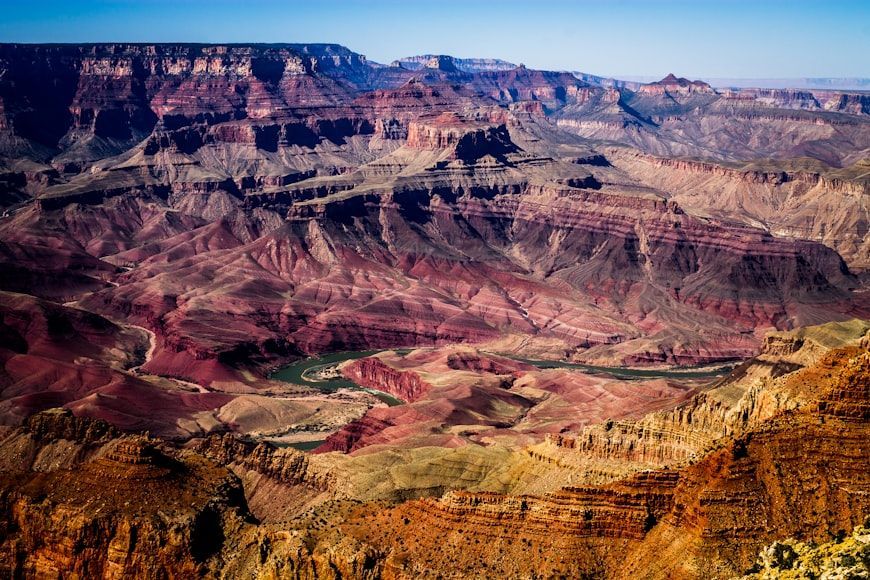
Centered around one of the most famous landmarks in America , this national park was established in 1908 as a national monument and designated a national park in 1919. The Grand Canyon, carved by the Colorado River in the Arizona desert, was designated a World Heritage Site by UNESCO.

10
Great Smoky Mountains National Park, North Carolina and Tennessee (13.2 million visitors)

Image: A n v e s h

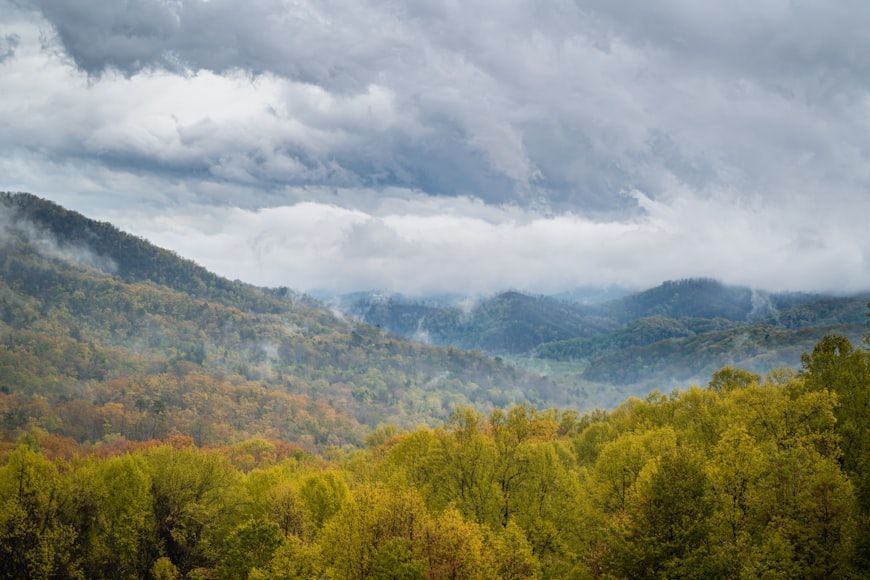
Straddling the North Carolina-Tennessee border, this national park not only includes part of the Great Smoky Mountain range, but also the Blue Ridge Mountains and the Appalachian rainforest. Established in 1934 by Franklin D. Roosevelt, this park is the home of some of the tallest mountains of eastern North America , such as Kuwohi or Mount Guyot.

Geography Geography 5 min read

Long-held misconceptions

Maine isn't where we thought it was, and 9 other truths about states

Image: Megan Clark

How can Canada be south of the United States? Is the Statue of Liberty really in New York? It turns out many of the "facts" Americans grew up learning in school aren’t completely true. From states that aren’t where you think they are to maps that wildly distort size and distance, these 10 geography myths will make you see the United States in a totally different way.

1
Where is the Statue of Liberty really located?

Image: Pierre Blaché

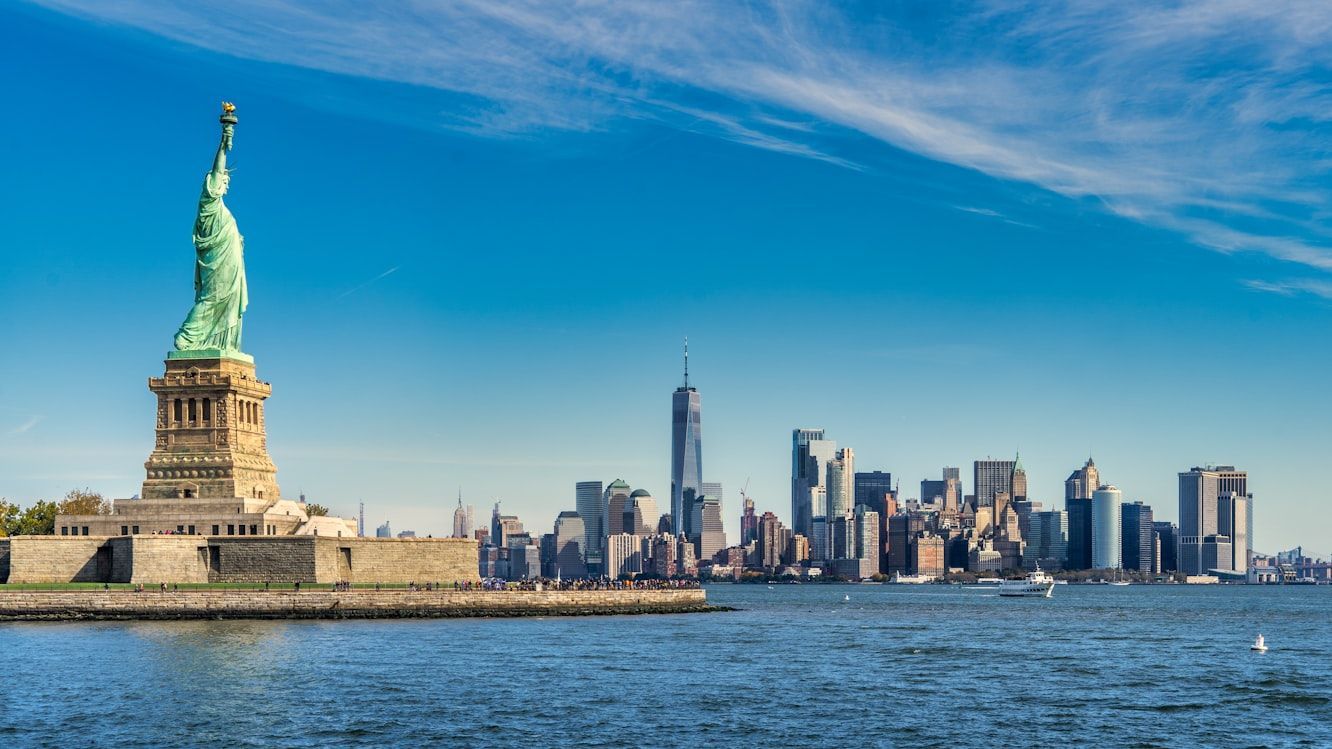
Most of us have always associated the Statue of Liberty with New York City. It’s on postcards, movies, souvenirs, and more. But technically, the famous statue stands in New Jersey’s waters.

The statue itself sits on Liberty Island, which legally belongs to New York, even though it’s actually closer to Jersey City than to Manhattan. Under an 1834 agreement between the two states, New York kept ownership of Liberty and Ellis Islands, while New Jersey retained control of the surrounding waters. So while the Statue of Liberty is officially New York property, it’s technically sitting on New Jersey’s side, something that still surprises many Americans today.

2
Canada is not always north

Image: Floris Siegers

Because of the way maps have always looked to us, most Americans grow up thinking you always have to travel north to reach Canada; we even call it "our neighbor to the north." For almost everyone, that’s true… except the people in Detroit, Michigan.

Thanks to the curve of the Detroit River and the city’s unusual location, the Canadian city of Windsor actually sits south of Detroit. That means when drivers cross the bridge from Detroit into Canada, their compass literally points south, even though they’re entering "The Great White North."

3
Daylight Saving Time isn't for everyone

Image: stefan moertl

Most Americans are used to Daylight Saving Time: clocks move forward one hour on the second Sunday in March and back again on the first Sunday in November. But two "rebel" states refuse to follow the rest of the country.

We’re talking about Hawaii and Arizona, which stay on Standard Time year-round. Hawaii skips Daylight Saving Time because its tropical location means daylight hours barely change between summer and winter. Arizona, meanwhile (except for the Navajo Nation), stopped observing it in 1968 because of the state’s extreme desert heat. During a 1967 trial run, they found that an extra hour of evening sunlight actually increased energy use, so Arizona decided it simply wasn’t worth it.

4
Maps distort Alaska

Image: Richard N Horne, CC BY-SA 4.0, via Wikimedia Commons

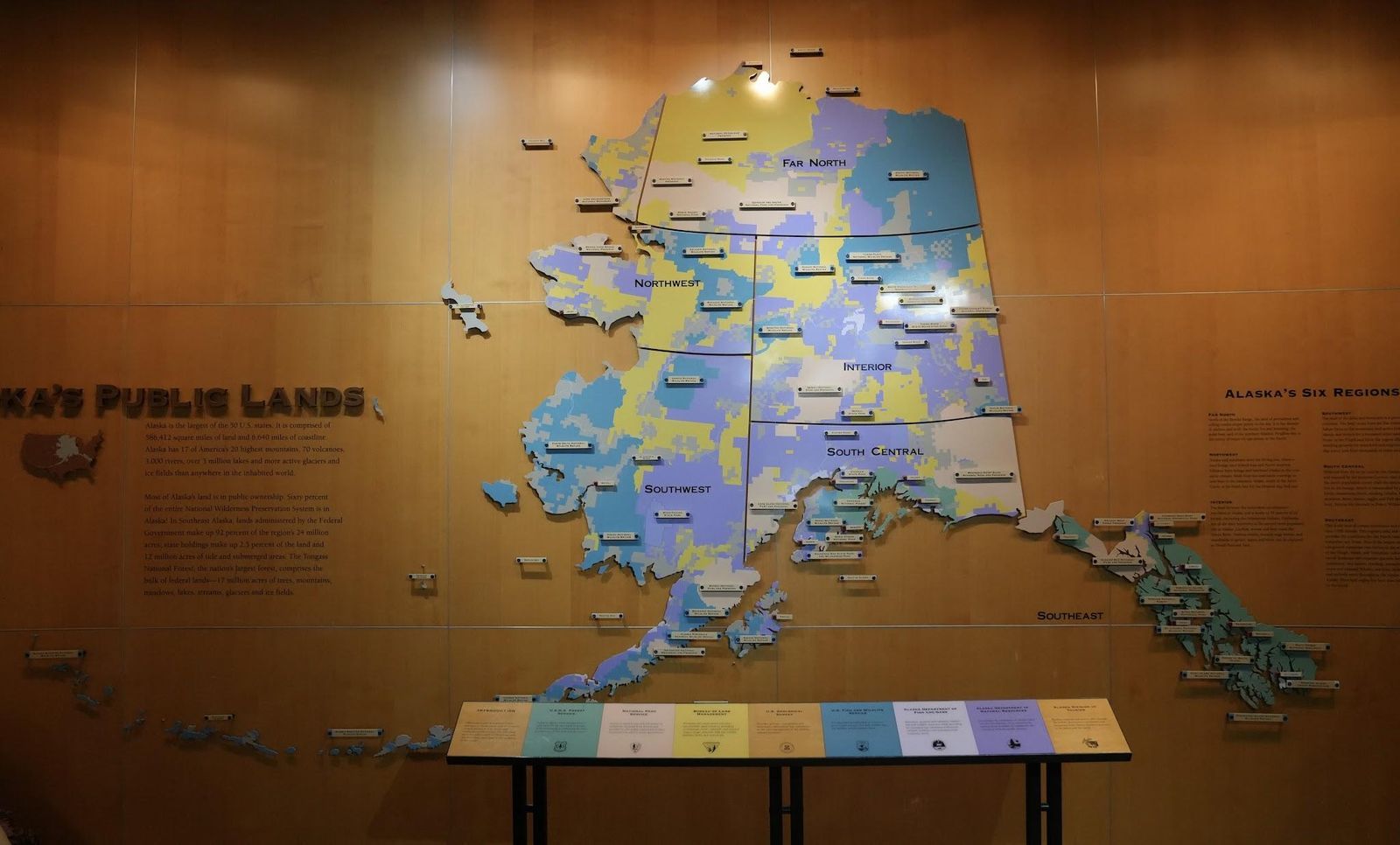
For generations, the maps hanging in American classrooms have tricked us about the true size of Alaska.

On many US maps, Alaska is squeezed into a small box in the corner, making it seem only slightly bigger than states like Texas or California. But the reality is shocking: Alaska covers about 663,300 square miles, making it so enormous that you could fit Texas, California, and Montana combined inside it. The distortion happens because flat maps shrink and compress distant areas to make them fit neatly on the page. In real life, though, "The Last Frontier" is far more vast than we think.

5
Maine is not located where we thought

Image: Mercedes Mehling

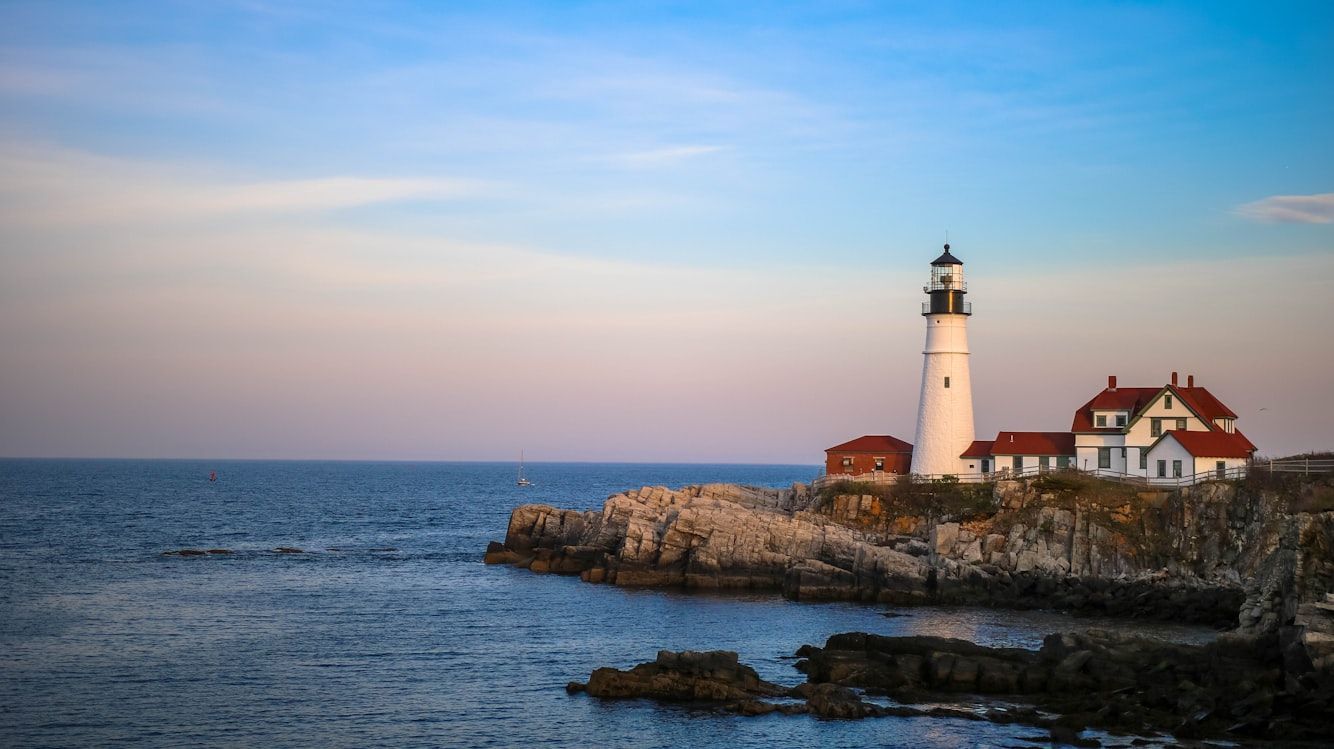
If someone asked, "Which is the easternmost US state?" most Americans would probably answer Maine without even thinking twice. But surprisingly, that’s not actually correct.

While it’s true that Maine is the easternmost state in the contiguous US, when all 50 states are included, the answer surprises many: the easternmost state is actually Alaska. How is that possible? It turns out that Alaska’s Aleutian Islands stretch so far west that they cross the 180th meridian into the Eastern Hemisphere, meaning part of Alaska is technically farther east than Maine.

6
Is California always west of Nevada?

Image: shutterstock

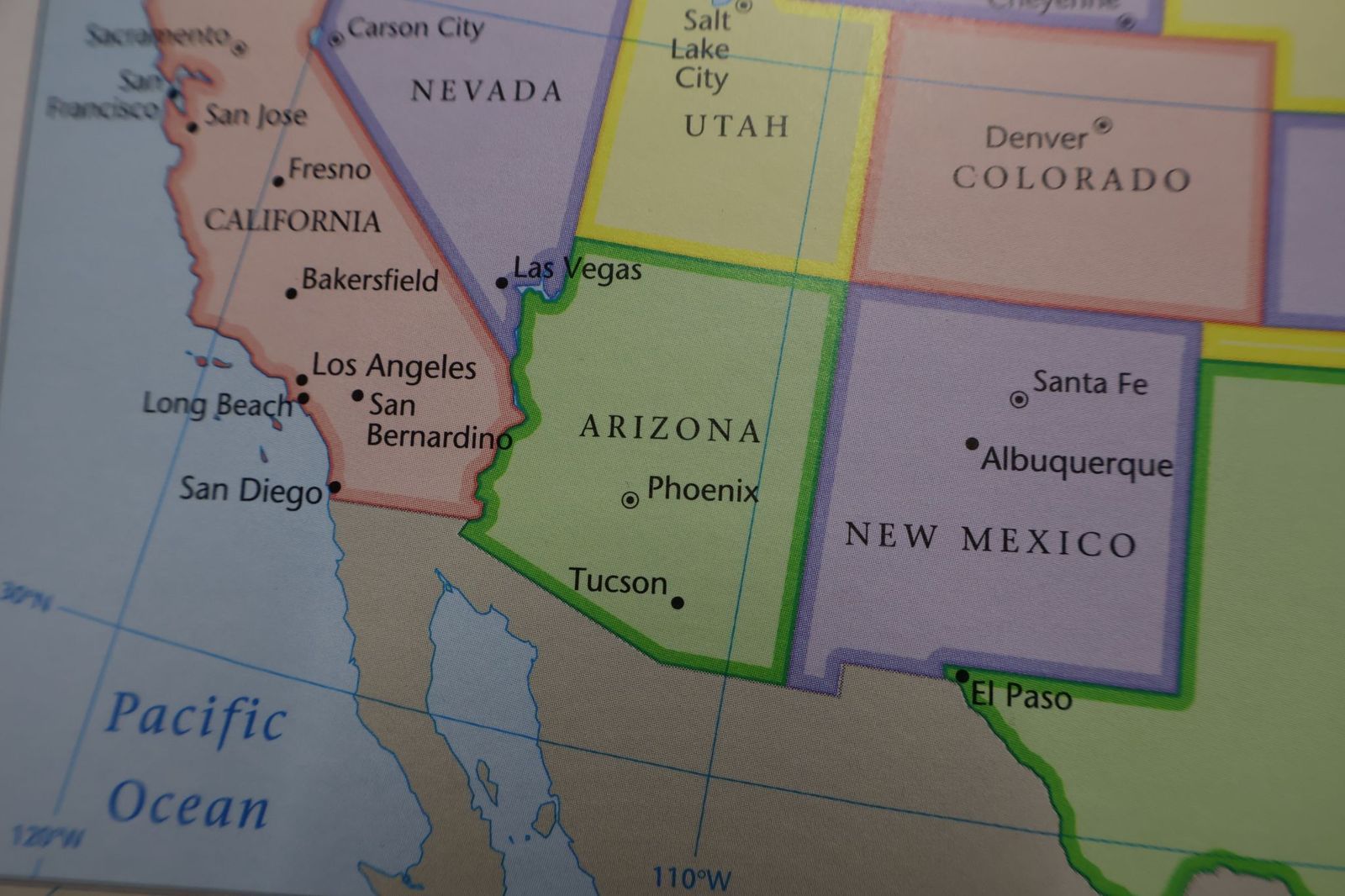
If you were standing in California and needed to travel to Nevada, you’d probably assume you’d have to head east. But geography has a surprise here, too.

Believe it or not, Reno is actually about 86 miles farther west than Los Angeles. But how could a city in Nevada be farther west than a city on the Pacific coast? The answer is in California’s curved coastline. Because the coast bends inward so dramatically, Los Angeles sits farther east than most people realize, while Reno stretches surprisingly far west.

7
Not all deserts are hot

Image: shutterstock

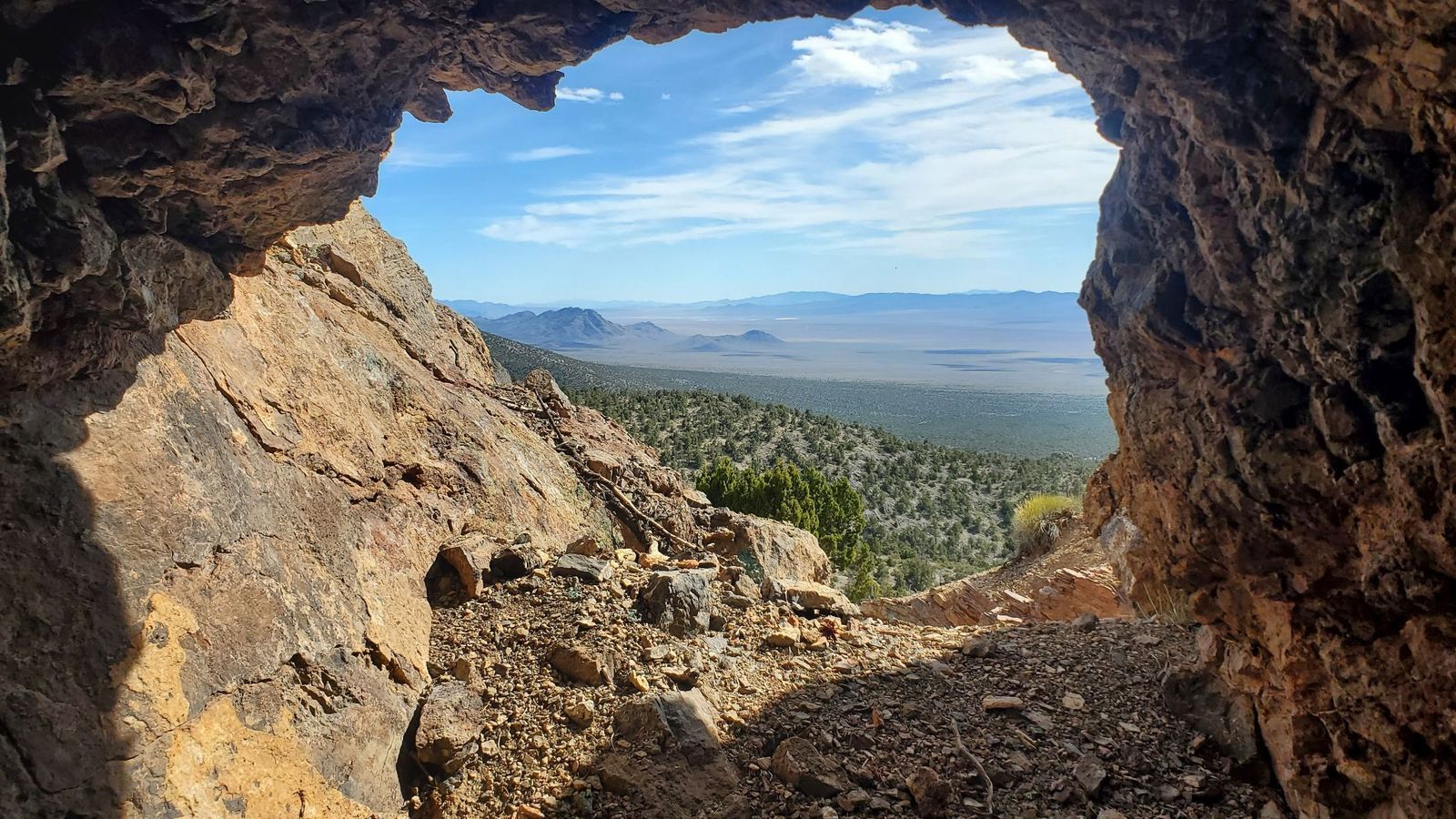
When most Americans picture a desert, they imagine blazing sun and unbearable heat, but not all deserts in the US fit that image.

The huge Great Basin Desert, which stretches across much of Nevada and parts of Utah, California, Oregon, Idaho, and Wyoming, is classified as a cold desert. In fact, during winter, its temperatures can plunge below freezing, with heavy snowfall covering the landscape. The lowest official temperature ever recorded in the area was on January 8, 1937: an incredible -50 °F.

8
Almost all of the US is privately owned

Image: Yina Li

Many of us grew up assuming that most land in the United States is privately owned. And in much of the East, that idea is accurate. But for the West, the reality is different.

In the Western United States, about 47% of the land is owned by the federal government . And when you add state-owned land, the share of public land becomes even larger. Some states are especially striking: in Nevada, about 87% of the land is public, while in Utah, it’s around 75% .

9
The most populous state

Image: Luca Bravo

The incredible New York City is the most populous in the United States, with about 8.48 million residents, and there’s no doubt about that. Maybe that’s why many people naturally assume the state of New York is also the most populated, but it isn’t.

That distinction actually belongs to the state of California, with around 39.35 million residents , compared to roughly 20 million in New York state.

10
Which state is closest to Africa?

Image: Kristin Wilson

As we’ve seen, flat maps can distort how we think about distance and size. Because of that, many Americans assume Florida is the US state closest to Africa. But that’s actually not true.

Because of the Earth’s curvature, the US state closest to Africa is actually Maine. The northeastern tip at Quoddy Head is about 3,154 miles from El Beddouza, Morocco. By comparison, Florida’s eastern edge (around Singer Island) is roughly 4,085 miles from the African coast near Guerguerat, Western Sahara.

Explore more American facts

Choose your favorite category!

General
General

As American as apple pie—the very best America has to offer!

Culture
Culture

Delve into the astounding richness of American lore.

Geography
Geography

Hop in and explore vast and diverse American landscapes.

History
History

Discover the key moments that shaped the United States.