Culture Culture 3 min read

Necessary troublemakers

Meet 10 of the least favorite characters on American TV: Do you agree?

Image: Piotr Cichosz

We naturally cheer for the heroes in our favorite shows, but every great story needs a villain, a schemer, a troublemaker, or just a truly hateful character. Some of these are so cunning or exasperating that they become impossible to forget. Let’s take a look back at 10 iconic TV characters we love to hate.

1
J.R. Ewing (Dallas)

Image: Toglenn, CC BY-SA 3.0 <https://creativecommons.org/licenses/by-sa/3.0>, via Wikimedia Commons

If ambition had a face, it would probably be J.R. Ewing, the slick oil tycoon from the TV show Dallas . Manipulative, calculating, cold, incredibly greedy, and even treacherous, he checks all the boxes for one of TV’s most hated—and most memorable—villains.

2
Ross Geller (Friends)
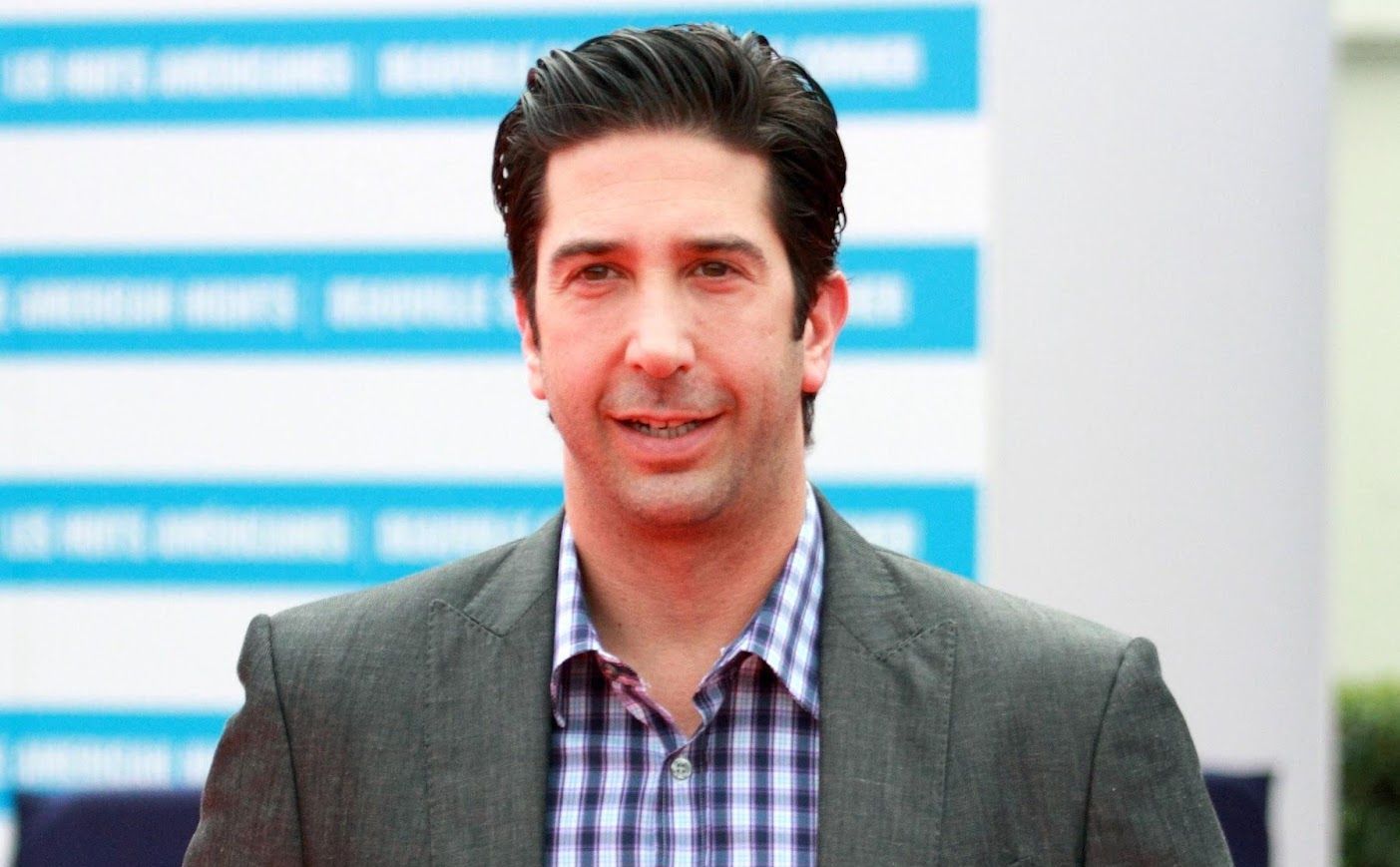
Image: Philippe Berdalle, CC BY-SA 2.0 <https://creativecommons.org/licenses/by-sa/2.0>, via Wikimedia Commons

David Schwimmer brought to life one of the most memorable characters in American sitcoms. We’re talking about Ross Geller from Friends , a character who could easily land on both the "most beloved" and "most hated" lists. And that’s the charm of Ross: fans who adore him point to his generosity and intelligence, while those who can’t stand him blame his jealousy and tendency toward constant drama. Which side are you on?

3
Mr. Burns (The Simpsons)

Image: Erik Mclean

The millionaire Mr. Burns is the perfect example of a cartoon villain. And maybe it's not just his cold, calculating, and greedy nature that makes him so unlikable, but also his total inability to relate to or understand the problems of ordinary people. While it's hard to truly "hate" any character from The Simpsons , we can safely say he does not exactly inspire affection.

4
Kimmy Gibbler (Full House)
Image: Jason Leung

Kimmy Gibbler, played by Andrea Barber on Full House , is one of those characters who sparks mixed feelings. Some viewers find her loud, quirky, and intrusive behavior charming. However, for others, those same traits can be a bit too irritating. Whether you adore her or can’t stand her, no one could imagine the show without Kimmy.

5
Janice (Friends)

Image: Chester from Toronto, Canada, CC BY 2.0 <https://creativecommons.org/licenses/by/2.0>, via Wikimedia Commons

Those of us who watched Friends need just three words to remember this character: "Oh. My. God!" That’s Janice's trademark line, repeated almost every time she appears on the show. It’s not malice that gets under our skin, but her shrill voice, endless energy, and constant drama. And of course, she won’t leave Chandler alone, who does everything but be upfront about his feelings.

6
Livia Soprano (The Sopranos)
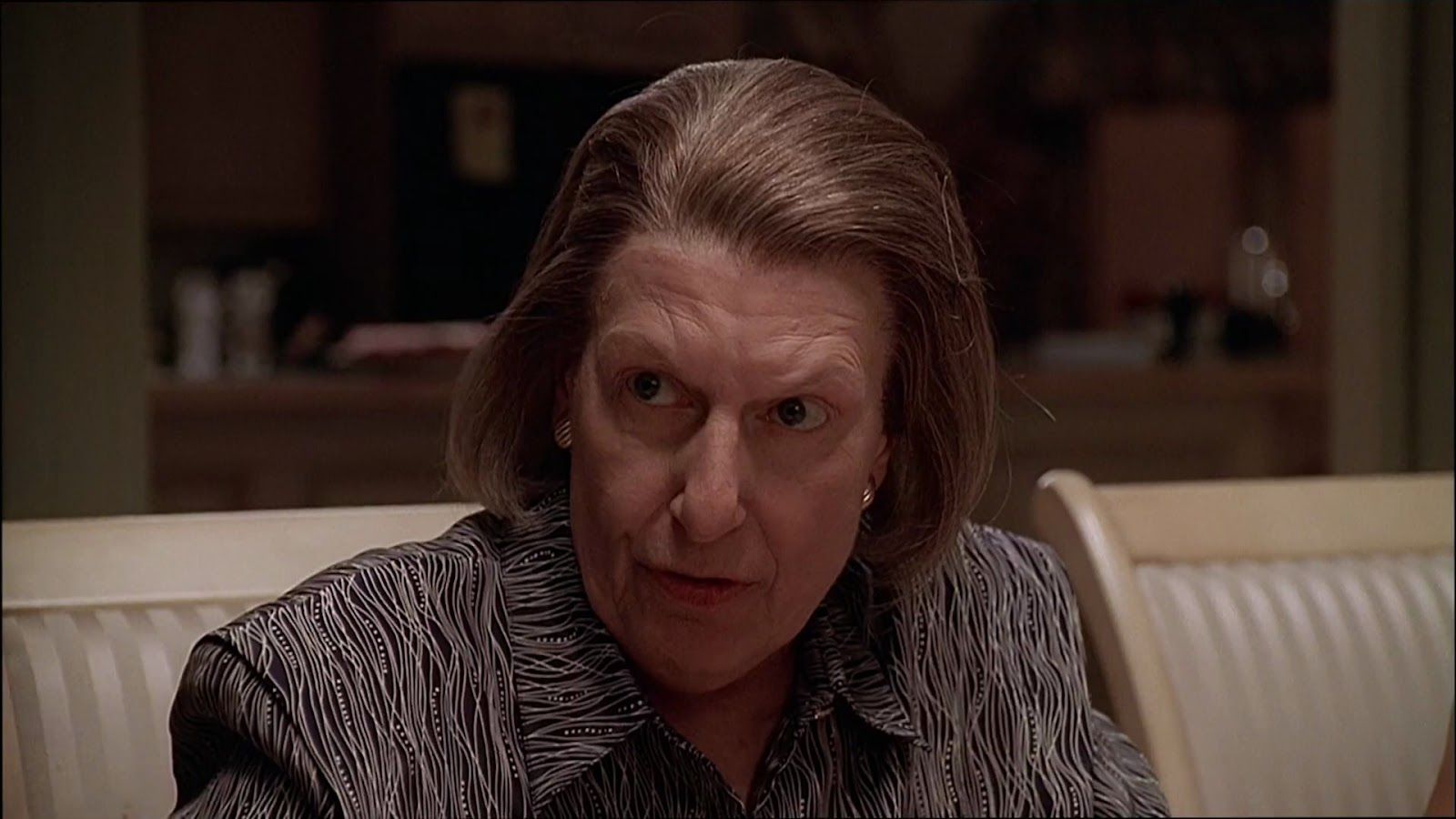
Image: HBO, CC BY 3.0 <https://creativecommons.org/licenses/by/3.0>, via Wikimedia Commons

Livia Soprano, mother of none other than Tony Soprano, manages to make us hate her from the very first season, and that’s part of what makes her such a compelling character. Bitter, cold, distrustful, manipulative, and calculating, Livia helps explain much of the protagonist’s behavior; through her, we glimpse the roots of Tony’s twisted mind.

7
Pete Campbell (Mad Men)

Image: Peabody Awards, CC BY 2.0 <https://creativecommons.org/licenses/by/2.0>, via Wikimedia Commons

Arrogant, manipulative, and always chasing status, these traits make Pete Campbell, played by Vincent Kartheiser, one of the least favorite characters on the iconic Mad Men . His hypocrisy and relentless ambition often lead him to overlook ethics and empathy, which is exactly why he earns a spot on this list.

8
Negan (The Walking Dead)

Image: Gage Skidmore from Peoria, AZ, United States of America, CC BY-SA 2.0 <https://creativecommons.org/licenses/by-sa/2.0>, via Wikimedia Commons

A villain so terrifying that he earns the hatred of viewers definitely deserves a spot on this list. We’re talking about Negan, the ruthless leader played by Jeffrey Dean Morgan on The Walking Dead . His brutality, arrogance, and need to control everything make him one of the show’s most frightening and unforgettable antagonists.

9
Nellie Bertram (The Office)
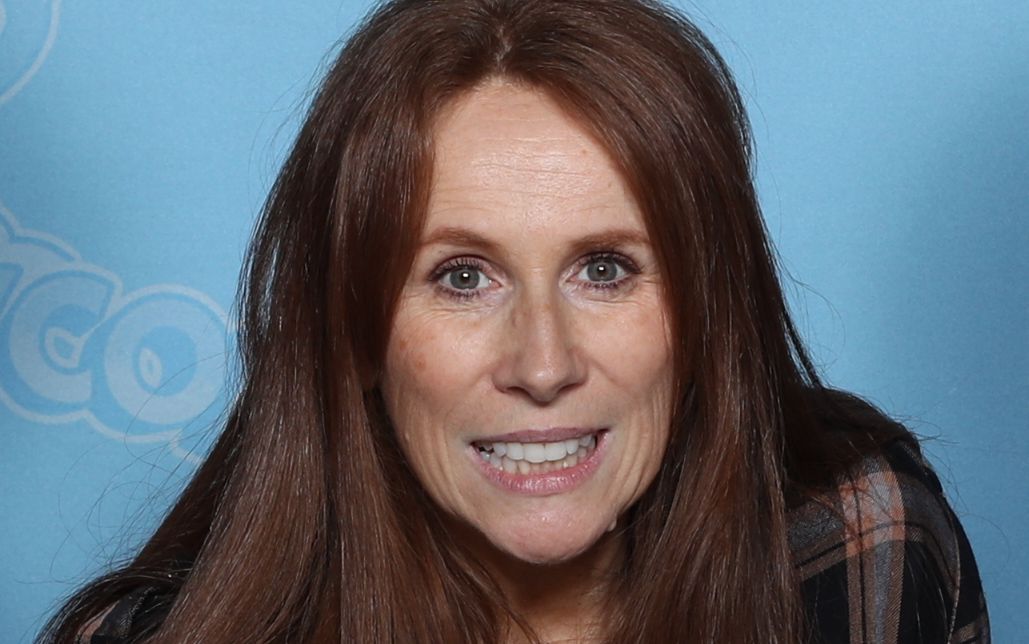
Image: Super Festivals, CC BY 2.0 <https://creativecommons.org/licenses/by/2.0>, via Wikimedia Commons

Played by the iconic Catherine Tate, Nellie Bertram joins The Office in the finale of the seventh season, and her excessive arrogance and pushy personality quickly make her one of the most irritating characters on the show. However, we have to admit it: on The Office , even the characters who get on our nerves often manage to make us laugh out loud.

10
Connor Roy (Succession)
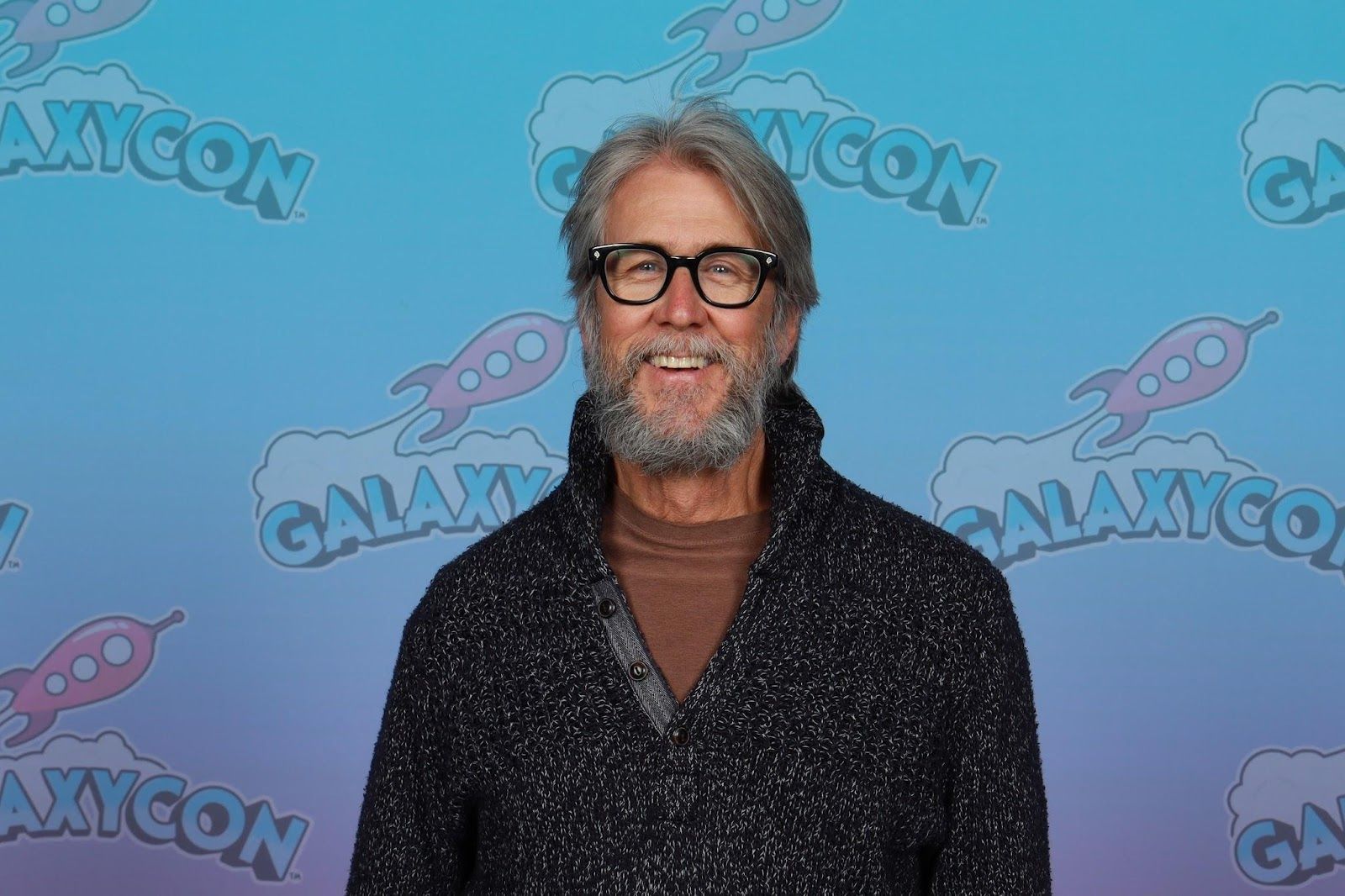
Image: Super Festivals, CC BY 2.0 <https://creativecommons.org/licenses/by/2.0>, via Wikimedia Commons

A mix of wealth, eccentricity, vanity, greed, and a misplaced sense of power make Connor, the eldest Roy sibling in Succession , one of the least favorite characters in the series. His habit of taking advantage of others and expecting rewards he hasn’t earned is one of the key reasons he lands on this list.

History History 5 min read

The American way

Baseball and BBQs: 10 iconic American pastimes that shaped the nation

Image: Leon Contreras

A baseball game under the summer sun, a weekend fishing trip, a barbecue at a family gathering—all of these activities are as American as apple pie. Our favorite pastimes tend to reflect the nation’s values and history, evolving and transforming over the years yet always retaining a part of their essence. Here are 10 iconic pastimes that have shaped life in the United States.

1
Baseball

Image: Chris Chow

Baseball isn’t called America’s favorite pastime for nothing. The heartbeat of American sports, it was already recognized as the national sport in the 19th century, when it originated as a blend of older bat-and-ball games.

Curiously, the first official baseball game on record didn’t take place in the United States but in our northern neighbor, Canada, which is often credited with creating the basis for most modern baseball rules. However, New York City clubs were responsible for further shaping the game into what it is today.

2
Fishing

Image: Greysen Johnson

Fishing has long been a beloved pastime for millions of Americans, luring people in with a peaceful and nature-immersed experience. No longer a necessity for survival in everyday life, most people today enjoy fishing recreationally, with many anglers choosing to release their catch unharmed.

Celebrated American writers like Ernest Hemingway have portrayed fishing as a reflective and rewarding pursuit, capturing the romantic longing for a simpler life and the joy of the great outdoors that remains at the heart of this pastime. Moreover, the hobby encompasses more than just fishing, with many enthusiasts taking pride in creating their own custom lures, often crafted to resemble various types of live bait.

3
Camping

Image: Chris Holder

Camping became popular in the early 20th century as Americans sought respite from growing urbanization. Today, it remains a beloved way to explore the country's vast landscapes, from national parks to remote forests. Extensive networks of protected foot trails crisscross the nation, offering opportunities for both short and long excursions.

In fact, it could be argued that camping is part of the wild heritage of the American frontier spirit, encouraging Americans to reconnect with nature. Much like fishing—and these two pastimes often go hand in hand—camping is about adventure, self-sufficiency, and the pursuit of simplicity away from the hustle of daily life.

4
Football

Image: Carol Highsmith's America

American football—also known as gridiron football or simply football—originated in the 19th century, evolving from various older ball games related to rugby. In recent decades, it has grown into a national obsession, rivaling baseball and even surpassing it in viewership, with millions tuning in every weekend.

The Super Bowl and similar events have become iconic elements of American culture, transforming into major community celebrations that draw more than just football fans. Major events like the Super Bowl bring families and friends together across the country, often featuring entertainment segments and halftime shows that transform these sporting events into full-blown celebrations.

5
Barbecuing

Image: Vincent Keiman

Barbecuing is an art form in America, with roots tracing back to indigenous peoples and early settlers. Whether it’s a Fourth of July cookout or a casual weekend gathering, the grill is central to American social life. The tradition initially spread through pit barbecues, where meats were smoked and cooked over a dug trench filled with burning embers.

Over time, this technique evolved into the conventional backyard grilling we use today. Despite the widespread popularity of standard barbecues, styles vary significantly by region, each with its own distinct flavors and techniques, often featuring elaborate sauces or unique smoking methods.

6
Auto Racing

Image: Tim Trad

Auto racing—and particularly stock car versions of the sport like NASCAR—has captivated the imaginations of Americans almost since the invention of motor cars in the early 20th century. Drawing inspiration from popular European races like the Paris-Rouen contest, the enthusiasm for motor racing quickly took hold in the U.S.

The first American automobile race is generally considered to be the Thanksgiving Day Chicago Times-Herald race on November 28, 1895. As cars became more accessible and the automotive industry developed, racing grew in popularity, eventually evolving into the high-octane spectacle that is now a distinctly American tradition.

7
Gardening

Image: Benjamin Combs

Gardening has always been a cherished American hobby, providing a peaceful retreat within one’s home while also beautifying one’s surroundings. From victory gardens during wartime to modern suburban flower beds, gardening remains a thriving pastime for Americans everywhere.

It’s a way to create something beautiful and sustainable, connecting with nature in a personal and meaningful way. Recently, interest in homegrown vegetables and organic food has surged, with an estimated 40 percent of American households—33 million—growing their own produce.

8
Movies

Image: Kilyan Sockalingum

Since the early 20th century, movies have been integral to American culture. Whether going to a local theater or, more recently, enjoying a cozy movie marathon at home, millions of Americans have shared this experience for almost a century. As Hollywood and the film industry evolved, American movies reached audiences worldwide, earning acclaim for their excellence.

Today, the magic of cinema continues to captivate Americans just as it did decades ago. This is no surprise, as the love for good storytelling and innovation—two true American passions—lies at the heart of this cherished tradition. Although the 2020 pandemic dealt a blow to movie attendance, it has been steadily recovering, showing no signs of slowing down.

9
Home-Cooking

Image: Or Hakim

More than just a necessity, home-cooked meals are a true American passion. Food is a key part of a nation's identity, so it’s no surprise that cooking at home holds a special place in the hearts of many Americans. Our country’s incredibly diverse culinary heritage offers a vast array of edible experiences to choose from, and gathering with friends and family to enjoy delicious homemade dishes is one of our favorite pastimes.

Whether preserving family recipes passed down through generations or trying new culinary experiments, home cooking is always a way to connect with loved ones, celebrate traditions, and enjoy the satisfaction of a meal crafted with love and skill.

10
Road Trips

Image: averie woodard

With a country as vast and beautiful as ours, it’s no wonder Americans often choose to spend their vacations exploring its diverse landscapes. From bustling cities to scenic countryside, domestic travel is not always just about relaxation—it can also be an adventure of self-discovery and a journey through our shared history.

And there’s certainly no shortage of sights to see! From the breathtaking vistas of our national parks to meticulously preserved historic sites, few experiences foster a deeper connection to our heritage. Whether it’s the towering peaks of the Rockies, the rolling hills of the Appalachians, or the sun-kissed shores of the coasts, every corner of the country offers something new to discover.

General General 5 min read

Will it rain?

Take a look at the strangest weather phenomena in the US

Image: NOAA

We are accustomed to being surprised by weather events—unexpected rains, colder days than anticipated, or sudden heat waves. But these everyday surprises have nothing to do with the kind of extreme weather phenomena listed here. From devastating fire tornadoes to benign incidents where distant objects appear closer due to atmospheric conditions, weather is one of the biggest forces of nature and it has made sure to let humankind know it more than once.

1
Fire tornado, California

Image: Zoltan Tasi

A tornado is bad enough, but imagine a fire tornado—you’re entering a whole new level of catastrophe. This is exactly what occurred in 2018 near Redding, California, during the infamous Carr Fire event.

Intense wildfires almost always produce fire devils, fire whirls, and occasionally stronger vortexes resembling the tornadoes associated with severe thunderstorms. Fire tornadoes typically range from 100 to 1,000 feet in diameter , with rotational velocities of up to 90 mph. However, the Redding fire tornado was fueled by winds reaching an astonishing 143 mph .

2
Freak March heat wave, Midwest region

Image: Nadiia Ploshchenko 🇺🇦

High temperatures can be expected in the Midwest region but never for such an extended period during the winter season as occurred from March 14 to March 22, 2012 . Over these eight days, some areas experienced average daily temperatures that were 40°F above normal. Remarkably, even the daily low temperatures in certain locations exceeded the record highs for those dates.

On March 21, the temperature reached 90°F in Lapeer, Michigan—a stark contrast to the subzero temperatures that have often occurred in these same locations at this time of year, when snowpack is typically at its deepest.

3
Two F5 tornadoes at the same place on the same day

Image: Greg Johnson

F5 tornadoes are exceedingly rare. Only a handful of tornadoes of this intensity have been documented outside of the United States. Since 1900, just 104 of these monsters have been recorded anywhere on Earth.

This rarity makes the event on April 3, 1974 , near the town of Tanner, Alabama , even more astounding. Located about 20 miles west of Huntsville, Tanner was struck by two F5 tornadoes within just 30 minutes of each other.

4
The Dust Bowl

Image: Samantha Sheppard

The Dust Bowl, one of the most devastating weather events in American history, has a shared responsibility between nature and human interaction . In the 1930s, poor land management practices and unsustainable farming methods led to prolonged drought and massive dust storms in the Great Plains.

This ecological disaster forced thousands of families to abandon their homes, triggering a mass migration to find better opportunities elsewhere. As the Great Depression intensified, drought and decades of overfarming dried out the topsoil, leading to a series of dust storms from 1933 to 1939 that carried the soil eastward.

5
The Galveston Hurricane

Image: NASA

In 1900 a category 4 hurricane struck the city of Galveston, Texas , with devastating force, claiming an estimated 8,000 lives and causing widespread destruction. This tragedy prompted the construction of a seawall and the implementation of hurricane preparedness measures that continue to shape coastal planning and response strategies that are still in place today.

6
A summer-less year

Image: Todd Diemer

The combination of a tepid spring with late snows and an exceptionally cold summer, featuring frosts in July and August made 1816 a year without a proper summer . On July 4th, the high temperature in Savannah, Georgia, was only 46°F. Finally, there was a drought during early fall that culminated in a killing frost well before the end of September.

The apparent cause of this unusually cold summer was the eruption of the Tambora Volcano, half a world away in Indonesia, in 1815. A tremendous cloud of fine ash and dust was ejected into the stratosphere, where it remained for an extended period, significantly reducing the sun's heat and light and causing a cooldown throughout the Northern Hemisphere.

7
The darkest day

Image: Ganapathy Kumar

On May 19th, 1780, an extremely dark overcast mixed with thick smoke from nearby forest fires made the day feel like night for the people of New England. The mysterious event was first reported at dawn over southwest Vermont, and it slowly traveled southeastward during the day. The last place to report this strange weather was Barnstable, Massachusetts, on Cape Cod, in the late afternoon.

In Boston, the atmosphere darkened noticeably after 9 a.m., to the point where reading newsprint outdoors became difficult. Many New Englanders believed that Judgment Day was at hand.

8
Animal rain

Image: Sanket Rajurkar

It should come as no surprise that the number of people who have heard of raining animals is much higher than the number of those who have actually experienced this phenomenon. After all, these types of rain are highly unusual.

The first documented instance of raining frogs was in Kansas City in 1873. In Texarkana, Texas, another strange form of precipitation occurred—this time in the form of fish falling from the sky. According to science, animal rain occurs when small aquatic animals like frogs, crabs, and small fish are swept up in waterspouts or drafts that occur on the surface of the earth. They are then rained down along with the rain.

9
Technicolor solar storm

Image: Luke Tanis

Unlike the northern lights, which usually appear as blue and green swirls in the sky, solar storms are so intense that they create a kaleidoscope of colors and can also be seen in regions where people have never witnessed them before.

In 2012, one of these events produced a stunning aurora over Crater Lake in Oregon. Scientists believed that two clouds of glowing particles were flung toward Earth by sunspots larger than our planet.

10
Super refraction

Image: Matthijs van Schuppen

Imagine waking up and being able to see much farther than you ever could before. That is exactly what happened in 2013 to the people of northern Ohio. They were stunned to find that they could see the Canadian shoreline, which is not at all possible under normal circumstances.

Locals were able to see Canada because of a rare natural phenomenon known as super refraction, where rays of light are bent downward toward the surface of the Earth. This bending occurs because of changes in air density. During this light-bending, distant objects that are usually hidden from view become visible, as they are reflected in the rays of light.

Explore more American facts

Choose your favorite category!

General
General

As American as apple pie—the very best America has to offer!

Culture
Culture

Delve into the astounding richness of American lore.

Geography
Geography

Hop in and explore vast and diverse American landscapes.

History
History

Discover the key moments that shaped the United States.