Go with the flow
10 great rivers that carved American history
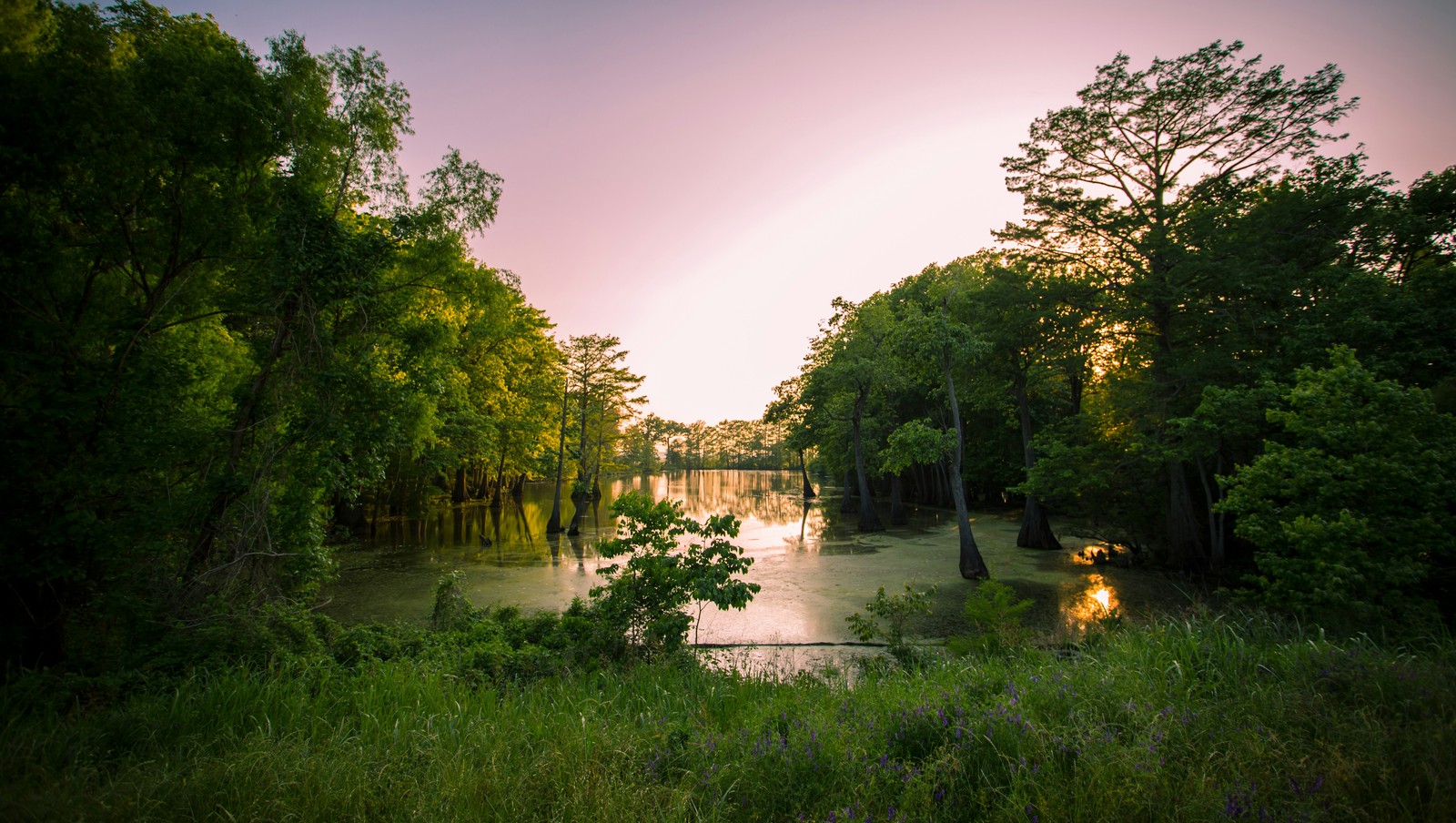
Image: Jp Valery
From tales of hidden treasure to the birth of major cities, America’s rivers are much more than waterways—they’re living history. These 10 rivers have shaped culture, commerce, and legend across the nation, carrying stories as deep as their currents.
1
Mississippi River
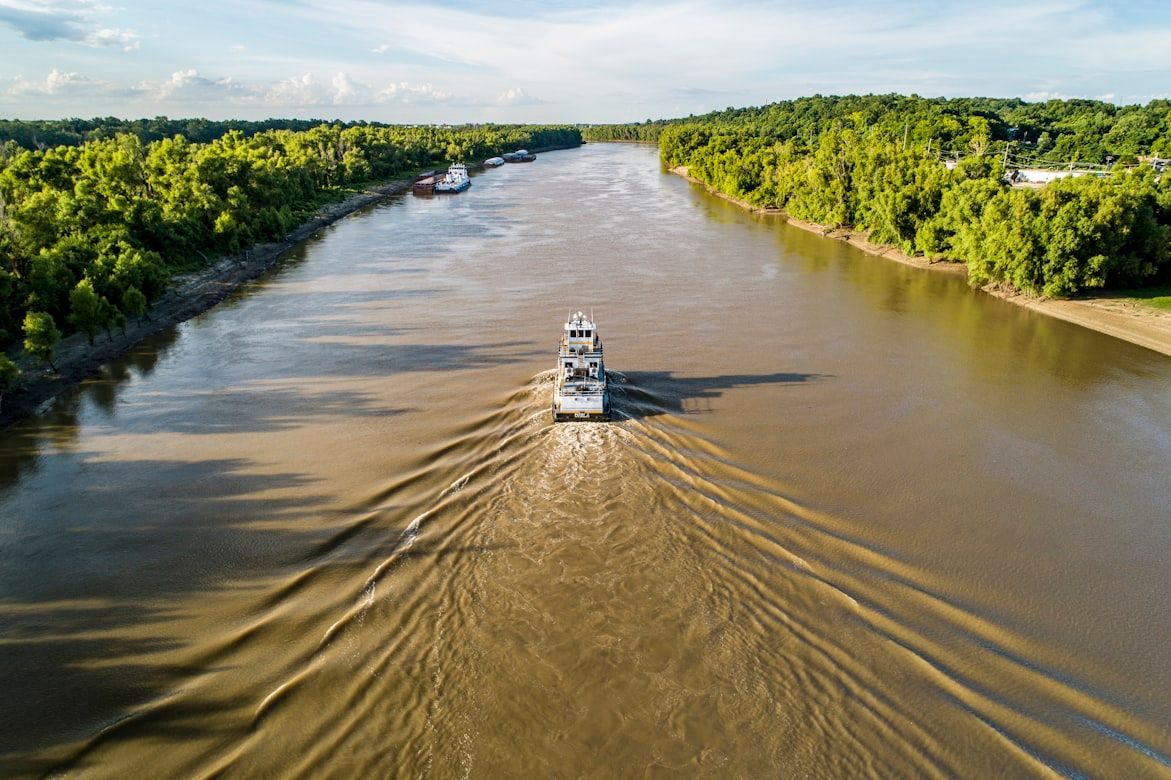
Image: Justin Wilkens
Beloved by blues musicians and immortalized by Mark Twain, the Mississippi has been central to exploration, trade, and American identity. The name comes from the Ojibwe/Anishinaabe word misi‑ziibi, meaning "Great River" or "Father of Waters."
Flowing some 2,320 miles, its watershed drains roughly 41% of the continental U.S., and its vast system remains critical for both commerce and agriculture.
2
Missouri River
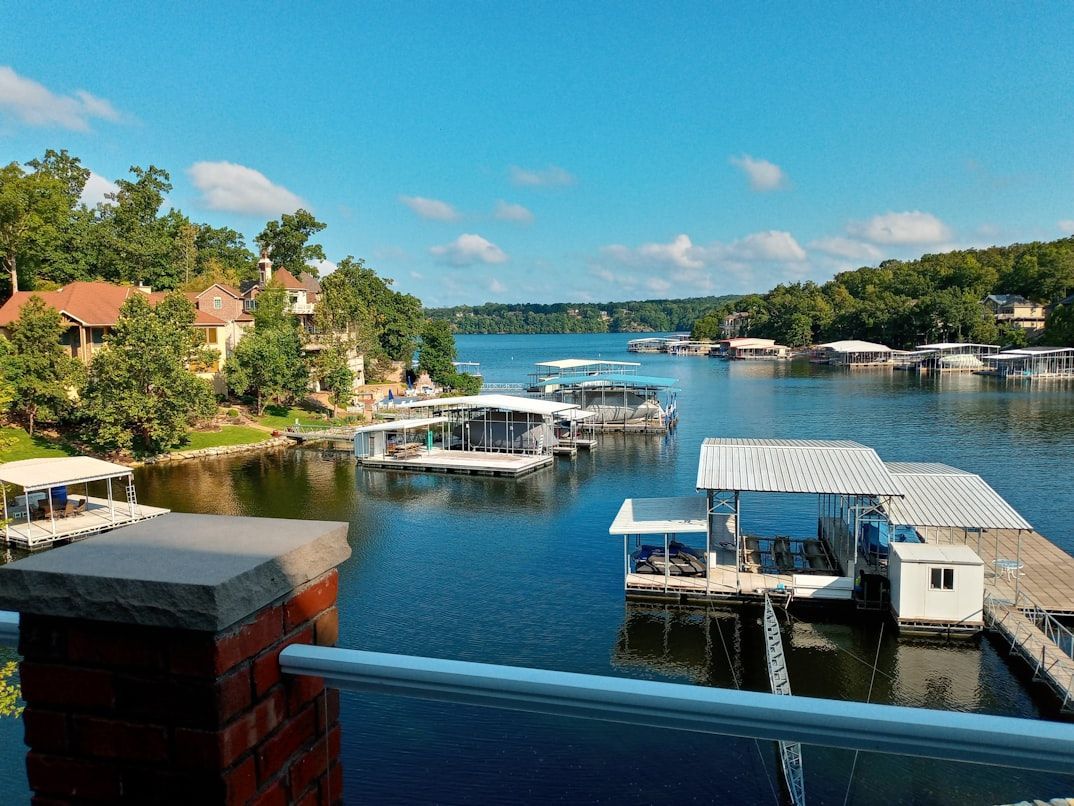
Image: Jayden Herr
The name of the Missouri River comes from the Algonquian term ouemessourita, meaning "people with dugout canoes."
A crucial highway for early explorers like Lewis and Clark, as well as later settlers, this 2,300-mile-long river was once home to Native tribes such as the Missouria. Today, it remains a vital part of regional agriculture and river transport.
3
Hudson River
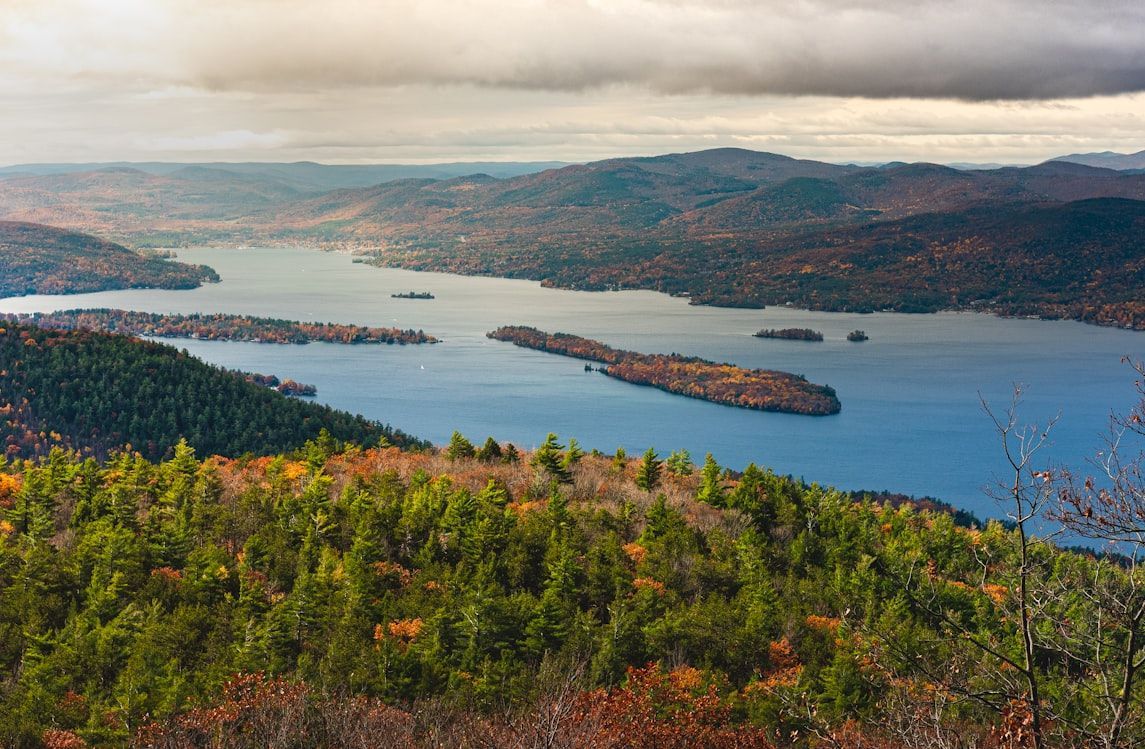
Image: Harry Gillen
Originally called Muh-he-kun-ne-tuk ("waters that are never still") by the Mohicans, the river was later renamed after Henry Hudson, who explored it in 1609 for the Dutch East India Company.
The Hudson Valley later grew into both an economic and cultural hub, inspiring the Hudson River School of painters and playing a strategic role during the American Revolution.
4
Colorado River
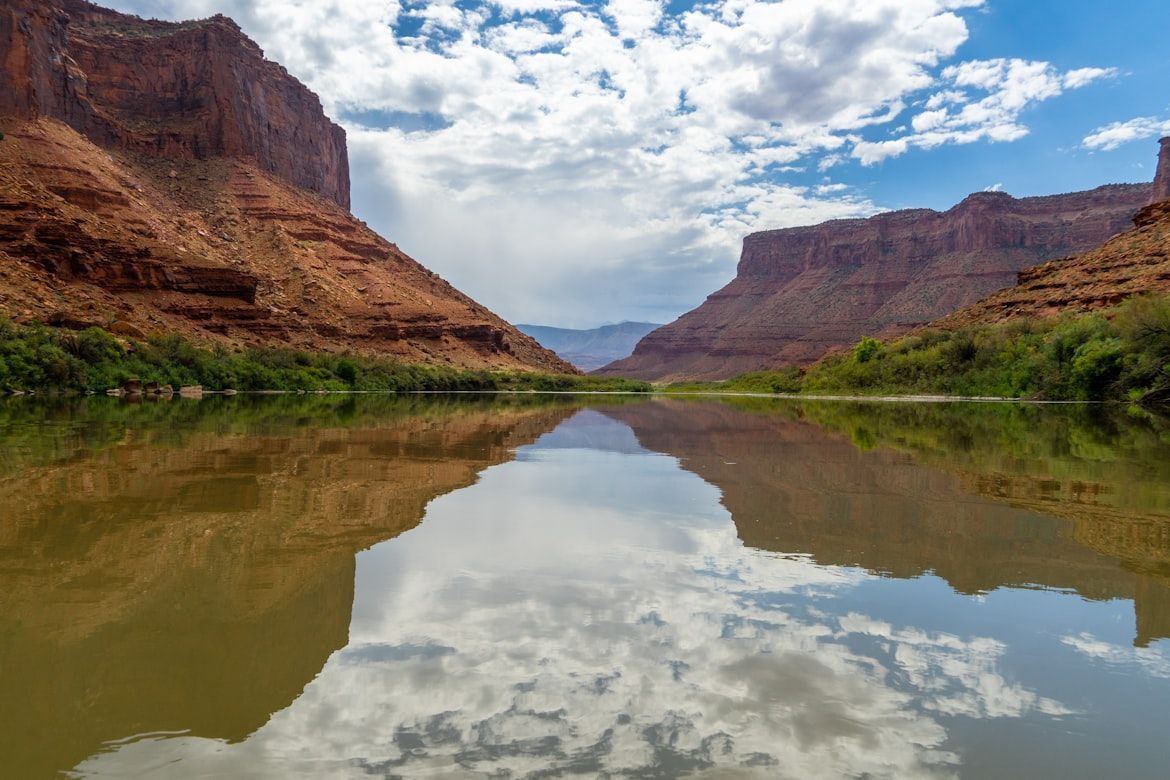
Image: Mike Newbry
The name Colorado comes from Spanish, meaning "reddish," a reference to the red silt once carried by the river. Before 1921, its upper course was known as the Grand River, until Congress renamed it to reflect the state of Colorado.
Over millions of years, the Colorado River carved the Grand Canyon, one of the world’s most dramatic natural landscapes. Today, it supports irrigation across seven U.S. states and northern Mexico and generates hydroelectric power through major dams such as Hoover Dam and Glen Canyon Dam.
5
Rio Grande
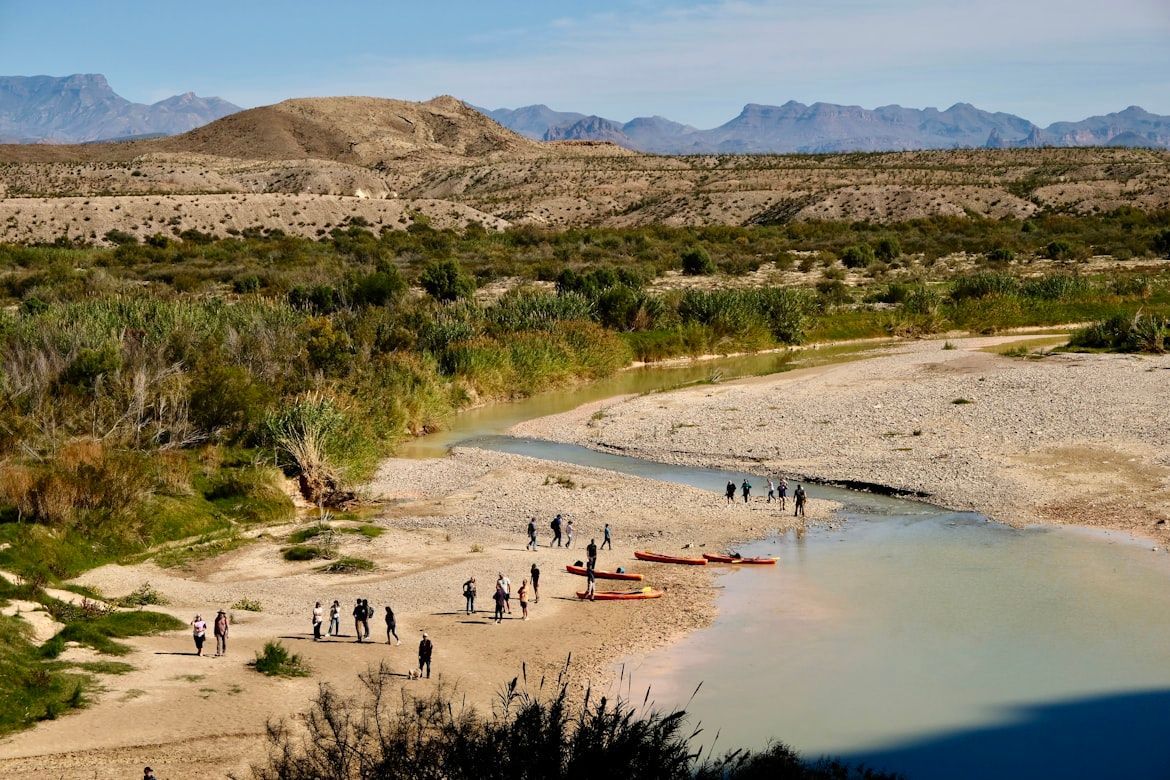
Image: Sara Cottle
The name Rio Grande means "Big River" in Spanish. Serving as the border between the U.S. (Texas) and Mexico, it has defined geopolitical boundaries since the end of the Mexican-American War in 1848.
Historically, the Rio Grande supported Indigenous communities such as the Pueblo and Apache peoples, and later Spanish missions and settlements. Today, it serves as a lifeline for agriculture, cities, and wildlife habitats across the arid regions of Texas, New Mexico, and northern Mexico along its 1,896-mile course.
6
Ohio River
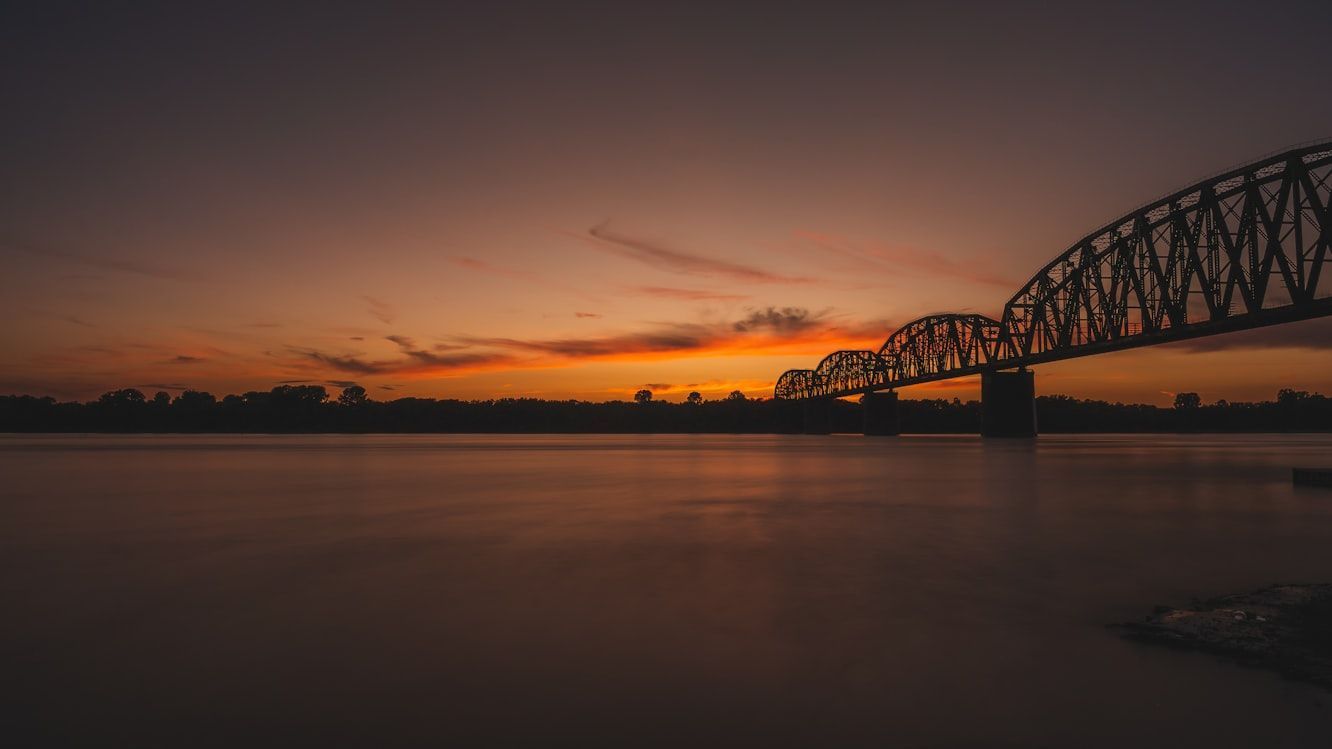
Image: Joshua Canter
"Ohio" comes from the Seneca word ohi:yo’ , meaning "good river" or "large creek." Formed by the confluence of the Allegheny and Monongahela Rivers at Pittsburgh, it flows for about 981 miles through six states before joining the Mississippi River.
In early America, the Ohio was a key route for westward expansion and trade. Settlements along its banks grew into important commercial and industrial centers, including cities like Cincinnati, Louisville, and Pittsburgh, and its fertile floodplains supported agriculture that fueled the growing nation.
7
Columbia River
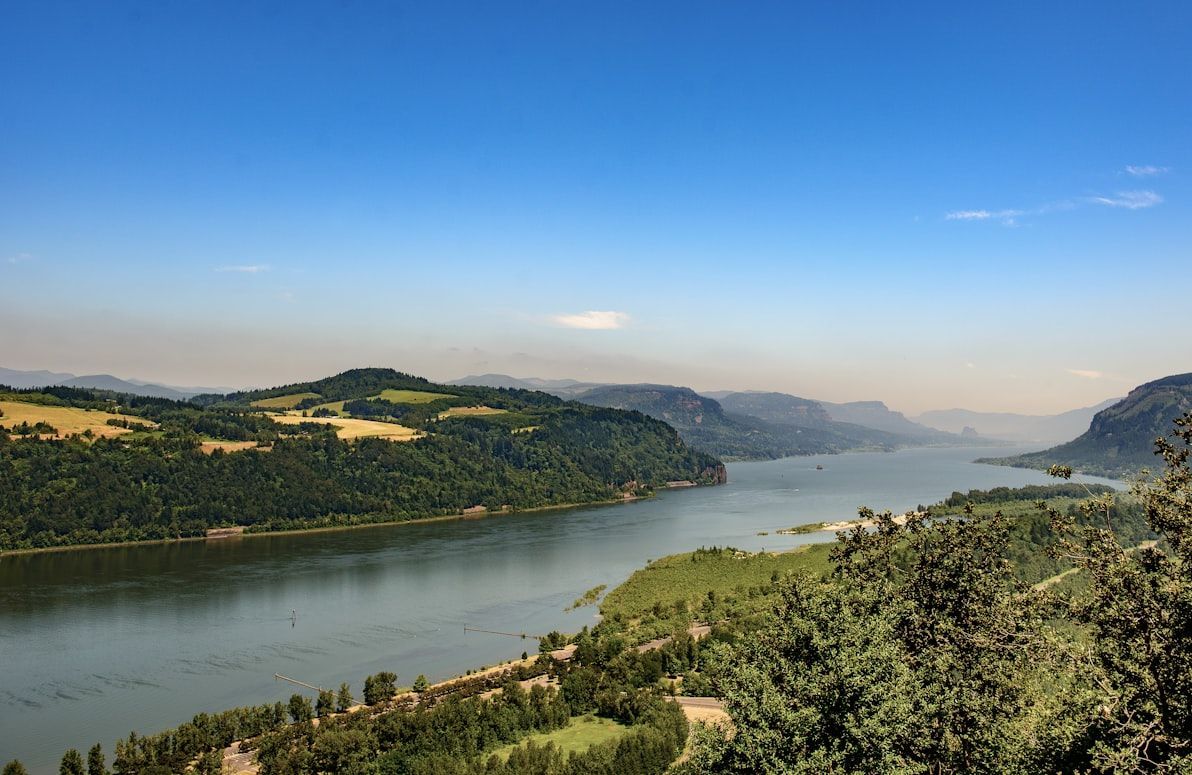
Image: Stephen Walker
The Columbia River was named after the Columbia Rediviva , the ship captained by Robert Gray , which itself was named in honor of Christopher Columbus. For thousands of years, the river served as a vital trade network for numerous Native American tribes, and later became central to the North American fur trade.
Its fertile valleys supported settlements and agricultural development throughout the Pacific Northwest. Today, the Columbia is a major source of hydroelectric power, with major dams such as Grand Coulee and Bonneville supplying electricity to millions of people.
8
Potomac River
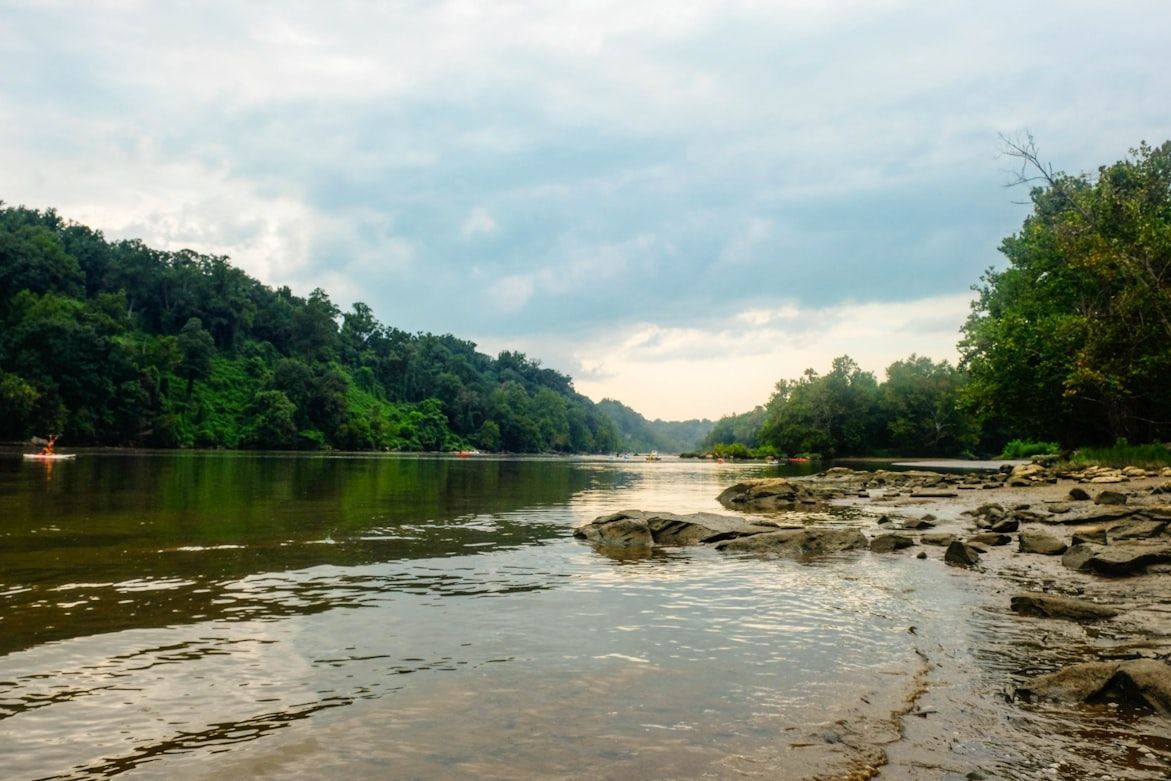
Image: Sara Cottle
The name "Potomac" comes from a Native Algonquian word, likely Patawomeck (probably Piscataway), meaning "river of swans." The river flows past Washington, D.C., and George Washington’s Mount Vernon estate overlooks it.
During the colonial era and the Civil War, it was a crucial transport route, and its watershed continues to hold historical, cultural, and political significance today.
9
Delaware River
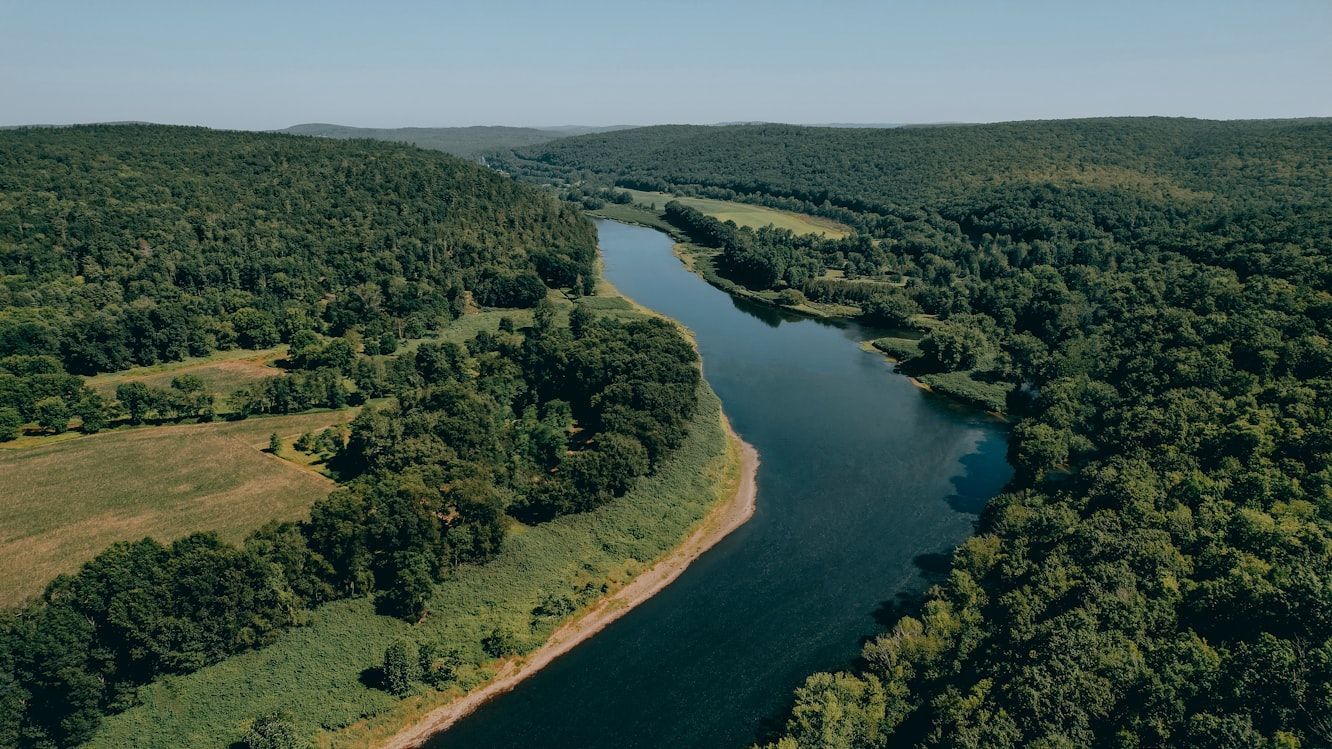
Image: Clay Banks
Named after Lord De La Warr (Thomas West), an English nobleman and colonial governor, the Delaware River is best known for George Washington’s daring 1776 crossing, which surprised Hessian troops in Trenton and provided a crucial morale boost for the Continental Army during the Revolutionary War.
Over the years, the river has remained vital for trade and industry, shaping the mid-Atlantic economy and supporting major ports in New Jersey, Pennsylvania, and Delaware.
10
Susquehanna River
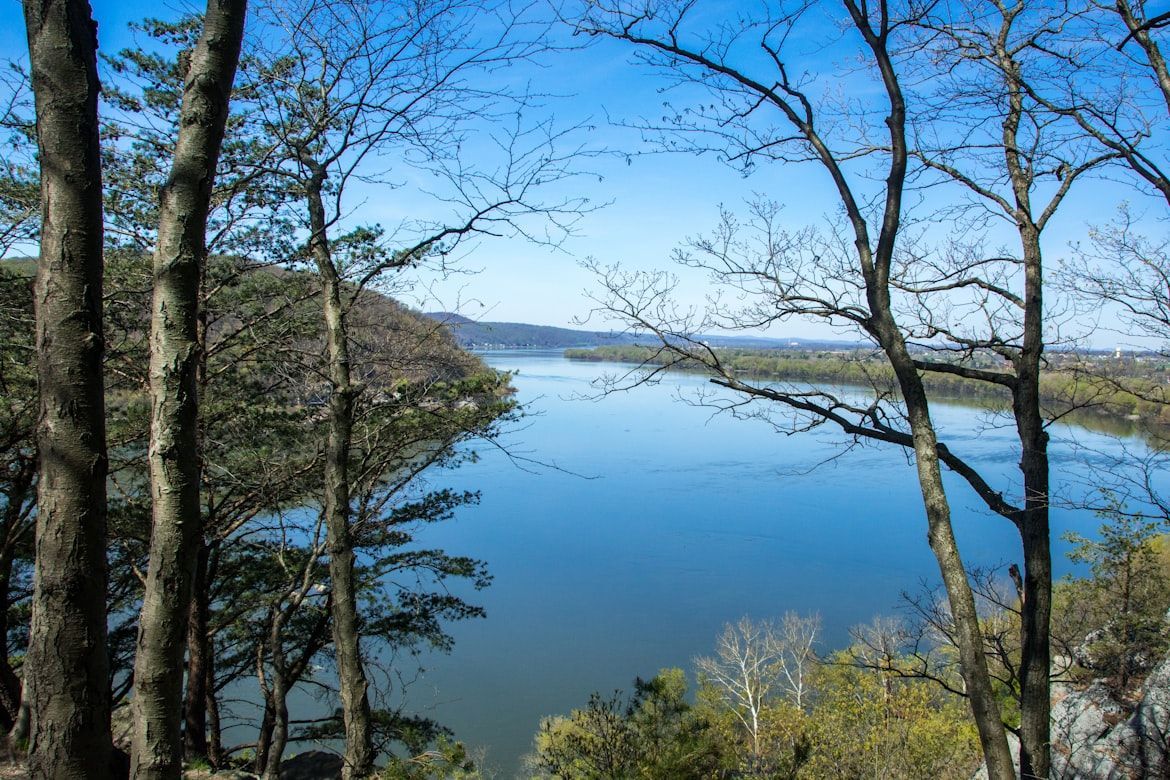
Image: Jennifer Wick
The name "Susquehanna" likely comes from the Lenape word siskëwahane, meaning "Muddy River" (though other translations, such as "Oyster River," have been proposed). One of the oldest river systems in North America, the Susquehanna stretches about 444 miles from New York through Pennsylvania to the Chesapeake Bay in Maryland.
It supported Indigenous communities such as the Susquehannock, and early colonial settlements relied on it for transport, fishing, and trade. Its fertile valley later powered mills, contributed to the region’s coal and lumber industries, and played a key role in shaping the development of the Mid-Atlantic.