Geography Geography 2 min read

Back to the roots

10 great American trees that shaped our history—and you never knew
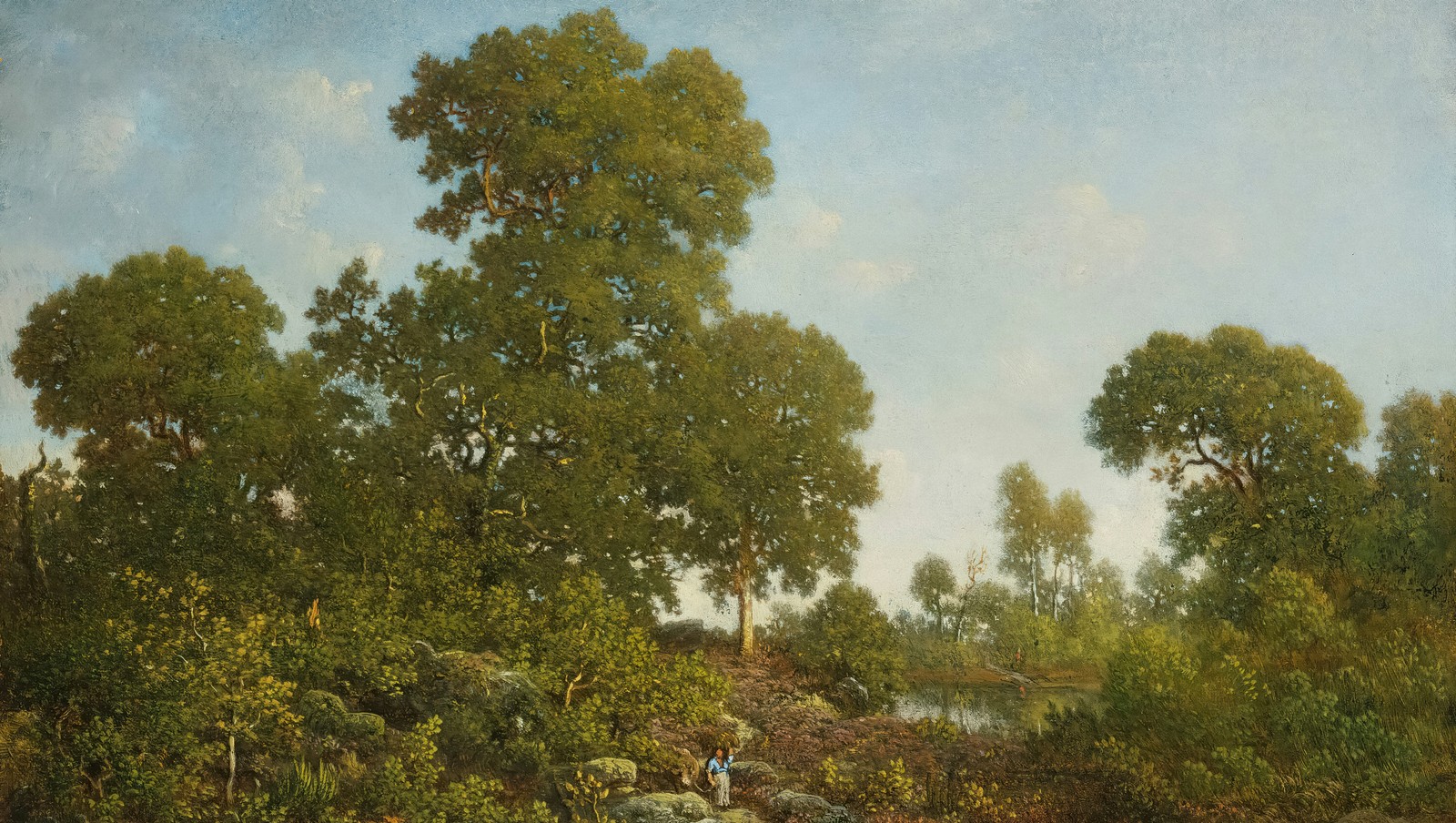
Image: Art Institute of Chicago

From towering forests to city streets, American trees have shaped culture, commerce, and the environment. Many provided food, medicine, and building materials, while others played a role in history. This list explores 10 iconic American trees and the surprising ways they’ve been used, preserved, and celebrated.

1
Sugar Maple (Acer saccharum)

Image: GraceHues Photography

The sugar maple produces the sap that becomes maple syrup, a North American staple. Its hardwood is also prized for furniture and flooring.

Native to the northeastern U.S. and Canada, sugar maples support both culinary traditions and forestry industries. They can live for over 200 years and are crucial to fall foliage tourism.

2
White Oak (Quercus alba)

Image: Tina Xinia

White oak wood is valued for barrels, furniture, and flooring due to its strength and natural rot resistance.

Historically, it was used in shipbuilding during colonial times. White oak forests also support diverse wildlife, and their acorns feed deer, squirrels, and birds.

3
Eastern Red Cedar (Juniperus virginiana)

Image: Aimee Summers

This tree’s wood is aromatic and naturally repels moths, making it a good choice for closets and storage chests.

Red cedar oil was also used in medicine by Native Americans. Its dense wood has been extensively used for fence posts and small-scale construction.

4
American Chestnut (Castanea dentata)
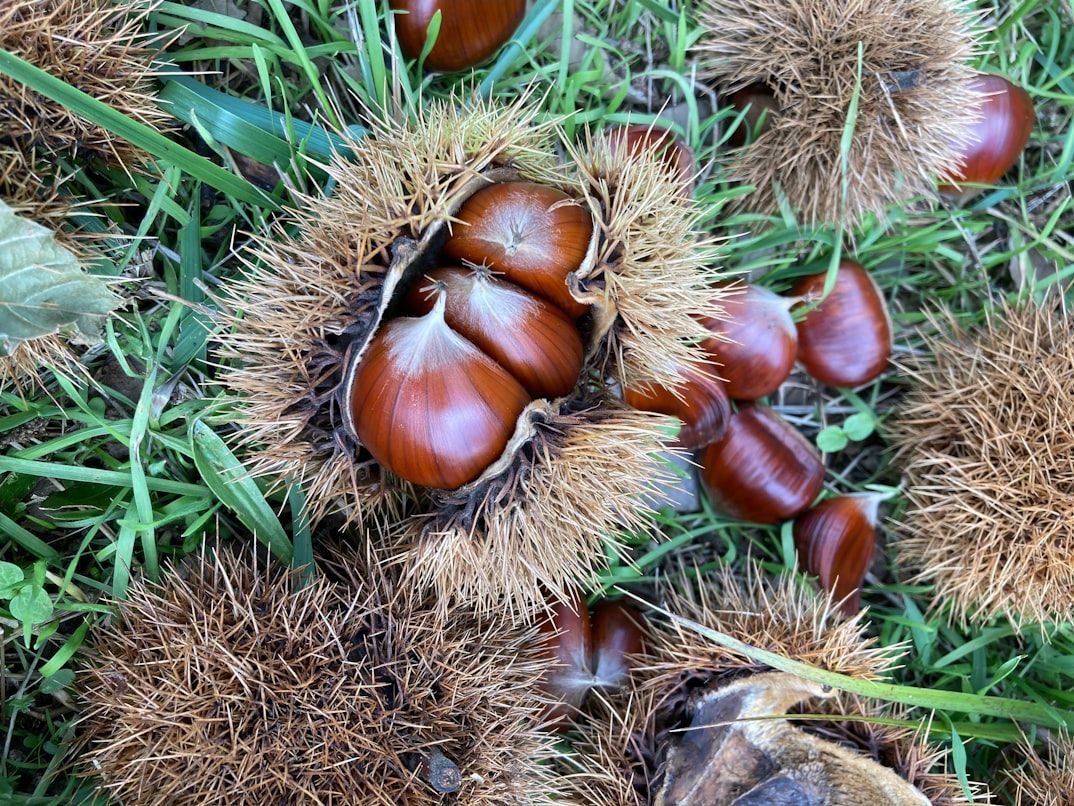
Image: Marta Reis

Once dominant in eastern forests, the American chestnut was devastated by blight in the early 20th century.

Its wood was lightweight yet strong, ideal for furniture and building. The nuts were a staple food for wildlife and humans alike. Breeding programs now aim to restore it.

5
Ponderosa Pine (Pinus ponderosa)

Image: benjamin lehman

Ponderosa pines dominate the western U.S. and are a major timber source.

Their wood is used for construction, paper, and fuel. Native Americans also used the bark and resin for medicinal purposes and ceremonial practices.

6
Red Maple (Acer rubrum)
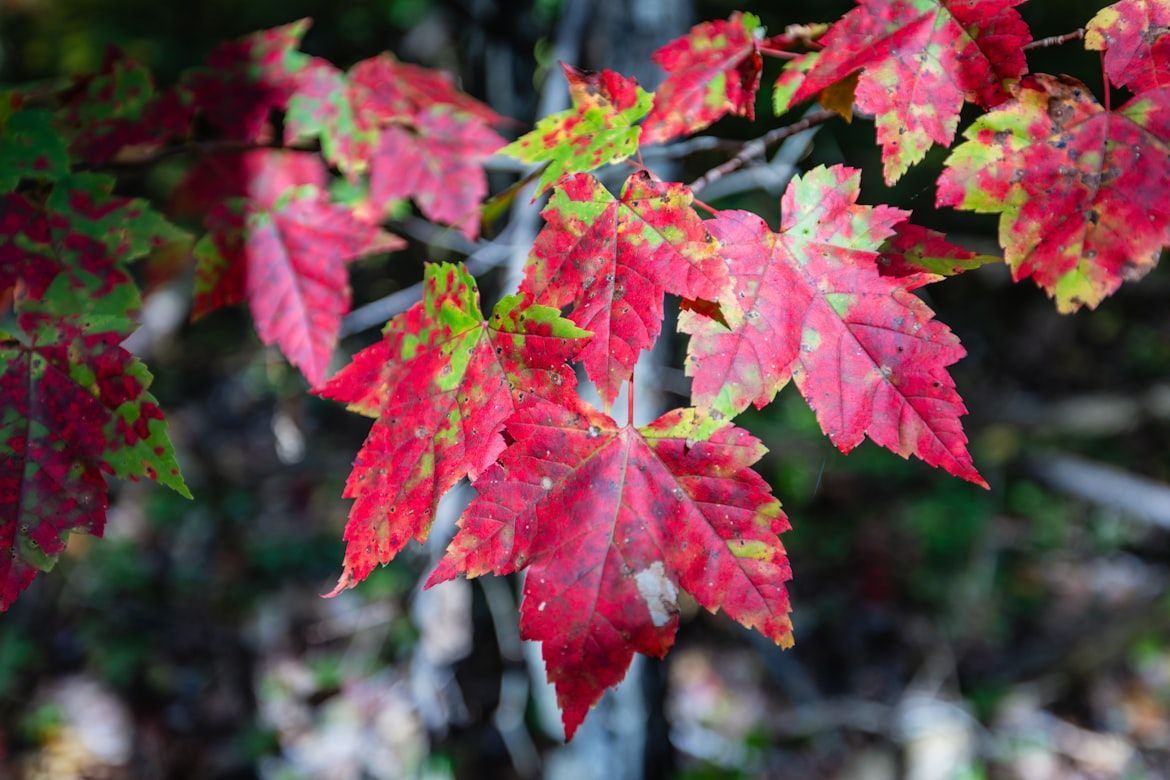
Image: Edmond Lau

Red maples are adaptable trees that provide timber and spectacular fall colors.

Like the sugar maple, their sap can also produce syrup, and the wood is used in furniture and flooring. The species thrives in wetlands, supporting a wide range of ecological diversity.

7
Douglas Fir (Pseudotsuga menziesii)

Image: Ulrike R. Donohue

A key timber species, the noble Douglas fir is used for construction, plywood, and paper.

It’s also one of the most popular Christmas trees. Native Americans used the bark and needles for medicinal purposes.

8
Black Walnut (Juglans nigra)

Image: Ross Domke

Black walnut produces edible nuts and dark, durable wood for furniture and gunstocks.

Its wood is highly prized by woodworkers for fine cabinetry. The nuts support wildlife, while the husks can be used for natural dye.

9
American sycamore (Platanus occidentalis)

Image: Heather Wilde

American sycamores are found along rivers and lakes, stabilizing soil and preventing erosion.

Their large, patchy bark makes them visually distinctive. Historically, their wood was used for butcher blocks, furniture, and veneers.

10
White Spruce (Picea glauca)

Image: Joel Cross

White spruce supports timber, paper, and pulp industries in northern forests.

Its wood is lightweight yet strong, ideal for construction and musical instruments. Spruce forests are also critical habitats for migratory birds and wildlife.

General General 4 min read

Science usually starts as science fiction

Trip to Mars, anyone? Discover 10 American science fiction authors

Image: RDNE Stock project

It takes a special kind of talent to be a science fiction writer. Whether you are writing about a dystopian future or a utopian one, you are creating a new world with its own rules and systems to guide it. Long before Elon Musk started seriously considering a trip to Mars, science fiction authors were already exploring how this might turn out. Many writers have attempted this genre, but only a few have made a significant impact. The following ten belong to that prestigious group. If you haven’t read any of these authors, we encourage you to do so. Not only is it a lot of fun, but it also fuels your own imagination.

1
Ray Bradbury

Image: Rod Long

Perhaps the most emblematic name in American science fiction, Ray Bradbury was an author and screenwriter best known for his novel Fahrenheit 451 , and his short story collections The Martian Chronicles , and The Illustrated Man .

His works not only imagine what extraterrestrial colonies might be like but also explore how such experiences would affect humans on a deeply personal level. His prose is both poetic and informative, making it accessible to both young and adult readers alike.

2
Philip K. Dick

Image: Filip Filkovic Philatz

If you’ve ever seen the movie Blade Runner or the TV series The Man in the High Castle , then you’ve been exposed to the work of Philip K. Dick. This prolific novelist wrote numerous novels and short stories that explore philosophical and social questions such as the nature of reality, human nature, and characters struggling against illusory environments, monopolistic corporations, and authoritarian governments.

His novel Do Androids Dream of Electric Sheep? was the basis for Blade Runner and his works have earned him countless awards all over the world.

3
William Gibson

Image: Brian McGowan

The creator of the now-ubiquitous term "cyberspace," William Gibson was a speculative fiction writer whose works explore the effects of technology, cybernetics, and computer networks on humans (fans of Black Mirror will likely find this author to their liking).

His first novel, Neuromancer , was credited with revitalizing science fiction literature in the 1980s, and he was described in 1999 as "probably the most important novelist of the past two decades.

4
L. Ron Hubbard

Image: Luna Wang

"While he is now more famous for founding Scientology, L. Ron Hubbard was a genuine science fiction writer who authored works such as Battlefield Earth, To the Stars, Buckskin Brigades, and Death’s Deputy , among other titles.

Hubbard was quite a prolific pulp science fiction and fantasy writer in his early career and, in 1950, he published Dianetics: The Modern Science of Mental Health , establishing organizations to promote and practice Dianetics techniques.

5
Theodore Sturgeon

Image: Rod Long

A critic turned writer, Theodore Sturgeon wrote over 120 short stories, 11 novels, and even a handful of scripts for the original Star Trek television series. His first science fiction novel, More Than Human , won the 1954 International Fantasy Award for that year's best novel.

Though he was not as well known to the general public as contemporaries like Isaac Asimov or Ray Bradbury, Sturgeon gained recognition among readers of mid-20th-century science fiction anthologies. At the height of his popularity in the 1950s, he was the most anthologized English-language author alive.

6
Alfred Bester

Image: Steve Johnson

One of the few writers credited with inventing modern science fiction, according to one of his colleagues, Alfred Bester was an author, TV, radio, and comics scriptwriter, and magazine editor. His novel, The Demolished Man , was the first winner of the Hugo Awards in 1953.

While working as a scriptwriter for DC Comics, he created the supervillain Solomon Grundy and also wrote extensively for television, magazines, and radio.

7
H. P. Lovecraft

Image: Alejandro Piñero Amerio

An author whose work is as famous in the science fiction genre as it is in horror, H. P. Lovecraft was a writer of science fiction, fantasy, horror fiction, and a mixture of all these genres. His most notable work is the Cthulhu Mythos .

Some of his more popular works include The Call of Cthulhu, At the Mountains of Madness, The Shadow over Innsmouth , and The Shadow Out of Time . The central theme of his books is cosmicism, a theory dictating that "there is no recognizable divine presence, such as a god, in the universe, and that humans are particularly insignificant in the larger scheme of intergalactic existence."

8
Frank Herbert

Image: Pierre Bamin

Franklin Patrick Herbert Jr. is best known for writing the best-selling science fiction novel of all time, 1965's Dune , along with its five sequels. He also wrote short stories and worked as a newspaper journalist, photographer, book reviewer, ecological consultant, and lecturer.

His famous saga, set in the distant future and spanning millennia, explores complex themes, such as the long-term survival of the human species, human evolution, planetary science and ecology, and the intersection of religion, politics, economics, sex, and power in a future where humanity has long since developed interstellar travel and colonized thousands of worlds.

9
Ursula K. Le Guin

Image: Karsten Klemme

With a literary career spanning nearly sixty years, Ursula Kroeber Le Guin is another legendary name on this list. She is best known for her works of speculative fiction, including science fiction works set in her Hainish universe and the Earthsea fantasy series.

Frequently described as a science fiction author, Le Guin has also been called a "major voice in American letters," though she once said she would prefer to be known as an "American novelist."

10
Orson Scott Card

Image: Greg Rakozy

The only person to have won a Hugo Award and a Nebula Award in consecutive years, both for his novel Ender’s Game , and its sequel, Speaker for the Dead , Orson Scott Card is a science fiction writer who often features characters with exceptional gifts who make difficult choices with high stakes. Since 1979, he has published over 50 novels and 45 short stories.

During his childhood, Card read children's classics and popular novels, his favorite book being Mark Twain's The Prince and the Pauper . He often refers to works by Robert A. Heinlein and J. R. R. Tolkien as sources of inspiration.

General General 3 min read

True pioneers

From the incandescent lightbulb to Mickey Mouse: 12 world-changers

Image: Júnior Ferreira

America has had its fair share of trailblazers, empire builders, inventors, artists, and many other brilliant individuals who have changed the world in various ways. Take a look at the following 12 individuals who have achieved significant milestones from backgrounds as diverse as the human race itself. Which one inspires you the most?

1
George Washington

Image: Priscilla Gyamfi

The first name on the list belongs to the Father of Our Nation and first president. As commander of the colonial troops during the Revolutionary War, Washington led the struggle against Great Britain with intelligent military strategy and unwavering leadership.

Quite possibly, his greatest contribution lies in his refusal to become a king or dictator , instead choosing to lay the foundations of a democratic republic.

2
Martin Luther King Jr.

Image: Unseen Histories

This icon of the civil rights movement used nonviolent resistance to combat racial discrimination. Through peaceful protest strategies , King led demonstrations, boycotts, and marches that helped transform the social landscape of America.

His "I Have a Dream" speech in 1963 in Washington, D.C. became a huge milestone in the struggle for equality and an inspiration for millions all over the world.

3
Franklin D. Roosevelt

Image: Jessica Tan

A steady guide through challenging times, Franklin D. Roosevelt led the nation through the Great Depression and World War II. Through his New Deal programs, he introduced revolutionary social and economic reforms, including the creation of social safety nets like Social Security.

His leadership during World War II helped establish the United States as a global power committed to supporting democracy.

4
Susan B. Anthony

Image: Giacomo Ferroni

A relentless activist in the struggle for women’s suffrage , Susan B. Anthony organized campaigns, wrote extensively, and spoke passionately in support of gender equality. Although she did not live to see it passed, her efforts laid the groundwork for the 19th Amendment, which granted women the right to vote.

5
Thomas Edison

Image: Robert Wiedemann

Life as we know it would not be the same without his inventions. And, while the lightbulb would have been reason enough for him to be present on this list, Edison was responsible for numerous innovations—he held over 1,000 patents, including for the phonograph, motion picture camera, and electric power distribution systems—that helped change the course of history forever.

6
Margaret Mead

Image: Stephen Andrews

Margaret Mead’s pioneering work in psychology and anthropology helped develop the understanding that children learn through imitation , particularly by observing their parents and community.

In addition to her academic contributions, she was a vocal advocate for women’s rights and greater sexual openness, influencing the cultural shifts that led to the sexual revolution of the 1960s.

7
Henry Ford

Image: Dan Dennis

Thank him for the popularization of the automobile and the introduction of the 40-hour, five-day workweek . America would not be the same without Henry Ford and his revolutionary industrial ideas, which transformed manufacturing and daily life.

8
Betty Friedan

Image: Deniz Demirci

Women’s rights owe much to Betty Friedan, whose groundbreaking work challenged the limited roles assigned to women in mid-20th-century America . Her book The Feminine Mystique gave voice to the dissatisfaction of the American housewife and sparked a national conversation about the validity of traditional gender roles.

9
Andrew Carnegie

Image: Denis Chick

Largely considered as one of America’s greatest self-made men, Andrew Carnegie played a pivotal role in shaping the nation's industrial identity. His leadership in the steel industry helped propel the United States into a position of global economic dominance in the early 20th century.

10
Orville and Wilbur Wright

Image: History in HD

Transportation would never have been the same without Orville and Wilbur Wright, brothers from Ohio, who changed the world forever by inventing powered flight on the shores of Kitty Hawk, North Carolina.

11
Alexander Graham Bell

Image: Pavan Trikutam

That black rectangular device near you is the modern evolution of Alexander Graham Bell’s original invention, one that would change the way humans communicate in profoundly lasting ways.

12
Walt Disney

Image: Travis Gergen

Walt Disney’s influence on the childhoods of generations of Americans is undisputed. He forever changed the world of entertainment for both children and adults through his iconic characters and innovative theme parks, which now exist all over the world.

Explore more American facts

Choose your favorite category!

General
General

As American as apple pie—the very best America has to offer!

Culture
Culture

Delve into the astounding richness of American lore.

Geography
Geography

Hop in and explore vast and diverse American landscapes.

History
History

Discover the key moments that shaped the United States.