General General 4 min read

Which tradition is your favorite?

From Groundhog Day to roadkill cookoff: 12 weird traditions in America
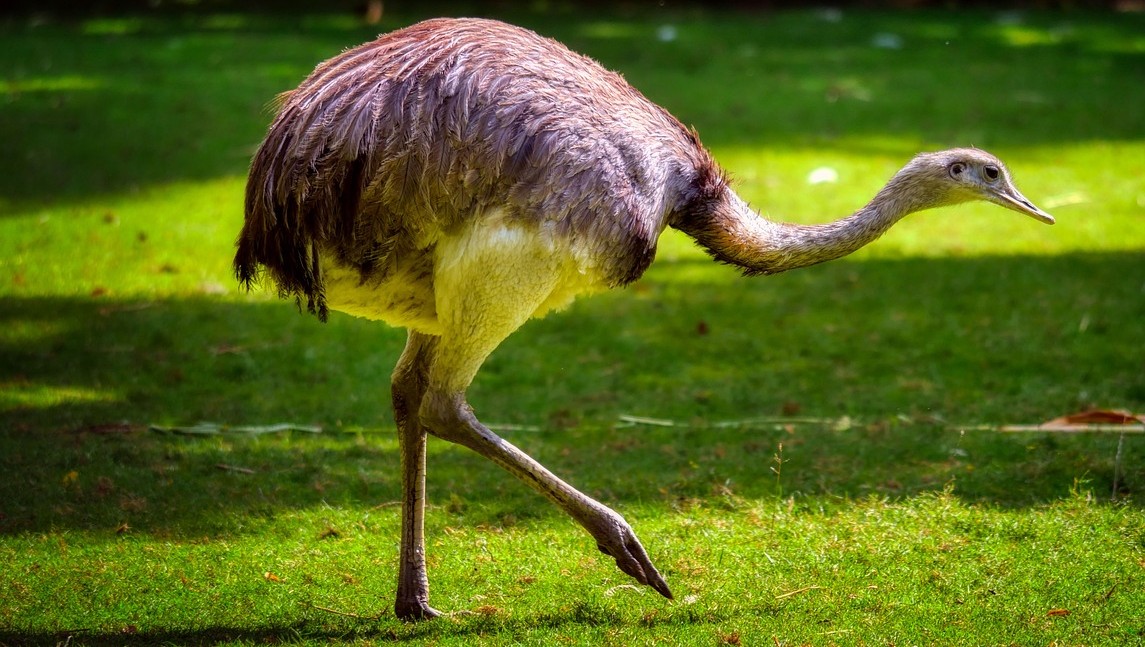
Image: fietzfotos

America is known for its bold personality, and that spirit shows up in some quirky traditions. From competitive eating contests to cherry pit spitting, and those perfectly posed (and sometimes hilariously awkward) holiday family cards, there's no shortage of ways people across the country celebrate and have fun. Do you participate in any of these 13 traditions?

1
Competitive eating

Image: Gigi

Nathan’s Famous claims to have hosted its first Fourth of July hot dog-eating contest in 1916 at Coney Island. According to legend, four immigrants took part to prove who was the most patriotic . The winner, an Irishman, downed 13 hot dogs to claim the title.

Though this origin story was likely an invention for publicity, this quirky event has grown into the beginnings of what would become a long-standing American tradition.

2
Turkey pardoning
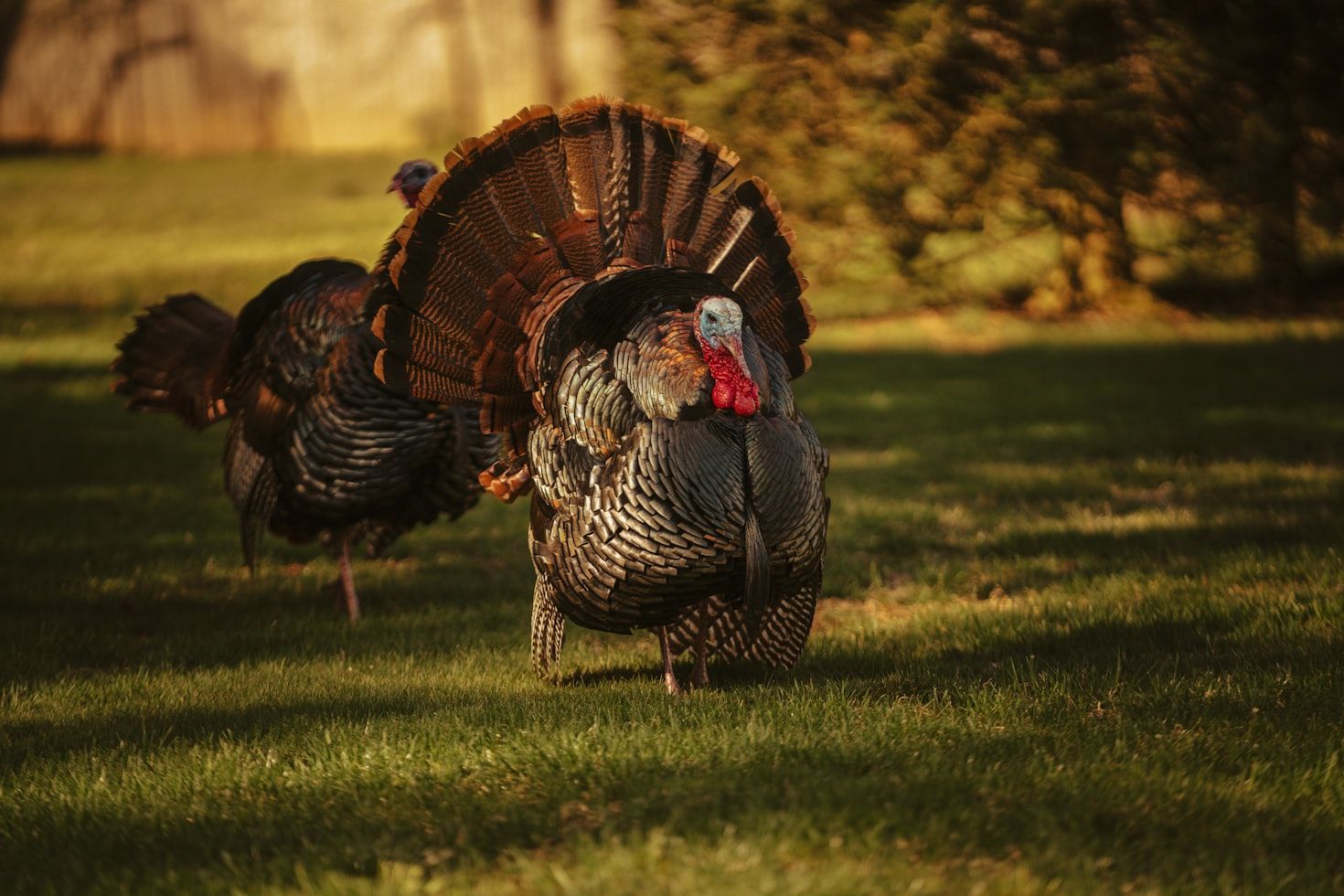
Image: Tyler Donaghy

The tradition of pardoning a turkey dates back to 1863, when President Abraham Lincoln reportedly spared a bird after his son Tad begged for its life . Originally meant for Christmas dinner, the turkey was saved thanks to Tad’s compassion.

While a few later presidents, including Harry Truman and John F. Kennedy, also chose to spare turkeys, it wasn’t until 1989 that President George H.W. Bush made the turkey pardon an official White House tradition.

3
Groundhog Day

Image: Camerauthor Photos

Groundhog Day centers around a groundhog named Punxsutawney Phil , who is said to predict the weather each February 2nd . If Phil sees his shadow, it signals six more weeks of winter; if not, spring is supposedly on its way.

The tradition began when newspaper editor Clymer Freas pitched the idea to the Punxsutawney Groundhog Club in the late 1800s. Despite its popularity, Phil’s weather predictions have only been accurate about 39% of the time, according to the National Climatic Data Center.

4
Pickle-shaped ornaments on Christmas trees
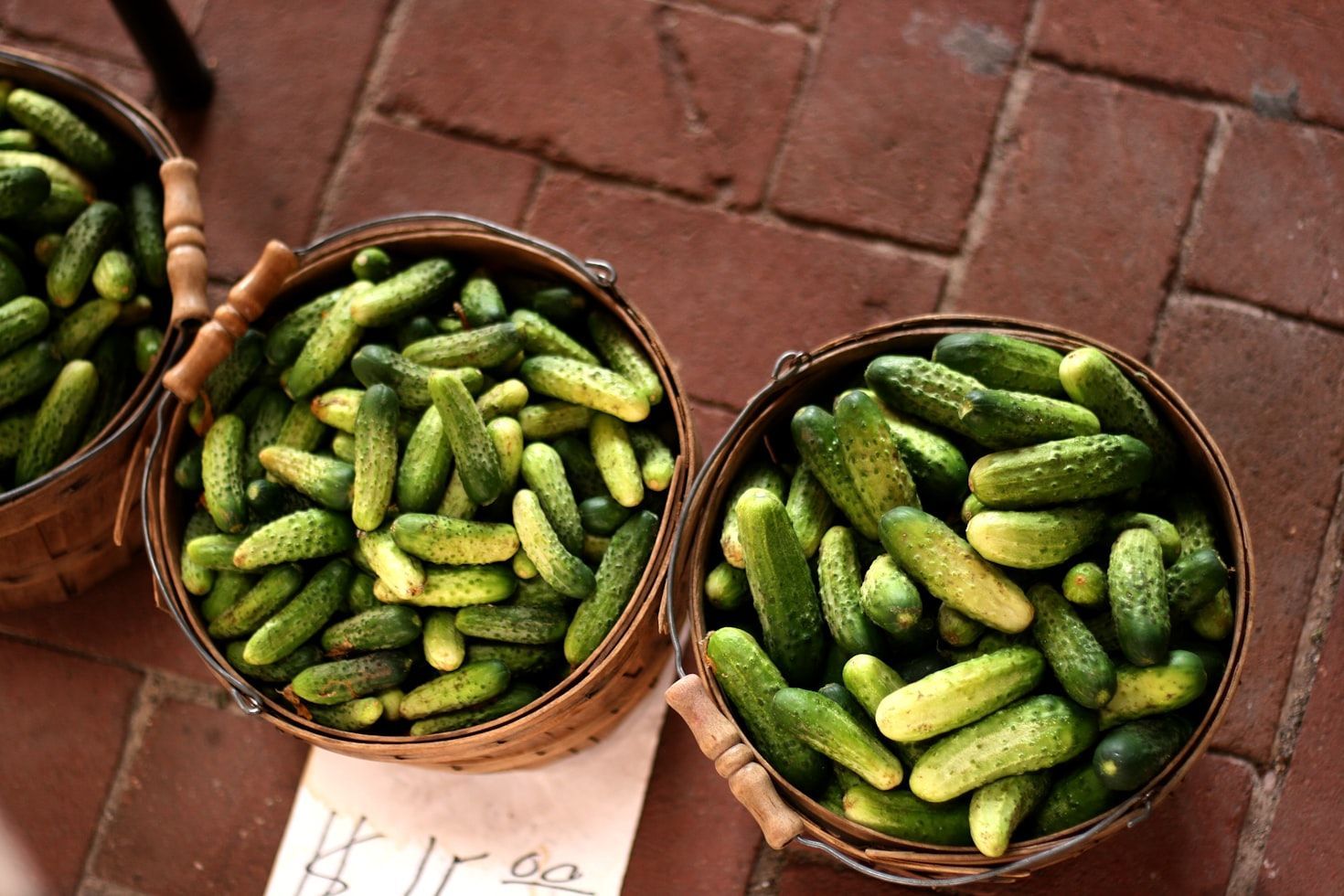
Image: Drew Geraets

The Christmas pickle tradition is believed to have started as a clever marketing move by Woolworths. After receiving a large stock of pickle-shaped ornaments , the store invented a festive game to help sell them.

They encouraged families to hide the pickle in their Christmas tree, with a small prize going to whoever found it first. What began as a sales tactic eventually became a quirky holiday tradition in many American homes.

5
Alaska's Nenana Ice Classic

Image: Ariane Frei

The tradition began in 1917, when a group of railroad engineers placed bets on when the ice on Alaska’s Nenana River would break . They wagered a total of $800, trying to predict the exact date, hour, and minute of the thaw.

What started as a friendly bet turned into an annual event known as the Nenana Ice Classic. Today, it’s a major Alaskan tradition that draws thousands of participants each year—and offers a jackpot that can exceed $300,000.

6
Cherry pit spitting

Image: Quaritsch Photography

During cherry season, cherry pit spitting contests pop up across the U.S., inviting participants to launch pits as far as they can —or even try to hit specific targets. These contests are famously held at events like the International Cherry Pit Spitting Championship in Eau Claire, Michigan, which began in 1974.

It’s a lighthearted test of skill that draws crowds in search of classic summer fun.

7
Tailgate parties
Image: Zachary Keimig

For many American sports fans—especially at football games—just attending isn’t enough. Hours before kickoff, parking lots fill with fans decked out in team colors , grilling food , and enjoying drinks as part of the pregame ritual known as tailgating.

Some tailgaters go all out, bringing TVs, sound systems, and even satellite dishes to create the ultimate game-day setup.

8
Black Friday shopping spree

Image: Erik Mclean

Just hours after Thanksgiving feasts wrap up, millions of Americans shift into shopping mode for Black Friday. This massive retail event kicks off a weekend spree that also includes Small Business Saturday and Cyber Monday—newer traditions that have quickly gained traction.

9
Holiday family cards

Image: Community Archives of Belleville and Hastings County

One beloved holiday tradition in the U.S. is sending and receiving festive family photo cards . These often feature coordinated outfits and include a short update on the family’s highlights from the past year—even from people you may barely remember.

10
Ostrich racing

Image: Dominic Yegon

Ostriches were introduced to the U.S. in the 1880s, and it didn’t take long for people to start racing them. These unusual competitions sprang up in several states and quickly gained attention for their novelty.

Today, the most well-known event is the Chandler Ostrich Festival in Arizona , which has been running for decades. As of 2024, it marked its 36th year, continuing the quirky tradition with a modern twist.

11
Roadkill cook-off

Image: Christoph Wick

With abundant wildlife and countless vehicles on American roads, animal collisions are an unfortunate reality. But in Marlinton, West Virginia, locals have found a unique way to turn that misfortune into a celebration.

Every September, the town hosts the Roadkill Cook-off, where adventurous eaters can sample dishes like squirrel gravy on biscuits, teriyaki bear, or deer sausage —all made from animals legally collected after road accidents.

12
Pumpkin chucking

Image: Marius Ciocirlan

In America, pumpkins aren’t just for pies and lattes—they’re also launched through the air in a tradition known as pumpkin chucking.

The largest and original event, Punkin Chunkin, originated in Delaware, where teams use contraptions like trebuchets, catapults, and air cannons to hurl pumpkins as far as possible .

History History 4 min read

AMERICANA FLASHBACKS

From Rock’n Roll to Suburbia: 10 defining moments of 1950s America

Image: Brett Jordan

The 1950s was a turning point in American history. A decade marked by innovation and prosperity, this era witnessed major societal shifts, ranging from technological advancements to the emergence of iconic brands and cultural phenomena like rock 'n' roll. It also saw the rise of the civil rights movement and the beginning of the Cold War, kickstarting a new global era. As Americans dreamed of space exploration and new technologies, they suddenly gained access to unprecedented comforts. Here are 10 hallmarks of this remarkable time.

1
Rock 'n' Roll Revolution

Image: Provincial Archives of Alberta

The 1950s marked the explosive rise of rock 'n' roll, with artists like Elvis Presley, Chuck Berry, and Little Richard leading the charge. This novel genre blended rhythm and blues with country, creating an energetic and rebellious sound that resonated with the youth.

Rock 'n' roll quickly became a cultural phenomenon, challenging traditional norms and promoting a new sense of freedom and expression. But the genre's influence extended way beyond music, as it impacted fashion, dance, and even social attitudes. As a symbol of teenage rebellion, it is now considered a catalyst for the social revolutions of the 1960s.

2
Space Race Begins

Image: Brian McGowan

The Space Race, ignited by the Soviet Union's launch of Sputnik in 1957, became a key aspect of the Cold War rivalry between the United States and the USSR. In response, the U.S. accelerated its space program, leading to the creation of NASA in 1958.

The race to space was not just a technological competition but also an ideological battleground. It captured the American imagination, inspiring dreams of exploration and boundless innovation. This era laid the groundwork for major achievements, including the Apollo moon landing, forever cementing the United States’ place in the history of space exploration.

3
Television Takes Over

Image: Randy Jacob

The 1950s also saw television become the dominant medium of entertainment and information in American households. With the widespread adoption of TV sets, shows like I Love Lucy and The Ed Sullivan Show brought families together and became cultural touchstones, influencing fashion, language, and social norms.

Simultaneously, television's ability to massively broadcast news and live events made it a powerful tool for shaping public opinion. As the number of channels and programs grew, television became a central part of American life, affecting politics, advertising, and culture in general.

4
Fast Food Frenzy

Image: Alora Griffiths

The fast food industry boomed in this decade, revolutionizing the American dining experience. Chains like McDonald's, founded in 1955, popularized the concept of quick and affordable meals. This phenomenon was also closely tied to the emerging car culture, as drive-thru restaurants became commonplace.

This convenience appealed to the growing suburban population and busy families, making fast food synonymous with modernity, speed, and the American lifestyle.

5
Iconic Cars

Image: Photo Person

A golden age for American automobiles, the 1950s saw the emergence of iconic models like the Chevrolet Bel Air, Cadillac Eldorado, and Ford Thunderbird . These streamlined machines were not only more affordable than ever but also captured the public's imagination with their enhanced comfort and sophistication.

Cars soon evolved from mere transportation to symbols of status, freedom, and identity. Their innovative designs, characterized by chrome, tailfins, and vibrant colors, reflected the themes of the Space Age and the technological optimism of the era.

6
The Birth of Teenagers

Image: Fern M. Lomibao

While today we think of adolescence as a normal stage of life, the concept of the teenager as a distinct demographic didn’t truly emerge until the 1950s. With increased disposable income, young people soon became a powerful consumer group, influencing fashion, music, and entertainment.

They flocked to new cultural phenomena like rock 'n' roll, drive-ins, and soda fountains. By challenging traditional authority, this generation of teenagers pushed for freedom and independence, in many ways setting the stage for the social changes that would unfold in the subsequent decades.

7
Modern Design

Image: Matt Briney

Characterized by clean lines, organic shapes, and an emphasis on functionality, mid-century modern design was forged during this decade. Designers like Charles and Ray Eames, Eero Saarinen, and George Nelson became iconic figures, creating furniture, architecture, and household items that seamlessly blended form and function.

Technological advancements and the introduction of new materials, such as molded plywood, fiberglass, and plastics, enabled innovative and affordable designs. To this day, futuristic design remains closely associated with mid-century modern aesthetics.

8
Consumer Culture

Image: Jaxon Gee-Dub

This era marked the rise of consumer culture in America, with the proliferation of advertising and the introduction of new products. Brands like Coca-Cola, Pepsi, General Electric, and RCA became household names, and synonymous with the abundance and convenience of modern American life.

Shopping emerged as a popular pastime, with the expansion of department stores and the advent of shopping malls, which consolidated a variety of stores under one roof. As a result, for many, the pursuit of happiness became increasingly intertwined with the acquisition of material goods.

9
The Cold War Era

Image: Marie Rouilly

The Cold War shaped the tense geopolitical landscape of the 1950s, with the United States and the Soviet Union locked in a prolonged ideological struggle. Policies such as the "Marshall Plan" aimed to counter Soviet influence globally, while massive investments in defense and aerospace industries spurred significant technological advancements.

Fears of nuclear conflict and espionage permeated the era, influencing American culture and reflecting in movies and television. Despite these anxieties, the Cold War also fostered a strong sense of unity and patriotism as Americans rallied against a common adversary.

10
Suburban Boom

Image: Nikola Knezevic

The post-World War II era saw a massive migration to the suburbs, spurred by economic prosperity, supportive legislation such as the GI Bill, and a desire for affordable housing. Suburban developments like Levittown offered uniform, mass-produced homes that were accessible to middle-class families.

This suburban expansion reshaped American society, fostering a culture centered around family life, homeownership, and car-centric lifestyles. The move to the suburbs also led to the growth of shopping malls, schools, and community organizations, creating a distinct suburban culture that came to define the American Dream.

History History 4 min read

Olympic legacy

United States at the Olympics: Gold, Glory and Greatness

Image: Anna Shvets

Team USA has dominated the Olympics for over a century. Our athletes have racked up medals, broken records, and hosted the most events. From teen champions (do you know how old the youngest athlete was?) to historic gold medal sweeps, American athletes have made their mark. From swimmers to gymnasts to track stars, they have brought speed, skill, and power to the Olympic Games. We're here to explore some of the coolest records and achievements that make the US an Olympic powerhouse!

1
The US: The ultimate Olympic host

Image: Obed Hernández

If hosting the Olympics were a sport, the US would take home the gold medal, as America has welcomed the Games eight times —more than any other country.

The Summer Olympics have taken place in St. Louis (1904), Los Angeles (1932, 1984), and Atlanta (1996), while the Winter Olympics have been held in Lake Placid (1932, 1980), Squaw Valley (1960), and Salt Lake City (2002).

And that’s not the end—Los Angeles is gearing up for 2028, so it’s safe to say the torch never stays away for too long!

2
Winning more medals than anyone else

Image: Ethan Wilkinson

If there’s one thing Team USA knows how to do, it’s win medals—a lot of them. As of 2024, the US has claimed a staggering 2,765 Summer Olympic medals (including 1,105 golds) and 330 Winter Olympic medals . No other country even comes close.

Whether on the track, in the pool, or on the ice, American athletes have consistently outperformed the competition.

3
Dominating track, field, and the pool

Image: Austris Augusts

Certain sports just seem to bring out the best in American athletes . From Jesse Owens on the track to Katie Ledecky in the pool to Carl Lewis soaring through the air, American athletes have rewritten the record books time and time again.

In track and field, for example, the US holds the record for the most gold medals, with over 400.

When it comes to swimming, Team USA has made an even bigger splash, earning more than 570 total Olympic medals—the most in any single sport.

4
Michael Phelps: The GOAT of the Olympics

Image: Braden Egli

Speaking of rewriting the record books, we need to talk about Michael Phelps—the most decorated Olympian of all time.

With 28 medals (23 gold, 3 silver, 2 bronze) , the legendary swimmer dominated the pool across five Olympic Games. His eight gold medals at Beijing 2008 were a record-breaking feat, proving that when it comes to Olympic greatness, no one comes close. Phelps didn’t just set records—he shattered them, leaving behind a legacy that may never be topped.

5
Winter Games greatness: Apolo Ohno’s record run

Image: Filip

While the Summer Olympics have clearly brought in the most medals, the US has had its fair share of Winter Olympic heroes.

The most decorated of them all? Apolo Ohno , the short-track speed skating sensation. Ohno raced to eight Olympic medals, cementing his place as America’s greatest Winter Olympian. You simply had to watch him dodge crashes, make last-second moves, and celebrate with his signature goatee.

6
When the US brought home 83 golds in one year

Image: Viktor Forgacs

The 1984 Los Angeles Olympics marked a golden era for Team USA—and we mean that quite literally.

With the Soviet Union and several other countries boycotting the Games, American athletes dominated, winning 83 gold medals —the most ever at a single Summer Olympics.

7
The only time the US won just one gold

Image: Matthew Fournier

But it wasn’t always like that—there were times when the story went differently for Team USA. While 1984 was all about collecting golds, 1980 was a different story.

That year, Team USA won only one gold medal… but what a gold it was! The US men’s hockey team, made up of young college players, pulled off the famous "Miracle on Ice , " defeating the heavily favored Soviet team before going on to win gold. One gold medal? Sure. But it was one of the greatest moments in Olympic history.

8
A medal sweep like no other

Image: Mia de Jesus

The 1904 St. Louis Olympics were unlike any other—and not just because it was the first time the Games were held in the US.

Due to travel difficulties and a lack of international participation, Team USA won over 80% of all medals awarded . While it wasn’t exactly a fair fight, it still stands as the biggest medal sweep in Olympic history. Sometimes, just showing up is half the battle, you know?

9
Youngest US champion: A 13-year-old diving prodigy

Image: Austrian National Library

Most Olympic champions train for years before making their mark—but that wasn’t the case for Marjorie Gestring , who won a gold medal in diving at just 13 years and 268 days old at the 1936 Berlin Olympics. While most kids her age were just starting middle school, she was standing atop the Olympic podium. To this day, she remains the youngest US Olympic champion ever.

10
Simone Biles: The queen of US gymnastics

Image: Brian Wangenheim

When it comes to American gymnastics, Simone Biles is in a league of her own. With 11 Olympic medals (7 gold, 2 silver, 2 bronze), she is the most decorated US female gymnast in history.

Her powerful routines, gravity-defying skills, and unmatched mental toughness have made her an icon, inspiring future generations of gymnasts. Whether she’s flipping, twisting, or making history, Biles continues to raise the bar—literally.

Explore more American facts

Choose your favorite category!

General
General

As American as apple pie—the very best America has to offer!

Culture
Culture

Delve into the astounding richness of American lore.

Geography
Geography

Hop in and explore vast and diverse American landscapes.

History
History

Discover the key moments that shaped the United States.