Culture Culture 5 min read

Stranger than truth?

10 famous rock & roll myths, debunked
Image: Mick Haupt

Rock & roll has always attracted tall tales. Sometimes a bizarre incident gets exaggerated; sometimes a rumor is repeated until everyone "remembers" it happening. Sometimes the truth is stranger than the legend. From an FBI investigation into an allegedly dirty song to a chicken incident that got wildly out of hand, these 10 stories have been repeated for decades. But did they really happen? Nope.

1
Robert Johnson sold his soul to the Devil
Image: Raggedstone

The story seems almost too perfect: an obscure bluesman meets the Devil at a Mississippi crossroads, trades his soul for extraordinary musical ability, and returns as a guitar genius. Robert Johnson’s short, mysterious life made him an ideal subject for such a legend.

There is no historical evidence that Johnson ever claimed to have made such a bargain . The supernatural interpretation grew partly from songs such as "Me and the Devil Blues" and "Hell Hound on My Trail," as well as older traditions involving crossroads and Faustian bargains.

2
The FBI found dirty lyrics in "Louie Louie"
Image: gadiel img

This myth has some truth to it: the FBI really did investigate a rock song because people thought its lyrics were obscene. The Kingsmen released their famously garbled version of Richard Berry’s "Louie Louie" in 1963. Soon, teenagers began passing around supposedly filthy versions of what singer Jack Ely was mumbling. A complaint eventually reached Attorney General Robert F. Kennedy, and federal investigators got involved.

Agents listened to the record and examined claims that its secret lyrics became clearer when the 45-rpm single was played at 33⅓ rpm. After all that effort, the FBI concluded that it could not determine that the alleged obscene words were actually being sung .

3
Gene Simmons had a cow’s tongue grafted to his own
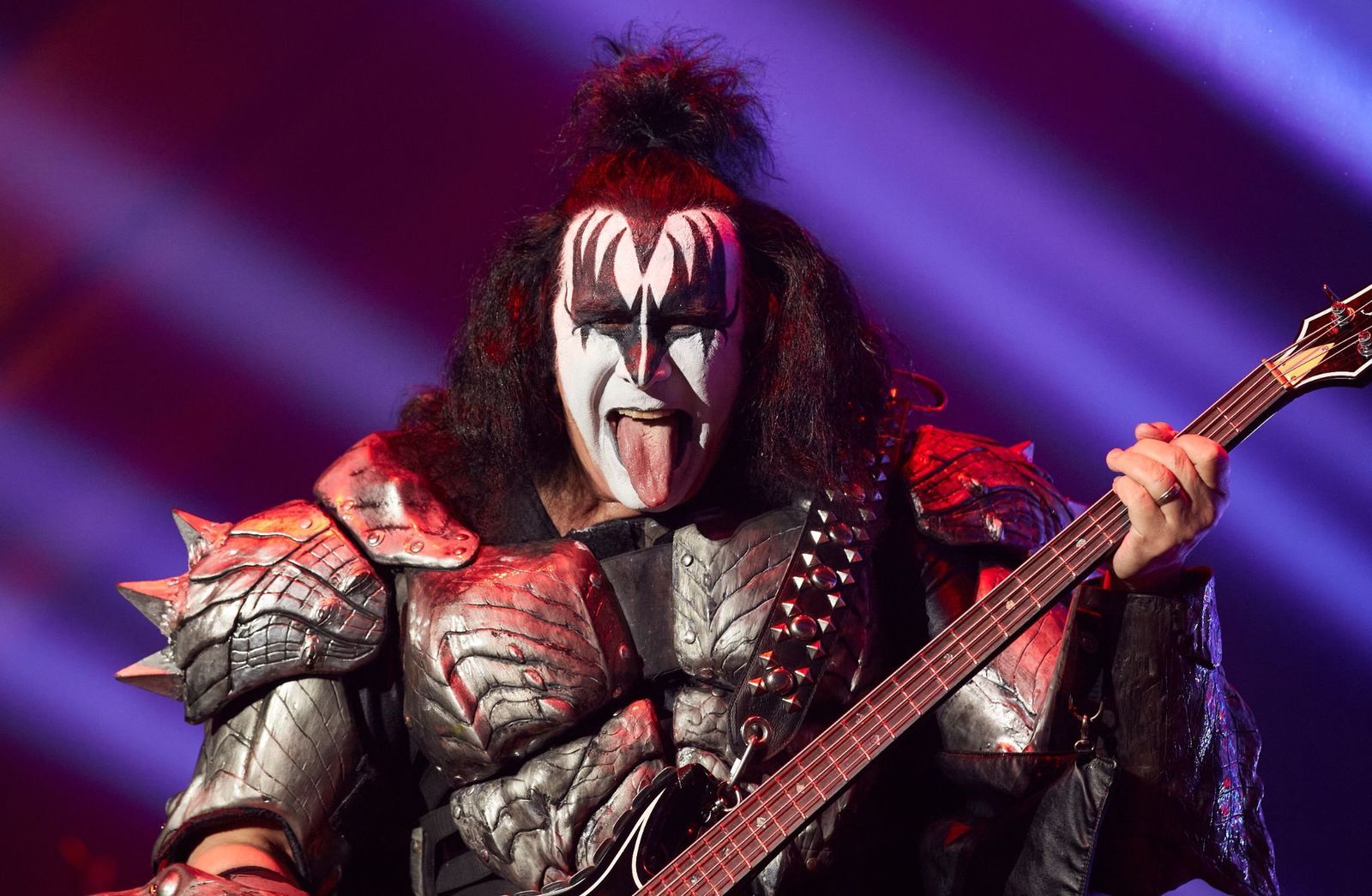
Image: Photography Stock Ruiz

KISS bassist Gene Simmons has one of rock’s most recognizable tongues. It became such a trademark that generations of fans wondered whether nature could really have produced it. One rumor supplied an appropriately outrageous explanation: Simmons supposedly underwent surgery and had part of a cow’s tongue grafted onto his own.

As KISS’s "Demon," he performed in makeup and armor-like costumes, breathed fire, spat theatrical blood, and repeatedly displayed that unusually long tongue. Against that background, the idea of bizarre tongue surgery somehow sounded plausible. The real explanation is considerably simpler: Simmons just has a remarkably long tongue .

4
Mamma Cass choked on a ham sandwich

Image: Xan

Few rock myths have been as persistent, or as unfair, as the story surrounding Cass Elliot’s demise. The Mamas & the Papas singer died in London on July 29, 1974, at just 32. A ham sandwich found in her room soon became part of the story , and before long, people were saying she had choked on it.

She hadn’t. The inquest determined that Elliot died from a heart attack, and there was no evidence of food blocking her airway . Her daughter, Owen Elliot-Kugell, later said manager Allan Carr helped spread the sandwich explanation because he feared people would assume Elliot had died from a drug overdose. Instead, the story became an enduring and often cruel joke about the singer.

5
Alice Cooper bit the head off a live chicken

Image: Finn Mund

Alice Cooper’s stage shows eventually featured guillotines, fake blood, electric chairs, and plenty of other theatrical horrors. But one notorious act was never part of the show: Cooper did not bite the head off a live chicken.

The real incident happened at the Toronto Rock and Roll Revival in September 1969. A live chicken somehow made its way onto the stage , with Cooper throwing it back to the crowd. By the next day, the story had mutated into Cooper slaughtering the bird himself and even drinking its blood. Frank Zappa called to ask whether the reports were true. When Cooper denied them, Zappa reportedly advised him not to correct the press.

6
KISS means "Knights In Satan’s Service"
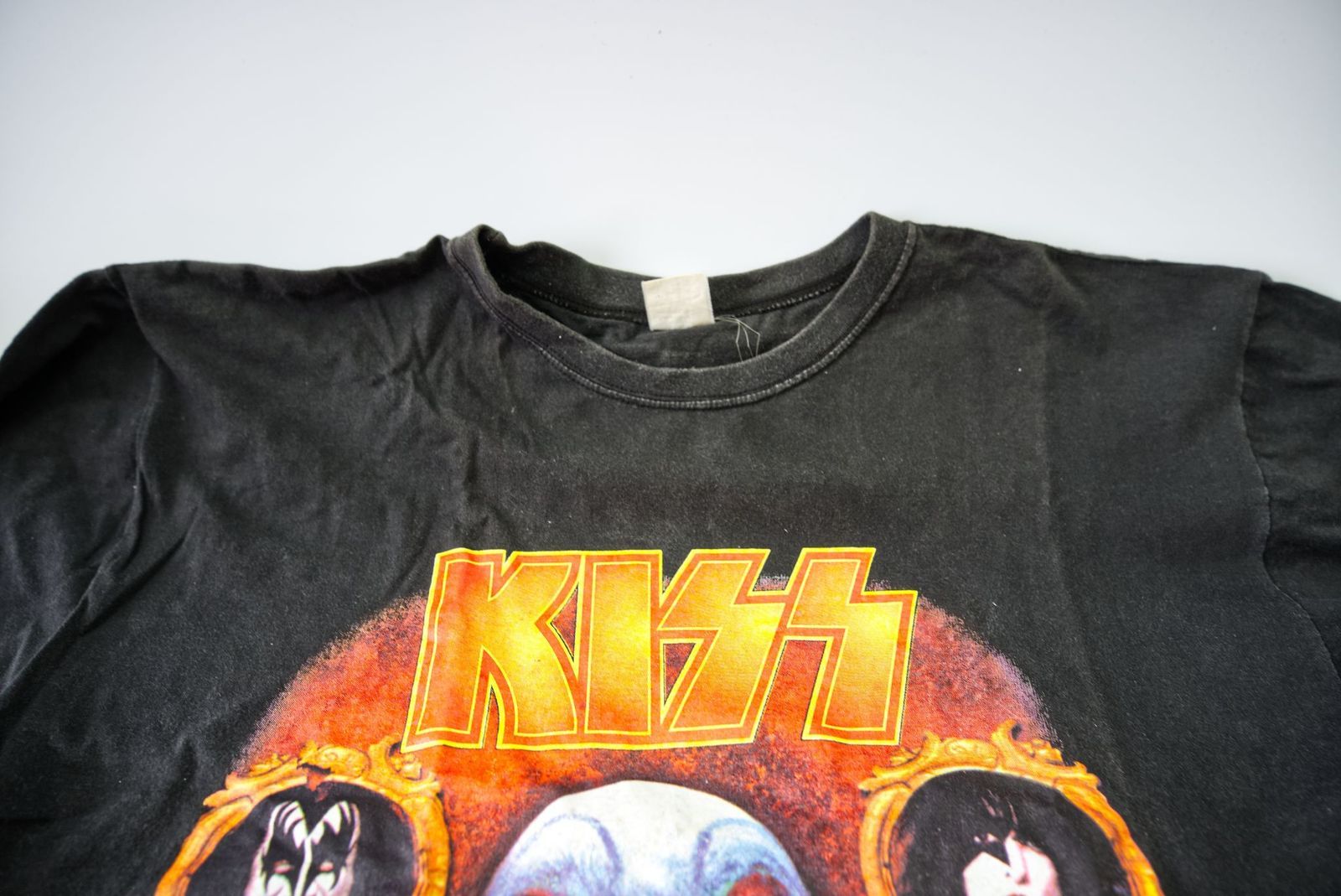
Image: felixramao

The makeup, the fire, Gene Simmons’ Demon persona, and the lightning-bolt logo provided fertile ground for rumors about KISS. One of the longest-lasting claims was that the band’s name secretly stood for "Knights in Satan’s Service."

But that’s not true. KISS isn’t an acronym. The name emerged in 1973 while the newly formed group was searching for something to replace Wicked Lester, the name of Gene Simmons and Paul Stanley’s previous band. Drummer Peter Criss mentioned that he had once played in a group called Lips. Stanley suggested going one step further: KISS . Ace Frehley later designed the famous logo, with its distinctive final two letters resembling lightning bolts.

7
Frank Zappa ate feces onstage
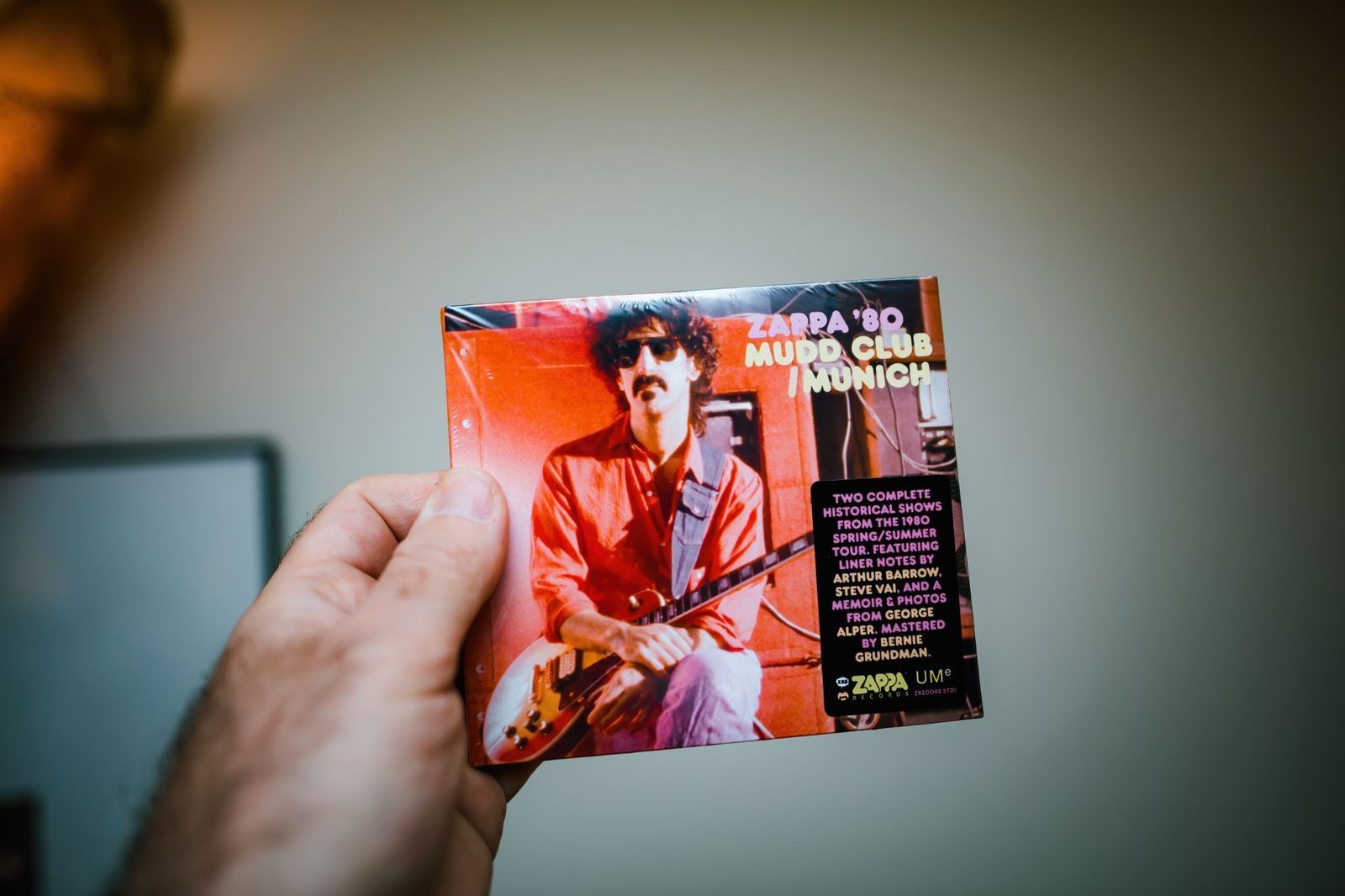
Image: Hadrian

Frank Zappa cultivated an eccentric image. That made audiences willing to believe almost anything about him, including one especially revolting story involving an onstage gross-out competition. Different versions named different opponents, but they generally ended with Zappa supposedly eating feces.

Zappa vehemently denied the story . He once recalled encountering a musician at London’s Speakeasy club who congratulated him on the infamous stunt. When Zappa explained that it had never happened, the man was actually disappointed.

8
Marilyn Manson was Paul from The Wonder Years
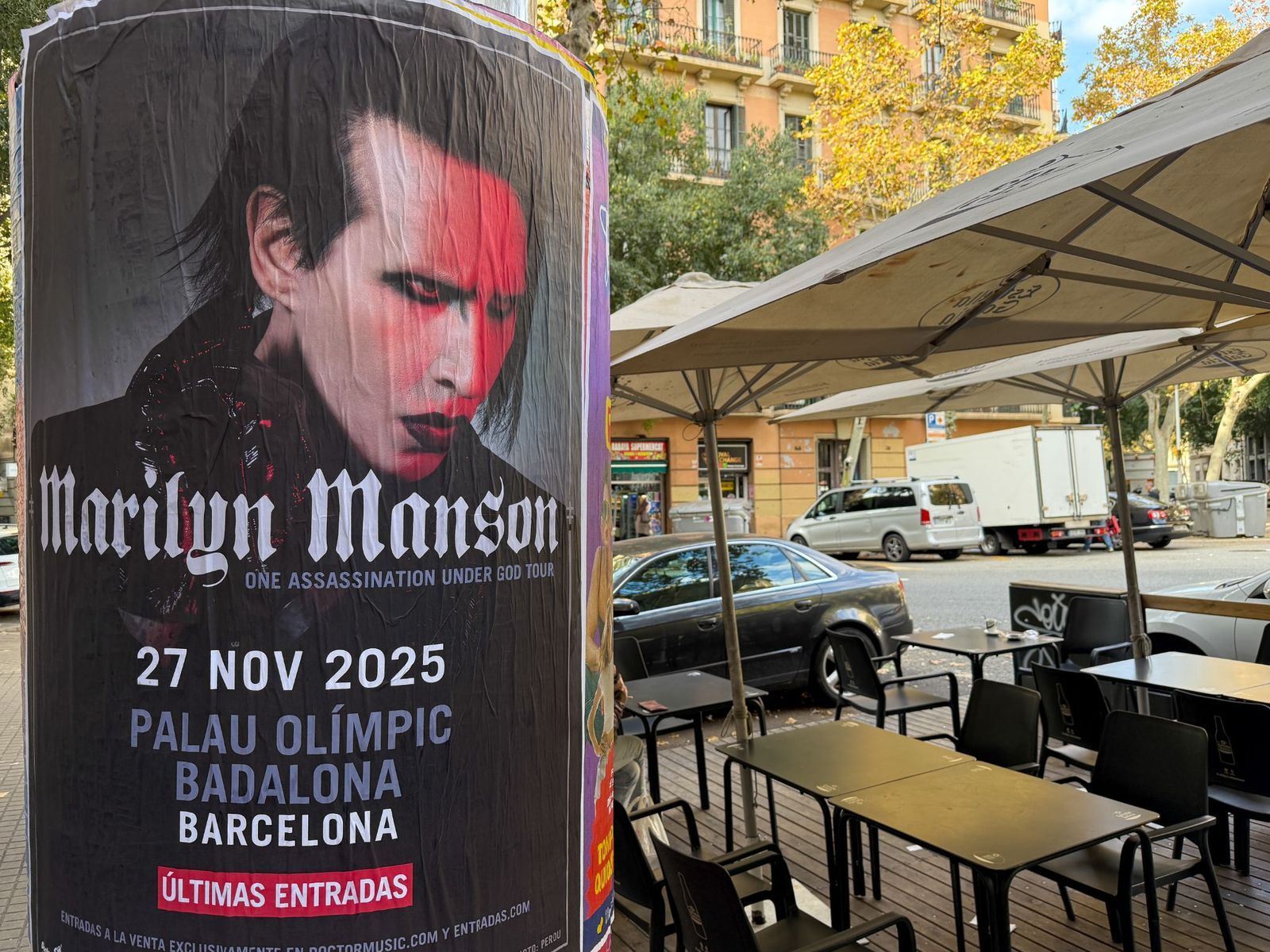
Image: Pascal Huot

According to countless schoolyard conversations, emails, and message-board posts, the nerdy Paul Pfeiffer from the ABC series The Wonder Years grew up to become shock rocker Marilyn Manson. There’s one major problem: Paul was played by Josh Saviano. Marilyn Manson was born Brian Warner. They are entirely different people.

Saviano has said he began hearing the rumor while attending college in the 1990s, just as the Internet was giving old-fashioned gossip a powerful new delivery system. His actual post- Wonder Years career was decidedly less shocking: he studied political science at Yale and later became a lawyer .

9
Jimi Hendrix gave London its wild parakeets
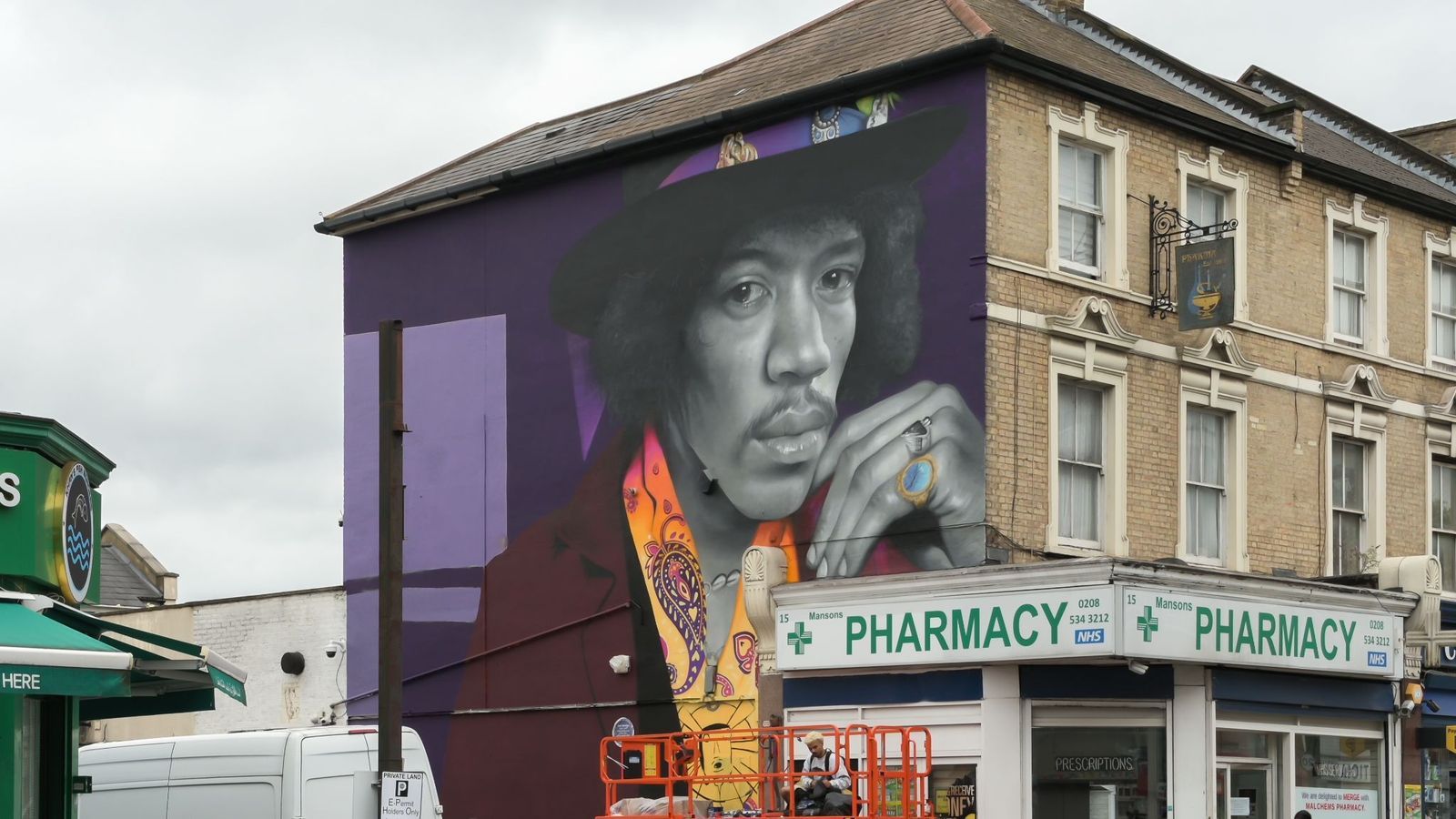
Image: Abdul_Shakoor

Anyone walking through parts of London today can encounter something unexpected overhead: flocks of brilliant green ring-necked parakeets. An explanation for this phenomenon involves Jimi Hendrix. According to the legend, Hendrix released a pair of parakeets in London in the late 1960s, and today’s population descended from them.

Scientists have investigated the story and found no evidence supporting it . Research published in the Journal of Zoology concluded that Britain’s parakeet population was more consistent with multiple escapes and deliberate releases over time rather than one rock star’s birds.

10
The Grateful Dead got their name from the Egyptian Book of the Dead
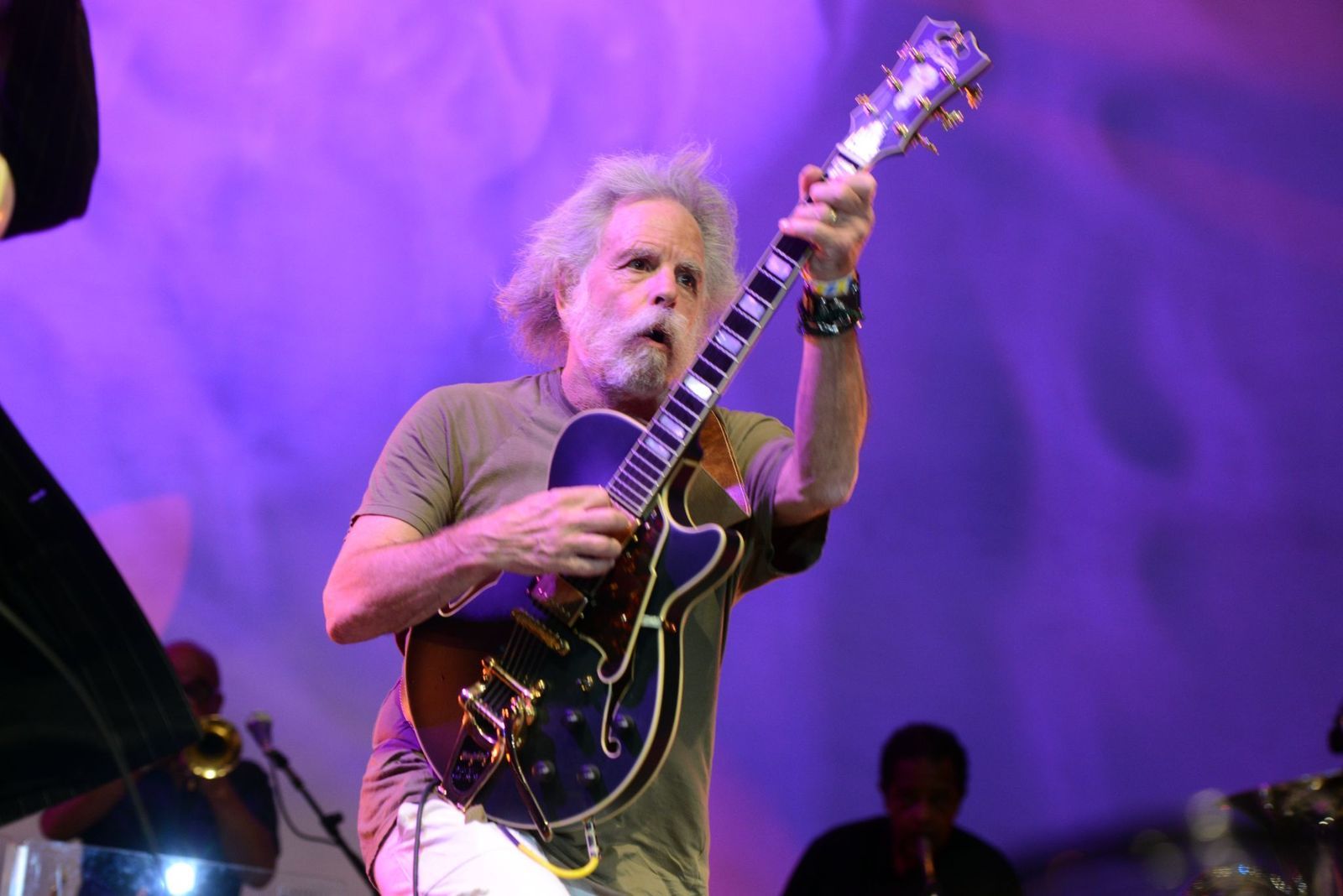
Image: Adam McCullough

"Grateful Dead" sounds ancient, mystical, and exactly like something Jerry Garcia might have discovered in an obscure volume of esoteric wisdom. That helped produce the persistent story that the band took its name from the Egyptian Book of the Dead .

The actual source was much more familiar: a dictionary . In 1965, the group was still called the Warlocks but needed a new name. During a gathering in Palo Alto, Garcia opened a Funk & Wagnalls dictionary and encountered "grateful dead," an old folklore term involving the spirit of a deceased person rewarding someone who had performed a charitable act for the dead. The band went with it, and the rest is history.

Geography Geography 5 min read

American landmarks

The sky is the limit: Do you know these 10 breathtaking skyscrapers?

Image: Frederik Sørensen

The noun "skyscraper" has a fantastical side to it, doesn’t it? It directly speaks to mankind’s eternal dream to touch the sky, to be able to reach previously insurmountable heights. Ever since the first skyscraper was built in Chicago, America has been synonymous with these breathtaking and humongous buildings. With that in mind, we have selected 10 of the most iconic buildings in American history. Celebrate these architectural wonders and how they represent everything that makes us so proud to be American. Enjoy!

1
Empire State Building

Image: Afif Ramdhasuma

We’ll begin with what’s perhaps the most famous skyscraper in "The City That Never Sleeps". The Empire State Building speaks to the magnificence and grandeur of New York City: After all, it is named after the State of New York’s official nickname, "The Empire State".

At the time of its construction, the Empire State Building was the tallest building in the world, a title held for almost 40 years. Its exquisite Art Deco design and innovative architecture have turned it into an instantly recognizable icon. Perhaps more famously, it has been featured in unforgettable pictures like "Sleepless in Seattle" and "King Kong". Be honest: Whenever you see a picture of this building, can’t you almost see a humongous ape perched atop its antenna?

2
Flatiron Building

Image: Vidar Nordli-Mathisen

For many, the most remarkable feature of this iconic building is its unusual name, which comes from its also rather unusual shape. The Flatiron is considered a New York City institution, and its history is almost as inspiring as its groundbreaking design.

In its early years, the Flatiron was known by the derisive nickname "Burnham's Folly", since detractors believed that architect Daniel Burnham’s design was a laughable idea. History would prove Burnham right though, since the Flatiron is still one of the most instantly recognizable skyscrapers in the world.

3
Willis Tower

Image: Gardhy Granados

For any Chicagoan who might be reading this, we know that you probably still call this building the "Sears Tower", but we thought it would be appropriate to include the official new name of this iconic skyscraper. Located in the heart of the "Loop", the Willis Tower is a 110-story, 1,451-foot building that has truly earned its place in Chicago’s skyline.

Since its opening in 1973, Willis Tower has proudly held the title of the world’s tallest building for close to 25 years. Regardless, this juggernaut is still an American landmark and one of Chicago’s most visited tourist attractions.

4
Transamerica Pyramid

Image: Chris Leipelt

While most pictures of San Francisco’s skyline are usually dominated by the Golden Gate Bridge, visitors of "The City by the Bay" are frequently dazzled by this unusual yet breathtaking building. Completed in 1972, the Transamerica Pyramid was San Francisco’s tallest building until 2018, when it was surpassed by the Salesforce Tower.

Without a doubt, the most striking aspect of this building is its groundbreaking design: Just like San Francisco’s carefree spirit of independence, this building seems effortlessly innovative. It has been compared to other revolutionary designs, most notably to "the Shard" building in London.

5
Columbia Center

Image: Anthony Alexander

Formerly known as "the Bank of America Tower" (or BOAT for short), the Columbia Center was constructed in downtown Seattle in the early ‘80s: At the time, this imposing black skyscraper was the highest building on the West Coast. While most of this skyscraper is leased for private usage, it does house the highest public viewing area west of the Mississippi River.

The Columbia Center’s design produces a rather interesting effect: Since the building is composed of 3 separate segments joined by 2 setbacks, viewers from the street might believe the Columbia Center is made from 3 different towers set side to side.

6
The Chrysler Building

Image: Anthony Fomin

As you probably expected, many iconic skyscrapers from "The City That Never Sleeps" will be featured in this article. The Chrysler Building is an art-deco masterpiece located at the intersection of 42nd Street and Lexington Avenue, which holds the distinction of being the world’s very first supertall skyscraper.

This building was commissioned by (and named after) Walter Chrysler, head of the Chrysler Corporation, and its construction was marked by a friendly competition with the Empire State Building for the title of the world’s tallest building. In that sense, the Chrysler Building’s remarkable 1,046 feet height gave it this impressive title, albeit only for 11 months.

7
Wells Fargo Plaza

Image: Franky Magana

If you ever find yourself taking a stroll through Downtown Houston, you’ll definitely come across a gorgeous all-glass skyscraper. You can’t miss it: After all, the Wells Fargo Plaza is the tallest all-glass building in the entire Western Hemisphere, standing at an impressive 992 feet.

This skyscraper was formerly known as the Allied Bank Plaza and in, 1988, it was renamed to the First Interstate Bank Plaza. However, when in 1996 First Interstate Bancorp was bought by Wells Fargo, this skyscraper changed its name once again to the Wells Fargo Plaza we all know.

8
John Hancock Center

Image: Jonathan J. Castellon

Founding Father John Hancock truly deserves all the praise it can receive from the American people, so it stands to reason that he should have his name honored by a 1,128-foot supertall skyscraper. Located in the iconic "Magnificent Mile", the John Hancock Center was for a while the tallest building in Chicago, surpassed by the previously mentioned Willis Tower.

This skyscraper was completed in 1969 and it has remained a Chicago staple ever since. It houses several restaurants and offices, as well as approximately 700 condominiums. Interestingly, the John Hancock Center is the background on which the 1988 horror film "Poltergeist III" takes place: Posters for this film featured this skyscraper, with a menacing lighting bolt crossing the night sky behind it.

9
Bank of America Plaza

Image: Luis Negron

Just like the Empire State and the Chrysler buildings, the Bank of America Plaza is another wonderful example of Art Deco architecture located between Midtown and Downtown Atlanta. This gorgeous skyscraper is instantly recognizable thanks to its unusual color palette, and it holds the distinction of being the tallest building of any U.S. state capital.

If you are lucky enough to visit "the City in a Forest", try to visit the Bank of America Plaza at night. You’ll quickly notice that the stunning golden spire at the top of the building (which is actually shaped like the Plaza itself) glows alongside a gorgeous pyramid of girders, in a lovely orange hue that tries to resemble old street lights.

10
Home Insurance Building

Image: Александр Македонский

We’ll end this article by honoring an iconic skyscraper that, while it is not still standing, lives on in the proud history of our country. Standing at 138 feet, the Home Insurance Building might not seem remarkably tall by today's standards but, at the time of its construction in 1885, this Chicago historical landmark became the world’s very first skyscraper.

Due to a decrease in its occupancy, the Home Insurance Building was demolished in 1931, alongside 5 other buildings, to make way for the site on which the Field Building now stands. However, this landmark’s legacy still stands, earning its well-deserved place in history as the father of the skyscraper.

History History 7 min read

Hidden origins

The real reason Abraham Lincoln was first called "Honest Abe"

Image: English: Photograph by Capitol Records, per a credit found in the 1959 edition of the International Celebrity Register at page 696. No known source credits an individual photographer., Public domain, via Wikimedia Commons

"The Babe," "Honest Abe," "The Chairman of the Board," "The Boss." We’ve heard these nicknames everywhere: on baseball broadcasts, late-night television, radio broadcasts, and newspaper headlines. In many cases, the nicknames became even more famous than the real names of the luminary in question. But have you ever wondered how these legendary monikers were born? Some came from childhood moments, others from personality traits, scandals, accidents, and unforgettable careers. From presidents and athletes to singers and Hollywood legends, here are the fascinating stories behind some of the most iconic nicknames in American history.

1
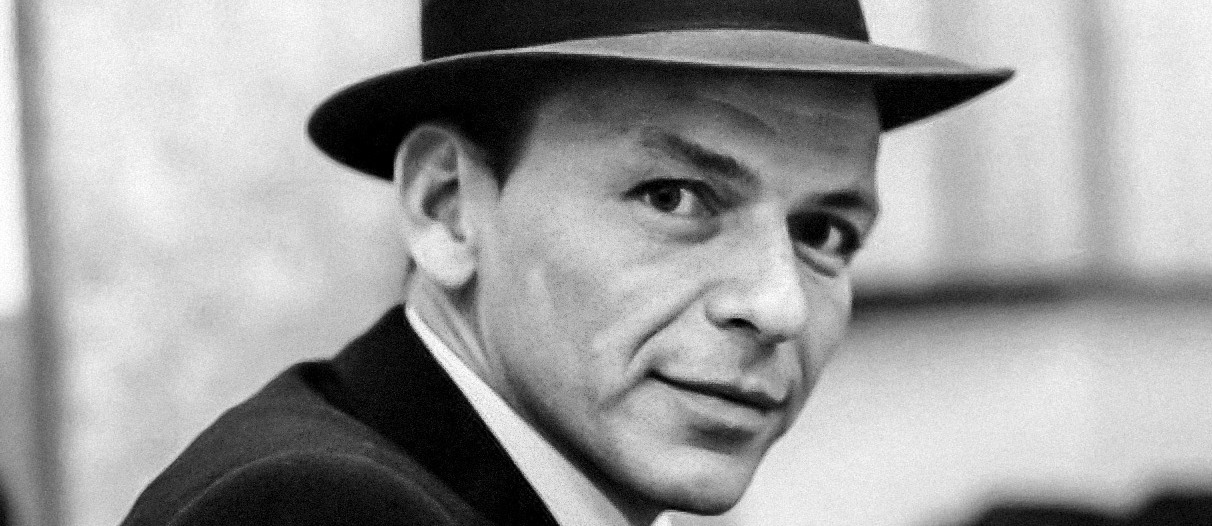
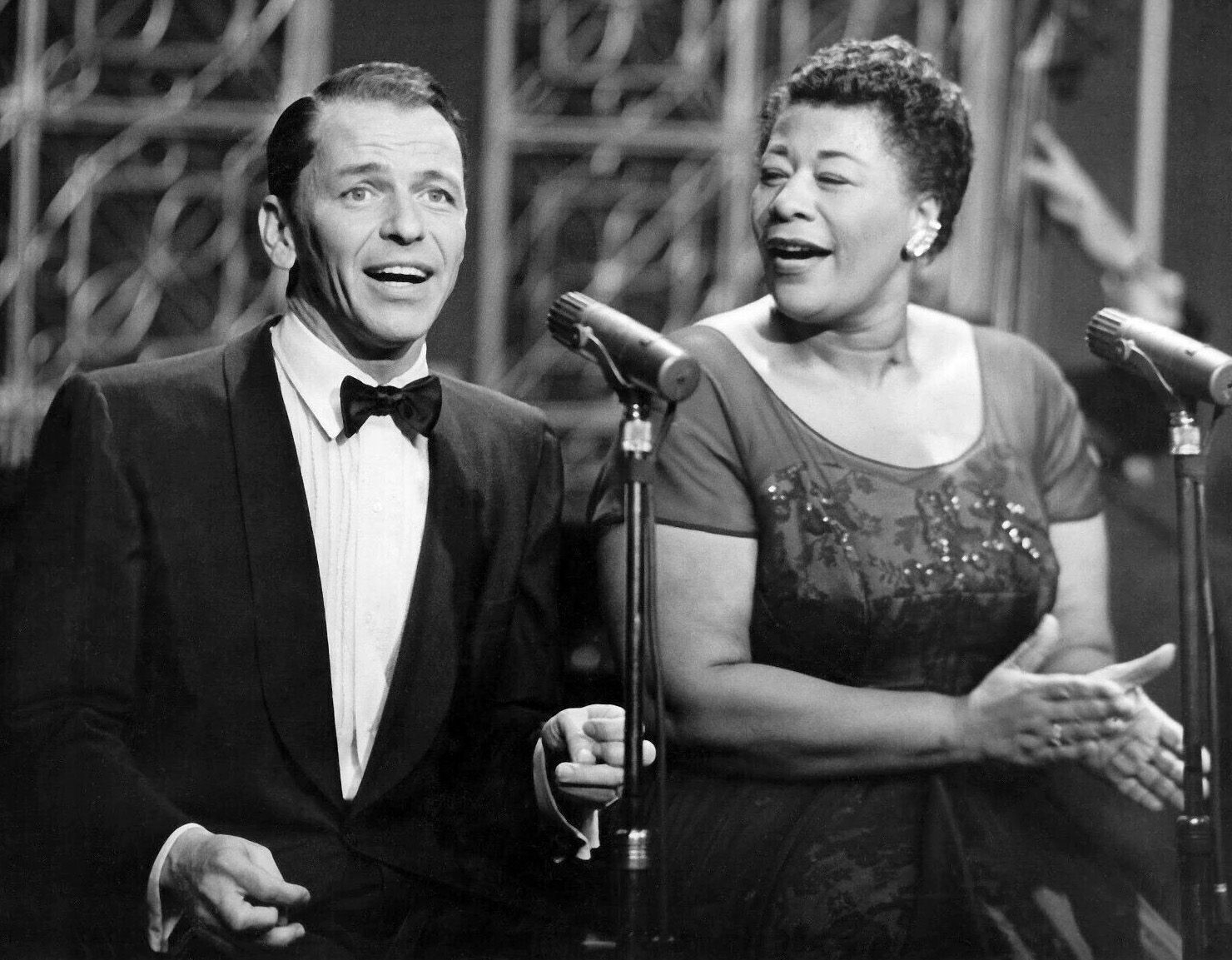
Frank Sinatra: "The Chairman of the Board"

Image: English: Distributed by ABC. Photographer unknown., Public domain, via Wikimedia Commons

Frank Sinatra had many nicknames (including "Ol’ Blue Eyes" and "The Voice"), but none more iconic than "The Chairman of the Board." Do you know where it comes from?

By 1960, Sinatra was tired of record executives telling him what to sing and how to sing it. So he did something unusual at the time: he founded his own label, Reprise Records, which made him not just a singer, but the man in charge. "The Chairman of the Board" was already around in the 1960s, but by the early 1970s, New York radio legend William B. Williams popularized it as a sobriquet that perfectly captured Sinatra’s power and influence in American entertainment. Ironically, despite how famous the title became, Sinatra himself reportedly hated it, according to his wife Barbara Sinatra.

2
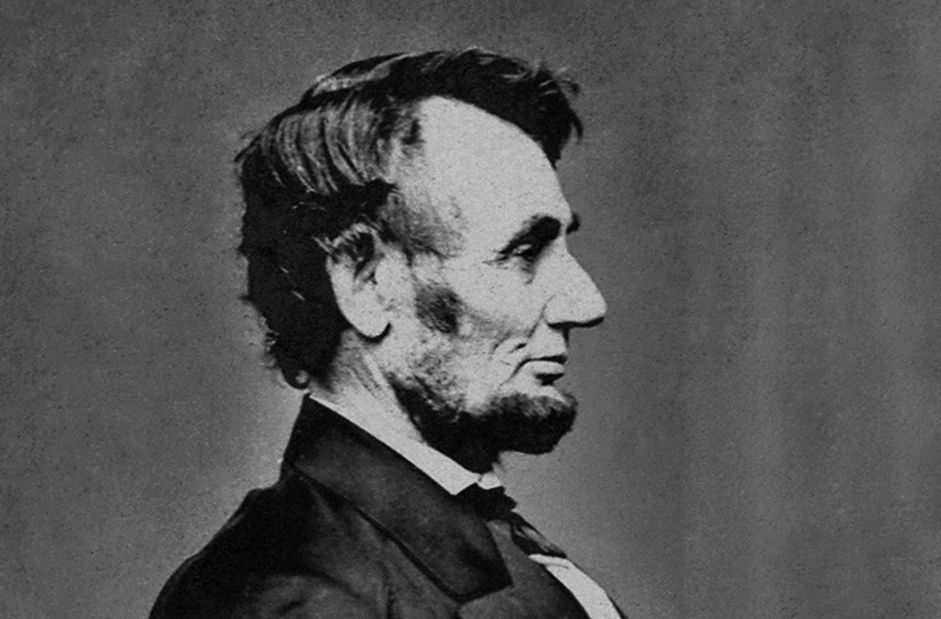
Abraham Lincoln: "Honest Abe"

Image: Library of Congress, Public domain, via Wikimedia Commons

There may be many famous presidents in American history, but only one became forever linked with honesty itself: Abraham Lincoln. However, the nickname "Honest Abe" started long before he entered the White House.

The reputation began in the 1830s, when a young Lincoln worked as a store clerk in New Salem, Illinois. According to famous stories repeated for generations, he would walk miles just to return a few pennies to a customer he had accidentally overcharged. As a lawyer in the 1850s, he became known for refusing shady tactics and even encouraging clients to settle disputes instead of fighting. By the time Lincoln entered national politics, his honesty had become widely known, and even political rivals like Stephen A. Douglas openly recognized it.

3
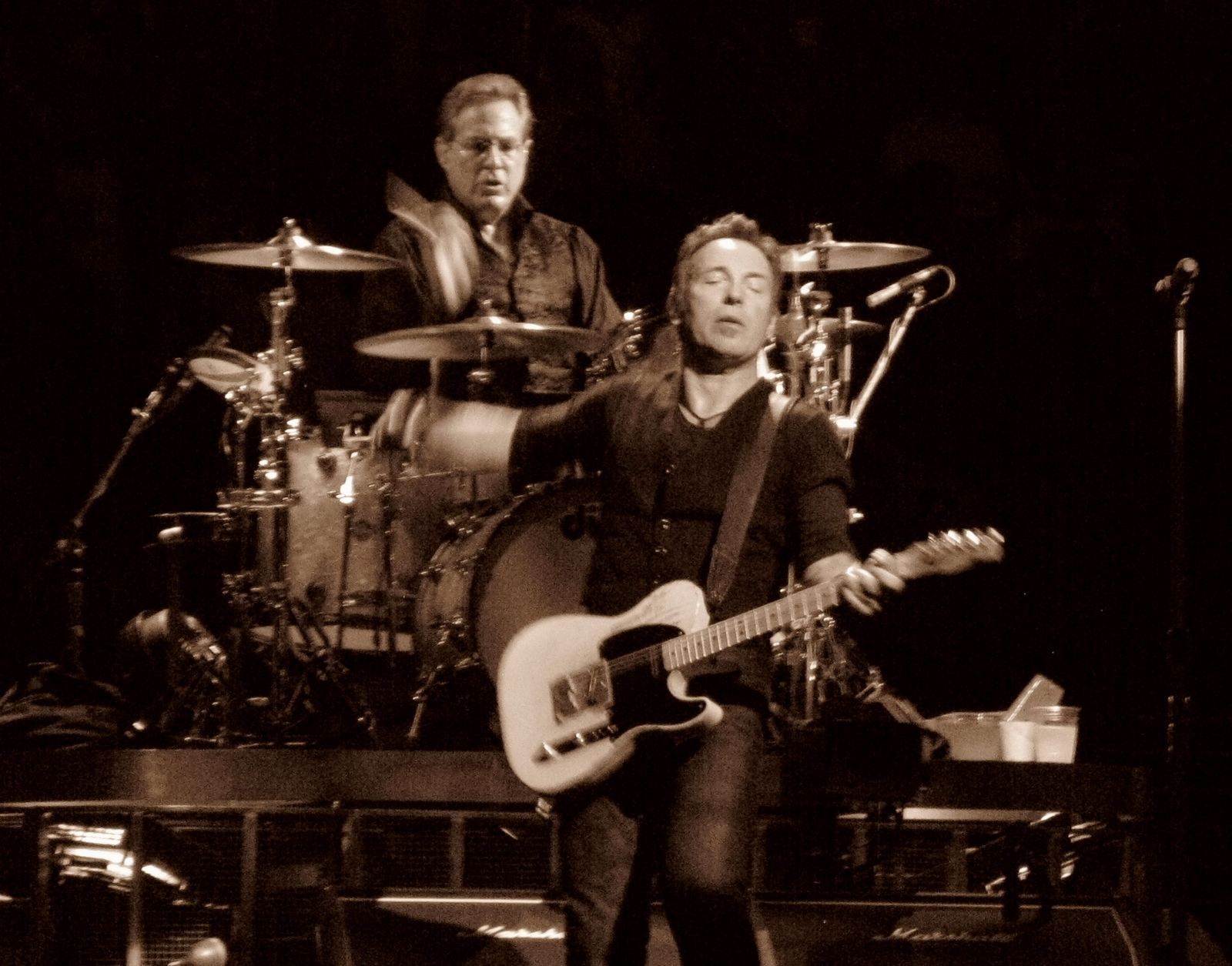
Bruce Springsteen: "The Boss"

Image: Christopher Sikich, CC BY-SA 2.0, via Wikimedia Commons

In the early 1970s, Bruce Springsteen was touring with the legendary E Street Band when he picked up the nickname that would stay with him forever: "The Boss." But the story behind it is better than most people think.

After playing bars and clubs, Springsteen was often the one collecting the band’s nightly pay from club owners, counting the money, and distributing it to each one of his colleagues. Before long, the band members jokingly started calling him "the boss." According to guitarist Steven Van Zandt, it began as an inside gag within the band, but the nickname fit Springsteen’s leadership style so perfectly that it soon spread far beyond the group.

4
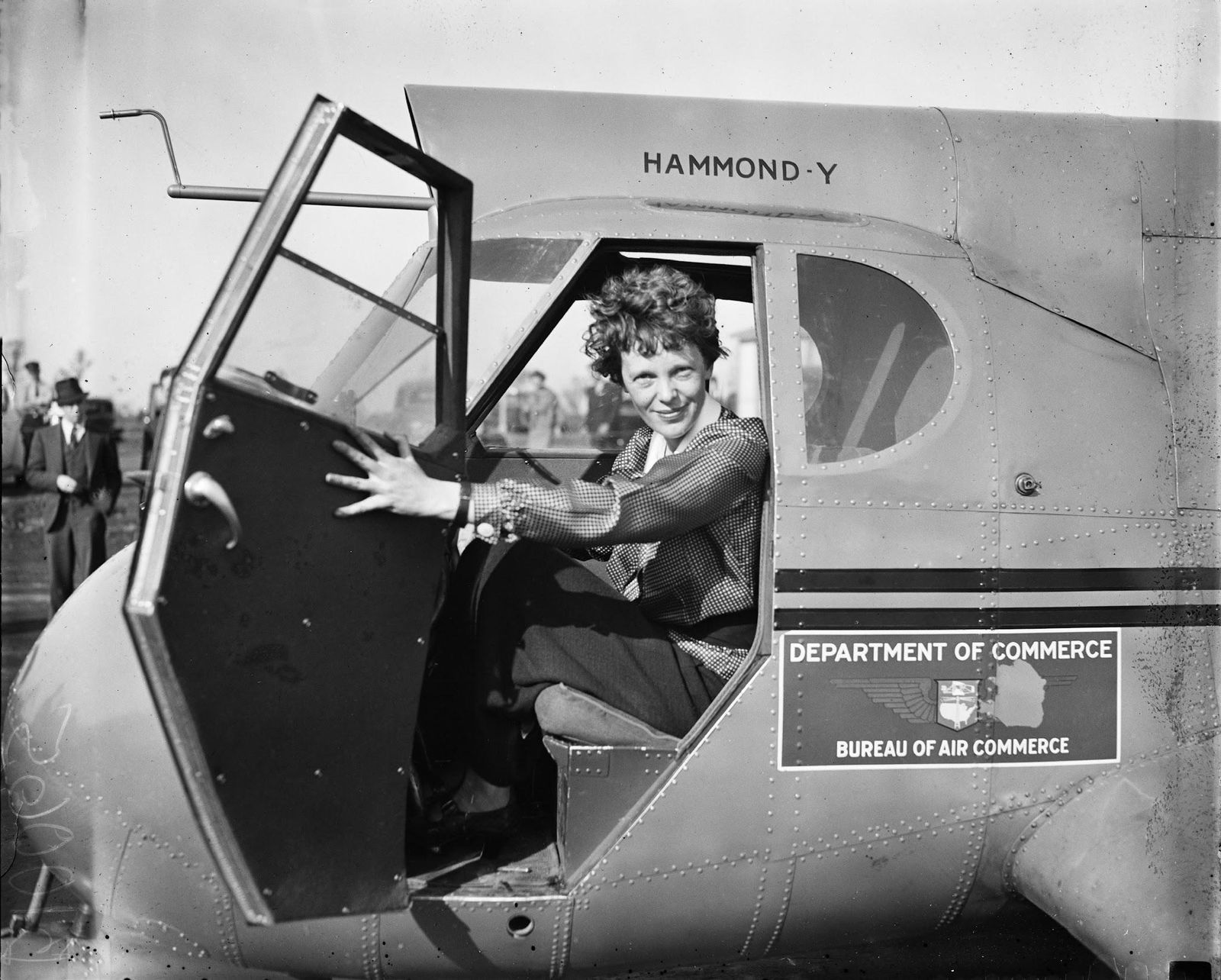
Amelia Earhart: "Lady Lindy"

Image: Harris & Ewing, Public domain, via Wikimedia Commons

Amelia Earhart will always be remembered as the pioneering pilot who became the first woman to fly solo across the Atlantic in 1932, breaking records and opening doors for women in aviation. But long before her mysterious disappearance in 1937, Americans already knew her by an iconic nickname: "Lady Lindy."

The nickname appeared in the late 1920s after the press noticed striking similarities between Earhart and famed aviator Charles Lindbergh, the first man to complete a solo nonstop flight across the Atlantic in 1927. Reporters pointed not only to their groundbreaking flights, but also to their surprisingly similar appearance: both were tall, slim, and known for their windblown hair and calm public dispositions. Since Lindbergh was famously called "Lucky Lindy," newspapers soon began calling Earhart "Lady Lindy," and it quickly became popular.

5
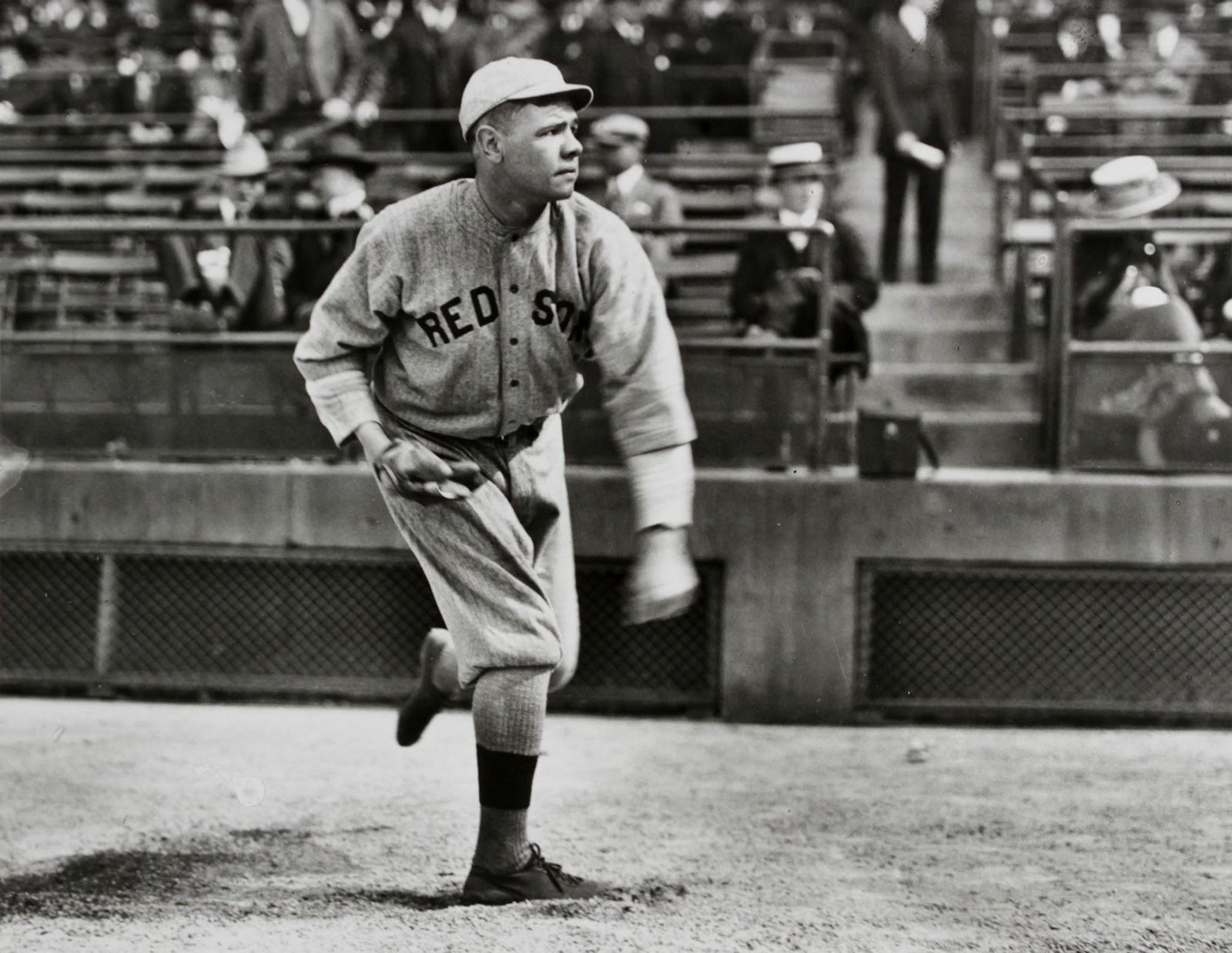
George Herman Ruth: "Babe"

Image: Frances P. Burke, Public domain, via Wikimedia Commons

Babe Ruth became such a giant in American sports that many people forgot his real name was George Herman Ruth Jr. Did you know that he actually got the nickname "Babe" when he was still a teenager?

In 1914, the 19-year-old rookie signed with the then-minor league team, the Baltimore Orioles. Because he was so young, team owner Jack Dunn became his legal guardian while he traveled with the club. Teammates quickly started jokingly calling Ruth "Dunn’s baby" or simply "the Babe." What started as clubhouse teasing soon spread to sportswriters and fans, and before long, "Babe Ruth" became one of the most legendary names in sports history.

6
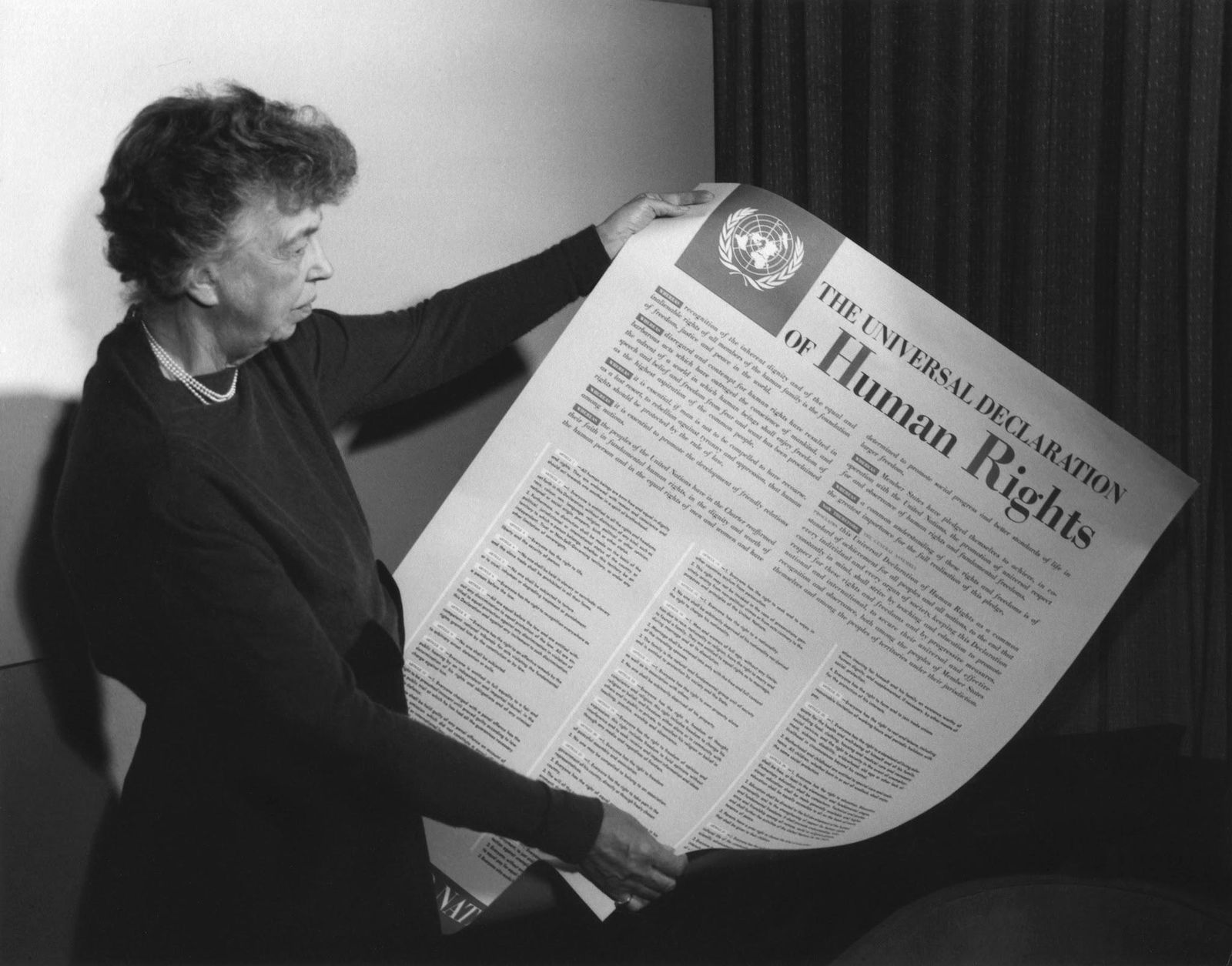
Eleanor Roosevelt: "First Lady of the World"

Image: FDR Presidential Library & Museum, CC BY 2.0, via Wikimedia Commons

Eleanor Roosevelt became First Lady in 1933, but long before that, she had already set out on the path that would lead her to become known as "The First Lady of the World."

In the late 1920s, she became increasingly active in women’s rights and social reform, and by the time her husband, Franklin D. Roosevelt, entered the White House, she was already widely known. As First Lady from 1933 to 1945, she reshaped the role, holding press conferences, writing her "My Day" column, and visiting troops during WWII. After leaving the White House, she served as the first US delegate to the United Nations and helped write the Universal Declaration of Human Rights, the final act to secure her name as "The First Lady of the World."

7
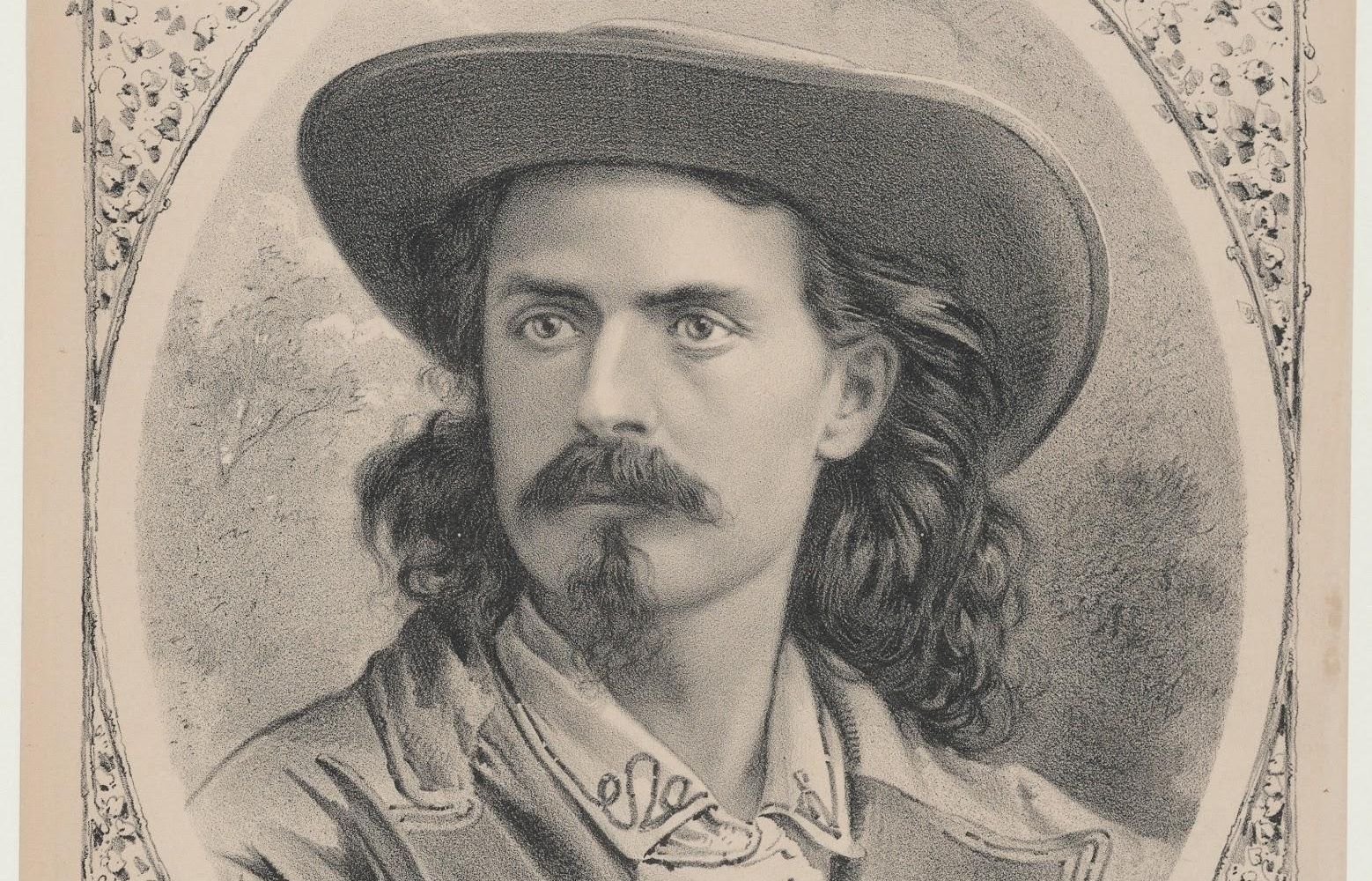
William Cody: "Buffalo Bill"

William F. Cody, better known as "Buffalo Bill", became one of the most legendary icons of the American Old West, long before Hollywood ever existed.

In 1867–1868, Cody was hired to supply bison meat to workers building the Union Pacific Railroad, quickly earning a reputation as a skilled hunter. Reports from the time say he killed thousands of buffalo during this period, helping feed large crews across the frontier. In 1868, he also won a popular hunting contest against another famous hunter, Billy Comstock, reportedly killing 69 buffalo to Comstock’s 46. That fame on the frontier is what earned him the nickname "Buffalo Bill", a name that would later become world-famous when he reinvented himself as a showman.

8
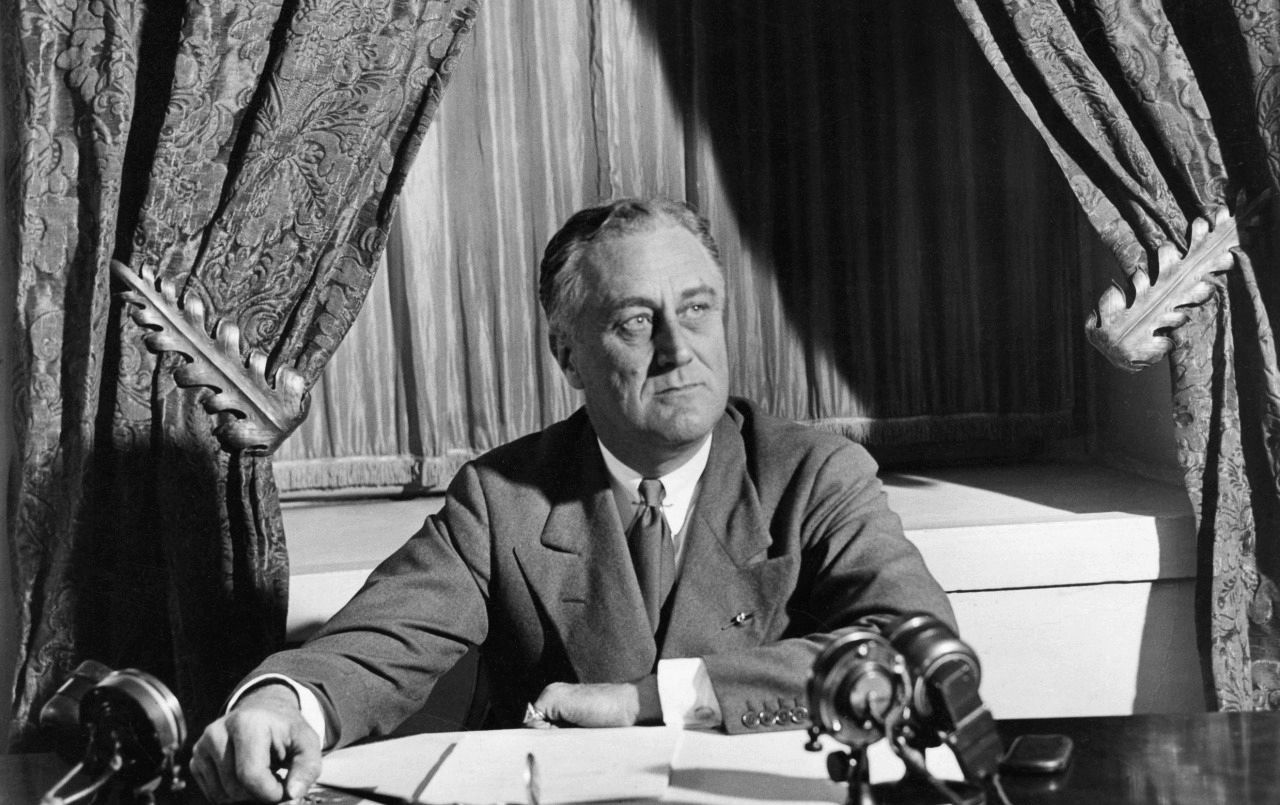
Franklin D. Roosevelt: "Great Sphinx"

Image: Unknown or not provided, Public domain, via Wikimedia Commons

Franklin D. Roosevelt was known by those closest to him as a naturally reserved man, a trait that became even more pronounced after he was diagnosed with polio in 1921.

According to historians and biographers, Roosevelt revealed very little about his emotions, his health, or even his political intentions. That secrecy carried into his presidency as well. As the 1940 election approached, he refused to say whether he would run for a third term or not, keeping both journalists and other politicians guessing. His silence became part of his reputation, so the press of the time nicknamed him "the Great Sphinx" as a reference to his ability to keep his thoughts and intentions well hidden.

9
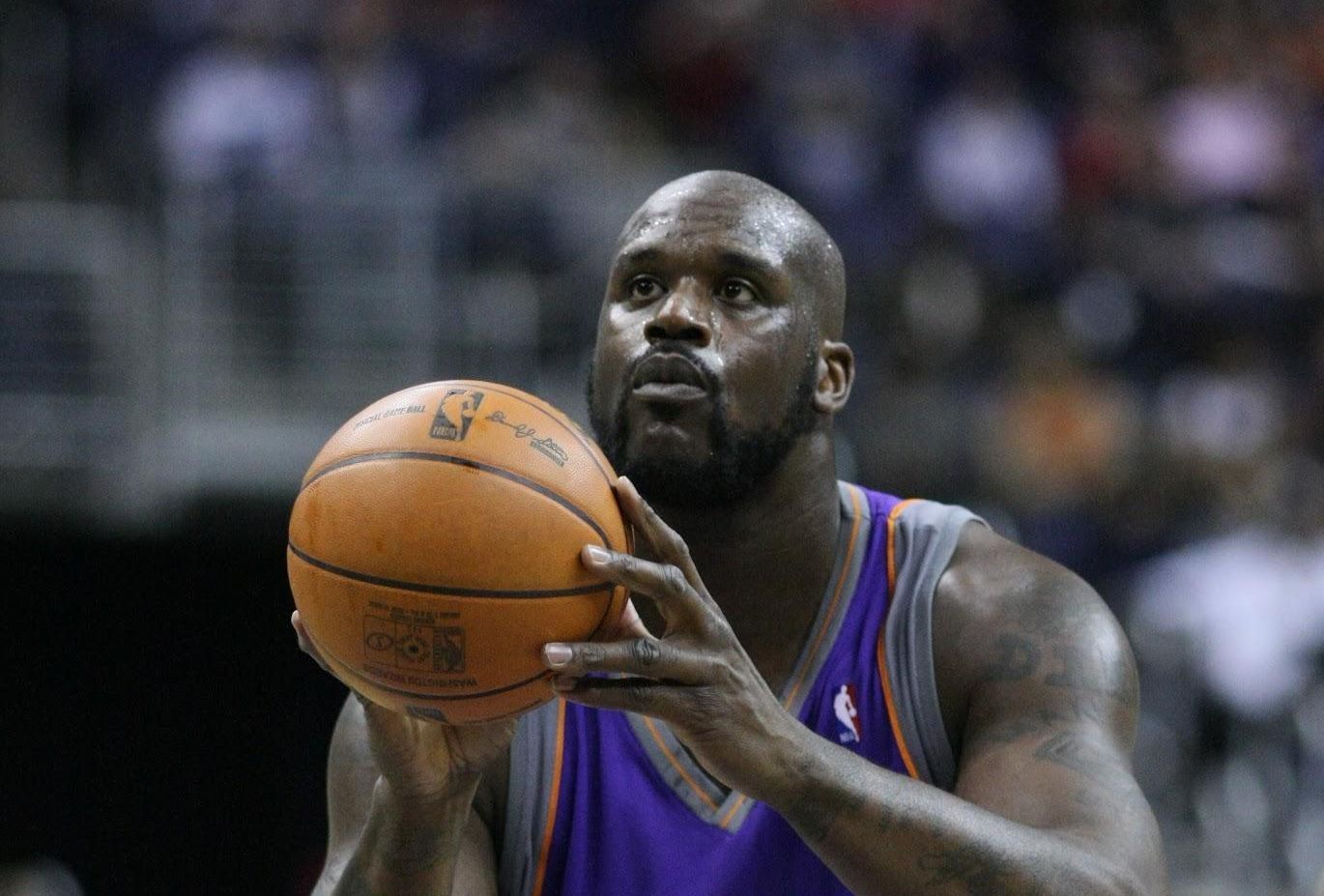
Shaquille O'Neal: "The Big Aristotle"

Image: Keith Allison from Baltimore, USA, CC BY-SA 2.0, via Wikimedia Commons

Unlike the other figures on this list, Shaquille O’Neal has a nickname story with a twist: no one gave him the alias. He gave it to himself.

After winning his NBA MVP in 2000 while leading the Los Angeles Lakers to a 67–15 season, Shaq began calling himself "The Big Aristotle." The idea, as he explained, was to reflect more than just size and strength; he also wanted to project wisdom and discipline. He not only took the Greek philosopher's name as a tribute, but also used it to reference him often. One of Aristotle’s quotes he frequently repeated was: "Excellence is not a singular act, it's a habit."

10
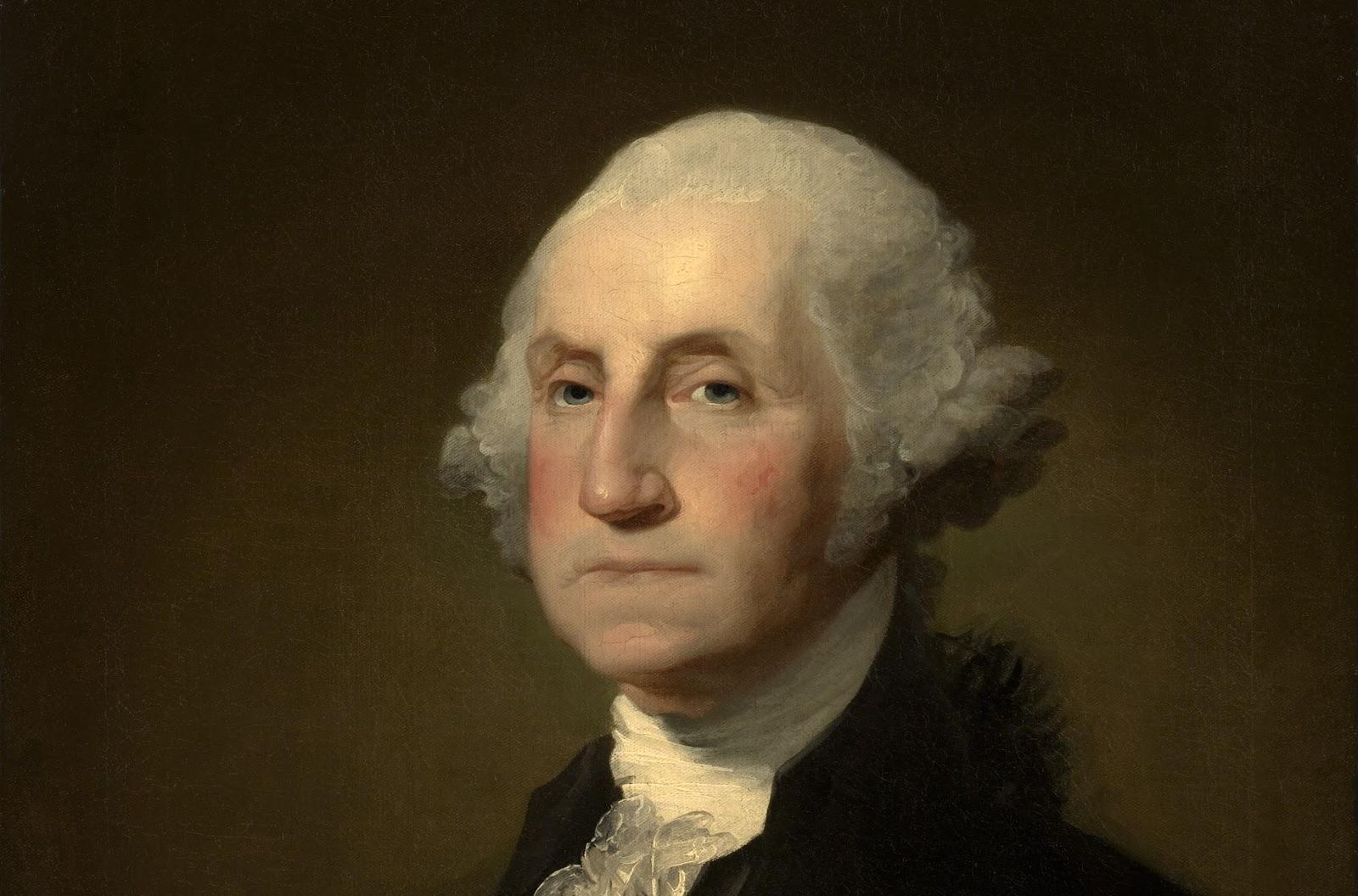
George Washington: "American Fabius"

Image: Gilbert Stuart, Public domain, via Wikimedia Commons

George Washington (1732–1799) is best known as the "Father of His Country," for leading the Continental Army to victory in the Revolutionary War and later becoming the nation’s first president. But during the war, he also earned another interesting nickname.

Washington often avoided direct, large-scale battles, instead using patience, retreats, and strategy to wear down British forces. This approach was inspired by Roman general Quintus Fabius Maximus, who defeated stronger enemies by delaying and avoiding decisive conflict. Because of this strategy, Washington became known as the "American Fabius."

Explore more American facts

Choose your favorite category!

General
General

As American as apple pie—the very best America has to offer!

Culture
Culture

Delve into the astounding richness of American lore.

Geography
Geography

Hop in and explore vast and diverse American landscapes.

History
History

Discover the key moments that shaped the United States.