Culture Culture 2 min read

Take a stroll through America’s most unforgettable rivalries
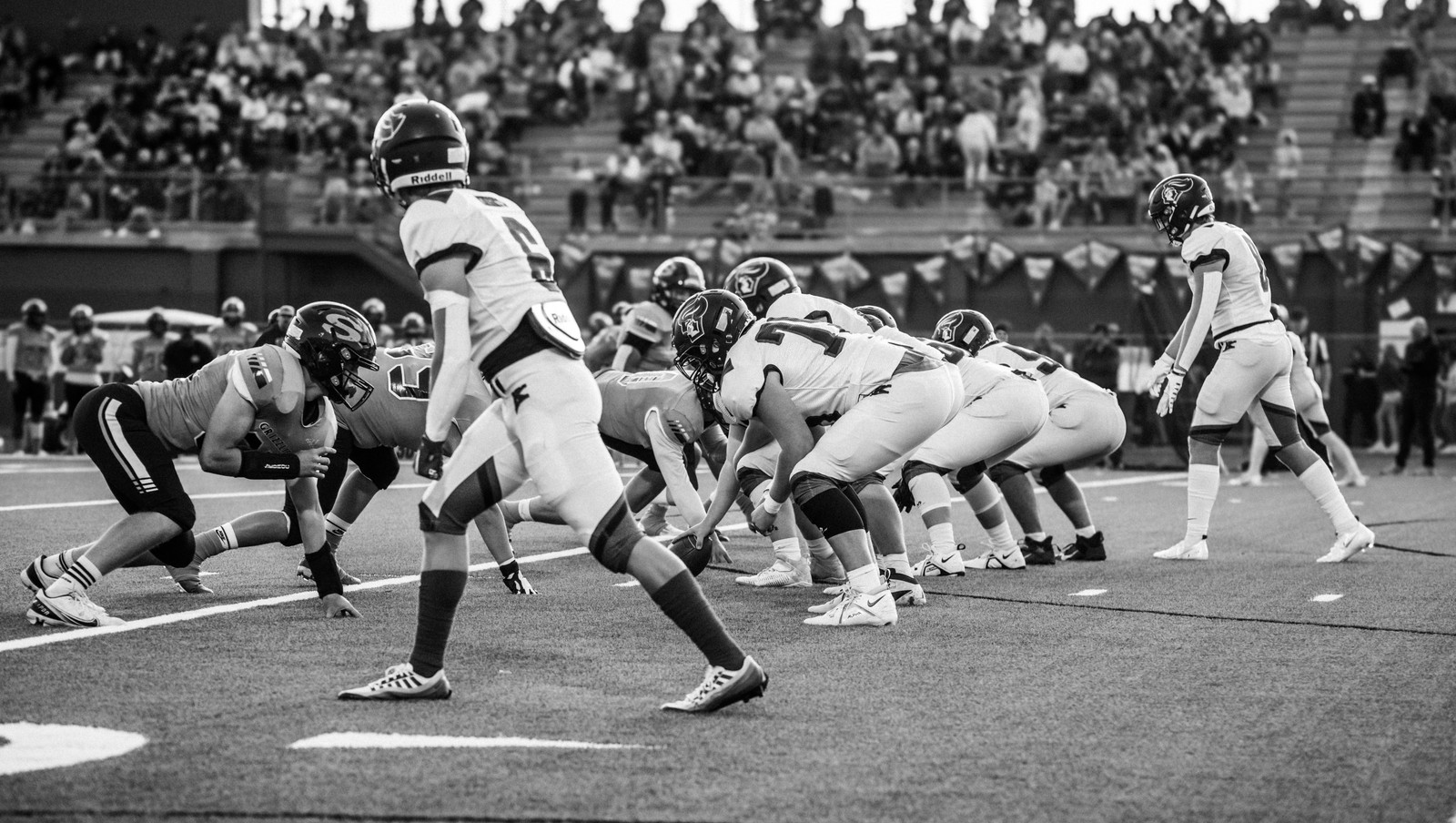
Image: Tim Mossholder

Some rivalries are so woven into American life that just hearing the names brings back a memory or two. Sports, politics, soda bottles, even cartoon characters and major film studios have gone head-to-head for generations. Do you think you know them all? Keep reading and see (but no favorites over here!)

1
Yankees vs. Red Sox
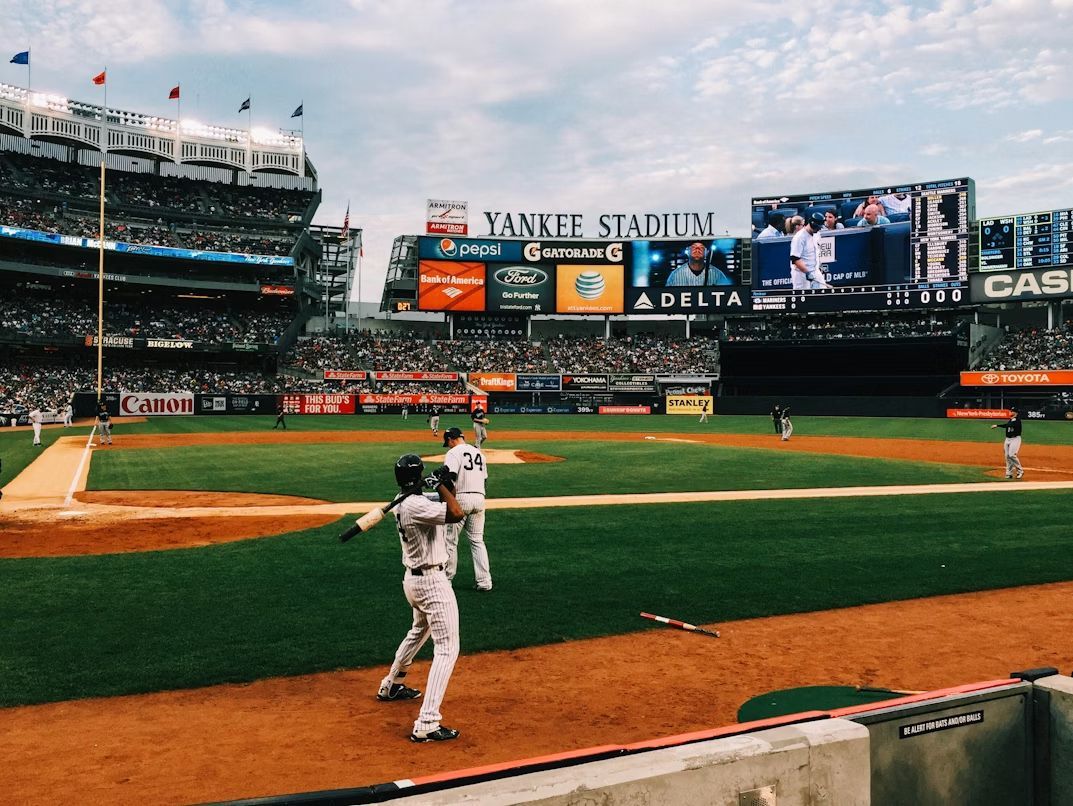
Image: Chanan Greenblatt

This feud has colored baseball for more than a century. The teams clashed often in the early 1900s, and the sale of Babe Ruth to New York only fanned the flames. Generations of fans have passed down the lore, and every game still feels like a chapter in a never-ending story.

2
Coca-Cola vs. Pepsi
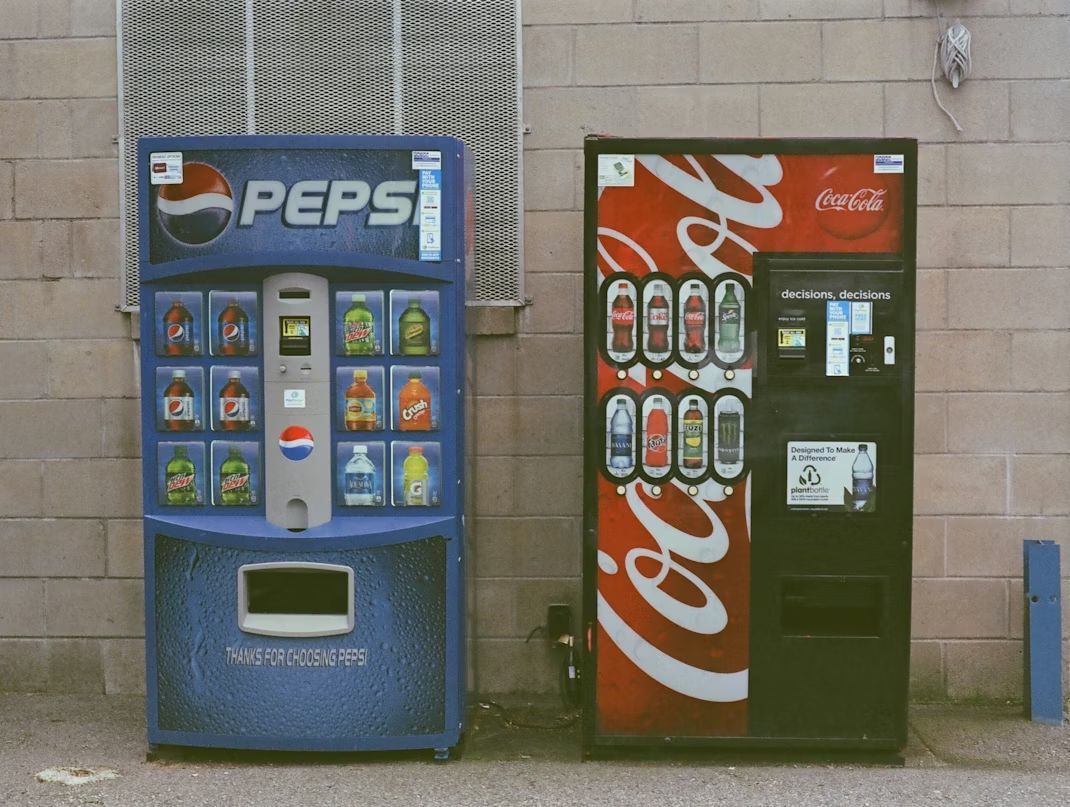
Image: Nik A.

The "Cola Wars" picked up steam in the late 20th century with taste tests, jingles, and flashy commercials. Each brand tried to outdo the other in ads and sponsorships. Many households still swear one tastes better, even if most folks can barely tell the difference in a blind sip.

3
Lakers vs. Celtics
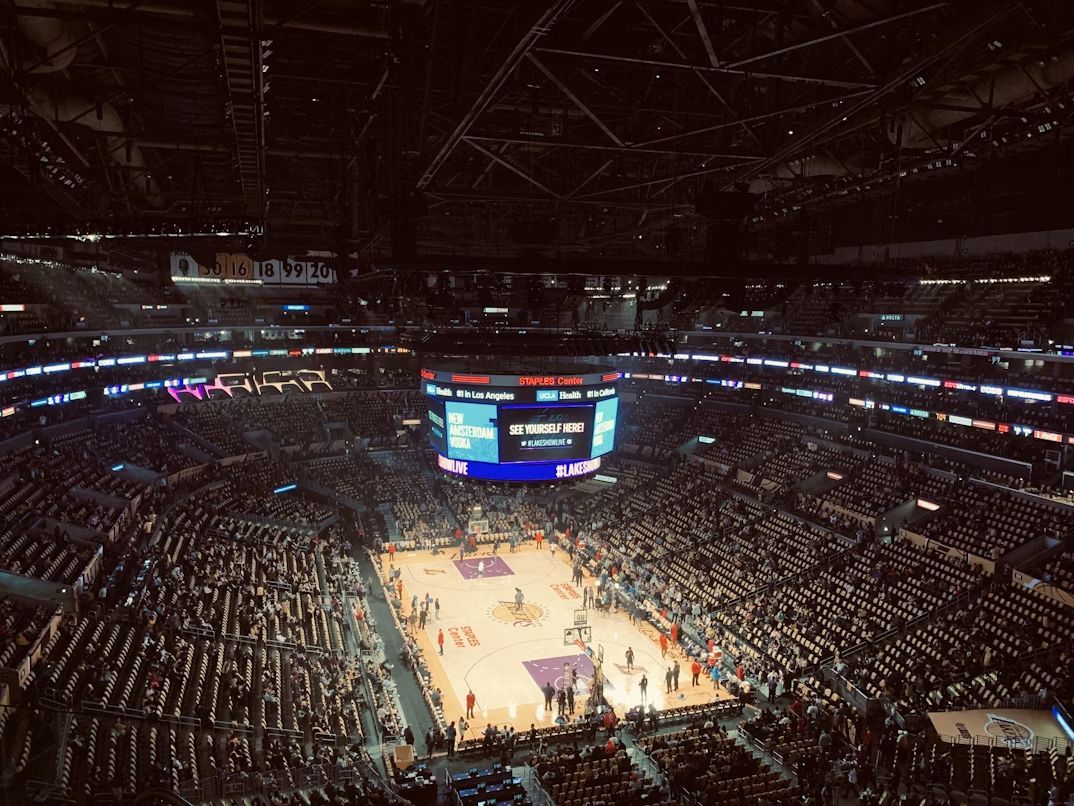
Image: Tim Hart

When basketball fans talk about greatness, these two names pop up right away. Their battles in the 60s, 80s, and 2000s created unforgettable moments. From Magic and Bird to Kobe and Garnett, each era brought its own flavor. Even non-fans recognize the spark between these teams.

4
Democrats vs. Republicans
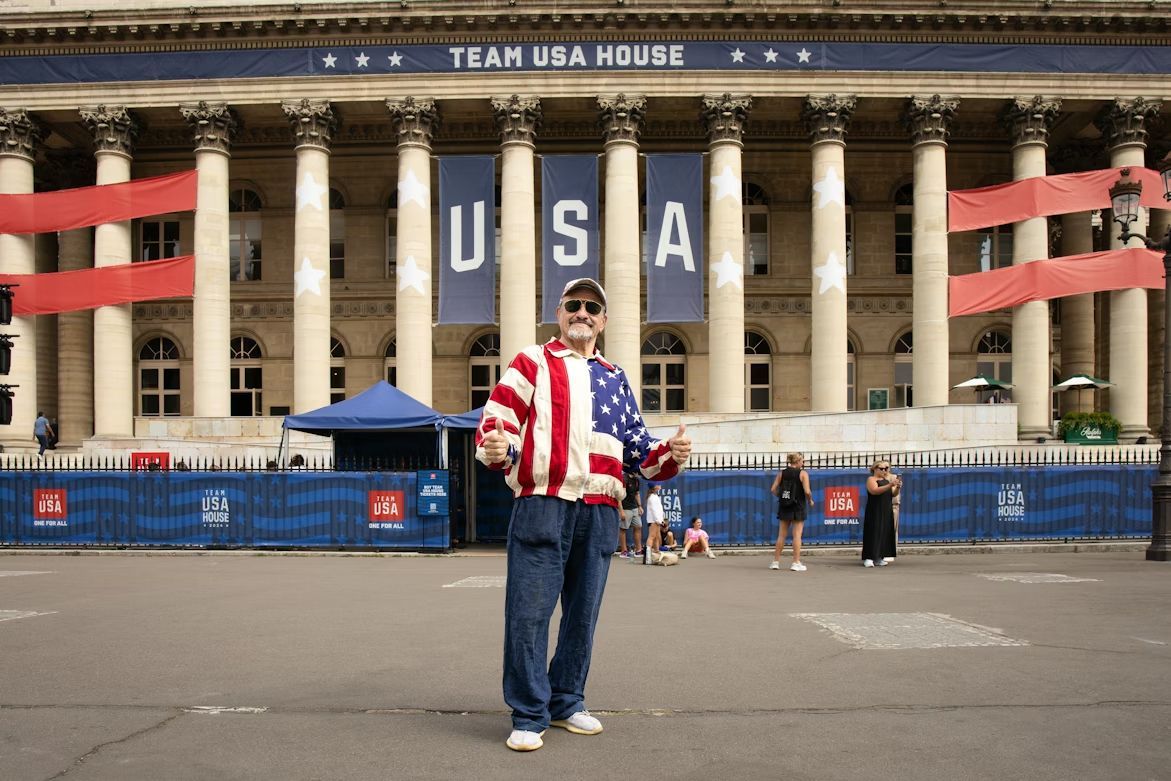
Image: Bruno Ngarukiye

The nation’s two major parties have been sparring since the mid-1800s. Their disagreements shape elections, public debates, and dinner conversations across the country. While their views often pull in different directions, both sides trace their roots deep into American history.

5
Michigan vs. Ohio State
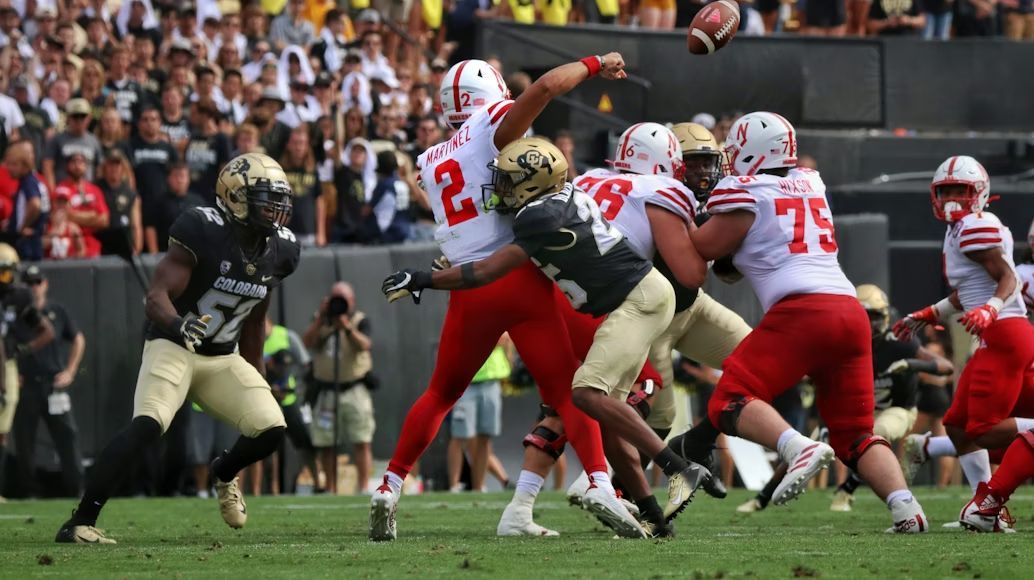
Image: Jakob Rosen

College football’s "The Game" is a yearly event that can tilt an entire season. Families in the Midwest grow up picking a side before they can spell the names. The rivalry took shape in the late 1800s and still ends with dramatic finishes, loud crowds, and plenty of bragging rights.

6
Mickey Mouse vs. Bugs Bunny
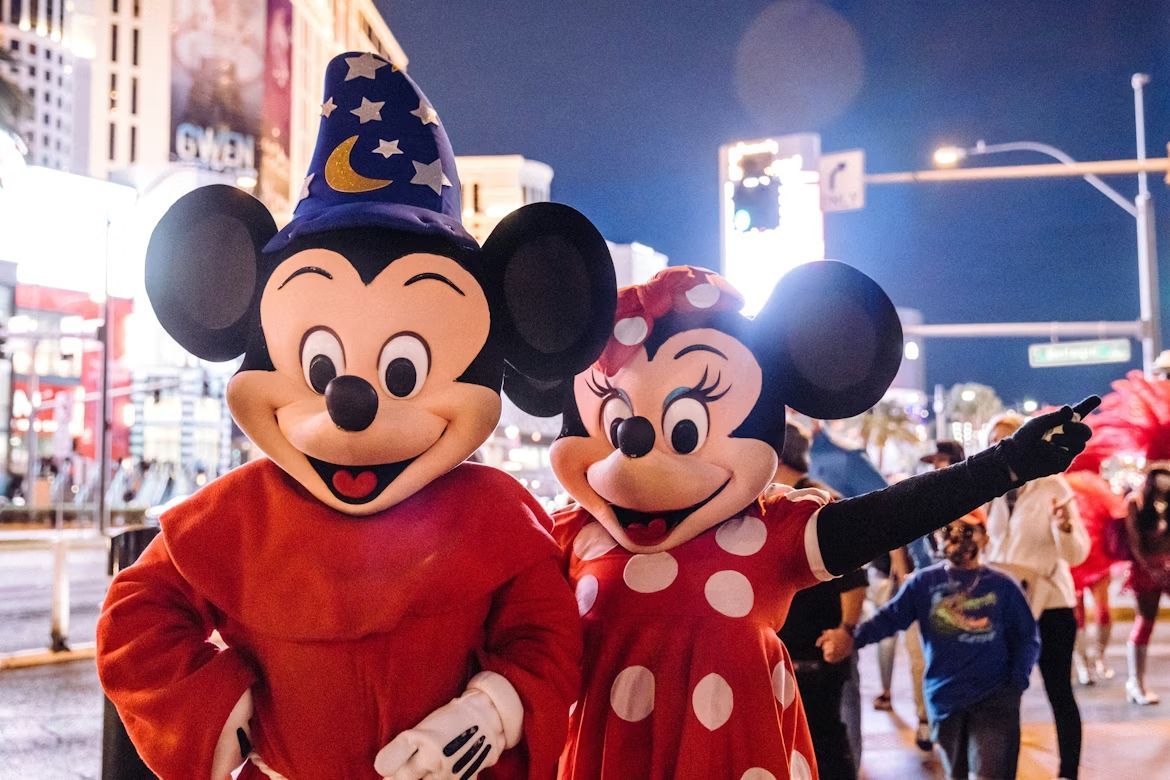
Image: steven lozano

Disney and Warner Bros. shaped our childhood. Mickey brought gentle charm while Bugs introduced quick wit and a wink at the audience. Their studios battled for box office success, theme park magic, and Saturday morning loyalties, giving generations a favorite to root for.

7
Duke vs. North Carolina
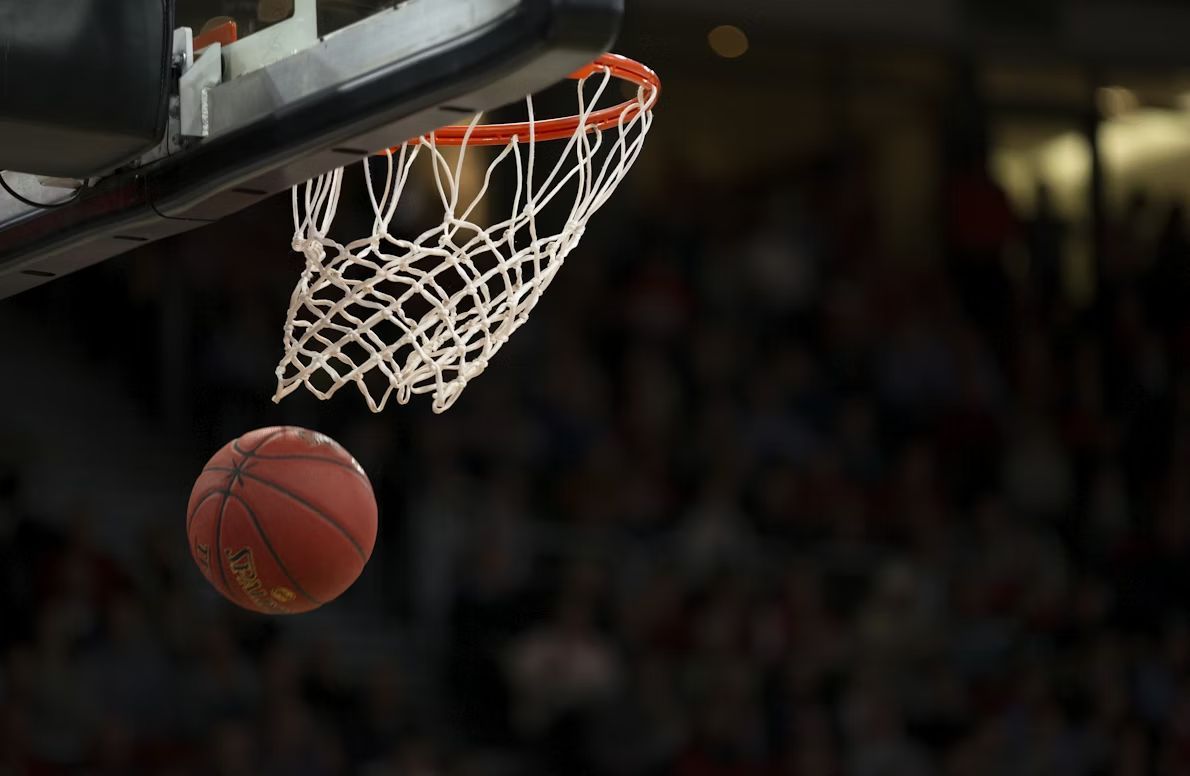
Image: Markus Spiske

Just eight miles separate the schools, and that short drive holds decades of college basketball tension. Their first meeting was back in 1920, and each season brings new storylines. The noise inside their arenas can practically shake the floor when these two square off.

8
Giants vs. Dodgers
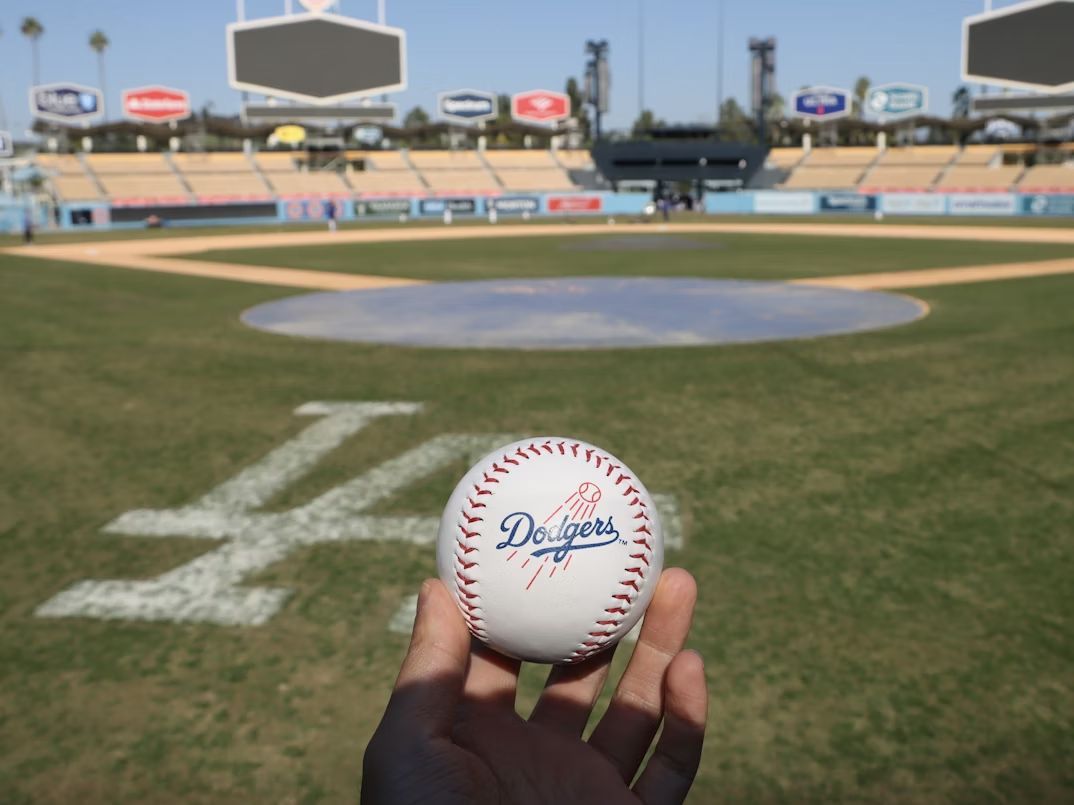
Image: Hongbin

This rivalry began in New York before both teams headed west in the 1950s. The move did not cool things down one bit. Whether in Brooklyn and Manhattan or Los Angeles and San Francisco, these clubs have carried the same competitive spark for well over a hundred years.

9
Hamilton vs. Jefferson

Image: Sudan Ouyang

These two founding figures clashed over just about everything. Hamilton leaned toward strong federal power while Jefferson preferred a lighter touch from the central government. Their debates set the stage for questions that still guide the country’s political landscape.

10
Marvel vs. DC
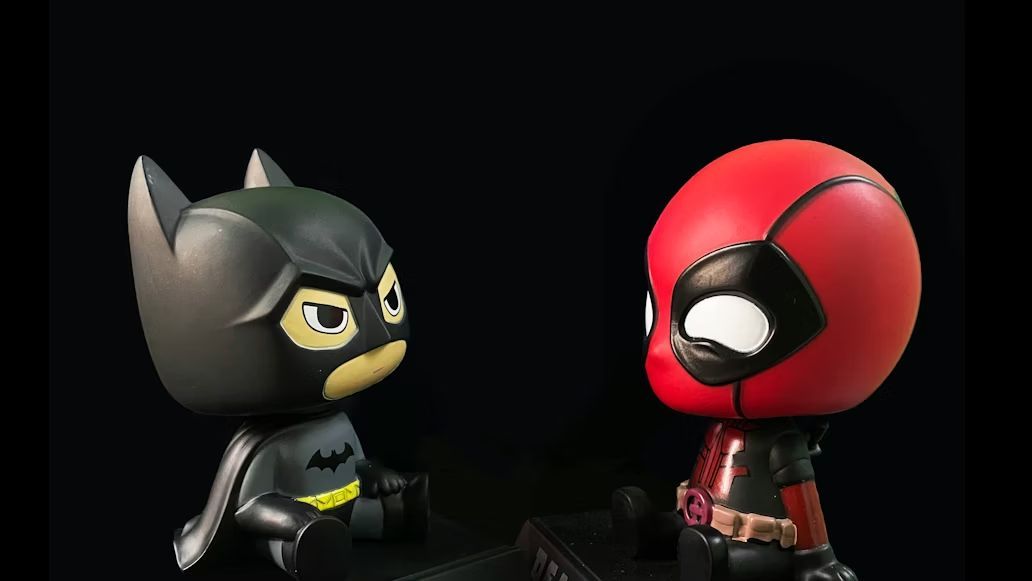
Image: Rachit Khurana

Comic book fans have compared these two universes for generations. Marvel’s heroes often feel grounded and human, while DC characters carry mythic, larger-than-life qualities. Their films, shows, and comics compete for audiences who proudly cheer for their chosen side.

General General 3 min read

Complicated words, simple meanings

What is a caucus? 12 electoral terms explained!

Image: Sora Shimazaki

Whether legislative or presidential, every two years, Americans go through an election. During this time, they are flooded with political terms that TV commentators throw around without much explanation of what they mean. The following are 12 such terms. Did you know any of them?

1
Approval voting

Image: Element5 Digital

The approval voting system is an electoral mechanism in which each voter may select any number of candidates, and the winner is the candidate approved by the largest number of voters .

This differs from plurality voting, in which a voter may choose only one option from several, and the option with the most votes wins.

2
Ballot fatigue

Image: Phil Hearing

If you have ever looked at a ballot and felt overwhelmed by the long list of races and issues further down, you have experienced ballot fatigue . This occurs when voters choose not to vote on lower-ballot races or issues.

3
Blanket primary

Image: Mick Haupt

A blanket primary is an election in which voters can select candidates from any party , regardless of their own or the candidates' political affiliation. This contrasts with a closed primary, where only registered party members can vote

4
Canvass

Image: Ernie Journeys

This term has two possible meanings. On the one hand, canvassing refers to the process of aggregating and verifying all valid ballots cast , which includes absentee, early voting, Election Day, provisional, challenged, military, and overseas citizens.

The second definition of this word, in the context of elections, canvassing also refers to the act of soliciting votes .

5
Caucus

Image: Arnaud Jaegers

A caucus can refer to a closed meeting of members of the same political party or faction, typically held to select candidates or decide on policy. It can also mean a group of people united to promote a shared cause . Similar, perhaps, but not the same.

6
Electoral college

Image: Joshua Woroniecki

An electoral college is a body of people known as presidential electors , formed every four years to represent U.S. states, who formally cast votes for the election of the president and vice president .

7
Mixed ticket

Image: Tiffany Tertipes

A concept somewhat similar to the previously mentioned blanket primary, a mixed ticket is a ballot where voters may select candidates of their choice regardless of party affiliation up to the maximum allowed for each race.

8
Dark money

Image: Mathieu Turle

In the context of elections, dark money refers to funds that are donated to a political candidate during an election campaign from organizations that are not required to disclose their donor’s identities . As expected, this money is often used to influence elections.

9
Gerrymandering

Image: Element5 Digital

This unusual word describes the process of manipulating electoral district boundaries to favor one party or candidate over another. Wayne Dawkins, a professor at Morgan State University, explains it as "politicians picking their voters instead of voters picking their politicians."

10
Super PAC

Image: Mockup Free

A Super PAC (Political Action Committee) does not contribute to candidates or parties but makes independent expenditures in federal races , such as running ads, sending mail, or communicating other messages that specifically advocate for the election or defeat of a particular candidate.

11
Air gap

Image: Andrew Neel

Put in simple terms, an air gap is a physical separation between systems that requires data to be transferred manually, using methods like a disc, flash drive, or other portable media.

Election systems use air gaps intentionally to prevent or control access . The election system cannot be connected to the internet at any time.

12
Undervote

Image: Glen Carrie

As the name suggests, an undervote occurs when a voter selects fewer choices than allowed in a contest . Similarly, an overvote happens when a voter selects more choices than permitted.

Culture Culture 5 min read

Timeless Baddies

Mwahaha! Do you remember these 10 iconic American villains?

Image: Patrick Collins

What’s a good story without a bad guy ? For every knight in shiny armor, there needs to be a wickedly devious character to foil any do-gooder’s plan. Villains are a big part of what makes storytelling a compelling medium, so we decided to pay tribute to them with these 10 quintessential antagonists from American films, shows, and comic books. Get ready to practice your villainous laugh alongside these iconic characters!

1
The Joker

Image: Miggy Rivera

We’ll start with comic books’ most nefarious villain . Should an alien visit us tomorrow, it would be very hard to explain that a playing card-themed maniac is an archetypical antagonist to a bat-themed superhero. And yet, ever since appearing in Batman’s very first solo comic book, the Joker has proved again and again why he is known as "the Clown Prince of Crime".

Just like Batman, the Joker doesn’t have any superpowers besides his cunning and wicked sense of humor. Although definitively insane, he is remarkably smart, which is shown by his expertise as a chemist. He is responsible for creating his signature "Joker venom", a chemical compound capable of forcing anyone to smile.

2
The Green Goblin

Image: Uélvis Santana

The Green Goblin is to Spiderman what The Joker is to Batman. Another bad guy with a flare for theatricality (though almost all comic-book villains do), this flying menace soars through the air on his "Goblin Glider", his patented flying device.

Contrary to his superhero antagonist, this villain’s backstory is simple and selfish: wealthy industrialist Norman Osborn became this alter-ego to rule organized crime in New York City. Nowadays, Willem Dafoe’s portrayal of the Green Goblin in the 2001 "Spiderman" movie is perhaps this character’s most remembered iteration.

3
Hans Gruber

Image: Matt The Artist

There are many reasons why "Die Hard" is considered the very best action movie in history, from its groundbreaking setting to its amazing dialogue and fast-paced action. However, one of the most influential factors behind this movie’s legacy is Hans Gruber , the sophisticated and soft-spoken nemesis of John McClane.

Wonderfully portrayed by Allan Rickman, Gruber arrives at the fictional Nakatomi Plaza under false pretenses, with the sole purpose of stealing millions in bearer bonds. Rickman's superb performance almost made us feel bad when his plans got foiled by a certain adventurous NYPD detective. An action movie that made us feel bad about its bad guy! Can you imagine that?

4
Darth Vader

Image: André Volkmann

Should we add a spoiler warning for one of the most iconic reveals in the history of cinema? We won’t disclose it in the very (extremely) slim chance that you haven’t seen "The Empire Strikes Back". However, we are absolutely sure that you are familiar with science fiction's most memorable villain, even if you haven’t seen a single scene in any "Star Wars" movie.

Truly, Darth Vader needs no introduction: From his menacing mask, cold demeanor, and lightsaber skills, this Sith knight is truly a force to be reckoned with. What’s perhaps most iconic about Vader is his deep and powerful voice, provided by Hollywood legend James Earl Jones.

5
Wicked Witch of the West

Image: Ksenia Yakovleva

Granted, the 2003 musical "Wicked" made us realize that Elphaba, also known as "The Wicked Witch of the West" , was a truly nuanced character. However, by the time she received her dishonorable title in "The Wizard of Oz", Elphaba had become a dastardly green-skinned witch, hellbent on foiling the plans of Dorothy and her friends.

Margaret Hamilton’s performance in the 1939 version of "The Wizard of Oz" was so iconic that it cemented the look that most media witches would have over time: You can thank Hamilton for the pointy black hats, green make-up, and terrifying cackles you hear every Halloween.

6
Norman Bates

Image: Maxime Roedel

Just like with our Darth Vader entry, we have to ask: Is anyone not aware of the groundbreaking twist in Alfred Hitchcock’s most famous movie? We’ll once again have to tread lightly, but that doesn’t mean we can properly remember Norman Bates , the bone-chilling villain from "Psycho".

Portrayed by Anthony Perkins in the original 1960 movie and its 3 sequels, Norman Bates is the shy, mild-mannered proprietor of the "Bates Hotel", co-owned by Norman and his mother. However, anyone watching this classic thriller for the first time will quickly realize that there’s something sinister hiding in this hotel.

7
Hannibal Lecter

Image: Elchino portrait

You would expect someone nicknamed "Hannibal the Cannibal" to be a feral brute with an insatiable bloodlust, but Dr. Hannibal Lecter is, above all, well-mannered. While he definitively has the bloodlust part going, Lecter has been described as a soft-spoken, intelligent, and cultured monster since his first appearance in the 1981 horror novel "Red Dragon".

Most of us remember this character from Anthony Hopkins’ character in "Silence of the Lambs" and "Red Dragon", but did you know that there was a previous film portrayal of Hannibal Lecter? Scottish actor Brian Cox portrayed him in the 1981 film "Manhunter", although under the last name "Lecktor".

8
Xenomorphs

Image: Hossam el-Hamalawy, CC BY 2.0

When posters for the movie "Alien" first appeared in movie theaters, they had a simple yet terrifying tagline: "In space, no one can hear you scream". This 1979 horror masterpiece by Ridley Scott introduced the world to the now-iconic "Xenomorph", the perfect killing machine that haunts outer space.

Part of what makes the Xenomorph so memorable is its groundbreaking design, a huge departure from the traditional aliens depicted up to that point. It helps that they were designed by Swedish artist H.R. Giger, who in turn based them on his own 1976 surrealist painting "Necronom IV".

9
Lex Luthor

Image: Jon Tyson

Who knew that the perfect nemesis for "The Man of Steel" would be a bald billionaire? Lex Luthor is Superman’s lifelong and most-famous nemesis, always plotting to bring the world’s most powerful superhero to his knees.

In a way, the fact that Luthor has no superpowers other than his remarkable intellect is particularly fitting: While heavy-hitters like Doomsday or Metallo can physically hold their own against Superman, Luthor’s human greed and resourcefulness ultimately prove to be the biggest threat to this hero.

10
HAL 9000

Image: Axel Richter

We’ll end with the only robotic villain in this article. When audiences first met the artificial intelligence known as HAL 9000 in Stanley Kubrick’s groundbreaking "2001: A Space Odyssey", they were perplexed by how a single red light talking in a monotone yet calm voice could be so downright terrifying.

In truth, that’s part of what makes HAL such an incredible villain: He is not a sadistic, murderous monster, but rather a cold and calculating machine run by logic. HAL chooses to destroy the astronauts aboard the "Discovery One" only because he considers them a threat to the spacecraft’s plans. So, in a sense, this machine was only doing what it was programmed to do.

Explore more American facts

Choose your favorite category!

General
General

As American as apple pie—the very best America has to offer!

Culture
Culture

Delve into the astounding richness of American lore.

Geography
Geography

Hop in and explore vast and diverse American landscapes.

History
History

Discover the key moments that shaped the United States.