History History 4 min read

The First POTUS

10 facts you might not know about George Washington
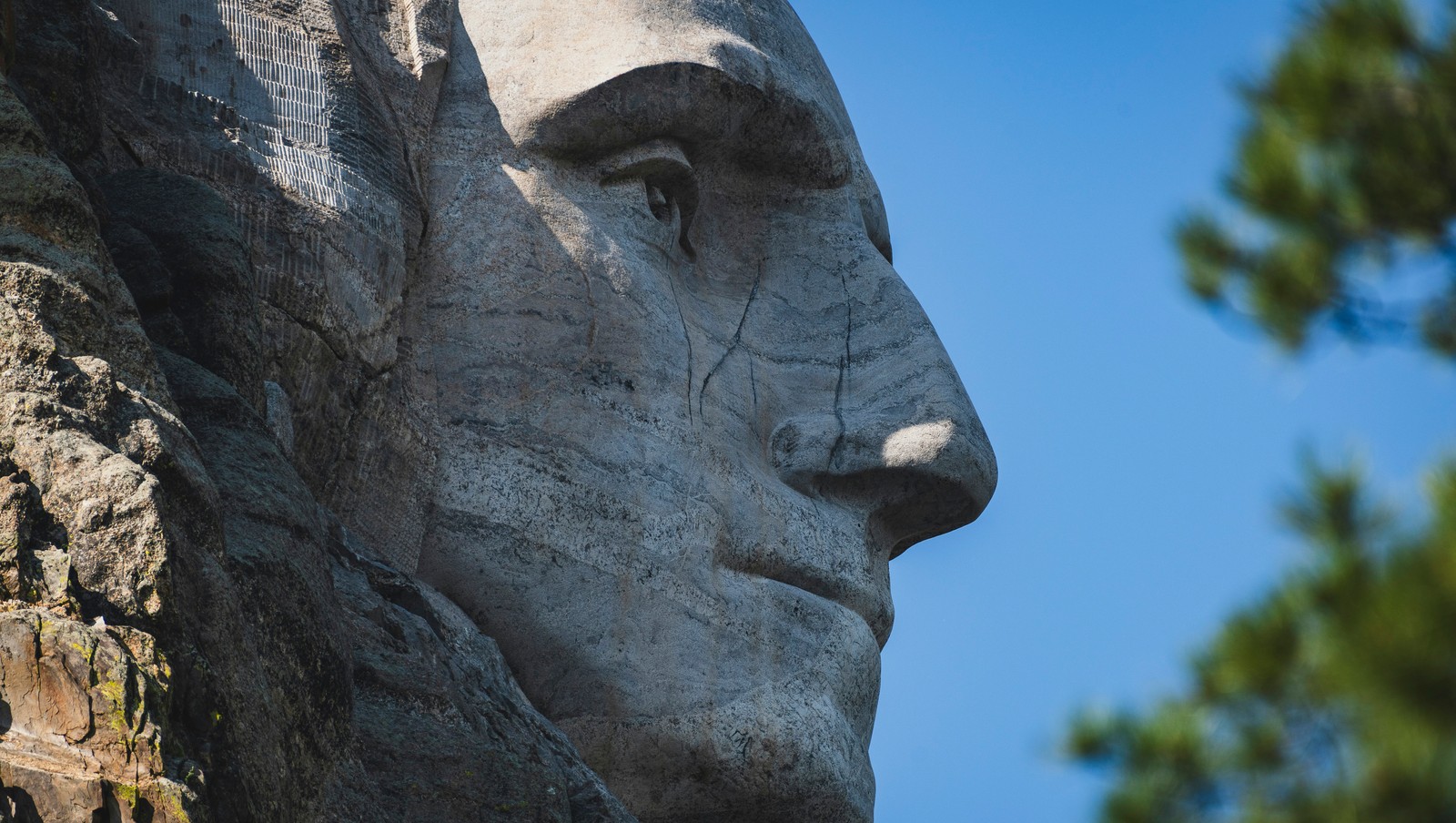
Image: Jon Sailer

It’s difficult to find a more talked-about figure in American history than George Washington. As the leader of the Continental Army and the first President of the United States of America, he was crucial in the development of our nation.

But history books sometimes overlook events that, although seemingly minor, deeply influenced Washington’s life and, in consequence, all of America. Here are some of the things you might not know about our first president.

1
Early life
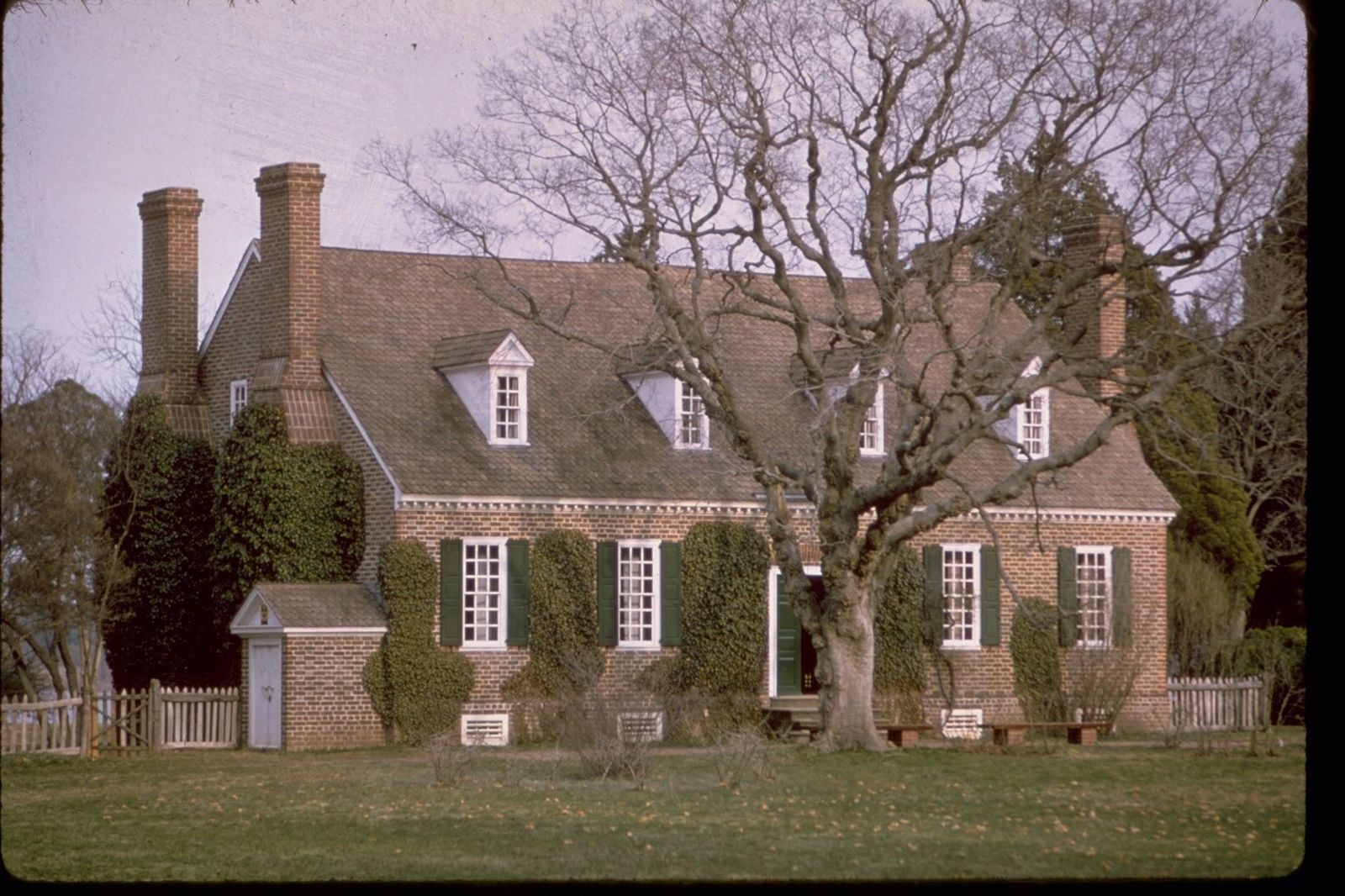
Image: National Park Service Digital Image Archives, Public domain, via Wikimedia Commons

Born in Popes Creek, Virginia, George Washington was the first child of Augustine Washington and his second wife, Mary. His elder half-brothers had received a gentleman’s education in England, but the death of his father in 1743 prevented George from going to college . This was not a setback for him, though. He attended the Lower Church School in Hartfield, sought trustworthy mentors, and worked as a surveyor for Culpeper County.

2
Visit to Barbados
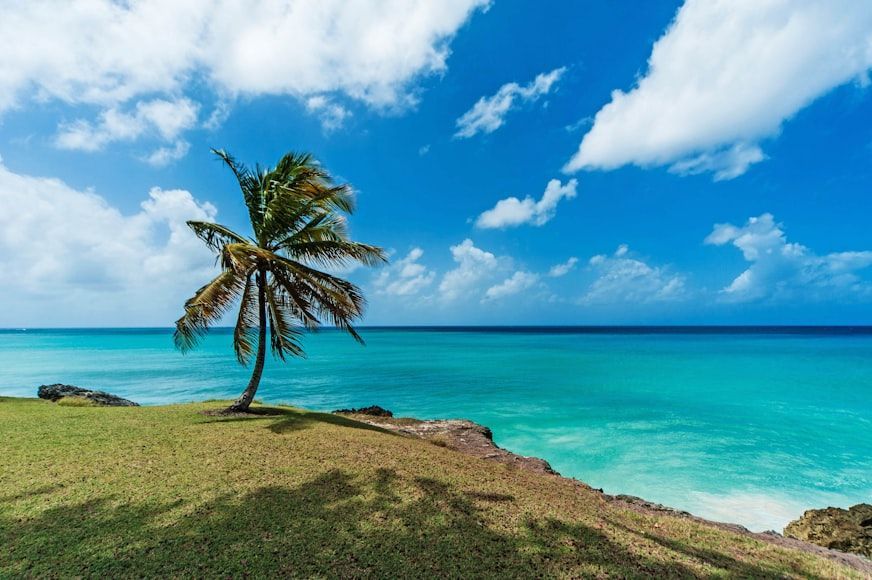
Image: Tom Jur

In 1751, Washington accompanied his older brother, Lawrence, on a trip to Barbados, which gave him a wider perspective of British administration beyond the New England colonies . During the voyage, Washington contracted smallpox, which left him scarred, but also provided him with immunity to the disease. Later, as the leader of the Continental Army, he ordered a mandatory inoculation against the ailment for his entire army.

3
Mount Vernon
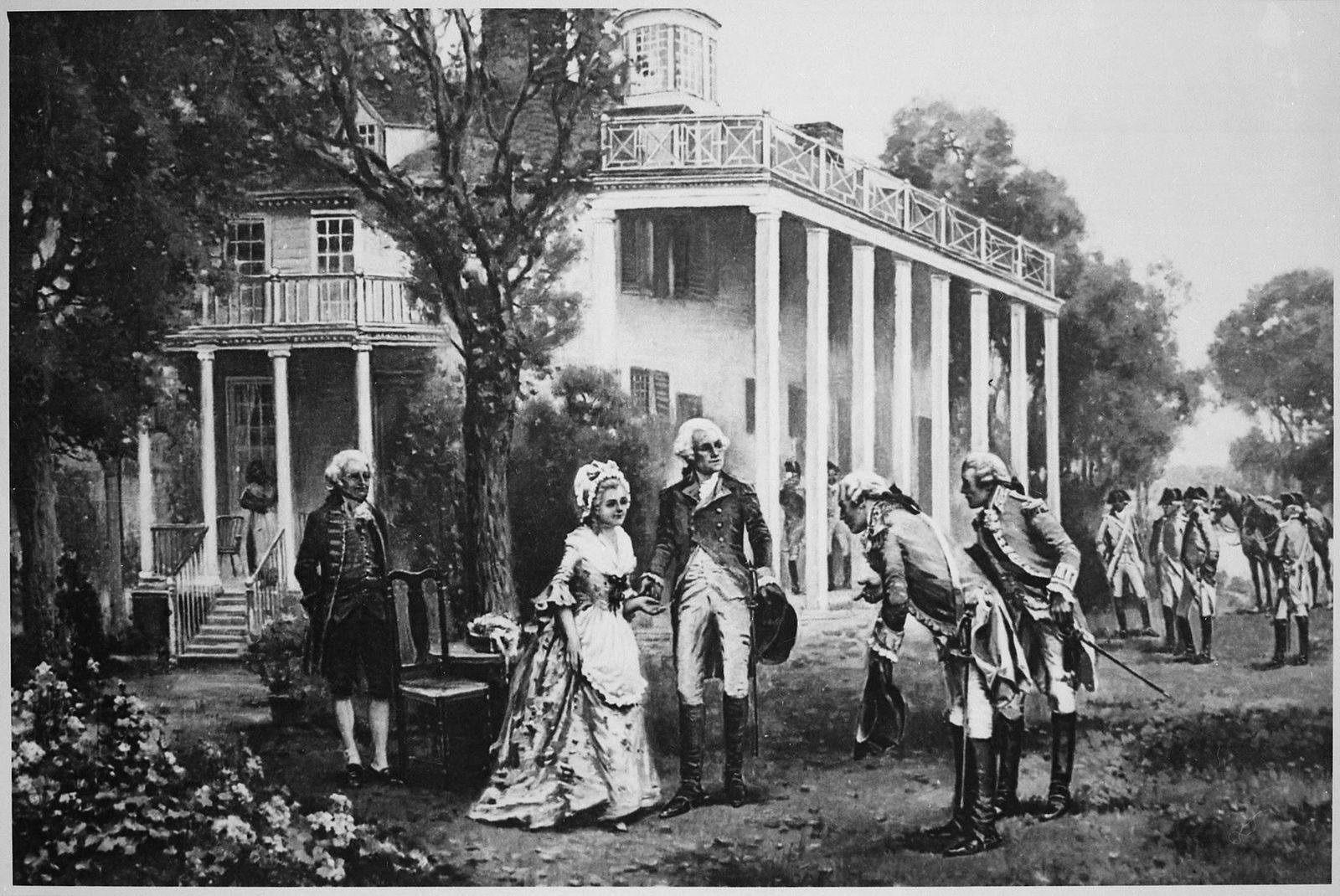
Image: National Archives at College Park, Public domain, via Wikimedia Commons

After his brother Lawrence’s death, Washington inherited his plantation, Mount Vernon, which he expanded and modernized. The house would become a refuge , a place for agricultural innovation, and where he would live in retirement after his political career. Like other founding fathers, Washington owned and employed enslaved people on his plantation. In his will, he made provisions for them to be freed after his wife’s death, though Martha Washington granted them their freedom in 1801.

4
First war experience
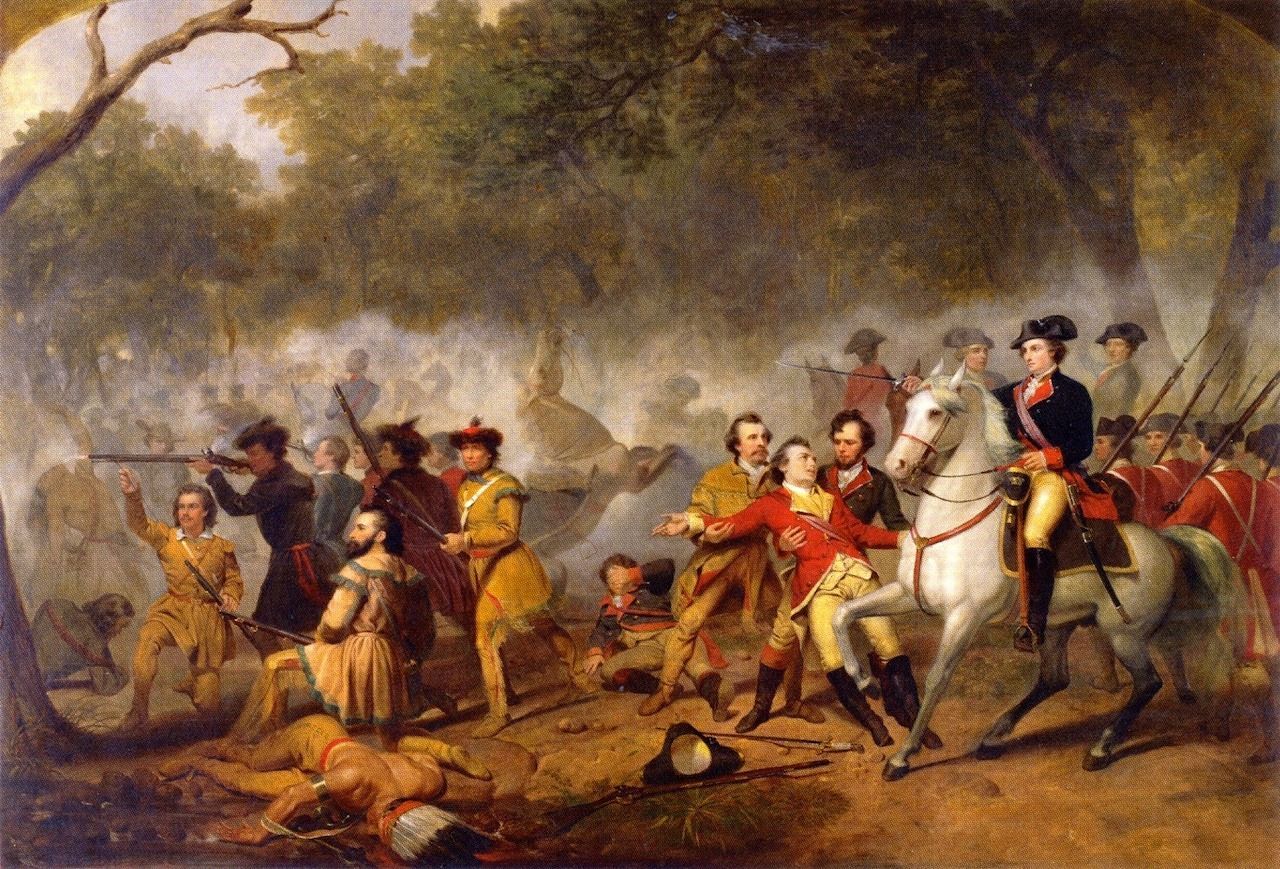
Image: Junius Brutus Stearns, Public domain, via Wikimedia Commons

During the 1754–1763 French and Indian War, Washington served as a militia commander. He was tasked with delivering an ultimatum to the French to abandon British territory, and was later involved in one of the confrontations that sparked the war. During the conflict, he became known for his bravery and leadership skills, and he acquired knowledge and experience that would be crucial for his role in the American Revolutionary War.

5
Marriage
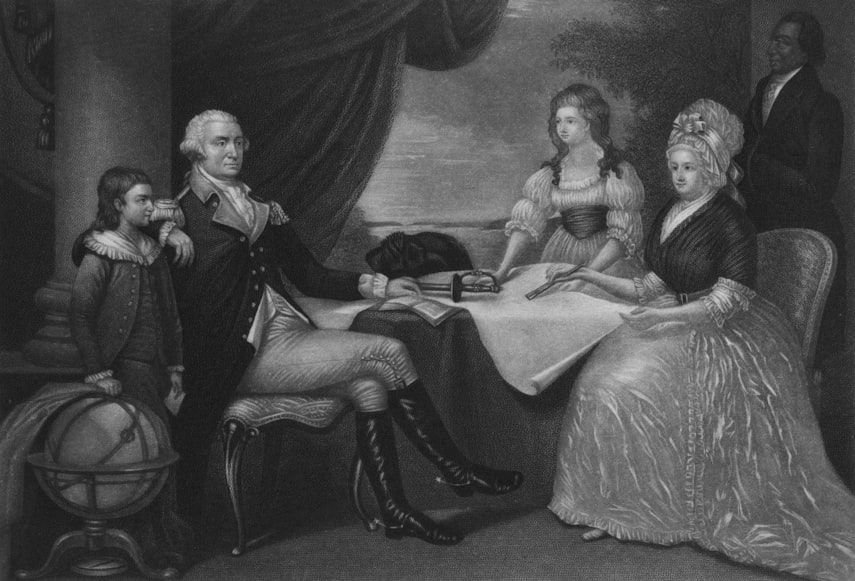
Image: The New York Public Library

In 1759, Washington married Martha Dandridge Custis, a wealthy widow with two children . This marriage made Washington one of Virginia’s wealthiest men and also cemented his social status, providing him with connections that would be crucial for his political career. During the Revolutionary War and Washington’s presidency, Martha would be a source of unwavering support and comfort.

6
Leader of the Continental Army
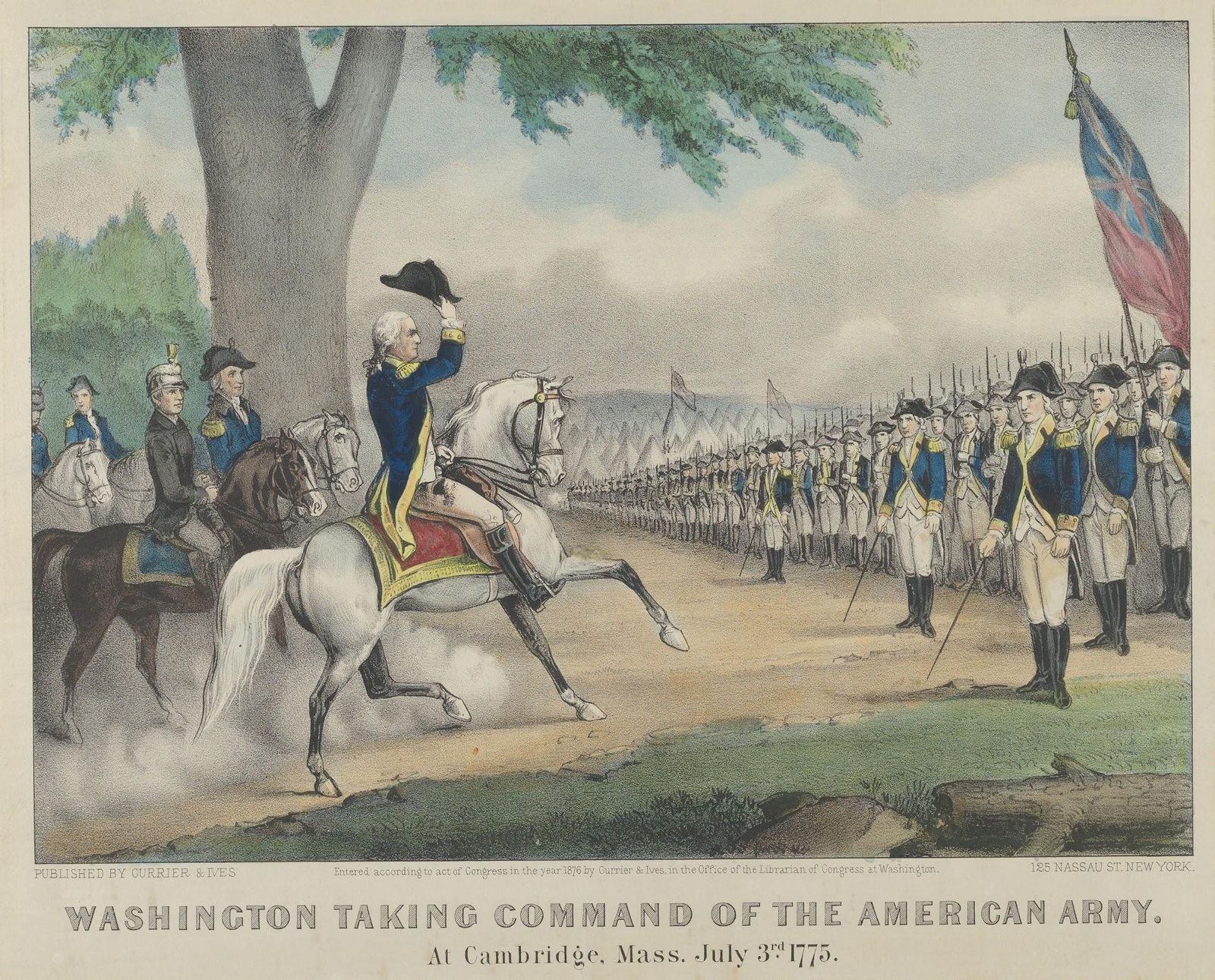
Image: Currier and Ives, CC0, via Wikimedia Commons

Though there were many candidates to lead the Revolutionary Army, the choice of George Washington was a deliberate move : he had proven war experience, was an influential politician and landowner in the largest southern colony, was known to be extremely brave, and had a remarkable aptitude for leadership. Washington never actively sought to be appointed commander, but his designation was key to the success of the Revolution.

7
Crossing of the Delaware
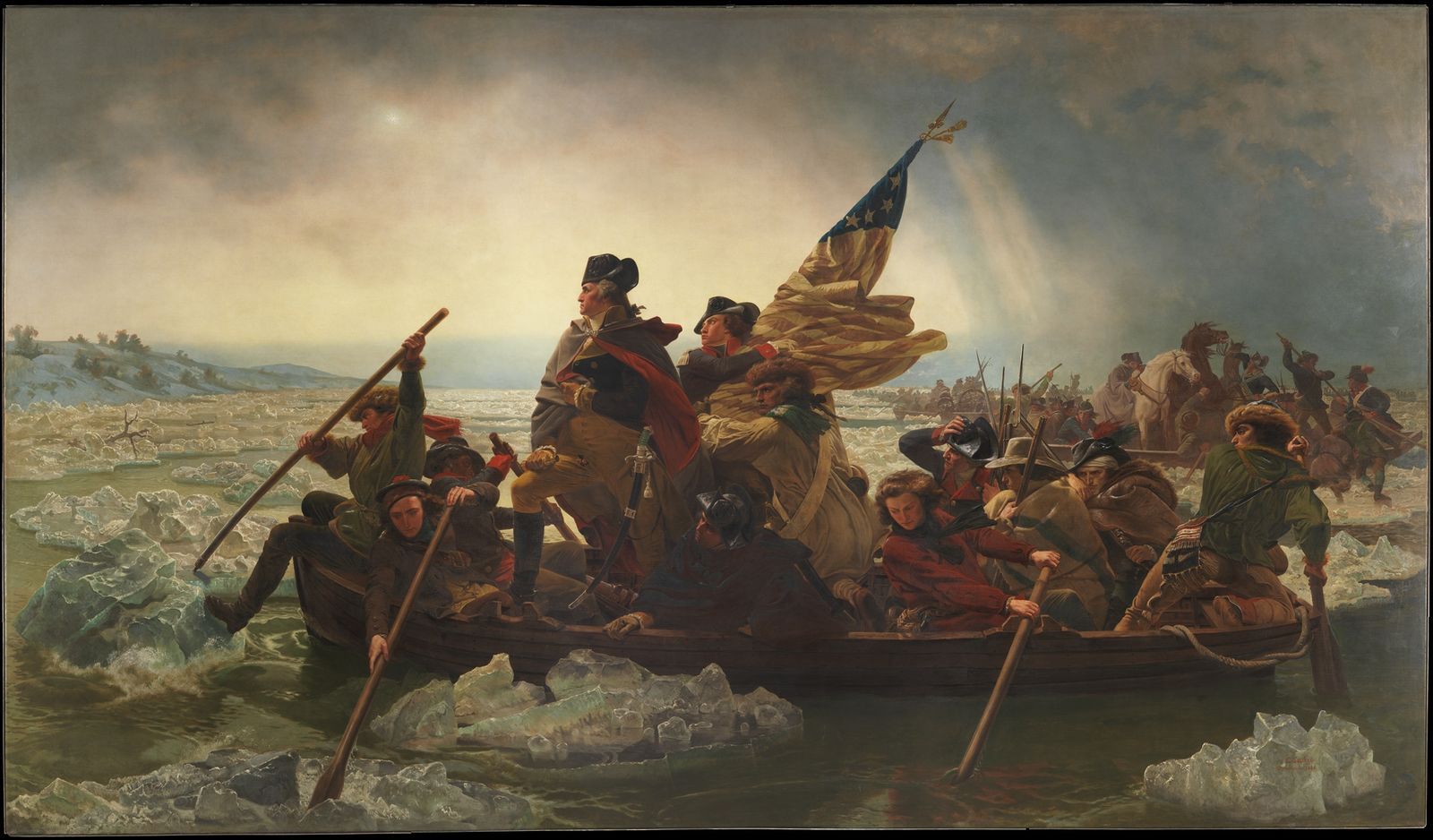
Image: Emanuel Leutze, CC0, via Wikimedia Commons

Demoralized by continued defeats at the hands of a superior British army, the Continental forces were on the brink of collapse. On Christmas night 1775, Washington set out to attack a British garrison by surprise, which meant he and his men had to cross the Delaware River at night during a harsh winter storm. By the next morning, the Continental Army defeated the enemy at the Battle of Trenton, a victory that boosted the soldiers’ morale and cemented Washington as a leader.

8
Presidential terms
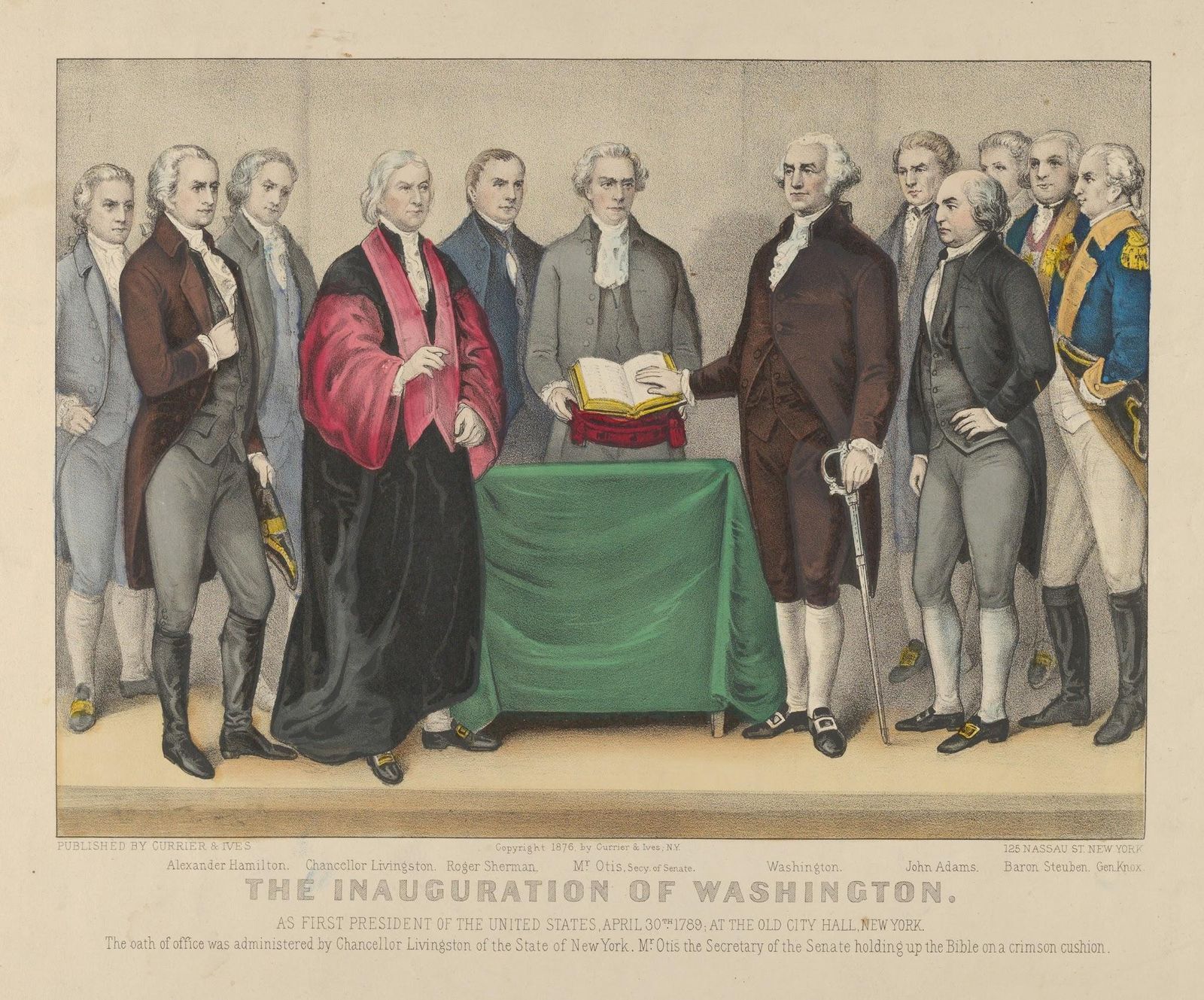
Image: Currier and Ives, CC0, via Wikimedia Commons

Unanimously elected by the Electoral College in both his presidential terms (1789-1797), George Washington was much more than just ‘the first American president’. His actions while in office set a precedent for the role , ensuring presidents would not be monarchs in disguise, and creating and enforcing policies that would shape the American system of government.

9
Washington, D.C.
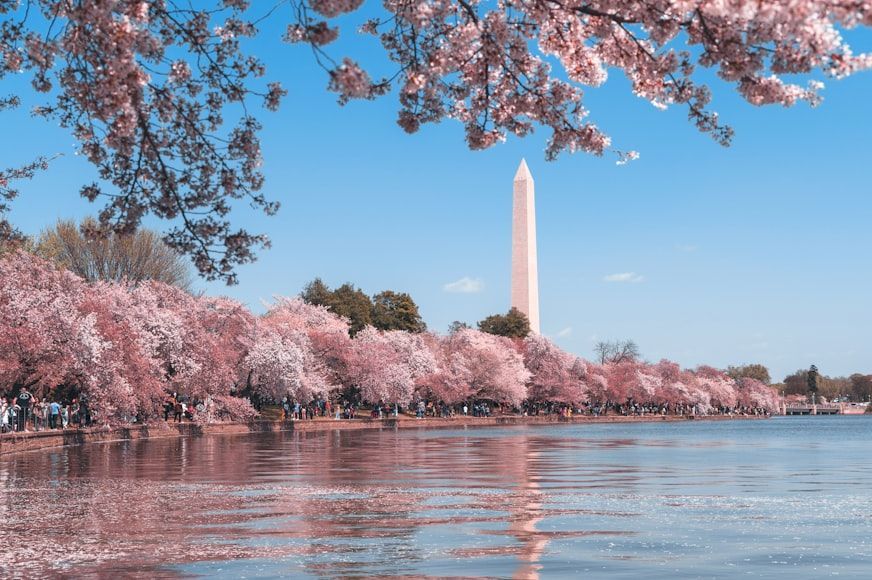
Image: Andy He

The Residence Act of 1790 established a new national capital, instead of an existing city being designated as such, to avoid tensions between the northern and southern states. While political alliances required that it be located on the Potomac River, the exact location was for Washington to decide. The chosen location was near Mount Vernon, which meant that he knew the land and its potential for a city that would not only be the seat of government but also an economic hub.

10
Farewell address
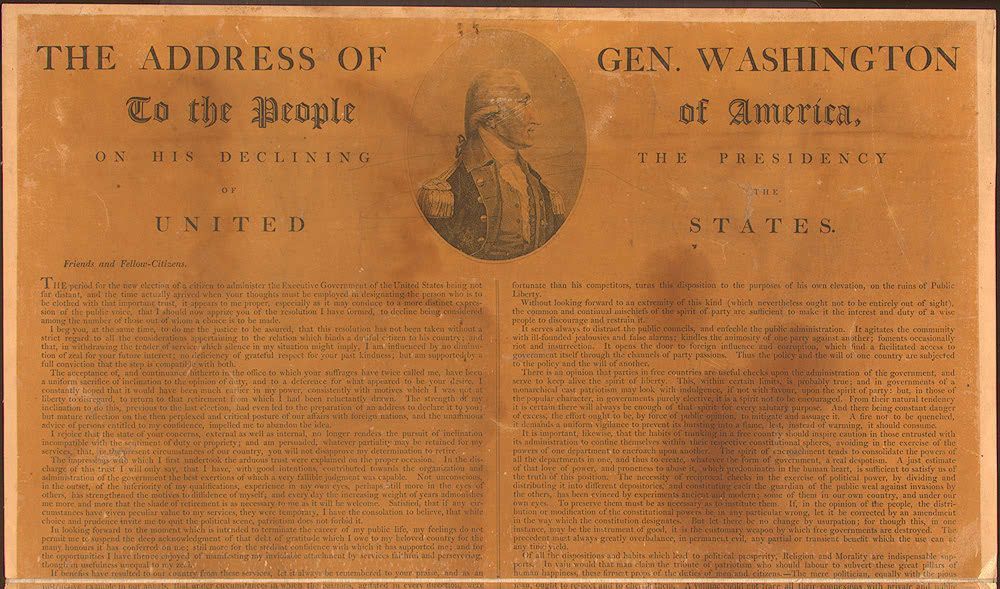
Image: George Washington, Public domain, via Wikimedia Commons

At the end of his first term as president (1798-1793), George Washington penned a farewell address. After his second term (1793-1797), he revisited the text and added to it with the help of Alexander Hamilton. Much more than a goodbye, it became a landmark document for America. Besides publicly declining a third term and ensuring a smooth transition of power, the letter warned Americans against the dangers of partisan politics and foreign interference, emphasizing the importance of national unity, stability, and adherence to law.


General General 4 min read

A guide to America's most unconventional museums

The bizarre American museums you never knew existed (but need to visit)

Image: Flickch

Forget the Louvre and the Smithsonian. If you're craving something a little more... unusual on your next museum outing, America has you covered. From pickles to parasites, these wonderfully weird institutions prove that literally anything can be museum-worthy if you're passionate enough about it.

1
The Museum of Bad Art (Massachusetts)

Image: Jerry Wang

Founded in 1994, MOBA showcases art "too bad to be ignored," featuring paintings so spectacularly awful they circle back to being captivating . We're talking off-kilter portraits, baffling subject matter, and techniques that defy explanation.

The collection includes masterpieces like "Lucy in the Field with Flowers," featuring a grandmother dancing in a meadow while wearing what might be a nightgown. Each piece comes with a tongue-in-cheek description that treats these disasters with the same reverence the Met gives to Rembrandts.

2
The International Banana Museum (California)

Image: Deon Black

This museum holds the Guinness World Record for the largest collection of banana-related items . With over 25,000 banana things crammed into one yellow-painted space, it's exactly as bonkers as it sounds. Banana phones, banana lamps, banana art—if you can slap a banana on it, it's here.

The museum's motto is "Yes, we have no bananas... we have more!" which pretty much sums up the gloriously ridiculous vibe.

3
The Museum of Broken Relationships (California)

Image: Kelly Sikkema

This surprisingly poignant museum displays donated objects from failed romances , each accompanied by a brief story from the heartbroken donor. Started in Croatia and once home to an outpost in Los Angeles (before it closed in 2017), it transforms personal pain into a shared human experience. You'll find everything from wedding dresses to an actual prosthetic leg, each item representing a relationship that didn't quite make it.

What could be depressing is actually oddly uplifting: there's humor, anger, relief, and occasionally shocking pettiness on display. One exhibit features an axe someone used to destroy their ex's furniture.

4
The International Cryptozoology Museum (Maine)

Image: Jon Sailer

This Portland museum is dedicated to creatures that may or may not exist , from Sasquatch and the Loch Ness Monster to the Chupacabra. Founded by cryptozoologist Loren Coleman, it houses hair samples, plaster casts of mysterious footprints, and endless speculation about what's lurking in our forests and lakes.

5
The Mustard Museum (Wisconsin)

Image: Pedro Durigan

Wisconsin's National Mustard Museum celebrates that yellow squeeze-bottle staple with 6,000+ varieties of mustard from all 50 states and over 70 countries . Curator Barry Levenson started collecting after his beloved Boston Red Sox lost the World Series in 1986, and a voice in a grocery store told him to pursue mustard instead. As one does.

The museum offers free tastings because, apparently, there's a whole world of mustard beyond French's that many of us have been missing. From champagne mustard to chocolate mustard to varieties with names you can't pronounce, it's a full-on condiment education.

6
The Museum of Clean (Idaho)

Image: JESHOOTS.COM

Spanning 75,000 square feet, it chronicles the history of cleaning from ancient times to modern day . It features vintage vacuum cleaners, washing machines, and cleaning products that would horrify today's safety inspectors.

The museum makes a compelling case that cleaning technology has shaped civilization more than we realize. You'll see how our ancestors scrubbed, swept, and sanitized before electricity, and gain a weird appreciation for your Swiffer.

7
The Mutter Museum (Pennsylvania)

Image: Tibor Dányi

This Philadelphia institution houses medical oddities, anatomical specimens, and antique medical equipment that can look more like torture devices. Think preserved organs, skeletal anomalies, and a wall of skulls that's both educational and nightmare-inducing.

The museum's most famous resident is the "Soap Lady," whose body turned into a soap-like substance after burial. There is also a sample of Albert Einstein’s brain tissue on display, because why not?

8
The American Toby Jug Museum (Illinois)

Image: agmclellan

Toby jugs are those quirky ceramic pitchers shaped like people's heads and bodies, usually depicting jolly characters in tricorn hats. This Evanston museum houses over 8,000 of them, representing the world's largest collection of these peculiar drinking vessels .

The collection spans centuries and includes rare jugs worth thousands of dollars alongside kitschy modern versions. You'll learn that Toby jugs have depicted everyone from Winston Churchill and Sherlock Holmes to characters from literature and politics.

9
The Spam Museum (Minnesota)

Image: ZHIJIAN DAI

This 14,000-square-foot museum in Austin, Minnesota, celebrates the canned pork product that fed armies and annoyed email users everywhere . Interactive exhibits let you pretend to work on the Spam production line, and you'll learn more about processed meat than you thought possible.

10
The International UFO Museum and Research Center (New Mexico)

Image: Danie Franco

Located in Roswell, the site of the most famous alleged UFO crash in history, this museum is ground zero for alien conspiracy theories. Founded by people who claim firsthand knowledge of the 1947 incident, it presents eyewitness accounts, declassified government documents, and enough speculation to keep you wondering all night .

Beyond Roswell, the museum explores UFO sightings worldwide, alien abduction stories, and government cover-up theories that range from plausible to completely bonkers.

Culture Culture 5 min read

The Man Behind the Magic

A secret apartment? 10 fun facts about Walt Disney you might not know!

Image: Steve DiMatteo

If there is one animated character who has reached worldwide fame, it is undeniably the beloved Mickey Mouse. We all know one of the men who brought our favorite mouse to life: Walt Disney, the visionary animator, producer, entrepreneur, and voice actor who created a magical world of characters that marked our childhoods. But beyond his well-known accomplishments, there are some fun and lesser-known facts about Walt Disney that might surprise you. Keep reading to discover 10 interesting facts about the man behind Mickey Mouse!

1
His first home

Image: Lucija Ros

Elias and Flora were the parents of the iconic Walt Disney. But beyond raising one of the world's most famous entrepreneurs, they also had several talents and skills, thanks to which they could build their house with their own hands.

Determined to create their home, Elias obtained a permit in 1892 to build a two-story, 18 x 28-foot wooden cottage for $800. Flora was in charge of designing and drawing the plans, and Elias was responsible for every aspect of construction.

Nine years later, on December 5, 1901, Walt Disney was born on the second floor of that house.

2
His birth name

Image: Heike Mintel

But his parents didn't just give him a home; they also gave him a name . While we all know him as "Walt Disney", his full birth name was quite different.

Walt Disney was born Walter Elias Disney, inheriting his father's name as a middle name. Although he never officially changed his ID, he was most famously known by his diminutive , "Walt," which he had been called since childhood.

It didn’t take long for little Walter to begin showing an interest and talent in one of the artistic forms that would lead him to success: drawing.

3
Another name

Image: Steven Beyer

Speaking of names, let's take a look at Mickey Mouse.

Although "Mickey" and "Mouse" are inseparable for everyone today, this famous character was originally called something completely different when he was first created. Believe it or not, the rodent was originally named "Mortimer."

And guess who suggested the new name? Lillian, Walt Disney's wife. When Lillian first heard the name of the cute cartoon character, she felt it sounded too solemn. Instead, she suggested "Mickey," and thankfully, they decided to take her advice!

4
The voice

Image: kaleb tapp

The voice behind the lovable little mouse was none other than Walt Disney. That's right! He brought Mickey Mouse to life with his own voice from his creation in 1928 all the way until 1947. That's almost 20 years giving one of the world's most famous cartoons not only a voice but also a personality. So now you know: when you watch a Mickey movie from those years, you're hearing the voice of his very own creator!

After 1947, other actors took over the role of voicing Mickey, and they've done a great job. But it's always special to remember Walt was the first to take on that job.

5
A special character

Image: Marko Blažević

Besides Mickey, another character held a special place in Walt Disney's heart: the legendary Peter Pan, "the boy who never grew up."

As a young boy on his way to school, Walt Disney noticed posters for a theater company coming to Marceline, Missouri, to perform Peter Pan . Excited by the chance to see the play, the future animation legend got tickets and went with one of his brothers. But that's not all: shortly after, Walt was chosen to play Peter Pan himself in a school play!

Disney told this story himself, highlighting how much Peter Pan meant to him throughout his life. In 1953, he brought Peter Pan to the big screen, allowing thousands of children around the world to discover the magical world of Neverland!

6
High school dropout

Image: Khyta

In 1917, when Walt Disney turned 16, he decided to leave high school and try to join the army. But his plan did not succeed: he was too young to enlist and wasn't accepted. However, his brave spirit was stronger, so he joined the Red Cross to work with them in Europe.

In 1918, he was sent to France as an ambulance driver for the Red Cross, a role he performed for a couple of months. And there's one detail that highlights Walt Disney's passion. It's said that the inside of his ambulance was decorated with dozens of cartoons he had drawn himself!

7
Previous job

Image: JJ Ying

Walt Disney's passion for drawing was clear from his childhood, staying with him through his teenage years and adulthood.

After returning from France at the age of 18, Disney got a job as a commercial illustrator in Kansas City. The story goes that he ran to his aunt, exclaiming, "Aunt! They're paying me for drawing!" In that position, he created advertisements for newspapers, magazines, and posters. Shortly after, he discovered the world of animation.

There's no doubt that this job played an important role in helping Walt Disney eventually establish his own animation and production company.

8
Secret apartment

Image: Aubrey Odom

We could safely say that Disneyland is, without a doubt, a magical place filled with surprises.

But beyond the incredible attractions, such as exciting rides, parades, enchanting shows, and adored characters, there are also some hidden details that often go unnoticed. For example, the fact that Walt had a secret apartment in Disneyland, where he worked and spent time with his loved ones, managing and enjoying the park.

The apartment is still there, and while it's not open to the public, you can pass by and see a lamp that's kept lit as a symbol of Walt Disney's eternal presence in the hearts of many.

9
Train enthusiast

Image: Mike Bergmann

Walt Disney was a multifaceted man, so drawing and animation were just a part of his many passions.

It turns out that the entrepreneur also had a love for trains that began in his childhood. Along with using trains for transportation and collecting model trains, he built a miniature railroad in his backyard where guests could enjoy short and fun rides! He named it the Carolwood Pacific Railroad.

As you might guess, this interest also influenced the design of Disneyland, where the railroad is one of the main features.

10
His favorite song

Image: Guillaume de Germain

One of the things that had a special place in the heart of Walt Disney was his favorite song. Want to know what it was?

Rumor has it that his favorite song comes from one of Disney's most enchanting films: Mary Poppins . Composed in 1964 specifically for the movie, the song "Feed the Birds" had a unique meaning for him.

Its complexity and emotional depth moved him deeply, as the song highlights the importance of being kind and respectful to others. If you haven't listened to it yet or need a refresher to remember the melody, go ahead; you won't regret it!

Explore more American facts

Choose your favorite category!

General
General

As American as apple pie—the very best America has to offer!

Culture
Culture

Delve into the astounding richness of American lore.

Geography
Geography

Hop in and explore vast and diverse American landscapes.

History
History

Discover the key moments that shaped the United States.