History History 6 min read

The forgotten seconds in command

10 facts you didn't know about America's second in command
Image: Brandon Mowinkel

How many vice presidents do you remember? We know that several presidents served initially in the number two role, and that a few of them had to step up to the presidential office due to death or resignation. But beyond that, what else is there to know? Well, many things, but we’ll stick to unusual facts and circumstances. Which one was accused of murder? Why are they called Veep? Were they always chosen by their party? Let’s dive into some interesting Vice Presidents of the U.S.

1
The criminal Veep
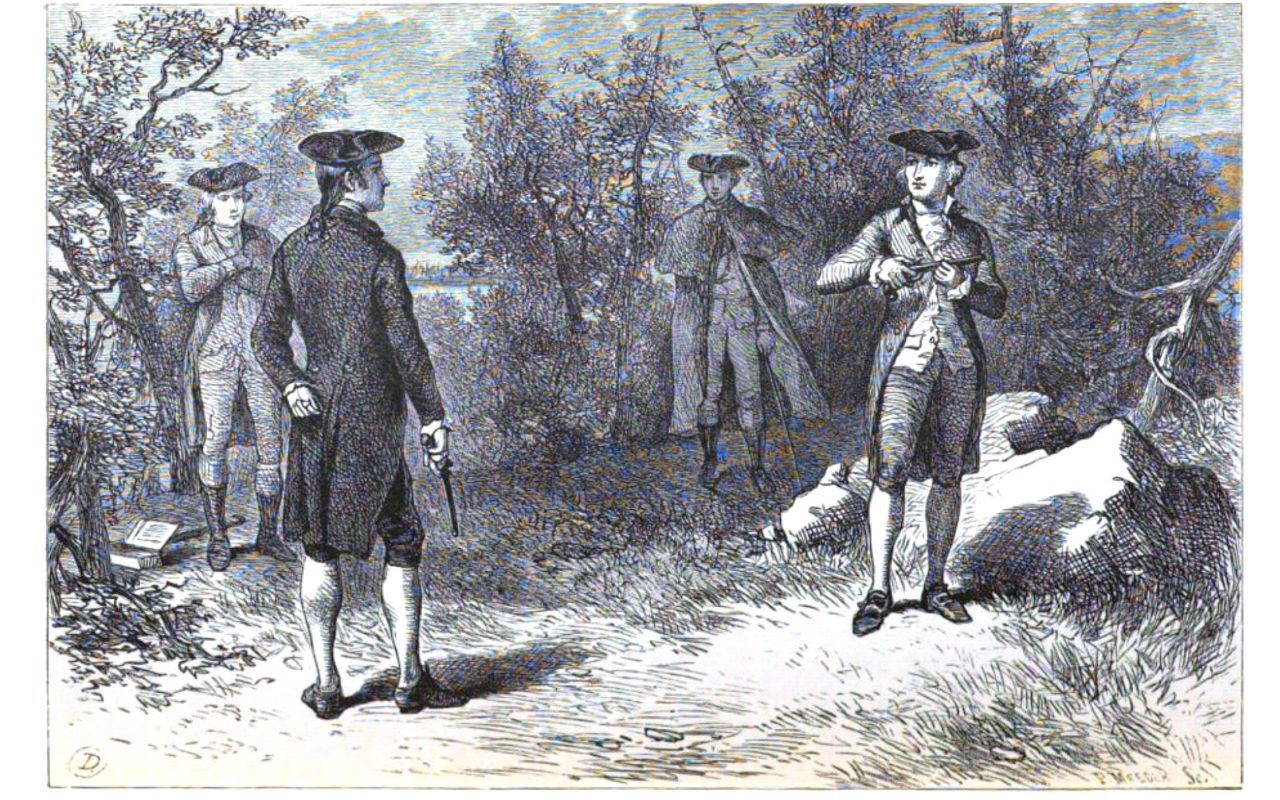
Image: See page for author, Public domain, via Wikimedia Commons

America never lacked politicians who were suspected criminals —vice presidents included— but not every day is the second most important person in the nation formally accused of murder. It is a known fact that Aaron Burr, America’s third vice president, fatally shot founding father Alexander Hamilton in a duel in 1804. What many don’t know is that he was formally indicted for that murder in New York and New Jersey , but he fled to South Carolina and never stood trial, and the charge was eventually dropped. He was also accused of treason, but we can’t say that he was unique among politicians in that sense.

2
The first Veep that was actually elected
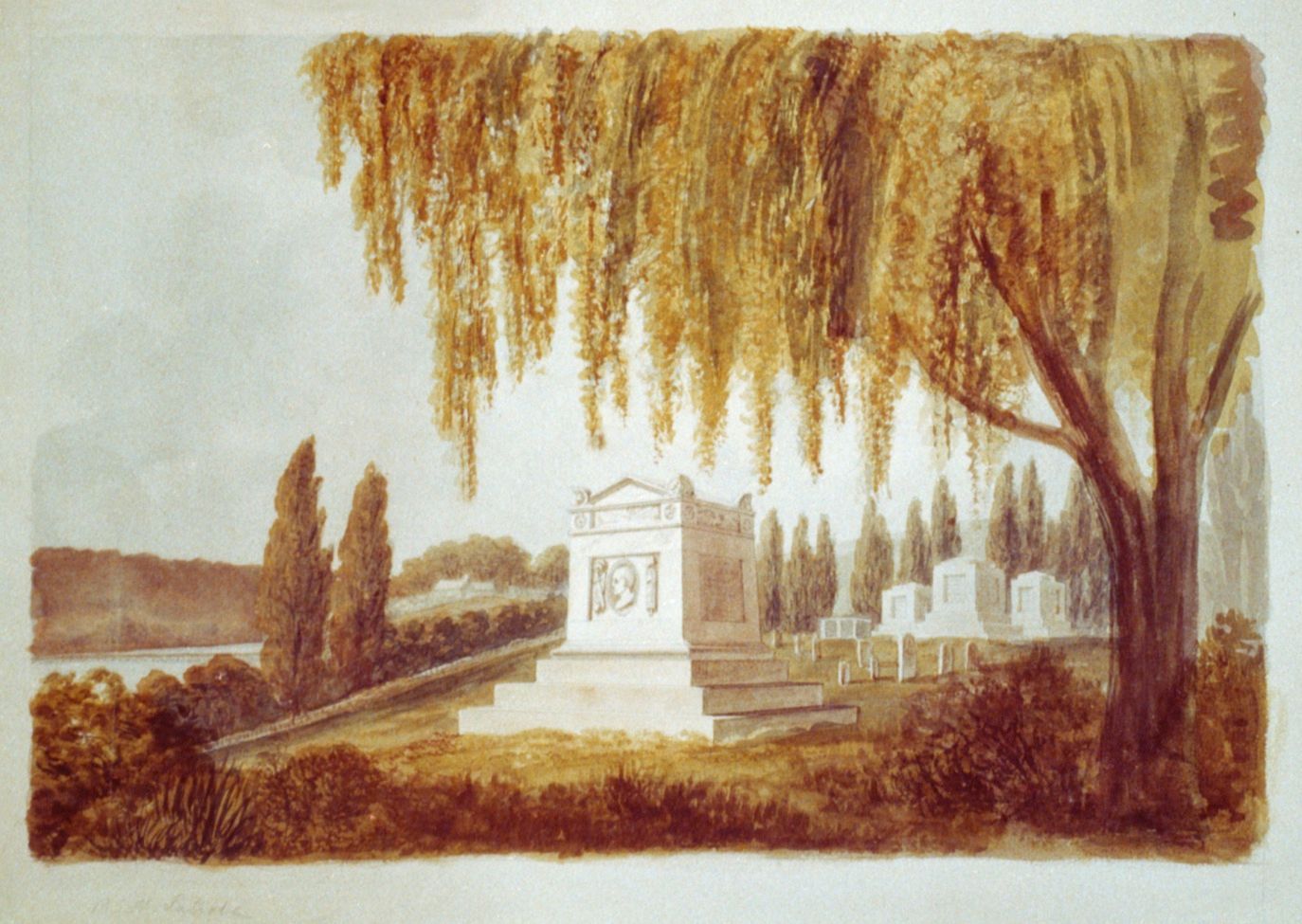
Image: Benjamin Henry Latrobe, Public domain, via Wikimedia Commons

Did you know that, in the beginning, vice presidents were not elected as running mates of a presidential candidate? For the first three presidencies, the position was filled by the runner-up, which created endless conflicts. After all, who wants to work with the guy who beat you? After Thomas Jefferson struggled to govern with Aaron Burr as his second, he pushed for the 12th Amendment, which allowed vice presidents to be elected on their own . For his next term, Jefferson chose George Clinton as running mate —not only because he was popular, but also because his age (65 years old) made it unlikely that he would challenge Jefferson’s successor, James Madison, for the presidency. In the end, Jefferson didn’t have to worry about it because Clinton was the first vice president to die while in office in 1812.

3
The unelected Veep
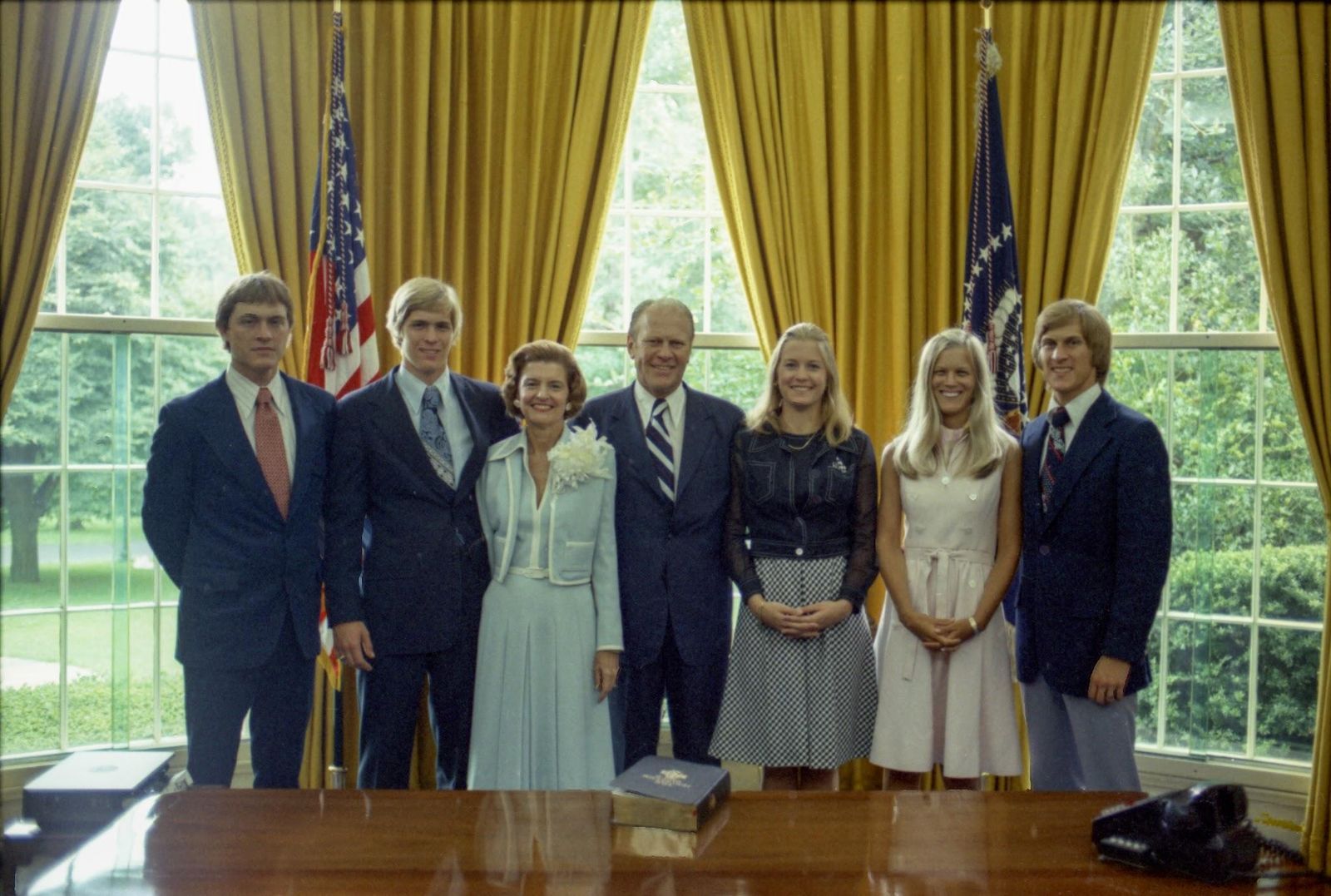
Image: White House, Public domain, via Wikimedia Commons

In 1973, Vice President Spiro Agnew resigned under accusations of corruption. The newly ratified 25th Amendment stated that the president, Richard Nixon, had to nominate someone for the position, to be later ratified by Congress. He chose Gerald Ford, at the time the House Minority Leader , and widely respected by his peers. Less than a year later, Nixon was forced to resign due to the Watergate scandal, and Ford assumed the presidency, making him the only vice president and president who was not elected.

4
The first Veep to have a ‘Second Gentleman’

Image: The White House, Public domain, via Wikimedia Commons

We’ve had many memorable First Ladies in our history, but, seeing that we never had a female President, we don’t know what that role would look like in a reversed situation. But what about a Second Gentleman? In 2021, Kamala Harris was the first woman to serve as Vice President, and her husband, Doug Emhoff, became the first ‘Second Gentleman’ of the nation , which meant that the acronym for the position (SLOTUS) had to be updated to SGOTUS.

5
The first Veep to be a proper Veep
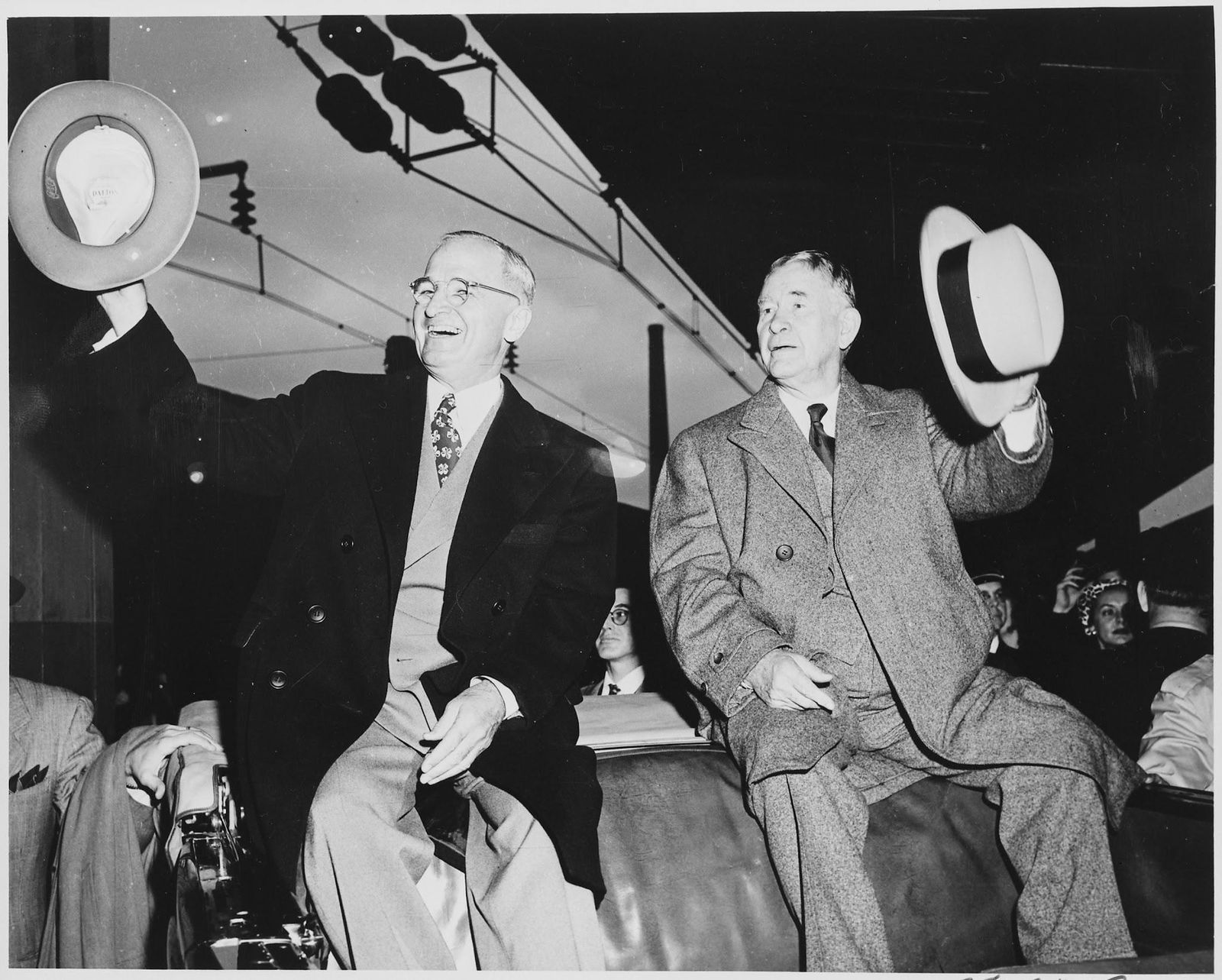
Image: Abbie Rowe, Public domain, via Wikimedia Commons

Where does the use of "Veep" for vice president come from? In 1949, Alben W. Barkley was elected as VP under President Harry S. Truman. Barkley thought that ‘Mr. Vice President’ was a mouthful, and it sounded too formal. His grandson suggested the term Veep (after the VP initialism) , which became popular when Barkley told the story to the press. Although the following vice president, Richard Nixon, refused to use the term out of respect for Barkley, it has become the common phrase used to informally refer to vice presidents.

6
The shortest Veep-to-President pipeline
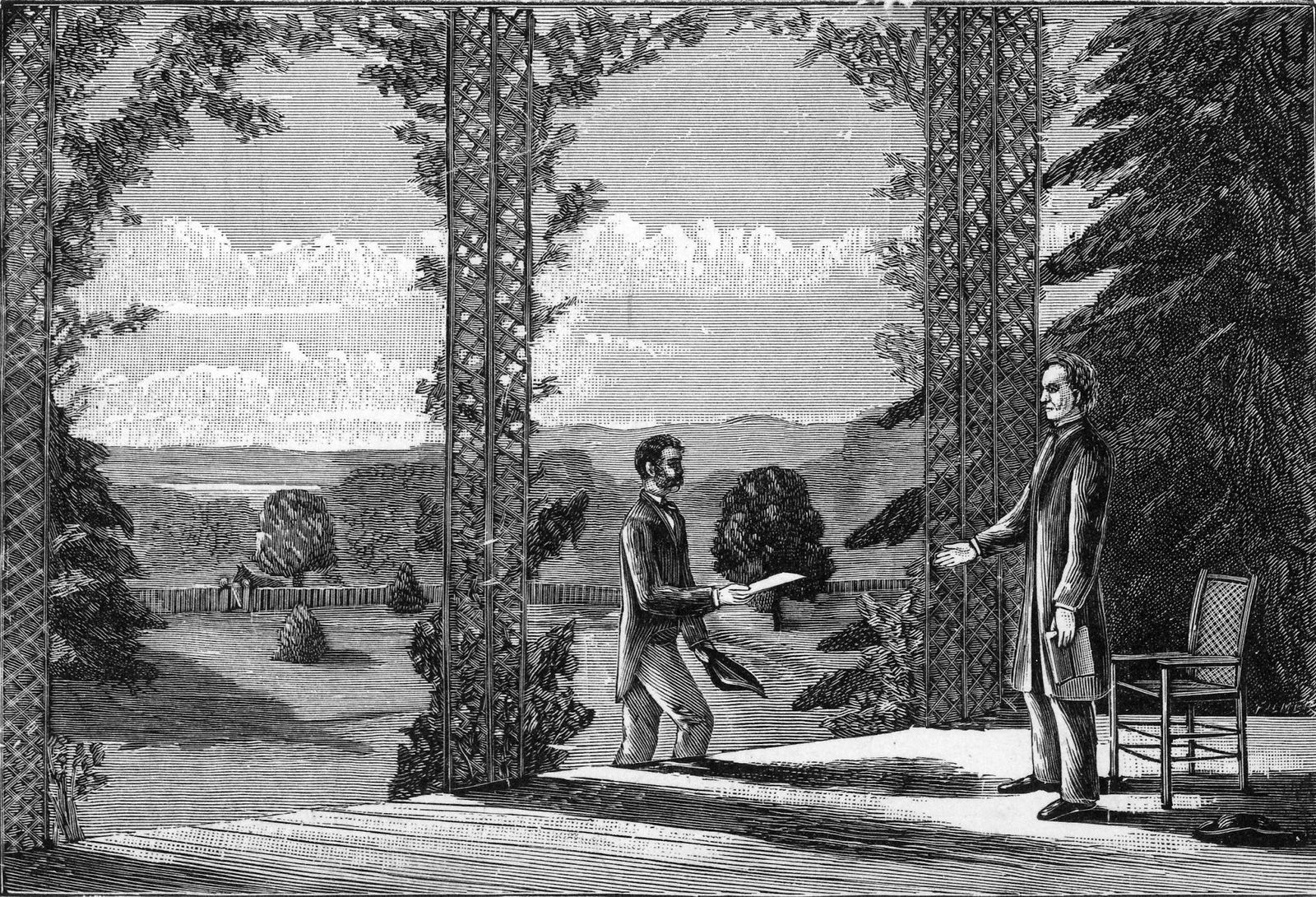
Out of the fifteen vice presidents to later become president, nine of them did so due to the president dying or resigning. The 10th Vice President, John Tyler, was not only the first Veep to assume the role after the President’s death, but also the Veep with the shortest tenure in American history. After only 31 days in office, in 1841, he became president due to the passing of William Henry Harrison , setting the precedent that vice presidents who assumed the presidency were official and not just acting presidents.

7
The first Veep to live at Number One Observatory Circle
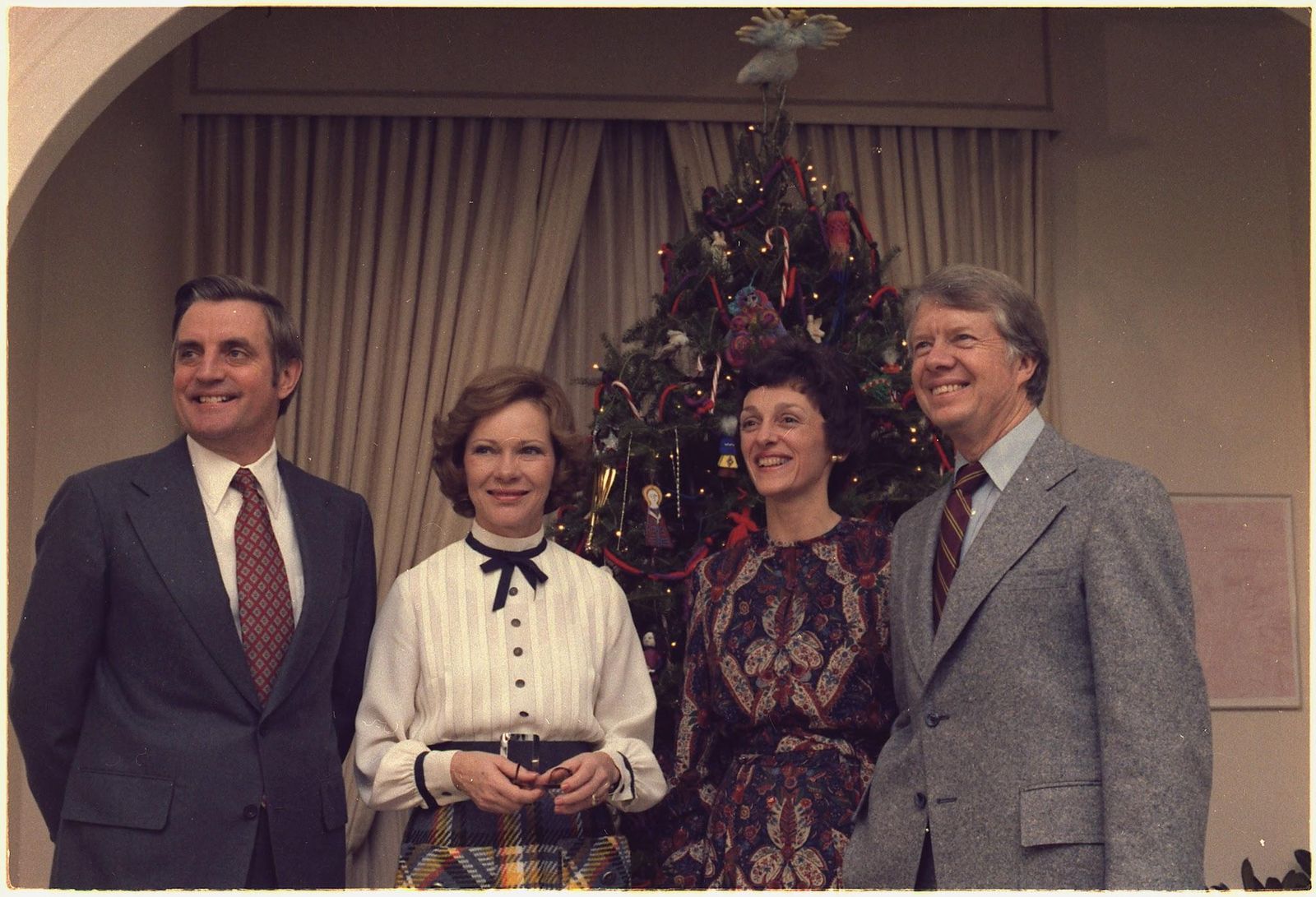
Image: National Archives and Records Administration, Public domain, via Wikimedia Commons

Unlike presidents, vice presidents didn’t always have an official residence. Up until 1974, when Congress designated Number One Observatory Circle as the official residence of the vice president , Veeps lived in their own houses. At the time, Vice President Nelson Rockefeller refused to move in and only used the house for entertaining guests. Walter Mondale was the first vice president to officially move in with his family in 1977.

8
The Veeps that had to step down
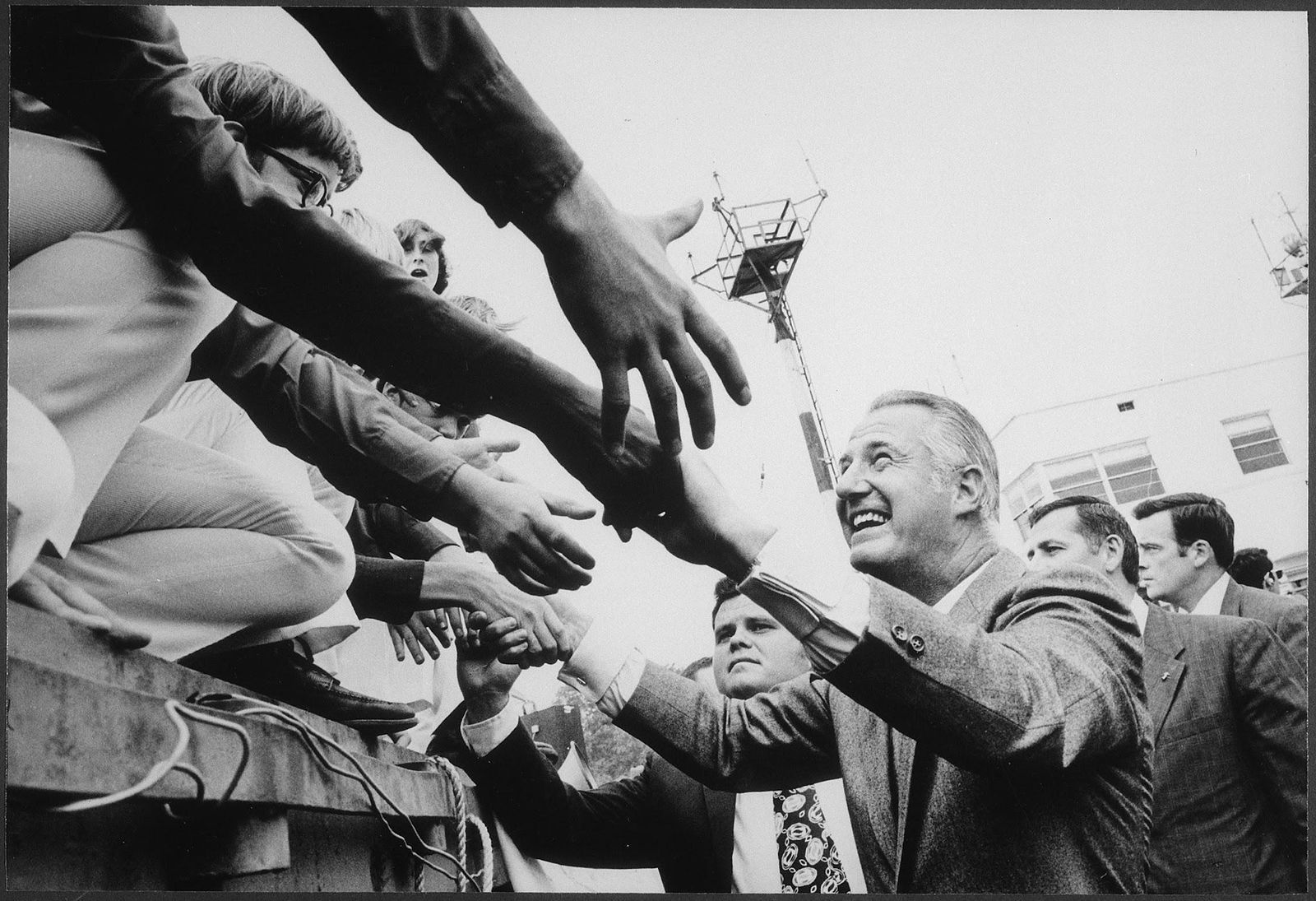
Image: Karl Schumacher, Public domain, via Wikimedia Commons

Only two out of the 50 vice presidents in American history resigned their position. In 1832, Andrew Jackson’s vice president, John C. Calhoun, resigned during his second term to accept a seat in the Senate after a series of political differences with Jackson. In 1973, Spiro Agnew was accused of corruption and bribery , and charged with tax evasion. He resigned and pleaded no contest to the charges. His President, Richard Nixon, would also resign less than a year later.

9
The Nobel Veeps
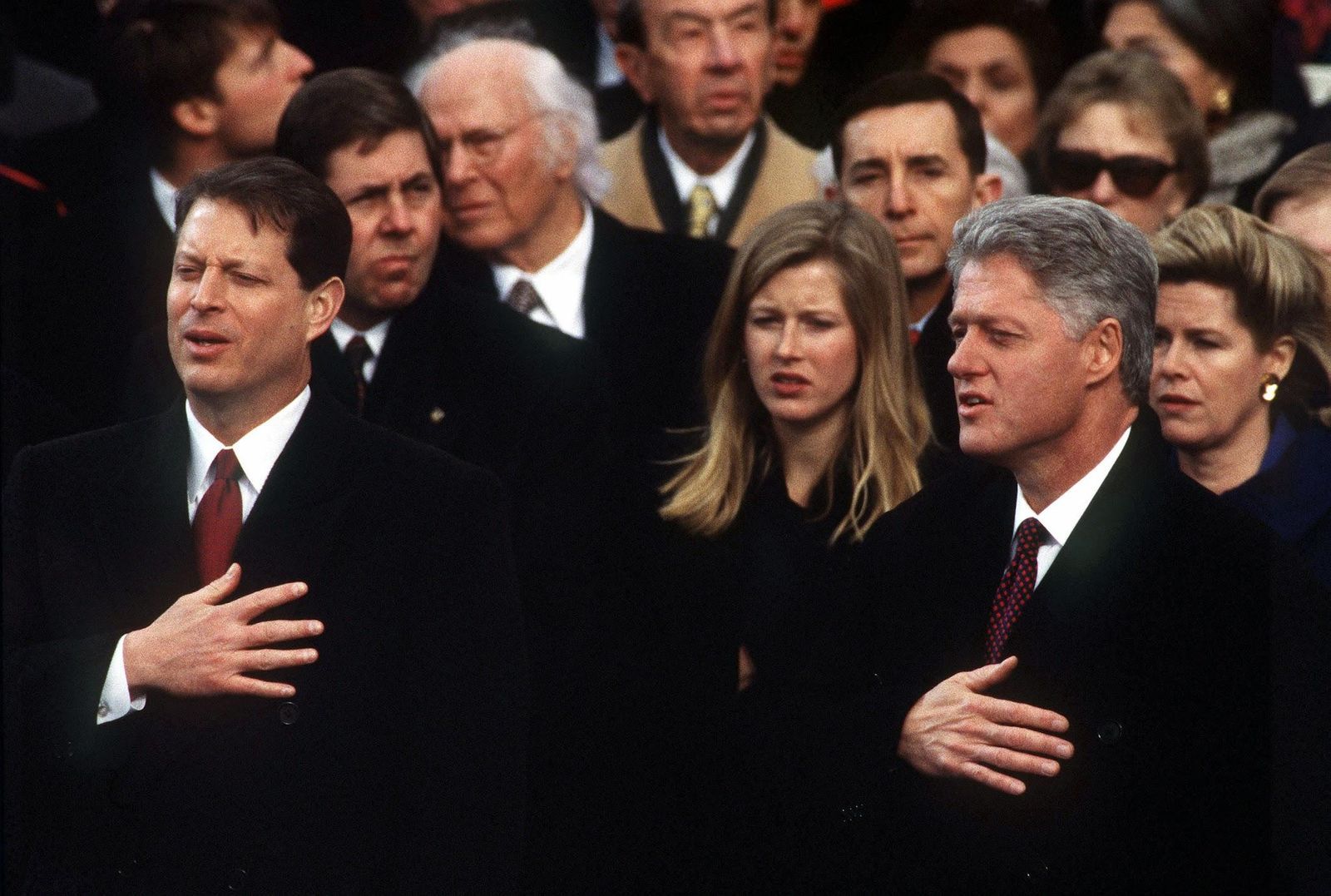
Image: MSGT Fernando Serna, USAF, Armed Forces Inaugural Committee, Public domain, via Wikimedia Commons

Only two vice presidents were awarded the Nobel Peace Prize: Charles G. Dawes received the prize in 1925 for the "Dawes Plan", an initiative to stabilize the German economy after WWI , while Al Gore received it in 2007 —jointly with the Intergovernmental Panel on Climate Change— for his efforts towards the conscientization of man-made climate change . Some also include Theodore Roosevelt in this list on account of his having served as vice president, but at the moment of receiving the prize in 1906, he was serving his second term as president.

10
The youngest and oldest Veeps
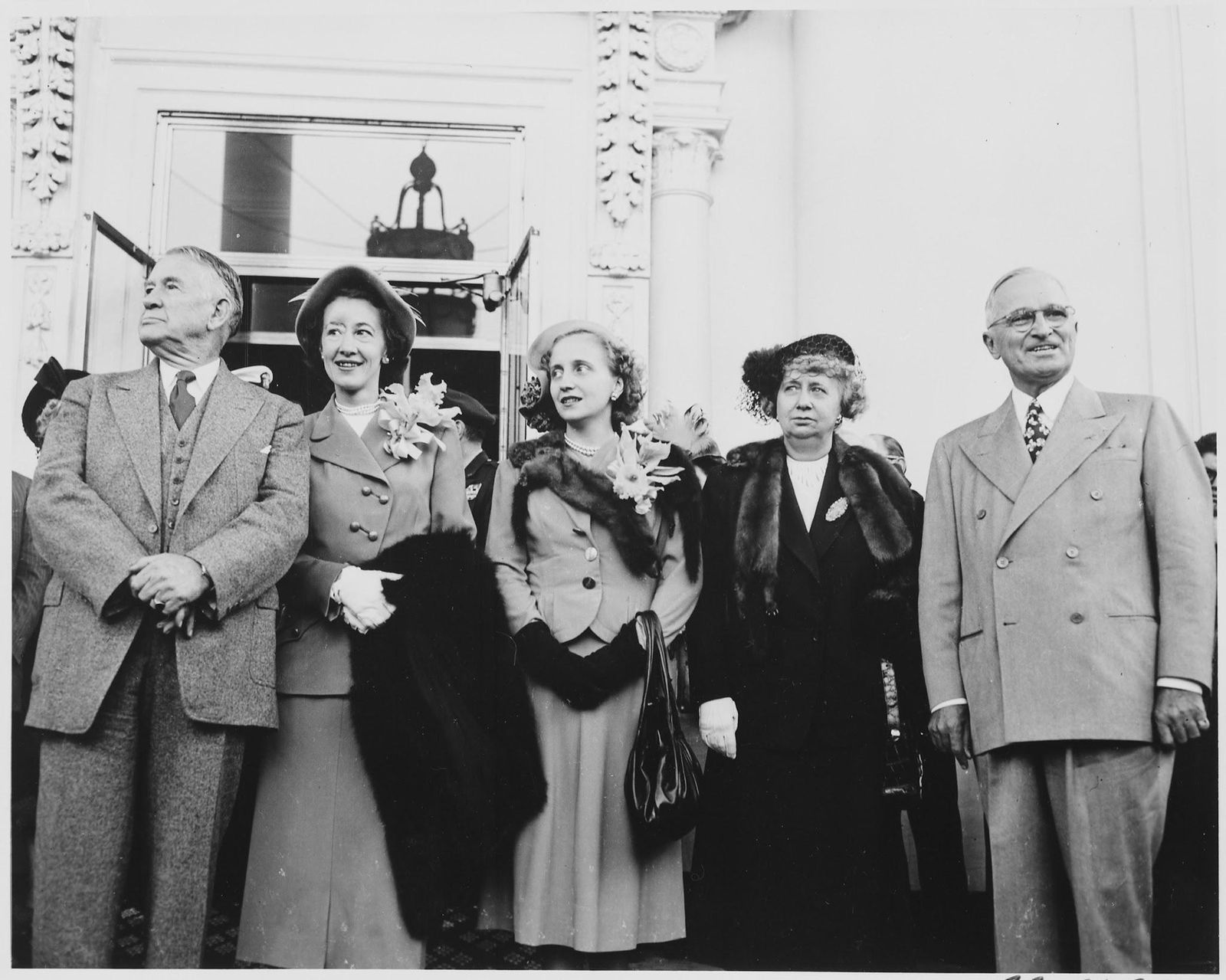
Image: Abbie Rowe, Public domain, via Wikimedia Commons

According to the Constitution, the minimum age requirement for the vice president is 35 years old. The youngest ever vice president in office was John C. Breckinridge at 36 years old , serving under James Buchanan in 1857, followed by Richard Nixon and J.D. Vance, who both assumed the role at 40 years old. The oldest vice president to take office was Alben Barkley, who in 1949 served under Harry S. Truman at 71 years old , followed by Charles Curtis at 69 years old.
Culture Culture 5 min read

Obsolete occupations

12 forgotten jobs that once existed and became obsolete

Image: Igor Saikin

At various points in history, people earned a living performing jobs that sound downright strange today. Folks once knocked on windows to wake strangers for work. Others spent their days resetting bowling pins by hand, lighting streetlamps at dusk, or harvesting ice from frozen rivers. Machines have certainly made life easier in many ways, but they have replaced the livelihood of many. Here’s a small handful of some forgotten jobs that were once fundamental to everyday life in America and elsewhere in the world.

1
Town crier

Image: Birmingham Museums Trust

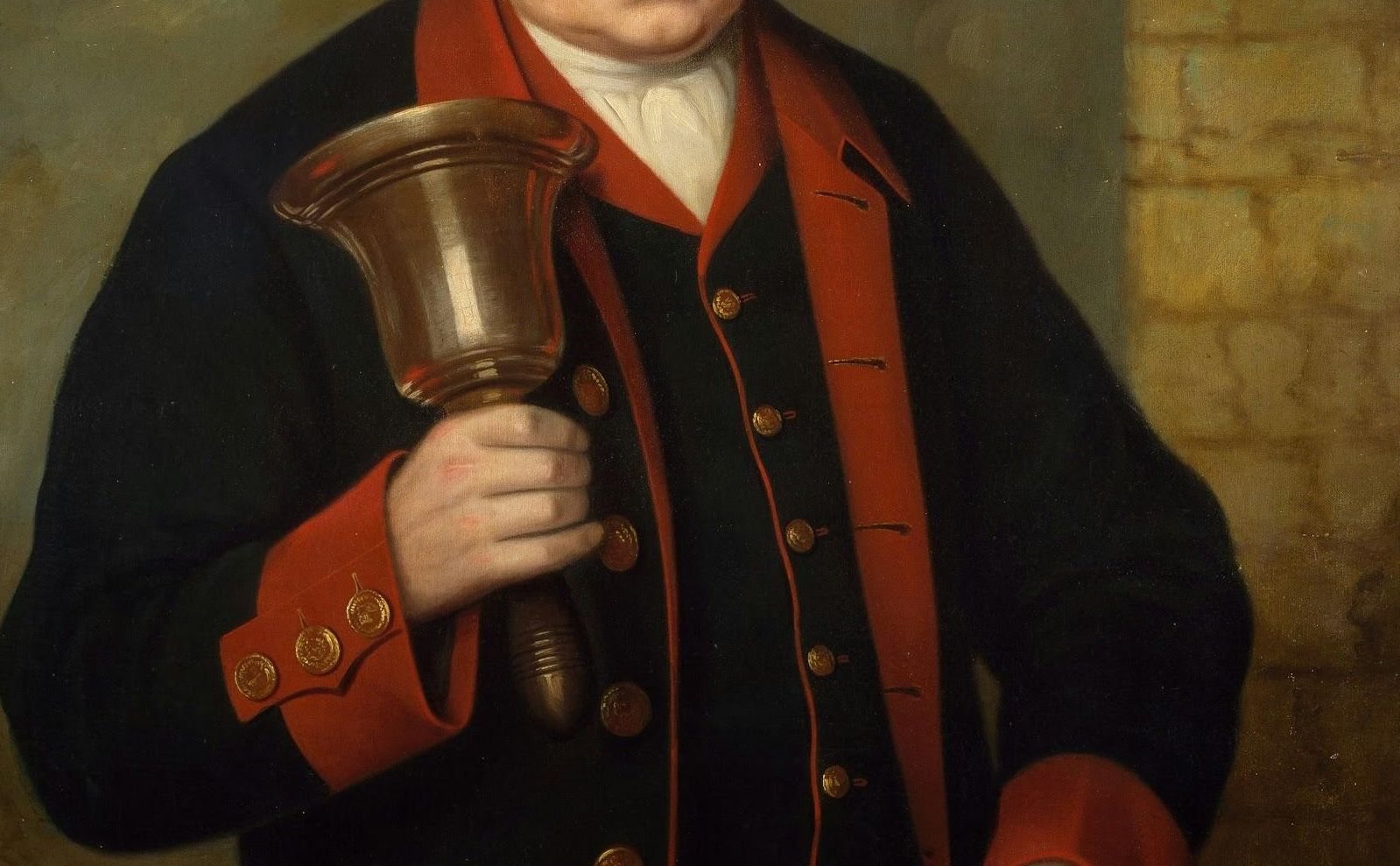
In early American towns (and elsewhere in the world), before printed media and mass communication were the norm, news didn’t arrive through newspapers or broadcasts: it arrived by voice. Town criers walked streets ringing bells and loudly announcing public notices, laws, and important events . They were essential in communities where literacy was limited, and information traveled slowly.

2
Factory lectors

Image: Amsterdam City Archives

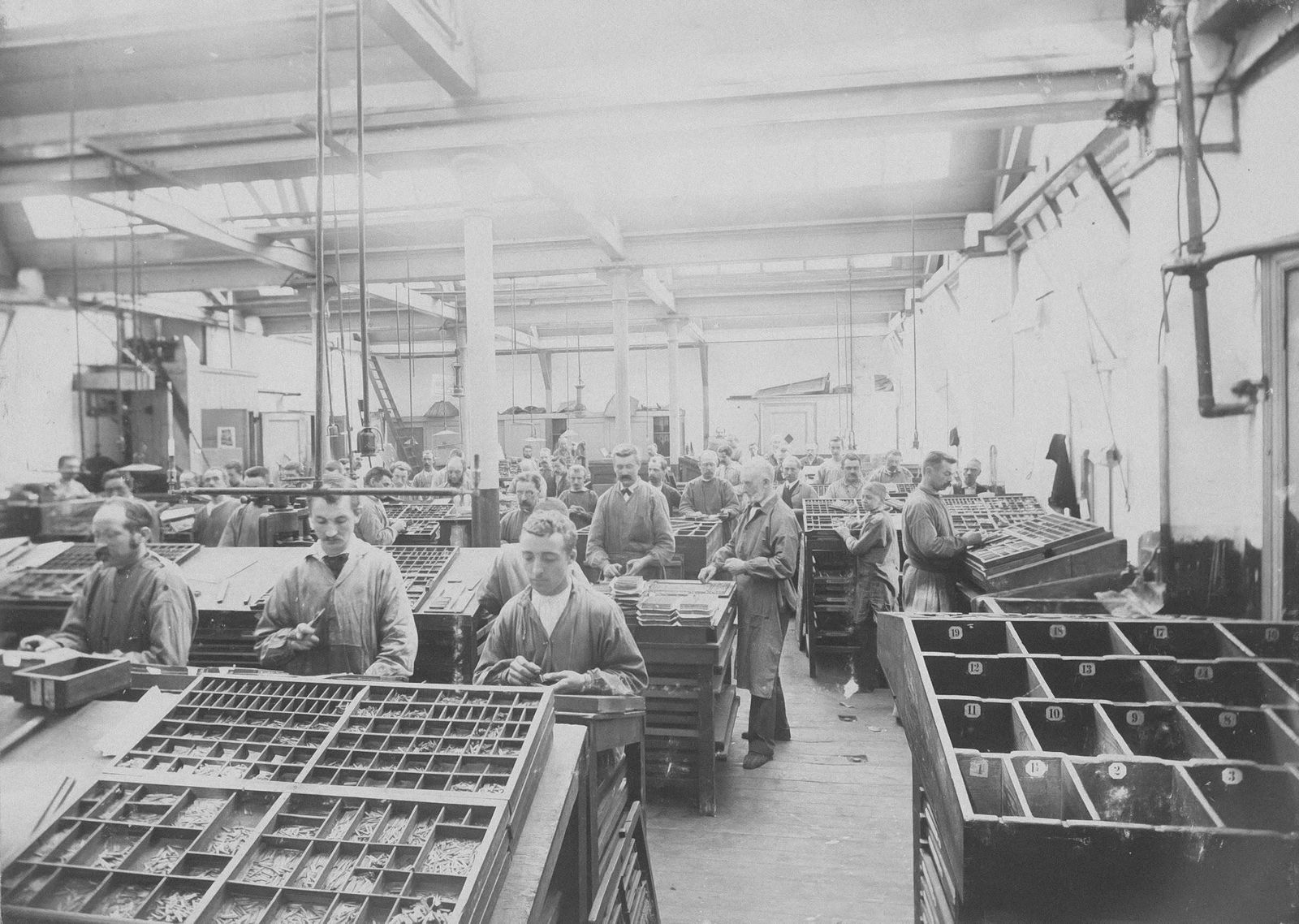
Nowadays, when you have some manual, boring labor to do, you can turn on the radio, listen to some music, or a podcast. Of course, that wasn’t an option once upon a time. In some factories, workers hired a lector to read aloud while they worked .

Starting in the mid 1800s and into the beginning of the 1900s, lectors in factories shared newspapers, novels, and political texts, keeping workers informed and entertained during long hours.

3
Elevator operator

Image: Possessed Photography

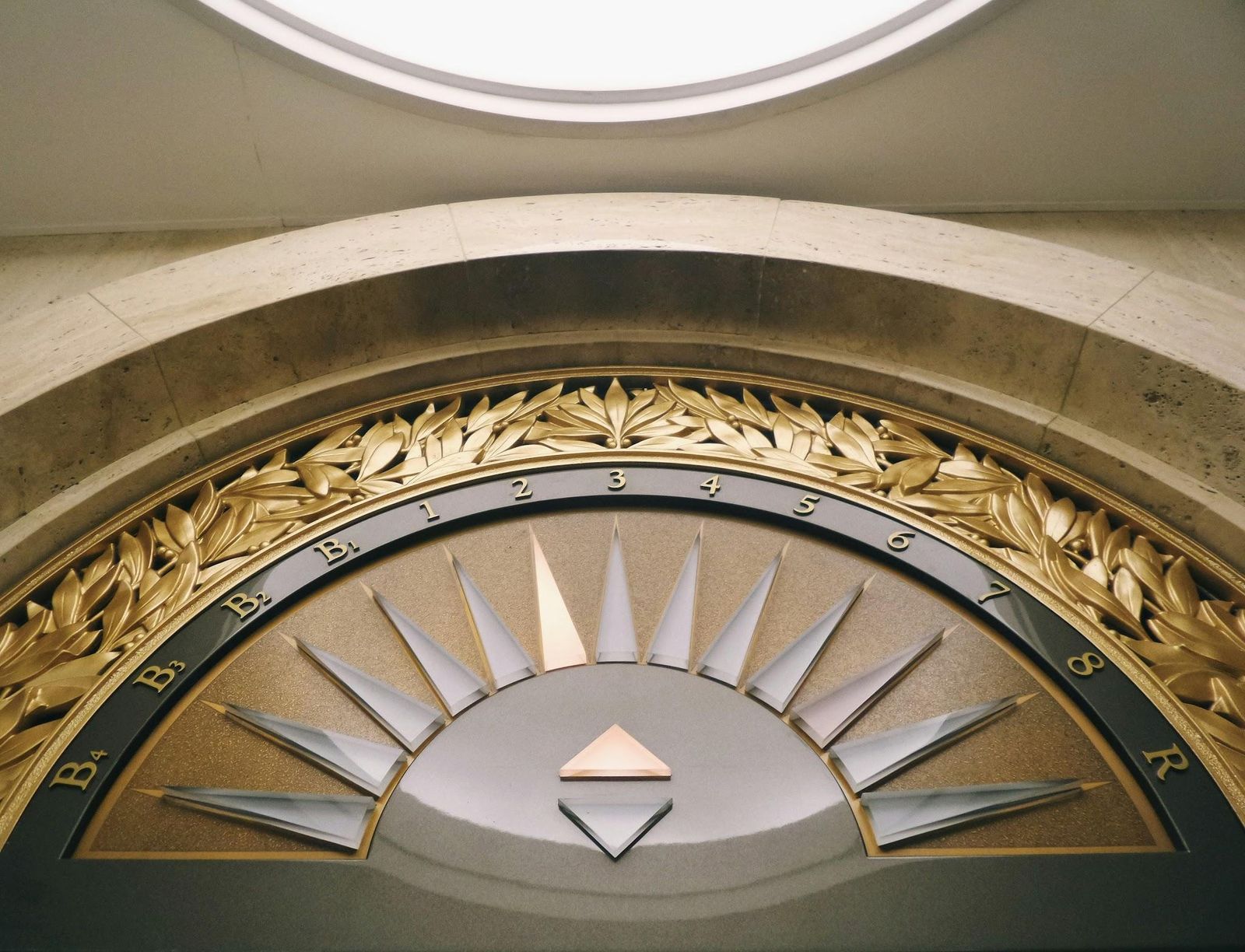
Using an elevator seems easy enough today, but for decades, elevators didn’t run themselves. Operators manually controlled speed, direction, and stopping points using levers and switches , while also greeting passengers and announcing floors.

In luxury hotels and department stores, a skilled, often uniformed operator was part of the experience, expected to be polite, precise, and calm under pressure. The job peaked in the early 20th century, especially in big cities like New York and Chicago.

4
Switchboard operator

Image: Matt Benson

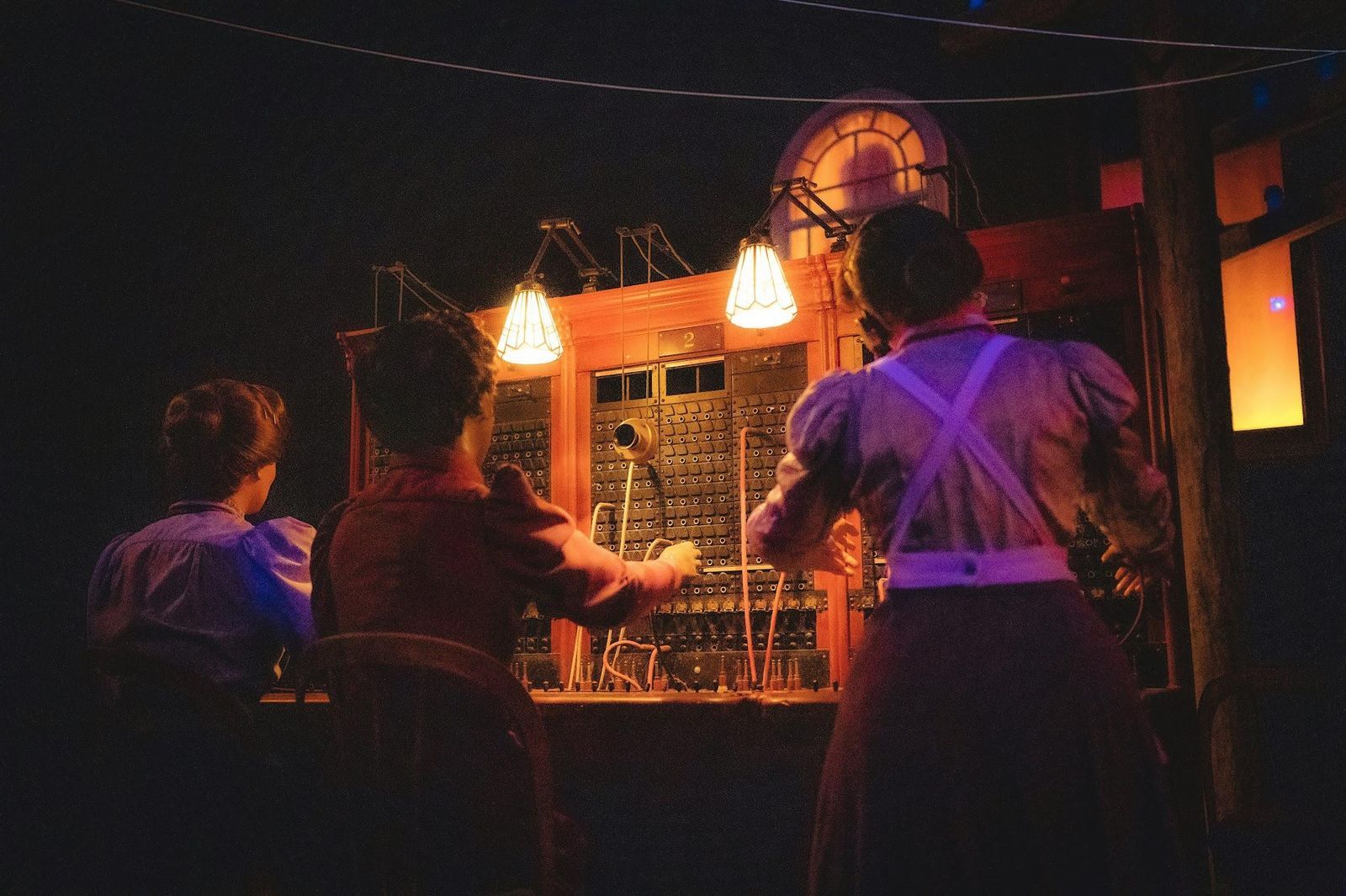
For early telephone calls, switchboard operators had to manually plug cords into panels to link callers together . The occupation rose shortly after Alexander Graham Bell patented the telephone in the 1870s, and became a fundamental job until the middle of the following century, when direct dialing was introduced.

Most operators were women, chosen for their calm voices, speed, and courtesy. They often memorized local names, numbers, and even callers’ personal habits and routines.

5
Bowling pinsetter

Image: engin akyurt

In early bowling alleys, pins did not magically reset themselves via machines. Pinsetters stood behind the lanes, manually rearranging pins after every roll.

It was noisy, repetitive, and sometimes dangerous work, often done by teenagers . It was only in the 1950s that automatic pinsetting machines were introduced.

6
Lamplighter

Image: Jason Peter

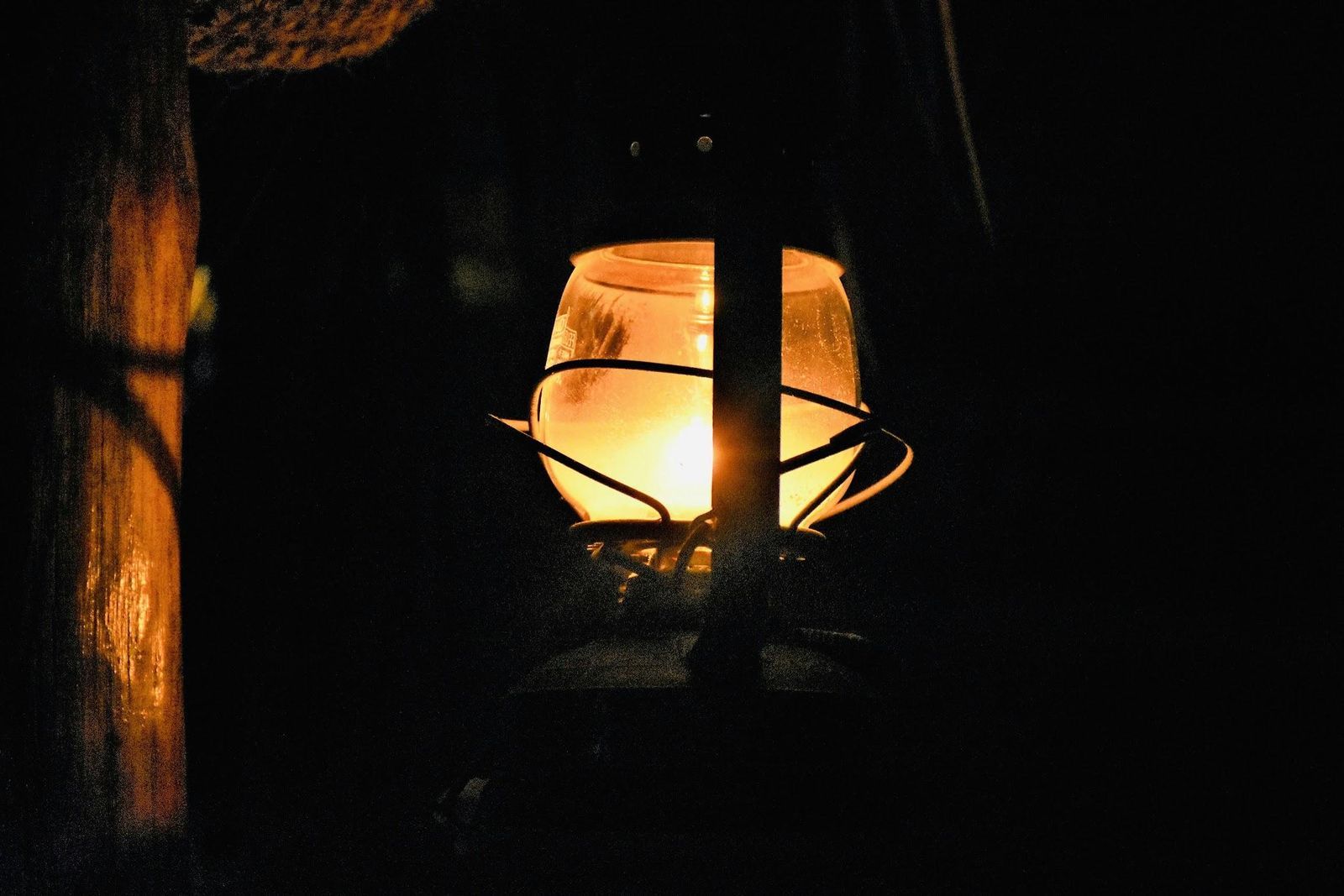
Since the beginning of the 19th century, every evening, lamplighters walked city blocks, lighting gas lamps one by one . At dawn, they returned to extinguish them. This job was vital for public safety because the lights helped prevent crime and accidents in dark streets.

It wasn’t until the 1880s that the first electric streetlights were introduced in some cities, but they weren’t the norm until the 1950s. At that point, the cost of maintaining gas pipes had become too high compared to electricity, so the last gas lamps were removed.

7
Milkman

Image: Nationaal Archief

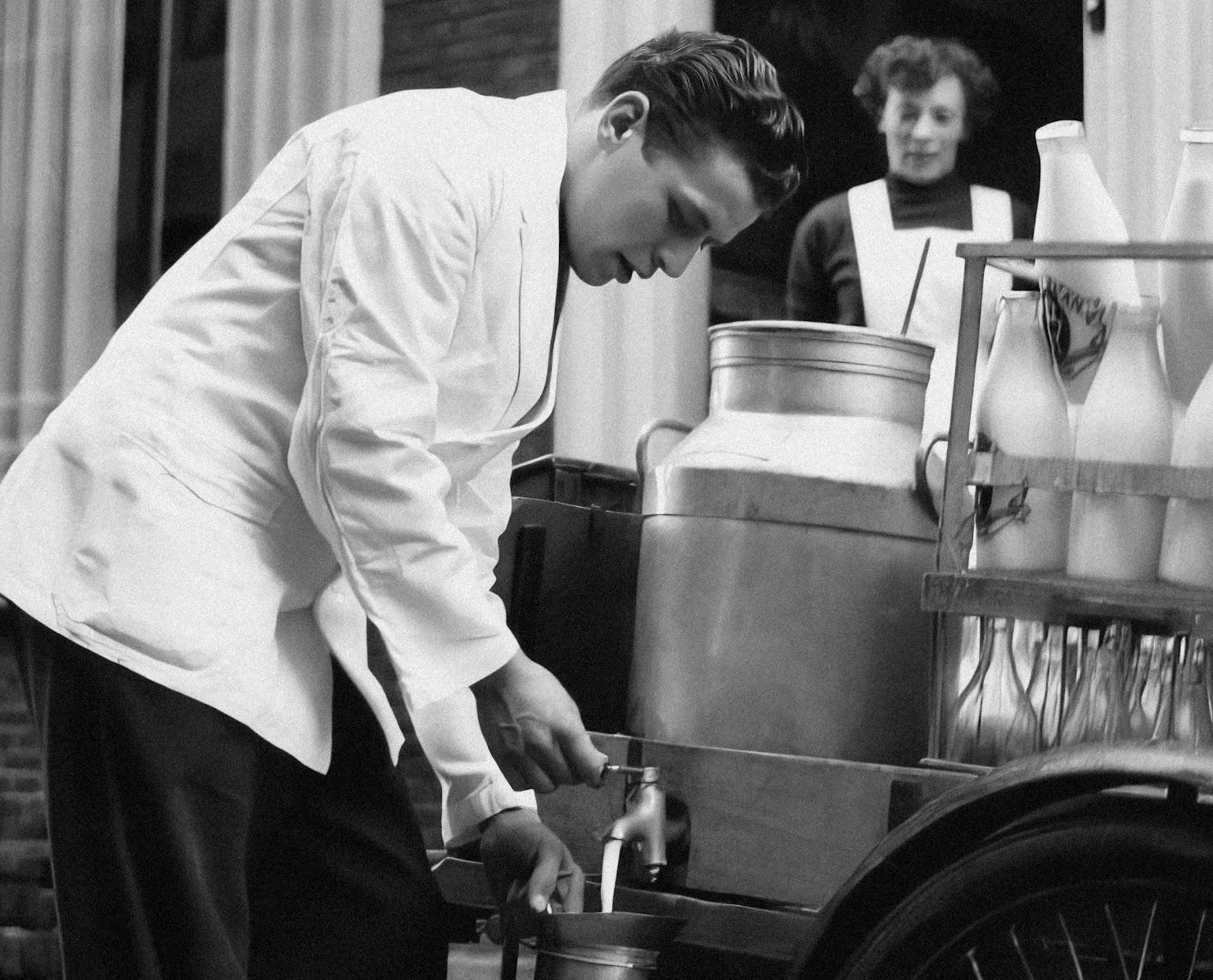
For the first half of the 20th century, the milkman was a familiar sight on American streets. He delivered fresh milk in glass bottles, leaving them in insulated boxes by the door. Many families depended on daily or near-daily deliveries, since refrigeration was limited or unreliable. By the 1940s, however, most American homes owned a refrigerator and the role of milkmen slowly faded.

8
Typist

Image: Denise Jans

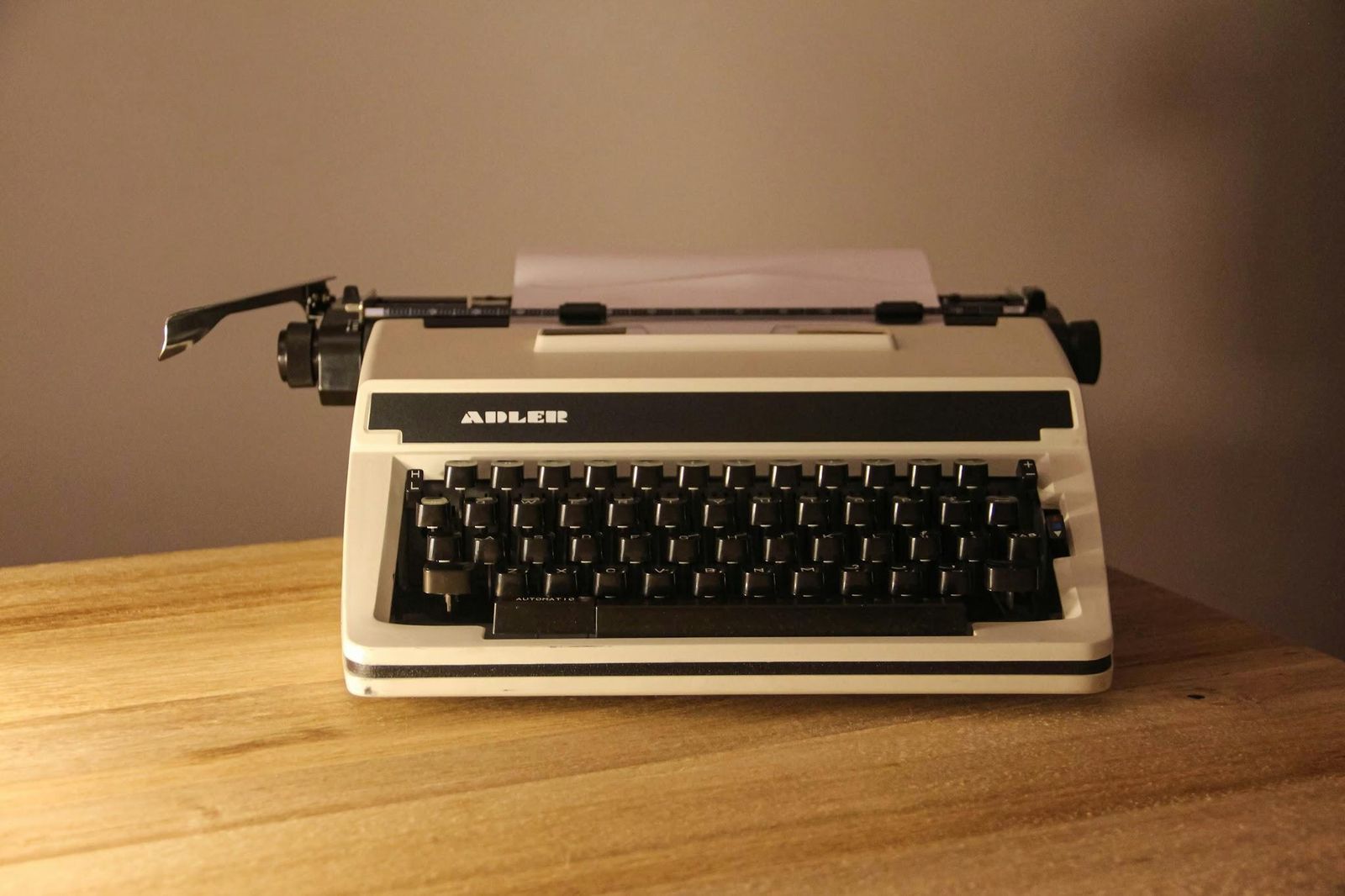
There was a time, before computers, autocorrect, and AI, when offices relied on professional typists to produce everything from letters to legal documents. Many large companies employed entire "typing pools," rooms filled with workers trained to type quickly and accurately on typewriters. Precision mattered more than you may think; unlike today, mistakes on paper (rather than the screen) sometimes meant starting the document over.

9
Human computer

Image: Roman Mager

There was also a time when "computers" were people; their occupation was first mentioned in texts from 1613. Their role was to develop complex mathematical calculations by hand for scientific research, engineering projects, and more. Astronomers during the Renaissance, navigators during the Age of Exploration, and NASA space missions all relied on human computing for their operations.

Imagine that: teams worked through equations for hours or days, checking each other’s math for accuracy. During World War II and the early Cold War, this work was vital to national defense.

10
Knocker-upper

Image: Annie Spratt

Before the Industrial Revolution, most people woke up with the sun. However, by the early 1800s, when factory systems took hold of big cities, being even five minutes late ceased to be an option for workers. To avoid oversleeping, which could mean lost wages, they paid a person to wake them up.

Knocker-uppers walked neighborhoods early in the morning, tapping on windows with long poles or shooting dried peas through blowpipes . Eventually, alarm clocks were introduced in the late 1800s, and the need for this occupation started declining.

11
Telegraph operator

Image: Amsterdam City Archives

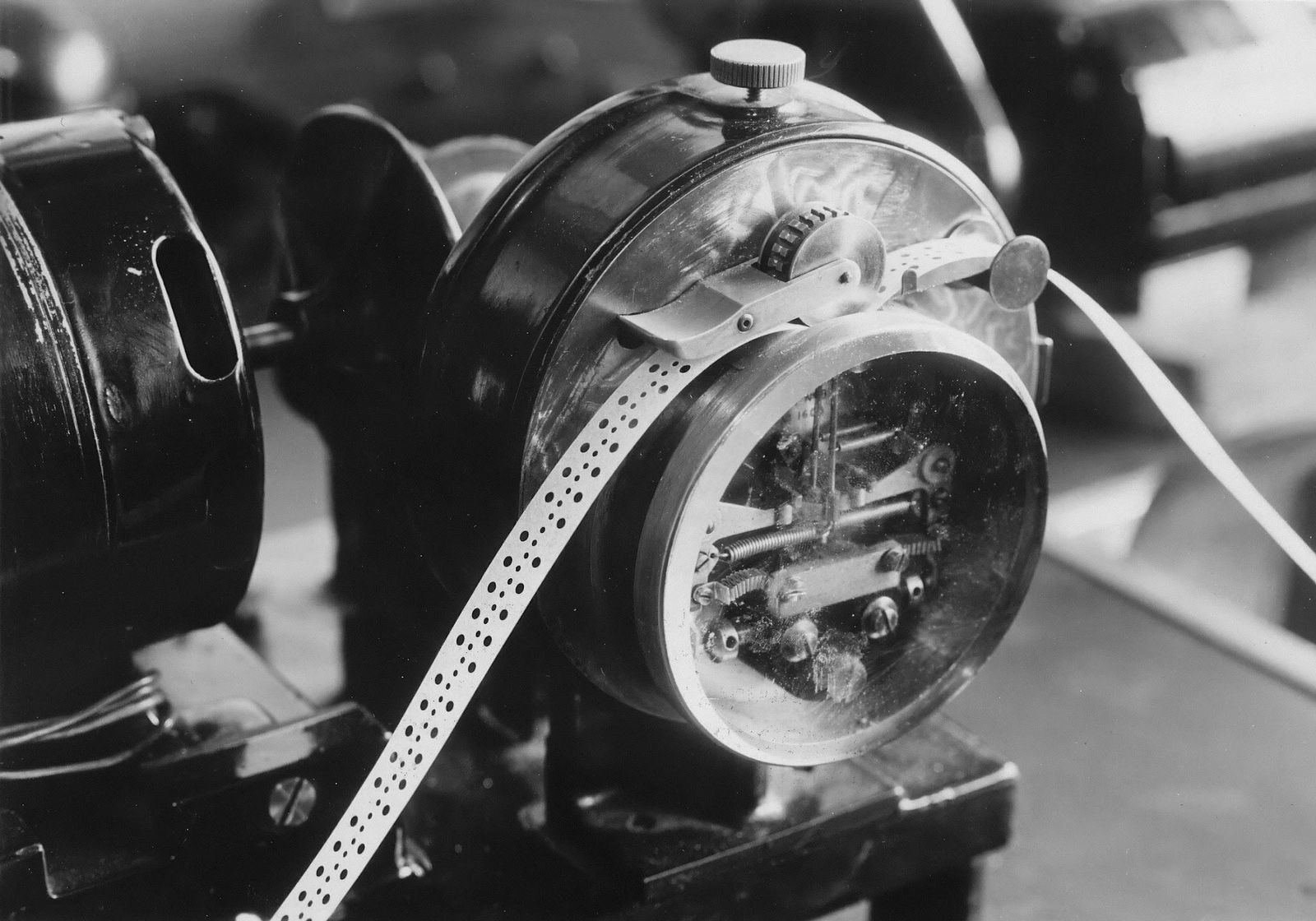
A case in which the occupation disappeared along with the technology. Before phones and instant messaging, the telegraph, which was invented in 1837, was the fastest way to send information across long distances.

Telegraph operators translated messages into Morse code , sending dots and dashes through wires that spanned the country. Speed and accuracy were critical, especially for news, business, and wartime communication. With the introduction of radio transmissions and telephones in the late 1800s, the service became more and more obsolete, although Western Union, the major telegraph service in the US, continued to operate until 2006.

12
Iceman

Image: Joy Ru

Finally, there were the icemen. Before refrigerators became household staples, the iceman was an essential figure in American daily life. He delivered massive blocks of ice straight to people’s homes .

These blocks kept food fresh and milk cold in an era before electric cooling. Ice was harvested from frozen lakes in winter, stored in insulated warehouses, and rationed carefully during warmer months.

Geography Geography 4 min read

Time can be on your side

10 road shortcuts in America that can save you hours

Image: Athena Sandrini

Familiar to the locals but hidden from the visitors: Every town has its shortcuts that help us save time and miles when going from A to B. These secret passages become increasingly important in the country’s largest cities, as traffic tends to be a bigger issue in those places. The following ten are useful tips for moving around Los Angeles, New York, Austin, San Diego, or a few other cities. Did you know any of these shortcuts?

1
Hollywood Boulevard, Los Angeles, California

Image: Aman

Los Angeles’ hellish traffic is world-famous and every experienced driver in this city has her or his own shortcuts to save time. But this one is a universal one for sure.

When driving through Hollywood, never take Hollywood Boulevard . Take, instead, Franklin or Fountain to get around the tourist mayhem. And, if you want to avoid the awful traffic of a Hollywood Bowl show, try Mulholland Drive.

2
Getting to the airport in Los Angeles, California

Image: Lukas Souza

Nobody likes missing a flight. Or, at least, most of us don’t care for that particular situation. And, when driving in the terrible Los Angeles traffic, that possibility is always looming in the background.

A sound advice from frequent flyers is to avoid the freeway altogether and take Crescent Heights until it dead-ends. Then, drive through La Cienaga to La Tijera all the way to the symbols that point to the airport.

3
Leaving New York is never easy, New York City, New York

Image: Matteo Catanese

Caught at the right time, New York City traffic can be as bad as LA traffic. And, as it usually happens, commute hours are the worst. The endless crowds and vehicles getting in and out of Manhattan through the different bridges and tunnels can create some serious delays.

Brooklyn Bridge, George Washington Bridge, and the Lincoln Tunnel are some of the most congested routes during rush hours. So, if you have no other options, make sure to schedule extra time just in case the traffic is as bad as it can be.

4
I-95, Miami, Florida

Image: Baron Alloway

Another city with legendary traffic is, without a doubt, Miami. And, as usual, commute hours can be a nightmare. I-95 is a major Interstate Highway on the East Coast and the Miami section is usually very congested . If you are trying to go south from 7 a.m. to 9 a.m. or north from 3 p.m. to 7:30 p.m., you have to expect delays, since those are the peak times for commuters who work downtown.

The High Occupancy Toll (HOT) lanes run from north of Miami to north Dade. You can only enter these lanes before 112/I-95 and you can only get off at the Golden Glades exit. Don’t take these lanes if you are trying to go anywhere between downtown and Northwest 183rd Street as there are no exits. Also, HOT lanes only accept SunPass as payment.

5
Lake Shore Drive, Chicago, Illinois

Image: Neal Kharawala

Continuing with another one of the monster-traffic cities of America, we can’t avoid the Windy City. Locals say that the city has two seasons: winter and construction , as the number of blocked streets, avenues, and roads can be nerve-wracking.

A shortcut locals use when driving through Lake Shore Drive to get off on Michigan Ave, heading southbound with a final destination past Illinois Ave, is to take Inner Lake Shore Drive and avoid the heavy congestion on Michigan Ave, as well as the occasional standstills on southbound Lake Shore Drive.

6
San Felipe instead of Westheimer, Houston, Texas

Image: Kevin Hernandez

Houston locals are familiar with busy Westheimer Avenue and know better than to fall into its trap during rush hour. They’d get stuck between multiple METRO bus routes, potholes, and never-ending construction sites.

The savvy drivers instead use San Felipe to get downtown or to the Galleria in a much shorter time.

7
Loop 202 South Mountain Freeway, Phoenix, Arizona

Image: Nils Huenerfuerst

Even the widest highway will become congested once everyone finds out about it. We are looking at you, Los Angeles. But, for a while at least, new roads offer a smooth and quiet ride to the lucky few who discover them first.

This is the case with Loop 202 South Mountain Freeway. The 22-mile-long portion of the Valley beltway from 59th Avenue on the west side to Ahwatukee , which opened in late 2019, is a smooth drive. Rolling through a part of the Valley unspoiled by development, this freeway has light traffic and no, or very few, holes –for now.

8
San Diego International Airport, San Diego, California

Image: Justin Wolff

It may seem calmer compared to neighboring Los Angeles, but San Diego can have its traffic congestion, like any big city. Getting to the airport on time is always paramount and locals have tricks up their sleeves for this ride.

Drivers can take Washington Street to Pacific Highway and get to the airport that way, or they can also take Pacific Highway north to Barnett, then Lytton, then Rosecrans, then Nimitz, which can be better than going through Sassafras if there’s traffic.

9
LBJ interchange, Dallas, Texas

Image: Zack Brame

Dallas, Texas, is a major city with major traffic jams during rush hours. Trying to get to the LBJ interchange can be a recipe for disaster if you are in a hurry but there is a shortcut that can save quite some time.

If you are on the Central Expressway, you can get off at Coit Road , which will allow you to bypass the interchange. Instead, you'll wind around a corner and find yourself right back at the entrance ramps for LBJ. From there, you just wait for a light and merge back onto LBJ, having skipped over the whole mess.

10
I-35 alternatives, Austin, Texas

Image: MJ Tangonan

Texas’ hippest city, Austin has some major highways, including the I-35, Mopac Expressway (Loop 1), and Highway 183. These big highways can cause big delays if taken from 7 a.m. to 9 a.m. and 4 p.m. to 6 p.m.

But the city provides alternatives. Lamar Boulevard and Burnet Road provide time-saving options for I-35 . During rush hour and special events, knowing these lesser-used routes can save time.

Explore more American facts

Choose your favorite category!

General
General

As American as apple pie—the very best America has to offer!

Culture
Culture

Delve into the astounding richness of American lore.

Geography
Geography

Hop in and explore vast and diverse American landscapes.

History
History

Discover the key moments that shaped the United States.