History History 3 min read

Black blood

How oil powered the world: a story of America’s most lucrative industry
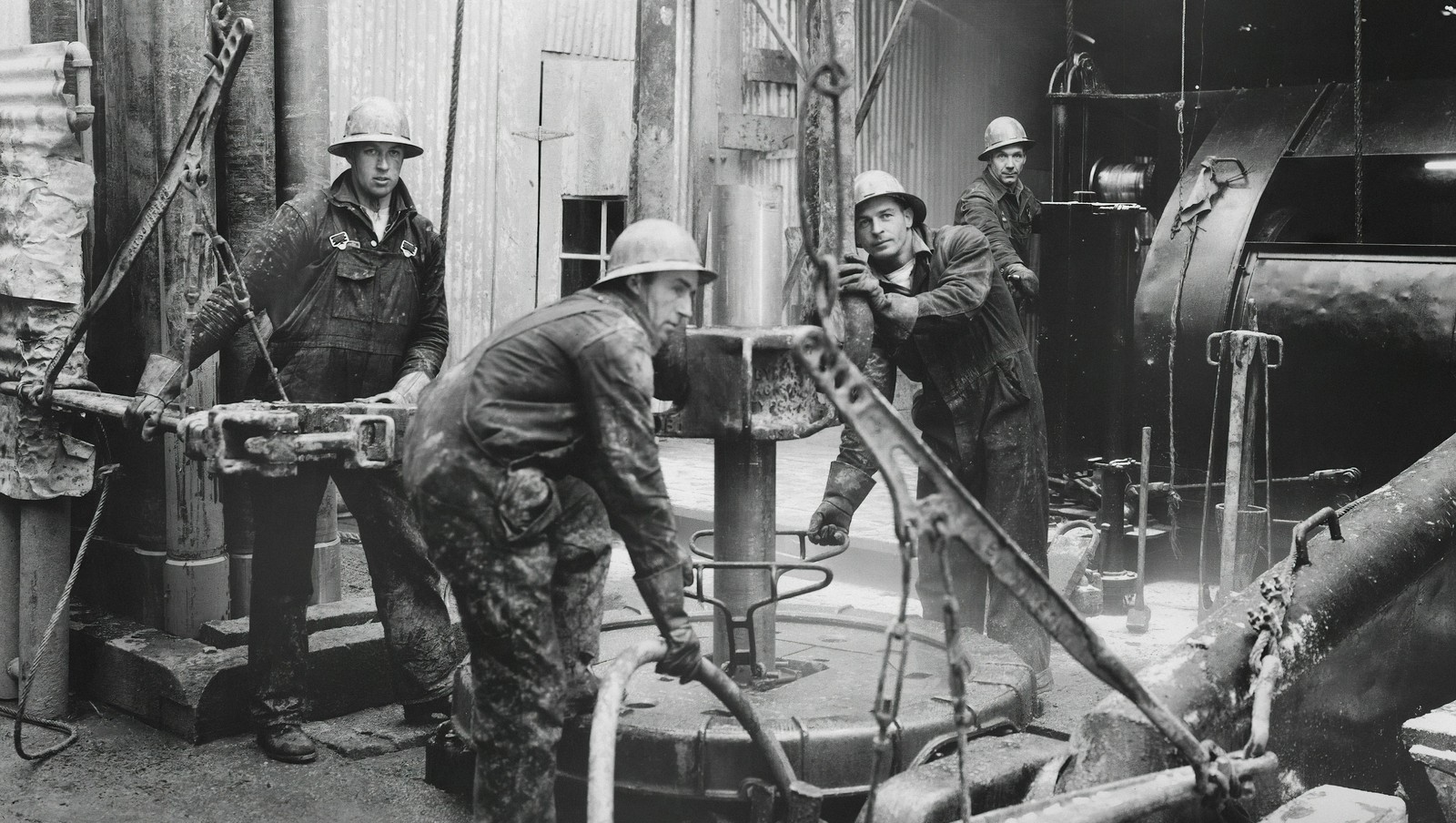
Image: Provincial Archives of Alberta

Since the first oil well was drilled, the United States’ crude oil industry has been a story of ambition, innovation, and power. Here are 10 pivotal moments—from the first black gold gush to the modern shale surge—that defined the role of oil in America.

1
1851: Early refining emerges
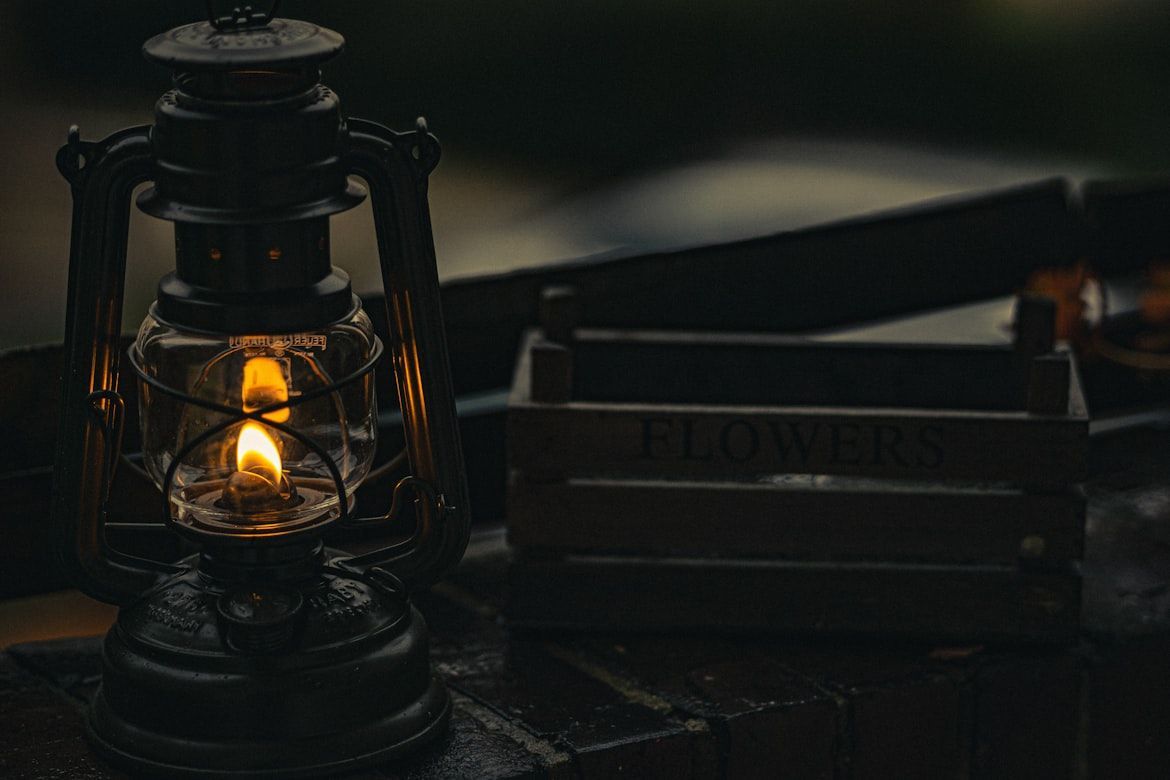
Image: Cedrik Wesche

Just before the drilling boom, chemists like Samuel Kier developed small stills to refine crude oil into kerosene for lamps.

That innovation turned oil from a curiosity into a practical commodity. Kerosene replaced whale oil, making lighting cheaper and more widely available, and it created demand for a reliable crude supply.

2
1859: First commercial well
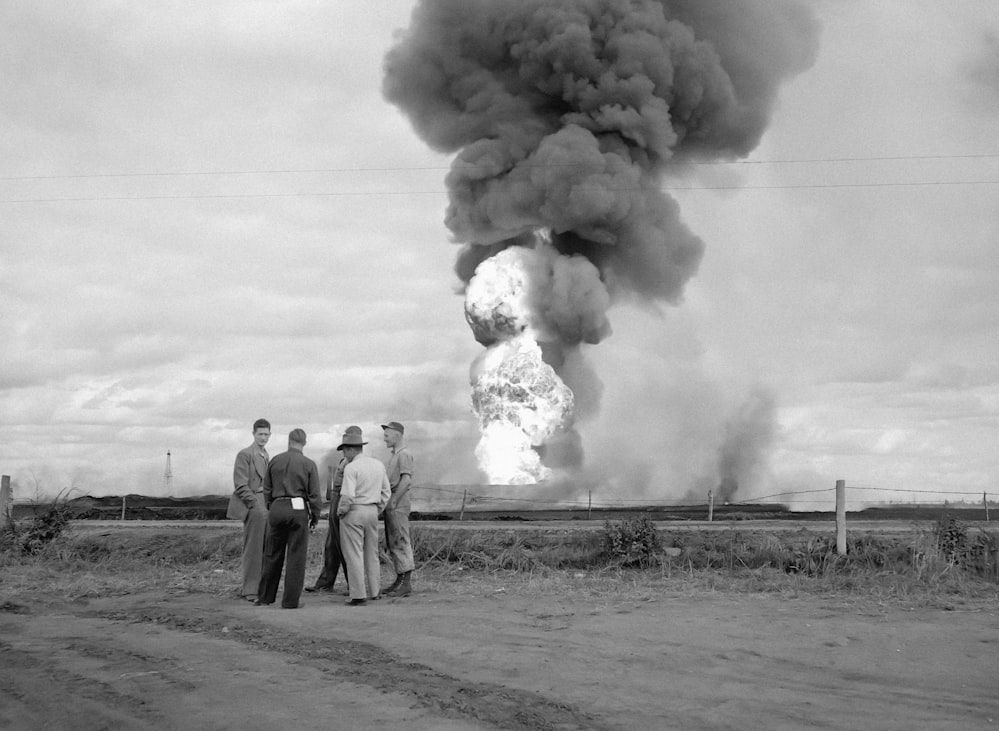
Image: Provincial Archives of Alberta

On August 27, 1859, Drake Well near Titusville, Pennsylvania, drilled by Edwin L. Drake, became the first purposefully drilled commercial oil well in U.S. history.

This moment ignited the first true American oil boom. Suddenly, it was possible to produce large volumes of crude—not just collect surface seepage—and to refine it into useful fuels.

3
1860s–1870s: Pennsylvania oil rush
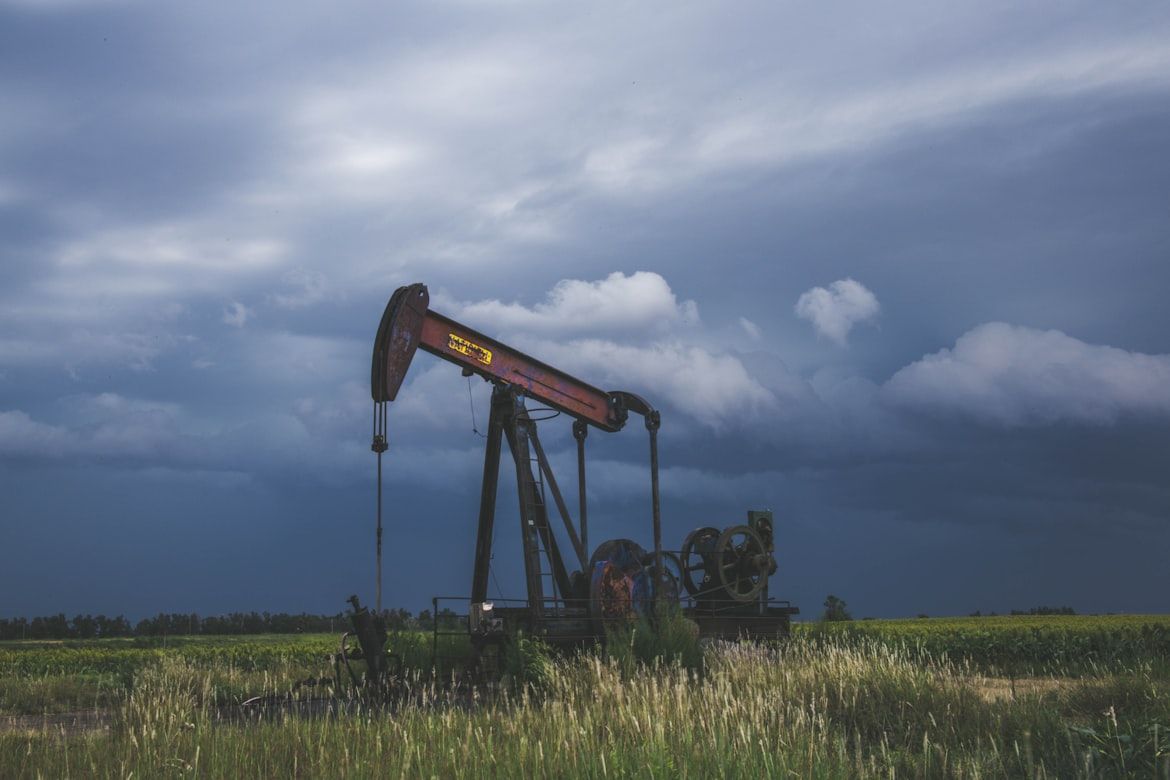
Image: Jeff W

Word of the Drake success spread fast, and drilling spiked throughout Pennsylvania. Towns such as Titusville swelled almost overnight as wells and refineries spread along Oil Creek Valley.

Railroads extended into western Pennsylvania to transport oil across the country, embedding petroleum into America’s emerging industrial infrastructure.

4
1890s: Dawn of the automobile
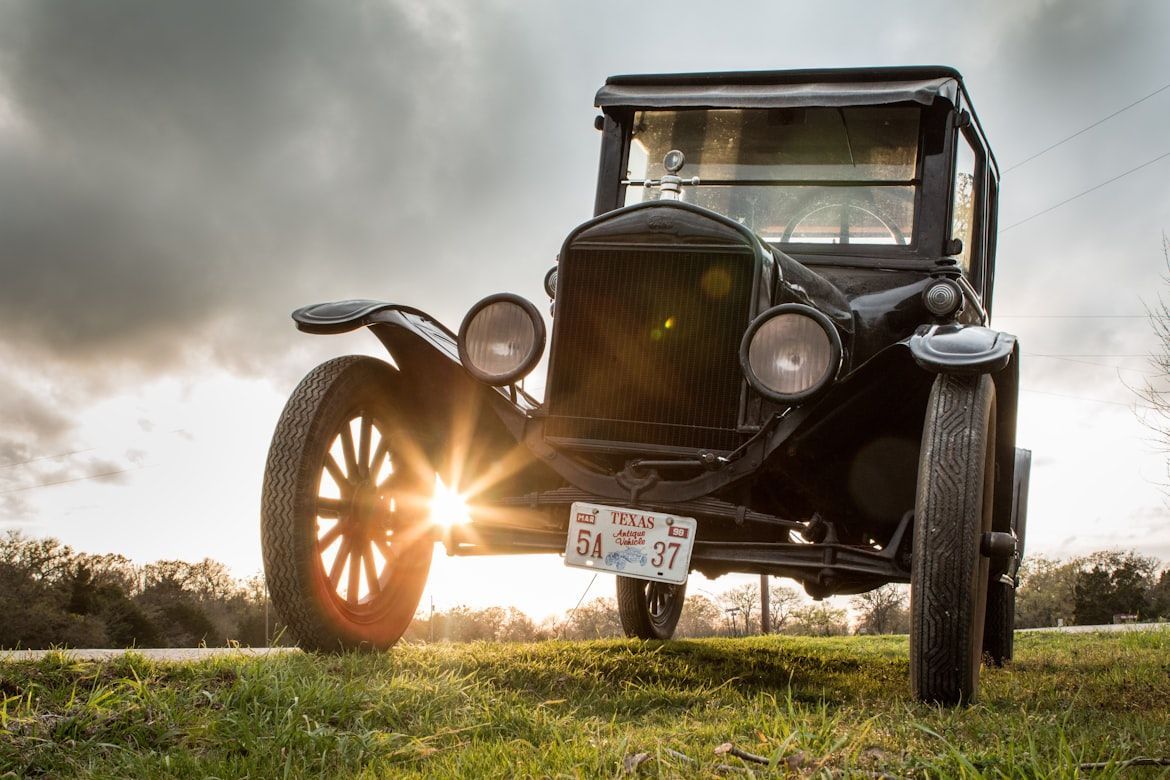
Image: Matthew Lancaster

By the 1890s and into the early 20th century, the rise of the automobile created growing demand for gasoline , which had previously been a relatively minor byproduct of crude oil refining.

This shift moved oil’s primary role away from lighting and industrial lubrication and toward transportation fuel , setting the stage for petroleum to dominate America’s energy needs in the decades that followed.

5
1900s–1910s: Rise of big oil companies
Image: Russel Bailo

Following early successes, oil refining and distribution consolidated. Firms like Standard Oil Company rose to dominate refining, pipelines, and distribution networks.

At the same time, new oil fields and competition still challenged monopolies and spread oil wealth and infrastructure across more regions of the country.

6
1914–1945: Oil & war
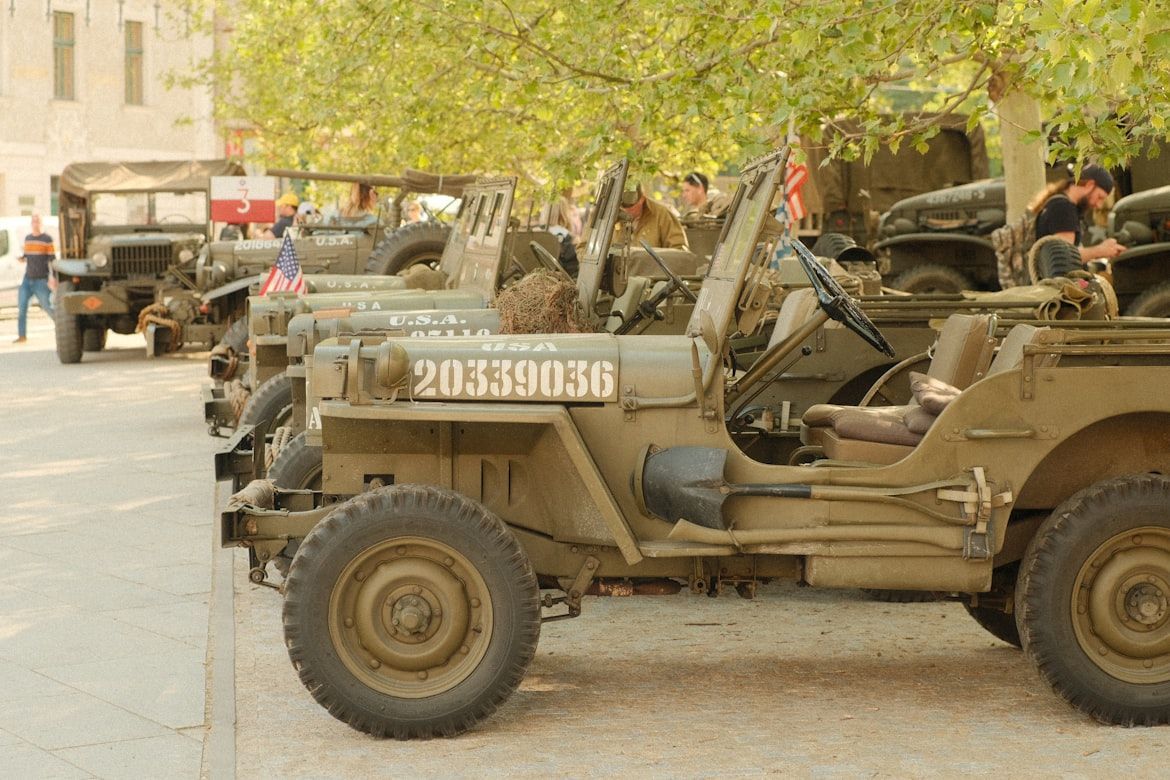
Image: Roman

During both World War I and World War II, U.S. oil production and refining capacity became critical to the Allied war effort , fueling ships, vehicles, aircraft, and manufacturing.

That strategic role cemented oil’s position not only in industry but also in American global power, military strategy, and foreign policy.

7
1960: A global oil cartel forms
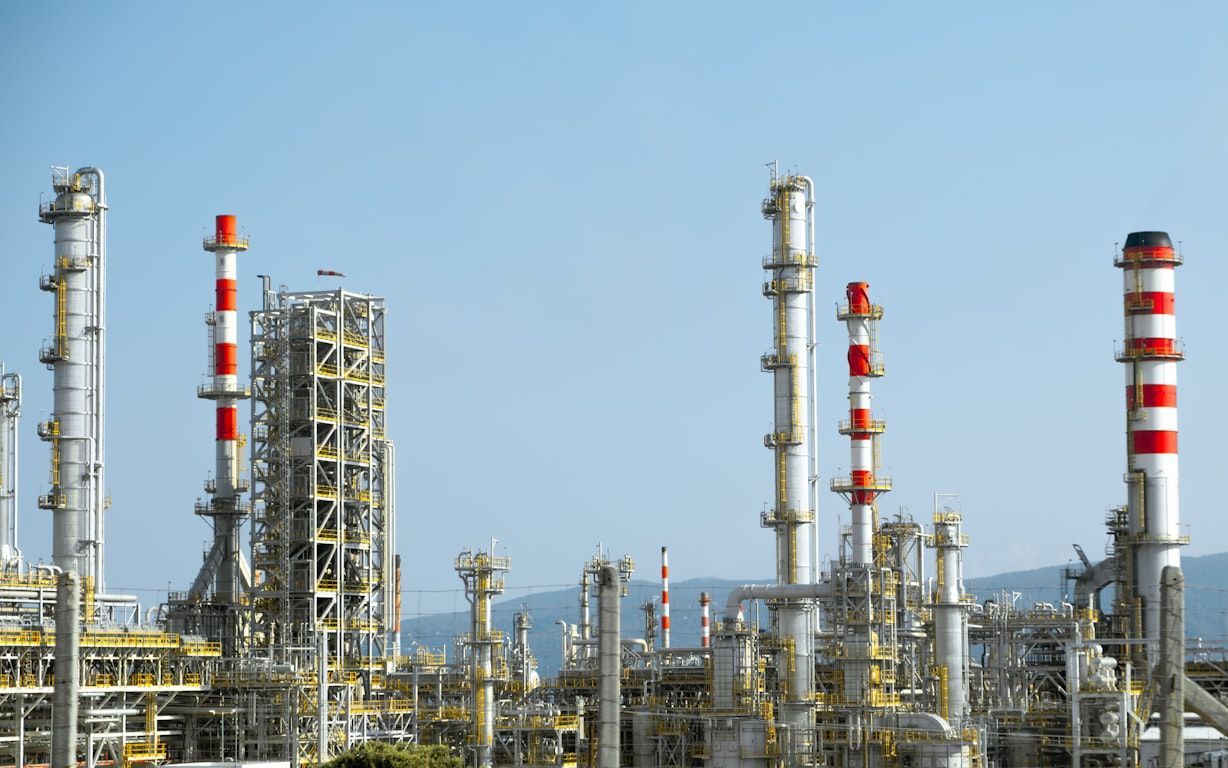
Image: Christian Harb

On September 14, 1960, the main oil‑exporting nations formed the Organization of the Petroleum Exporting Countries (OPEC) to coordinate oil production and influence prices globally.

Though initially limited in power, OPEC’s rise began to challenge American dominance , setting the stage for decades of geopolitical tension around oil supply.

8
1969: Santa Barbara oil spill
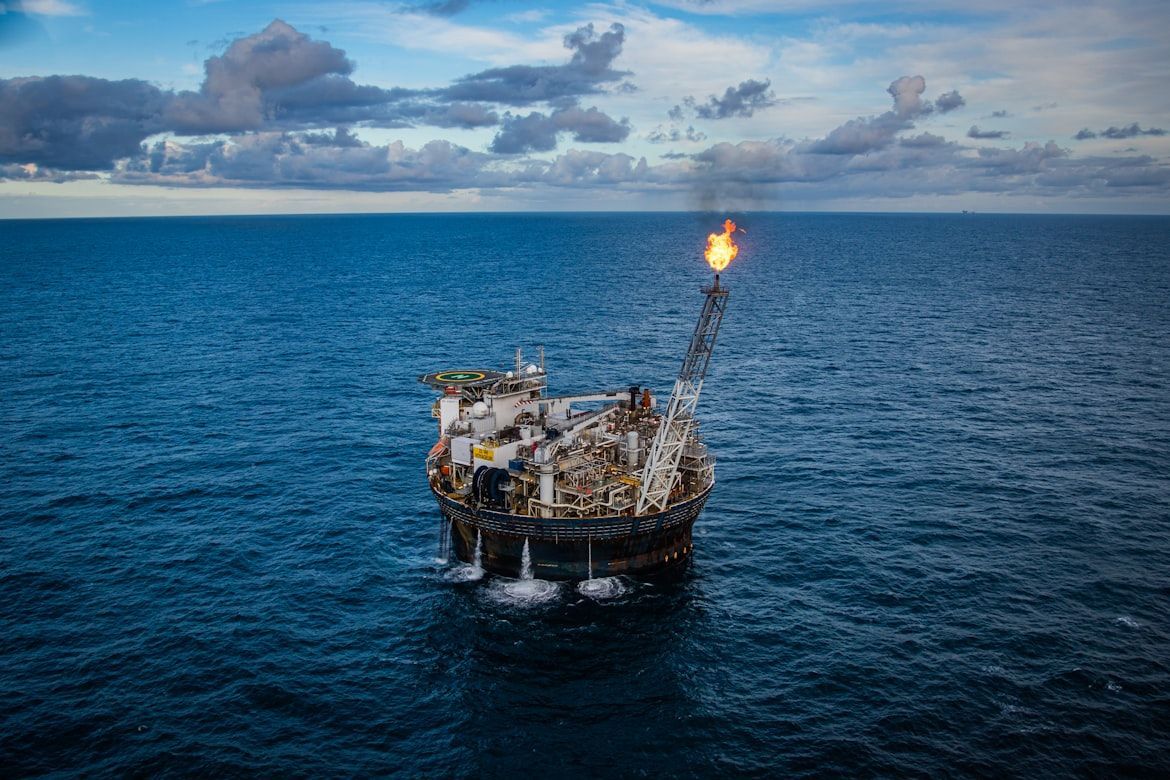
Image: matt brown

In early 1969, a blowout from an offshore drilling platform released tens of thousands of barrels of oil into the waters off California’s coast, devastating marine life and beaches.

The resulting public outrage helped trigger a surge in environmental awareness and regulation, marking a turning point in how the oil industry was perceived socially and politically.

9
1970–1973: Peak and decline
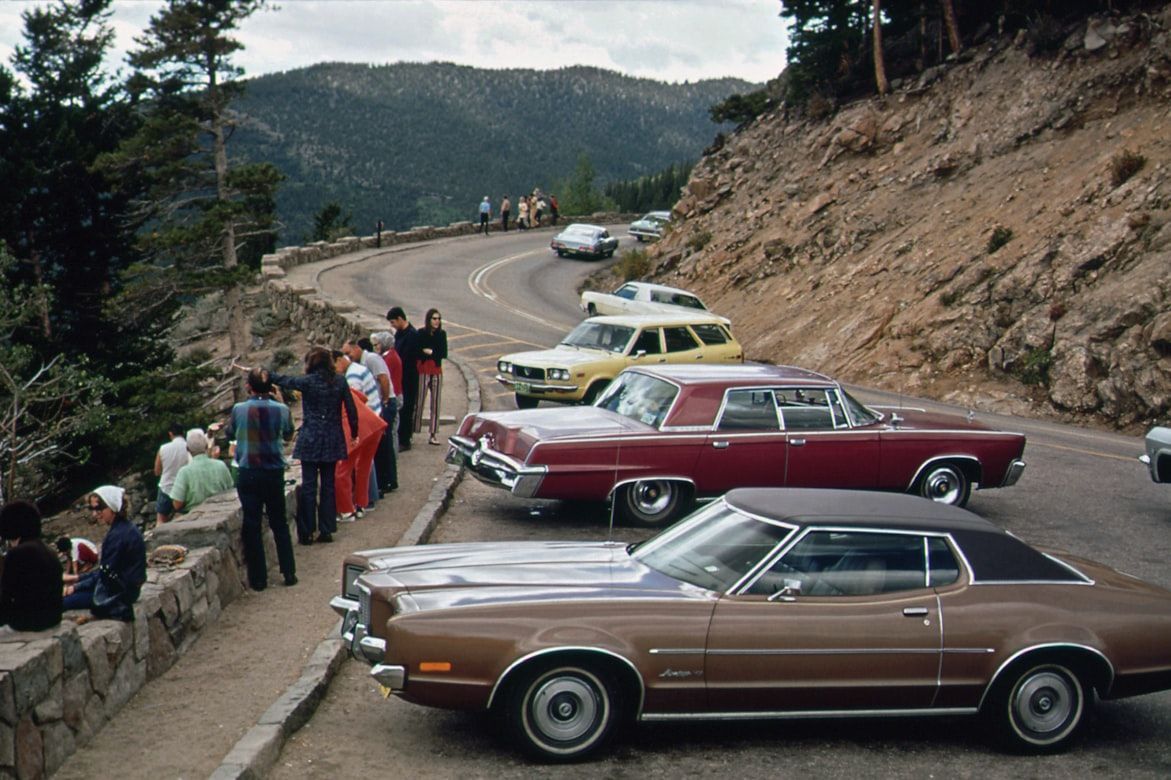
Image: Documerica

By 1970, U.S. conventional oil production reached its peak, but soon after began a decline as domestic fields matured and couldn’t keep up with the growing demand.

As American production fell, the country gradually became more reliant on foreign oil, a shift that would have major economic and political repercussions.

10
2000s–2010s: Top oil producer again

Image: engin akyurt

In the early 2000s, engineers refined techniques like hydraulic fracturing and horizontal drilling. This unlocked vast shale‑oil and shale‑gas reserves previously uneconomical to tap.

From about 2010 onward, U.S. crude oil production rose sharply, reversing decades of decline. By 2019, the country was producing at levels not seen since the early 1970s.

History History 4 min read

Lands that were only dreams

Superior, Transylvania, Sequoyah, and other states that never were

Image: Chris Lawton

The map of the United States could have looked very different—perhaps with around 70 states, each having its own capital and constitution. For example, have you ever heard of the proposed states of Franklin or Westsylvania? And can you guess where Superior was supposed to be located? Let’s dive into 13 states that almost—but never—found a place on the map.

1
Superior

Image: Brian Beckwith

As we know, Michigan is divided into the Upper and Lower Peninsulas. The discussion about whether the Upper Peninsula should become its own state dates back as far as 1858.

During the 19th and 20th centuries, residents of the region proposed creating the State of Superior , named after the Great Lake that defines the region. Although the movement never gained enough traction, some people still support the idea today, even though Superior would become the state with the smallest population.

2
Jefferson

Image: Kirk Thornton

Jefferson was a proposed state, much like Washington was before it became a state. Picture this: a state straddling Northern California and Southern Oregon, rich in timber and minerals. This was the vision for Jefferson , first proposed in the mid-19th century and revived in 1941.

Residents even declared a symbolic "secession" and distributed pamphlets proclaiming their independence. However, World War II shifted priorities , and the movement eventually fizzled out.

3
Deseret

Image: Wolfgang Hasselmann

Mormon settlers had big dreams in 1849—they proposed Deseret , a massive theocratic state . The name, meaning "honeybee" in the Book of Mormon , symbolized industry and cooperation. But Congress wasn’t exactly buzzing with enthusiasm.

Instead, Congress created the smaller Utah Territory , which at the time included present-day Utah as well as parts of Nevada, Colorado, and Wyoming.

4
Sequoyah

Image: Nina Luong

In 1905, Native American tribes in eastern Oklahoma proposed the State of Sequoyah , named after the Cherokee scholar who created the Cherokee syllabary .

It was a bold move to create a Native-majority state. However, Congress chose instead to merge the area with Oklahoma Territory to form the state of Oklahoma . The constitution drafted for the proposed State of Sequoyah went on to influence the final Constitution of Oklahoma.

5
Lincoln

Image: Clark Van Der Beken

The proposed State of Lincoln had multiple identities. One version placed it in eastern Washington and northern Idaho. Although the name was intended to honor Abraham Lincoln, other names, such as Columbia and Eastern (East) Washington , were also considered.

Another proposal envisioned Lincoln in southern Texas. This version reportedly had a prepared constitution and a distinctive red flag featuring Lincoln’s face inside a yellow circle.

6
East and West Jersey

Image: Nick Fewings

Can you imagine two New Jerseys? Back in 1674, when the area was still a British province, New Jersey was divided into East Jersey and West Jersey , each with its own government and constitution.

But the separation lasted only 28 years . The territories were rejoined in 1702, and the first New Jersey state constitution wasn’t adopted until 1776, following independence from Britain.

7
Franklin

Image: Dan Mall

The State of Franklin was another plan, except this one worked, for a while. In 1784, settlers in eastern Tennessee had had enough with what they saw as North Carolina’s neglect. They declared independence and formed the State of Franklin , named after Benjamin Franklin, of course.

For four years, Franklin operated as a de facto state , complete with its own constitution and government. However, Congress refused to recognize it, and by 1788, the State of Franklin ceased to exist.

8
Transylvania

Image: Julia Volk

Transylvania (from the Latin for "beyond the woods" ) is more than just a remote land of vampire legends—it was also nearly the name of a short-lived American colony in what is now mostly Tennessee and parts of Kentucky.

In 1775, land speculator Richard Henderson struck a deal with the Cherokee to create the Colony of Transylvania , in parts of Kentucky, Tennessee, and Virginia. But Virginia and North Carolina declared the venture illegal. Still, the name lives on today in Transylvania University in Lexington, Kentucky.

9
Nickajack

Image: lauren barton

During the Civil War, Union sympathizers in northern Alabama, northern Georgia, and eastern Tennessee proposed the creation of the State of Nickajack . The name came from a Cherokee village, but the idea never gained much traction.

Today, the Nickajack Dam and Nickajack Lake reservoir mark areas that would have fallen within the boundaries of this proposed state.

10
Absaroka

Image: Mohan Nannapaneni

Have you ever heard of Absaroka ? During the Great Depression, residents of parts of Wyoming, South Dakota, and Montana proposed the creation of the State of Absaroka , named after the Crow Nation’s word for "children of the large-beaked bird."

The movement was largely a symbolic protest against federal neglect. Absaroka even had its own license plates and a self-declared "governor," but the state never came to fruition.

11
Westsylvania

Image: Isaac Wendland

Yet another -vania . In the late 18th century, settlers west of the Appalachian Mountains proposed the creation of the State of Westsylvania . Frustrated by neglect from eastern state governments—especially Virginia and Pennsylvania—they wanted a state of their own.

But like many other separatist efforts, the proposal was rejected by Congress and never became a reality.

12
Madison

Image: Library of Congress

Another president nearly had a state named after him—but didn’t. The name of the fourth U.S. president, James Madison, was once proposed for the area that is now part of the Dakotas.

In the late 19th century, residents of what is now southwestern North Dakota proposed the creation of the State of Madison . However, the idea faced a major hurdle: Congress was already considering dividing the Dakota Territory into two separate states. In 1889, North and South Dakota were admitted to the Union, and the Madison proposal was quietly shelved.

General General 5 min read

Foreign affairs

An ode to diplomacy: 12 extraordinary US embassies around the world

Image: Christian Lucas

You might think an embassy is just a plain office building for diplomats. Well, think again! The United States has some of the most eye-catching, quirky, and downright unique embassies you’ll ever see. From gleaming glass towers to tropical hideaways, these buildings aren’t just about paperwork—they’re part of America’s handshake to the world. Here are 12 beautifully designed US embassies where architecture meets foreign politics.

1
Paris, France

Image: U.S. Department of State from United States, Public domain, via Wikimedia Commons

The U.S. Embassy in Paris is the oldest American diplomatic mission in the world. Benjamin Franklin himself served as the first ambassador, back when the United States was fighting for independence. Today, the chancery building stands on the Place de la Concorde, a spot once used for public executions during the French Revolution. Few embassies can match this mix of American heritage and European history.

2
New Delhi, India

Image: Ash Carter, Public domain, via Wikimedia Commons

Set on 28 acres in a district where nearly every corner is marked by a foreign flag, the U.S. Embassy in New Delhi feels more like a grand estate than a government office. The entrance alone impresses visitors with its broad fountain and big golden Great Seal of the United States.

When it first opened in the 1950s, the complex introduced many locals to the clean lines and bold simplicity of American modernist design. Decades later, the compound still carries that sense of mid-century optimism, standing as both a piece of architectural history and a stage for diplomacy.

3
London, United Kingdom

Image: Phil Lev

If James Bond had to hand-deliver a top-secret note to Uncle Sam, this is exactly where he’d go. Opened in 2018, the current building of the U.S. Embassy in London came with a price tag of about $1 billion—yes, billion with a "B." It spans nearly 12 acres along the River Thames, enough to be one of the most enviable addresses in town.

The sleek glass cube design doesn’t just reflect light, it sparkles as if auditioning for a starring role in a spy flick. Its gardens and public walkways also make it one of the few embassies in the world that feels just as welcoming as it does secure.

4
Brasília, Brazil

Image: mbastosbr

When Brazil built a new capital in 1960, the United States became the first nation to establish its embassy in the brand-new city of Brasília. The 12-acre compound took another decade to finish, but the wait was totally worth it.

Today, the building unfolds like a tropical retreat with lush courtyards, a marble facade, clusters of palms, and broad office space that seem to invite a slower pace. Inside, the Stars and Stripes waving overhead reminds you that this is less about vacation and more about international business, carried out in unmistakably American style.

5
Yerevan, Armenia

Image: Arina Dmitrieva

If embassies were given awards, the U.S. outpost in Yerevan would easily take home the trophy for "biggest backyard." Sprawled across 22 acres, it’s more park than office, with open lawns rolling out under the backdrop of Armenia’s rugged mountains.

Yet, the real deal is inside. The embassy serves as a gathering spot for locals, hosting cultural festivals, English-language programs, art exhibits, and workshops that make diplomacy accessible and engaging. With its airy design and community-centered vibe, it feels less like a fortress and more like an open invitation to join.

6
Ottawa, Canada

Image: Jane T D.

Right across the northern border, Canada hosts a striking U.S. Embassy right on Ottawa’s Sussex Drive. Spanning 138,000 square feet and completed in 1999, the building simply stands out. With its stainless-steel dome that gleams in the sunlight, it feels like a freshly minted coin.

Step inside and you’ll find an airy glass interior with open spaces, echoing the values of dialogue and solidarity. In a city lined with Gothic revival architecture, the U.S. Embassy rises as both a modern landmark and the stage where American diplomacy meets Canadian friendliness.

7
Tokyo, Japan

Image: Evgeny Tchebotarev

Set amid Tokyo’s frantic setting, the U.S. Embassy in Japan has stood its ground since the 1970s, quietly observing one of the world’s most dynamic capitals. Step outside its secure walls, and in just minutes you’re in the tranquil embrace of the Imperial Palace gardens, where koi ponds and ancient stone bridges feel worlds apart from the neon lights. Contrast is the essence of this post, rooted in a nation where skyscrapers rise beside shrines, and where diplomacy intertwines with both centuries-old heritage and cutting-edge modernity.

8
Canberra, Australia

Image: National Archives at College Park - Still Pictures, Public domain, via Wikimedia Commons

Opened in 1963, the U.S. Embassy in Canberra feels like a time capsule from the golden age of mid-century design. With its grand dome and red-brick elegance modeled after Thomas Jefferson’s Monticello, the building brings a piece of Virginia heritage halfway around the world.

Framed by tall eucalyptus trees and the crisp skies of Australia’s capital, it strikes a balance between old-world stateliness and natural charm. For many visitors, this government office is a symbol of American history and Australian hospitality.

9
Buenos Aires, Argentina

Image: here, Public domain, via Wikimedia Commons

Known as Palacio Bosch, this embassy doesn’t look like an office building at all. Originally built in 1910 for one of Argentina’s wealthiest families, the mansion still carries a Belle Époque aura. With sweeping marble staircases, glittering chandeliers, and fancy salons full of gilded details, it feels like the set for The Great Gatsby .

Outside, the gardens stretch wide and elegant, providing the backdrop for countless receptions where formal diplomacy blends with the warmth of Argentine culture. Guests might hear live music drifting through the air, join in animated conversation, or even share a round of _mate_—a reminder that this embassy is as much a cultural meeting point as it is a place for politics.

10
Oslo, Norway

Image: Christoffer Engström

Though smaller in scale than others on this list, the U.S. Embassy in Oslo stands out with a design that mirrors the Norwegian landscape. Its facade pairs sleek glass walls with rugged stone, a blend that feels both contemporary and timeless.

In the summer, the building glimmers in the glow of endless daylight. Come winter, snow transforms its sharp lines into something out of a Nordic fairytale, with frosted rooftops and a quiet stillness in the air. More than just an office, this embassy feels woven into its setting—an architectural nod to Norway’s mix of modern design and deep connection to nature.

11
Mexico City, Mexico

Image: Oscar Reygo

In one of the world’s liveliest capitals, this embassy makes its mark with sheer scale: over 1.8 million square feet of workspace. That makes it one of the largest American embassies , almost a city within a city.

Beyond its size, the U.S. Embassy in Mexico plays a central role in cultural exchanges and international cooperation, making it as vital to daily life as the bustling neighborhoods that surround it.

12
Singapore

Image: Mark Stoop

Nestled among orchids, palms, and flowering shrubs, the U.S. Embassy in Singapore feels more like a tropical retreat than an office. Its wide, low-slung profile is designed to stay cool in the humid climate, blending seamlessly into the greenery. Just like in the rest of the city, architecture and nature work in harmony, offering a daily reminder that diplomacy can grow strong roots in even the warmest of places.

Explore more American facts

Choose your favorite category!

General
General

As American as apple pie—the very best America has to offer!

Culture
Culture

Delve into the astounding richness of American lore.

Geography
Geography

Hop in and explore vast and diverse American landscapes.

History
History

Discover the key moments that shaped the United States.