History History 4 min read

Old-school education

10 classroom habits that once ruled U.S. schools—but are gone for good
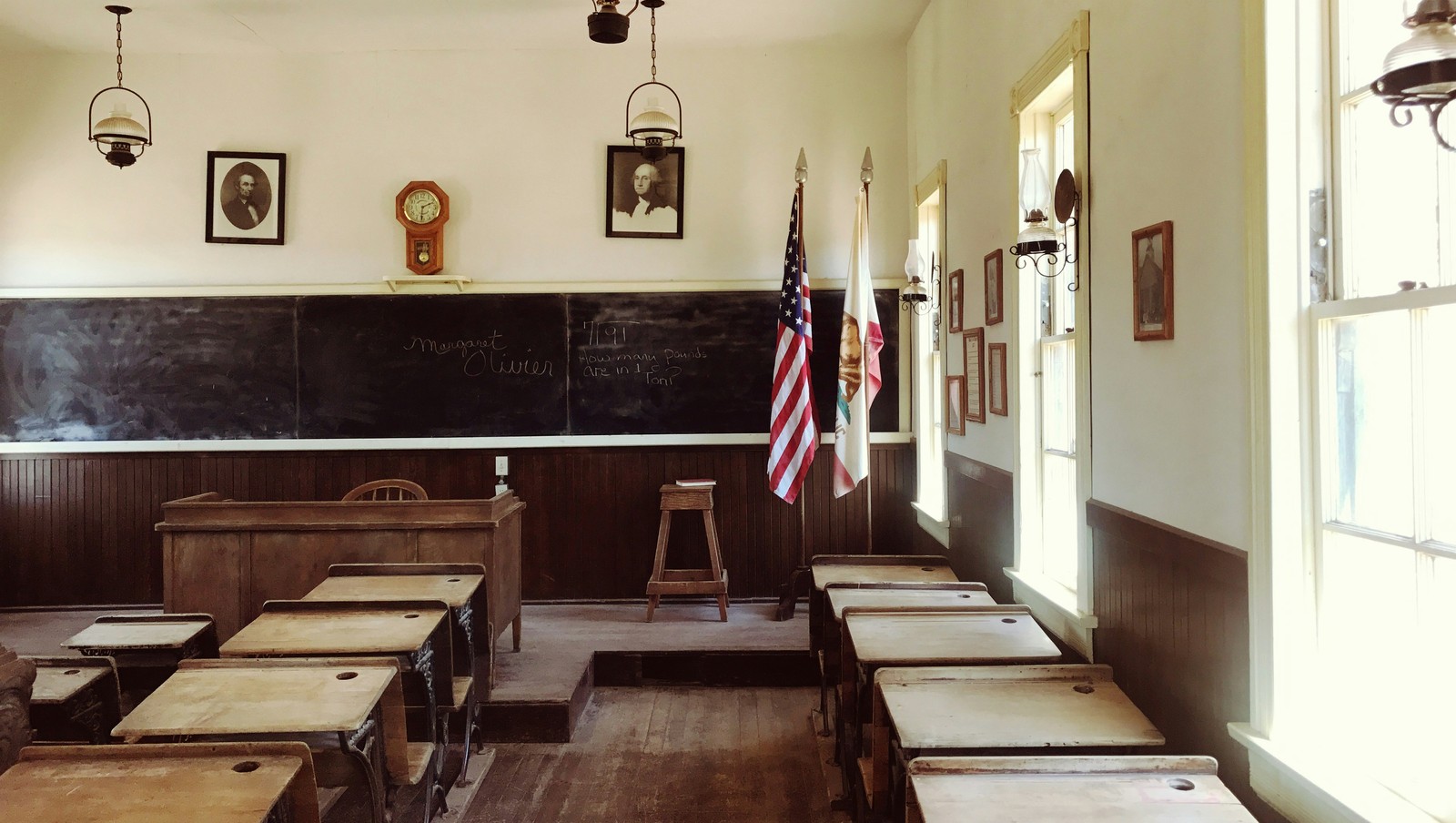
Image: Nicola Tolin

Many once-standard school customs in the U.S. have quietly vanished—phased out by shifting norms, safety rules, and cultural changes. These traditions shaped daily routines for generations, yet few remain today. From daily cursive drills to milk breaks , here are 10 traditions that have disappeared, along with the reasons behind their decline.

1
Home economics class

Image: Merve Sehirli Nasir

Home economics as a school subject peaked in the mid-20th century, teaching sewing, cooking, and budgeting —often aimed at girls.

By the 2000s, however, many states had folded it into a broader "family and consumer sciences" category, as shifting gender roles and changing cultural habits made the old curriculum feel increasingly outdated.

2
Woodshop in every school

Image: benjamin lehman

Lightly supervised children with access to power tools? Today, it seems hard to believe, but woodshop was a standard industrial arts course throughout the 1950s–1980s.

Declines began in the 1990s due to higher liability insurance costs, budget cuts, and a growing emphasis on college-prep academics over practical skills. Some schools still maintain limited woodworking programs, often using them as hands-on, integrated learning tools.

3
The dodgeball era
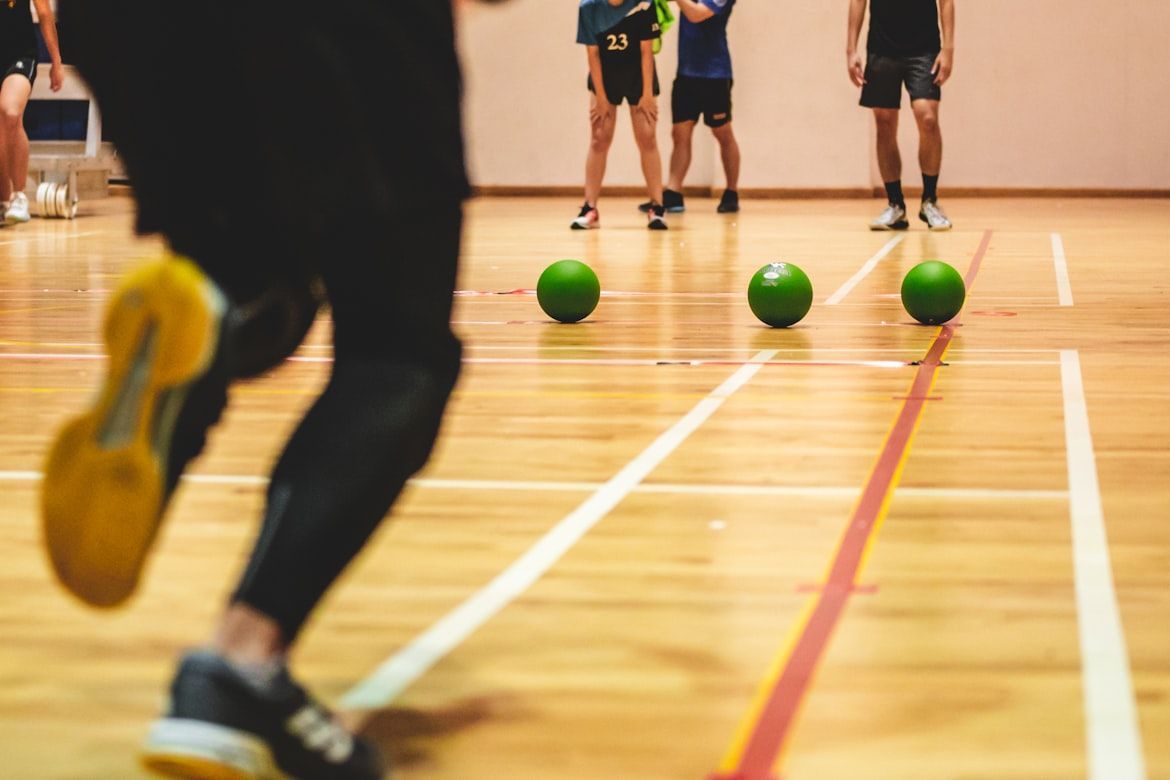
Image: Wan San Yip

Dodgeball dominated physical education classes well into the 1990s, often using hard rubber balls that were notorious for causing stingers, bruises, and occasional injuries . The game was popular because it required little equipment, could fill an entire class period, and kept large groups of students active.

By the 2000s, however, concerns about safety and bullying led many districts to restrict or replace dodgeball with more structured team sports. Some schools still play modified versions, usually with soft foam balls and strict rules.

4
Chalkboard dusting

Image: Vitaly Gariev

For over a century, green and black chalkboards were the centerpiece of American classrooms, with students regularly assigned to "clap out" erasers outside to clear the built-up dust. Chalk was cheap, durable, and easy for teachers to use in large rooms.

By the 1990s, districts began replacing chalkboards with whiteboards due to dust concerns linked to asthma and indoor air quality. The shift accelerated as overhead projectors, digital displays, and interactive whiteboards provided cleaner surfaces and reduced inhalation hazards.

5
Daily milk breaks
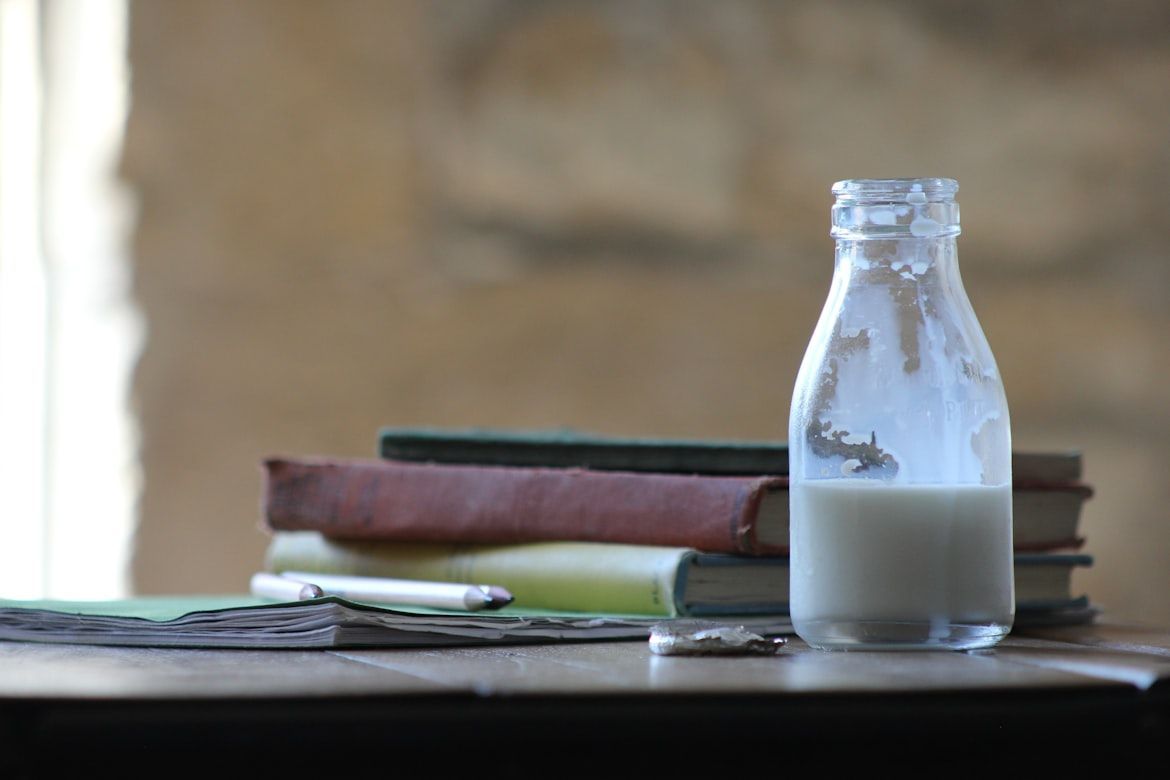
Image: ROBIN WORRALL

Mid-morning milk breaks became common in American elementary schools after the USDA expanded dairy subsidies through programs like the Special Milk Program in 1954. For decades, students lined up for small cartons—usually whole milk—intended to boost childhood nutrition and support U.S. dairy producers during periods of surplus.

By the 1990s and 2000s, milk breaks declined as updated nutrition guidelines shifted schools toward broader meal programs rather than standalone milk service.

6
In-school smoking lounges
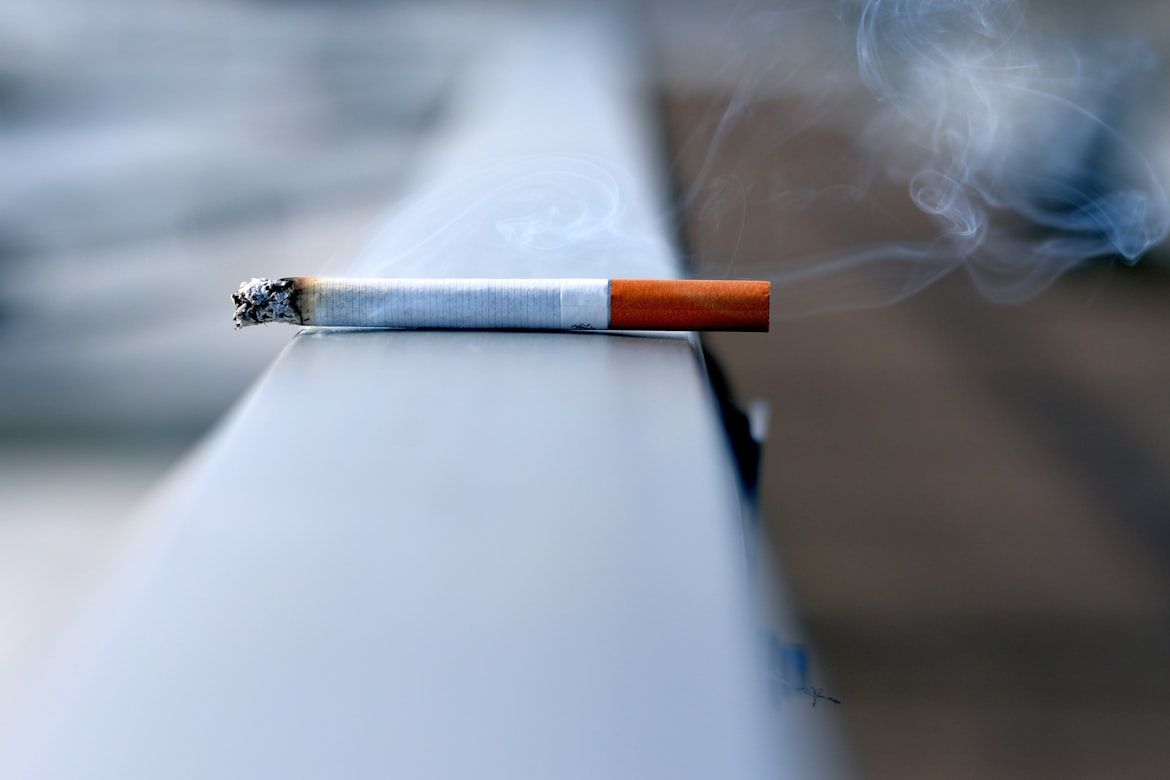
Image: Andres Siimon

The idea of teens openly smoking on school grounds would be almost unimaginable under today’s health and liability standards. But through the 1960s and into the early 1980s, many American high schools—especially in the Midwest and Northeast—maintained designated smoking areas for students.

The practice disappeared quickly as federal and state regulations tightened, beginning with widespread adoption of indoor smoking bans in the late 1980s and early 1990s. The 1994 Surgeon General’s report and anti-tobacco campaigns further pushed districts to eliminate student smoking sections altogether.

7
Daily cursive drills
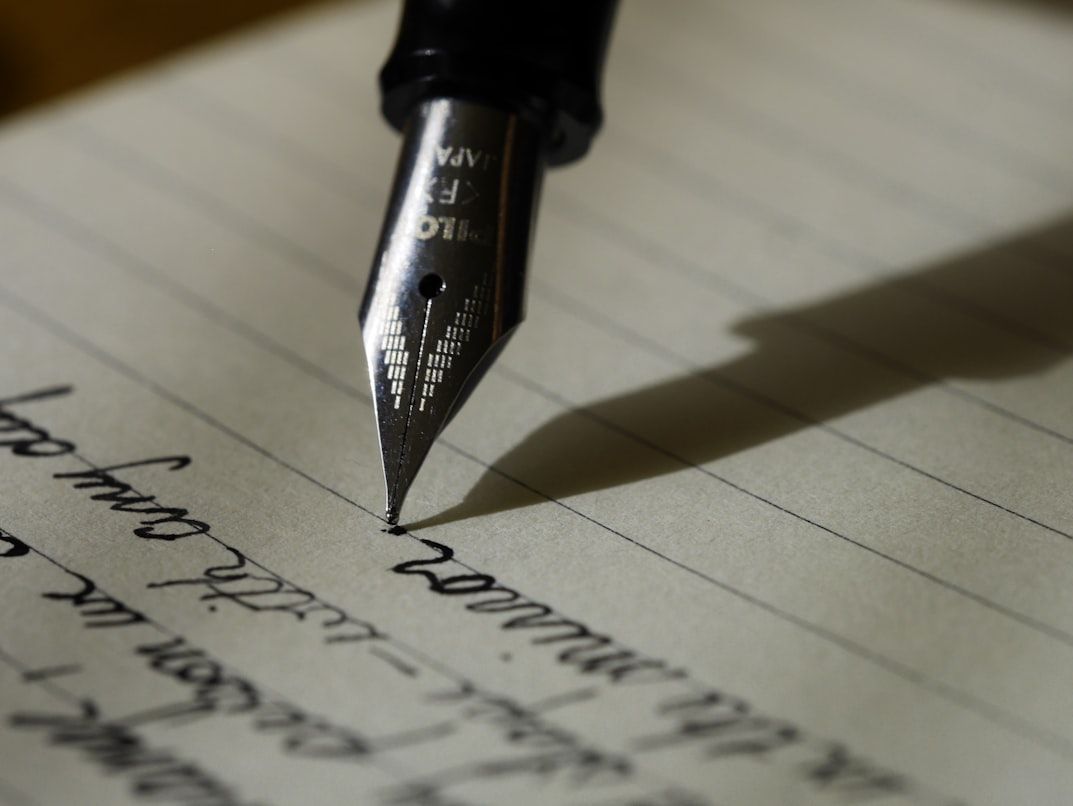
Image: Aaron Burden

For most of the 20th century, daily cursive drills were a nonnegotiable part of American schooling , often reinforced by specific handwriting manuals. Teachers devoted significant class time to perfecting loops, slants, and connected strokes, because cursive was considered essential for legibility, speed, and personal discipline.

The decline accelerated after the rollout of the Common Core State Standards in 2010, which omitted cursive entirely in favor of keyboarding and digital literacy benchmarks. With shrinking instructional time, cursive was often one of the first skills removed from early-grade schedules.

8
Class pet enclosures

Image: Minjae Cho

From the 1960s through the 1990s, class pets—hamsters, guinea pigs, turtles, goldfish, and even the occasional lizard—were staples of American elementary classrooms. Teachers used them to teach responsibility, empathy, and basic biology , and many classes created rotating "pet helper" charts for feeding and tank cleaning.

Today, the idea of a live animal in a crowded classroom, handled daily by students, feels out of step with modern safety, allergy, and sanitation standards. Maintenance costs, humane-treatment rules, and the challenge of caring for animals during breaks led schools to retire these longtime classroom mascots.

9
Student hall monitors
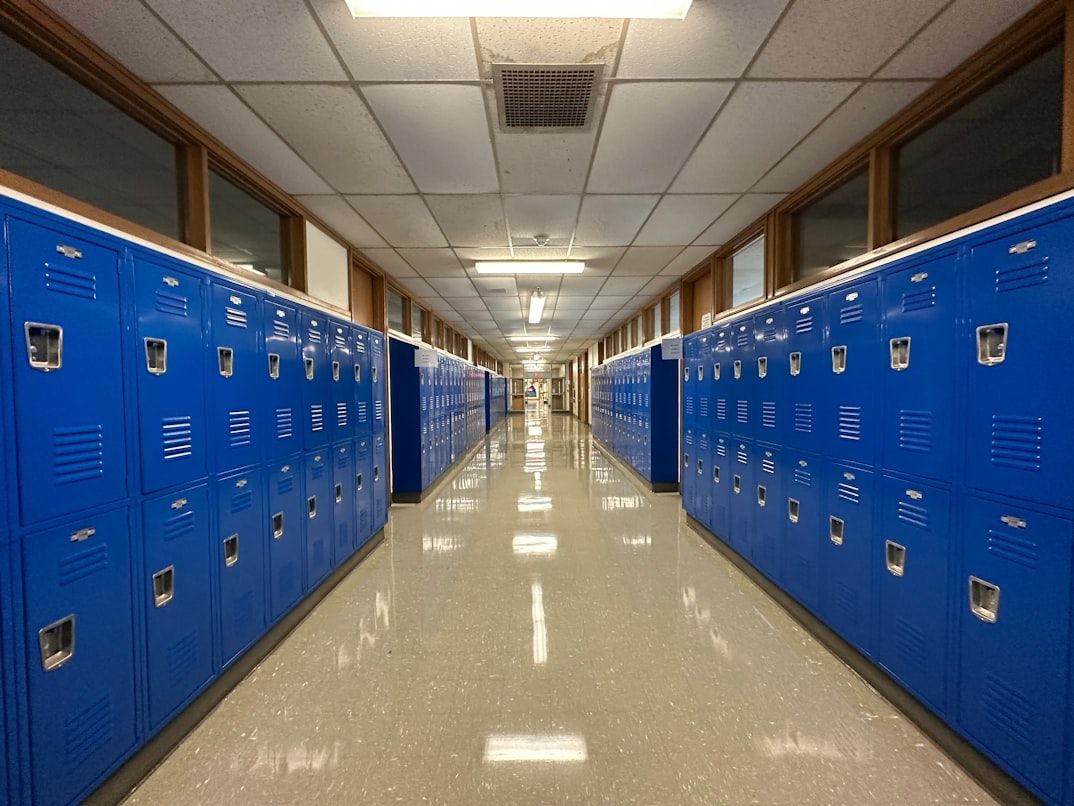
Image: Christopher Ryan

For much of the mid-20th century, student hall monitors were a fixture in American schools. Selected students—often upper-grade or high-performing—wore badges or sashes and were tasked with checking hall passes, reporting loitering, and keeping noise down between classes.

By the 1990s, the role faded as schools adopted professional security staff, stricter attendance protocols, and legal liability rules that made peer enforcement impractical. As districts invested in cameras, campus supervisors, and centralized discipline systems, the traditional hall monitor quietly disappeared from most American schools.

10
Morning physical calisthenics

Image: Philip White

From the 1950s through the early 1970s, influenced by Cold War fitness campaigns, many American schools began the day with school-wide calisthenics —jumping jacks, toe touches, and arm circles—led over the PA system.

The practice faded as schedules tightened and PE moved into dedicated class periods, with research favoring structured fitness over brief daily routines. Today, the idea of entire schools performing synchronized drills feels almost militaristic.

General General 5 min read

SUGAR RUSH!

These 10 American Candies Make Our Lives Sweeter!

Image: Jamie Albright

Got a sweet tooth? You are not alone. From the hundreds of brightly colored wrappers filling Halloween baskets to that delicious chocolate bar that makes a morning commute more pleasant, candy tends to play an essential role in the lives of most Americans. We have selected ten of the most iconic American candies that sweeten the days of both children and adults alike. Take a trip down this sugary road and enjoy!

1
Snickers

Image: Joshua Fernandez

We’ll start this article with an absolute classic. In the 1930s, Mars came up with a now-iconic candy bar packed with peanuts and covered in delicious chocolate. When it came the time to name it, inspiration came from an unlikely source: Snickers are named after the Mars family's favorite horse.

Snickers quickly became a global icon, becoming available in grocery stores and supermarkets worldwide. Nowadays, they come in a huge variety of flavors, including white and milk chocolate, as well as in different products like ice cream.

2
Hershey’s chocolate bar

Image: Janne Simoes

Known as "The Great American Chocolate Bar" , the Hershey’s bar is truly an American tradition. It was first sold in 1900, making it one of the oldest chocolate bars in the United States. However, they continue to be a delicious treat long past their one-hundredth anniversary.

This chocolate bar’s origin is rather interesting. In 1893, Milton Hershey visited the Chicago World’s Fair, where he was impressed with the chocolate manufacturing machinery displayed by the German delegation. The following year, he founded the Hershey Chocolate Company, which developed its own kind of chocolate products.

3
Twizzlers

Image: Filip Mroz

Let’s step away from the chocolatey goodness of our previous entries (don’t worry, there’s a lot more chocolate to go on), and focus on the delightful "Twist You Can't Resist". Twizzlers are one of the most unique candies out there: Their distinctive flavor and fun shape truly set them apart from other products in the market.

You might be surprised to learn that Twizzlers are made by one of the oldest confectioneries in the country: Young and Smylie, the company behind their creation, was founded as far back as 1845. Another fun fact is that, while only their black flavor contains ingredients from the licorice plants, Twizzlers as a whole are considered licorice-type candy.

4
M&Ms

Image: Christopher Ott

Many surveys state that M&Ms are the most popular candy in America. And, to be honest, anyone who has tried these brightly colored pieces of chocolate confectionary probably agrees. With their classic slogan "the milk chocolate that melts in your mouth, not in your hand", M&Ms have been a beloved part of American life since 1941.

Just as cherished as M&Ms themselves are their iconic mascots, which are anthropomorphized pieces of candy. These colorful "spokescandies" have been the company’s representatives since the ‘90s, and have grown to be considered icons of American pop culture.

5
Jelly Belly

Image: Patrick Fore

Choosing a single brand of jelly beans to include in this article was no easy task, but we ultimately decided to give Jelly Belly this spot. After all, they were famously the most beloved snack of Ronald Reagan, and share a long and fun history with our 40th President.

This love story began in the 1960s when Reagan decided to quit smoking and turned to jelly beans as a replacement. By the time he reached the White House, Jelly Belly had become the de-facto presidential snack: A jar filled with jelly beans was regularly seen on the president’s desk.

6
Baby Ruth

Image: Ric Matkowski

No one can deny that Baby Ruth is a popular product: This delicious nougat-filled candy bar has been around since 1920. However, did you know that they were originally called "Kandy Kakes"? Not only that, there’s a small controversy related to the current name we know and love.

According to the Curtiss Candy Company, the name "Baby Ruth" was inspired by Ruth Cleveland , daughter of President Grover Cleveland. However, it doesn’t take a keen observer to realize that this is particularly similar to the name of baseball legend Babe Ruth, whose fame was skyrocketing in the 1920s. "The Sultan of Swat" even sued the candy company for using his name, but ultimately lost the case.

7
Candy corn

Image: Debby Hudson

This is perhaps the most polarizing piece of candy on this list. With its distinctive shape and bright colors, Candy Corn is either beloved or hated. In any case, it is one of the most popular candies during Halloween, becoming synonymous with this festivity.

Candy Corn is also one of the oldest candies in America, having been produced since the 1880s by the Wunderle Candy Company. It was originally known as " Chicken Feed " because of its resemblance to corn kernels used to feed poultry.

8
Sour Patch Kids

Image: Vinicius Amano

We’ve been mostly focusing on sweet products so far, so let’s take a small jump in the opposite direction. Sour Patch Kids, known for their slogan "Sour Then Sweet" , are famous for their initial tart and sharp taste that gradually gives way to a sweeter flavor. The contrast of both sensations is what makes this soft candy so iconic, which has been standing strong for almost 40 years.

Created in the 1970s, Sour Patch Kids were originally named "Mars Men". However, by 1985 the product was rebranded to the name we now know, possibly to capitalize on the popularity of the Cabbage Patch Kids, an extremely popular toy at the time.

9
Reese’s Peanut Butter Cups

Image: Heather Barnes

We would like to take a moment to honor the innovator who realized that peanut butter and chocolate are a match made in heaven : Whoever you are, good sir or madam, we salute you. And while we can’t celebrate this anonymous hero, we can thank the man who brought us the quintessential pairing of these ingredients: H. B. Reese, creator of Reese's Peanut Butter Cups.

In 1928, the H.B. Reese Candy Company started selling their peanut butter cups, at the time known as " Penny Cups " since they were sold for one cent. Reese, who formerly worked at a Hershey dairy farm, used Hershey chocolate in all his products. By the 1960s, the company merged with the Hershey Chocolate Corporation, which continues to produce these delicious cups.

10
Milk duds

Image: Moritz Kindler

Milk Duds are truly living proof that mistakes can lead to wonderful opportunities. These delicious pieces of chocolate candy are known for their irregular shape , which is a direct result of a lucky accident.

In 1928, Hoffman and Company of Chicago attempted to create a perfectly spherical chocolate-covered candy but failed in every attempt to achieve this shape. These failed attempts were called "duds", which is a term used to describe a device or equipment that failed to work as intended. Over time, these duds inspired the name of this product and eventually evolved to become our beloved Milk Duds.

History History 6 min read

LEADING THE WAY

Let's Remember 10 Iconic American Firsts in History

Throughout the history of the United States , many historical facts and events have taken place. But there's always a first time for everything , right? While things like space travel may seem normal today, it is important to remember that there was a time when it had never been done and was also unimaginable.

If you want to remember the American pioneers who changed history, read on! Today, we will commemorate 10 of the most iconic "firsts" that shaped our nation . Maybe you witnessed one of them!

1
The Everest

Image: Martin Jernberg

James Whittaker made history as the first American to achieve one of the most difficult things in the world.

In 1963 , Whittaker, then 34 years old , became the first American to reach the summit of the highest mountain on the planet, Mount Everest , as part of the American Mount Everest Expedition led by Norman Dyhrenfurth.

Facing challenging weather and low temperatures, Seattle-born Whittaker conquered the summit of the Himalayan giant, which stands at 29,035 feet high! Can you picture yourself on such an expedition?

2
The astronauts

Image: NASA

The 1960s definitely transformed history, marking a period when humanity first traveled into outer space. The first American to reach space was Alan Shepard on May 5, 1961 . After a successful flight of 15 minutes and 22 seconds, Shepard's spacecraft splashed down safely in the Atlantic Ocean. Shepard didn’t complete an orbit of Earth on that trip, but John Glenn arrived and became the first American to orbit our planet on February 20, 1962 .

Of course, these amazing achievements were necessary for Neil Armstrong to take his historic step onto the lunar surface on July 20, 1969 , becoming the first American -and the very first human- to do so.

Want to know who was the first American woman in space ? The title went to Sally Ride , who reached outer space in 1983 .

3
The Skyscraper

Image: Pedro Lastra

Yes, skyscrapers dominate the skyline of many cities in our country today. However, there was a time when there were none. And the title of America's first skyscraper went to the Home Insurance Building in Chicago.

Designed by architect William Le Baron Jenney and completed in 1885 , it was the first to use a structural steel frame. Although iconic and unique in its time, it was demolished in 1931 to build what is now the Bank of America Building.

4
The Nobel

Image: caleb weiner

You'll be happy to know that the first Nobel Prize won by an American was in the Peace category. It was awarded to none other than Theodore Roosevelt in 1906 for his role and contribution to ending the Russo-Japanese War.

Roosevelt stood out precisely for inviting representatives from Russia and Japan to a peace conference in Portsmouth, New Hampshire, in 1905. Of course, the task was not an easy one, but Teddy was determined. His efforts ended in a historic peace agreement known worldwide as The Treaty of Portsmouth.

5
The flight

Image: History in HD

The Wright brothers ' story is one of the most famous. Coming from Dayton, Ohio , these two brothers are credited with inventing the first powered airplane and making the world's first successful flight with it.

But which of them was the first American to fly? Well, it seems Wilbur Wright, the older of the two, gave the honor to his younger brother. So, it was Orville who made history as the first to pilot the successful aircraft.

Orville piloted the first sustained flight of a powered aircraft in December 1903 near Kitty Hawk, North Carolina . His flight lasted 12 seconds and flew a distance of 120 feet. True pioneers!

6
The University

Image: Somesh Kesarla Suresh

388 years is a really long time, right? Well, that's the amount of time that has passed since the first university was founded in the territory of what would eventually become the United States of America.

We are talking about the prestigious Harvard University , born in 1636 in what was then the Massachusetts Bay Colony , with the aim of training clergy. Originally called "New College," the institution was later renamed Harvard College in honor of John Harvard , its first major benefactor.

7
The baseball team

Image: Caitlin Conner

Whether you prefer football, ice hockey, baseball, or basketball, it's undeniable that these four sports best represent our nation.

But only one has earned the title of "America's pastime." Of course, we're talking about baseball . One of the most popular sports today, it was also the earliest to establish a professional team.

The Cincinnati Red Stockings , established in 1869 , were the first professional baseball team in our country. When all the teams were still amateur, the Red Stockings became the first team with paid players, leading the way for the rest of the teams and for the eventual establishment of the National Association of Professional Base Ball Players in 1871.

8
The Flag

Image: Samuel Branch

Every independent country needs a flag to symbolize its identity and ideals. The US flag , in particular, has gone through a series of changes that show the nation's journey through history. First hoisted by George Washington on January 1, 1776 , at Prospect Hill in Somerville, Massachusetts , our first National Flag was born during the years of the Revolution .

Known as the "Continental Colors," this unofficial flag was adopted in 1775 as a symbol of the Continental Army . Its design had 13 red and white stripes , symbolizing the 13 original colonies, and the Union Jack in the upper left corner.

As the Revolutionary War progressed, the Continental Congress considered a series of changes to our flag to better represent the united colonies and their desire for independence. Thus came the "Stars and Stripes" new design on June 14, 1777 , which replaced the Union Jack with 13 white stars, initially often arranged in a circle.

9
The Oscar

Image: Mirko Fabian

If you are a movie enthusiast , this fact is probably already in your memory. And if you're not, it's still a good fact worth knowing.

The first Academy Awards ceremony was held on May 16, 1929 , and featured nominations for classic films like The Racket and Seventh Heaven , both released in 1927.

But the movie that stole the show was Wings , also from 1927 , directed by William A. Wellman and starring Clara Bow, Charles Rogers, and Richard Arlen. This silent film about WWI was the very first to win the category then known as "Outstanding Picture," which today we call "Best Picture." It was notable for its realistic aerial battles and special effects of excellent quality for its time. If you haven't seen it yet, this is your cue to do so!

10
The National Park

Image: Austin Farrington

From expansive deserts to dense forests, and from delightful beaches to impressive mountains, our country's landscapes and biodiversity are truly amazing.

Many of these natural sites have earned the title of National Parks , which guarantees their protection and conservation for the joy of locals and tourists. And while today we have many national parks to visit, there was once a first.

The very first was the great Yellowstone National Park , designated by President Ulysses S. Grant on March 1, 1872 . Located in the states of Wyoming, Montana, and Idaho, this natural site set a precedent for the conservation of our land's natural areas. Have you already visited it?

Explore more American facts

Choose your favorite category!

General
General

As American as apple pie—the very best America has to offer!

Culture
Culture

Delve into the astounding richness of American lore.

Geography
Geography

Hop in and explore vast and diverse American landscapes.

History
History

Discover the key moments that shaped the United States.