Culture Culture 5 min read

The Sound of History

10 artists who changed music forever
Image: strike009

Where would we be without the King of Rock and Roll, the Queen of Pop, the Queen of Soul, the Purple One or Ol’ Blue Eyes? Born with once-in-a-generation talent, impossible-to-fake charisma and boundless ambition, the ten artists on this list transformed music history and pop culture forever — one song at a time. Revisit their legendary origins, discographies, and global influence now.

1
Elvis Presley

Image: Stefano Chiacchiarini '74

Born and raised in Tupelo, Mississippi, with early dreams of music stardom, Elvis lived a short life that was nothing short of a miracle for music . His first career breakthrough came in 1954 when he recorded the single "That's All Right," fusing country, blues, and gospel to create a revolutionary new sound . Elvis’s unique music and tremendous popularity led him to achieve his first No. 1 hit, "Heartbreak Hotel," in 1956.

Elvis’ catalog is packed with absolute classics known and loved worldwide, such as "Can't Help Falling in Love," "Burning Love," and "Jailhouse Rock," among many others. Elvis’ image remains one of the most recognizable symbols of Rock and Roll, and his music inspired countless artists.

2
Bob Dylan

Image: Stefano Chiacchiarini '74

Bob Dylan is one of those artists whose cultural influence is quite difficult to explain because of how much he has achieved. He’s been frequently credited as the creator of folk-rock and is a member of three different Halls of Fame: the Songwriters Hall of Fame, the Rock and Roll Hall of Fame, and the Nashville Songwriters Hall of Fame.

His music is a defining element of American culture, with memorable classics such as "Blowin' in the Wind," "Like a Rolling Stone," "Knockin' on Heaven's Door," and "The Times They Are a-Changin'." And in 2016, he became the first songwriter to receive the Nobel Prize in Literature "for having created new poetic expressions within the great American song tradition."

3
Frank Sinatra

Image: Erman Gunes

Frank Sinatra is the quintessential male vocalist. Who hasn’t sung at the top of their lungs some of his legendary songs like "My Way," "Fly Me to the Moon" or "Strangers in the Night." Born in 1915, Sinatra rose to fame in the 1940s as the lead singer for Harry James and Tommy Dorsey. But he would reach stratospheric heights of fame when he launched his solo career.

Sinatra sold more than 150 million records worldwide, won 11 Grammy Awards, starred in over 50 films, and even nabbed an Academy Award for Best Supporting Actor for From Here to Eternity (1953) . But his greatest achievement goes beyond numbers and metrics; he shaped generations of singers through his unmistakable voice.

4
Chuck Berry

Image: Erman Gunes

It’s impossible to talk about Rock and Roll without naming its father, Chuck Berry. With his music, he created the blueprint for the genre , delivering a number of all-time classic songs like "Johnny B. Goode," "Roll Over Beethoven" and "Sweet Little Sixteen."

Chuck Berry’s guitar riffs and his one-of-a-kind live performances went on to define some of the main elements of rock, and his signature "duck walk" became iconic and endlessly referenced in pop culture over the years. A fascinating detail about his music is that "Johnny B. Goode" was selected for the Voyager Golden Record music collection that was sent into space on NASA's Voyager spacecraft in 1977 to represent Earth's culture.

5
Dolly Parton

Image: Jack Fordyce

3,000 songs written, more than 100 million records sold, and 11 Grammy Awards are just some of the achievements Dolly Parton has racked up throughout her impressive career. Born in Sevierville, Tennessee, Parton went on to become one of country music’s greatest ambassadors .

Her music catalog is filled with gems like "Jolene," "9 to 5," "Coat of Many Colors" and "I Will Always Love You," which gained international recognition when Whitney Houston recorded it for The Bodyguard (1992). Parton famously wrote both "Jolene" and "I Will Always Love You" in one day. She also had a successful Hollywood career and was inducted into the Country Music Hall of Fame and the Rock and Roll Hall of Fame.

6
Bruce Springsteen

Image: Ben Houdijk

Famously hailing from New Jersey, "The Boss" rose to international fame with Born to Run in 1975 and became the voice of working-class America . Songs like "Born to Run," "Born in the U.S.A.," and "Dancing in the Dark" spoke to everyday people, their hopes, struggles, and the coveted American dream.

Springsteen has sold more than 140 million records worldwide and has won 20 Grammy Awards, an Academy Award, and a Tony Award. He was added to the Rock and Roll Hall of Fame in 1999, and in 2016, he received the Presidential Medal of Freedom. To this day, Springsteen remains one of the most respected American songwriters.

7
Madonna

Image: yakub88

It’s impossible to make a list of the greatest artists in history without including the Queen of Pop . Madonna was (and is) a sensation. She took the world by storm with Like a Virgin (1984) and transformed pop music by constantly reinventing her image, her music, and her provocative performances.

We all remember her from the MTV era and how she redefined the role of music videos and used them as a platform for artistic expression and cultural commentary. Throughout her successful career, she has reinvented her musical style, transitioning between pop, dance, electronic, Latin, and R&B without losing relevance, selling over 400 million records worldwide.

8
Prince

Image: Northfoto

Few artists in history could ever embody versatility quite like Prince did. An incredibly talented person, he not only revolutionized popular music but also created a whole new style that was his own .

He would write, produce, arrange, and perform much of his music himself, and though he’s best known for his guitar, piano, and vocals, Prince could play more than 20 instruments . An absolute music genius! His album Purple Rain (1984) is one of his greatest and best-selling creations, and it earned him several Grammy Awards and an Academy Award for Best Original Song Score.

9
Michael Jackson

Image: Woodan

A single white glove, a black fedora, military-inspired jackets, and the moonwalk: Michael Jackson’s visual identity is one of the most recognizable images in music history . From his beginnings as a child in The Jackson 5 to conquering the world as the "King of Pop," Michael’s career is marked by an unparalleled string of hits.

It’s no surprise that his most massive album was Thriller (1982), which still holds the record as the best-selling album of all time , with more than 70 million copies sold worldwide. And his total record sales are over 500 million worldwide.

10
Aretha Franklin

Image: Dorota Szymczyk

Often hailed as the greatest singer of all time, "The Queen of Soul" started singing gospel music in her father’s church before achieving international fame in 1967 with the release of "Respect," her signature song. Aretha’s powerful voice is unmistakable, and her energy on stage will forever be remembered .

Some of her most famous songs are "(You Make Me Feel Like) A Natural Woman," "Chain of Fools," "Think," and "Freeway of Love." On top of her Grammy Awards and millions of records sold, Aretha became the first woman inducted into the Rock and Roll Hall of Fame and received the Presidential Medal of Freedom in 2005.
History History 5 min read

Origin stories

This U.S. state shares a name with a mythical island rich in gold

Image: Nico Smit

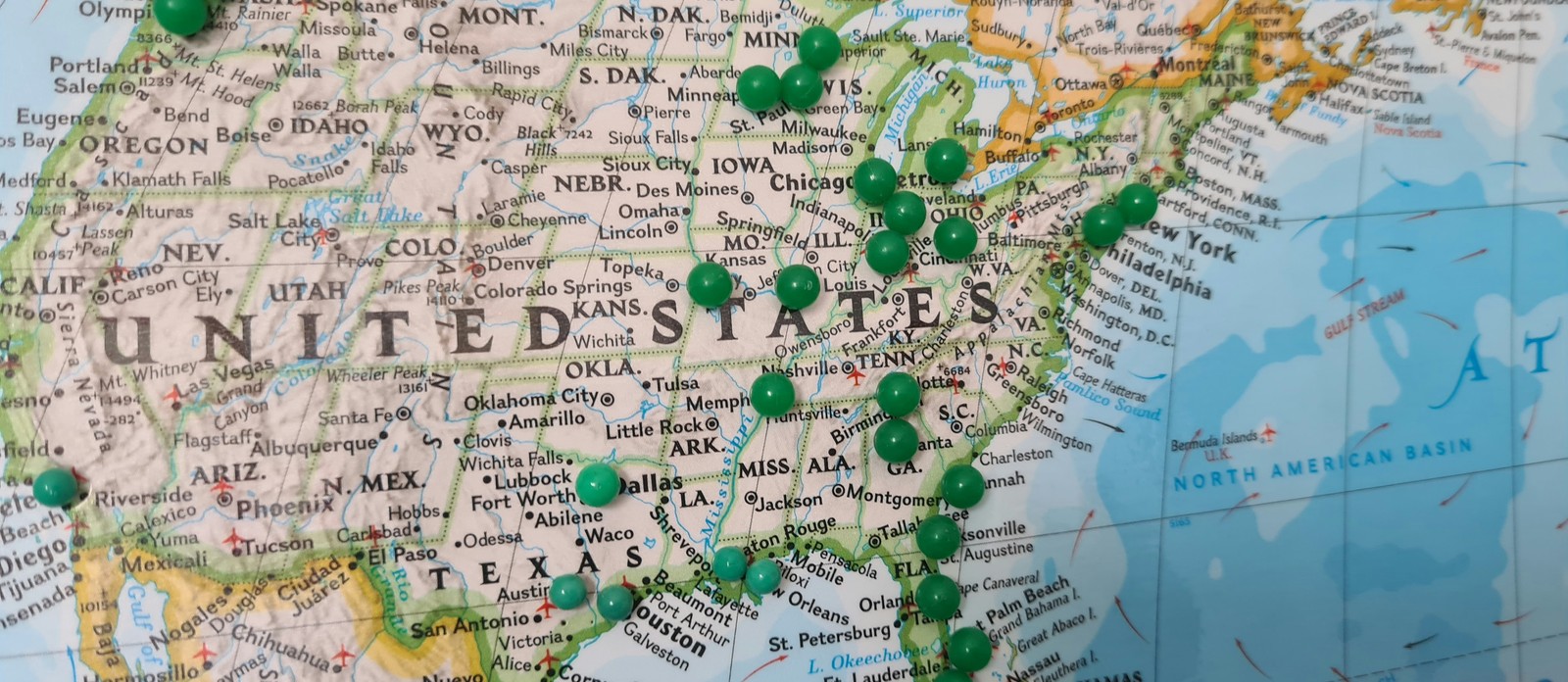
Twenty-six of our 50 states were once Spanish or French territory, or both. So it’s no wonder that Spanish and French culture permeates American traditions, food, customs — and state names, too. Here are 10 state names with French or Spanish origins.

1
California

Image: Gustavo Zambelli

All across the Americas, we can find places named after fictional and mythical locations, a result of the arrival of European explorers on the unknown continents. In 1533, Hernán Cortés arrived in what is now Baja California, Mexico. Mistakenly believing that the peninsula was an island, coupled with the arid landscape and the rumor of abundant gold, he named it after an island from the book Las Sergas de Esplandián (The Adventures of Esplandián).

This novel, written by Garci Rodríguez de Montalvo in 1510, features the island of California , governed by the queen Calafia (a play on the Arab calipha , a title given to leaders and rulers). The fictional California is rich in gold and is described as a terrestrial paradise near the Indies, so, despite not being an island, the real California was aptly named.

2
Louisiana

Image: Mick Haupt

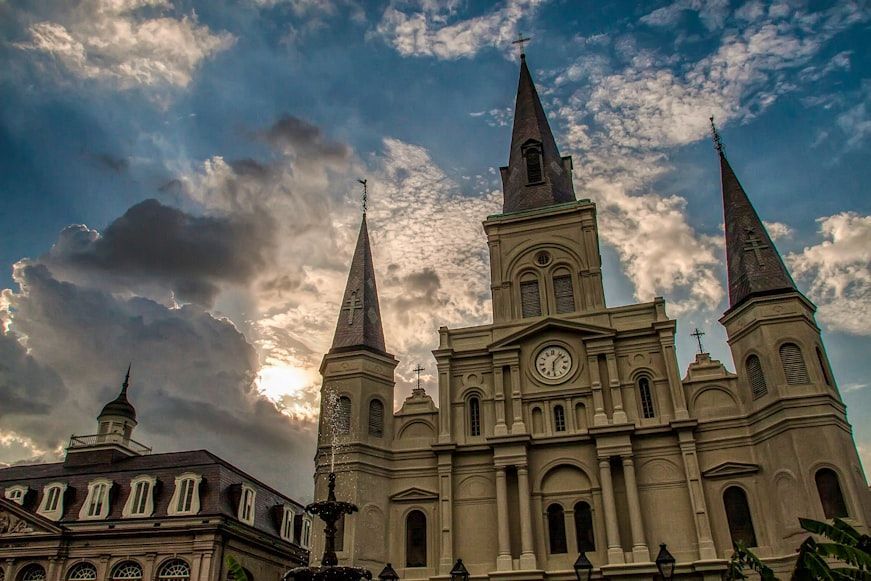
Before being the name of a state, Louisiana designated all the French territories west of the Mississippi River , covering either the whole or part of 15 current U.S. states, including Arkansas, Iowa, Nebraska, Oklahoma, and Missouri, among others. Originally named La Louisiane (‘the land of Louis’), the name was given to the Mississippi basin by the French explorer René-Robert Cavelier in 1682.

Who was Louis? Sixteen kings of France had the name Louis, but this territory was named after Louis XIV, also known as "The Sun King" . During his 72-year-long reign, still the longest of any monarch in history, France greatly expanded its colonial territories, among which was Louisiana. After the Louisiana Purchase in 1803, the anglicized name remained, but only for a much smaller portion of land, which gained statehood in 1812.

3
Florida

Image: Julius Hildebrandt

One of the European strategies for naming territories was to reference the day of arrival, a practice often used by the Spanish , and evidenced by the many places named after Catholic saints. Florida is an example of this custom.

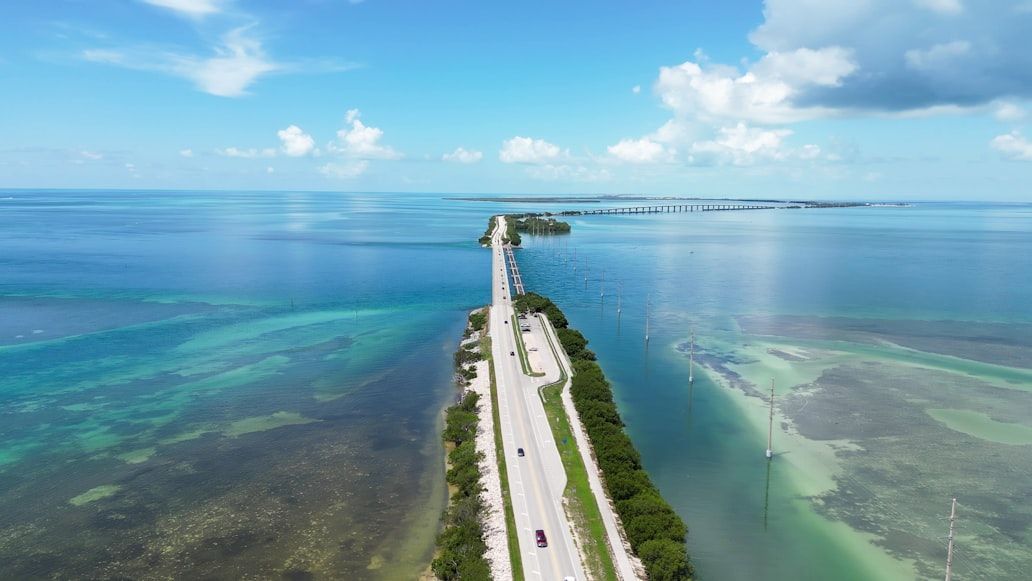
Spanish explorer Juan Ponce de León arrived in the territory around the time of Easter while looking for the mythical fountain of youth. In Spanish, Easter is sometimes called La Pascua florida (‘the flowery Easter’) because it usually falls in spring, which led Ponce de León to name the territory La Florida .

4
Maine

Image: Mercedes Mehling

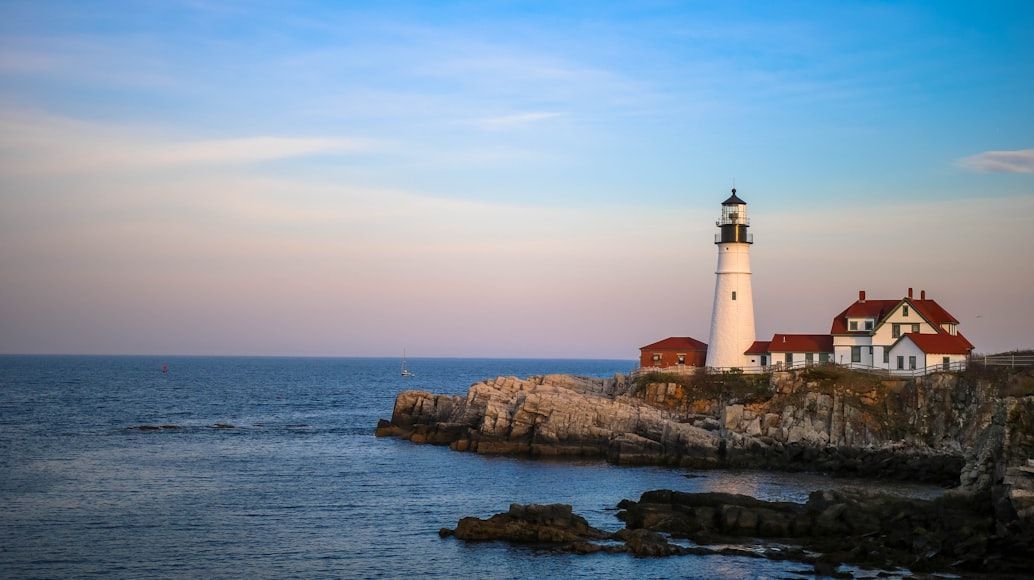
There is more than one theory for the origin of Maine, and there is no certain answer. While many claim that ‘Maine’ is derived from ‘main land’, there is another widely supported theory that makes a connection with a French province, and that is backed up by the enormous influence of Acadian French people in the state of Maine .

According to this theory, the Maine territory was named after a French province of the same name —nowadays the region of Sarthe and Mayenne— in turn named after the ancient Cenomani Gaulish tribe.

5
Vermont

Image: Jeffrey Clayton

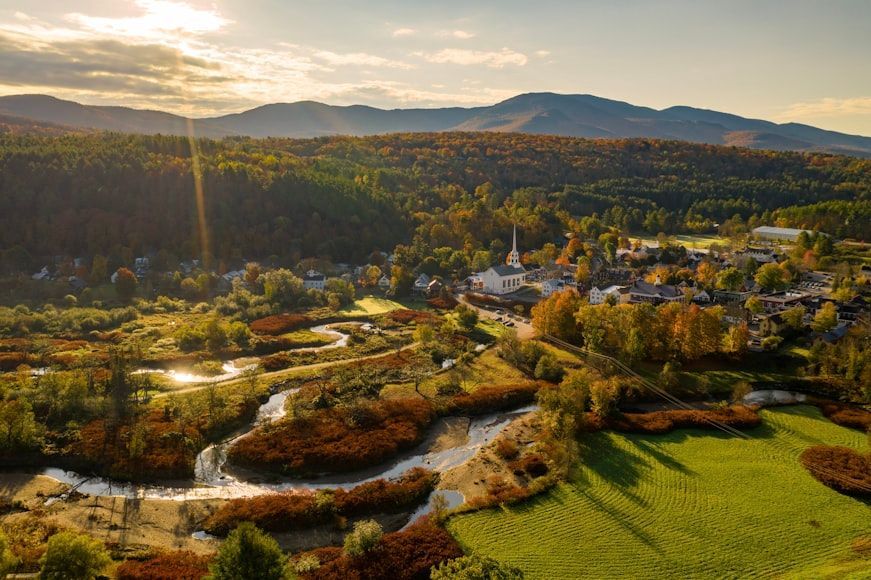
Although the Vermont territory was initially explored by the French, it might come as a surprise to know that its French name was given by an English-speaking American . In 1777, the territory declared independence from Britain and constituted a new republic. At first called ‘New Connecticut’, it adopted the name ‘Vermont’ by suggestion of physician and scholar Thomas Young.

Young came up with the name, meaning ‘green mountains’, inspired by a local militia known as ‘the Green Mountain Boys’. However, be it ignorance or poetry, the translation was made into a correct but archaic French. While Vermont does mean ‘green mountain’, the most accurate translation would have been montagne verte .

6
Colorado

Image: Mike Scheid

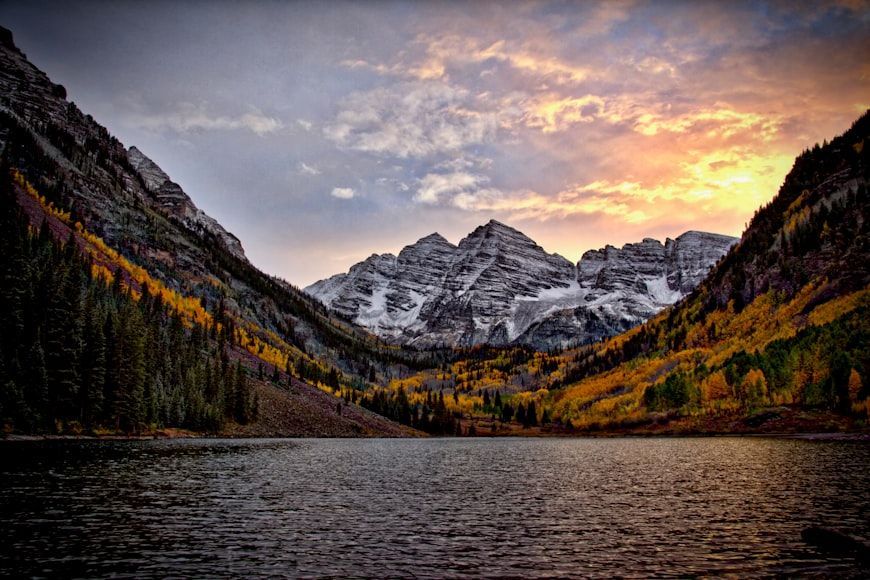
Originally, Colorado referred to the Colorado River, named by the Spanish during the 16th century. The area under that name was acquired by the U.S. in the Louisiana Purchase and through the Treaty of Guadalupe Hidalgo , with the Territory of Colorado officially established in 1861 and named after the river.

Why was the river named this way? In Spanish, colorado means ‘red colored’ or ‘ruddy colored’. During the spring thaw, the melted mountain snow would mix with reddish-brown silt , giving the river a red hue.

7
Montana

Image: Nic Y-C

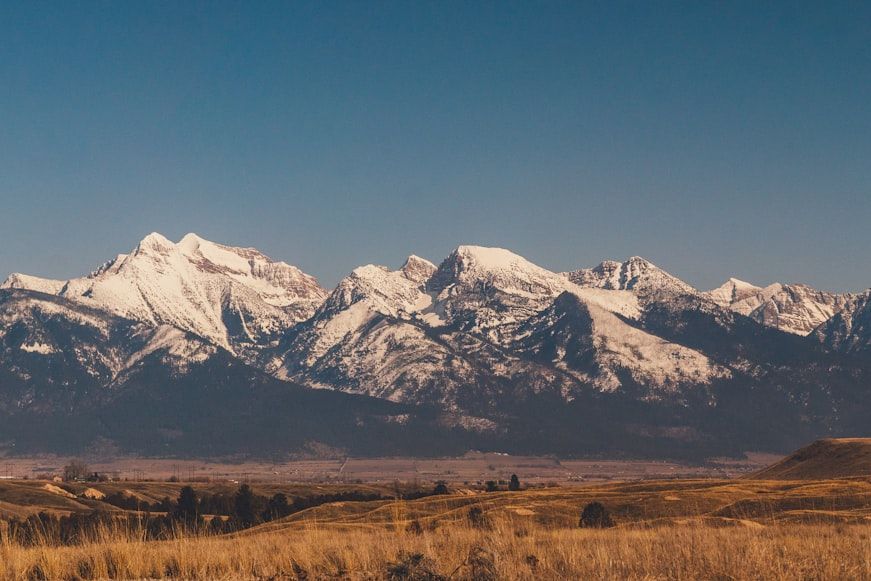
This one is another case of a name chosen by English speakers. The word ‘Montana’ is an anglicized version of the Spanish montaña, ‘mountain’. But while there certainly are mountains in Montana, part of the territory consists of plains. Why name it so, then?

The Spanish had named the western mountainous region Montaña del Norte (Northern Mountain). When the Montana Territory was created in 1864, the name was suggested as a tribute to the Rocky Mountains . Some complaints arose in defense of the plains, and the alternative name ‘Jefferson’ was proposed, but Montana won in the end.

8
Nevada

Image: Abhi Verma

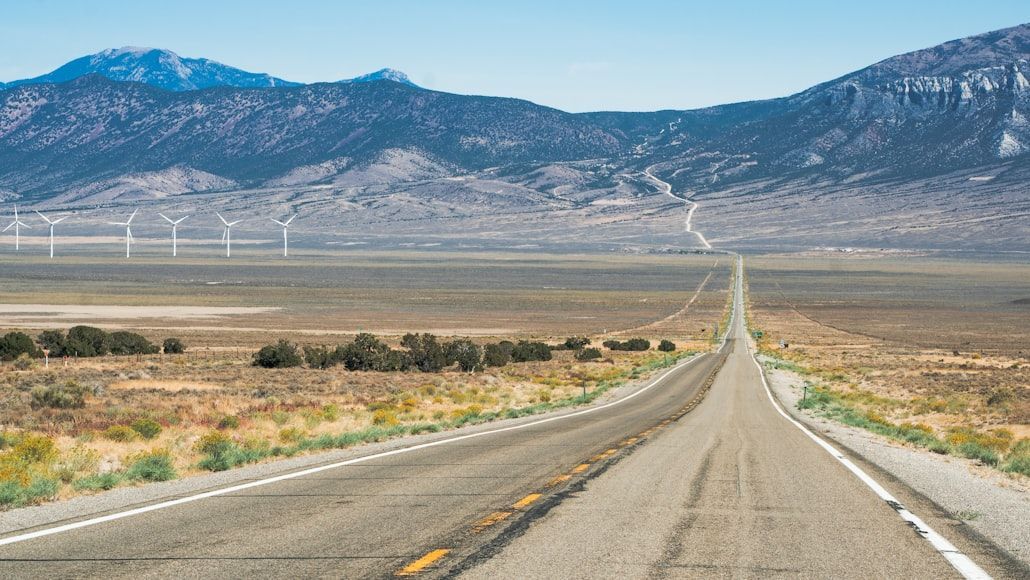
The majestic Sierra Nevada mountain range is one of the natural wonders of the Western United States, so it makes sense that a territory would be named in its honor. Named Sierra Nevada or ‘snowy peak’ by the Spanish, the first record of the name dates back to 1776 , and was most likely inspired by a Spanish range of the same name.

In 1861, the Territory of Nevada was officially established, and most sources agree that it was named after the mountain range. However, the main part of the Sierra Nevada range belongs to California, with only the Carson Range being in the Nevada territory.

9
Arizona

Image: Cayetano Gil

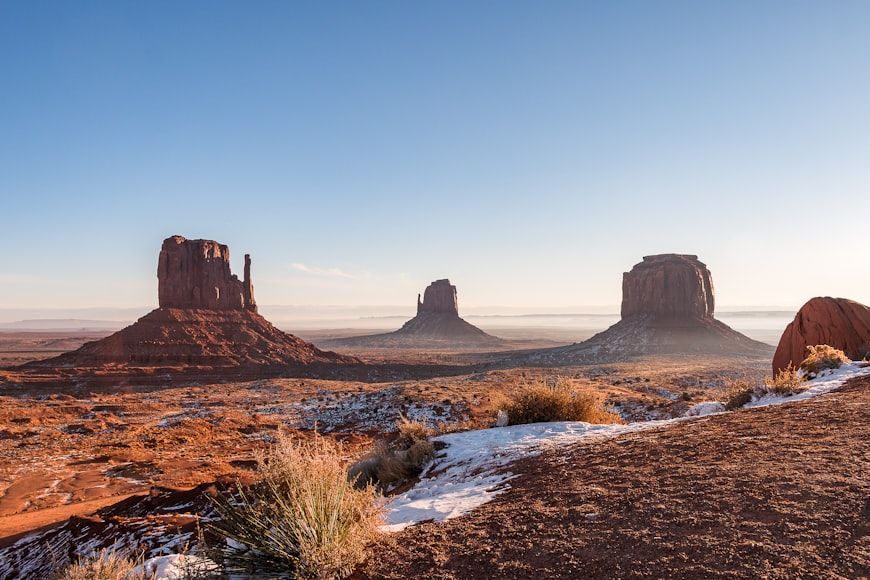
The origin of ‘Arizona’ is disputed, with theories pointing towards it being the Spanish version of a Native American name. However, other theories disagree, claiming that it is a Basque name, haritz ona , meaning ‘good oak, given by Spanish settlers who came from the Basque region.

There is a final theory which, although heavily disputed, is supported by popular stories. This theory claims that the original name was Árida zona (‘arid zone’) , a description of the desert climate.

10
Oregon

Image: Peter Robbins

No one really knows what ‘Oregon’ means, but everyone has a theory. Although there are stories that link it to Native American names or spelling errors, the first record of the name is from a 1598 Spanish chronicle, which refers to the territory as ‘_Orejón_’ (‘big-eared’) . Whose ears were being described is unclear.

An alternate theory links the name to French instead of Spanish, based on a 1765 petition by a British explorer that calls the area ‘ Ouragon’, a possible corruption of the French ouragan , ‘hurricane ’, in reference to the turbulent waters of the Columbia River.

General General 5 min read

Incredible creatures

You won't believe these 10 American animals' amazing traits and skills

Nature never ceases to amaze us. From mammals that can "glide" through the air to creatures that can twist their heads 180 degrees, America's wildlife is as diverse as it is impressive. While you probably recognize many of the animals in this article, they have some skills that could shock anyone. Join us to discover these 10 incredible American animals with amazing abilities and unique traits !

1
Blue jay

Image: Mark Olsen

The blue jay is a beautiful bird with –as its name suggests– striking blue plumage. It also has white feather details and a sort of black "collar" on its neck. But it is not just a pretty face; it also has wonderful abilities.

Blue jays are excellent mimics . They can imitate the calls of other birds, especially hawks, in order to frighten and scare away predators. Nature is wise!

In addition, these birds that live in family groups have a great memory . Blue jays have been seen storing nuts far from where they originally found them and then returning to those locations later without much effort.

2
Bald eagle

Image: Mathew Schwartz

As one of America's most iconic symbols, the bald eagle makes an imposing impression just with its presence. It is one of the largest birds in the world, with a wingspan ranging from 6 to 7.5 feet and weighing between 3 and 6.5 pounds.

One of its most outstanding traits is its vision , considered by many experts to be 4 to 5 times sharper than human eyesight. This bird has such precise vision that it can spot its prey from several miles away while flying!

In addition to that, its hunting skills are exceptional. Bald eagles rarely fail to catch a snack, thanks to their large and powerful talons. Their prey can be quite large, as their grip strength can reach 400 pounds per square inch.

3
Pronghorn antelope

Image: David Thielen

Despite its common name, the pronghorn is not an antelope. In fact, it belongs to another family called Antilocapridae , exclusive to North America. Yes, they only exist here!

Pronghorns have several characteristics that make them unique, including their iconic horns . First off, pronghorns shed their horns every year (because who doesn't want to renew their outfit?). And, unlike many other species, it's not just the males that have horns; the females do too.

But here's its best feature: the pronghorn is nothing less than the fastest land animal in America, capable of reaching speeds of over 50 mph. And that's not all; this animal can sustain its speed for very long distances. A true runner!

4
American alligator

Image: Joshua J. Cotten

The American alligator can measure between 13 and 15 feet long and weigh more than 900 pounds, making it one of the largest reptiles in the USA.

But its size is not the only thing that impresses. The American alligator, which inhabits the southeastern United States, has one of the fiercest and most powerful bites in the entire animal kingdom, reaching 2,980 pounds of pressure per square inch. Just picture that destructive power!

Biting so hard must have negative consequences for the teeth, right? True. But this is not a problem for the American alligator, as this reptile has the ability to regenerate its lost teeth more than 50 times in its lifetime!

5
Barn owl

Image: Bob Brewer

The barn owl is one of the several owl species found in America. Its most characteristic feature is its heart-shaped face. This distinctive quality is not only cute, but it also serves a purpose: it directs sound into the bird's ear cavities. The barn owl has exceptional hearing , allowing it to detect the smallest prey in the dark.

On the other hand, one of the most striking features of owls is their ability to rotate their heads about 180 degrees and, in some cases, even more. If you found The Exorcist disturbing, you don't want to watch videos of owls rotating their heads!

6
Wood frog

Image: Richie Bettencourt

The wood frog is a small amphibian native to the northeastern states, famous for the dark markings around its eyes. These markings are like a mask that extends, much like when someone's makeup smudges.

But this frog's appearance is not the only thing that distinguishes it. It also has an incredible skill: the ability to withstand freezing temperatures. And that's not all; during the winter, their bodies can actually freeze solid and then thaw out in the spring without sustaining serious damage. Amazing!

Although it is not Captain America, this ability allows the wood frog to adapt very well to temperatures as low as -10°F for several weeks.

7
Flying squirrel

Image: Saori Oya

Have you ever dreamed of flying through the sky like a superhero? Who wouldn't want that? There is a squirrel that has this advantage, which is why it is commonly called the flying squirrel.

Despite its funny name, the flying squirrel doesn't actually fly but glides through the trees. Even so, watching this small mammal deploy a membrane between its limbs to glide with great precision from the heights is impressive. In addition, they can perfectly regulate speed and direction during their ride through the air.

Have you ever seen one of these creatures?

8
Gila monster

Image: David Clode

There is only one venomous lizard in the U.S., and that title goes to the great Gila monster.

This lizard, naturally found in the southwestern regions of our country, has unique abilities that set it apart from other animals. The "monster" in its name is no coincidence: this lizard has a fearsome bite , capable of injecting painful venom. The Gila monster's venom is delivered through grooves in its teeth, something extremely rare for a lizard.

And there's more. This animal can go several months without eating! This is due to its slow metabolism , which allows it to survive even when food is scarce.

9
Eastern diamondback rattlesnake

Image: Leah Storme

The eastern diamondback rattlesnake is one of the largest rattlesnakes that inhabit our country, reaching 6 feet in length and weighing around 10 pounds. Its characteristic diamond-shaped pattern on its back is what gives it its iconic name.

Besides having one of the most potent venoms among rattlesnakes, this snake has another important advantage. The diamondback rattlesnake has thermo-detecting pits. But what is that? They are tiny orifices located between its eyes and nose, which allow it to detect the temperature of its warm-blooded prey even in the deepest darkness.

10
American beaver

Image: Tim Umphreys

Beavers are amazing animals. These rodents that inhabit freshwater environments are like the architects of the animal world. They have impressive building skills, with dams being their primary type of construction.

The dams that beavers build with sticks, logs, stones, mud, and other materials from nature are designed to protect their community and lodges. Beavers' lodges are perfectly engineered, featuring underwater entrances that keep them isolated and safe, just like a natural bunker!

They are also excellent swimmers . They have an affinity for water and use it in very creative ways. For example, they slap their flat tails against the water's surface to alert their families when danger is near.

Explore more American facts

Choose your favorite category!

General
General

As American as apple pie—the very best America has to offer!

Culture
Culture

Delve into the astounding richness of American lore.

Geography
Geography

Hop in and explore vast and diverse American landscapes.

History
History

Discover the key moments that shaped the United States.