General General 3 min read

One-of-a-kind

The one thing these states can brag about (and no one else can)
Image: RDNE Stock project

Every state in the U.S. has its own personality, but some come with bragging rights no one else can touch. From deserts and diamonds to cave systems and cheese-making microbes, each of these states has a claim to fame that sets it apart. If you enjoy travel trivia, fun facts, or just knowing more about our big and quirky country, you’ll want to stick around for this one. Let’s take a lighthearted look at the states that are true originals.

1
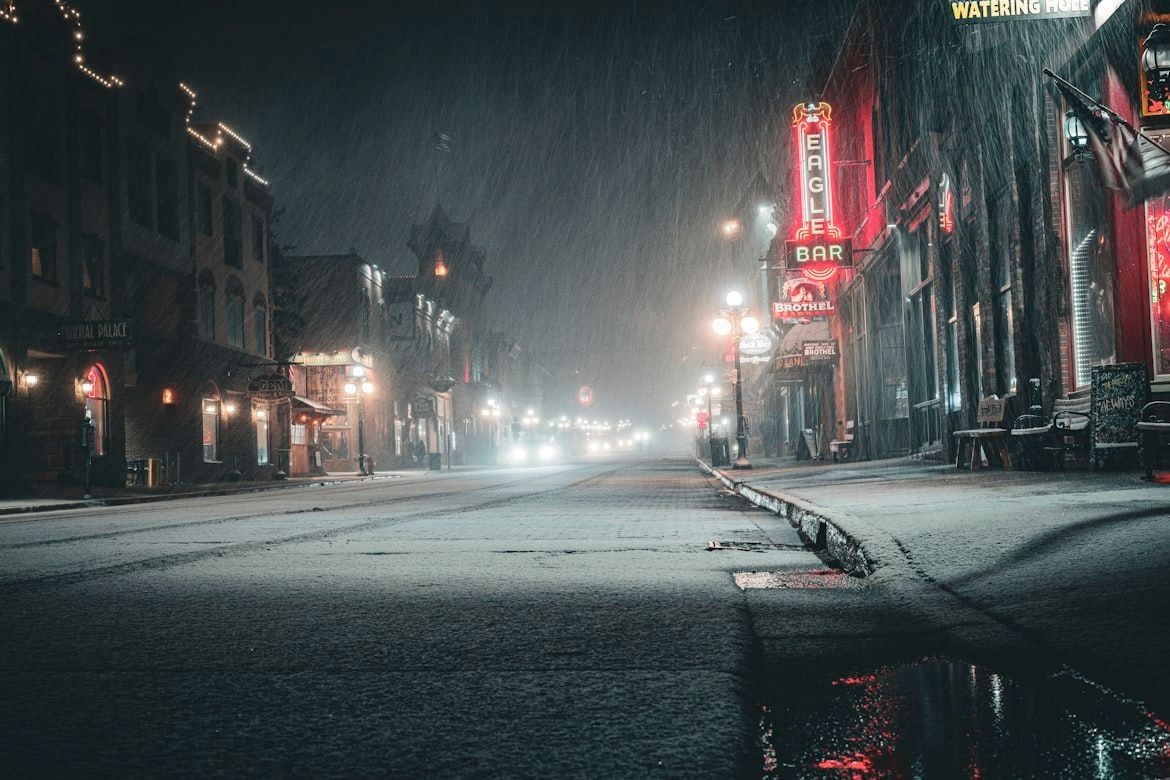
South Dakota sits right in the middle of it all
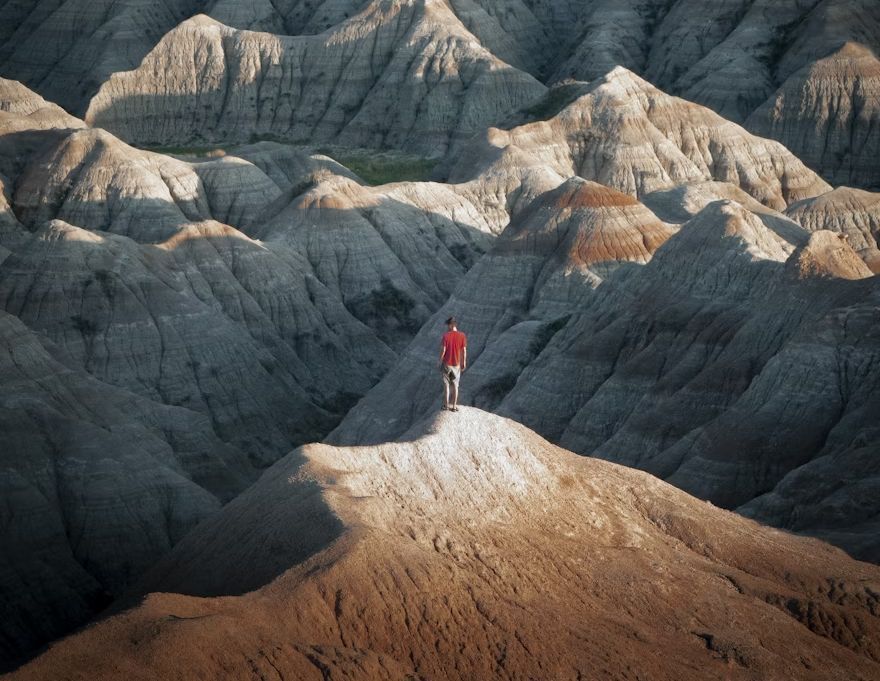
Image: Intricate Explorer

Just outside the town of Belle Fourche, South Dakota, lies the geographic center of the United States when you include Alaska and Hawaii . It is not marked with neon signs or big crowds, but there is something satisfying about standing near the heart of the whole country. It feels like the center of gravity for the U.S.

2
Iowa is flanked by rivers on both sides
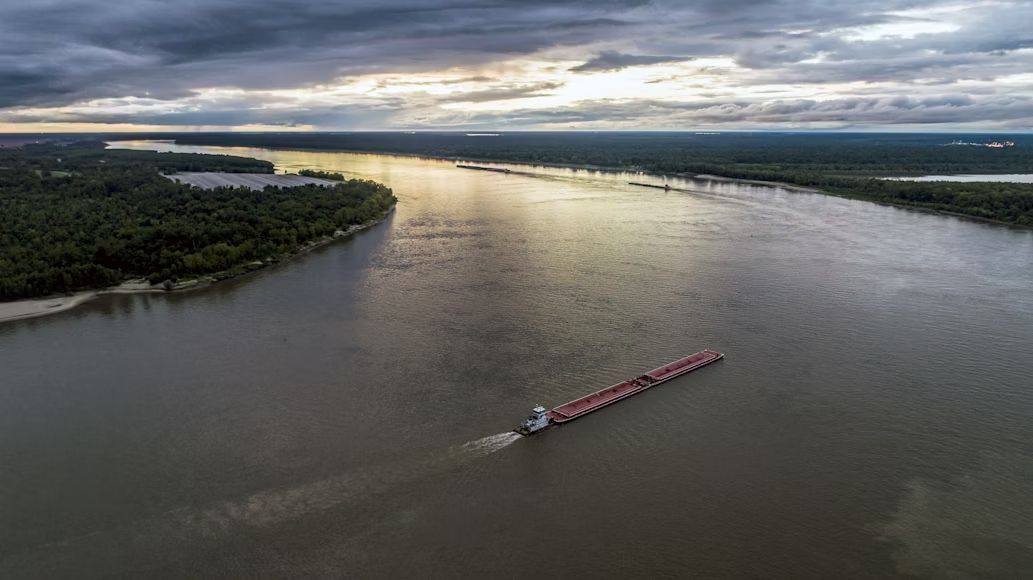
Image: Justin Wilkens

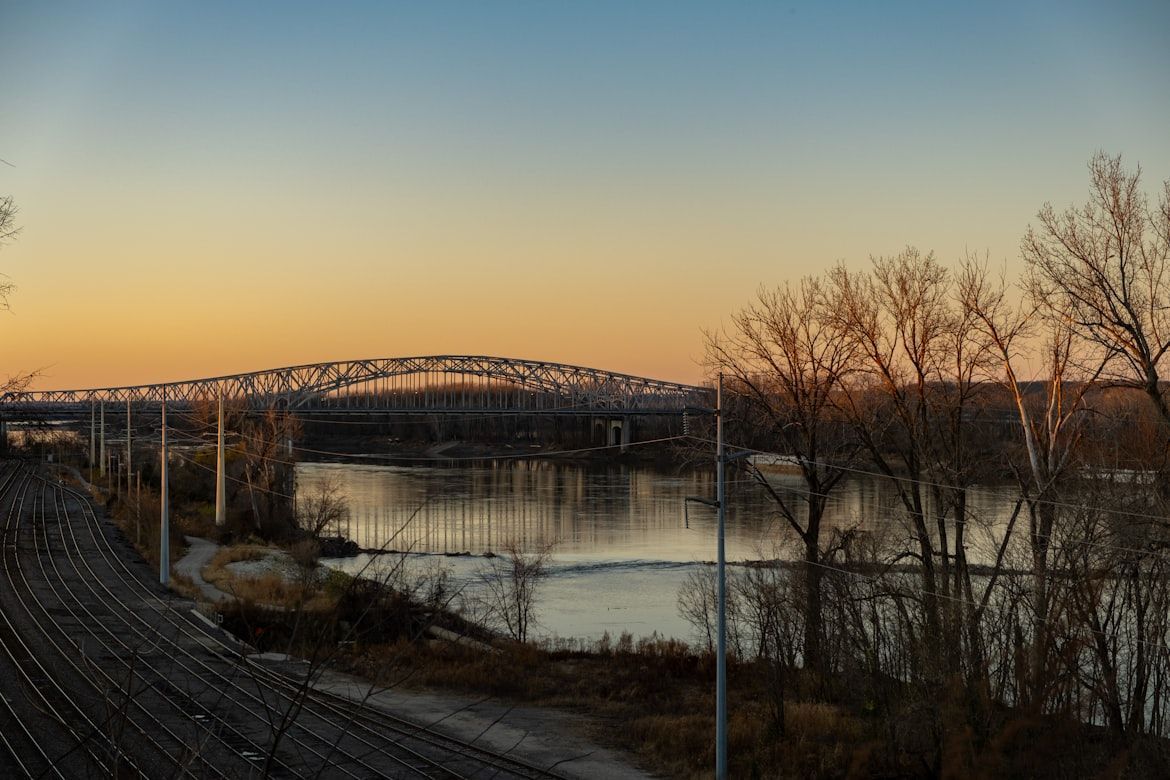
If you look at a map, you will see Iowa neatly tucked between two mighty rivers . The Mississippi River borders it to the east, and the Missouri River forms most of its western boundary. No other state can say that its entire east and west borders are made up of rivers. That gives Iowa a front-row seat to river life from both sides.

3
Kansas is flatter than a breakfast pancake

Image: Edson Saldaña

Believe it or not, a group of researchers once compared Kansas to a pancake and found that Kansas is actually flatter . This was not a joke. They used real measurements. If long, open roads and wide horizons are your thing, Kansas is the ultimate smooth ride.

4
Arizona has all the deserts in one place
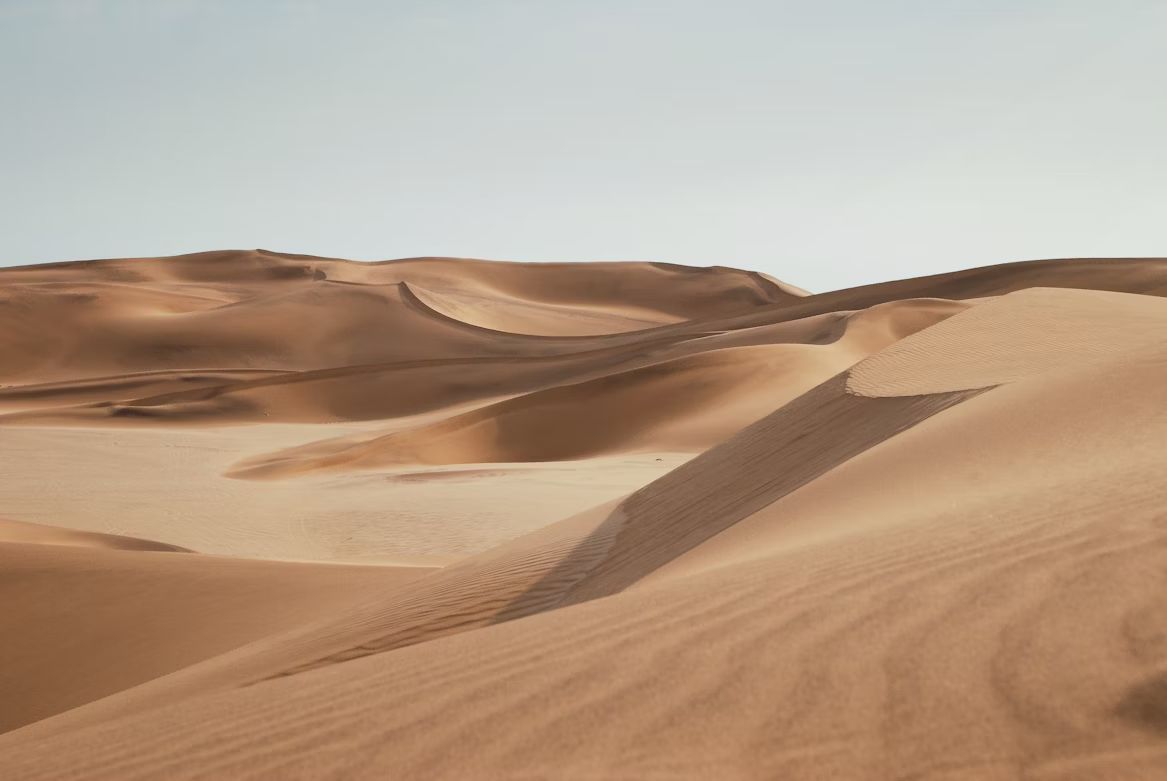
Image: Keith Hardy

Arizona is not just dry, it’s uniquely arid. It is the only state that includes parts of nearly all of the major North American deserts . These include the Sonoran, Mojave, Chihuahuan, and Great Basin deserts. That makes it a desert lover's dream and a living science exhibit where four very different ecosystems meet in one sunbaked state.

5
Michigan lives and breathes freshwater
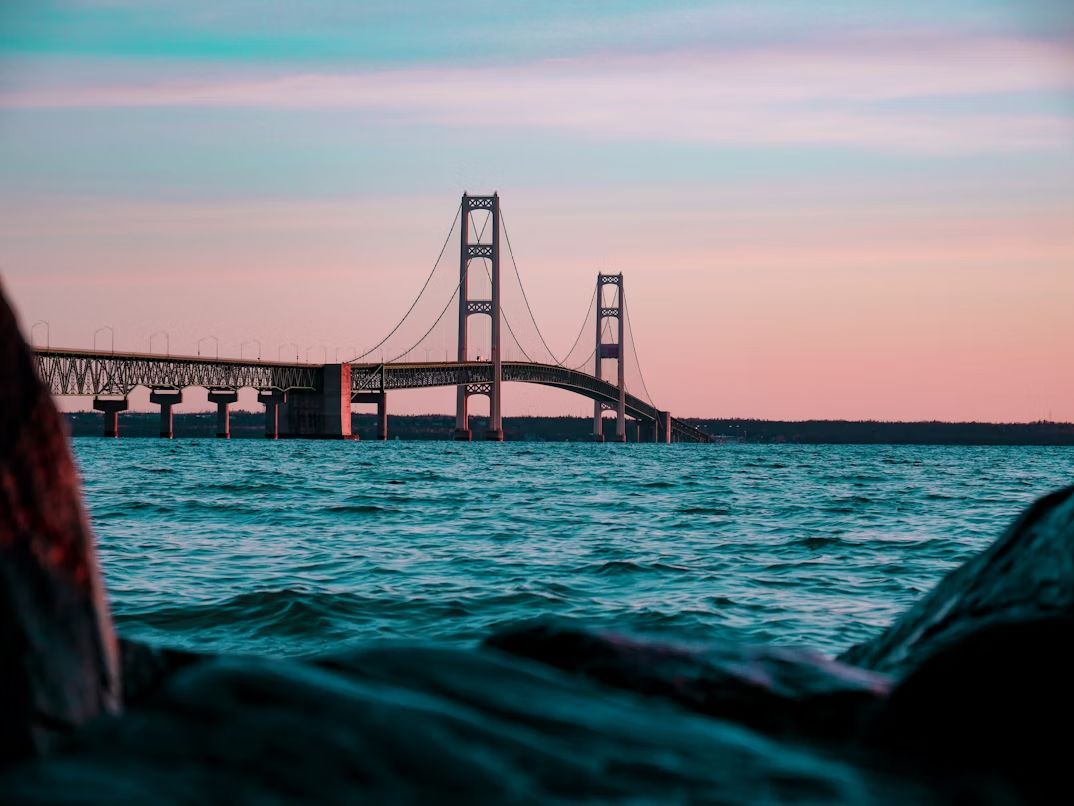
Image: Aaron Burden

Michigan has more freshwater shoreline than any other state in the country. It borders four of the five Great Lakes , features two peninsulas, and is even home to a floating post office that delivers mail by boat. If you enjoy water views and lakeside life, Michigan delivers the goods in a big way.

6
Connecticut gave counties the pink slip

Image: Rusty Watson

Unlike most states, Connecticut does not have county governments. The state decided back in the late 1950s and early 1960s to get rid of them entirely. Now, counties are just lines on a map and have no political power. If you live in Connecticut, you deal directly with your town or city. No middleman needed.

7
Delaware still uses ‘hundreds’ and no, not the money kind
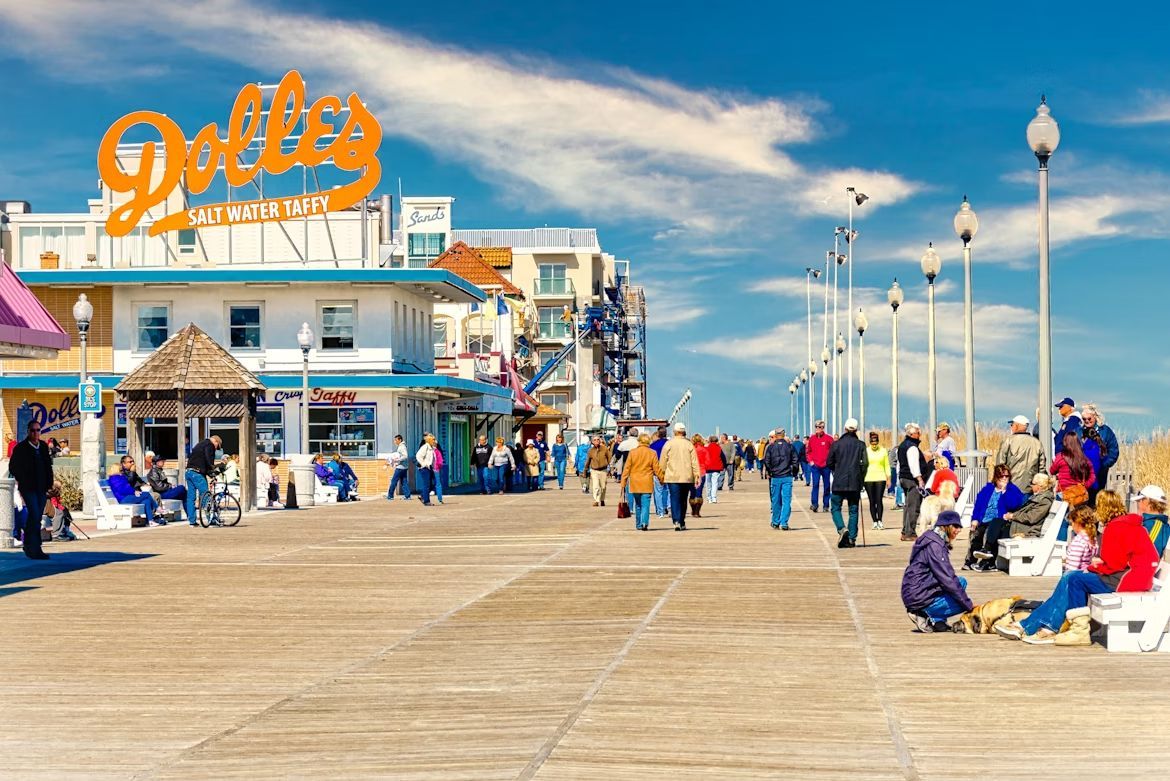
Image: Gary Cole

In Delaware, land is still divided into areas called hundreds . These are old British-style subdivisions that originally represented areas able to support roughly 100 households. While they do not play a role in law or government today, the names still show up in property documents and tax records.

8
Kentucky hides the longest cave under its feet
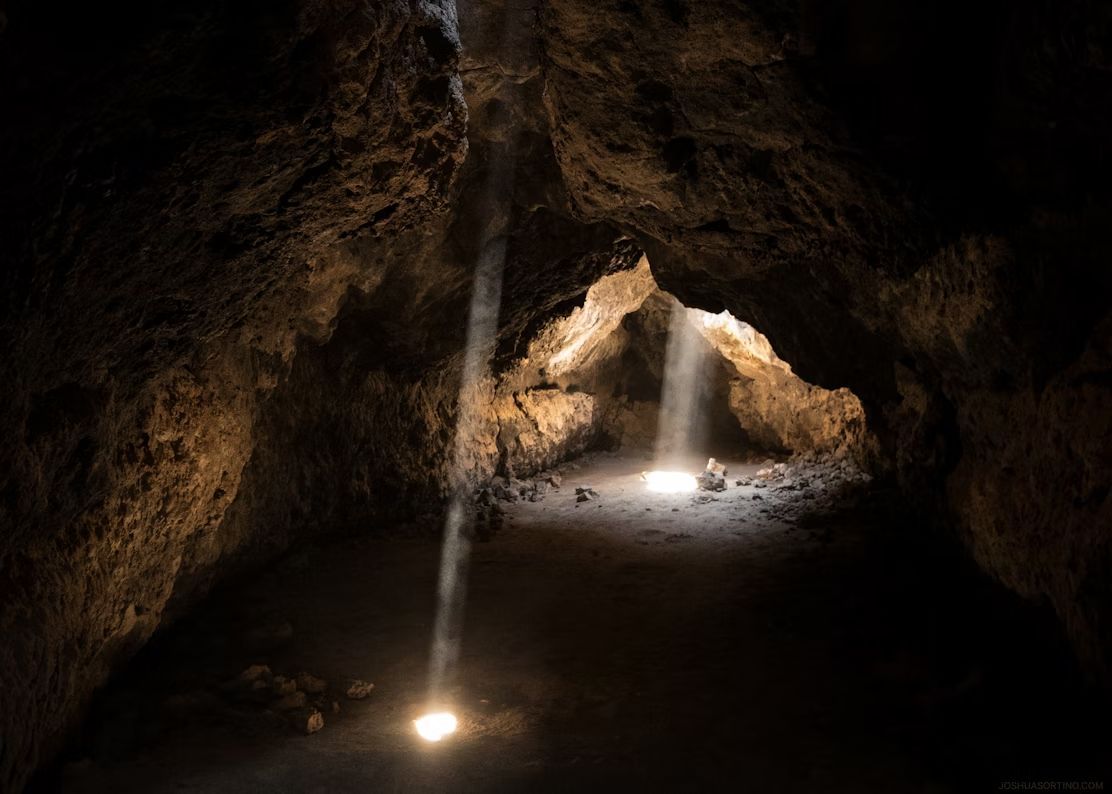
Image: Joshua Sortino

Beneath Kentucky’s surface lies a giant underground wonder called Mammoth Cave. It holds the record as the longest known cave system in the world , with over 400 miles of mapped tunnels. That is a whole lot of rock and mystery. Whether you are into history, geology, or just cool natural landmarks, this cave system is something special.

9
Louisiana prefers parishes over counties
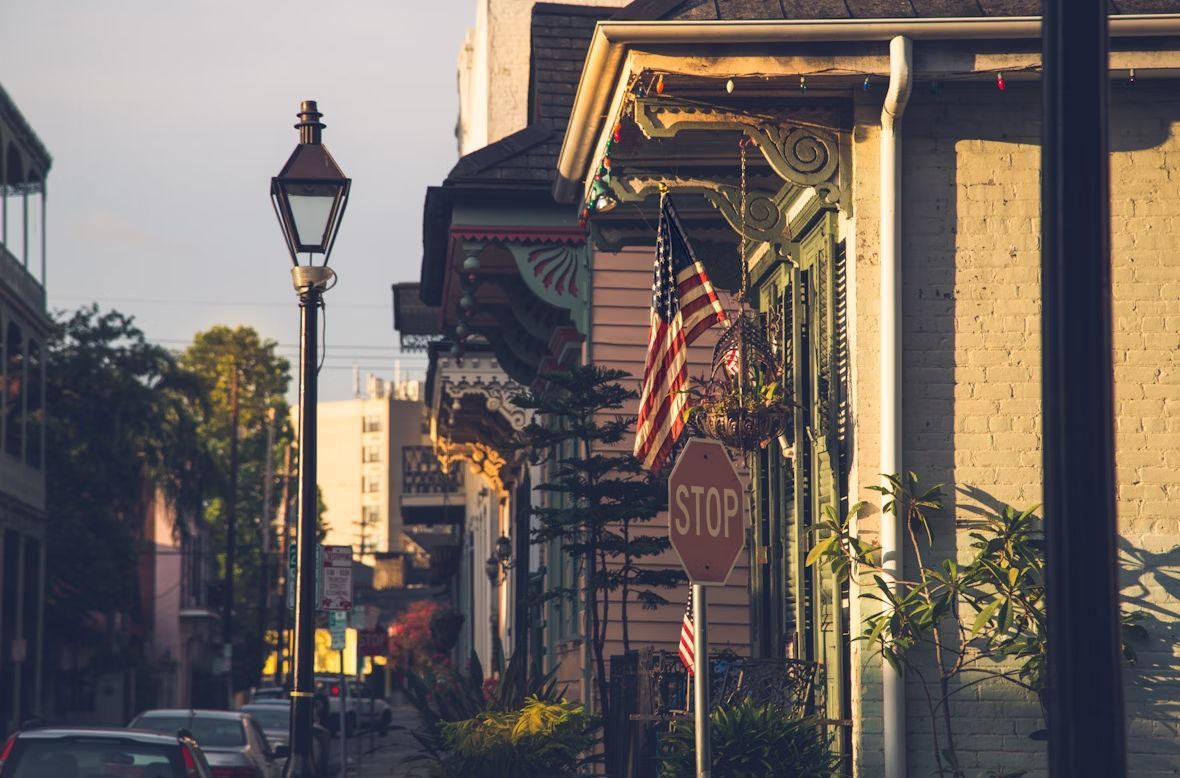
Image: Joe Lavigne

Louisiana does not have counties like the rest of the country. Instead, it has parishes , a term carried over from its French and Spanish colonial days. These parishes work the same way counties do elsewhere, but the name gives the state a unique cultural twist.

10
Montana provides the nation's platinum and palladium
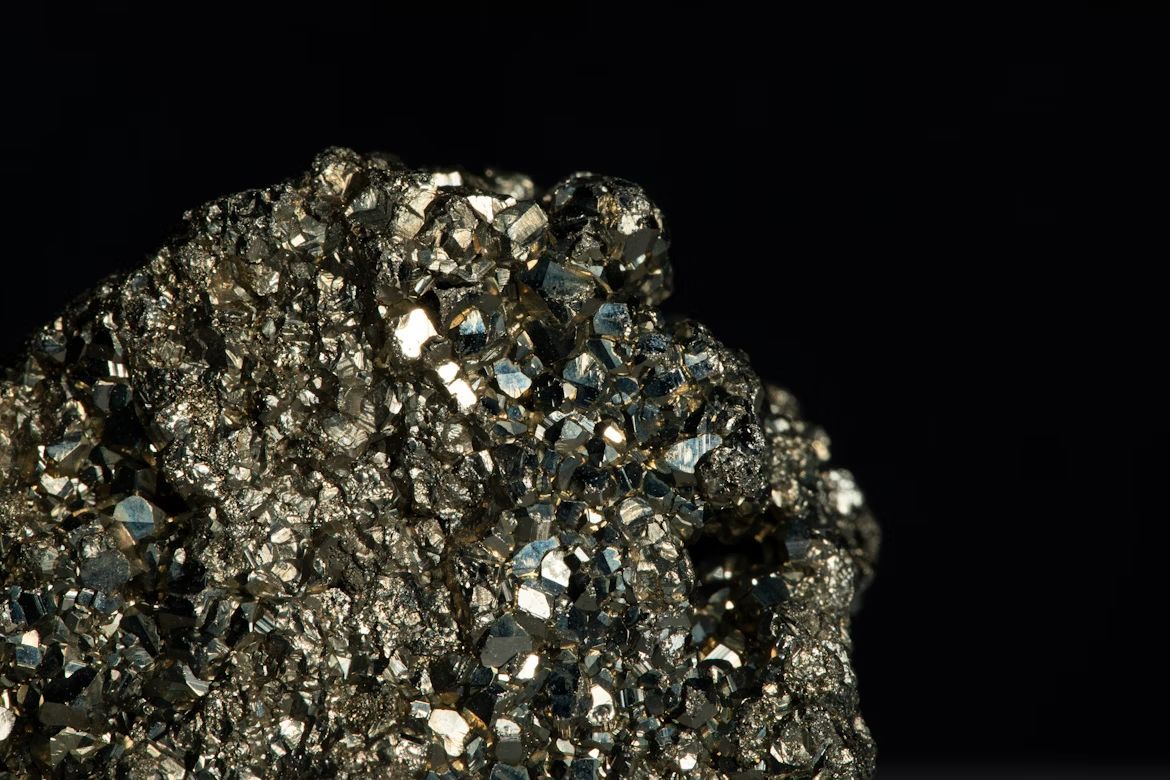
Image: Calvin Chai

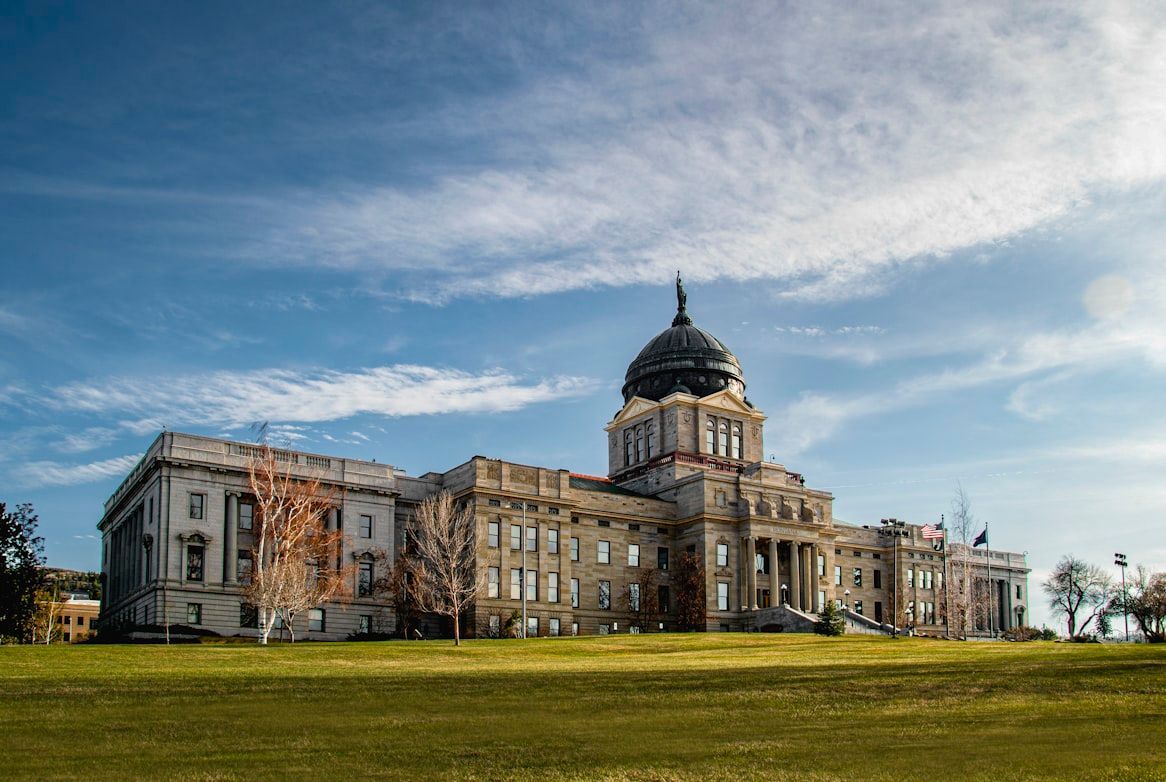
Montana is the only significant source of domestically mined platinum and palladium in the United States. These rare metals are used in things like jewelry, dental tools, and car parts. Tucked into its rugged mountains, Montana’s mines quietly produce some of the most valuable materials in the country.

11
Wisconsin has an official microbe, and it makes cheese
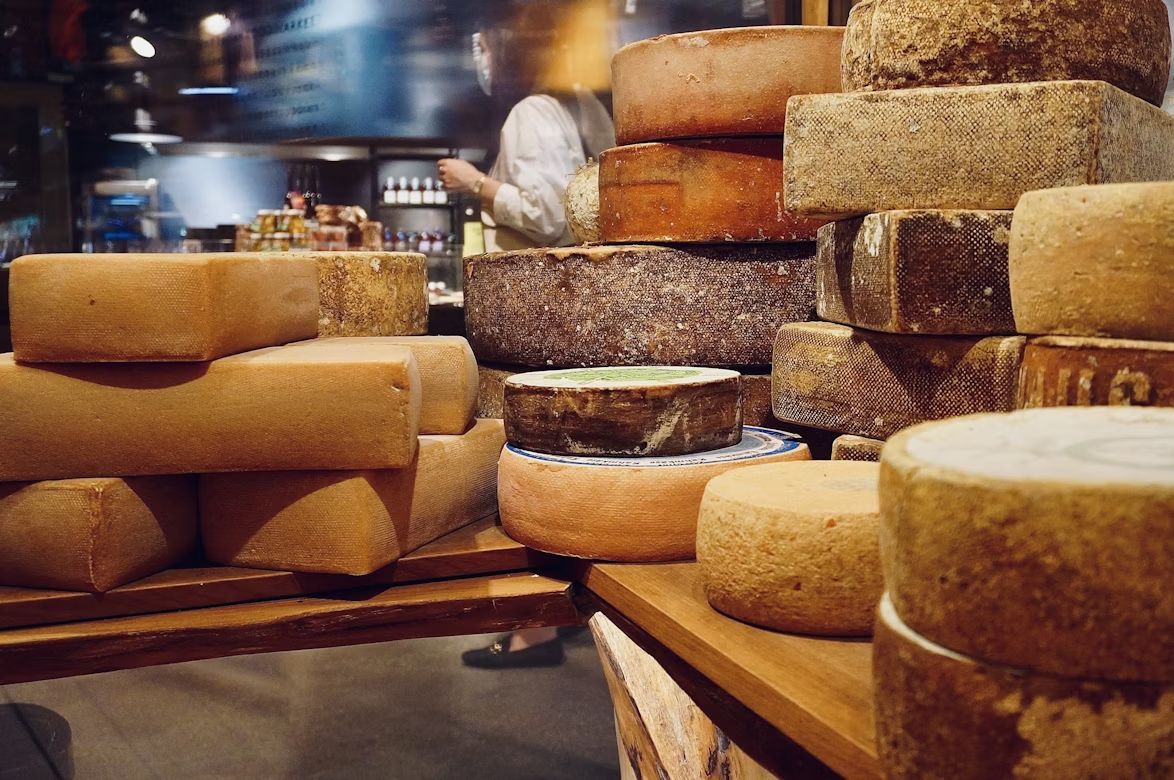
Image: Azzedine Rouichi

Of course, Wisconsin would go this route. The state named Lactococcus lactis as its official microbe. It is the helpful little organism behind the cheese-making magic. Without it, you would not have cheddar, Colby, or many other favorites. Leave it to the dairy state to give a tiny cheese-maker its moment of fame.
Geography Geography 4 min read

Behind tall faces

You know about the secret room in Mt. Rushmore. Did you know these facts?

Image: Jake Leonard

What famous woman’s face almost became the fifth face on Mount Rushmore? Did the sculptor Gutzon Borglum really intend to just carve out the heads? Why is the mount named that, and not Borglum? The answers to these questions are some lesser-known facts about one of the most famous landmarks and sights in our country. Let’s dive into these stories!

1
The original plan included full-body figures

Image: Thomas Shockey

Mount Rushmore was supposed to be even more colossal than it already is. Sculptor Gutzon Borglum envisioned the four presidents carved from the waist up .

He even made plaster models showing Abraham Lincoln's coat folds and Teddy Roosevelt’s hand clutching his lapel. But as costs went up, Congress said: "heads only, please."

2
Charles Rushmore was just a curious New Yorker

Image: Maarten van den Heuvel

Back in 1925, when the mount was about to be carved into a monument, Charles Rushmore wrote a letter explaining why the peak bore his name. He recalled that in the 1880s he was a young New Yorker working in the area, and fell fond of that particular granite peak .

When he asked the locals about it, they informed him that it had no name, but that if he wished so, they would just start calling it Rushmore Peak, or Mount Rushmore, or the likes. Years later, that very name had been inscribed in the public domain to designate the peak.

3
Yes, there’s a hidden room behind Lincoln’s head

Image: Laura Nyhuis

Behind Abraham Lincoln’s hairline lies a hidden chamber, part of Borglum’s lofty idea for a "Hall of Records." This room was meant to house foundational American documents like the Constitution or the Declaration of Independence.

Instead of that, in 1998, a titanium box was placed inside, filled with copies of important documents and biographies, as a time capsule to preserve the treasure of knowledge for future generations.

4
Thomas Jefferson was moved

Image: Dave Baraloto

Jefferson was originally supposed to go to Washington’s right, but after 18 months of chiseling , the granite betrayed them. Cracks and flaws made the site unworkable.

Borglum made the painful decision to blast Jefferson’s half-formed face clean off and start anew on Washington’s left.

5
The mountain was almost a monument to western heroes

Image: Timberly Hawkins

Before presidents took over, the mountain was pitched as a giant tribute to the Wild West . South Dakota historian Doane Robinson wanted to see frontier legends like Lewis & Clark carved into the Black Hills.

But when Borglum came aboard, he had a grander (and more politically bankable) idea: four presidents to symbolize national unity and expansion.

6
A woman’s face was almost added

Image: Tom Fournier

In the 1930s, there was serious talk of honoring Susan B. Anthony alongside the Founding Fathers, as a nod to the women’s suffrage movement.

Borglum wasn’t opposed to the idea, but Congress quickly nixed it, stating that only U.S. presidents could be included.

7
The workers were mostly local miners and loggers

Image: Pixabay

They were neither sculptors nor artists. Most of the workforce came from nearby Keystone, South Dakota: miners, loggers, and hard-up laborers looking for work during the Great Depression.

Borglum trained them himself. There were no safety harnesses, and yet, remarkably, no one died on the job.

8
Dynamite did 90% of the work

Image: Alexander Paramonov

To carve the faces of Washington, Jefferson, Roosevelt, and Lincoln, workers used carefully timed dynamite blasts to remove over 450,000 tons of rock. They got so precise, they could blast within inches of where the final surface would be.

The last details, like wrinkles, pupils, or Roosevelt’s glasses, were done with jackhammers and chisels.

9
The noses are disproportionate

Image: Dudubangbang Travel

Standing in front of the mountain, the faces seem alright. But that’s a trick of perspective. Each presidential nose is a whopping 20 feet long .

If the sculptures had included full bodies as planned, each figure would have stood 465 feet tall. That’s taller than the Statue of Liberty and most downtown skyscrapers.

10
Teddy Roosevelt was the most controversial pick

Image: Dudubangbang Travel

Washington, of course. Jefferson, made sense. Lincoln, sure. And Teddy? Some critics raised their eyebrows at Borglum’s fourth choice. Roosevelt had only recently passed away in 1919, and many questioned whether he'd stood the test of time.

But Borglum defended the decision Roosevelt’s role in breaking up monopolies, conserving national parks, and engineering the Panama Canal. Plus, Borglum had met him personally and was a fan.

11
It was supposed to have inscriptions

Image: Dan Pick

Borglum had grander plans than just four giant heads. He wanted to carve a massive inscription next to them, a timeline of America’s most important milestones , chiseled straight into the mountain. In time, the idea was scrapped for practical and aesthetic reasons.

12
The visionary died before completion

Image: Lisa Reichenstein

Gutzon Borglum, the visionary behind it all, didn’t live to see his masterpiece finished. He died in March 1941, just as the construction was reaching its end. His son, Lincoln Borglum (yes, named after that Lincoln), took over the project.

Still, with WWII drawing resources elsewhere, funding was slashed, and Lincoln had to wrap things up quickly . Some features, like Lincoln’s ear, were never fully detailed.

History History 3 min read

The many faces of the flag

Our flag has changed 27 times: Explore its evolution

Image: Joshua Hoehne

The Stars and Stripes are now recognized around the world, but the US flag didn’t always look the way it does today. While the red, white, and blue colors have been there from the beginning, the design has changed about 27 times! And so have the rules for handling it. If you want to see what our flag looked like in the past, or learn more about the protocols and traditions surrounding it, keep reading!

1
1776

Image: Bureau of Engraving and Printing., Public domain, via Wikimedia Commons

During the American Revolution, the Grand Union Flag, also called the Continental Colors, was created to represent the colonies. It featured 13 alternating red and white stripes (symbolizing the original colonies), but instead of stars in the upper left corner like we see today, it displayed the Union Jack.

2
1777

Image: Bureau of Engraving and Printing., Public domain, via Wikimedia Commons

In 1777, following the Declaration of Independence, the Continental Congress adopted the first official flag of the United States. It featured 13 alternating red and white stripes, which still honor the original colonies today. Replacing the Union Jack, it introduced a new element that would be key for the rest of its history: 13 white stars set in a blue field, or canton, arranged in a circle to symbolize equality and unity among the states.

3
1795

Image: Nyttend, Public domain, via Wikimedia Commons

It wasn’t until 1795 that the flag changed again, when two more stars and two additional stripes were added to represent the recently admitted states of Vermont (1791) and Kentucky (1792). This version was the only US flag to feature more than 13 stripes and later became known as "The Star-Spangled Banner", since it was the very flag that inspired Francis Scott Key to write the poem that would later be the lyrics of the national anthem.

4
1818

Image: Michael Rivera, CC BY-SA 4.0 <https://creativecommons.org/licenses/by-sa/4.0>, via Wikimedia Commons

In 1818, the flag’s design changed once again. The 15 stripes were reduced back to 13 to permanently honor the original colonies. Five new states had joined the Union, bringing the total number of stars to 20. These stars were sometimes arranged in straight rows and other times in the shape of a large star, which earned this version the nickname "The Great Star Flag."

5
1912

Image: This image is a work by Wikipedia and Wikimedia Commons user Aktron.When reusing, please credit me as: Aktron / Wikimedia Commons. I would appreciate being notified if you use my work outside Wikimedia.More of my work can be found in my personal gallery.csen+/−csenmkplsr+/−, CC BY-SA 3.0 <https://creativecommons.org/licenses/by-sa/3.0>, via Wikimedia Commons

Each new state joining the Union meant one more star on the flag. In 1912, when New Mexico and Arizona were added, the number of states reached 48, so their stars also took their place. That year, President Taft issued an executive order setting the official proportions of the flag and specifying that the stars should be arranged in six horizontal rows of eight.

6
1960

Image: chris robert

The most recent design change came in 1960. After Alaska and Hawaii joined the Union in 1959, two more stars were added, bringing the total to 50. They were arranged in nine alternating rows of six and five stars, like the official flags you see displayed across the country today.

7
Flag time

Image: Jon Sailer

Beyond its official design, the US flag follows a set of protocols established over the years. One key rule specifies the time to display it: generally, the flag should be flown from sunrise to sunset. If displayed at night, it must be properly illuminated.

8
Weather conditions

Image: Anandu Vinod

The flag code doesn’t just set the time of day; it also indicates the proper weather conditions for display. According to the protocol, the flag should not be flown in bad weather, such as rain, snow, or storms, unless it’s an all-weather flag designed for such conditions.

9
Position

Image: Roger Starnes Sr

Of course, the flag must always have the blue canton in the upper left corner. But there are more rules for its position. When flown with other symbols, such as state flags, the national flag must be in the center and slightly higher. Additionally, if it needs to be lowered from the flagpole, the flag must never touch the ground.

10
Don'ts

Image: Alex Martinez

If you need to handle the flag, it’s important to know the proper way. But it's also crucial to know what not to do. Some of the key "don'ts" include never letting it touch the ground, avoiding creasing it, not writing or drawing on it, and one that might surprise many: don’t use it as clothing or decoration.

Explore more American facts

Choose your favorite category!

General
General

As American as apple pie—the very best America has to offer!

Culture
Culture

Delve into the astounding richness of American lore.

Geography
Geography

Hop in and explore vast and diverse American landscapes.

History
History

Discover the key moments that shaped the United States.