General General 3 min read

Presidential possibilities

Can the US President drive? Play a true or false game with us!
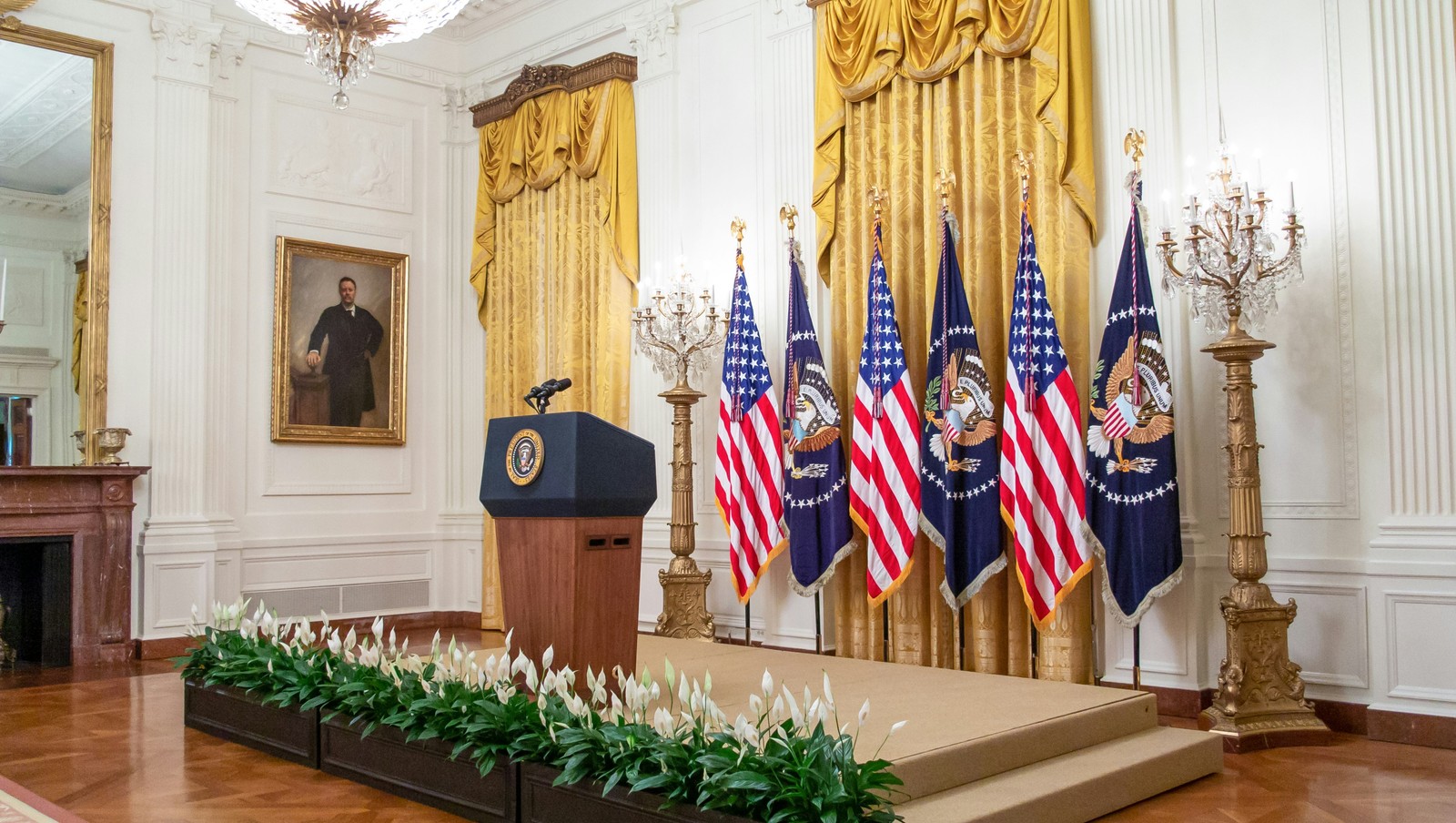
Image: Donghun Shin

The president of the United States might hold the most powerful job in the world, but that doesn’t mean they can do whatever they please . From driving cars to opening windows, some of their daily limits are downright surprising. Let’s play a quick "True or False" game and see which presidential privileges are real and which ones belong in the rumor bin.

1
Fact: Presidents can drive
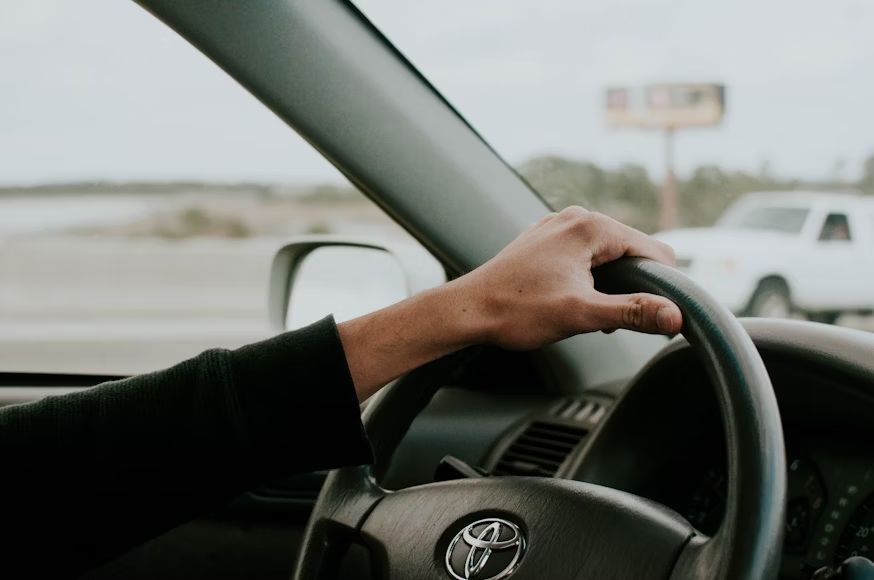
Image: Jessica Furtney

It sounds fun to imagine the president taking the wheel for a spin around town, right? Maybe a quiet drive to clear their head or grab a meal in secret behind the tinted glass. But can they really do that?

2
Answer: False
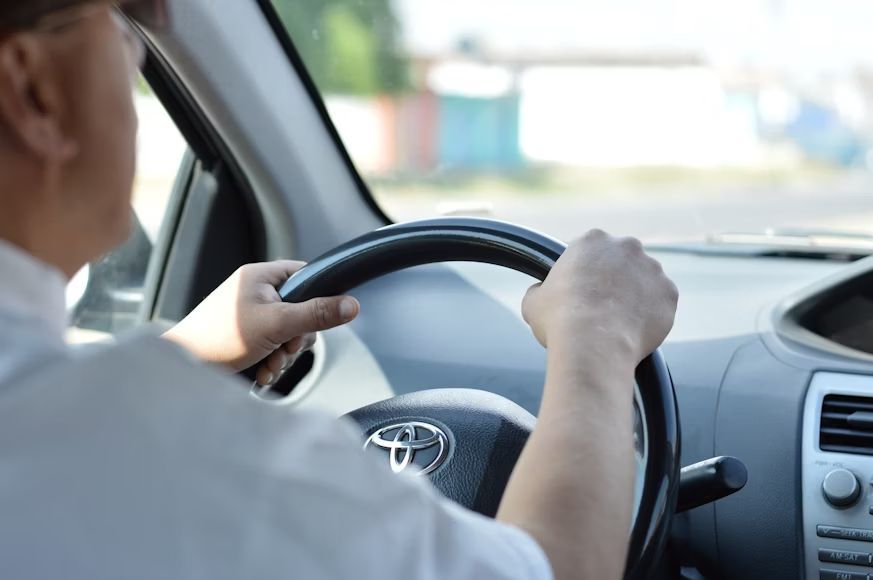
Image: Rolando Garrido

Presidents haven’t been allowed to drive on public roads since Lyndon B. Johnson, but they can still enjoy a little time behind the wheel inside fenced areas like Camp David or their own ranch. George W. Bush often drove around his property in Texas, with the Secret Service keeping a close watch, of course!

3
Fact: Presidents can’t attend their kids’ plays or games
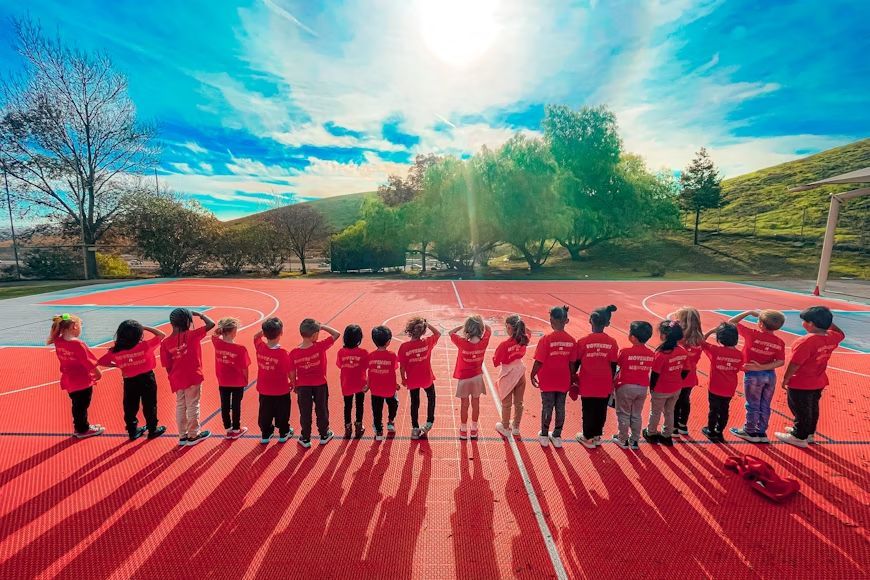
Image: Philip White

Yes, we know presidential tasks are of utmost importance, but we can all agree family moments matter just as much, even in the White House. So, do you think the president can really attend a school play or a kid’s soccer game?

4
Answer: True

Image: Ludo Poiré

It’s true, they can’t unless it’s under very controlled conditions . Public outings cause too much security chaos, so these events usually happen privately. Some presidential kids even had classrooms right inside the White House so their parents could drop in for a visit without turning it into a national operation.

5
Fact: Presidents can open the windows whenever they want
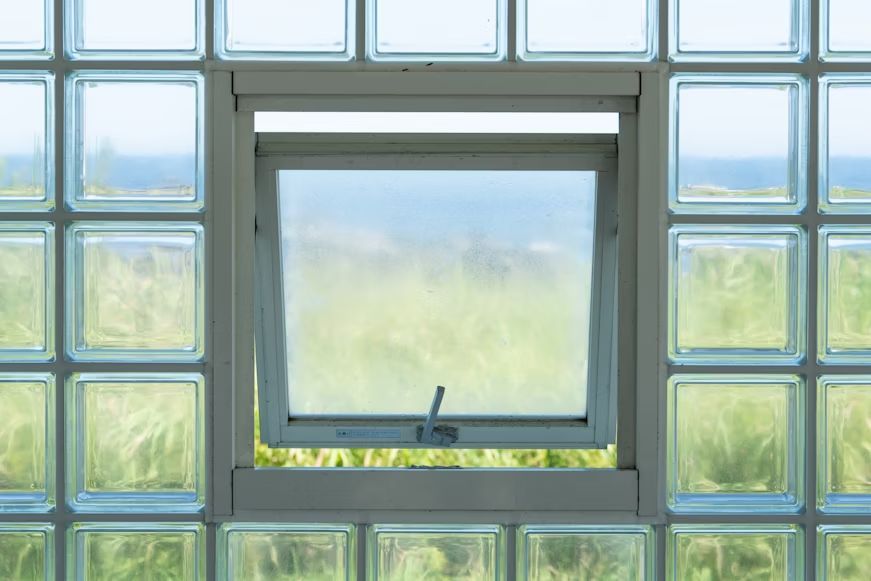
Image: Da-shika

Opening a window is one of the most innocent acts one can carry out, and surely, after long meetings and speeches, a little fresh air would be nice. Can the president roll down a window in the White House or a car?

6
Answer: False
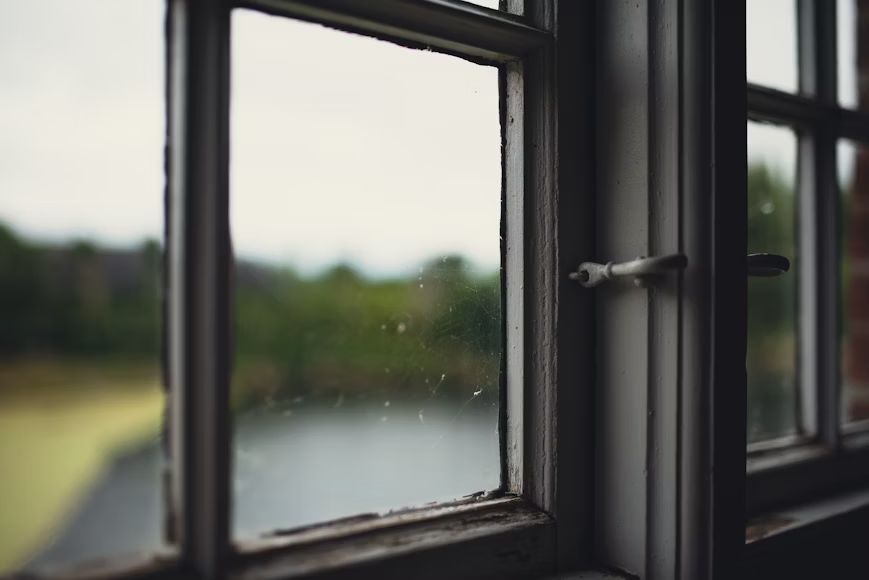
Image: Gabriele Proietti Mattia

That simple act is off-limits for security reasons , of course. Michelle Obama once said her security team gave her a five-minute "window treat" on a drive to Camp David, and it felt like freedom. The rest of the time, those windows stay shut tight.

7
Fact: Presidents can’t use commercial airlines
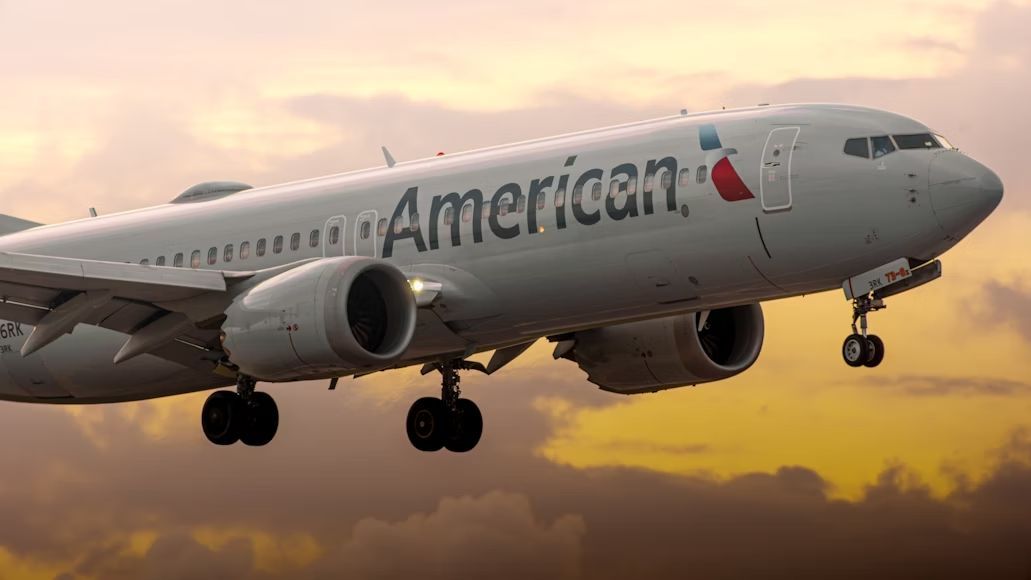
Image: Shutr

You know Air Force One is specifically designed for the President, and you also know that every president travels constantly , but can they ever hop on a regular American Airlines flight like the rest of us?

8
Answer: True
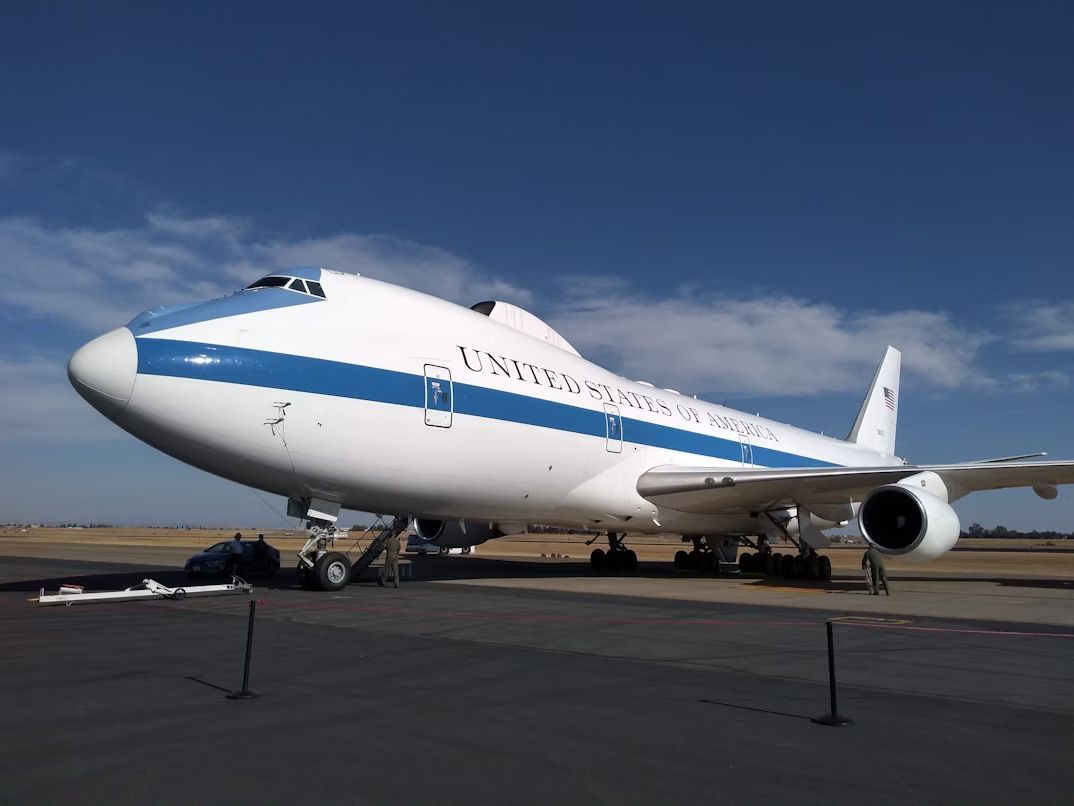
Image: avid Lusvardi

They absolutely can’t fly commercial, but they do take plenty of flights on Air Force One and Marine One. These aircraft are packed with communication systems , security measures, and comfort most travelers can only dream about. It’s safe to say they don’t miss boarding lines.

9
Fact: Presidents can use regular gadgets from the store
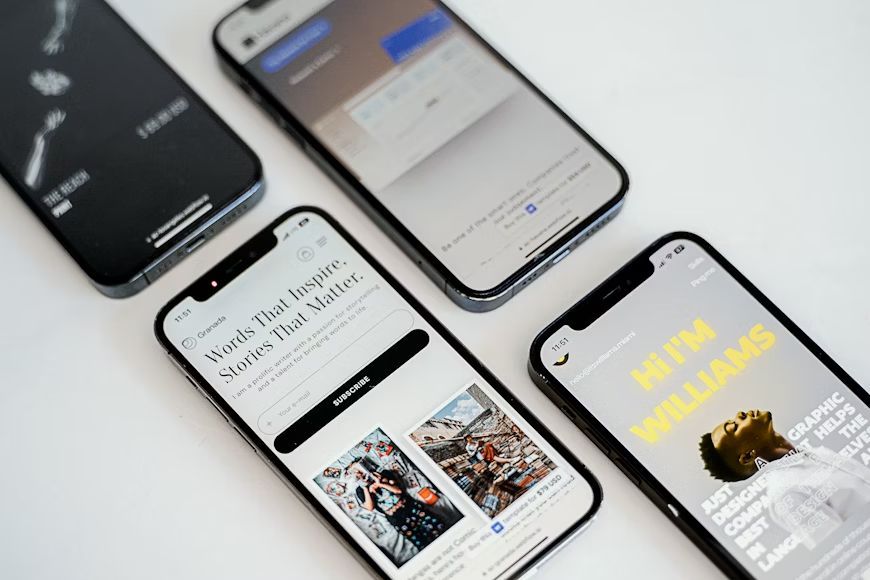
Image: Azwedo L.LC

Whoever the president is, when they get to the White House, they already have a phone. So, they must be able to use regular phones . Or, for example, a brand-new iPhone or tablet seems harmless enough. Surely the president can pick one up and start scrolling. Do you think this is true or false?

10
Answer: False

Image: Eirik Solheim

Standard devices aren’t secure enough. Presidents use specially modified versions that can’t be hacked. Barack Obama had a limited-access BlackBerry, and Joe Biden’s smartwatch and the Peloton were both customized for safety. Even the leader of the free world has tech limits.

11
Fact: Presidents can block people on social media

Image: Swello

Alright, so a new president is in office, and they get a brand new secure phone. But with millions of online followers, it must be tempting to block a few loud voices . Surely the president has that right.

12
Answer: False

Image: Daniel Romero

Nope. A federal court decided that official social media accounts are public forums , which means blocking users violates the First Amendment. Presidents have to let everyone speak their mind, even if the comments section gets a little rowdy.

Geography Geography 5 min read

Time for a road trip!

Let’s hit the road and journey through the American West Coast!

Image: Dino Reichmuth / Clément Proust

America is undoubtedly the perfect country for a road trip, isn’t it? This beautiful country of ours is filled to the brim with gorgeous landscapes, breathtaking scenery, and well-maintained highways that seamlessly connect all 50 states. However, it shouldn’t come as a surprise that the United States is massive, and a road trip covering the entire country would be a huge (albeit rewarding) endeavor. With that in mind, we have selected 10 of the most amazing stops you should definitely include whenever you’re planning an unforgettable trip through the West Coast states. Enjoy!

1
Pacific Coast Highway

Image: Lance Anderson

We’ll begin this hypothetical trip of ours in California, and "The Golden State" offers an equally convenient and panoramic way to travel along its stunning coastlines. California State Route 1 is known by many names, such as Cabrillo Highway, Shoreline Highway, or Coast Highway, but it is perhaps best recognized as the "Pacific Coast Highway."

This state route crosses many iconic and gorgeous locations in California, including Big Sur, the San Francisco Bay Area, and the Monterey Bay Area. Beyond its scenic beauty, the Highway is a pop culture icon in its own right, referenced in songs by bands like the Beach Boys and the Decemberists.

2
Yosemite

Image: Jordi Vich Navarro

Yosemite truly needs no introduction. This iconic national park spans 759,620 acres across four California counties, with nearly 95% of its total area designated as wilderness.

From its stunning giant sequoia trees to its breathtaking waterfalls, granite cliffs, and pristine streams, the park offers something for everyone. Yosemite is a quintessential example of the natural beauty America has to offer.

3
Red Rock Canyon State Park

Image: Kristen P

Since we’re still on the California portion of our fictional road trip, let’s make a quick stop at another natural treasure. Red Rock Canyon State Park is renowned worldwide for its stunning rock formations and its arid yet strikingly beautiful scenery.

While the weather is definitively drier than in other parts of California, don’t think for a moment that nature is absent in Red Rock Canyon. In fact, this park is home to the rare Red Rock Canyon monkeyflower, a unique flower found exclusively in this region.

4
California’s Lost Coast

Image: Paulius Dragunas

Last but certainly not least on the California leg of our trip is the stunning region known as the "Lost Coast." Situated in Humboldt and Mendocino counties, this area earned its name because it remains largely natural and undeveloped, the product of a surge in depopulation in the 1930s.

While the inaccessibility of the area is definitively a hurdle—its steep terrain makes establishing roads difficult—we highly recommend it to those adventurous enough to explore on foot. Its pristine, unspoiled landscapes are truly a sight to behold.

5
Willamette Valley

Image: Dan Meyers

Let’s now step into the wonderful state of Oregon to continue our fictional journey. What better place to start our tour through the "Beaver State" than through the beauty of Willamette Valley ? While this region is undeniably vast—stretching 150 miles and encompassing Oregon’s five largest cities—we’d like to highlight a few features that truly make this valley a beautiful area.

Driving through this predominantly agricultural landscape, publicized in the 1820s as a "promised land of flowing milk and honey," means running across rather scenic and bountiful sights. Trust us: watching the golden grapevines shimmer in the autumn sun is just one of the many experiences that make Willamette Valley so magical.

6
Oregon Coast

Image: Kevin Butz

The Oregon Coast not only offers unparalleled and gorgeous sights of the Pacific Ocean, but it's also a unique and massive area that encompasses more than 25 cities, lush landscapes, and a rich variety of birds, marine life, and other wildlife.

As you would expect, the many wonders of this area make the Oregon Coast a popular tourist destination. Those looking for adrenaline-fueled activities may be interested in surfing or sandboarding, while some history buffs might find intrigue in historic landmarks such as Fort Clatsop, Battle Rock, and Oregon’s many lighthouses.

7
Olympic National Park

Image: Georg Eiermann

Now that the route has taken us to the state of Washington, why not visit Olympic National Park and its gorgeous sights? Originally designated as Mount Olympus National Monument by President Theodore Roosevelt, this park is divided into four distinct regions, each hosting three unique ecosystems.

Due to its amazing variety, a single entry could never encompass all the natural wonders this park has to offer. However, we can highlight a few favorites: for instance, Mount Olympus, the tallest peak in the Olympic Mountains, or the Hoh Rainforest, renowned for its stunning Bigleaf maples.

8
The San Juan Islands

Image: David Lang

The San Juan Islands is a four-island archipelago at the border between Washington State and the Canadian province of British Columbia. The Islands are considered the go-to place for birdwatching enthusiasts, boasting the highest concentration of bald eagles in the contiguous United States.

If bird-watching is not your thing, don’t worry—there’s plenty more to see and do on these breathtaking islands. Several ferry tours offer access to some of the best panoramic views of the region, which, as you might imagine, are nothing short of stunning.

9
Denali National Park

Image: Bryson Beaver

We’ve now arrived in the final state of our West Coast road trip. In that sense, what better place to conclude our journey than the "Last Frontier"? With that in mind, let’s begin our exploration of Alaska with what many consider to be the state’s crown jewel: Denali National Park.

Denali holds the distinction of being the highest peak in North America, and while this is truly no small feat, that’s not what makes this area so special. This mountain’s immense size is rivaled only by its breathtaking magnificence. Denali is renowned for its stunning glaciers, lush forests, and diverse wildlife, which includes brown bears, beavers, and Arctic foxes.

10
Kenai Fjords National Park

Image: Kedar Gadge

Kenai Fjords National Park’s beauty is as stunning as it is diverse. Its landscapes are marked by truly unique and stunning features, such as glaciers, islands, and fjords. In addition to its remarkable terrain, the park is home to a wide variety of wildlife, including bald eagles, black bears, and sea otters.

Designated by President Carter in 1978, the park is primarily visited by cruise ships and tour boats. Thousands of visitors are awestruck each day by the grandeur of Kenai Fjords, including the famous Exit Glacier, which is located at the end of the park’s only road.

General General 2 min read

American wisdom

You’ve heard these American idioms—but their true origins will shock you

Image: Meelika Marzzarella

From colonial times to the modern day, American idioms reflect how the country grew, fought, worked, and talked. From quitting cold turkey to the whole nine yards, these sayings captured the spirit of each era. Some came from the battlefield, others from the frontier or factory floor. But all of these expressions here earned a place in everyday speech—and they still tell a uniquely American story.

1
Manifest Destiny

Image: Wayne Hollman

(1840s – Westward Expansion)

Coined in 1845 by journalist John L. O’Sullivan, "Manifest Destiny" justified America’s push westward, claiming it was the nation’s divine right and duty. Though sometimes controversial, it shaped the national mindset and defined 19th-century American expansionism.

2
Talk turkey

Image: Tyler Donaghy

(1800s – Rural America)

"Talking turkey" originally meant speaking plainly, especially during trade or bargaining sessions around Thanksgiving time. The phrase evolved from settlers' interactions with Native Americans and each other.

3
The whole nine yards

Image: Museums Victoria

(1940s – WWII era)

This phrase likely originated in World War II aviation. Fighter pilots reportedly gave "the whole nine yards" when they unloaded all their ammunition —about 27 feet of bullets. It now means going all out, and its roots in wartime tales made it a lasting piece of American lingo.

4
Cold turkey

Image: Andres Siimon

(1920s – Prohibition era)

"Cold turkey" first emerged in drug withdrawal circles during the 1920s, describing a sudden and complete stop, often painful and abrupt. It became more widespread during Prohibition, when people abruptly quit drinking.

5
Pull yourself up by your bootstraps

Image: Nathan Dumlao

(1930s – Great Depression)

Originally a sarcastic quip about doing the impossible, the phrase took on a new life during the Depression, urging Americans to self-rely and push through adversity. By WWII, it had become a proud motto for working-class Americans.

6
Loose lips sink ships

Image: John Kostyk

(1940s – WWII propaganda)

Created by the U.S. Office of War Information, this saying warned citizens and soldiers against careless talk that might aid enemy spies. It was one of the most effective propaganda slogans of WWII.

7
Duck and cover

Image: Stephen Cobb

(1950s – Cold War drills)

Coined in a 1951 civil defense film, this phrase taught schoolchildren to seek shelter from nuclear blasts. While its actual effectiveness was debatable, "duck and cover" captured the anxious era of nuclear tension. It’s since become shorthand for futile emergency preparedness.

8
Jump on the bandwagon

Image: Museums of History New South Wales

(19th century – American politics)

Originating in the 1848 campaign of circus showman Dan Rice, politicians literally used bandwagons to draw crowds. The term evolved as others "jumped on" to align with the popular cause. It now refers to any late but enthusiastic adoption of a trend.

9
Cut to the chase

Image: Jeremy Yap

(Hollywood – silent film era)

Early films often built up slowly, so impatient viewers and editors began saying, "cut to the chase" —the action scene. Now it means getting straight to the point.

10
Put a sock in it

Image: Denny Müller

(1920s – Gramophone era)

Before volume knobs, people muffled early gramophones by stuffing socks in the horn. The phrase quickly became slang for "be quiet."

Explore more American facts

Choose your favorite category!

General
General

As American as apple pie—the very best America has to offer!

Culture
Culture

Delve into the astounding richness of American lore.

Geography
Geography

Hop in and explore vast and diverse American landscapes.

History
History

Discover the key moments that shaped the United States.