General General 4 min read

We do it our way

10 American conventions that shock the rest of the world
Image: Luke Michael

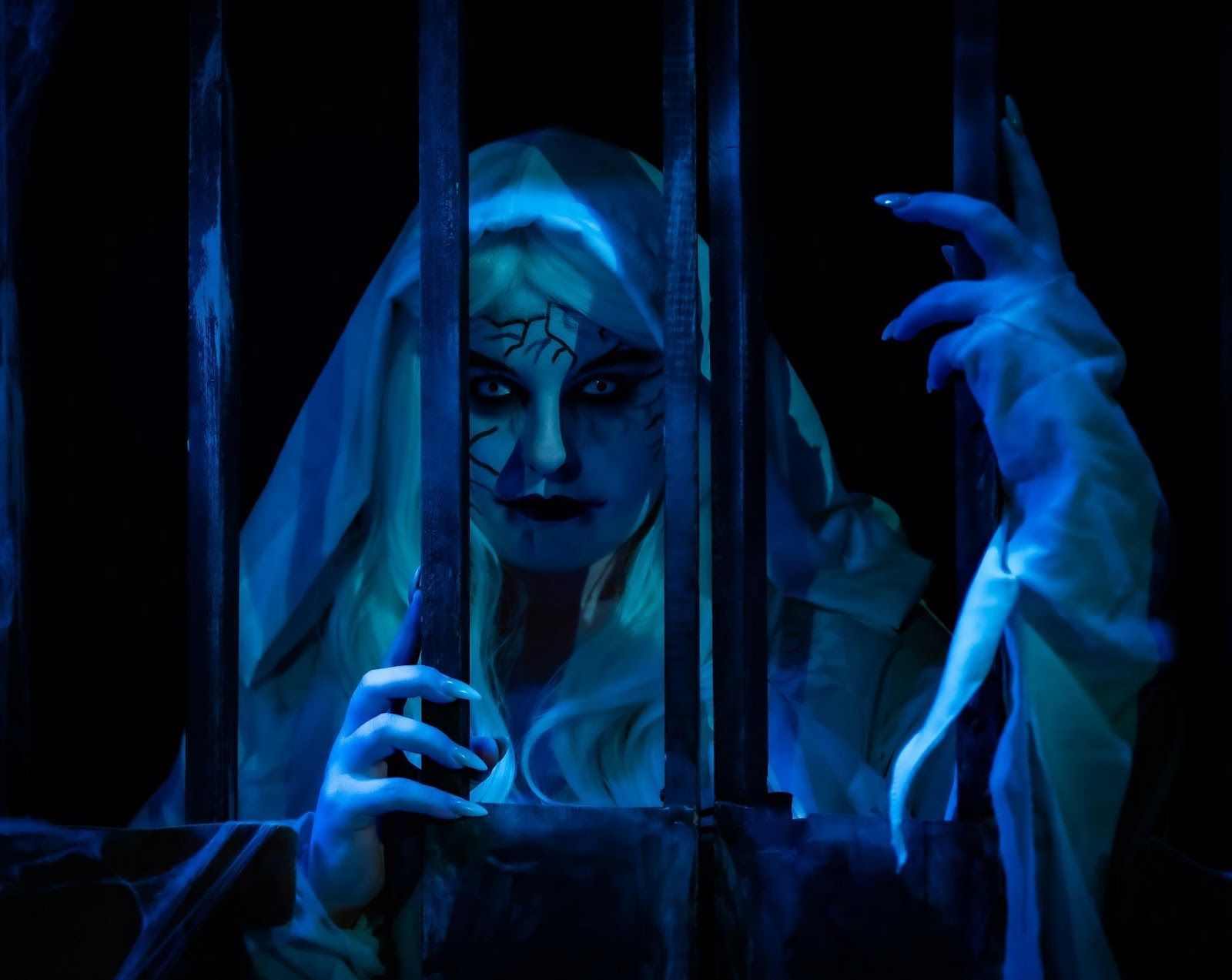
Have you ever travelled abroad and felt that some things you thought were completely normal are not the standard elsewhere? Or maybe a foreign friend comes to America for a visit and keeps getting surprised by random things like sales taxes, drink refills, or dollar bills? Customs naturally change from country to country, but some American customs can be shocking to others, even if they are completely natural for us. Here are ten American conventions that set us apart from the rest of the world.

1
Unlimited drink refills

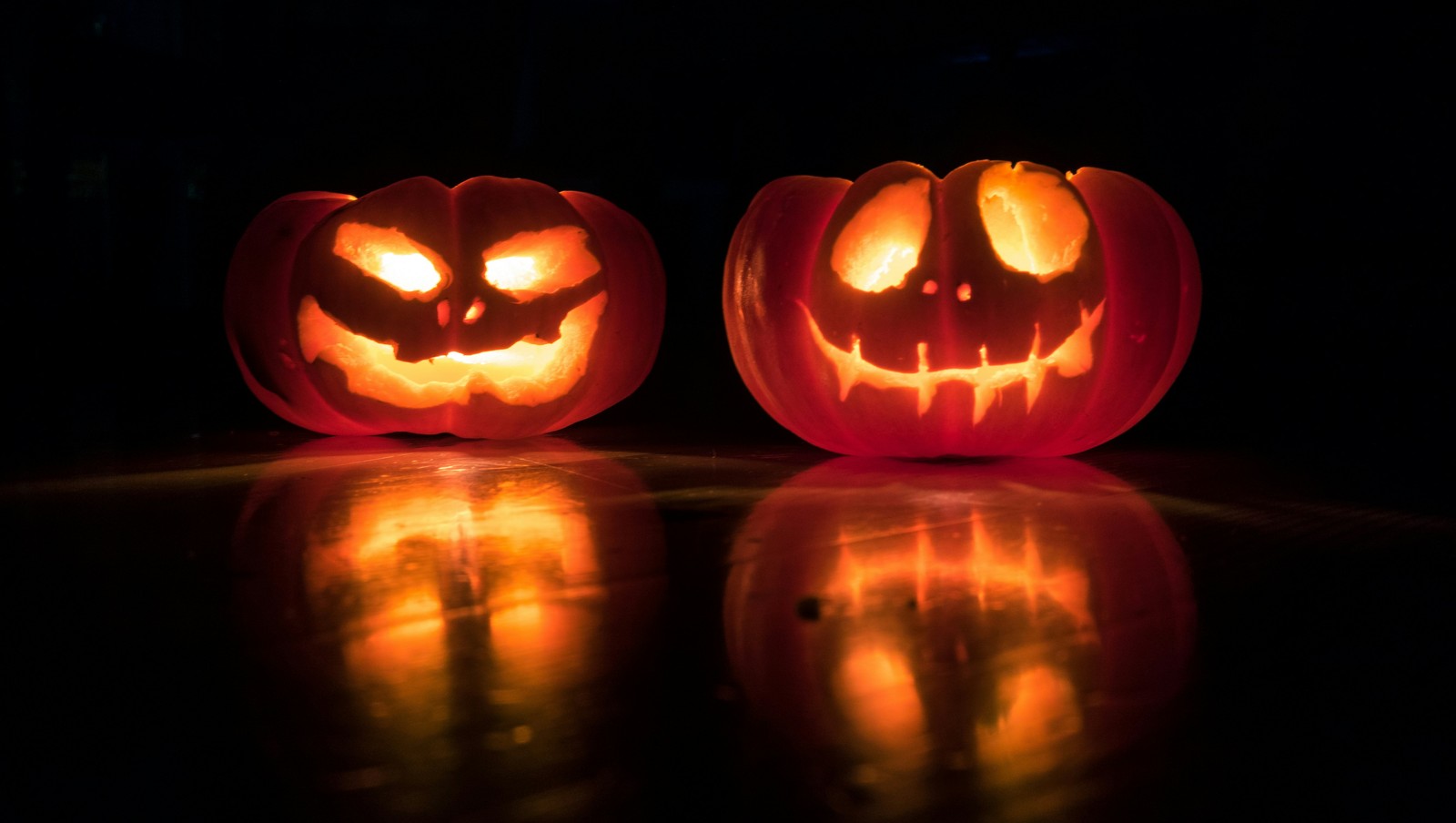
Image: Jonas Jacobsson

The only thing better than a tall glass of iced tea on a hot day is knowing that you can get up and get a refill as many times as you want. This is nothing new for Americans, but it’s one of the most surprising things for foreign tourists. While American restaurants see unlimited refills as a way to keep customers happy at extremely low prices, in most other countries, you usually pay for each drink separately.

2
The measuring system
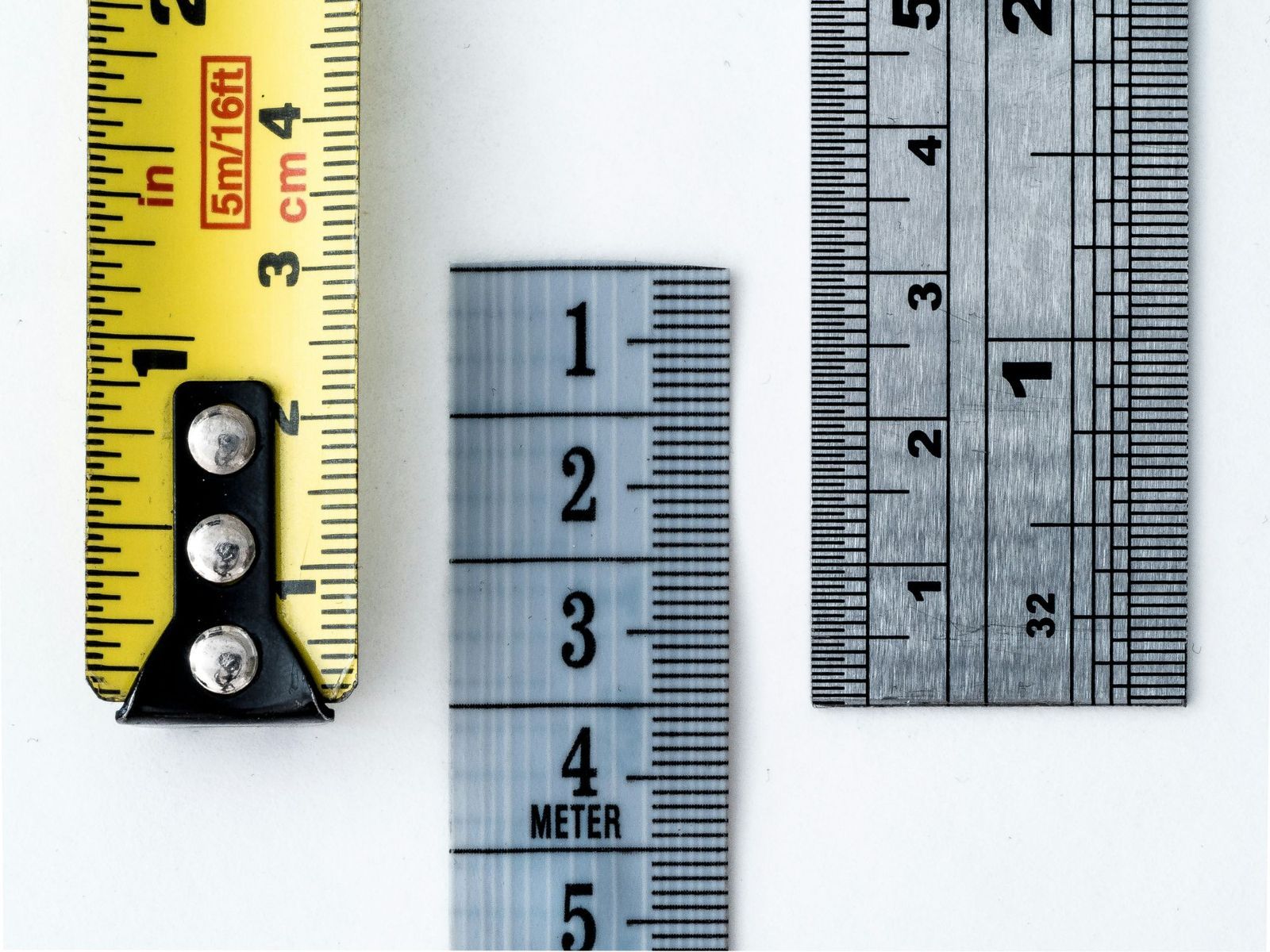
Image: William Warby

America follows the U.S. customary units system, which includes elements derived from the old Imperial System used in the United Kingdom. Why is it so difficult for foreigners from other English-speaking countries to understand the American system, then? Although countries like Canada or the UK use Imperial units for things like body weight or distances, they also use metric units for other areas, while non-English-speaking countries, as well as Australia and New Zealand, rely entirely on the metric system.

3
Sales taxes

Image: Alexander Faé

How do you know if you have enough money to buy anything at a store? You look at the price and calculate the sales tax that will be added at checkout —unless you are in one of the five states that don’t charge sales taxes. If you travel abroad, however, you don’t have to worry about calculations; you just have to look at the price tag. It’s not that sales taxes don’t exist elsewhere, but that they are already included in the advertised tag.

4
Measuring temperature

Image: Jarosław Kwoczała

If foreigners are confused about the American measuring system, they are definitely baffled by the way we measure temperature. The Fahrenheit scale was developed following scientific parameters, but also considering human body temperature: 0°F is really cold weather, and 100°F is really hot weather. The Celsius scale, however, is based on water: at 0°C, water freezes, and at 100°C, water boils. The range difference often results in foreigners being confused at the high temperature numbers.

5
Entrees
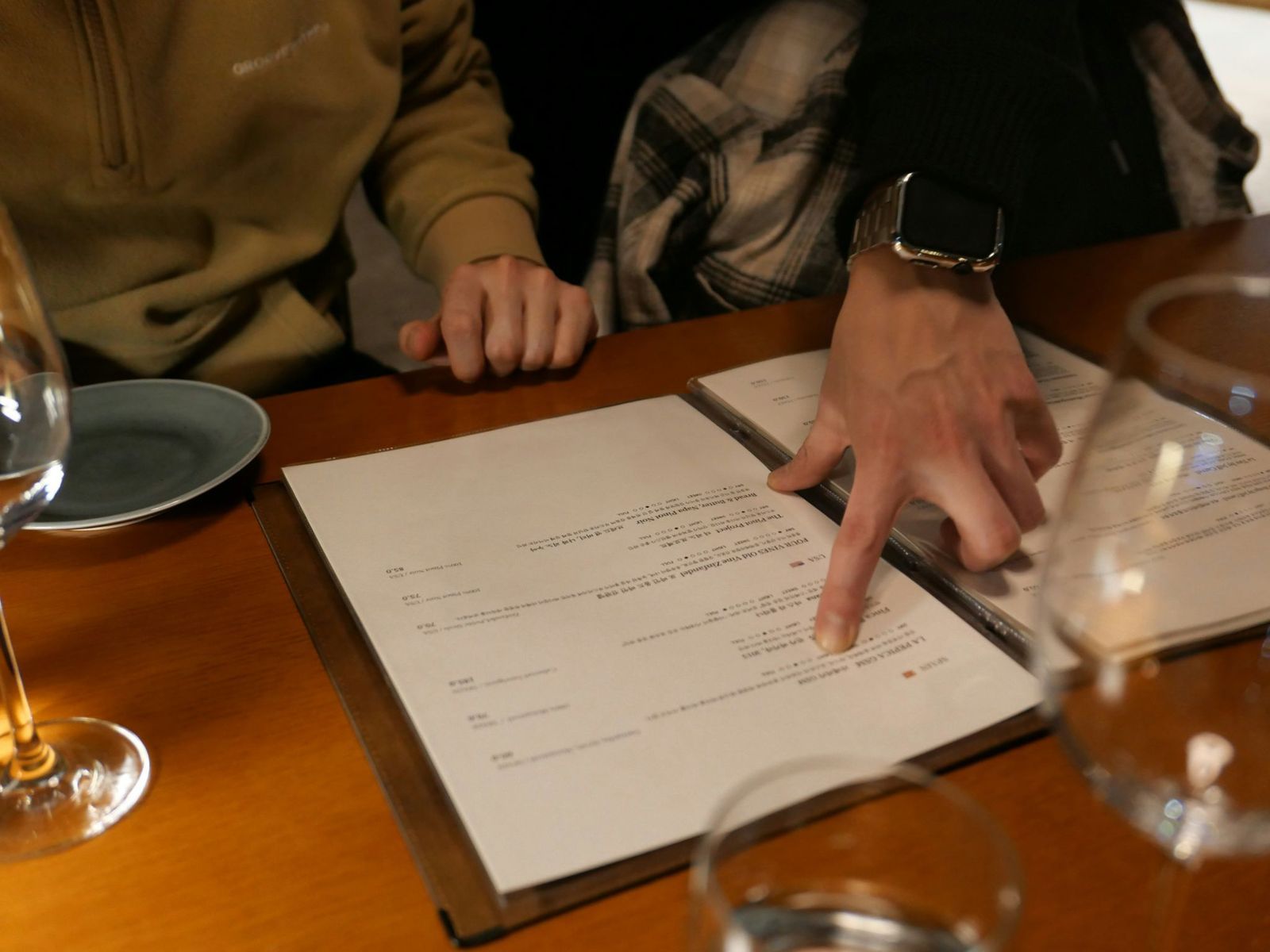
Image: Hyoshin Choi

The topic of American portion sizes being bigger than portion sizes elsewhere is nothing new, but is not the only important difference when it comes to eating out. In a standard American menu, the Entree section will include dishes that are considered main courses, while the Appetizer section will have snacks or finger foods typically eaten before the main course. Why is this confusing for non-Americans? The word ‘entree’ originally referred to appetizers, and is still used with that sense in most countries, especially in Europe and Latin America.

6
Dollar bills
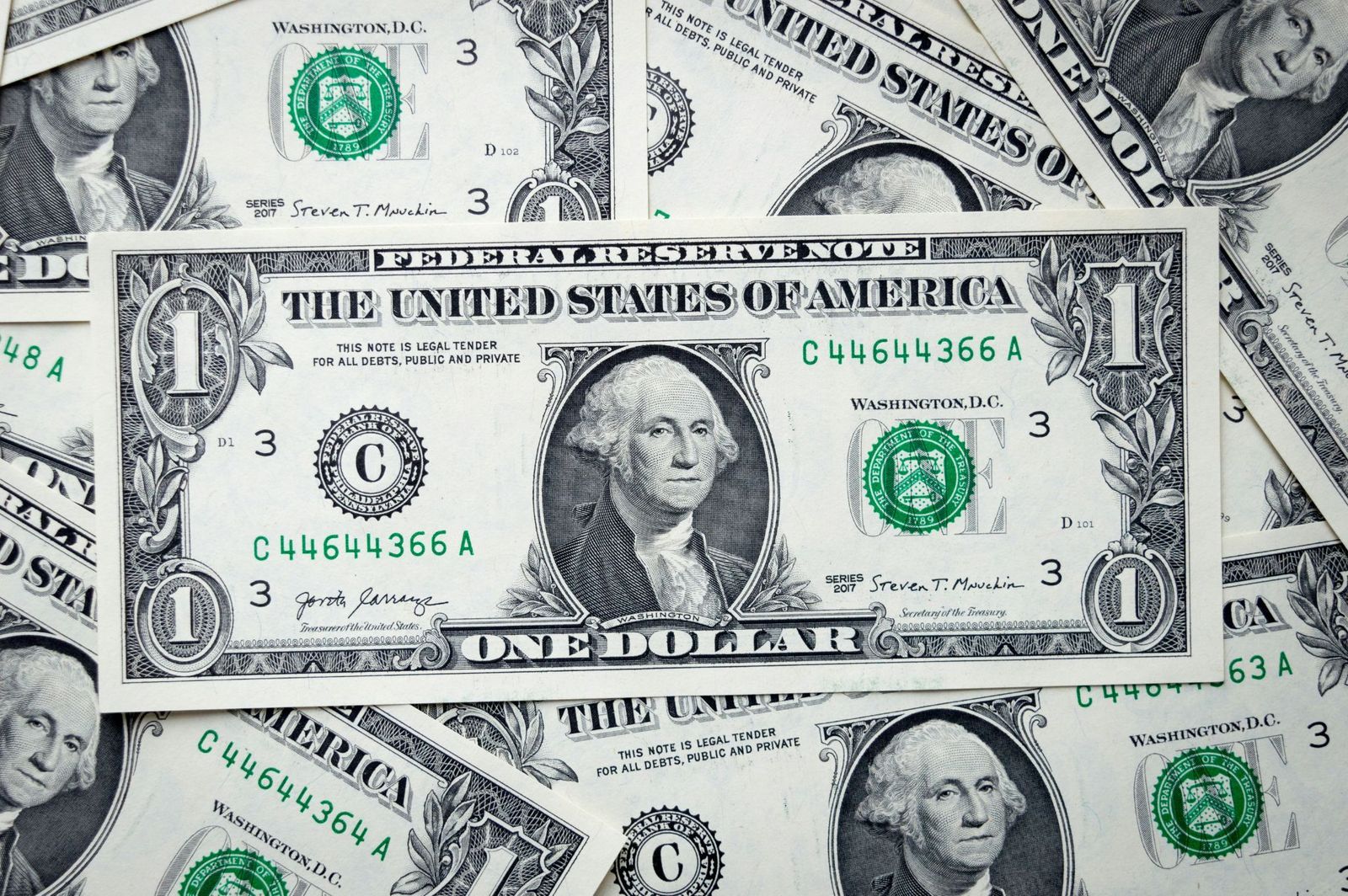
Image: Lukasz Radziejewski

American dollar bills are easily recognizable all around the world, not only because they are often used as an international currency, but also because dollar bills are somewhat unique. Firstly, they are made of a special cotton and linen blend that gives them a unique texture and makes them extremely durable. They are also the same size and color, no matter the value, while other countries tie the size or color of the bill to the different values.

7
Decimals and thousands separators

Image: Mika Baumeister

This is less of a U.S. and more of an English-speaking countries issue, but one that confuses foreigners nonetheless. All around the world, we learn that big numbers are grouped in threes: once we go from nine hundred and ninety-nine to a thousand, we have to use a comma. Or is it a period? While English speakers use a comma for the thousands, non-English speakers use a period. When it comes to decimals, the symbols are also swapped: in English, decimals are separated by a period, but for the rest of the world they are separated by a comma.

8
Citizen-based taxation
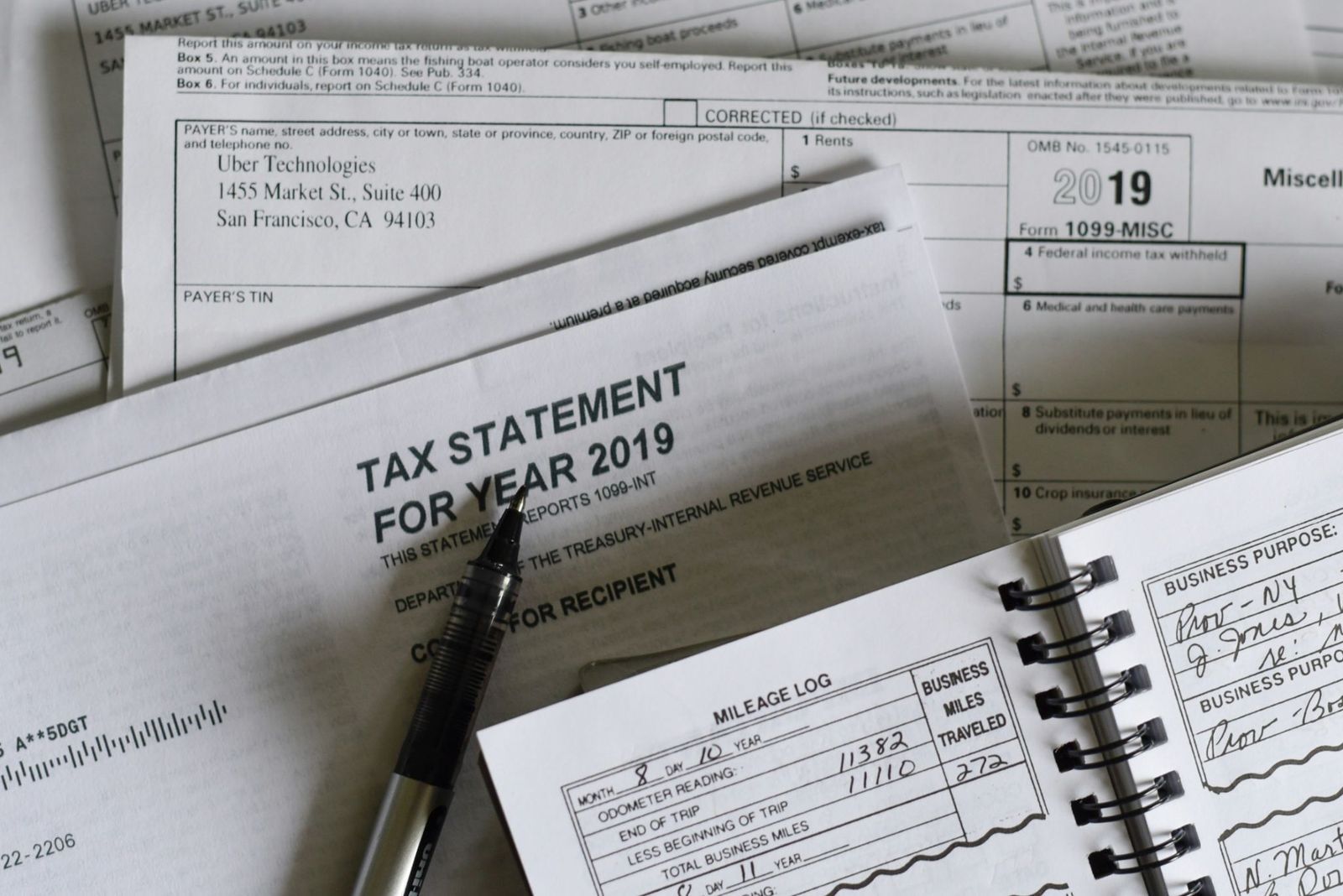
Image: Olga DeLawrence

Foreigners often find the American taxing system confusing, but this particular instance can also surprise many American citizens who realize that they have to pay taxes even if they live abroad and don’t do business or have properties in America. The U.S is one of two countries in the world that uses citizenship (and not residence) as a taxing basis. The only other country that uses this system is Eritrea, located in East Africa.

9
Political colors
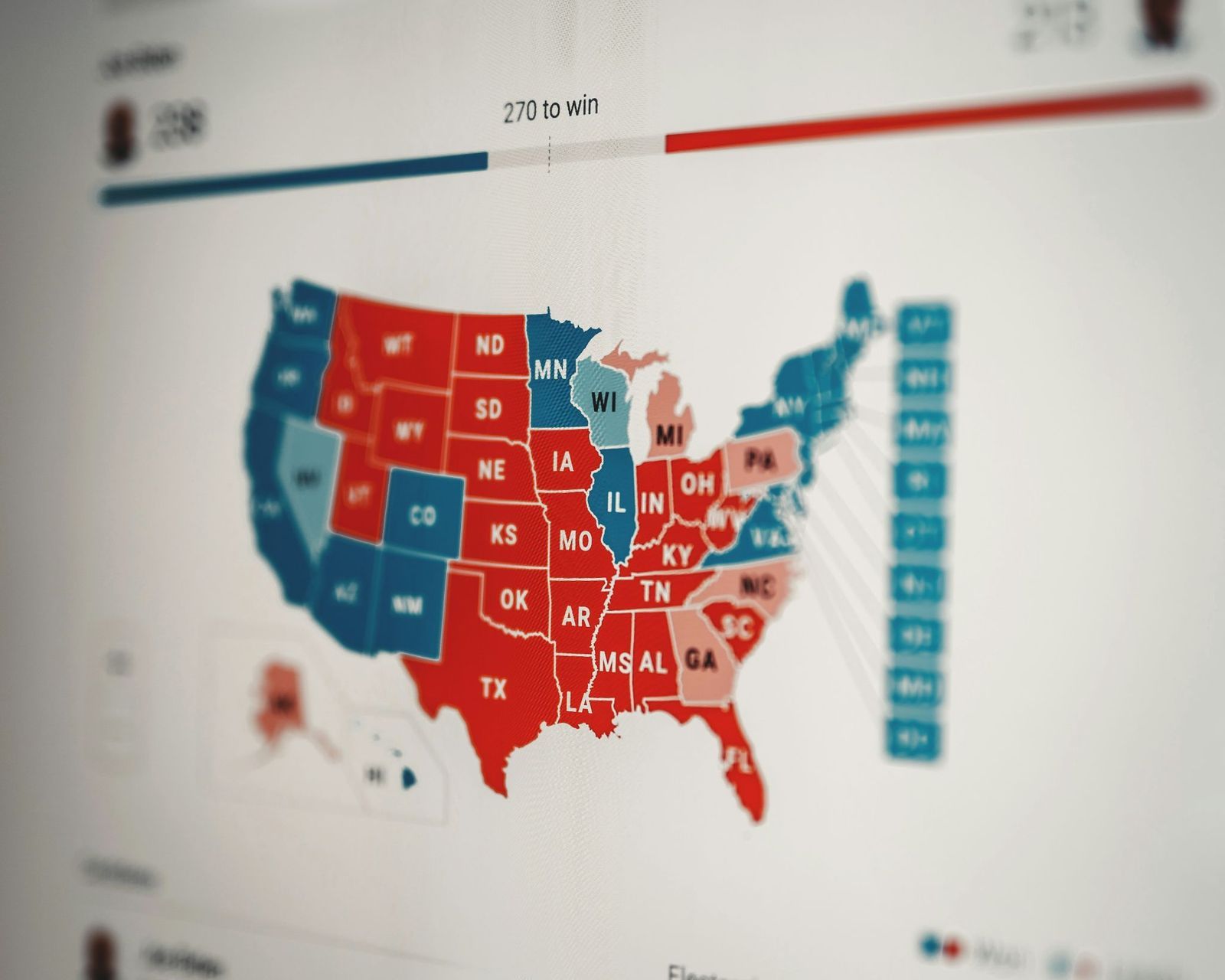
Image: Clay Banks

The history of political colors in the U.S. is fairly recent —the red-blue dichotomy was formally established during the 2000 presidential election— but no less important or symbolic. It does, however, stand out from the political use of color in other parts of the world where —leaving specific color associations aside— red is often tied to left-wing ideologies, and yellow (not blue) is the color associated with liberalism.

10
Football
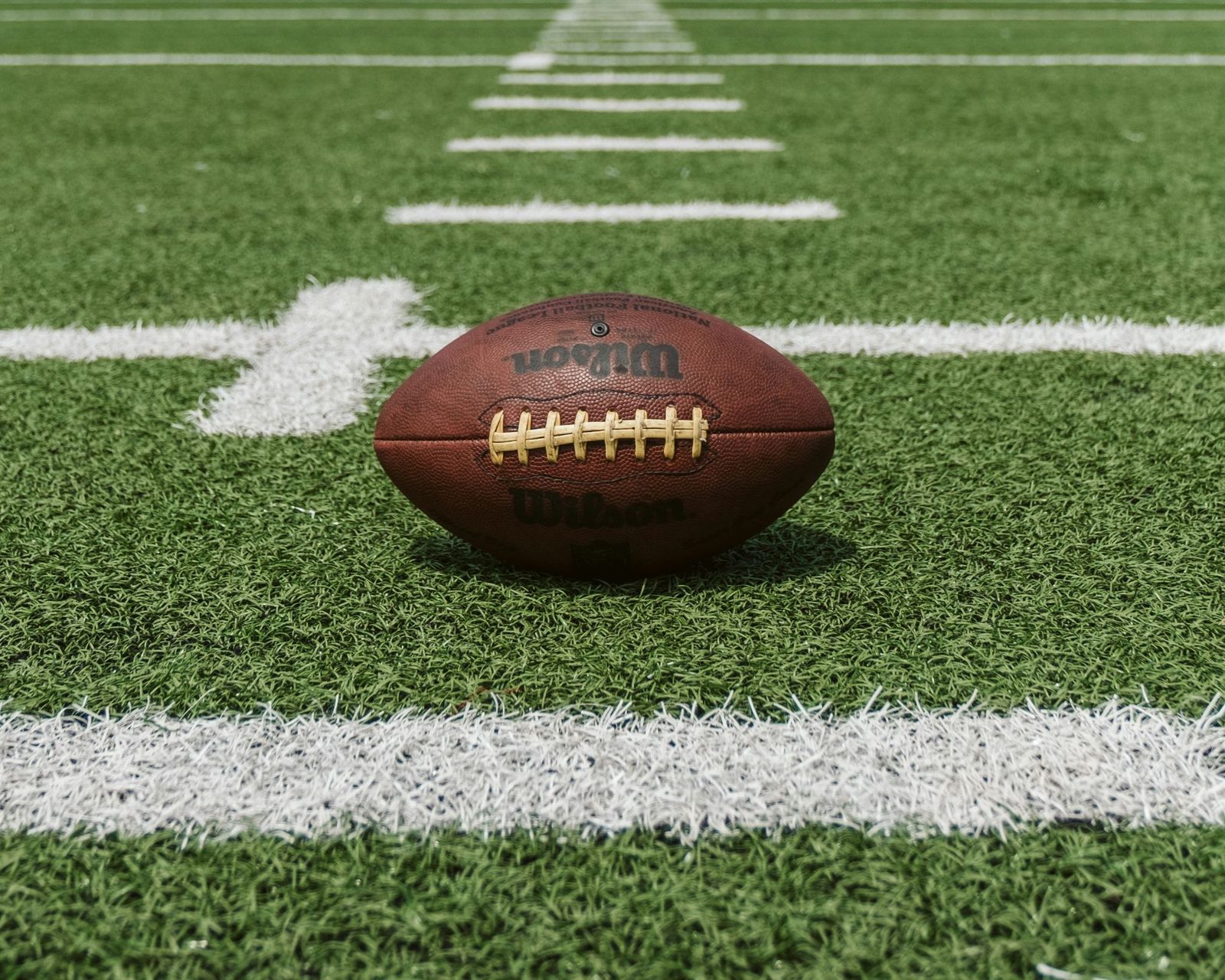
Image: Dave Adamson

Why is America the only country that uses the name football for a sport that is not soccer? The English are to blame here. In the 19th century, football was used for many different sports, among them Rugby football, Association football, and Gridiron football. Association football, also called assoccer (and later, soccer), became extremely popular in England, while Gridiron became popular in America. While the English ultimately decided to use football for Association football, Americans had already identified that word with Gridiron football, so they adopted soccer as the alternative.

History History 2 min read

Homegrown sounds

How America invented 10 of the world’s biggest music genres

Image: Daniel Angele

If the U.S. has exported anything in abundance, it’s music. From Delta blues to disco, America has shaped the global soundscape with genres that reflect its history, struggles, and triumphs. Join us as we explore 10 of the most influential music styles born on American soil.

1
Blues

Image: Ahmed Rizkhaan

Originating in the Deep South during the late 19th century, blues evolved from African American work songs, spirituals, and field hollers. More often than not, it channeled pain and the harsh realities of life in a segregated America. Formally, its 12-bar blues structure and expressive guitar playing influenced countless other genres, from rock and roll to jazz.

2
Jazz

Image: Carol Highsmith's America

Born in New Orleans in the early 20th century, jazz blended African rhythms, blues, and brass band traditions. It was a revolutionary genre defined by improvisation and syncopation. Great figures like Louis Armstrong and Duke Ellington helped jazz spread worldwide, becoming a symbol of American creativity.

3
Rock and Roll

Image: Ana Grave

Emerging in the 1950s, rock and roll combined elements of blues, gospel, and rhythm and blues to create a high-energy, powerful sound . It soon became the voice of a new, rebellious generation. Pioneers like Elvis Presley, Chuck Berry, and Little Richard became universally beloved legends, forever altering the course of popular music.

4
Country

Image: Ben White

Originating in the southern United States, country music evolved from folk ballads and fiddle tunes brought by European immigrants. Initially, the genre focused on stories about blue-collar American life but later expanded to include love ballads and dance tunes. Today, it remains one of the most popular genres in the U.S.

5
Bluegrass

Image: Priscilla Du Preez

A fast-paced, acoustic offshoot of country, bluegrass emerged in the 1940s thanks to Bill Monroe and his Blue Grass Boys. Drawing from Irish and Scottish folk traditions, it prominently features stringed instruments like the banjo, mandolin, and fiddle. A true heartland gem, bluegrass continues to thrive on festival circuits worldwide.

6
Rhythm and Blues

Image: Matthijs Smit

Rhythm and Blues, or R&B, evolved from blues and jazz in the 1940s, featuring soulful vocals and a strong, "insistent" backbeat. Though its boundaries have been historically difficult to define, it laid the foundation for rock, soul, and funk while remaining a powerhouse in American music for generations.

7
Gospel

Image: Iyinoluwa Onaeko

Rooted in African American church traditions, gospel music emerged in the early 20th century, blending spirituals with blues and jazz influences. Artists like Mahalia Jackson and The Staple Singers were among the first to bring gospel beyond church walls, paving the way for future soul and rock musicians.

8
Soul

Image: Kobe Subramaniam

A direct descendant of gospel and R&B, soul music took center stage in the 1960s with its mix of emotional vocals and deep grooves. Legends like Aretha Franklin and James Brown defined the genre, influencing everything from funk to modern pop.

9
Funk

Image: Krisztián Reischl

Emerging in the 1960s, funk placed a strong emphasis on groove and rhythm, featuring heavy basslines and syncopated beats made for dancing. Pioneers like James Brown, Parliament-Funkadelic, and Sly & The Family Stone helped popularize the genre, whose infectious rhythms later influenced disco, hip-hop, and even rock.

10
Disco

Image: Honey Fangs

Rising in the 1970s, disco blended soul, funk, and Latin influences into a beat-driven, club-friendly sound. More than just a music genre, it became a cultural movement centered on dance, freedom, and glamour. At its peak, artists like Donna Summer and the Bee Gees dominated the airwaves.

Culture Culture 3 min read

Halloween secrets

Why is Halloween orange and black? The surprising meaning behind it

Image: David Menidrey

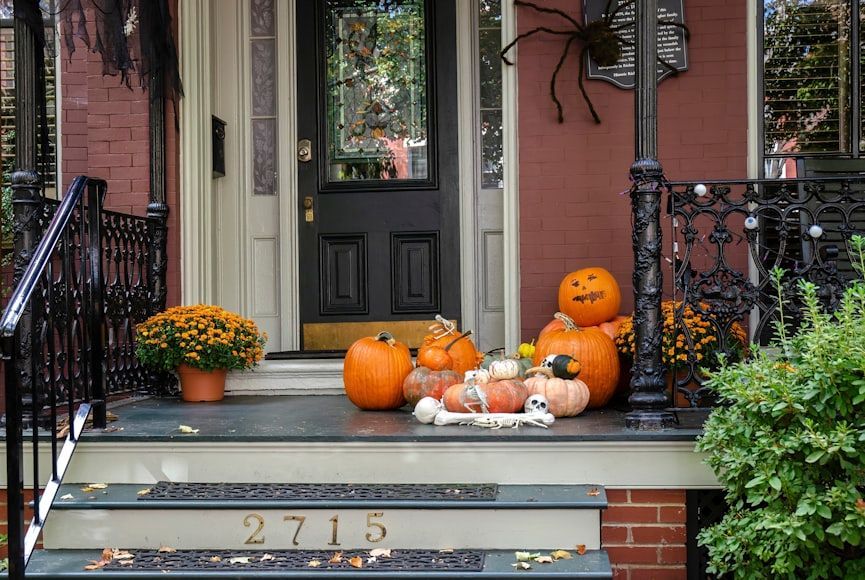
It’s hard not to love Halloween. It’s a time for celebration, jack-o’-lanterns, and of course, candy. But behind today’s traditions lie plenty of spooky secrets about the holiday and where it came from. From the meaning behind costumes to the origins of trick-or-treating, we’re exploring 10 facts you probably didn’t know about Halloween. Let’s get started!

1
Ancient roots

Image: Miguel Teirlinck

Believe it or not, what we call Halloween began more than 2,000 years ago. The ancient Celtic festival of Samhain, held from October 31 to November 1 in what is now Ireland, Scotland, and parts of Britain, marked the shift from the harvest season to the dark days of winter. The Celts believed that, on that night, the boundary between the living and the dead grew dangerously thin. Spirits could slip through that barrier... both benevolent and darker ones.

2
Why scary costumes?

Image: JOHN BEARBY IMAGES

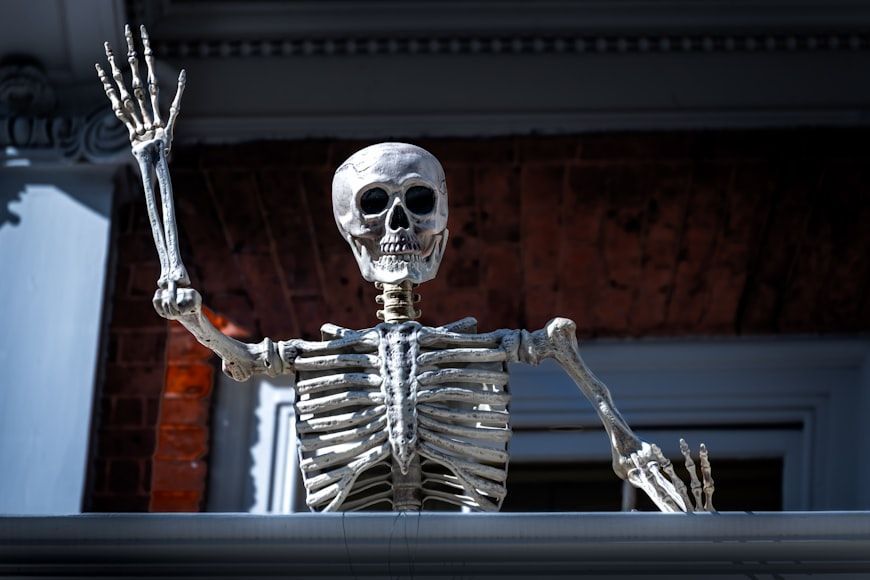
If the spirits of the dead were roaming the earth, what would you do? The Celts had a clever solution: they disguised themselves with animal skins and masks to look frightening and protect themselves from any spirits that might not have the best intentions. The hope was that ghosts would either mistake them for one of their own or be scared off entirely. Over time, the tradition evolved, but its roots remained; just look at all the little witches, skeletons, and other spooky costumes we see on Halloween today.

3
There's a reason for black and orange

Image: Gary Fultz

Orange and black take over homes and streets every Halloween, but why? The answer goes back to the Celtic festival of Samhain as well. Orange symbolized the end of autumn and fallen leaves, while black represented the darkness of the long winter nights ahead.

4
Witches weren’t always seen as scary

Image: Halanna Halila

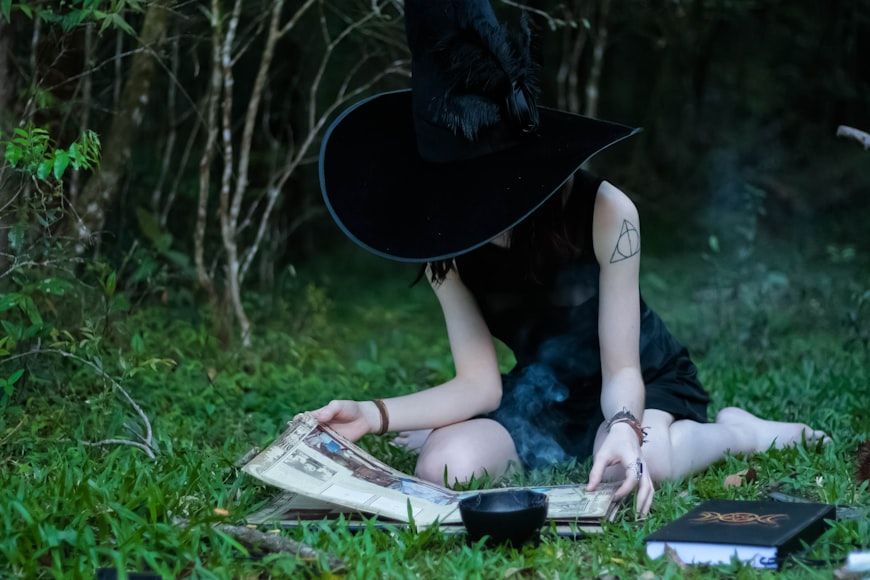
Witches have been part of Halloween lore for ages. Countless stories cast them as spooky figures with flying broomsticks, pointed hats, and bubbling potions. But it wasn’t always this way. Among the Celts, many practices now labeled as "witchcraft" were connected to healing, spirituality, and nature, and weren’t seen as evil at all; that association came much later with the spread of Christianity. In fact, the English word "witch" is often linked to the Old English wicca (masculine) and wicce (feminine), meaning "wise one."

5
Trick-or-treating origins

Image: Robin Jonathan Deutsch

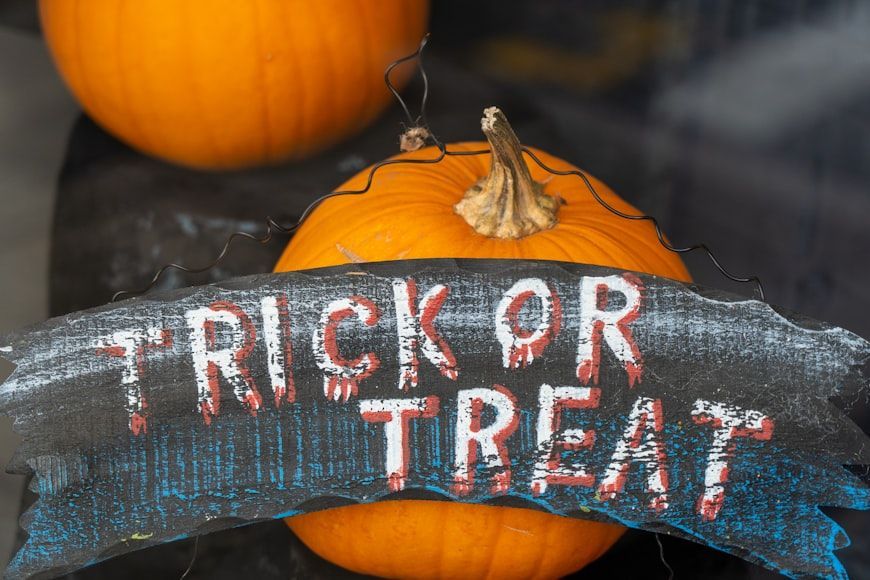
In addition to dressing up to protect themselves, the Celts also left treats on their doorsteps to appease wandering spirits. Over the centuries, that custom changed and spread. By medieval times in Europe, people—especially children—would go door to door during this season, offering prayers for departed souls or performing small songs and jokes in exchange for food or treats. This tradition, known as "souling" or "guising," eventually inspired the trick-or-treating we know today.

6
Scary tricks

Image: Nick Fewings

In the recent past, the "tricks" in trick-or-treating were no joke—they could be genuinely frightening. In the late 19th and early 20th centuries, Halloween was known far more for mischief than for candy. Kids pulled off pranks like tying doors shut or slamming windows to make homeowners think their houses were haunted. Scary? Yes. Fun? Definitely.

7
In the past, they weren't pumpkins

Image: Igor Omilaev

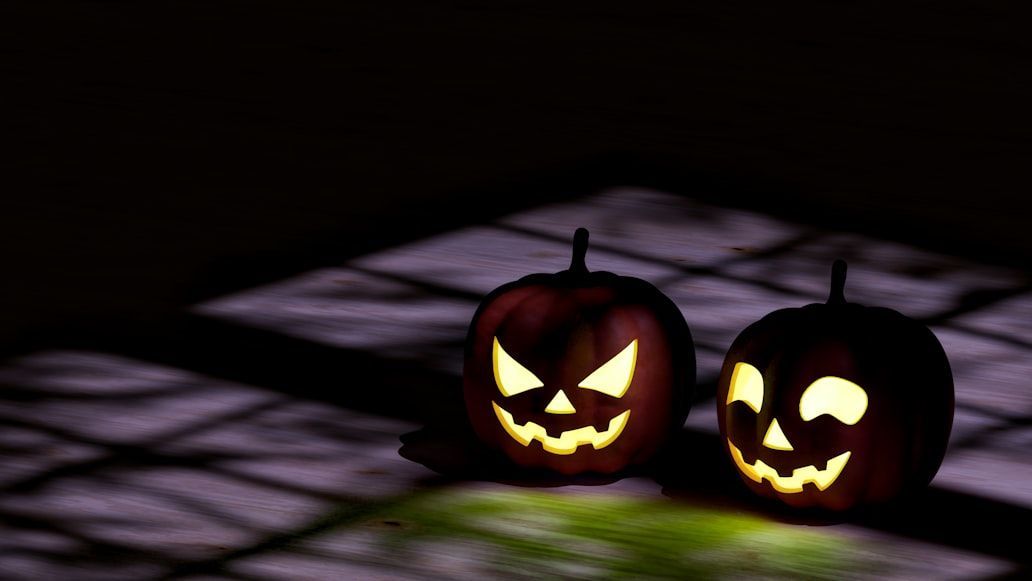
Pumpkins may be the stars of Halloween décor today, but they weren’t always the first pick. The tradition of carving Halloween lanterns also began in Ireland and Scotland, but not with pumpkins. In the old days, people carved turnips, beets, and other root vegetables. When Irish immigrants arrived in the United States in the 19th century, they found that pumpkins were bigger, softer, and far easier to carve, so pumpkins quickly replaced the turnips.

8
Halloween, SC

Image: Joseph Corl

Today, Americans put a lot of effort into Halloween celebrations. But perhaps no one embraces it more than the residents of Conway, SC, who made headlines for a bold decision. In 2022, the city officially adopted the monikers "City of Halloween" and "Halloween, SC" for the month of October. Although "Conway" remains its legal name year-round, the town uses the spooky nickname during the holiday season to attract visitors eager to experience its larger-than-life celebrations and decorations.

9
Parents also have their "tricks"

Image: Tolgahan Akbulut

Although trick-or-treating is mostly for kids, parents definitely get in on the fun. According to a 2019 survey, 74% of parents admitted to stealing a few pieces of their children’s candy. And honestly, who can blame them? A pumpkin bucket overflowing with sweets is hard to resist.

10
Paranormal full moon

Image: Ganapathy Kumar

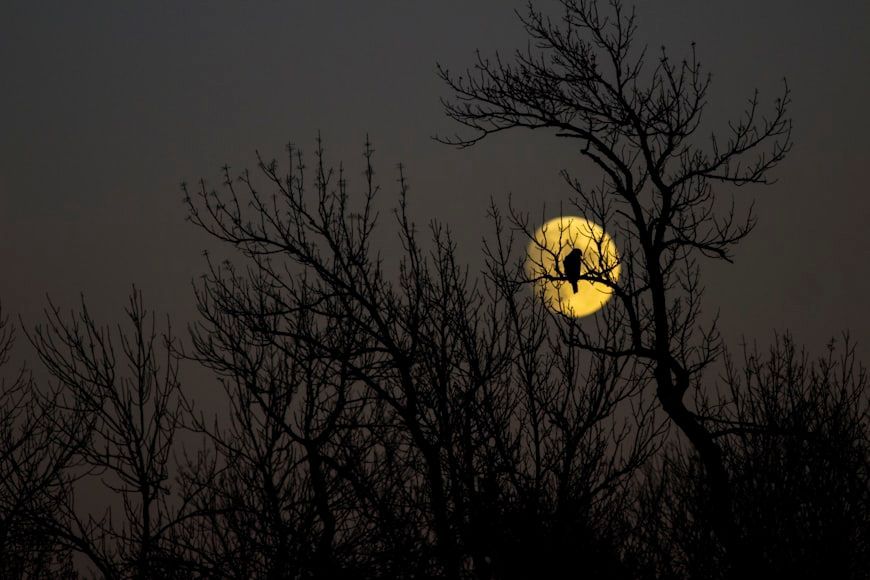
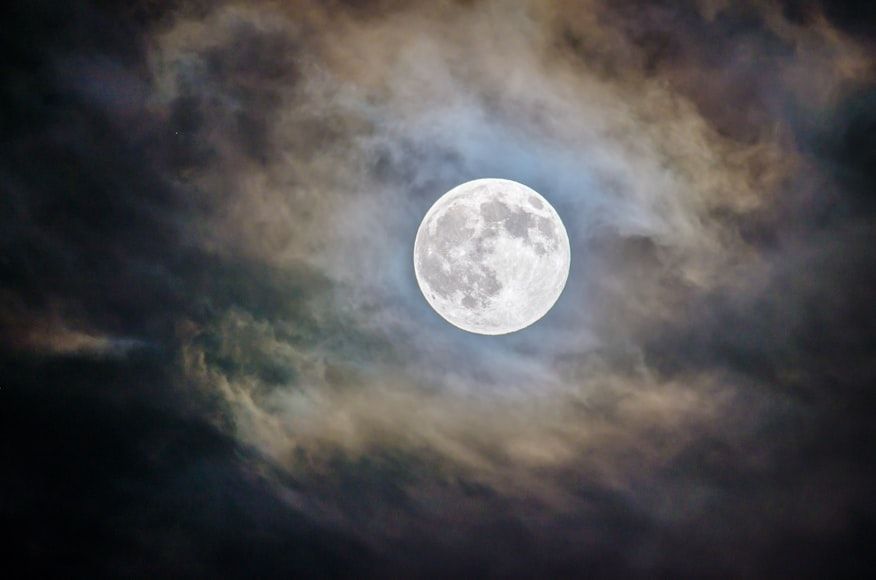
Celebrating Halloween under a full moon has a special charm, as that lunar phase has long been linked to heightened paranormal activity. But this coincidence is rare: a full moon on Halloween only happens about every 18–19 years. The last full moon during Halloween was in 2020, and according to forecasts, we won’t see another until 2039.

Explore more American facts

Choose your favorite category!

General
General

As American as apple pie—the very best America has to offer!

Culture
Culture

Delve into the astounding richness of American lore.

Geography
Geography

Hop in and explore vast and diverse American landscapes.

History
History

Discover the key moments that shaped the United States.