General General 3 min read

Monikers of all sorts

Your favorite city has a nickname, but do you know its origin?
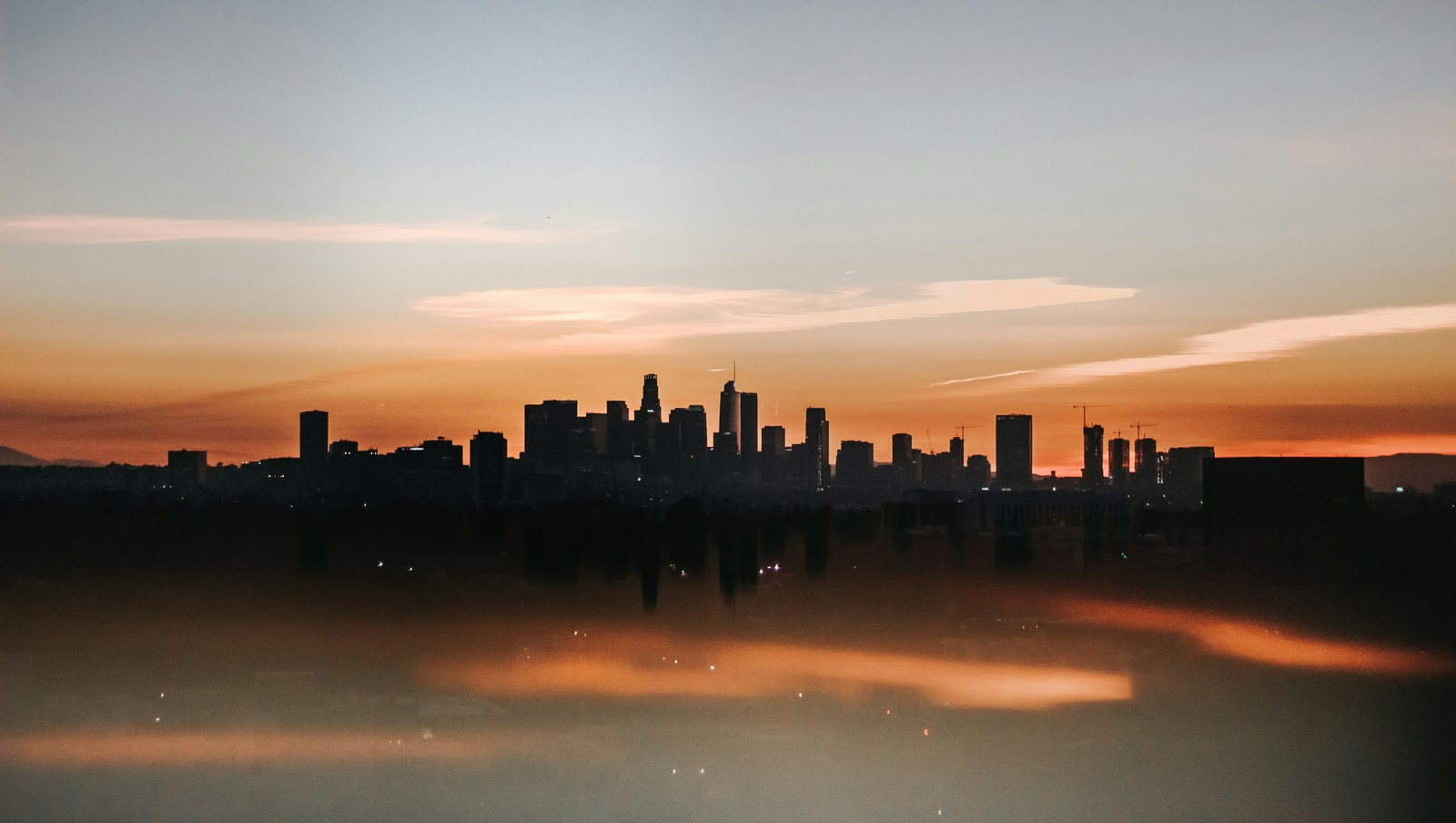
Image: Henning Witzel

New York is the Big Apple, Chicago is the Windy City, and New Orleans is the Big Easy. They feel so natural that most of us never stop to ask, "Why that name?" Every one of these labels has a story, some funny, some serious, and some a bit mysterious. Let’s take a fun tour through ten well-known city nicknames.

1
The Big Apple, New York City
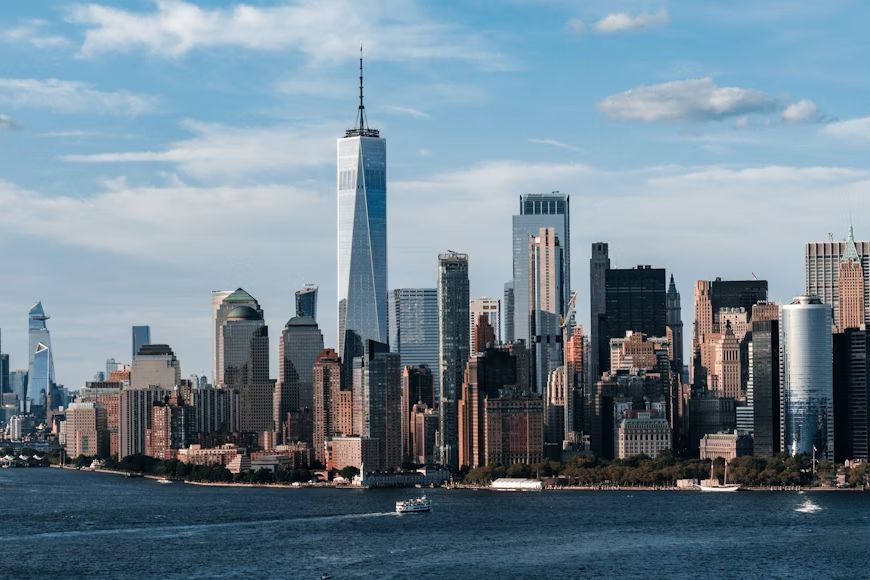
Image: Jermaine Ee

New York may be famous for bagels, pizza, and hot dogs , but its nickname has nothing to do with fruit. The term "Big Apple" started popping up in horse racing circles in the 1920s, when jockeys and trainers used it as shorthand for the city’s top racetracks. A sportswriter named John Fitz Gerald picked it up and popularized it in his columns. Decades later, the city even used it in tourism ads, and the rest is history!

2
The Windy City, Chicago
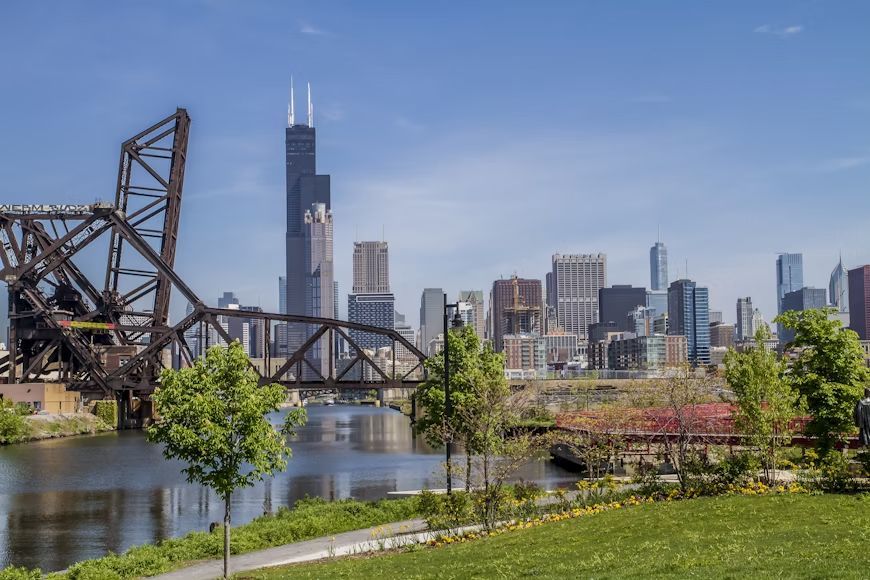
Image: Dulcey Lima

Chicago’s nickname might sound like a weather forecast, but the truth is more colorful. Newspapers in the late 1800s used "Windy City" to poke fun at local politicians , suggesting they were full of hot air. Sure, Lake Michigan’s winds played a part, but it was really the dig at the city’s bragging that made the phrase hit home!

3
The City of Brotherly Love, Philadelphia
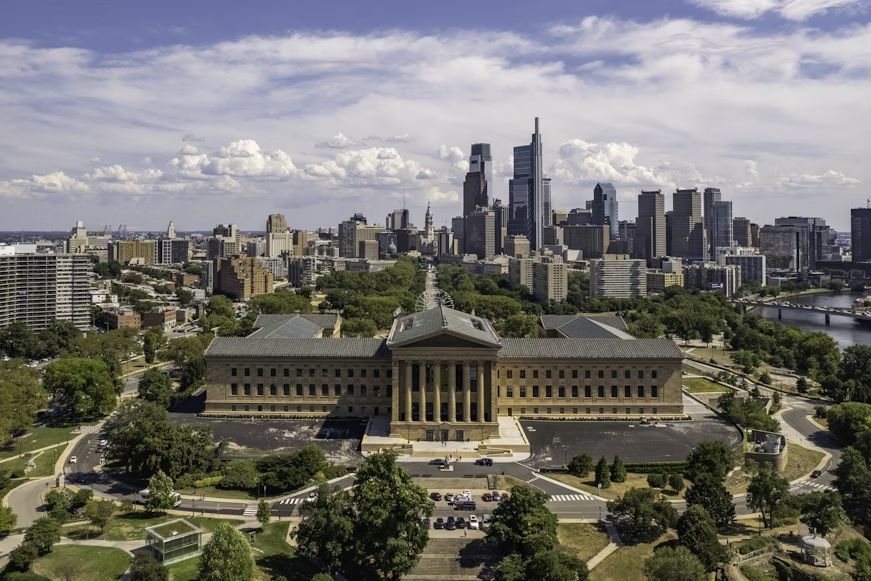
Image: Catherine Kerr

This one is actually quite simple, actually. Philadelphia’s name comes from the Greek words for love, phileo, and brother, adelphos . The city’s founder, William Penn, wanted it to be a place of religious freedom and fair treatment, even making agreements with Native Americans over land. In short, the nickname reflects the city’s values. Beautiful, isn't it?

4
Sin City, Las Vegas
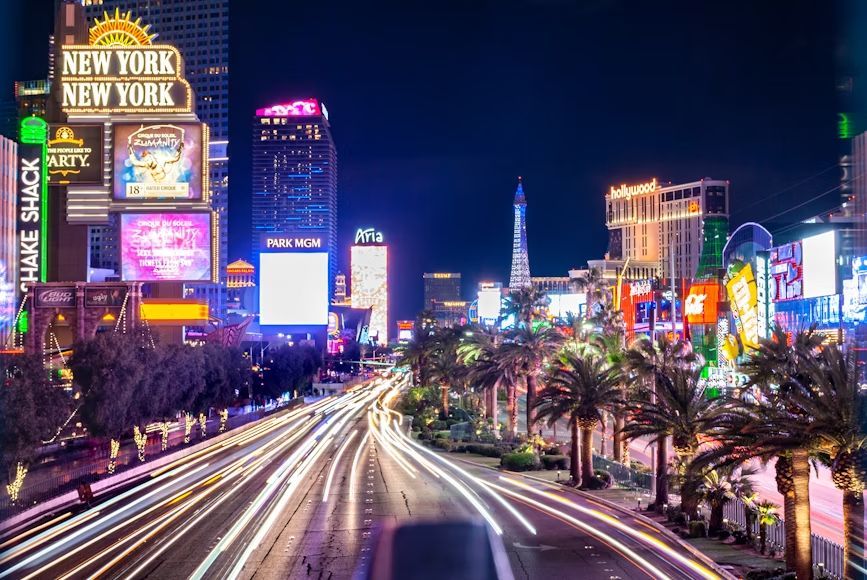
Image: David Vives

We don’t really need to explain why Las Vegas is called Sin City: casinos, nightlife, and more than a little temptation . You know how the saying goes, what happens in Vegas… But the roots go deeper. In the early 1900s, Block 16 downtown had a reputation linked to illegal businesses, and the label stuck. Nevada later legalized gambling in 1931, and that sealed Las Vegas’ image as the country’s playground of vice.

5
The Big Easy, New Orleans
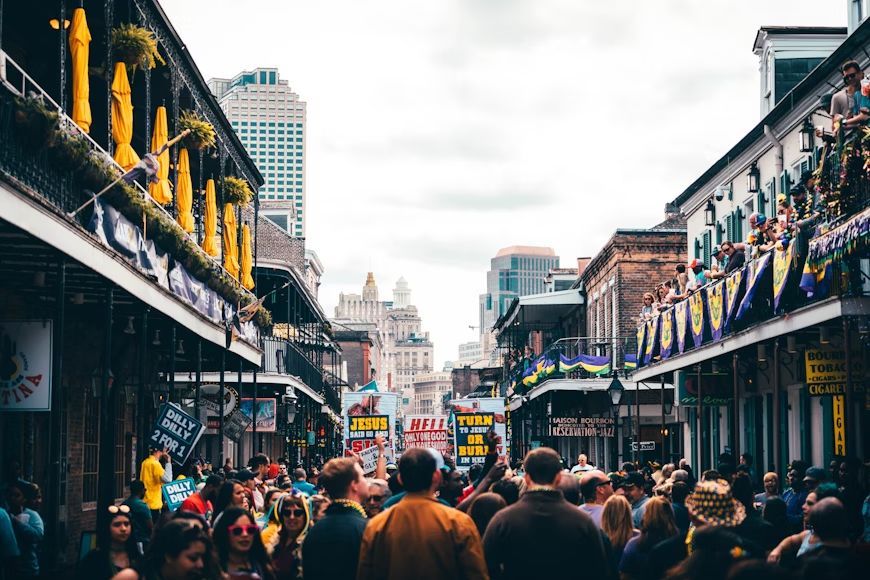
Image: Harold Wainwright

New Orleans picked up the nickname "The Big Easy" in the 1970s as a playful contrast to New York’s "Big Apple." The first to use it was a columnist, and later a novel and film with the same title helped spread it. The name suits the city well because its music, food, and culture have an effortless, laid-back feel that still defines New Orleans today.

6
Beantown, Boston
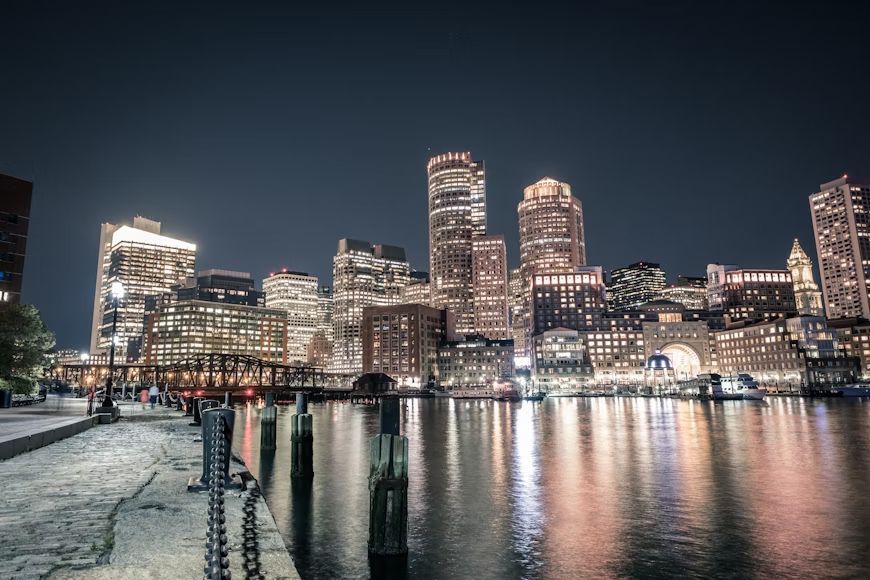
Image: Lance Anderson

Boston baked beans are behind this nickname , but you probably already figured that out. Now, let’s look at the deeper layer here: during the colonial era, molasses poured into the city as part of the triangular trade, and it flavored both rum and beans. Traders nicknamed Boston "Beantown" back then, though today it is mostly tourists who still use the term.

7
The Emerald City, Seattle
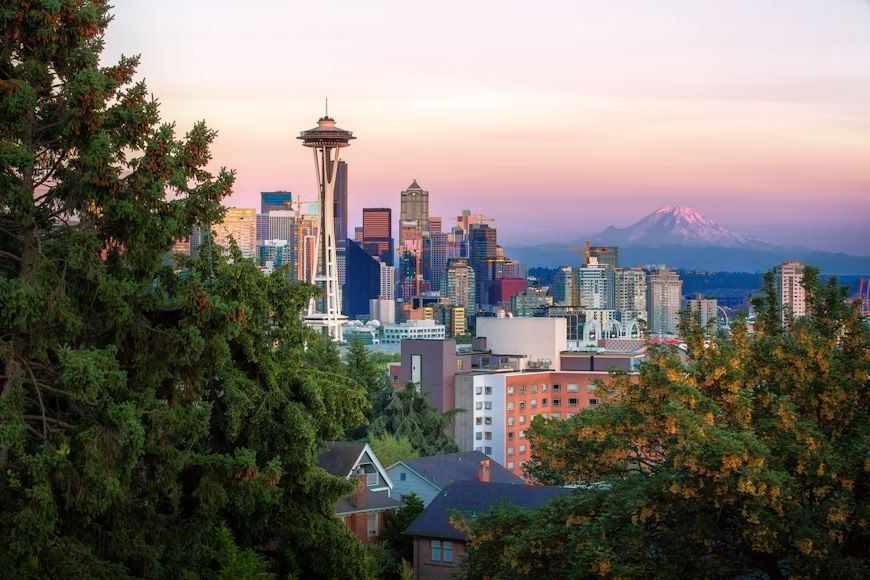
Image: Luca Micheli

Seattle’s leafy scenery gave it the name Emerald City. Surrounded by water, rain, and forests, the city is filled with parks like Discovery Park and the Arboretum, which keep it vibrant throughout the year. The nickname highlights Seattle’s natural beauty, providing a refreshing contrast to its reputation for gray skies.

8
The Mile High City, Denver
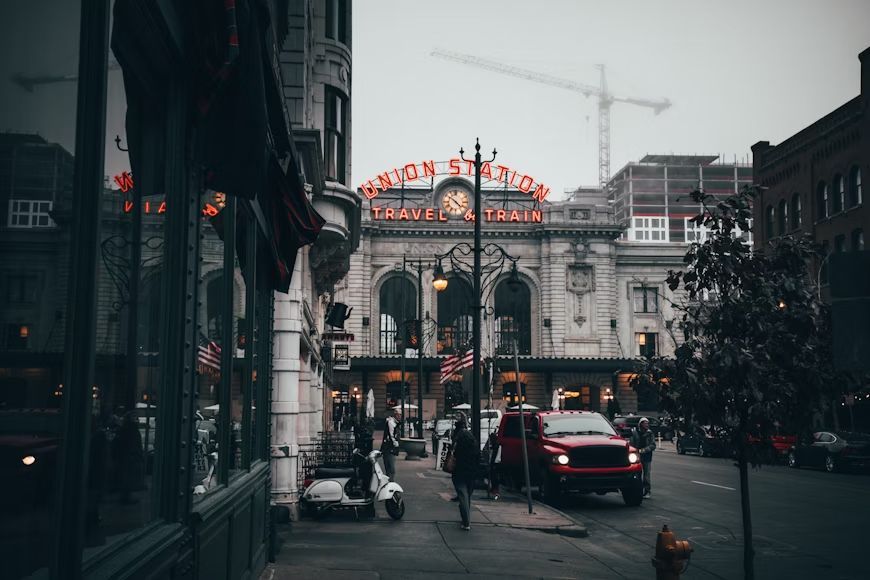
Image: Owen Lystrup

Denver sits at an exact elevation of 5,280 feet above sea level, which is why it’s called the Mile High City. Fun fact about this: at Coors Field, the local baseball stadium, a row of purple seats marks the one-mile line . Visitors often notice the altitude the first time they climb a hill or sip a beer, so the nickname is more than just clever branding. Do you like this city?

9
The Magic City, Miami
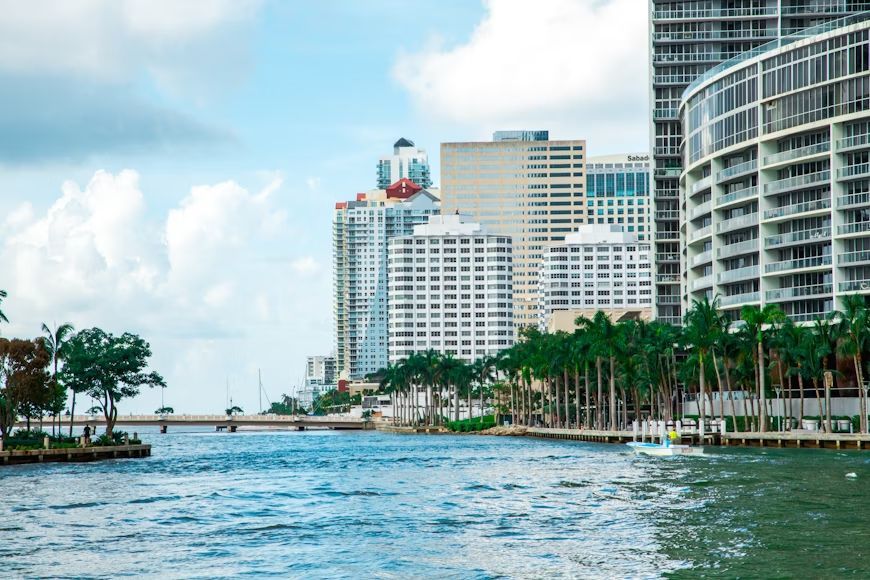
Image: Pontus Wellgraf

Miami earned the nickname Magic City not for magicians (that would’ve been a fun story, right?), but for how quickly it grew . In the late 1800s, Julia Tuttle, a local landowner, helped bring the railroad and development to the area. In no time, Miami transformed from farmland into a bustling hub. We could say it was magic, don’t you think?

10
The City of Angels, Los Angeles
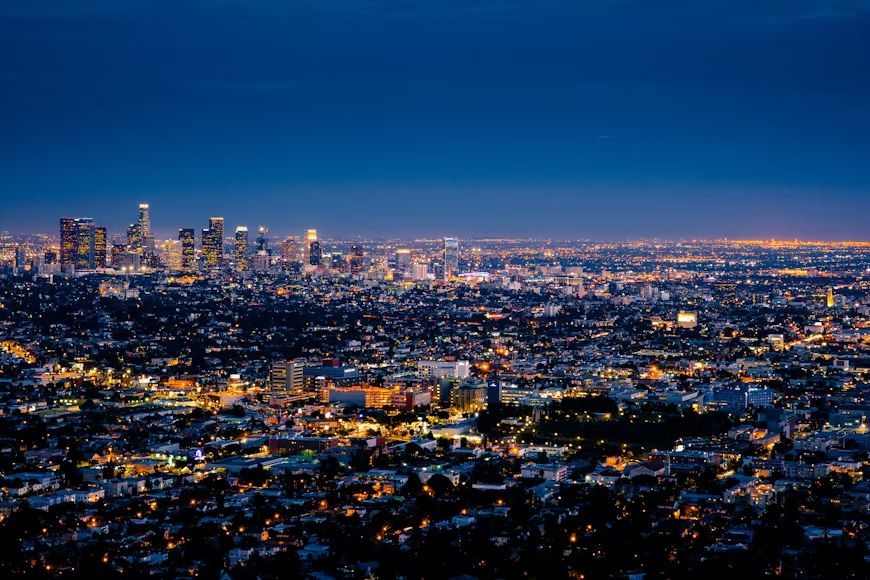
Image: Henning Witzel

Some nicknames have more intriguing stories, but that’s not the case for LA. Los Angeles’ nickname is about as straightforward as they come. "Los Angeles" translates directly from Spanish as "The Angels." In short, this elegant nickname mirrors the city’s name itself, one that’s full of angels, apparently!


Culture Culture 4 min read

Ominous Hollywood

Is your favorite on this list? 10 iconic apocalyptic movies

Image: Max Ovcharenko

Alien invasions, nuclear accidents, or major natural disasters… The end of the world has been depicted countless times in cinema. Whether for their spectacular visuals or their realistic portrayal of humanity’s demise, some of these films have become icons that most of us have likely seen and remember vividly. Join us as we explore the most popular American apocalyptic films.

1
Independence Day

Image: Jason W

Nothing beats a classic apocalyptic alien invasion, where extraterrestrials arrive to destroy the planet, but encounter a group of humans willing to give everything to save humanity. This is the premise of Independence Day (1996), one of the most famous disaster films. Starring Will Smith, the movie marked a turning point in science fiction, showcasing visual effects that, although they may not be as surprising today, set a new standard at the time.

2
Armageddon

Image: Javier Miranda

It’s hard to keep track of how many explosions light up the screen in Armageddon (1998), but rest assured, there are a lot of them. This film follows the classic natural disaster formula: a massive asteroid threatens Earth, and the only hope for survival is to destroy it. When the planet’s at risk, who better to call than Bruce Willis? Alongside Ben Affleck, he steps up to risk everything in a race against time.

Do you also remember this movie every time you hear Aerosmith's "I Don't Wanna Miss a Thing"? You are one of us!

3
The Day After Tomorrow

Image: Mason Mulcahy

A new Ice Age threatens humanity after a series of devastating storms strike the planet in The Day After Tomorrow (2004), a film that takes climate change and pushes its possible consequences to the extreme. With spectacular disaster sequences and visuals, the movie became a total box office success worldwide.

4
I Am Legend

Image: Natalya Letunova

Imagine waking up one day and realizing that you are, as far as you can tell, the last survivor in the city. This is what happens to scientist Robert Neville, played by Will Smith, in I Am Legend (2007). The now-classic apocalyptic theme is a deadly virus that has devastated humanity, and it is Dr. Robert Neville who appears to be the only one capable of doing something to reverse the effects of this.

5
Interstellar

Image: Guillaume Le Louarn

In 2014, we saw one of the most exciting movies to hit the big screen: Christopher Nolan's Interstellar . Acclaimed by audiences and critics alike for its visual effects and its complex and thrilling plot, this film is one of those you’ll find hard to forget. Set on an Earth that is becoming uninhabitable, Matthew McConaughey plays Cooper, a former NASA pilot who joins a mission to travel through a wormhole near Saturn in search of a new place for humanity.

Fun fact: It’s not surprising that it has been well received even by the scientific community, since a Nobel Prize–winning physicist collaborated on the script.

6
Planet of the Apes

Image: Mateusz Suski

In the original Planet of the Apes (1968), the story takes us to a distant future planet where chimpanzees, gorillas, and orangutans have evolved to possess human-like intelligence and social structures, dominating that world while humans are reduced to an oppressed species. Featuring one of the most shocking and unforgettable plot twists in cinema history, the film stands as an essential classic of dystopian science fiction.

7
Night of the Living Dead

Image: Daniel Jensen

We couldn’t leave Night of the Living Dead off this list, the 1968 film that changed cinema forever. While the concept of "zombies" may feel familiar today, this George A. Romero’s film was the first to present the idea of the dead rising again and becoming a real threat to the living.

8
12 Monkeys

Image: Liam Andrew

Bruce Willis is once again called upon to help humanity (or what remains of it) in the 1995 film 12 Monkeys , this time alongside none other than Brad Pitt, who earned an Oscar nomination for this role. Set in a dark future, most of humanity has been wiped out by a deadly virus, and Willis’s character must travel back in time to gather information about its origins and help find a way to stop it.

9
Dawn of the Dead

Image: airci K

Of course, George A. Romero wasn’t going to appear just once on this list. In 1978, Dawn of the Dead was released, once again portraying the end of the world brought on by the return of the undead. A group of survivors takes refuge in a shopping mall, but human conflicts soon emerge as a threat equal to, or even greater than, that posed by the zombies themselves.

10
The Day the Earth Stood Still

Image: Michael Herren

The Day the Earth Stood Still (1951) is definitely a science fiction classic. Unlike the other films on this list, its catastrophe is not inevitable; disaster can still be avoided. Rather than centering on spectacular destruction, the film delivers a philosophical warning to humanity. An alien visitor arrives on Earth to deliver a stark message: abandon nuclear violence, or face devastating consequences.

History History 4 min read

After the golden spike

The driving force that built America: 12 milestones in railroad history

Image: jean52Photosstock

Today, we often take trains for granted, but that wasn’t always the case! The history of railroads is deeply intertwined with American history, shaping the nation’s growth every step of the way. Rail lines helped modern cities blossom, boosted trade across the country, and allowed Americans to explore even the most remote corners of the nation . From the first tracks to today’s massive freight industry, join us as we journey through 12 pivotal moments that defined America’s railroad legacy.

1
First tracks laid

Image: Tim Wildsmith

Date: 1827

The Baltimore and Ohio Railroad (B&O), chartered in 1827, became America’s first common carrier railroad. Construction began the following year, introducing horse-drawn carriages on iron rails. While rail lines existed before, most were privately owned or served specific industries.

2
Tom Thumb’s race

Image: K. Mitch Hodge

Date: 1830

Shortly after the establishment of the B&O’s chartered line, American industrialist and inventor Peter Cooper designed the first American steam locomotive, Tom Thumb , to convince the railroad’s owners to adopt steam power. To prove the technology’s potential, a race was organized between the locomotive and a horse. Although the horse won after Tom Thumb suffered a mechanical failure, the demonstration successfully proved the superiority of steam engines, marking a turning point in railroad history.

3
The railroad boom

Image: Museums Victoria

Date: 1840s to 1850s

With the rise of steam locomotives, railroads expanded rapidly, connecting major cities and driving unprecedented economic growth. By 1850, the U.S. had built 9,000 miles of railroad tracks . These rail lines played a crucial role in transporting goods—particularly agricultural products—to markets, revolutionizing commerce and travel across the country.

4
First transcontinental charter

Image: Alex Boyd

Date: 1862

The Pacific Railroad Act, signed by Abraham Lincoln in 1862, authorized the construction of the first transcontinental railroad, connecting the East and West coasts. The legislation empowered the Union Pacific and Central Pacific Railroads to undertake this monumental task, offering land grants and bonds to support the project. Beyond its technological significance, the act also demonstrated the federal government’s commitment to uniting the nation, fostering economic growth, and solidifying the country’s infrastructure.

5
Driving the Golden Spike

Image: Matt Benson

Date: 1869

On May 10, 1869, the Union Pacific and Central Pacific Railroads met at Promontory Summit, Utah, completing the first transcontinental railroad. During the ceremony, a 17.6-karat golden spike was ceremonially driven in —then promptly removed to prevent theft. This historic achievement connected the nation like never before, reducing cross-country travel time from months to days and forever transforming America's transportation landscape.

6
Standardized time zones

Image: Igor Savelev

Date: 1883

Another transformative effect of railroad expansion and faster travel times was the need for standardized timekeeping. To address the confusion caused by varying local times, the system of time zones was introduced. This not only revolutionized rail scheduling but also transformed travel and commerce across the country, helping synchronize operations nationwide and ensuring greater efficiency and coordination.

7
The Pullman revolution

Image: Jennifer Latuperisa-Andresen

Date: 1867

In 1867, George Pullman introduced the first luxury sleeper cars, offering passengers unmatched comfort on long-distance journeys. Pullman cars featured plush seating, fine dining, and exceptional on-board service, elevating the railroad experience to new heights. These innovations set a standard for first-class travel that extended far beyond railroads.

8
Connecting the South

Image: Oxana Melis

Date: 1870s

During the American Civil War, railroads were a strategic asset, enabling the swift movement of troops and supplies. After the war, Southern rail development played a key role in integrating the South into the broader U.S. economy, facilitating trade and mobility in the Reconstruction era. The Southern rail network expanded from 11,000 miles in 1870 to 29,000 miles by 1890, breaking the region's isolation and fostering economic growth.

9
Electric rail debuts

Image: Museums of History New South Wales

Date: 1888

Richmond, Virginia, became the site of America’s first electric streetcar system, forever revolutionizing urban transit. The system had a significant impact on the emerging electric trolley industry, with its design serving as a model adopted by many other cities. This shift marked the beginning of modern public transportation, transforming urban landscapes and mobility for generations to come.

10
The Golden Age

Image: Marco De Luca

Date: Early 20th Century

From 1900 to 1930, railroads dominated American transportation, carrying nearly all freight and passengers . During this period, innovations in track systems, signaling, and luxury amenities reinforced their status as the nation’s lifeblood. The industry thrived unchallenged until the rise of automobiles and airplanes reshaped the transportation landscape.

11
Amtrak takes over

Image: Jan Canty

Date: 1971

During the post-World War II economic boom, airlines and Interstate highways pushed many railroads out of business . As passenger rail declined, the U.S. government created Amtrak to sustain intercity travel, consolidating struggling private lines into a national service. While freight rail remained strong, Amtrak preserved passenger trains’ legacy, ensuring their continued role in America’s transportation system.

12
Modern freight titans

Image: Akshay Nanavati

Date: Present Day

Finally, we've reached the last station on our railroad journey! While the railroad landscape has drastically changed since its golden era, trains remain a vital backbone of the country’s economy. Freight railroads now dominate the industry, transporting over 1.7 billion tons of goods annually. The U.S. boasts one of the world’s largest and most efficient freight rail systems , transporting everything from coal to electronics and continuing to drive commerce and industry.

Explore more American facts

Choose your favorite category!

General
General

As American as apple pie—the very best America has to offer!

Culture
Culture

Delve into the astounding richness of American lore.

Geography
Geography

Hop in and explore vast and diverse American landscapes.

History
History

Discover the key moments that shaped the United States.