Geography Geography 3 min read

Funny names

You won't believe it: Hilarious town names that actually exist in the US
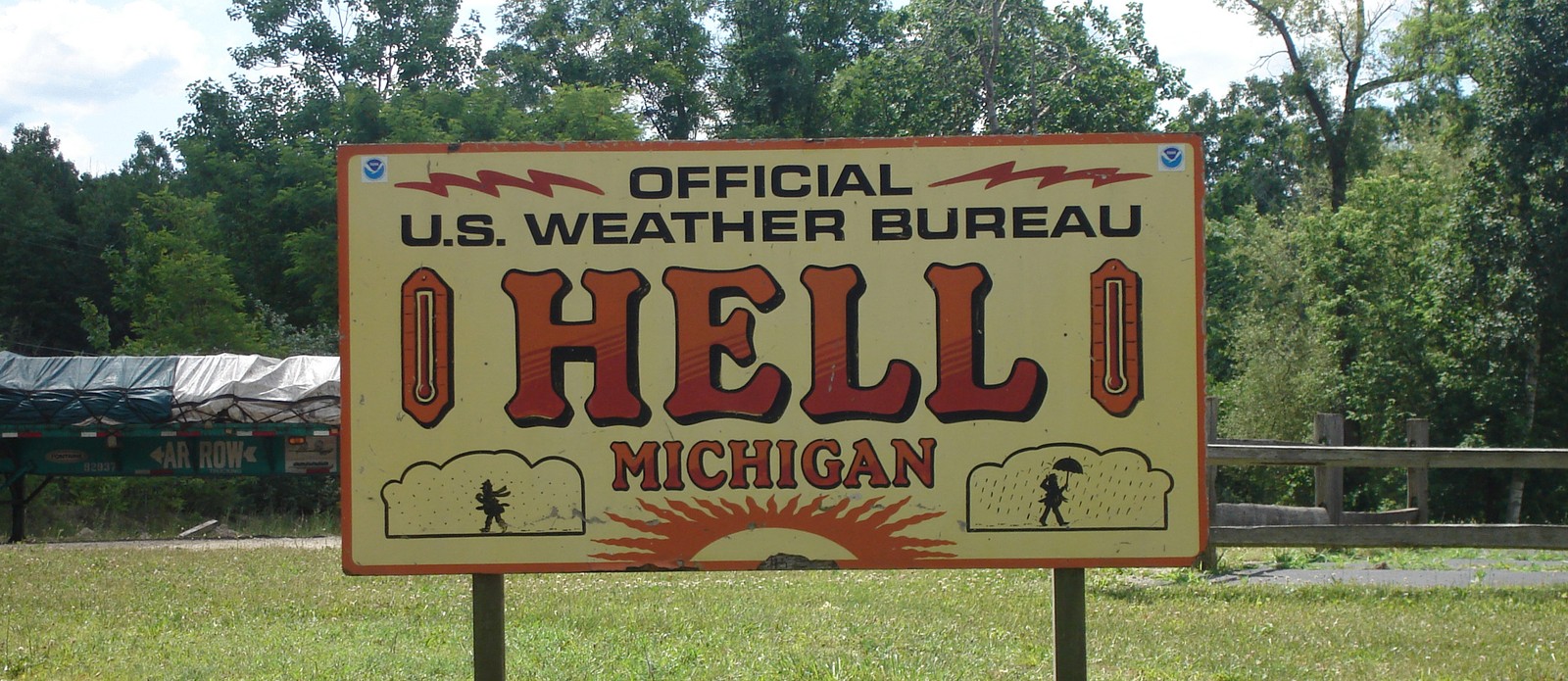
Image: Peter Robbins

Naming a city is a big deal, but not every town ends up with a name full of meaning. While some were carefully named to honor history or local heroes, others got their names by accident, tradition, jokes—or for reasons no one quite remembers! Do you know where "Hell" is located? Discover this and 9 other US towns and cities with the quirkiest, funniest names!

1
Hell, Michigan

Image: Chris Barbalis

About 15 miles northwest of Ann Arbor, Michigan, you'll find the town of Hell. While the name might not sound particularly welcoming, it's actually a playful little community that fully embraces its identity, offering tourists a range of devilish attractions. It's just that it might not be the ideal city to mention when someone asks where you're from.

2
Chicken, Alaska
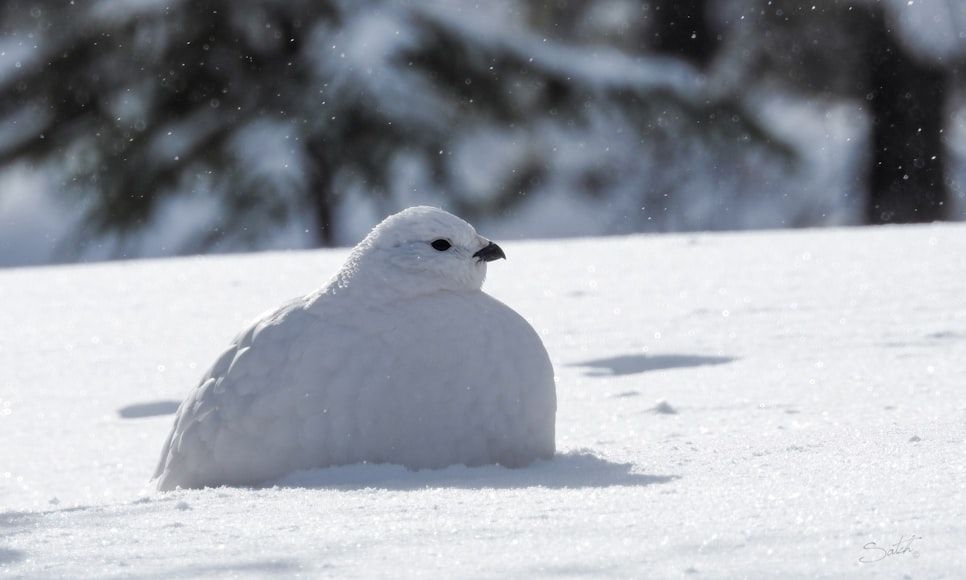
Image: Sacha Bois

In the vast state of Alaska sits the peculiar town of Chicken, best known for its gold mining history. In 1902, the town needed an official name to submit to the Post Office. They originally chose "Ptarmigan," after a local bird, but couldn't agree on how to spell it. Frustrated, they settled on the much simpler "Chicken."

3
Truth or Consequences, New Mexico
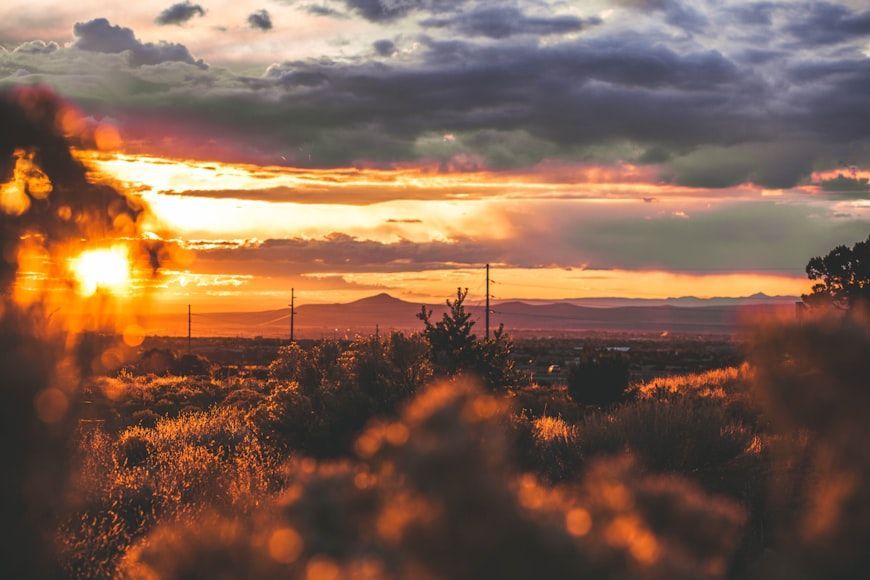
Image: Maddy Baker

Located in Sierra County, along the Rio Grande River in New Mexico, you'll find the town of Truth or Consequences. Sometimes called "T or C," the town was founded in the mid-1800s and originally named "Hot Springs." But everything changed in 1950, when Ralph Edwards—popular radio and TV host—announced that he would broadcast his show, Truth or Consequences , from the first town to rename itself after the program. And that’s exactly what happened!

4
Rough and Ready, California

Image: Nicole Cavelli

Rough and Ready, California, is a town with a distinctive name and history. And in case you're wondering—the answer is yes! It’s named after General Zachary Taylor’s nickname, "Old Rough and Ready," honoring his tough reputation.

5
Ding Dong, Texas
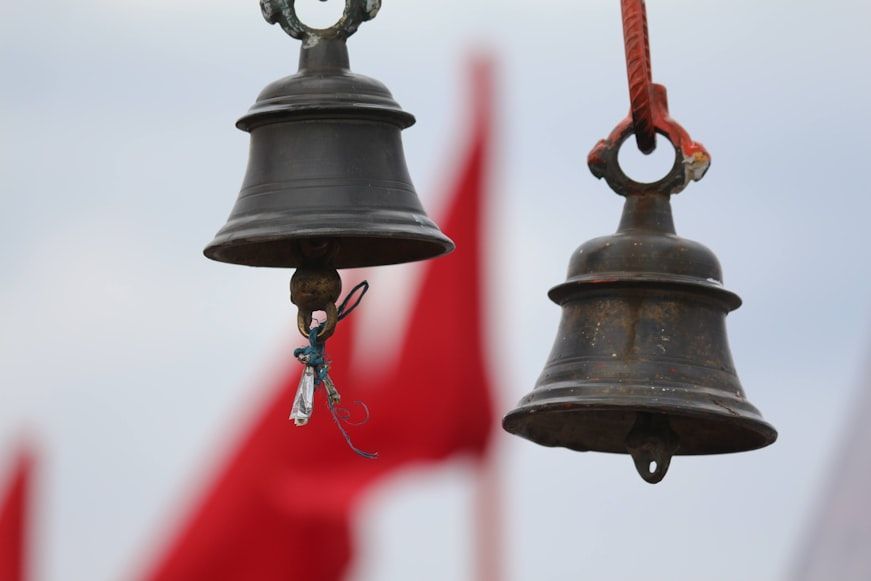
Image: Tarun Tandon

Ding Dong, Texas, is real! It's a tiny community in Central Texas, founded in the 1930s by Zulis and Bert Bell, who ran a local store. A sign on their shop featured two bells labeled with their names and the words "Ding Dong" underneath. The name stuck, and the town was humorously named after the store.

6
Why, Arizona
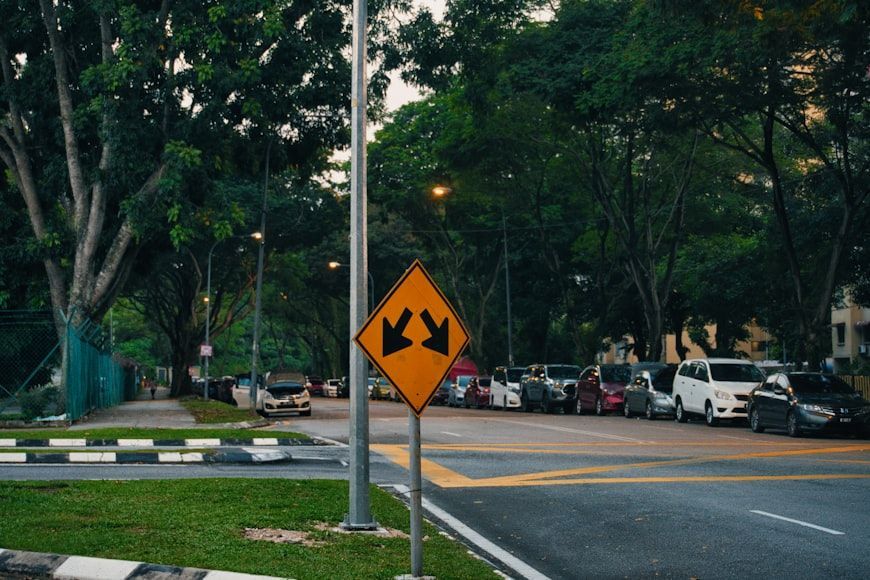
Image: TALHA KHAN

There's actually a place called "Why," an unincorporated community in southwestern Arizona. The name comes from a Y-shaped intersection where State Routes 85 and 86 once met, right where the town was settled. Have you ever heard of it?

7
Whynot, North Carolina

Image: Markus Winkler

While one town in Arizona is called "Why," another in North Carolina is named "Whynot." That's right! Whynot is an unincorporated community in Randolph County. According to local stories, its name comes from a humorous moment: as townspeople debated possible names, everyone kept saying, "Why not this one?" "Why not that one?" After much debate, someone finally said, "Why not just Whynot?"—and the name stuck.

8
Accident, Maryland
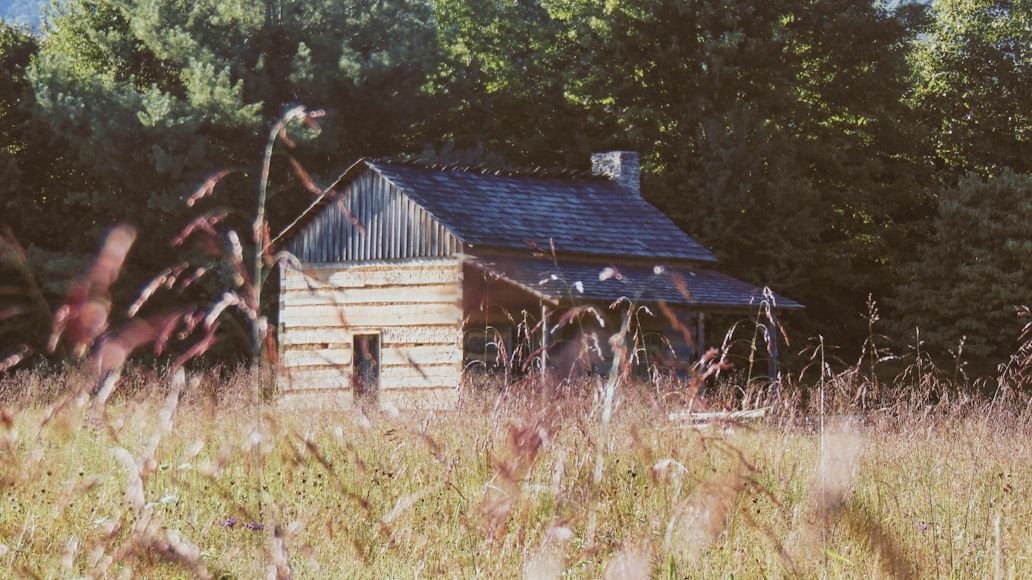
Image: Noah Smith

The charming small town of Accident, Maryland, has a unique history. In the 18th century, two surveyors unknowingly worked on the same land at the same time—and accidentally ended up with identical results. That’s how the area came to be known as "The Accident Tract," which was later shortened to simply Accident .

9
Peculiar, Missouri
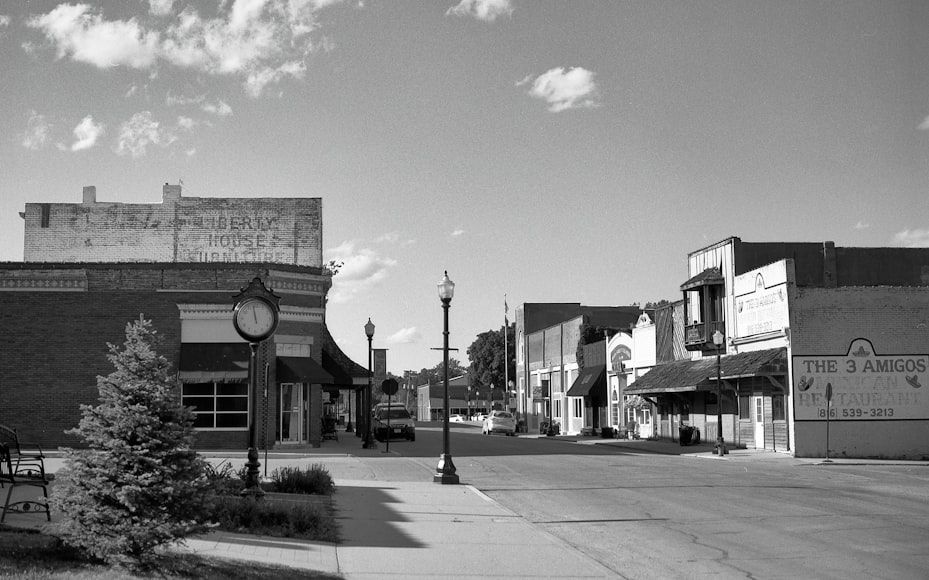
Image: MATHEW RUPP

Covering just about 4 square miles, the city of Peculiar is located in Missouri. While there's no single agreed-upon origin for its name, many believe it came from the frustration of those tasked with naming the town. They submitted several names to the post office, but each one was rejected as already taken. Frustrated, someone finally suggested they pick a "peculiar" name—and that’s exactly what they did!

10
No Name, Colorado
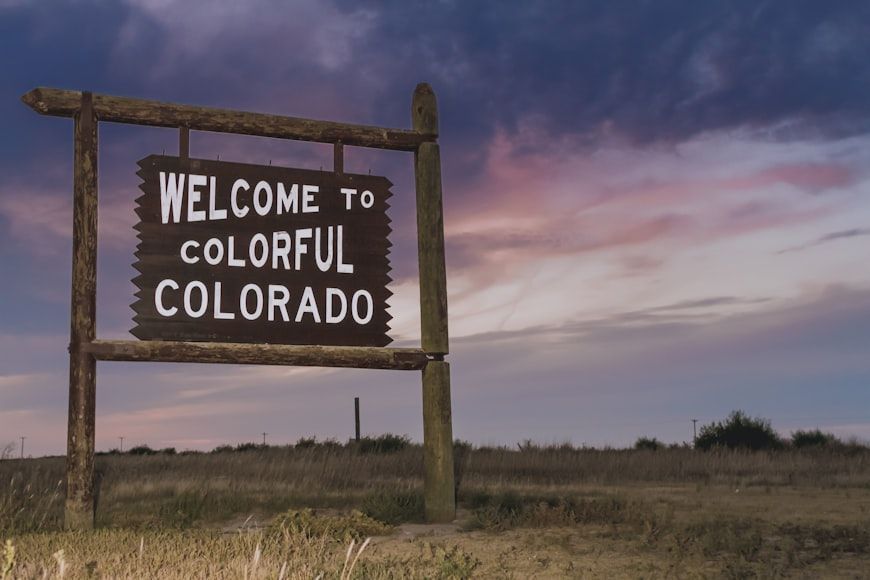
Image: Heyzeus Escribo

Maybe creativity wasn't the strongest point for the founders of No Name, Colorado. Yes, there really is a small community called No Name, located just off Interstate 70. The story goes that while the interstate was being built, the area was already settled but didn't have an official name, so they simply called it "No Name."

History History 3 min read

I want to believe

Beware! 12 everyday superstitions you probably follow without knowing

Image: Susannehs

We’ve all heard about the seven years of bad luck that are said to follow if we break a mirror, or why tossing salt over one’s shoulder is supposed to keep misfortune away. Superstitions have been a part of everyday life in the U.S., often passed down through generations without much thought to their origins. Let’s take a look at the origins of 12 common superstitions that continue to influence how people think and act today.

1
Breaking a mirror

Image: Savannah B.

As we’ve all heard, breaking a mirror is said to bring seven years of bad luck— a belief that dates back to the Romans . They thought a mirror didn’t just reflect your face, but also your soul.

Because the Romans also believed that life renewed itself every seven years, the curse was thought to last exactly that long.

2
Walking under a ladder

Image: Nick Fewings

This superstition has its roots in medieval Europe, where ladders leaning against walls formed a triangle, a shape that symbolized the Holy Trinity .

Walking through it was seen as breaking the sacred shape and inviting misfortune. Today, most people avoid it not only out of superstition but also for simple safety.

3
A black cat in your path

Image: Emmeli M

In the Middle Ages, black cats were linked to witchcraft and were thought to be witches’ companions—or even witches in disguise. Crossing paths with one was considered dangerous .

Though many cultures view black cats as lucky, in the U.S., the old stigma has persisted.

4
Knocking on wood

Image: Glen Carrie

The habit of knocking on wood to ward off bad luck likely comes from ancient pagan traditions. Trees—especially oaks—were believed to house protective spirits .

Touching or knocking on wood was a way to call on those spirits for protection. The phrase and the action traveled across centuries, and now it’s a common phrase in everyday conversations.

5
Opening an umbrella indoors

Image: Kato Blackmore 🇺🇦

The superstition that opening an umbrella indoors brings bad luck originates from 18th-century England. Early umbrellas were large, stiff, and often had metal spokes.

Opening one indoors could cause injury or break household items , so the "bad luck" warning worked as a practical safety rule.

6
Friday the 13th

Image: Nik

Friday has long been considered unlucky in Christian tradition because it was said to be the day of the Crucifixion. The number thirteen was also viewed as ominous, connected to the Last Supper .

When the two were combined, Friday the 13th gained its spooky reputation. Despite rational explanations, some hotels skip floor 13, and many people still avoid major plans on that date.

7
Spilling salt

Image: ekaterina shishina

Salt was once precious and expensive, symbolizing purity and friendship. Spilling it was considered wasteful and unlucky in ancient times.

The practice of tossing a pinch over your left shoulder comes from folklore, supposedly to blind the devil lurking there . It’s a tiny gesture that still lingers on dinner tables today.

8
Four-leaf clover

Image: Barbara Krysztofiak

The four-leaf clover is a symbol of good fortune dating back to the Celts, who believed the rare leaves provided protection against evil spirits .

Since clovers typically have only three leaves, the fourth leaf came to symbolize rarity and luck.

9
Rabbit’s foot

Image: Timofei Adrian

Carrying a rabbit’s foot for luck traces back to African and European folklore, where rabbits were seen as fertile, magical creatures .

The superstition spread through American culture in the 19th century, especially in the South. Even though it might seem unusual—and potentially unsanitary—the lucky rabbit’s foot remains a well-known charm today.

10
Wishbone

Image: Museum of New Zealand Te Papa Tongarewa

The tradition of making a wish on a wishbone originates with the Romans, who, in turn, borrowed it from the Etruscans. They believed that birds held divine powers .

Breaking the bone with someone else was thought to transfer luck to the person who ended up with the larger piece .

11
Coin in a fountain

Image: Lila Mitchell

Tossing a coin into water to make a wish has its roots in ancient Europe. Wells and springs were considered sacred, often associated with gods or spirits.

People dropped coins as offerings for health or good fortune . Today, fountains across the U.S. and around the world collect millions of coins.

12
Wishing upon a star

Image: Ali

The superstition of wishing upon a star comes from ancient Greece and Rome, where falling stars were believed to carry messages from the gods .

Even today, looking up at the night sky and spotting a shooting star inspires many people to make a wish.

History History 5 min read

Blast from the past

10 things from the '70s and '80s kids no longer do today

Image: DS Stories

The 1970s and 1980s were a golden era of innovation, quirky habits, and simple pleasures. However, as technology and society have evolved, many of those activities and experiences have gradually disappeared from our daily lives. While some customs are still practiced today, there are plenty of other things we used to do that we can no longer enjoy. Take a stroll down memory lane and discover 10 things that younger generations may never get to experience.

1
Calling on the go

Image: Peter Conrad

Remember scrambling for a few coins just to make a call? Payphones were once the only option when we were out and about. Stepping into that narrow booth, shutting the door behind you, and enjoying a moment of privacy in the middle of a busy street—there was something almost comforting about it. It was like entering your own little world, at least for a couple of minutes. These days, all we need is a quick tap on our smartphones, and we're instantly connected, texting or calling without a second thought. It’s hard to imagine how reliant we once were on those old, clunky machines.

2
Renting movies

Image: Lucas Pezeta

The thrill of stepping into a bustling video store was unlike anything today’s streaming services can replicate. You’d wander down aisles packed with vividly colored VHS tapes , each promising a new adventure. Flipping over the box to study the cover art, reading the credits on the back, and debating with a friend about which one to choose was a delightful experience. Even the faint scent of plastic immediately meant you were in for a treat! That simple ritual of holding a tape in your hands created a sense of anticipation and excitement that no algorithm could ever replace.

3
Inflight smoking

Image: Willem van de Poll, CC0, via Wikimedia Commons

In the past, flying meant more than just traveling from one city to another—it also came with the freedom of lighting up a cigarette at 30,000 feet. Airplanes had designated smoking sections where passengers could relax, chat, and enjoy a puff as the clouds drifted past the windows. It wasn’t limited to a cramped bathroom stall; entire rows of seats were reserved for smokers, allowing a haze of cigarette smoke to linger in the cabin. Today, someone flicking a lighter mid-flight feels downright impossible, but back then, it was a part of air travel, blending seamlessly into the normal routines of passengers and crew alike.

4
Watching TV shows at specific times

Image: Bruna Araujo

Back in the ’60s, ’70s, and ’80s, the television set was the heart of the home. Evenings were carefully planned around the networks’ schedules, with everyone rushing to grab a spot on the couch to catch their favorite shows. There were no streaming platforms, DVRs, or on-demand options—if you missed an episode of M A S H or Dallas , you had to wait for a rerun . The ritual of sitting together, passing the popcorn, and reacting in unison to every twist and punchline created shared experiences that shaped conversations at school, at work, and across society.

5
Recording songs off the radio

Image: Jon Tyson

Before iPods and Spotify playlists, listening to music was a hands-on, almost ritualistic experience. If you wanted to capture that perfect song, you had to park yourself next to the radio, finger poised over the record button, ears straining to catch the opening notes before the DJ’s voice intruded. Each recording you made became a personal treasure, a handcrafted collection of melodies carefully curated to match your mood or even remind you of your secret crush. These homemade mixtapes weren’t just recordings; they were little time capsules, unique expressions of your feelings, created with patience, care, and a touch of magic that no digital playlist could ever fully imitate.

6
Hitting up the arcade

Image: Roger Ce

During the 1980s, video arcades were the ultimate playground . Stepping inside those dark rooms meant entering a world of blinking lights, beeping machines, and the unmistakable clatter of buttons being mashed in furious competition. Dropping a token into a machine carried such a thrill! The energy—the smell of popcorn and soda, the laughter echoing across the room— created an immersive social experience. Modern home consoles and online gaming may be more convenient, but they rarely capture that electric, face-to-face camaraderie and the pure sensory joy of an arcade packed with neon lights and catchy sound effects.

7
Navigating paper maps

Image: Hendrik Morkel

Before the age of GPS and smartphones, road trips relied on good old-fashioned physical maps. Those oversized sheets of paper stretched across car seats and dashboards, as everyone tried to find the best route. Planning a trip meant carefully studying every road, estimating distances, and hoping you didn’t make a wrong turn. And when you inevitably did? You’d pull over, wave down a stranger, and ask for directions—sometimes discovering hidden diners, quirky roadside attractions, or scenic shortcuts along the way. Getting lost wasn’t just a misfortune; it was part of the adventure, turning every detour into a memorable story, something today’s satellite navigation could never give you.

8
Reading newspapers

Image: Claudio Schwarz

Settling into your favorite chair with a steaming cup of coffee and unfolding the paper was the ultimate morning ritual. It wasn’t just about catching up on the news— it was about the experience itself. Turning each page carefully, scanning headlines, lingering over the sports scores, chuckling at the comics, and sometimes discussing the day’s stories with family or neighbors made it a shared tradition. Today, with news available instantly on our phones and tablets, that slow, deliberate connection—the feeling of being present with the world as it woke up—has virtually disappeared.

9
Listening to music on a Walkman

Image: cottonbro studio

Ah, the Walkman—that small rectangular marvel encapsulating the world of music right inside your pocket. You could carry an entire collection of albums with you, from Elvis to Sinatra, and listen wherever you went. Whether strolling to school, waiting for the bus, or just wandering around the neighborhood, your personal soundtrack followed you everywhere. Popping in a cassette, pressing play, and letting the songs sweep you away, drowning out the outside world and turning every ordinary moment into a private concert, was pure magic.

10
Hanging out at the mall

Image: Jeyakumaran Mayooresan

Before the internet transformed the way we shop, malls were bustling social hubs . In the ’70s and ’80s, they weren’t just places to buy things. At shopping centers, you ate pizza and spent hours wandering around, window-shopping, or trying on clothes that were probably out of your budget. The mall was the ultimate hangout spot—whether you were meeting new people, catching up with old friends, or simply enjoying the cool air conditioning on a sweltering summer day.

Explore more American facts

Choose your favorite category!

General
General

As American as apple pie—the very best America has to offer!

Culture
Culture

Delve into the astounding richness of American lore.

Geography
Geography

Hop in and explore vast and diverse American landscapes.

History
History

Discover the key moments that shaped the United States.