Geography Geography 4 min read

Ol’ Men Rivers

Without these 12 rivers, cities like Las Vegas likely wouldn't exist
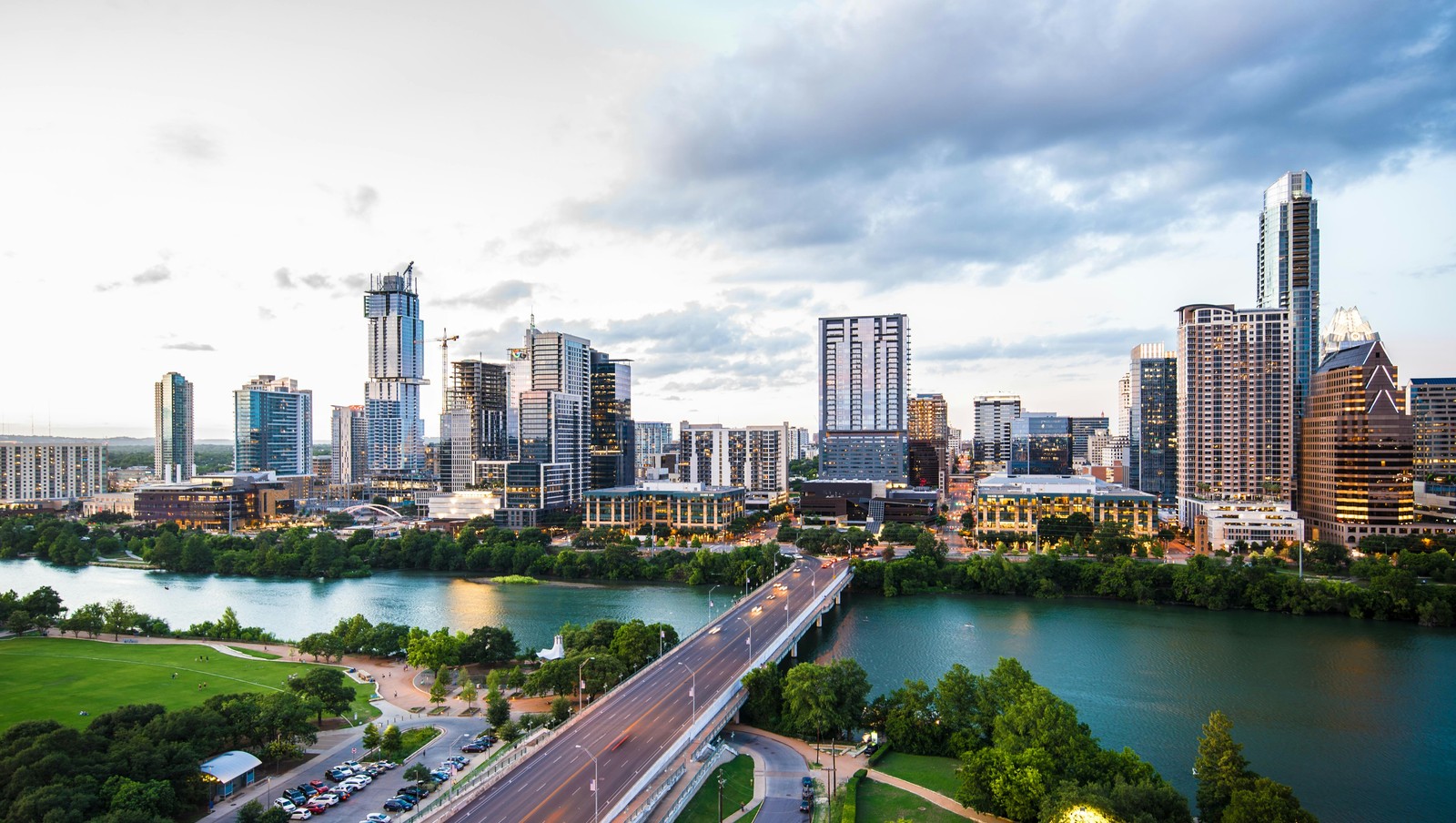
Image: Carlos Delgado

Long before highways and airports, rivers were America’s original transportation network. Settlers, traders, and industries depended on waterways to move goods and people across vast distances. As a result, many of the nation’s largest cities developed where streams offered access to trade, power, and fertile land. From the Mississippi to the Colorado, these 12 famous rivers helped shape the growth of some of the biggest urban centers.

1
Mississippi River (New Orleans)
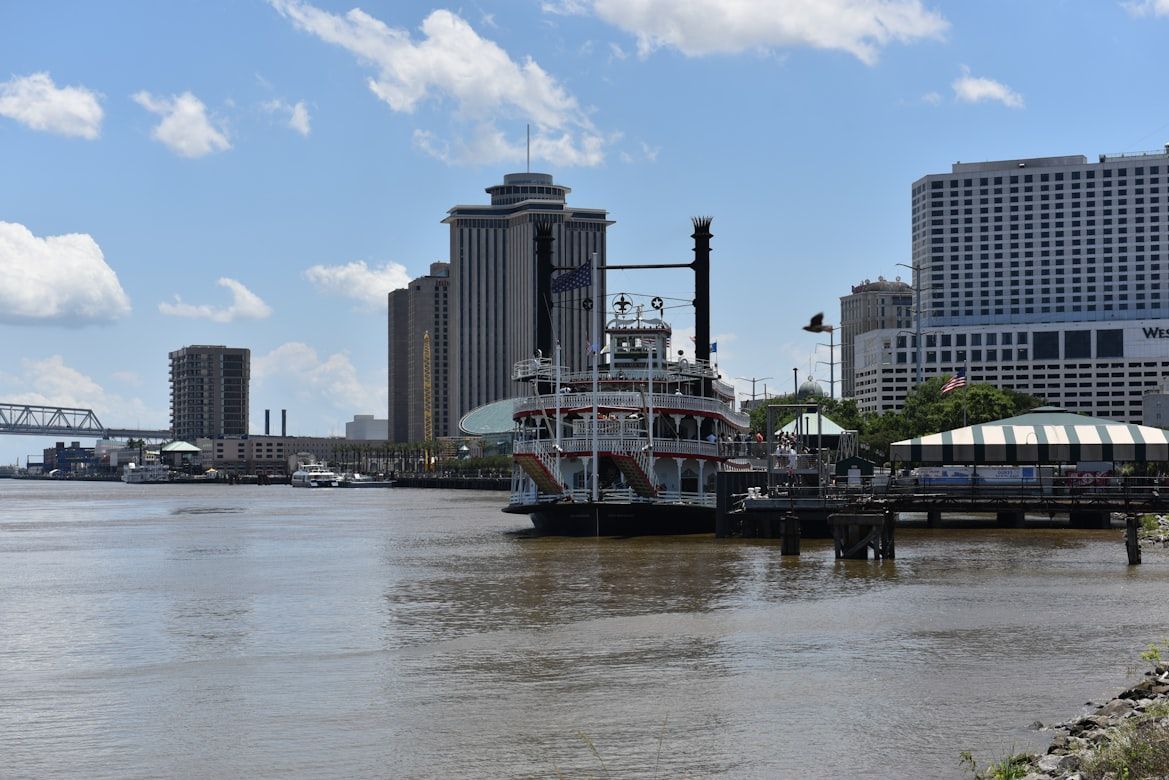
Image: Gower Brown

The Mississippi River, which flows through Minnesota, Wisconsin, Iowa, Illinois, Missouri, Kentucky, Tennessee, Arkansas, Mississippi, and Louisiana, has long served as the backbone of commerce in America. Winding through 10 states, it connects farms, factories, and cities across the country .

New Orleans flourishes at its mouth, which turned it into one of America’s busiest ports. Goods from the Midwest, like grain, cotton, and timber, traveled downriver to ships bound for global markets.

2
Hudson River (New York City)
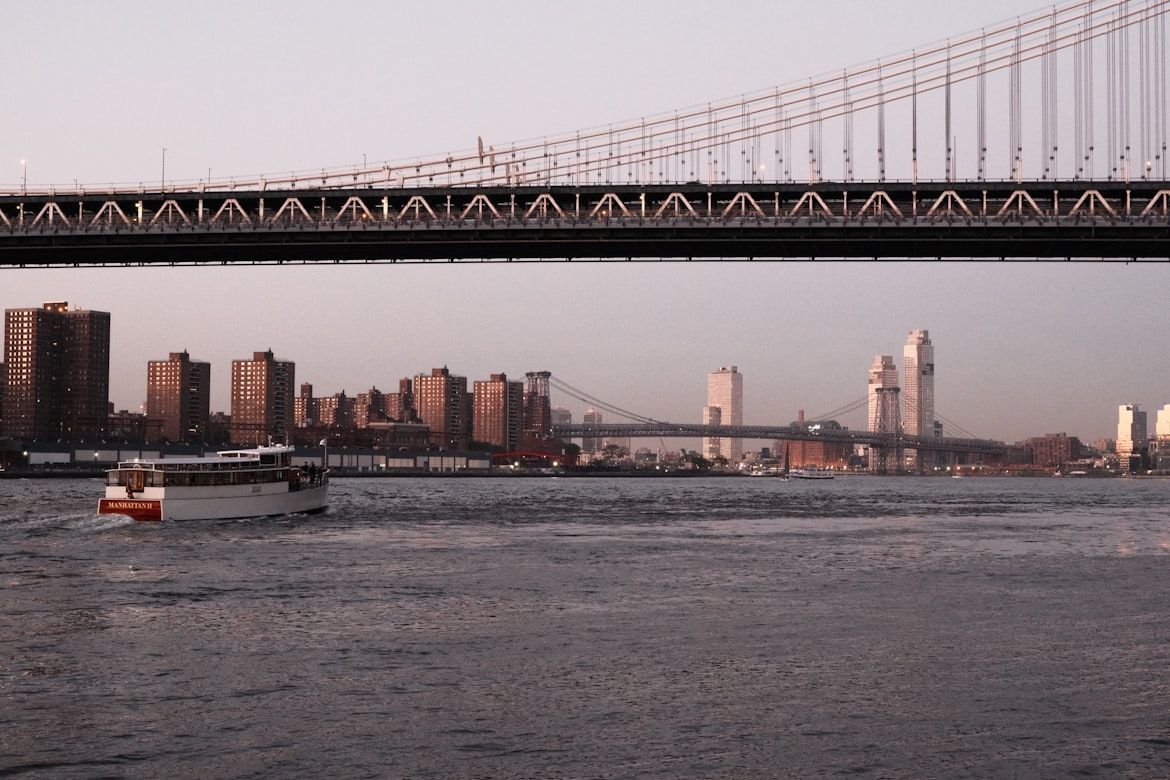
Image: Melanie Celine

The Hudson River transformed New York City into the East Coast's leading port, as its deep waters allowed ocean-going ships from the Atlantic to travel far inland .

When the Erie Canal opened in 1825, it linked the Hudson River to the Great Lakes near Waterford, New York, about 150 miles north of the city. This created a direct trade route between the Midwest and the Atlantic, cementing New York’s economic dominance.

3
Chicago River (Chicago)
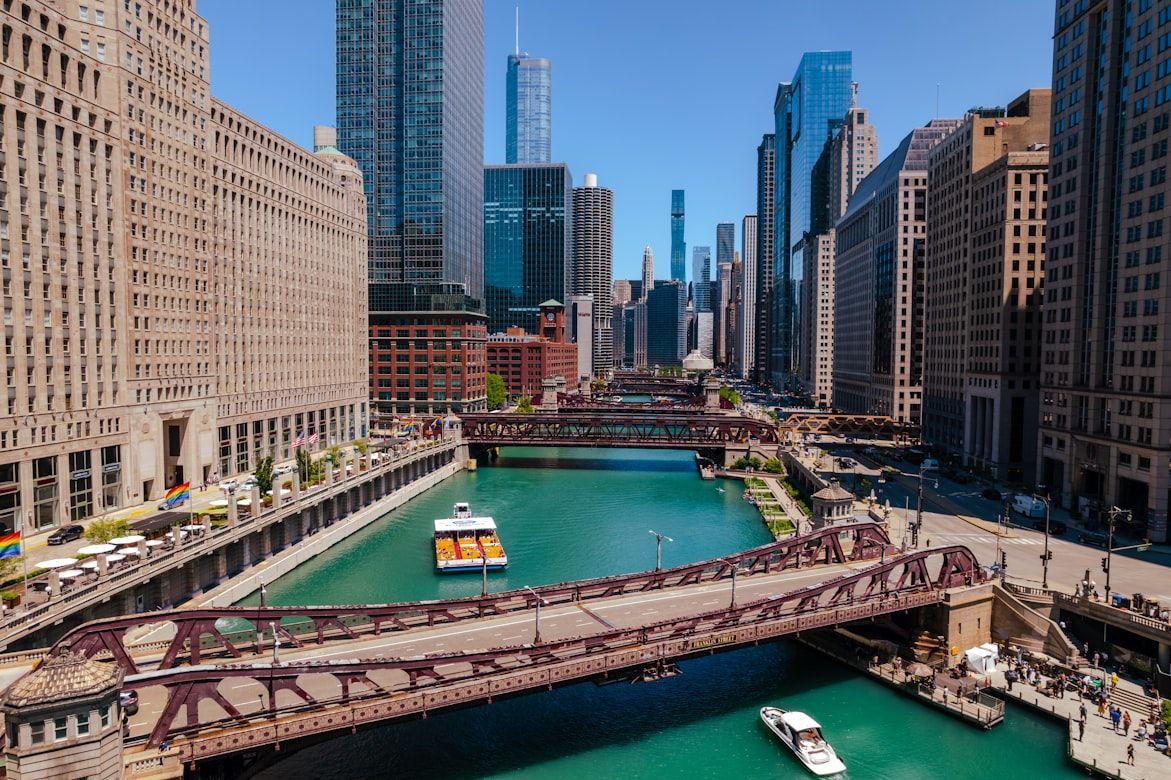
Image: Zander Betterton

Chicago’s rise began with its strategic location along the Chicago River, a short but crucial waterway connecting Lake Michigan to inland routes .

With the construction of the Illinois and Michigan Canal in 1848, Chicago became the gateway between the Great Lakes and the Mississippi River basin, fueling explosive growth in trade and industry.

4
Charles River (Boston)
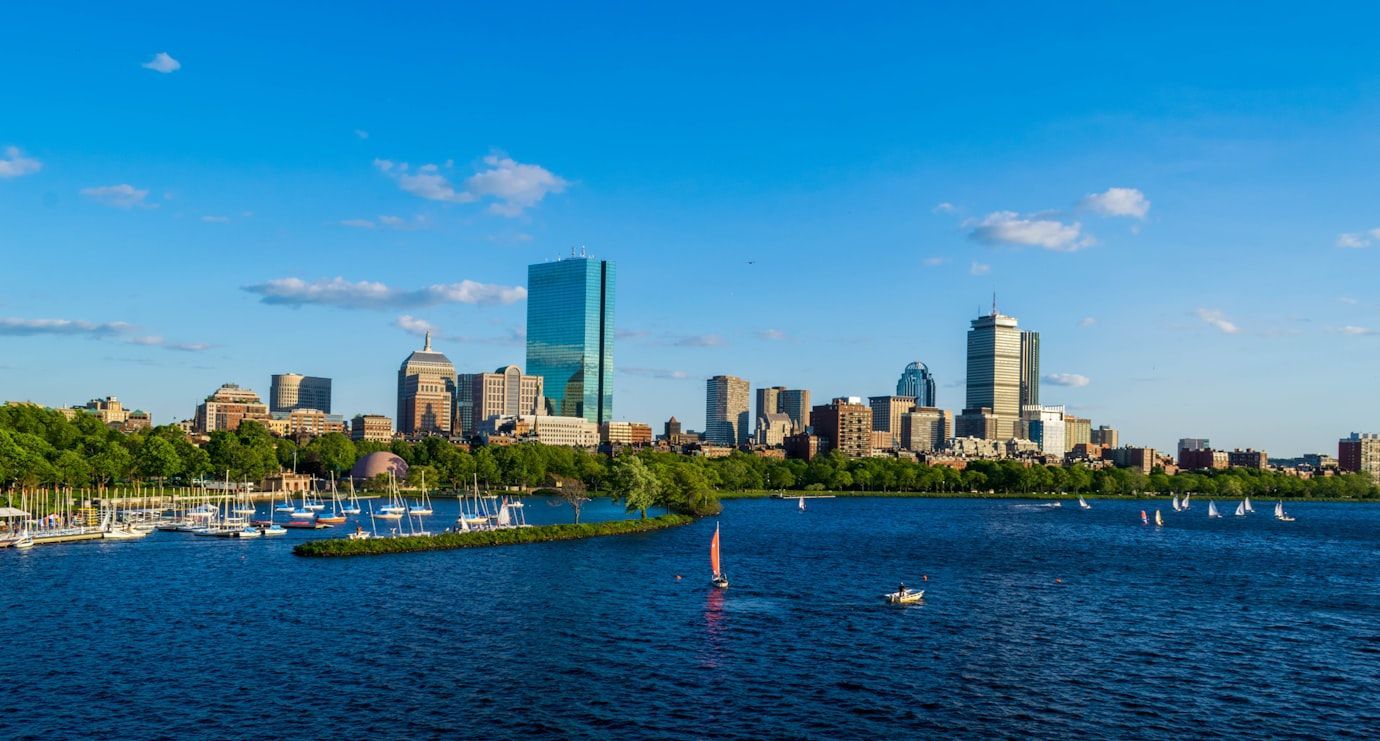
Image: Prateek Pisat

The Charles River played a central role in early American industry. In the early 1800s, mills along its banks harnessed the river’s power to run machinery .

The nearby textile mills in Waltham helped pioneer the American factory system. The Boston Manufacturing Company mill was the first fully integrated textile factory in the U.S., integrating the spinning, weaving, and finishing processes under one roof. The river’s energy helped transform the Boston region into a major industrial center.

5
Delaware River (Philadelphia)
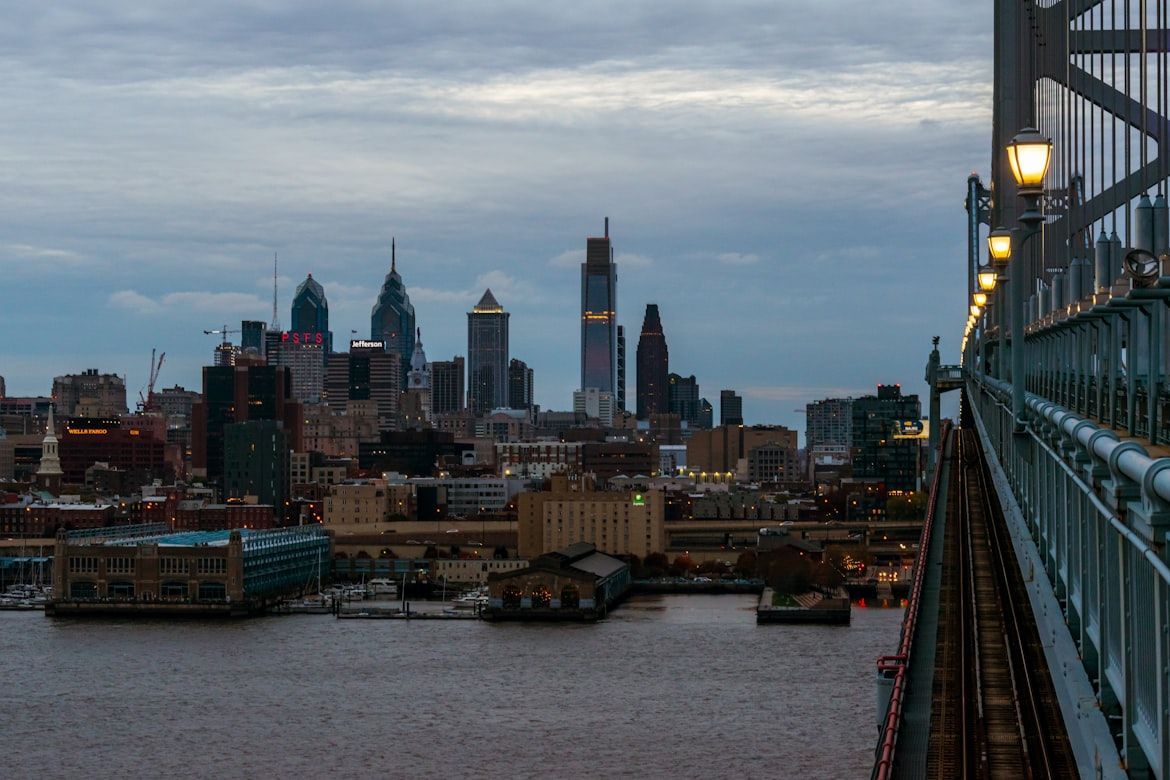
Image: Mick Kirchman

Philadelphia was founded along the Delaware River, which quickly became one of colonial America’s most important trade corridors.

Ships carrying grain, lumber, and manufactured goods traveled between Philadelphia and the Atlantic . The river helped the city grow into one of the largest and most prosperous ports of early America.

6
Potomac River (Washington, D.C.)
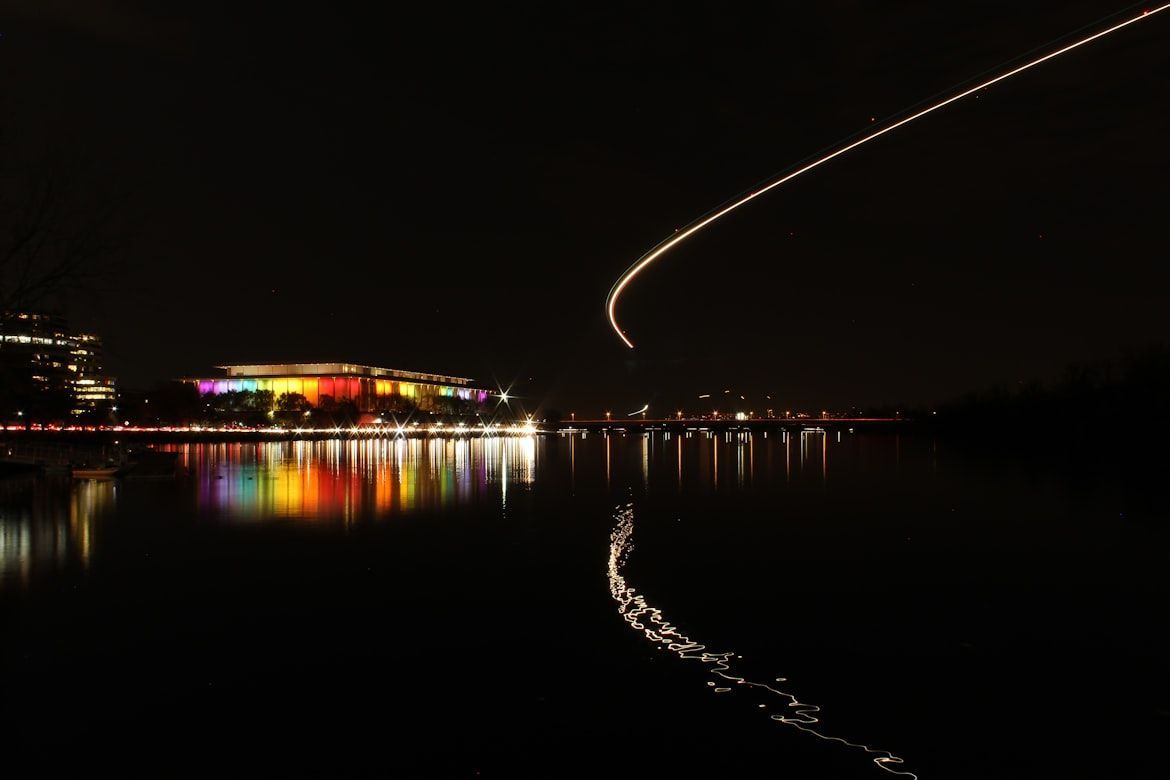
Image: Nicholas Wright

The Potomac River helped determine the location of the nation’s capital, which was established in 1790. This broad waterway was intended to provide access between the Atlantic and the interior of the new country .

Early leaders, like George Washington, hoped the river would become a major commercial corridor linking the young capital to western towns through canals and improved navigation routes.

7
Schuylkill River (Philadelphia)
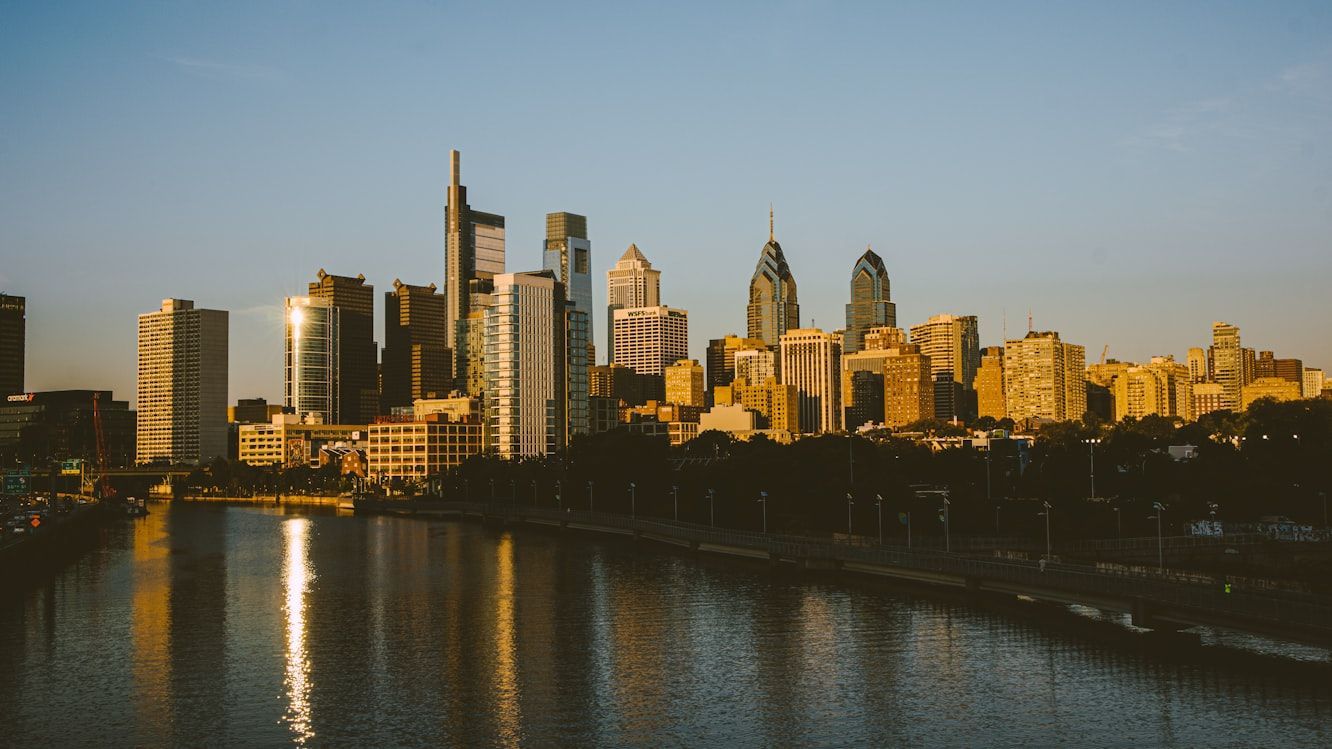
Image: Alejandro Barba

Flowing through Philadelphia, the Schuylkill River powered much of the city’s early industrial growth. Its waters supported mills and factories throughout the 19th century .

The Schuylkill Canal also carried vast shipments of Pennsylvania anthracite coal, providing the fuel that powered factories and heated homes across the growing nation.

8
Ohio River (Pittsburgh)
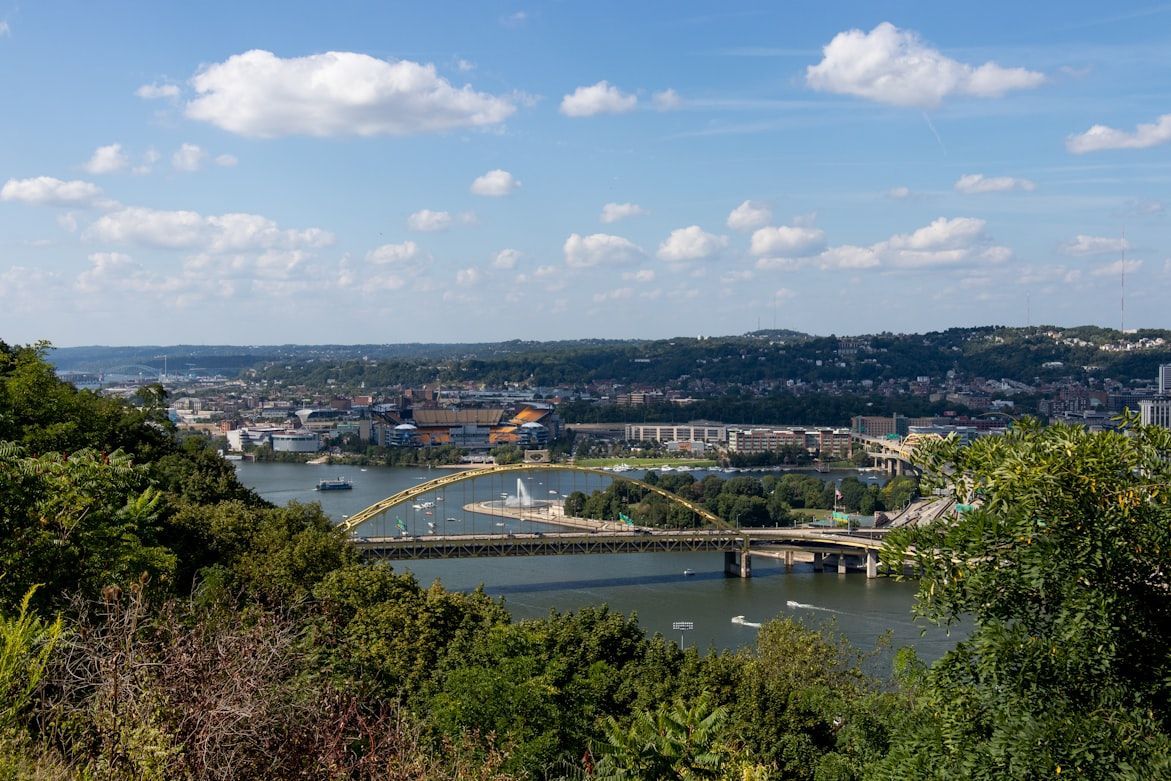
Image: Carson Kaskel

The Ohio River begins at Pittsburgh, where the Allegheny and Monongahela rivers meet. This strategic location turned the city into a gateway to the expanding American frontier .

Beginning in the 1810s, steamboats carried settlers and goods downstream to cities like Cincinnati and Louisville, helping Pittsburgh grow into a major industrial and transportation center.

9
Missouri River (Kansas City, Missouri)

Image: Nathan Sack

The Missouri River served as a key launching point for westward expansion during the 19th century.

Kansas City grew where river trade intersected with overland trails heading west , including the Santa Fe and Oregon Trails. The river made the city a critical supply hub for pioneers and traders.

10
Detroit River (Detroit)
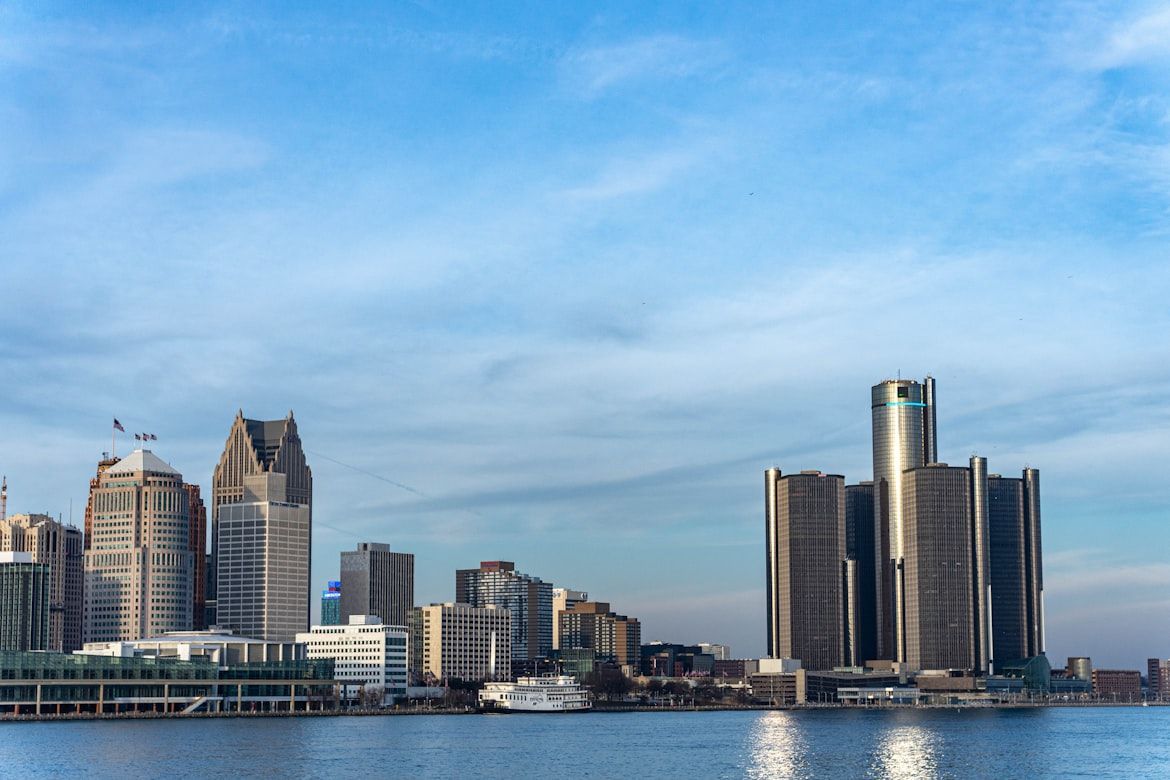
Image: GV Chana

The Detroit River links Lake Erie and Lake St. Clair, forming a vital passage in the Great Lakes shipping system .

Detroit developed along this busy corridor, where ships transported iron ore, timber, and other raw materials. These resources helped fuel the city’s rise as a manufacturing center.

11
Cuyahoga River (Cleveland)
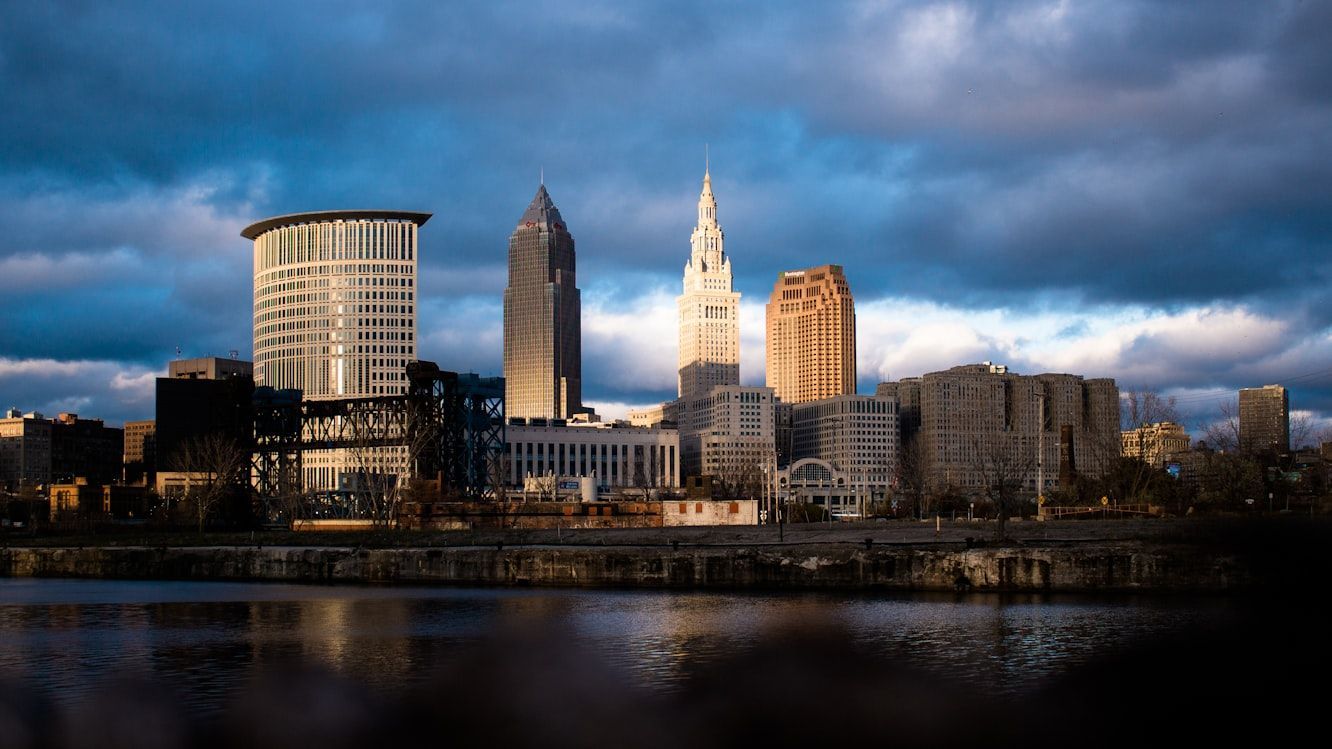
Image: DJ Johnson

The Cuyahoga River winds through Cleveland before emptying into Lake Erie, creating a natural harbor that attracted industries .

Steel mills, shipyards, and refineries lined its banks during the late 19th and early 20th centuries, turning Cleveland into one of the Midwest’s most important industrial cities.

12
Colorado River (Las Vegas)
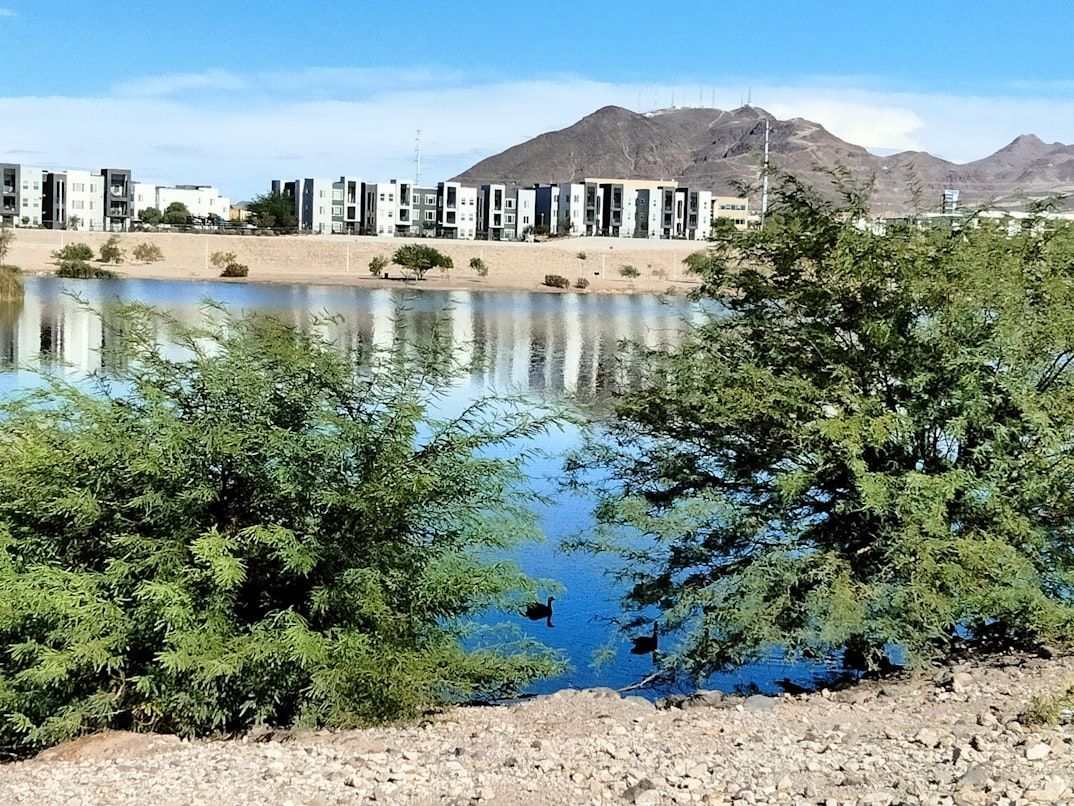
Image: Veronica Ascencio

Though best known for carving the Grand Canyon, the Colorado River also helped make the rise of modern cities in the desert Southwest possible .

Projects like Hoover Dam and Lake Mead provided water supplies and hydroelectric power that supported the rapid growth of nearby cities, such as Las Vegas, in an otherwise arid region.
History History 4 min read

Western stories

Debunking myths and truths about the California Gold Rush

Image: Scottsdale Mint

Were the 49ers pioneering winners? Who made the most money over there, in the West? Who wrote the best accounts of lifestyle and stories about the gold fever? If the answers to these questions are a mystery to you, you might enjoy these lesser-known stories about the California Gold Rush!

1
Gold Rush myths bubbled up immediately

Image: Tomáš Malík

It didn’t take long for the truth to get buried. As soon as gold was discovered, the stories started to shimmer. Tales of instant wealth, golden boulders, and rivers gleaming with nuggets.

Letters home were often exaggerated, and newspapers sensationalized every find. These myths fueled the frenzy and caused proverbial FOMO all over the world. People wanted to see it for themselves.

2
The best Western business wasn’t in fact gold

Image: Stefan Münz

If you wanted to get rich during the gold rush, you had better chances opening a store than mining. That was the golden rule for smart entrepreneurs like Levi Strauss, who didn’t strike it rich in a streambed, but in a sewing room. Another legend, Samuel Brannan, made a fortune selling picks, pans, and shovels —not gold.

3
The "49ers" were actually latecomers

Image: Emilie

The famed "49ers," the nickname for those swept up in the gold frenzy in 1849, weren’t the first on the scene. There’s a plot twist. Gold was discovered in January 1848 at Sutter’s Mill.

But the news spread slowly . By the time the world caught on, most of the easily accessible gold had already been plucked from riverbeds by locals, soldiers, and early arrivals.

4
Thousands came from China and South America

Image: rc.xyz NFT gallery

The Gold Rush was a global stampede . Tens of thousands of Chinese immigrants crossed the Pacific, some bringing generations of mining knowledge with them. Others came from Chile, Peru, and Mexico, arriving in San Francisco to find opportunity.

5
Women were there not just as camp followers

Image: Michael & Diane Weidner

Women were there too, not just as wives, but as businesswomen, cooks, hoteliers, and even miners. Take Luzena Wilson, a widow who hauled her children west and set up a boarding house for miners. Her clean beds and hot meals turned into a booming business.

Others ran laundries, tended bar, or staked their own claims. In a lawless land where survival meant creativity, many women found fortune in hard work.

6
Some came from Hawaii, Russia, and Europe

Image: Trey Hollins

They called them " Argonauts ," a romantic nod to the Greek myth of Jason and his quest for the Golden Fleece. And like the legend, the real Gold Rush was international. Adventurers came not just from the American East, but from as far as Russia’s Pacific coast, the Hawaiian Islands, and every corner of Europe.

7
Gold Rush towns became ghost towns

Image: Stefan Münz

Take Bodie, for example. A lawless hotspot where saloons outnumbered schools. At its peak, it had over 10,000 residents. A few decades later, it was all tumbleweeds and creaky wood .

Once the gold ran out, so did the people. Tools were abandoned and whole towns vanished almost overnight, leaving behind eerie remnants.

8
The "Gold Fever" spread worldwide

Image: suradeach saetang

Once word of gold reached distant shores, "gold fever" spread around the world . Australia had its own rush by 1851. The Klondike in Canada followed in the 1890s, and South Africa’s rich deposits turned Johannesburg into a boomtown in the 1880s.

Prospectors chased hope, not just gold. Each new report of found gold sparked a fresh migration, with fortune-seekers packing up and heading to the hot spots.

9
Gold mining required team effort

Image: Elena Mozhvilo

Forget the image of the lone prospector whistling by the river . That only worked for a short time.

As surface gold dried up, miners turned to hard labor, which involved blasting rock, diverting rivers, and eventually using powerful water cannons in a process called hydraulic mining. It was expensive. Teams of men pooled resources, hired help, and invested in equipment.

10
Many "Gold Seekers" never even made it to California

Image: James Lee

Getting to California in the 1840s was no stroll through the prairie. Hundreds of the hopefuls who set out never arrived. Some perished on the overland trails due to disease, accidents, or exhaustion.

The sea route around Cape Horn was no solution; it was just longer and colder. Some turned back. Others settled in Oregon or Utah. A few found fortune far from the gold fields.

11
The "Gold Rush" fueled California's statehood

Image: Emre Ayata

In 1848, California was a sleepy outpost with little U.S. oversight. By 1850, it had boomed into a booming, brawling land with more than enough people.

The rush had brought merchants, farmers, lawyers, and politicians. With them came the push for schools, railroads, and laws. California skipped the usual phase of being a U.S. territory and leapfrogged straight into statehood.

12
Women and children wrote some of the best eyewitness accounts

Image: The Cleveland Museum of Art

Some of the most vivid details of this era came from women and children who chronicled the chaos . Their letters and diaries tell of lonely cabins, muddy streets, makeshift schools, and the daily drama of camp life.

Women like Louise Clappe (aka "Dame Shirley") wrote witty, unfiltered dispatches from the Sierra Nevada. Young girls described the thrill of arriving in San Francisco and the terror of crossing the plains.

13
The Gold Rush didn't end in 1850

Image: Michael & Diane Weidner

By the time most folks arrived, the easy pickings were gone, and the story was just getting started.

The gold fever didn’t vanish in a year. Prospecting surged well into the 1850s and beyond. Some of the biggest strikes, like Nevada’s Comstock Lode in 1859, came after the main rush was supposedly over. By then, mining had evolved into an industrial enterprise, with machinery, corporations, and deeper digs.

General General 6 min read

The sky is the limit

How many burgers can you eat? 10 unusual world records set in the USA

Image: Shivam Dewan

Pushing the limits of possibility is an innate human trait, and the Guinness World Records are living proof of this relentless pursuit of the extraordinary. The United States, a nation known for its creativity and endurance, is home to some of the most curious and extravagant Guinness records ever achieved. These remarkable accomplishments demonstrate that, in the quest for global recognition, there is no limit to inventiveness and determination. Join us to learn about 10 of the most bizarre world records set in the USA.

1
Most Big Mac burgers eaten in a lifetime

Image: amirali mirhashemian

Sure, we all enjoy a delicious burger every now and then, but 34,000? That's the total number of Big Macs a 70-year-old retired prison officer from Fond du Lac, Wisconsin, has consumed in his lifetime. Recently, after eating 728 more burgers throughout 2023, Donald Gorske has extended his world record.

On May 17, 1972, Gorske had his first Big Mac and from then on, he never stopped. Every day, he skips breakfast and goes straight for one burger at lunch and one at dinner, accompanied by fries or fruit. Gorske said he used to drive to McDonald's every day, but since retiring, he buys the burgers twice a week in batches and then heats them up in the microwave. What about you? If you had to choose just one food to eat for the rest of your life, what would it be?

2
Farthest distance to blow a pea

Image: Elena Leya

Some use the power of their lungs to run marathons, while others use it to break curious world records. On October 8, 2022, David Rush set out to accomplish a feat that, while unusual, required great precision and breathing control: the greatest distance traveled by a blown pea.

With a mixture of concentration and dexterity, Rush managed to blow a single green pea an impressive 84 feet, 11 inches. What makes this record even more remarkable is that he achieved this distance with a single breath. This accomplishment is just one more in the extensive list of Guinness World Records that the Boise, Idaho, resident has achieved in his lifetime; in fact, in August 2024, Rush became the world's top record breaker with 181 titles.

3
Largest collection of teddy bears

Image: MirelaSchenk

Not long ago, an American woman named Jackie Miley held the title for the largest collection of teddy bears. In her home in Rapid City, South Dakota, Jackie zealously guarded more than 8,000 teddy bears. The collection consisted of at least one bear representing each of the U.S. states and 29 different countries. She got her first bear during a vacation in 2000, and it wasn't until she reached 3,000 bears that she contacted Guinness World Records.

Unfortunately for Jackie, her record was beaten in 2019 by a Hungarian woman named Istvánné Arnóczki, who owns a total of 20,367 teddy bears. However, as far as stuffed animals go, the United States remains on the podium. In 2024, a 27-year-old from Mascoutah, Illinois, entered the Guinness World Records for having an impressive collection of 1,523 Squishmallows, a brand of stuffed toy launched in 2017 that boasts 3,000 different styles.

4
Longest birthday

Image: jarmoluk

Many of us wish our birthdays lasted a little longer than just 24 hours. Well, one young Hawaii native made that dream come true. On February 3, 2018, Paul Morgan celebrated his 28th birthday in a totally original way: by making it the longest birthday ever recorded. But how did he do it? He simply took advantage of the difference in time zones around the world! In doing so, he extended his special day to a total of 48 hours, breaking the Guinness World Record for the longest birthday in history.

Morgan began his epic celebration in Apia, Samoa, one of the first places in the world to welcome each new day. From there, he flew to Auckland, New Zealand, before heading to Los Angeles, and finally landing in Kauai, Hawaii. This carefully planned trip allowed him to cross several time zones and extend his birthday to twice as long as normal. Clever, huh?

5
Most candles on a cake

Image: Tim Cooper

And if we talk about birthdays, we can't miss cake! As we get older, candles multiply, but you'll never guess what the largest number of candles on a cake ever recorded is. In 2016, members of the Sri Chinmoy Center in New York, an Eastern philosophy spiritual group, achieved the world record for the most candles lit on a birthday cake.

They burned 72,585 candles for 40 seconds on a huge cake measuring 80.5 feet long and 2 feet wide. It took 100 volunteers to light them and a couple of fire extinguishers to put them out safely. We are not sure if the attendees were able to eat the delicious vanilla mousse sponge cake after such a blaze, but the video of the feat can be seen on YouTube. As of today, it has already been viewed by more than 220,000 people!

6
Most tricks performed by a cow in one minute

Image: leppäkerttu

It's not just humans who break world records, animals do too! In March 2023, a four-year-old Charolais cow named Ghost broke a Guinness World Record by performing 10 tricks in just one minute. This record, which might seem more fitting for a dog or a horse, is the sole merit of her owner’s ingenuity, Nebraskan Megan Reimann, who applied horse training techniques, such as positive reinforcement, to teach her a series of amazing skills.

Among Ghost’s incredible talents are her ability to come when called, turn, nod her head, give kisses, and even bow—all in just 60 seconds. The success of the "world's smartest cow" is not only a testament to her intelligence but also to the potential all animals have to learn and perform exceptional feats.

7
Highest number counted out loud

Image: Mishelved

This Guinness World Record is probably the exact opposite of counting sheep to sleep. In the summer of 2007, a resident of Birmingham, Alabama, named Jeremy Harper embarked on a feat that would test both his physical and mental endurance: counting out loud to the number one million without leaving his apartment.

For four months in a row, Harper live-streamed his quest on YouTube, capturing an audience of thousands around the world who tuned in to watch him recite more than 11,000 numbers a day. After 89 long days without breaks, sunlight, or privacy, Harper finally reached his goal and set the Guinness World Record for the highest number ever counted out loud.

8
Most bobby pins in a beard

Image: Alf van Beem, CC0, via Wikimedia Commons

Surely, when San Francisco-based cosmetics manufacturer Luis Marcus invented bobby pins in the early 20th century, he never imagined that a hundred years later they would be part of a world record. On July 21, 2021, Dean Banowetz, a California hairstylist, set out to accomplish a feat few would have imagined: placing the most bobby pins in a beard.

With precision and dedication, Banowetz managed to attach a total of 4,831 bobby pins to his own beard, surpassing all expectations and setting a unique world record. This stylist, who was already known as the Hollywood Hair Guy, proved that his skill goes beyond traditional hairdressing techniques, exploring the creative potential of something as simple as a bobby pin.

9
Heaviest kale

Image: Monika Borys

If humans and animals can break world records, why can't the vegetable world do it too? In August 2007, Scott Robb, a horticulturist from Palmer, Alaska, presented a kale at the State Fair that left everyone open-mouthed with its colossal size: 105 pounds, 14.5 ounces.

This achievement was no fluke but the result of years of perfecting farming techniques and a passion for growing giant vegetables. Robb is no stranger to the world of horticultural records; he also holds titles for growing the heaviest turnip (39.2 pounds), the heaviest kohlrabi (nearly 97 pounds), and the heaviest green cabbage (138.25 pounds). Robb's dedication has made Palmer, Alaska, a benchmark for gardening enthusiasts and Guinness World Records.

10
Largest hands and feet on a living teenager

Image: KlausHausmann

Eric Kilburn Jr., a 16-year-old from Michigan, has stamped his footprint in the 2025 Guinness World Records book—literally! With feet measuring 13.50 inches and hands just over 7.4 inches, Eric holds the title of "largest hands and feet on a teenager".

His shoe size is an impressive 23 American , while the average for an adult male typically ranges from 8.5 to 9. Before he rose to fame, his mother faced challenges having to get shoes custom-made for him; they cost more than US$ 1,500 a pair. Fortunately, after Eric’s story went viral, brands like Puma and Under Armour offered him custom shoes.

Explore more American facts

Choose your favorite category!

General
General

As American as apple pie—the very best America has to offer!

Culture
Culture

Delve into the astounding richness of American lore.

Geography
Geography

Hop in and explore vast and diverse American landscapes.

History
History

Discover the key moments that shaped the United States.