General General 5 min read

The Big Apple

Why is New York City a "Big Apple"?

Image: eFlexion

You might think there’s nothing new to say or discover about New York City. A center of finance, arts, culture, international diplomacy, and the most populous city in America, New York is a world of its own, chaotic and ever-changing, but rooted in tradition and history . Here are 10 facts you might not know about the city that never sleeps.

1
A diverse city
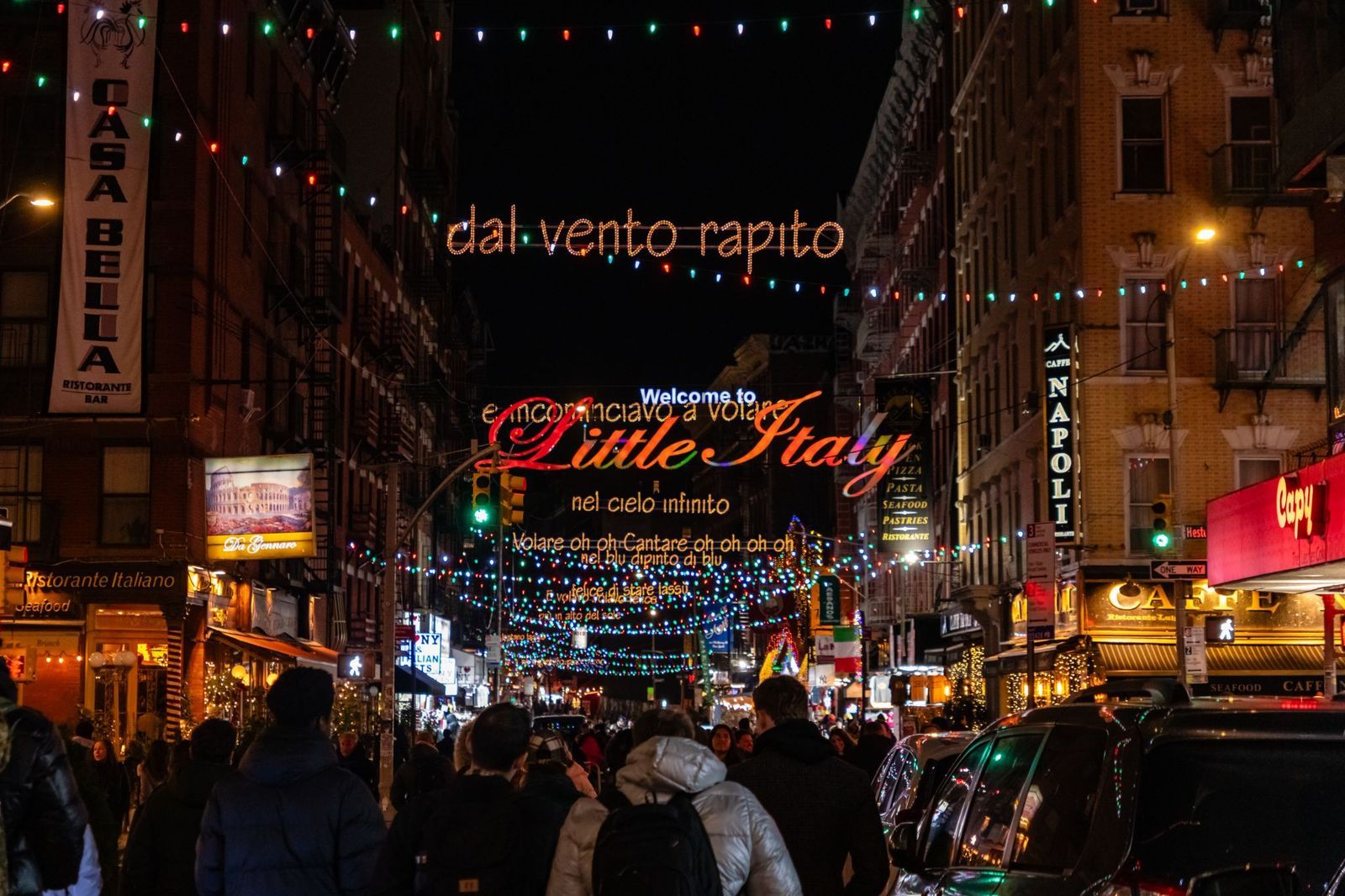
Image: Heidi Besen

Anyone who has ever set foot in New York City knows that it’s a highly diverse city, with ties to communities from all over the world. Around 35% of New Yorkers are foreign-born, and around 800 different languages are spoken every day in the city. This is not only the result of the millions of immigrants who have arrived there since the 19th century, but also the city’s status as a financial and cultural hub that attracts residents from around the globe.

2
The Big Apple’s name origins

Image: an_vision

Ever wondered why New York City is nicknamed the Big Apple? It has nothing to do with the fruit, but rather with horse racing. In the 1920s, John J. Fitz Gerald, a sports journalist, overheard a group of New Orleans stable hands call New York’s race tracks the "big apple", because they offered the biggest prizes . Fitz Gerald started a column in the New York Morning Telegraph titled "Around the Big Apple", and the nickname stuck.

3
An island city

Image: SooWan Jang

Is New York City on an island or on the mainland? There is no straight answer to this question. New York comprises five boroughs —The Bronx, Brooklyn, Manhattan, Queens, and Staten Island— of which only one (The Bronx) is strictly part of the mainland. As for the rest, they are located across three different islands : Manhattan and Staten Island are islands of their own, while Brooklyn and Queens are located on Long Island, a much, much larger landmass which belongs only partially to New York City.

4
The building with its own zip code
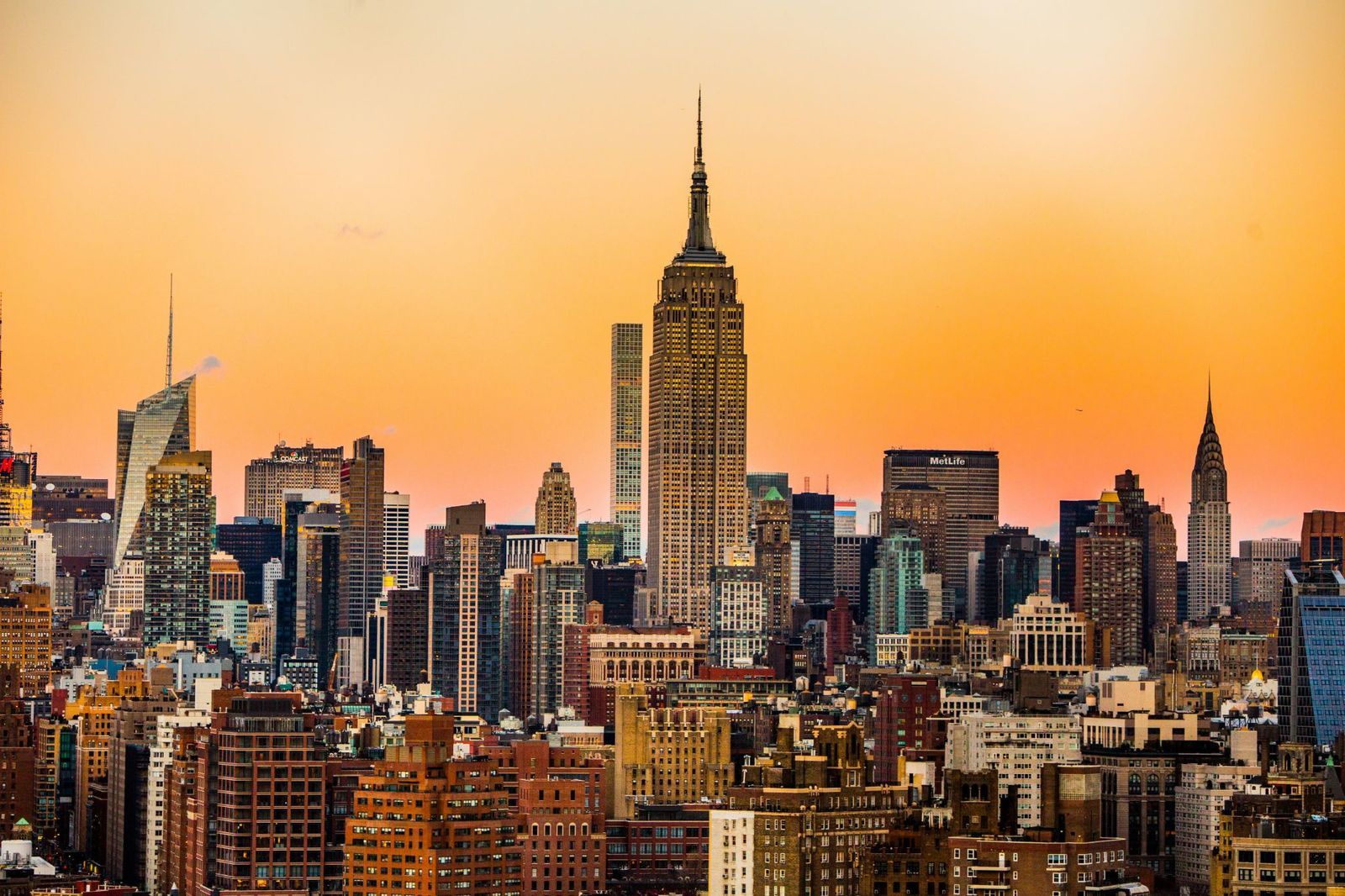
Image: Michael Discenza

Can a building have its own zip code? It sure can, if this building is a skyscraper in one of the most populous cities in the world. The Empire State Building, located at 350 Fifth Avenue (at 33rd and 34th Streets), is not only one of New York’s most famous landmarks, but it also houses dozens of businesses and offices. For this reason, the U.S. Postal Service has given the building a ZIP code of its own, NY 10118. While the Empire State Building is not the only New York building with its own code (there are 42 others), it is certainly the most famous.

5
The first pizzeria in America
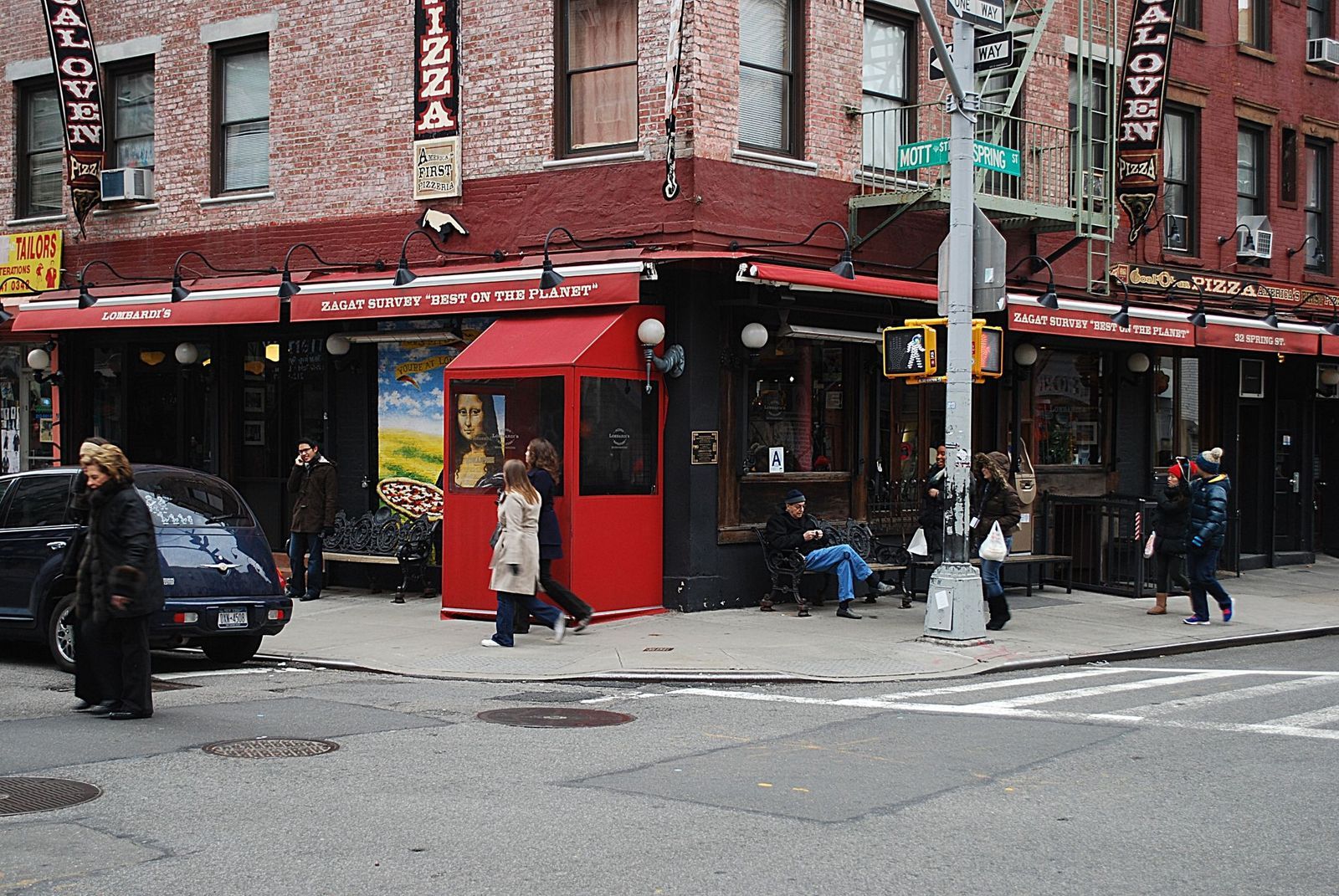
Image: Bob Rossicone

It’s impossible to imagine New York City without its pizza scene, so it’s only fitting that t he first licensed pizza place in America was founded in this city. In 1897, Italian immigrant Gennaro Lombardi opened a small grocery store in Little Italy, Manhattan, where he sold "tomato pies" (a pizza with cheese first and tomato on top). In 1905, he acquired the first official permit for a pizza place in America, which opened under the name Lombardi's Pizza.

6
The "pizza principle"
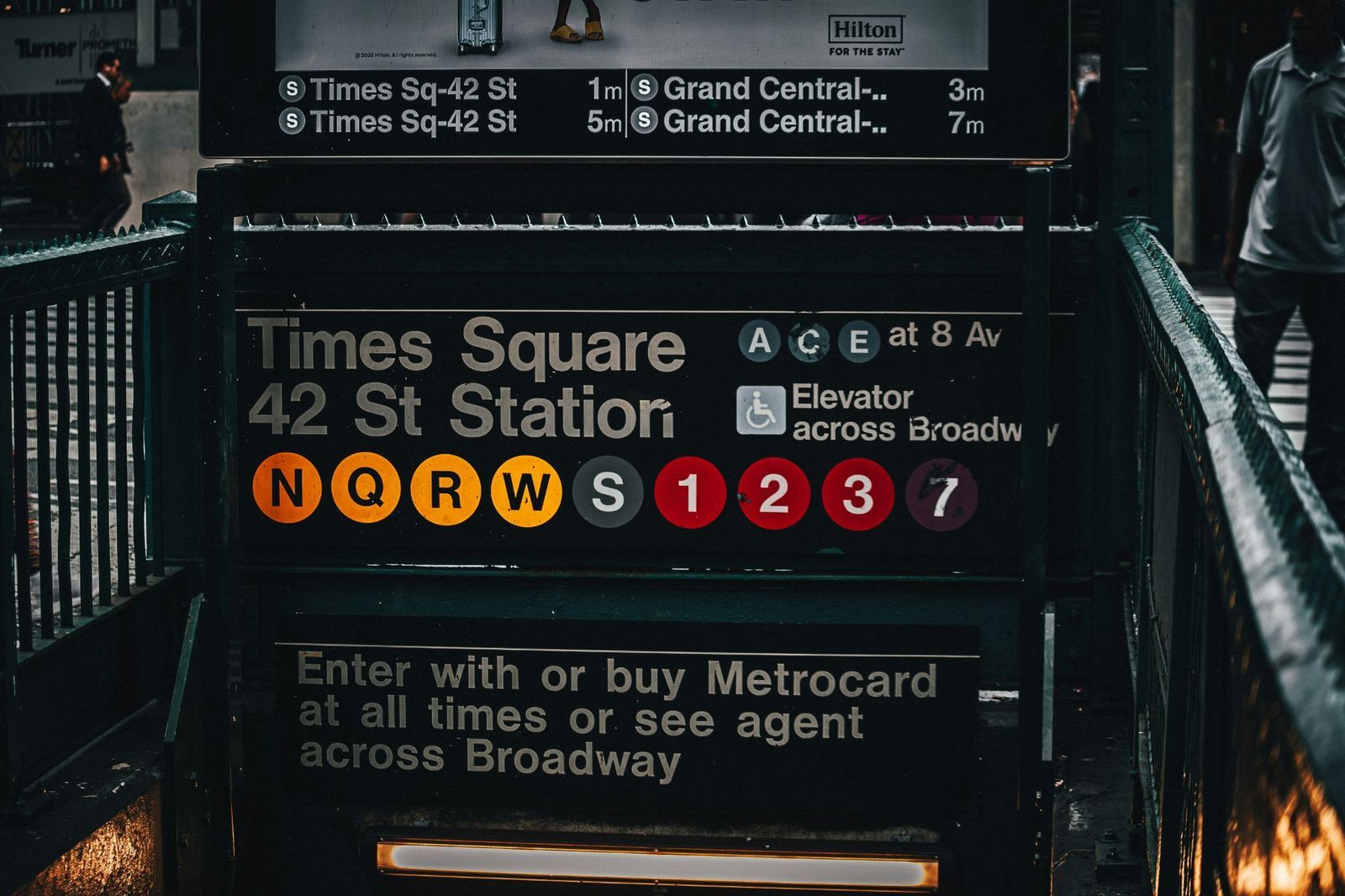
Image: Brice Cooper

The average New Yorker is used to riding the subway and buying pizza by the slice, but they might not have noticed the price similarities between these two things. First observed in the 1960s, the "pizza principle" states that the price of a plain slice of cheese pizza is roughly equal to the cost of a subway ride , and that these two prices will usually rise in tandem.

7
The "wall" in Wall Street

Image: Lo Lo

Most people know that the Wall Street financial district in New York City took its name from an actual street, but where did the street get its name? Well, from a wall. In 1653, when New York City was still New Amsterdam, the Dutch colonial authorities built a wooden wall along the northern border of the settlement , as protection against British and Native American attacks. After the British took control of the area in 1699, the deteriorated wall was taken down, and a road was built where the wall stood, aptly named "Wall Street".

8
Why yellow taxis?
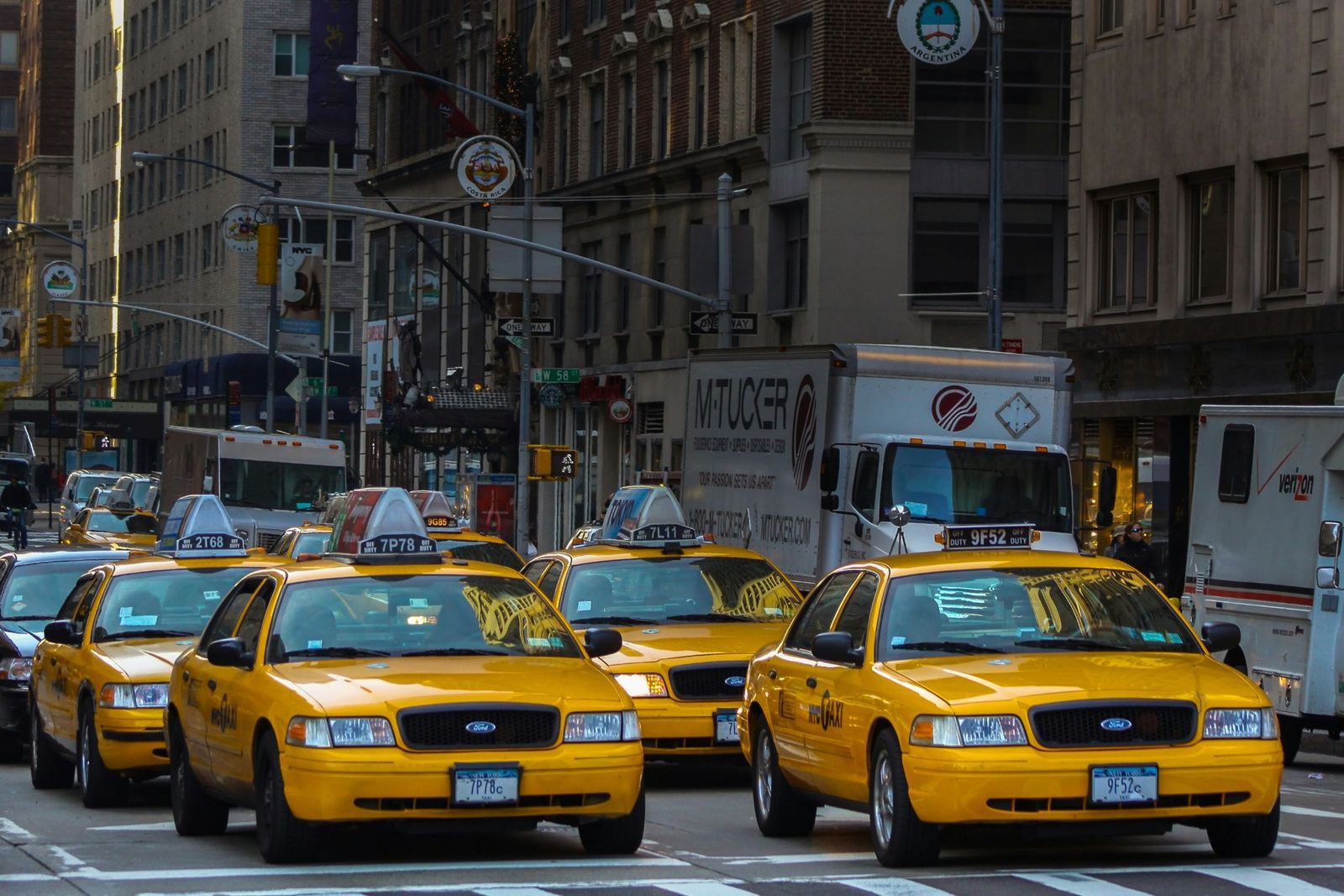
Image: Nick Fewings

To say "New York City" is synonymous with saying "yellow taxi", but taxis in the city used to be a different color. When motorized taxicabs replaced horse-drawn carriages in 1907, their official colors were red and green. In 1915, after a university study discovered that yellow was the easiest color to spot at a distance, taxi companies started painting their fleets in that color , but it wasn’t until 1967 that New York City officially required all licensed taxis to be "school bus yellow" or a similar shade. In 2013, green taxicabs (also known as "Boro taxis") were introduced to address the shortage of yellow taxis in the outer boroughs and in upper Manhattan.

9
No honking allowed
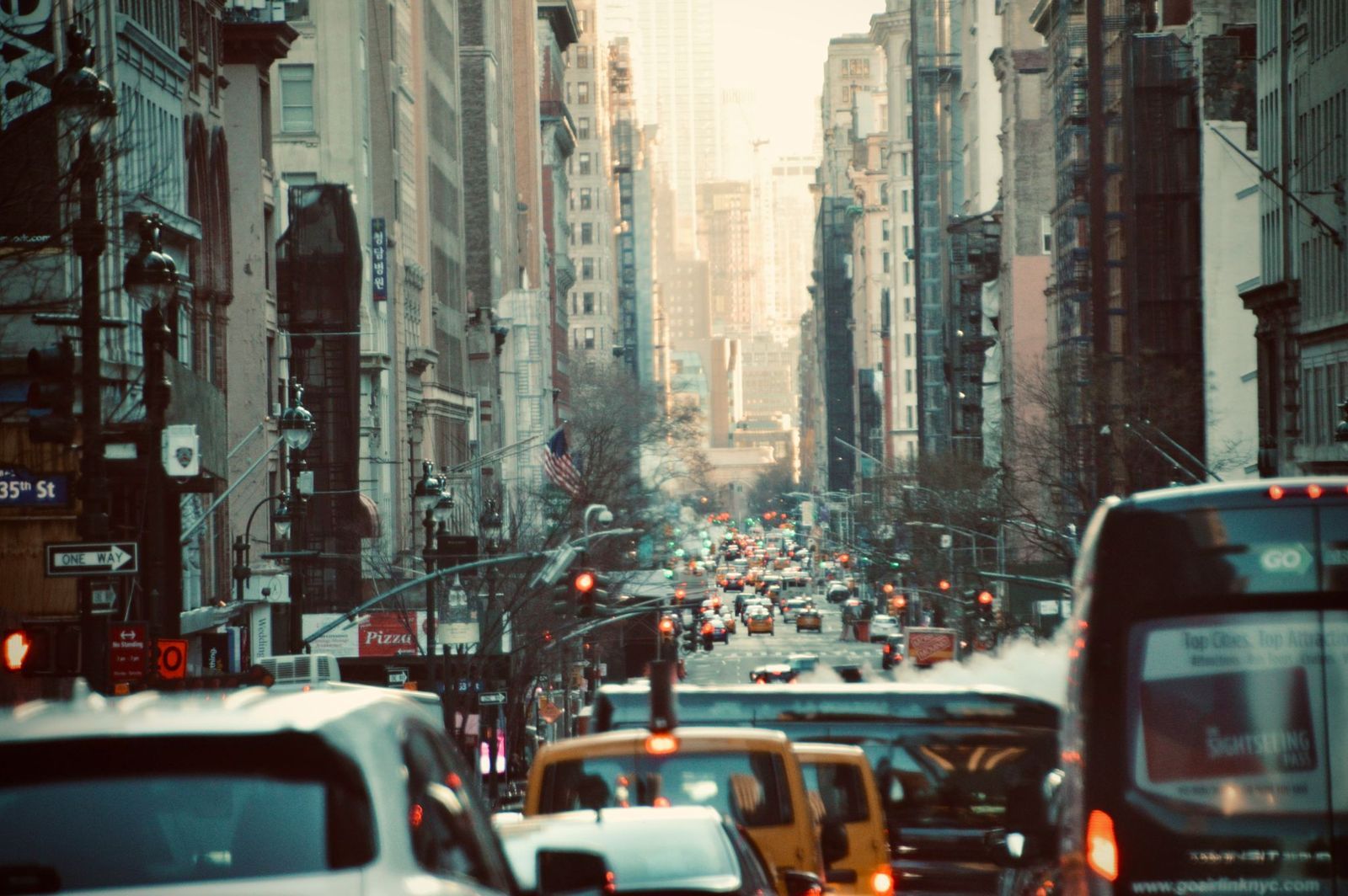
Image: Andra C Taylor Jr

Traffic noise in a city as huge and populous as New York is unavoidable, and this includes honking. But did you know that honking, unless there’s a pressing emergency, is illegal? Rules concerning honking have existed in New York since the 1930s, but this doesn’t mean they are always followed or enforced . Per the city’s code, blowing your car horn is acceptable in emergencies, but not to rush traffic along, express anger, or as a greeting, all things that might carry a fine ranging from $350 to $2,500. However, despite traffic agents, noise cameras, and fines, honking is still prevalent in New York’s daily sounds.

10
Moving day

Image: Vitaly Gariev

New York City’s housing market is cutthroat, but imagine how much worse it would be if you (and everyone else in the city) were only allowed to look for a new place to live three months out of the whole year? For a long time, this was the norm. Stemming from an old Dutch custom where all leases expired on May 1st, landlords would notify their tenants about rent increases or their lease ending on February 1st. For the next three months, tenants all across the city would look for a new place, and all moves would be done on May 1st, also known as "moving day". Down the line, an extra "moving day" was added in October to reduce the chaos caused by the tradition, which died out around WWII.


General General 4 min read

America’s favorite

Is your dog on this list? America's 10 favorite breeds

Image: Joel J. Martínez

According to recent statistics, about 66% of American homes have a pet, and dogs are the clear favorite. How popular are they? It turns out that 65 million US households own at least one dog. So which breeds top the list? Which ones claim the crown as the most chosen in American homes? Join us to see if your favorite breed makes the ranking.

1
French Bulldog

Image: Karsten Winegeart

The French Bulldog has held the title of the most popular dog breed in the US since 2022. Their friendly and adaptable nature, combined with their small size, makes them perfect companions for people living in apartments or smaller homes. They may snore a little when they sleep, but that only makes them even cuter.

Just be cautious around water. Despite their bold personalities, French Bulldogs are not strong swimmers. So it’s important to supervise them closely near pools, fountains, or any other body of water.

2
Labrador Retriever

Image: Grant Durr

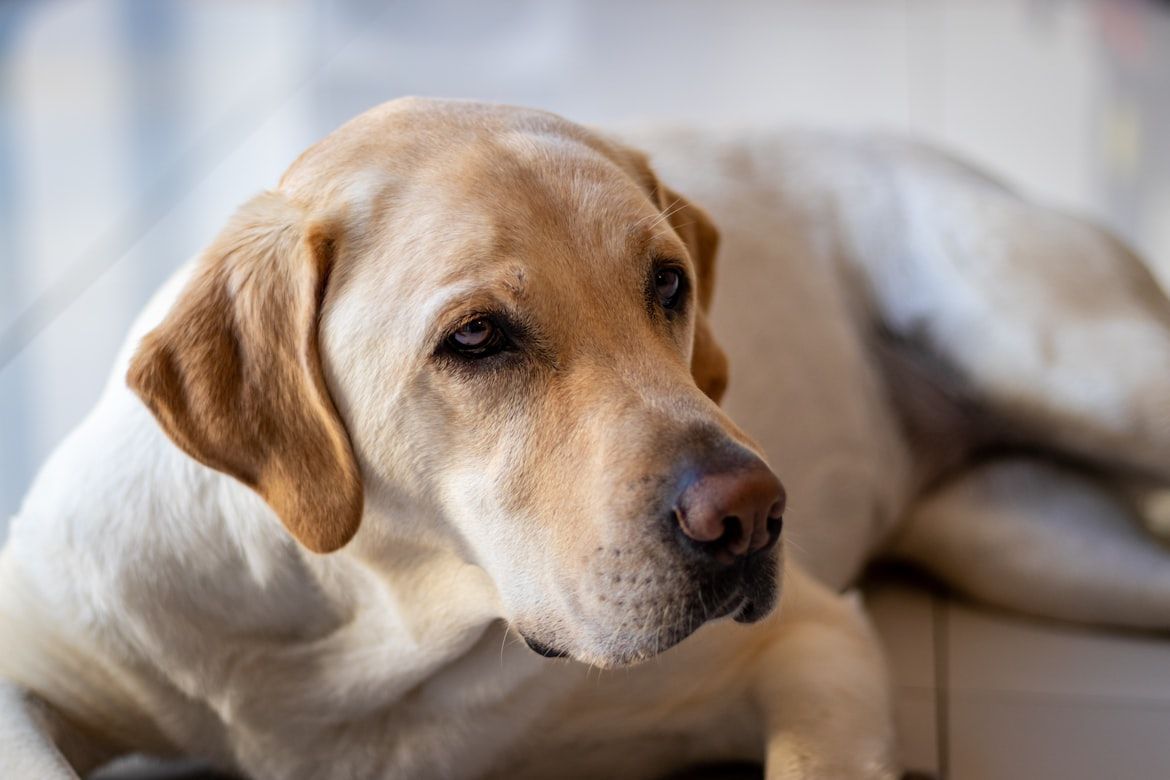
In second place, we have the beloved Labrador Retrievers, who were surpassed by French Bulldogs only in 2022. For more than three decades, the sweet Labrador was America’s favorite dog, and for good reason.

Known for their outgoing and gentle temperament, they get along wonderfully with adults, children, and even other animals. Their intelligence and sensitivity also help them stand out not only as loyal family pets and hunting companions, but also as therapy and service dogs.

3
Golden Retriever

Image: Taylor Sondgeroth

Right behind Labradors are Golden Retrievers, the good guys of the neighborhood. With their warm temperament and endless energy, they’ve earned the number three spot among the most popular breeds. Often described as "people pleasers," Goldens are more than just obedient; they’re quick learners who are always eager to join you on any adventure.

4
German Shepherd

Image: Steve Smith

Fourth on the list are German Shepherds, elegant, impressive dogs renowned for their loyalty, intelligence, and ability to learn quickly. Unlike Labradors and Golden Retrievers, however, they often have a more serious image, largely because they’re commonly associated with police work, search and rescue, and service roles. Naturally protective, they tend to be reserved at first but become affectionate with those they trust.

Do you remember Rin Tin Tin? He was a great example of the breed and helped bring German Shepherds to worldwide fame.

5
Poodle

Image: Steven Van Elk

It’s hard to write a paragraph about Poodles, not because we don’t have anything to say, but because it’s easy to be distracted by all that cuteness. Ranked fifth among the most popular breeds, Poodles also rank among the most intelligent dogs in the world. Their extraordinary smarts and enthusiasm to learn come from their history as skilled hunting dogs and even circus performers. Thanks to their obedience, agility, and strong bond with people, they continue to hold a top spot among America’s favorite breeds.

6
Dachshund

Image: Christopher Cassidy

In sixth place are the adorable Dachshunds. Famous for their long bodies, short legs, and big personalities, these dogs weren’t in the top rankings a decade ago. Many believe their surge in popularity has been fueled in part by viral internet videos showcasing their charm and humor. But don’t let their small size fool you: Dachshunds may be small, but their deep, bold bark makes them sound much bigger than they really are.

7
Beagle

Image: Marcus Wallis

Beagles come in seventh place, though if there were a contest for best ears, they’d surely take first. They’re loved not only for their adorable looks but also for their intelligence and, above all, their extraordinary sense of smell. Originally bred as rabbit-hunting hounds, Beagles have a highly efficient nose and a powerful tracking instinct.

8
Rottweiler

Image: Joash Viriah

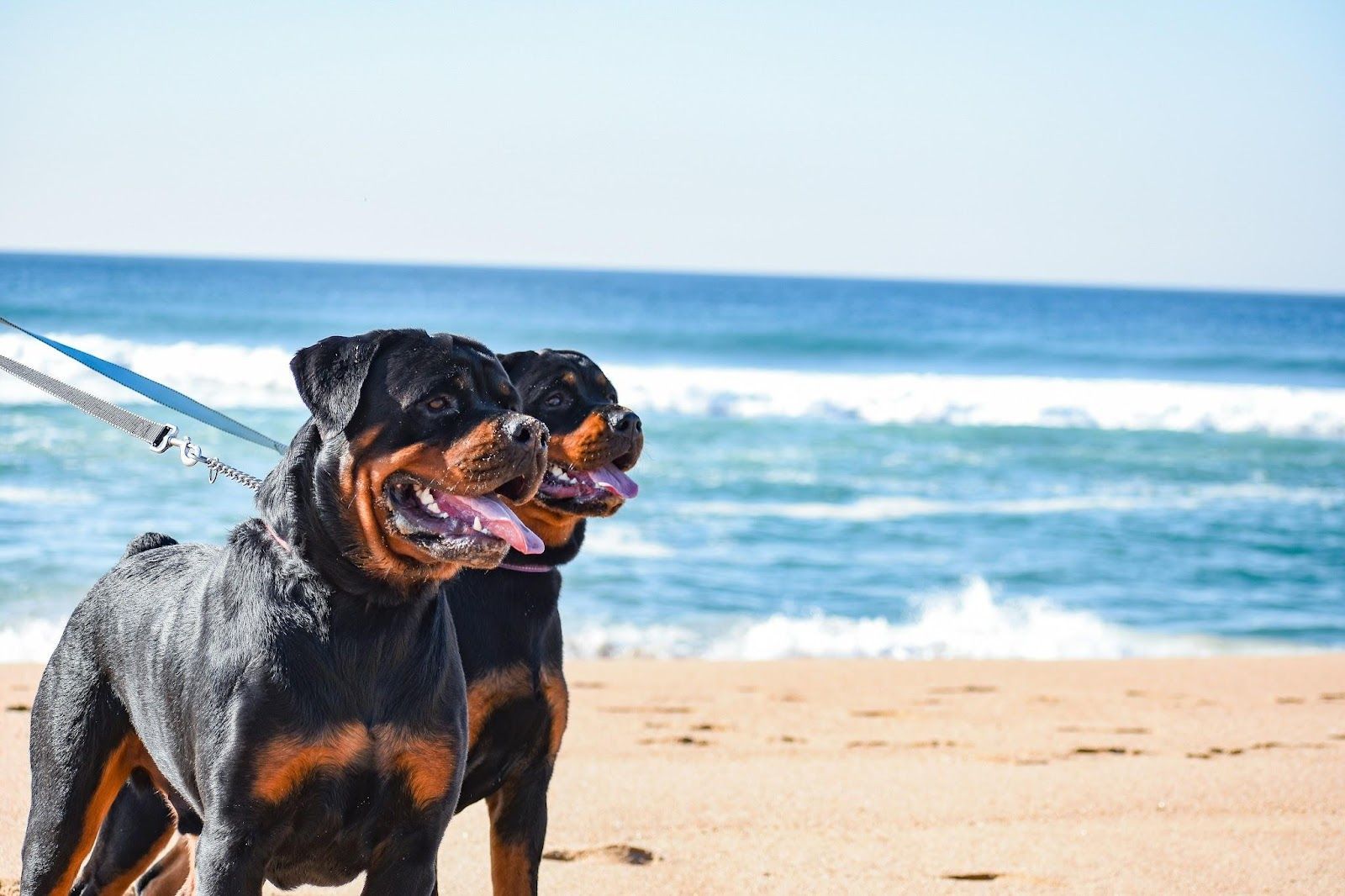
With their striking appearance and muscled bodies, Rottweilers naturally command respect. Known for their loyalty and strong protective instincts, Rottweilers are a favorite among families who have enough space for these large, energetic dogs.

Did you know they’re considered one of the oldest surviving dog breeds? It’s true! Their ancestors are believed to have accompanied the legions of the ancient Roman Empire, where they were used to herd and guard livestock.

9
Bulldog

Image: Sébastien Lavalaye

They may have a grumpy look, but Bulldogs are incredibly sweet and calm. Ranked number nine on the list, this lovable breed is a great choice for anyone looking for a dog that easily adapts to their home and lifestyle. While they’re not exactly lazy, Bulldogs do enjoy taking plenty of breaks and conserving their energy, often choosing a cozy spot on the couch over a run around the block. Plus, with those funny faces, you’ll never run out of excellent pictures.

10
German Shorthaired Pointer

Image: Marie-Pier Fillion

Last on this list, but still among the most popular breeds in the country, the German Shorthaired Pointer is admired for its elegance and presence. Originally bred in Germany as versatile hunting dogs, this breed excels at pointing, retrieving, and tracking. With their boundless energy, German Shorthaired Pointers are best suited to homes with plenty of outdoor space, as their athletic build and enthusiasm also help them shine in a wide range of dog sports.

General General 4 min read

Beyond the law

Wait… that's not illegal? 11 ‘crimes’ you didn't know are legal

Image: Jan van der Wolf

Sometimes we’re so accustomed to doing things a certain way that doing anything different feels illegal. But not every bit of "common sense" is backed by an actual law. Many widely accepted practices are merely norms or policies—not legislation. From driving barefoot to owning a flamethrower, here are 11 things you might think are illegal… but actually aren’t.

1
Driving barefoot

Image: Ashley Byrd

No federal or state law in the U.S. bans driving barefoot. Though sometimes discouraged for safety reasons, driving barefoot is legal in all 50 states (and in most countries worldwide as well).

While police might ask you to put your shoes on during a traffic stop, it’s merely a suggestion, not a legal requirement. In most modern cars, driving barefoot presents no significant safety risks, but it could affect insurance claims. If you’re involved in an accident while barefoot, you might face increased scrutiny from insurers.

2
Riding in the back of a pickup truck

Image: Richard Lu

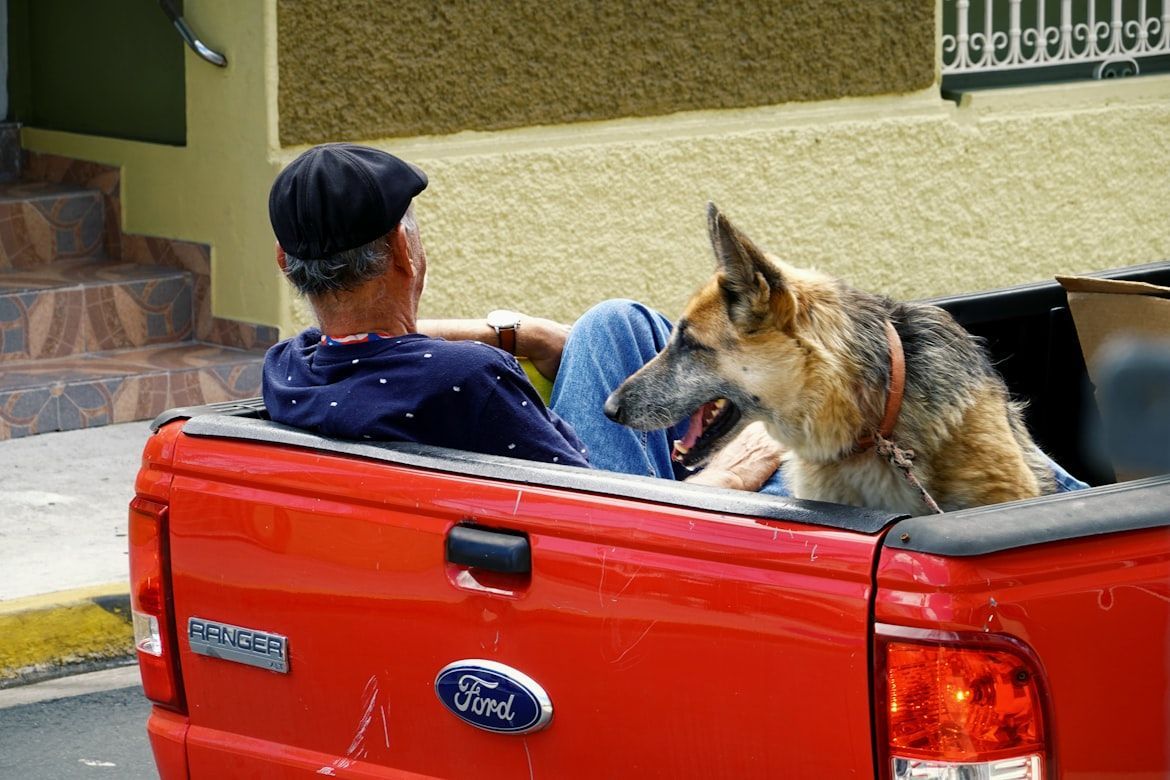
This is a bit of a gray area. There is no federal law regulating the practice, but some states or local jurisdictions may impose restrictions, often including age limits.

In rural areas, most people won’t bat an eye if you ride in the bed. However, it can be considered a safety risk and may serve as an aggravating factor if you’re stopped for speeding or other traffic violations.

3
Cursing in public

Image: Kristina Flour

While it’s common courtesy not to go around hurling insults and profanity, the truth is no one can legally require you to stop if you are so inclined.

This is because profanity is generally protected speech. However, "generally" is doing some heavy lifting here, as depending on the context, it could be considered provocation or incitement to violence.

4
Sleeping in your car

Image: lucas Favre

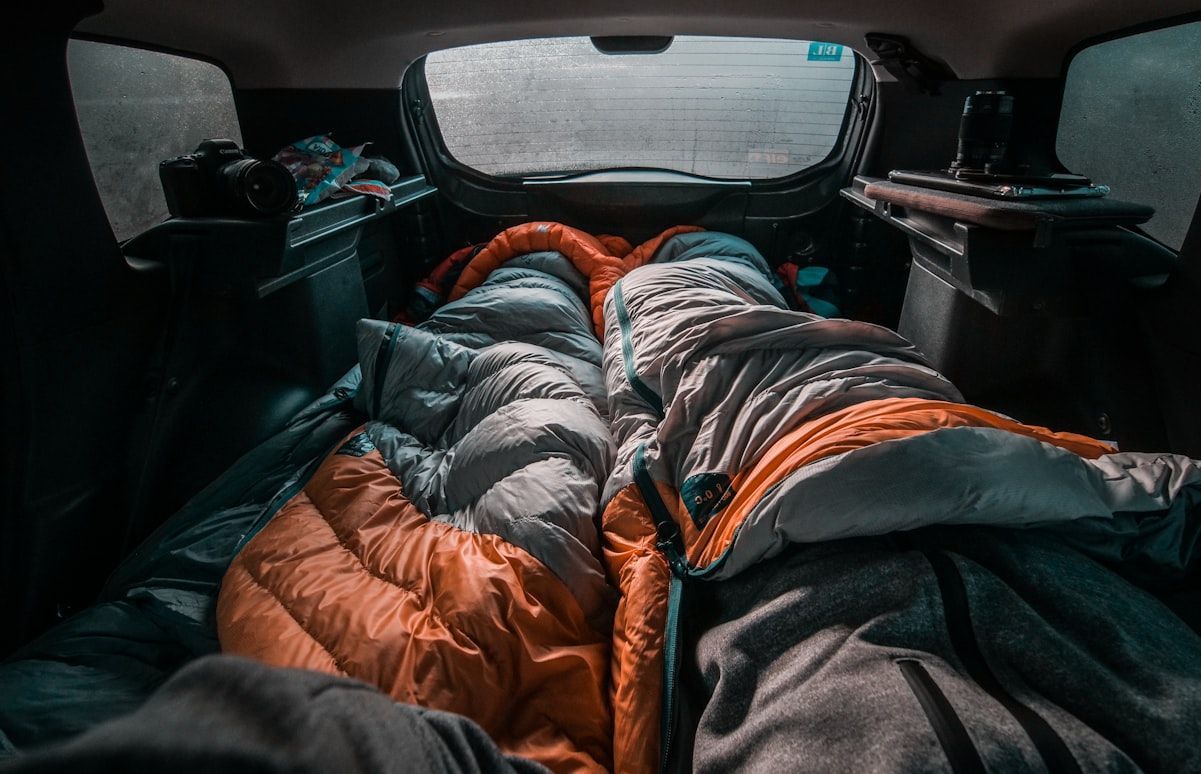
It’s not illegal to sleep in your car unless local ordinances specifically prohibit it in certain areas, such as city streets or commercial lots.

Often, it has nothing to do with sleeping whatsoever, as in some places, all overnight parking at rest stops is prohibited or limited to just a few hours. Some Walmart lots might allow it, but that’s a private policy—not a law—and you should check with the local manager to be sure.

5
Eating while driving

Image: Dmitriy Frantsev

There’s no blanket law against eating while driving, though it can be considered a distraction. If it leads to unsafe driving, you could be cited.

Washington State’s distracted driving law bans holding electronic devices and allows extra fines for erratic driving caused by distractions , including eating or drinking . Some states, such as New Jersey, have considered banning it entirely, but most proposed laws are too vague to be enforced clearly.

6
Owning a flamethrower

Image: Tali Despins

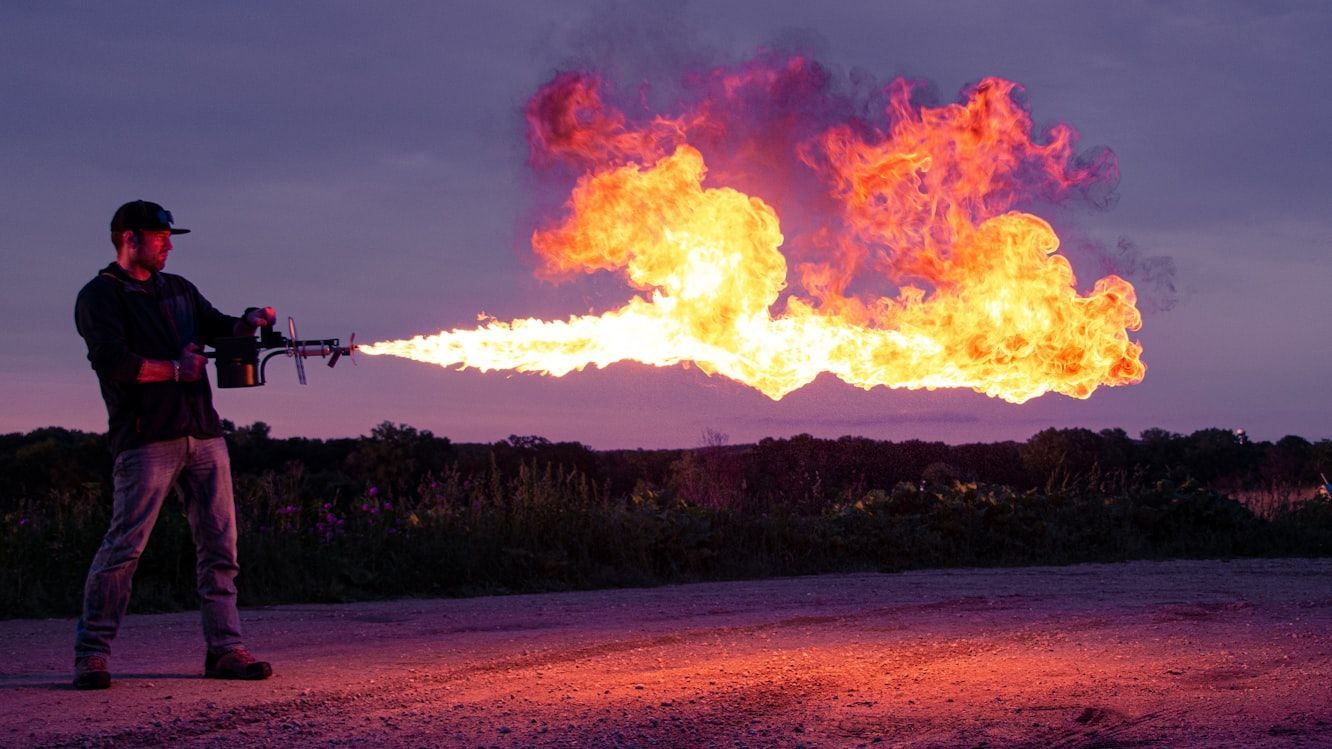
Surprisingly, there’s no federal law in the U.S. that bans civilian flamethrower ownership. However, a few states do impose restrictions; California and Maryland have strict laws prohibiting or regulating them.

Some companies even market flamethrowers for agricultural use, like controlled burns or weed clearing. But misuse of a flamethrower can lead to serious legal charges—for instance, arson, reckless endangerment, or other criminal or civil liabilities.

7
Ignoring someone knocking at your door

Image: Aaron Burden

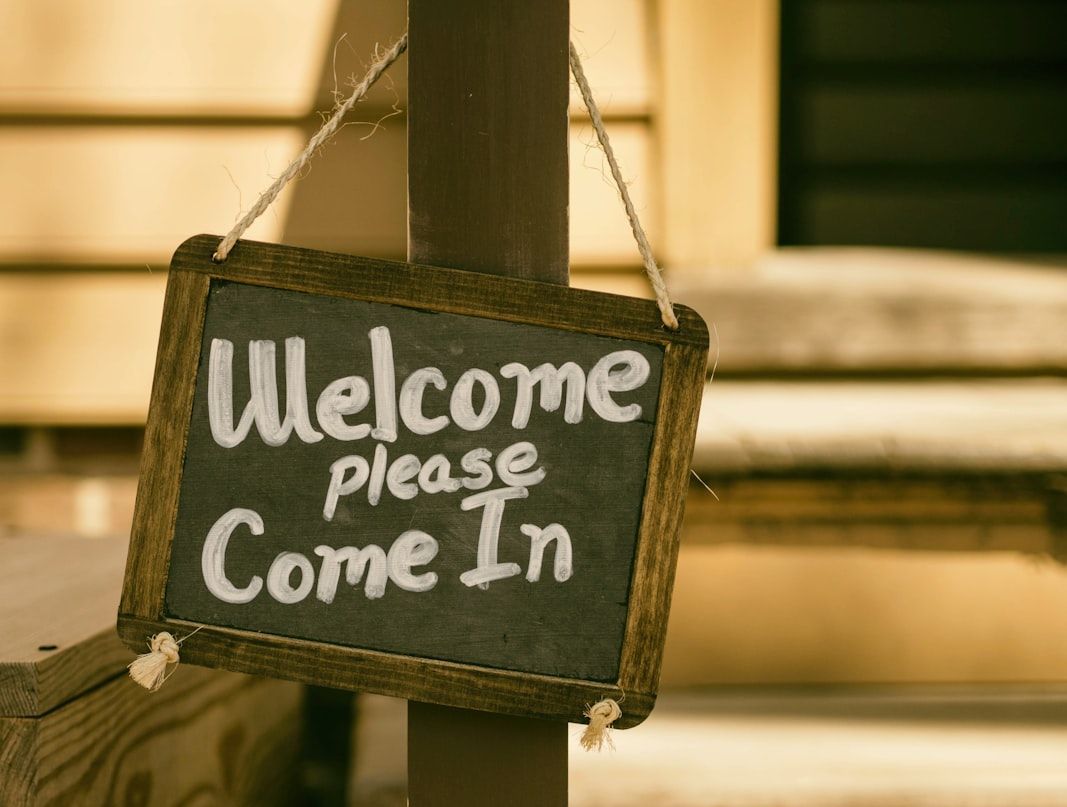
No law requires you to open your door to anyone, including police, unless they have a warrant.

If you're pulled over while driving or stopped on the street, you’re generally required to comply with police instructions. But if you're inside your home with the door closed—and ideally locked—you’re under no obligation to respond at all.

8
Selling homemade food without a license

Image: Museums of History New South Wales

Most states require permits or inspections to sell food commercially. However, many states have "cottage food laws" that allow limited sales of certain homemade goods without a license.

But if you scale up beyond small-batch home production, you’ll likely face a citation—and a hefty fine—from the authorities.

9
Backyard burials

Image: Jennifer Grismer

Believe it or not, there’s no federal law against burying human remains on private property. Many states allow it, provided you have the proper paperwork, such as a death certificate and burial permit. Local zoning laws may regulate factors like location, depth, and proximity to water sources or property lines.

Similarly, pet burials are generally permitted, but local ordinances can vary —so it’s important to check them first.

10
Using a fake name online

Image: Sander Sammy

Unless it’s used for fraud or to impersonate a real person, using an alias on social media or online forums isn’t a crime.

Some platforms may prohibit it in their terms of service, but that’s a civil matter—not a criminal one. Legal issues generally arise only if the alias is used to cause harm, deceive others, or commit financial fraud.

11
Flying the U.S. flag at night without lighting

Image: Shelley Pauls

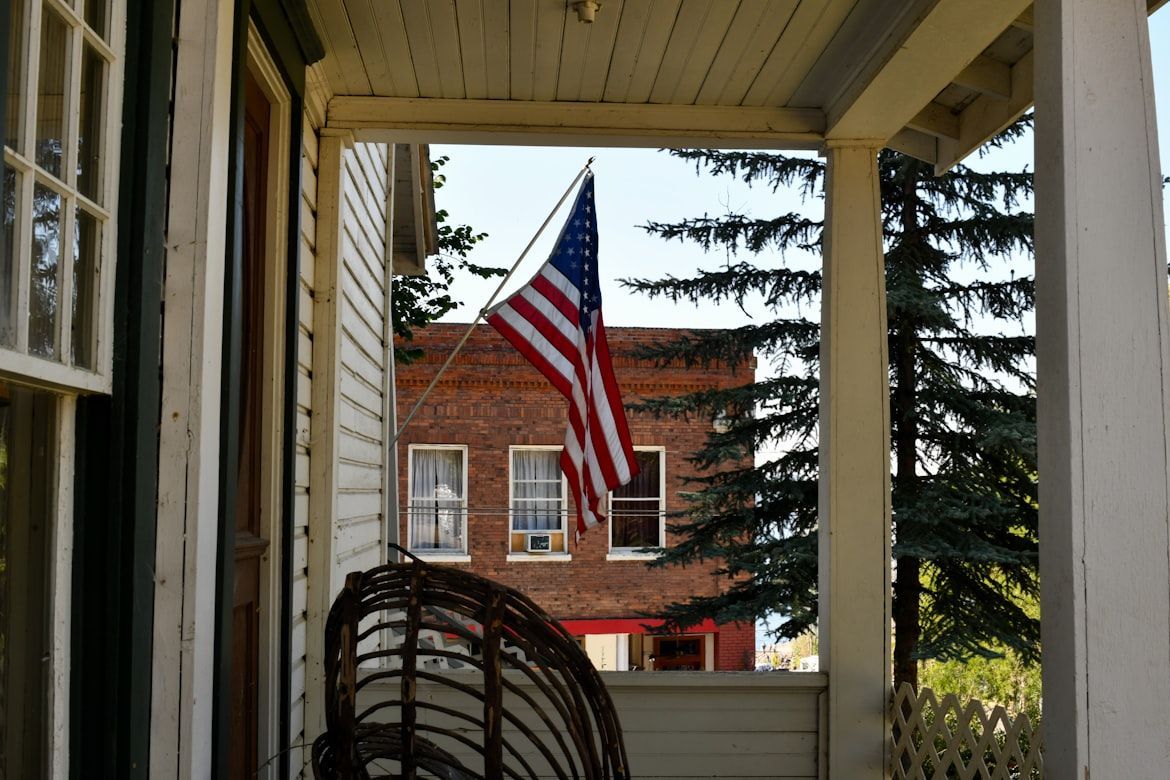
The U.S. Flag Code suggests that the flag should be illuminated if flown at night, but this is just a general guideline, not a legally enforceable law.

Stricter requirements may apply to government buildings, but for private citizens, the code is purely advisory and symbolic.

Explore more American facts

Choose your favorite category!

General
General

As American as apple pie—the very best America has to offer!

Culture
Culture

Delve into the astounding richness of American lore.

Geography
Geography

Hop in and explore vast and diverse American landscapes.

History
History

Discover the key moments that shaped the United States.