Culture Culture 4 min read

American icons by choice

Wait... they're not originally American? 10 famous figures born abroad!
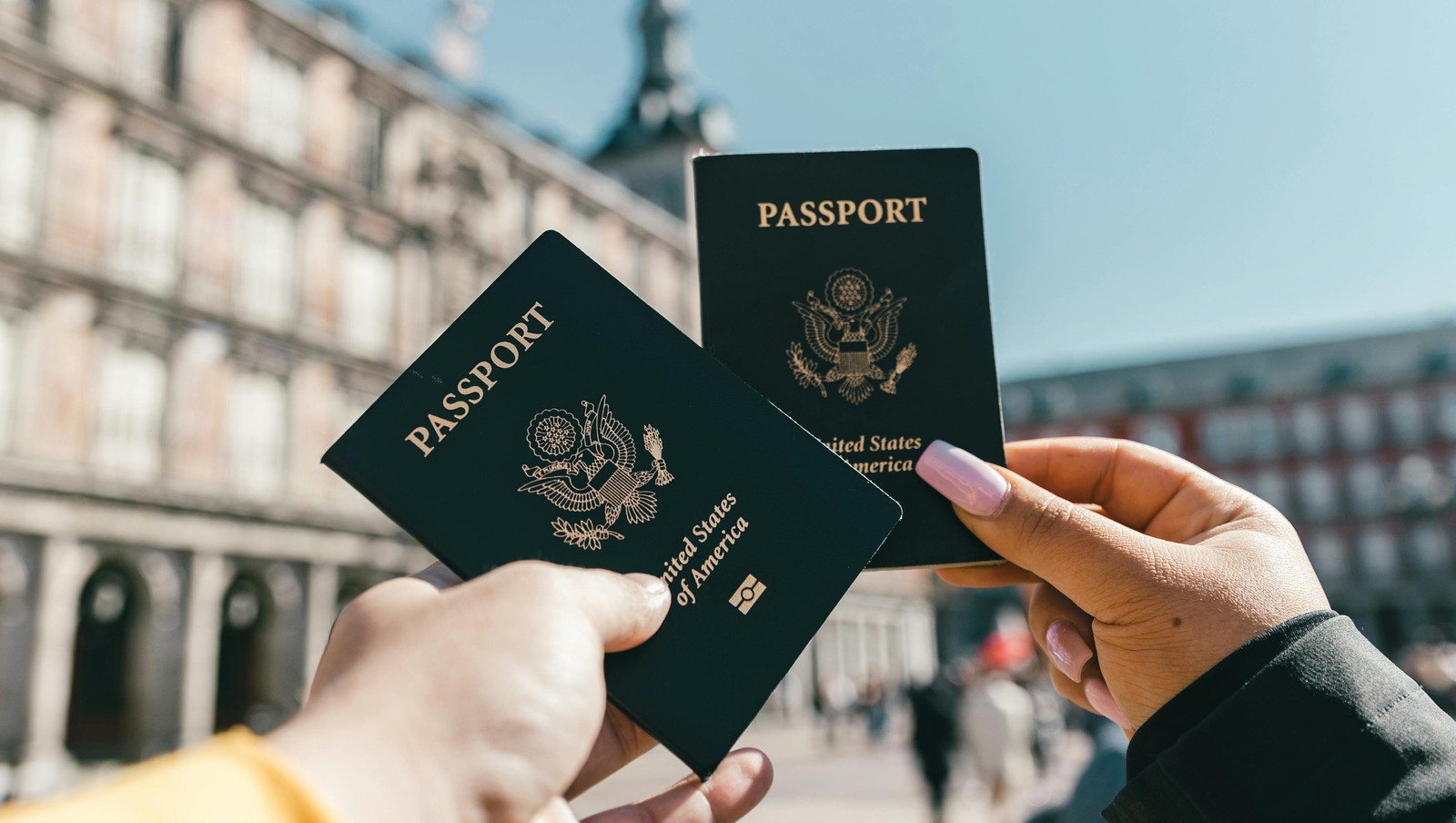
Image: Spencer Davis

They came once and decided to stay to make a difference. From scientists and artists to politicians and businesspeople, many famous figures in American history were actually born in another country before moving here. Take Levi Strauss, the man behind blue jeans; he was actually born in Germany! Join us as we look at 10 iconic faces who weren't born in the US but went on to become American icons.

1
Levi Strauss

Image: Eric Prouzet

Although his name will forever be associated with American business pioneers, Levi Strauss was not born in the United States. That's right! The inventor of the iconic blue jeans was born in Bavaria, Germany, in 1829. In 1847, he came to America along with his siblings in search of new opportunities, settling in New York. Eventually, he moved to San Francisco, where his famous company would be founded.

2
Irving Berlin

Image: Sandra Grünewald

While he can be considered one of the most American of Americans, Irving Berlin was actually born in Russia. That's right; the legendary composer and lyricist was born in 1888 in what was then the Russian Empire, and his family immigrated to the US when he was just a child. How lucky for us! Can you imagine life without classics like "White Christmas," "God Bless America," and "There's No Business Like Show Business"? Neither can we!

3
Alexander Graham Bell

Image: Carlos Eduardo

Although he became a naturalized US citizen in 1882, Alexander Graham Bell was born in 1847 in Edinburgh, Scotland. He arrived in the United States in 1871, where he worked as a teacher and researcher. It was in America, in 1876, that he made his most famous invention: the telephone.

4
Elizabeth Taylor
Image: Color Crescent

Elizabeth Taylor, our Cleopatra, wasn't born in the United States. As you probably know, she saw the world for the first time in England in 1932 and moved to America in 1939, just before World War II started. But here's an important detail: Her parents were American! So, she was a US citizen from birth; she just happened to be born overseas.

5
Alfred Hitchcock
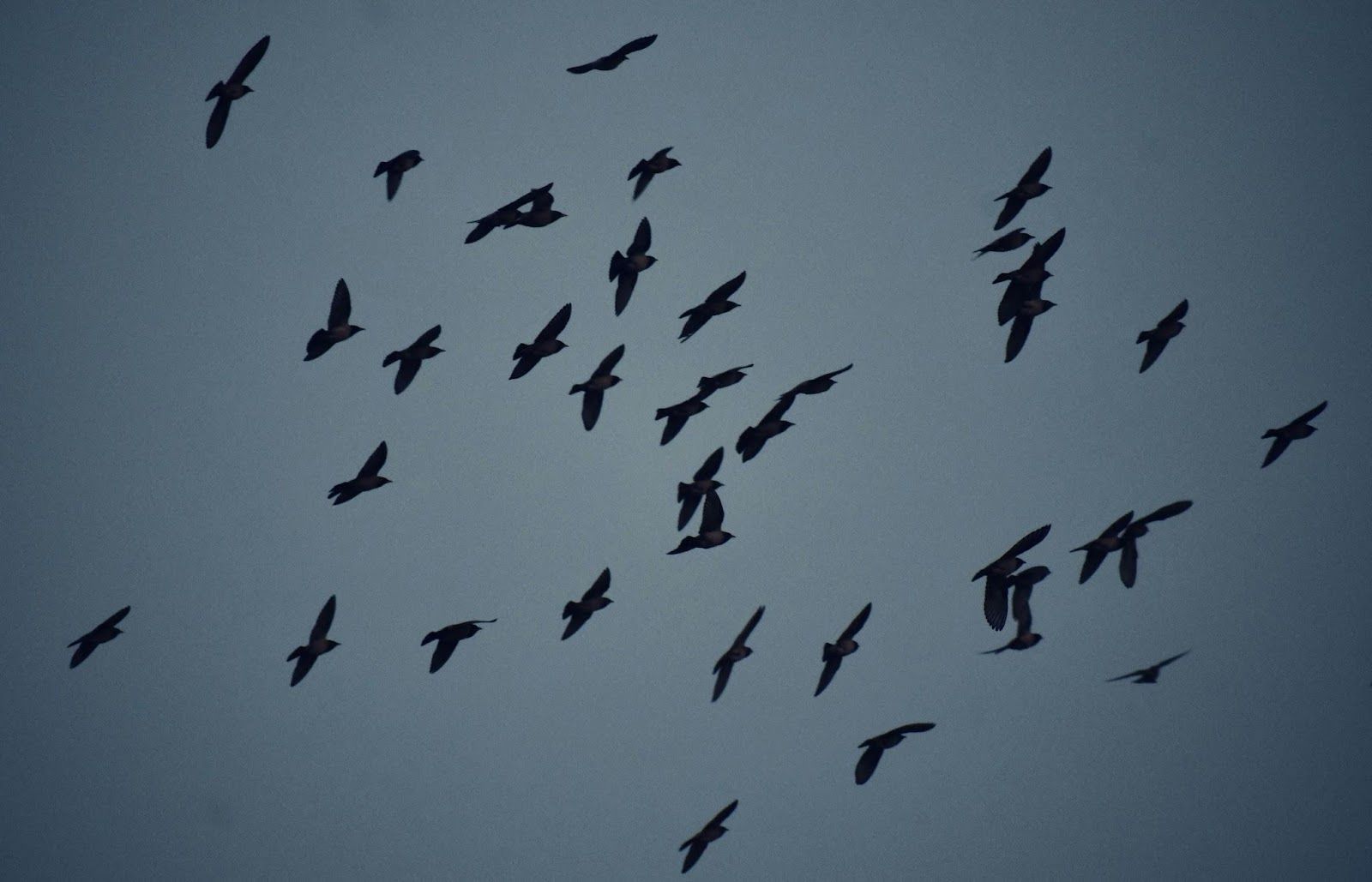
Image: Usha Kiran

Yes, Alfred Hitchcock was born in England, but we probably wouldn't have had the pleasure of enjoying cinema classics like Rear Window (1954), Vertigo (1958), Psycho (1960), and The Birds (1963) if he hadn't come to live and work in America. Although he was already a successful director in his home country, Hitchcock decided to come to the United States in 1939, drawn by the promise of Hollywood's growing film industry.

6
Audrey Hepburn

Image: Paige Johnson

Although she became an American citizen in the 1950s and won our hearts on the big screen, the legendary Audrey Hepburn was actually born in 1929 in Brussels, Belgium. In 1945, she settled in England, where she began taking ballet classes and started landing modeling and acting roles. Finally, in 1951, she came to America to star in the Broadway production of Gigi .

7
Isaac Asimov

Image: Phillip Glickman

Science fiction as we know it wouldn't be the same without the incredible work of Isaac Asimov. However, we may never have had the opportunity to enjoy his brilliant writing if his family hadn't immigrated to America. Asimov was born in 1920 in Petrovichi, Russia. His parents decided to move in 1923, just a year after the Soviet Union was established. At only 3 years old, he arrived in the US, and by the age of 8, he was a full American citizen.

8
Charles Chaplin

Image: Mimi Di Cianni

The unforgettable Charlie Chaplin was born in London in 1889. Before he turned 20, he arrived in the US as a young performer with a vaudeville company. Here, he found fame and became a global icon of silent film. Surprisingly, even after living and working here for over 40 years, he never officially became an American citizen, but Americans embraced him wholeheartedly all the same.

9
Albert Einstein
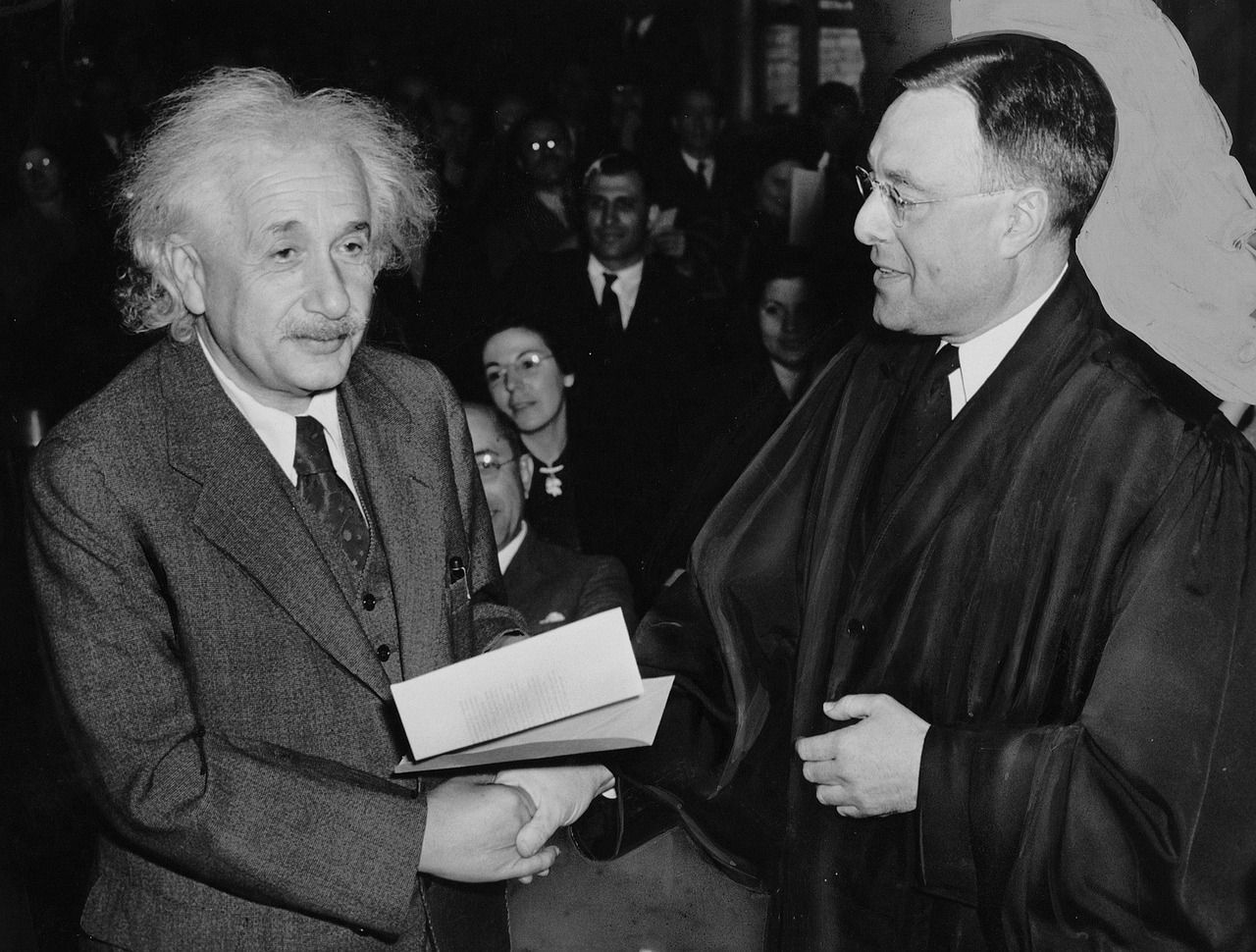
Image: WikiImages

Albert Einstein, one of the most famous scientists in the world, was born in Germany. And he chose to be American! He was born in Ulm, Germany, on March 14, 1879, and later became a US citizen in 1940.

His first trip to America was in 1921, when he came to New York as a renowned scientist. Then, in 1933, he returned for good and accepted a position at the Institute for Advanced Study in Princeton, New Jersey, where his former house still stands.

10
Joseph Pulitzer

Image: Jorien Loman

Joseph Pulitzer revolutionized the press in America and around the world, but before becoming a renowned US citizen, he lived in Hungary, the place where he was born in 1847. At the age of 17, he left Europe in search of greater opportunities and arrived in the US in 1864. Here, he went on to become a pioneering journalist and newspaper publisher, even giving his name to the prestigious awards honoring excellence in journalism and the arts.

History History 5 min read

Thankfully, it never rained men

No umbrella can save you from a meat rain: Discover 12 very unusual rains

Image: Lukas Gojda

Most of us have heard the saying "it’s raining cats and dogs," but the U.S. has produced weather stories that are far stranger than any expression. Over the centuries, people across the country have reported meat falling from the clear sky, frogs bouncing onto streets after storms, fish landing in neighborhoods miles from water, and many other unusual things. While some cases remain unsolved, scientists have found surprisingly reasonable explanations for many of them. Did you ever know about these 12 incredible rains?

1
The Kentucky meat shower

Image: PeopleImages

On March 3, 1876, residents near Olympia Springs in Bath County, Kentucky, witnessed one of the strangest events in American history. Chunks of meat suddenly fell from an apparently clear sky, covering an area estimated at 100 by 50 yards. One of the witnesses, Mrs. Allen Crouch, was making soap outdoors when the bizarre shower began.

Scientists examined samples and argued over whether the meat came from horses, sheep, or other mammals. The leading modern explanation is far less supernatural: a flock of vultures likely regurgitated partially digested meat while flying overhead, a defensive behavior the birds still exhibit today . Tasty, right? The incident remains so famous that Kentucky now celebrates it with an annual Meat Shower Festival.

2
A frog rain

Image: Bigman26

Reports of frogs raining from the sky have appeared across the country for well over a century. Although they sound impossible, meteorologists consider them entirely plausible under the right weather conditions.

The usual explanation involves waterspouts or tornadoes passing over ponds or marshes . These powerful rotating columns of air can lift small frogs into the atmosphere before carrying them several miles away. When the storm weakens, the animals fall back to Earth, sometimes astonishing entire neighborhoods as tiny frogs suddenly cover roads, sidewalks, and backyards.

3
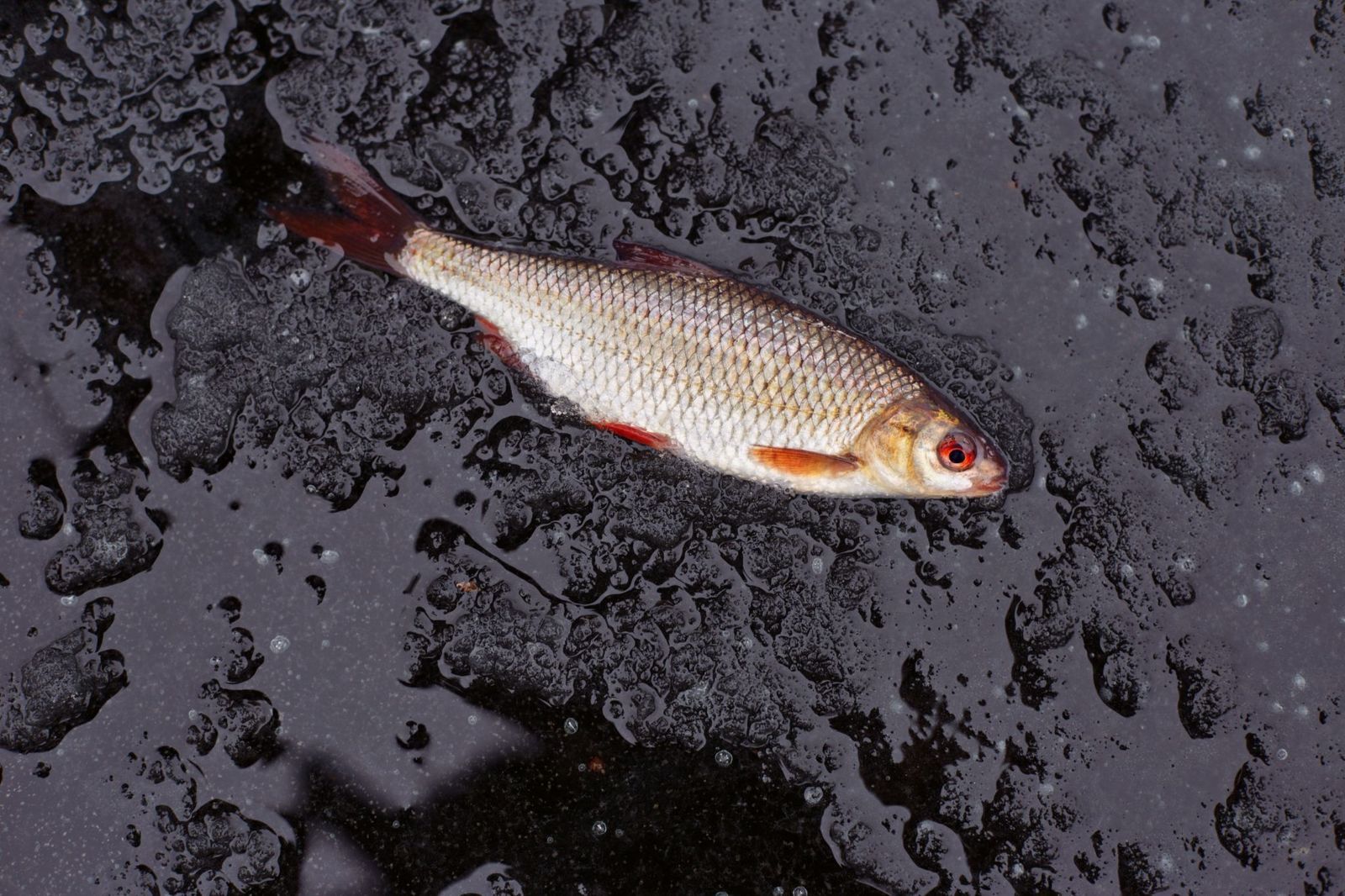
Louisiana’s fish storm

Image: g_tech

Residents of Marksville, Louisiana, experienced one of this country’s best-known fish rains on October 23, 1947. During a storm, dozens of small fish reportedly began falling from the sky, surprising everyone who witnessed the event.

Scientists quickly pointed toward nearby lakes and bayous as the likely source. A waterspout probably sucked up the fish before releasing them inland once the storm lost strength . Cases like Marksville have become classic examples used by meteorologists when explaining how unusual "animal rain" can occur without breaking the laws of physics.

4
The red rain

Image: Sk Hasan Ali

Few things are more unsettling than seeing rainwater that looks like blood, right? Throughout American history, scattered reports of reddish rainfall have sparked fears, newspaper headlines, and plenty of speculation.

Modern science offers much less frightening explanations. Fine dust rich in iron oxide can tint rain a rusty red after traveling hundreds or even thousands of miles through the atmosphere . Certain airborne microorganisms may also contribute to unusual coloration. While dramatic, these events have repeatedly turned out to be natural rather than supernatural.

5
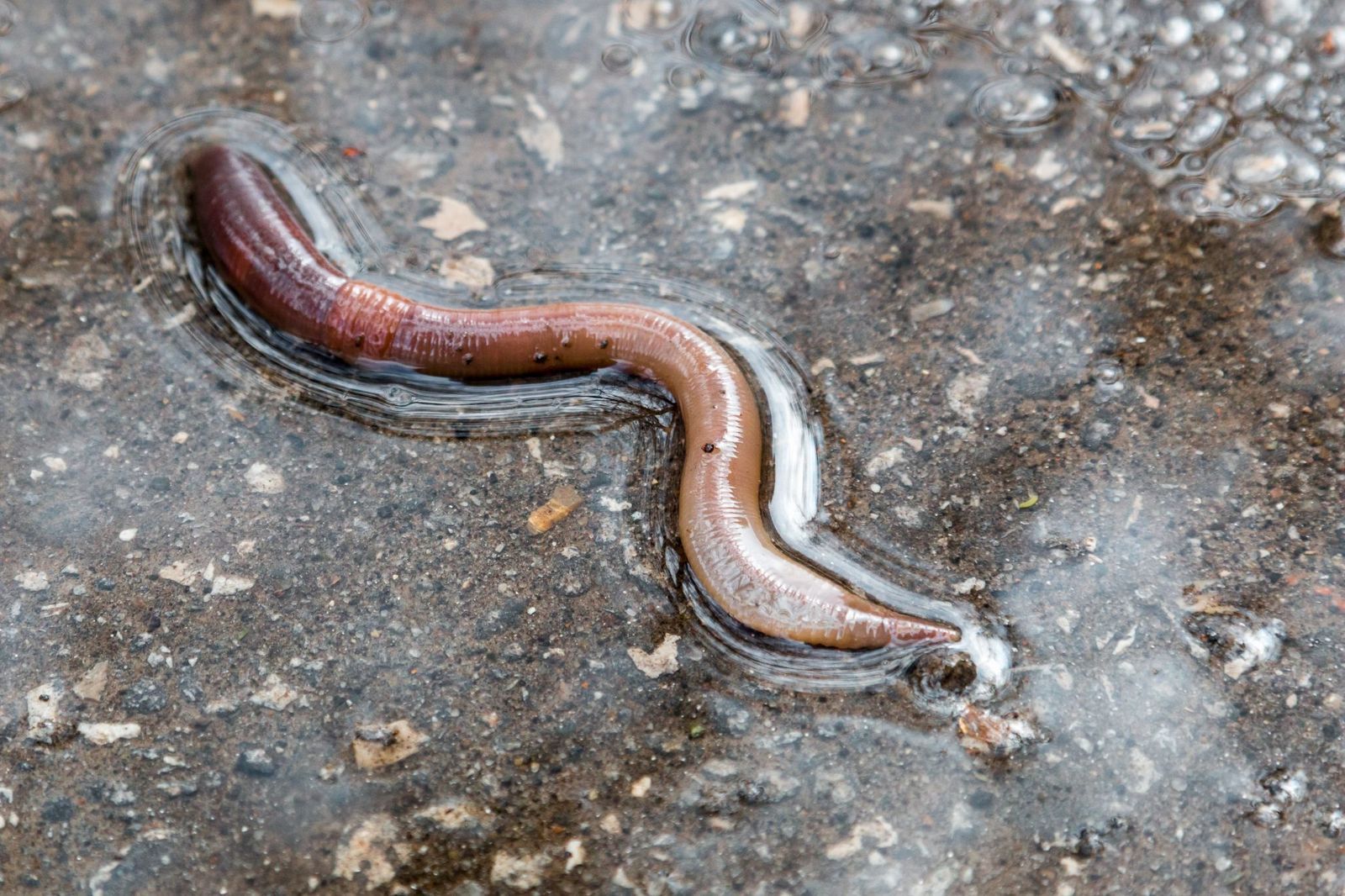
A worm shower in Louisiana

Image: RomanovRV

In 2007, residents of Jennings, Louisiana, reported seeing worms apparently falling after severe weather. The strange event attracted widespread attention because the ground seemed to become covered almost overnight.

Meteorologists note that intense storms are capable of lifting lightweight organisms from flooded fields or shallow water . At the same time, heavy rain naturally forces many earthworms to the surface, making it difficult to determine exactly how they arrived. Whatever the explanation, the Jennings incident remains one of America's best-known modern worm rains.

6
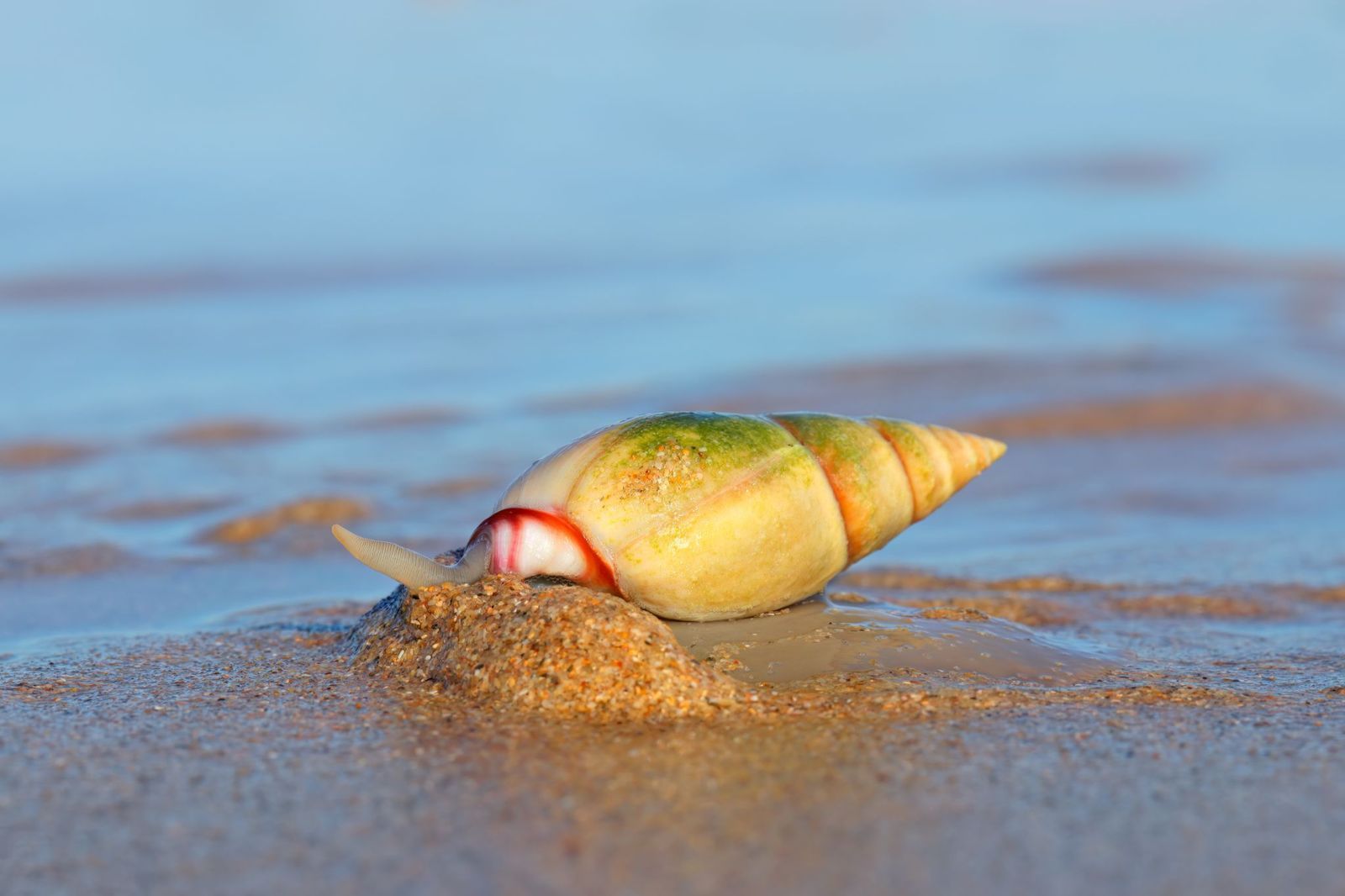
Sea snails from above

Image: EcoPrint

Along parts of the Atlantic Coast, powerful coastal storms have occasionally been followed by reports of periwinkles, a type of small sea snails, appearing well away from the shoreline.

Scientists believe waterspouts or hurricane-force winds can lift lightweight marine creatures from shallow coastal waters before dropping them inland . While such reports are uncommon and often difficult to document completely, they fit the same weather processes believed to produce fish and frog rains.

7
Crab rain in Chesapeake Bay

Image: Shahid Gire

Communities near Chesapeake Bay have periodically reported finding small crabs scattered across roads and fields after severe storms. Discovering shellfish where there was no flooding certainly makes for an unforgettable morning.

Meteorologists consider these reports believable because the bay regularly experiences waterspouts and strong thunderstorms. Small juvenile crabs are light enough to be carried short distances by powerful updrafts before falling back to the ground once the storm weakens .

8
Tadpoles after the storm

Image: Kurit afshen

Several Midwestern communities have reported storms that seemed to leave roads covered with tiny tadpoles. Unlike adult frogs, these young amphibians are incredibly light, making them easier for violent weather to transport .

Spring is the most likely time for such events because shallow ponds contain enormous numbers of developing tadpoles. If a storm passes directly over one of these breeding areas, the rotating winds may lift thousands of them into the air before dropping them elsewhere in surprisingly concentrated patches.

9
The star jelly rain

Image: emka74

For centuries, people across the country have occasionally discovered mysterious transparent blobs lying on the ground after storms. Known as "star jelly," the gooey substance has inspired countless legends claiming it literally fell from the heavens.

Scientists have proposed several possible explanations, including slime molds, cyanobacteria, amphibian reproductive tissue, or biological material left behind by predators . None explains every reported case, leaving star jelly as one of nature's longest-running mysteries.

10
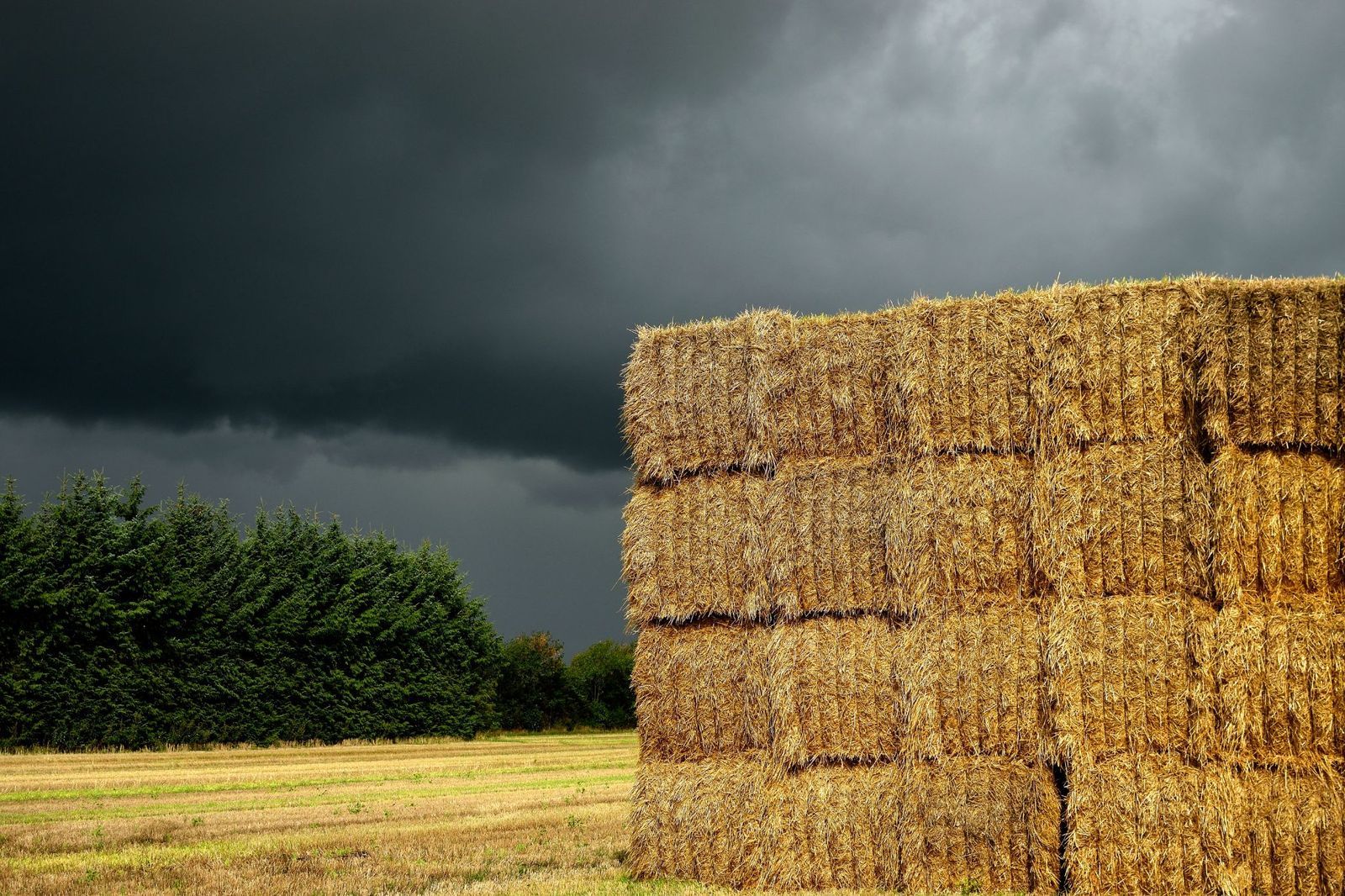
A haystorm on the Great Plains

Image: DonChenaro

Not every strange rain involves animals. Across the Great Plains, tornadoes have repeatedly lifted hay, straw, and other lightweight farm materials into the atmosphere before dropping them miles away .

Farmers occasionally discover freshly fallen hay that clearly came from another property entirely. These events demonstrate just how powerful severe storms can be, transporting ordinary agricultural materials across remarkable distances before gravity finally takes over.

11
Storms that drop insects

Image: Rawpixel.com

Thunderstorms can also seem to rain insects. Swarms of flying ants, termites, aphids, and other tiny creatures have occasionally appeared immediately after powerful storms , leaving the impression that they fell directly from the clouds.

In reality, strong updrafts can sweep huge numbers of lightweight insects into the air and carry them well beyond their original location. When the winds weaken, the insects settle back to the ground, sometimes creating spectacular and slightly unsettling natural displays.

12
It’s raining golf balls

Image: Jade ThaiCatwalk

Florida's violent thunderstorms have produced reports of golf balls suddenly pelting neighborhoods near golf courses and driving ranges . Unlike hail, these were actual golf balls launched by nature's incredible force.

Powerful wind gusts, tornadoes, and hurricanes are capable of lifting and scattering thousands of golf balls across nearby communities. While they aren't technically falling from the upper atmosphere, they certainly create the unforgettable impression that the sky itself has started playing a round of golf.

Geography Geography 5 min read

Where tourists flock

How many faces does Cloud Gate see per year? The crowdest spots in the US in the US

Image: David Hinkle

Where do people come together? Monuments and landmarks, yes, but also street corners, national parks, theme parks, or piers. The U.S. has an impressive list of spots that summon millions of visitors each year, both local and tourist. Can you guess these 10 most concurred spaces across the country? Let’s take a look at each one and explore why the masses keep flocking towards their main attractions.

1
Times Square, New York

Image: Claudio Schwarz

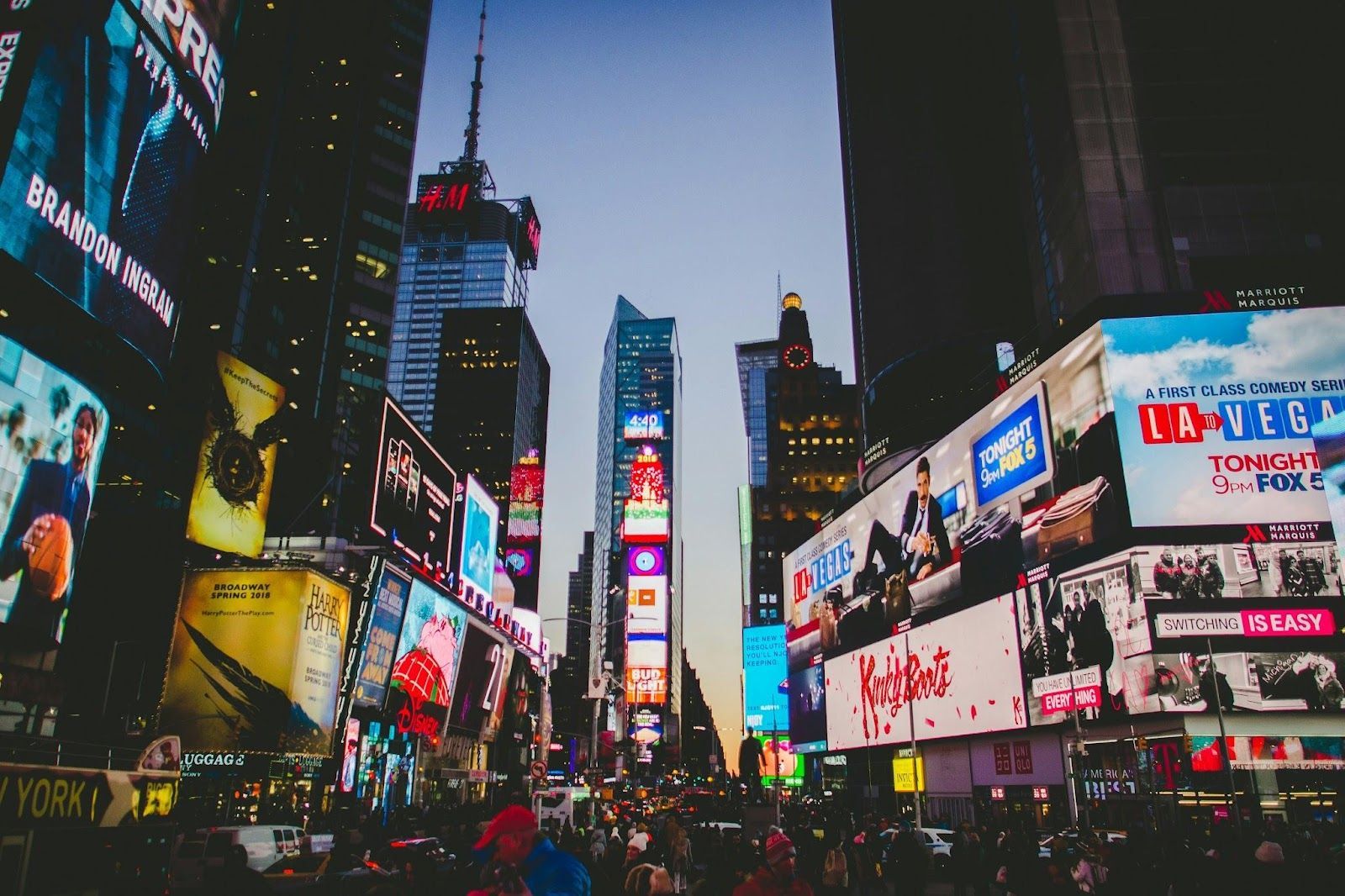
Of course, the famous multicolored screen-lit corner of Midtown Manhattan is one of the most concurred spots in the country and the world. It is estimated that over 300,000 people pass through this intersection every day.

Forever buzzing with shiny advertisements and businesses that grant service 24/7, the "Crossroads of the World" and its nearby streets are a hub offering adrenaline, entertainment, history, gastronomy, and museum-like stores. During the New Year's Eve ball drop event, the number of visitors can climb up to one million, although it reached its all-time record on December 31st, 1999. An estimated two million people gathered there to watch the ball mark the end of the year, century, and millennium!

2
Las Vegas Strip, Las Vegas

Image: David Vives

The Las Vegas Strip is said to be the brightest spot on the planet when seen from space. This four-mile-long stretch of Las Vegas Boulevard in Nevada concentrates some of the world’s largest and most boastful hotels, casinos, and resorts. No wonder the area attracts approximately 42 million visitors each year.

Although the heart of Las Vegas offers plenty of entertainment venues, fine dining establishments, sports events, galleries, and huge shopping centers, it is most famous for being a gambling destination . A 2019 survey concluded that eight in ten adults who visited Las Vegas gambled while they were there.

3
National Mall, Washington, D.C.

Image: Chad Stembridge

Visitors in Washington D.C. flock in masses to the National Mall. This open-park area sprawls over two miles from the U.S. Capitol to the Lincoln Memorial and is also home to iconic landmarks like the Washington Monument , the Vietnam Veterans Memorial, and the World War II Memorial. The Smithsonian museums are another attraction, offering free access to art, history, and science exhibitions.

Approximately 30 million visitors walk the area each year, which makes it a top-tier attraction for people all over the country and the world. Of course, the park is most flooded with attendance on special dates and events, such as the celebrations of Independence Day , Earth Day, or the Blossom Kite Festival.

4
Millennium Park, Chicago

Image: Kevin Olson

Those who travel to Chicago know they should visit Millennium Park, and those who go to Millennium Park know they must approach the iconic bean-shaped Cloud Gate . As a consequence, it is estimated that 25 million people are reflected on the silver surface of The Bean every year.

Millennium Park was opened twenty years ago, in 2004, as an urban development built over a former industrial area to promote art and outdoor recreation in the "city in a garden," which is Chicago’s motto.

5
Golden Gate Park, San Francisco

Image: Alireza Mirzabegi

Sprawling by the Pacific Ocean is the Golden Gate Park in San Francisco. It covers a massive 1,017-acre urban section and includes attractions like the de Young Museum, the California Academy of Sciences, and the Japanese Tea Garden. It also offers beautiful gardens , picnic areas, lakes, and iconic structures like the Conservatory of Flowers. Not to mention privileged views of the iconic Golden Gate Bridge.

24 million visitors come to the park each year, with some events gathering over 200,000 attendees, like the annual Outside Lands Music and Arts Festival. There are spots in this park to suit all interests : Windmills, boat rentals, observation towers, a Shakespeare Garden, 130 species of birds, and even bison!

6
Walt Disney World’s Magic Kingdom, Orlando

Image: kaleb tapp

Even though Magic Kingdom Park charges for admission, it’s still one of the most visited places in the country every year. At least 20 million go through the turnstiles annually to walk the quintessential Disney theme park.

Cinderella’s Castle, Main Street, U.S.A., and iconic attractions like Space Mountain, Pirates of the Caribbean, and the Haunted Mansion are fan favorites in this land. Special events held for Halloween, Christmas, and Fourth of July are among the park’s largest annual celebrations, drawing thousands of visitors.

7
Faneuil Hall Marketplace, Boston

Image: Brett Wharton

Faneuil Hall Marketplace has been standing since 1742 when it was established. Historically, it served as a focal point for public discourse and commerce. Today, it is mainly a marketplace that features more than 80 businesses , including eateries, shops, and entertainment venues, all set along charming cobblestone walks.

The area is vibrant all year round, frequented by musicians, magicians, and other performers . Foodie soirees, history tours, and fairs of local enterprises are further reasons to visit the spot. About 18 million do so every year.

8
Balboa Park, San Diego

Image: Vincent Yuan @USA

Balboa Park in San Diego features stunning gardens and buildings, as well as the world-famous San Diego Zoo . 1,200-acre wide, it also houses the San Diego Museum of Art and the San Diego Natural History Museum. The park famously boasts Spanish-Renaissance architecture and has become a hub for both locals and tourists.

During the holidays, the December Nights celebration gathers over 350,000 visitors across two days, when museums offer free entry and festive performances are held. EarthFair is another huge event in the park, attracting 60,000 attendees to one of the world’s largest environmental fairs to promote sustainability.

9
Great Smoky Mountains National Park

Image: Jack Prommel

Straddling the border of Tennessee and North Carolina, this National Park gathers over 12 million people every year. It is indeed the most visited national park in the U.S. and has been declared a UNESCO World Heritage site . Its mist-covered peaks, lush forests, and diverse wildlife fascinate visitors who walk its hiking trails. These include the Appalachian Trail.

Hundreds of thousands choose to visit the park during fall when autumn colors light up the landscape. In spring, the Wildflower Pilgrimage draws botany enthusiasts who come to the guided talks and walks to appreciate the park's unique biodiversity.

10
Pier 39, San Francisco

Image: Deane Bayas

Pier 39 is ideal for a family-friendly promenade. Located on San Francisco’s Embarcadero, this waterfront marketplace is known for its shops, restaurants, and stunning views of the Golden Gate Bridge, Alcatraz, and the Bay. There’s also a colony of sea lions forever lounging on its docks, who have become one of the dearest attractions of the site.

Another main attraction is the two-tiered carousel sitting towards the end of the pier. The 15 million pedestrians who come yearly can also enjoy its video arcade, 3D rides, shops, and restaurants, and visit the Aquarium of the Bay.

Explore more American facts

Choose your favorite category!

General
General

As American as apple pie—the very best America has to offer!

Culture
Culture

Delve into the astounding richness of American lore.

Geography
Geography

Hop in and explore vast and diverse American landscapes.

History
History

Discover the key moments that shaped the United States.