Geography Geography 4 min read

Behind tall faces

Why is Mount Rushmore named after a New York lawyer?
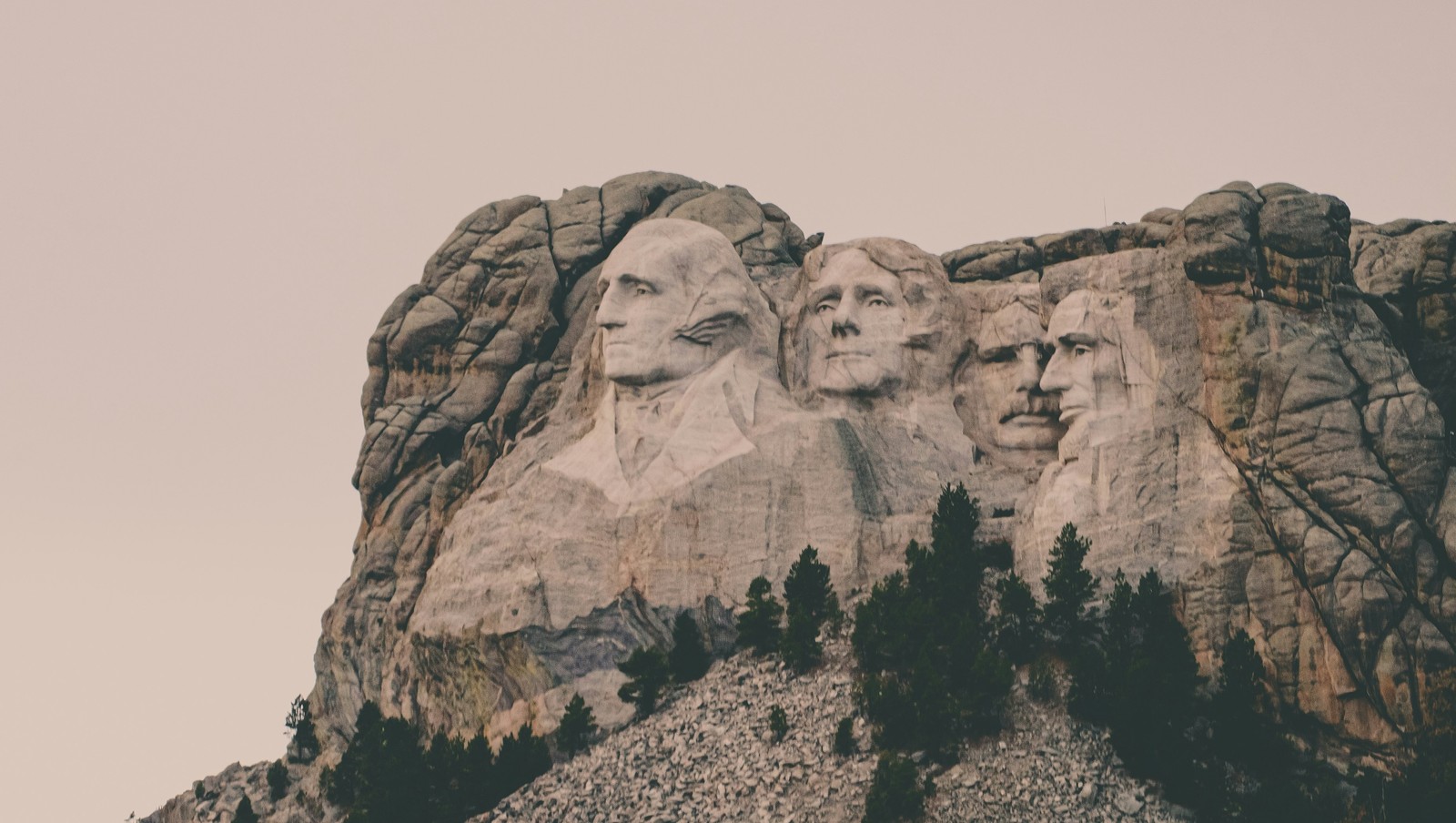
Image: Jake Leonard

What famous woman’s face almost became the fifth face on Mount Rushmore? Did the sculptor Gutzon Borglum really intend to just carve out the heads? Why is the mount named that, and not Borglum? The answers to these questions are some lesser-known facts about one of the most famous landmarks and sights in our country. Let’s dive into these stories!

1
The original plan included full-body figures
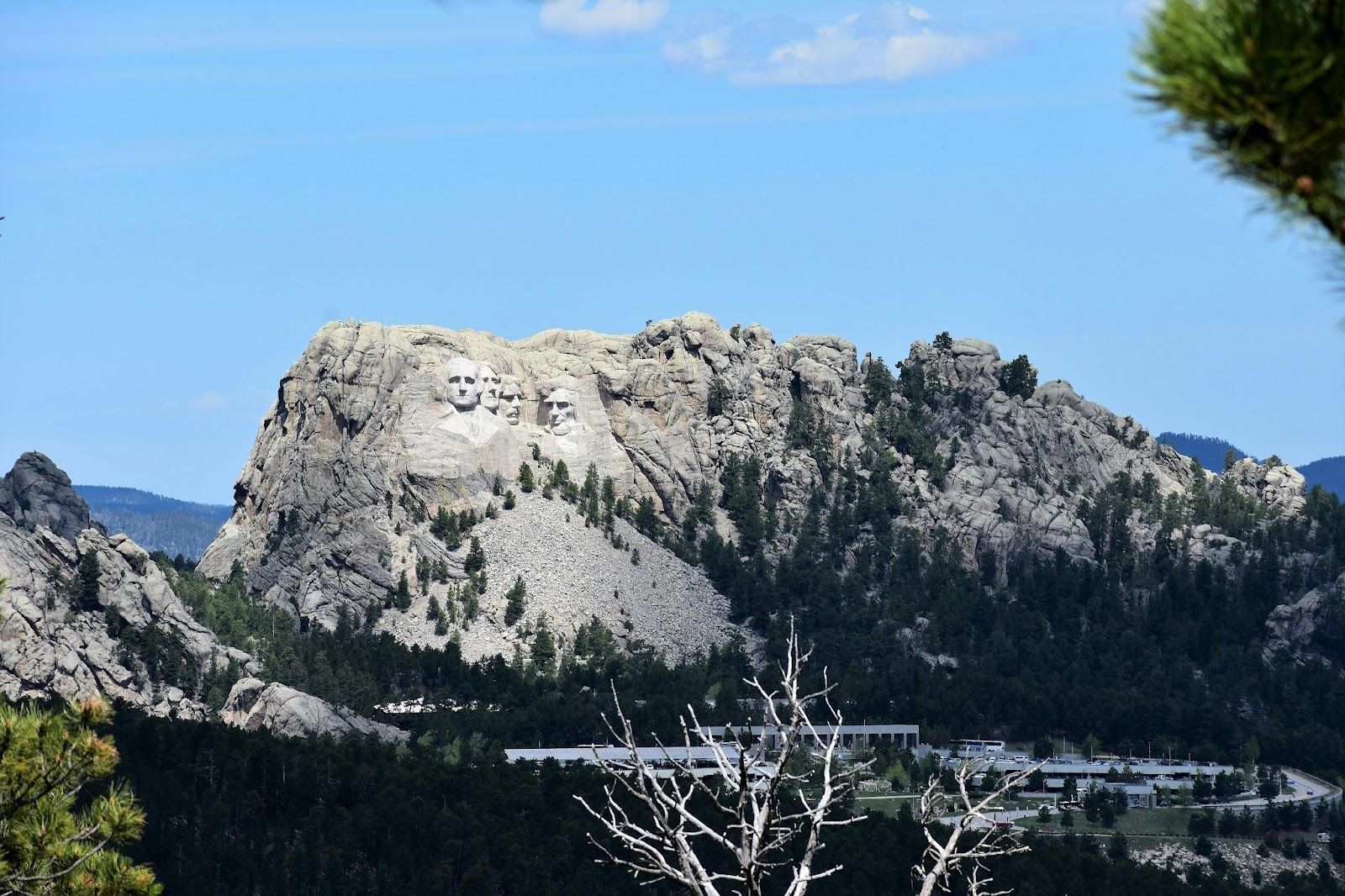
Image: Thomas Shockey

Mount Rushmore was supposed to be even more colossal than it already is. Sculptor Gutzon Borglum envisioned the four presidents carved from the waist up .

He even made plaster models showing Abraham Lincoln's coat folds and Teddy Roosevelt’s hand clutching his lapel. But as costs went up, Congress said: "heads only, please."

2
Charles Rushmore was just a curious New Yorker
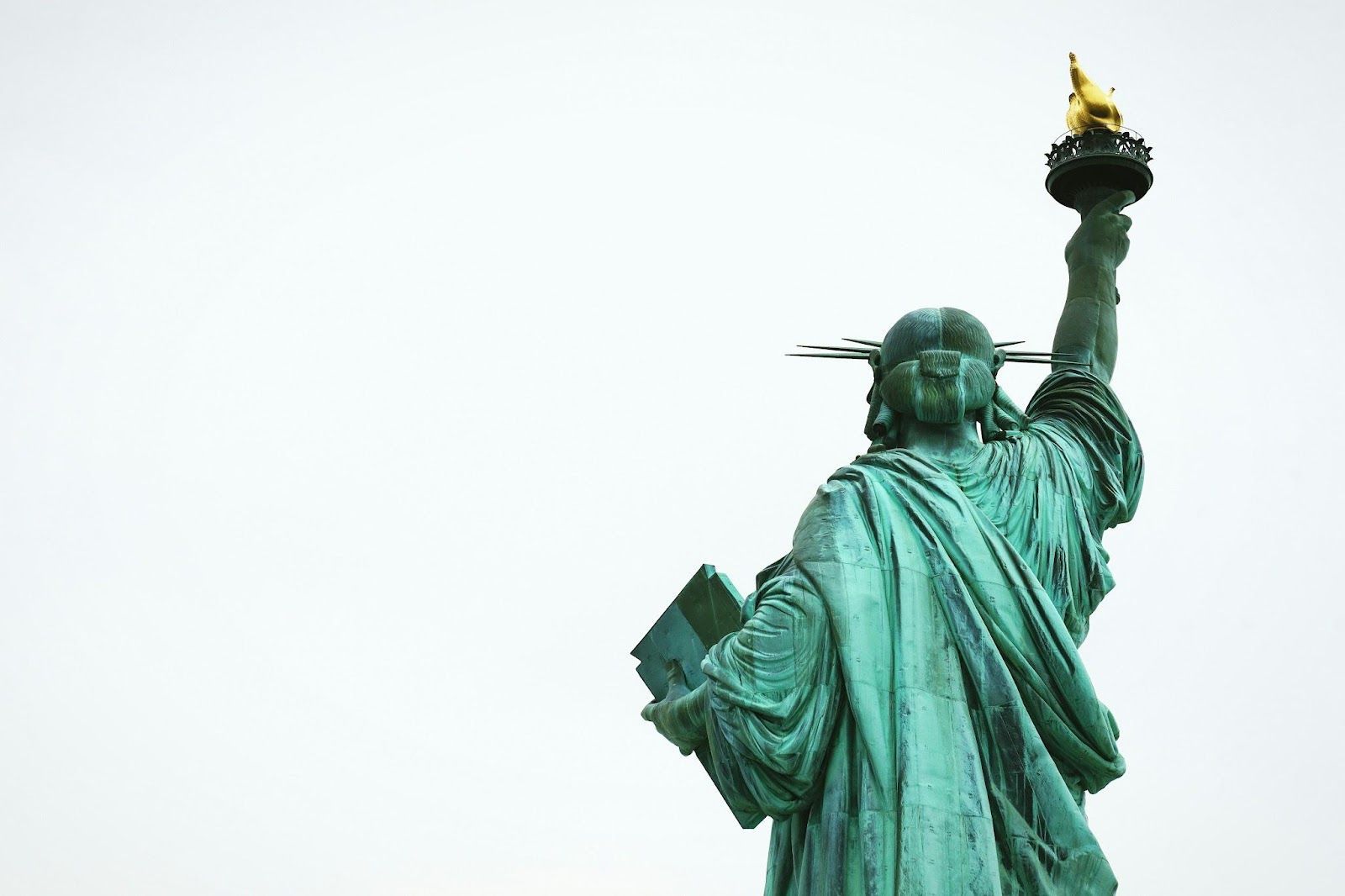
Image: Maarten van den Heuvel

Back in 1925, when the mount was about to be carved into a monument, Charles Rushmore wrote a letter explaining why the peak bore his name. He recalled that in the 1880s he was a young New Yorker working in the area, and fell fond of that particular granite peak .

When he asked the locals about it, they informed him that it had no name, but that if he wished so, they would just start calling it Rushmore Peak, or Mount Rushmore, or the likes. Years later, that very name had been inscribed in the public domain to designate the peak.

3
Yes, there’s a hidden room behind Lincoln’s head
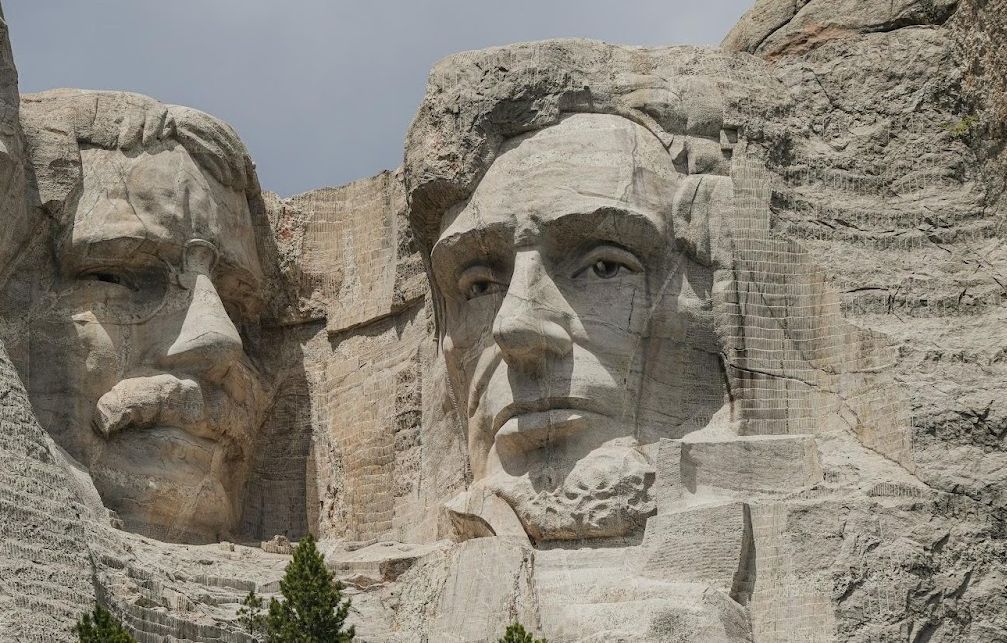
Image: Laura Nyhuis

Behind Abraham Lincoln’s hairline lies a hidden chamber, part of Borglum’s lofty idea for a "Hall of Records." This room was meant to house foundational American documents like the Constitution or the Declaration of Independence.

Instead of that, in 1998, a titanium box was placed inside, filled with copies of important documents and biographies, as a time capsule to preserve the treasure of knowledge for future generations.

4
Thomas Jefferson was moved
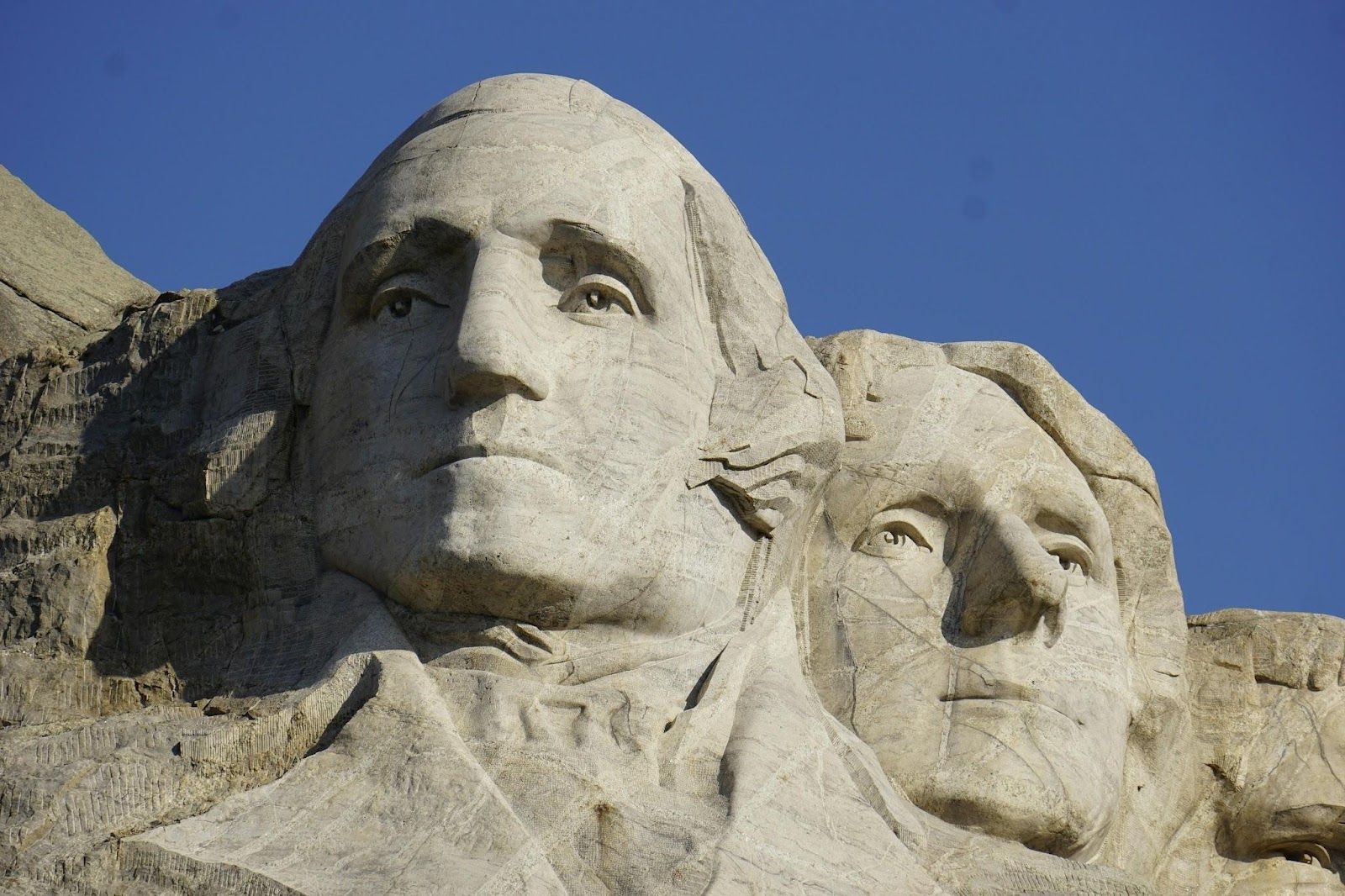
Image: Dave Baraloto

Jefferson was originally supposed to go to Washington’s right, but after 18 months of chiseling , the granite betrayed them. Cracks and flaws made the site unworkable.

Borglum made the painful decision to blast Jefferson’s half-formed face clean off and start anew on Washington’s left.

5
The mountain was almost a monument to western heroes
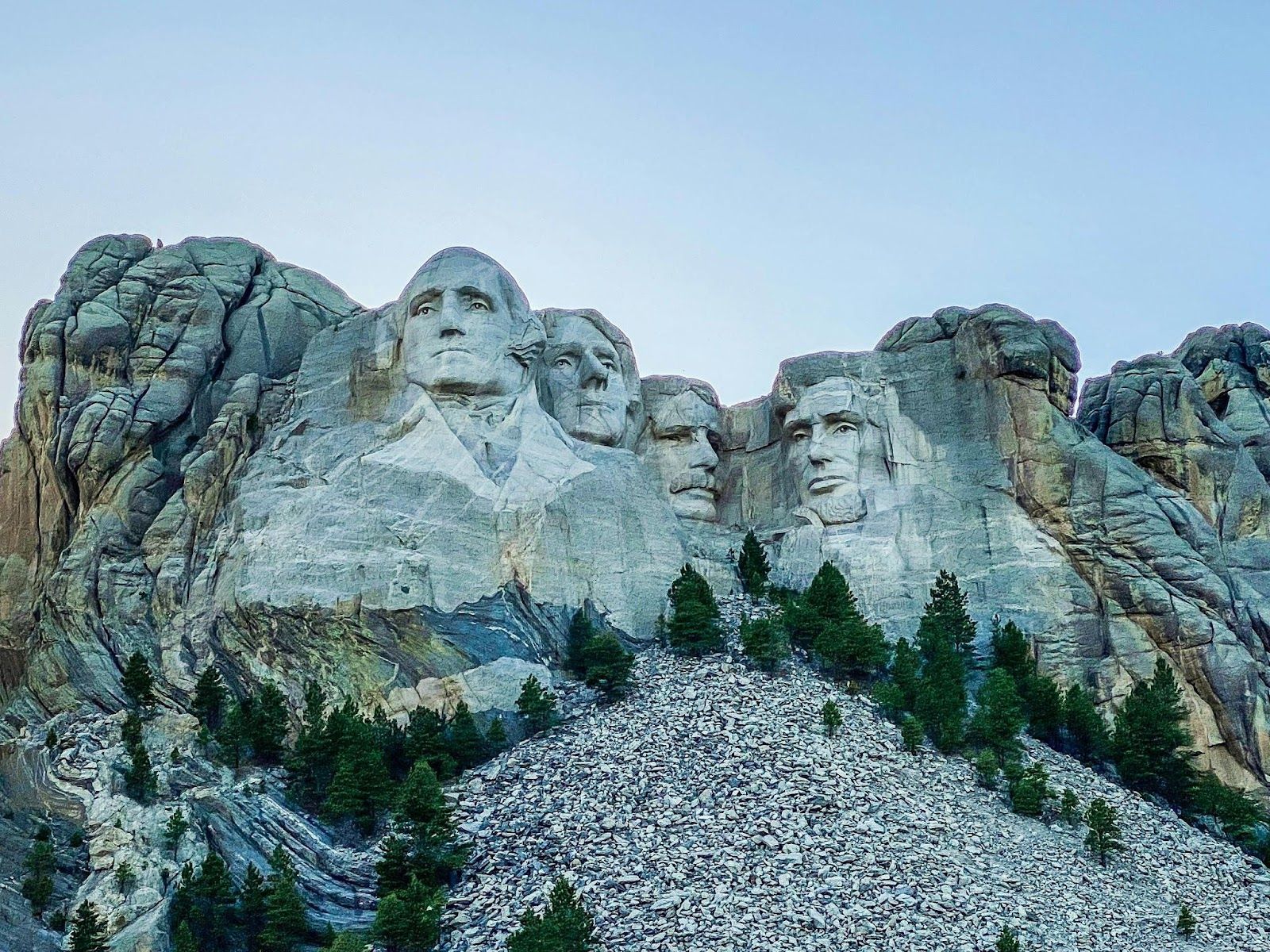
Image: Timberly Hawkins

Before presidents took over, the mountain was pitched as a giant tribute to the Wild West . South Dakota historian Doane Robinson wanted to see frontier legends like Lewis & Clark carved into the Black Hills.

But when Borglum came aboard, he had a grander (and more politically bankable) idea: four presidents to symbolize national unity and expansion.

6
A woman’s face was almost added
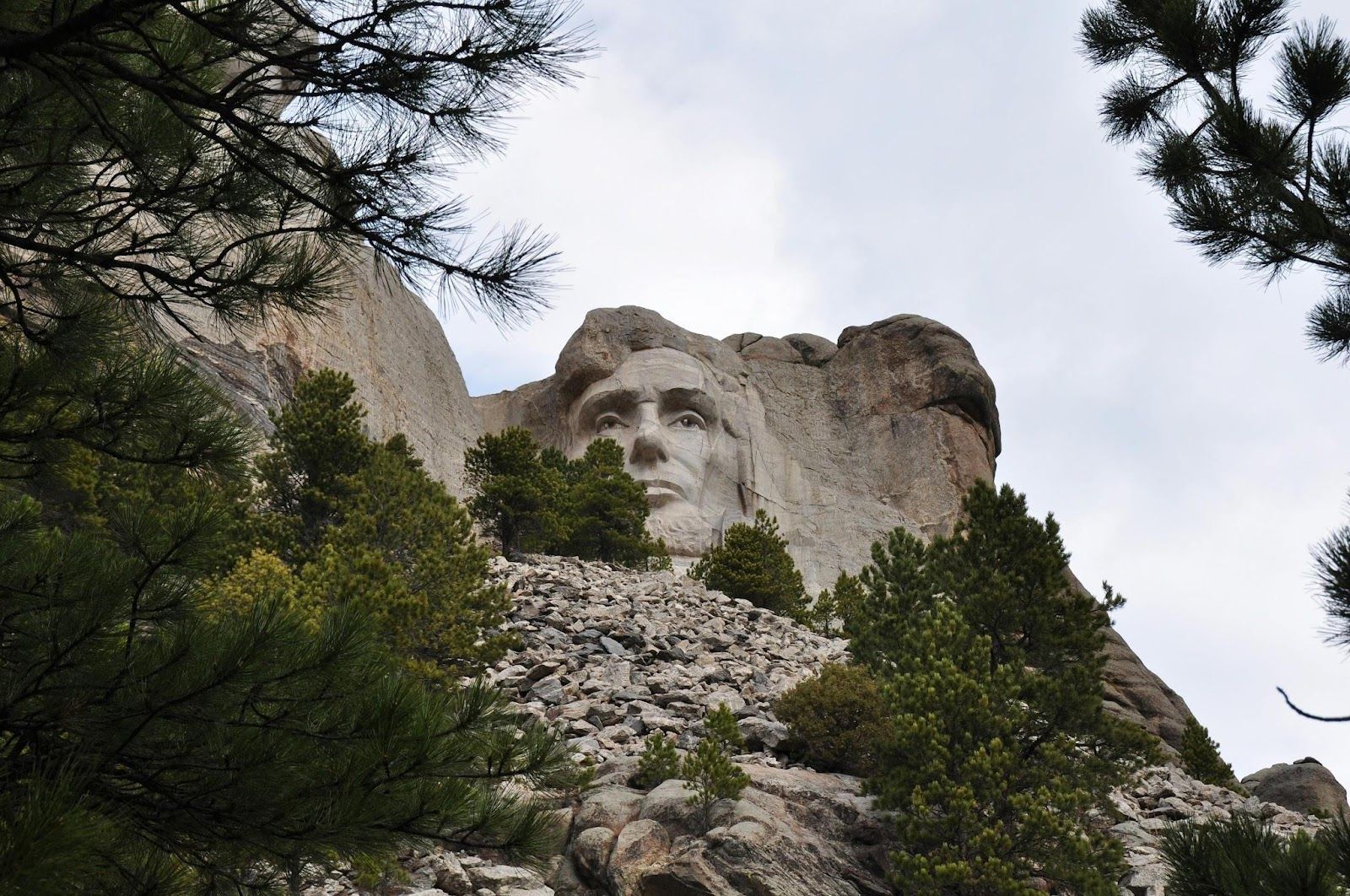
Image: Tom Fournier

In the 1930s, there was serious talk of honoring Susan B. Anthony alongside the Founding Fathers, as a nod to the women’s suffrage movement.

Borglum wasn’t opposed to the idea, but Congress quickly nixed it, stating that only U.S. presidents could be included.

7
The workers were mostly local miners and loggers
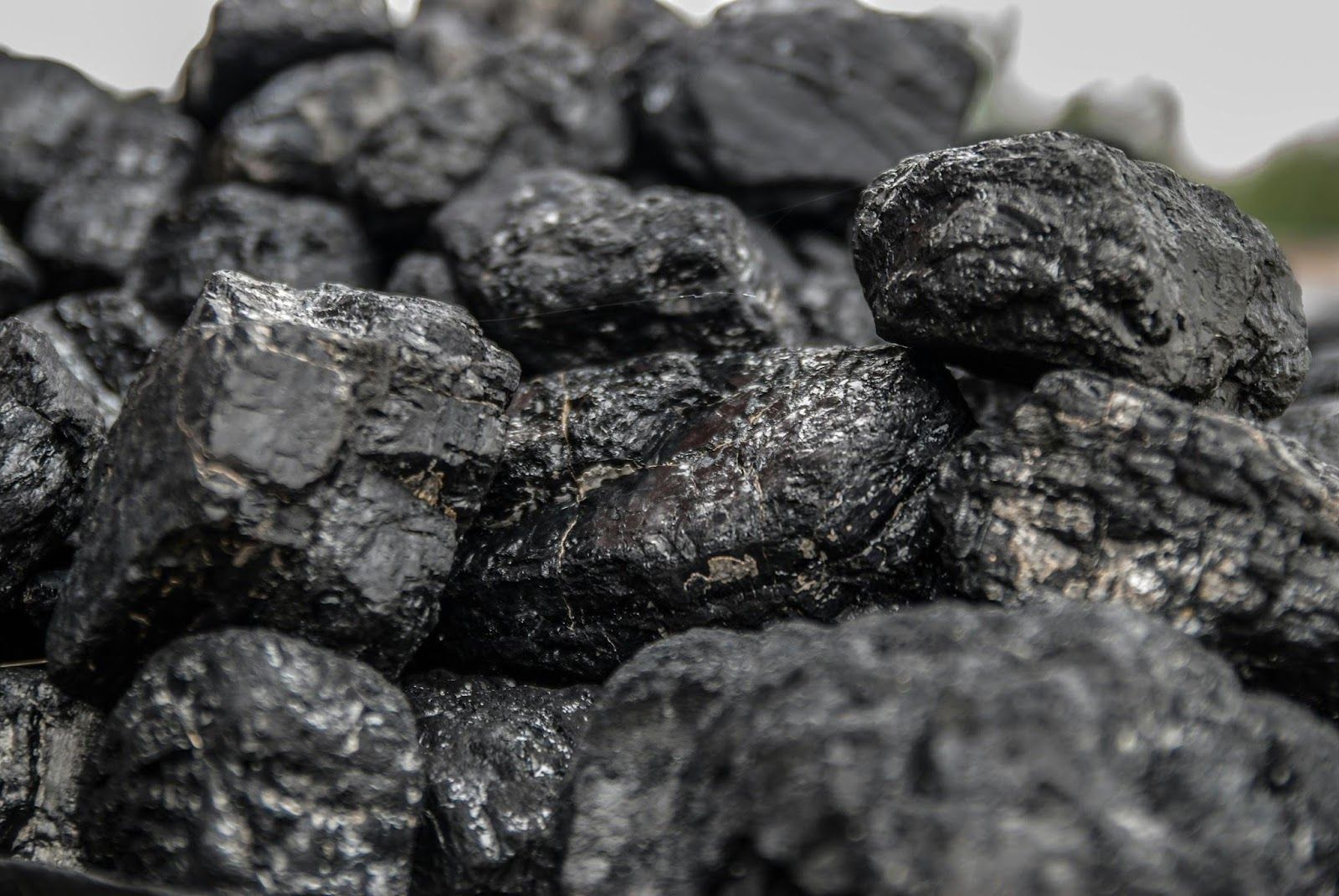
Image: Pixabay

They were neither sculptors nor artists. Most of the workforce came from nearby Keystone, South Dakota: miners, loggers, and hard-up laborers looking for work during the Great Depression.

Borglum trained them himself. There were no safety harnesses, and yet, remarkably, no one died on the job.

8
Dynamite did 90% of the work
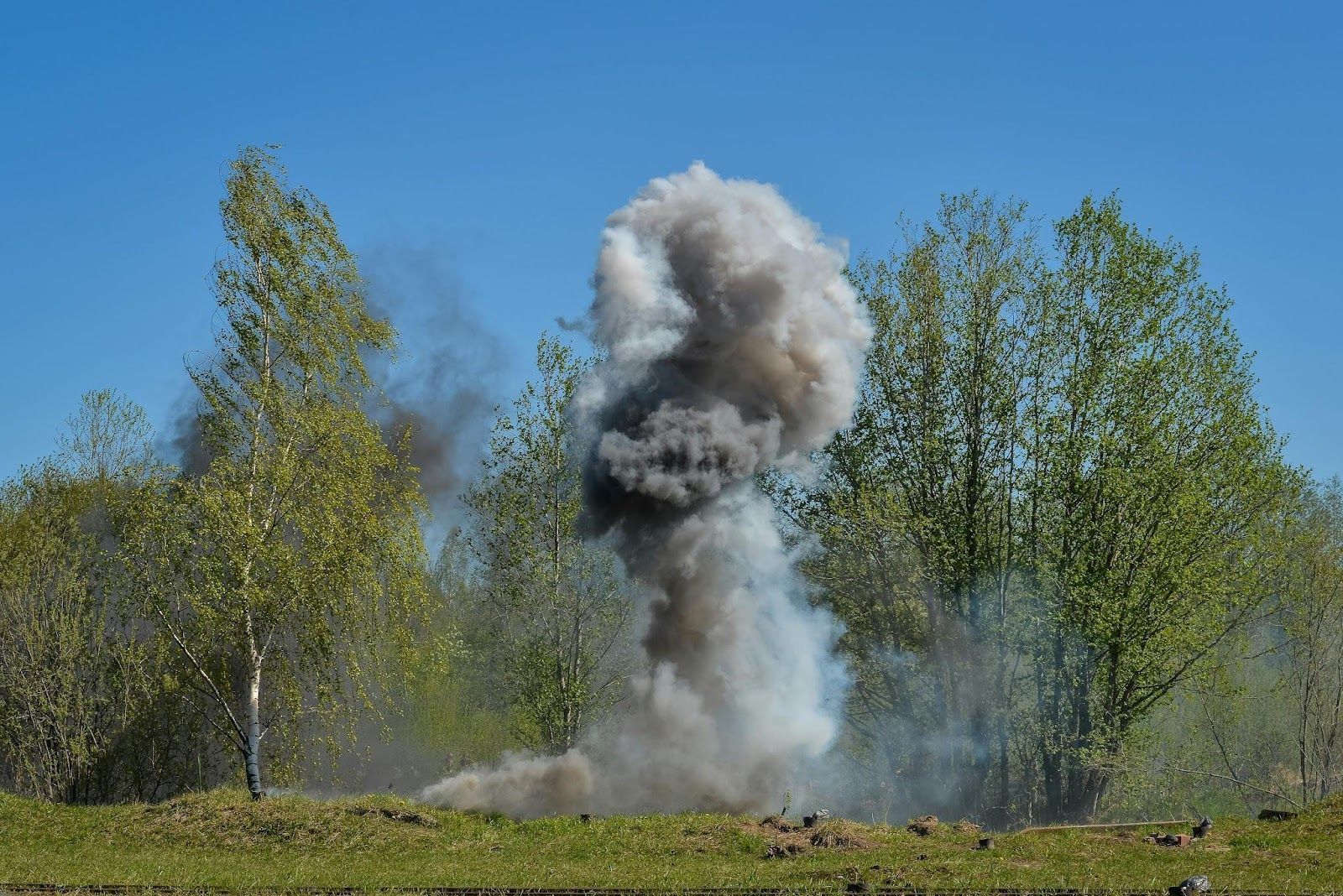
Image: Alexander Paramonov

To carve the faces of Washington, Jefferson, Roosevelt, and Lincoln, workers used carefully timed dynamite blasts to remove over 450,000 tons of rock. They got so precise, they could blast within inches of where the final surface would be.

The last details, like wrinkles, pupils, or Roosevelt’s glasses, were done with jackhammers and chisels.

9
The noses are disproportionate
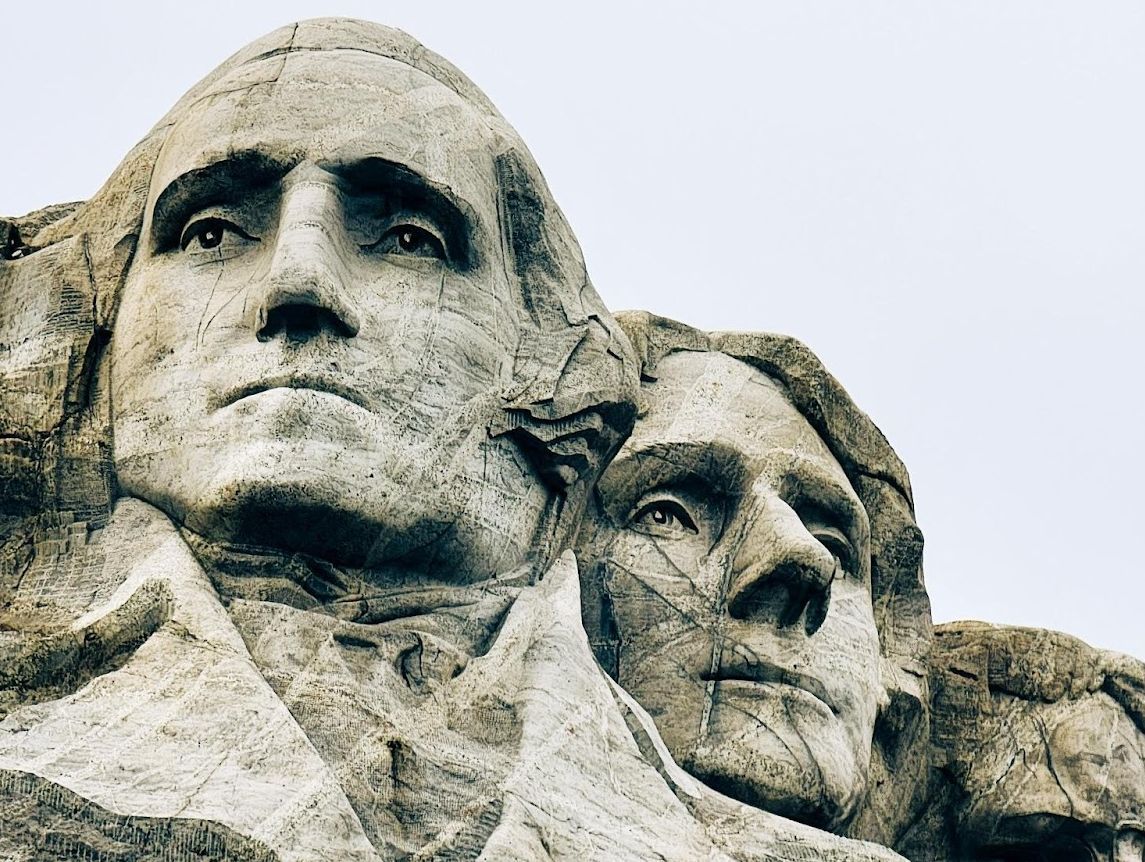
Image: Dudubangbang Travel

Standing in front of the mountain, the faces seem alright. But that’s a trick of perspective. Each presidential nose is a whopping 20 feet long .

If the sculptures had included full bodies as planned, each figure would have stood 465 feet tall. That’s taller than the Statue of Liberty and most downtown skyscrapers.

10
Teddy Roosevelt was the most controversial pick
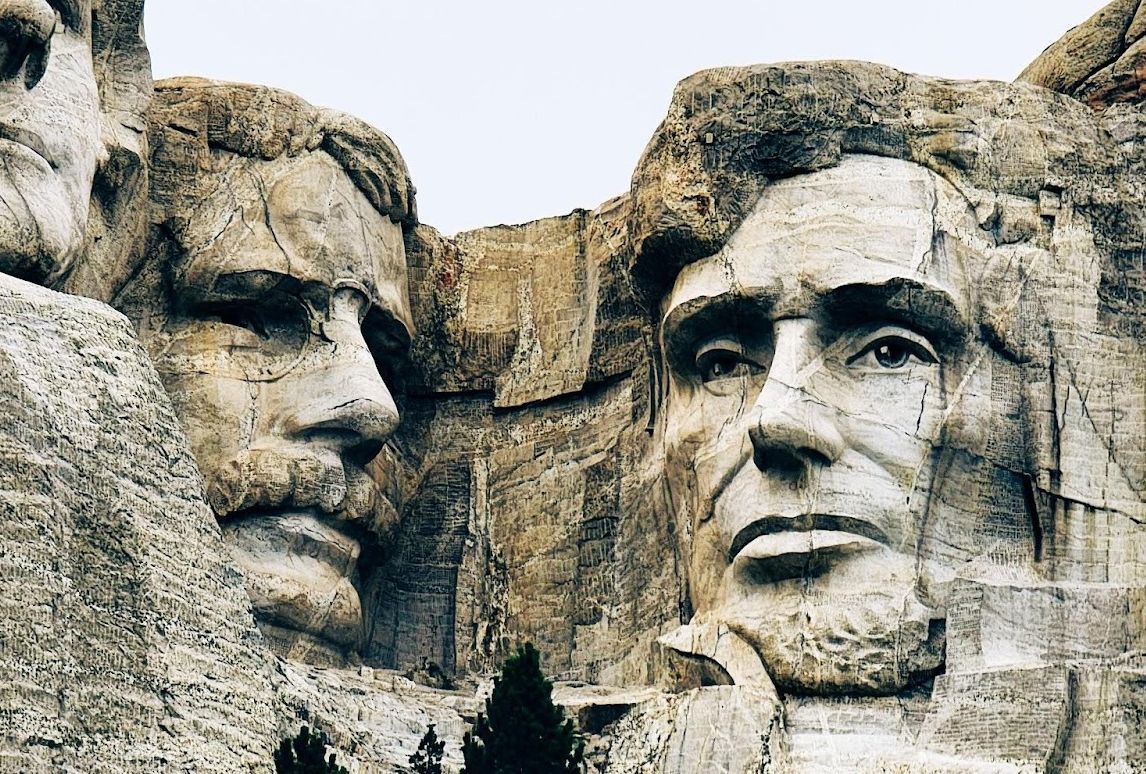
Image: Dudubangbang Travel

Washington, of course. Jefferson, made sense. Lincoln, sure. And Teddy? Some critics raised their eyebrows at Borglum’s fourth choice. Roosevelt had only recently passed away in 1919, and many questioned whether he'd stood the test of time.

But Borglum defended the decision Roosevelt’s role in breaking up monopolies, conserving national parks, and engineering the Panama Canal. Plus, Borglum had met him personally and was a fan.

11
It was supposed to have inscriptions
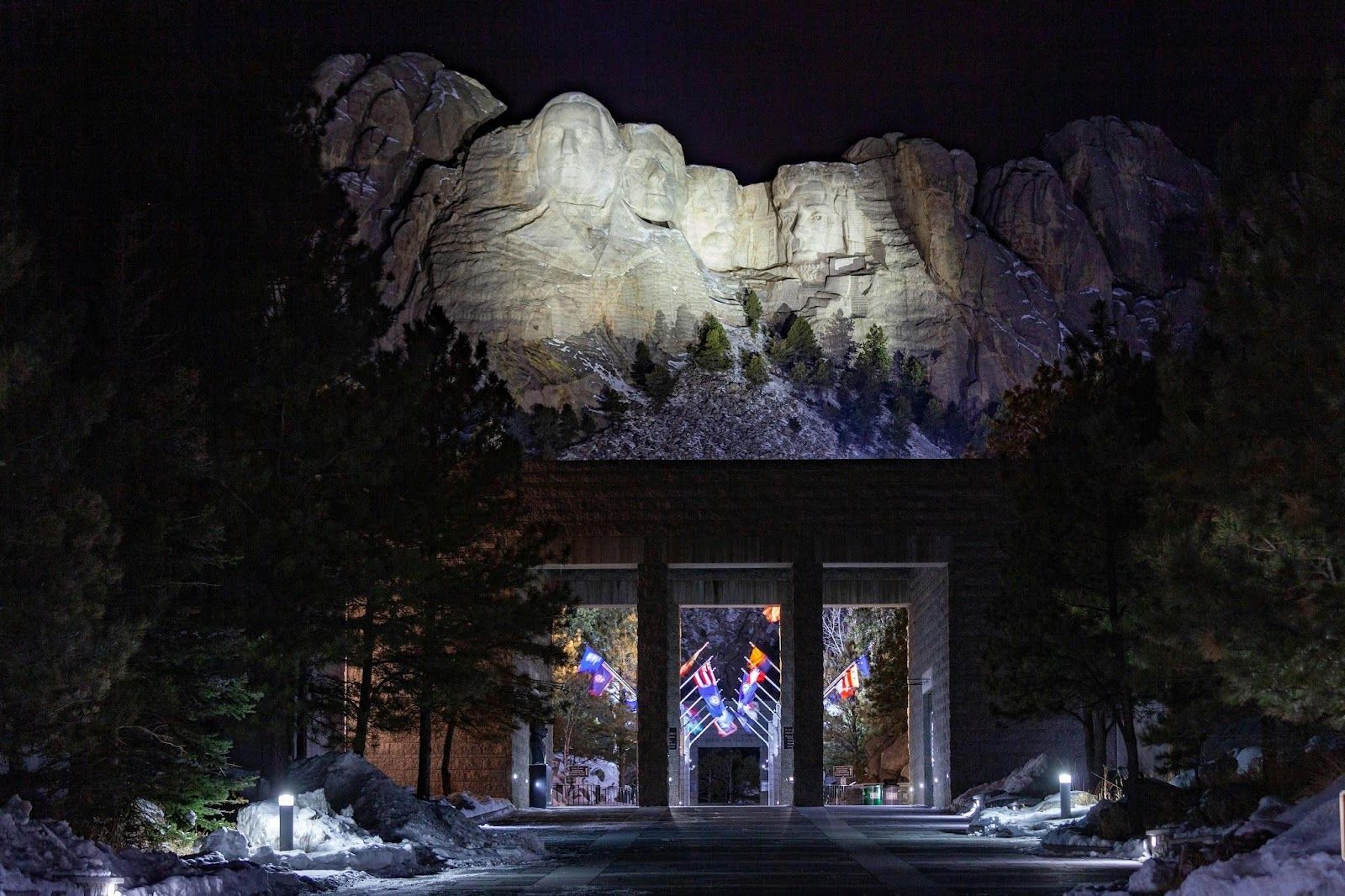
Image: Dan Pick

Borglum had grander plans than just four giant heads. He wanted to carve a massive inscription next to them, a timeline of America’s most important milestones , chiseled straight into the mountain. In time, the idea was scrapped for practical and aesthetic reasons.

12
The visionary died before completion
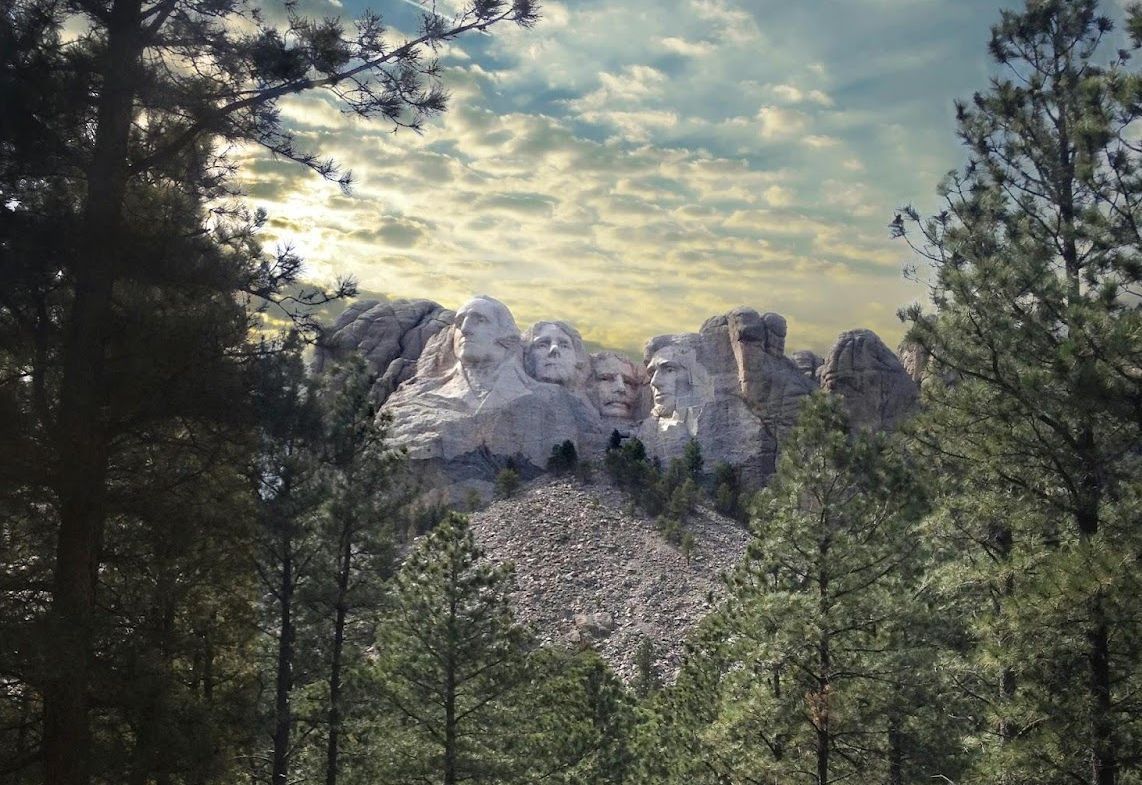
Image: Lisa Reichenstein

Gutzon Borglum, the visionary behind it all, didn’t live to see his masterpiece finished. He died in March 1941, just as the construction was reaching its end. His son, Lincoln Borglum (yes, named after that Lincoln), took over the project.

Still, with WWII drawing resources elsewhere, funding was slashed, and Lincoln had to wrap things up quickly . Some features, like Lincoln’s ear, were never fully detailed.

General General 4 min read

Strangest movie title translations

You'll never believe what they called "Jaws" in France!

Image: Markus Spiske

Hollywood movies travel far and wide, but sometimes, their titles don’t make the journey intact. When films are released in other countries, they often get wildly different names: Some are literal, some are hilarious, and some even spoil the plot! Did you know Grease became Vaseline in Argentina? Or that The Sixth Sense revealed its big twist in China? Let’s take a look at some of the most entertaining, bizarre, and downright confusing movie title translations from around the world!

1
The Teeth of the Sea

Image: Kelsey K

Steven Spielberg’s Jaws terrified audiences with its simple but chilling title. But in France, the name was softened to The Teeth of the Sea . Are we watching a horror movie or a National Geographic documentary?

Don’t get us wrong, the title still conveys the idea of a deadly shark, but it lacks the punch of the original. Can you imagine the famous Jaws poster with this title instead? Not the same impact!

2
Mom, I Missed the Plane

Image: Alsu Vershinina

Can you guess which movie we’re talking about? Of course, it’s Home Alone ! We all know this movie as the classic Christmas comedy about little Kevin McCallister, whose family accidentally leaves behind.

But in France, the title suggests that Kevin missed the flight himself, as if this was his own fault! Mom, I Missed the Plane shifts the blame away from his forgetful parents, making it sound like he had one job and messed it up. That’s a different movie!

3
The War of the Stars

Image: Emmanuel Denier

It’s hard to imagine Star Wars being called anything else, but in France, it became The War of the Stars , and in Spain, it was The War of the Galaxies . That’s not too far off, but some translations went a bit crazy.

For example, in Germany, Han Solo’s ship, the Millennium Falcon, became the Speeding Falcon. In France, Han himself was renamed Yan Solo, and Chewbacca was Chico. And their ship? The Millennium Condor! We feel confident in saying that the Force was not with those translators.

4
Super Power Dare Die Team

Image: Lance Grandahl

The 2016 Ghostbusters reboot wasn’t a huge hit, but it would have had an even stranger fate in China. The translated title was Super Power Dare Die Team , which sounds more like an extreme sports competition than a paranormal comedy, don’t you think?

In reality, the movie was never officially released in China due to censorship laws against supernatural themes. But if it had made it, fans would have been left wondering just what kind of movie they were about to watch!

5
A Very Powerful Whale Runs to Heaven

Image: Gabriel Dizzi

The heartwarming story of a boy helping a whale escape captivity became something far more dramatic in some countries.

Free Willy was translated to A Very Powerful Whale Runs to Heaven in China. This movie sounds like a spiritual journey rather than an animal rescue mission. While the whale does leap to freedom, it doesn’t quite run anywhere, and it definitely doesn’t go to heaven, at least not in the movie! That’s an odd twist!

6
A Twin Seldom Comes Alone

Image: Alexander Grey

The Parent Trap was a fun family film about separated twin sisters and their adventurous reunion . But it became something oddly deep in Germany.

The title was translated to A Twin Seldom Comes Alone , which sounds more like an ancient proverb than a Disney remake, right? Maybe they were making a poetic statement about how twins always come in pairs. We don’t know, but we think it’s a pretty dramatic title for a lighthearted comedy!

7
He’s a Ghost!

Image: Tandem X Visuals

The Sixth Sense , by M. Nigh Shatamalan, is famous for its shocking twist ending , unless you were in China, where the title literally gave it away.

Instead of the mysterious The Sixth Sense , the movie was released as He’s a Ghost! , ruining the entire plot before the opening credits even rolled. Spoiler is the understatement of the century here!

8
The Boy Drowned in the Chocolate Sauce

Image: Pete Wright

Denmark took a grim approach to Willy Wonka & the Chocolate Factory : They renamed it The Boy Drowned in the Chocolate Sauce . While it’s true that Augustus Gloop’s chocolate river mishap is one of the film’s most memorable moments, it makes the movie sound more like a crime drama than a whimsical adventure.

Meanwhile, Portugal softened the title to Charlie’s Wonderful Story , and Spain went with A Fantasy World . Denmark gets the prize for morbid and hilarious, anyway!

9
Vaseline

Image: JUNHYUNG PARK

John Travolta and Olivia Newton-John’s beloved musical Grease got a slick new name in Argentina: Vaseline . Can you guess the logic behind this choice?

Grease refers to the oily hair product used by 1950s greasers, so Vaseline was the closest match. While it technically makes sense, it definitely changes the feel of the movie. The Musical doesn’t quite have the same ring to it!

10
Fantastic Emotional Turmoil

Image: Dean Gibbons

Pixar’s Inside Out was a clever way to teach kids about emotions, but in Thailand, the title got extra dramatic . The movie was released as Fantastic Emotional Turmoil , which makes it sound like a high-stakes psychological thriller. We know the human experience can be difficult, but this is too much!

Other countries struggled with the translation too: in China, for example, it was The Great Team Inside the Head . Clearly, Pixar’s abstract concept wasn’t the easiest to put into words!

General General 6 min read

Fossil treasures

10 jaw-dropping dinosaurs discovered in America

Image: Fausto García-Menéndez

The territory of the United States is a real goldmine for paleontologists. Over the years, some of the most impressive and well-preserved dinosaur fossils in the world have been discovered in our country. From the likable Apatosaurus to the fearsome Tyrannosaurus rex, the finds have provided a fascinating glimpse into prehistoric life. Read on to learn about the 10 most famous and influential American dinosaurs.

1
Anchisaurus

Image: Simon Infanger

Anchisaurus is one of the first dinosaurs discovered in American territory, although it was not correctly identified at the beginning. The first fossil of this herbivore was found in East Windsor, Connecticut , in 1818, but it was then believed to be part of a human skeleton. In subsequent years, other specimens of this species were uncovered in the area.

It measured 8 to 20 ft in length and lived 210 million years ago in the Portland Formation, Northeastern United States. In the late Triassic and early Jurassic periods, the Connecticut Valley was a dry, steep depression, and it was possible to pass from here to the east and the center of what is now Africa. This explains why some dinosaurs lived both in America and other continents.

2
Triceratops

Image: photo_steff

One of the most iconic dinosaurs found in America is the Triceratops, a herbivore that lived 70 to 65 million years ago, right at the end of the Age of Dinosaurs, in the Late Cretaceous. Its name derives from Greek and means "face with three horns". One of the largest horned dinosaurs**,** it stood around 7.5 ft tall and weighed about 5 rhinoceroses, the equivalent of 10 tons.

Fossils of this dinosaur have been found in abundance in the Hell Creek Formation in Montana and South Dakota. No fossils of this dinosaur have been found on any other continent. Triceratops has been the state dinosaur of Wyoming since March 1994.

3
Allosaurus

Image: WikiImages

Allosaurus was one of the largest carnivores of the Jurassic period and its remains in the United States have been found mainly in the Morrison Formation, which covers states such as Colorado, Utah, and Wyoming. It lived 155 to 145 million years ago in North America, Africa, Australia, and possibly China. Also, did you know that the Allosaurus fragilis is the state fossil of Utah?

This bipedal dinosaur was an agile hunter with powerful jaws and sharp teeth. It was a theropod, not as huge as the largest carnivore, Tyrannosaurus rex, but just as fearsome. Allosaurus was bigger than an elephant and heavier than a rhino. Its name means "different lizard" due to its rare concave vertebrae.

4
Stegosaurus

Image: ariesa66

Another inhabitant of the Morrison Formation was the Stegosaurus, famous for its dorsal plates and spines on its tail, which it used for defense. Stegosaurus used to walk on all fours, grazing on low vegetation. Its head was perfectly adapted to this way of feeding. It was first described in 1877 by Yale paleontologist Othniel Charles Marsh, and its name means "roof(ed) lizard".

This Jurassic herbivore has been discovered in several states in the western United States. Scientists have found many fossils, showing that it was a very common creature for 10 million years, despite its tiny brain, small head, and useless teeth. The discovery of the Stegosaurus has helped them better understand the anatomy and behavior of armored dinosaurs.

5
Tyrannosaurus rex

Image: Elly Enn

Is Tyrannosaurus rex the most famous dinosaur on the planet? Portrayed by pop culture to the hilt, this formidable predator is known for its gigantic size, razor-sharp teeth, and bipedal posture. However, its popularity has a logical explanation. T. rex is also one of the best-represented dinosaurs in the fossil record, with several complete specimens discovered, particularly in the states of Montana, South Dakota, and Wyoming.

Based on bones found in the late 19th century, paleontologist Henry Fairfield Osborn recreated the first drawing of this gigantic creature. He named it Tyrannosaurus rex, meaning "tyrant lizard king," because it is believed to have been the most dangerous dinosaur and the largest land carnivore of all time. Although it is estimated that up to 1.7 billion T. rex dinosaurs lived on Earth, only about 30 nearly complete skeletons have been found. Think about that!

6
Deinonychus

Image: Steve Wrzeszczynski

This small but ferocious theropod lived during the Cretaceous period about 115-108 million years ago. Deinonychus is known for its sickle-shaped claws on its feet, used for hunting. Its name, unsurprisingly, means "terrible claw". Like all bipeds, it moved only on its hind legs and is believed to have been able to run at 25 miles per hour: more than the average Olympic champion.

Deinonychus fossils were found in Utah, Oklahoma, Montana, and Wyoming, in rocks of the Cloverly Formation and Antlers Formation. The study of this species, beginning in the 1960s, revolutionized the way scientists thought about dinosaurs, providing fascinating new insight into smaller predators.

7
Ankylosaurus

Image: mdherren

Ankylosaurus is one of the best-known armored dinosaurs, which lived at the end of the Cretaceous period. It had bony protrusions on its head and all over its body as protection against the teeth and claws of predators. The armor was made up of small plates of bone welded together, constituting a shell as effective as that of turtles.

This gigantic herbivore roamed the jungles of North America about 68-66 million years ago, almost as well protected as a modern tank. The first specimen of Ankylosaurus was found in 1906 in the Hell Creek Formation, near Gilbert Creek, Montana. Other fossils of this species were discovered in other parts of Montana and Alberta, Canada, in the following years. However, to this day, it has not been possible to obtain a complete skeleton.

8
Hadrosaurus

Image: Jordyn St. John

The first Hadrosaurus fossils were discovered by William Parker Folke, an amateur paleontologist, in 1838 in Haddonfield, New Jersey. The excavation site, known as the Hadrosaurus foulkii Leidy site, is now a National Historic Landmark. Hadrosaurids are known for their duck-billed mouth, with a powerful jaw containing several rows of teeth for chewing all kinds of leaves.

In 2004, scientists found a mummified Hadrosaurus specimen in North Dakota. This fossil is extremely unusual and valuable, as dinosaur soft tissue including skin and muscle is rare. This find allows us to learn more about this species and how they lived 67 million years ago.

9
Diplodocus

Image: michaelwedermann

Diplodocus means "double beam" and is so named because of the double bones in its tail. This was one of the longest animals on earth. It was about 79-85 ft long, 15 ft high, and weighed 15 tons. It could reach the tops of towering trees for food, and its small head allowed it to forage in vegetation where few other dinosaurs could reach.

Although some Diplodocus fossils were discovered earlier near Cañon City, Colorado, the most notable find came a few years later. In 1899, Funded by Scottish-American steel tycoon Andrew Carnegie, members of the Carnegie Museum of Natural History found a well-preserved Diplodocus skeleton in the Morrison Formation of Sheep Creek, Wyoming. With these fossils, the museum created a composite mount that became very popular and even got to tour the world.

10
Apatosaurus

Image: Cup of Couple

Apatosaurus is one of the best-known sauropods that inhabited North America during the Jurassic period. These herbivorous giants, with their long necks and tails, have also been discovered in the Morrison Formation, mainly in Colorado and Utah. It is believed to have lived 150 million years ago, at the end of the Jurassic period.

Apatosaurus could reach 69-75 ft in length, 20 tons in weight, and was one of the largest sauropods. It had a long neck containing 15 huge bones supported by powerful muscles that allowed it to feed on the leaves of the tallest trees. Perhaps this dinosaur sounds familiar. It has been the inspiration for numerous beloved animated characters: Littlefoot from The Land Before Time and Arlo and Poppa Henry from Pixar's The Good Dinosaur are Apatosauruses.

Explore more American facts

Choose your favorite category!

General
General

As American as apple pie—the very best America has to offer!

Culture
Culture

Delve into the astounding richness of American lore.

Geography
Geography

Hop in and explore vast and diverse American landscapes.

History
History

Discover the key moments that shaped the United States.