General General 4 min read

Beyond the law

Wait… that's not illegal? 11 ‘crimes’ you didn't know are legal

Image: Jan van der Wolf

Sometimes we’re so accustomed to doing things a certain way that doing anything different feels illegal. But not every bit of "common sense" is backed by an actual law. Many widely accepted practices are merely norms or policies—not legislation. From driving barefoot to owning a flamethrower, here are 11 things you might think are illegal… but actually aren’t.

1
Driving barefoot

Image: Ashley Byrd

No federal or state law in the U.S. bans driving barefoot. Though sometimes discouraged for safety reasons, driving barefoot is legal in all 50 states (and in most countries worldwide as well).

While police might ask you to put your shoes on during a traffic stop, it’s merely a suggestion, not a legal requirement. In most modern cars, driving barefoot presents no significant safety risks, but it could affect insurance claims. If you’re involved in an accident while barefoot, you might face increased scrutiny from insurers.

2
Riding in the back of a pickup truck
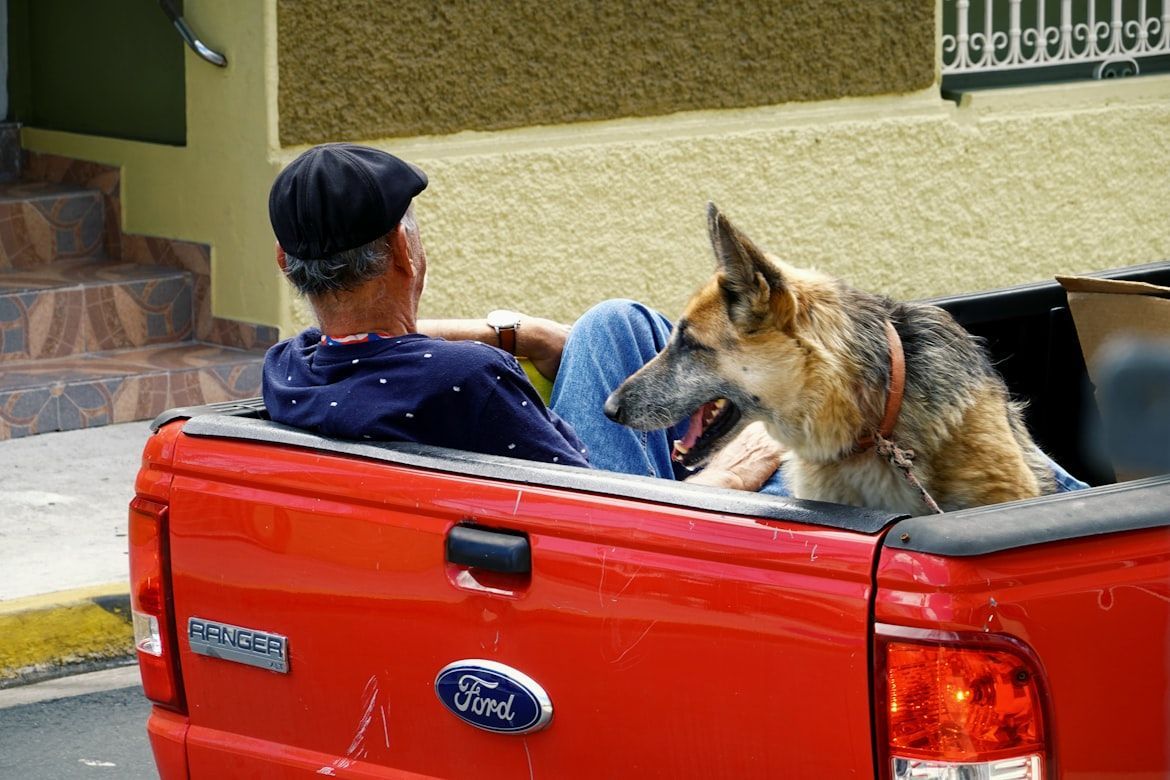
Image: Richard Lu

This is a bit of a gray area. There is no federal law regulating the practice, but some states or local jurisdictions may impose restrictions, often including age limits.

In rural areas, most people won’t bat an eye if you ride in the bed. However, it can be considered a safety risk and may serve as an aggravating factor if you’re stopped for speeding or other traffic violations.

3
Cursing in public

Image: Kristina Flour

While it’s common courtesy not to go around hurling insults and profanity, the truth is no one can legally require you to stop if you are so inclined.

This is because profanity is generally protected speech. However, "generally" is doing some heavy lifting here, as depending on the context, it could be considered provocation or incitement to violence.

4
Sleeping in your car

Image: lucas Favre

It’s not illegal to sleep in your car unless local ordinances specifically prohibit it in certain areas, such as city streets or commercial lots.

Often, it has nothing to do with sleeping whatsoever, as in some places, all overnight parking at rest stops is prohibited or limited to just a few hours. Some Walmart lots might allow it, but that’s a private policy—not a law—and you should check with the local manager to be sure.

5
Eating while driving

Image: Dmitriy Frantsev

There’s no blanket law against eating while driving, though it can be considered a distraction. If it leads to unsafe driving, you could be cited.

Washington State’s distracted driving law bans holding electronic devices and allows extra fines for erratic driving caused by distractions , including eating or drinking . Some states, such as New Jersey, have considered banning it entirely, but most proposed laws are too vague to be enforced clearly.

6
Owning a flamethrower
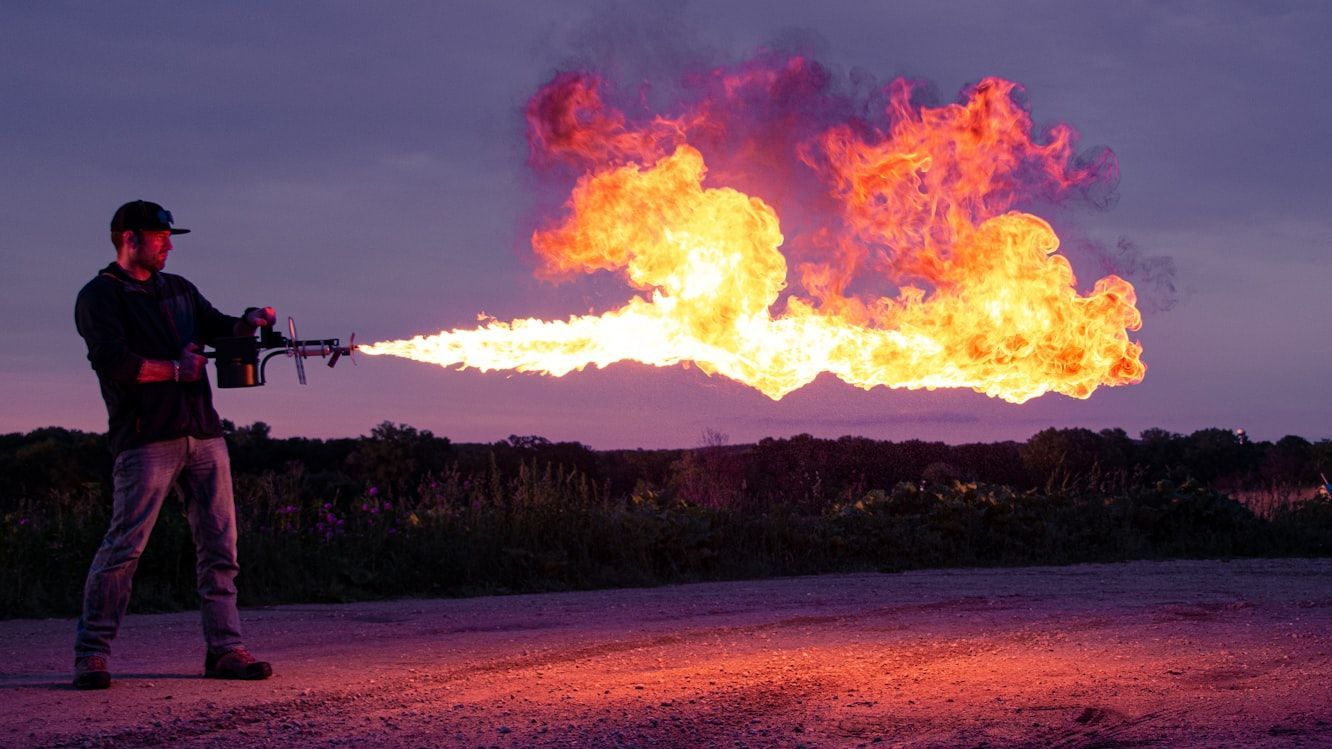
Image: Tali Despins

Surprisingly, there’s no federal law in the U.S. that bans civilian flamethrower ownership. However, a few states do impose restrictions; California and Maryland have strict laws prohibiting or regulating them.

Some companies even market flamethrowers for agricultural use, like controlled burns or weed clearing. But misuse of a flamethrower can lead to serious legal charges—for instance, arson, reckless endangerment, or other criminal or civil liabilities.

7
Ignoring someone knocking at your door

Image: Aaron Burden

No law requires you to open your door to anyone, including police, unless they have a warrant.

If you're pulled over while driving or stopped on the street, you’re generally required to comply with police instructions. But if you're inside your home with the door closed—and ideally locked—you’re under no obligation to respond at all.

8
Selling homemade food without a license

Image: Museums of History New South Wales

Most states require permits or inspections to sell food commercially. However, many states have "cottage food laws" that allow limited sales of certain homemade goods without a license.

But if you scale up beyond small-batch home production, you’ll likely face a citation—and a hefty fine—from the authorities.

9
Backyard burials

Image: Jennifer Grismer

Believe it or not, there’s no federal law against burying human remains on private property. Many states allow it, provided you have the proper paperwork, such as a death certificate and burial permit. Local zoning laws may regulate factors like location, depth, and proximity to water sources or property lines.

Similarly, pet burials are generally permitted, but local ordinances can vary —so it’s important to check them first.

10
Using a fake name online

Image: Sander Sammy

Unless it’s used for fraud or to impersonate a real person, using an alias on social media or online forums isn’t a crime.

Some platforms may prohibit it in their terms of service, but that’s a civil matter—not a criminal one. Legal issues generally arise only if the alias is used to cause harm, deceive others, or commit financial fraud.

11
Flying the U.S. flag at night without lighting
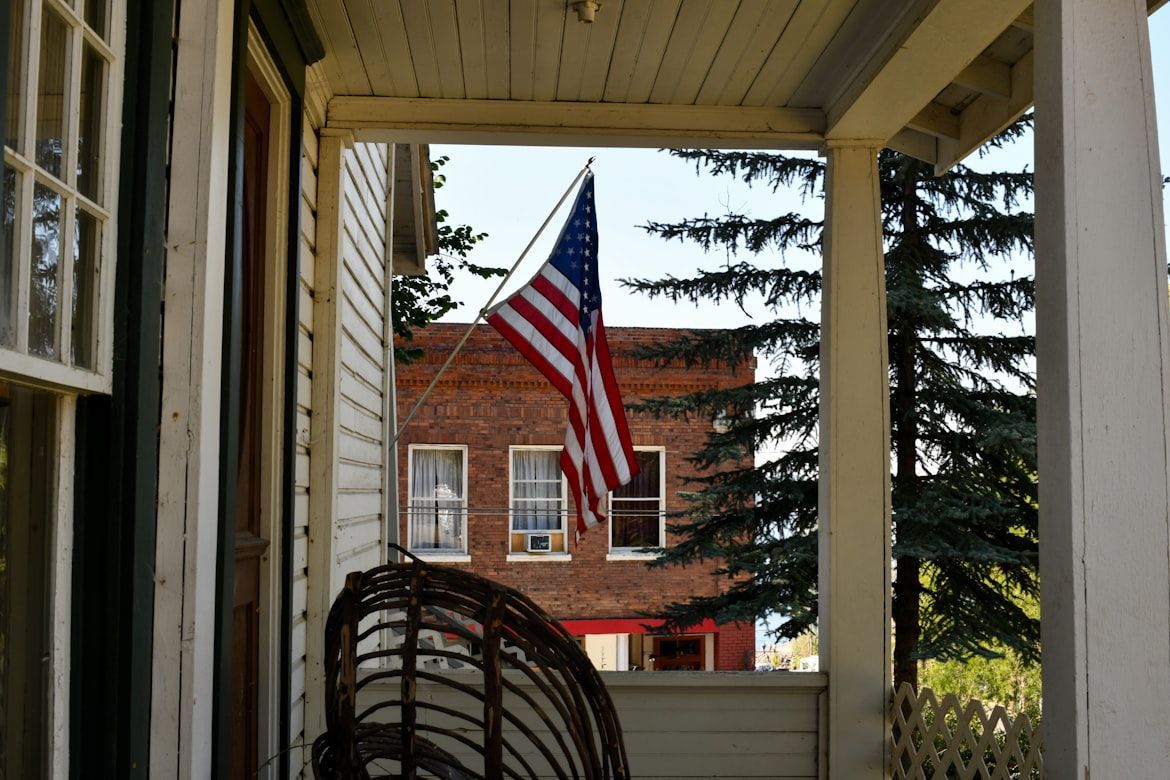
Image: Shelley Pauls

The U.S. Flag Code suggests that the flag should be illuminated if flown at night, but this is just a general guideline, not a legally enforceable law.

Stricter requirements may apply to government buildings, but for private citizens, the code is purely advisory and symbolic.


General General 5 min read

Native marvels

What 600-pound animal climbs trees? 10 amazing American animals

Image: Bryan Hanson

America is home to a rich tapestry of unique wildlife found nowhere else on Earth. These species thrive in diverse ecosystems, from mountains to oceans, and form an integral part of our natural heritage. Some have even become national icons, symbolizing the spirit of our country. From the majestic bald eagle to the resilient black bear, discover 10 animals that embody the wild essence of our nation.

1
American Bison

Image: Chloe Leis

The American bison once roamed the Great Plains in vast herds, a true icon of the American West. These massive mammals can weigh up to 2,000 pounds and stand 6 feet tall at the shoulder. Due to overhunting and habitat loss in the 1800s, their numbers dwindled dangerously low, with the species being driven to the brink of extinction.

Fortunately, thanks to dedicated conservation efforts, bison populations have rebounded miraculously and now roam freely through many of the United States' national parks, particularly in Yellowstone, where they have lived continuously since prehistoric times.

2
California Condor

Image: Kacie Long

The California condor is North America's largest flying land bird, boasting an impressive wingspan of nearly 10 feet. In the 20th century, populations dramatically declined due to various threats, including DDT and lead poisoning, poaching, and habitat loss. By 1987, only 27 individuals remained, with the species facing near-extinction.

Rigorous conservation efforts, including captive breeding programs, have increased the condor's numbers, and many individuals have been reintroduced to their natural habitats near the Grand Canyon area, Zion National Park, and the coastal mountains of California.

3
American Alligator

Image: David Clode

The American alligator, a formidable reptile, is native to the southeastern United States. As apex predators, they consume a wide range of prey, including fish, amphibians, reptiles, birds, and mammals. These powerful creatures can grow up to 15 feet long and weigh over 1,000 pounds.

Once hunted nearly to extinction for their hides, American alligators have made a remarkable comeback thanks to strict protection laws. Today, they thrive in swamps, marshes, and rivers, where they play a crucial role as ecosystem engineers. By constructing small ponds known as alligator holes, they create both wet and dry habitats that support a variety of other organisms.

4
Bald Eagle

Image: Ingo Doerrie

The bald eagle is not only America's national bird but also a powerful symbol of freedom all over the world. An opportunistic feeder that primarily subsists on fish, it is classified as a type of sea eagle, closely related to the European white-tailed eagle. Found throughout North America, this majestic bird has a wingspan of up to 7.5 feet and uses its sharp talons to snatch prey from the water.

Despite its name, the bald eagle is not actually bald. The name comes from an older use of the word "bald," which used to mean "white-headed." This bird of prey is also known for building the largest nest of any North American bird—a structure that can be up to 13 feet deep, 8 feet wide, and weigh almost 1 metric ton on average.

5
Gila Monster

Image: David Clode

The Gila monster, native to the southwestern United States, is one of the few venomous lizards in the world. These brightly colored reptiles are slow-moving and rarely attack humans, but they can deliver a powerful bite if threatened or mishandled. Gila monsters are a unique part of America's desert fauna, often inhabiting burrows or sheltering under rocks where conditions are favorable.

The name "Gila monster" refers to the Gila River Basin in Arizona and New Mexico, where these lizards were once abundant. Because the species has remained relatively unchanged morphologically since at least the Miocene, they are occasionally regarded as living fossils.

6
Red Wolf

Image: Patrick Fobian

A canid native to the southeastern United States with a size that falls between a gray wolf and a coyote, the red wolf is often classified either as a subspecies of the gray wolf or as a type of coywolf (a genetic hybrid of wolf and coyote). Despite their size, red wolves play a crucial role in their ecosystem as apex predators.

While their original range covered the southeastern United States to as far north as the state of New York, the species is currently critically endangered, with fewer than 20 individuals remaining in the wild. Efforts to save the species include captive breeding and reintroduction programs aimed at restoring their presence in the wild.

7
Florida Panther

Image: Maheera Kulsoom

The Florida panther, a subspecies of the cougar, roams the forests and swamps of southern Florida. Its modern range includes national parks and natural reserves such as the Big Cypress National Preserve and Everglades National Park. With only around 200 individuals left in the wild, these solitary and elusive cats are considered endangered and currently occupy only 5% of their historic range.

Conservation efforts focus on habitat preservation and reducing vehicle collisions, the leading cause of death for these big cats. Since 1982, this majestic feline has been officially recognized as Florida’s state animal.

8
Hawaiian Monk Seal

Image: Sebastian Coman Travel

Found only in the Hawaiian Islands, the Hawaiian monk seal is one of the only two mammals endemic to the islands, alongside the Hawaiian hoary bat. Its common name comes from the short hairs on its head, resembling a monk's tonsure, but native Hawaiians know it as ʻIlio-holo-i-ka-uaua, which translates to "dog that runs in rough water."

Considered one of the most endangered marine mammals in the world, with a population of about 1,400 individuals, these seals are protected by the Marine Mammal Protection Act and the Endangered Species Act.

9
Pronghorn

Image: Patrick Hendry

The pronghorn, native to North America's grasslands, is the second fastest land animal in the world, capable of reaching speeds up to 55 mph. Often mistaken for antelopes, pronghorns are actually unique to the American continent and are not related to Old World antelope species.

In fact, the pronghorn's closest living relatives are the giraffe and okapi. Remarkably, their incredible speed evolved as a defense mechanism against now-extinct predators, such as Miracinonyx , commonly known as the American cheetah.

10
Black Bear

Image: Robert Thiemann

The black bear, the most widely distributed bear species in North America, is found in forested areas from Canada to Mexico. These adaptable omnivores can weigh up to 600 pounds and are skilled climbers and swimmers.

Not related to grizzly or polar bears, black bears share more genetic similarities with the Asian black bear than with any other species. And before the migration of brown bears to the continent, American black bears were likely the only bear species present in much of North America. Despite their size and strength, black bears are generally shy and tend to avoid human contact whenever possible.

General General 5 min read

Incredible creatures

You won't believe these 10 American animals' amazing traits and skills

Nature never ceases to amaze us. From mammals that can "glide" through the air to creatures that can twist their heads 180 degrees, America's wildlife is as diverse as it is impressive. While you probably recognize many of the animals in this article, they have some skills that could shock anyone. Join us to discover these 10 incredible American animals with amazing abilities and unique traits !

1
Blue jay

Image: Mark Olsen

The blue jay is a beautiful bird with –as its name suggests– striking blue plumage. It also has white feather details and a sort of black "collar" on its neck. But it is not just a pretty face; it also has wonderful abilities.

Blue jays are excellent mimics . They can imitate the calls of other birds, especially hawks, in order to frighten and scare away predators. Nature is wise!

In addition, these birds that live in family groups have a great memory . Blue jays have been seen storing nuts far from where they originally found them and then returning to those locations later without much effort.

2
Bald eagle

Image: Mathew Schwartz

As one of America's most iconic symbols, the bald eagle makes an imposing impression just with its presence. It is one of the largest birds in the world, with a wingspan ranging from 6 to 7.5 feet and weighing between 3 and 6.5 pounds.

One of its most outstanding traits is its vision , considered by many experts to be 4 to 5 times sharper than human eyesight. This bird has such precise vision that it can spot its prey from several miles away while flying!

In addition to that, its hunting skills are exceptional. Bald eagles rarely fail to catch a snack, thanks to their large and powerful talons. Their prey can be quite large, as their grip strength can reach 400 pounds per square inch.

3
Pronghorn antelope

Image: David Thielen

Despite its common name, the pronghorn is not an antelope. In fact, it belongs to another family called Antilocapridae , exclusive to North America. Yes, they only exist here!

Pronghorns have several characteristics that make them unique, including their iconic horns . First off, pronghorns shed their horns every year (because who doesn't want to renew their outfit?). And, unlike many other species, it's not just the males that have horns; the females do too.

But here's its best feature: the pronghorn is nothing less than the fastest land animal in America, capable of reaching speeds of over 50 mph. And that's not all; this animal can sustain its speed for very long distances. A true runner!

4
American alligator

Image: Joshua J. Cotten

The American alligator can measure between 13 and 15 feet long and weigh more than 900 pounds, making it one of the largest reptiles in the USA.

But its size is not the only thing that impresses. The American alligator, which inhabits the southeastern United States, has one of the fiercest and most powerful bites in the entire animal kingdom, reaching 2,980 pounds of pressure per square inch. Just picture that destructive power!

Biting so hard must have negative consequences for the teeth, right? True. But this is not a problem for the American alligator, as this reptile has the ability to regenerate its lost teeth more than 50 times in its lifetime!

5
Barn owl

Image: Bob Brewer

The barn owl is one of the several owl species found in America. Its most characteristic feature is its heart-shaped face. This distinctive quality is not only cute, but it also serves a purpose: it directs sound into the bird's ear cavities. The barn owl has exceptional hearing , allowing it to detect the smallest prey in the dark.

On the other hand, one of the most striking features of owls is their ability to rotate their heads about 180 degrees and, in some cases, even more. If you found The Exorcist disturbing, you don't want to watch videos of owls rotating their heads!

6
Wood frog

Image: Richie Bettencourt

The wood frog is a small amphibian native to the northeastern states, famous for the dark markings around its eyes. These markings are like a mask that extends, much like when someone's makeup smudges.

But this frog's appearance is not the only thing that distinguishes it. It also has an incredible skill: the ability to withstand freezing temperatures. And that's not all; during the winter, their bodies can actually freeze solid and then thaw out in the spring without sustaining serious damage. Amazing!

Although it is not Captain America, this ability allows the wood frog to adapt very well to temperatures as low as -10°F for several weeks.

7
Flying squirrel

Image: Saori Oya

Have you ever dreamed of flying through the sky like a superhero? Who wouldn't want that? There is a squirrel that has this advantage, which is why it is commonly called the flying squirrel.

Despite its funny name, the flying squirrel doesn't actually fly but glides through the trees. Even so, watching this small mammal deploy a membrane between its limbs to glide with great precision from the heights is impressive. In addition, they can perfectly regulate speed and direction during their ride through the air.

Have you ever seen one of these creatures?

8
Gila monster

Image: David Clode

There is only one venomous lizard in the U.S., and that title goes to the great Gila monster.

This lizard, naturally found in the southwestern regions of our country, has unique abilities that set it apart from other animals. The "monster" in its name is no coincidence: this lizard has a fearsome bite , capable of injecting painful venom. The Gila monster's venom is delivered through grooves in its teeth, something extremely rare for a lizard.

And there's more. This animal can go several months without eating! This is due to its slow metabolism , which allows it to survive even when food is scarce.

9
Eastern diamondback rattlesnake

Image: Leah Storme

The eastern diamondback rattlesnake is one of the largest rattlesnakes that inhabit our country, reaching 6 feet in length and weighing around 10 pounds. Its characteristic diamond-shaped pattern on its back is what gives it its iconic name.

Besides having one of the most potent venoms among rattlesnakes, this snake has another important advantage. The diamondback rattlesnake has thermo-detecting pits. But what is that? They are tiny orifices located between its eyes and nose, which allow it to detect the temperature of its warm-blooded prey even in the deepest darkness.

10
American beaver

Image: Tim Umphreys

Beavers are amazing animals. These rodents that inhabit freshwater environments are like the architects of the animal world. They have impressive building skills, with dams being their primary type of construction.

The dams that beavers build with sticks, logs, stones, mud, and other materials from nature are designed to protect their community and lodges. Beavers' lodges are perfectly engineered, featuring underwater entrances that keep them isolated and safe, just like a natural bunker!

They are also excellent swimmers . They have an affinity for water and use it in very creative ways. For example, they slap their flat tails against the water's surface to alert their families when danger is near.

Explore more American facts

Choose your favorite category!

General
General

As American as apple pie—the very best America has to offer!

Culture
Culture

Delve into the astounding richness of American lore.

Geography
Geography

Hop in and explore vast and diverse American landscapes.

History
History

Discover the key moments that shaped the United States.