Geography Geography 4 min read

Landmarks have secrets

Why does the Pentagon have so many bathrooms? Secrets about US buildings
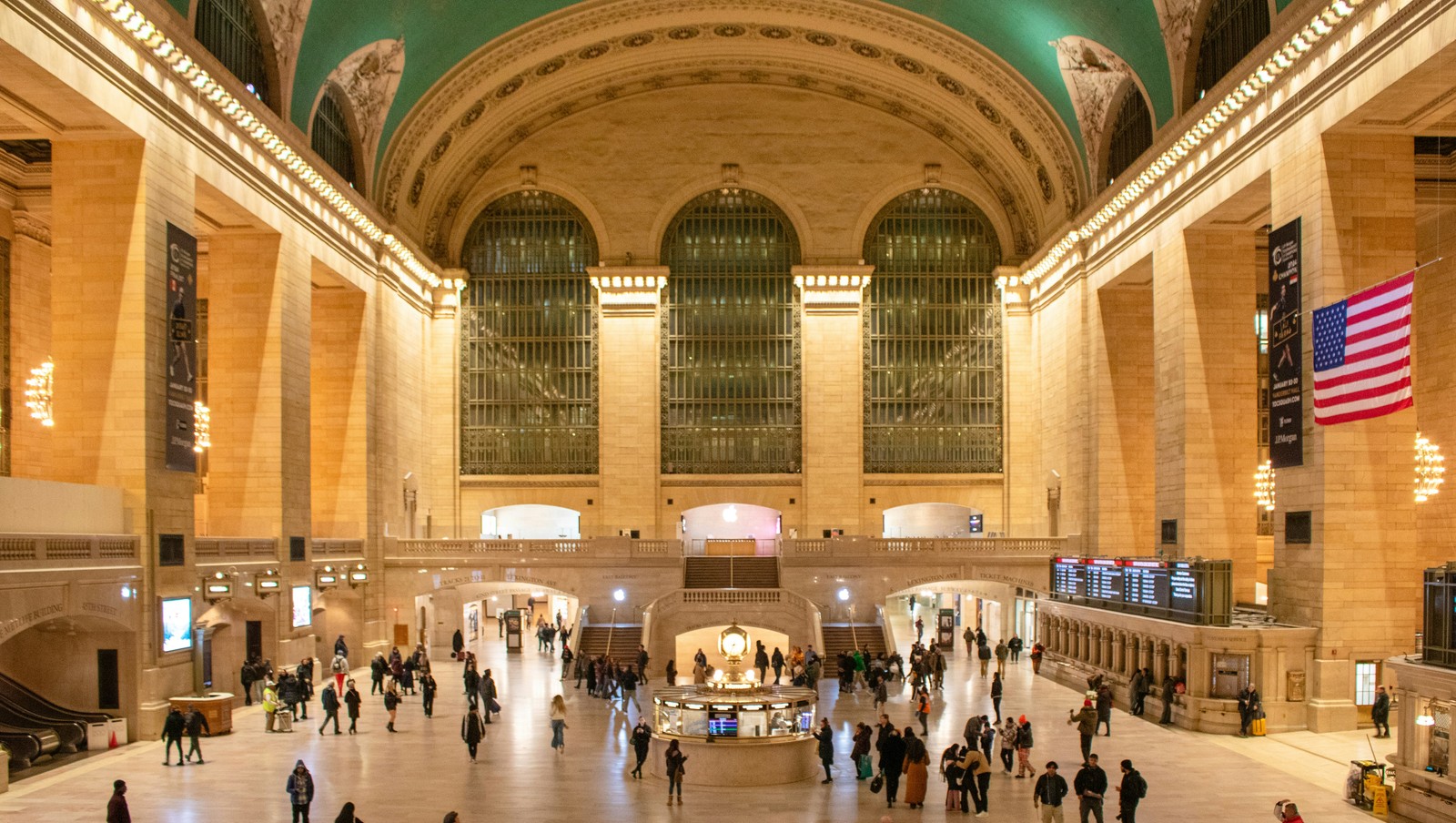
Image: Zoshua Colah

Did you know that the Golden Gate Bridge wasn’t supposed to stay that color? Or that the White House wasn’t meant to have that name? Could you guess which of our iconic buildings shows a map of the stars that’s, err… wrong? We think we are somewhat acquainted with the basic facts about the most famous structures in our country. But here is a list of some behind-the-scenes stories you probably hadn’t heard before!

1
How the White House gained its name
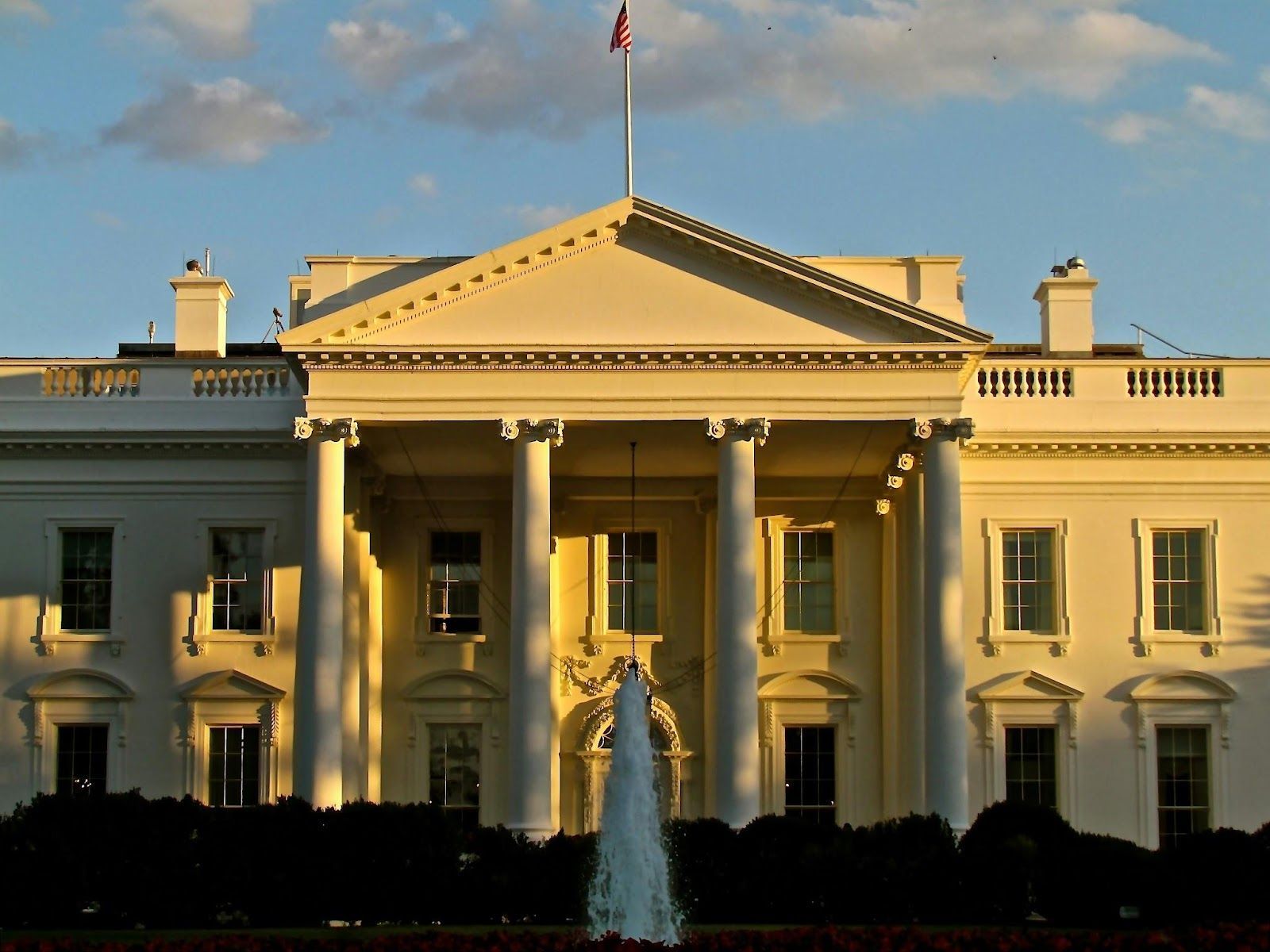
Image: Suzy Brooks

Originally, the building was called the "President’s House." That only changed after the 1814 fire. During the War of 1812, British troops marched into Washington and set many buildings on fire, including the main one.

Walls were scorched, and smoke damage lingered inside and outside the building. When repairs began, painters coated the building white to cover the burn marks . This resulted in the "White House" nickname. Nearly a century later, Theodore Roosevelt made it official.

2
A hidden underground beneath America’s books
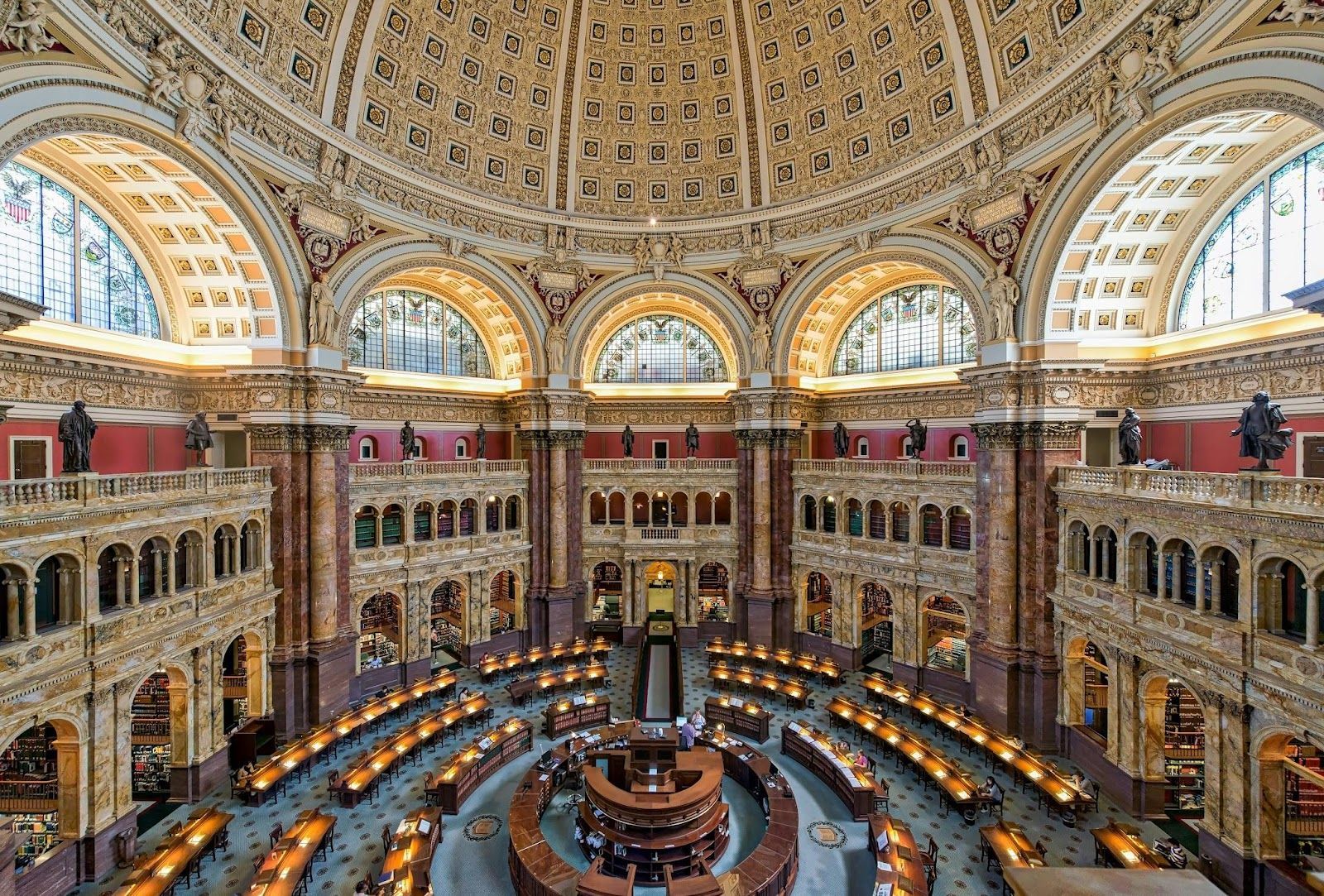
Image: Stephen Walker

Have you ever heard of the Library of Congress's underground tunnels? Most visitors never see them or learn about them. They connect their buildings, allowing staff to transport rare books and documents safely and efficiently. Fragile, valuable materials had better be protected from the weather, the sunlight, and, well, the people!

3
The Golden Gate Bridge wasn’t supposed to stay red
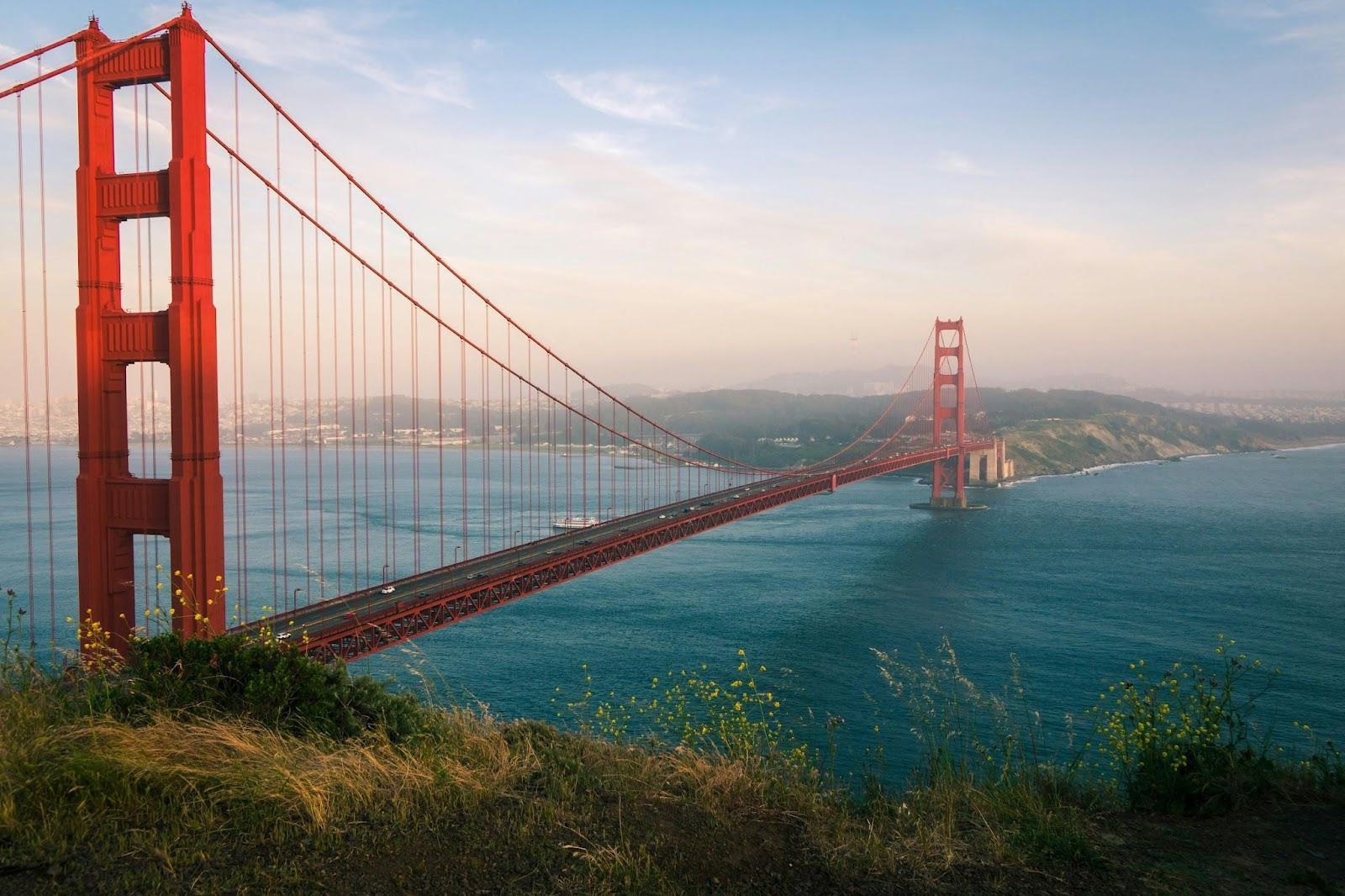
Image: Trent Erwin

The reddish color of the Golden Gate Bridge (officially named "International Orange") was supposed to be a temporary priming coat to protect the steel.

However, when engineers looked at the bright color peeking through the fog against the stunning blue and green of the San Francisco Bay, they said, "You know what?" It should stay like that. The Navy proposed painting it black and yellow, but it was never done. The stunning color turned it into one of the most iconic buildings in the world.

4
The Empire State Building wanted to welcome airships
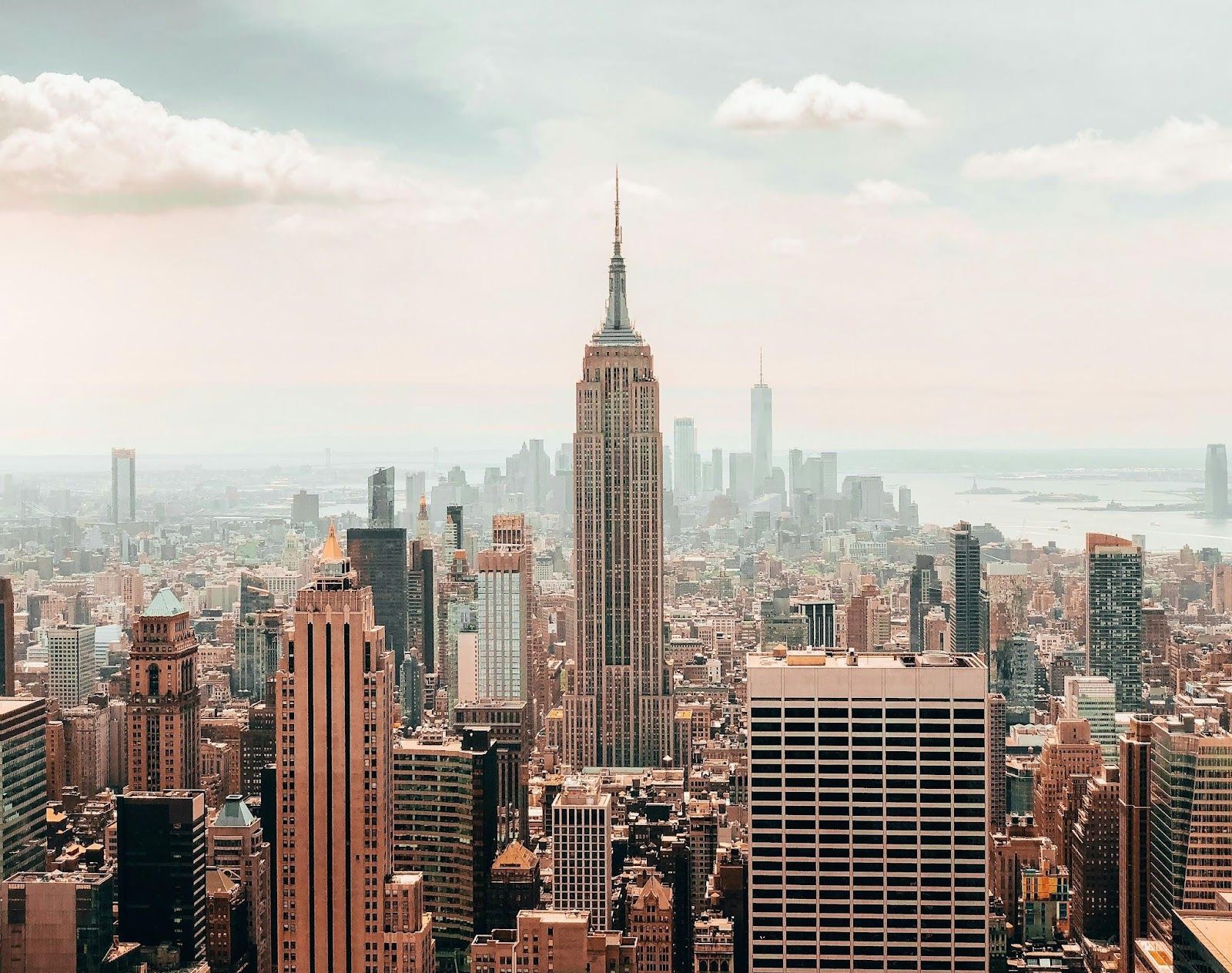
Image: Christian Ladewig

Back in 1931, the Empire State Building’s spire was intended as a mooring mast to serve as a docking station for airships. The idea was that passengers should be able to step directly into Manhattan from the sky!

Sure, it was a futuristic plan, but it was eventually dismissed for being wildly dangerous. Passengers would have had to climb out at dizzying heights in strong winds. Not ideal! And certainly not glamorous.

5
The famous ceiling that got the stars wrong
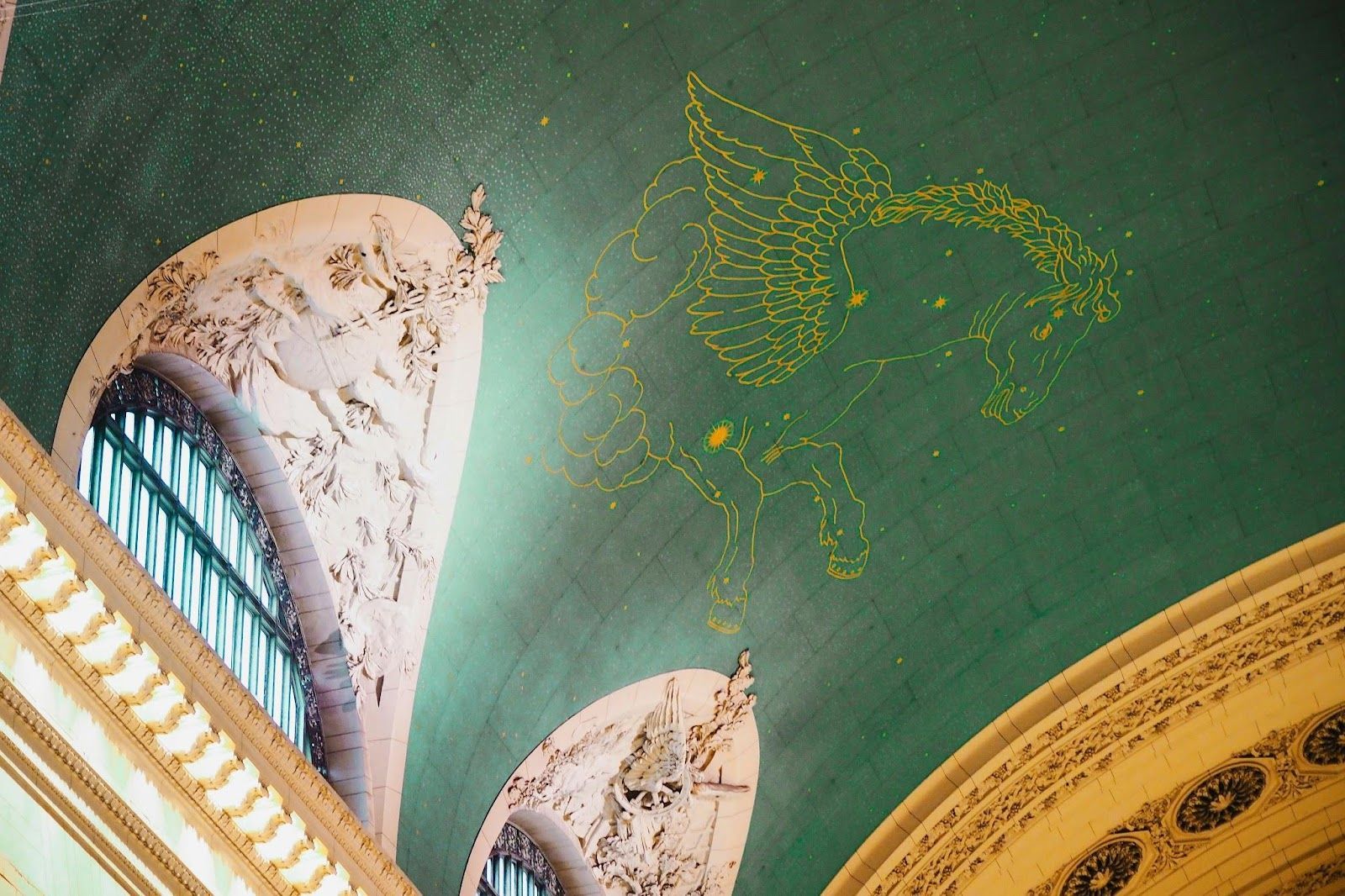
Image: Alexa Soh

You may have seen images of Grand Central Terminal’s celestial ceiling —or seen it with your own eyes. But there’s a twist: Did you know that the constellations in it are painted backward?

The way they are represented is as if viewed from outside the universe, rather than from Earth. Whether it was a mistake by the artist or it was an intentional reverse on cosmic perspective, the terminal ceiling has looked like this since its opening in 1913.

6
The president who quietly ran a whiskey empire
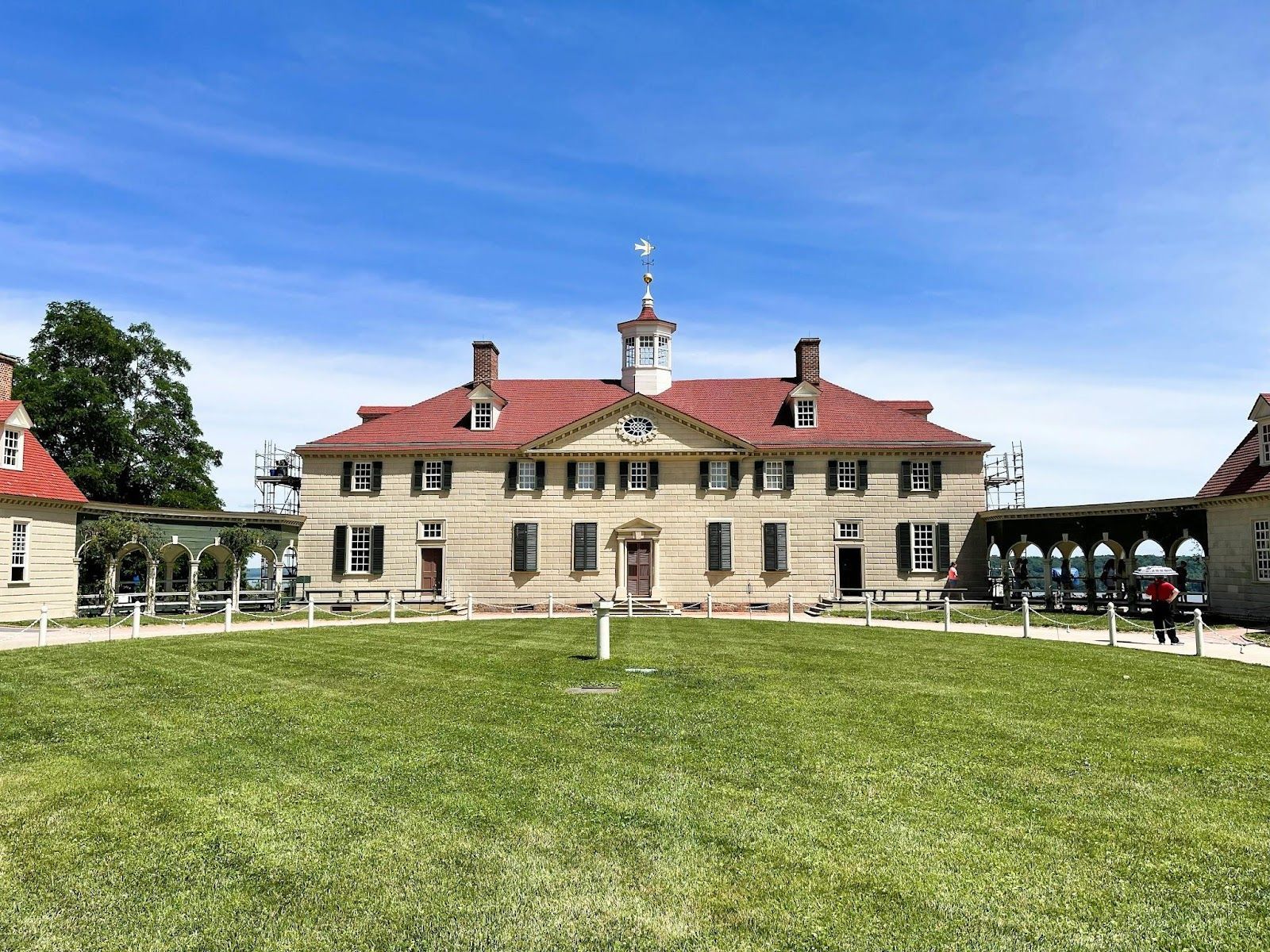
Image: Antonella Vilardo

George Washington is remembered as a general and a president, of course. But he was also a major whiskey producer. Hidden on the grounds of Mount Vernon was a fully functioning distillery, built in the late 1790s.

By the time of Washington’s death, it was producing nearly 11,000 gallons of whiskey a year. That made him one of the largest distillers in the young United States!

7
The iconic façade didn’t exist during the battle
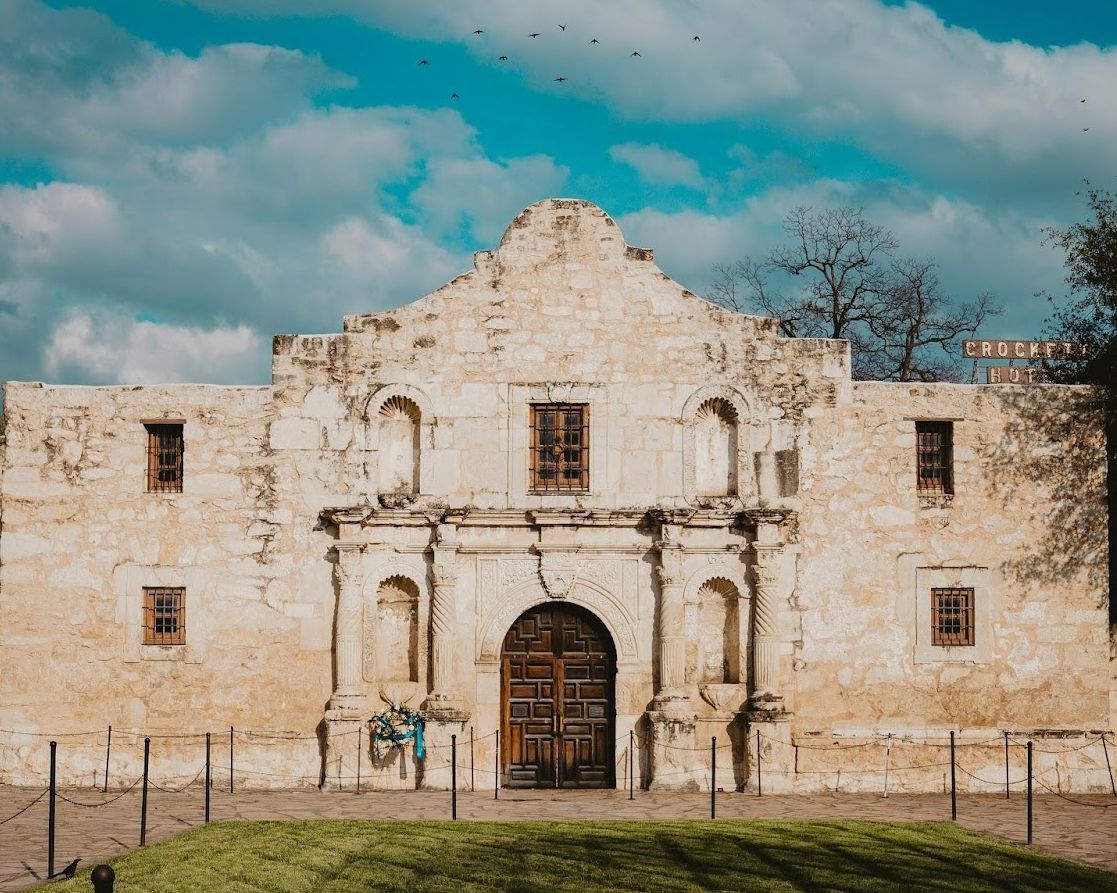
Image: Eric Francis

When you think of the Alamo, you surely picture its iconic façade. However, that structure was not part of the original mission!

During the famous 1836 battle, the building looked far simpler, and it lacked its now-famous curved top. That façade was added decades later by the U.S. Army when the structure was used as a supply depot

8
Why visitors can no longer climb to the torch
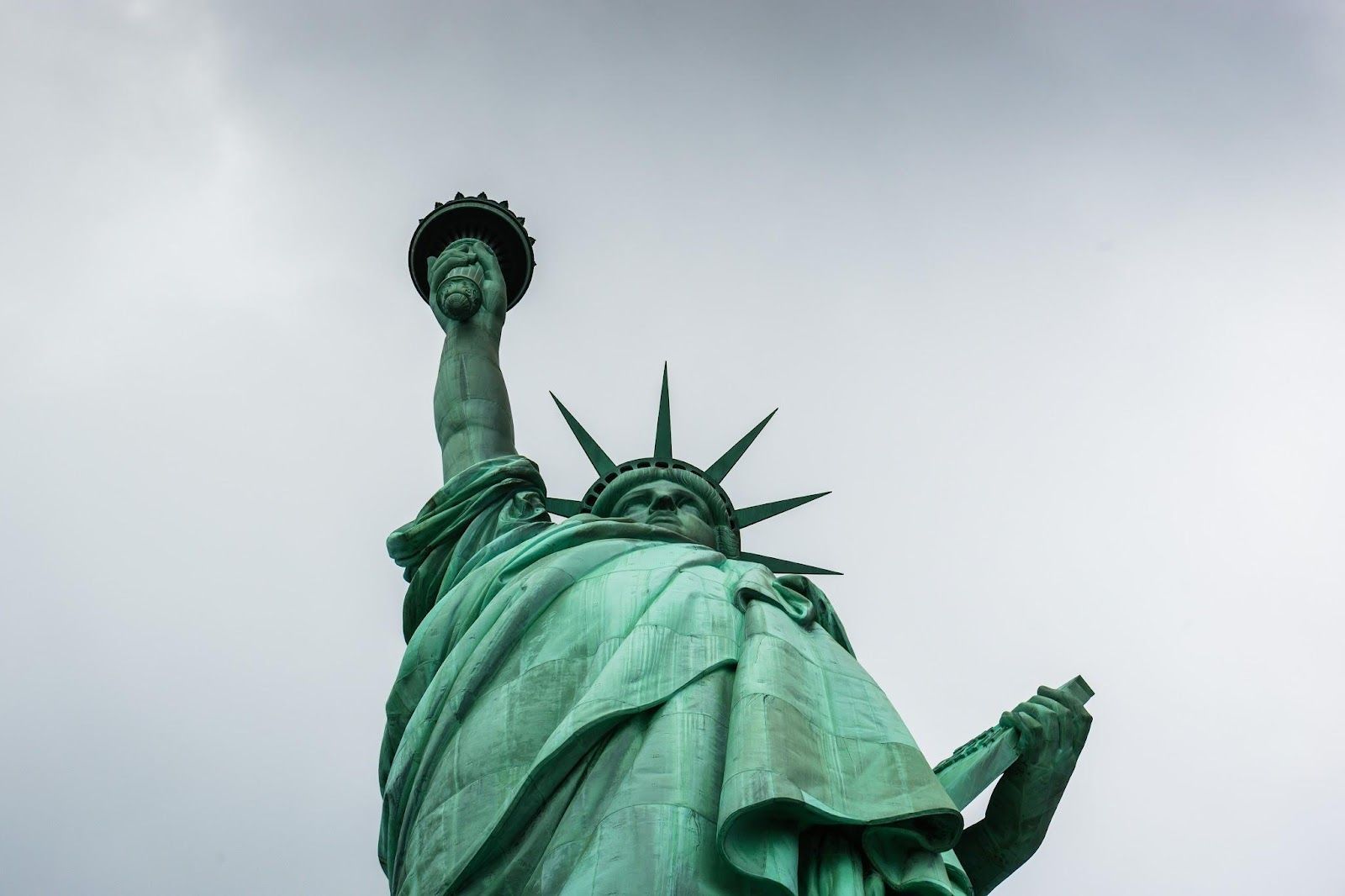
Image: Jason Krieger

Did you ever hear some old relative’s anecdote ot climbing all the way to the top of Lady Liberty’s torch? They weren’t lying: Up until 1916, visitors could. However, around that time, some explosions in a nearby munitions depot sent shockwaves through the statue.

The blast damaged the torch and weakened its structure. For safety reasons, access was permanently closed to the public.

9
The concrete that is still hardening today
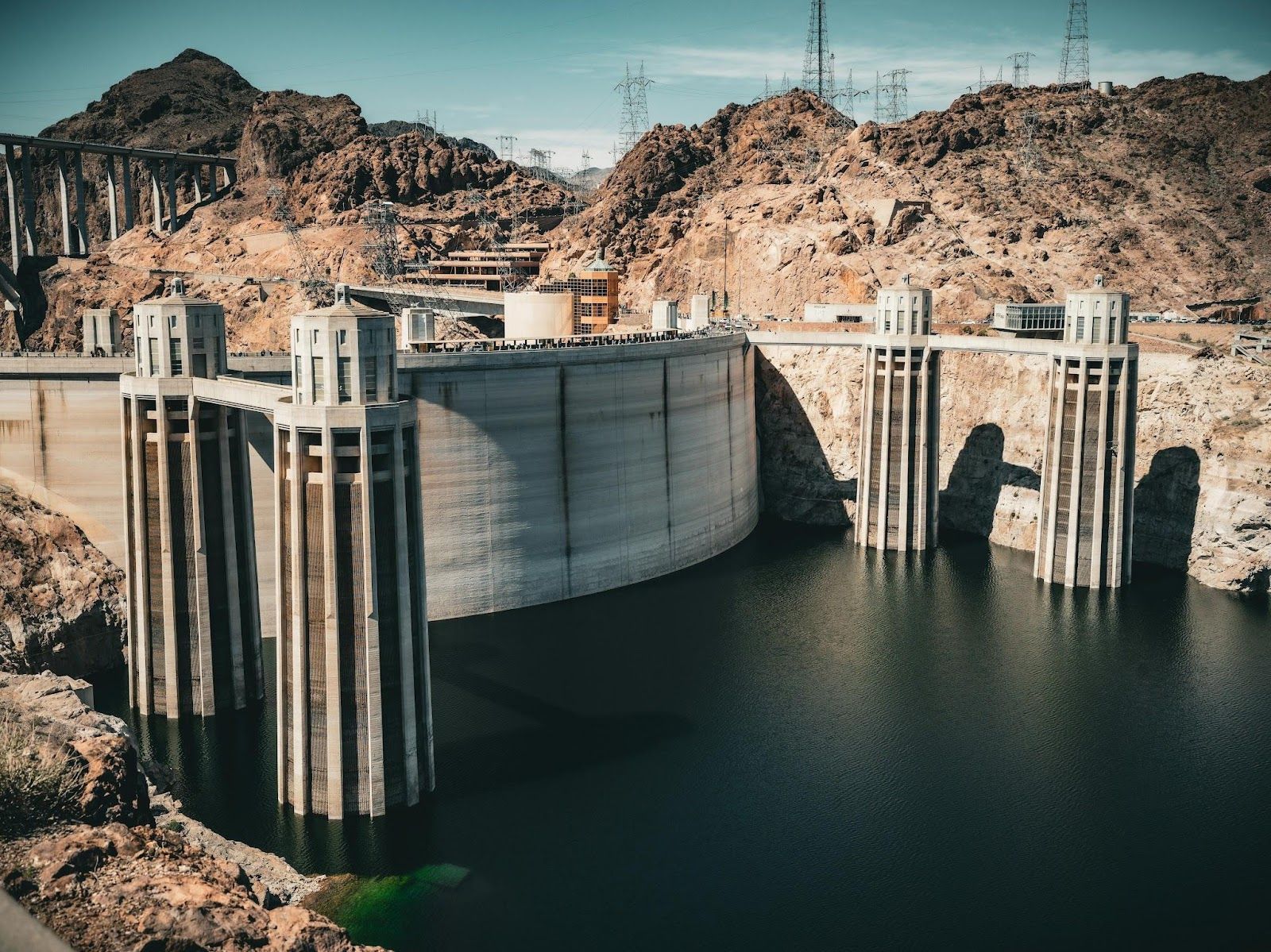
Image: Chase T

The Hoover Dam contains so much concrete that it generates heat as it cures. Engineers knew that if poured as one solid mass, it would take more than a century to cool and could crack.

Instead, they built it using interlocking concrete blocks, each cooled with circulating water. Even so, parts of the dam are still slowly curing today.

10
The building that accidentally cooked its neighbors
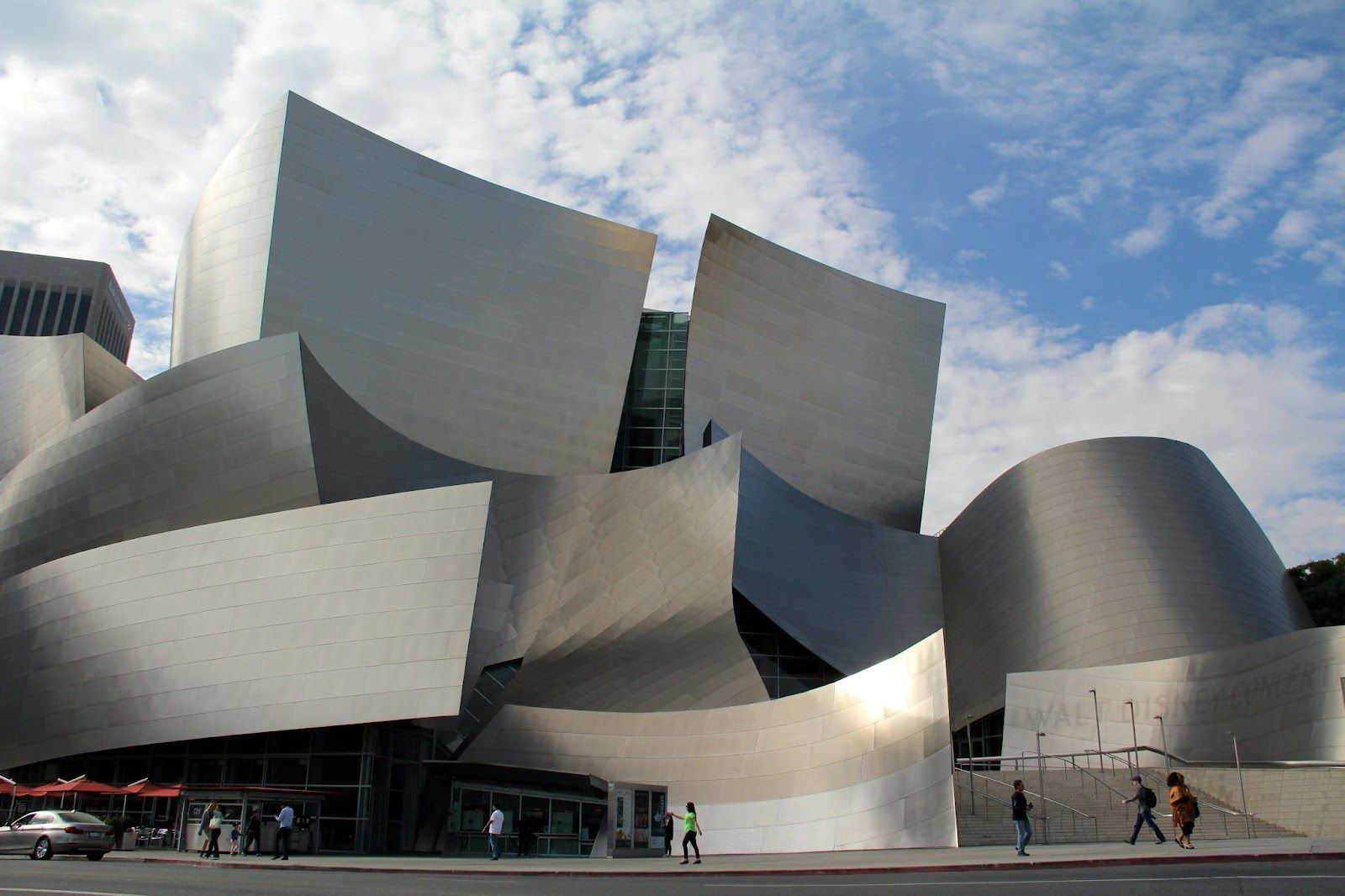
Image: Michael Beener

When the Walt Disney Concert Hall opened in Los Angeles, its gleaming metal exterior stunned visitors. But it also caused an unexpected problem…

The highly reflective steel panels bounced sunlight onto nearby sidewalks and apartments. In some spots, the glare was so intense that it melted materials! As a result, engineers eventually had to dull parts of the surface.

11
The Capitol’s dome isn’t stone
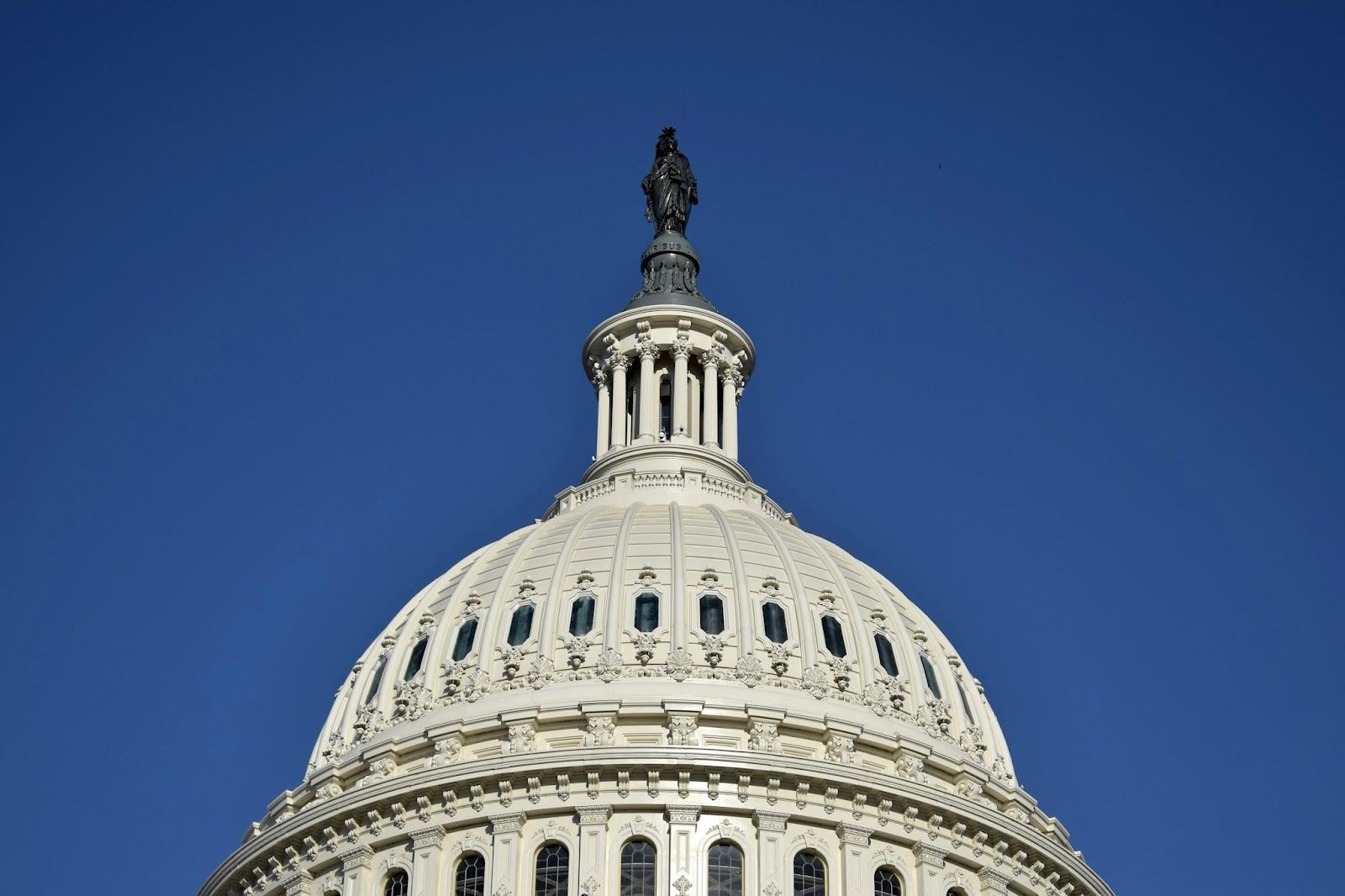
Image: Sins S

The grand, massive dome atop the U.S. Capitol looks like solid stone, doesn’t it? But, in fact, it is made of cast iron.

In the mid-1800s, stone was considered too heavy and expensive for such an ambitious structure. Cast iron allowed builders to create a taller, more ornate dome that weighs nearly nine million pounds.

History History 6 min read

The lighter side of Patriots

Discover 10 quirks and fun facts about our Founding Fathers!

Image: Adam Nemeroff

From the names we honor on our streets to the faces we see daily on our dollar bills, we think you’ll agree that the Founding Fathers are a visible presence in the lives of all Americans—and with good reason. After all, we owe our eternal gratitude to these brave men who helped build this great nation of ours. In that sense, the grandeur and nobility of these figures sometimes make us forget that the Founding Fathers were also human beings, filled with quirks, hobbies, and a sense of humor. Bearing that in mind, we have prepared 10 fun and weird facts about our Founding Fathers, hoping this will help you get in touch with the lighter side of these American symbols. Enjoy!

1
Thomas Jefferson: Patriot, president… And foodie?

Image: Pixzolo Photography

Let’s start with what is arguably Thomas Jefferson’s most criminally overlooked contribution to history. Next time you are dipping a delicious and crispy French fry in some ketchup, take a moment to thank our 3rd President, who is often considered solely responsible for bringing this recipe to America.

During his time serving as ambassador to France, Jefferson fell madly in love with more than a few mouth-watering French dishes, which included a recipe for "potatoes deep-fried while raw, in small cuttings." He brought these recipes back home with him, and, while French fries didn’t become particularly popular until the beginning of the 20th century, Jefferson is still credited for introducing this quintessential side dish to the United States.

2
Benjamin Franklin’s "fowl" enemy

Image: Tyler Donaghy

There’s no denying that America loves turkeys —they are the undisputed star of every Thanksgiving Day feast. Having said that, can you imagine a world in which the turkey is emblazoned on official documents or currency? Forget that: Can you picture the POTUS delivering an important speech behind a podium with a turkey on it?

America would have definitively been an entirely different country if Benjamin Franklin had been successful in choosing the turkey as our national symbol. In a letter, Franklin stated that he believed that the bald eagle was "a bird of bad moral character," while the turkey, in his view, was a "Bird of Courage" more aligned with American values.

3
John Hancock’s signature

Image: Signature Pro

The Declaration of Independence was surely a pivotal moment in our country’s history. This document provided the basis of freedom, liberty, and justice on which America was founded. As you probably know, Founding Father John Hancock had the honor of being the first to sign this ever-so-important piece of paper.

In turn, history has thanked Hancock in a rather unusual way, with the simple yet versatile slang term "to give your John Hancock," which means to sign your name onto something.

4
John Adams dog from hell

Image: Jamie Street

Ask anyone to tell you possible dog names for your new puppy and they might suggest timeless classics like "Spot," "Buddy," or "Rex." However, had you asked our 2nd President, his suggestions might have been a bit more daring. During his time in the White House, John Adams and his wife Abigail were the proud owners of an adorable dog that sported a terrifying name: Satan.

What’s interesting is that the Adams truly had a unique talent when it came to naming their pets. Alongside Satan, the couple also had a female dog named Juno and a horse called Cleopatra. In any case, don’t be too fast to judge Good Old Satan. As the saying goes, a dog by any other name is still a good boy.

5
Are any Fans of the Bard Out There?

Image: Taha

For many book critics, the world will never know another writer as incredible as William Shakespeare. His works still inspire admiration around the world, with millions of fans reading, commenting, and recreating many of his timeless plays. In that sense, would you be surprised to learn that two of our Founding Fathers were die-hard fans of the Bard?

John Adams and Thomas Jefferson were self-proclaimed admirers of Shakespeare’s literature, frequently writing letters that praised his impeccable style. Adams once called the Bard "the great master of nature" and the "great teacher of morality and politics." Not only that, a popular legend states that, when both Founding Fathers visited Shakespeare’s home in England, they chipped a piece of his chair to take home as a souvenir.

6
Whiskey that tastes like freedom

Image: Thomas Park

George Washington’s resume was certainly impressive: 1st President, Commander-in-Chief of the Armed Forces, and tactical mastermind. However, there’s another noteworthy activity that is often overlooked by history books— George Washington owned and ran a commercial whiskey distillery from his home in Mount Vernon.

Think about it: Is there any liqueur more likely to lift your "spirits" (see what we did there?) than a fine malt whiskey personally distilled by the "Father of Our Country"? The thousands of tourists that visit Mount Vernon every year seldom forget to visit the distillery.

7
Have you seen this dog?

Image: Joe Caione

Picture this: You are putting out signs in your block trying to locate your beloved and recently lost dog. All of a sudden you receive an unexpected call, informing you that they have found your dog and that it is currently in the care of none other than the President of the United States!

In all honesty, that’s not exactly how the story went, but it’s a true testament to George Washington’s honor and etiquette. According to historians, a little fox terrier named Lila was found by Continental Army troops behind American lines after the Battle of Germantown in 1777. After learning from the dog’s collar that she belonged to an enemy soldier, Washington ordered for the dog to be returned to her rightful owner, with a note assuring him that she was unharmed and safe.

8
Fancy a cold one?

Image: Drew Beamer

George Washington was not the only Founding Father adept at brewing alcoholic beverages. The great city of Boston proudly boasts an iconic beer brand named after Samuel Adams , paying homage to the beer-brewing past of this Founding Father.

There’s another bit of fun trivia regarding "Samuel Adams Beer": If you’ve ever enjoyed a pint of this delicious beer, you probably saw Adams raising a beer glass on its label. However, some theorize that the man depicted in the logo might actually be fellow patriot Paul Revere. Having said that, there’s no solid evidence to back this up, other than the fact that both revolutionaries looked a little similar.

9
Thomas Jefferson’s magical cookbook

Image: Hayden Walker

As mentioned earlier, Thomas Jefferson was a bit of a foodie. Granted, he would look at us in complete bewilderment if he heard us call him a "foodie," but it’s safe to say he loved good cuisine. Besides bringing French fries to our country, every American should salute and pay tribute to the 3rd President for yet another culinary jewel: Mac and cheese.

Again, we should clarify that the recipe Jefferson brought wasn’t exactly the one you would find in a box of Kraft. However, he would often serve his dinner guests macaroni pasta, paired with a cheese sauce that closely resembles the dish we know and love today. It’s believed that Jefferson’s delighted guests helped popularize this creation, which would eventually become one of America’s favorite meals.

10
Benjamin Franklin purposely misspelled "Pennsylvania"

Image: Adam Nir

We’ll end with a remarkably smart mistake that came from a remarkably smart man. Benjamin Franklin was behind some of the earlier forms of currency in the United States. After moving to Philadelphia in 1723, he became involved in printing money, which had only recently started circulating around Pennsylvania. As the great inventor that he was, Franklin added some remarkably clever ways to bypass counterfeiters and help differentiate his bills from possible fakes.

One of the smartest—and possibly simplest—features Franklin introduced was purposely misspelling the word "Pennsylvania" on his bills. After all, such a blatant and evident mistake would immediately inform anyone that this bill came from Franklin’s own hand.

Geography Geography 4 min read

Unforgettable towns

“Hell is a Place on Earth” and other quirky town mottos!

Image: James Lee

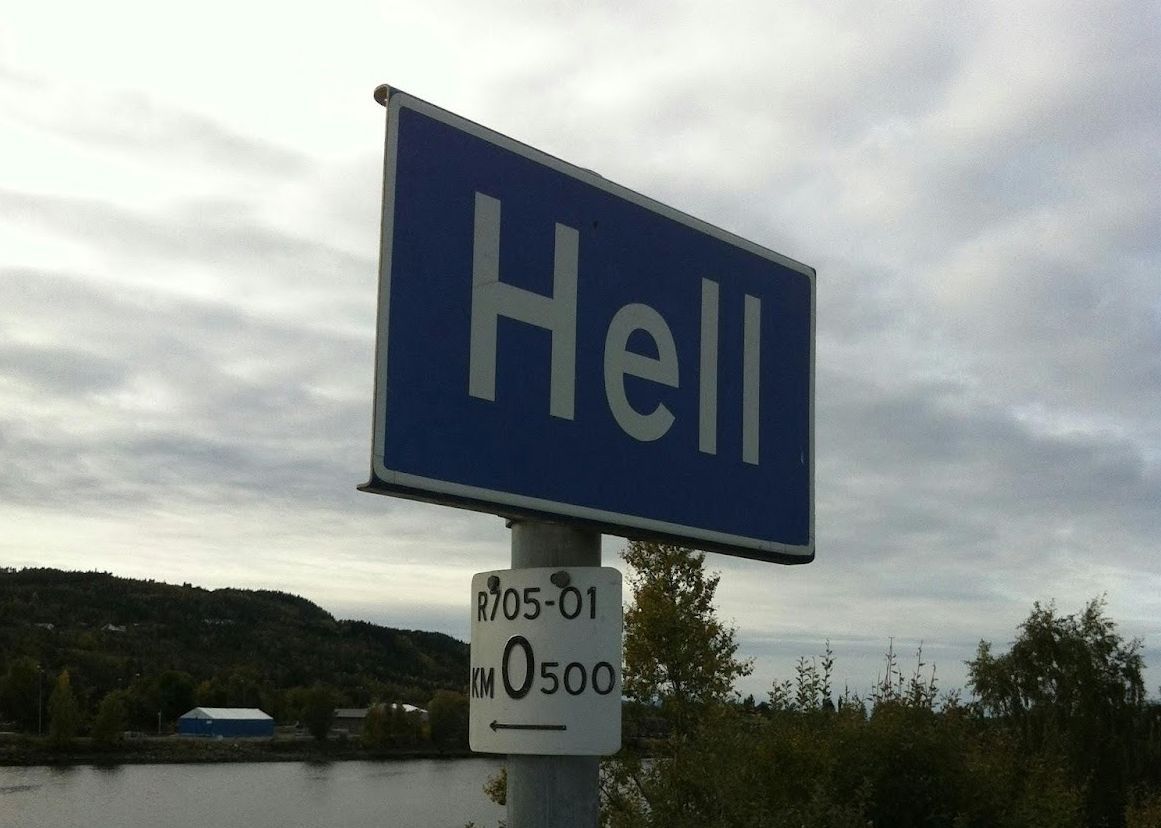
Have you ever received a postcard from Hell? Well, you might have. After all, it’s "a Place on Earth." Those who live in small towns with the quirkiest of names , like Hell, Boring, or Why, haven’t wasted any time coming up with fitting mottos. What tagline would you assign to a town called "Coward"? And what about "Happy"? Let’s read some of the funniest town mottos out there and discover the stories behind them!

1
"Yes, Hell is a Place on Earth"

Image: Peter Leong

People driving from Lansing to Ann Arbor can take a slight detour and "go through Hell." And Hell lives up to its name, playfully. Founded in Michigan in the 1830s (legend has it that one of the settlers said, "Call it Hell, for all I care!"), this tourist hotspot leans into the joke.

You can "get married in Hell," mail postcards from the Hell Post Office , or grab a souvenir from the Hell Hole Diner. The town even freezes over in winter—because, of course, Hell can freeze over.

2
"Because!"

Image: Danika Perkinson

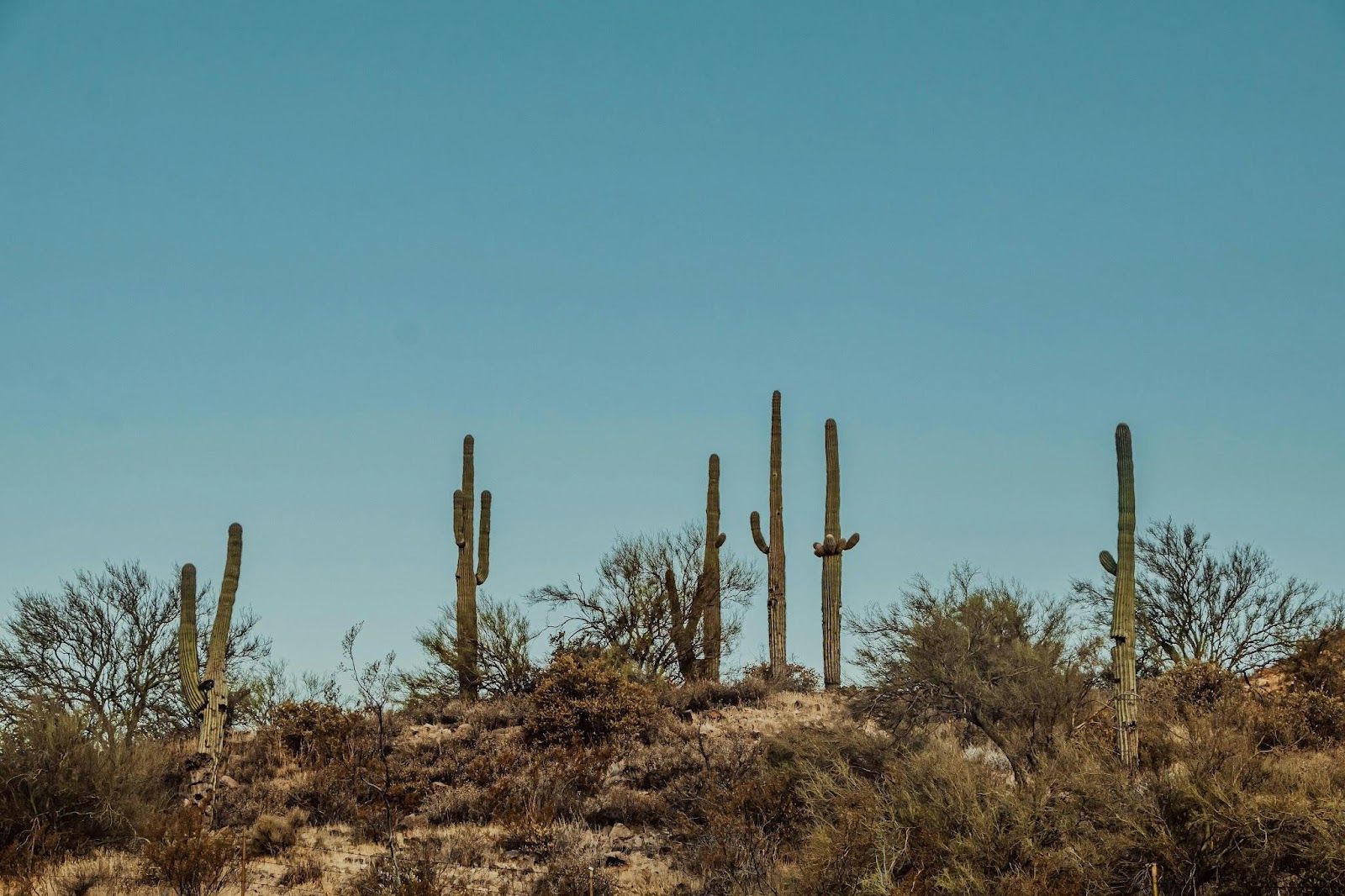
Why’s name comes from a nearby Y-shaped intersection , but its motto takes full advantage of the pun.

Originally called "Y," this Arizona town had to add an "H" to comply with the state’s three-letter minimum for place names. Today, Why (population: around 160) is a desert oddity whose motto says it all: Because. That’s the only explanation it’s willing to give.

3
"The Town Too Tough to Die"

Image: Andreas Rasmussen

That’s the nickname of Tombstone, Arizona. This Wild West legend earned its motto after surviving fires, shootouts, and near abandonment. Founded in 1879 as a silver boomtown, Tombstone soon became infamous for the gunfight at the O.K. Corral.

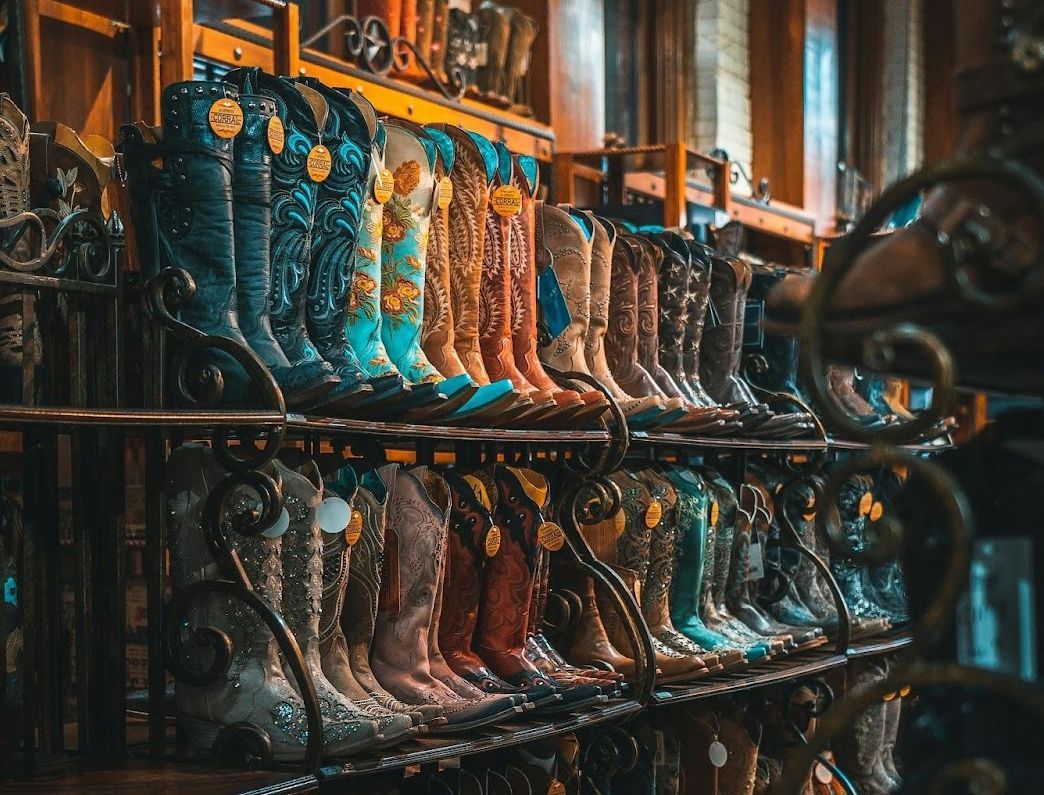
When the mines dried up, the town rebranded itself as a living museum of cowboy lore . Today, actors reenact gunfights daily, and the Bird Cage Theatre—once called "the wickedest nightspot between Basin Street and the Barbary Coast"—still stands.

4
"The Town That Was"

Image: Colin Lloyd

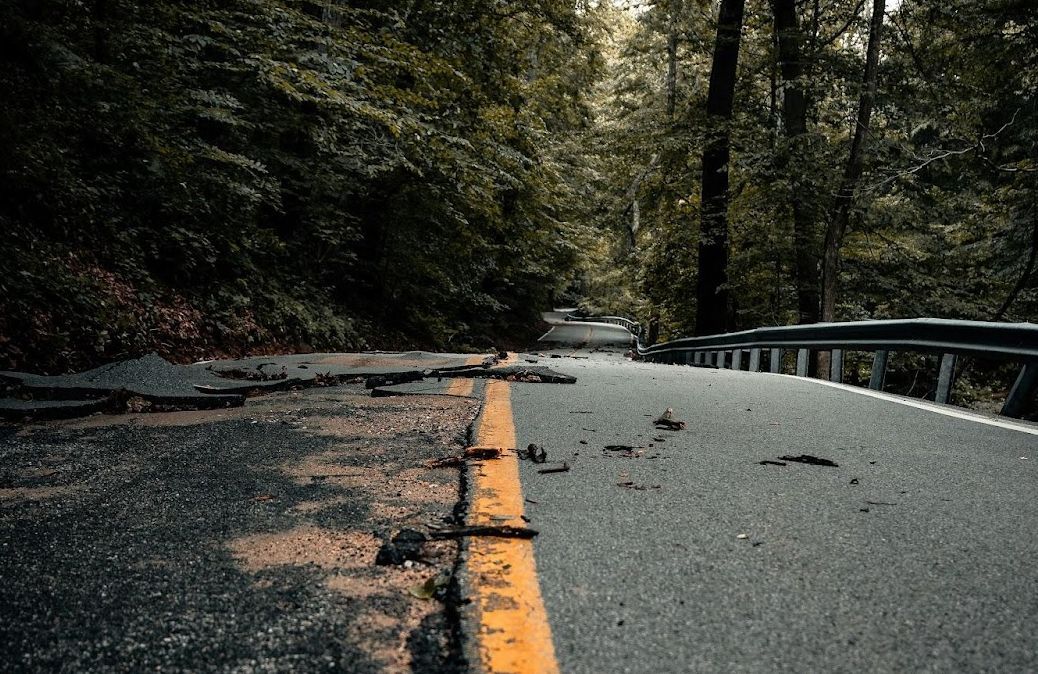
Few mottos are as haunting as that of Centralia, Pennsylvania. In 1962, a coal mine fire ignited beneath the town and has burned ever since, turning streets into smoke-filled cracks and forcing nearly everyone to leave.

Today, fewer than ten residents remain in this near-ghost town , where graffiti-covered Route 61—the "Graffiti Highway"—attracts urban explorers. It’s said that the underground fire could continue burning for another 250 years.

5
"The Most Exciting Place to Live"

Image: ALEKSEY KUPRIKOV

Don’t be fooled by the name of Boring, Oregon—its motto is a cheeky nod to its reputation, but the town was actually named after 19th-century settler William Boring .

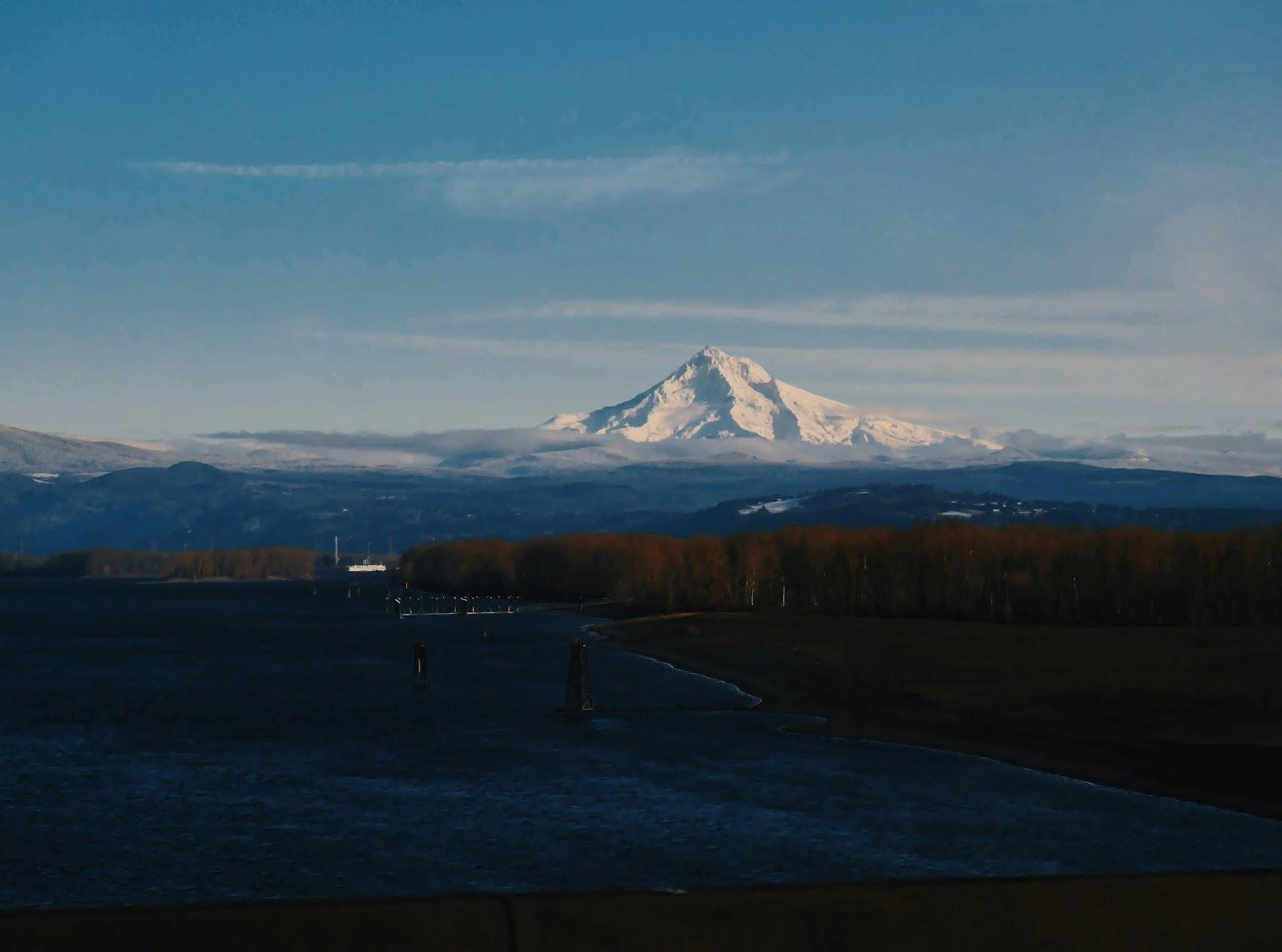
Every year, the town hosts the "Boring Fest" and sells "Boring, OR" merch. Ironically, the surroundings of Boring are anything but dull: you’ll find stunning trails and ski resorts to explore near Mt. Hood!

6
"No Fear Here"

Image: Jon Tyson

Coward, South Carolina, would like everyone to know they’re no scaredy-cats. Named after a railroad official , the town has embraced its ironic potential with a motto that flips the script.

Located along the "Old Stage Coach Road," Coward is now a quiet pit stop with a sense of humor. No cowards here—just a town that knows how to laugh at itself.

7
"A Nice Place to Live"

Image: Sterling Lanier

In the heart of Amish Country, Intercourse , Pennsylvania, gets its eyebrow-raising name from an old term for " crossroads ." The town leans into the jokes (yes, they sell T-shirts) but keeps it wholesome with a motto that highlights its quiet charm.

Visitors come for the buggy rides, homemade jam, and, of course, the chance to say they’ve been to Intercourse.

8
"Not What You Expected"

Image: Jason Leung

A fitting motto for Surprise, Nebraska. Founded in the 1880s, the town’s origin story has been lost to time , and with a population of around 40, it’s a surprise it’s still on the map at all. That’s exactly what the motto jokes about.

9
"The Town Without a Frown"

Image: Yuyang Liu

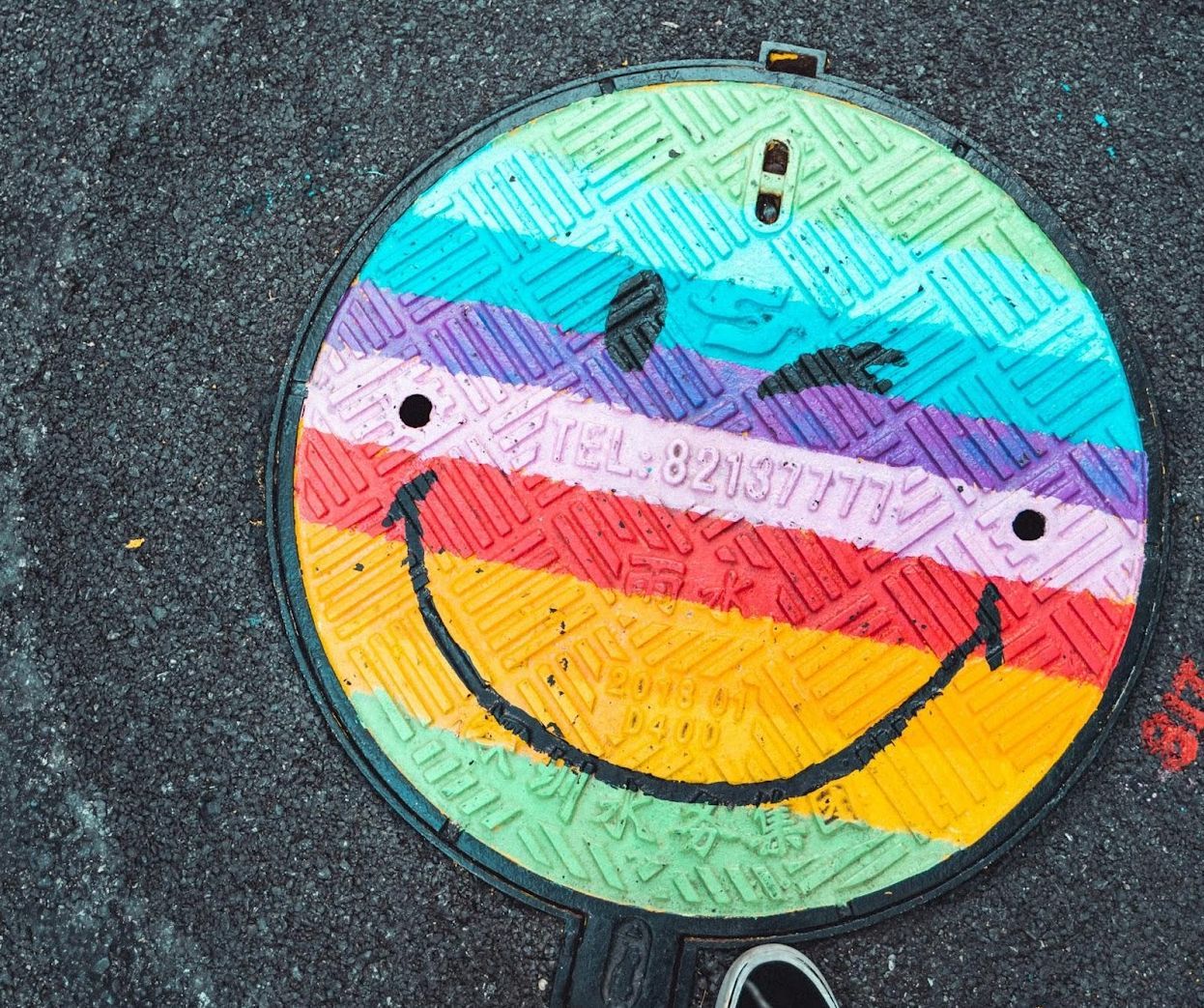
Happy, Texas, boasts one of the most wholesome town names—and a matching motto. This Panhandle town of 600 lives up to its name with a smiley-face water tower and an annual "Happy, Texas Day" celebration.

Founded in the 1890s, Happy got its name from cowboys who found water here after a drought.

10
"The Last Word in Hospitality"

Image: vamshi vanaparthi

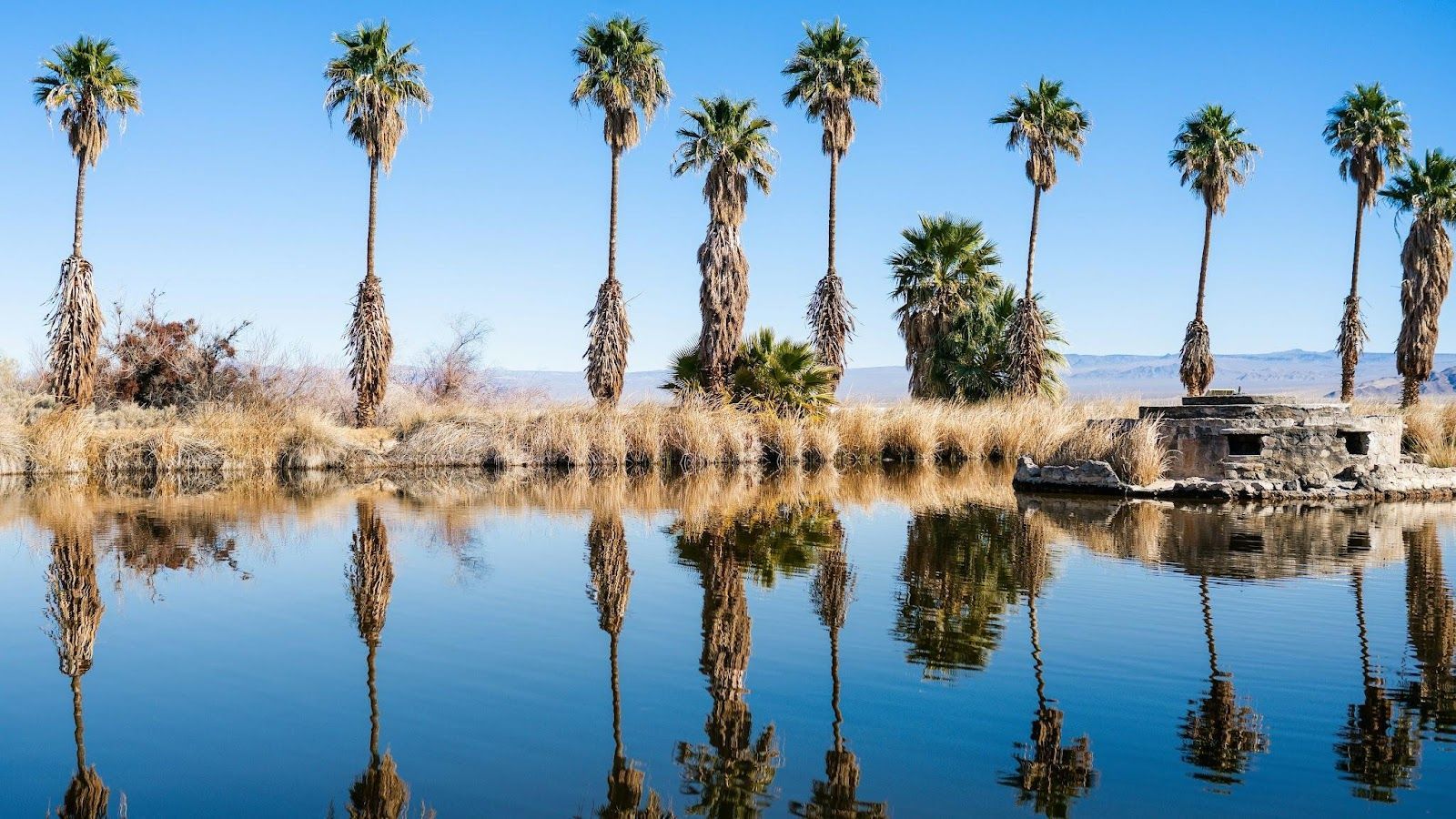
How do you pronounce Zzyzx, a town in California? It’s "Zye-zix." This Mojave Desert spot was once a health spa run by a self-proclaimed "doctor" who invented the name to be the last word in the dictionary.

Today, it’s a research center—and yes, it remains the last alphabetical town in the US, just as intended.

11
"High and Dry Since 1854"

Image: Aleksandra Sapozhnikova

That’s funny! But irony alert: Waterproof, Louisiana, is ironically prone to flooding. Named after a local plantation owner’s boast that his land was "waterproof," the town’s motto leans into the joke. After multiple floods, the residents have learned to take it in stride.

12
"A Beautiful Mistake"

Image: Sarah Kilian

Finally, we have the quaint town of Accident, located in Maryland. Founded in 1774 after a land surveyor "accidentally" marked the wrong spot , Accident embraces its quirky origin story.

Today, it’s a charming Appalachian town, best known for its humorous name.

Explore more American facts

Choose your favorite category!

General
General

As American as apple pie—the very best America has to offer!

Culture
Culture

Delve into the astounding richness of American lore.

Geography
Geography

Hop in and explore vast and diverse American landscapes.

History
History

Discover the key moments that shaped the United States.