Culture Culture 5 min read

Why do these 10 magnificent American estates now stand in ruins?
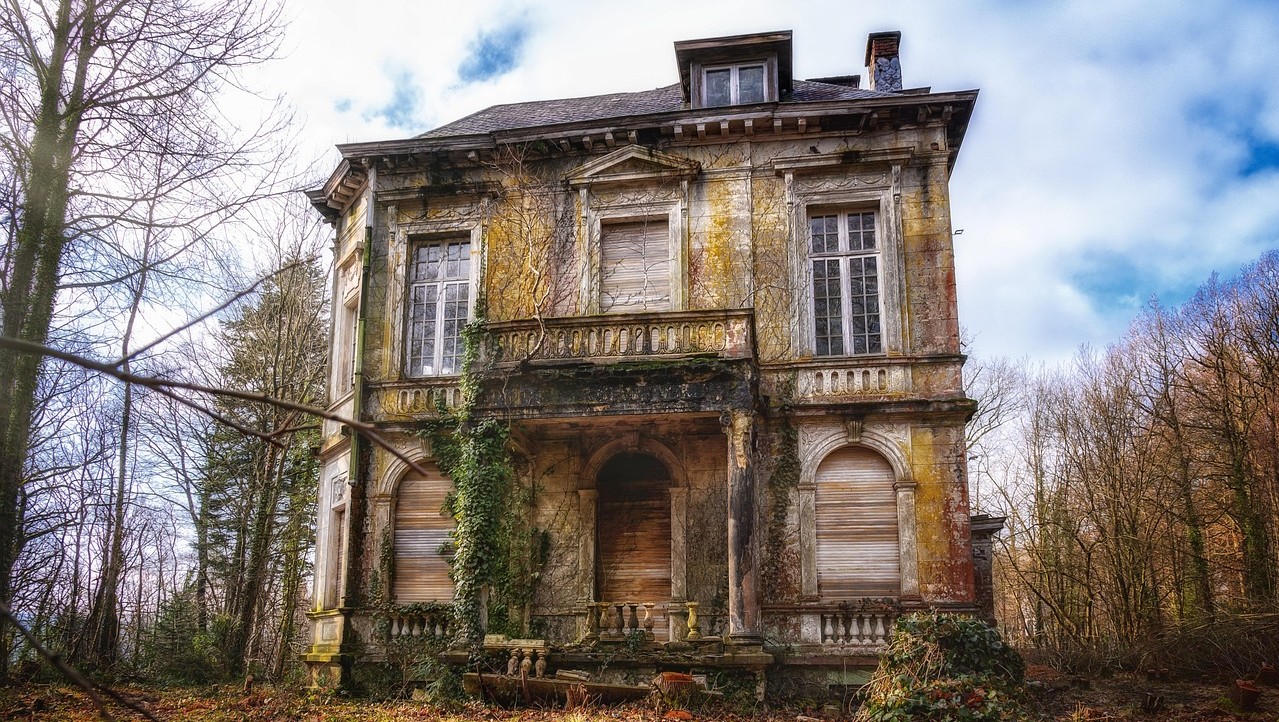
Image: Tama66

Beyond the manicured lawns of modern suburbs and the gleaming glass of city centers lie the skeletal remains of America’s Gilded Age and eccentric architectural dreams. These abandoned mansions, once symbols of immense wealth or unbridled ambition, now serve as monuments to the passage of time. Whether they were built for defense, ego, or artistic expression, these 10 sites stand as beautiful reminders of the people who once dared to dream about eternity. Would you like to know more? Continue reading!

1
Dundas Castle, Roscoe, New York
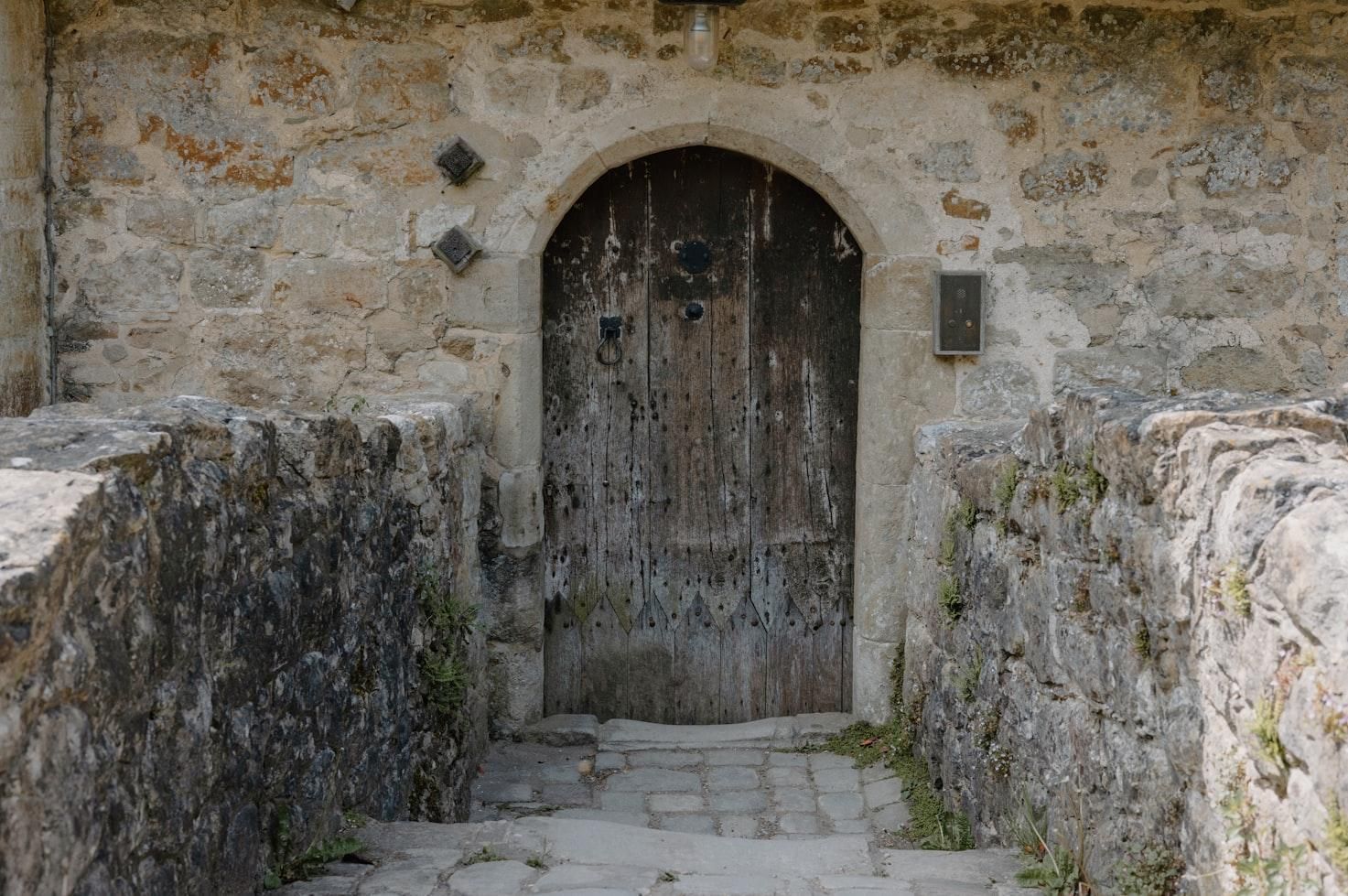
Image: Annie Spratt

Also known as Craig-e-Clair, this castle was built by Ralph Dundas in the early 20th century. It is an architectural marvel of stone and copper.

Dundas died before the castle was completed, and his wife was reportedly committed to a sanitarium shortly after. Consequently, no member of the Dundas family ever actually lived in the mansion. This has led to the "Ghost of Dundas Castle" legends, with locals claiming to see a woman in white wandering the unfinished halls, waiting for a housewarming party that never happened.

2
Rockwell House, Milledgeville, Georgia
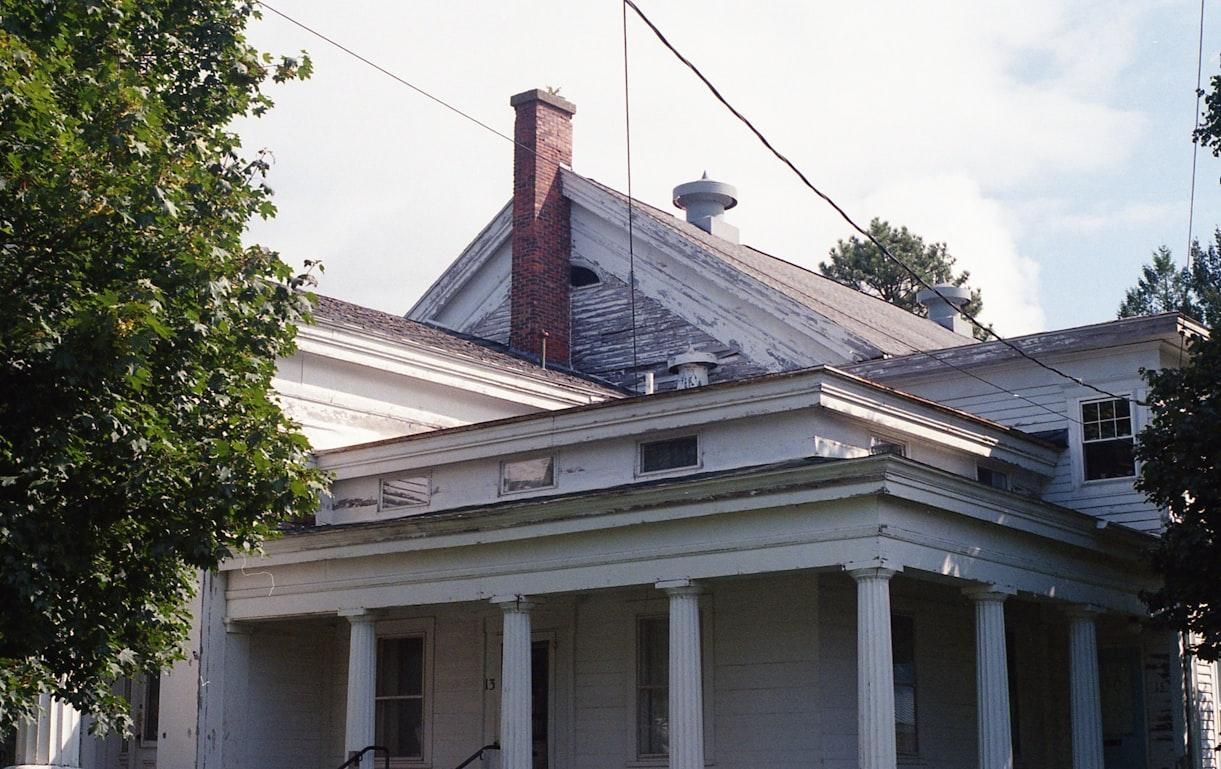
Image: Clem Geiss

Built in 1838, the Rockwell House is a stunning example of Federal-style architecture, but its beauty is shadowed by a dark past. It was originally built for Colonel Samuel Rockwell, a prominent lawyer.

Local lore whispers about the "Rockwell Ghost," believed to be a young girl who died during a yellow fever outbreak. However, the house’s most tangible secret lies in its survival; it has endured multiple fires and periods of extreme neglect. In recent years, it has become a focal point for preservationists who uncovered hidden structural reinforcements that suggest the house was built to be an impenetrable fortress of its era.

3
Elda Castle, Ossining, New York
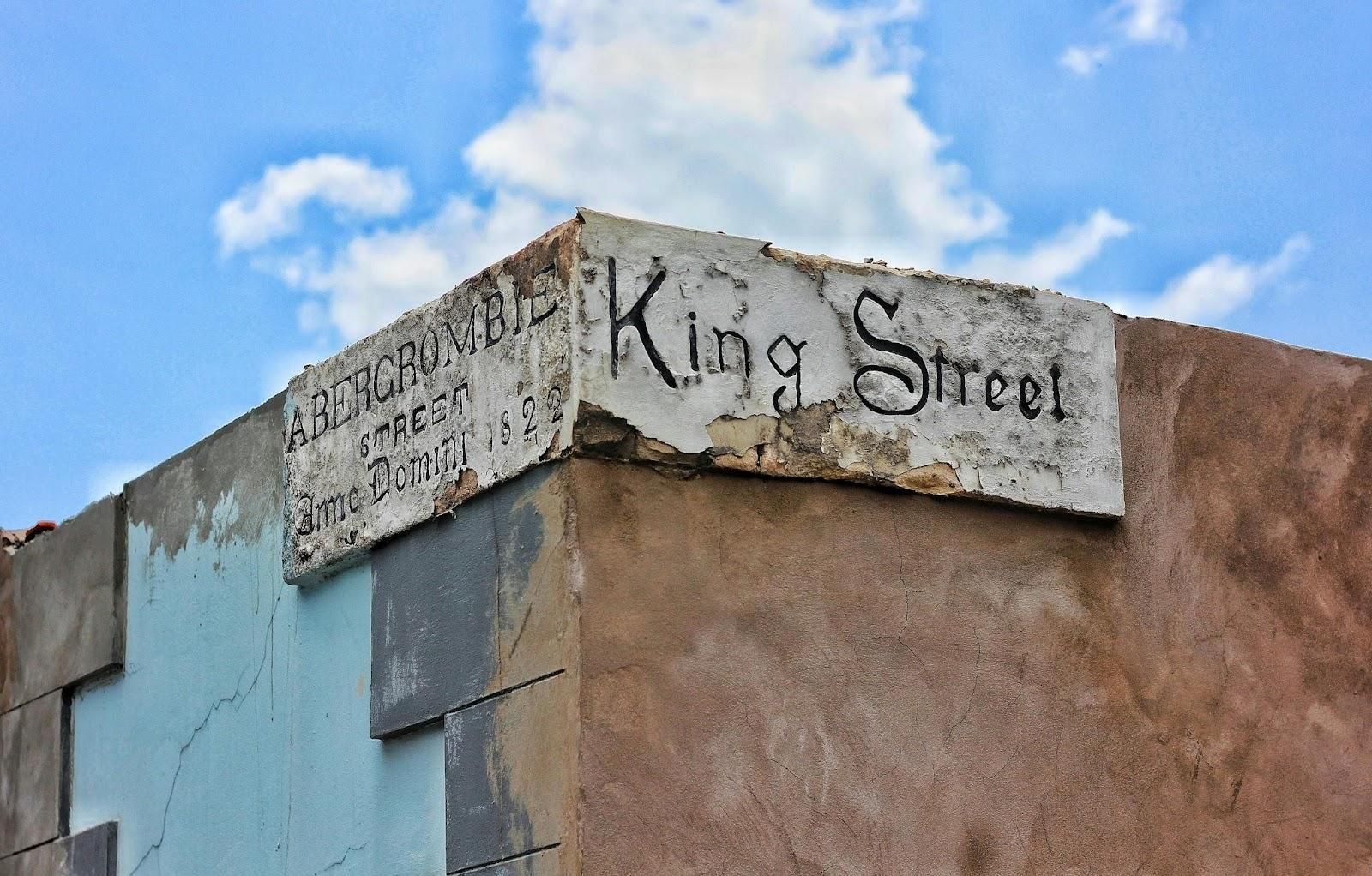
Image: Nitrogel

If the name David Abercrombie sounds familiar, it’s because he co-founded the clothing company Abercrombie & Fitch . But in the 1920s, he also built this granite castle, named Elda (an acronym of his children’s names), as a secluded retreat.

The castle features a network of spiral staircases and open-air porches designed to blend the indoors with the rugged wild. Its abandonment, however, is a sheer tragedy. After the family moved out, the castle was used as a research facility and later fell victim to vandals. Legend has it that a fire in the 1940s was started by squatters, leaving behind a charred stone husk that resembles a medieval ruin more than a 20th-century home.

4
Mongo's Castle, Memphis, Tennessee
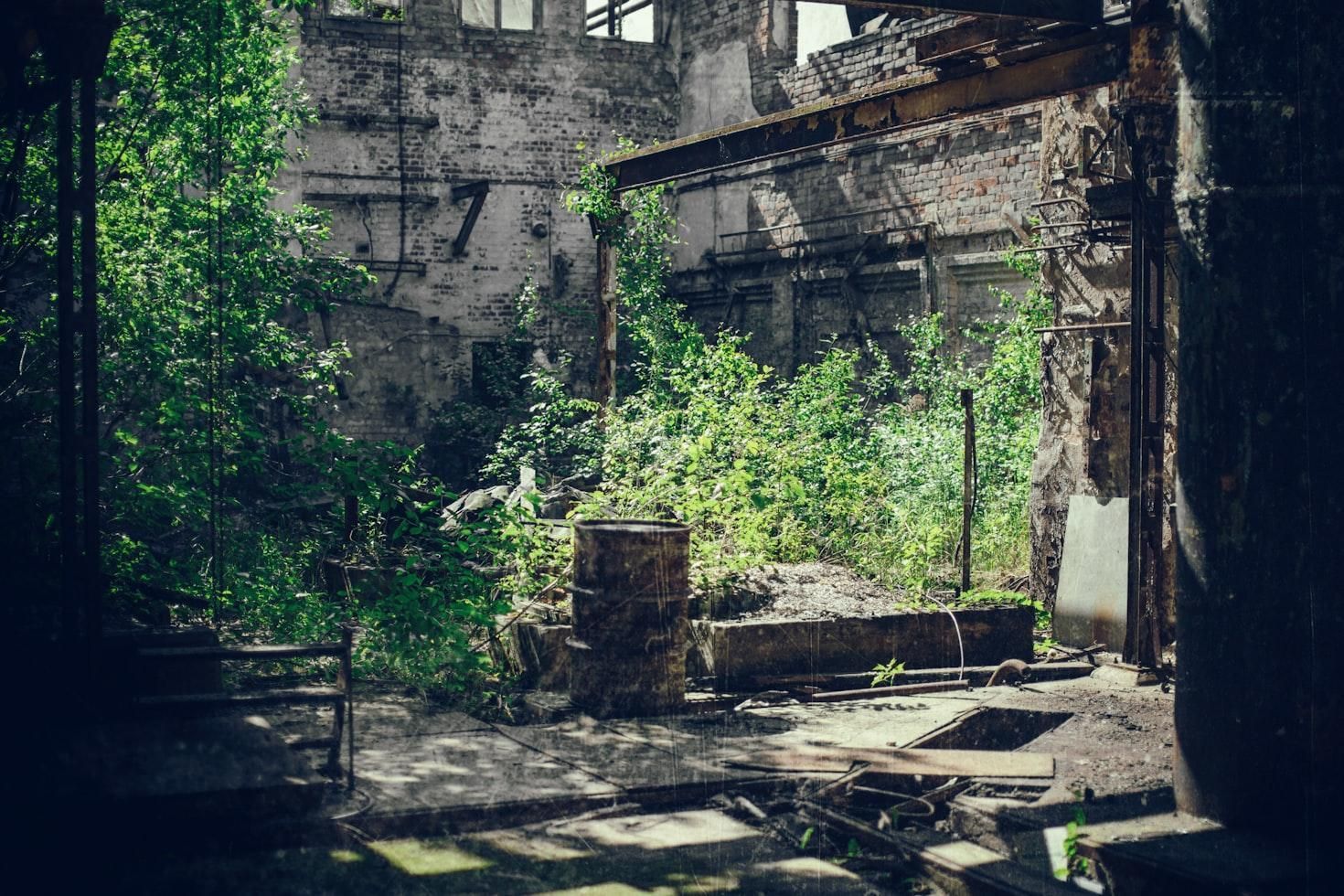
Image: Denny Müller

A stark contrast to the classical mansions of the South, Mongo’s Castle was the passion project of Mongo Bebe, a man who built his home out of scrap stone, Ashlar blocks, and found materials.

The house is a maze of folk-art eccentricity. The builder intended it to be a community center and a symbol of African-American heritage and self-reliance. It stands today as a decaying puzzle, with many neighbors still unsure of the structural logic behind its towering, uneven walls.

5
Bannerman's Castle, Pollepel Island, New York
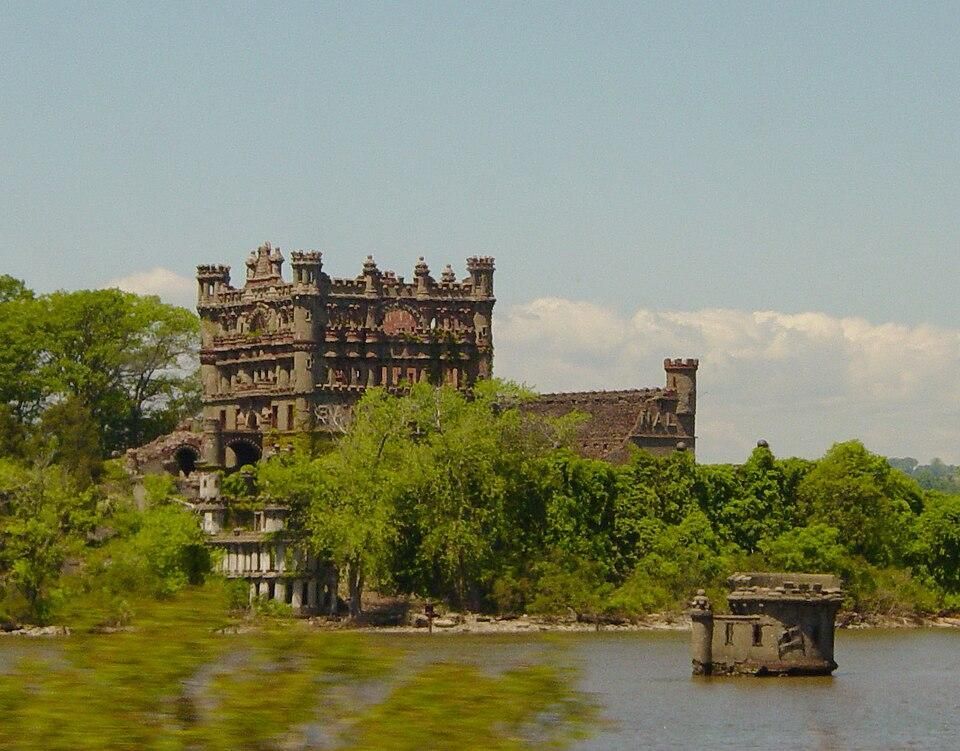
Image: Leonard G., Public domain, via Wikimedia Commons

Rising from the Hudson River, this castle was never intended to be a home; it was a giant advertisement and warehouse for Francis Bannerman VI’s military surplus empire.

In 1920, 200 tons of gunpowder and shells exploded in the castle’s powder house, blowing out a significant portion of the walls. The ground is still considered unstable due to the remnants of military munitions, and the inscriptions on the walls are actually warnings and advertisements for the Bannerman business. Do you dare visit this mansion?

6
Castle Mont Rouge, Rougemont, North Carolina
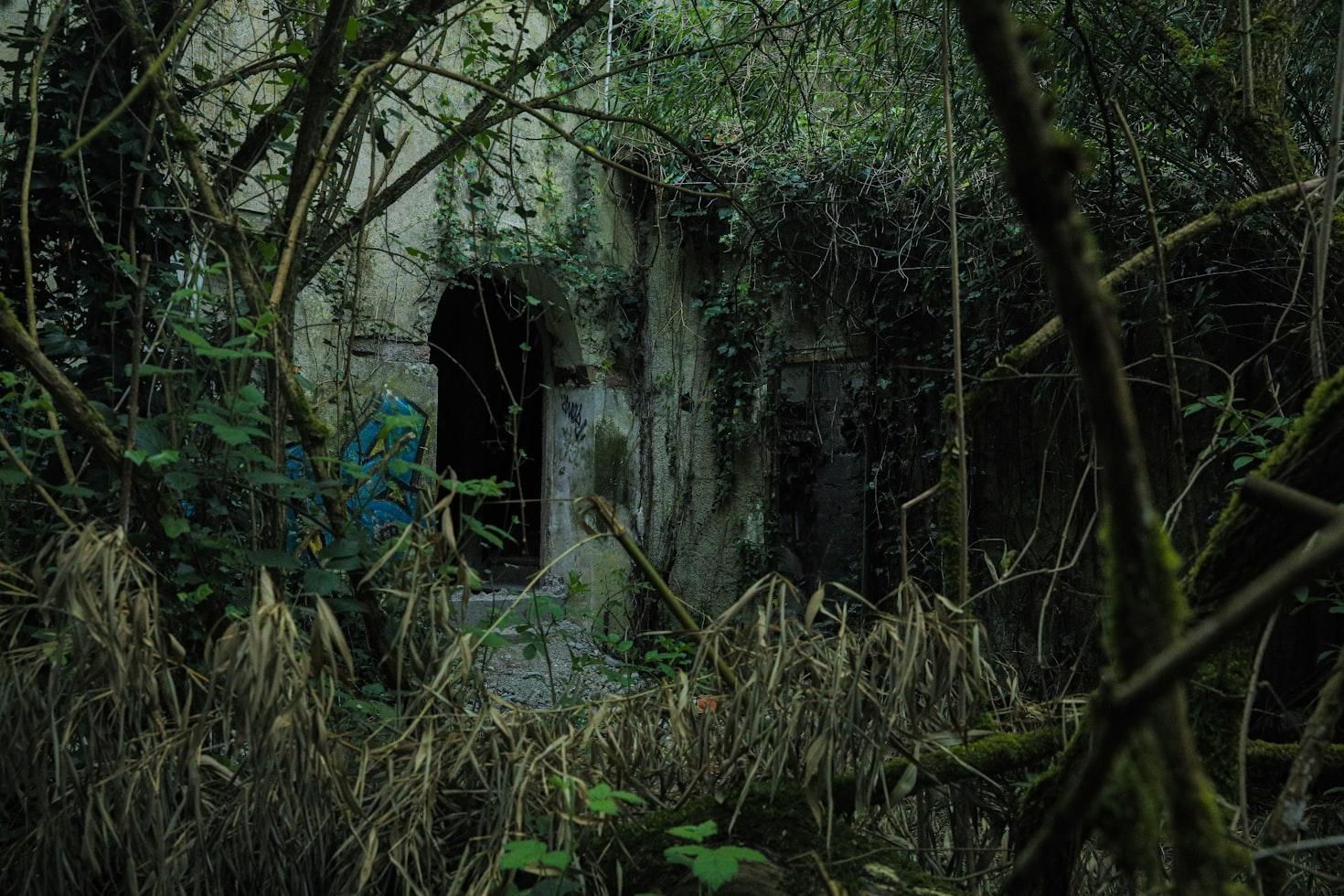
Image: Florian Delée

This whimsical, onion-domed castle looks like it belongs in the Russian countryside rather than the North Carolina woods. It was designed by sculptor Robert Mihaly, but he ended up abandoning the project in the early 2000s following a personal tragedy and financial hurdles.

The castle remains an "empty sculpture," filled with intricate marble work and unfinished turrets. The bizarre architectural fusion lacks a standard floor plan, making it nearly impossible to convert into a functional residence without destroying its artistic integrity.

7
Ha Ha Tonka Castle, Camdenton, Missouri
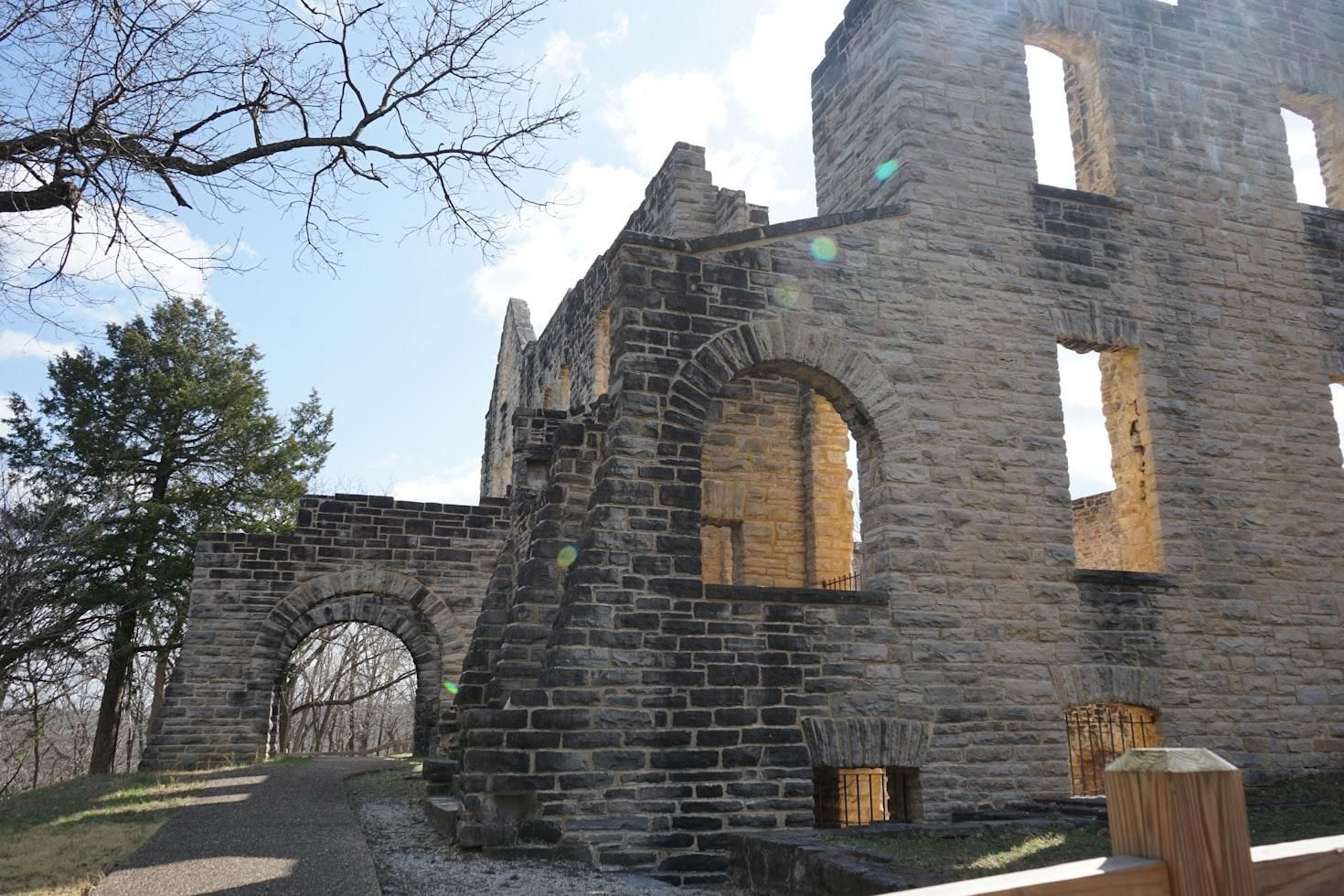
Image: Hannah McBride

Robert Snyder, a wealthy Kansas City businessman, began building this European-style castle in 1905. He wanted a retreat that overlooked the breathtaking Ha Ha Tonka Spring.

Yet, Snyder never got to see his dream finished; he was killed in one of Missouri’s first recorded automobile accidents just a year after construction began. His sons finished the castle, but it was gutted by a fire in 1942. There’s a hidden network of caves beneath the castle, which were rumored to be used by outlaws and later as a natural "refrigerator" for the estate’s kitchen.

8
Carleton Island Villa, Cape Vincent, New York
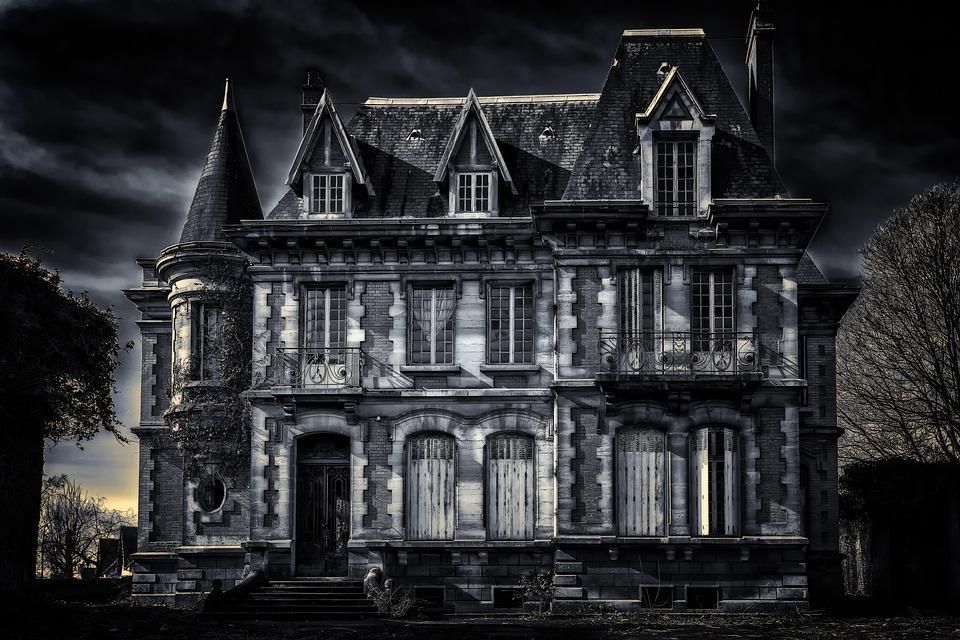
Image: Tama66

This once-magnificent villa was built for William Wyckoff, who made a fortune with the Remington Typewriter Company.

The Secret: Wyckoff’s dream turned into a nightmare on the very first night he stayed in the house. He suffered a massive heart attack and died in his sleep. His wife had passed away a month prior, leaving the villa to a son who had no interest in it. The house has stood empty for over 70 years, its secret being the tragic "cursed" timing that prevented it from ever functioning as a family home.

9
Dicksonia Plantation, Lowndesboro, Alabama
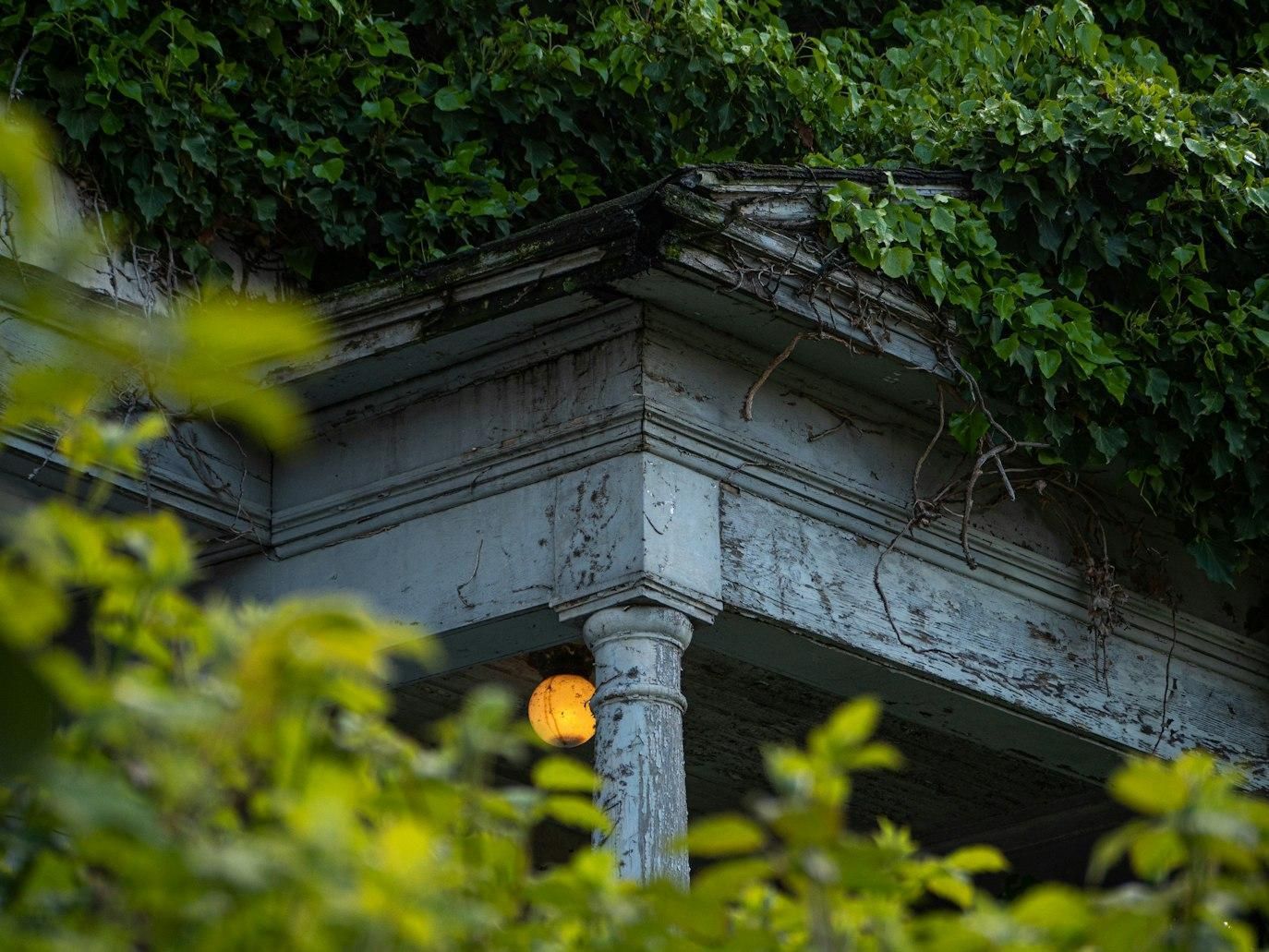
Image: Theo Bickel

Dicksonia was a quintessential antebellum mansion, featuring the massive columns and wrap-around porches synonymous with the Old South.

Unlike many plantations that were destroyed during the Civil War, Dicksonia survived the conflict only to be destroyed by a mysterious fire in 1939. Its "ghost pillars," however, remained standing long after the wooden house burned away. These towering brick columns became a haunting landmark , representing the structural skeletons of a forgotten social order.

10
Wyndcliffe, Rhinebeck, New York
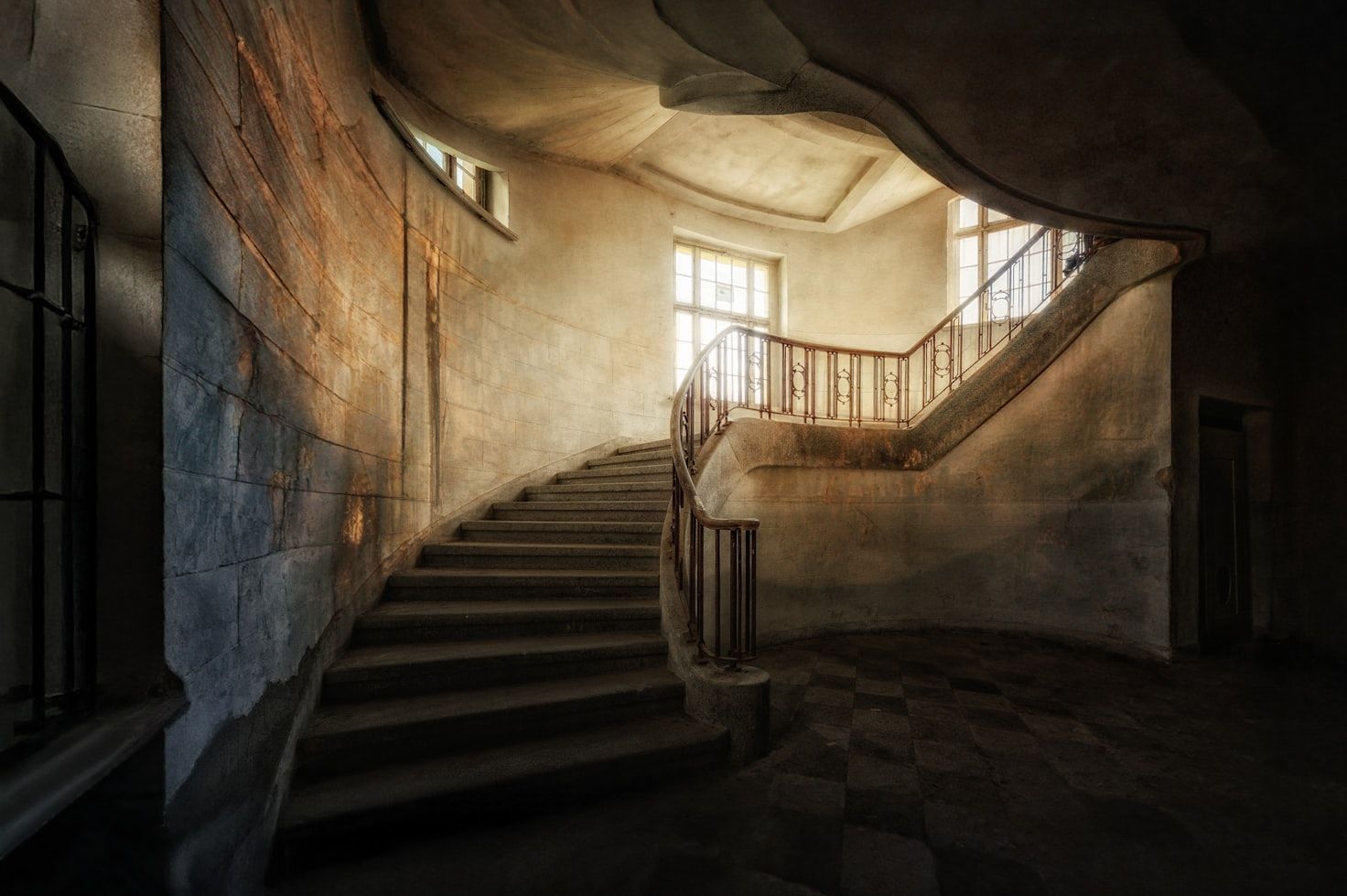
Image: Peter Herrmann

This house is the literal origin of the phrase "Keeping up with the Joneses." Though often referred to as a "Mystery Mansion" by urban explorers, this is the ruin of Wyndcliffe, the estate of Elizabeth Schermerhorn Jones.

Elizabeth’s mansion was so grand and intimidating that it prompted her neighbors—including the Astors—to build even larger homes to compete. The secret of Wyndcliffe is the psychological impact of its architecture; it was built to inspire envy, and its current state of absolute decay is a poetic commentary on the fleeting nature of social status.

General General 4 min read

Lights out!

10 tips to save electricity at home and save money

Image: Kelly Sikkema

The many electrical appliances and systems in a modern home can quickly raise your electricity bill if you don’t take steps to minimize consumption. Fortunately for us, there are many ways to save energy at home. From choosing energy-saving appliances to avoiding leaving lights on in empty rooms, there are countless techniques to save both power and money. Take a look at the following 10 tips. You may already know a few, but perhaps you’ll learn something new that can help!

1
If it’s not in use, turn it off

Image: Chris Haws

We start the list with this well-known advice: turn off the lights when nobody is in the room .

Additionally, switch off appliances completely rather than leaving them on standby, as standby mode continues to consume electricity. Most computers have energy-saving settings that automatically turn off the computer and screen after a period of inactivity.

2
Keep the temperature where you need it

Image: Natalia Y.

Whenever you are heating or cooling a room, remember to close the doors and windows that connect to other unoccupied parts of the building . This way, the heating or cooling equipment you are using will not require more energy than is necessary to maintain the desired temperature where you are.

During cooler months, ensure your curtains or blinds are properly sealed to keep the cold out. In warmer months, keep your curtains closed during the day to prevent heat from entering.

3
Wash and dry clothes once the basket is full

Image: engin akyurt

Avoid using your washing machine when your laundry basket is only half full; instead, use it when you have accumulated a full charge. Also, remember to select the appropriate washing cycle to optimize energy use.

On a related note, clothes dryers consume a significant amount of energy, so consider hanging clothes outside to dry or using a fan to help dry them indoors.

4
Save energy in the kitchen

Image: Jason Briscoe

Your kitchen offers many energy-saving opportunities. The fridge, one of the most energy-intensive appliances, runs 24/7 for obvious reasons but measures can be taken to make it a more efficient device. The ideal fridge temperature for the fridge is between 35° and 38°F. Make sure the door seal is tight, with no gaps or cracks that allow cold air to escape.

As for cooking, always put frozen food in your fridge in the morning to thaw out and reduce cooking time in the evening. Whenever possible, use a microwave, as it consumes significantly less energy than an electric oven. Plan to cook more and have leftover meals for the next day or the week ahead. Keep leftover meals in the freezer for convenience and minimal waste.

5
Smart heating and cooling

Image: Everett Pachmann

It may be tempting to adjust the thermostat a degree or two above or below the recommended settings depending on the season, but there is good reason to avoid doing that. Every degree above 20 can increase your heating bill by up to 10%. In winter, set your thermostat between 18 and 20 degrees. In summer, aim for 26 degrees or higher.

Additionally, some ducted systems allow you to disable heating or cooling in unoccupied rooms, which can help save energy.

6
Use energy-saving LED lights

Image: Anton Belashov

LED lighting has been around for a while and can save up to 80% on lighting costs. LED bulbs consume less power and last longer, which means that users spend less money and time replacing them.

Another perk, LEDs generate very little heat compared to incandescent and halogen bulbs, which convert much of their energy into heat. This can reduce cooling costs, especially in warm climates.

7
Solar energy

Image: Andreas Gücklhorn

The energy given to us by the sun can be harvested in solar panels that reduce the amount of energy we need to buy from the electricity company . Similarly, solar hot water systems can minimize gas usage, reducing reliance on gas-fired water heaters.

Solar panels and solar hot water systems used to be very expensive and had to be replaced much more often but, their costs have dropped significantly in recent years, making them more accessible.

8
TV settings

Image: Jonas Leupe

Today's high-definition televisions use around 60% less energy than earlier models. However, some Internet-ready models consume extra power even when turned off due to a "quick start" feature that enables faster boot-up . You can disable that option in your television's settings .

While perusing through the settings, you can also see if your model has an automatic brightness control, which will adjust the picture brightness to the level of light in the room. This can make a big difference in energy consumption.

9
Efficient appliances

Image: Vlad Zaytsev

Most of today's new appliances use half the energy of those from a couple of decades ago. If you're thinking of buying a new one, look for products with the Energy Star label, as they typically use 10 to 40 percent less energy than other models.

If you are going to buy a new computer, keep in mind that laptops use significantly less energy than desktop versions.

10
Insulate your roof

Image: Erik Mclean

Temperature affects air in different ways: heat rises, while cool air sinks. This means that if a house's roof is not properly insulated, heat will escape in the winter, and the cold from outside will seep in through the roof.

An insulated ceiling can make a big difference to your energy bills . Effective ceiling insulation can save up to 20% on cooling and heating costs.

General General 3 min read

American giants

10 massive U.S. industries that secretly run America

Image: White Field Photo

Behind the scenes, the U.S. economy is driven by massive industries with global reach— shaping markets, driving innovation, and employing millions. From tech giants and energy producers to farms that feed the world, each sector plays a distinct role in keeping the country moving. This list breaks down 10 of the biggest American industries today.

1
Technology

Image: Shoeib Abolhassani

The U.S. tech sector exceeds $2 trillion in market value and leads the world in software, cloud computing, and semiconductor innovation.

While major hubs like Silicon Valley concentrate much of the activity, the industry has a nationwide footprint—from research centers and investor networks to hardware design and advanced manufacturing. Also, AI investment now represents a substantial share of the sector, which remains overwhelmingly U.S.-driven.

2
Healthcare

Image: Piron Guillaume

Healthcare spending in the U.S. surpassed $4.5 trillion recently, accounting for nearly 20% of GDP. Hospitals, insurers, biotech firms, and pharmaceutical companies together form the largest employment ecosystem in the country.

Moreover, the pharmaceutical segment alone exceeds $600 billion, placing the U.S. at the forefront of global drug development and clinical research.

3
Finance

Image: Nick Chong

Banking, investment, and insurance services generate over $2.5 trillion annually, and Wall Street remains the world’s largest capital market by trading volume.

Believe it or not, U.S. asset managers oversee more than $30 trillion in global funds, a scale unmatched anywhere else. American payment networks and credit systems also form a major part of the infrastructure that supports international commerce.

4
Energy

Image: Documerica

The U.S. is one of the world’s top producers of oil and natural gas, with the energy sector generating hundreds of billions of dollars each year. Texas is the largest state contributor, while New Mexico and North Dakota also rank among the leading producers.

Although renewables now surpass several fossil fuels in total electricity generation—driven largely by wind and solar—the energy sector as a whole remains robust and highly diversified.

5
Manufacturing

Image: Simon Kadula

Manufacturing underpins the growth of countless other industries, and American heavy industry contributes more than $2.3 trillion to GDP, spanning automobiles, machinery, electronics, and advanced materials.

The sector employs over 12 million people and remains a global leader in areas like industrial automation, chemical production, medical devices, and food processing. U.S. factories also rank among the world’s most productive thanks to high-tech equipment, robotics, and supply chains that integrate everything from raw materials to final assembly.

6
Retail

Image: Viktor Bystrov

Feel like going shopping? You’re certainly not alone—the U.S. retail sector generates over $7 trillion annually. Big-box chains, e-commerce giants, and grocery networks together make up one of the nation’s largest employment sectors.

E-commerce alone now exceeds $1 trillion, fueled by major progress in logistics, fulfillment technology, and nationwide delivery networks.

7
Agriculture

Image: Hannah Shedrow

The fertile Midwest and Great Plains are often called the "breadbasket of the world," and it’s no exaggeration—U.S. farms produce more than $500 billion in goods each year.

While corn, soybeans, beef, and dairy dominate overall output, the sector supports a wide array of other crops and livestock. It also drives innovation in precision machinery, fertilizer development, and agricultural technology that shapes global food production.

8
Transportation

Image: Documerica

Transportation is a massive sector—covering airlines, shipping, trucking, and rail—and generates more than $1.4 trillion annually. Trucking alone moves over 70% of domestic freight, while rail remains essential for transporting bulk commodities like grain, coal, and industrial materials.

Air travel supports millions of jobs, with major hubs such as Atlanta and Dallas ranking among the world’s busiest by passenger traffic. Ports like Los Angeles, Long Beach, and Houston handle some of the highest cargo volumes in the Western Hemisphere, while the U.S. highway system remains one of the largest and most heavily used in the world.

9
Construction

Image: C Dustin

In a country where iconic skylines are considered part of the landscape, construction is naturally a major economic force. The sector now exceeds $2 trillion in annual output, driven by persistent housing demand and large-scale commercial development.

Infrastructure also accounts for a significant share of spending, covering everything from bridges and tunnels to highways and transit systems. Residential building cycles strongly influence employment, making construction one of the most sensitive indicators of broader economic health.

10
Aerospace & defense

Image: Hermeus

As one of the world’s leading centers of innovation, the U.S. aerospace sector—often intertwined with the defense industry— contributes more than $400 billion annually, driven by aircraft manufacturing, satellite technology, and advanced defense systems.

Government defense spending, which exceeds $800 billion per year, supports major contractors, sustains global military partnerships, and helps maintain a technological edge over international competitors.

Explore more American facts

Choose your favorite category!

General
General

As American as apple pie—the very best America has to offer!

Culture
Culture

Delve into the astounding richness of American lore.

Geography
Geography

Hop in and explore vast and diverse American landscapes.

History
History

Discover the key moments that shaped the United States.