General General 4 min read

Presidents and protocols

Why do presidents have to buy their own gifts? The reason behind
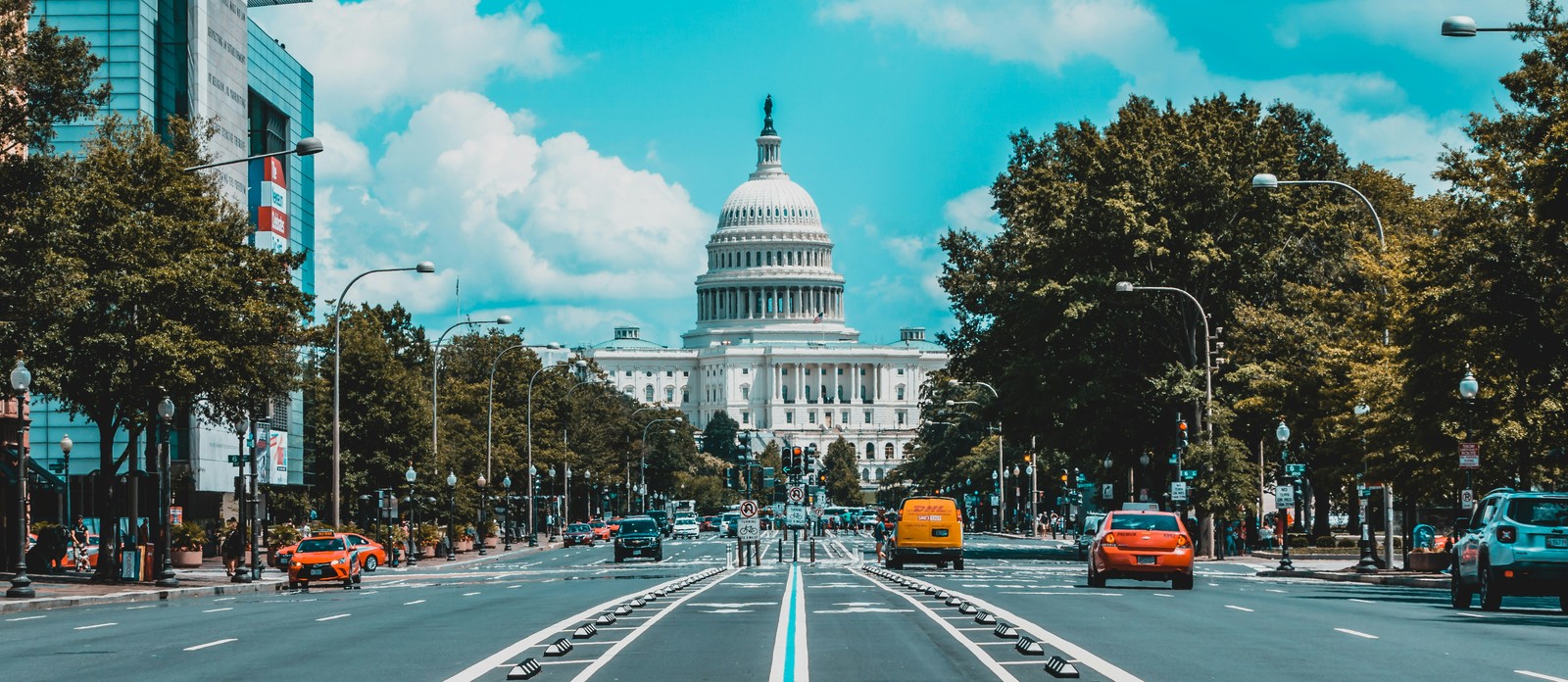
Image: Jorge Alcala

Once someone becomes president, even the simplest daily habits are no longer simple. Protocols start to overcome routines, wills, and even family responsibilities. Let’s find out what rules presidents in office must follow — and some notable exceptions.

1
Skip Air Force One

Image: Getty Images

Beyond the wishes of any president, flying on a commercial airline is completely forbidden under any circumstances. Due to security concerns, Air Force One is meant to be the only way a president can travel by air. But there is actually a historic exception in this matter. In 1973, during the oil crisis, Richard Nixon flew on a regular United Airlines flight to California . The trip was meant to show support for energy-saving efforts nationwide.

2
Break the two-term rule
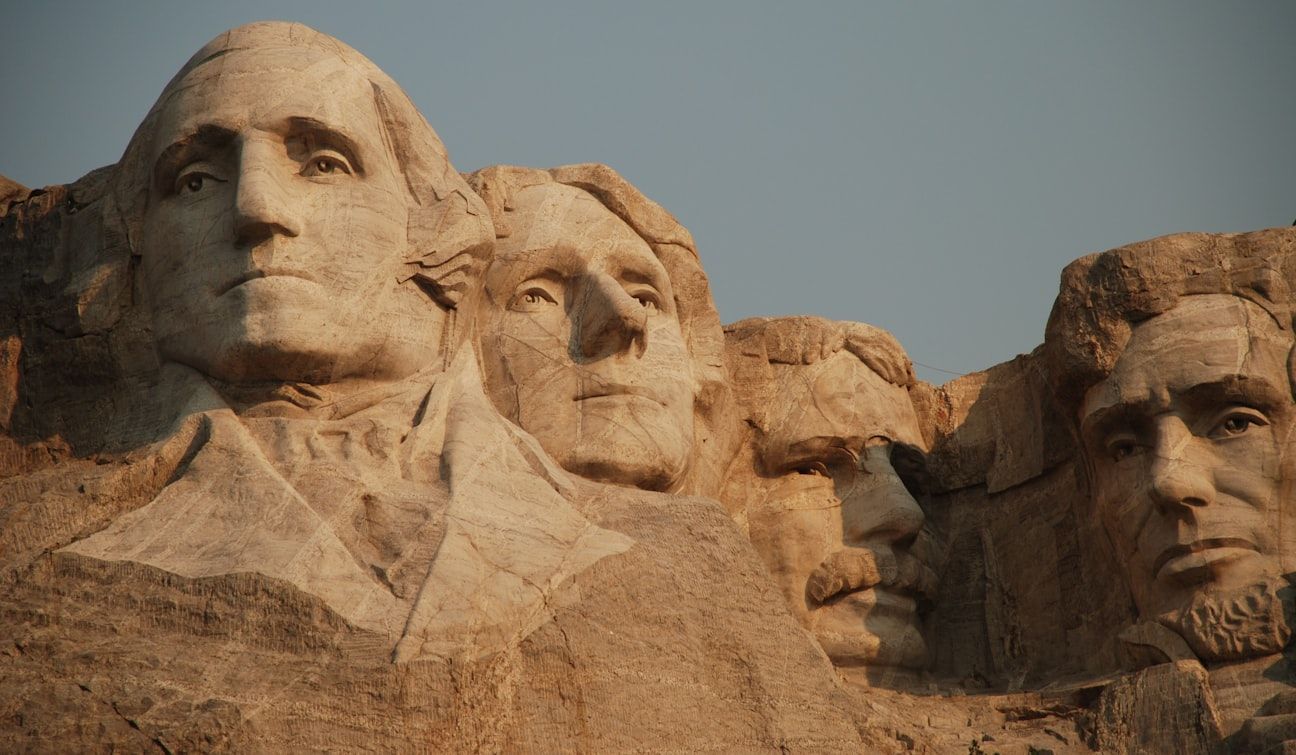
Image: Ronda Darby

Did you know that before Franklin D. Roosevelt, presidents were not limited to two terms? They mostly followed a tradition started by George Washington, the first US president in 1789, who decided to step down after his second term. It wasn’t until the 22nd Amendment in 1951 that two terms became the official legal limit to moderate the accumulation of power in one person.

Roosevelt, who was president from 1933 to 1945 , was the only president to break that tradition because of the country's exceptional situation: During the Great Depression and World War II, many Americans wanted solid leadership. He ended up winning four elections, but died of a stroke in 1945 during his fourth term.

3
Take diplomatic gifts home
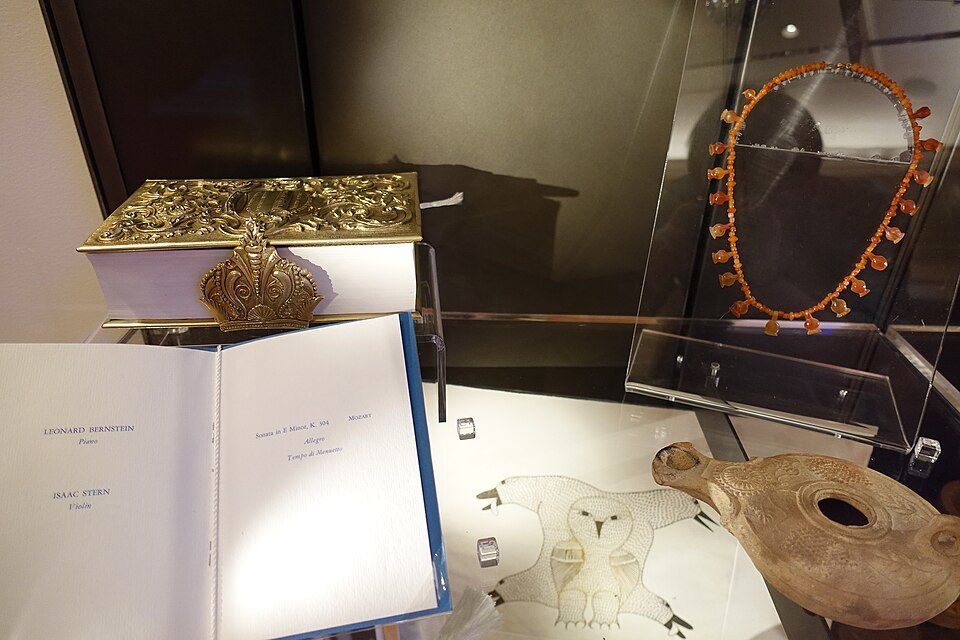
Image: Jeremy Thompson from Los Angeles, California

Presidents have to buy their own gifts? Truth is, they can receive gifts from foreign leaders, but they cannot always keep them as personal presents. If a gift is expensive enough to go over the government’s "minimal value" limit, it is treated as a gift to the American people. From there, the White House Gift Unit helps decide what happens to it. In fact, the president or First Lady can still keep the gift, but only if they buy it at fair market value. This rule exists so that a diplomatic gift does not appear to be a personal favor.

4
Own their official speeches
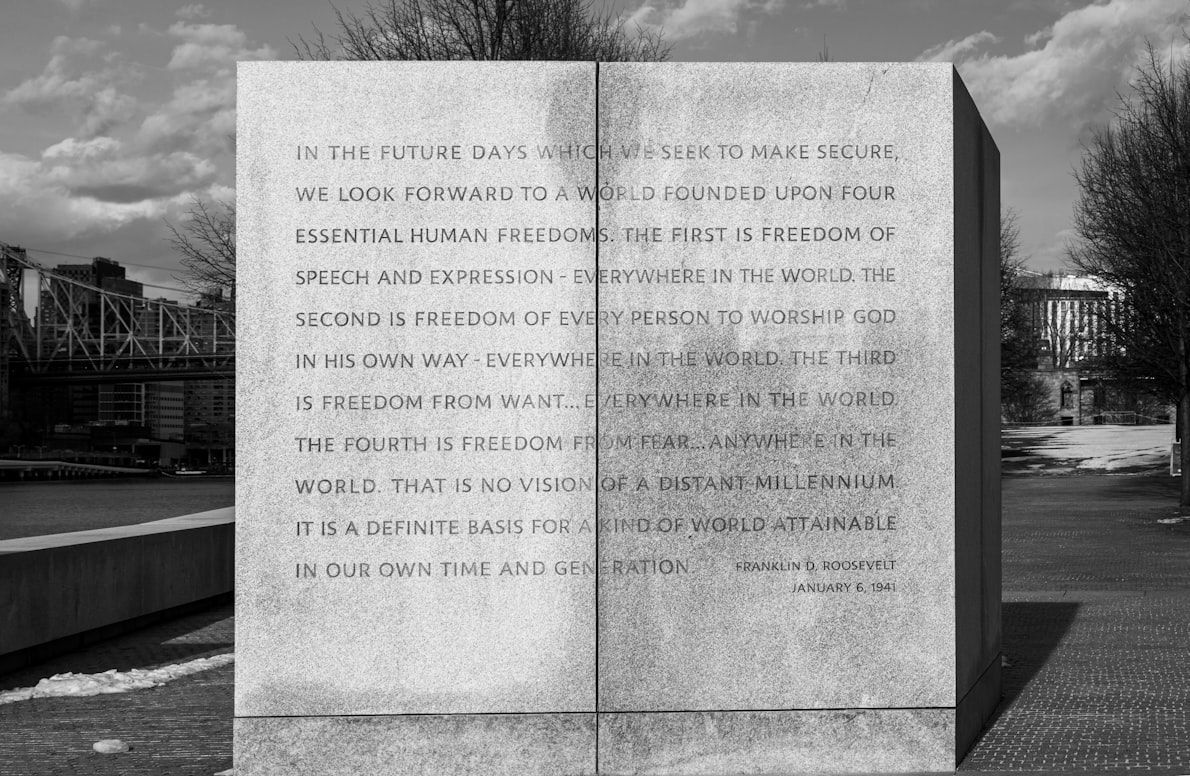
Image: Zoshua Colah

A president can stand at a podium and deliver a speech heard around the world, but that does not mean he is the private author of those words. Under U.S. copyright law, official presidential speeches are usually considered part of the public record because they are part of the job. That means people can quote them, share them, and reuse them more freely than a normal copyrighted text. You could say that the speech belongs less to the president and more to the country.

5
Enjoy a simple breeze
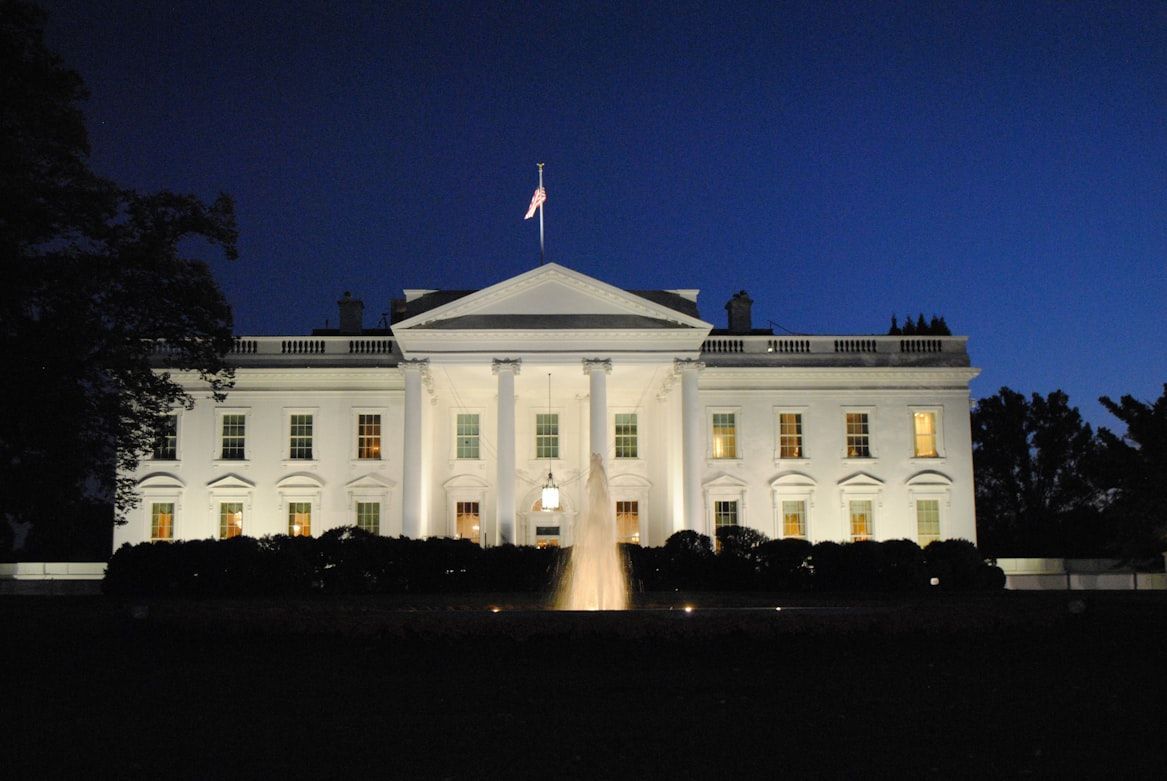
Image: Tabrez Syed

Picture the president’s reaction on his first day of office when he is advised that he is prohibited from opening windows. The White House and presidential vehicles keep their windows sealed to prevent the president from being attacked.

Michelle Obama once shared that there was one small break from those strict rules . During a short drive to Camp David, her Secret Service agent allowed her to open the car windows for a few minutes. She later described it as a feeling of normal people's luxury.

6
Block followers from official pages
Image: camilo jimenez

What about the president’s digital life? Technology advances quickly, and presidential security must keep up; presidents cannot simply use personal social media without being monitored. In 2018, a federal judge ruled that a president cannot block people from official social media spaces, because those accounts can be treated as public forums. So even online, presidents have some restrictions to follow.

7
Hit the road by themselves
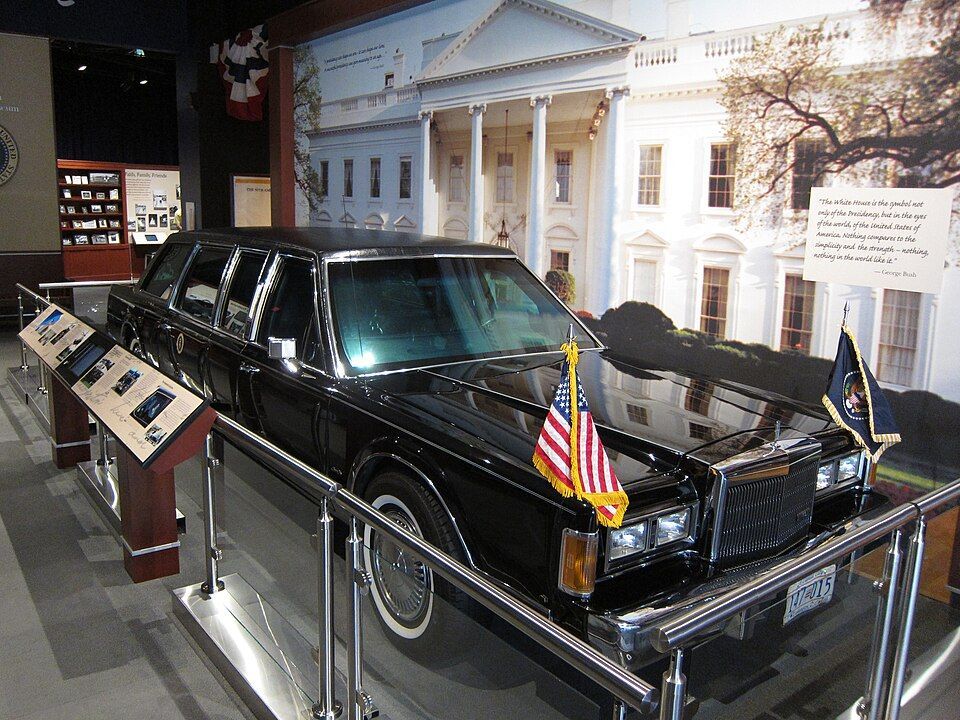
Image: edward stojakovic from chicago, United States

While in office, presidents and vice presidents are not allowed to drive on open roads. What’s more, the Secret Service must control their transportation in real time . There are some exceptions, though: inside personal properties, and in places like Camp David, they can drive, walk, and even ride a bike.

8
Throw away their own papers
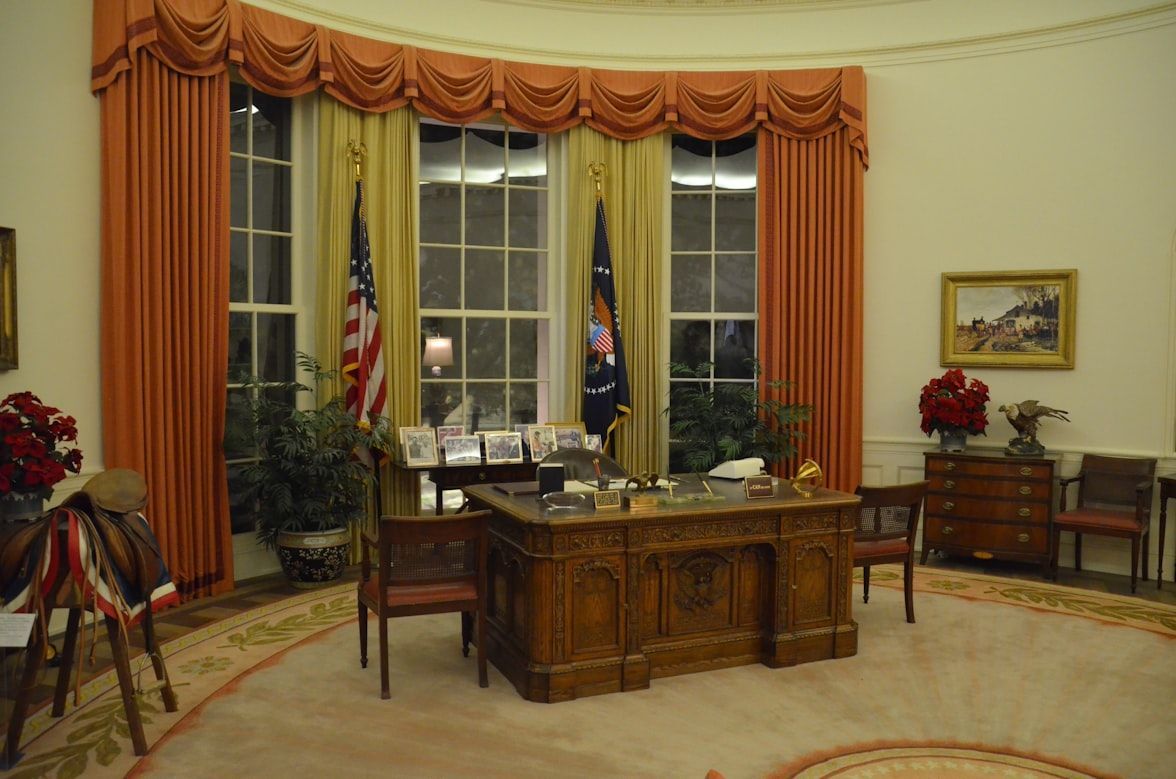
Image: Donghun Shin

Presidents also cannot treat their office like a normal workspace. Under the Presidential Records Act, letters, notes, and emails may count as official records. That means presidents are discouraged from simply cleaning up or throwing mail away on their own. Instead, White House staff must sort everything carefully first, so no important piece of history ends up in the trash by accident.

9
Join normal family outings
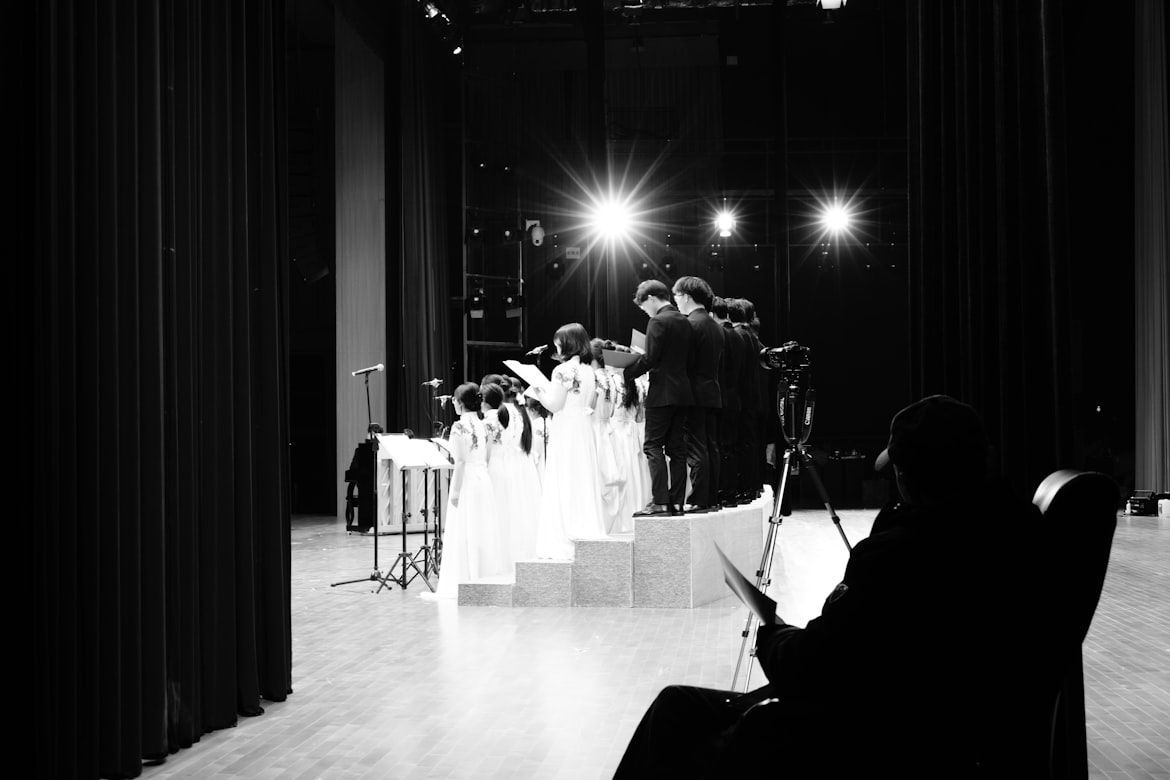
Image: YiChuan Li

Imagine the scene of the president casually arriving at his child’s school one morning. As we would assume, there are security restrictions that prevent presidents from attending a child or grandchild's concert or sporting event. These restrictions affect the entire First Family, but they also keep everyday situations from turning chaotic.

10
Scroll through a normal inbox
Image: Brett Jordan

Even the president’s inbox has personal security. People can send a message to the president online, but it does not go straight to a personal email account; it actually goes through the official White House contact form first. Then staff members read it, sort it, and decide where it should go. Since presidential emails can become part of the public record, they must be saved and handled carefully.
Culture Culture 4 min read

What if…?

You won’t believe who almost replaced Harrison Ford in Star Wars!

Image: GR Stocks

Some movie characters have become so iconic that it’s hard to picture anyone else in the role. But the truth is, many of these parts almost went to completely different actors. Can you imagine Al Pacino as Han Solo? It nearly happened! In this article, we’ll explore that story and nine other cases where famous characters almost end up with a different face.

1
Han Solo- Al Pacino

Image: Gotfryd, Bernard, photographer, Public domain, via Wikimedia Commons

Can you imagine the legendary Han Solo played by anyone other than Harrison Ford? Hard to picture, right? But it nearly happened: Al Pacino was actually offered the role. According to Pacino, he got the Star Wars script before it became a massive hit, but he "didn’t understand it" and decided to pass.

2
Jack Nicholson- Michael Corleone

Image: Larry Bessel, Los Angeles Times, CC BY 4.0 <https://creativecommons.org/licenses/by/4.0>, via Wikimedia Commons

It’s true that the great Jack Nicholson had no shortage of incredible roles and performances. But did you know he almost played one of cinema’s most iconic gangsters, Michael Corleone? However, Nicholson felt that "an Italian-American character should be played by an Italian-American actor" and passed on the role, which ultimately went to the brilliant Al Pacino.

3
Pretty Woman- Molly Ringwald

Image: Panio Gianopoulos, CC BY-SA 3.0 <https://creativecommons.org/licenses/by-sa/3.0>, via Wikimedia Commons

Pretty Woman (1990) is undeniably one of the iconic films of the ’90s, made unforgettable by the stellar performances of Richard Gere and Julia Roberts. But did you know the role of Vivian almost went to someone else? Molly Ringwald, star of Sixteen Candles (1984) and The Breakfast Club (1985), was originally considered, but she turned it down because she didn’t feel comfortable with the role.

4
Jack from Titanic- Matthew McConaughey

Image: All-Pro Reels from District of Columbia, USA, CC BY-SA 2.0 <https://creativecommons.org/licenses/by-sa/2.0>, via Wikimedia Commons

Can you picture a young Matthew McConaughey as the lovely Jack in Titanic (1997)? Hard to imagine, right? But it almost happened! Although he was five years older than Leonardo DiCaprio, both auditioned for the role. McConaughey came close to landing it but ultimately lost out because he refused to drop his Southern accent.

5
Catwoman- Madonna

Image: chrisweger, CC BY-SA 2.0 <https://creativecommons.org/licenses/by-sa/2.0>, via Wikimedia Commons

When we think of Catwoman, Michelle Pfeiffer instantly comes to mind, as she gave us one of the most iconic portrayals of the character in Batman Returns (1992). But the role wasn’t always meant for Pfeiffer. That’s right! Catwoman almost went to the legendary Madonna. Believe it or not, the singer was originally offered the role but didn’t find it appealing at the time. Years later, she admitted she regretted passing it up.

6
Django- Will Smith

Image: Raph_PH, CC BY 4.0 <https://creativecommons.org/licenses/by/4.0>, via Wikimedia Commons

In 2012, Quentin Tarantino brought us Django Unchained , inspired by the 1966 Spaghetti Western classic Django . The film was a hit, with Jamie Foxx shining as the lead. But it could have looked very different, as another actor was originally offered the role: Will Smith. After reading the script, he passed, feeling that Django was overshadowed by other characters and that the story focused too much on vengeance.

7
Mrs. Smith- Gwen Stefani

Image: Lorie Shaull from St Paul, United States, CC BY-SA 2.0 <https://creativecommons.org/licenses/by-sa/2.0>, via Wikimedia Commons

Mr. & Mrs. Smith (2005) isn’t just one of the sexiest films of recent years; it’s also where Brad Pitt and Angelina Jolie met and fell in love. But we almost missed out on this iconic couple! Why? Well, besides Angelina, other actresses and artists were considered for the role. One of them was singer Gwen Stefani, who said she "almost got it" but chose to focus on her music career instead.

8
Neo- Will Smith

Image: Gage Skidmore from Peoria, AZ, United States of America, CC BY-SA 2.0 <https://creativecommons.org/licenses/by-sa/2.0>, via Wikimedia Commons

We don’t know how many roles Will Smith has turned down over the years, but he appears twice on this list! This time, it’s the legendary Neo from The Matrix franchise. According to Smith, when they offered him the role, he had also been offered Captain James West in Wild Wild West (1999) and ultimately chose that one instead.

9
Captain America- John Krasinski

Image: Gabriel Hutchinson, CC BY-SA 4.0 <https://creativecommons.org/licenses/by-sa/4.0>, via Wikimedia Commons

John Krasinski won our hearts as the clever Jim in The Office . But did you know he nearly became a superhero? He was close to playing Captain America! Although he even auditioned, Krasinski later joked that when he saw Chris Hemsworth in his Thor costume, he realized the role and the movie weren’t quite for him.

10
Iron Man- Tom Cruise

Image: Gabriel Hutchinson Photography, CC BY-SA 4.0 <https://creativecommons.org/licenses/by-sa/4.0>, via Wikimedia Commons

Iron Man, the genius billionaire who uses his brains and wealth for good, is a Marvel icon we all know and love thanks to Robert Downey Jr.’s brilliant performance. But did you know we almost saw Tom Cruise dressed up as a superhero? That’s right! He was seriously considered for the role, though the way the project was pitched didn’t quite convince him.

Culture Culture 3 min read

Which one is your favorite?

Tigers, cheetahs & more: 12 advertising mascots turned cultural icons

Image: Erik Mclean

From cereal boxes to car commercials, advertising mascots are a big part of our pop culture. These characters aren't just selling products—they’ve become household names. Whether it’s a talking gecko or a grinning doughboy, mascots help brands stick in our minds. Can you recognize these 12?

1
Colonel Sanders

Image: Aleks Dorohovich

Colonel Sanders, the iconic KFC mascot, is based on Harland Sanders, the chain's founder . He received the honorary title of "Colonel" from Kentucky's governor in 1935.

Sanders embraced the persona, adopting a white suit, goatee, and bow tie, creating the famous image that still represents KFC today.

2
Energizer bunny

Image: Jerry Wang

The Energizer Bunny debuted in 1988 as a parody of Duracell’s "Drumming Bunny." Designed with sunglasses, flip-flops, and a bigger drum, it stood out as a bold contrast to its competitor’s mascot.

The campaign grew into a long-running success, and, obviously, a trademark battle followed, ultimately ending with Energizer securing exclusive rights to the pink bunny in the U.S. and Canada.

3
GEICO gecko

Image: Hunter Masters

The GEICO Gecko debuted in 1999 during an actors' strike, when live talent was unavailable. The idea stemmed from people mispronouncing "GEICO" as "Gecko," inspiring a quick lizard doodle during a brainstorming session.

In his first ad, the Gecko held a press conference asking people to stop confusing him with the company. The quirky concept quickly became a memorable and enduring mascot.

4
Jolly Green Giant

Image: Jun Weng

The Jolly Green Giant began in 1925 with the Minnesota Valley Canning Company’s "Green Giant" peas. The original mascot was a stern, fairy tale–like figure.

In 1936, ad legend Leo Burnett redesigned him with a leafy toga and a friendly smile, making him "jolly." The company later adopted the Green Giant name, and the mascot became a lasting icon.

5
Pillsbury Doughboy

Image: Sonia Nadales

The Pillsbury Doughboy, named Poppin' Fresh, was created in 1965 by ad copywriter Rudy Perz. The idea came to him as he imagined a dough character popping out of a can in his kitchen .

First seen in stop-motion animation, the Doughboy became a cheerful brand icon, starring in over 600 commercials since his debut.

6
Chester Cheetah

Image: Erik Mclean

Chester Cheetah became the face of Cheetos in 1986, replacing the original Cheetos Mouse. He debuted as a cool, animated cartoon character in TV ads.

Known for his smooth voice, catchy rhymes, and laid-back style, the character is depicted as a "cool cat" with a strong craving for Cheetos.

7
Kool-Aid Man

Image: Fotografía de Alimentos

The Kool-Aid Man, a smiling pitcher of Kool-Aid, evolved from earlier iterations and became the brand’s mascot after General Foods acquired the company in the 1950s. He quickly stood out in ads with his dramatic entrances.

Known for crashing through walls and shouting "Oh yeah!", this mascot became instantly recognizable.

8
Tony the Tiger

Image: Dom .

Tony the Tiger has been the mascot for Frosted Flakes since 1952, known for his upbeat catchphrase, "They’re gr-r-reat!" and his iconic presence on cereal boxes. He has also represented other cereals, such as Tony’s Cinnamon Krunchers.

9
Planters

Image: aboodi vesakaran

Mr. Peanut was created in 1916 by Antonio Gentile, a schoolboy who entered a design contest held by Planters. His original drawing featured a peanut with arms, legs, and a cane .

A commercial artist later refined the character by adding a top hat, monocle, and spats , transforming it into the classic Mr. Peanut mascot we know today.

10
Mr. Clean

Image: Clay Banks

Mr. Clean was created in 1957 by an ad agency for Procter & Gamble. Originally conceived as a genie, he evolved into a muscular, bald man dressed in white, sporting an earring and folded arms. Inspired by a Navy sailor, he became a symbol of powerful cleaning.

11
Toucan Sam

Image: Zoshua Colah

Toucan Sam, the colorful blue-and-orange mascot for Froot Loops, was created in 1963. Known for his catchphrase, "Follow my nose!" and his ability to "smell" Froot Loops from afar, Sam’s voice and design have evolved over time, making him a beloved cereal icon.

12
Ronald McDonald

Image: Erik Mclean

Ronald McDonald first appeared in 1963 in local TV ads in Washington, D.C., portrayed by actor Willard Scott. He was created by the Oscar Goldstein ad agency.

In 1965, McDonald's expanded Ronald’s role to national commercials with a slightly altered look. He became a key figure in McDonaldland, interacting with other characters . Over time, Ronald’s image and advertising style evolved, with updates to his outfit and overall presence.

Explore more American facts

Choose your favorite category!

General
General

As American as apple pie—the very best America has to offer!

Culture
Culture

Delve into the astounding richness of American lore.

Geography
Geography

Hop in and explore vast and diverse American landscapes.

History
History

Discover the key moments that shaped the United States.