Geography Geography 4 min read

Landmarks have secrets

Why can't you go to Lady Liberty's torch: Facts about iconic buildings
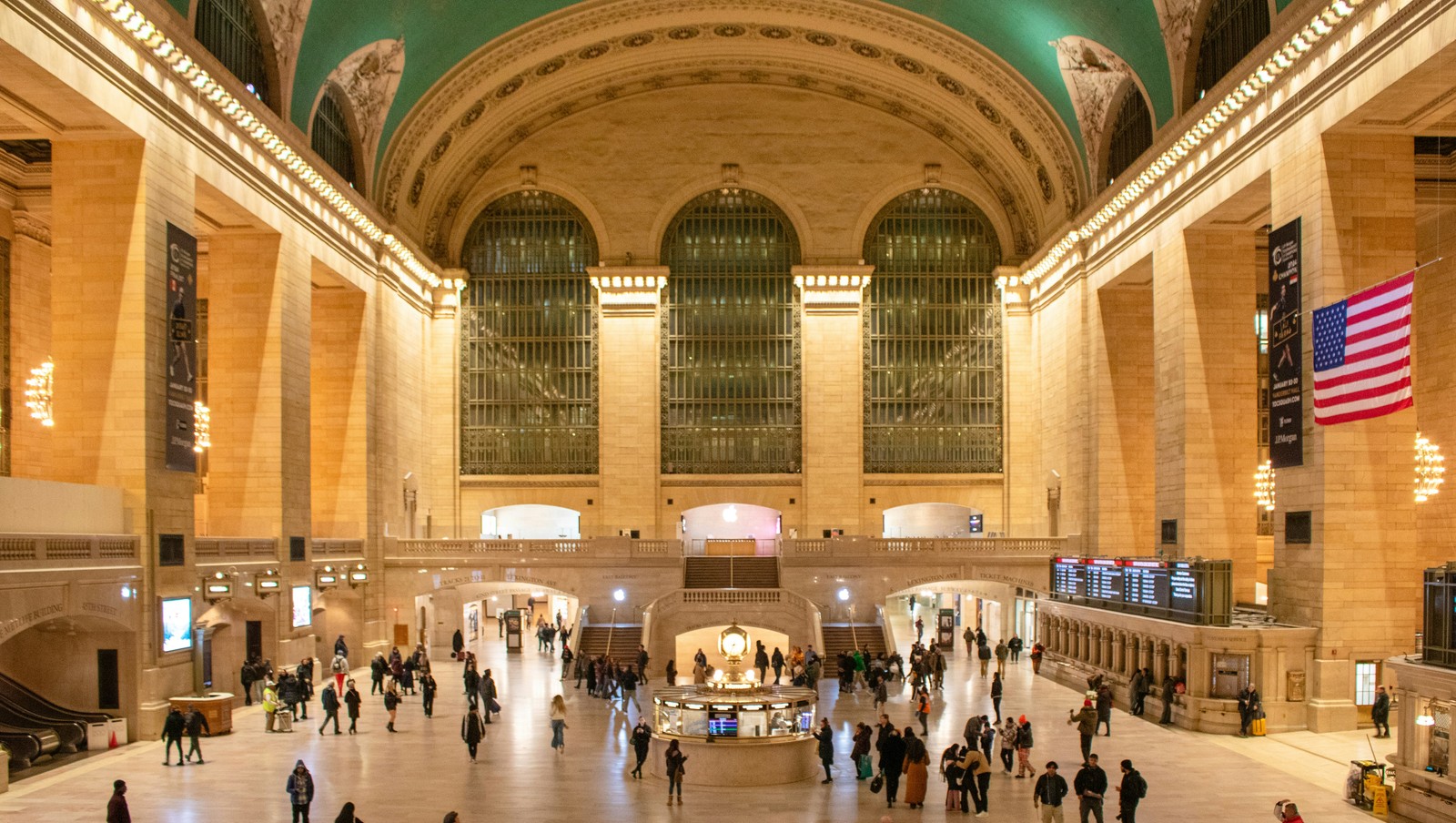
Image: Zoshua Colah

Did you know that the Golden Gate Bridge wasn’t supposed to stay that color? Or that the White House wasn’t meant to have that name? Could you guess which of our iconic buildings shows a map of the stars that’s, err… wrong? We think we are somewhat acquainted with the basic facts about the most famous structures in our country. But here is a list of some behind-the-scenes stories you probably hadn’t heard before!

1
How the White House gained its name
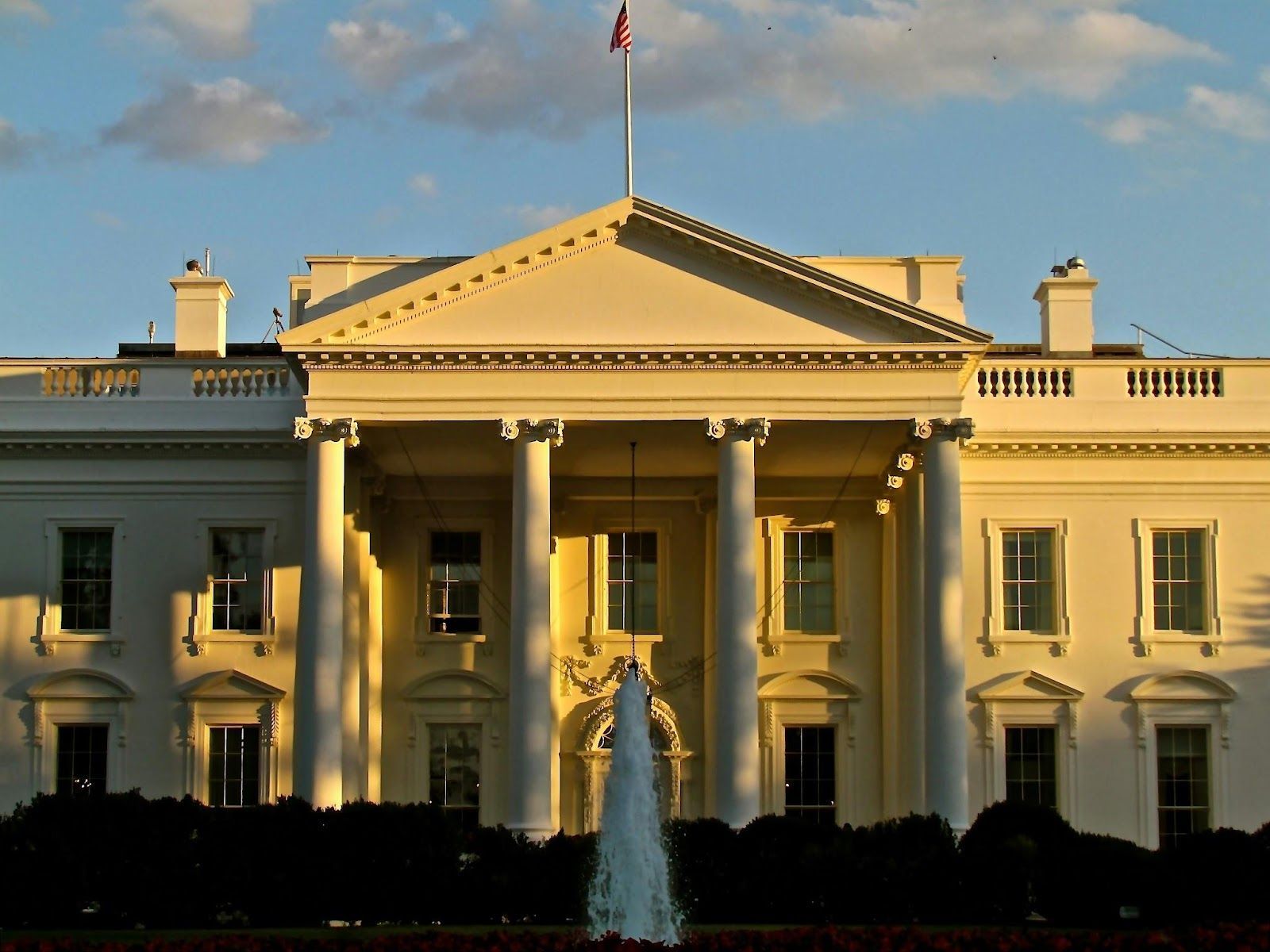
Image: Suzy Brooks

Originally, the building was called the "President’s House." That only changed after the 1814 fire. During the War of 1812, British troops marched into Washington and set many buildings on fire, including the main one.

Walls were scorched, and smoke damage lingered inside and outside the building. When repairs began, painters coated the building white to cover the burn marks . This resulted in the "White House" nickname. Nearly a century later, Theodore Roosevelt made it official.

2
A hidden underground beneath America’s books
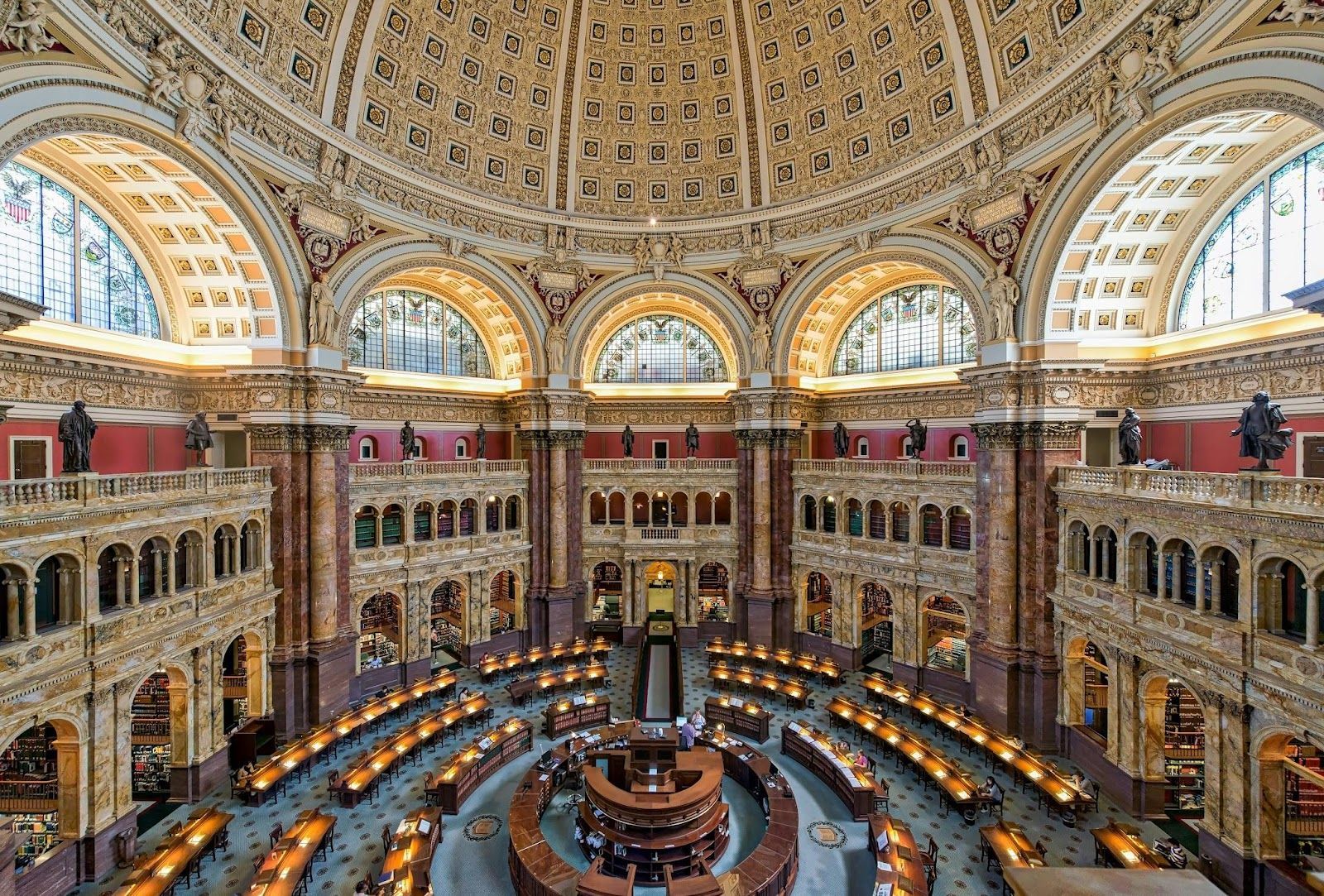
Image: Stephen Walker

Have you ever heard of the Library of Congress's underground tunnels? Most visitors never see them or learn about them. They connect their buildings, allowing staff to transport rare books and documents safely and efficiently. Fragile, valuable materials had better be protected from the weather, the sunlight, and, well, the people!

3
The Golden Gate Bridge wasn’t supposed to stay red
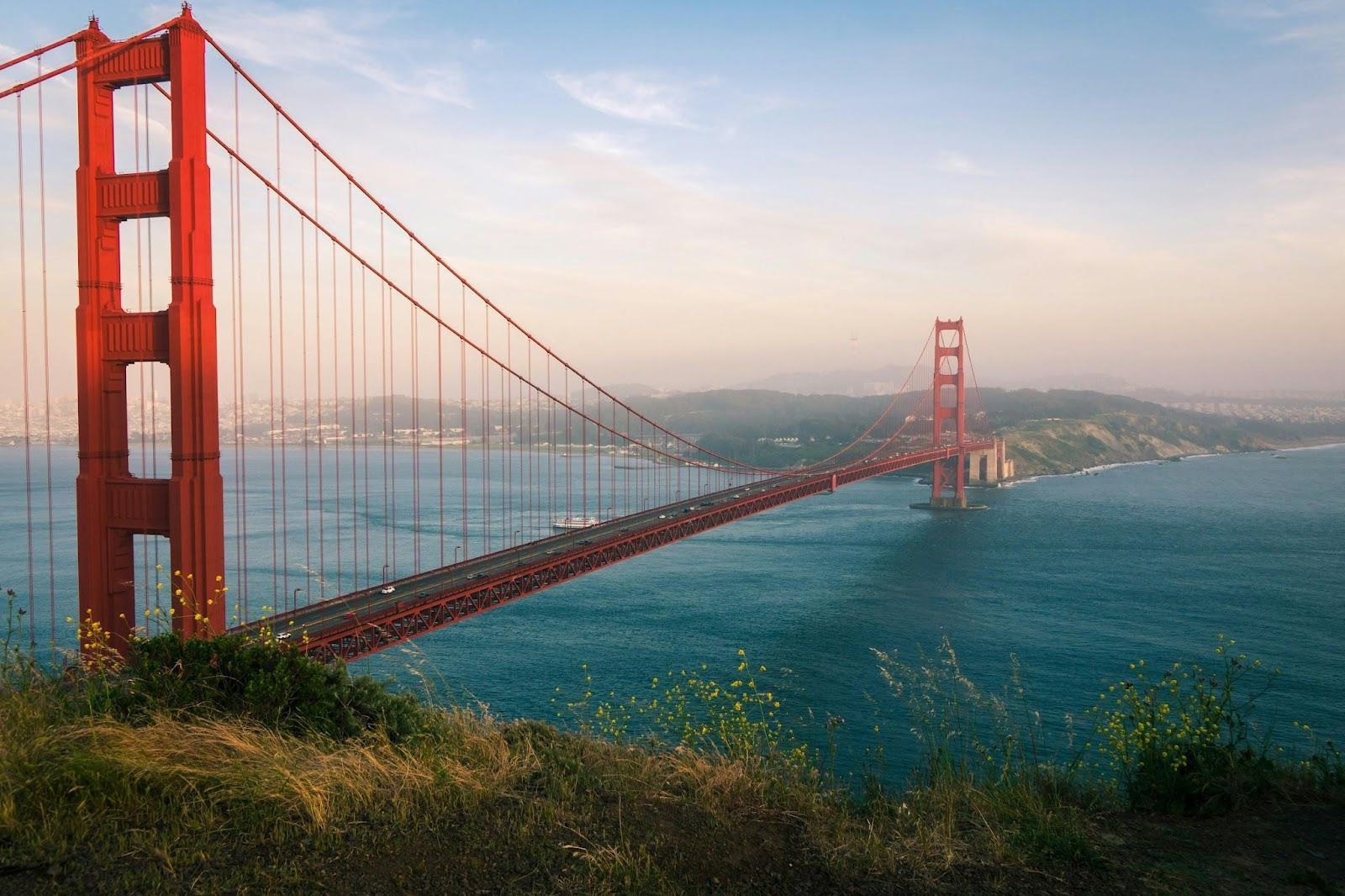
Image: Trent Erwin

The reddish color of the Golden Gate Bridge (officially named "International Orange") was supposed to be a temporary priming coat to protect the steel.

However, when engineers looked at the bright color peeking through the fog against the stunning blue and green of the San Francisco Bay, they said, "You know what?" It should stay like that. The Navy proposed painting it black and yellow, but it was never done. The stunning color turned it into one of the most iconic buildings in the world.

4
The Empire State Building wanted to welcome airships
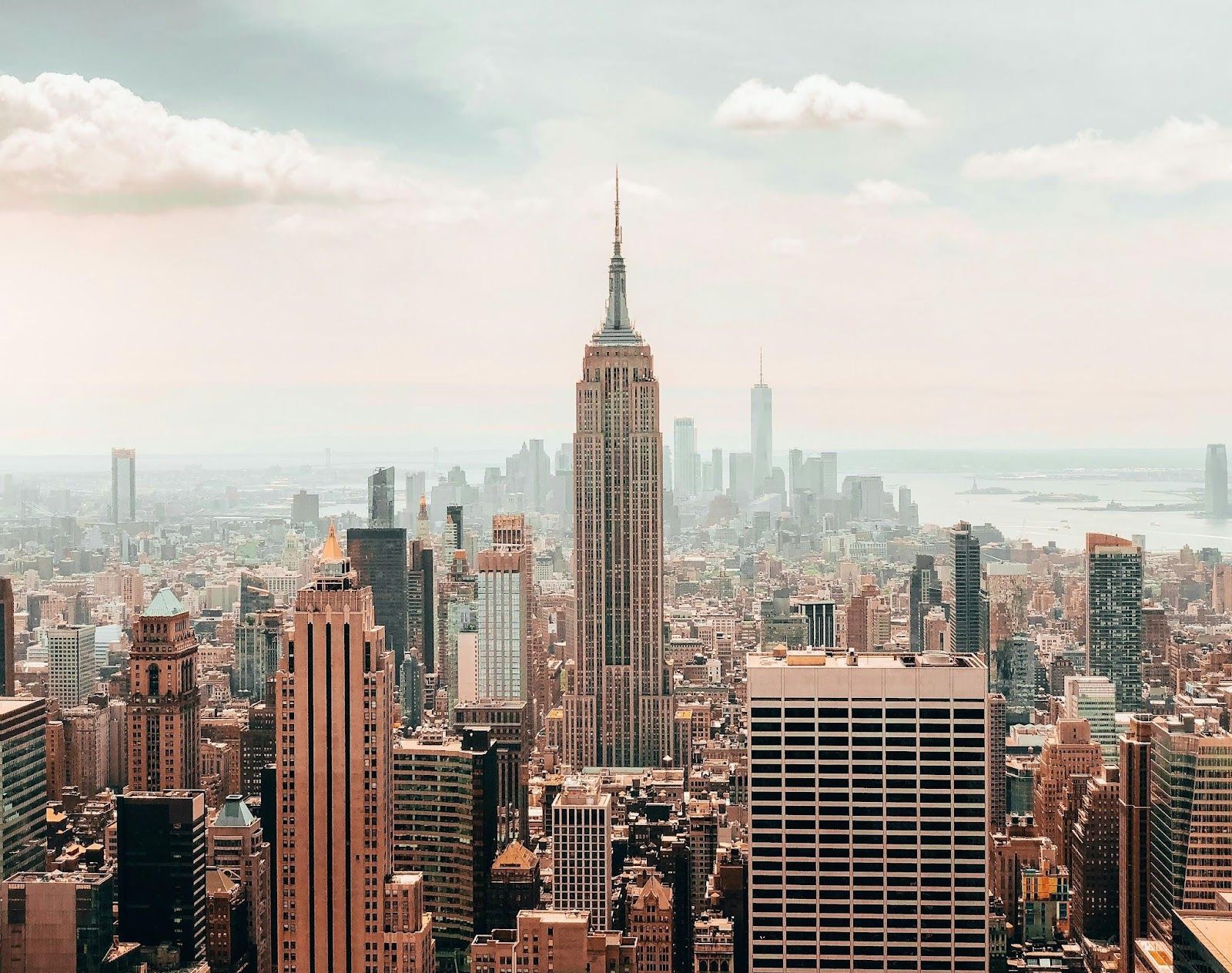
Image: Christian Ladewig

Back in 1931, the Empire State Building’s spire was intended as a mooring mast to serve as a docking station for airships. The idea was that passengers should be able to step directly into Manhattan from the sky!

Sure, it was a futuristic plan, but it was eventually dismissed for being wildly dangerous. Passengers would have had to climb out at dizzying heights in strong winds. Not ideal! And certainly not glamorous.

5
The famous ceiling that got the stars wrong
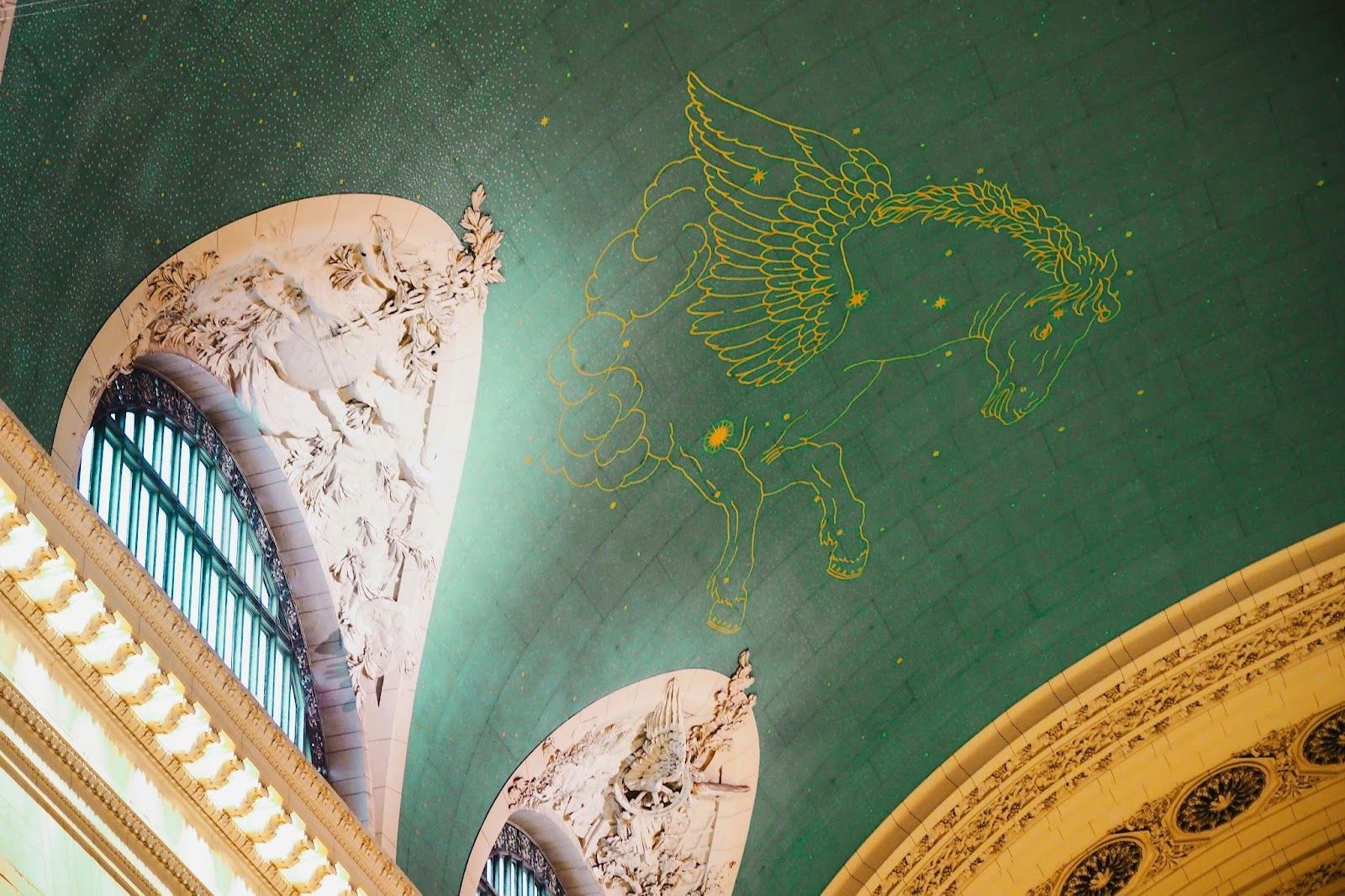
Image: Alexa Soh

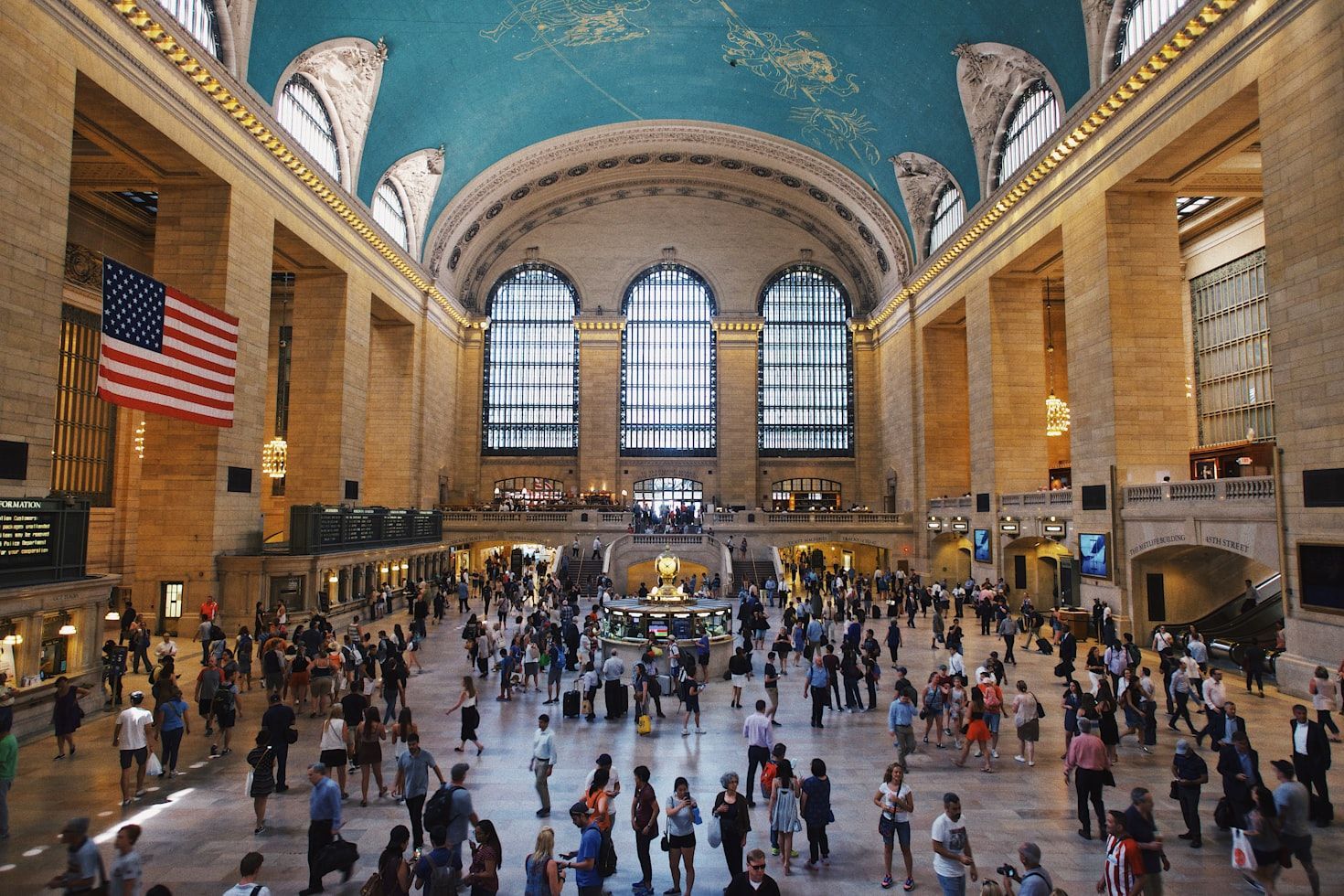
You may have seen images of Grand Central Terminal’s celestial ceiling —or seen it with your own eyes. But there’s a twist: Did you know that the constellations in it are painted backward?

The way they are represented is as if viewed from outside the universe, rather than from Earth. Whether it was a mistake by the artist or it was an intentional reverse on cosmic perspective, the terminal ceiling has looked like this since its opening in 1913.

6
The president who quietly ran a whiskey empire
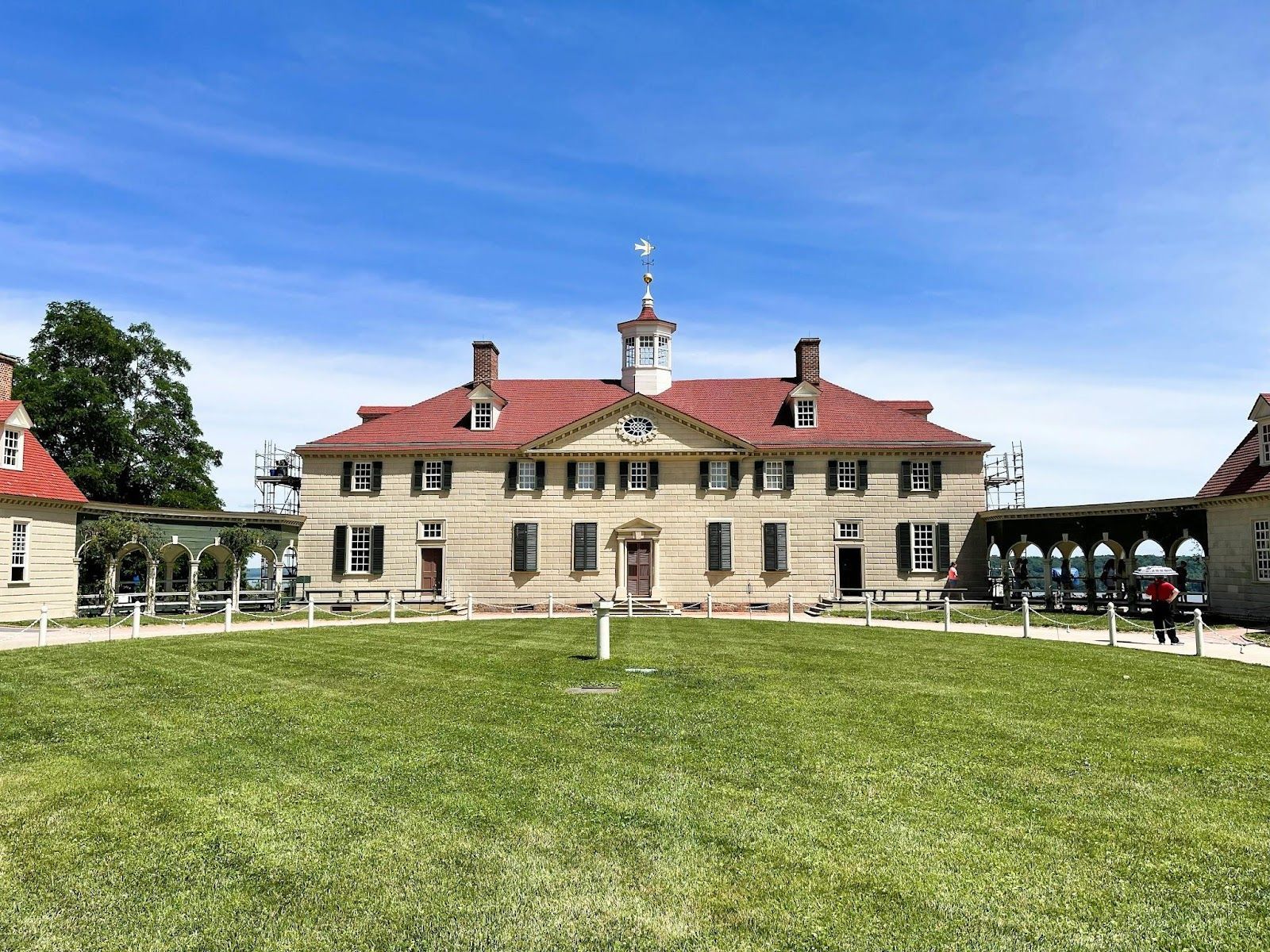
Image: Antonella Vilardo

George Washington is remembered as a general and a president, of course. But he was also a major whiskey producer. Hidden on the grounds of Mount Vernon was a fully functioning distillery, built in the late 1790s.

By the time of Washington’s death, it was producing nearly 11,000 gallons of whiskey a year. That made him one of the largest distillers in the young United States!

7
The iconic façade didn’t exist during the battle
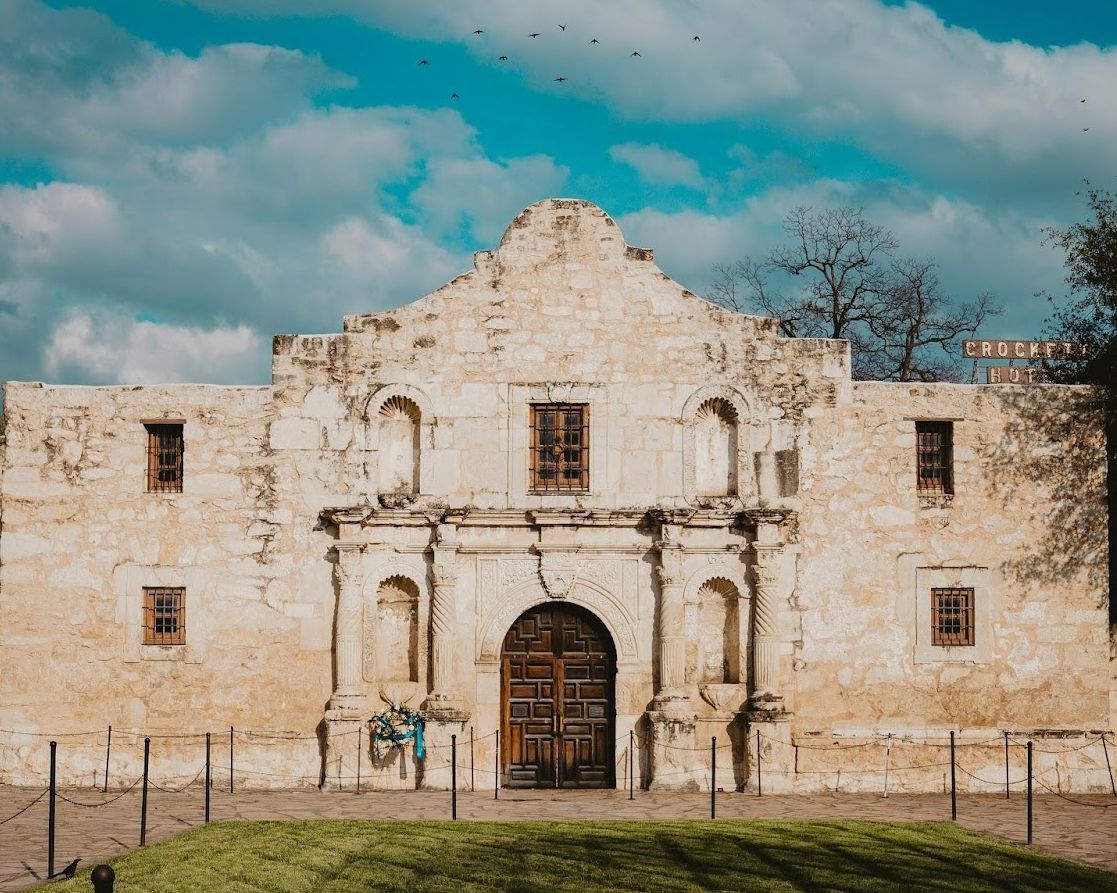
Image: Eric Francis

When you think of the Alamo, you surely picture its iconic façade. However, that structure was not part of the original mission!

During the famous 1836 battle, the building looked far simpler, and it lacked its now-famous curved top. That façade was added decades later by the U.S. Army when the structure was used as a supply depot

8
Why visitors can no longer climb to the torch
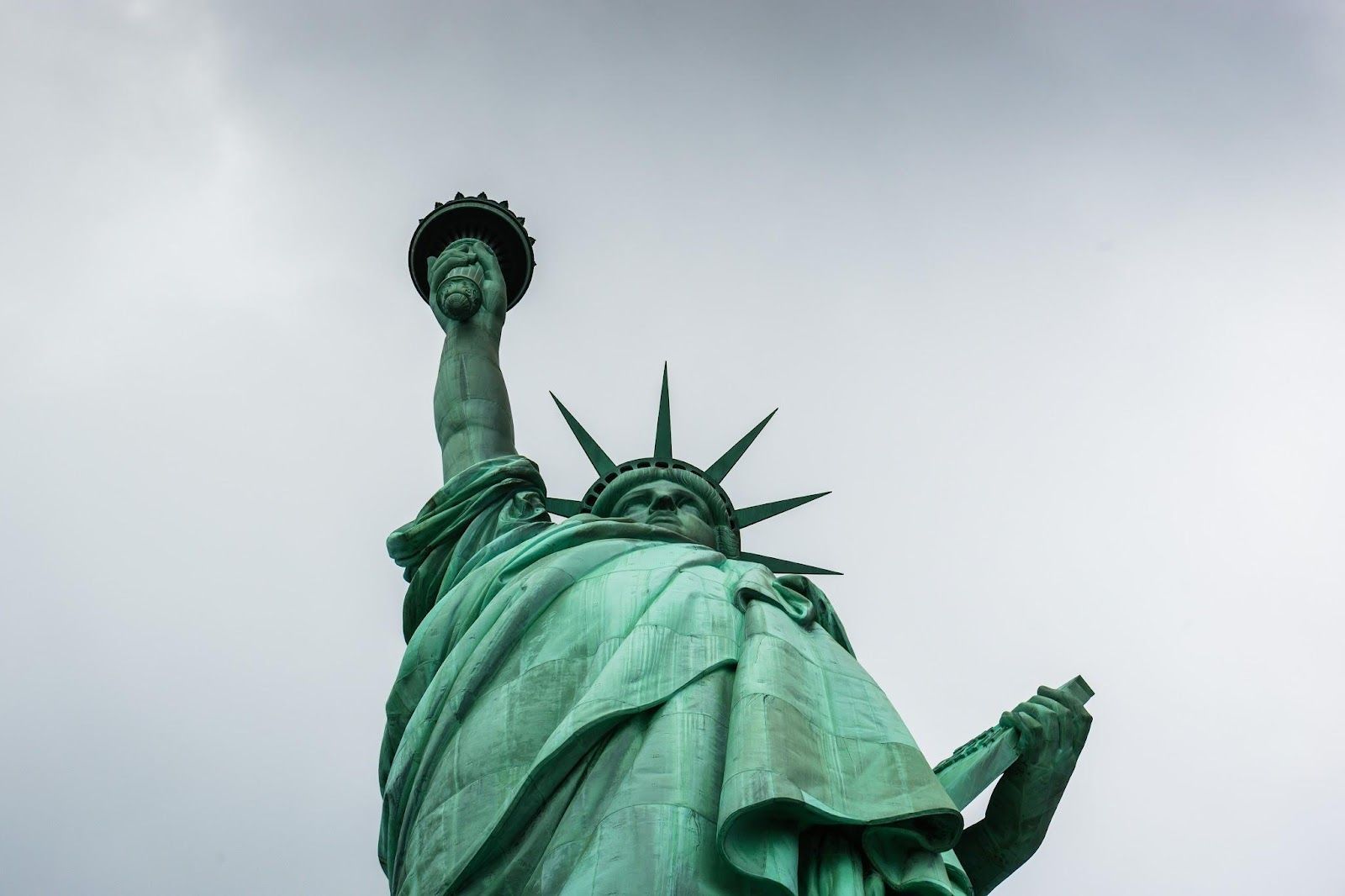
Image: Jason Krieger

Did you ever hear some old relative’s anecdote ot climbing all the way to the top of Lady Liberty’s torch? They weren’t lying: Up until 1916, visitors could. However, around that time, some explosions in a nearby munitions depot sent shockwaves through the statue.

The blast damaged the torch and weakened its structure. For safety reasons, access was permanently closed to the public.

9
The concrete that is still hardening today
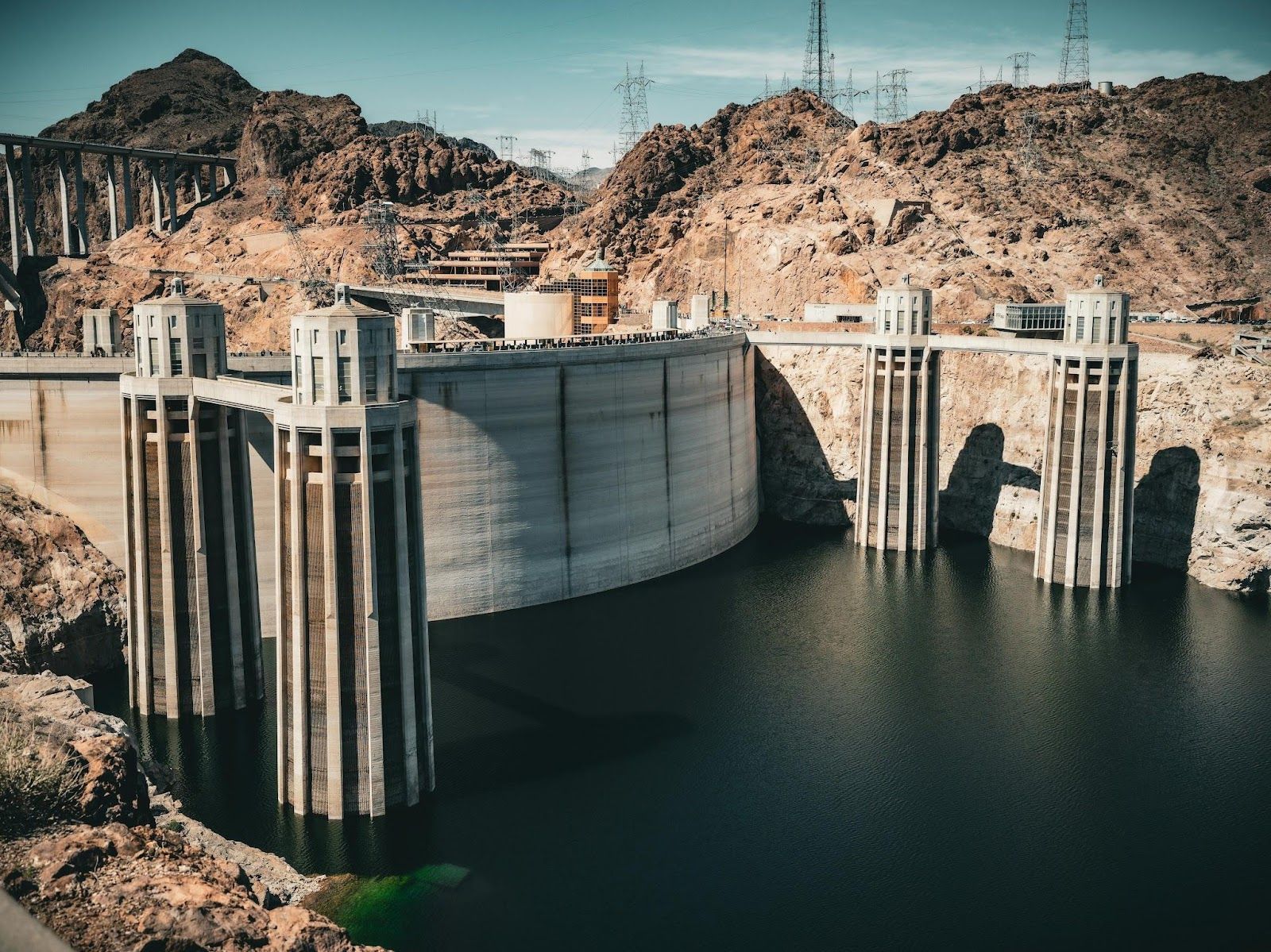
Image: Chase T

The Hoover Dam contains so much concrete that it generates heat as it cures. Engineers knew that if poured as one solid mass, it would take more than a century to cool and could crack.

Instead, they built it using interlocking concrete blocks, each cooled with circulating water. Even so, parts of the dam are still slowly curing today.

10
The building that accidentally cooked its neighbors
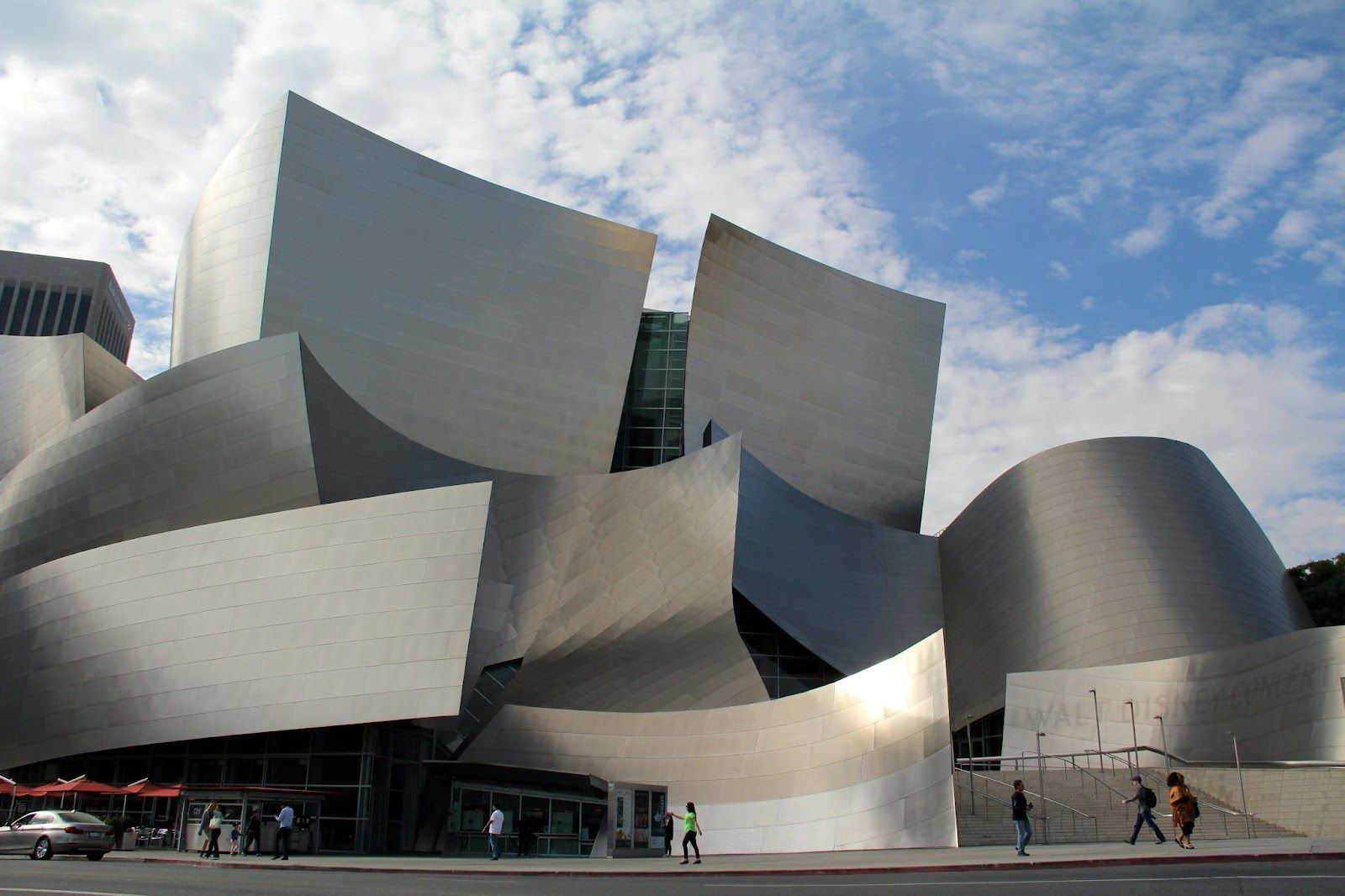
Image: Michael Beener

When the Walt Disney Concert Hall opened in Los Angeles, its gleaming metal exterior stunned visitors. But it also caused an unexpected problem…

The highly reflective steel panels bounced sunlight onto nearby sidewalks and apartments. In some spots, the glare was so intense that it melted materials! As a result, engineers eventually had to dull parts of the surface.

11
The Capitol’s dome isn’t stone

Image: Sins S

The grand, massive dome atop the U.S. Capitol looks like solid stone, doesn’t it? But, in fact, it is made of cast iron.

In the mid-1800s, stone was considered too heavy and expensive for such an ambitious structure. Cast iron allowed builders to create a taller, more ornate dome that weighs nearly nine million pounds.

Geography Geography 3 min read

Go beyond Tahoe

Discover 12 lesser-known, but beautiful lakes to visit in the U.S.

Image: Timo Stern

America the Beautiful is filled with stunning natural landscapes for everyone to enjoy. However, for various reasons, some places are far more popular than others, and lakes are no exception to this phenomenon. While lakes like Tahoe and the Ozarks can get quite crowded, many lesser-known lakes offer equally breathtaking views—without the crowds. Take a look at the following 12 and see if any catch your interest!

1
Sunapee Lake, New Hampshire

Image: Jackson Hendry

This serene glacial lake in southwestern New Hampshire is nestled within Mount Sunapee State Park. Its visitors will find a spacious beach for swimming, a boat launch, and hiking trails within the park area.

Beyond the summer season, the lake is particularly beautiful during fall, when the surrounding trees display a vibrant array of colors.

2
Ross Lake, Washington State

Image: Paul Pastourmatzis

The remote Ross Lake, located in the North Cascades region of Whatcom County, Washington, is a hidden gem off the beaten path. This stunning lake winds its way through the landscape at 1,600 feet above sea level, framed on all sides by towering mountains.

Campsites accessible by boat or hiking are available, and backcountry camping is allowed with a permit. Visitors to Ross Lake come for trout fishing , canoeing , kayaking , and hiking .

3
Lure Lake, North Carolina

Image: Blake Wheeler

The gorgeous Lake Lure stretches along the base of Hickory Nut Gorge in the mountains of western North Carolina. If its shores look familiar, it’s because Patrick Swayze and Jennifer Grey filmed scenes here for the classic movie Dirty Dancing . The lake offers beaches and hiking trails for visitors to explore.

4
Ouachita Lake, Arkansas

Image: Aaron Burden

Nestled in the hills of the Ozarks, Lake Ouachita is home to a unique creature swimming beneath its surface—freshwater jellyfish. Unlike their saltwater relatives, these invertebrates are harmless and rarely found elsewhere. The lake also boasts over 200 uninhabited islands for visitors to explore.

5
Hamilton Pool Preserve, Texas

Image: Matthew Daniels

Located near Austin, the Hamilton Pool Preserve is a favorite summertime retreat for locals when the heat becomes overwhelming. This stunning natural pool was formed when the roof of an underground river collapsed after thousands of years of erosion.

Water from Hamilton Creek spills over the edge of the collapsed dome, creating a 15-meter waterfall that flows into the grotto below. The preserve also features hiking trails and picnic facilities for visitors to enjoy.

6
Almanor Lake, California

Image: Simon Berger

While most travelers visit the Northern Sierras for trekking, the region also boasts excellent swimming spots with magnificent backdrops —Lake Almanor being no exception.

This man-made lake sits within Plumas National Forest, adjacent to Lassen Volcanic National Park, offering visitors breathtaking views of the park’s namesake volcano.

7
Mono Lake, California

Image: Leo_Visions

Another California lake, Mono is not only the oldest in the entire US but also one of the oldest in the Western Hemisphere. Surrounded by the Sierra Nevada Mountains, it features towering limestone columns that rise dramatically from the lake bed. Mono Lake also serves as a vital habitat for migratory birds, which feed on the brine shrimp that thrive in its salty waters.

8
Bear Lake, Utah

Image: Daniel Bowman

When it comes to lakes in Utah, there’s more to explore than just the Great Salt Lake or Lake Powell. Bear Lake, a crystalline body of water straddling the Idaho–Utah border, is often called the " Caribbean of the Rockies " due to its striking bright blue hue, caused by suspended limestone in the water.

9
Blue Mesa Reservoir, Colorado

Image: Rocco Caruso

Next to the aforementioned Utah, Colorado is also home to a stunning yet relatively uncrowded lake—the Blue Mesa Reservoir. This picturesque body of water , surrounded by golden hills and rocky outcroppings, lies at the end of an hour-long hike down the Gunnison River Gorge.

10
Cave Run Lake, Kentucky

Image: Craig McLachlan

Cave Run Lake is located among the trees of Daniel Boone National Forest. The blue-toned water attracts fishermen, boaters, and swimmers alike to enjoy an escape from the heat, while its shores feature beaches and activity areas perfect for families.

11
Mooselookmeguntic Lake, Maine

Image: Les Anderson

This stunning Maine lake, part of the Rangeley Lakes region, is a renowned fishing hotspot . The distinctive shape of the lake can be appreciated from the Height of Land lookout, making it a must-visit for those seeking tranquility and outdoor adventure.

12
Hanging Lake, Colorado

Image: Irene Dávila

Reaching Hanging Lake requires a 1.2-mile hike, but the breathtaking views make the effort worthwhile. This stunning lake was formed by a geological fault , which caused it to separate from the valley above , leaving it suspended atop the cliffs of Glenwood Canyon.

Geography Geography 3 min read

10 American train stations that are a work of art

Image: Brady Hood

Many of America's train stations are much more than just transit hubs; they are authentic architectural marvels with distinct designs and rich histories. Built mostly in the first half of the 20th century, these spaces reflect the culture and confidence in the future of our nation. Would you like to know more? Join us as we go through 10 railway stations that make this country proud.

1
Union Station, Washington, D.C.

Image: Caleb Fisher

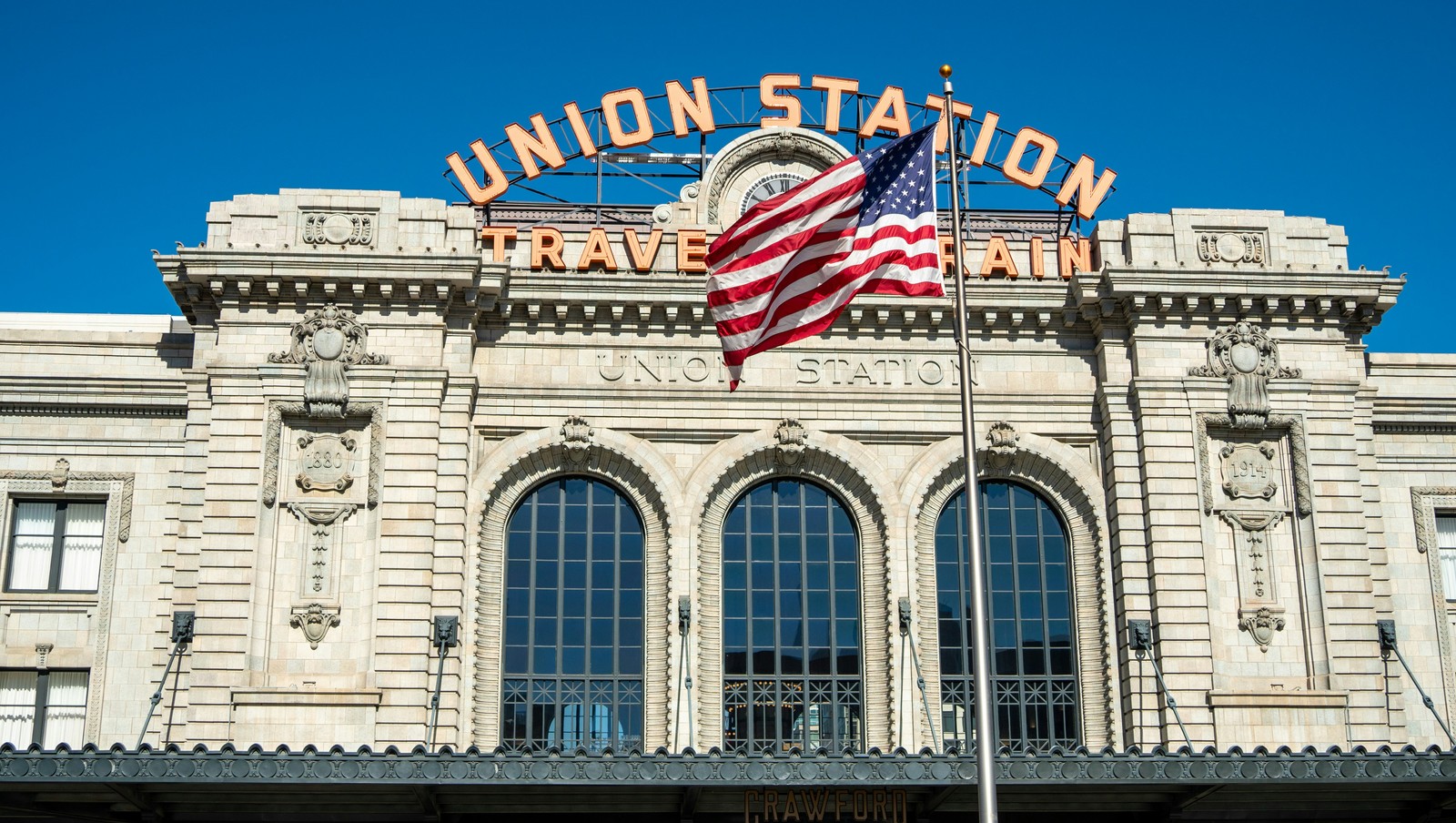
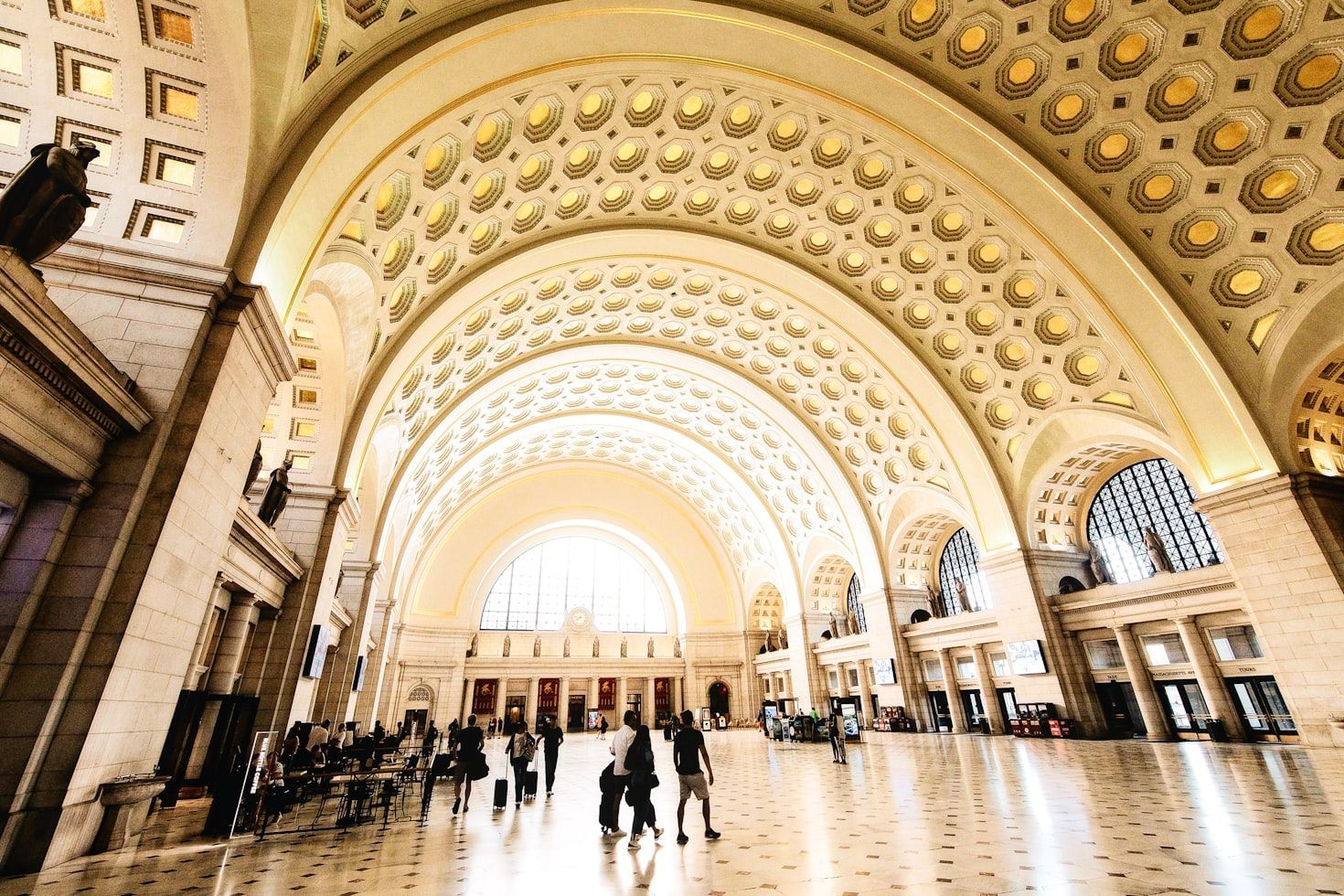
Washington Union Station, opened in 1907, is a fine example of Beaux-Arts architecture. Built to serve as one of the busiest transit hubs in the country, no expense was spared. The architect was inspired by ancient Roman baths. The main hall is guarded by rows of marble centurions, and the coffered ceiling is laced with gold leaf. If you want to contemplate marvellous architecture while having lunch alongside city workers and members of Congress, this is the place!

2
Penn Station, New York City

Image: c

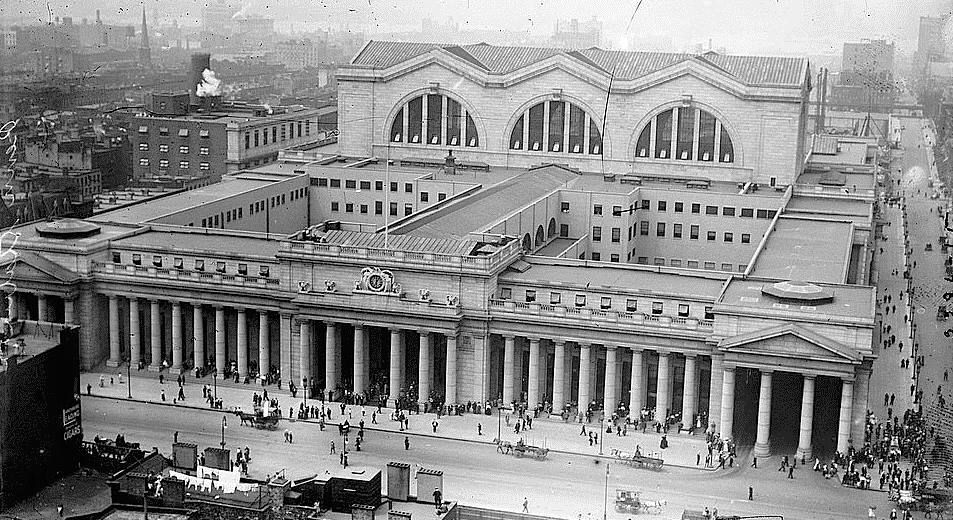
Probably one of the world’s greatest railway stations was built in New York in 1910. And we are not talking about the famous Grand Central Terminal. The original Beaux-Arts building that was once home to Penn Station in Manhattan was an architectural masterpiece. It boasted grandiose interiors, huge waiting areas, and granite Doric columns. Unfortunately, in 1963, it was demolished to make room for Madison Square Garden, forcing the station to go underground.

3
Penn Station, Newark

Image: Pixabay

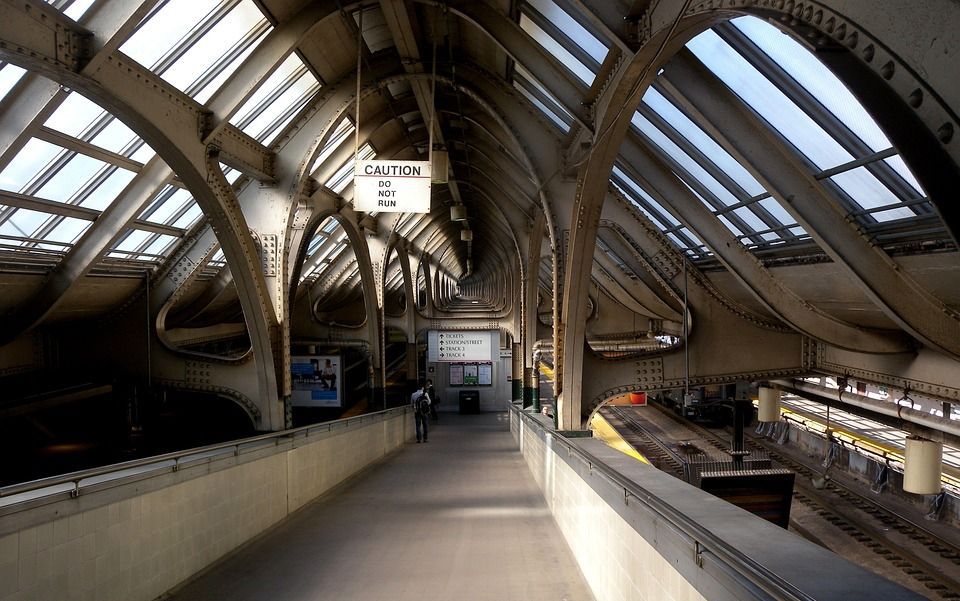
Penn Station in New York may not have survived, but a smaller-scale version still stands in Newark. New Jersey’s Neoclassical and Art Deco marvel was built in 1935 by the same architectural firm as the one in Manhattan. Featuring ornate archways, red terrazzo flooring, and green terracotta decorations, it may be less grandiose than its predecessor, but it still maintains much of its glamour.

4
30th Street Station, Philadelphia

Image: Nils Huenerfuerst

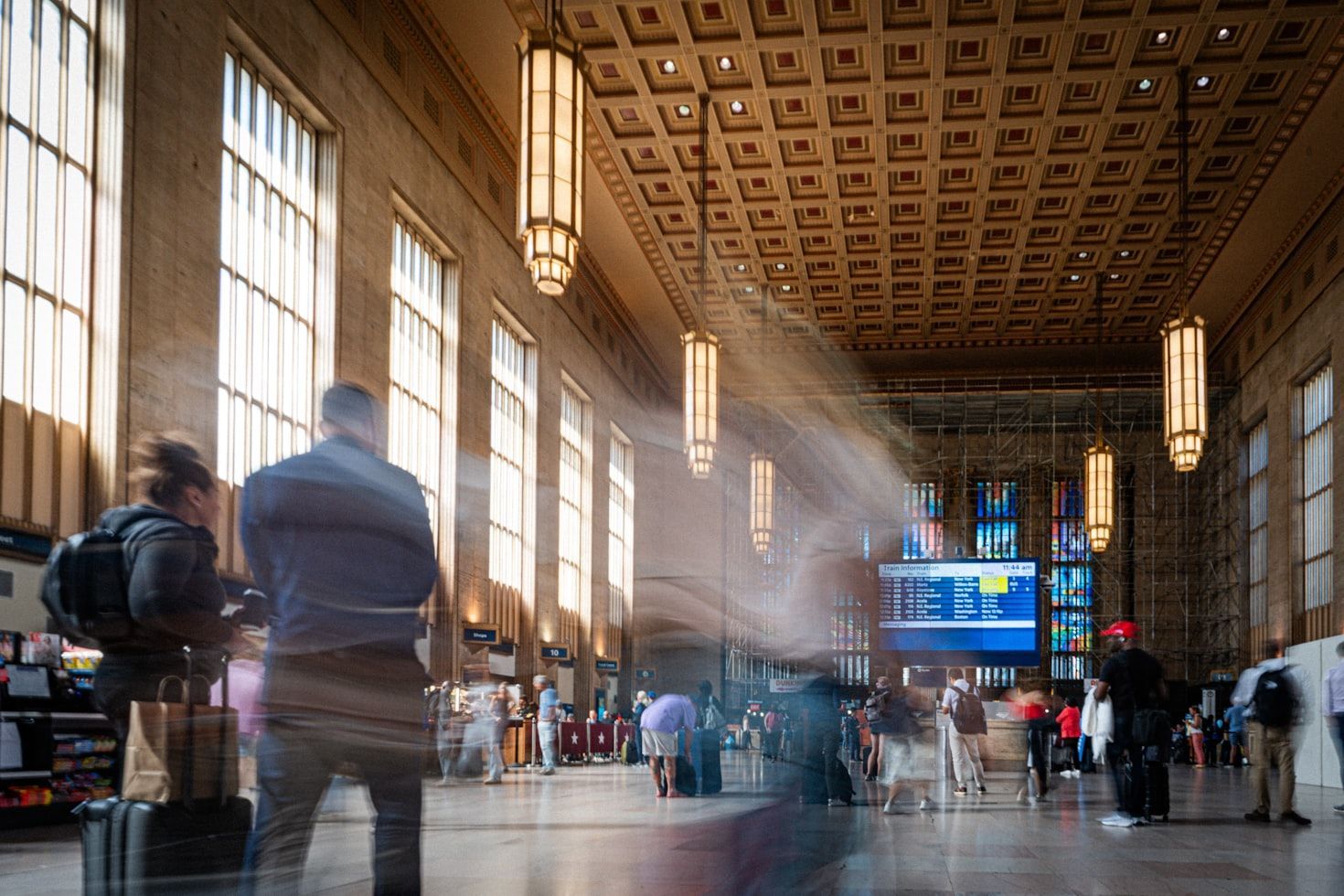
Completed in 1933, 30th Street Station in Philadelphia features a Neoclassical facade framed by 70-foot Corinthian columns. Inside, a spectacular Art Deco main concourse with a coffered ceiling adds to the station’s opulence. Fortunately, this terminal managed to preserve its former glory, and it is still in use today.

5
Main Street Station, Richmond

Image: Tangie Bodden

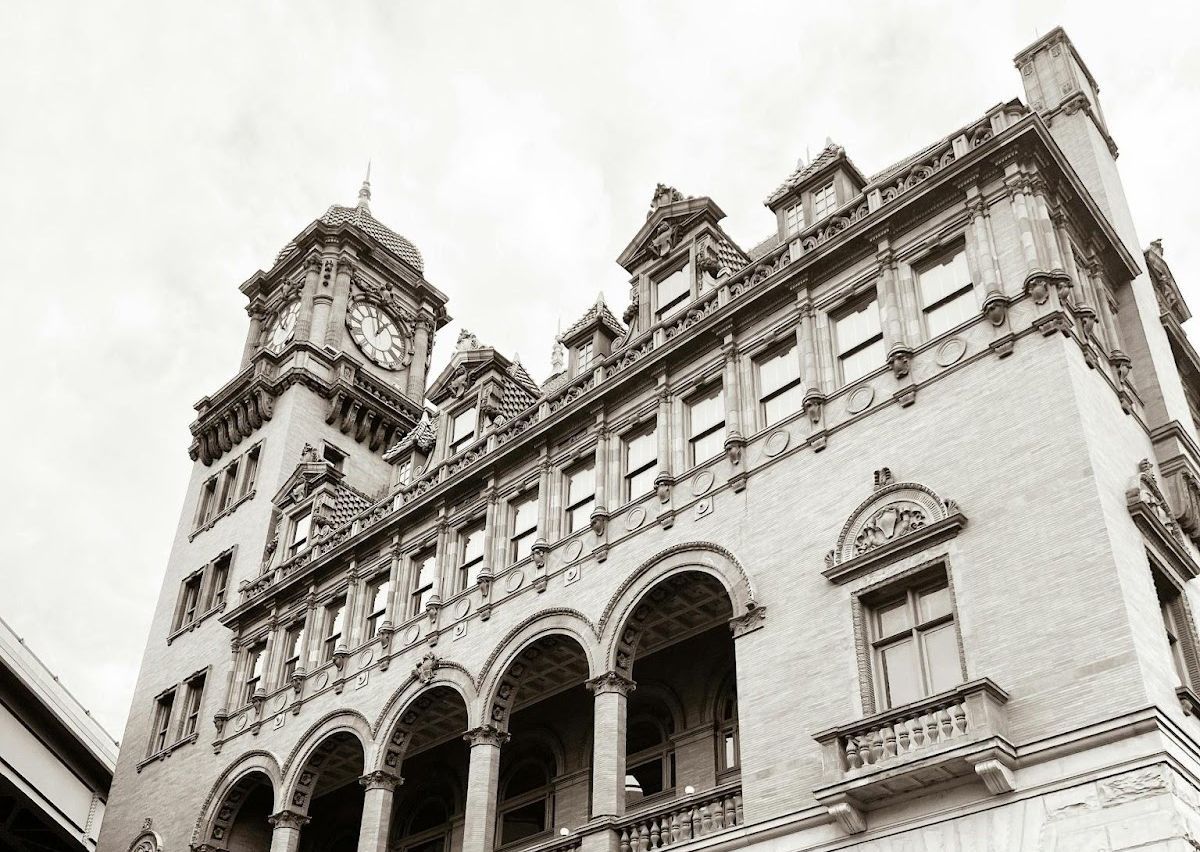
Main Street Station’s second Renaissance Revival architecture lights up the capital city of Virginia. Built at the turn of the century, it stands out mainly for its 110-foot brick clock tower. Past its glory days, it was neglected and suffered several damages, such as floods and fires. Fortunately, in 2003 it was restored, and today it is once again a major transit hub.

6
Birmingham Terminal Station

Image: Self-scanned, Public domain, via Wikimedia Commons

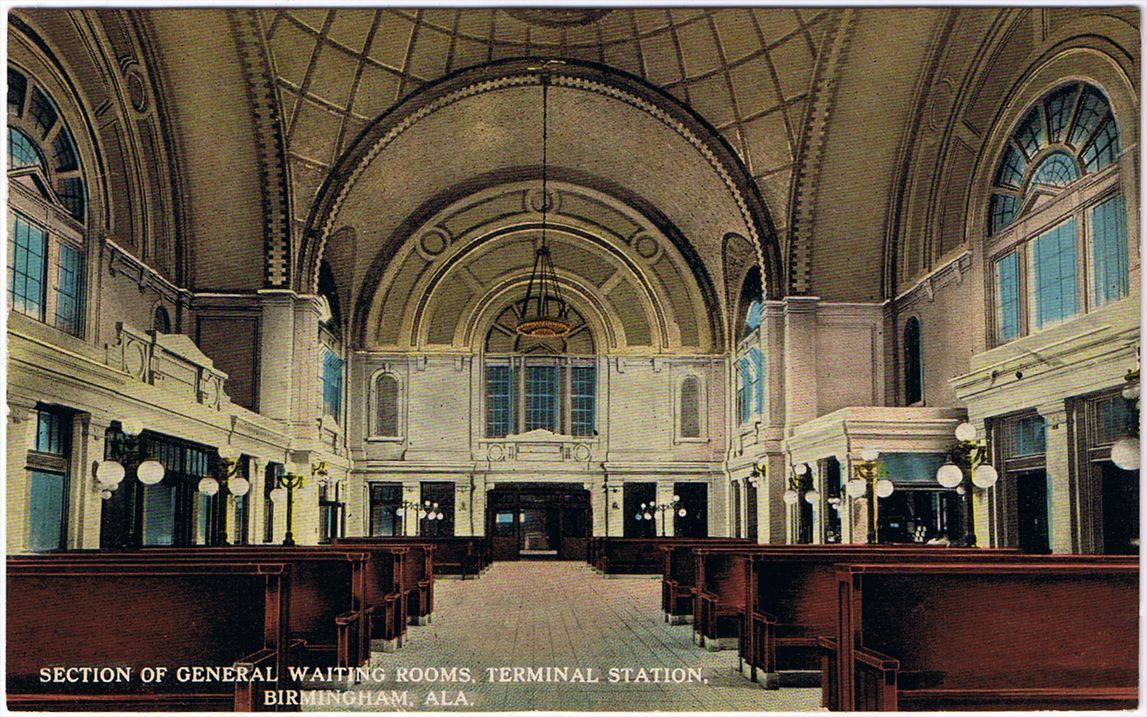
Meant to be travelers' first impression of the city, Birmingham Terminal Station once managed to astonish and amaze. Built in a Byzantine, Beaux-Arts style, it operated from 1909 to the 1950s. As automobile and air travel flourished, the station fell into disuse and was ultimately demolished in 1969 to make way for a new highway. A huge loss for the Magic City.

7
King Street Station, Seattle

Image: Zoshua Colah

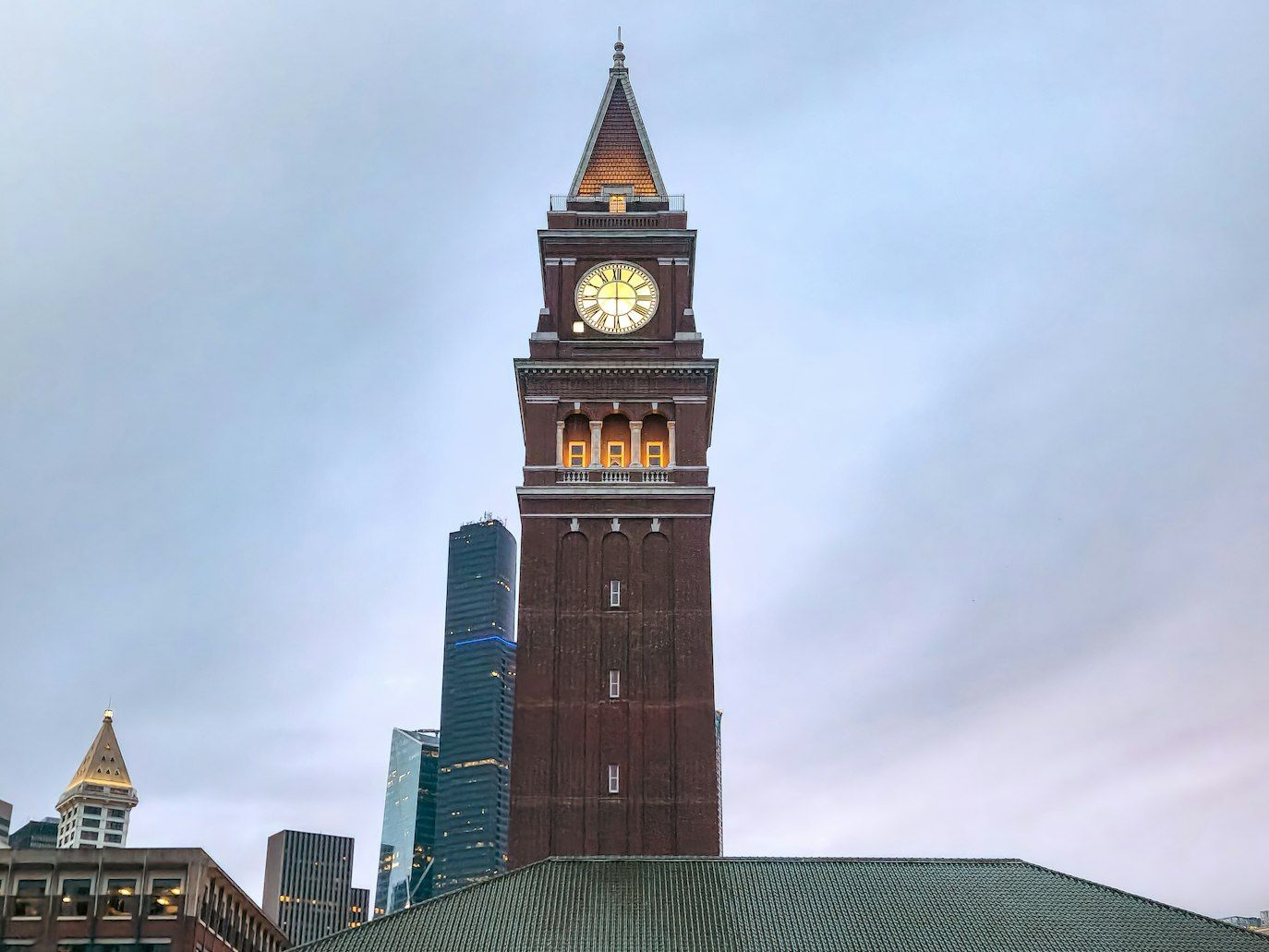
King Street Station in Seattle was built at the beginning of the 20th century with a mix of architectural styles. Its main feature is a 242-foot tower modeled after the grand Campanile di San Marco in Venice. King Street Station also boasts intricate terrazzo and mosaic floors and ornamental plaster ceilings that were restored in 2010 to their former splendor.

8
Cincinnati Union Terminal

Image: Sean Foster

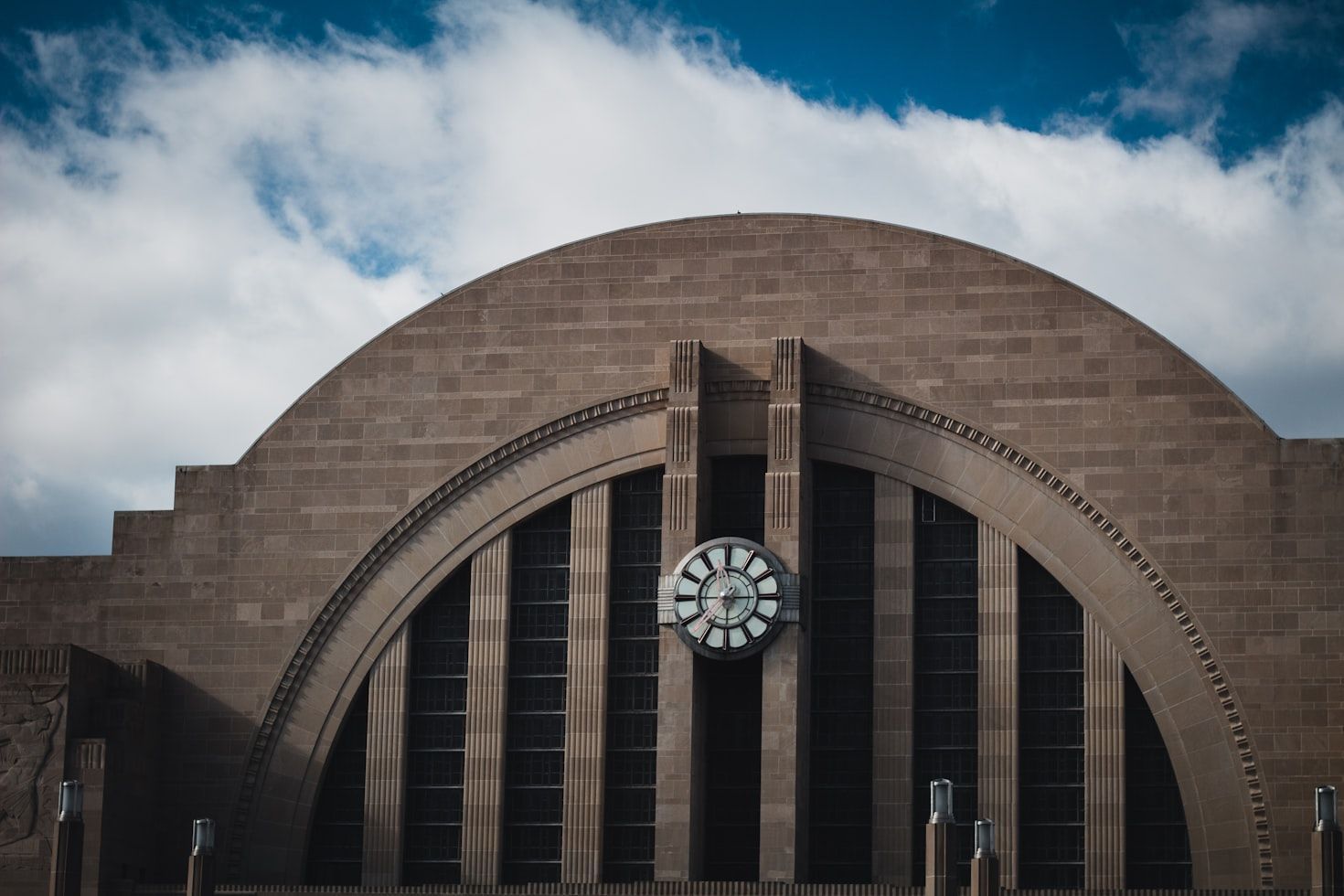
Cincinnati Union Terminal in Ohio is one of the boldest examples of Art Deco architecture in the United States. Its ten-story, half-domed entrance, green terrazzo, and the large rotunda decorated with industrial murals by Winold Reiss make this station a true architectural masterpiece. In fact, it is considered the greatest work of Alfred T. Fellheimer, who had previously designed Grand Central Terminal in New York City.

9
Union Station, Los Angeles

Image: Tichnor Brothers, Publisher, Public domain, via Wikimedia Commons

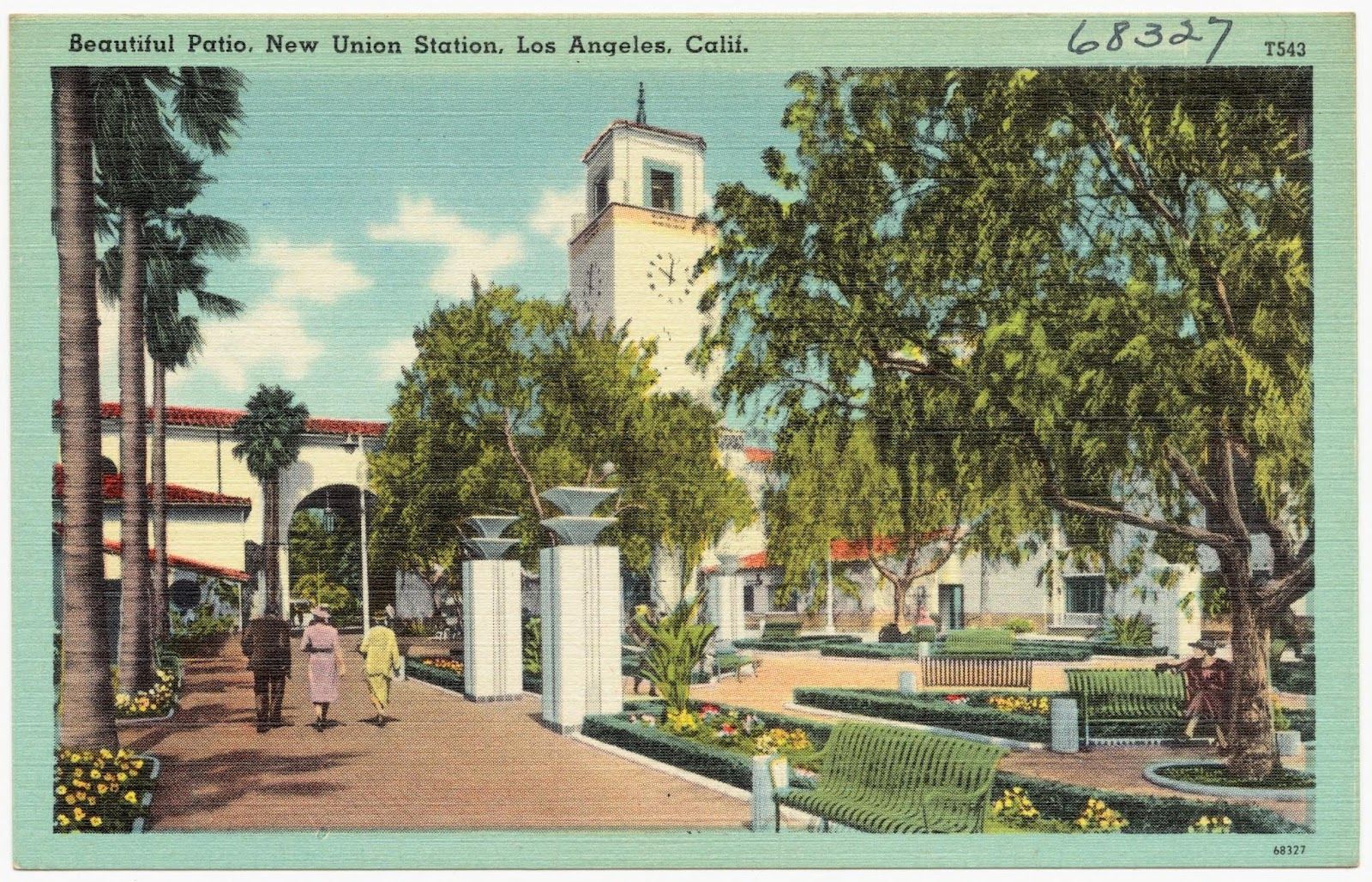
With a unique "Mission Moderne" style, Los Angeles’ main railroad station blends Spanish Colonial and Art Deco influences. Opened in 1939, it was built with a mix of terracotta and marble. It also features intricate tilework, beautiful courtyards, and a prominent 125-foot clock tower. Certainly a fine example of Southern California’s glamour.

10
Grand Central Terminal, New York City

Image: Robert Bye

One of the nation’s busiest stations, New York City’s Grand Central, is famous for its magnificent Beaux-Arts style. The terminal, located in Midtown Manhattan, opened in 1913. It features a signature four-faced Tiffany clock and a celestial dome above the main concourse that draws the sighs of travelers from all over the world.

Explore more American facts

Choose your favorite category!

General
General

As American as apple pie—the very best America has to offer!

Culture
Culture

Delve into the astounding richness of American lore.

Geography
Geography

Hop in and explore vast and diverse American landscapes.

History
History

Discover the key moments that shaped the United States.