Culture Culture 3 min read

Celebrating the weird

These 12 bizarre American festivals will raise more than a few eyebrows
Image: John Thomas

As one might expect, our country has no shortage of unusual celebrations, and some towns have turned the unexpected into a full-blown yearly tradition. From underwater concerts to rolling outhouses, these festivals prove that we love a good surprise. Take a look at the following 12 and see which one you would like to visit!

1
Burning Man – Nevada
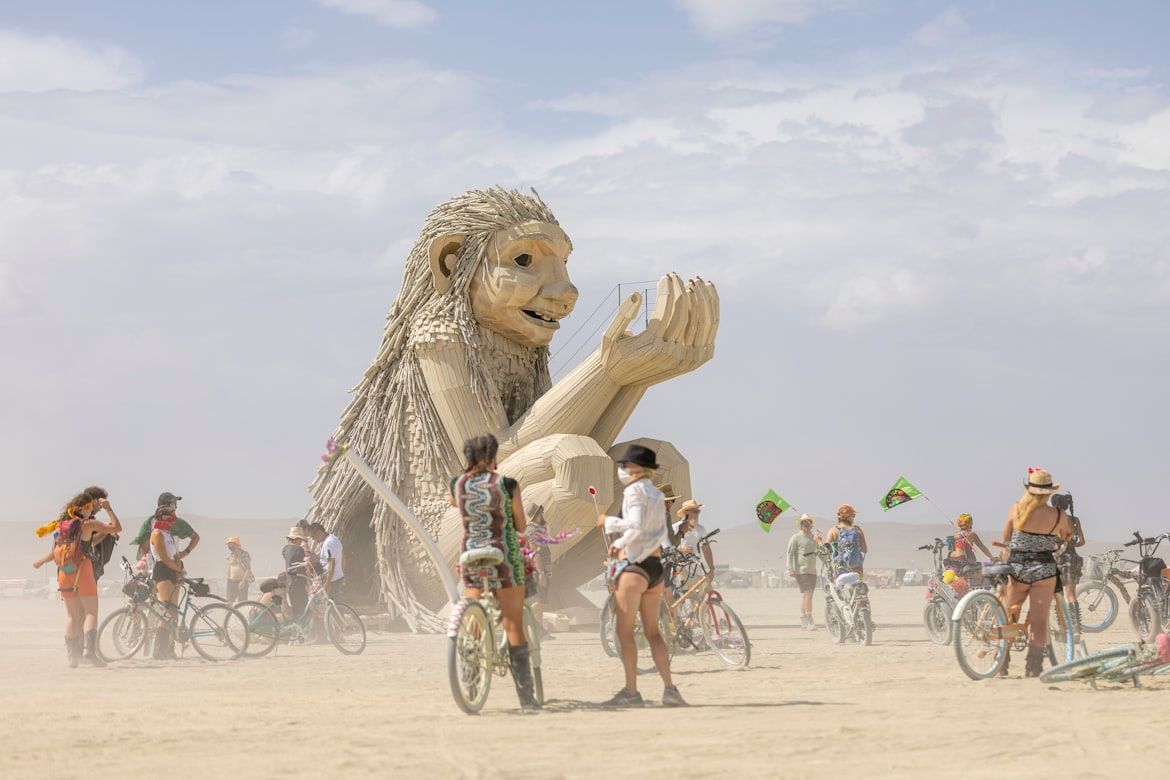
Image: Leo_Visions

We will start with the most popular and commercial option among the lot. Held in the Nevada desert, Burning Man builds a whole temporary city devoted to creativity and giant art installations that rise from the dust, glowing at night.

The week ends with the burning of a massive wooden figure. This massive festival is attended by thousands of people, from tech tycoons to regular folks looking for an interesting experience.

2
Mothman Festival – West Virginia

Image: Joe Green

The second and last "...man" festival in our list celebrates the legendary Mothman . Visitors enjoy costumes, speakers, and cryptid-themed fun downtown.

The atmosphere is friendly and playful, blending folklore with small-town charm. It’s a surprising mix of spooky stories and a full festival atmosphere.

3
Underwater Music Festival – Florida
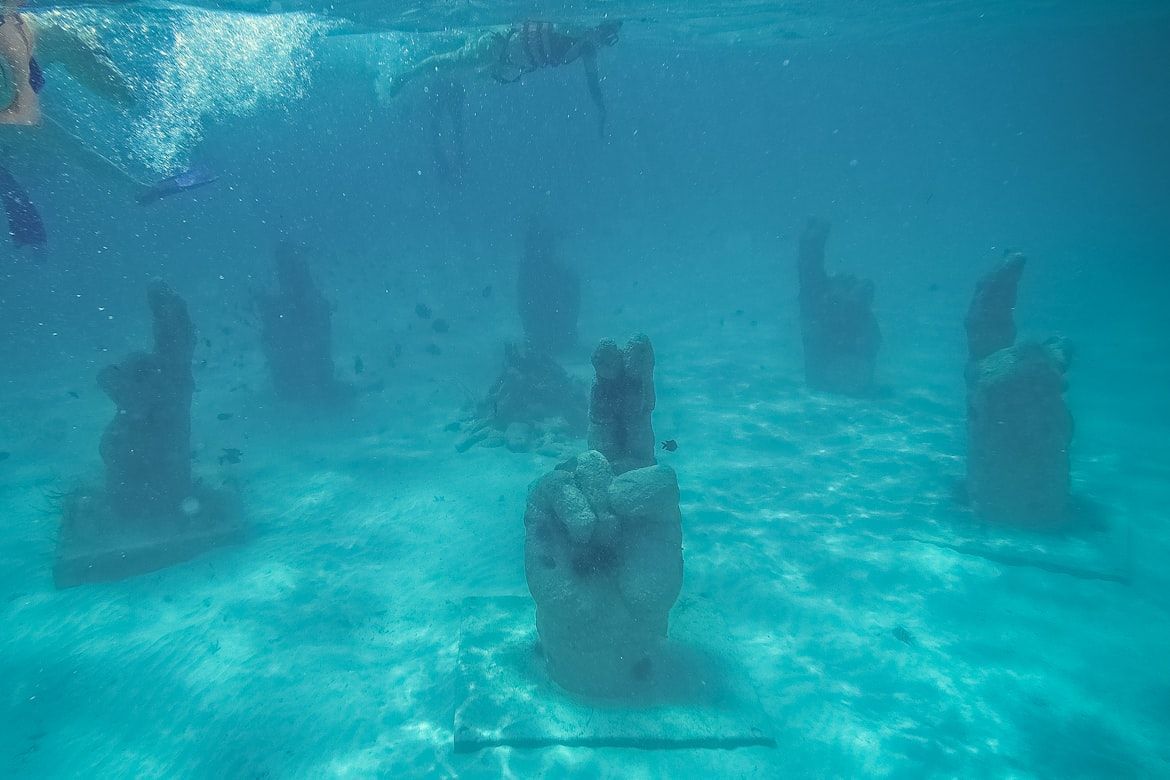
Image: Miltiadis Fragkidis

In this highly unusual event, snorkelers and divers gather to hear music underwater in the Florida Keys. It’s both a concert and a celebration of the local reef.

Participants float among colorful fish while tunes echo beneath the waves . This beautiful experience is designed to raise awareness for ocean conservation.

4
Frozen Dead Guy Days – Colorado
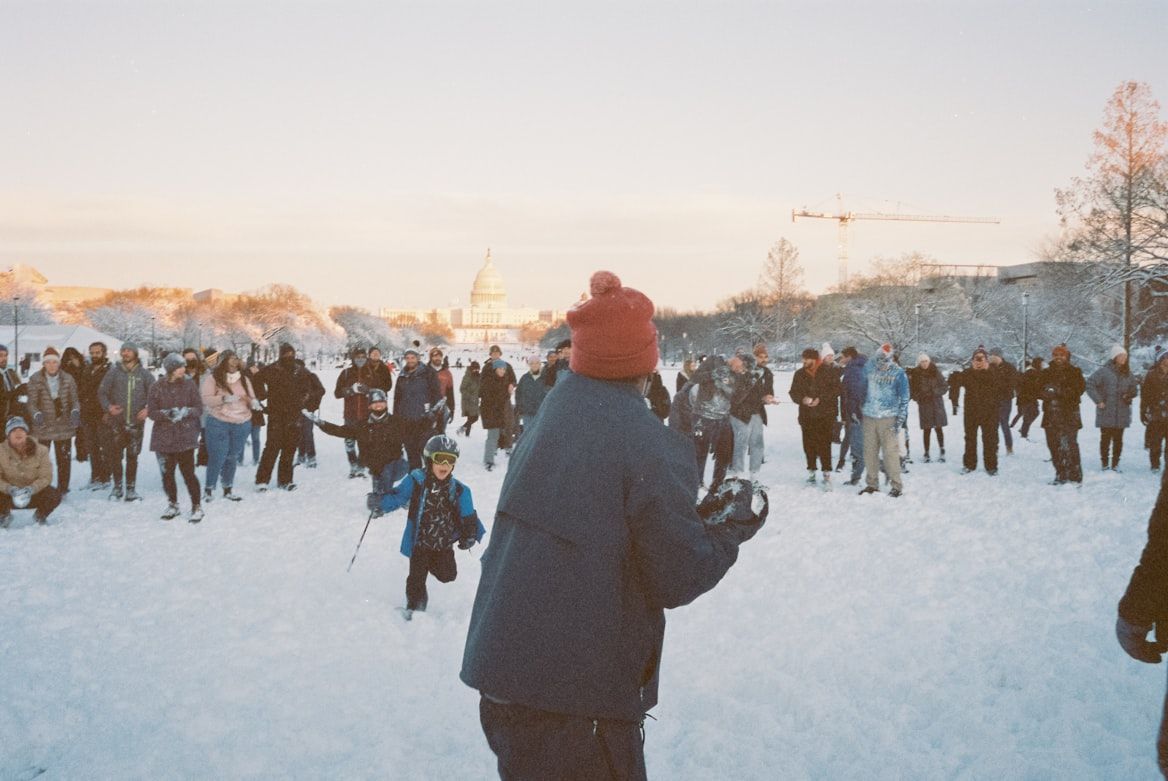
Image: Hayes Potter

Not a man, but a guy here. This Colorado festival honors an unusual legend: an individual kept in cryogenic storage in town . Events include (yes) coffin races, oddball contests, and winter fun.

Locals and visitors turn the strange story into a joyful celebration that attracts many visitors every year.

5
Roswell UFO Festival – New Mexico
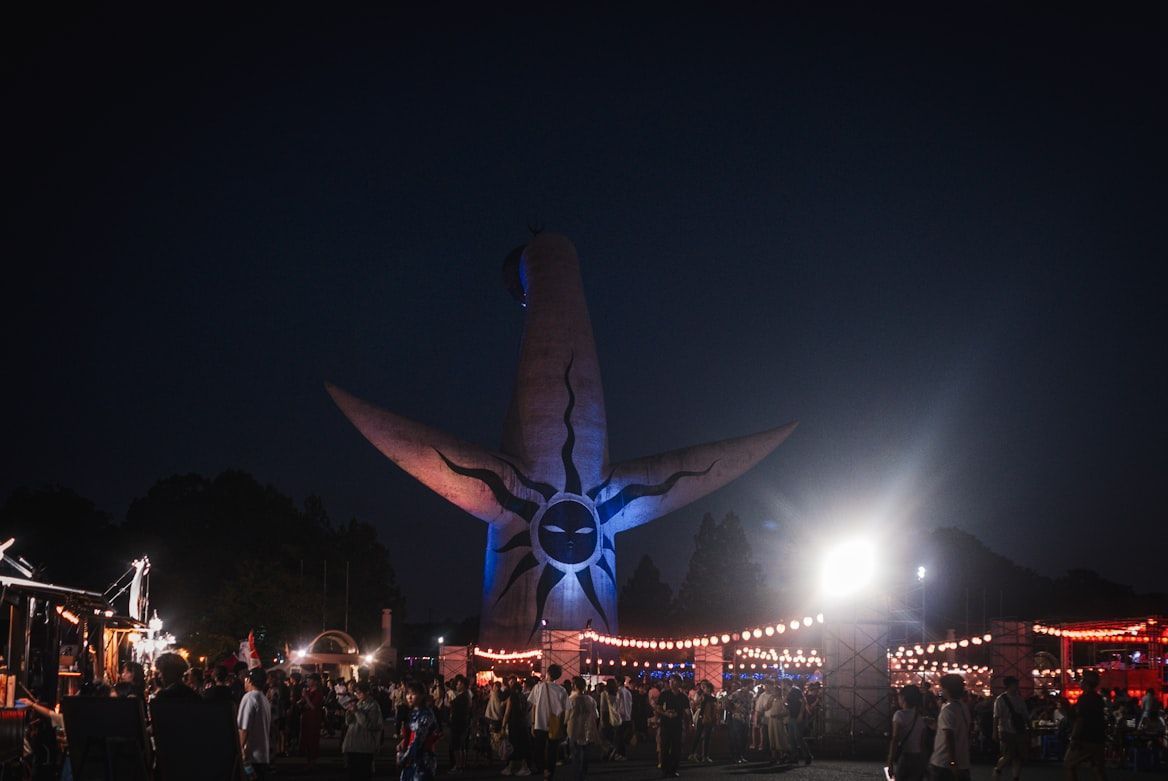
Image: moollyem

Roswell leans into its extraterrestrial fame with parades, costumes, and alien-themed games . Groups of friends and families stroll through downtown, surrounded by bright green mascots.

Guest talks and exhibits revisit the famous 1947 incident. Whether you’re a believer or just curious, it’s a cheerful dive into the UFO scene in America.

6
World Championship Outhouse Races – Nevada
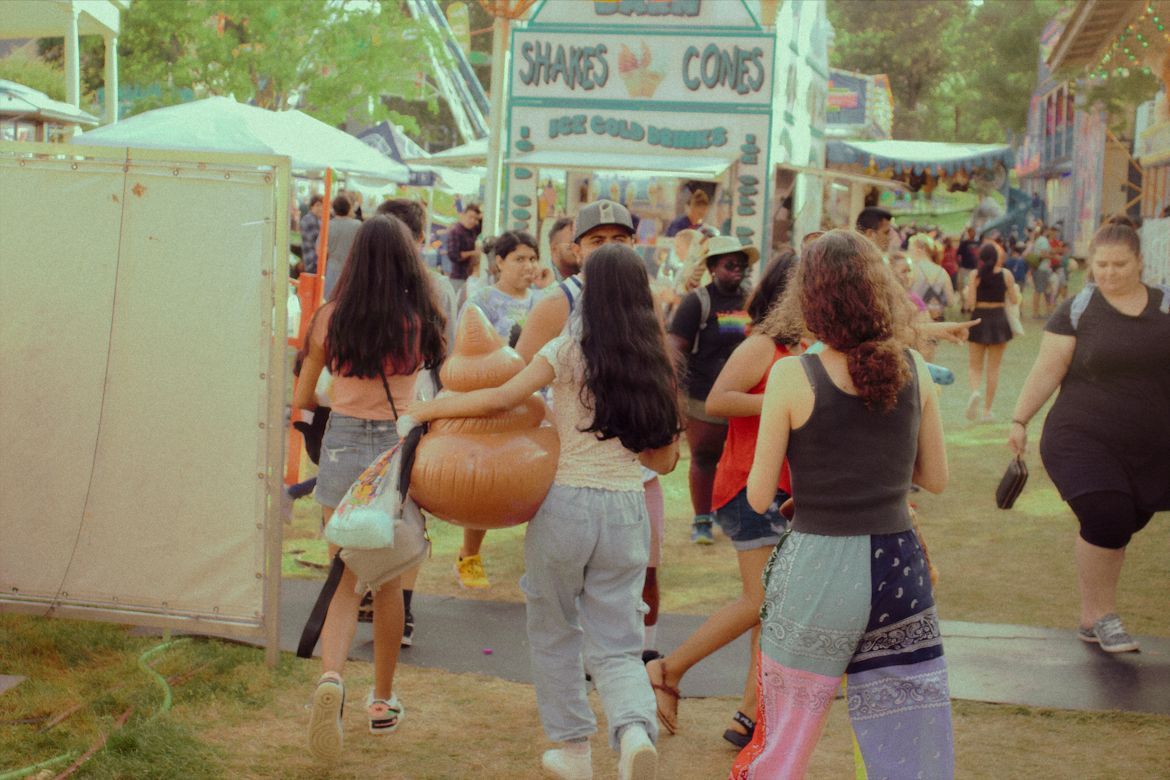
Image: Yiquan Zhang

Virginia City hosts races where teams push decorated outhouses down Main Street . It’s fast, funny, and downright bizarre.

The event honors the town’s mining-era history by reflecting on the everyday living conditions of the miners (but with a smile).

7
Giant Pumpkin Regatta – Oregon
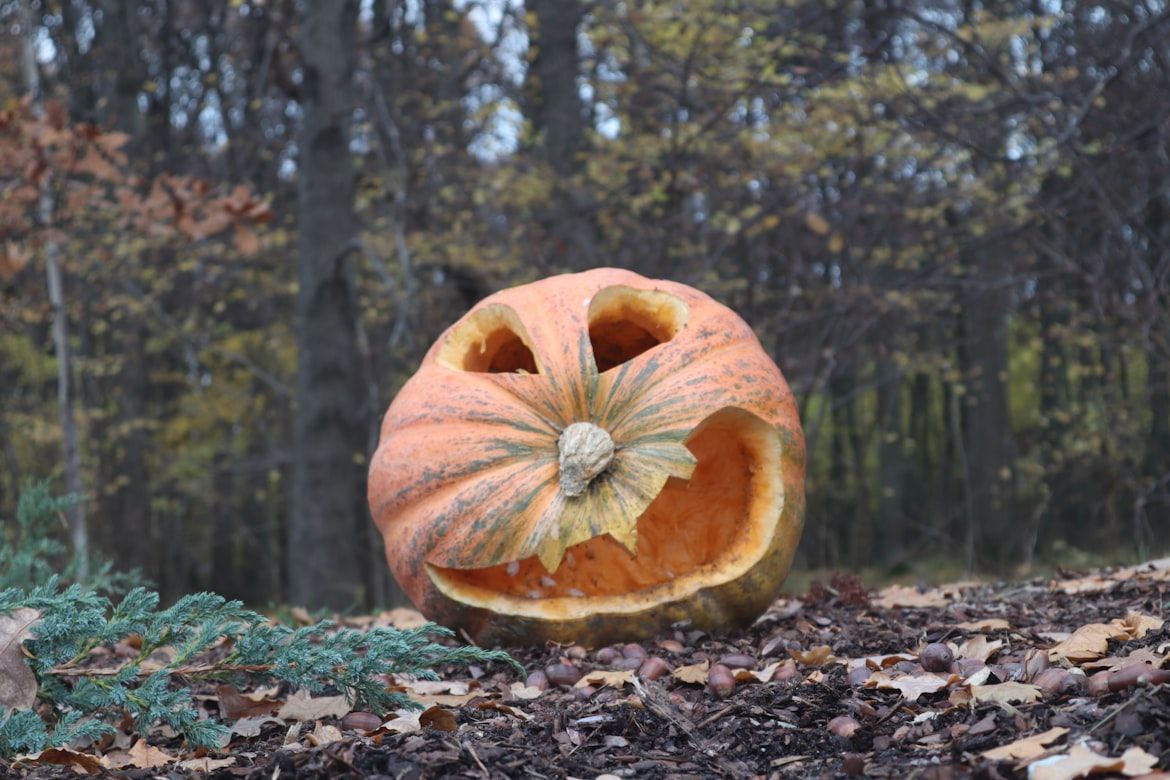
Image: Alex Dadukin

Each fall, racers climb into hollowed-out giant pumpkins and paddle across a lake . With costumes, as it should be.

Spectators line the shore laughing as pumpkins wobble, spin, and sometimes sink. It’s an amazing seasonal tradition built to display uniqueness at its peak.

8
Corgi Beach Day – California
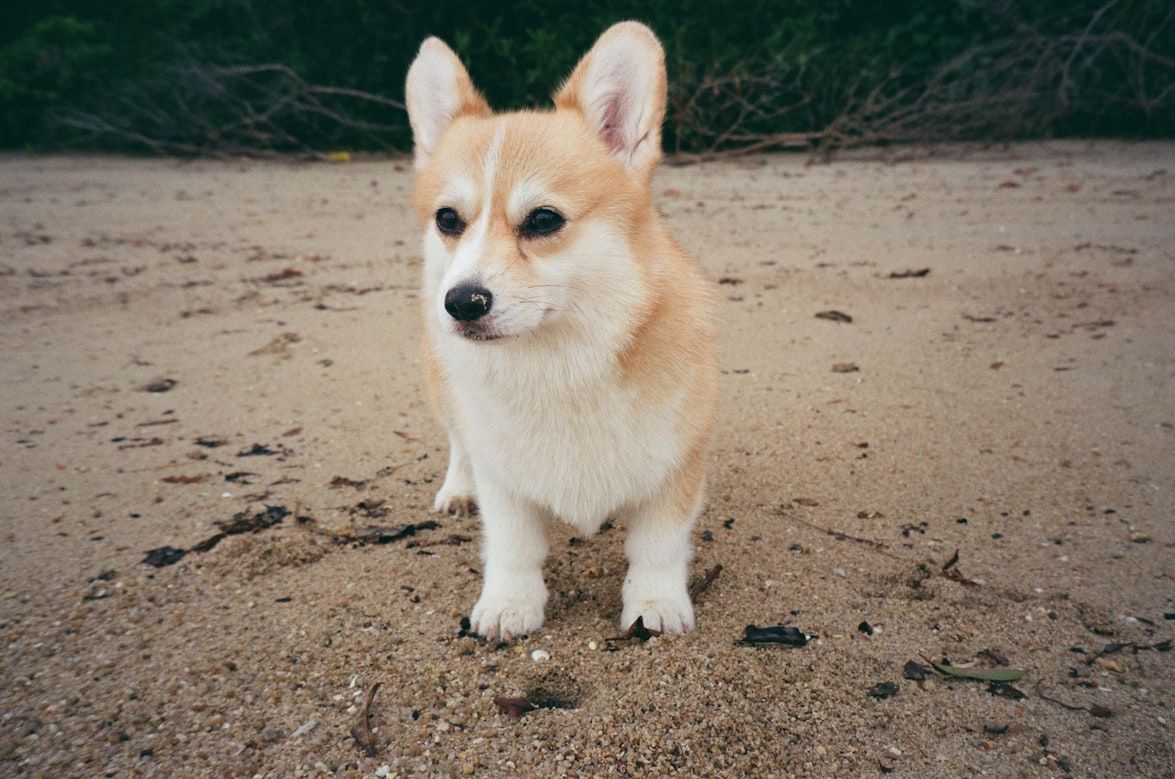
Image: Xennie Moore

Every year, Huntington Beach fills with hundreds of corgis dressed as sharks, surfers, and superheroes , among other themes. There are races, photo ops, and plenty of sand.

Owners chat and mingle while the dogs bounce through the waves. It’s an adorable festival that celebrates fun over the formality that is sometimes associated with this breed.

9
Humongous Fungus Fest – Michigan
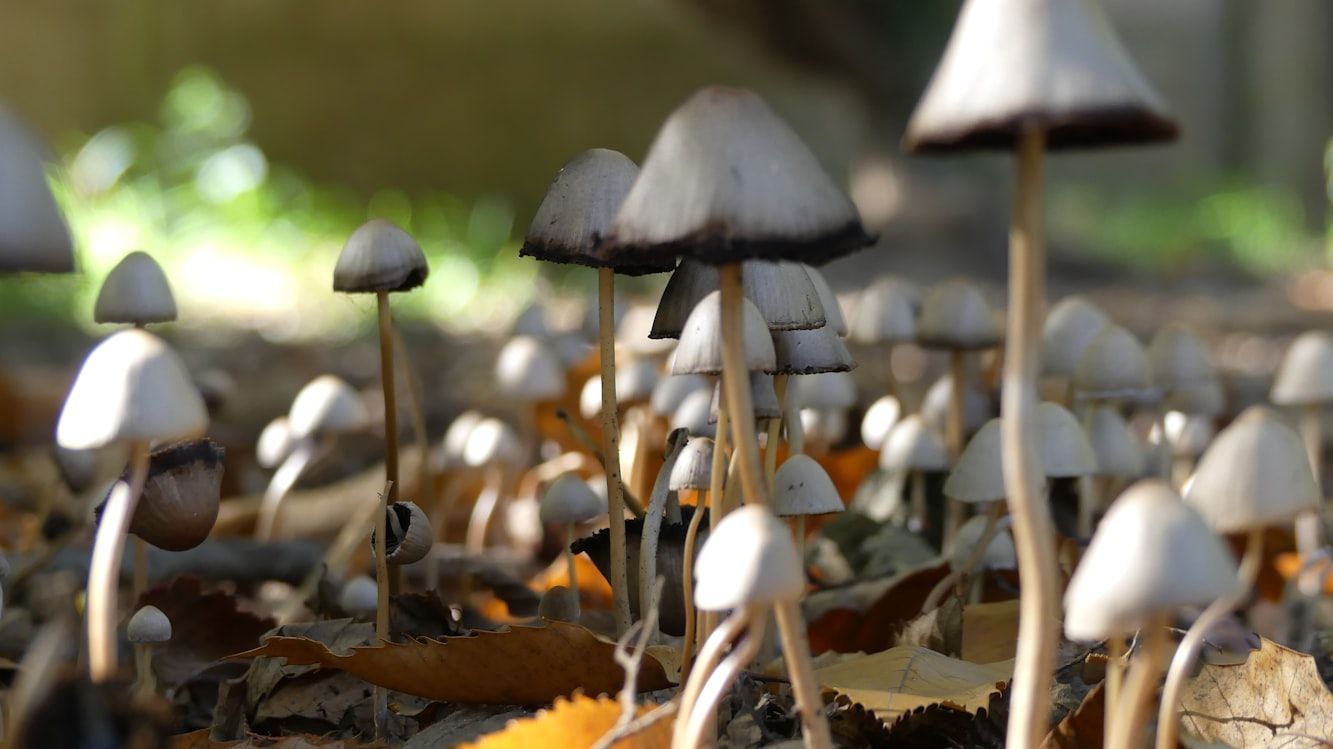
Image: Cintya Hernandez

Each year, Crystal Falls honors a giant living fungus beneath the town with parades, food, and music . It’s a celebration that might seem odd to the uninitiated, but it is greatly appreciated by those in the know.

Residents and visitors enjoy mushroom-themed competitions and mushroom-themed food. The event turns a scientific oddity into a fun festival.

10
Marfa Lights Festival – Texas
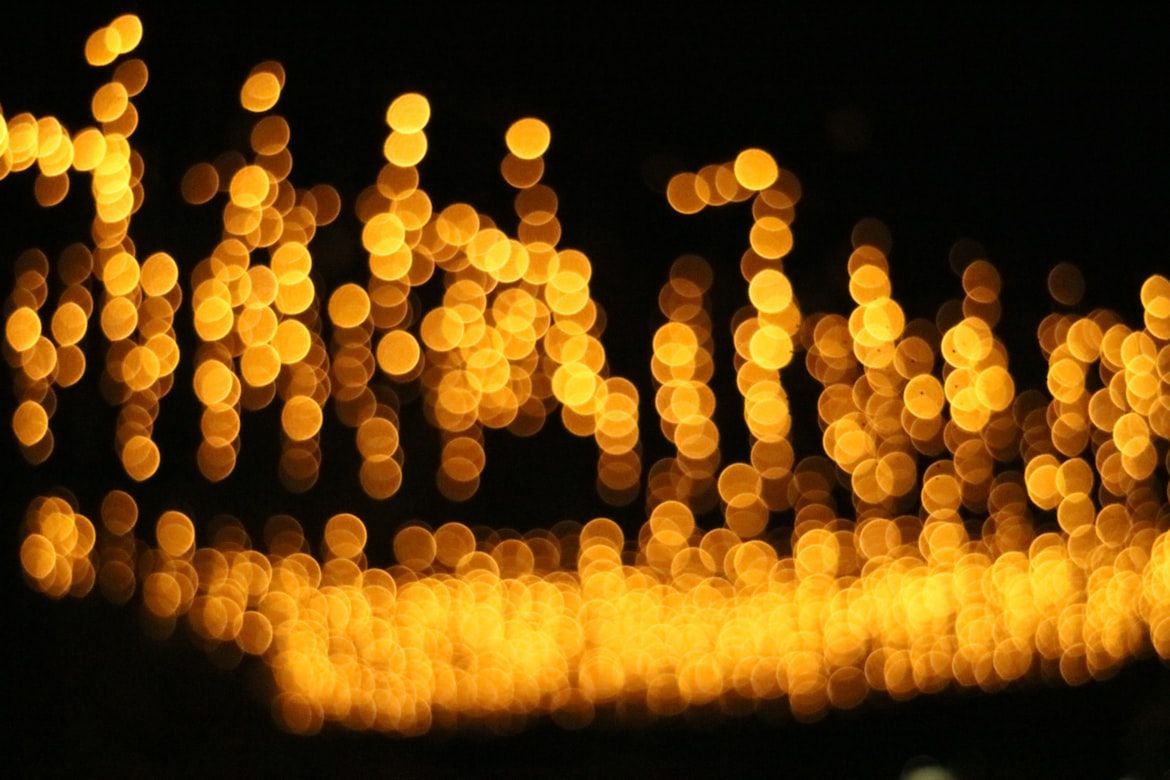
Image: Damir Samatkulov

In West Texas, visitors gather yearly to celebrate the unexplained phenomenon known as the Marfa Lights . Music, food, and local art create a small-town festival that has grown past its frontiers.

At night, people scan the desert horizon hoping to glimpse the glowing orbs. It’s a mix of mystery and fun, all rolled into a festival.

11
Waikiki SPAM Jam – Hawaii

Image: Hannes Johnson

Honolulu’s own SPAM Jam celebrates the world-famous canned meat with street-long food booths and live entertainment . Distinguished chefs create inventive SPAM dishes for visitors.

The festival is a tasty tribute to a food with deep local roots and universal appeal (when it is not linked to its digital homonym).

12
Houston Art Car Parade – Texas
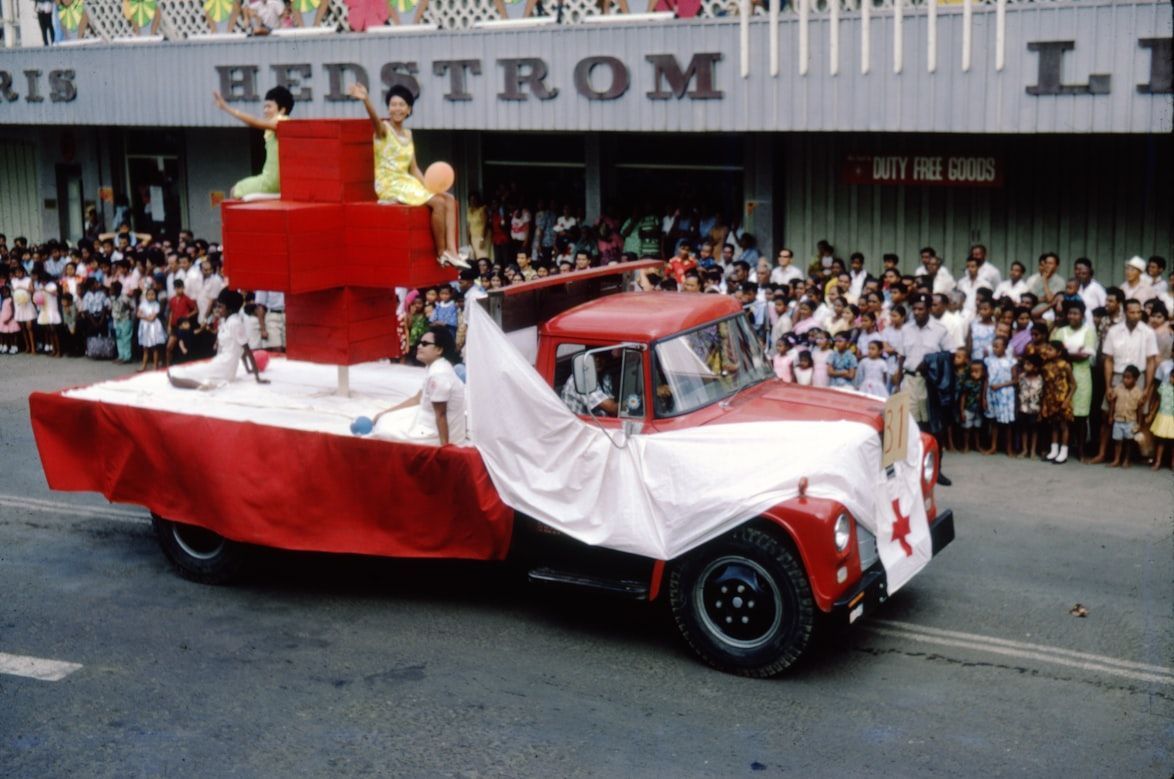
Image: Brett Jordan

Artists from Houston and elsewhere transform cars into rolling sculptures and parade them proudly through the city . Designs range from glittering dragons to mobile gardens.

Families and friends gather to admire the creativity and color, complete with exhaust pipes' smoke, lingering in the air. It’s an unexpected way to blend art and fun.

General General 5 min read

Hidden gems worth the drive

America's 10 most underrated national parks

Image: Qingqing Cai

Sure, everyone and their Instagram-obsessed nephew has been to Yellowstone or the Grand Canyon. But America’s national parks are like that box of chocolates Forrest Gump was always going on about—there are some surprises in there that'll knock your socks off. While the famous parks are dealing with traffic jams that'd make rush hour in LA look like a breeze, these underrated beauties are waiting for you with open arms and actual parking spaces .

1
Great Basin National Park, Nevada

Image: Yura Lytkin

Tucked away in eastern Nevada, Great Basin is the park that time forgot—in the best way possible. You can hike to a glacier, explore underground caverns, and camp under skies so dark you’ll see stars you didn’t even know existed , all without waiting in line or fighting for a decent photo spot.

2
Congaree National Park, South Carolina

Image: Selma Rizvić

This park protects one of the largest remaining expanses of old-growth bottomland hardwood forest in the United States, which is a fancy way of saying it's got trees so tall and old they make you feel like an ant at a giant's picnic. The real magic happens at night, when the fireflies put on a light show that'll make you forget all about mosquito bites. Plus, you can rent a canoe and paddle through what feels like the set of a Southern Gothic novel—Spanish moss and all.

3
North Cascades National Park, Washington

Image: Pete Alexopoulos

With jagged mountain peaks and more than 300 glaciers, this park offers scenery that’ll make your camera work overtime . The hiking ranges from "pleasant afternoon stroll" to "why did I think this was a good idea?" so there's something for everyone, assuming everyone likes being surrounded by absurdly gorgeous wilderness.

The best part? While everyone's fighting over hotel rooms near Mount Rainier, North Cascades sits there looking spectacular with hardly anyone around. The park sees fewer visitors in an entire year than Yellowstone does on a busy weekend.

4
Dry Tortugas National Park, Florida

Image: Nick Rickert

Located 70 miles off the coast of Key West, Dry Tortugas takes "off the beaten path" to a whole new level: you literally need a boat or seaplane to get there. The turquoise waters are so clear you could see fish judging your swimming technique from 30 feet away . Plus, there's Fort Jefferson, a massive 19th-century fort that feels like someone plopped a Civil War–era fortress in the middle of paradise and said, "Sure, that works."

Just remember: there’s no fresh water (hence the "Dry" part), no food service, and no shade except what you bring yourself. It’s like camping, but surrounded by the kind of blue water that makes you understand why people write songs about the ocean.

5
Guadalupe Mountains National Park, Texas

Image: Ryuta F.

Home to the highest peak in Texas (Guadalupe Peak at 8,749 feet), this park offers hiking that'll remind your knees they're not as young as they used to be, but in a rewarding way. The fall foliage in McKittrick Canyon is legitimately stunning , which surprises people who assume Texas is all tumbleweeds and barbecue joints.

The park sits on an ancient fossil reef from when this whole area was underwater, mind-blowing, if you think about it for more than two seconds. There’s no cell service, limited facilities, and the nearest town is about an hour away, which may sound like a complaint, but it actually forces you to unplug and take in the amazing place around you.

6
Voyageurs National Park, Minnesota

Image: Vyacheslav Makushin

Voyageurs is a water-based park that’s basically a summer camp for adults who can legally drink beer. With over 200,000 acres—about 40% of it water—houseboating is the way to experience it.

The fishing here is legendary, the northern lights make regular appearances, and in winter, the frozen lakes become highways for snowmobiles and cross-country skiers . It's remote enough that you feel like an explorer, but accessible enough that you won't actually die if you forget your matches.

7
Black Canyon of the Gunnison National Park, Colorado

Image: Dustin Weist

Colorado has so many stunning places that Black Canyon somehow gets overlooked. This canyon is deep, narrow, and so dramatically steep that parts of it only get 33 minutes of sunlight a day . The Gunnison River carved through 2 billion years of rock to create towering walls that make you feel appropriately insignificant, which is good for the soul occasionally.

8
Isle Royale National Park, Michigan

Image: Ivan Vashchenko

If you want to really get away from it all, Isle Royale is your jam: an island in Lake Superior that requires either a ferry ride or a seaplane to reach. Once you’re there, you’re committed; same-day visits aren’t really a thing. The park is car-free, crowd-free, and home to a fascinating wolf-and-moose study that’s been running since 1958.

The hiking trails crisscross the island through forests and along rocky shorelines where the lake looks more like an ocean . Backcountry camping is the main event here, and the solitude is so profound you'll hear sounds you forgot existed—like actual silence.

9
Pinnacles National Park, California

Image: Cyrus Crossan

California's newest national park is a playground of volcanic spires, talus caves, and rock formations that look like a giant was playing with clay and just walked away mid-project . The rock climbing here is world-class, and the cave exploration doesn't require any special gear—just a flashlight and a willingness to squeeze through some tight spaces.

The spring wildflower displays are spectacular, and the park is one of the best places to see the endangered California condor, which has a wingspan that makes eagles look modest. It gets hot in summer—and by hot, I mean "surface of the sun" hot—so plan accordingly.

10
Lassen Volcanic National Park, California

Image: Robson Hatsukami Morgan

This park sits on top of one of the world’s largest plug-dome volcanoes—and yes, it could erupt again—Lassen Peak last blew in 1915, which in geological time is basically yesterday. But don't let that stop you from enjoying the bubbling mud pots, steaming fumaroles, and hot springs that make you feel like you're walking on another planet .

The hiking is fantastic, with everything from easy boardwalk strolls through geothermal features to challenging climbs up Lassen Peak itself. Add in alpine lakes, wildflower-filled meadows, and a fraction of Yosemite’s crowds (despite being just a few hours south), and you’ve got a spectacular California secret.

History History 4 min read

AMERICAN PIONEERS

Old West Tales: 10 Key Moments of the Wildest Frontier

Image: Eniko Polgar

The Westward expansion that defined the American frontier during most of the 19th century was a time of daring pioneers and boundless possibilities, which ultimately shaped the nation in profound ways.

This expansion of our Nation’s territory to the vast lands of the American West brought about innovation, and progress, but also conflict. From the Louisiana Purchase to the Dawes Act, let’s take a deep dive into the moments that defined the frontier spirit and solidified America's path to greatness.

1
Louisiana Purchase (1803)

Image: Nik Shuliahin

It sounds crazy today, but the Louisiana Purchase almost doubled the size of the United States overnight. Thomas Jefferson, at the time, the third to occupy the position of President of the United States, bought the massive 828,000 sq mi territory from France for $15 million, securing vital land and resources.

The purchase, however, didn’t mean that the United States also gained control of the totality of the territory, as it was inhabited by Native Americans. But in any case, the acquisition paved the way for westward expansion, providing a vast area for exploration and settlement, while enhancing America's geopolitical influence.

2
Lewis and Clark Expedition (1804-1806)

Image: Charles Marion Russell

Commissioned by Jefferson, Meriwether Lewis and William Clark then embarked on a mission to map the newly acquired lands and find a viable route to the Pacific. Their legendary journey revealed the rich diversity of the western territories and established crucial relationships with Native American tribes.

Sacagawea, a Shoshone woman, played a crucial role as an interpreter and guide, helping the expedition navigate difficult terrain and gain trust with native tribes, significantly contributing to the mission's success. Ultimately, their detailed reports opened the frontier to future explorers and settlers.

3
The Oregon Trail (1811-1869)

Image: Dana Davis

Originally laid around 1811 by fur trappers and traders, the Oregon Trail soon became a critical route for thousands of emigrants moving west. Spanning over 2,000 miles from Missouri to Oregon, it was a perilous journey marked by harsh landscapes and, more often than not, disease.

Despite the hardships, the trail was improved to become passable by wagons, and it facilitated the mass migration of over 400,000 settlers during its peak, significantly contributing to the population growth and development of the Western United States.

4
California Gold Rush (1848-1855)

Image: Viviana Rishe

The discovery of gold at Sutter's Mill in 1848 triggered a massive influx of fortune seekers to California. The Gold Rush not only boosted the economy but also accelerated California's admission claim as the 31st state in 1850.

While prospectors initially used simple techniques like panning, the increasing complexity of gold extraction eventually required significant financing, favoring mining companies. And though the gold rush generated wealth worth tens of billions in today's dollars, only a few became rich; most participants earned little more than they had started with.

5
Homestead Act (1862)

Image: Kevin Butz

Signed by President Abraham Lincoln, the Homestead Act offered 160 acres of public land to settlers willing to farm it for five years. The policy primarily encouraged individual farmers who were looking to operate their own farms, as opposed to slave owners who sought to buy large tracts of land and use slave labor.

The legislation encouraged widespread migration to the Great Plains, accelerating agricultural development and expanding American settlements across the West.

6
Building of the Transcontinental Railroad (1863-1869)

Image: Johannes Plenio

The completion of the first Transcontinental Railroad in 1869 revolutionized transportation in the United States. Connecting the East and West coasts, it facilitated trade, travel, and communication.

The extensive railroad network was built by three private companies on public lands, financed with federal bonds and various subsidies. Instrumental in the nation's economic growth, the Transcontinental Railroad also helped forge a sense of national unity and identity in the American consciousness.

7
The Great Sioux War (1876-1877)

Image: Popular Graphic Arts

Also known as the Black Hills War, the Great Sioux War was a series of conflicts between the United States and the Sioux tribes. The war was sparked by the encroachment of settlers and gold prospectors on Native lands, a conflict that had been escalating since the early 19th century.

Despite many Native American victories, such as the Battle of Little Bighorn - better known as Custer's Last Stand -, the war ultimately ended in the tribes' displacement. The conflict officially finished with the Agreement of 1877, in which the Sioux tribes were forced to cede property rights of their lands to the federal government, while clearly demarcated Indian reservations were established.

8
Oklahoma Land Rush (1889)

Image: Raychel Sanner

On April 22, 1889 - soon after the signing into law of the Indian Appropriations Act, which freed over two million acres of land for settlement - thousands of settlers raced to claim land in the Oklahoma Territory during the first of several land rushes.

Those who followed the rules and waited for the official start of the land rush were known as "boomers," while "sooners" sneaked into the territory before the designated time, risking penalties but gaining advantageous claims. This sparked hundreds of legal contests that had to be settled at local land offices or even by the U.S. Department of the Interior.

9
The Dawes Act (1887)

Image: Boston Public Library

The Dawes Act aimed to assimilate Native Americans by dividing tribal lands into individual allotments. While intended to promote agriculture and integration, it resulted in the loss of tribal lands and culture.

The act was a controversial effort to reshape Native American society in the image of European-American settlers. It wasn’t until the Indian Reorganization Act, passed during the Franklin D. Roosevelt administration, that Native Americans regained some of their rights to own land collectively and form self-government.

10
Closing of the Frontier (1890)

Image: Aaron Burden

In 1890, the U.S. Census Bureau declared the frontier closed, as there was no longer a discernible frontier line. This marked the end of a significant era of American expansion.

The closing of the frontier signified the nation's transition from a period of exploration and settlement to one of modernization and industrialization.

Explore more American facts

Choose your favorite category!

General
General

As American as apple pie—the very best America has to offer!

Culture
Culture

Delve into the astounding richness of American lore.

Geography
Geography

Hop in and explore vast and diverse American landscapes.

History
History

Discover the key moments that shaped the United States.