Culture Culture 6 min read

American beauties

Who’s the legend in each of these 10 states? A journey through our icons!
Image: Marvin Zettl

Every state in the US has its claim to fame. Some states are known for their landscapes, some for their food. Some are even known for their buildings. But one thing is for sure: All of them produced some of the best people in our country, and in some cases, the best in the world! For example, Mississippi gave us Elvis, and Arkansas, Johnny Cash. But it’s not only about artists, we’ve produced inventors, scientists, politicians, you name it! In this article, we’ll go through 10 states and the most influential figures that were born in them. Can you guess who’s going to make it to the list?

1
Alabama’s Southern charm
Image: Nathan Anderson

You may know Alabama for the peanuts, the cotton, and of course, that typical Southern hospitality. You may also know it for the iconic song "Sweet Home Alabama," but the Southern state has one more thing (or person to be more precise) to make it stand out: Zelda Fitzgerald.

Zelda was a novelist, painter, and socialite, a shining star of the 1920s, known for her creative spirit and marriage to F. Scott Fitzgerald. Zelda embodied the roaring ‘20s and left a lasting artistic legacy.

And as if art was not enough for Alabama, it also produced one of the most important figures in the fight for Civil rights and that’s Rosa Parks whose refusal to give up her bus seat sparked a movement that changed history. Quite a way to kick it off, huh?

2
Arkansas’ man in black
Image: Tommy Bond

The second state is known for its rivers, its lakes, and a bit of extreme weather. Arkansas is famous for its natural beauty, but it’s also the birthplace of one of the most iconic musicians of all time: Johnny Cash.

The "Man in Black" captured the hearts of millions with his deep voice and soulful songs like "I Walk the Line" and "Ring of Fire." Cash’s music transcended genres, blending country, folk, and rock with themes of heartache, redemption, and rebellion.

Few artists have left a mark as deep as Johnny Cash and we’ve got Arkansas to thank!

3
Delaware’s lifesaving innovator
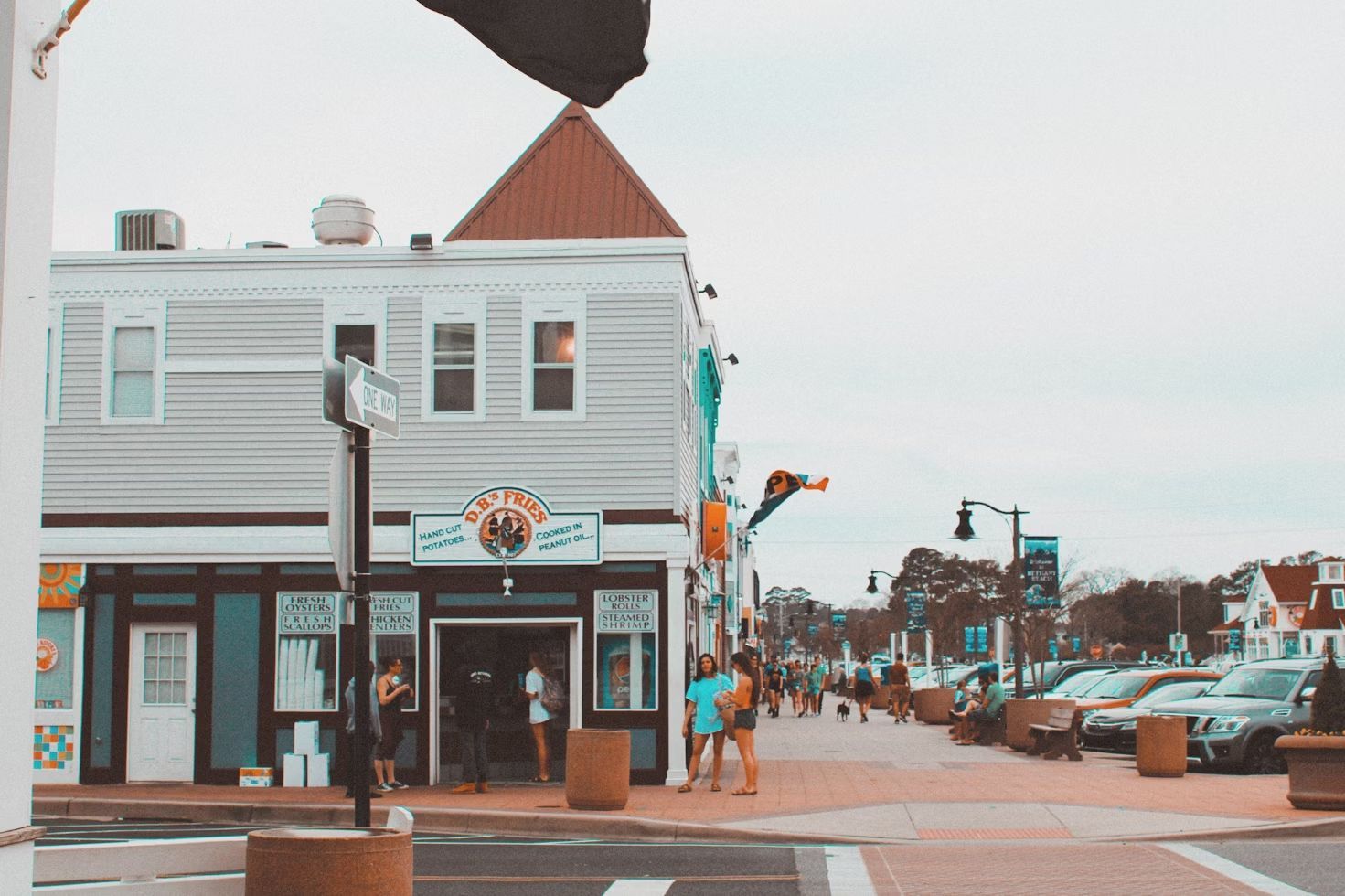
Image: Josefina Lacroze

What’s the first thing you think of when you think of Delaware? Is it that it was the first state to ratify the Consitution? Maybe it’s the fact that it is a tax-free state. But did you know this is also Henry Heimlich’s home state ?

If you find that name familiar, it’s because you probably heard of the maneuver. Born in Wilmington, Delaware, revolutionized the field of emergency medicine with the creation of the Heimlich Maneuver.

This simple but life-saving technique has helped countless people who were choking, cementing Heimlich’s place in medical history. Delaware may be famous for being the "First State," but Heimlich’s contribution proves that it’s also a state of firsts when it comes to saving lives.

4
Georgia on our minds
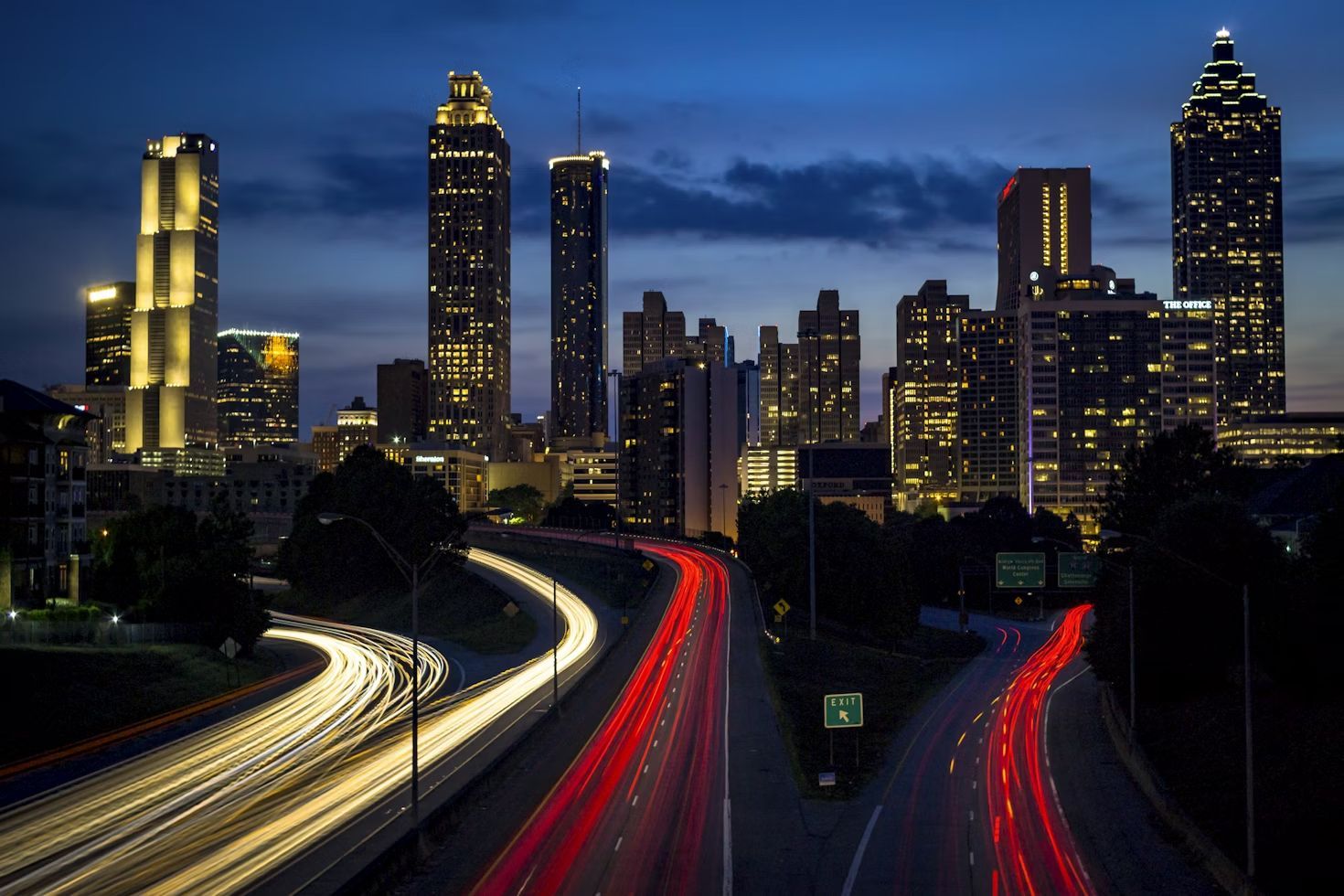
Image: Joey Kyber

Yes, we all know about the peaches, but Georgia has so much more to offer! This state is also the birthplace of one of America’s greatest civil rights leaders: None other than Martin Luther King Jr!

MLK was born in Atlanta, and he became the face of the 1960s civil rights movement, advocating for non-violent resistance and racial equality. His speech "I Have a Dream" was powerful and it remains today as a call for justice. King’s leadership in desegregating the South and fighting for civil rights earned him the Nobel Peace Prize so this state has more than one reason to feel proud. Way to go, Georgia!

5
Illinois’ creative geniuses
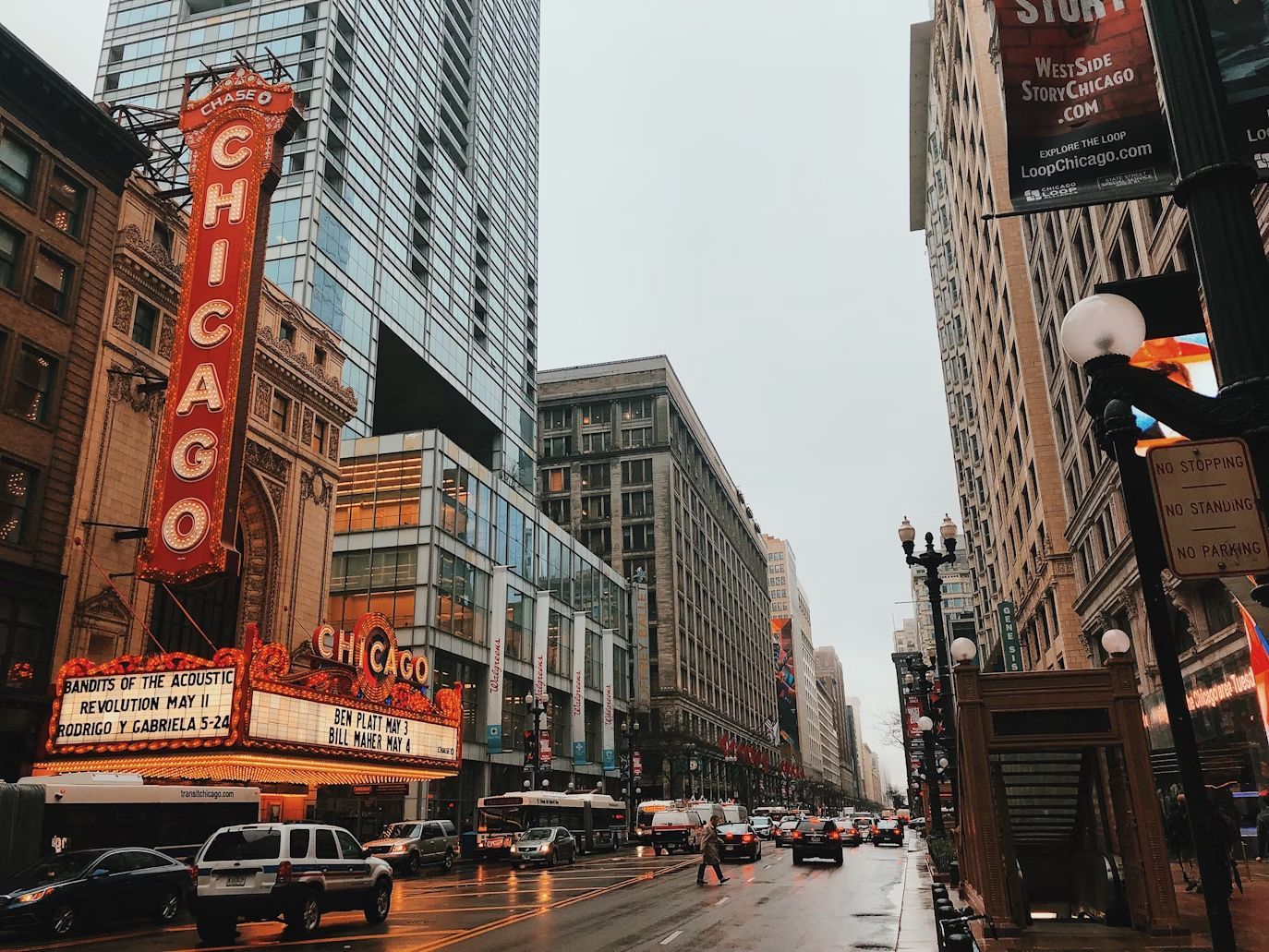
Image: Joel Mott

The land of corn and the first McDonalds in America is also home to great creative minds like that of the great Walt Disney!

Born in Chicago, a city particularly known for its artistic spirit, Disney revolutionized the world of animation. Who doesn’t love that fun and loving Mickey Mouse? Or that magical castle that receives visitors from all over in Disney World. He created a truly magical world!

But that is not all, this state also gave us the literary icon Ernest Hemingway, whose works like The Old Man and the Sea continue to be read and loved all over the globe. Disney’s creativity and Hemingway’s literary genius… How are the rest of the states going to top that? Keep reading and you’ll see!

6
Kansas’ flying heroine
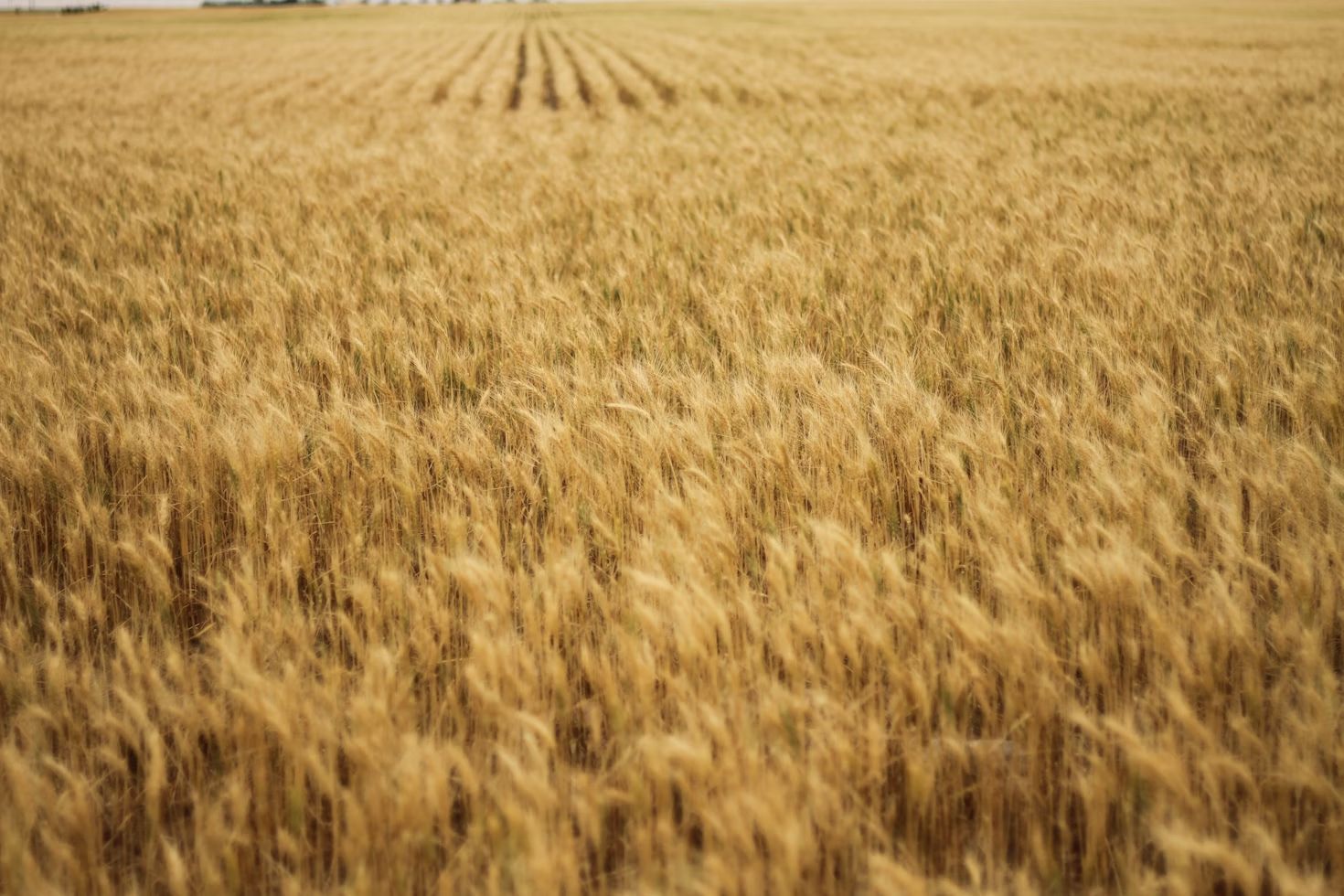
Image: Heyzeus Escribo

Kansas may be known for its wheat fields, but it’s also the home of one of history’s greatest aviators: Amelia Earhart.

Amelia was born in Atchison, Kansas, and she made the headlines as the first woman to fly solo across the Atlantic Ocean. This was a turning point in history, as women in aviation were not a thing at all! One can easily imagine how inspiring it was for the rest of the women to pursue this kind of adventure, even when the tragic finale remains one of history’s unsolved mysteries. Her feat was an achievement for women and for aviation too!

Kansas, raise your glasses in pride, to celebrate this courageous woman!

7
Louisiana’s jazz royalty
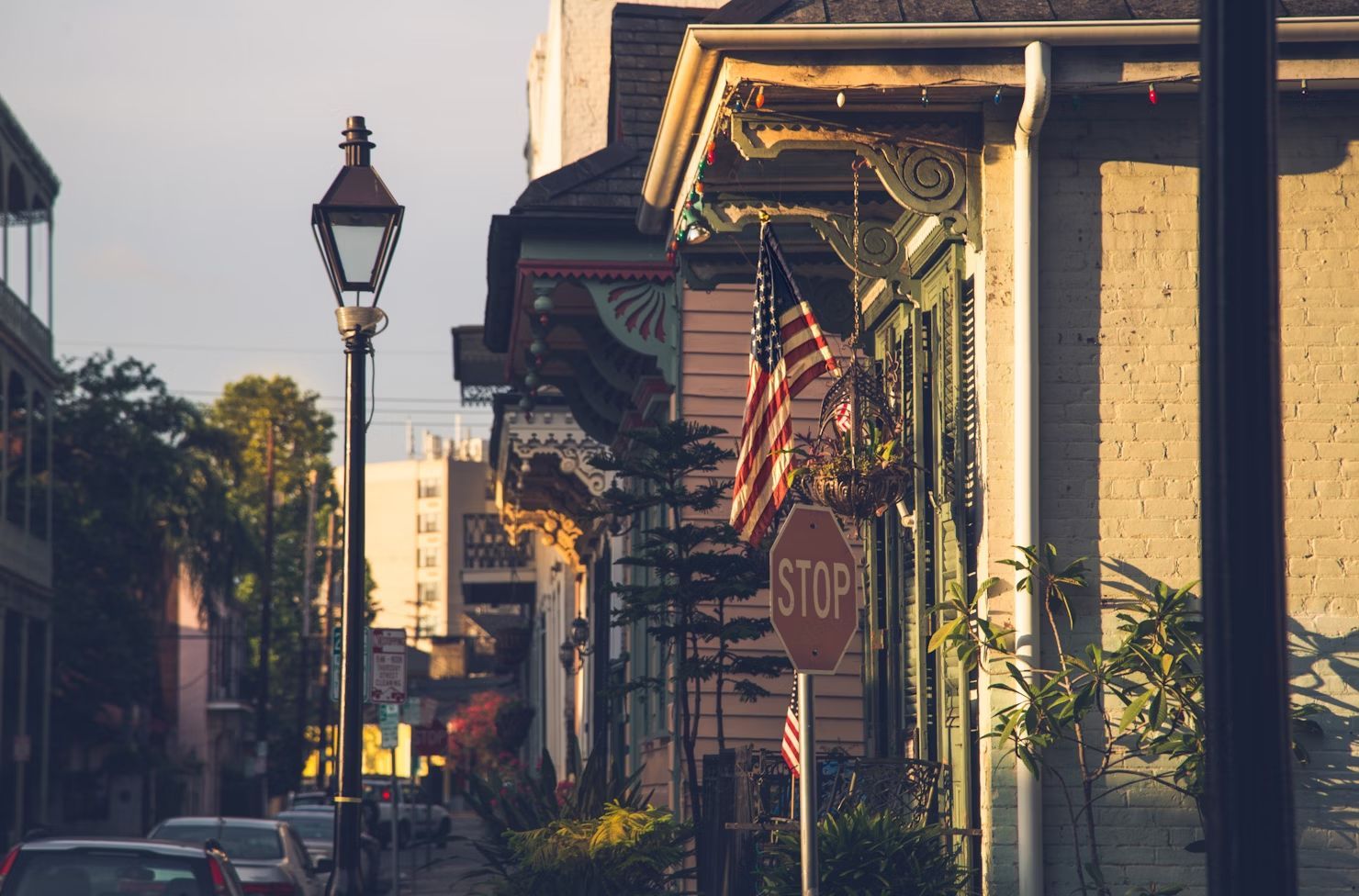
Image: Joe Lavigne

How many films are set in this vibrant city? We say Louisiana and you think of music, right? And more than that, you probably think of the one and only Louis Armstrong , don’t you? As you should!

With his majestic voice and his amazing trumpet playing, Armstrong remains today as one of the brightest jazz stars. He was born in the heart of New Orleans and he contributed music with some of the greatest hits like "What a Wonderful World." His music shaped the sound of 20th-century jazz.

But that’s not all, Louisiana also gave us literary genius Truman Capote, who wrote classics like In Cold Blood and Breakfast at Tiffany’s . This is a state that knows how to produce world-class talent, don’t you think?

8
Massachusetts’ master of the macabre
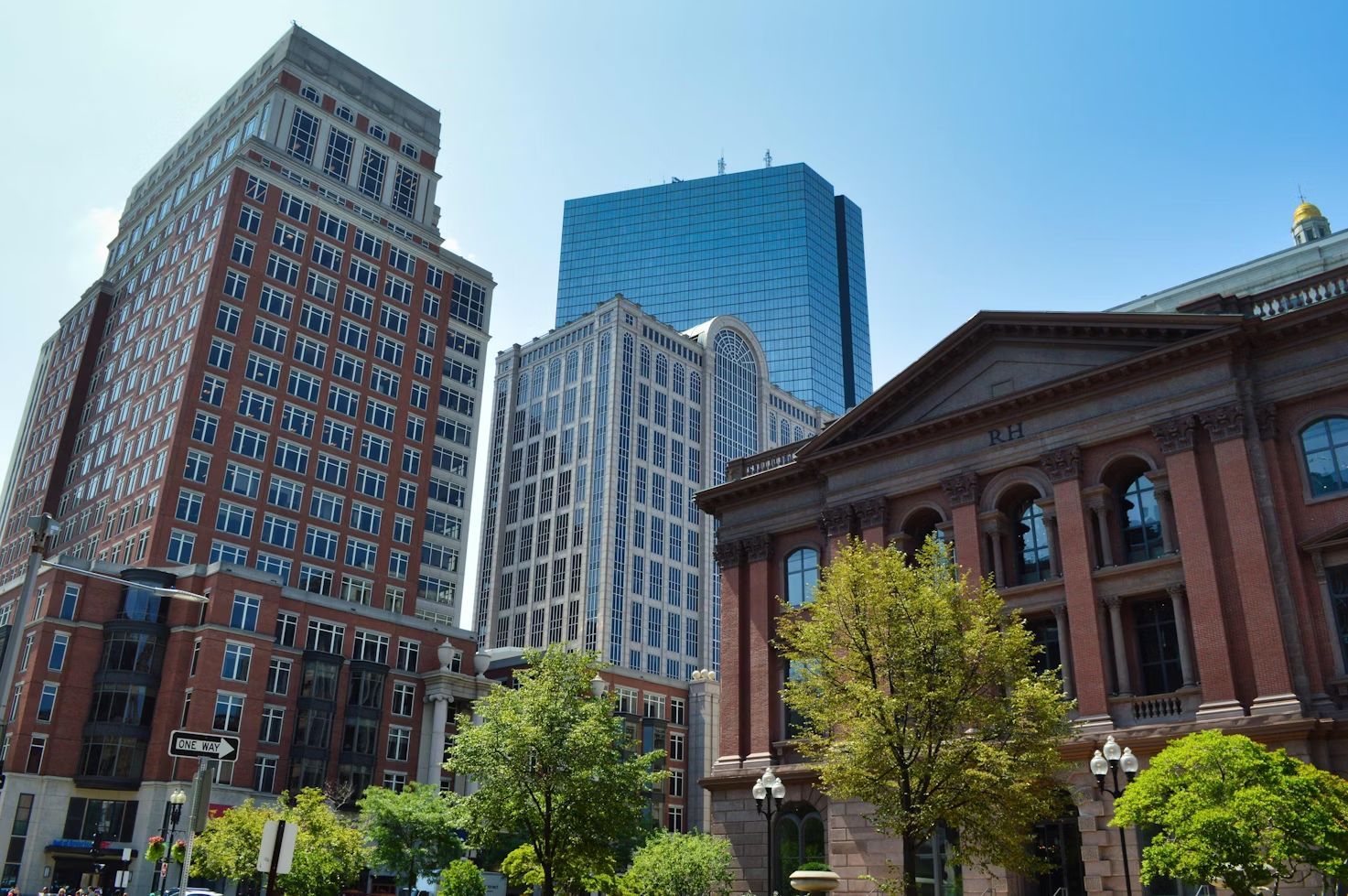
Image: Piermario Eva

Massachusetts didn’t need to prove anything, that is, this was the place where the Pilgrims landed. We could say it’s the birthplace of our nation. But Massachusetts didn’t come here to play, it also gave us one of America’s most famous literary figures, Edgar Allan Poe .

Poe was born in Boston, and he is known for being the master of the macabre: He wrote thrilling stories with a gothic style like The Raven and The Telltale Heart.

More related to the history Massachusetts is known for, this is also the birthplace of one of America’s Founding Fathers, Benjamin Franklin , who helped shape the American Revolution and contributed to innovations in science. Did Massachusetts win the contest or what?

9
Michigan’s motorman
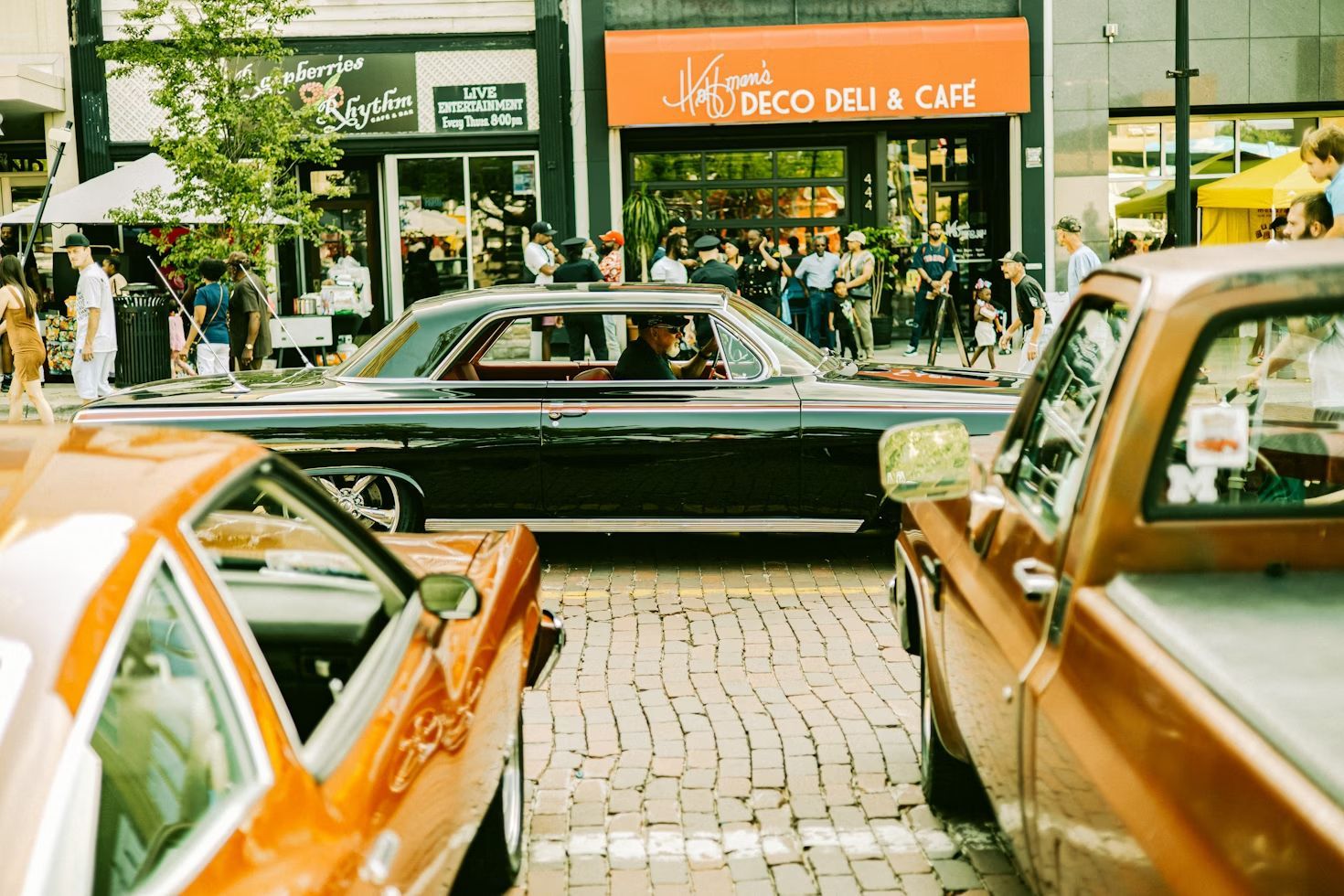
Image: Bruno Guerrero

Sometimes it’s not very clear what came first, it still remains a mystery whether the chicken or the egg came first. Now, in the case of Michigan, there’s no doubt what came first. This is the home state of Henry Ford and that is why this state suddenly came to be known for the automobile industry.

Ford revolutionized manufacturing with the introduction of the assembly line, making cars affordable to the middle class and transforming the way products were made. His Model T became a symbol of the modern world. Michigan’s Motor City, Detroit, owes much of its fame to Ford’s pioneering work. A word and legacy that is still a reality today!

10
Mississippi’s musical legends
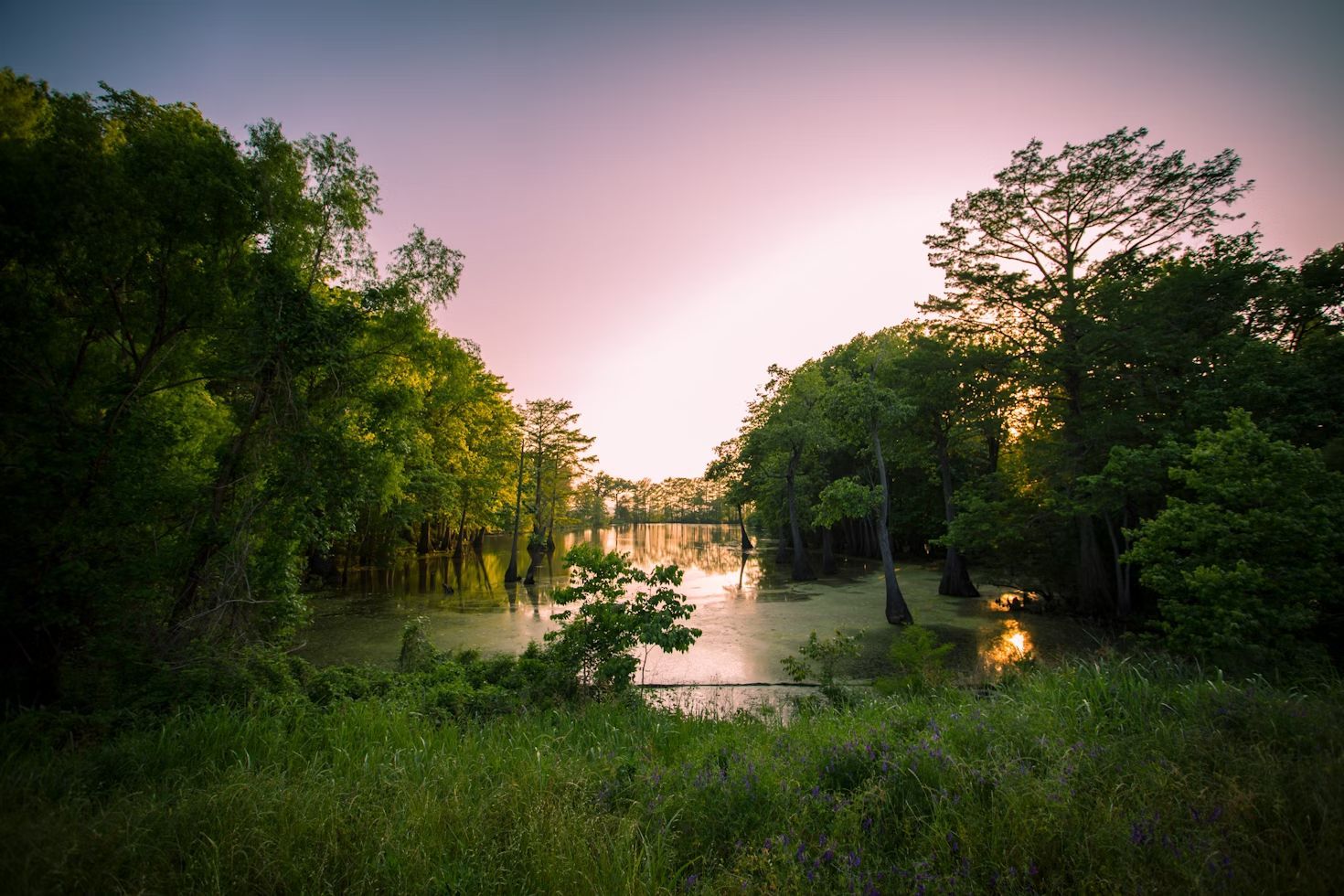
Image: Jp Valery

We couldn’t end this article without including one of America’s most beloved characters. And this might cloud your judgment, but it will probably help you choose a winner. Mississippi is the birthplace of none other than the King of Rock ‘n’ Roll, Elvis Presley!

We don’t need to describe how influential Elvis was, or how his music contributions changed the industry forever. If this had been everything Mississippi had to offer, it would have been more than enough!

But the state’s contributions don’t end there, Mississippi saw many more great minds, like

Tennessee Williams , the famous playwright. He was known for works like Cat on a Hot Tin Roof or A Streetcar Named Desire . From rock ‘n’ roll to Broadway, Magnolia State’s influence is undeniable.
General General 7 min read

From blueprint to backstory

Bridges with fascinating backstories across the US

Image: Hari Manivannan

America's bridges are more than just ways to get from point A to point B—they're monuments to human ingenuity, determination, and sometimes sheer stubbornness. Underneath their steel cables and concrete pillars lie history-making stories of tragedy, triumph, and political intrigue. Let's explore ten famous bridges whose backstories are as captivating as their engineering , revealing the human drama behind these iconic structures.

1
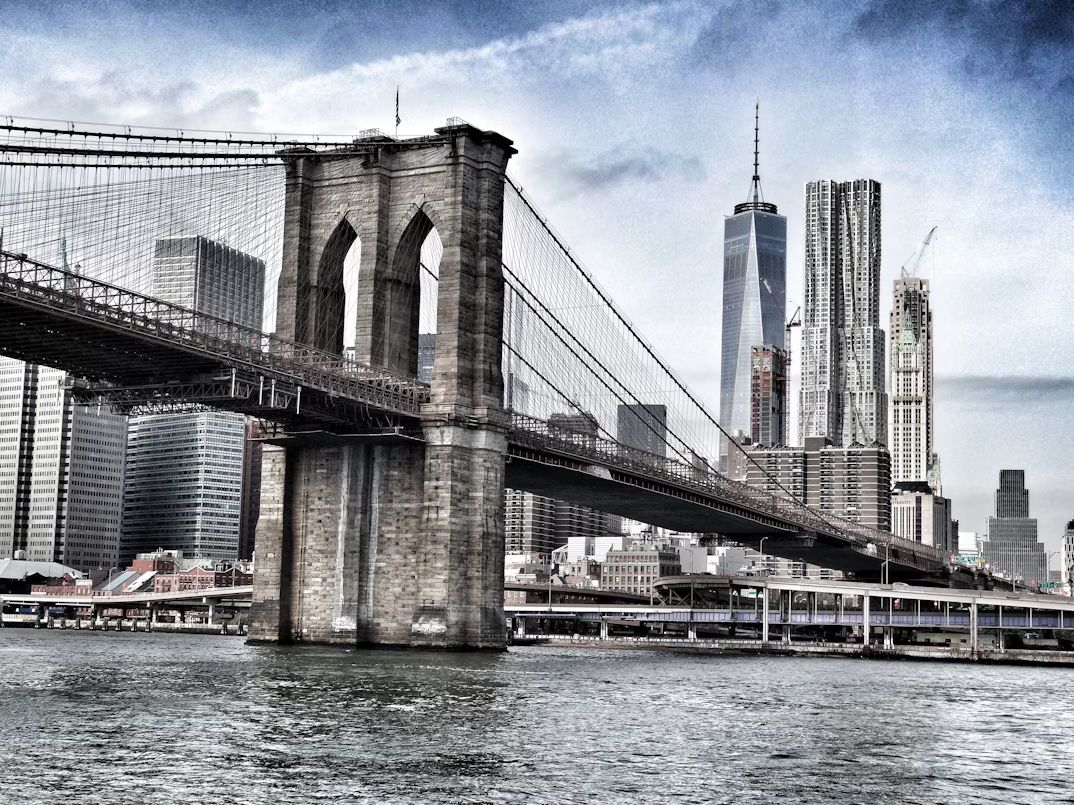
Brooklyn Bridge, New York: A family affair with an undersung heroine

Image: Hannes Richter

Designer John Roebling died from tetanus after his foot was crushed during the initial survey in 1869, leaving his son, Washington, to complete the project. Then Washington developed debilitating "caisson disease" (the bends) from working in the underwater pressurized chambers, leaving him bedridden and barely able to speak. For the next eleven years, he directed construction from his apartment window through a telescope, while his wife Emily became his voice , learning advanced mathematics and engineering to communicate his instructions to the workers.

Emily Roebling essentially became America's first female field engineer, though she received no official title or recognition at the time. She walked the bridge on opening day in 1883, carrying a rooster as a symbol of victory—a moment that should have cemented her place in history but was largely forgotten until recently.

2
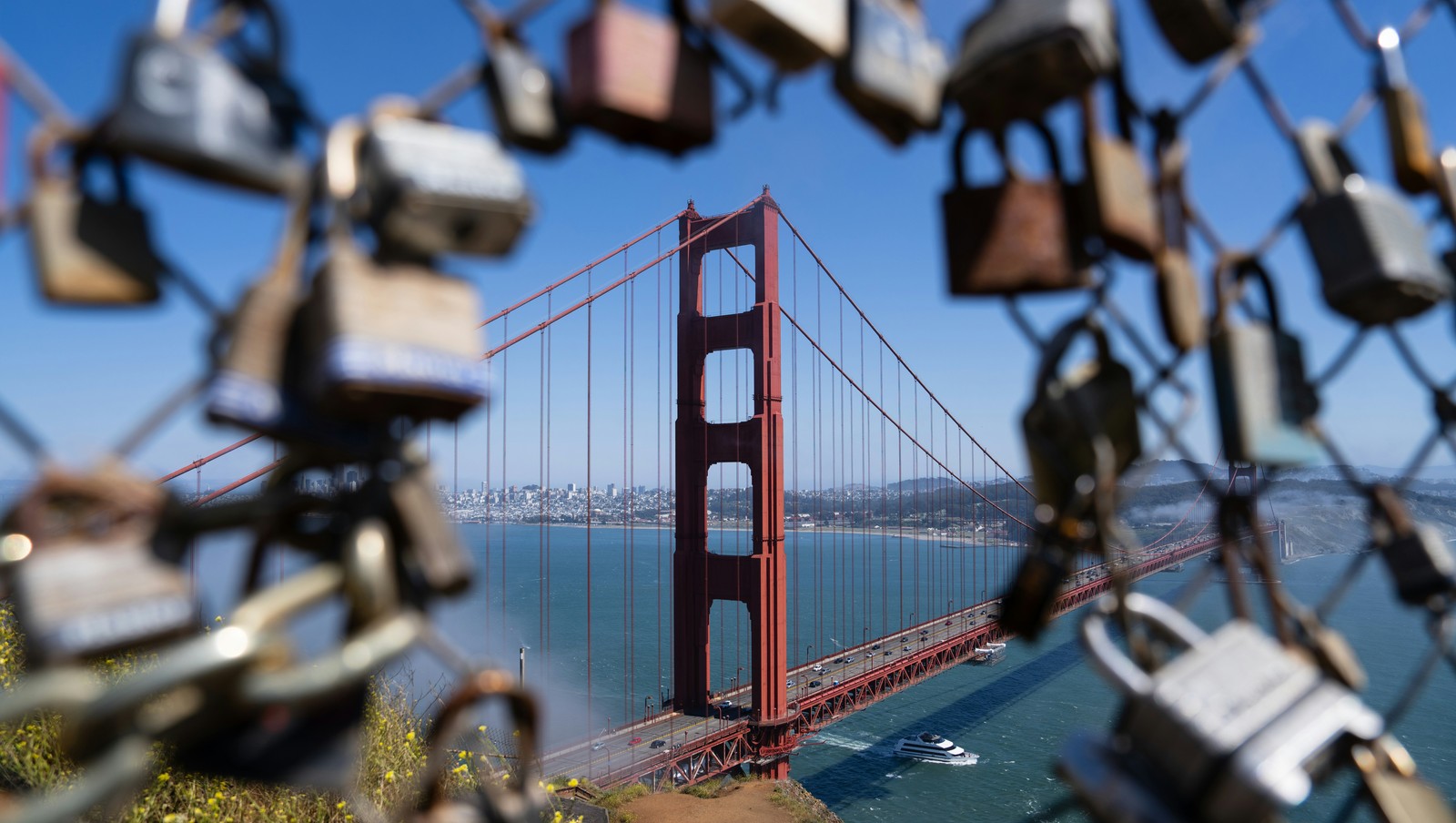
Golden Gate Bridge, San Francisco: They said it couldn't be built

Image: Maarten van den Heuvel

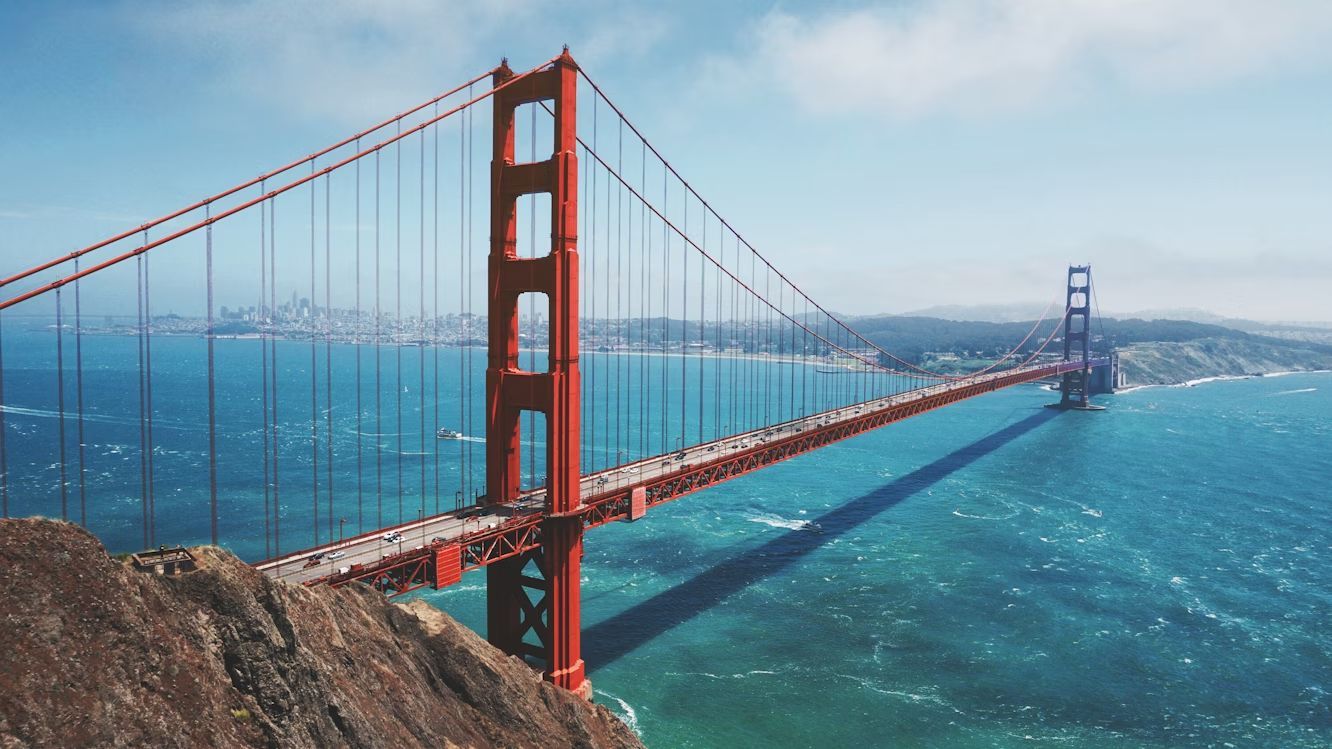
Engineers insisted it was impossible: the water was too deep, the currents too strong, the fog too thick. Joseph Strauss, the chief engineer, was mocked by colleagues who called his design "Strauss's Folly." The Navy opposed it, claiming it would obstruct their ships. Environmentalists feared it would ruin the bay's natural beauty. Ferry operators lobbied against it, worried about losing their livelihoods.

Yet construction began in 1933, during the Great Depression, providing thousands of jobs when they were desperately needed. Strauss installed a revolutionary safety net beneath the bridge, saving nineteen men who became known as the "Halfway to Hell Club." Tragically, ten other workers still died when a section of scaffolding fell through the net near the end of construction. When it opened in 1937, the bridge was the longest suspension span in the world . Strauss died just one year after the bridge opened, worn out by the battle to build his "impossible" dream.

3
Sunshine Skyway Bridge, Florida: Rising from tragedy

Image: Joseph Corl

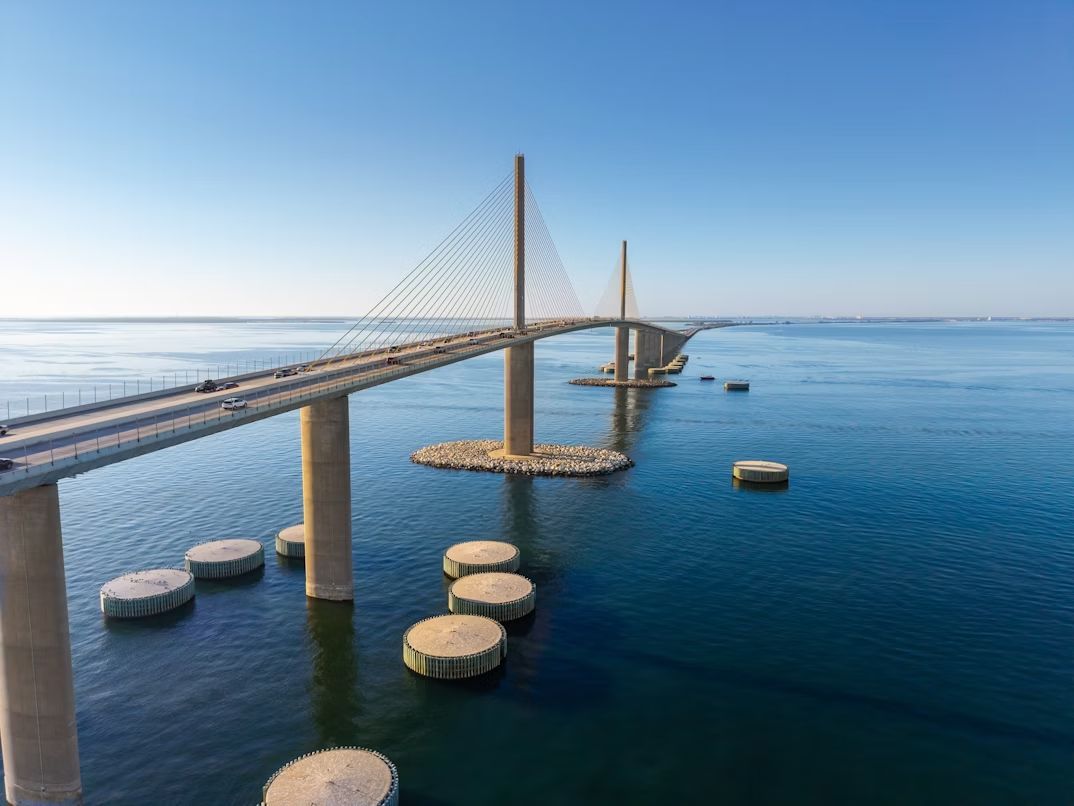
On a foggy May morning in 1980, the freighter MV Summit Venture lost radar during a violent thunderstorm and slammed into the Sunshine Skyway Bridge. A 1,400-foot section of the bridge collapsed into Tampa Bay , sending six cars, a truck, and a Greyhound bus plummeting 150 feet into the water below. Thirty-five people died instantly. The only survivor was a truck driver whose vehicle teetered on the broken edge.

Rather than simply repair the damaged bridge, Florida decided to build an entirely new one. The new Sunshine Skyway, completed in 1987, features massive concrete "dolphins"—protective barriers designed to absorb ship impacts and prevent another catastrophe. The old bridge's remaining sections were converted into fishing piers, now popular spots where anglers cast lines into the same waters where so many lives were lost.

4
Tacoma Narrows Bridge, Washington - Galloping Gertie's fatal dance

Image: Taylor Prince

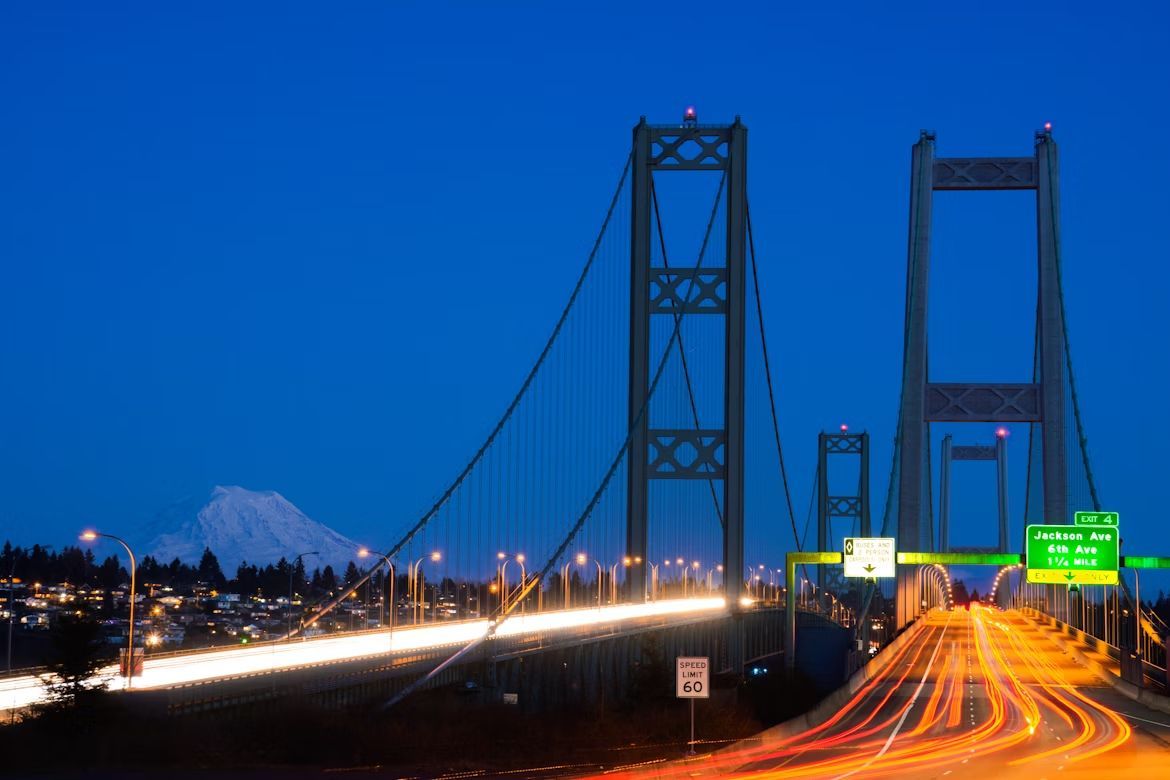
From the moment the Tacoma Narrows Bridge opened in July 1940, it moved—undulating, twisting, and bucking in the wind like a living thing. This rhythmic, vertical bouncing reminded locals of a galloping horse, thus earning the bridge the nickname 'Galloping Gertie.' Engineers knew about the movement but considered it within acceptable limits. For four months, Gertie galloped along, becoming a tourist attraction and a source of local pride. Then came November 7, 1940.

In 40-mph winds, the bridge entered an aeroelastic fluttering that tore it apart in spectacular fashion. The only casualty was a three-legged black Cocker Spaniel named Tubby, left in a car by his owner, who fled on foot. Film footage of the collapse became required viewing in engineering schools worldwide. A new bridge opened in 1950 with crucial design changes, and in 2007, a parallel span was added.

5
London Bridge, Arizona: The bridge they bought by mistake

Image: SoCali

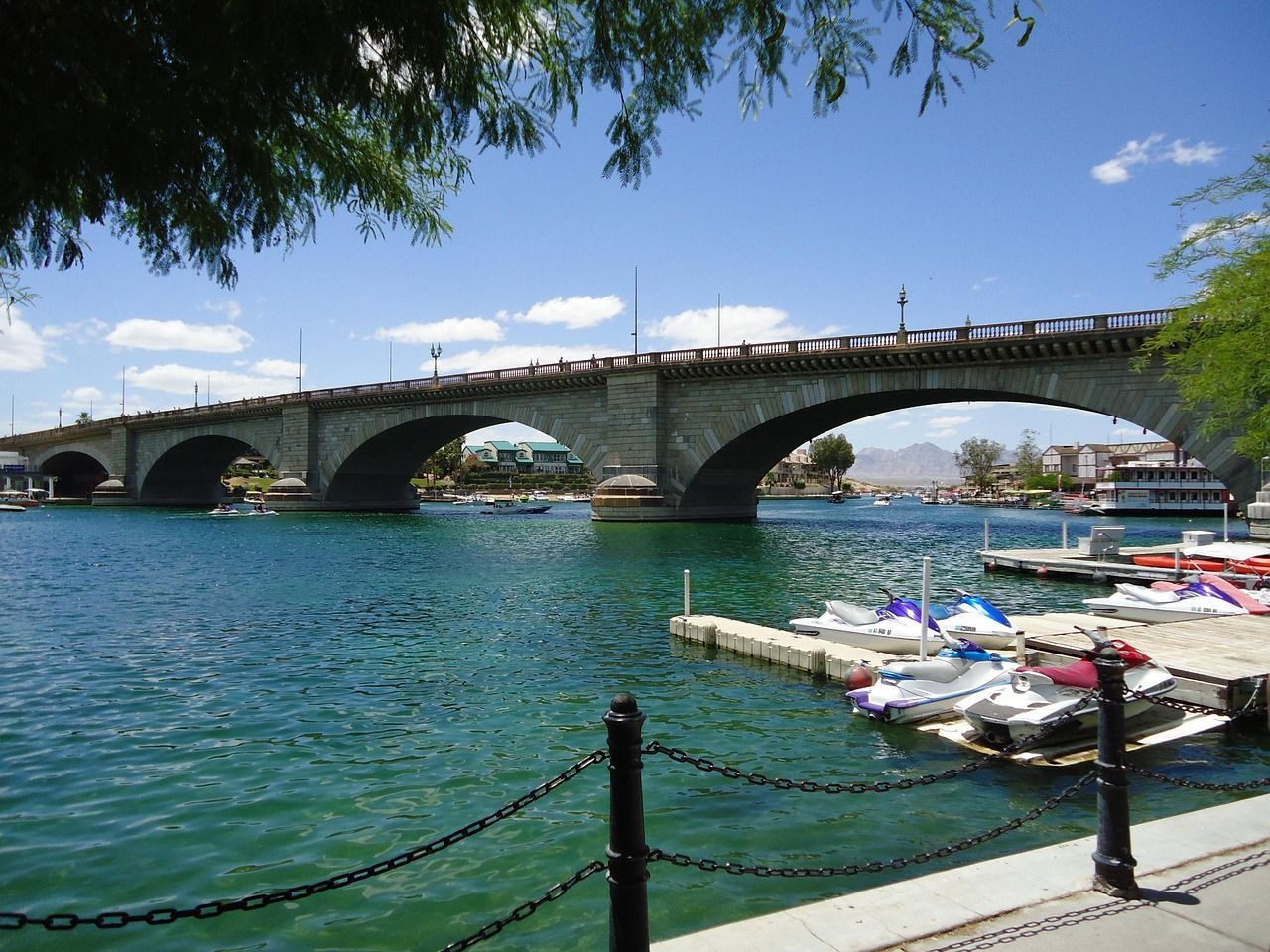
American entrepreneur Robert McCulloch bought London Bridge in 1968 for $2.46 million and had it shipped, stone by stone, from London to Lake Havasu City, Arizona . Urban legend claims McCulloch thought he was buying the iconic Tower Bridge and was disappointed when his purchase turned out to be the relatively plain London Bridge. While McCulloch denied this, the story persists because it's too good not to be true.

The bridge was disassembled into 10,000 tons of granite blocks, each numbered and shipped across the Atlantic. Workers reassembled it in the Arizona desert like a giant jigsaw puzzle, creating a channel beneath it afterward to make it an actual functioning bridge.

6
Chesapeake Bay Bridge-Tunnel, Virginia: Engineering ambition gone mad

Image: Max Shein

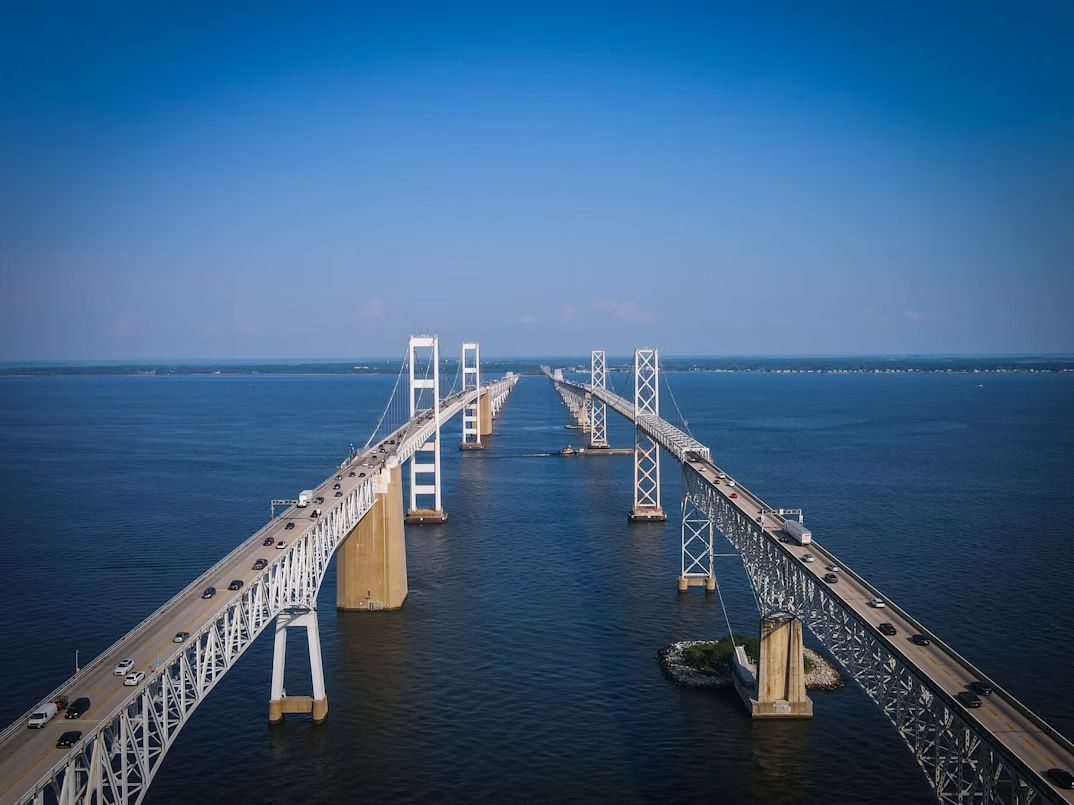
When engineers proposed building a crossing for the 17.6-mile-wide mouth of Chesapeake Bay, skeptics called it impossible. The crossing would need to accommodate massive naval and commercial ships heading to Norfolk, one of America's busiest ports, while also withstanding hurricanes and ocean storms. The solution was audacious: build a structure that would be partly bridge and partly tunnel, diving beneath the water at two points to allow ship traffic through .

The completed structure, opened in 1964, includes two mile-long tunnels, nearly 12 miles of trestle bridges, four man-made islands, and multiple high-level bridges—all exposed to the open Atlantic Ocean. It was immediately declared one of the "Seven Engineering Wonders of the Modern World."

7
Seven Mile Bridge, Florida Keys: Flagler's folly made real

Image: Nils Huenerfuerst

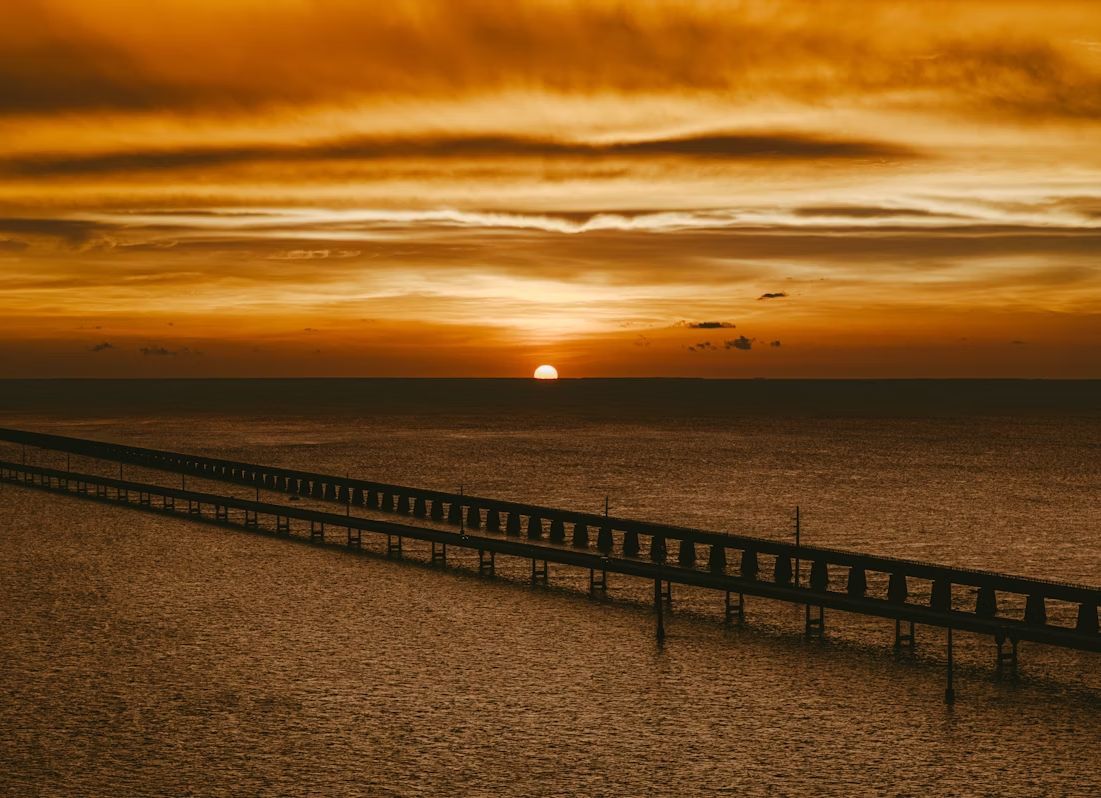
Henry Flagler's dream of extending his railroad to Key West was called "Flagler's Folly" by critics. But Flagler, already wealthy from Standard Oil, was determined to connect the Keys to mainland Florida. Construction began in 1905, facing hurricanes, mosquitoes, brutal heat, and the challenge of building in water up to 40 feet deep. The worst disaster came in 1906 when a hurricane killed over 100 workers—mostly immigrant laborers, whose tragic deaths barely made headlines at the time.

The railroad finally reached Key West in 1912, a year before Flagler's death. For 23 years, it carried tourists and freight until the monster Labor Day Hurricane of 1935 destroyed much of the track, killing hundreds. Rather than rebuild the railway, the state converted the route into the Overseas Highway, with the Seven Mile Bridge becoming its centerpiece . The original bridge served cars until 1982, when a new parallel bridge opened.

8
Mackinac Bridge, Michigan: The bridge that refused to die

Image: Rudolph Arnstein

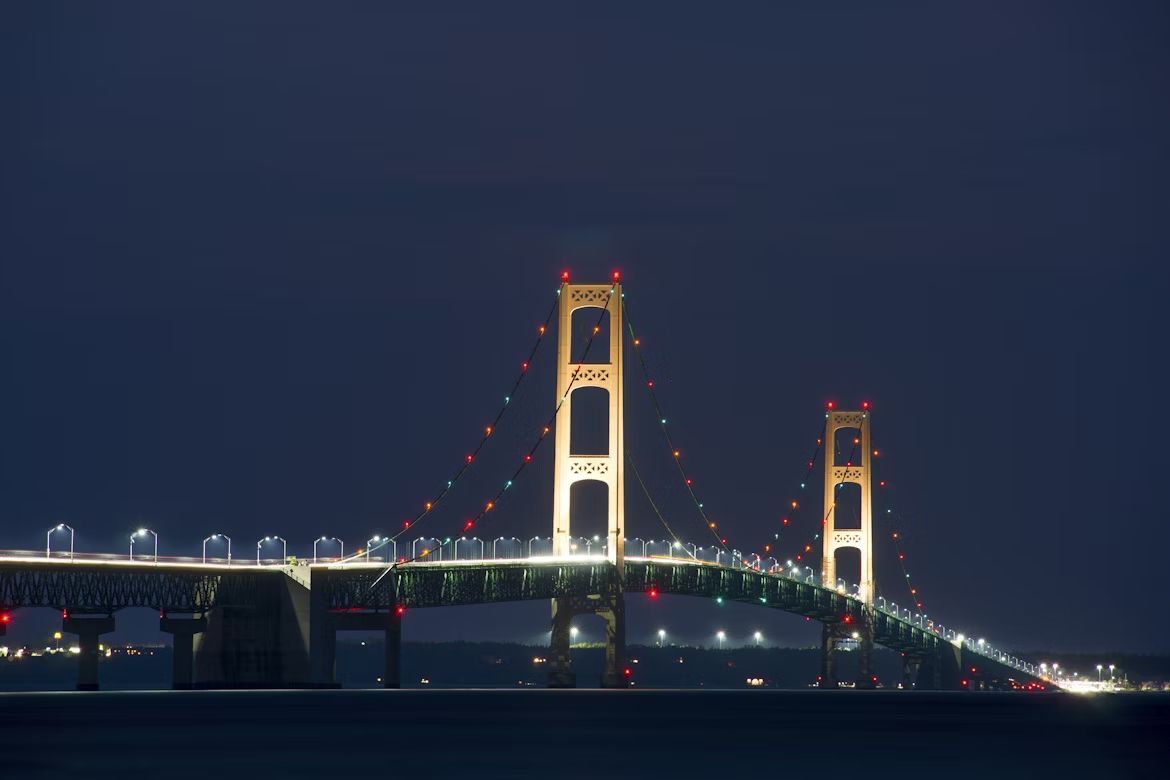
Dreams of a bridge between Michigan's Upper and Lower peninsulas dated back to the 1880s, but the five-mile strait seemed unbridgeable. The Great Depression killed early plans, and World War II delayed them further. By the 1950s, the project had died and been resurrected so many times that locals joked it would never happen. Then, engineer David Steinman took on the challenge, designing a suspension bridge that would span the straits despite brutal weather, thick ice, and deep water .

Construction from 1954 to 1957 employed 3,500 workers at its peak. Opening day in 1957 drew 50,000 people, and Governor G. Mennen Williams walked across alongside bridge workers. "Mighty Mac" became Michigan's symbol, though high winds remain dangerous—two vehicles have been blown off in separate incidents, leading to the bridge authority offering free transport for nervous drivers during storms.

9
New River Gorge Bridge, West Virginia: The bridge that became a party

Image: Steve Wrzeszczynski

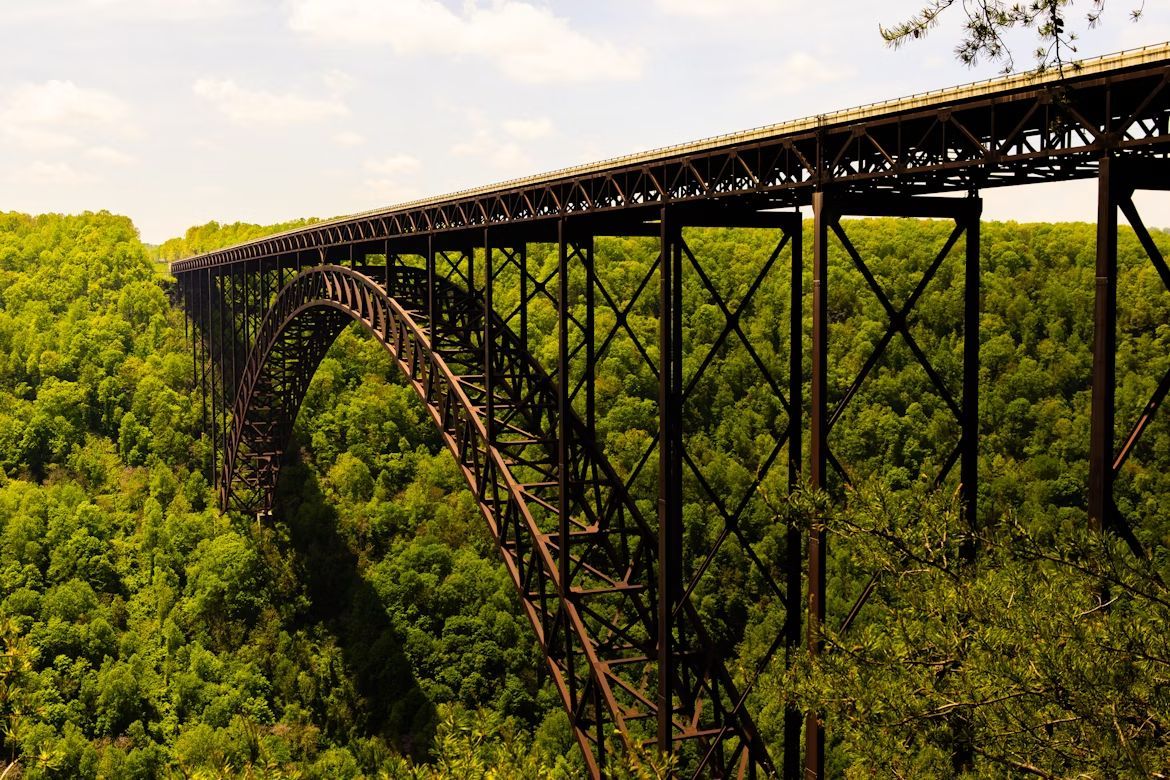
When the New River Gorge Bridge opened in 1977, it was the world's longest single-span arch bridge and the highest vehicular bridge in the Americas at 876 feet above the New River. The structure cut a 40-minute winding drive down to one minute, transforming the region's economy. But locals decided the bridge's annual achievement deserved an equally monumental celebration. Thus "Bridge Day" was born: a festival where the bridge closes to traffic and people are legally allowed to BASE jump and rappel off it.

Every third Saturday in October, up to 200,000 people descend on the tiny town of Fayetteville (population 2,800) to watch hundreds of BASE jumpers leap off the bridge . It's the largest extreme sports event in the world and the only day of the year when BASE jumping is legal in the U.S.

10
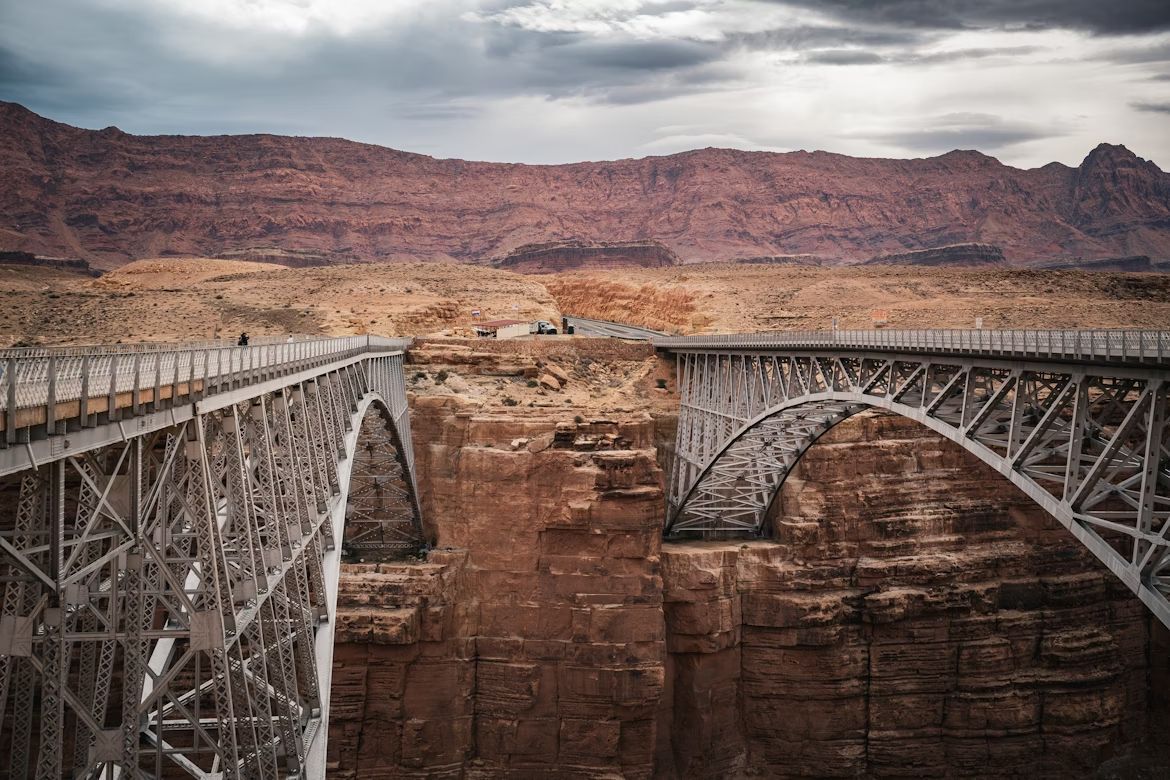
Navajo Bridge, Arizona: The bridge to nowhere that changed everything

Image: Karina G

When the original Navajo Bridge opened in 1929, the closest town was 130 miles away, and the bridge spanned a remote section of the Colorado River in northern Arizona. Critics called it the "bridge to nowhere." But the bridge had a crucial purpose: it was the only crossing of the Colorado River for 600 miles, making it essential for anyone traveling between Utah and Arizona without taking a massive detour.

Over the course of decades, it became a vital link for Navajo Nation residents accessing healthcare, education, and commerce . It also opened the North Rim of the Grand Canyon to tourists, transforming the region's economy. By the 1990s, the original bridge couldn't handle modern traffic, so a parallel span opened in 1995. Rather than demolish the original, it was converted to a pedestrian bridge where you can look straight down 467 feet to the Colorado River.

Geography Geography 6 min read

Cowboy culture

Explore the “Lone Star State” with these fun facts about Texas!

Image: Lucas Beck

A song made popular by "the Singing Cowboy" Gene Autry contains these lyrics: "The stars at night are big and bright, deep in the heart of Texas." And while it's true that the "Lone Star State" is known for that single star shining on its flag, Autry wasn’t exaggerating— a star-filled Texan night sky is truly a sight to behold. However, that’s just the tip of the iceberg of the things that make this state so wonderful. With that in mind, we have compiled 10 of our favorite facts about Texas, hoping to inspire your future trip and fill you with pride for our second-largest state. Enjoy!

1
Brisket

Image: Sergey Kotenev

We’ll begin with a Texan staple . Texas boasts a number of extraordinary culinary delicacies, and we could have easily focused on any of them for this entry. As a sign of respect, we’ll mention chili con carne, Texas’ official state dish, as well as the Texas Tommy, a delicious hotdog served with bacon and cheese. However, we must give credit where credit is due to what’s perhaps the most iconic dish in Texan cuisine— we believe that title goes to the almighty brisket.

It’s no secret that Texas barbecues are the stuff of legends, and in that sense, many believe that brisket is the undisputed crown jewel of any barbecue worth its salt. While it's true that this beef cut does take some time to cook in Texan slow-smoking barbecue, briskets are truly something special.

2
Six Flags Over Texas

Image: Zabdiel Gonzalez

Have you ever wondered why the iconic theme park is called "Six Flags?" The name comes from the popular slogan "Six Flags Over Texas," but that doesn’t clarify exactly what those flags represent. Well, the answer lies in Texas history, since it is a direct reference to the six nations that have governed Texas in the past.

Since its foundation, Texas has been governed by Spain, France, Mexico, the Confederate States, and the United States. Not only that, for a brief period Texas was its very own independent country, known as the Republic of Texas. This independent state lasted from 1836 to 1846 before it became our nation’s 28th State.

3
Size

Image: Mick Haupt

Texas might not be our largest state, but it is undeniably massive. As we mentioned earlier, for approximately 10 years the Republic of Texas was its own separate country—and it certainly had the size for it. If Texas was still a separate nation, it would be the 39th largest nation in the world. In fact, the Lone Star state could fit 10 different European nations within its borders and still have room to spare.

Speaking of which, how does Texas fare against other U.S. states? Let’s just put it into perspective: you could fit Rhode Island, our smallest state, 221 times inside Texas. Not only that, you could comfortably fit 10 different states at the same time. Impressive, isn't it?

4
Etymology

Image: Enrique Macias

We’ve referred to Texas by its "Lone Star" nickname so much in this article that you might be inclined to believe that its official slogan is "The Lone Star State." However, you might be surprised to learn that the official one is actually "The Friendly State," a moniker that comes from the etymology of the word "Texas" itself.

The name "Texas" originates from the Caddo word táy:shaʼ, which translates to "friend." It is believed that Spanish settlers called the Caddo people by this word, and eventually named the whole region Provincia de los Texas , meaning "province of the Texas people."

5
Dr. Pepper

Image: Yana Smetana

Need a tasty beverage to wash all that delicious brisket down? We've got you covered, take a trip to Waco, Texas, and visit the Dr. Pepper Museum , housed in the very first building specifically built to bottle this iconic soft drink. Not only will you get a refreshing soda in return, but you’ll also learn all about one of America’s favorite beverages.

As you might have guessed, Waco is the birthplace of Dr. Pepper, created in 1885 by pharmacist Charles Alderton. This soft drink is truly a Texan treasure, regularly enjoyed all across the state. Much like Coca-Cola and other sodas, its recipe is a well-guarded secret, allegedly kept in halves and guarded in two separate safe deposit boxes.

6
Rodeo

Image: Vinny O'Hare

Few things are as synonymous with Texas as rodeo . Cowboy culture is a huge part of what makes this state so special, so if you have a chance, attending at least one rodeo during your visit is a must.

For many Texans, rodeos are more than just a spectacle—they are a way of life that showcases both the daring nature and passionate identity that defines the Lone Star State. There are literally too many rodeos to recommend, but rest assured, the spirit of the Old West still lives in all of them.

7
Lyndon B. Johnson Space Center

Image: History in HD

What’s the first thing that comes to mind whenever someone mentions the 1993 blockbuster Apollo 13 ? You don’t have to answer—we all know it’s Tom Hanks’ iconic delivery of the classic line, "Houston, we have a problem." It’s only natural that this phrase is forever associated with space exploration; after all, the city of Houston has been home to one of NASA’s main facilities for over 60 years.

The Lyndon B. Johnson Space Center is perhaps NASA’s most renowned facility. It’s where manned spaceflight research, training, and flight control are conducted. The center has grown so much in popularity that, in 1967, the city of Houston was given the official nickname "Space City."

8
Weird laws

Image: Tingey Injury Law Firm

Let’s take a small detour to talk about Texas’ wackier side . While the state’s constitution strives to guarantee the happiness and safety of millions of Texans, it also contains its fair share of wacky and weird laws that still exist in our days.

We don’t really have the time or space to deal with every weird Texas law, so here are some of our favorites. For starters, carrying wire cutters is forbidden in Austin, a rule that dates back to whenever cattle owners would settle a dispute by cutting their neighbors’ barbed wire. You should also refrain yourself from walking barefoot on the streets of certain Texan cities, and, thanks to a particularly outdated law, from buying cheese on a Sunday.

9
Texas Eiffel Tower

Image: Estevão Teixeira

Want to experience the majesty of the Eiffel Tower but don’t feel like leaving the country? Don’t worry, Texas has your back. All you need to do is visit the city of Paris (not the French capital, but rather its Texan counterpart) to marvel at a replica of this engineering wonder. While it is significantly smaller than the original, the Texas Eiffel Tower showcases this state’s spirit by sporting a red cowboy hat at its top.

Curiously, Texas's Eiffel Tower was built the same year as another American replica of the Parisian monument. In 1993, both Paris, Texas, and Paris, Tennessee unveiled their replicas. The cowboy hat was added to the Texas Tower in 1998 in a bit of friendly competition since the added height made this tower slightly taller than the one in Tennessee.

10
Presidents born in Texas

Image: History in HD

We’ll end this article by paying homage to some of Texas’ favorite sons. Did you know that Texas is the only state with three different presidential libraries ? What’s curious is that only two U.S. presidents were born in Texas, Lyndon B. Johnson and Dwight D. Eisenhower. However, two other presidents also famously fell in love with the Lone Star State and made it their home.

George H. Bush’s love for Texas is very well-documented. Years before becoming president, he moved to this state with his family after graduating from college. President Bush passed his adoration for Texas on to his children. Years later, his older son George W. became governor of Texas and, eventually, the 43rd president of the United States.

Explore more American facts

Choose your favorite category!

General
General

As American as apple pie—the very best America has to offer!

Culture
Culture

Delve into the astounding richness of American lore.

Geography
Geography

Hop in and explore vast and diverse American landscapes.

History
History

Discover the key moments that shaped the United States.