History History 7 min read

Full story

Who was Uncle Sam before the famous poster? The mystery revealed
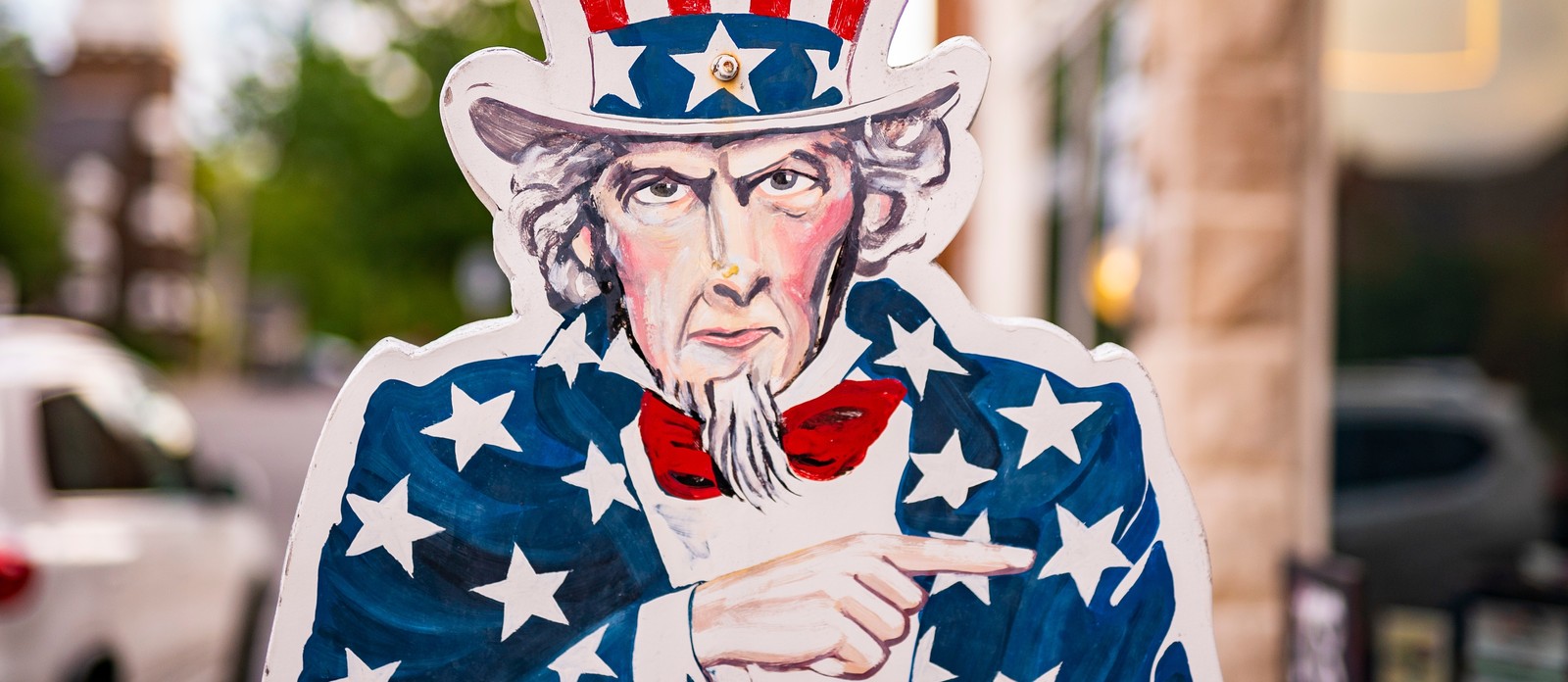
Image: Cory Woodruff

You know Uncle Sam's face from posters, coins, and cartoons, but did you know he started out as a real meatpacker from Troy, New York, stamping beef barrels with two letters that changed everything? Long before the stern man in stars and stripes pointed his finger at you, he wore patchwork clothes, borrowed his pose from a British general, and even helped sell war bonds through baseball. Ten surprising moments shaped the Uncle Sam you know today, and a few of them might genuinely catch you off guard.

1
A meatpacker from Troy sparks a nickname
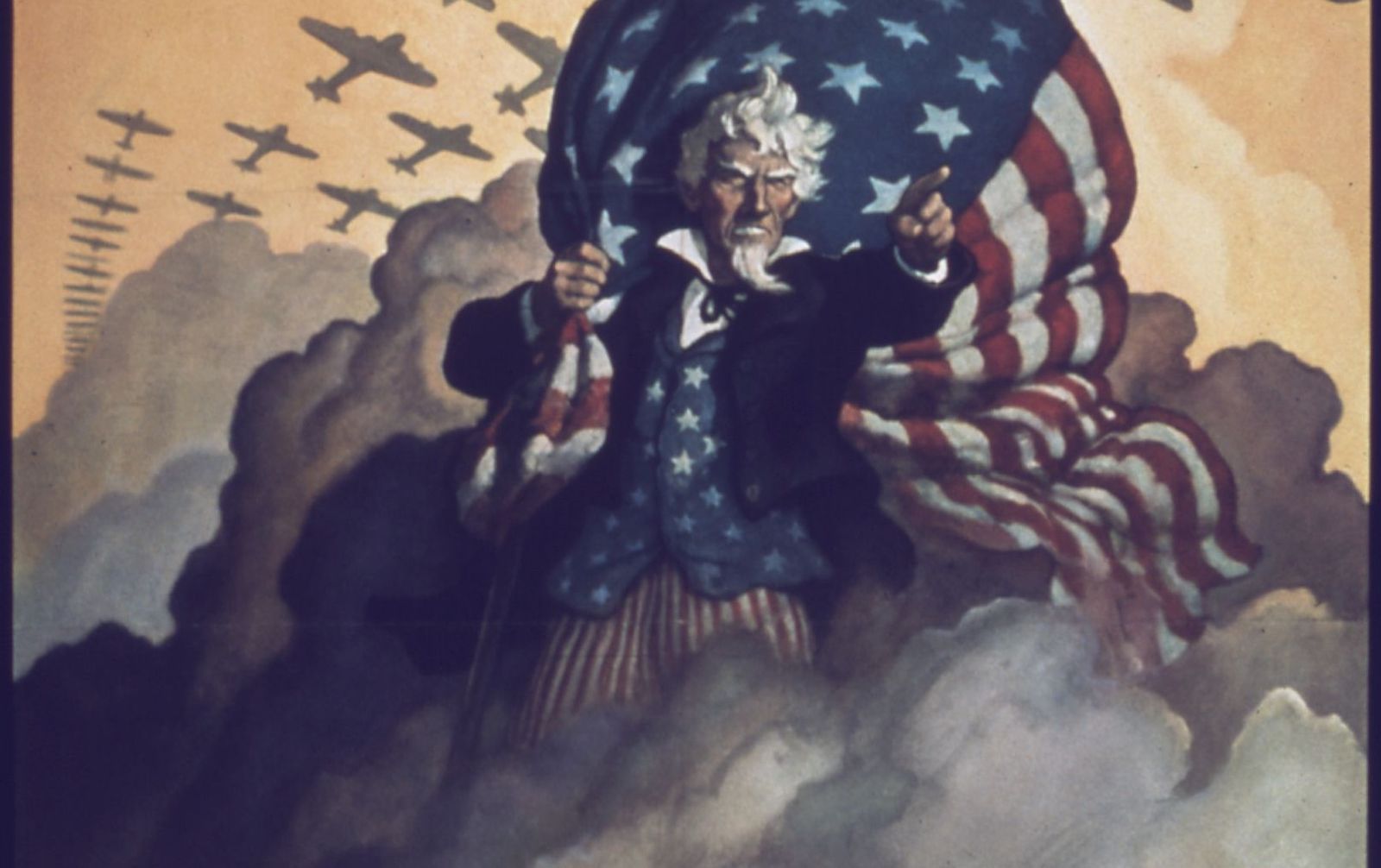
Image: National Archives at College Park, Public domain, via Wikimedia Commons

In 1812, while the country was at war with Britain again, soldiers stationed near Troy, New York, needed to eat. A local businessman named Samuel Wilson, who ran a meatpacking company with his brother Ebenezer along the Hudson River, won a contract to supply barrels of beef and pork to the army.

Wilson stamped every barrel "U.S." for United States, but around town he was already known by a friendlier name, Uncle Sam, for being an honest and generous employer to the many workers who passed through his docks. Soldiers saw the initials, heard the nickname, and started joking that their rations came courtesy of "Uncle Sam" himself. What started as a joke stuck, and local newspapers quickly picked it up, marking the first step in Uncle Sam’s story.

2
A patchwork figure before the patriotic suit
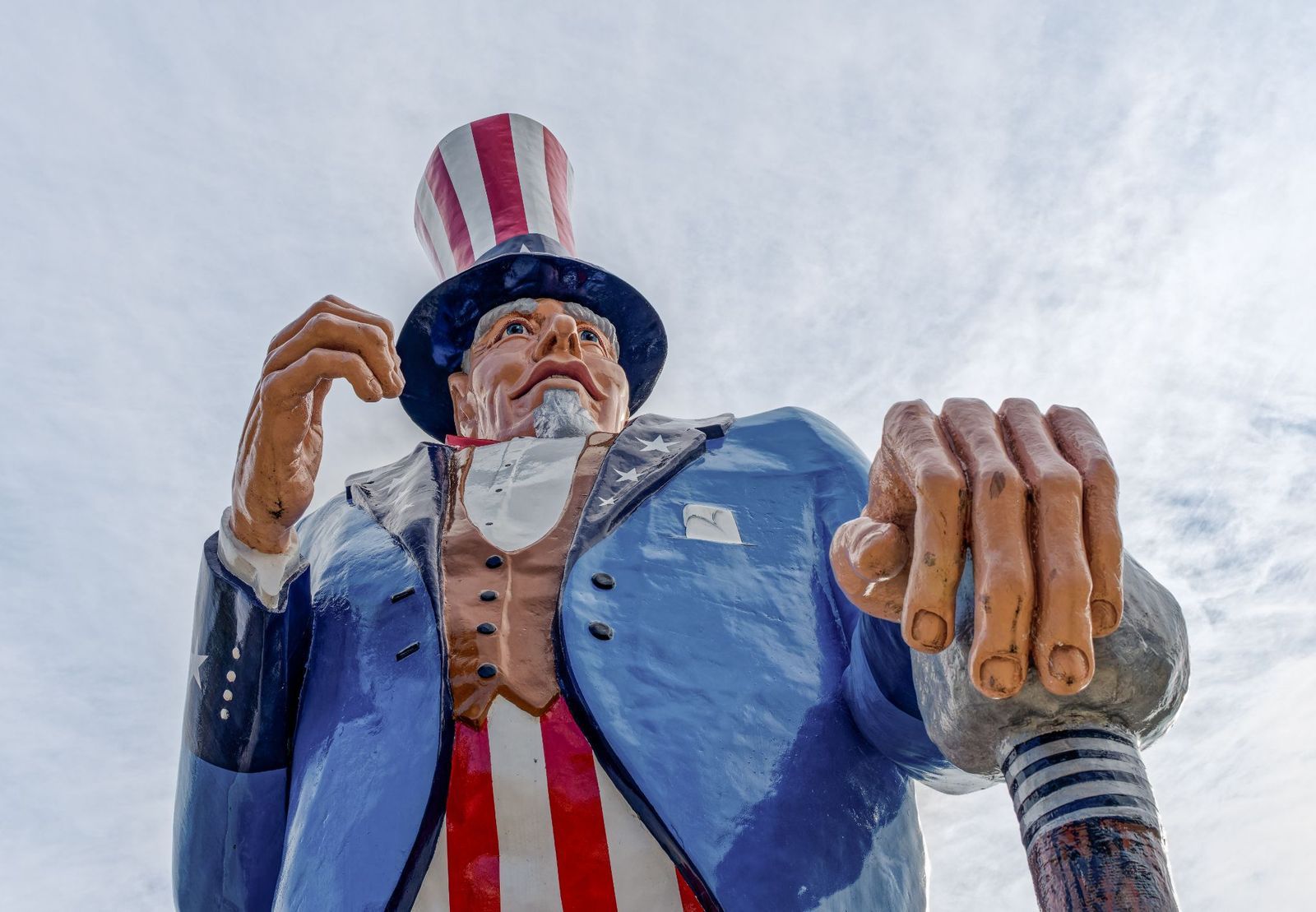
Image: Rosemarie Mosteller

Before Uncle Sam wore his familiar star-spangled coat, he looked more like any other fisherman.

The earliest known drawing of him appeared in the New York Lantern in 1852 , decades after Samuel Wilson first earned the nickname back in Troy. In that cartoon, he had no top hat, no red and white stripes, nothing close to what you would recognize today. Early illustrators dressed him in rustic, everyday clothes, sometimes patchwork, because he was meant to represent the common American, not a polished symbol of government sitting in an office. It took years of cartoonists experimenting, borrowing bits from other figures and dropping others, before Uncle Sam’s look settled into anything close to consistent.

3
The Civil War gives him his iconic aesthetic
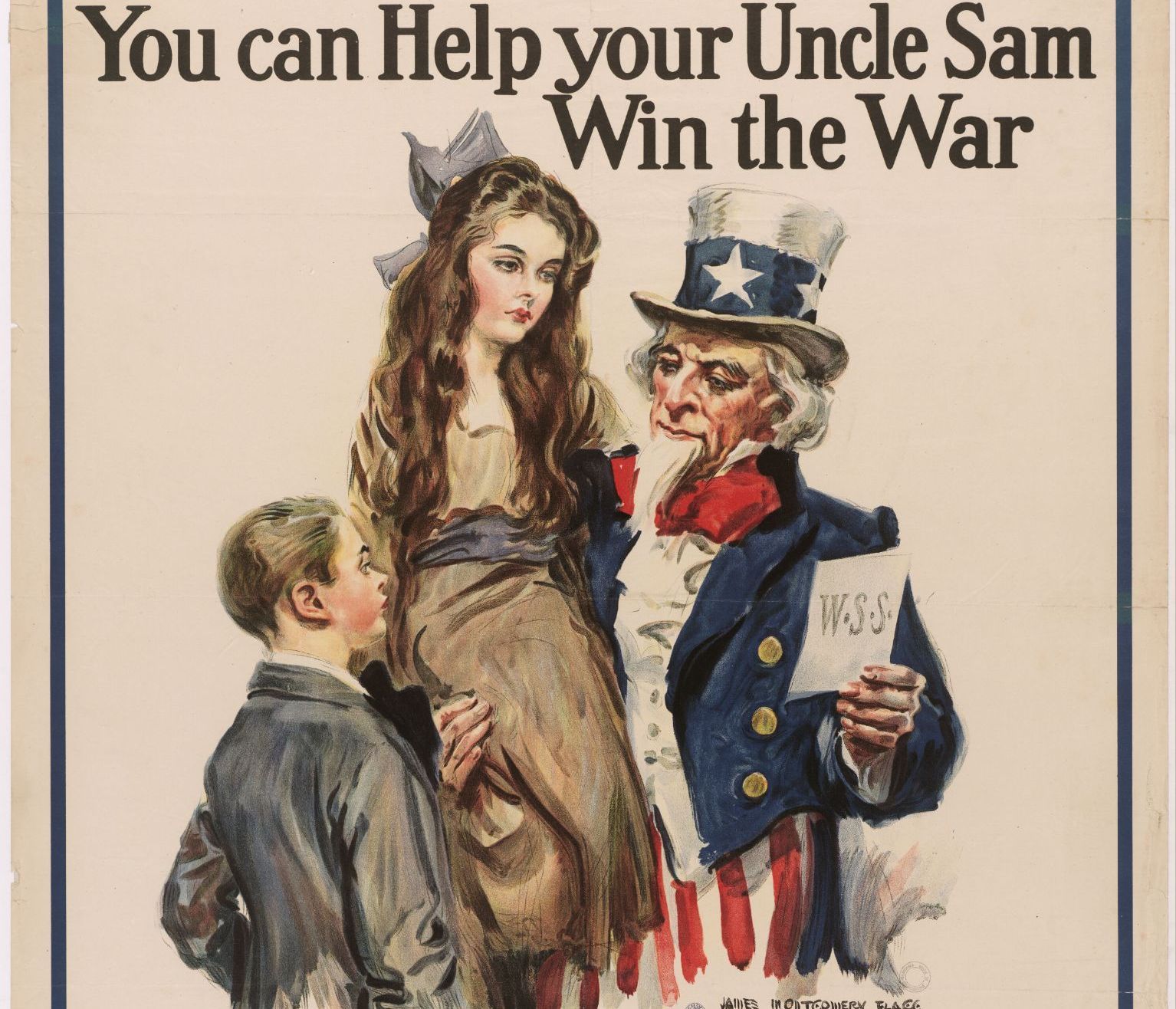
Image: Bibliothèque nationale de France, Public domain, via Wikimedia Commons

During the Civil War, Uncle Sam needed to do more than represent the country. He needed to rally it. Editorial cartoonists of the era, most famously Thomas Nast at Harper’s Weekly , reworked him into someone sharper and more commanding , trading the rustic patchwork look for a tall, lean man with a top hat and striped trousers.

Nast used Uncle Sam to speak for the Union cause and to argue for keeping the country unified, at a time when families followed the war through newspaper cartoons the way we now follow headlines on our phones. This version of Uncle Sam, dignified rather than folksy, laid the groundwork for the figure who would later stare down at millions of Americans from recruitment posters, decades before that poster was ever drawn.

4
Uncle Sam becomes a tool of political satire
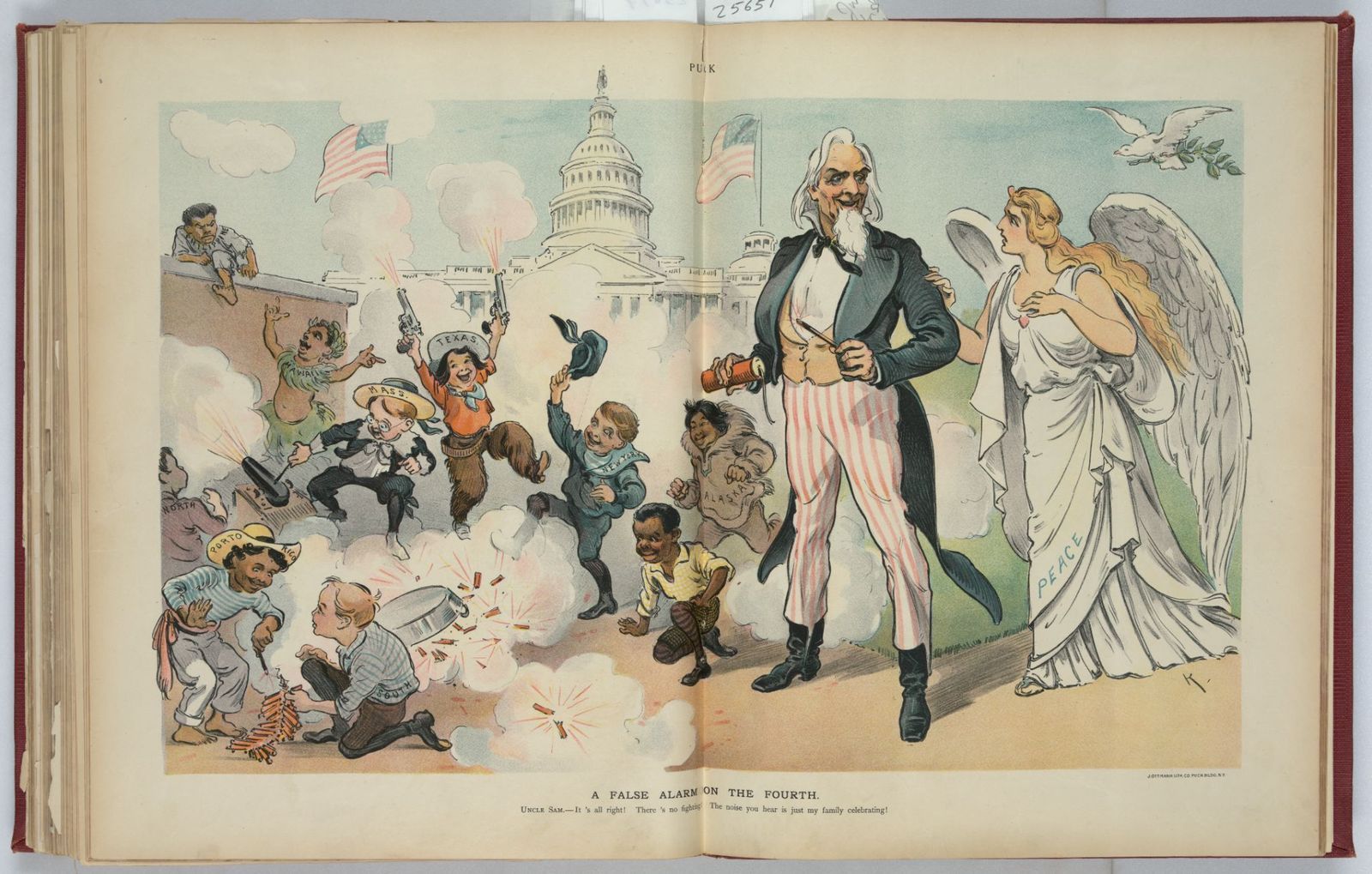
Image: Udo Keppler, Public domain, via Wikimedia Commons

By the turn of the 20th century, Uncle Sam had developed a new side: he could make a political argument without saying a word.

As the United States expanded overseas after the Spanish-American War, cartoonists used his body, clothes, and size to debate what that expansion meant. Around 1900, in J.S. Pughe’s cartoon "Declined with thanks," an oversized Uncle Sam gets measured for an ever bigger suit, a visual joke about the country’s growing territorial expansion. The joke was visual, but the issue was serious. Uncle Sam had become a flexible political weapon, useful both to supporters and critics of American power. The character could literally grow as the nation grew, making him ideal for newspaper satire.

5
A British general points the way first
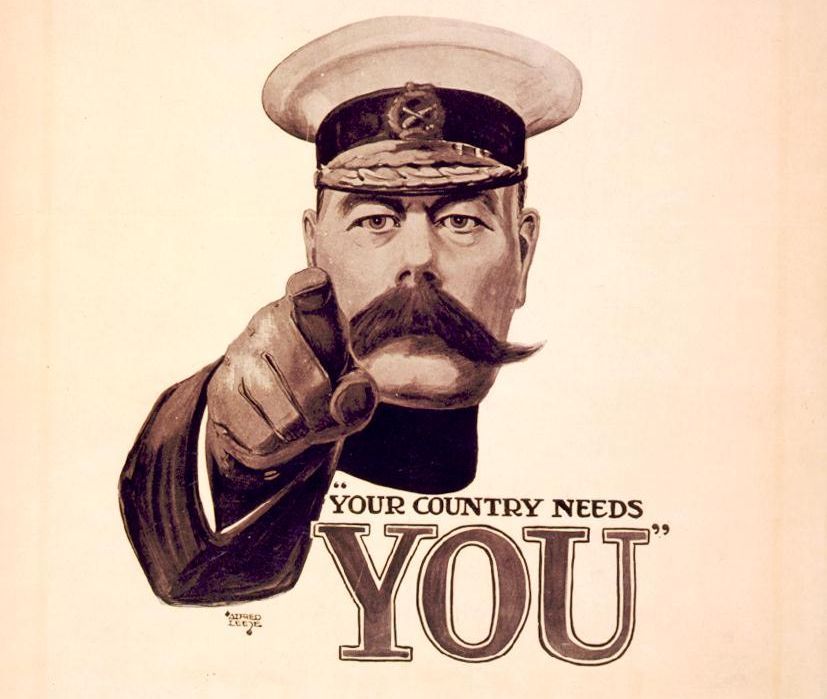
Image: Alfred Leete, Public domain, via Wikimedia Commons

Here’s the twist most people don’t know about: That famous pointing finger, the one every American associated with Uncle Sam, was not originally American at all.

In 1914, as Britain entered World War I, illustrator Alfred Leete created a recruitment poster showing Lord Kitchener, Britain’s Secretary of State for War, pointing directly at the viewer above the words: "Britons: Join Your Country’s Army." The poster ran on magazine covers and street corners across the country and became one of the most talked-about images of the war’s early days. A few years later, on the other side of the Atlantic, an American artist would study that same commanding pose and realize it was exactly what his own country needed to put on paper.

6
An artist paints himself into history
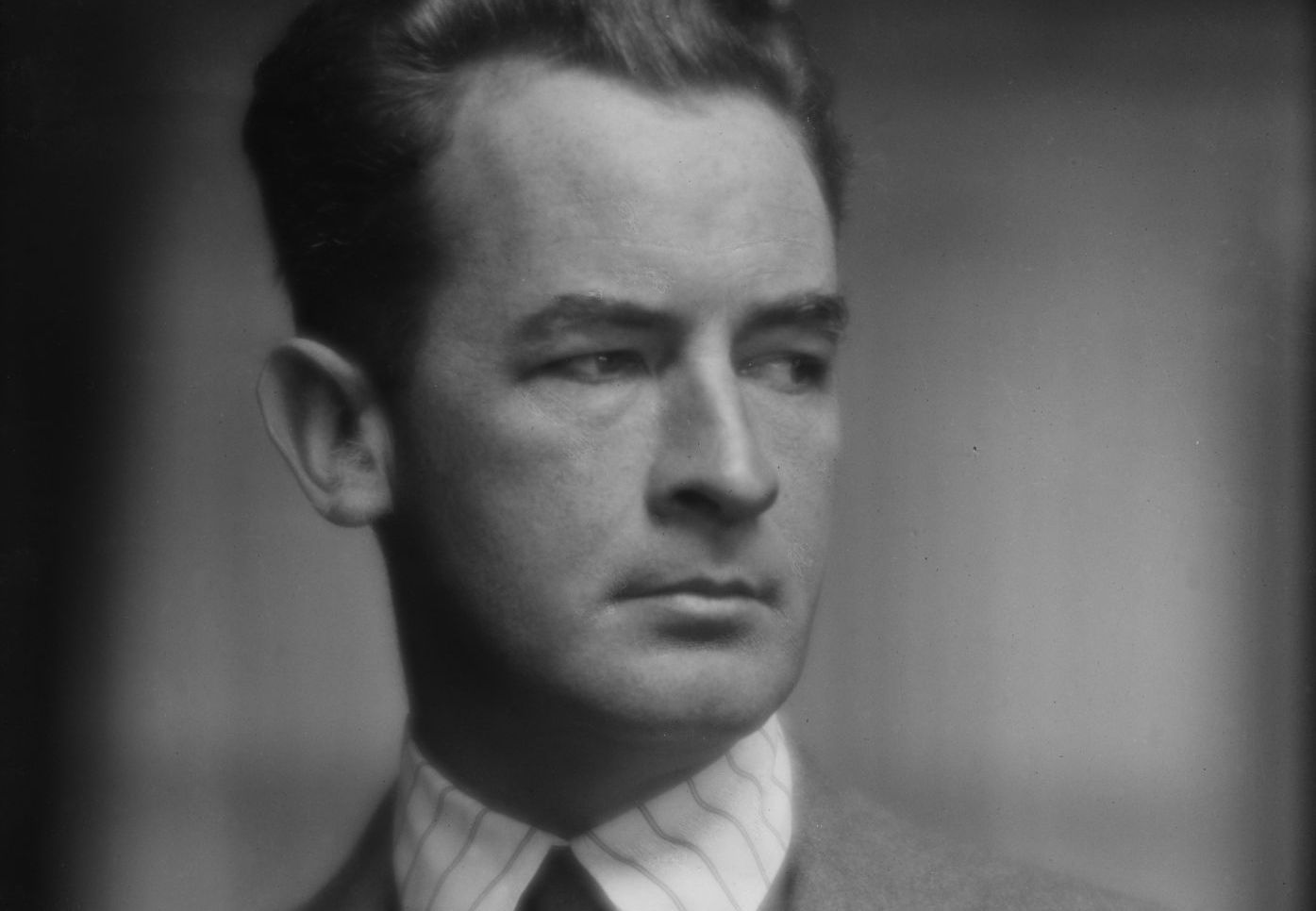
Image: Arnold Genthe, Public domain, via Wikimedia Commons

That American artist was James Montgomery Flagg, a well-known illustrator commissioned by the Committee for Public Information to create a recruitment poster for WWI in 1917.

The plan was simple: echo the Kitchener pose with an American face. There was just one problem: the model scheduled to sit for the painting never showed up that day. Rather than waste the afternoon, Flagg propped up a mirror in his studio and used his own reflection, adding a goatee and white hair to age himself into the role of Uncle Sam. The result, "I Want You for U.S. Army," turned out to be the defining image of Uncle Sam for generations, all because one artist got impatient and decided not to wait around for someone else to show up.

7
A single poster printed over four million times
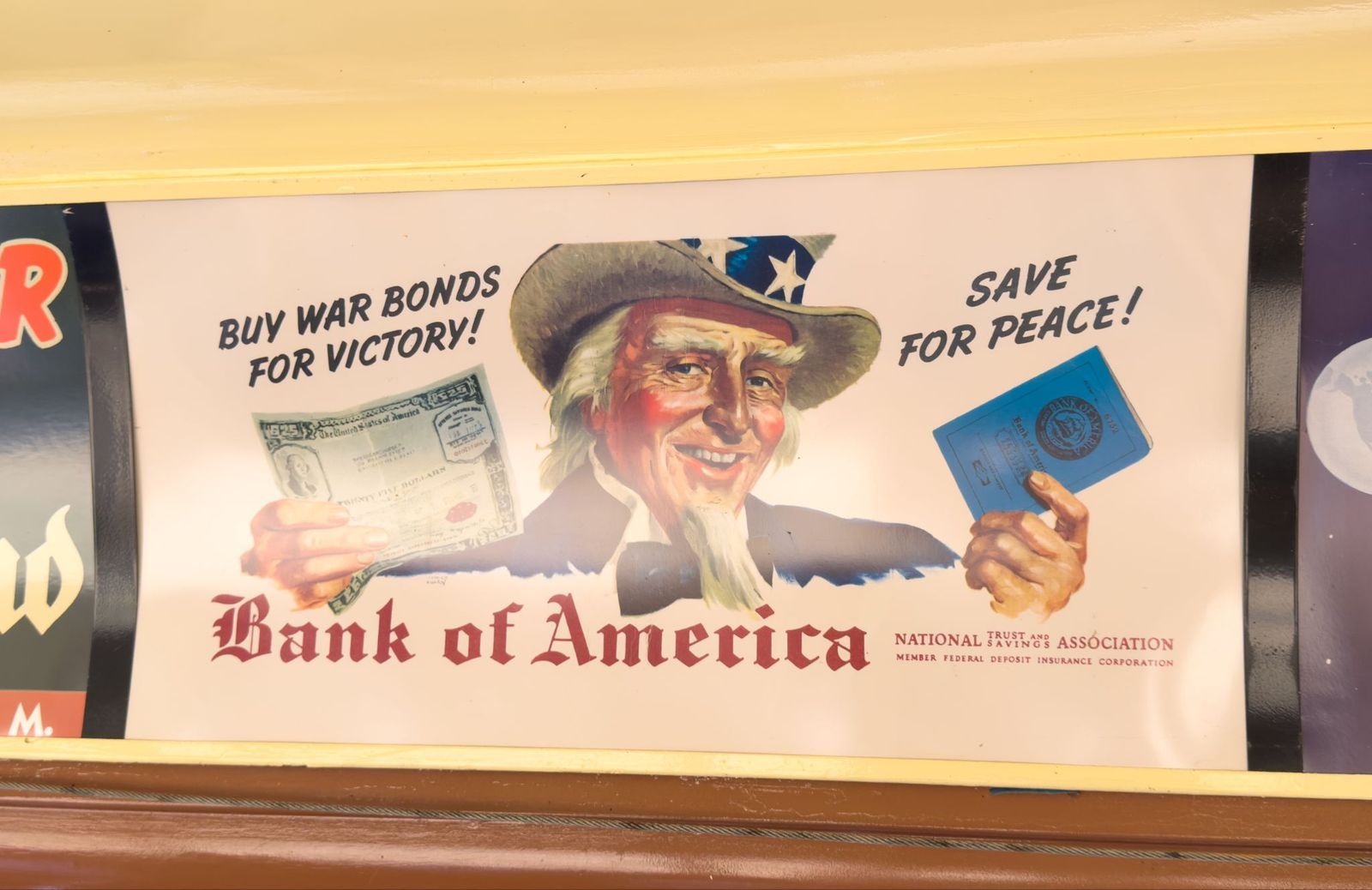
Image: ZikG

Numbers rarely tell a full story, but this one comes close. Between 1917 and 1918, Flagg’s Uncle Sam poster was printed more than four million times, plastered across train stations, storefronts, and town squares nationwide, often right next to enlistment tables.

It pushed Americans to sign up for service, to buy Liberty Bonds, and to see the war as something that involved them personally, not just the soldiers overseas. Few pieces of American graphic design have ever reached that scale of distribution, and fewer still have stayed recognizable a century later. If you have ever seen a Halloween costume, a magazine cover, or a protest sign featuring that pointing finger, you have already seen Flagg's poster still at work.

8
Uncle Sam trades his rifle for a baseball bat
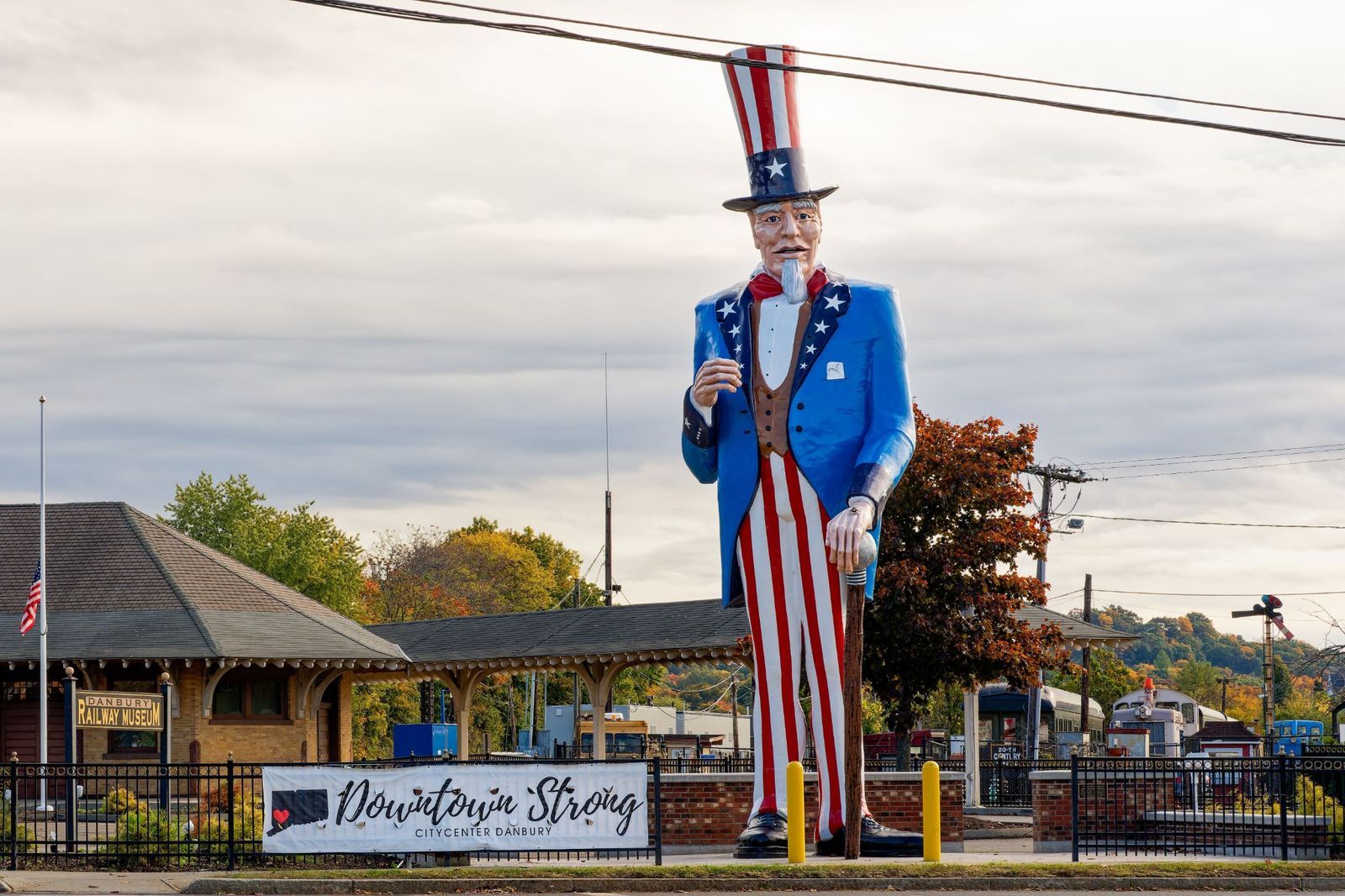
Image: Rosemarie Mosteller

Not every wartime appearance of Uncle Sam involved a battlefield. Illustrators found plenty of other uses for his familiar face between 1917 and 1918, some of them surprisingly playful.

J.C. Leyendecker drew him swinging a baseball bat under the slogan "Get in the Game," nudging Americans toward the war effort through a sport nearly everyone already loved on weekend afternoons. Flagg himself created a gentler image of Uncle Sam with his arm around a horse, part of a campaign asking Americans to support the care of military animals overseas. These lighter, unexpected adaptations remind us that propaganda during that era was not only about urgency; it also leaned on familiarity and warmth to make its point stick.

9
Pearl Harbor brings the same face back
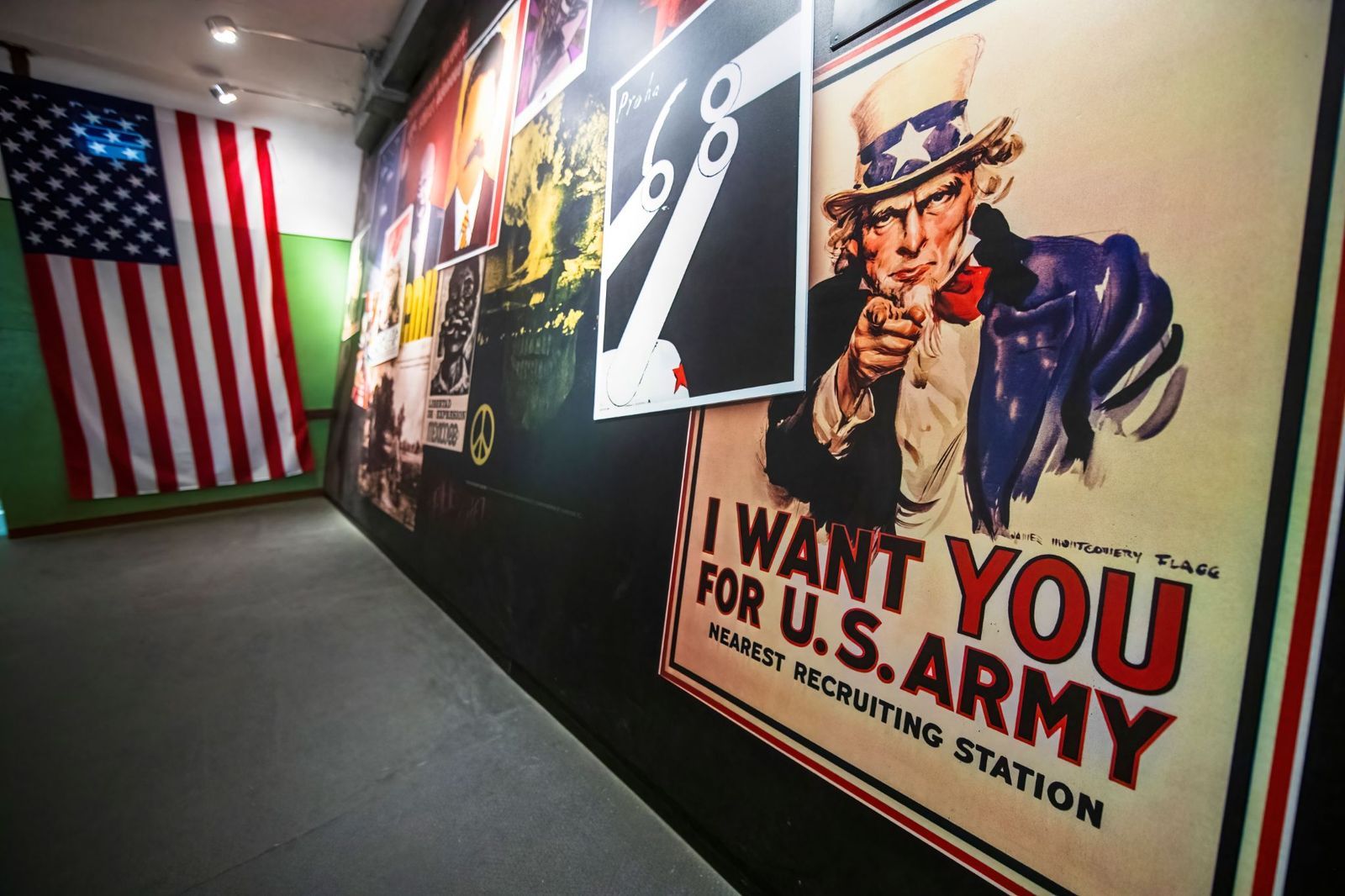
Image: Karolis Kavolelis

When Japan attacked Pearl Harbor in December 1941, the country needed a rallying image fast, and rather than starting from scratch, officials reached for something already proven.

Flagg’s 1917 interpretation was dusted off and reprinted by the millions once again, this time for WWII enlistment drives and home front civil defense campaigns. The same stern face that had once urged an earlier generation to sign up was now doing the job all over again for their sons, appearing on posters in recruiting offices, factories, and post offices nationwide. By the 1940s, he was more than a wartime recruiting figure. He was a shorthand symbol for the federal government and the country itself.

10
From wartime symbol to modern canvas
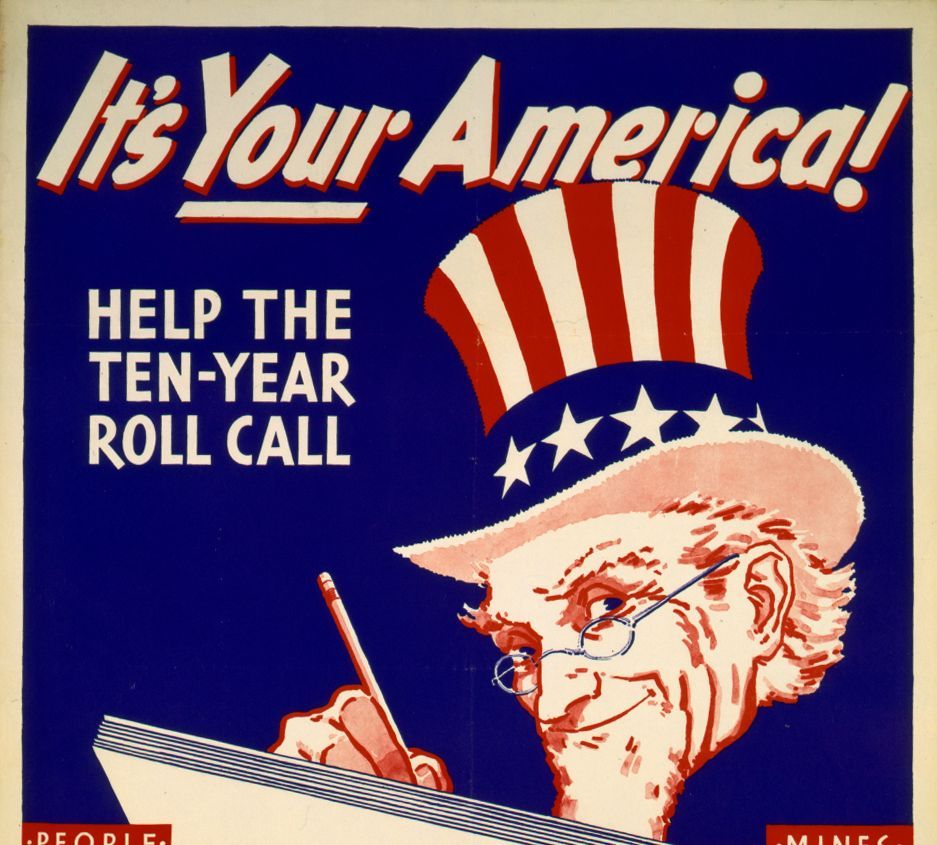
Image: US Census Bureau, Public domain, via Wikimedia Commons

Uncle Sam did not retire once the World Wars ended. In the decades since, he has become something closer to a blank canvas that each generation paints over with its own concerns.

During the Vietnam era, protest artists twisted his familiar pose into pointed criticism of the very government he once represented so simply, using his own famous finger to accuse instead of recruit. Political cartoonists continue to reach for him today, whether the topic is an election, a policy debate, or a national controversy, counting on readers to instantly recognize who he stands for. Few American symbols have proven so adaptable, stretched and reshaped again and again across more than two centuries, yet somehow always recognizable the moment that pointing finger appears.
Culture Culture 5 min read

Do you know which U.S. state boasts the oldest tree in the world?

Image: RDNE Stock project

America is full of tall tales, but some of them happen to be true. From giant rocking chairs to super-sunny cities, many states proudly claim a "world’s largest" title that’s as fun as it is mind-blowing. Here are 12 states where everyday life comes in extra-large size, proving that the spirit of "bigger and better" is alive and well.

1
California

Image: Ross Stone

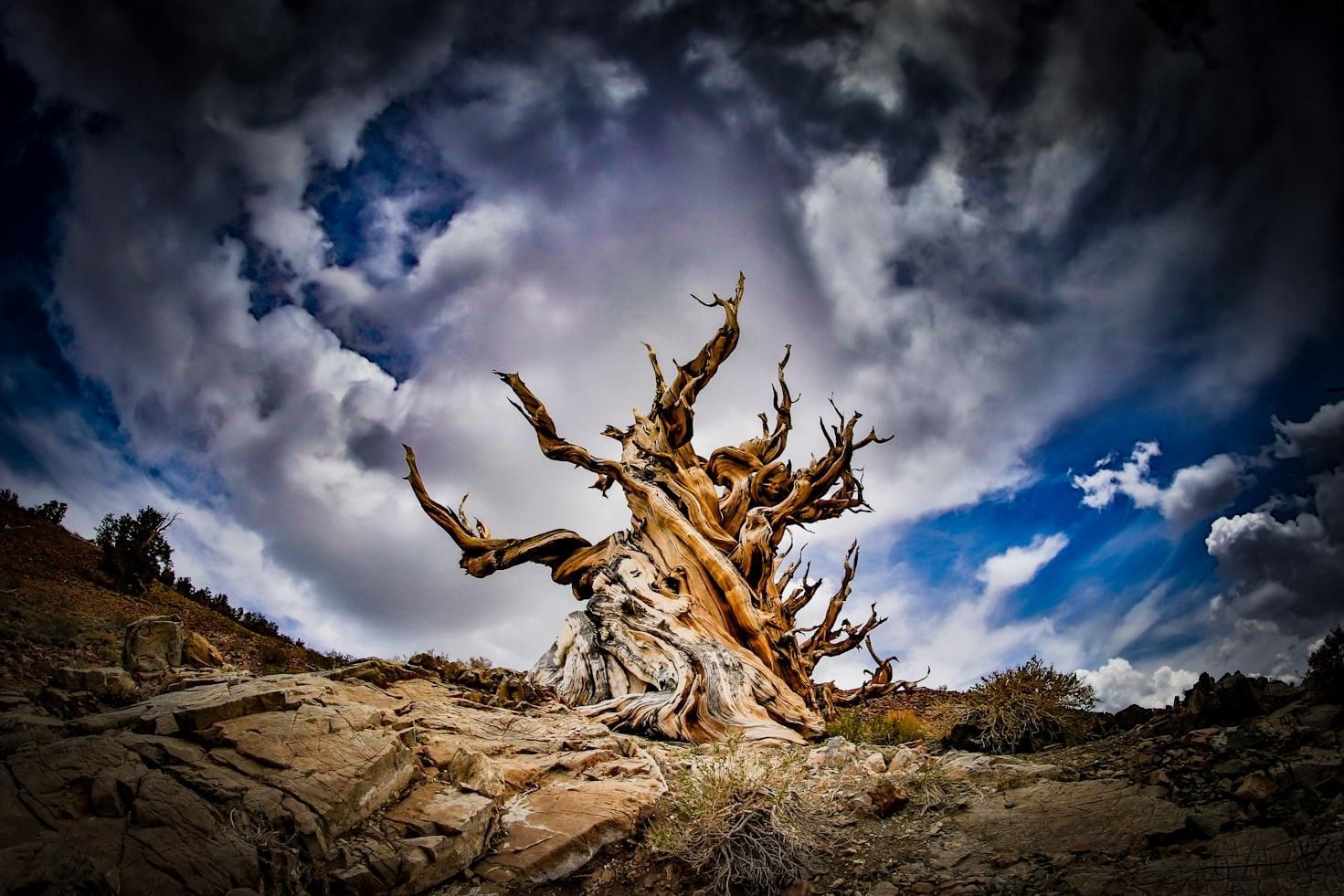
California is famous for its grand sights, but few can compete with Methuselah, a Great Basin bristlecone pine more than 4,800 years old, widely considered the oldest known tree on Earth.

Beyond its ancient forests, the state also shines in pop-culture records: one of Kurt Cobain’s guitars sold in Los Angeles for over $6 million, becoming the most expensive guitar ever auctioned. California is also home to eye-catching personal records, including the world’s longest female arm hair and the largest male afro. From timeless trees to memorable modern oddities, California’s record list is full of true West Coast flair.

2
Nevada

Image: Jordi Vich Navarro

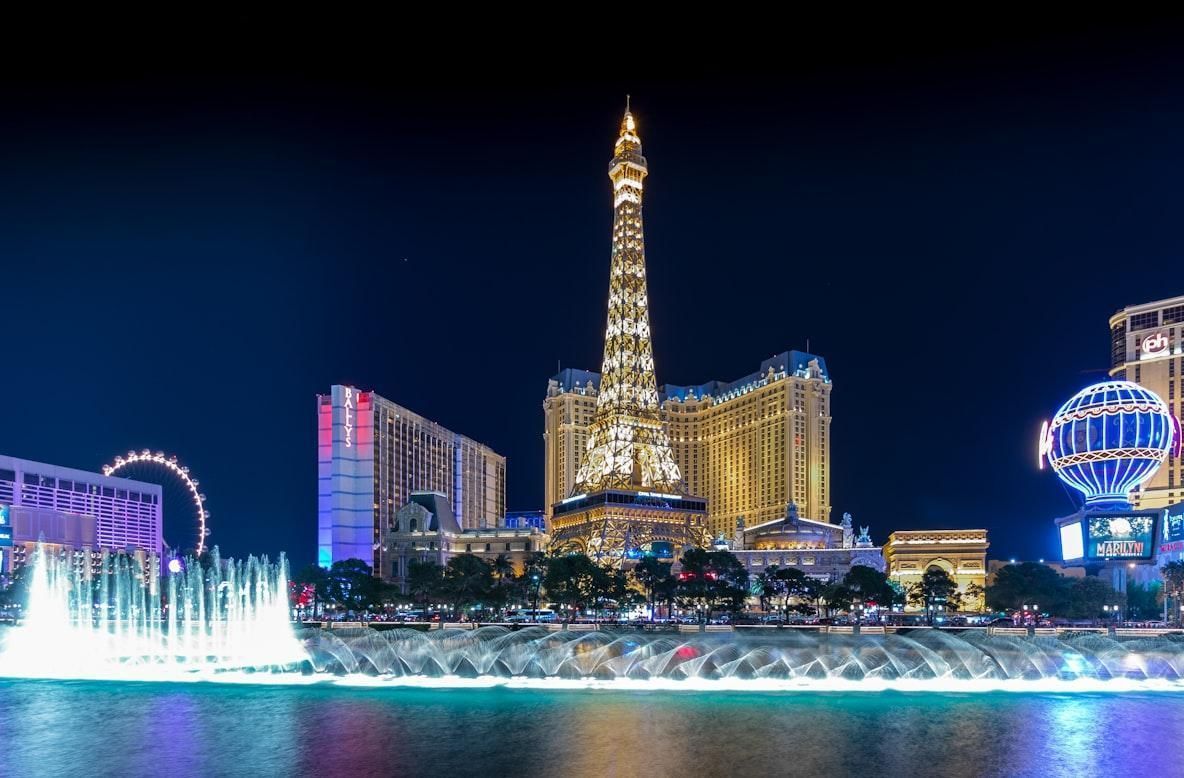
Nevada knows how to entertain…and break records along the way! Las Vegas boasts the highest density of hotel rooms in the world, along with an unmatched lineup of themed resorts that range from ancient pyramids to miniature European cities.

The Bellagio holds the record for the most fountains in a hotel, and the Venetian shines with the world’s largest polished-marble floor area. The city also has more resident magicians than anywhere else and hosts thousands of weddings each month. In Nevada, the show is always bigger, brighter, and endlessly jaw-dropping.

3
Idaho

Image: Craig Adderley

The Gem State holds some of the country’s most lighthearted records. Beard enthusiast Joel Strasser turned facial hair into a full-time hobby. He has tucked thousands of everyday objects into his whiskers, from 3,500 toothpicks to 600 barbecue skewers.

Idaho is also home to record-setter David Rush, known for everything from lightning-fast lemon-juice sipping to catching marshmallows fired from a homemade catapult. And on the scientific side, the University of Idaho helped welcome Idaho Gem, the first cloned mule in history.

4
Arizona

Image: Edmundo Mendez, Jr.

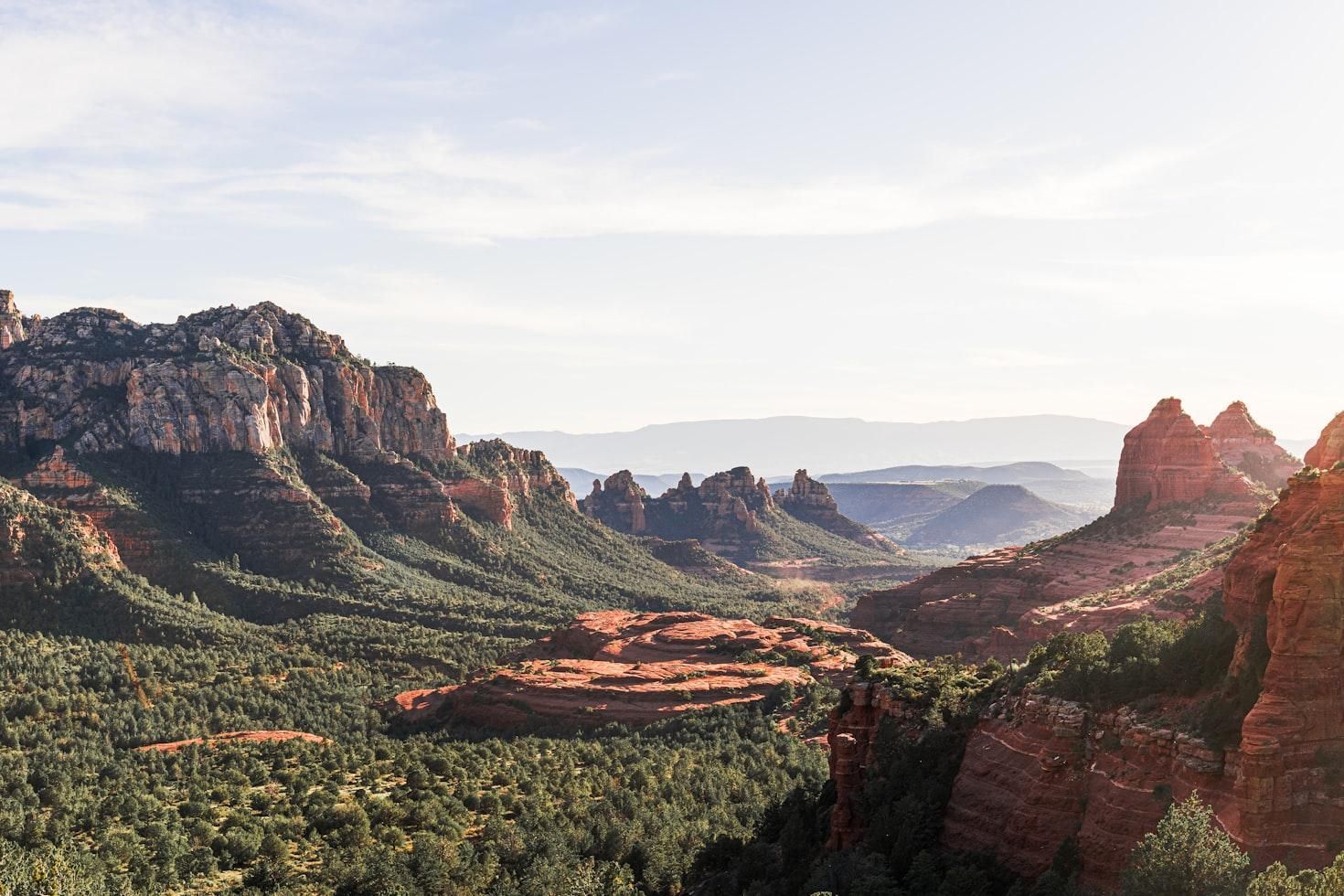
Arizona loves a good spectacle. In Phoenix, an exhibition opening once used a pair of 10-foot scissors —the largest in the world— to cut the ribbon in style. Down in Yuma, sunshine reigns supreme: the city enjoys about 91% of all possible daylight hours each year, adding up to more than 4,000 hours of bright, warm weather.

The state also embraces playful oddities, including its own "Poozeum", the world’s largest collection of fossilized… well, you can guess the rest. And at the Phoenix Zoo, visitors can even meet Nikki, the world’s oldest mandrill, adding another unique distinction to Arizona’s lineup of record-setters.

5
Georgia

Image: Public domain, via Wikimedia Commons

Georgia blends big art with big sports. The state is home to the world’s largest tattoo artwork —a massive 79-plus square-foot piece created by two Atlanta studios using a special silicone canvas and more than $30,000 in materials.

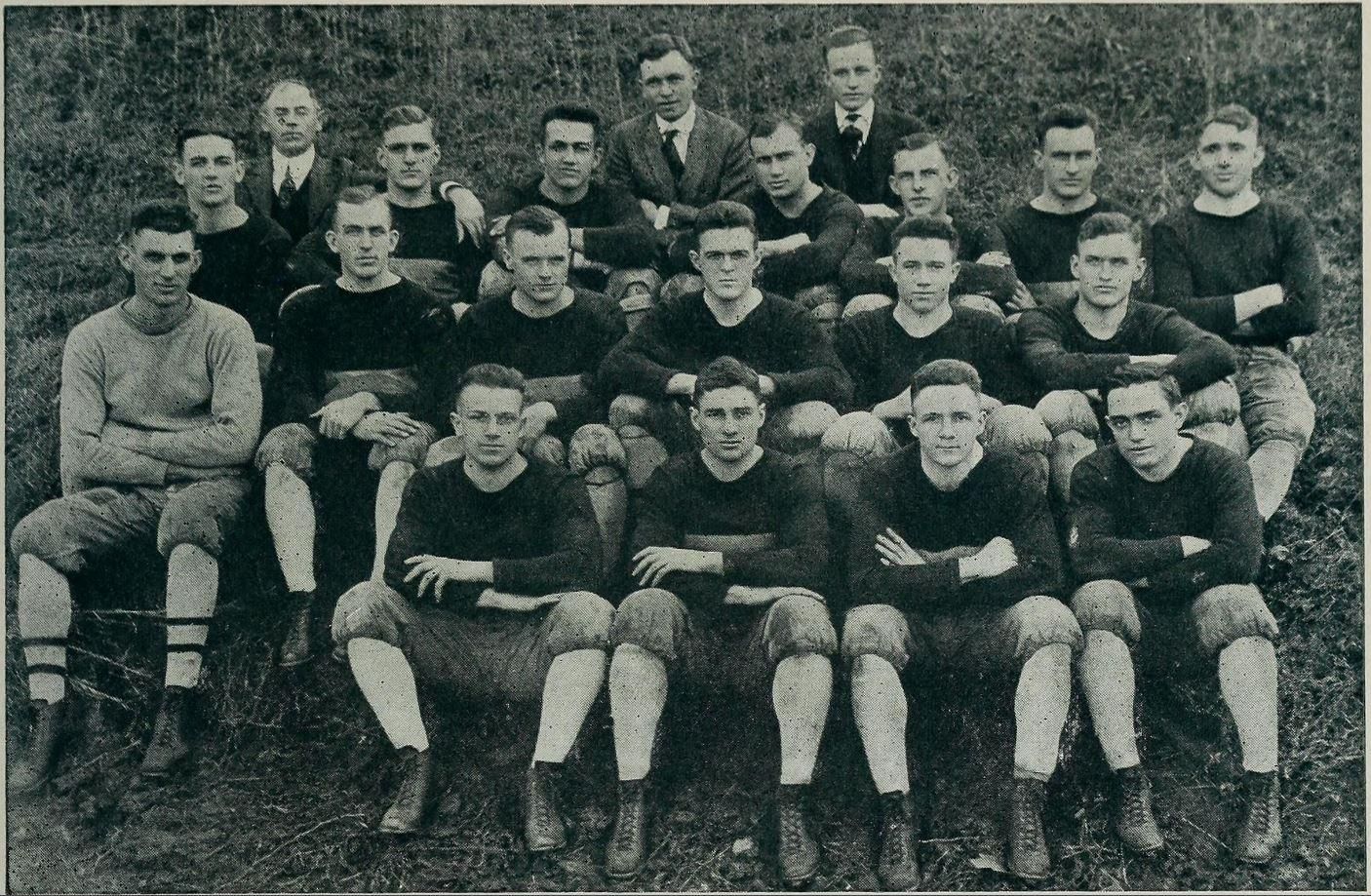
On the athletic side, Georgia Tech once set the highest football score ever recorded, finishing an unforgettable 222-0 game back in 1916. From oversized art to record-setting touchdowns, Georgia knows how to leave a bold, lasting impression.

6
Alaska

Image: Rod Long

Up north, "large" takes on a whole new meaning. Alaska’s Pribilof Islands host the biggest northern fur seal colony on Earth, with close to a million animals gathering during peak seasons.

The state also celebrates remarkable feats of endurance: a tagged bar-tailed godwit flew more than 8,400 miles nonstop from Alaska to Tasmania, setting a record for the longest continuous bird migration. And in the Arctic interior, the Great Kobuk Sand Dunes stretch across nearly 24 square miles —the largest active dune field in the region. Even in a land known for ice and mountains, Alaska proves it can go big in surprising ways.

7
Delaware

Delaware may be tiny on the map, but it knows how to draw a crowd. The state is home to 11 record holders, including the World's Largest Doctor's Bag Monument.

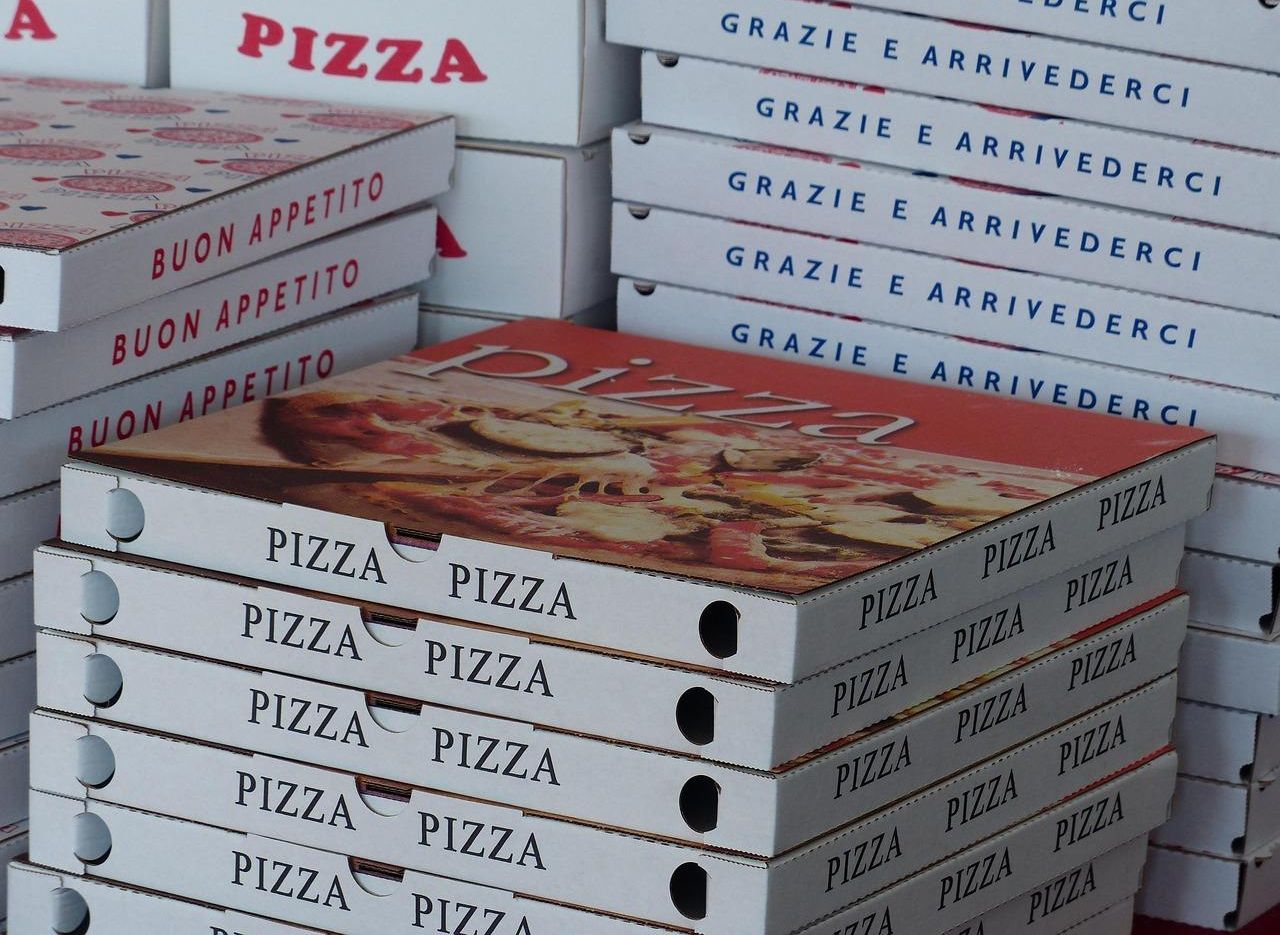
Delaware State University once gathered 1,709 people waving foam fingers at the same time, and another huge group buzzing handheld buzzers together. The state is also home to a towering 36-foot stack of cardboard boxes called the "Leaning Tower of Pizza." Small state, big personality.

8
Hawaii

Image: Matt Paul Catalano

Hawaii’s natural wonders reach record heights, and many of them are straight from the islands’ own landscape. Kīlauea is recognized as the world’s most active volcano, with decades of steady activity and a name that fittingly means "spewing."

The islands also celebrate remarkable achievements on the ocean: off Oahu, Australian surfer Laura Enever rode an astonishing 43.6-foot paddle-in wave, the largest ever recorded for a woman.

9
Illinois

Image: Brett Sayles

Illinois loves to go big, and it shows in all kinds of creative ways. In the small town of Casey, visitors can stand beneath a giant rocking chair more than 56 feet tall —one of the state’s many oversized roadside attractions.

The Prairie State also stirred up the world’s largest jar of spread, using more than a ton of peaches and tomatoes in a three-day cooking marathon. Are you waiting for something more extreme? An Illinois native set the record for the fastest clapping ever recorded, reaching an incredible 804 claps in one minute.

10
Alabama

Alabama has a special talent for turning simple moments into big record-breakers. Here you’ll find the largest bubblegum bubble ever blown —a bright 20-inch sphere made from just three pieces of gum and plenty of practice.

The state also celebrated the Apollo 11 anniversary by launching nearly 5,000 model rockets at once, filling the sky with a burst of color. Alabama is home to more than 50 record holders, including inspiring stories like Curtis Means’, the world’s most premature baby to thrive and grow. If you enjoy bold, cheerful achievements, Alabama delivers them in generous size.

11
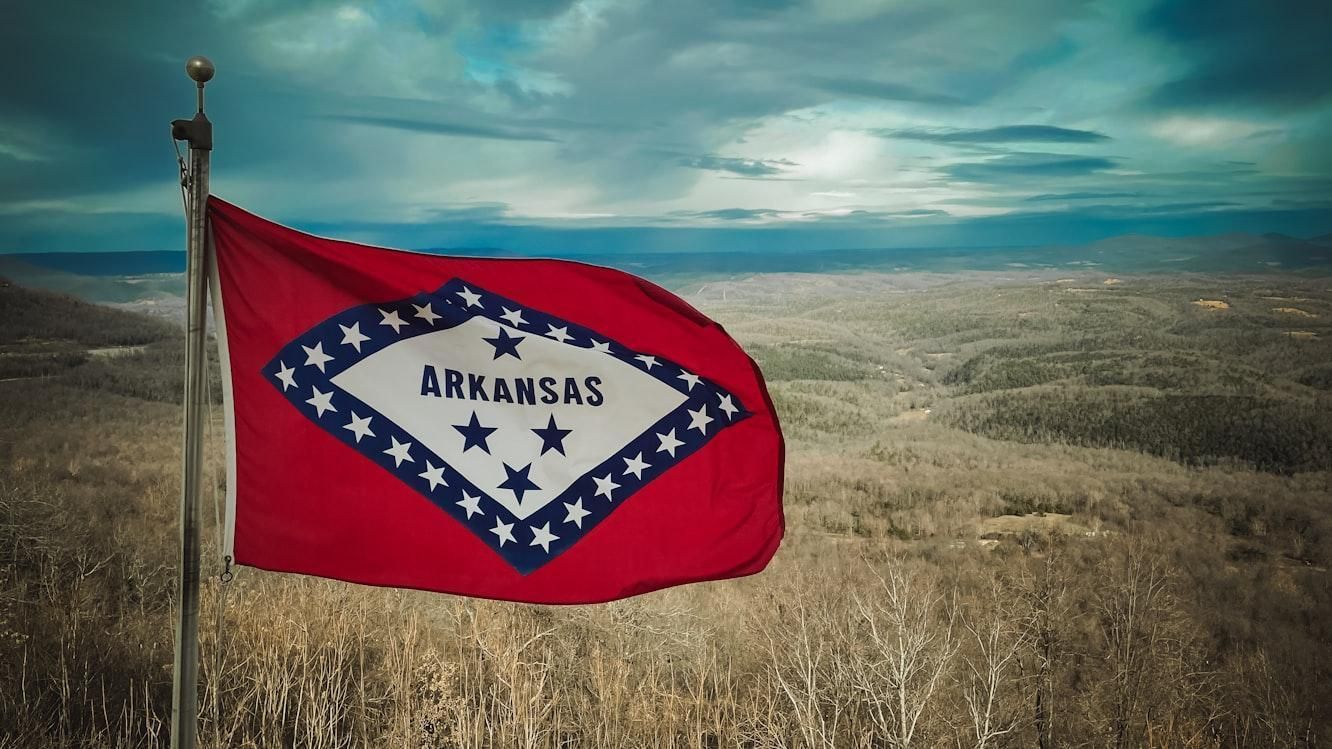
Arkansas

Image: Jametlene Reskp

The Natural State mixes small-town charm with some truly memorable oddities. Arkansas was once home to Lurch, the African watusi steer famous for having the largest horn circumference ever measured —an incredible 37.5 inches around.

Arkansas also wears its heart on its sleeve: a statewide effort gathered more than 81,000 pounds of pet food in just 24 hours, setting a cheerful charity record. And for pure determination, a young Arkansan even held a deep squat for nearly three hours. In Arkansas, generosity and eye-catching achievements go hand in hand.

12
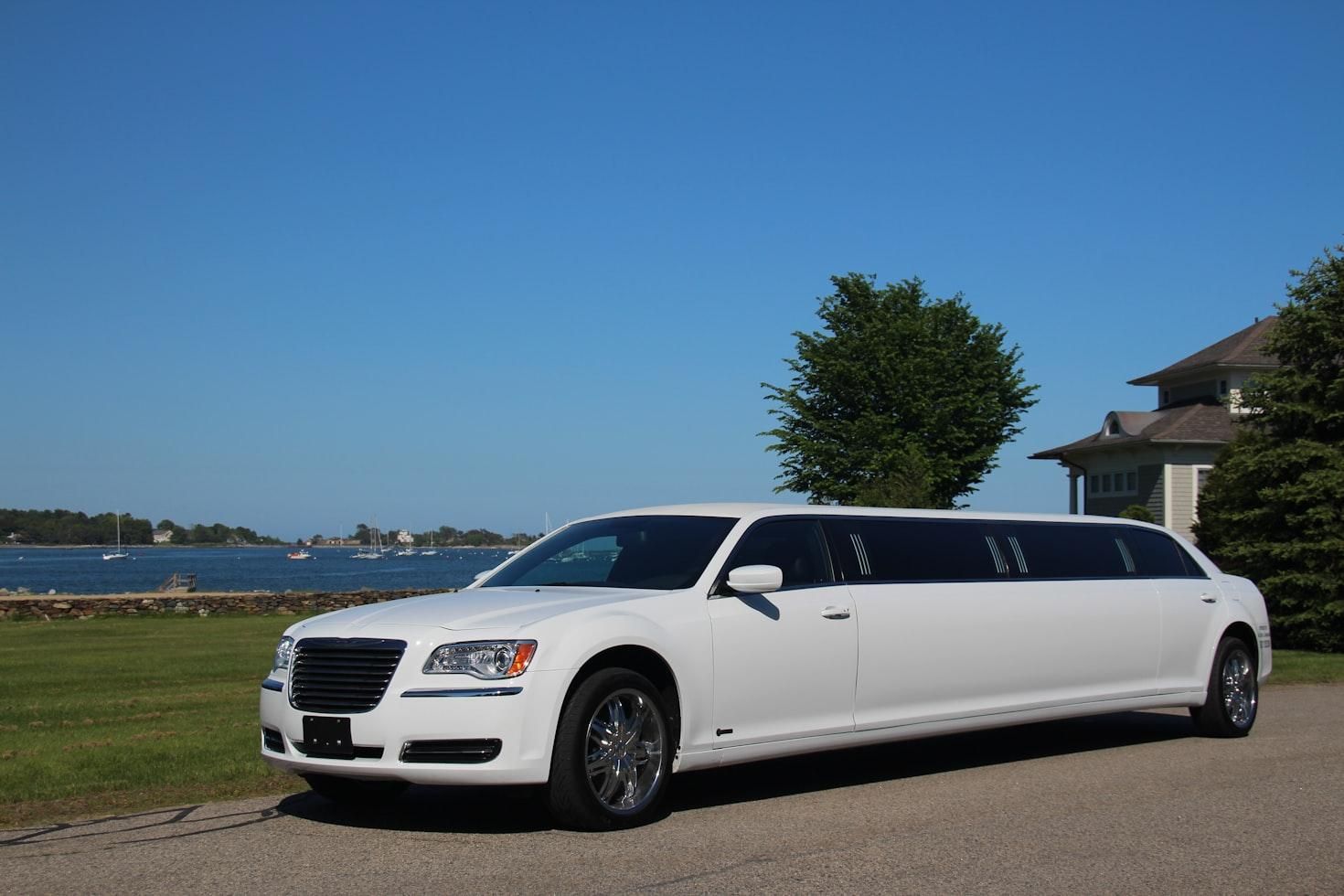
Florida

Image: Richard R

Florida takes "large" to heart. The Sunshine State is home to the world’s longest limousine, a restored 100 ft 1.5 in cruiser with room for 72 passengers —nearly three times the length of an ordinary stretch limo!

Florida also knows how to put on a show: Miami hosted the first-ever pay-per-view pillow fight, complete with pro fighters and custom-made pillows; in Bradenton, a Monster Jam driver set two eye-popping records for the most consecutive spins in a monster truck.

Culture Culture 5 min read

From E.T. to Roger Rabbit

Ten legendary movies from the 80s and the moments we never forgot

Image: Steven Miller, CC BY 2.0, via Wikimedia Commons

Have you ever walked out of a movie theater feeling like you've just witnessed an instant classic? As if you were enthralled by some intangible quality in the film's characters, music, or plot. Certainly, many of the most beloved Hollywood blockbusters of the 80s can be described exactly like that: enthralling instant classics. Let's take a trip down memory lane and dive right into these indelible films that defined an era.

1
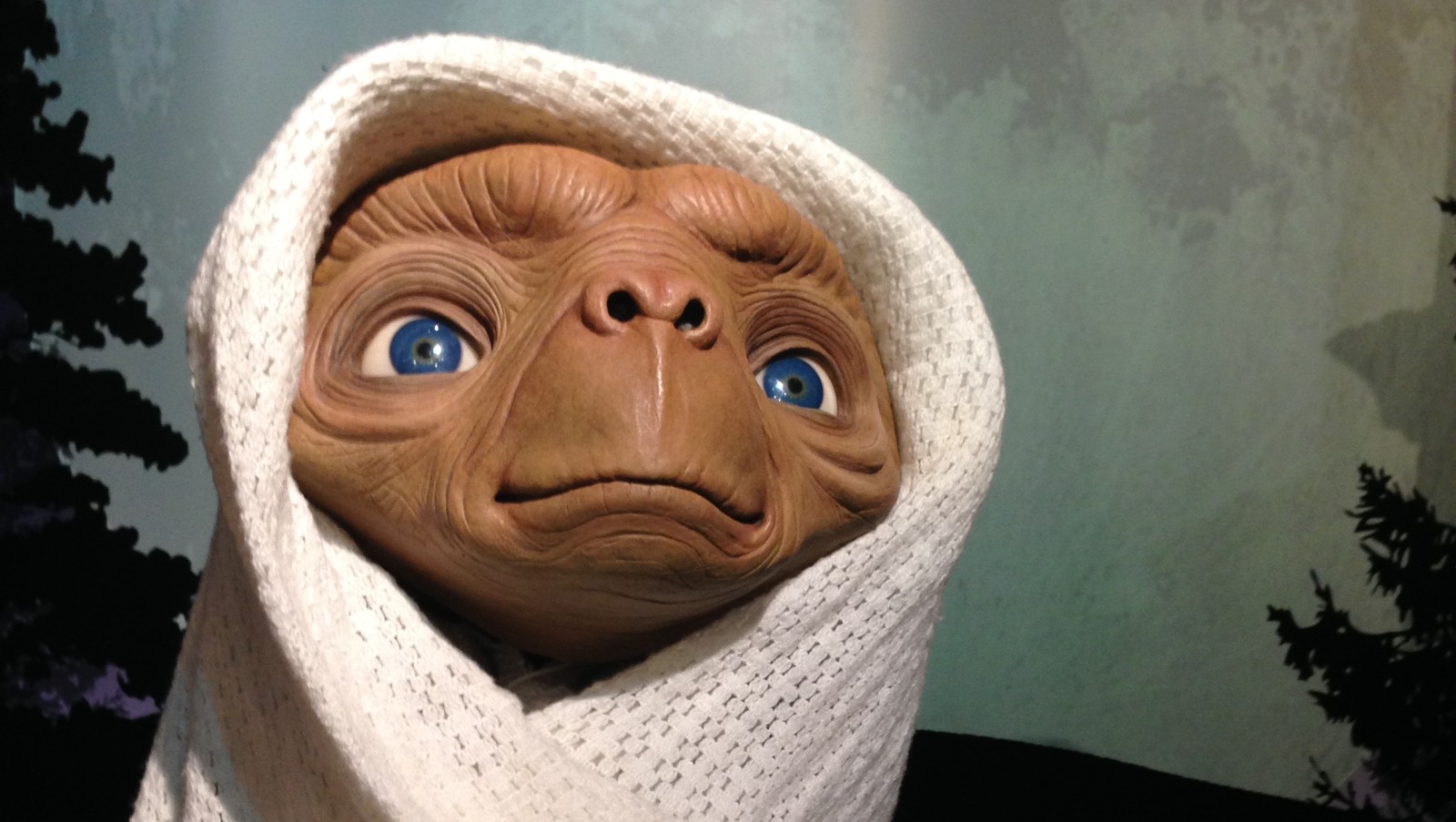
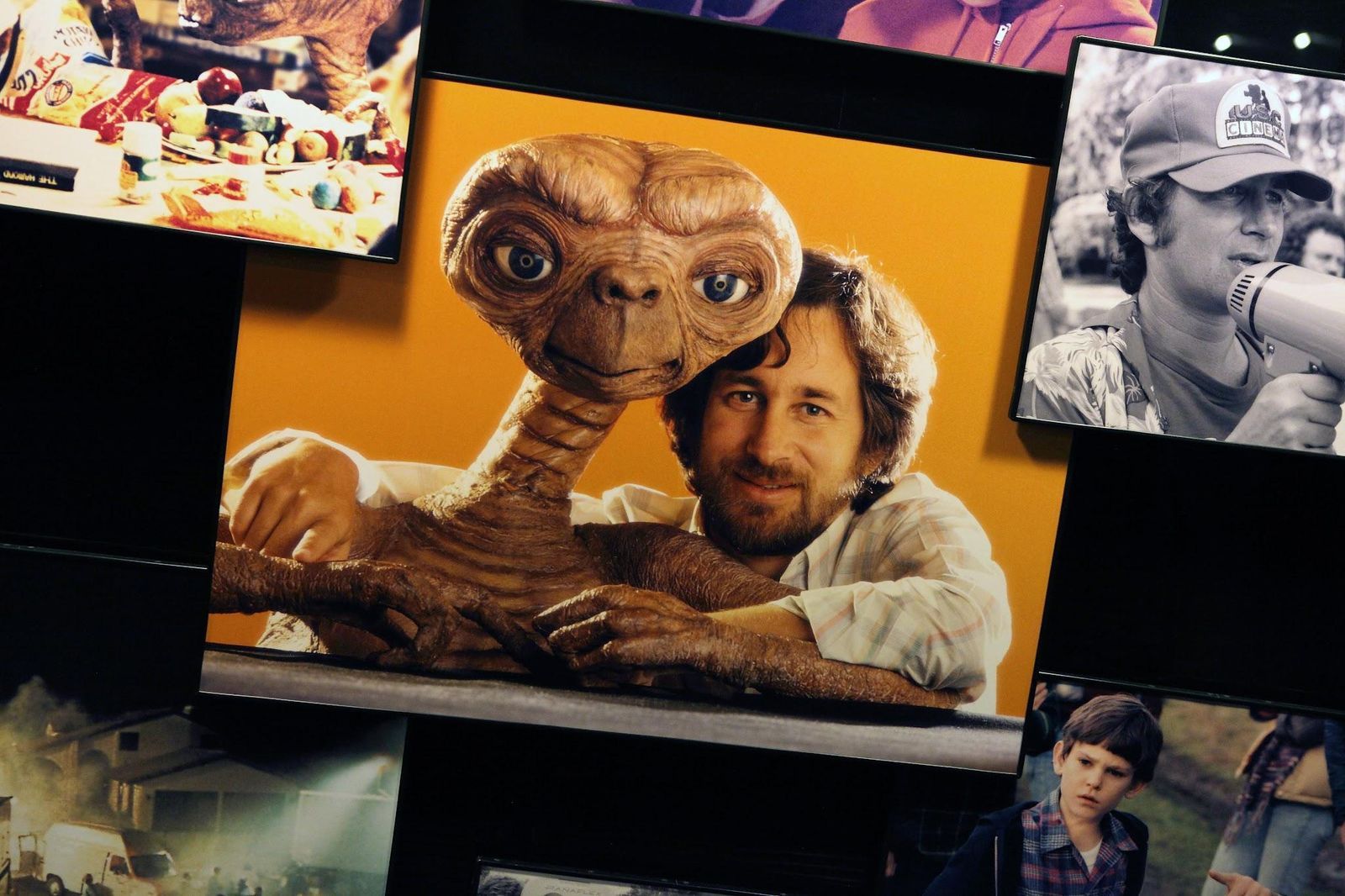
E.T., the Extra-Terrestrial (1982)

Image: Steven Miller, CC BY 2.0, via Wikimedia Commons

The friendship between Elliot and E.T. didn't just capture our hearts: it broke audience records, selling approximately 142 million tickets domestically, beating the incredibly successful Star Wars: A New Hope (1977). It held that record for over a decade, until Jurassic Park snatched the title in the 90s.

This Steven Spielberg classic starred Henry Thomas, Drew Barrymore when she was still a child, and it featured a soundtrack by composer John Williams that made the audience feel like they were flying on a bicycle along with Elliot and his extraterrestrial friend.

2
Star Wars: The Empire Strikes Back (1980)

Image: Alexander Popadin

Star Wars Episode V: The Empire Strikes Back contains one of the most famous lines in film history: "I am your father." The first installment of the Star Wars saga (later retitled as Star Wars Episode IV: A New Hope) had been the biggest film of the 70s. As soon as the decade changed, Empire brought millions of fanatics to the theatres again. It sold around 98 million tickets in the US and Canada.

Directed by Irvin Kershner and produced by George Lucas, the film reunited audiences with Mark Hamill, Harrison Ford, and Carrie Fisher. The story follows the Rebel Alliance on the run. Though slightly less commercially dominant than its predecessor, it was still one of the top-grossing films of the decade.

3
Indiana Jones and the Last Crusade (1989)

Image: Intricate Explorer

By the time Indiana Jones and the Last Crusade hit theaters in 1989, the fedora-wearing archaeologist was already a global icon, having charmed audiences in the first two installments.

Three of the big names that were involved in this production have already been mentioned on this list: Director Steven Spielberg, producer George Lucas, and star Harrison Ford. This time, he was joined by the great Sean Connery playing his father. This installment sold an estimated 49 million tickets domestically.

4
Batman (1989)

Image: Deepak Choudhary

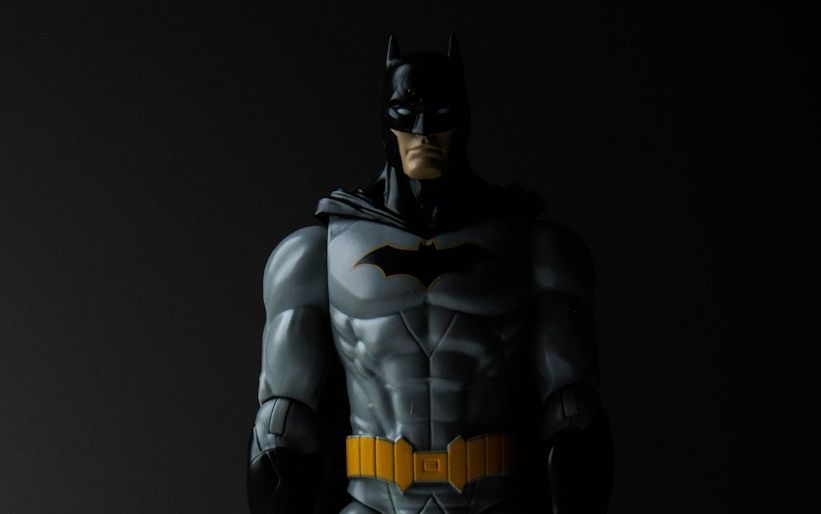
When director Tim Burton took over the superhero’s story for this late-eighties movie, he gave a darker, stylized touch to the genre. Starring Michael Keaton as the Dark Knight alongside Jack Nicholson as the Joker, this film was a great departure from the comic book storytelling that audiences had gotten used to with the 60s iconic series in which Adam West played Gotham’s hero alongside Burt Ward as Robin.

The film sold around 62 million tickets locally and became the biggest commercial success of that year. Combined with an album filled with hits by superstar Prince, this movie was one of the first superhero blockbusters.

5
Back to the Future (1985)

Image: Roger Ce

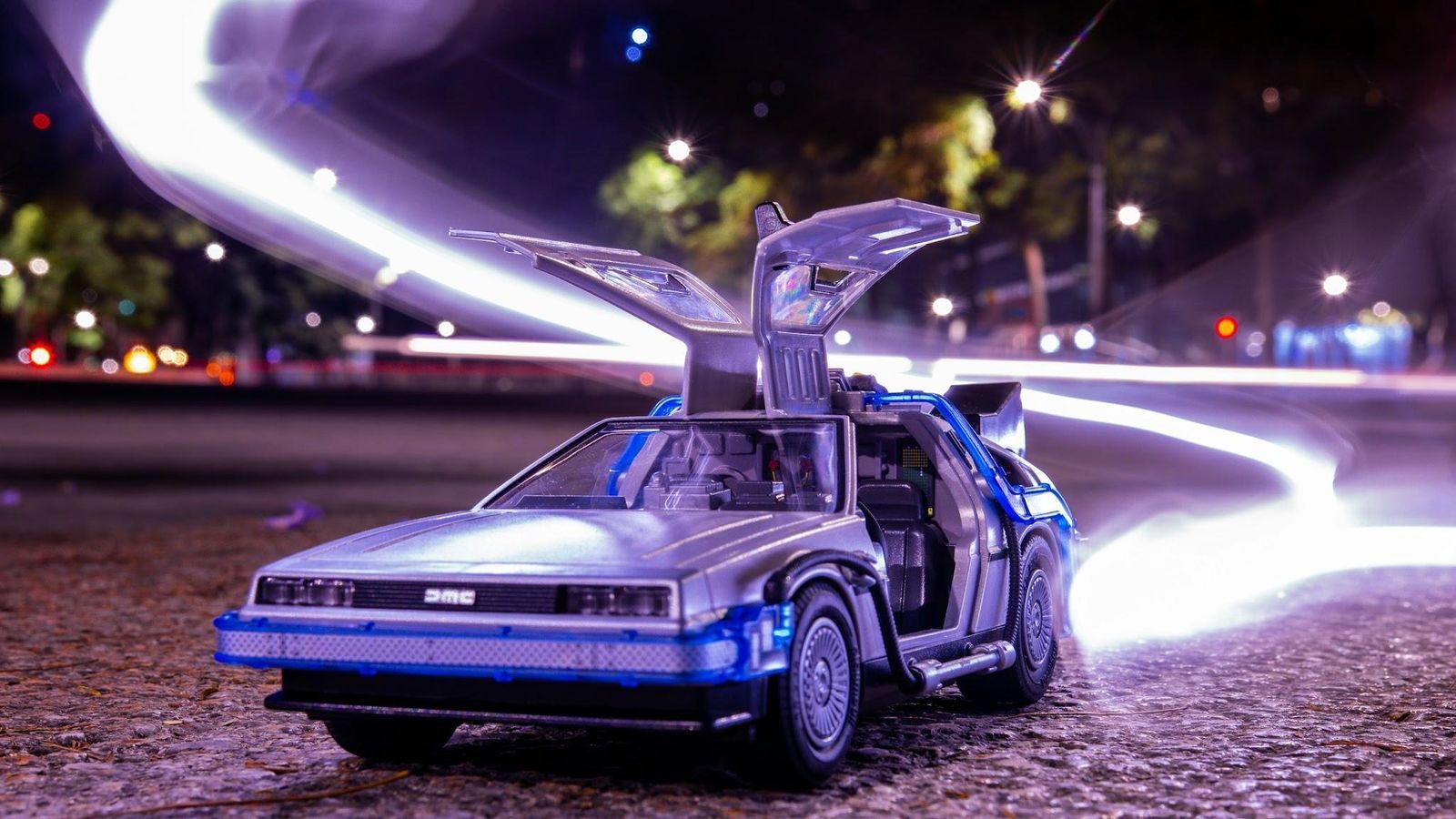
This movie took the concept of time travel and worked it into one of the most beloved films of an era. Directed by Robert Zemeckis and produced by Steven Spielberg, the film stars Michael J. Fox as Marty McFly, a teenager accidentally sent back to 1955 in a time-traveling DeLorean built by the eccentric Doc Brown , played by Christopher Lloyd.

It was the highest-grossing movie of ‘85, selling 59 million tickets domestically. Its mix of comedy, science fiction, and heartfelt scenes made it a classic viewers love to rewatch.

6
Top Gun (1986)

Image: UMUT DAĞLI

Naval aviation had never stirred as much popular interest as when Tom Cruise played the daring pilot Maverick in this film. It was the most successful film of 1986, selling approximately 47 million tickets.

The action film, with high-speed aerial sequences and a strong focus on competition and camaraderie, boosted Navy recruitment in the years that followed its release . It also popularized songs like "Take My Breath Away" and "Danger Zone," and cemented Ray-Ban’s aviator sunglasses as a cultural icon.

7
Ghostbusters (1984)

Image: Winston Chen

"Who you gonna call?" Directed by Ivan Reitman and starring Bill Murray, Dan Aykroyd, Harold Ramis, and Sigourney Weaver, this film became one of the most beloved and memorable comedies of the decade. It earned nearly $300 million worldwide and sold 71 million tickets in North America alone, making it a huge success for the era.

Its theme song, "Ghostbusters" by Ray Parker Jr., became a chart-topping hit, and the film’s imagery, from the Stay Puft Marshmallow Man to the proton packs, became instantly iconic.

8
Rain Man (1988)

Image: Aung Myint Oo

This one film managed to make an impact without lightsabers, time-traveling machines, spaceships, aliens, ghosts, or men in capes. Rain Man showed Hollywood that character-driven stories could still become big hits.

Directed by Barry Levinson, the film stars Tom Cruise and Dustin Hoffman as newfound brothers who must embark on a cross-country journey. Selling around 43 million tickets, it was the highest-grossing film of its year, which meant the audiences loved it. It also went on to win four Academy Awards, including Best Picture and Best Actor for Hoffman, which meant the critics loved it, too.

9
Who Framed Roger Rabbit (1988)

Image: aeroprints.com, CC BY-SA 3.0, via Wikimedia Commons

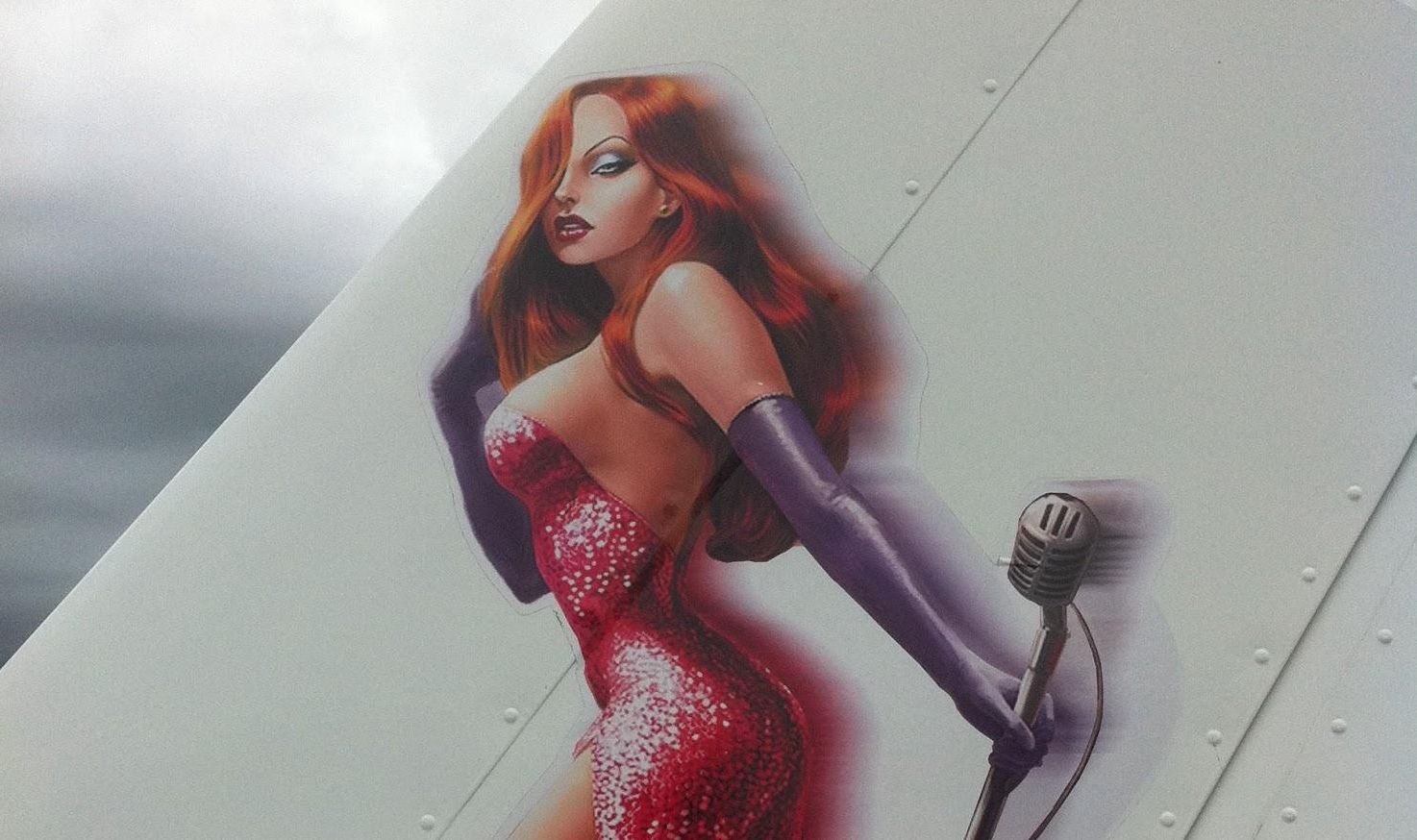
Blending live action with animation had worked very well for Mary Poppins in 1964. Who Framed Roger Rabbit pushed boundaries of the technology and put it in the service of a film aimed at an older audience.

Directed and produced by Robert Zemeckis and Steven Spielberg, respectively, it starred Bob Hoskins amid a world shared by "toons," cartoon characters, which included Roger Rabbit and Jessica Rabbit.

It was a major box office success, selling around 38 million tickets. It also won four Academy Awards, which praised its technical achievements.

10
Fatal Attraction (1987)

Image: Enfeng Tsao

Directed by Adrian Lyne, this film was a huge triumph for Paramount: Its production cost only $14 million, and it went on to earn $320 million globally. Infidelity and obsession are the main themes of this dramatic thriller that stars Michael Douglas and Glenn Close in a role that earned her an Academy Award nomination.

The film sold around 40 million tickets domestically. Its box office popularity was thanks to word of mouth, as people recommended this adult suspense movie in conversations.

Explore more American facts

Choose your favorite category!

General
General

As American as apple pie—the very best America has to offer!

Culture
Culture

Delve into the astounding richness of American lore.

Geography
Geography

Hop in and explore vast and diverse American landscapes.

History
History

Discover the key moments that shaped the United States.