History History 3 min read

Nature finds its way

When nature takes over! 12 abandoned places in America you have to see
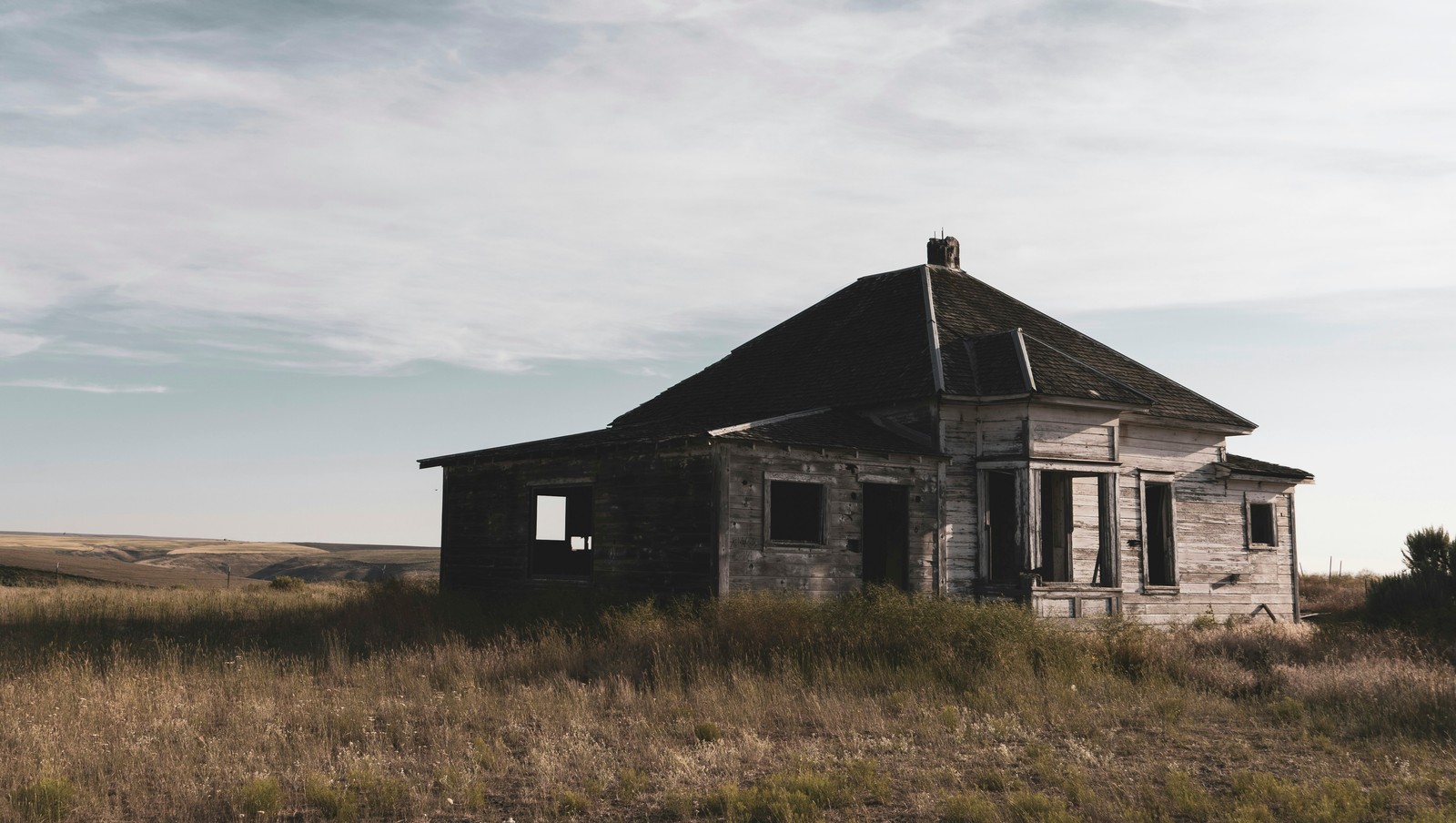
Image: Dan Meyers

Many places across America once buzzed with life but have since been left behind: ghost towns, forgotten amusement parks, crumbling factories, you name it. Over time, nature has crept back in, covering concrete with moss, letting trees grow through old buildings, and allowing animals to reclaim quiet spaces. Take a look at 12 of these haunting landscapes. Maybe one is near you!

1
Igloo City, Alaska

Image: Tim Oun

Igloo City in Cantwell, Alaska, is a massive, unfinished hotel built in the 1970s that never opened due to building code issues . Despite multiple owners and redevelopment plans, it remained abandoned and eventually deteriorated too much to renovate.

Now a roadside oddity between Fairbanks and Anchorage, its giant igloo shape continues to draw curious visitors.

2
Spectre Set, Alabama
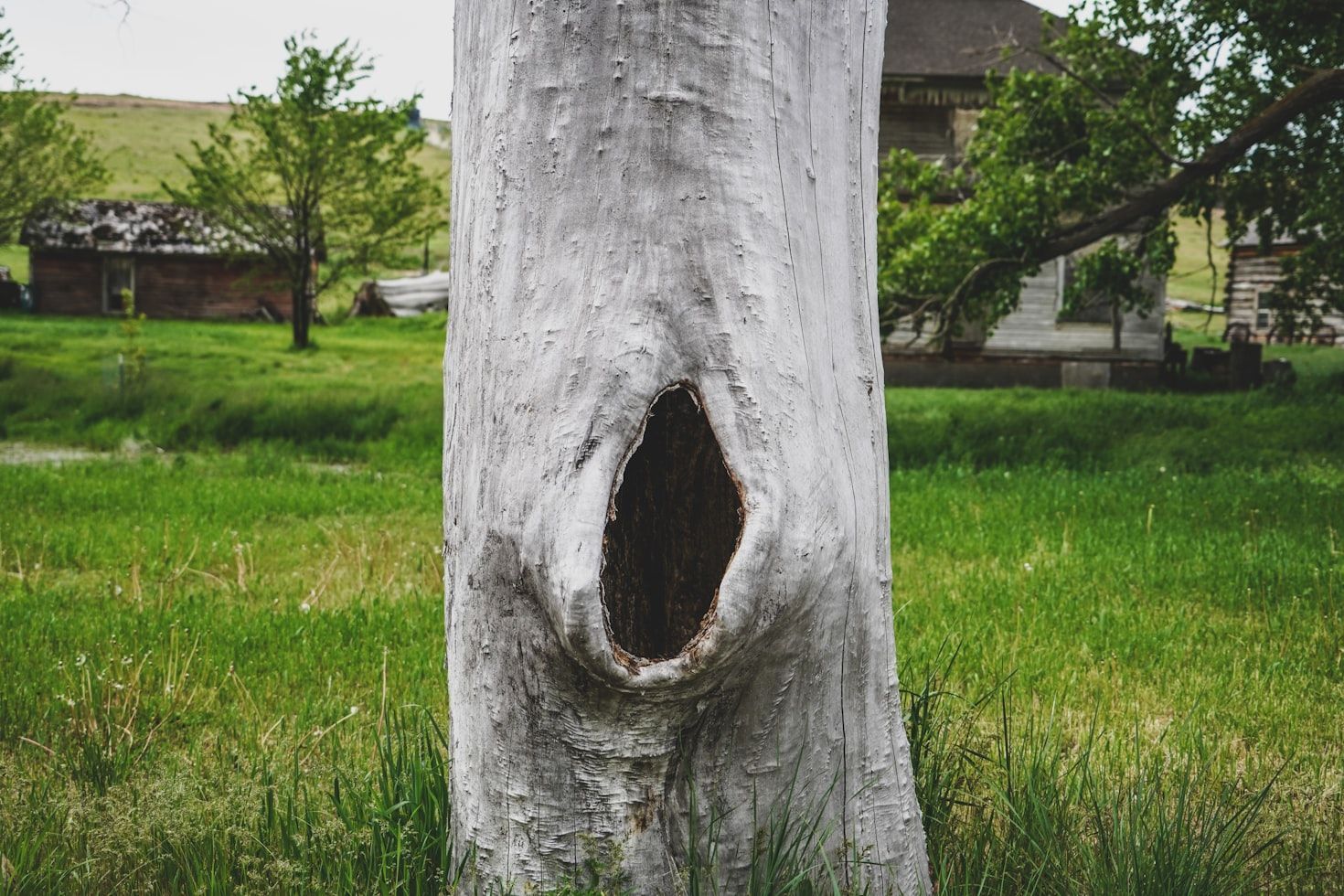
Image: Dan Meyers

The abandoned film set of Spectre from Big Fish still stands on a private island along the Alabama River. Originally built for the 2003 movie, the town was left behind after filming and has slowly decayed.

Fires and flooding destroyed much of it, but a few buildings, spooky trees, and crumbling columns remain, giving the site a haunting atmosphere.

3
Dogpatch USA, Arkansas
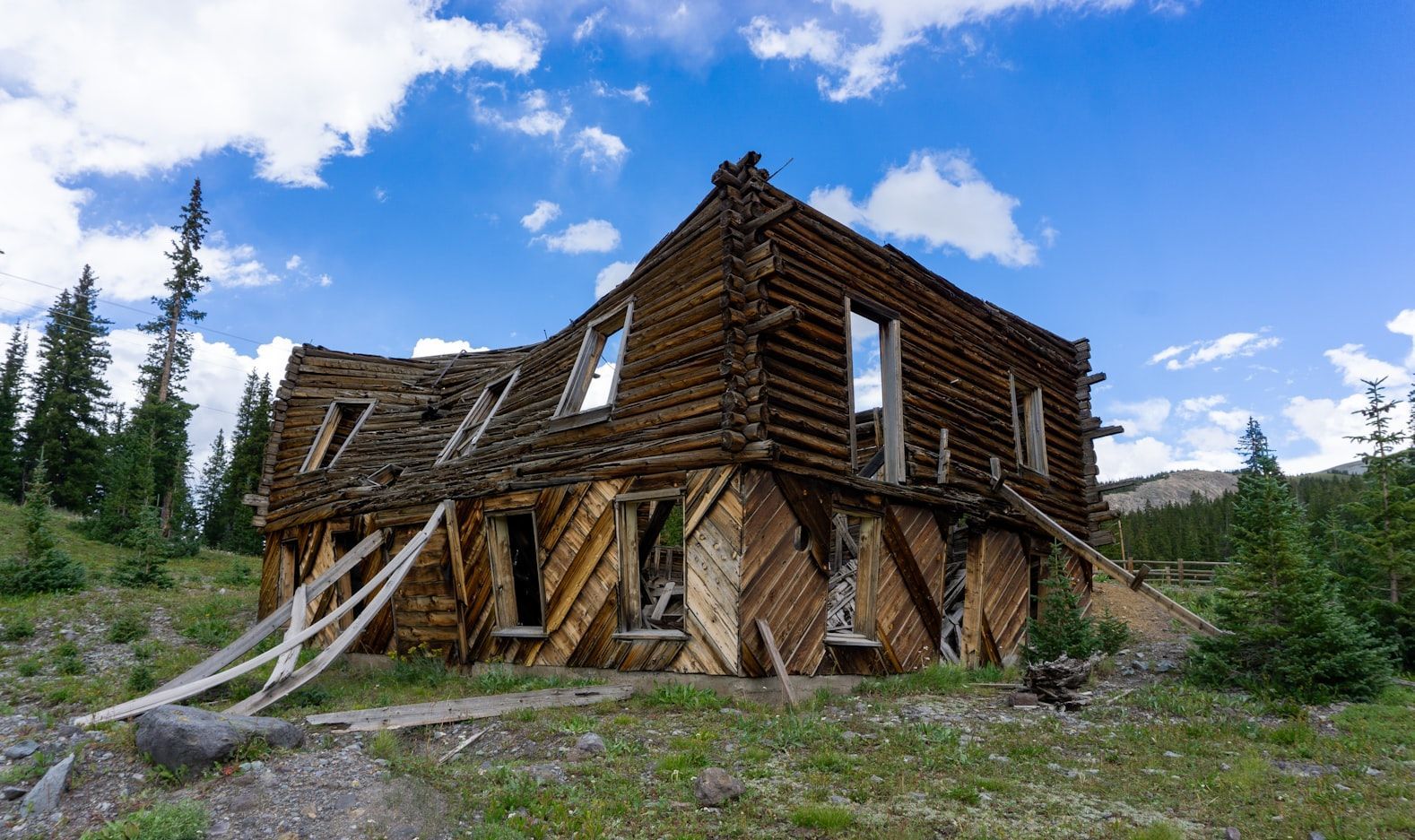
Image: Matt Gross

Dogpatch USA, a hillbilly-themed park in Arkansas based on the Li’l Abner comic strip , opened in 1968 but never met visitor expectations. With low-key attractions and rustic charm, it struggled to draw crowds and ultimately closed in 1993.

Attempts to sell the land largely failed, and parts of the park still stand abandoned. While some parcels have been sold over the years, most of the site remains a curiosity for urban explorers.

4
Gibraltar, Delaware
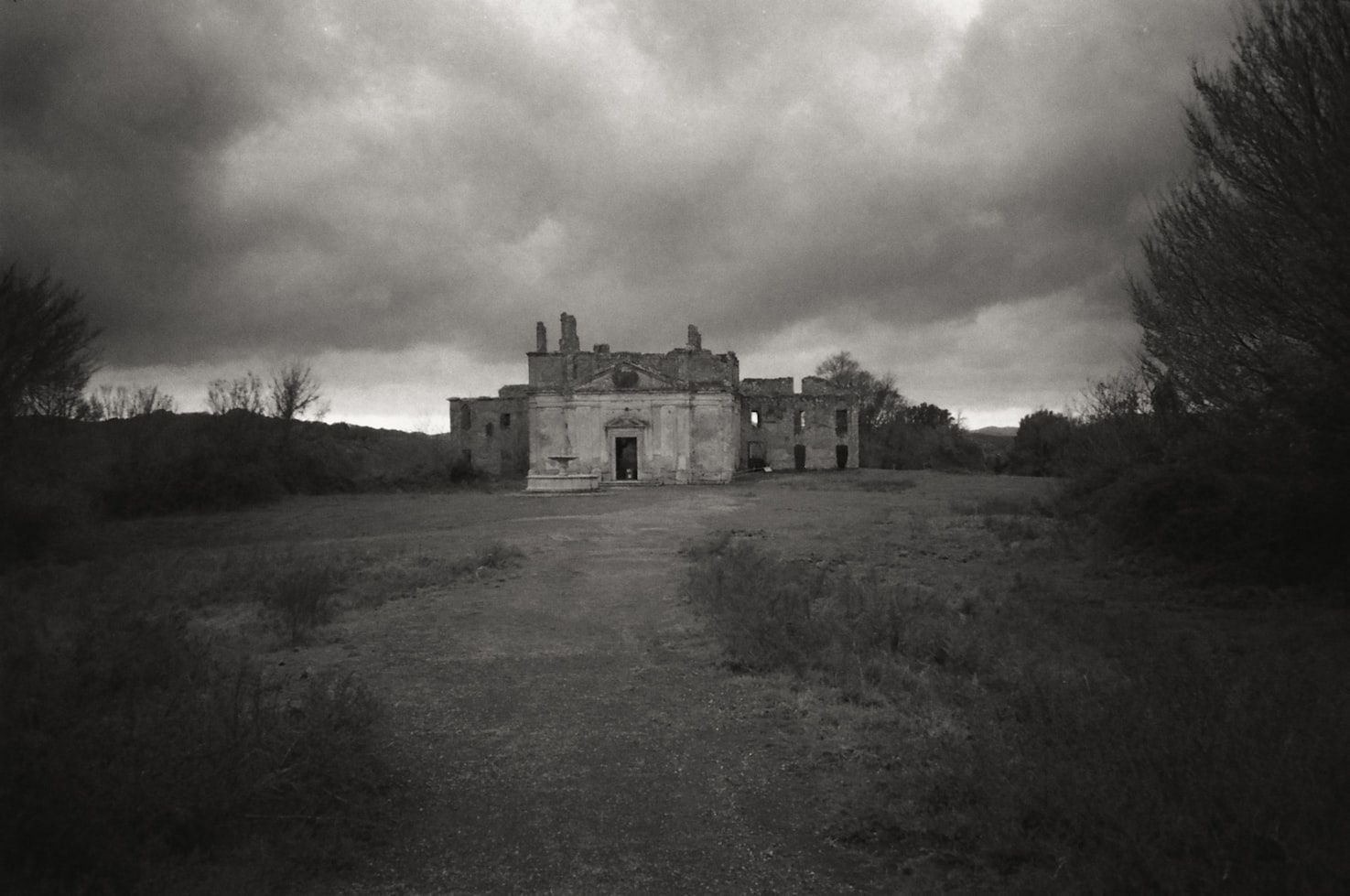
Image: Johannes Beilharz

Hidden behind a stone wall in Wilmington, Delaware, Gibraltar is a crumbling 1840s mansion surrounded by beautifully restored gardens . While the house itself is abandoned, ivy-covered, and slowly decaying, the gardens remain vibrant and full of life.

5
Atlanta Prison Farm, Georgia

Image: Dan Meyers

The Atlanta Prison Farm has sat abandoned for over 25 years , now covered in graffiti and fast-growing kudzu. Though there's talk of turning it into a regional park, disagreements between counties have stalled any concrete progress.

6
Custer Ghost Town, Idaho
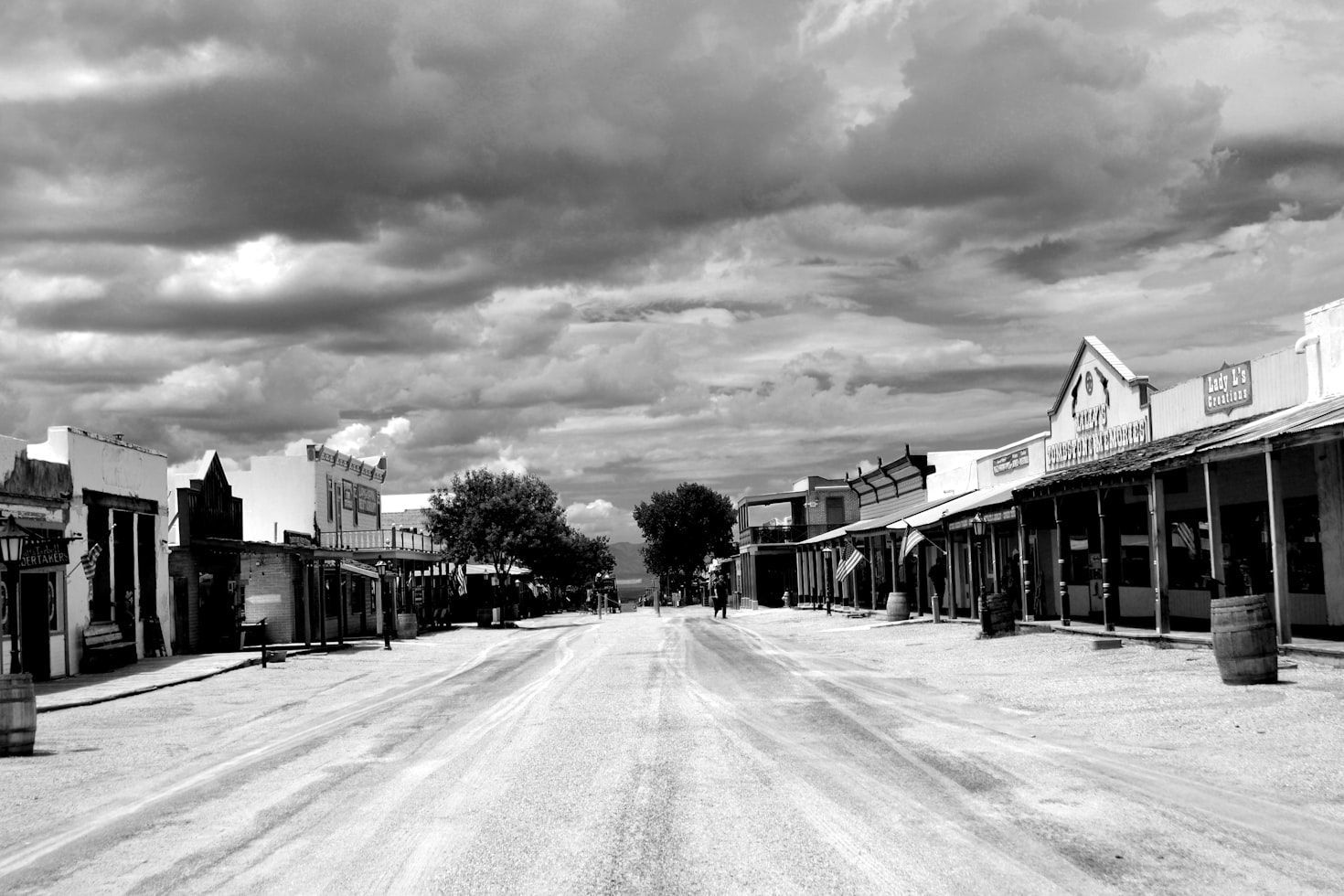
Image: Ruth Durbin

Custer, Idaho, was born from the 1870s gold rush, and later grew after a fire destroyed the nearby town of Bonanza. As mining dried up, the once-busy one-street town was abandoned, leaving behind rusted equipment and relics like a bullet-riddled poker table.

Thanks to its designation as a historic site in 1981, parts of Custer have been restored. Summer visitors can tour cabins, a schoolhouse, and the old saloon.

7
Cairo, Illinois
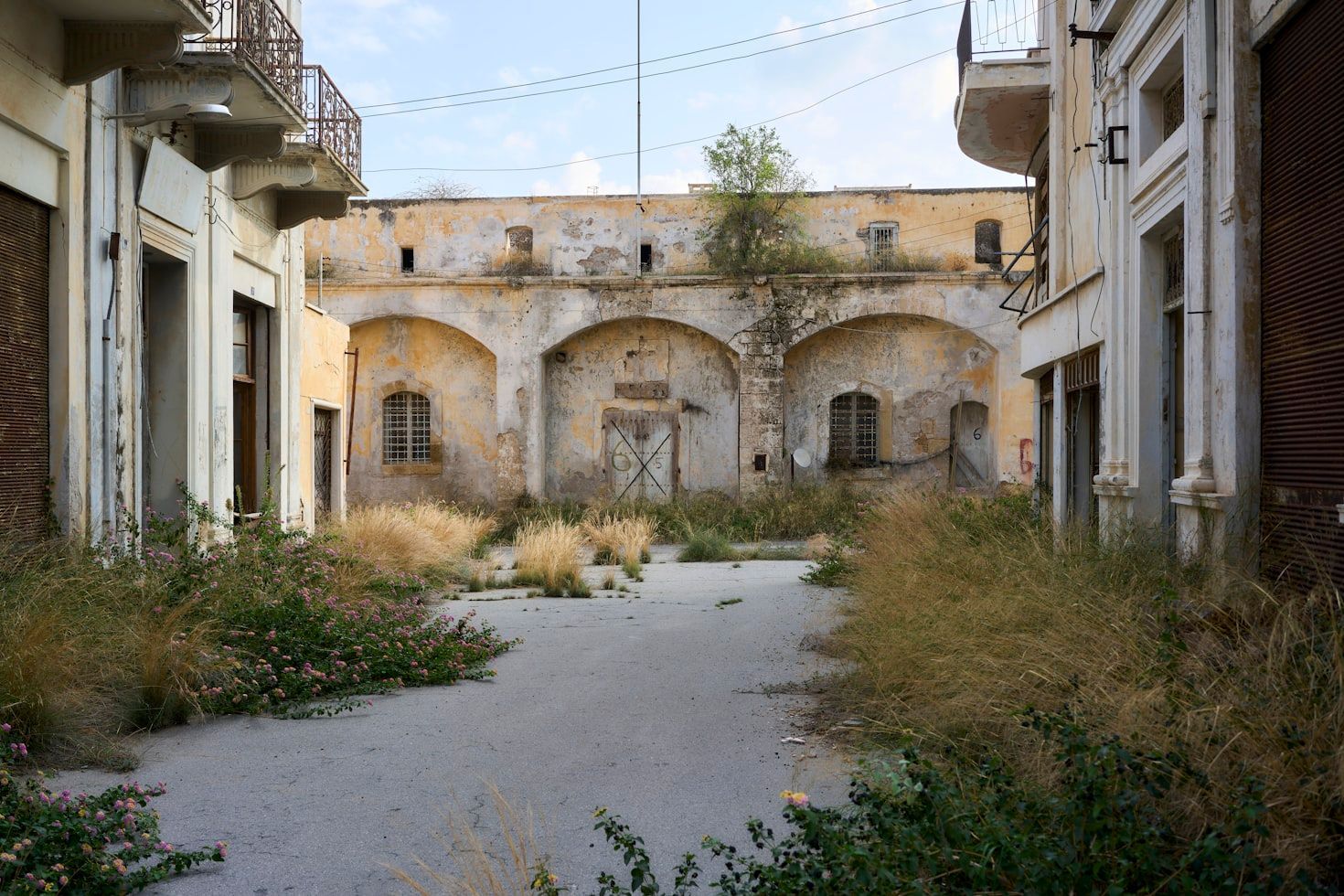
Image: Steffen Lemmerzahl

At the southern tip of Illinois, Cairo once thrived as a key port town during the steamboat era and later as a railroad hub. But as industry shifted and economic opportunities dwindled, the city entered a long period of decline.

Today, Cairo is eerily quiet. Its historic downtown is filled with crumbling buildings and boarded-up windows , and decay is spreading into nearby neighborhoods.

8
Knightridge Space Observatory, Indiana

Image: Daniel Gregoire

Hidden in the woods near Bloomington, Indiana, the Knightridge Space Observatory was built in the 1930s for early astronomers . Its wooden dome once held a four-ton telescope, but city growth and light pollution made it obsolete.

Abandoned since the 1960s, the building was left to decay, with its dome rusted shut, the floors unstable, and the telescope relocated. It has since been demolished due to safety concerns.

9
Waverly Hills Sanatorium, Kentucky
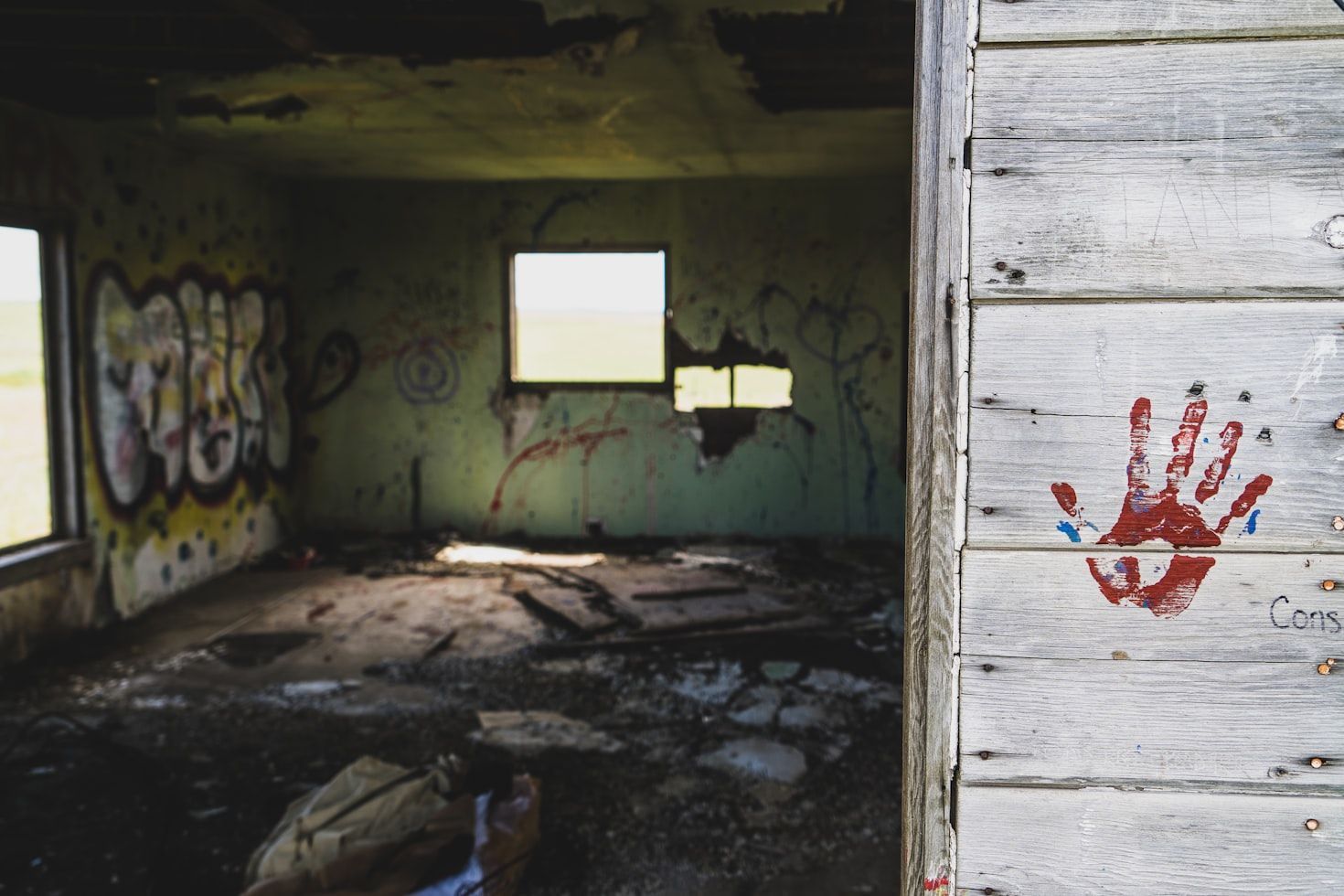
Image: Dan Meyers

Waverly Hills Sanatorium opened in the early 1900s to treat tuberculosis patients with rest, fresh air, and isolation . As the epidemic grew, the facility expanded to hold hundreds of patients, including children.

After closing in 1961, it became a nursing home but was shut down in 1982. Today, Waverly Hills is famous as a haunted attraction, drawing ghost hunters and tourists from around the world.

10
Jazzland, Louisiana

Image: Dmitry Lakhno

Jazzland was a theme park in New Orleans that opened in 2000. After major investments, it reopened in 2003 as Six Flags New Orleans. Following Hurricane Katrina in 2005, the park was submerged, with murky floodwaters destroying roughly 80% of the property. Rides were wrecked, stands overturned, and only the Batman coaster survived on higher ground .

Deemed too costly to repair, the park was abandoned and now draws curious urban explorers.

11
St. Mary's College, Maryland
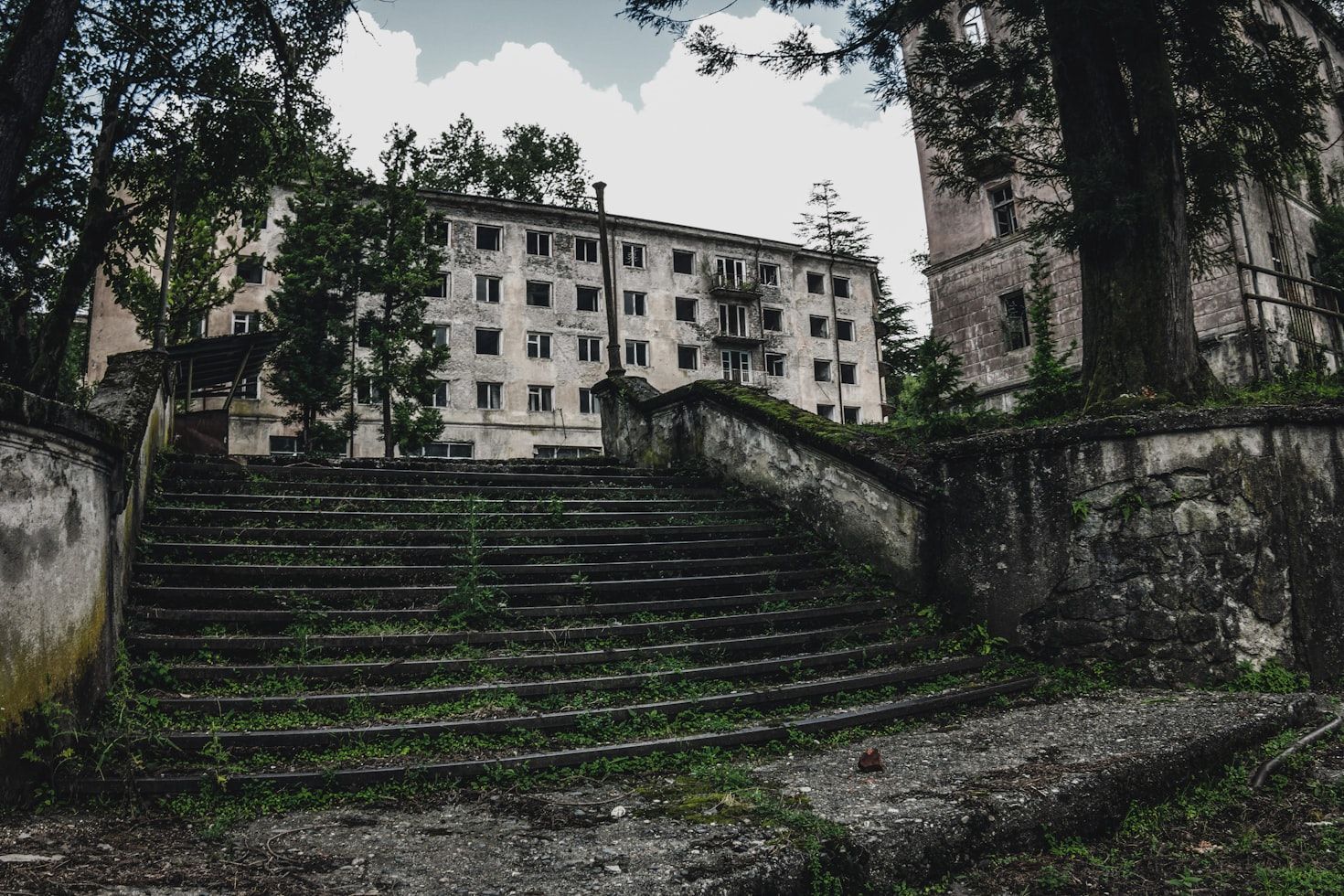
Image: Pavel Neznanov

Built in 1868, St. Mary’s College trained young men for the priesthood until declining enrollment forced its closure in 1972. The abandoned campus, soon nicknamed "Hell House," became a hotspot for ghost stories, local legends, and thrill-seekers.

12
Yellow Creek Nuclear Power Plant, Mississippi
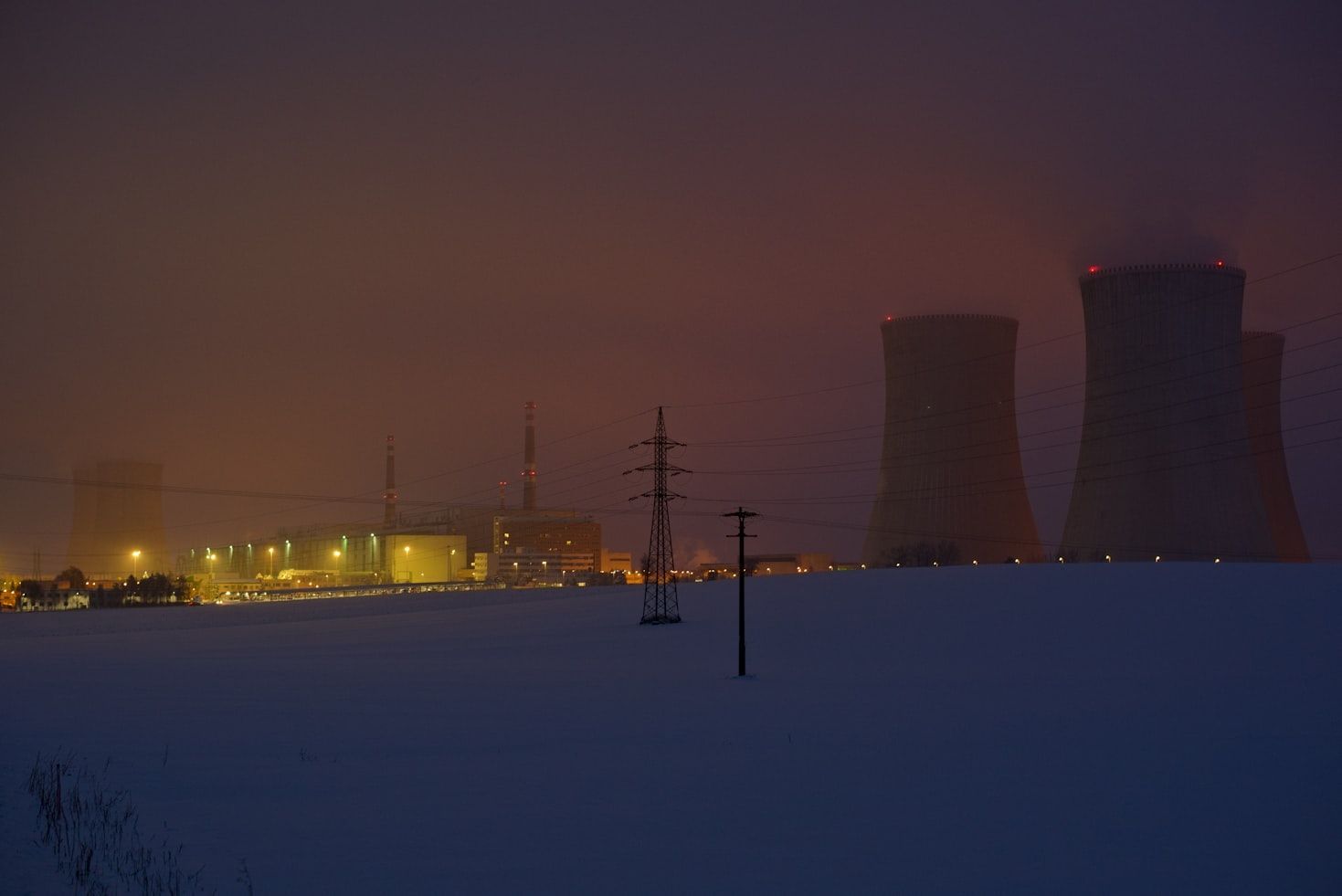
Image: Lukáš Lehotský

Yellow Creek was one of 17 nuclear plants planned by the Tennessee Valley Authority (TVA) in the late 1970s, but construction was halted before completion. The cooling tower base and nearby processing building were left abandoned .

Originally intended to process nuclear fuel components, the site now stands as a vast, unfinished shell.
General General 6 min read

Beloved American brands

Why did Kodak and Woolworth's disappear? The real reason

Image: pony rojo, CC BY-SA 2.0, via Wikimedia Commons

Blockbuster, Kodak, Woolworth’s… just hearing those names can bring back many memories, even though the brands have long since gone. T hese weren’t just brands; they were part of our routines, our weekends, and our family vacations. For decades, these companies seemed unstoppable. Then, they disappeared. So what happened? Here’s the story behind 10 iconic American brands that once stood at the top, and the real reasons they faded away.

1
Blockbuster

Image: RegionalQueenslander, CC BY-SA 4.0, via Wikimedia Commons

During the 1980s and 1990s, Friday night often meant one thing for American families: a trip to Blockbuster. Browsing the aisles for a movie, debating what to watch, and grabbing popcorn at the counter became a weekly routine. But nothing lasts forever.

Born in 1985, Blockbuster conquered the massive home-video market with thousands of stores by the late 1990s and early 2000s, catering to families with at-home VCRs. Then technology changed everything. First came DVD-by-mail services like Netflix, followed by streaming, which left Blockbuster struggling. Late fees and inconvenience only pushed more customers away. The company filed for bankruptcy in 2010. Today, just one official store remains in Bend, Oregon, where visitors still stop by for a dose of the video-store era.

2
Kodak

Image: 多多123, CC BY 4.0, via Wikimedia Commons

Back in the day, almost every vacation, birthday, wedding, or holiday gathering seemed to include a Kodak camera, or at least a roll of Kodak film. Founded in 1881, Kodak helped keep the moments that filled family photo albums for generations.

From the 1960s through the 1990s, Kodak dominated the world of film and photography. But that success also made the company slow to accept that technology was changing. Ironically, Kodak helped invent one of the first digital cameras in 1975, yet it hesitated to embrace the future. By the 1990s and 2000s, digital cameras (and later camera phones) quickly replaced traditional film. In 2012, the company declared bankruptcy.

3
Pan Am

Image: Felix Goetting (GFDL 1.2 or GFDL 1.2), via Wikimedia Commons

Long before flying became an everyday experience, Pan American World Airways, better known as Pan Am, was already carrying Americans across the world. It was founded in 1927, and during the 1960s and 1970s, the airline became a symbol of glamorous air travel.

Its famous blue globe logo was instantly recognizable, even to those who rarely flew. But by the late 1970s, rising competition, fuel costs, and financial troubles began weakening the company. After years of mounting losses and debt, Pan Am shut down in 1991. Even so, its fame was such that even today, more than 30 years later, we still remember it.

4
Woolworth’s

Image: Warren LeMay from Cullowhee, NC, United States, CC0, via Wikimedia Commons

Before Woolworth's made the "five-and-dime" famous, shopping in America looked very different. For decades, Americans visited Woolworth’s for everything from toys and school supplies to household goods and everyday essentials. By the 1960s, the brand had become a familiar part of American life.

Created in 1879 by Frank Winfield Woolworth, the chain grew into one of the country’s largest retailers. But in the 1970s, malls and discount giants like Walmart changed the way Americans shopped, and Woolworth struggled to keep up. By the 1980s, the iconic chain was slowly disappearing. Most stores closed during the 1990s, and the Woolworth retail chain officially ended in 1997.

5
Circuit City

Image: kennejima, CC BY 2.0, via Wikimedia Commons

Testing giant stereo systems, browsing rows of CDs and video games, and shopping for the newest TV were all part of the experience at Circuit City, once one of America’s biggest electronics chains.

Founded in 1949 by Samuel S. Wurtzel in Richmond, Virginia, as "Wards Company," the retailer adopted the Circuit City name in 1984. During the 1980s, 1990s, and early 2000s, it became the go-to place for Americans buying a TV, stereo, computer, or any electronic device. But like many companies on this list, Circuit City struggled as shopping habits changed and online stores became more convenient. A controversial 2007 decision to lay off thousands of experienced employees further hurt the company’s reputation. Circuit City couldn’t survive mounting losses and closed all remaining stores in 2009.

6
Borders

Image: Bindydad123, CC BY-SA 4.0, via Wikimedia Commons

Remember Borders? Born in 1971, its huge stores, filled with books, music, magazines, and cozy reading spaces, invited customers to spend entire afternoons there.

During the 1990s and early 2000s, the rise of large shopping malls actually helped Borders thrive, turning its bookstores into popular destinations inside malls across the US. But eventually, the company ran into a challenge it couldn’t overcome: online shopping and digital reading. Competitors like Amazon surged ahead, while Borders struggled to adapt and made costly business decisions, including outsourcing its online sales to Amazon for years. The company collapsed financially in 2011 and soon closed all remaining stores.

7
Bugle Boy

Image: Claire Abdo

In the late 1980s and early 1990s, teenage fashion became almost synonymous with Bugle Boy. Famous across the country for its casual jeans and memorable TV commercials, the brand became a major part of American mall culture and was sold in department stores nationwide.

But fashion never stands still, and brands have to constantly adapt to survive. By the late 1990s, newer youth-oriented labels had taken over with fresh styles that quickly made Bugle Boy seem outdated. Sales began to fall, and after years of struggling to keep up with changing trends, the company closed its stores in 2001.

8
Howard Johnson’s restaurants

Image: Tichnor Quality Views, Made Only by Tichnor Bros., Inc., Boston, Mass., Public domain, via Wikimedia Commons

During the 1960s and 1970s, a stop at Howard Johnson's was part of the classic American road-trip experience for many families, and that was no accident.

Founded in 1925 in Quincy, Massachusetts, the famous orange-roofed chain reached its peak when America’s expanding highways and booming car culture made roadside travel more popular than ever. But by the late 1970s and early 1980s, the growing popularity of fast-food chains like McDonald's began changing the way Americans ate on the road. Drivers increasingly wanted meals that were faster, cheaper, and more standardized, while interstate highways also redirected traffic away from many older roadside locations. Unlike some other brands on this list, Howard Johnson’s faded away slowly over the decades. The last restaurant finally closed in 2022.

9
Burger Chef

Image: John Margolies, Public domain, via Wikimedia Commons

In 1958, a name emerged as one of the pioneers of America’s growing fast-food industry: Burger Chef. By the late 1960s, the chain had more than 1,000 locations across the country and had become one of McDonald's’s biggest competitors.

Long before Happy Meals became famous, Burger Chef helped popularize the idea of marketing meals directly to children with toys and themed publicity. But during the fast-food wars of the 1970s, competition became fiercer than ever. While McDonald’s and Burger King expanded by leaps and bounds, Burger Chef struggled with financial problems and changing consumer tastes. In 1982, the company was sold to Hardee's, which gradually converted most Burger Chef locations into Hardee’s restaurants.

10
Sports Authority

Image: Anthony92931, CC BY-SA 3.0, via Wikimedia Commons

Throughout the 1990s and 2000s, many Americans looking for running shoes, gym shorts, and sports gear headed straight to Sports Authority.

Known for its huge stores packed with athletic apparel, exercise equipment, bicycles, camping gear, and team sports products, Sports Authority became the ideal shopping destination for families and athletes across the US. But as online shopping rapidly changed retail in the 2000s, the company struggled to adapt. Heavy debt from expansion efforts and a slow shift to e-commerce eventually caught up with the chain. Sports Authority declared bankruptcy in 2016 and closed all remaining stores later that year.

Geography Geography 3 min read

American wonders

Awesome facts about Mt McKinley (Denali) that will leave you speechless

Image: John Feng

Alaska is a land of incredible natural wonders. Its lakes and mountains come together to form stunning landscapes that look almost otherworldly. But the true star is Mount McKinley, the tallest peak in the United States and all of North America. Join us as we explore 10 amazing facts about this mountain that you might not know.

1
Earthquakes

Image: Sue Henderson

As if the incredible altitude and extreme temperatures weren't enough, Mount McKinley faces another challenge: earthquakes. Due to tectonic plate activity, this type of natural disaster is common in the area, with an estimated 600 earthquakes of varying strength occurring there each year.

2
Always dressed in white

Image: Dillon Groves

The summit of Mount McKinley is always painted white. Even during the warmer months, when grass and plants flourish in the surrounding park, the mountain's upper half remains permanently covered in snow and massive ice formations.

3
Life thrives

Image: Patrick Federi

It's not just snow around Mt. McKinley. In the area, you'll find about 160 bird species, 39 types of mammals, 14 kinds of fish, and even one species of amphibian. That's a surprising amount of life for such a cold region.

4
Super frog

Image: Stanisław Krawczyk

If you're curious about this unique amphibian, here's the answer: it's the wood frog, a tiny species that can survive even the harshest winters. How? By almost freezing its entire body. While the frog's cells don't actually freeze, the fluids between them do. Its heart and lungs stop working until spring returns.

5
Millions of years ago

Image: Lisa Yount

There was a time when giant reptiles roamed what is now the Mount McKinley area. In 2005, the first dinosaur footprints were discovered in the area, followed by fossil remains. The region was once home to three-toed theropods (carnivorous dinosaurs similar to Velociraptors) and winged pterosaurs that soared through the skies above.

6
Harsh weather

Image: John Peters

If you're a fan of summer, Mount McKinley might not be the best choice for you, as it's famous for its extreme cold. Temperatures at the summit can drop as low as -75.5°F, with wind chills plunging to -118.1°F.

7
Not an easy task

Image: Fabrizio Conti

Climbing McKinley is not for everyone. In fact, it's considered extremely difficult and dangerous due to the harsh weather conditions. On average, only about half of those who attempt the climb succeed.

8
Alone

Image: Barth Bailey

Mount McKinley is lonely. While that may sound sad, it actually means it's one of the most topographically isolated peaks on Earth. In other words, it's far from any other mountain of similar height, which makes it even more striking and impressive.

9
The first

Image: Tim Oun

In 1913, Mount McKinley was successfully climbed for the first time. Walter Harper, a native Alaskan, is credited with the honor of being the first person in history to reach the summit of North America’s tallest peak. He was followed by his teammates: Harry Karstens, Hudson Stuck, and Robert Tatum.

10
America's "Big 5"

Image: Lesly Derksen

When it comes to mammals, Mount McKinley and its surrounding park are home to what's known as the "Big Five." These are the most powerful mammals in the region: moose, caribou, Dall sheep, grizzly bears, and wolves.

Explore more American facts

Choose your favorite category!

General
General

As American as apple pie—the very best America has to offer!

Culture
Culture

Delve into the astounding richness of American lore.

Geography
Geography

Hop in and explore vast and diverse American landscapes.

History
History

Discover the key moments that shaped the United States.