History History 4 min read

Strange events

Who threw a huge party after winning? 10 wild White House surprises
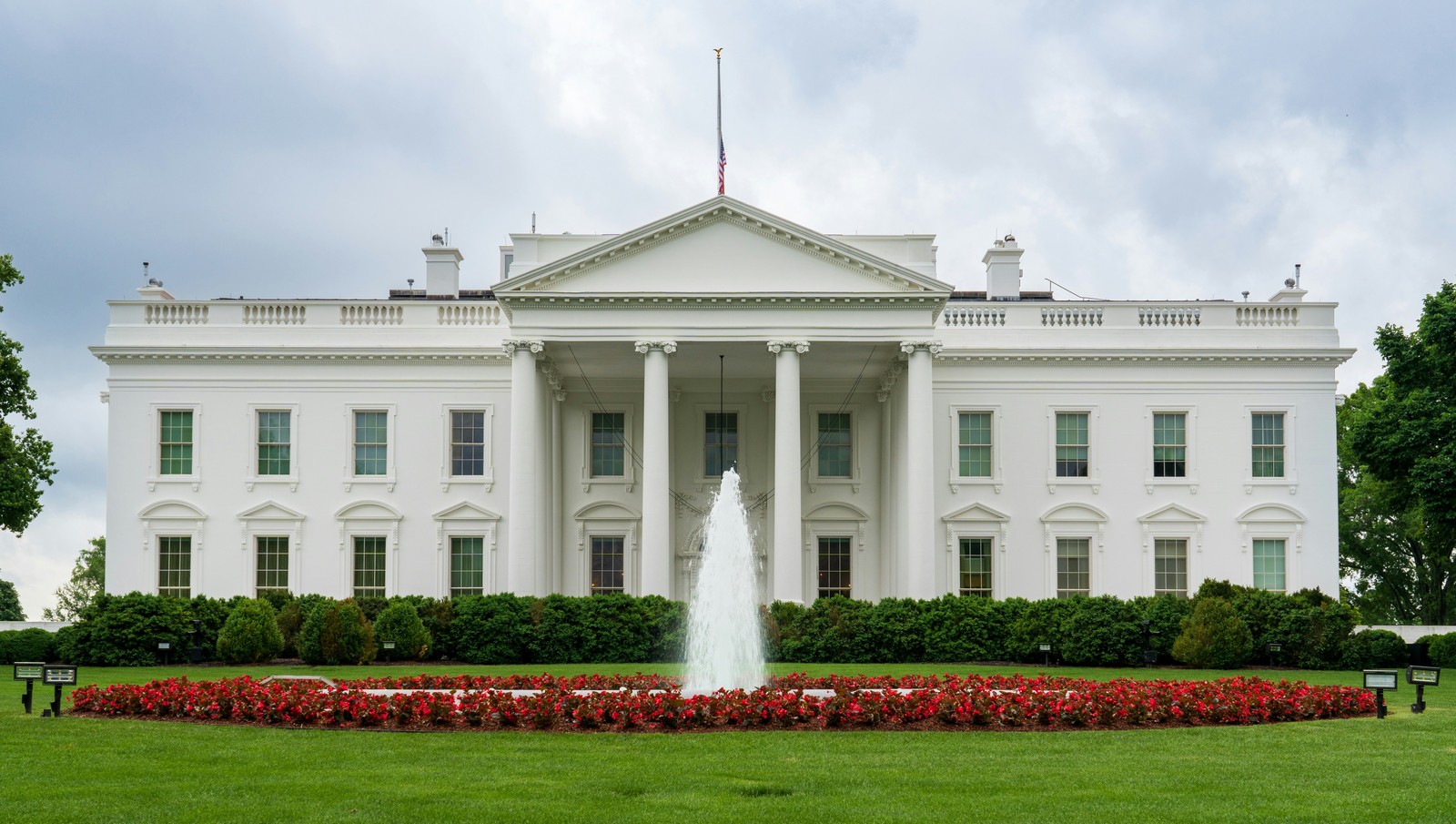
Image: Tomasz Zielonka / Freepik

The White House is the home and workplace of none other than the US president. But beyond that, it has also been the scene of some wild and unexpected moments. Did you know that Andrew Jackson was given a 1,400-pound wheel of cheese? Or that there was once a prom held at the White House? If you have doubts, join us for a tour of 10 stories you won't believe actually happened inside the Executive Mansion!

1
Unexpected gifts

Image: Val Vesa

Among the many objects and people who enter the White House every day, there are many gifts. And it's not just letters, children's drawings, or flower bouquets. Some of the gifts that have arrived at the Executive Mansion are really crazy. Among them, we can mention the giant 1,400-pound wheel of cheese that Andrew Jackson welcomed, the two grains of rice with tiny portraits of himself that Nixon received, the Komodo dragon given to George H.W. Bush, and the three-foot-long jewel-encrusted sword that Obama was given as a gift from Saudi Arabia.

2
Big party

Image: Giorgio Trovato

In the past, the White House was more "accessible." So much so that when Jackson became president in 1829, the thousands of people who followed him to his residence threw a huge party right there in the gardens of the Executive Mansion, with some even entering the house. The party lasted for hours and marked a turning point in the relationship between US presidents and the citizens.

3
Judo at the White House

Image: Nguyen Hung

Visits to the White House are usually steeped in strict protocol, but there's always some room for surprises. One of these unexpected moments happened in 1904 when Teddy Roosevelt welcomed a Swiss diplomat. President Roosevelt was renowned for his physical prowess, and one of his favorite activities was judo. To show off his new skills, he invited the Swiss diplomat to join one of his practice sessions. But the poor man never imagined the president of the US would flip him with a judo throw, leaving the shocked diplomat on the mat!

4
Ghosts?

Image: SHAKEEL AHAMMED

It's not just the living who create memorable moments at the White House. It's said that the spirits of figures such as Abraham Lincoln, Dolley Madison, and Andrew Jackson have been seen in the presidential residence. But one story stands out above the rest. During WWII, Churchill was staying at the White House when, one night after a shower, he reportedly encountered the ghost of President Lincoln! Churchill allegedly said, "Good evening, Mr. President. You seem to have me at a disadvantage."

5
Intruder helicopter

Image: Yassine Khalfalli

The first issue of "People" magazine, the debut episode of Happy Days, and the premiere of The Godfather II all arrived in 1974, a year equally tumultuous for politics. On February 17, a strange event occurred: A US Army private first class stole a helicopter and landed it on the White House lawn without permission. According to various accounts, the soldier had not graduated from the pilot course and, frustrated, stole the helicopter to show off his skills. Bold!

6
Santa

Image: Jesson Mata

Sometimes, Santa shows up with more surprises than a sack full of presents. On December 12, 1983, none other than Mr. T arrived at the White House dressed as Santa! As part of First Lady Nancy Reagan's "Just Say No" campaign, Mr. T played Santa for the children visiting the White House that day. But it wasn't just for the kids: the First Lady herself perched on Mr. T's lap, making a holiday wish.

7
Homemade gin

Image: Laure Noverraz

Every president has their own particular hobbies and preferences, and Dwight D. Eisenhower was no exception. It's said he was a fan of gin-based drinks, particularly martinis, and took a special interest in them. He even made his own gin right inside the White House! While it wasn't exactly classic "bathtub gin," as some like to claim, it was definitely a homemade recipe.

8
Prom

Image: Toria

The White House has seen all kinds of events over the years. But there was someone who made history on that front, and it wasn't a president but his daughter! We're talking about President Gerald Ford's daughter, Susan Ford, who in 1975 became the first —and so far, only— presidential child to host a prom at 1600 Pennsylvania Avenue!

9
Bowling lane

Image: engin akyurt

As we've mentioned, each inhabitant of the Executive Mansion found their way to make the house feel like home. It turns out that President Nixon had a full, modern bowling alley installed inside the White House. And unlike that stationary bike we bought months ago (and it's still in its packaging), he actually used it regularly!

10
Unusual pets

Image: Shelly Collins

The White House has a long list of animal inhabitants! For example, John Quincy Adams’ famous alligator, Theodore Roosevelt's bear cub, Calvin Coolidge's raccoons, Andrew Jackson's foul-mouthed parrot, and one of the most surprising: the tiger cubs gifted to President Martin van Buren.
Geography Geography 3 min read

Rediscovering our land

Ghostly caves, surreal swamps, and other US natural oddities

Image: Drahomír Hugo Posteby-Mach

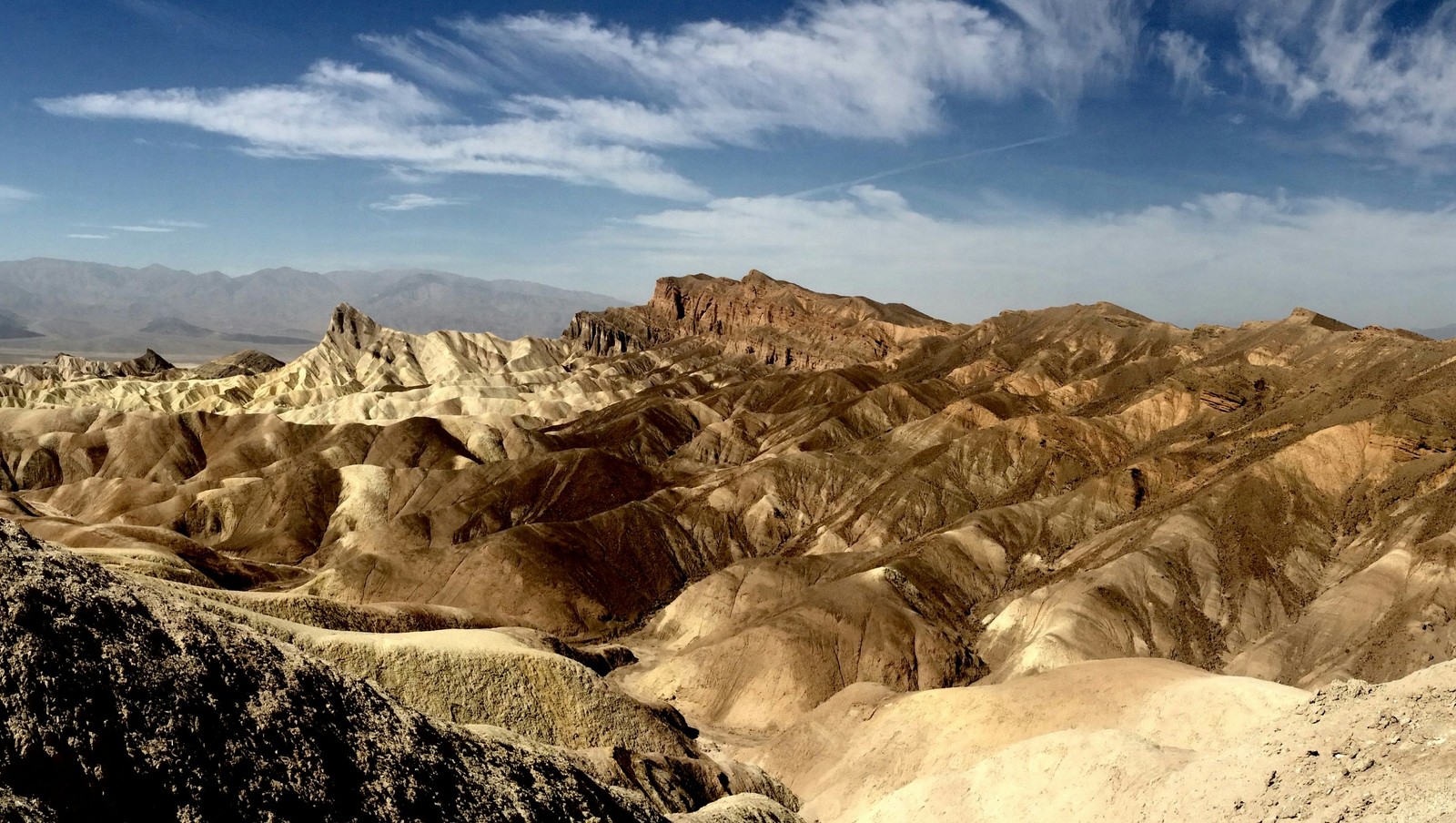
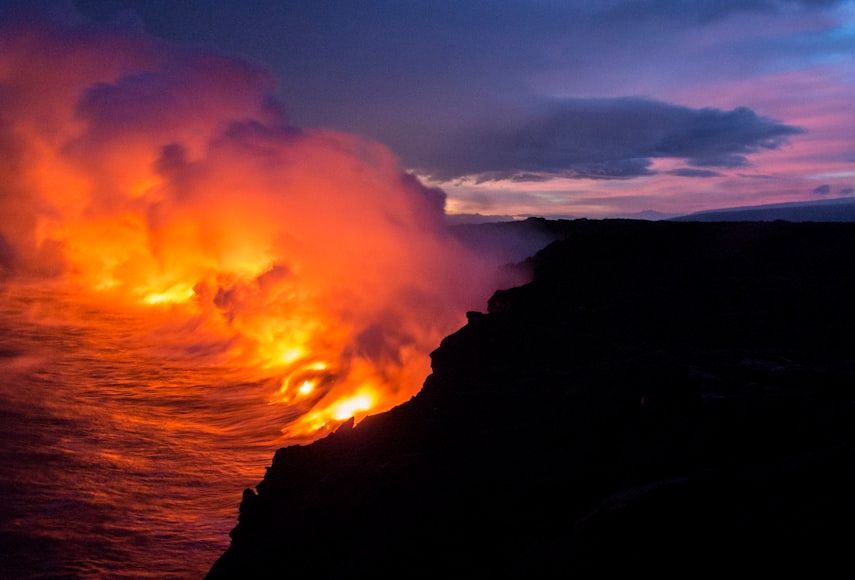
America is as vast as it is diverse, so it's no wonder that you'll find every kind of scenic marvel here, from the ordinary to the truly surreal. Ever heard of a national park filled with volcanoes, where glowing lava flows across the land and pours straight into the ocean? If you’re ready to discover 10 natural wonders in the US that will blow your mind, keep reading!

1
Hawaii Volcanoes National Park, Hawaii

Image: Mandy Beerley

If you've ever imagined what hell might look like, Hawaii Volcanoes National Park could come close—not because it’s a place of suffering (you'll actually witness some of the most incredible views on Earth), but because it's full of glowing, molten, menacing lava. The lava flows from Kīlauea, one of the most active volcanoes in the world. But not everything here burns; this national park is also home to unique flora and fauna.

2
Grand Prismatic Spring, Wyoming

Image: Dan Meyers

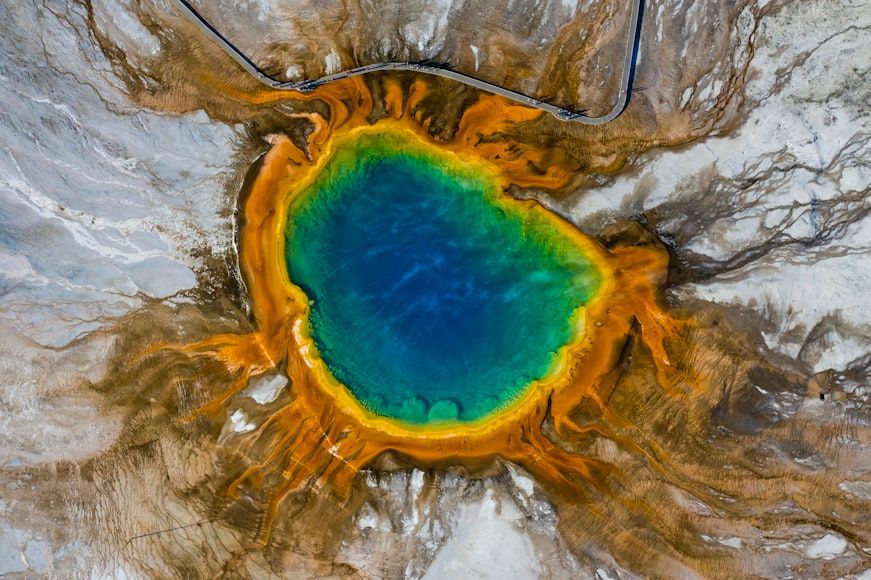
What you're looking at might resemble a weather forecast map, but it's not. It's the Grand Prismatic Spring, Yellowstone's most famous hot spring. With its brilliant blue, orange, yellow, and green hues, it looks like a surrealist painting. Although it might look small in pictures, the Grand Prismatic Spring is huge—about 370 feet in diameter and 160 feet deep. That makes it the largest hot spring in the US and the third largest in the world!

3
Antelope Canyon, Arizona

Image: Fudo Jahic

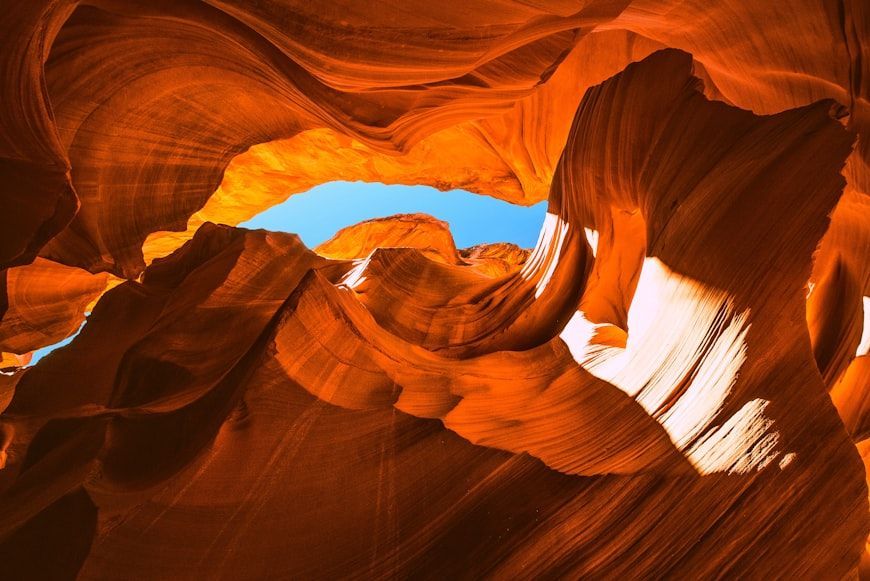
If you want to feel like you're walking through a giant red stone maze, Antelope Canyon near Page, in northern Arizona, is the perfect spot. Carved over thousands of years by flash floods and erosion, its towering walls allow sunlight to stream in from above, creating an unforgettable experience for visitors.

4
Painted Hills, Oregon

Image: Ashley Bard

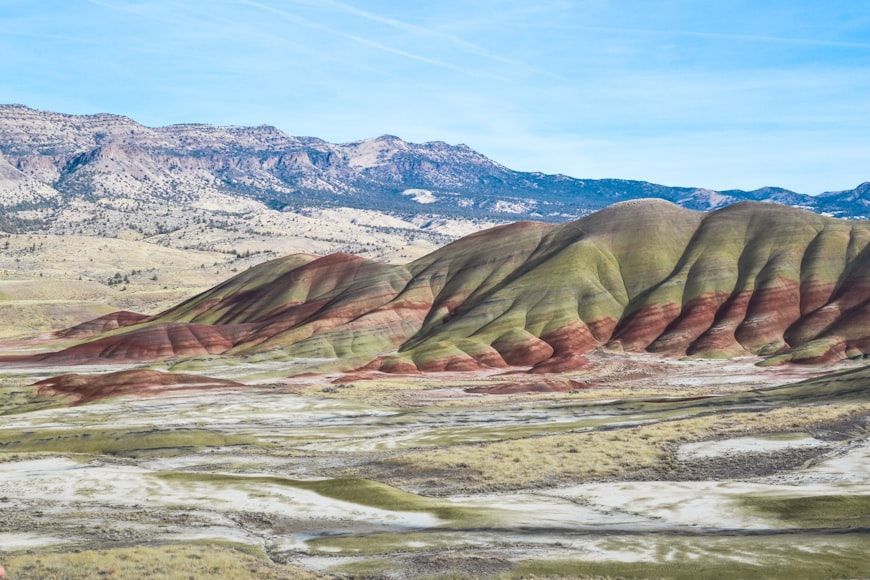
If an artist were to paint a series of enormous hills in vibrant colors, it would probably look a lot like Oregon's stunning Painted Hills. Located within the John Day Fossil Beds National Monument, these hills display stripes of red, yellow, gold, and black. But that's not all! The colors shift with the seasons and change throughout the day, creating a breathtaking, ever-changing landscape.

5
Mendenhall Glacier Ice Caves, Alaska

Image: Salomé Guruli

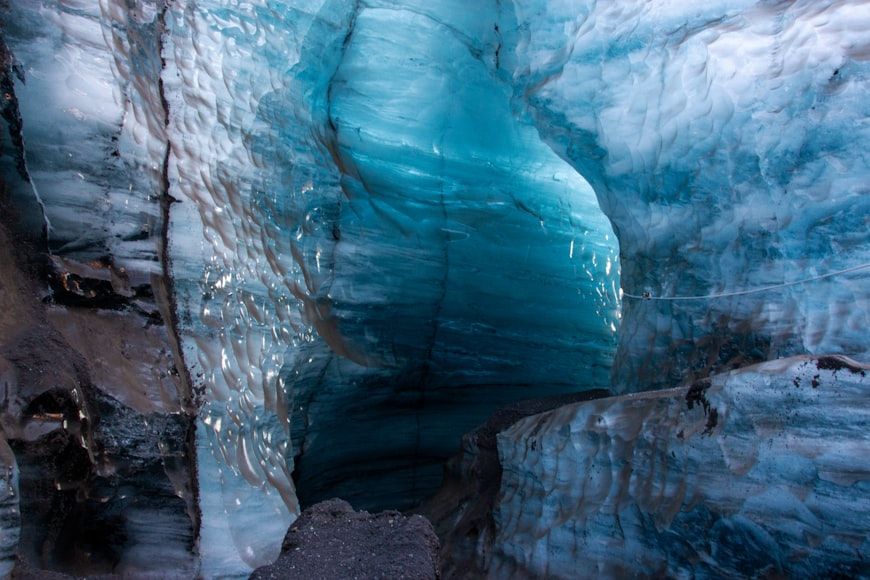
Exploring caves can be risky and terrifying for many, but imagine a cave system made entirely of ice! It sounds like something from a fantasy movie, but it really exists—and it's in Alaska. The stunning Mendenhall Glacier Ice Caves lie beneath the glacier of the same name, formed by meltwater carving tunnels and chambers deep within the ice.

6
Turnip Rock, Michigan

Image: Maria Teneva

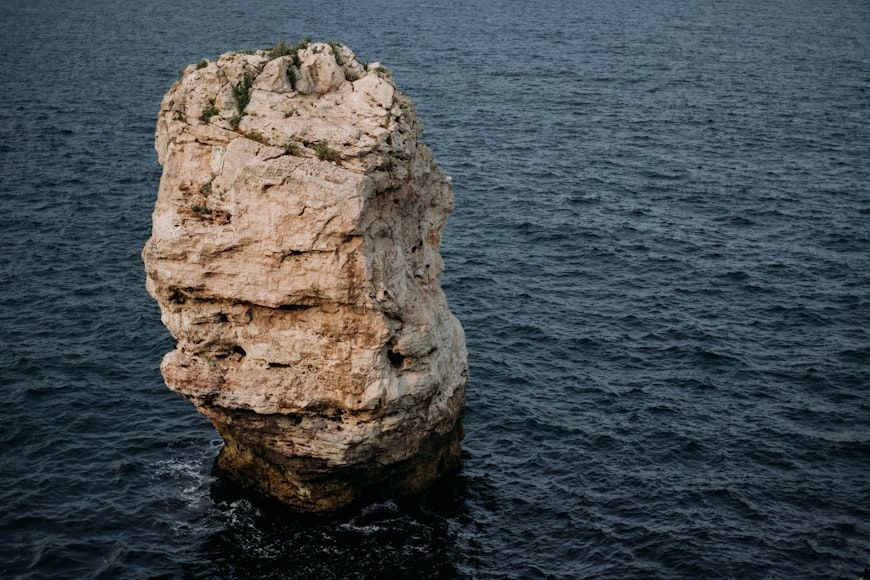
Turnip Rock, located in the famous Lake Huron in Michigan, is as fascinating as it is mysterious. What makes this rock so special? Standing about 20 feet tall, it has a turnip-like shape—its narrow base supports a much wider top—giving it a perfectly balanced appearance that amazes all who see it.

7
Hubbard Glacier, Alaska

Image: Peter Hansen

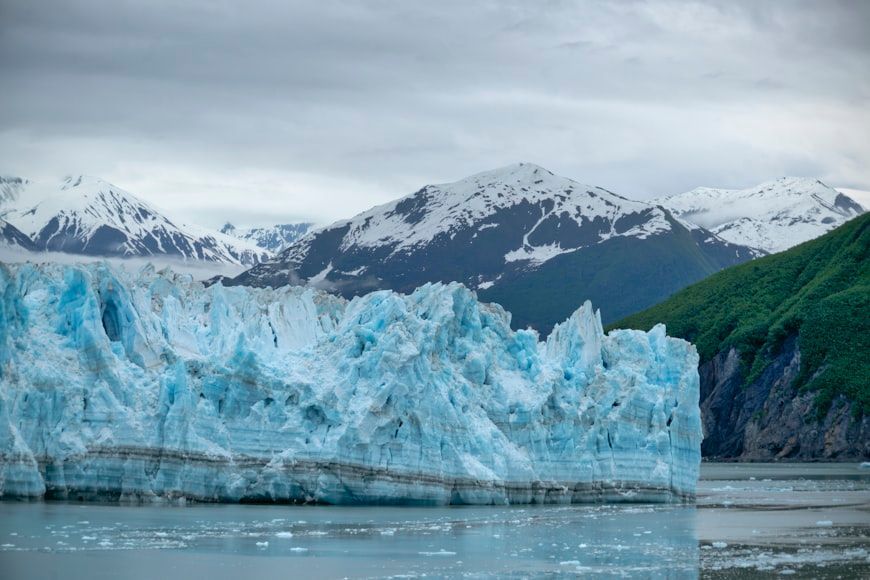
The Mendenhall Glacier Ice Caves are just one of Alaska's many spectacular sights. Another must-see is the incredible Hubbard Glacier in southeastern Alaska, one of the largest and most active tidewater glaciers in North America. Trust us— its sheer size and dramatic ice cliffs will absolutely blow your mind!

8
Bisti/De-Na-Zin Wilderness, New Mexico

Image: Robert Harkness

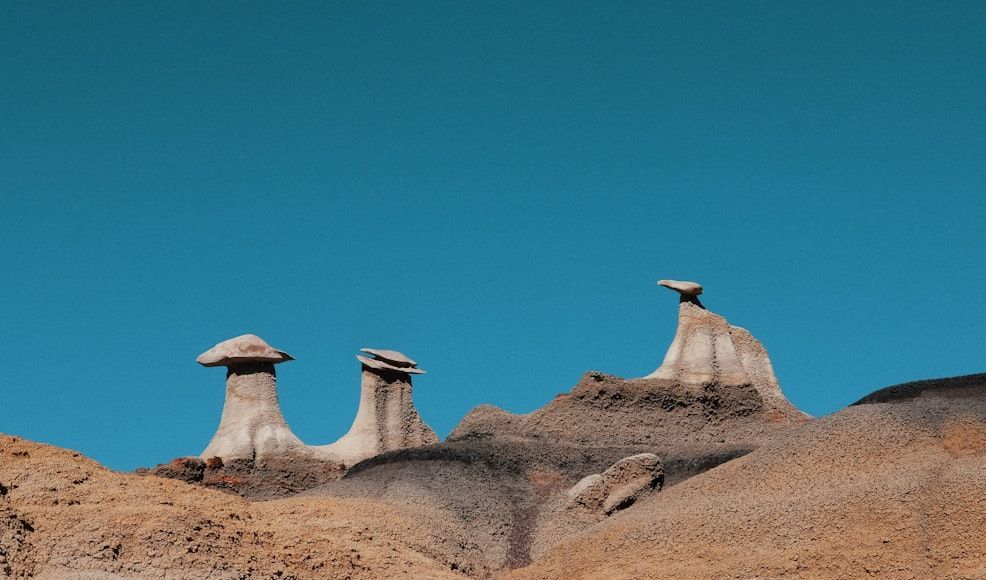
When it comes to surreal landscapes, New Mexico's Bisti/De-Na-Zin Wilderness can't be left out. Its towering rock formations, blending shades of white, gray, red, and orange, were shaped by erosion and look like something straight out of another planet!

9
Mammoth Cave, Kentucky

Image: Adrien Tanic

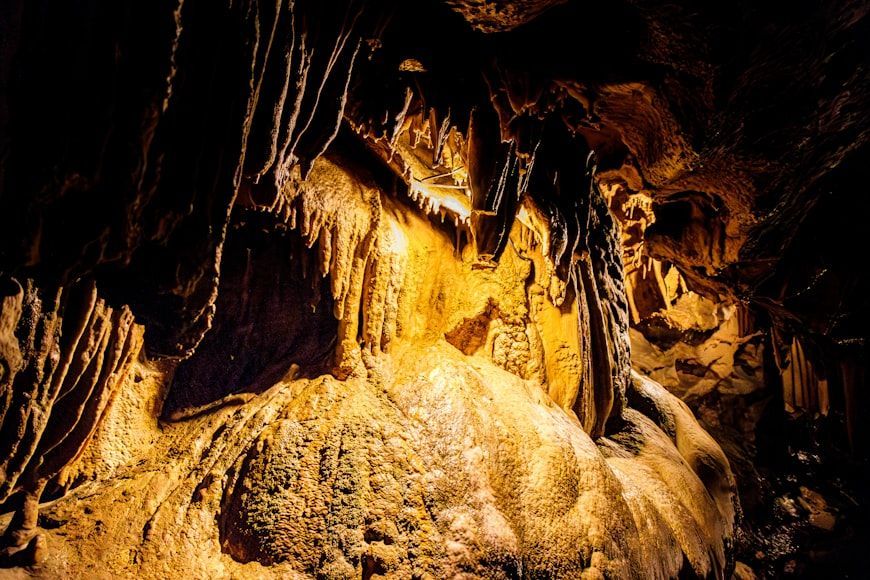
A cave doesn't always have to be a small, cramped space. Mammoth Cave stands out with its enormous underground chambers, filled with impressive rock formations in both shape and size. In fact, it's the world's longest-known cave system—and it's right here in the state of Kentucky!

10
Atchafalaya Basin, Louisiana

Image: Carlo Lisa

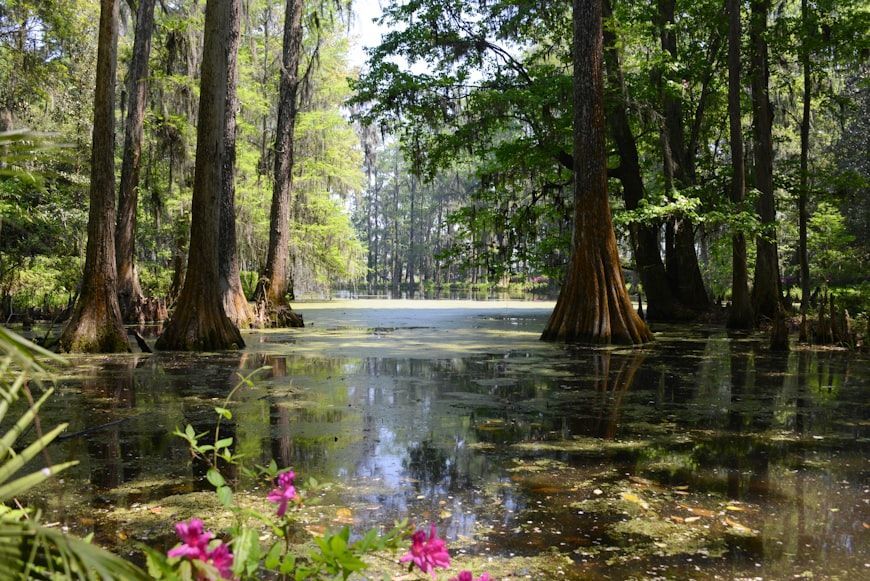
If you're easily spooked, Louisiana's Atchafalaya Basin might not be your idea of a fun trip, especially at night! It's the largest swamp and wetland area in the US, packed with twisting bayous, spooky cypress trees, and massive alligators lurking around.

History History 5 min read

FORGING OF A NATION

10 Key Moments in the Fight for American Independence

Image: John Trumbull

A pivotal period in our history, the American Revolutionary War saw the original thirteen colonies break free from British rule and establish an independent nation. This era was crucial not only for the struggle that liberated the country from colonial rule but also because it was when the nation and its ideals were conceived and envisioned. Here are 10 key moments that defined the American Revolution, shedding light on our forefathers' immense bravery and genius.

1
No Taxation Without Representation

Image: Board of Stamps

After the French and Indian War in 1763, American colonists were surprised to find that, instead of being rewarded for their efforts, the British Parliament raised their taxes and enacted new ones, such as the Stamp Act and Townshend Acts. Soon, these burdensome laws sparked widespread protests and boycotts under the rallying cry of "No Taxation Without Representation."

Initially, most colonists only wanted to be recognized as rightful British citizens. However, the brutal reaction of the Crown—sending troops to contain the unrest and force compliance—convinced many that independence was the only way to achieve their rights. The tragic incident known as the Boston Massacre on March 5, 1770, was the tipping point in this chain of events, inflaming anti-British sentiment.

2
Boston Tea Party

Image: W.D. Cooper

The Tea Act, enacted on May 10, 1773, granted the British East India Company a monopoly on tea sales in the colonies, further enraging the already weary colonists. This led a group of rebel colonists, known as the Sons of Liberty, to take matters into their own hands. In direct response to the Tea Act, they boarded British ships and dumped 342 chests of tea into Boston Harbor, worth £9,659 (equivalent to $1,700,000 today).

This act of defiance, later known as the Boston Tea Party , was a bold statement against British taxation and control. However, it also prompted the British government to further restrict colonial autonomy by implementing the Intolerable Acts (also known as the Coercive Acts).

3
The Midnight Ride

Image: National Archives and Records Administration

The British government's punitive measures only fueled the burgeoning revolutionary movement. In 1774, the First Continental Congress was convened, with representatives from each colony attending. During these meetings, the delegates agreed to coordinate militia training and resistance.

The situation remained tense for a year until King George ordered British troops to seize the rebels' weapons and arrest their leaders. However, the colonial militia was warned of the approaching British forces the night before, thanks to the heroic midnight ride of Paul Revere and other patriots. Their ride was crucial in mobilizing the Minutemen and ensuring they were prepared for the British assault.

4
Shot Heard 'Round the World

Image: William Barnes Wollen

The first shots of the American Revolutionary War were fired on April 19, 1775, in Massachusetts. British troops aimed to seize colonial arms, but the Minutemen refused to comply and confronted them, leading to a series of skirmishes known as the Battles of Lexington and Concord. These clashes demonstrated the colonies' determination to fight for their rights and ignited an all-out war.

The first significant military encounter of the American Revolutionary War, it resulted in a resounding American victory that encouraged other colonists to support and join the revolutionary efforts. Due to its significance and lasting consequences, the event was later referred to as the "shot heard round the world," a phrase that stems from the first stanza of Ralph Waldo Emerson’s 1837 commemorative poem.

5
Raising the Banner

Image: Winthrop Chandler

The Battle of Bunker Hill, fought on June 17, 1775, proved that the colonists could stand up to the British army. As Loyalist forces sought to capture the strategically important hills surrounding the besieged city of Boston, Patriot Colonel William Prescott directed his troops to occupy these positions in advance.

Though the battle was technically a British victory, the colonial forces inflicted heavy casualties on the British—approximately 1,000 British soldiers compared to around 500 American casualties. This showed the Crown that quelling the fight for independence would be a long and costly campaign, while simultaneously boosting American morale and convincing many that victory was within reach.

6
A Declaration of Independence

Image: John Trumbull

Emboldened by their success, on July 4, 1776, the Continental Congress—at the time the de facto unified colonial government representing each of the former colonies—adopted the Declaration of Independence .

Drafted primarily by Thomas Jefferson, the document declared the colonies' separation from Britain and articulated a vision of liberty and democracy , rejecting monarchy and aristocracy. It was a bold assertion of the colonies' right to self-governance, inspiring similar revolutionary movements around the world and influencing future generations.

7
Crossing the Delaware

Image: Emanuel Leutze

On Christmas night of 1776, General Washington led a daring and successful surprise attack across the icy Delaware River. This bold maneuver demonstrated both Washington's genius and leadership, as well as the Continental Army's resolve to defeat the British forces at any cost.

The subsequent victory at the Battle of Trenton significantly boosted morale and reinvigorated the revolutionary cause across the continent. Despite the British having considerable advantages, including a highly trained and battle-tested army, they systematically underestimated the revolutionaries, believing them to be merely a group of renegades whose defeat would restore loyalist allegiance to the Crown.

8
Turning the Tide

Image: John Trumbull

The American victory at the Battle of Saratoga in late 1777 marked a turning point in the war. Not only did American forces manage to capture a large British invasion army and halt the British advance in the north, but the triumph also resonated across Europe.

When news of General Burgoyne's surrender reached France, it convinced King Louis XVI to join the conflict as an ally to the Americans, providing much-needed military support and resources. This alliance significantly bolstered the American cause and forced the British to view the war as part of a larger global campaign, further straining their already depleted resources.

9
The French Connection

Image: Eugène Delacroix

The Siege of Yorktown in 1781 was the last major land battle of the Revolutionary War. American and French forces, led by General Washington and General Rochambeau, successfully trapped British General Cornwallis's army.

The Franco-American alliance proved decisive, compelling Cornwallis to surrender and prompting the British government to negotiate an end to the increasingly costly conflict. This effectively ended major combat operations and marked the beginning of the end for British rule in America.

10
Negotiating Peace

Image: John D. Morris & Co. after Wilhelm Anton Seiler

The Treaty of Paris , signed on September 3, 1783, officially ended the Revolutionary War. Negotiated by American diplomats Benjamin Franklin, John Adams, and John Jay, it recognized American independence and established borders for the new nation. The treaty delineated the boundaries between British North America, later known as Canada, and the nascent United States.

Although British efforts to undermine the American colonies persisted for decades, eventually leading to the War of 1812, the treaty granted legitimacy to the revolutionaries' efforts on the world stage and marked the beginning of a new era.

Explore more American facts

Choose your favorite category!

General
General

As American as apple pie—the very best America has to offer!

Culture
Culture

Delve into the astounding richness of American lore.

Geography
Geography

Hop in and explore vast and diverse American landscapes.

History
History

Discover the key moments that shaped the United States.