Culture Culture 4 min read

Your beloved TV locations, in real life

10 TV show locations in America you can actually visit
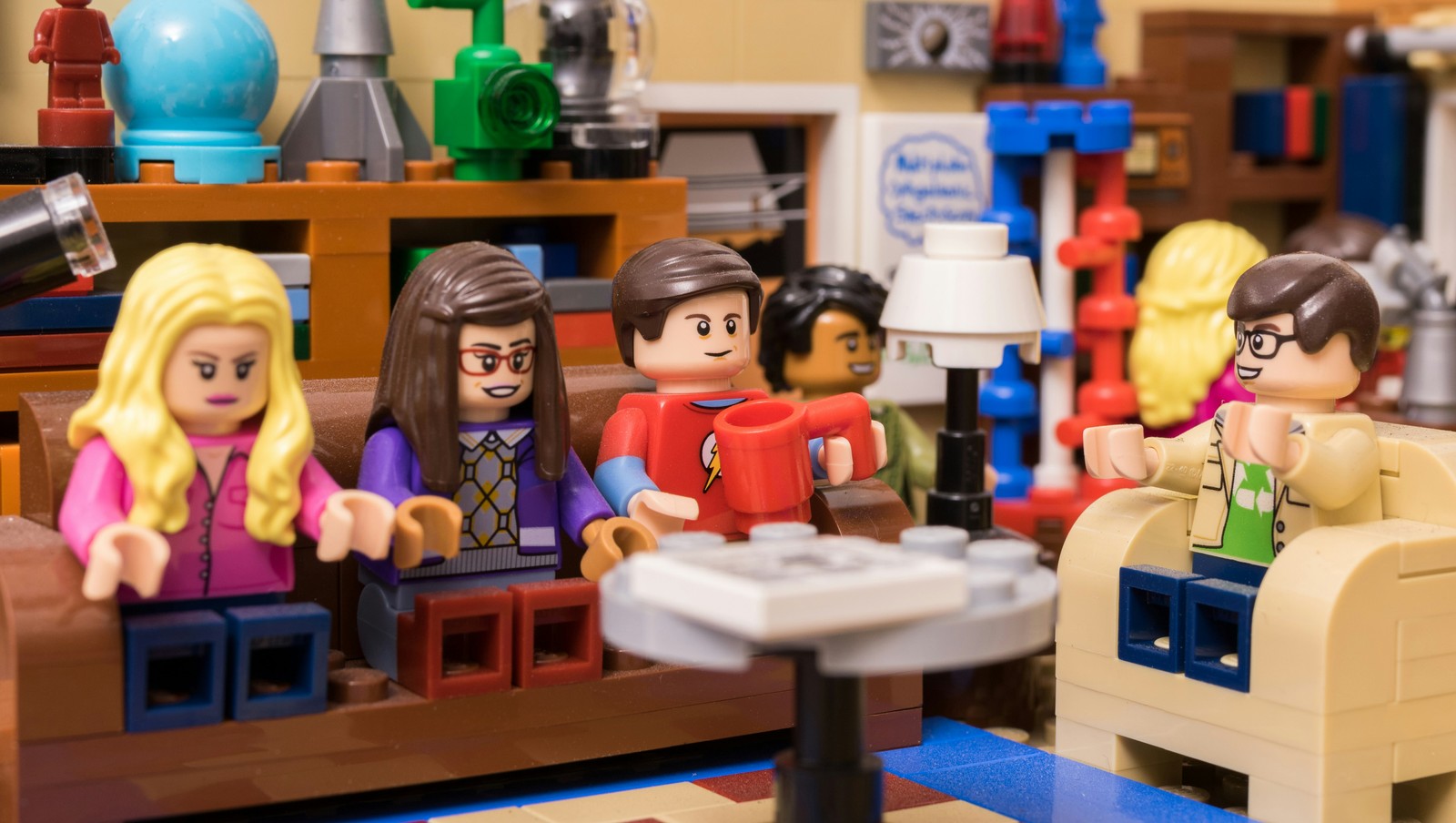
Image: Ben Griffiths

Ever wondered what it would be like to walk in the footsteps of your favorite TV characters? Well, pack your bags and grab your camera, because these iconic television locations are real places you can visit across America . From diners to crime scenes to small-town squares, these spots bring your beloved shows to life in ways that'll make you feel like you've stepped right into the screen.

1
The diner from "Seinfeld" - New York City
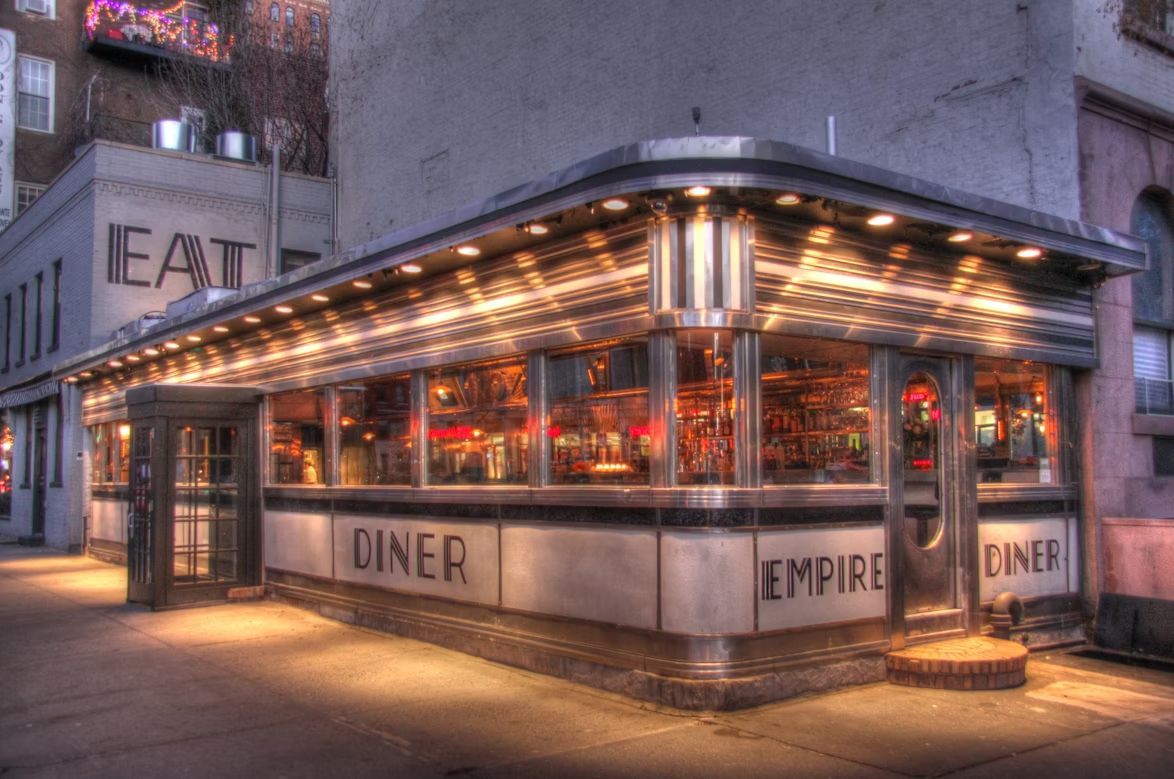
Image: Peter Bond

Remember Tom's Restaurant, where Jerry, George, Elaine, and Kramer hatched their hilariously terrible plans over coffee and endless conversations about nothing ? It's a real place!

The restaurant has embraced its TV fame, and fans from around the world stop by daily to snap photos and enjoy a meal where sitcom history was made. Fair warning: the actual interior looks nothing like the show, but you’re still eating where Seinfeld characters theoretically ate!

2
Central Perk from "Friends" - Times Square, New York City
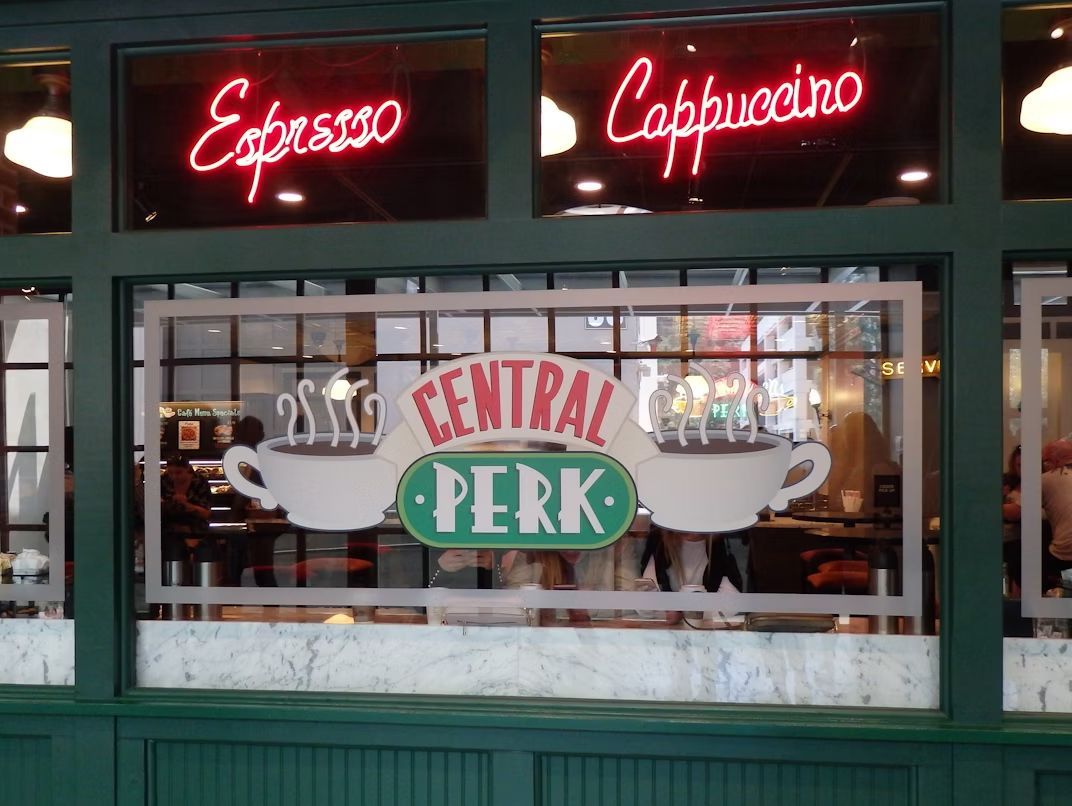
Image: Ilse Orsel

Friends fans, your dreams have come true: Central Perk now has a permanent location in Times Square where you can actually grab your morning coffee! Located at the northeast corner of 7th Avenue and 47th Street, this is the real deal—a functioning coffeehouse where you can sit near that iconic orange couch and pretend you're part of the gang. There's also a sister location in Boston, so if you're in either city, you can finally experience the coffee shop that was supposedly right there in New York all along.

3
The "Breaking Bad" car wash - Albuquerque, New Mexico
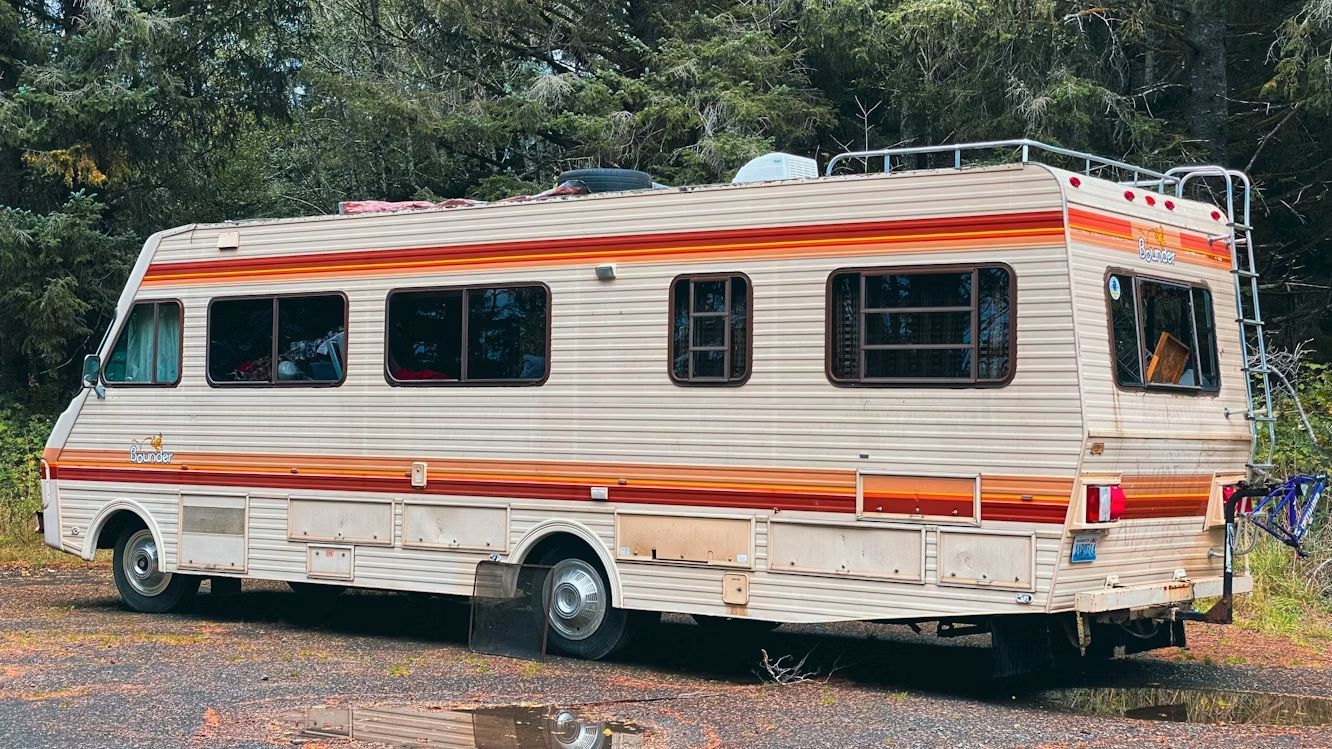
Image: Juliann Hervio

Walter White's car wash empire might have been built on crystal meth money, but the actual building is squeaky clean and still operating! Mister Car Wash (formerly Octopus Car Wash) at 9516 Snow Heights Circle NE in Albuquerque is where they filmed those tense scenes of Walt and Skyler's legitimate business venture. You can even get your car washed at the same spot where some of TV's most dramatic moments unfolded.

4
Luke's Diner from "Gilmore Girls" - Unionville, Ontario (okay, Canada, but close enough!)
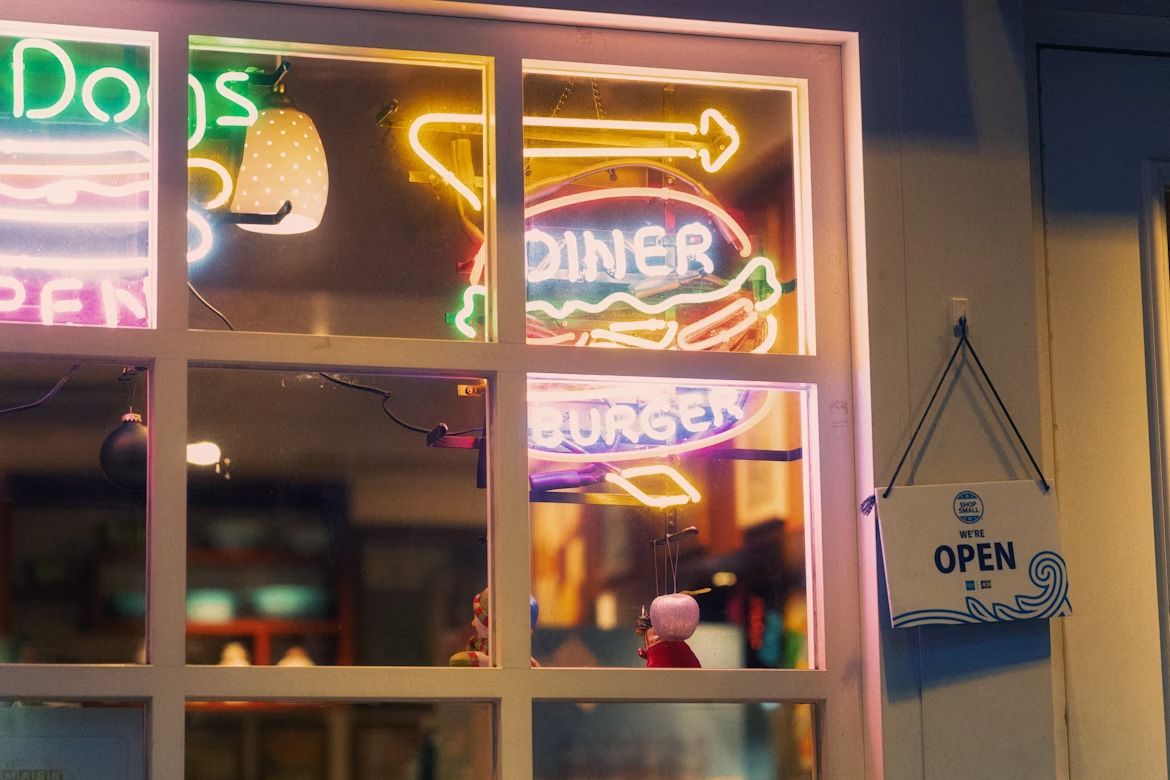
Image: ayumi kubo

Coffee addicts and fast-talking fans of Gilmore Girls will be thrilled to know that Luke's Diner is real sort of . The exterior shots were filmed at a building in Unionville, Ontario, just outside Toronto. The charming small-town main street where the diner sits perfectly captured that Stars Hollow magic, even if it technically wasn’t in Connecticut. The building now houses different businesses, but the streetscape remains wonderfully quaint and photogenic.

5
The "Full House" house - San Francisco, California
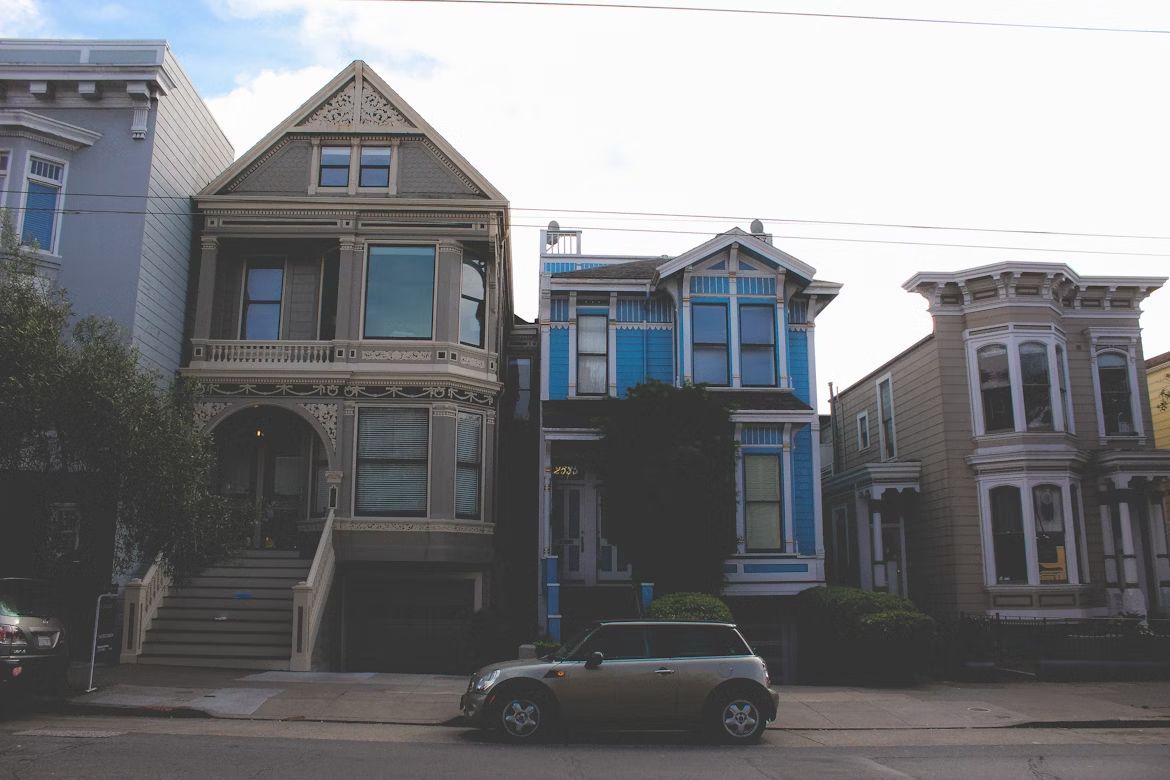
Image: Kyle Smith

The Tanner family's iconic Victorian home, with its unforgettable Painted Lady facade, is absolutely real and stands at 1709 Broderick Street in San Francisco's Lower Pacific Heights neighborhood. While the interior scenes were filmed on a set, the exterior is the genuine article and has become one of the most photographed houses in the city. Fans regularly make pilgrimages to stand across the street and recreate that opening credits moment.

6
Courthouse Square from "Back to the Future" - Universal Studios, California
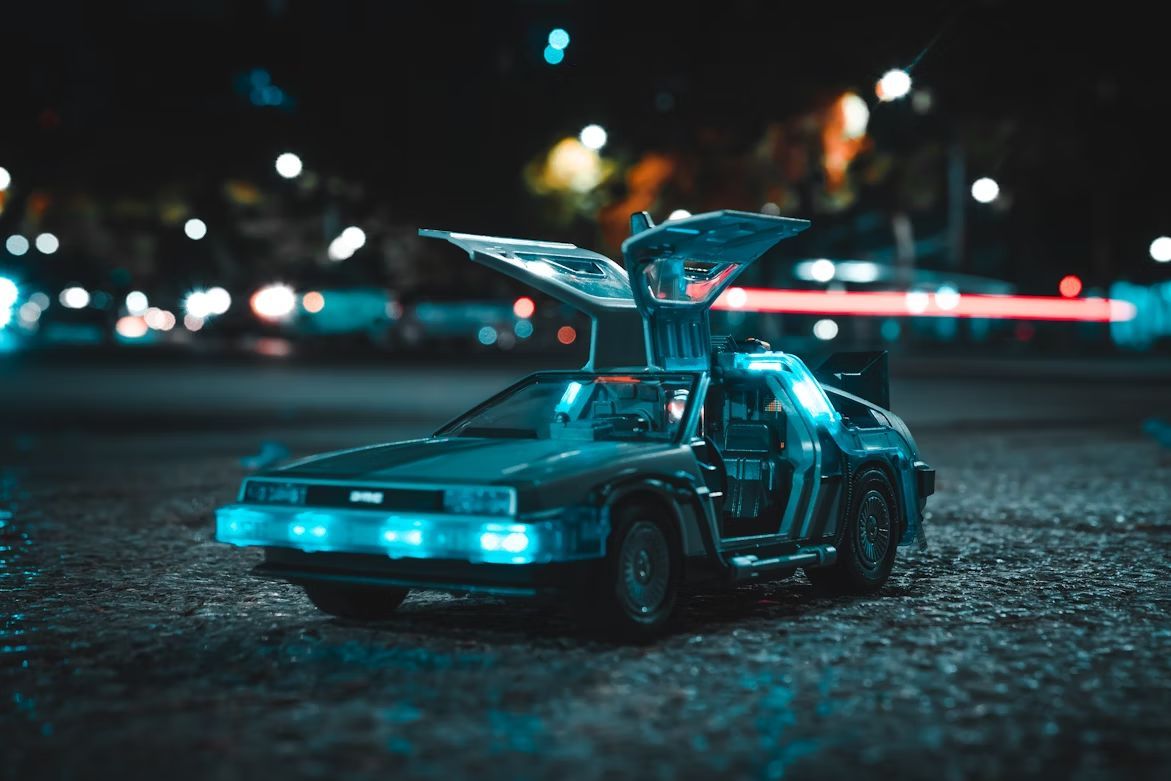
Image: Roger Ce

Doc Brown's time-traveling DeLorean circles around Hill Valley's Courthouse Square in one of cinema's most memorable scenes, and you can visit that exact spot! The Courthouse Square is a standing set on the Universal Studios backlot in Los Angeles , and has been used in countless productions over the decades. On the studio tour, you'll recognize it instantly—it’s where Marty McFly skateboarded through 1955 and where the clock tower still stands.

7
Katz's Delicatessen from "When Harry Met Sally" - New York City
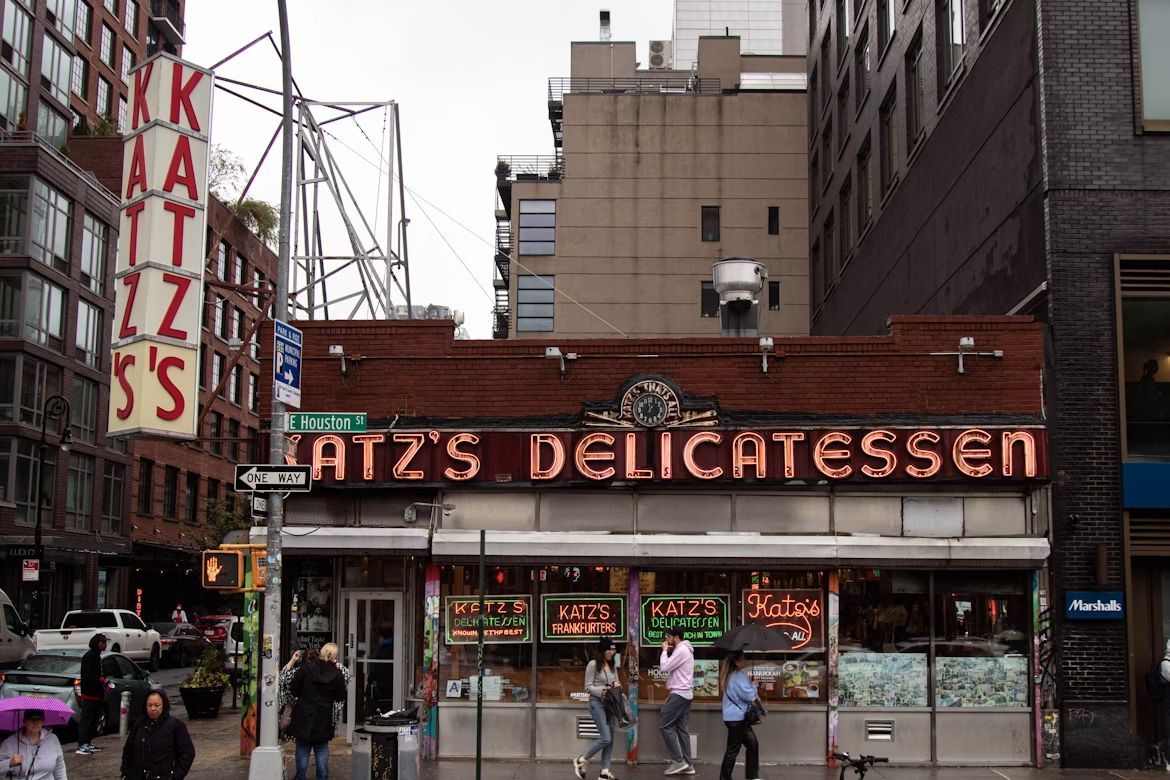
Image: Michał Kubiak

"I'll have what she's having" became one of the most famous movie lines ever uttered in a restaurant, and you can eat at that very same spot! Katz's Delicatessen, located at 205 East Houston Street on Manhattan's Lower East Side, is where Meg Ryan filmed that unforgettable scene. The deli has been serving up massive pastrami sandwiches since 1888, and they’ve marked the table where the scene was filmed with a sign that reads, "Where Harry met Sally… hope you have what she had!"

8
The "Twin Peaks" Double R Diner - North Bend, Washington
Image: DJ Paine

Fans of David Lynch's surreal masterpiece can grab a slice of cherry pie and "a damn fine cup of coffee" at Twede's Cafe in North Bend, Washington . This is the actual diner used for exterior and some interior shots of the Double R Diner, where Agent Cooper discussed his dreams and Deputy Hawk dispensed wisdom. After a 2000 fire, the diner was rebuilt and renovated, but it has maintained its Twin Peaks connection, which continues to draw fans from around the world.

9
The "Cheers" bar - Boston, Massachusetts
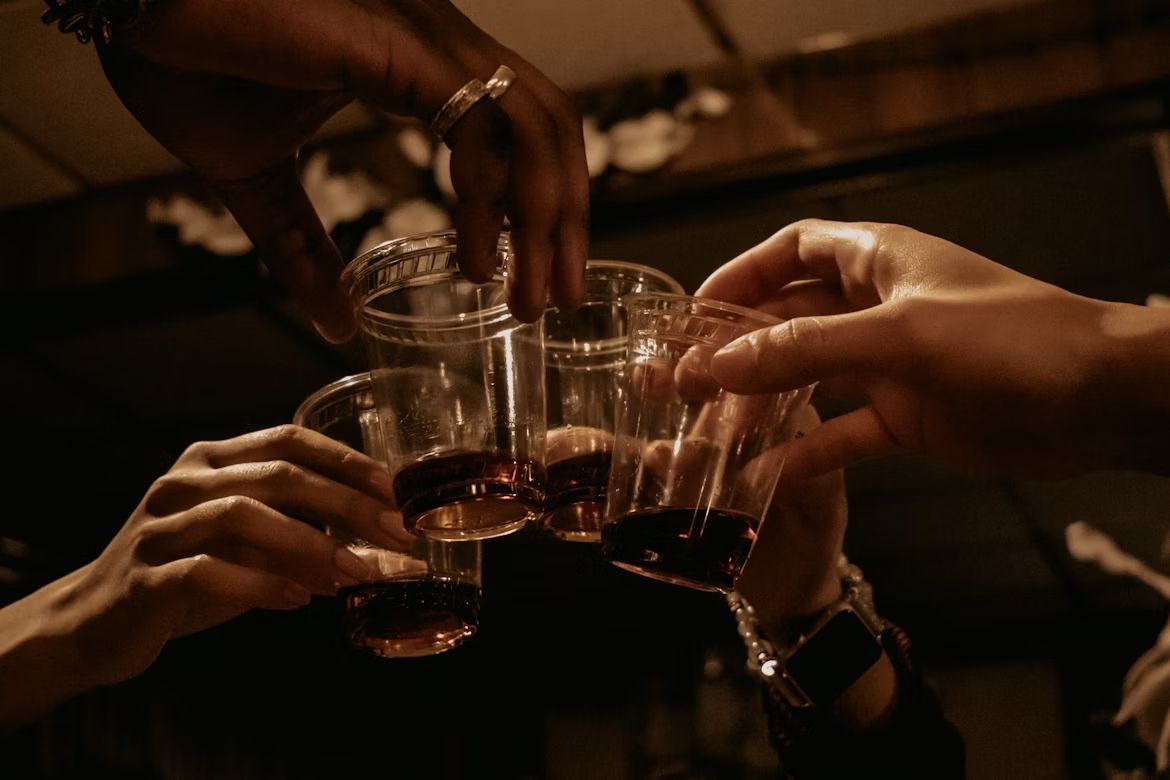
Image: Savann Prak

Sometimes you really do want to go where everybody knows your name, and you can do exactly that in Boston! T he Bull & Finch Pub, located at 84 Beacon Street beneath the Hampshire House, is the real bar that inspired the exterior of Cheers . There's even a replica Cheers bar in Faneuil Hall Marketplace for tourists who want the full experience.

Here’s the catch: the interior of the Bull & Finch Pub looks nothing like the TV show—those scenes were all filmed on a Hollywood soundstage. But the Faneuil Hall location recreated the TV set’s interior, so if you want to feel like you’re really stepping into the show, that’s your best bet.

10
The Biltmore Hotel from "Mad Men" - Los Angeles, California
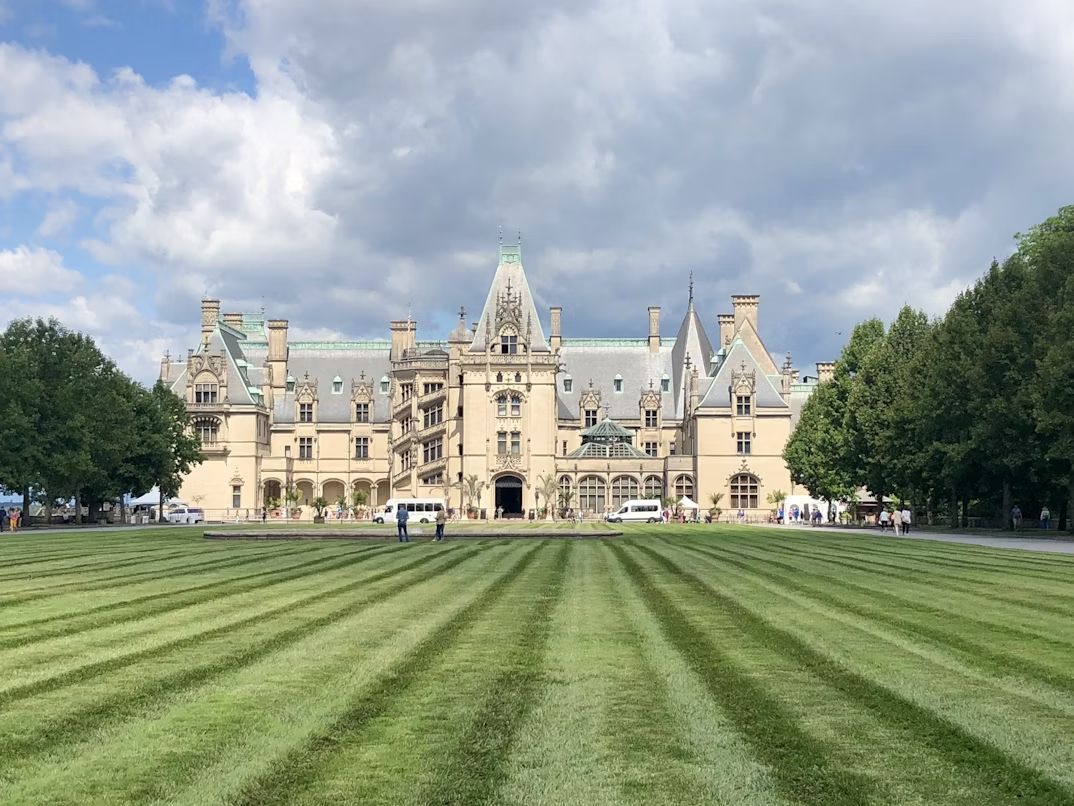
Image: Stephanie Klepacki

Don Draper and the gang from Sterling Cooper certainly knew how to pick a sophisticated meeting spot, and the Millennium Biltmore Hotel in downtown Los Angeles was one of their favorites.

The Biltmore is still a functioning luxury hotel where you can book a room, grab a cocktail at the bar, or simply wander through the stunning public spaces. It has hosted Academy Awards ceremonies, presidential candidates, and countless Hollywood events over its nearly 100-year history.
Culture Culture 4 min read

More than machines: 10 robots that taught us what it means to be human

Image: Mathieu Stern

Across more than a century of filmmaking, robots have appeared on screen in countless roles: assistants, threats, companions, and quiet observers of human behavior. Their designs and functions have shifted with changing technology, storytelling styles, and cultural concerns. Some arrived in the age of space optimism, others during periods of skepticism about machines. Together, these 10 robots reflect how American cinema has imagined technology and how those images have stayed familiar over time.

1
C-3PO ( Star Wars , 1977)

Image: Lyman Hansel Gerona

Few film robots are as easy to recognize as C-3PO. Introduced in Star Wars: A New Hope in 1977, this tall, golden droid was designed to handle translation and communication. Voiced in an unmistakable British accent by Anthony Daniels, his smooth metal surface, rigid stance, and gentle manner make his role in the story immediately clear. C-3PO appears in nearly every main installment of the franchise, and he was even made into toys and theme park attractions.

2
R2-D2 ( Star Wars , 1977)

Image: gromit15

Not all iconic robots speak in words. C-3PO’s companion R2-D2, first seen in Star Wars: A New Hope (1977), communicates through "beeps and whistles" rather than spoken language. He is a droid designed to assist with navigation, maintenance, and technical repairs. Within the story, he frequently carries information, fixes equipment, or helps characters escape danger. His "trashcan" shape is a masterclass in functional design, and his bravery as a "swiss-army-knife" repair droid made him arguably the most heroic character in the franchise.

3
T-800 ( The Terminator , 1984)

Is it human, or only pretending to be? When The Terminator was released in 1984, the T-800, played by Arnold Schwarzenegger in his breakout role, stood apart from earlier robots by appearing human. In fact, he’s more of a cyborg, since it combines an internal metal structure with external living tissue. Thanks to his appearance, he can move unnoticed among people, which is essential to his role in the story. Lines like "I'll be back" and "Hasta la vista, baby" are embedded in pop culture, making the T-800 one of the most iconic in cinema history.

4
Robby the Robot ( Forbidden Planet , 1956)

Image: Farbsynthese

In 1956, long before sleek digital effects, Robby the Robot arrived on screen. His bulky metal body, exposed wiring, and clear dome head first appeared in the film Forbidden Planet . Robby can speak in full sentences, follow complex instructions, and perform tasks such as cooking, transporting people, and providing protection. After the film’s release, a similar aesthetic appeared in several television shows and movies. He was the first on-screen robot to have both a lovable personality and a complex design.

5
EVE ( WALL·E , 2008)

Image: Aman Pal

EVE’s design is iconic for its minimalism: she has no visible joints and no exposed mechanics. She first appears in Pixar’s 2008 animated film WALL·E . Her name means Extraterrestrial Vegetation Evaluator, and she has a limited vocabulary. Her smooth white exterior, compact shape, and floating movement make her very different from her older, more mechanical-looking predecessors. Despite her coldness, she eventually learns the warm emotions of love.

6
Dot Matrix ( Spaceballs , 1987)

Image: Pedro Miguel Aires

With her metallic gold body, upright posture, and humanlike mannerisms, Dot Matrix, introduced in Spaceballs (1987), was designed to resemble a "protocol droid." Yes, she is a clear parody of _Star Wars_’ C-3PO, born from the genius mind of Mel Brooks. Voiced by Joan Rivers, Dot Matrix is famous for her "Virgin Alarm" and her role as a sarcastic, overprotective governess to Princess Vespa (Daphne Zuniga) rather than a technical aid.

7
RoboCop ( RoboCop , 1987)

Image: magocarlosyo

RoboCop, played by Peter Weller, is introduced as a law-enforcement cyborg, combining human elements with heavy metallic armor. In the story, he carries out police duties such as patrol, investigation, and public order enforcement using advanced technology. The design—a silver-visored helmet and hydraulic movements— symbolized 1980s corporate greed and the loss of individual identity to the machine.

8
Johnny 5 ( Short Circuit , 1986)

Image: JUNXUAN BAO

Unlike the sleek EVE from WALL·E , Johnny 5 looks like a prototype, with exposed wires and tank treads. He is a small robot built for military testing, with large camera-like eyes and movable arms. After an accident alters his programming, he begins to act independently rather than following commands. He asks questions, observes everyday objects, and interacts closely with human characters. This combination of curiosity, humor, and a non-threatening appearance helped make Johnny 5 an icon of 1980s science fiction.

9
Gort ( The Day the Earth Stood Still , 1951)

Image: Sun God Apolo

Appearing in The Day the Earth Stood Still (1951), Gort is a seamless, 8-foot-tall silver sentinel who represents the terrifying potential of nuclear-age technology. He follows instructions precisely and does not engage in conversation with humans. In the film, his purpose is to enforce rules rather than explain them, acting only when necessary. His iconic "visored" eye that fires a disintegration beam and the phrase "Klaatu barada nikto" remain his enduring legacy.

10
Rachael (Blade Runner, 1982)

Image: Alexandra_Koch

At first glance, Rachael (played by Sean Young) does not appear to be a robot at all. Introduced in Blade Runner (1982), she is an android created to blend into human society, with natural speech, human behavior, and no visible mechanical parts. Unlike earlier film robots, her design relies on appearance and memory rather than metal or machinery. In the story, she believes her memories and feelings are real. This focus on memory and identity, rather than physical ability or function, is why her role is still discussed in relation to artificial intelligence and what defines a human being.

General General 3 min read

US money mysteries

Did you notice this detail on the $100 bill? 10 surprising currency facts

Image: Alicia Razuri

You use it every day, you keep it in a safe place, and yet there are still so many things you may not know about it. Yes, we’re talking about US currency! From their size and composition to the details of their designs, both our bills and coins have a fascinating history behind them, and some secrets you probably never imagined. Join us as we uncover them.

1
Clock change

Image: Jonathan Borba

US currency is full of symbolism, and the $100 bill is no exception. Since 1928, we have seen Independence Hall depicted on the back of this bill. But in 2013, it was redesigned, and one change stands out: the clock tower, which previously showed 4:10, now reads 10:30. Did you notice?

2
Jackie Kennedy’s choice

Image: Florida Memory

Jackie Kennedy played a key role in designing the coin that would feature the portrait of her ex-husband. When the U.S. Mint planned the Kennedy half dollar in 1964, she was consulted and provided input on various aspects of the coin, including its imagery and symbolism.

3
Not paper

Image: Giorgio Trovato

Although it is called paper money, our bills do not contain any paper at all. In fact, they are made of a blend of 75% cotton, 25% linen, and fine silk fibers embedded. This mixture is not random; it was specially chosen so that your bills can withstand everything: folds, wrinkles, stains, and even an accidental shower in the washing machine.

4
The unfinished pyramid

Image: Marek Studzinski

The one-dollar bill also has its secrets and details. On its back, you’ll find an unfinished pyramid, part of the Great Seal of the United States designed in the 1780s. Why unfinished? The pyramid has 13 steps, representing the original 13 colonies, and its incomplete form symbolizes the nation’s ongoing growth and expansion.

5
50% larger

Image: Bozhin Karaivanov

Before 1929, US banknotes were significantly larger, measuring approximately 7.375 x 3.125 inches. Today, collectors refer to these as "large-size" notes, sometimes even nicknamed "Horseblankets." In contrast, modern bills measure just 6.14 x 2.61 inches. The government decided to reduce the bill's size to cut production and design costs.

6
Andrew Jackson’s preference

Image: Giorgio Trovato

Andrew Jackson has been the face of the $20 bill since 1928, when he replaced Grover Cleveland. Ironically, Jackson was opposed to paper money. He didn't trust that form of payment, believing it could be easily manipulated. According to historians, the 7th U.S. President favored "hard money": gold and silver coins.

7
Alexander Hamilton’s portrait

Image: engin akyurt

Most portraits on US bills face left, with one exception: Alexander Hamilton on the $10 bill, the only one facing right (toward the viewer’s left). You might wonder why, but there’s no official explanation; it seems to have been simply a design choice.

8
"In God We Trust"

Image: rc.xyz NFT gallery

In 1956, Congress passed a law declaring "In God We Trust" the national motto, making it mandatory on all U.S. coins and banknotes. But this wasn’t its first appearance: the phrase first appeared in 1864 on the two-cent coin. Beyond faith, it also carried political weight, suggesting that God favored the Union during the Civil War.

9
The change that never happened

Image: Ryan Quintal

In 2015, the Treasury announced plans to redesign the $10 bill, stating that Hamilton's portrait would be replaced by that of an influential woman from US history. However, the change never happened. Why? Those years saw a surge in Hamilton's popularity thanks to the hit musical of the same name, leading the Treasury to backtrack on the replacement plan.

10
Criteria

Image: Live Richer

As is well known, not just any portrait can appear on US currency. But beyond historical significance, the figures on our bills and coins must meet other criteria you might not know: They must also be deceased and well recognized by citizens, ensuring that the people represented are familiar and meaningful to the public.

Explore more American facts

Choose your favorite category!

General
General

As American as apple pie—the very best America has to offer!

Culture
Culture

Delve into the astounding richness of American lore.

Geography
Geography

Hop in and explore vast and diverse American landscapes.

History
History

Discover the key moments that shaped the United States.