Culture Culture 5 min read

Lights, Camera… Misunderstood!

Which of these 12 animals was the most misrepresented by Hollywood?

Image: Cami Johnson

Hollywood has always loved a good monster — a giant alien, a mythical creature or even an ordinary animal turned into a nightmare. From sharks and wolves to frogs and rats, these films made audiences think twice about creatures they might otherwise have ignored. The truth is, in many cases, the real animals are nowhere near as frightening as their on-screen counterparts.

1
Jaws (1975)
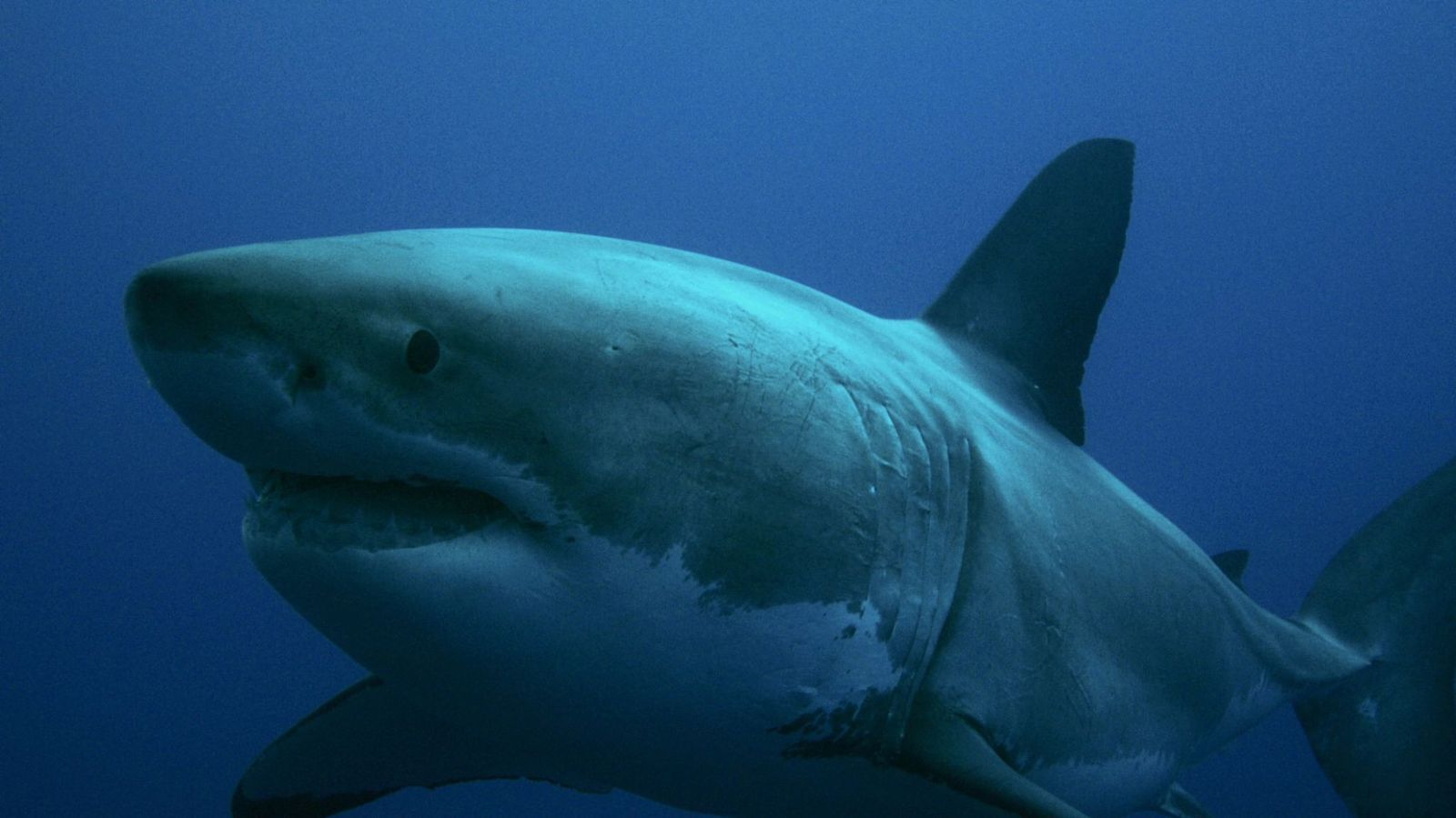
Image: Oleksandr Sushko

Steven Spielberg’s Jaws forever changed the way people looked at sharks. The story of a rogue great white terrorizing the fictional town of Amity Island became the first true summer blockbuster and remains one of the most influential thrillers ever made. Ironically, the film showed surprisingly little of the shark because the mechanical model, nicknamed Bruce, kept malfunctioning during production.

The movie’s impact stretched far beyond the box office. Many people began viewing sharks as bloodthirsty predators, even though attacks on humans are extremely rare. Author Peter Benchley, who wrote the book on which the film is based, later became a passionate shark conservation advocate and admitted he regretted helping reinforce that stereotype after learning more about these remarkable creatures.

2
King Kong (1933)
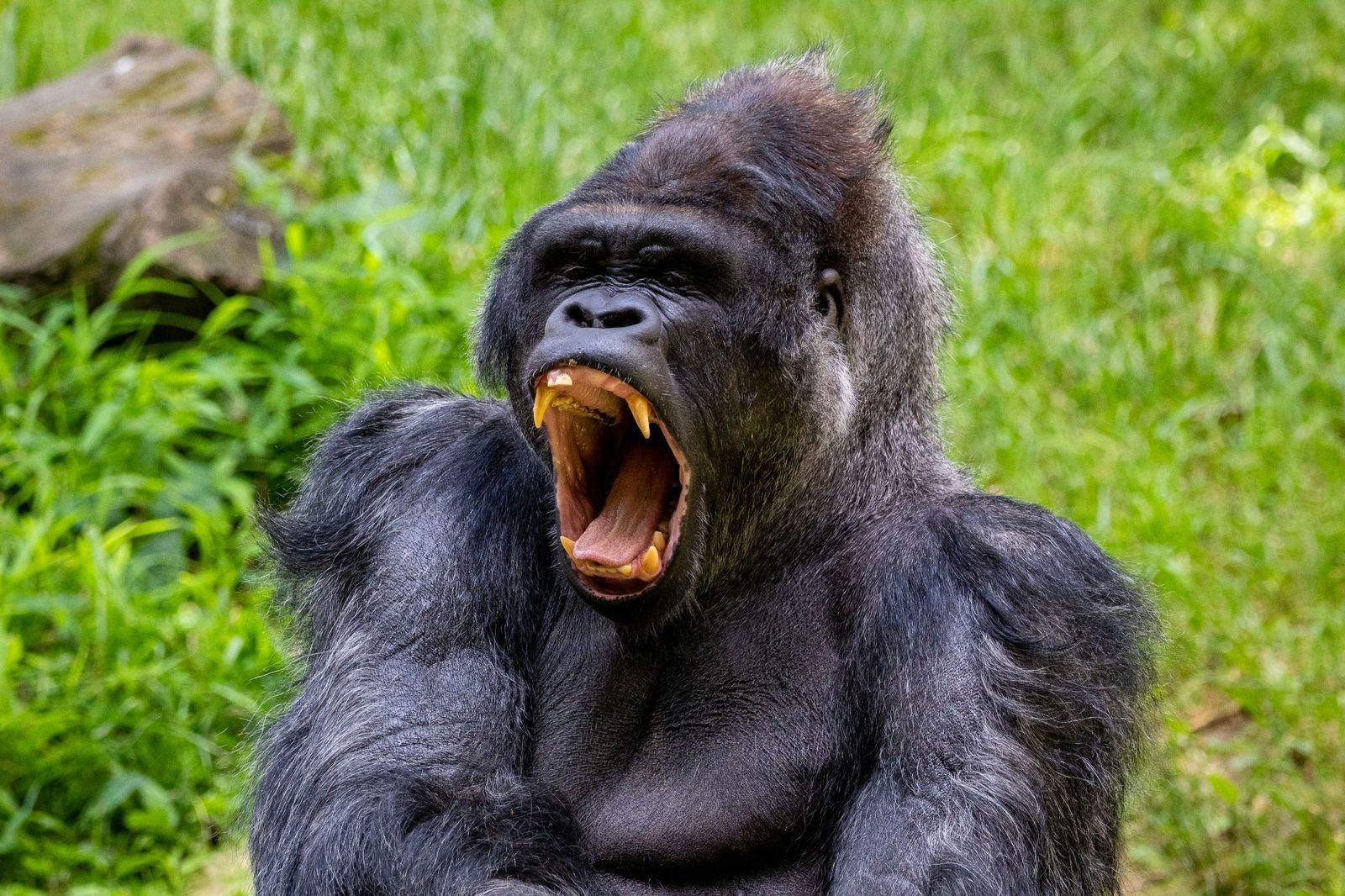
Image: Joshua J. Cotten

Long before computer-generated creatures (unfortunately) ruled Hollywood, audiences were amazed by King Kong , the giant ape brought to life through stop-motion animation . The film introduced one of cinema’s greatest icons, but it also reinforced the old idea that gorillas were savage monsters lurking in mysterious jungles.

Modern science tells us a very different story. Real gorillas are intelligent, gentle, highly social animals that spend most of their time eating plants and caring for family groups. Conservationists helped transform public understanding of great apes, showing that they’re far more vulnerable to humans than humans are to them.

3
The Birds (1963)
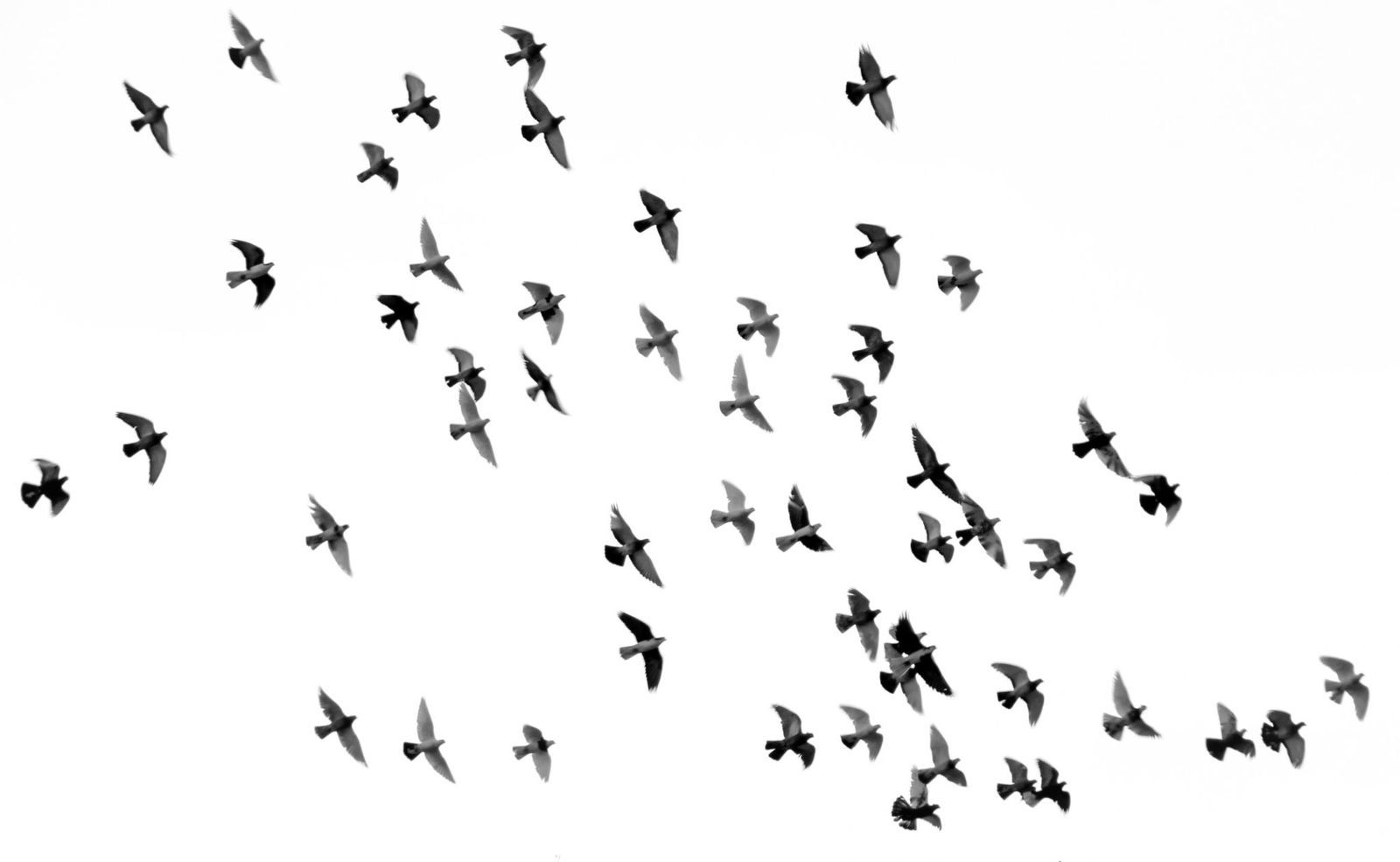
Image: Mehdi Sepehri

Alfred Hitchcock proved that almost anything could become terrifying, even pigeons and seagulls . The Birds imagines a scenario in which ordinary birds suddenly begin attacking people — without any explanation. That uncertainty became one of the film’s greatest strengths.

In reality, birds rarely attack humans, except when defending their nests or chicks during breeding season. The movie helped define the "nature strikes back" genre, but outside the theater, your neighborhood flock is much more likely to steal a French fry than launch a coordinated assault.

4
Cujo (1983)

Image: JJ Shev

Few movie dogs have inspired as much fear as Cujo , the enormous St. Bernard whose rabies transforms him from a lovable family pet into a relentless killer . Based on Stephen King’s novel, the film left many viewers unfairly suspicious of one of the world’s gentlest breeds.

Actual St. Bernards earned their reputation in a completely different way. For centuries, monks at Switzerland’s Great St. Bernard Pass bred these dogs to rescue stranded travelers crossing the snowy Alps. They’re famous for patience, loyalty, and calm temperaments, not aggression.

5
Arachnophobia (1990)
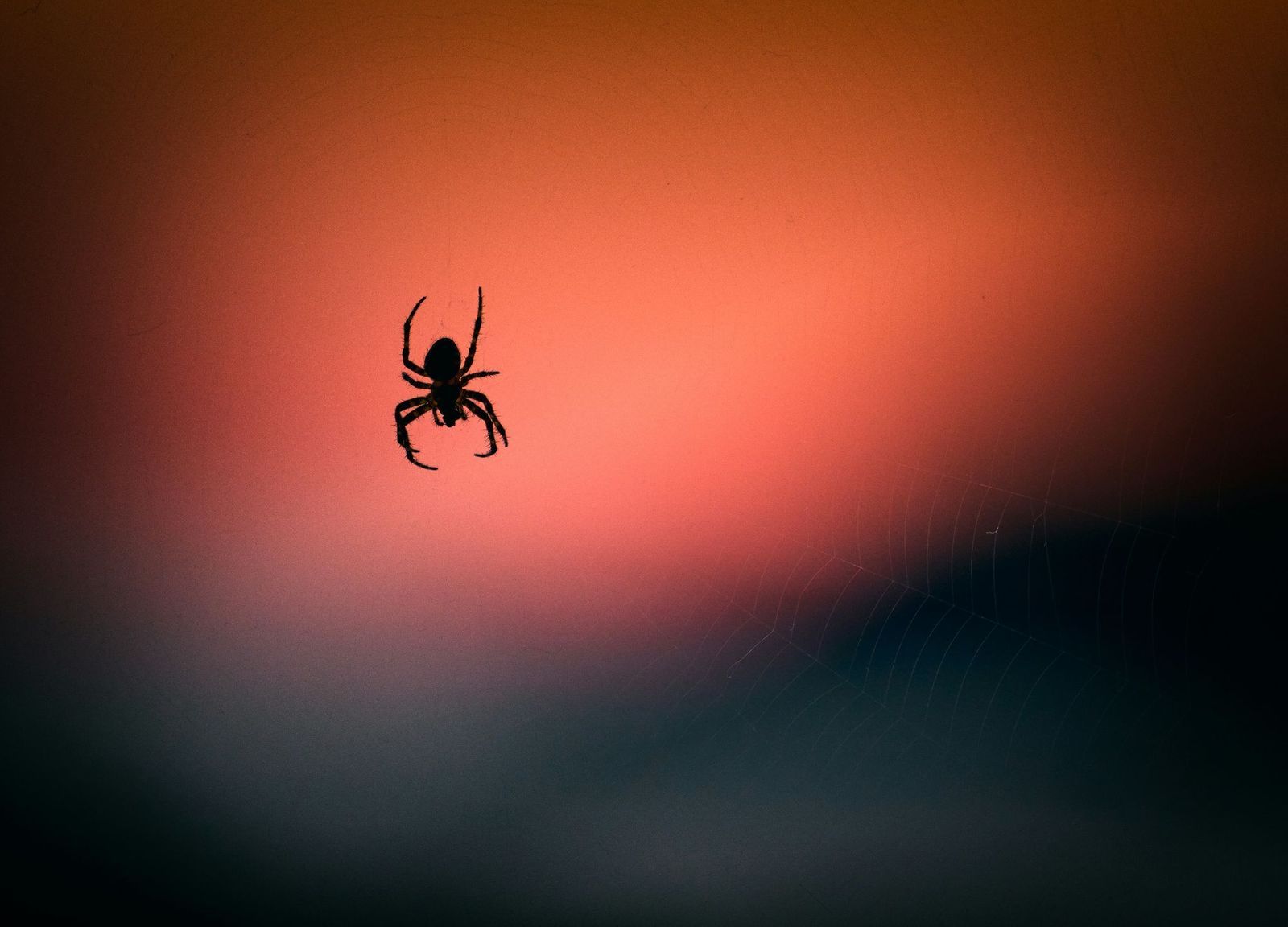
Image: Vidar Nordli-Mathisen

For people who already disliked spiders, this movie certainly didn’t help. Aracnophobia mixed horror with comedy as a deadly fictional spider species spread terror through a quiet California town , turning every corner of the house into a potential danger zone.

The truth is much less dramatic. Scientists have identified roughly 50,000 spider species, but only a tiny percentage can seriously harm humans. Most spiders spend their lives quietly eating insects and avoiding people whenever possible, making them surprisingly helpful roommates.

6
Anaconda (1997)
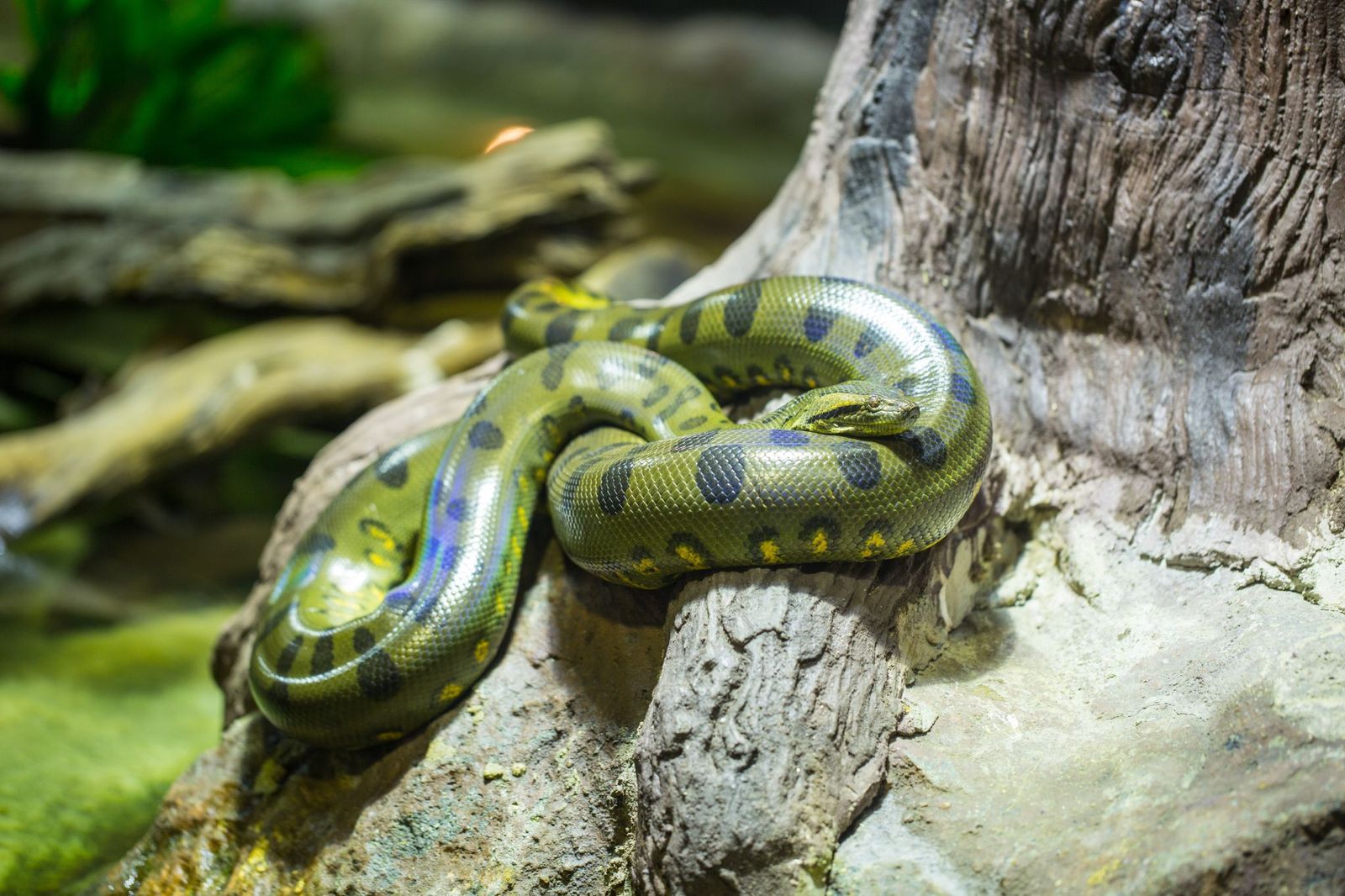
Image: ShutterOK

The Amazon rainforest became home to one of Hollywood’s biggest reptilian villains in Anaconda . The enormous snake hunts humans with impossible speed, intelligence, and appetite , creating a memorable creature feature starring Jennifer Lopez, Ice Cube, and Jon Voight.

Real green anacondas are certainly impressive; they’re among the heaviest snakes on Earth, but humans aren’t on their menu. Their natural diet consists mainly of fish, birds, capybaras, caimans, and other wildlife. The movie’s giant snake was far larger than anything scientists have ever documented.

7
The Grey (2011)
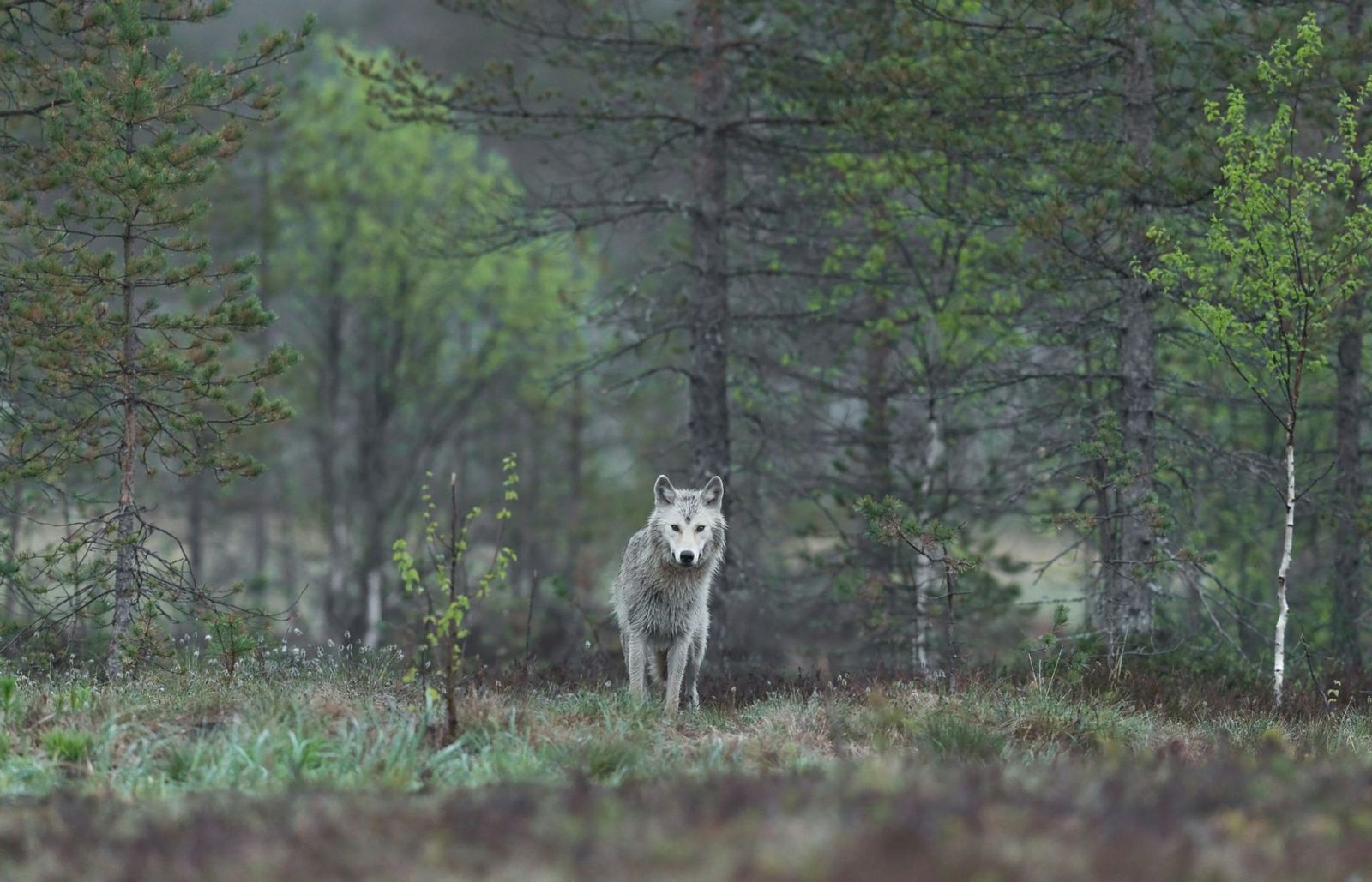
Image: Hans Veth

After surviving a plane crash in the Alaskan wilderness, the characters in The Grey face another nightmare: a relentless pack of wolves that seems determined to hunt every survivor . The tense survival story became one of Liam Neeson’s most memorable performances.

Wildlife biologists, however, were quick to point out that wolves almost always avoid people. Fatal attacks in North America are extraordinarily uncommon, and healthy wolf packs generally prefer staying as far away from humans as possible.

8
Orca (1977)
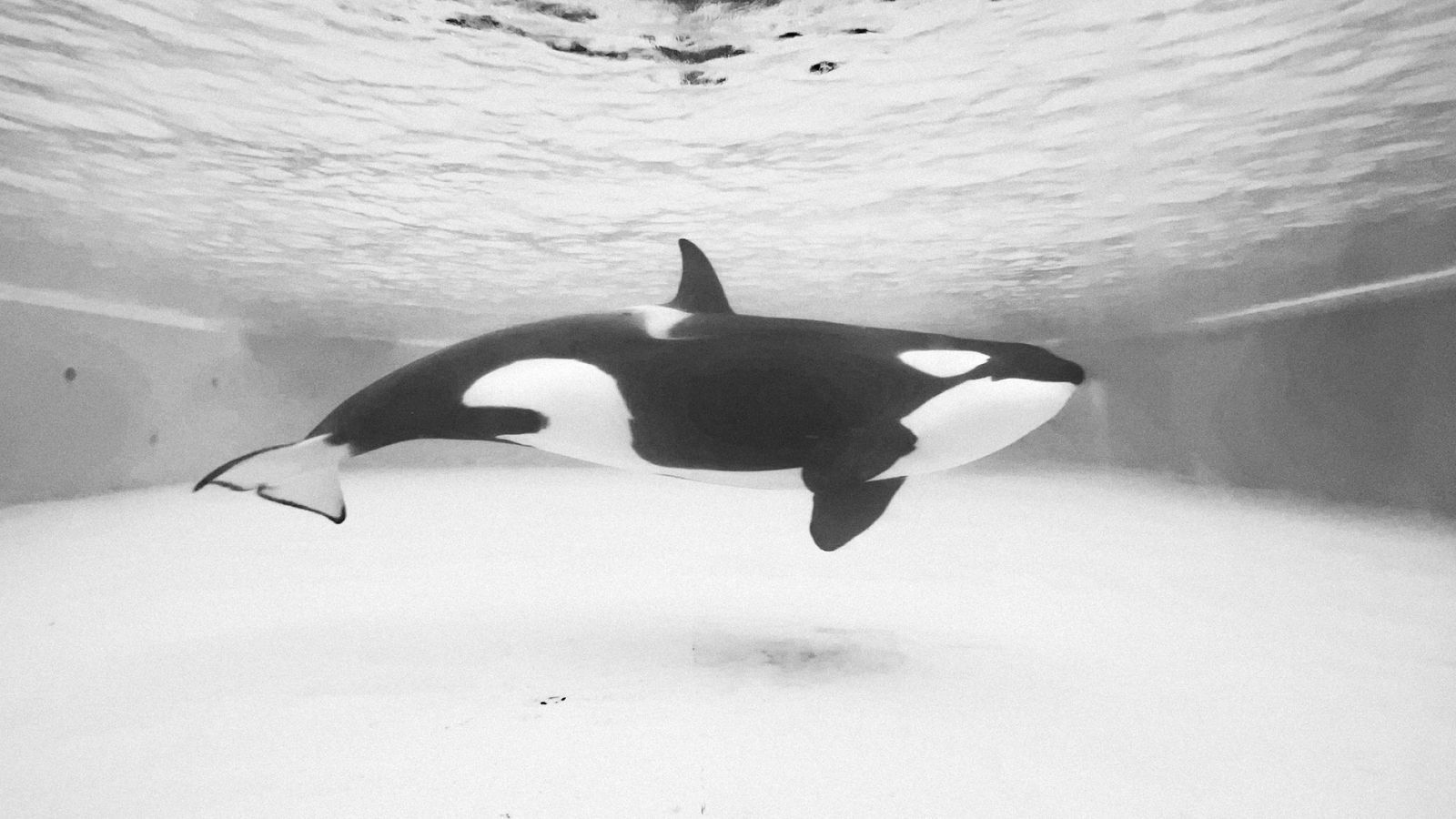
Image: Iewek Gnos

Released only two years after Jaws , Orca offered another giant marine predator, this time driven by revenge after humans kill its mate . Unlike many monster movies, the whale is portrayed with emotion and intelligence, yet it’s shown relentlessly attacking people.

Today’s marine researchers describe orcas as highly social animals with complex family relationships and remarkable communication skills. Despite the nickname "killer whale," there are no verified records of a wild orca killing a human.

9
Willard (1971)
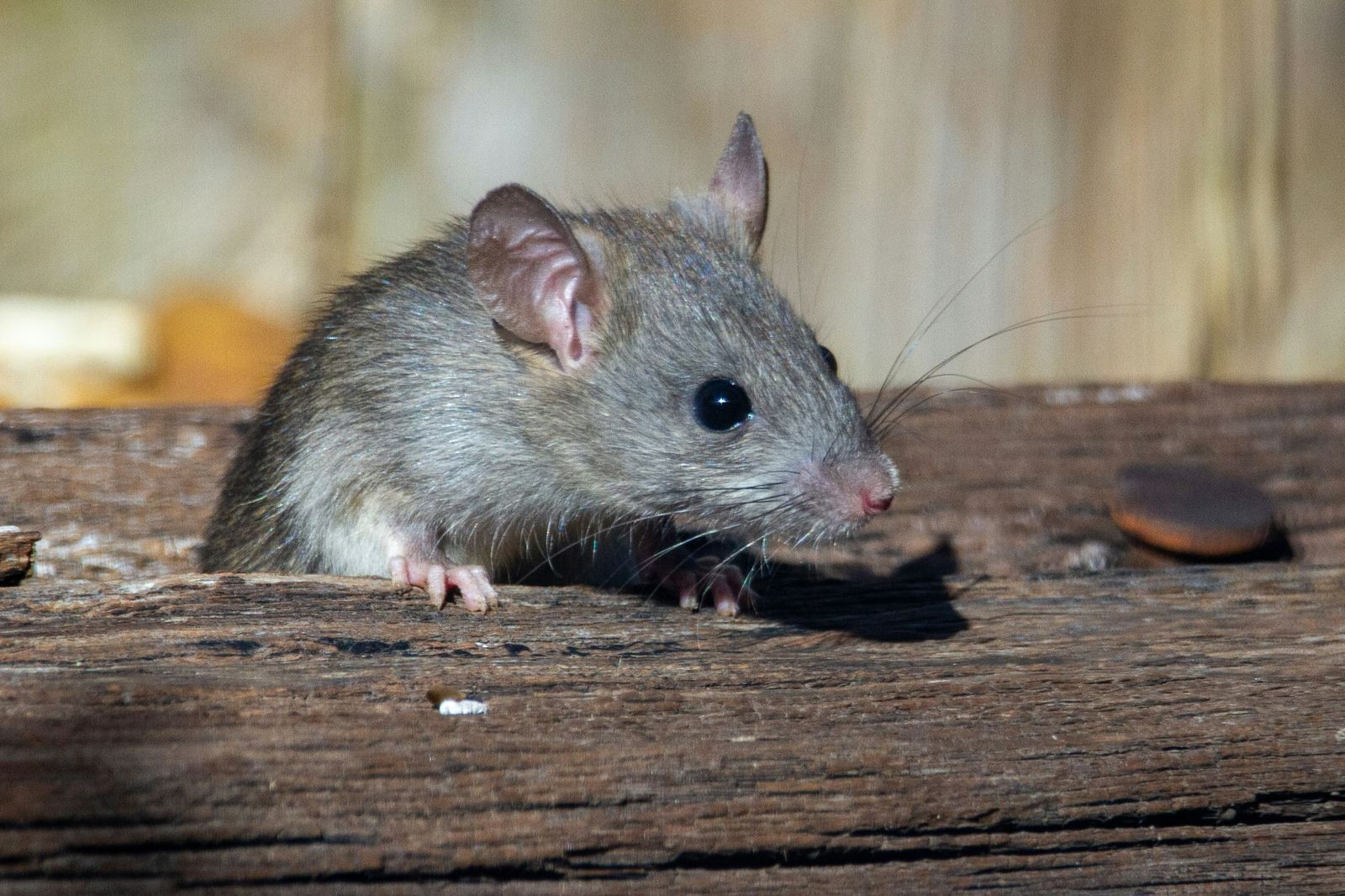
Image: Joshua J. Cotten

Before audiences feared sharks, they feared rats. Willard tells the story of a lonely man who commands an army of rodents , turning one of humanity’s oldest urban fears into a classic of psychological horror. Its success even inspired the sequel Ben , featuring a theme song sung by a young Michael Jackson.

Real rats are much more impressive than their reputation suggests. They’re highly intelligent mammals capable of solving problems, learning complex tasks, and even detecting diseases in scientific research. Many people today happily keep domesticated rats as affectionate pets.

10
The Ghost and the Darkness (1996)
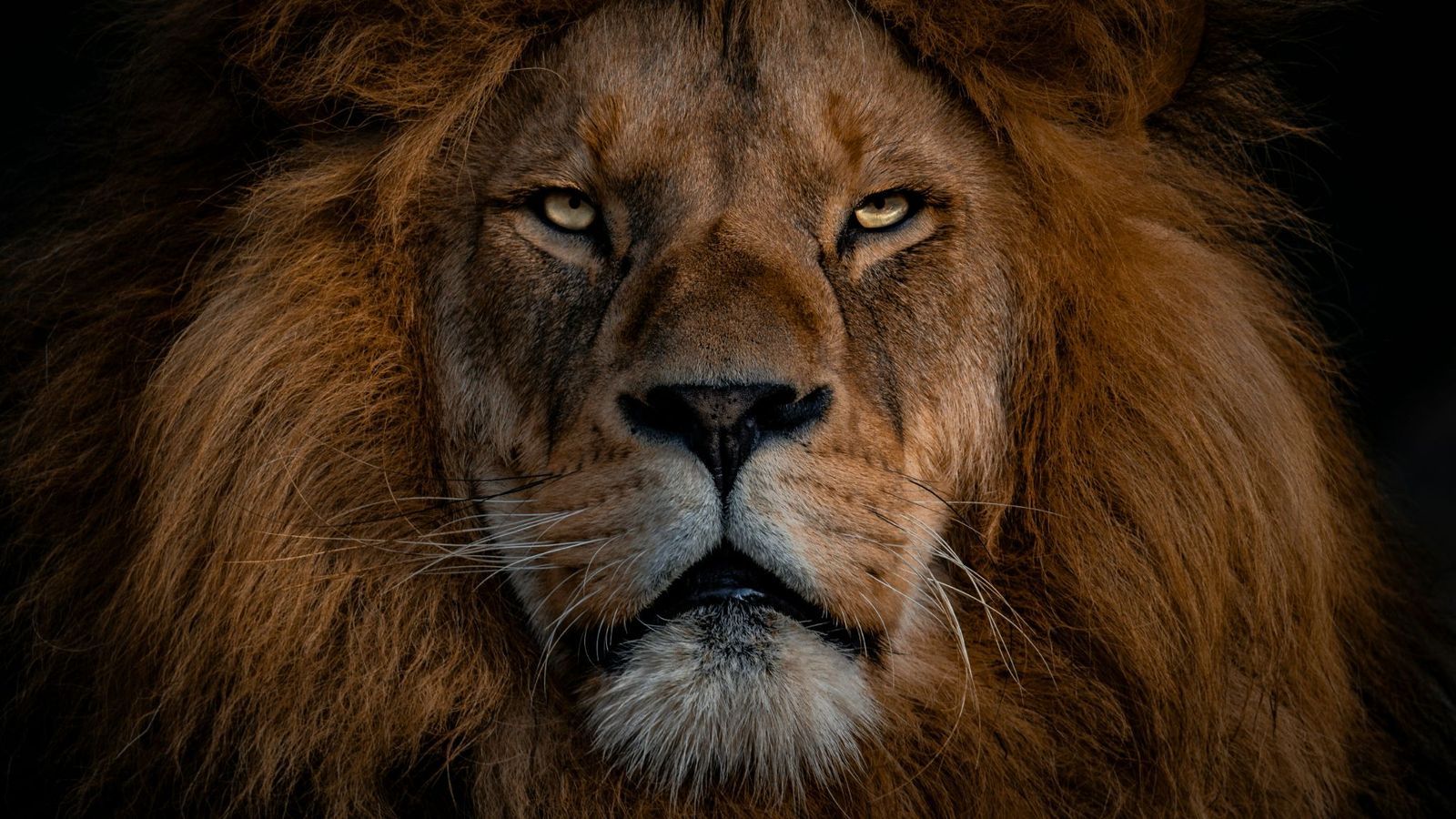
Image: Ingo Stiller

Unlike many entries on this list, this film is rooted in a real historical event. During the construction of the Uganda Railway in Kenya in 1898, two male lions attacked railway workers near the Tsavo River , creating one of history’s most famous wildlife mysteries.

Scientists still debate exactly how many people the lions killed, and the preserved animals remain on display at Chicago’s Field Museum. Although the true story was extraordinary, man-eating lions are exceptionally rare, and healthy wild lions generally avoid human contact whenever possible.

11
Monkey Shines (1988)
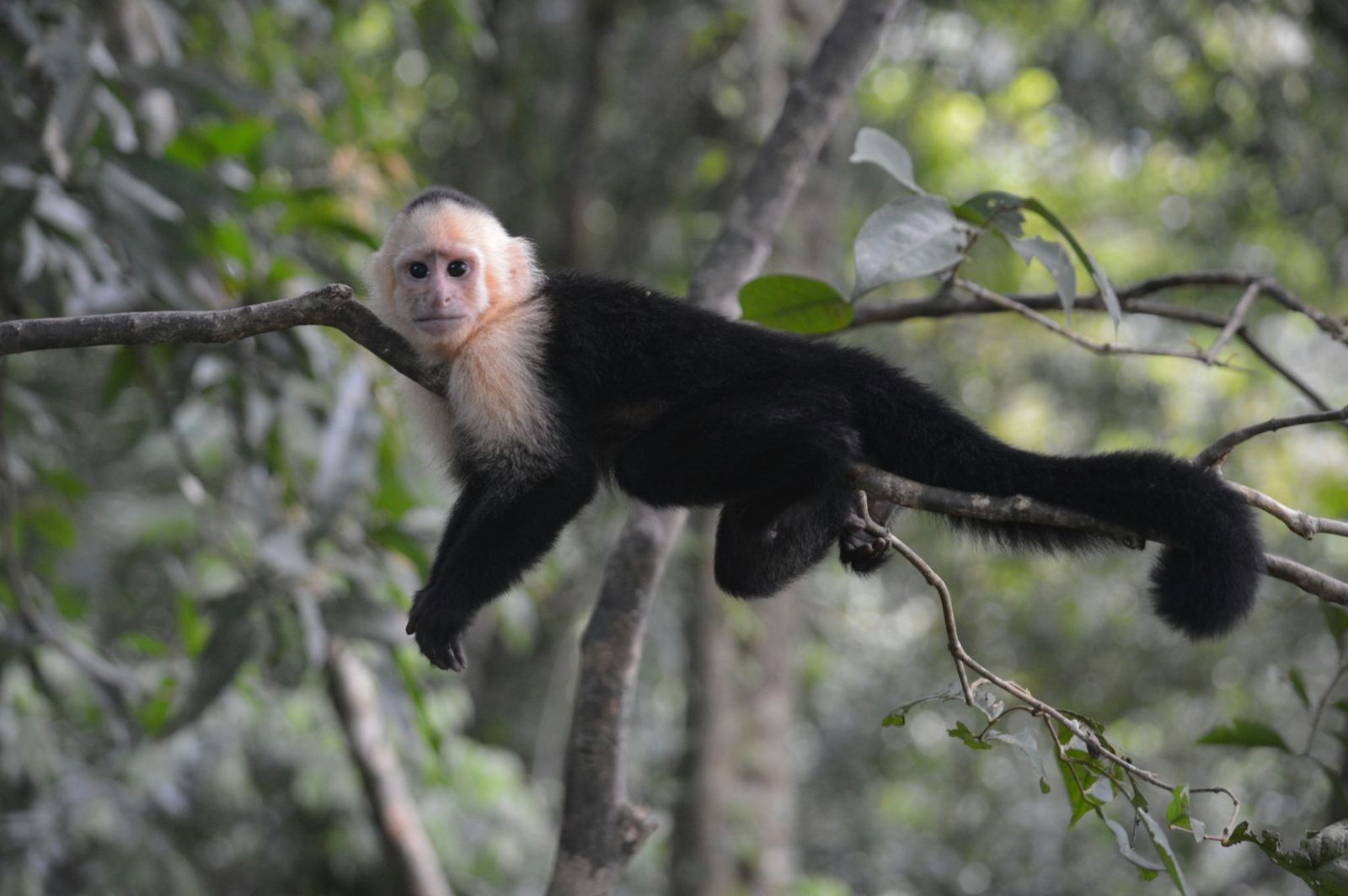
Image: Joy Ernst

George A. Romero traded zombies for primates in this psychological horror film about a helper capuchin monkey whose protective instincts spiral into something much darker . The story blurred the line between companionship and obsession, leaving viewers uneasy about intelligent animals.

Capuchin monkeys really are among the smartest New World primates and have even been trained to assist people with disabilities. At the same time, experts strongly discourage keeping monkeys as pets because they remain wild animals with complex social and behavioral needs.

12
Frogs (1972)
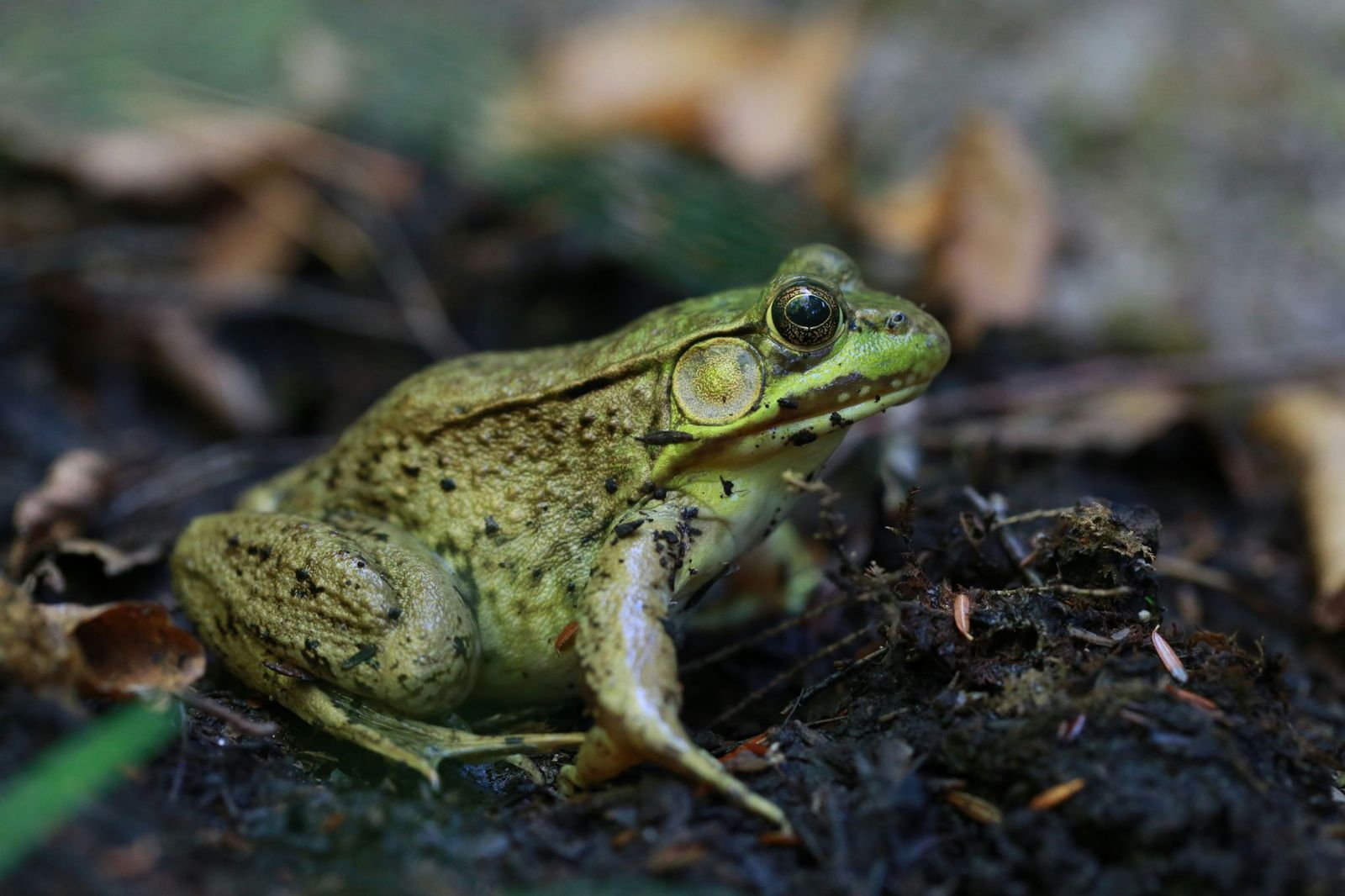
Image: Gary Yost

Despite its title, Frogs is surprisingly unfair to amphibians. While frogs appear throughout the movie, most of the actual attacks are carried out by snakes, insects, turtles, and other wildlife during a bizarre uprising against environmentally destructive humans.

Outside Hollywood, frogs are among nature’s most valuable allies. They consume enormous numbers of insects and serve as important indicators of environmental health. If frogs begin disappearing from an ecosystem, scientists often see it as an early warning that something is seriously wrong.

Culture Culture 5 min read

SILVER SCREEN LEGENDS

The Golden Era: 10 classic American films that helped shape Hollywood

Image: Nathan DeFiesta

The Golden Age of Hollywood, spanning from the early 1930s to the late 1950s, marked a period when American cinema reached new heights, setting the future standards for storytelling, innovation, and star culture. During this era, visionary filmmakers and legendary actors crafted films that became integral to America's cultural identity. Join us as we explore 10 iconic classics that not only defined this golden era but also solidified Hollywood's status as the global beacon of cinematic excellence it remains today.

1
Gone with the Wind

Image: Adam Kring

Released in 1939, Gone with the Wind stands as one of the most iconic films in American cinema. Adapted from Margaret Mitchell's 1936 novel of the same name, the film is set against the backdrop of the Civil War and follows the life of Scarlett O'Hara (played by Vivien Leigh), the strong-willed daughter of a Georgia plantation owner.

Featuring legendary performances by Clark Gable and Leslie Howard, the film captivated audiences around the globe. It not only became the highest-grossing film of its time but also held that record for over 25 years, cementing its place in cinematic history.

2
Casablanca

Image: Craig Whitehead

Casablanca is often hailed as the quintessential American film. Both filmed and set against the tumultuous backdrop of World War II, it weaves a poignant tale of romance and sacrifice in a world on the brink of chaos. The film's unforgettable characters, brought vividly to life by the stellar performances of Humphrey Bogart and Ingrid Bergman, have become emblematic of American cinema.

Its most iconic line, "Here’s looking at you, kid," has etched itself into the collective memory of millions. Over the years, Casablanca has only solidified its legendary status, with its characters, famous lines, and theme song becoming a part of popular culture. It consistently ranks near the top of lists of the greatest films in history.

3
Citizen Kane

Image: Daria Kraplak

Citizen Kane (1941) is frequently acclaimed as the greatest film ever made, offering a profoundly intelligent exploration of the life of Charles Foster Kane, a fictional media mogul inspired by real-life figures like William Randolph Hearst and Joseph Pulitzer.

The brainchild of the visionary Orson Welles, who served as the film’s actor, director, and producer, Citizen Kane delves into themes of wealth, power, and democracy with such depth that it remains relevant to this day. The film caused a stir upon its release, prompting Hearst to ban any mention of it in his newspapers. It was also lauded for its groundbreaking cinematography, introducing innovative techniques that set new creative standards for the industry.

4
The Wizard of Oz

Image: Mateusz Raczynski

A beloved piece of Americana, the 1939 film release of The Wizard of Oz is the most iconic adaptation of L. Frank Baum's 1900 children's fantasy novel of the same name. Dorothy’s journey to the Emerald City has captivated audiences for generations and has brought the original story to worldwide audiences.

The film's groundbreaking use of Technicolor and special effects marked a new era in American cinema. Recognized by the U.S. Library of Congress as the most-watched film in history, The Wizard of Oz remains a timeless classic, with its impact on popular culture enduring to this day.

5
It’s a Wonderful Life

Image: Johannes Roth

Frank Capra’s It’s a Wonderful Life (1946) has become an essential Christmas classic. Starring James Stewart as George Bailey, the film tells the heartwarming story of a man who, facing financial ruin and despair, is shown by his guardian angel what life would have been like if he had never existed.

Loosely based on a 1943 short story that echoes Charles Dickens’ all-time classic A Christmas Carol , the film’s messages of hope and redemption resonated deeply with audiences. Despite an initially lukewarm reception, It’s a Wonderful Life gained popularity through television broadcasts and is now regarded as a timeless holiday favorite.

6
Singin' in the Rain

Image: Ricky Turner

Widely celebrated as one of the greatest musicals in American cinema, Singin' in the Rain (1952) offers a nostalgic look at Hollywood’s transition from silent films to "talkies." Directed by Stanley Donen and Gene Kelly, who also stars in the film, it became famous for its iconic musical numbers, particularly Kelly’s unforgettable dance in the rain, which has since become one of the most iconic scenes in movie history.

The film’s vibrant choreography, catchy songs, and clever commentary on the film industry have solidified its place in American film culture. As a delightful homage to Hollywood’s Golden Age, it immortalizes both the magic and the many challenges of filmmaking.

7
North by Northwest

Image: Blake Harbison

Directed by the master of suspense, Alfred Hitchcock, North by Northwest is one of the most iconic American thrillers. Starring Cary Grant as the charming protagonist Roger Thornhill, the film follows his harrowing journey as he’s mistaken for a government agent and pursued across the country by both law enforcement and international spies.

Iconic scenes like the crop duster chase and the climactic showdown on Mount Rushmore are etched in cinematic history. The film’s influence is still evident in modern thrillers, and it is celebrated to this day for its gripping narrative and stylish execution.

8
The Grapes of Wrath

Image: Sonder Quest

Based on John Steinbeck’s Pulitzer Prize-winning novel, The Grapes of Wrath (1940) is a powerful and poignant portrayal of the struggles faced by American families during the Great Depression. Directed by John Ford and starring Henry Fonda as Tom Joad, the film follows the Joad family as they journey from Oklahoma to California in search of a better life, only to encounter hardship and injustice along the way.

The Grapes of Wrath is lauded for its smart adaptation of Steinbeck’s novel and its brutally honest depiction of the social issues of the time. The film’s carefully crafted cinematography focuses on the Joad family as a unit, its visual style providing a stark contrast to the themes of suffering and perseverance that define the story.

9
The Searchers

Image: Jon Toney

John Ford’s The Searchers (1956) is considered one of the greatest Westerns ever made. Starring John Wayne in one of his most iconic roles, the film tells the story of Ethan Edwards, a hardened Civil War veteran who embarks on a relentless quest to find his niece, who has been kidnapped by Comanche Indians.

The film is both a thrilling adventure and a complex exploration of themes such as racism, obsession, and the American frontier. The movie is also praised for its stunning cinematography, particularly its use of Monument Valley’s vast landscapes, which have become synonymous with the genre.

10
Some Like It Hot

Image: Stephanie Valencia

Some Like It Hot (1959) is a comedy classic that pushed boundaries during the waning years of Hollywood’s golden era. Directed by Billy Wilder, the film stars Tony Curtis and Jack Lemmon as two musicians who witness a mob hit and disguise themselves as women to evade the gangsters pursuing them.

Marilyn Monroe co-stars as Sugar Kane, an endearing singer who unwittingly becomes entangled in their criminal scheme. The film’s sharp wit, impeccable comedic timing, and brilliant performances have made it a staple of American cinema, and it remains as fresh and funny today as it was upon its release.

General General 3 min read

Partners in mischief

Could you name these unforgettable sidekicks without their heroes?

Image: Joseph Pearson

Not everyone can be the main act, and that’s perfectly fine. Some of the most memorable moments in TV, film, and music come from the ones standing just off-center: The loyal, goofy, brave, or sometimes downright ridiculous sidekicks who make our favorite heroes shine. Let’s take a walk down memory lane and look back on a few of the best second figures who often stole the show.

1
Robin, Batman’s boy wonder

Image: Studbee

Holy teamwork! Since his first comic book appearance in 1940, Robin has been Batman’s dependable backup even when things got rough. Sure, he often found himself tied up by villains, but his bravery and quick wit always made him the perfect No. 2. Whether it’s Dick Grayson, Jason Todd, or any of the Robins since, the Boy Wonder brought heart to Gotham’s dark nights.

2
Tonto, The Lone Ranger’s trusted partner

Image: V

Long before duos like Batman and Robin hit the screen, there was Tonto. Played by Jay Silverheels, this brave and loyal companion stood by the Lone Ranger through thick and thin. He didn’t just tag along; he was the Ranger’s conscience, guide, and moral compass. Without Tonto, the masked man would have been just another cowboy in the desert.

3
Ethel Mertz, Lucy’s partner in chaos

Image: Pawel Czerwinski

When it comes to classic comedy duos, Lucy and Ethel take the cake. Ethel Mertz was the level-headed neighbor every mischievous friend needs. She complained, she warned, and yet, she always joined in on Lucy’s hair-brained adventures. Let’s be honest, without Ethel, Lucy’s messes wouldn’t have been half as funny.

4
Piglet, small in size, big in heart

Image: Taha

In the Hundred Acre Wood, courage doesn’t come from being big or brave; it comes from being there. Piglet’s tiny voice and timid ways make him easy to overlook, but his loyalty to Winnie-the-Pooh is second to none. When he takes Pooh’s paw and says, "I just wanted to be sure of you," it melts every heart.

5
Ed Norton, Ralph Kramden’s comic counterpart

Image: Aleks Dorohovich

From The Honeymooners , Ed Norton was the easygoing neighbor who kept Ralph Kramden’s temper in check most of the time. Played by Art Carney, Norton’s goofy charm made him one of TV’s most lovable sidekicks. When Ralph barked, "Get out!" we all knew Ed would be back by breakfast.

6
Barney Fife, Mayberry’s greatest deputy

Image: Bruna Araujo

Every small town has that one guy who means well but causes chaos. For The Andy Griffith Show , that was Barney Fife. Don Knotts’ Barney turned bumbling into an art form: nervous, loyal, and always just one mistake away from disaster. Andy’s patience made for perfect chemistry, and together they gave us some of TV’s most wholesome laughs.

7
Art Garfunkel, the harmony behind the melody

Image: Marius Masalar

Paul Simon may have written most of the hits, but without Art Garfunkel’s golden voice, those songs wouldn’t have soared. Bridge Over Troubled Water still gives goosebumps thanks to Art’s heartfelt delivery. His harmonies gave Paul’s lyrics wings, and even though Simon got most of the credit, Garfunkel made sure the music had a soul.

8
George Costanza, Jerry Seinfeld’s lovable disaster

Image: freestocks

George Costanza was the friend you couldn’t live with or without. Selfish, neurotic, and hopelessly insecure, he somehow made Jerry appear to be the most well-adjusted man in New York. Jason Alexander turned George’s every meltdown into a comedy masterclass. As sidekicks go, he’s the one who proves misery really does love company.

9
Chewbacca, Han Solo’s fuzzy conscience

Image: Justin Wilkens

Who needs words when a growl says it all? Chewbacca was more than Han Solo’s co-pilot; he was his moral compass, mechanic, and best friend rolled into one very hairy package. Brave, loyal, and endlessly patient, Chewie made the galaxy far, far away feel a little more human.

10
Donkey, the heart of Shrek

Image: Dovydas Žilinskas

If there’s one friend who’ll stick with you no matter how grumpy you are, that’s Donkey. Voiced by Eddie Murphy, this chatterbox proves that friendship can melt even an ogre’s heart. He sang, he talked (a lot!), and he taught us that everyone deserves to be loved… How could we not love him?

Explore more American facts

Choose your favorite category!

General
General

As American as apple pie—the very best America has to offer!

Culture
Culture

Delve into the astounding richness of American lore.

Geography
Geography

Hop in and explore vast and diverse American landscapes.

History
History

Discover the key moments that shaped the United States.