General General 2 min read

Which one is your favorite?

People voted the best sandwich in each state: Can you guess these 10?

Image: Mae Mu

Visiting another state is always an invitation to try its culinary goods! Based on that principle, online conversations have long been debating which sandwich is a must-have in their city or state. From fried seafood to cheese-filled burgers, a variety of staple foods have made it to the list. How many of these would you try, and which one would you call your favorite?

1
Wild Alaskan salmon sandwich
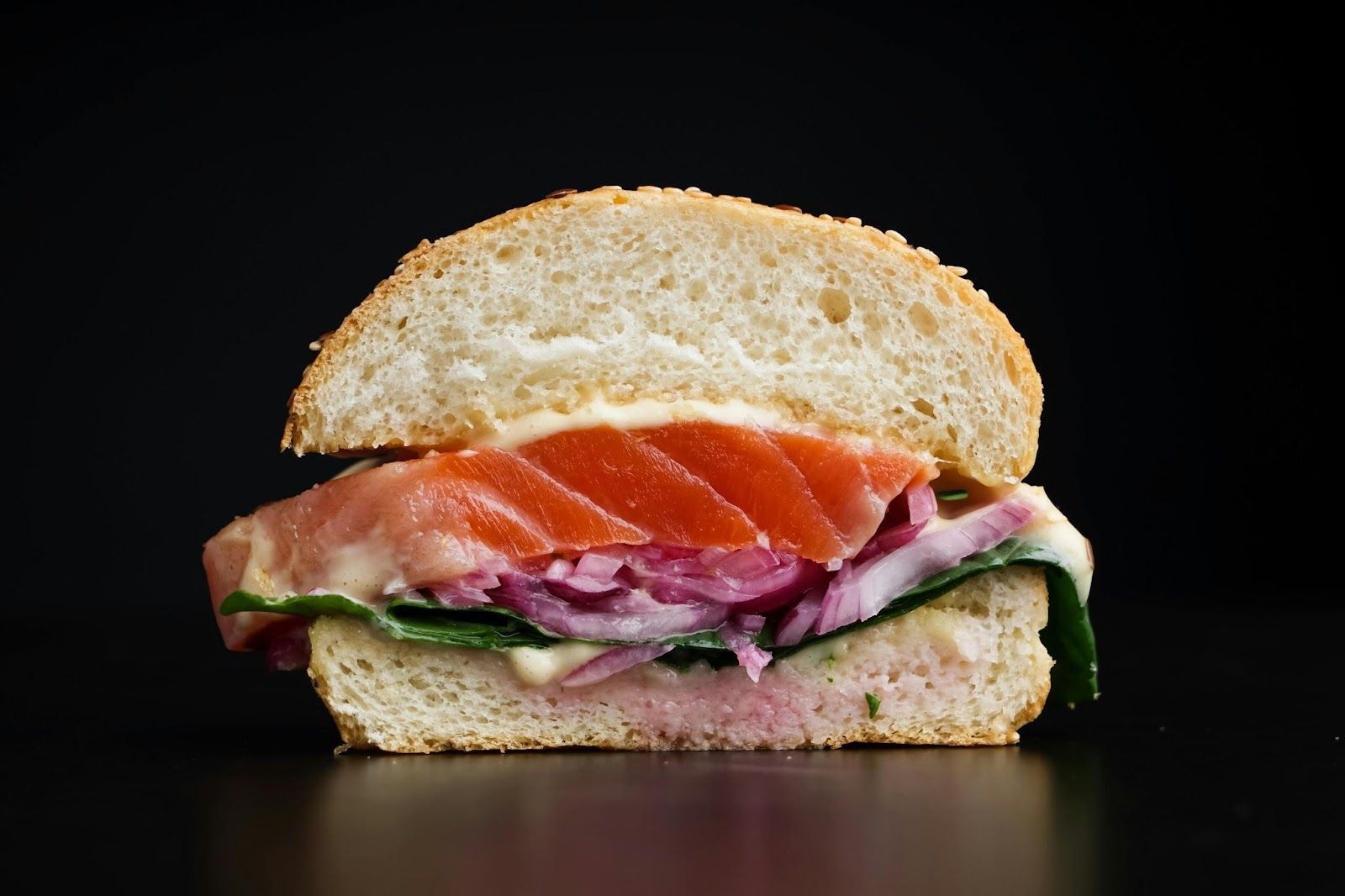
Image: Thomas Mertens

In Alaska, the sandwich of choice comes straight from its icy waters . The wild Alaskan salmon sandwich features freshly caught salmon, often grilled or lightly smoked, served on hearty bread with crisp lettuce, tomato, and a tangy dill sauce.

2
Frybread "Navajo Taco"
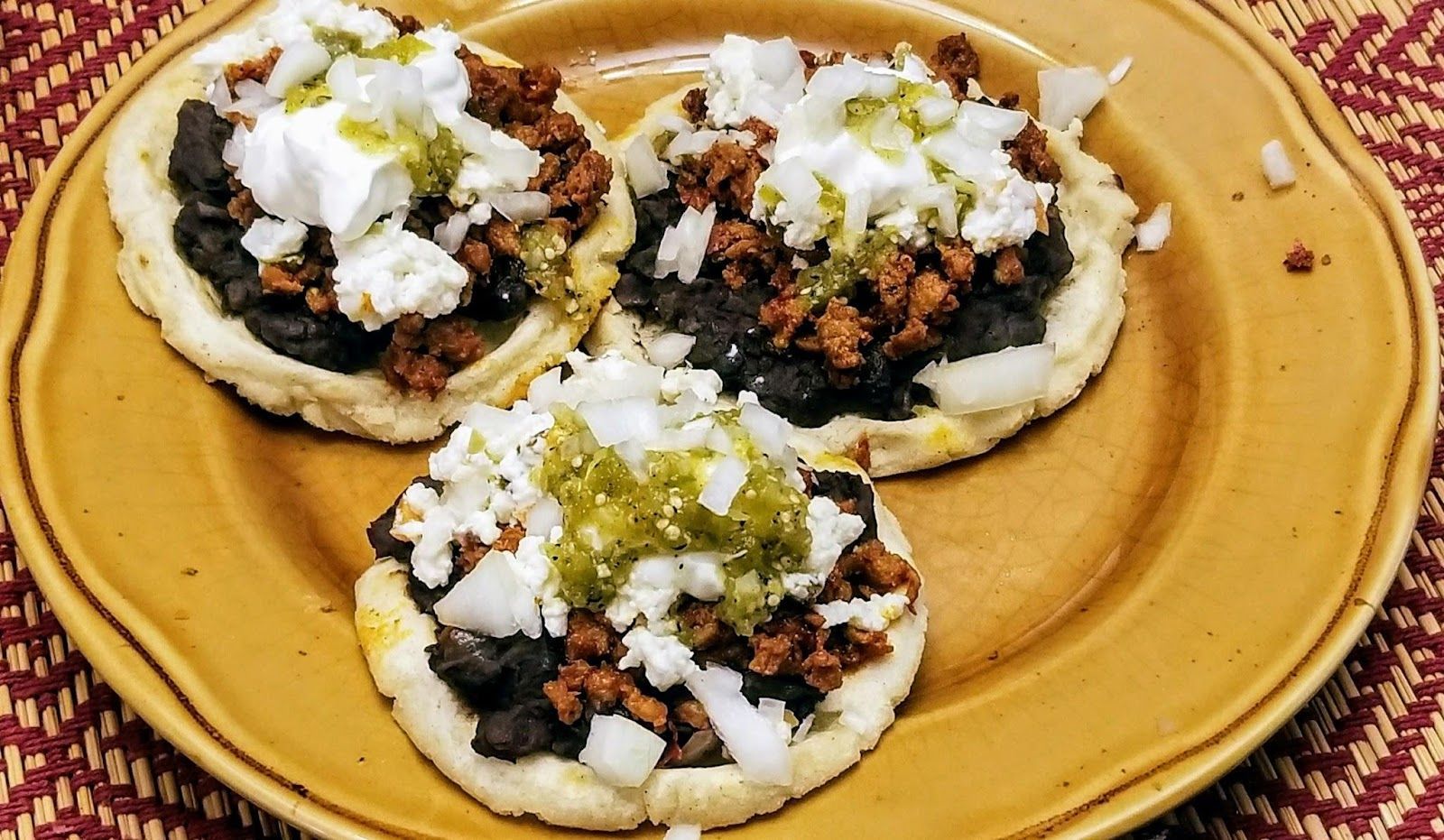
Image: Bob LaCour

Tacos with a twist: Arizona’s beloved frybread "Navajo taco" is a sort of open-faced sandwich. A variety of taco fillings served on pillowy frybread ; golden and crisp on the outside, soft inside.

It’s generously topped with seasoned ground beef or shredded meat, beans, lettuce, cheese, and sometimes salsa or sour cream.

3
Deep-Fried catfish sandwich
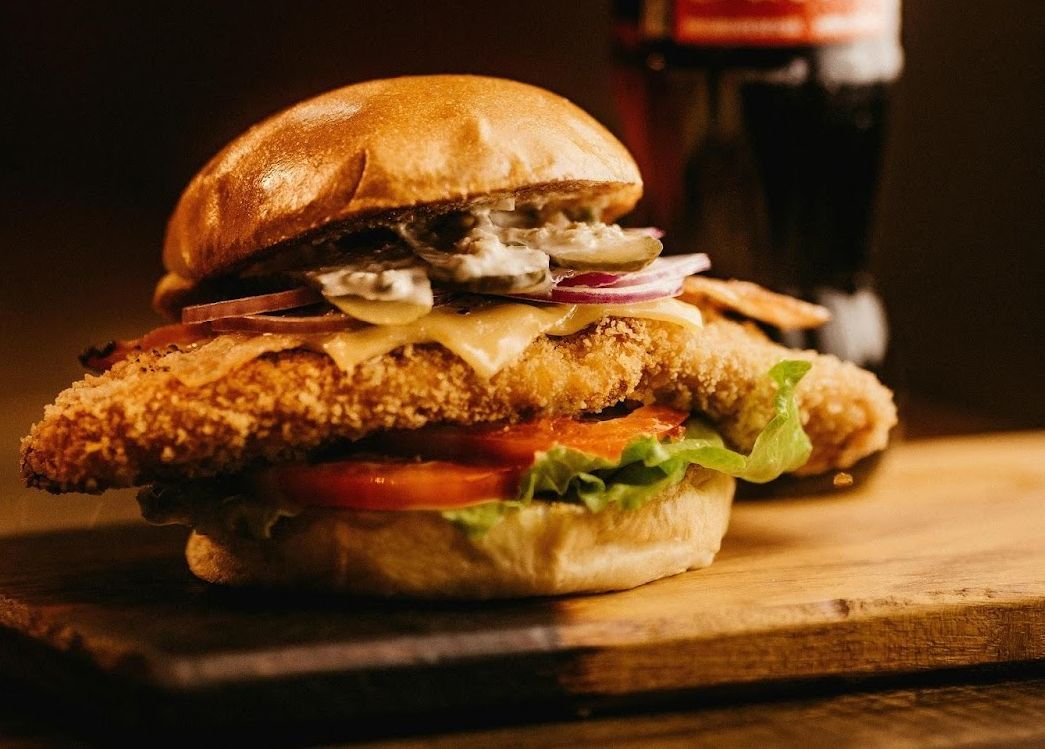
Image: Jonathan Borba

In Arkansas, a true taste of home often comes between two buttered buns. The deep-fried catfish sandwich features flaky catfish fillets, breaded in cornmeal and fried to a golden crisp. It usually contains a smear of tartar sauce, a few pickles, and maybe some shredded lettuce.

4
Italian Beef Sandwich
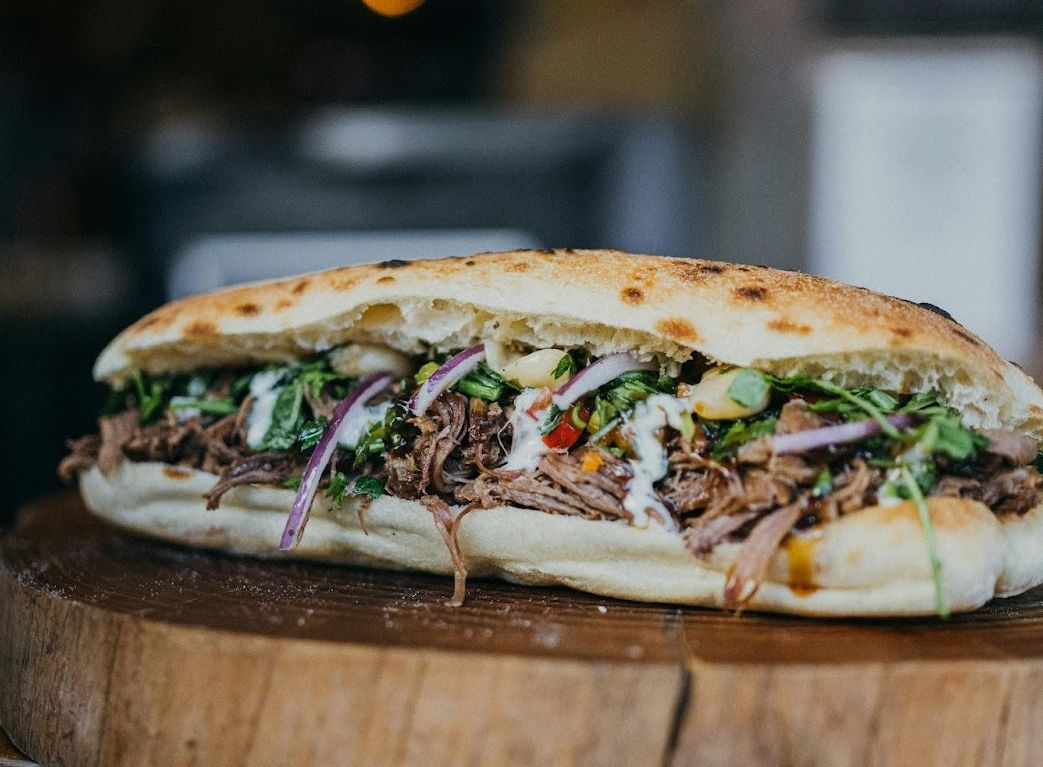
Image: Yoad Shejtman

Chicagoans take their beef seriously, and nothing embodies the city’s flavor like the Italian beef sandwich. Thinly sliced roast beef is simmered in its own seasoned jus, piled high on an Italian-style roll, and often topped with giardiniera or sweet peppers.

5
Pork Tenderloin Sandwich
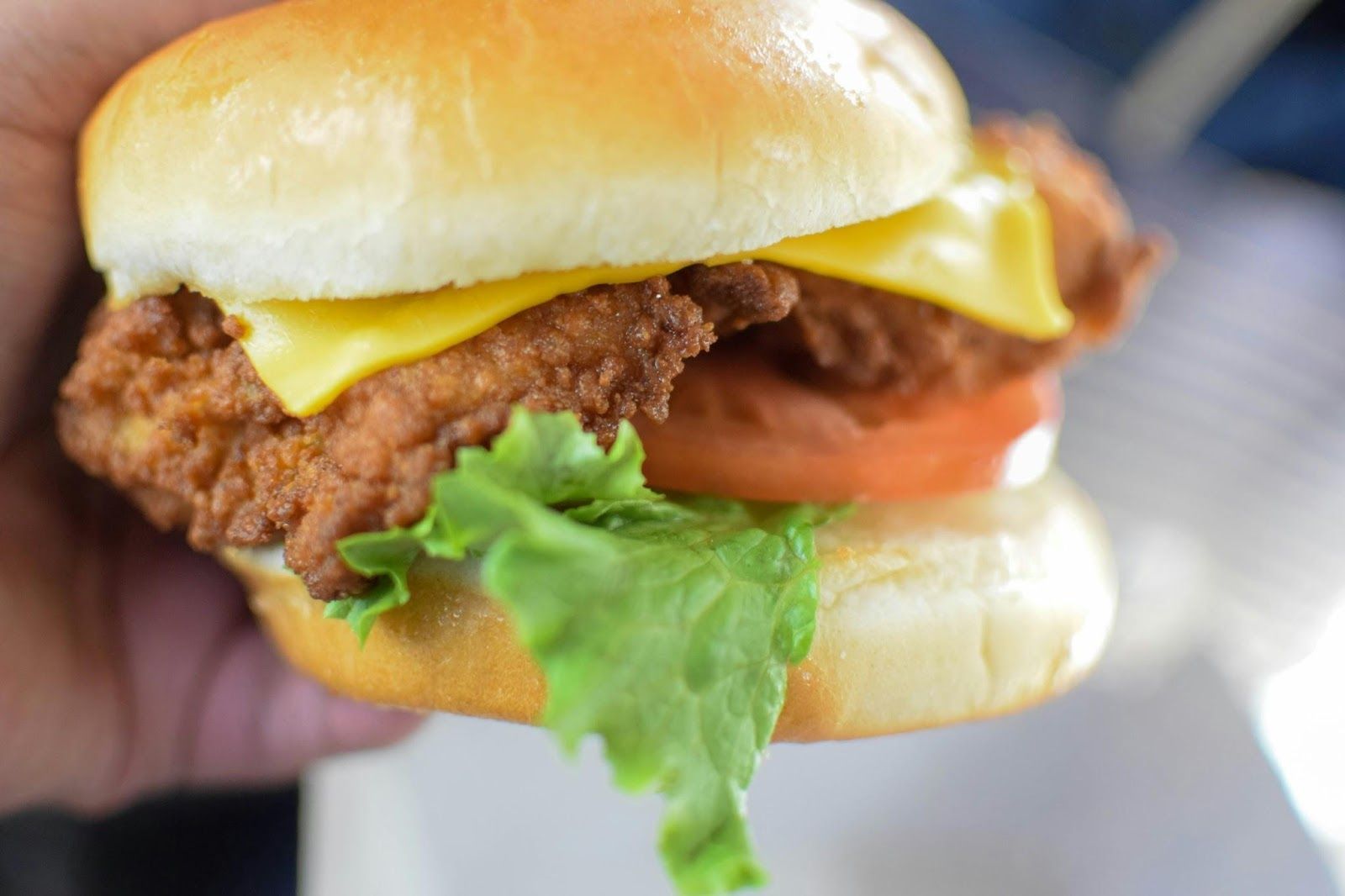
Image: Jacinto Diego

Indiana’s pride comes between two buns: the legendary pork tenderloin sandwich. This oversized, breaded, and deep-fried pork cutlet, often wider than the bun itself, is served with classic toppings like lettuce, tomato, and pickles.

6
Hot Brown
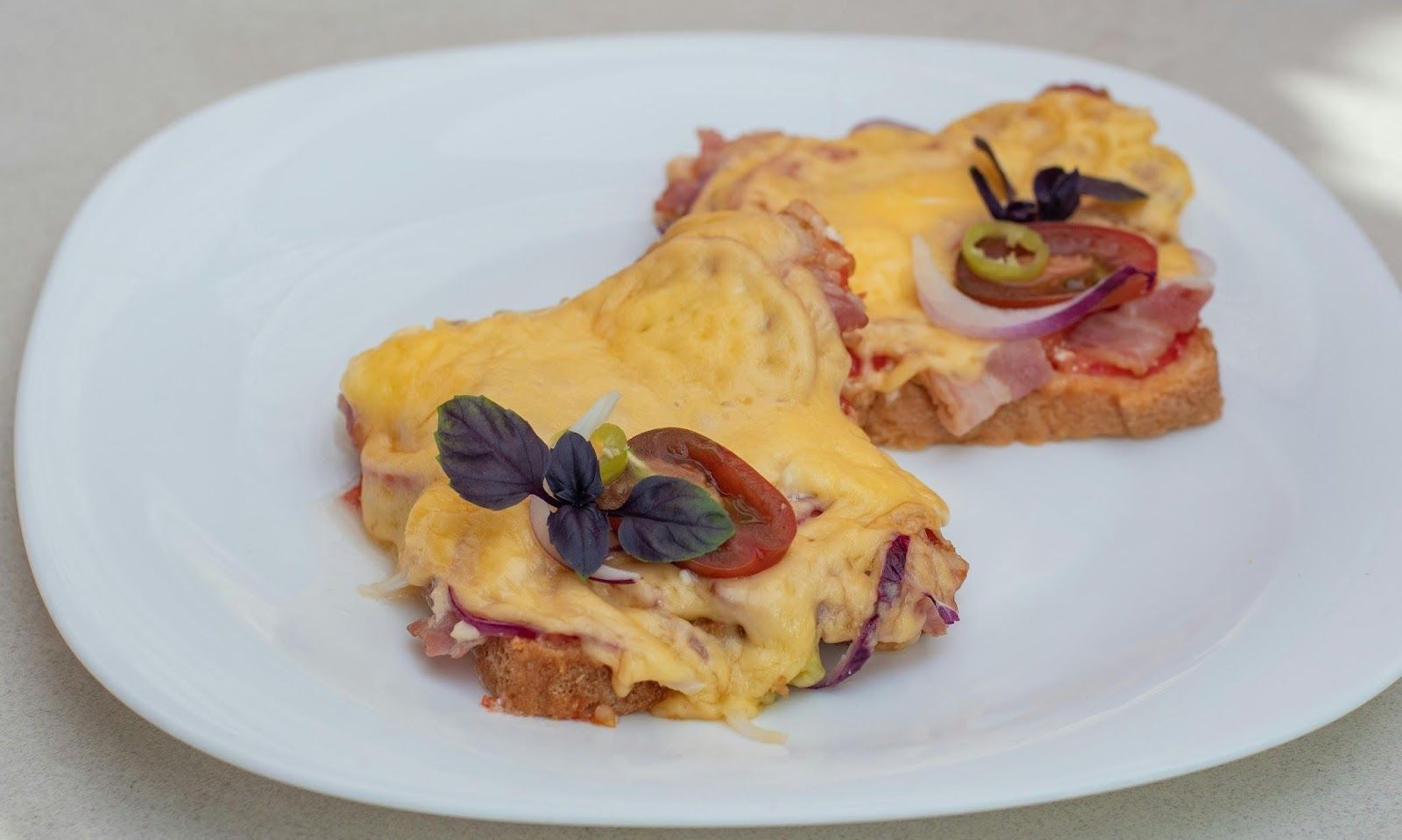
Image: Natalia Gusakova

The Hot Brown is Louisville’s indulgent favorite. This open-faced marvel layers roasted turkey and crisp bacon atop toasted bread , smothered in creamy Mornay sauce, and baked until golden. It was created in 1926 at the Brown Hotel, designed as a late-night supper for hotel guests.

7
Jucy Lucy
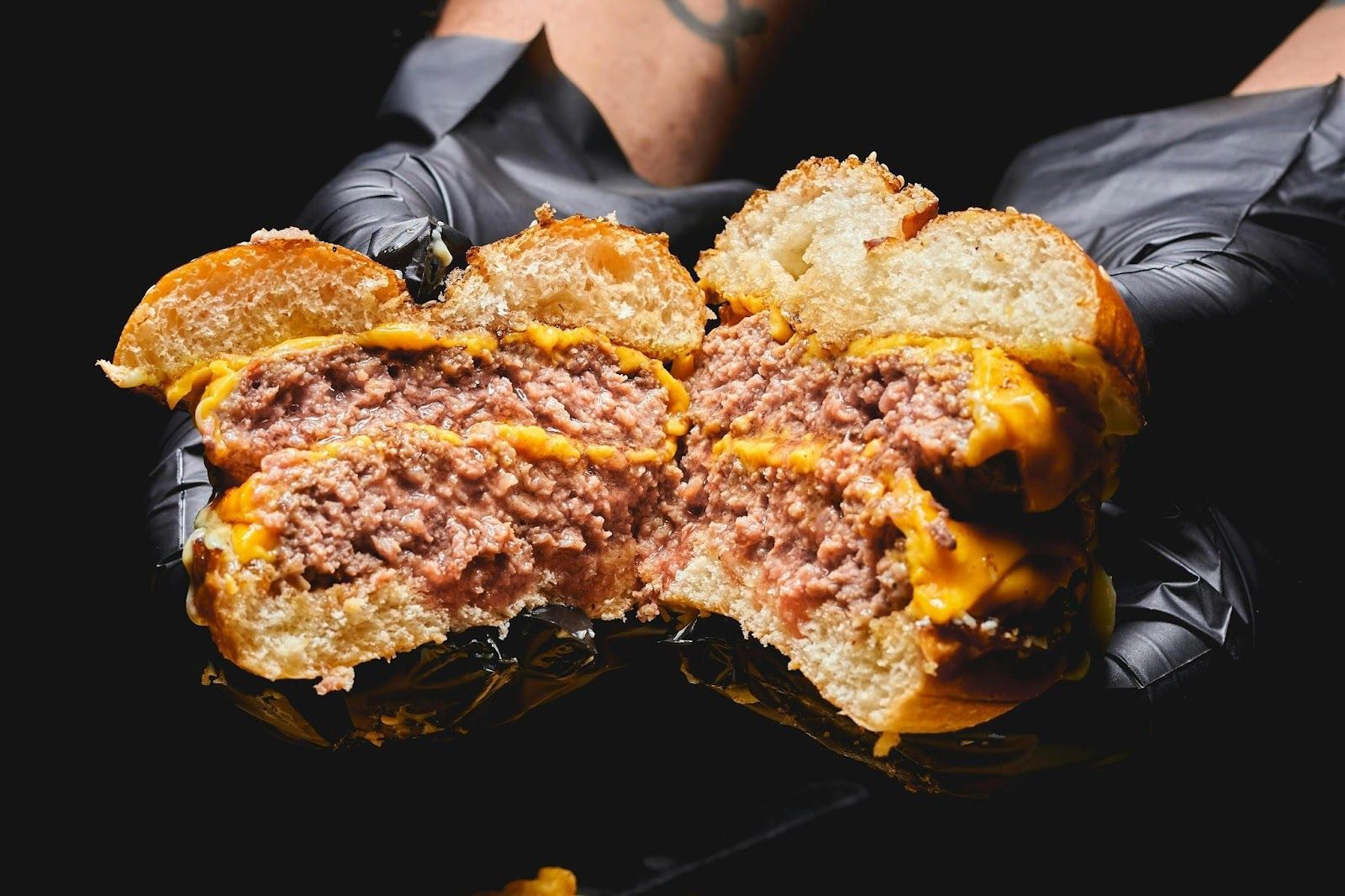
Image: Juan Santos

Burgers count! Minneapolis is home to a burger with a deliciously molten secret: the Jucy Lucy. This cheese-stuffed masterpiece hides gooey American cheese inside two patties of seasoned beef. Today, it’s a must-try for any visitor seeking a twist on a classic American burger.

8
Pastrami Sandwich
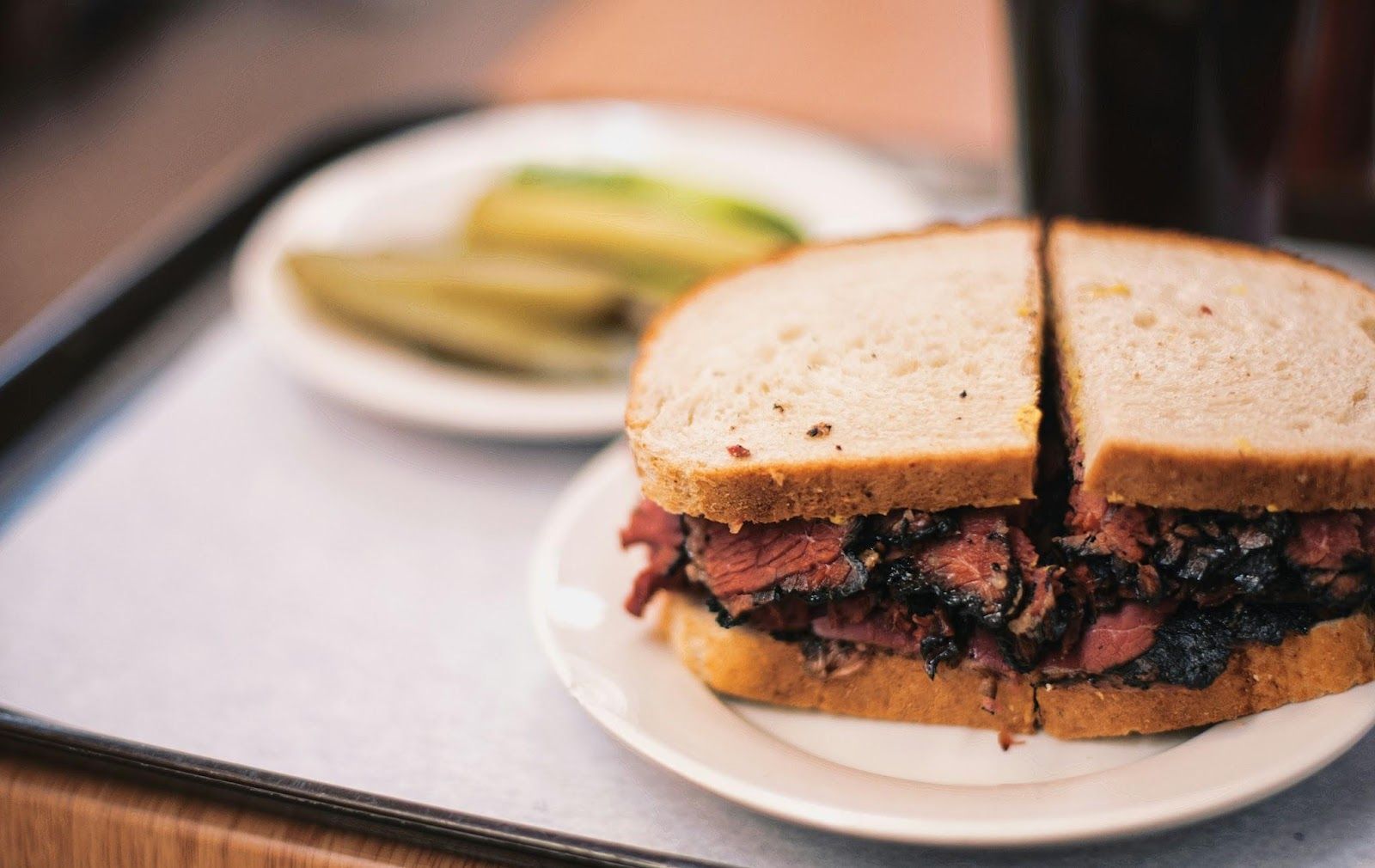
Image: Akhil Pawar

Few sandwiches are as iconic as New York’s pastrami on rye, and Katz’s Delicatessen is the reigning champion. Brined, smoked, and expertly sliced pastrami piled high on fresh rye bread , often with mustard, has been a favorite since the deli opened in 1888.

9
The Elvis Sandwich
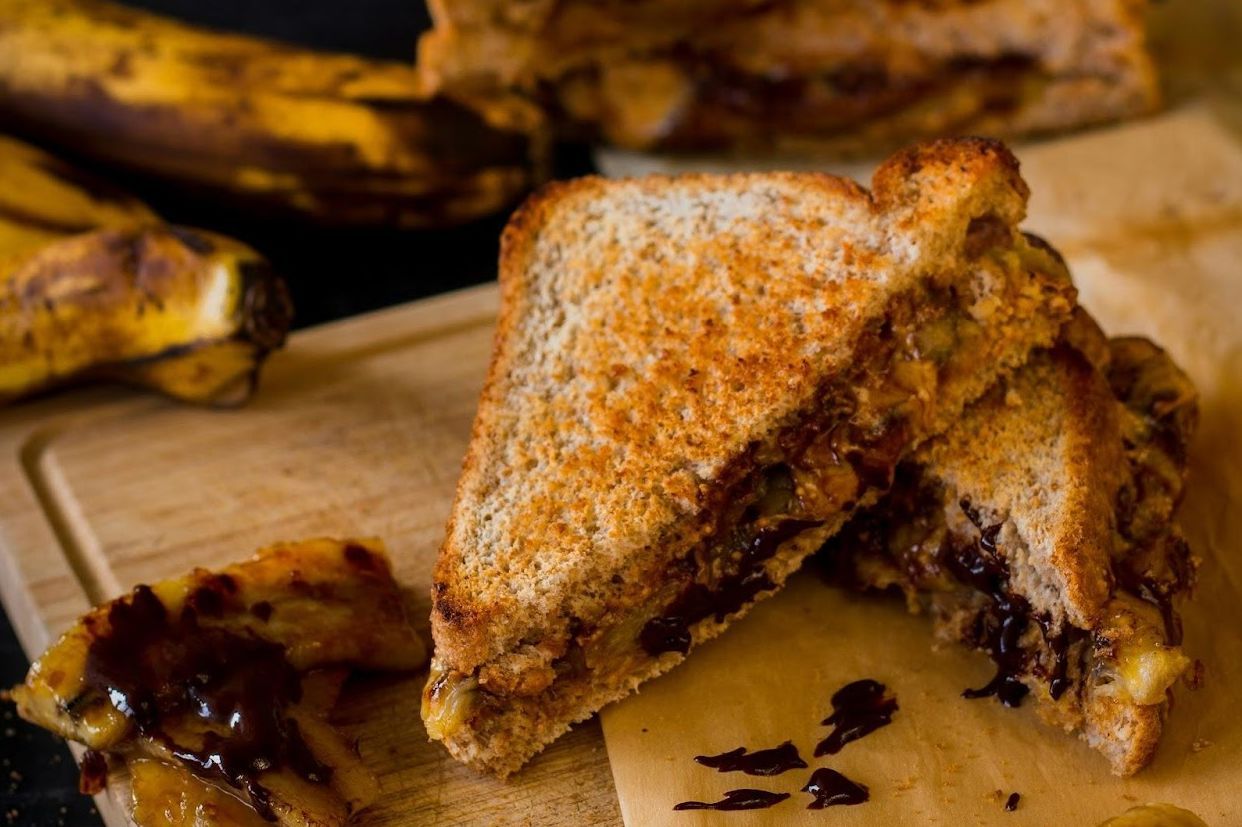
Image: Dexter McQueen

Tennessee claims a sweet-and-savory creation forever linked to its most famous son: Elvis Presley. The Elvis sandwich combines peanut butter, banana, and crispy bacon . Would you like to try it?

10
Lobster Roll
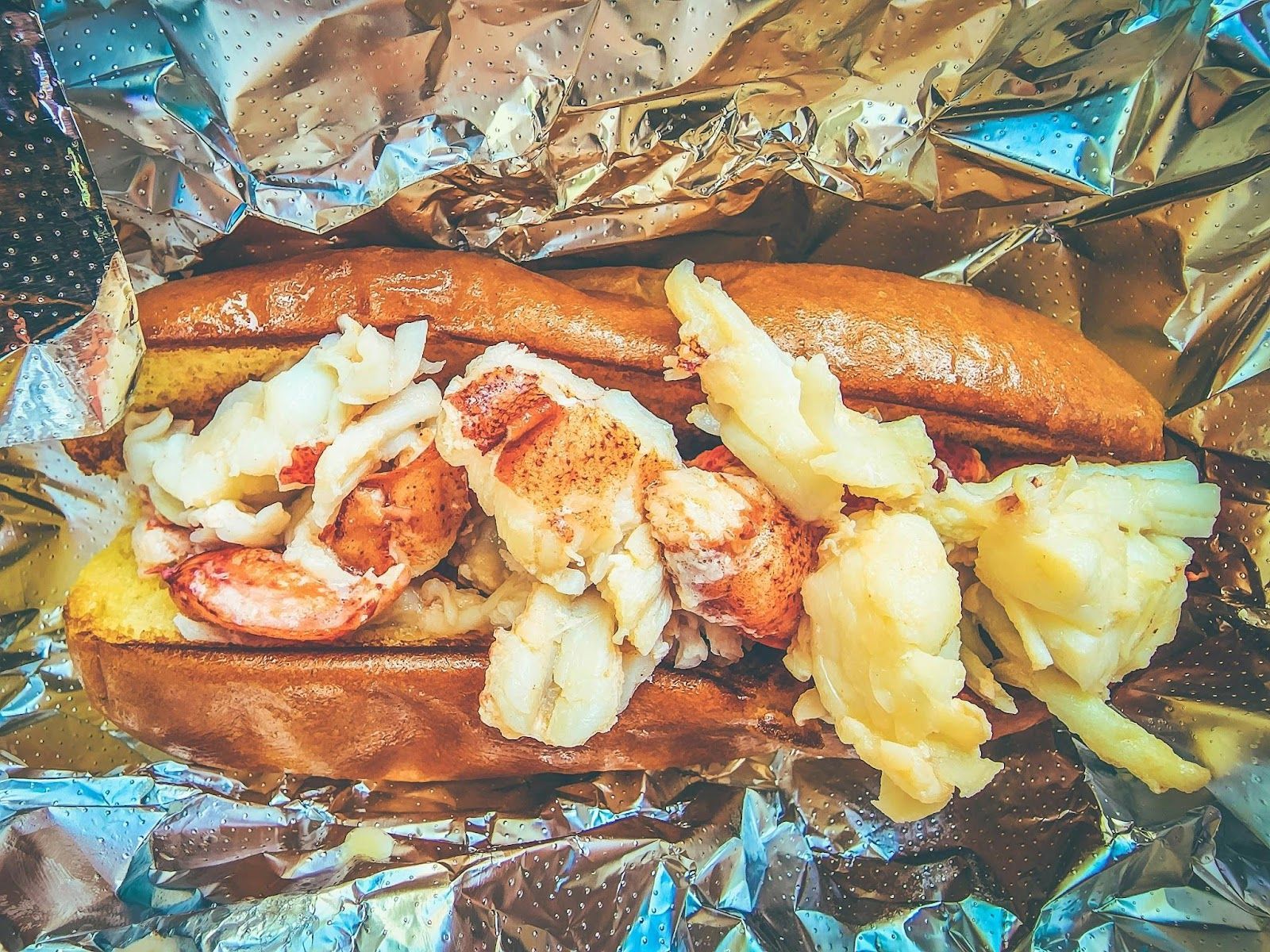
Image: Jesse

This one was an easy choice: no Maine culinary list is complete without the lobster roll. Bursting with fresh, tender lobster meat lightly dressed in butter or mayo and nestled into a soft, toasted roll, this sandwich is a staple of seaside shacks .

History History 4 min read

After the golden spike

The driving force that built America: 12 milestones in railroad history

Image: jean52Photosstock

Today, we often take trains for granted, but that wasn’t always the case! The history of railroads is deeply intertwined with American history, shaping the nation’s growth every step of the way. Rail lines helped modern cities blossom, boosted trade across the country, and allowed Americans to explore even the most remote corners of the nation . From the first tracks to today’s massive freight industry, join us as we journey through 12 pivotal moments that defined America’s railroad legacy.

1
First tracks laid

Image: Tim Wildsmith

Date: 1827

The Baltimore and Ohio Railroad (B&O), chartered in 1827, became America’s first common carrier railroad. Construction began the following year, introducing horse-drawn carriages on iron rails. While rail lines existed before, most were privately owned or served specific industries.

2
Tom Thumb’s race

Image: K. Mitch Hodge

Date: 1830

Shortly after the establishment of the B&O’s chartered line, American industrialist and inventor Peter Cooper designed the first American steam locomotive, Tom Thumb , to convince the railroad’s owners to adopt steam power. To prove the technology’s potential, a race was organized between the locomotive and a horse. Although the horse won after Tom Thumb suffered a mechanical failure, the demonstration successfully proved the superiority of steam engines, marking a turning point in railroad history.

3
The railroad boom

Image: Museums Victoria

Date: 1840s to 1850s

With the rise of steam locomotives, railroads expanded rapidly, connecting major cities and driving unprecedented economic growth. By 1850, the U.S. had built 9,000 miles of railroad tracks . These rail lines played a crucial role in transporting goods—particularly agricultural products—to markets, revolutionizing commerce and travel across the country.

4
First transcontinental charter

Image: Alex Boyd

Date: 1862

The Pacific Railroad Act, signed by Abraham Lincoln in 1862, authorized the construction of the first transcontinental railroad, connecting the East and West coasts. The legislation empowered the Union Pacific and Central Pacific Railroads to undertake this monumental task, offering land grants and bonds to support the project. Beyond its technological significance, the act also demonstrated the federal government’s commitment to uniting the nation, fostering economic growth, and solidifying the country’s infrastructure.

5
Driving the Golden Spike

Image: Matt Benson

Date: 1869

On May 10, 1869, the Union Pacific and Central Pacific Railroads met at Promontory Summit, Utah, completing the first transcontinental railroad. During the ceremony, a 17.6-karat golden spike was ceremonially driven in —then promptly removed to prevent theft. This historic achievement connected the nation like never before, reducing cross-country travel time from months to days and forever transforming America's transportation landscape.

6
Standardized time zones

Image: Igor Savelev

Date: 1883

Another transformative effect of railroad expansion and faster travel times was the need for standardized timekeeping. To address the confusion caused by varying local times, the system of time zones was introduced. This not only revolutionized rail scheduling but also transformed travel and commerce across the country, helping synchronize operations nationwide and ensuring greater efficiency and coordination.

7
The Pullman revolution

Image: Jennifer Latuperisa-Andresen

Date: 1867

In 1867, George Pullman introduced the first luxury sleeper cars, offering passengers unmatched comfort on long-distance journeys. Pullman cars featured plush seating, fine dining, and exceptional on-board service, elevating the railroad experience to new heights. These innovations set a standard for first-class travel that extended far beyond railroads.

8
Connecting the South

Image: Oxana Melis

Date: 1870s

During the American Civil War, railroads were a strategic asset, enabling the swift movement of troops and supplies. After the war, Southern rail development played a key role in integrating the South into the broader U.S. economy, facilitating trade and mobility in the Reconstruction era. The Southern rail network expanded from 11,000 miles in 1870 to 29,000 miles by 1890, breaking the region's isolation and fostering economic growth.

9
Electric rail debuts

Image: Museums of History New South Wales

Date: 1888

Richmond, Virginia, became the site of America’s first electric streetcar system, forever revolutionizing urban transit. The system had a significant impact on the emerging electric trolley industry, with its design serving as a model adopted by many other cities. This shift marked the beginning of modern public transportation, transforming urban landscapes and mobility for generations to come.

10
The Golden Age

Image: Marco De Luca

Date: Early 20th Century

From 1900 to 1930, railroads dominated American transportation, carrying nearly all freight and passengers . During this period, innovations in track systems, signaling, and luxury amenities reinforced their status as the nation’s lifeblood. The industry thrived unchallenged until the rise of automobiles and airplanes reshaped the transportation landscape.

11
Amtrak takes over

Image: Jan Canty

Date: 1971

During the post-World War II economic boom, airlines and Interstate highways pushed many railroads out of business . As passenger rail declined, the U.S. government created Amtrak to sustain intercity travel, consolidating struggling private lines into a national service. While freight rail remained strong, Amtrak preserved passenger trains’ legacy, ensuring their continued role in America’s transportation system.

12
Modern freight titans

Image: Akshay Nanavati

Date: Present Day

Finally, we've reached the last station on our railroad journey! While the railroad landscape has drastically changed since its golden era, trains remain a vital backbone of the country’s economy. Freight railroads now dominate the industry, transporting over 1.7 billion tons of goods annually. The U.S. boasts one of the world’s largest and most efficient freight rail systems , transporting everything from coal to electronics and continuing to drive commerce and industry.

Culture Culture 5 min read

Stage names

Even if you know her by another name, you know Norma Jean Mortenson!

Image: BarbeeAnne

Stage names are very common among celebrities. While names like Cher or Demi Moore are iconic, their real names might surprise you with their elegance or rarity! Do you enjoy a good challenge? If so, keep reading and try to match each celebrity with their birth name!

1
Norma Jeane Mortenson

Image: Juliane Liebermann

She’s the iconic blonde from 1950s cinema, famously portrayed by artists like Andy Warhol! Films like Some Like It Hot (1959) and Gentlemen Prefer Blondes (1953) catapulted her to stardom.

Here’s another hint: This was the real name of the woman who famously sang, " Happy birthday, Mr. President! " You got it?

2
Frances Ethel Gumm

Image: Chau Le

If we say " red ruby slippers, " who comes to mind? Remembered, among other things, for her melodious voice, this actress starred in classics like A Star Is Born (1954) and Meet Me in St. Louis (1944). But the role that made her truly unforgettable was Dorothy in The Wizard of Oz (1939). Have you guessed it yet?

3
Marion Robert Morrison

Image: Ashim D’Silva

A true gem of Hollywood’s Golden Age, this actor became a legend in Westerns and war films. His commanding presence and deep voice made him the perfect fit for roles like Ringo Kid in Stagecoach (1939) and Ethan Edwards in The Searchers (1956). His birth name was Marion Robert Morrison, but in our hearts, he'll forever be "The Duke."

4
Bernard Herschel Schwartz

Image: Jordan Whitfield

With his bright smile and clean-cut style, he was considered one of the most handsome actors of the 20th century. Bernard Herschel Schwartz starred alongside the blonde from our first entry in the legendary Some Like It Hot (1959) . One of the highlights of this blue-eyed star’s career was his versatility, as he showcased his talent in both dramatic and comedic roles.

5
Margarita Carmen Cansino

Image: Brady Bellini

If anyone ever blended talent and beauty to perfection, it was her! One of the most celebrated stars of the 1940s, she rose to fame with the 1942 film You Were Never Lovelier , but her most iconic role was in Gilda (1946) . Her elegant presence and striking red hair made her an unforgettable symbol of the silver screen. In addition, she also had a short marriage to the very famous Orson Welles. Who is she?

6
Issur Danielovitch

Image: Austrian National Library

Maybe his real name might not ring a bell, but his stage name is legendary! His career took off in the 1940s and 1950s, with tough-guy roles that made him stand out, like his performance in Champion (1949), where he portrayed a talented boxer. As a final clue, we can't forget his unmistakable cleft chin!

7
Norma Jeane Mortenson: Marilyn Monroe

Image: Susi Kleiman

Norma Jeane Mortenson was the birth name of the iconic and incomparable Marilyn Monroe! That’s right—the famous actress was born with that name on June 1, 1926, in Los Angeles, California. As her Hollywood career took off, she changed her name to Marilyn Monroe, inspired by Broadway star Marilyn Miller , a celebrated actress and dancer of the 1920s and early 1930s.

8
Frances Ethel Gumm: Judy Garland

Image: Aman

The legendary star we know as Judy Garland was actually born Frances Ethel Gumm on June 10, 1922, in Grand Rapids, Minnesota. Coming from a show-business family, she received a stage name at the tender age of 13. That's right—by that age, she had already signed her contract with MGM.

9
Marion Robert Morrison: John Wayne

Image: Eniko Polgar

Marion Robert Morrison was the birth name of one of Hollywood's most beloved and famous actors—the incredible John Wayne . He changed his name when he was still young in the early 1930s , at the start of his career, something that was very common at the time. And who chose his legendary stage name? That would be Fox Studios !

10
Bernard Herschel Schwartz: Tony Curtis

Image: Levi Meir Clancy

Bernard Herschel Schwartz may be a difficult name to remember, which is why this iconic actor changed it to Tony Curtis. Born in New York in 1925, he had a passion for acting from a young age. However, Hollywood wasn't his first career path—before pursuing acting, Curtis joined the Navy during World War II!

11
Margarita Carmen Cansino: Rita Hayworth

Image: Unseen Histories

We all remember the iconic Rita Hayworth , but many don’t know her real name—Margarita Carmen Cansino! Quite different, right? Why did she change her name? Well, when Margarita signed a contract with Columbia Pictures in the late 1930s, the studio believed she needed a shorter, more artistic, and memorable stage name. And so, Rita Hayworth was born—a star who would become an indelible part of American film history.

12
Issur Danielovitch: Kirk Douglas

Image: Natalie Parham

"Issur Danielovitch" may sound exotic, but it was the birth name of the legendary star we know as Kirk Douglas . Before rising to fame as an actor and film producer, Issur worked various jobs to help support his family. In 1940 , he made the bold decision to move to Hollywood and pursue his dream career: acting. It was then that his great stage name was born.

Explore more American facts

Choose your favorite category!

General
General

As American as apple pie—the very best America has to offer!

Culture
Culture

Delve into the astounding richness of American lore.

Geography
Geography

Hop in and explore vast and diverse American landscapes.

History
History

Discover the key moments that shaped the United States.