Culture Culture 4 min read

Quirky education

Which famous university was once the U.S. capital?
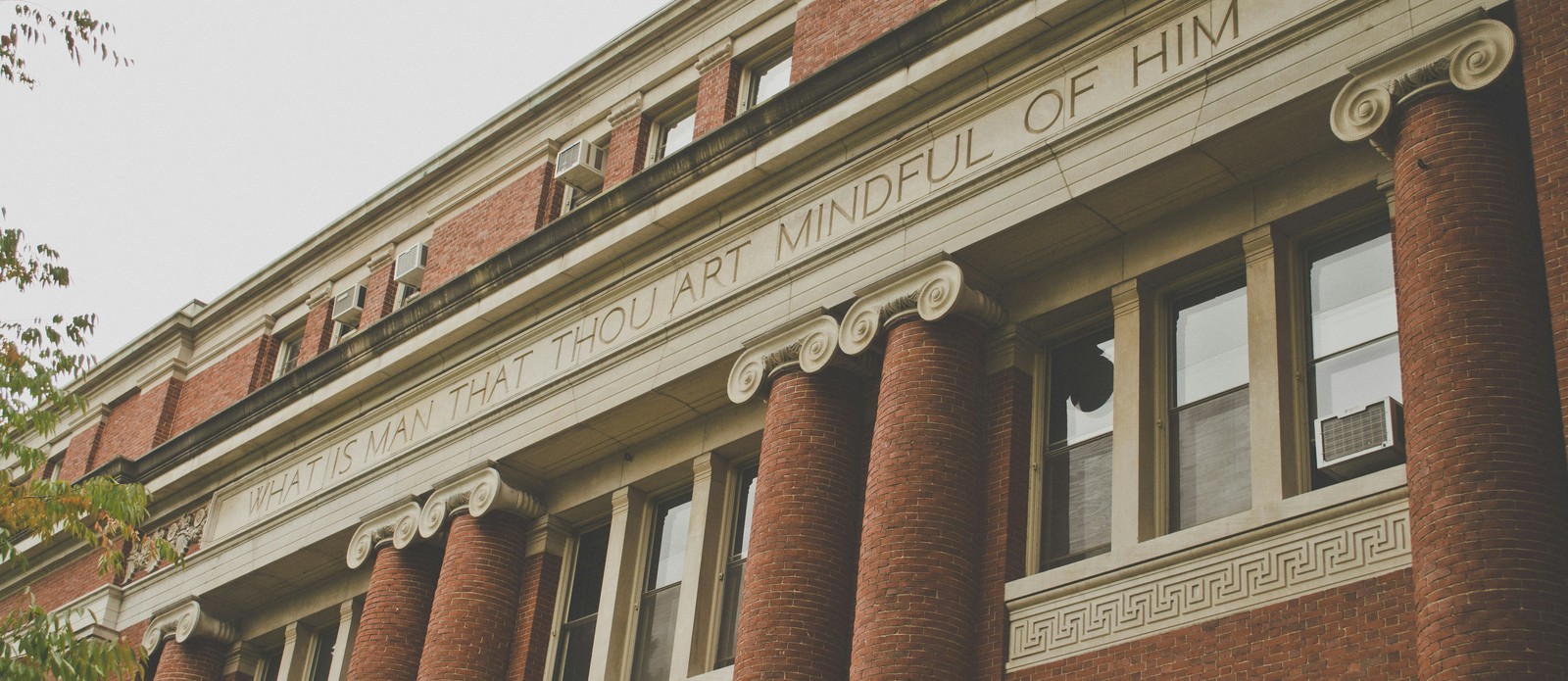
Image: Kelly Sikkema

American universities and colleges are among the most renowned in the world, but this doesn’t mean they haven’t developed their own quirks and oddities throughout their history . From legalizing pirates to displaying deceptive statues, these institutions remind us that they are populated by ordinary humans, no matter how smart and talented they may be. Here are some fun facts about prestigious American colleges you might not know about.

1
An official pirate license
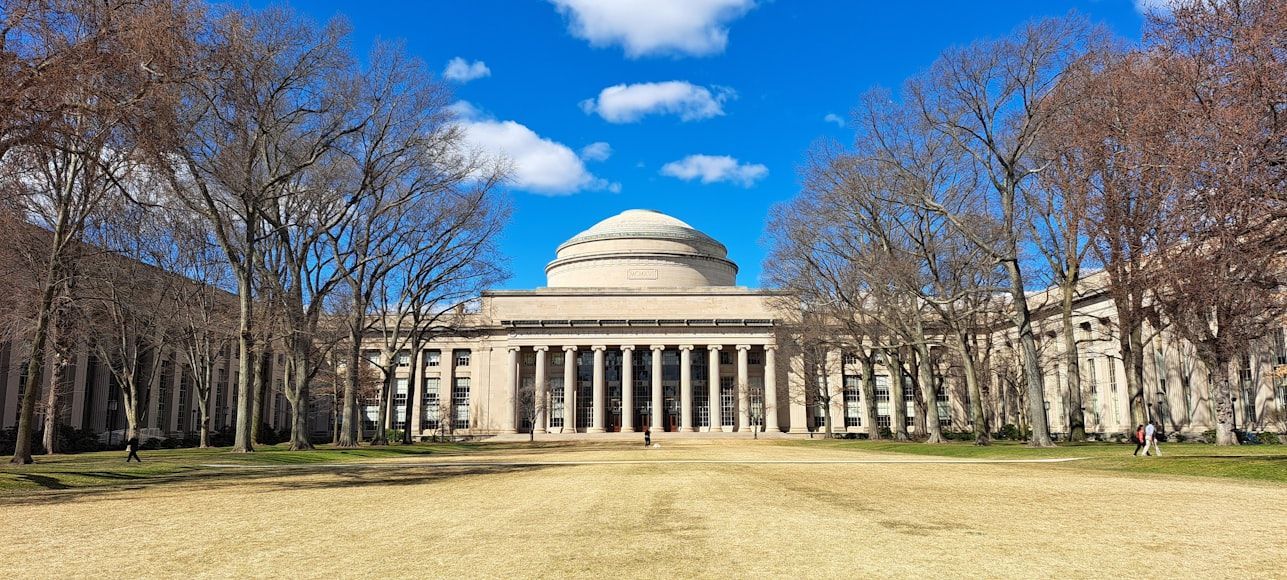
Image: Arun Antony

If being a pirate was your childhood dream, it's more attainable than you think. The main obstacle? Getting into MIT. Once you’re in, you can get your official pirate license —parchment certificate included— provided that you complete four physical education courses in pistol, archery, sailing, and fencing. However, the school has stated that this certificate does not give a license to engage in piracy or any pirate activities.

2
The lethal library
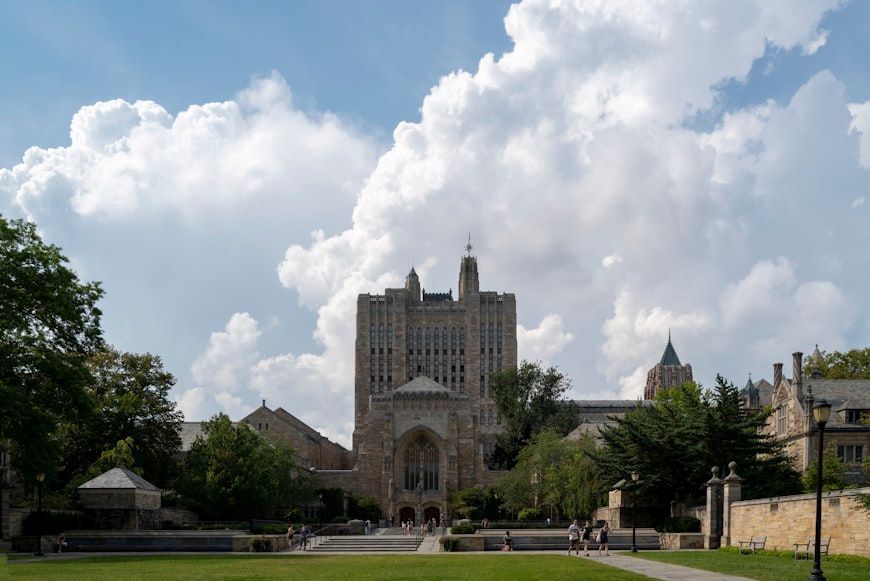
Image: Bee

If you’re a bibliophile attending Yale University, be aware that your love for books might get you killed while on campus. To protect its manuscripts and rare specimens, the Yale Beinecke Rare Book and Manuscript Library is equipped with a fire safety device that, instead of sprinkling water, sucks all the oxygen out of the building . The official stance is that this device is not lethal for humans, but that remains unproven.

3
The Olympian factory
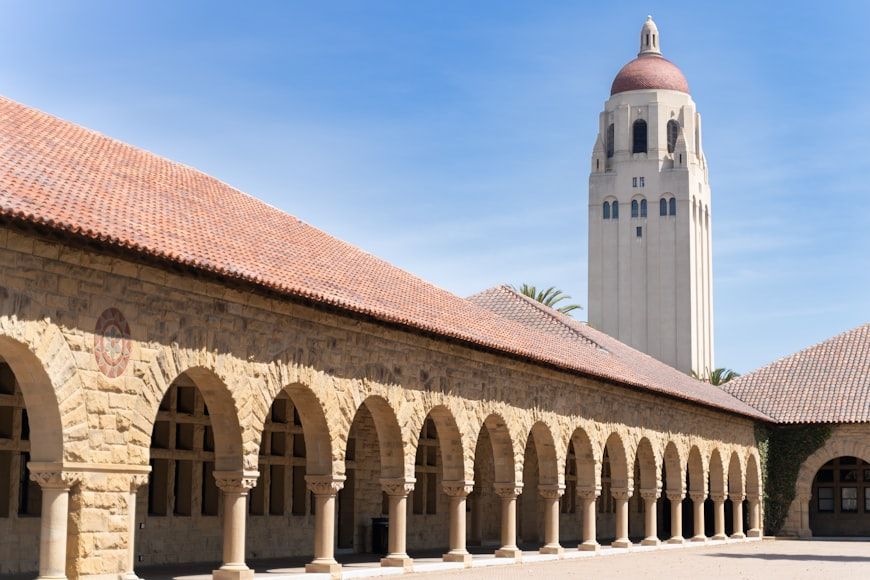
Image: Y S

American colleges and universities are known for their rigorous athletic programs, but no one does it like Stanford. Did you know that since 1908, there has been a medalist who attended Stanford in every Summer Olympic Games? With a grand total of 335 medals (162 gold, 93 silver, and 80 bronze), if Stanford were a country of its own, it would rank in the top 20.

4
The deceiving statue
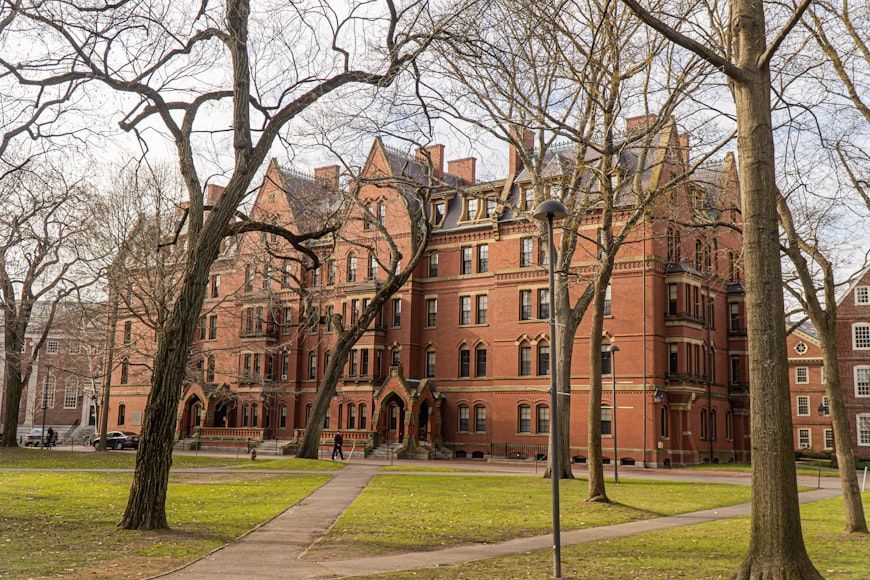
Image: Jonathan Vargas

Visitors of Harvard University have most likely come across the famous John Harvard statue on campus. However, this statue is so deceptive that it is dubbed ‘the statue of three lies’. What are these lies? The inscription reads "John Harvard. Founder. 1638‍". Harvard University, founded in 1636, not 1638. It owes its name to its first benefactor, John Harvard. It was not founded by him, but by the authorities of the Massachusetts Bay Colony. Additionally, the man represented in the sculpture is not John Harvard, but a student chosen as a model because there were no surviving portraits of Harvard.

5
The inventors of the open curriculum
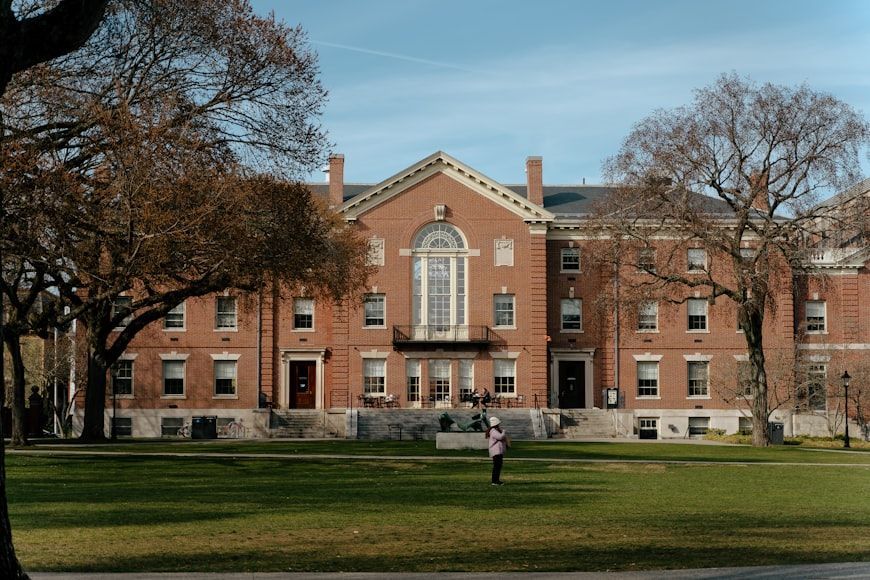
Image: Keming Tan

The open curriculum has been adopted by many institutions nationwide, but Brown University was the blueprint. During the 1950s, they developed the first interdisciplinary courses to avoid stifling intellectual curiosity. By the 1960s, Brown students pushed for the elimination of the standard general education requirements altogether, an initiative that was resisted but eventually implemented by the administration.

6
The college that was the capital of the U.S.
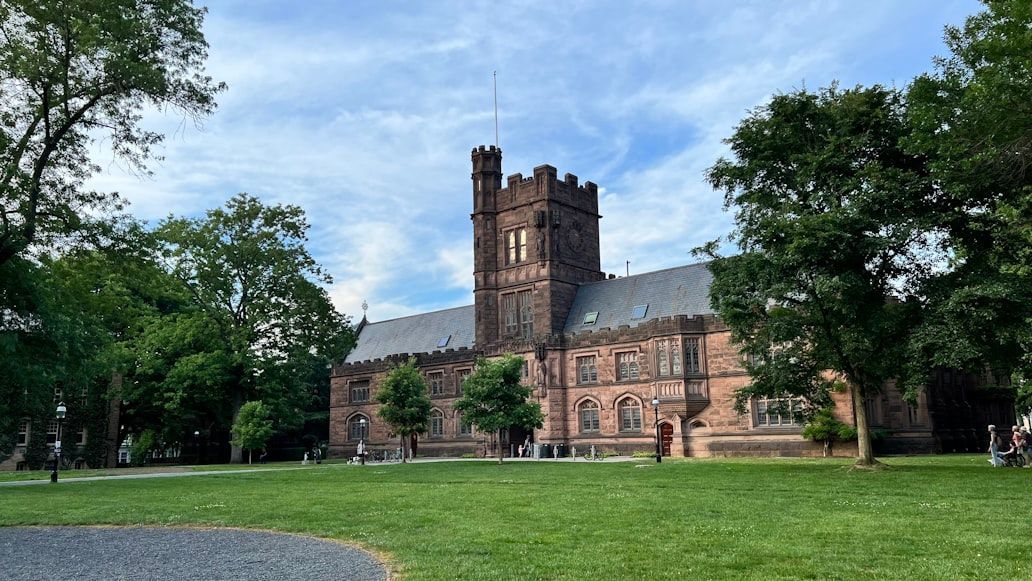
Image: SooWan Jang

Before Washington, D.C., was established as the capital of the U.S., several places were temporary capitals, including Philadelphia, New York, and Princeton University in Princeton, NJ. From June to November 1783, the Continental Congress gathered in the college library in Nassau Hall, which made the place the de facto capital of the nation . Among other historical events, the library was where Congress received in 1783 the news of the signing of the Treaty of Paris, which effectively ended the American Revolutionary War.

7
The inclusion pioneers
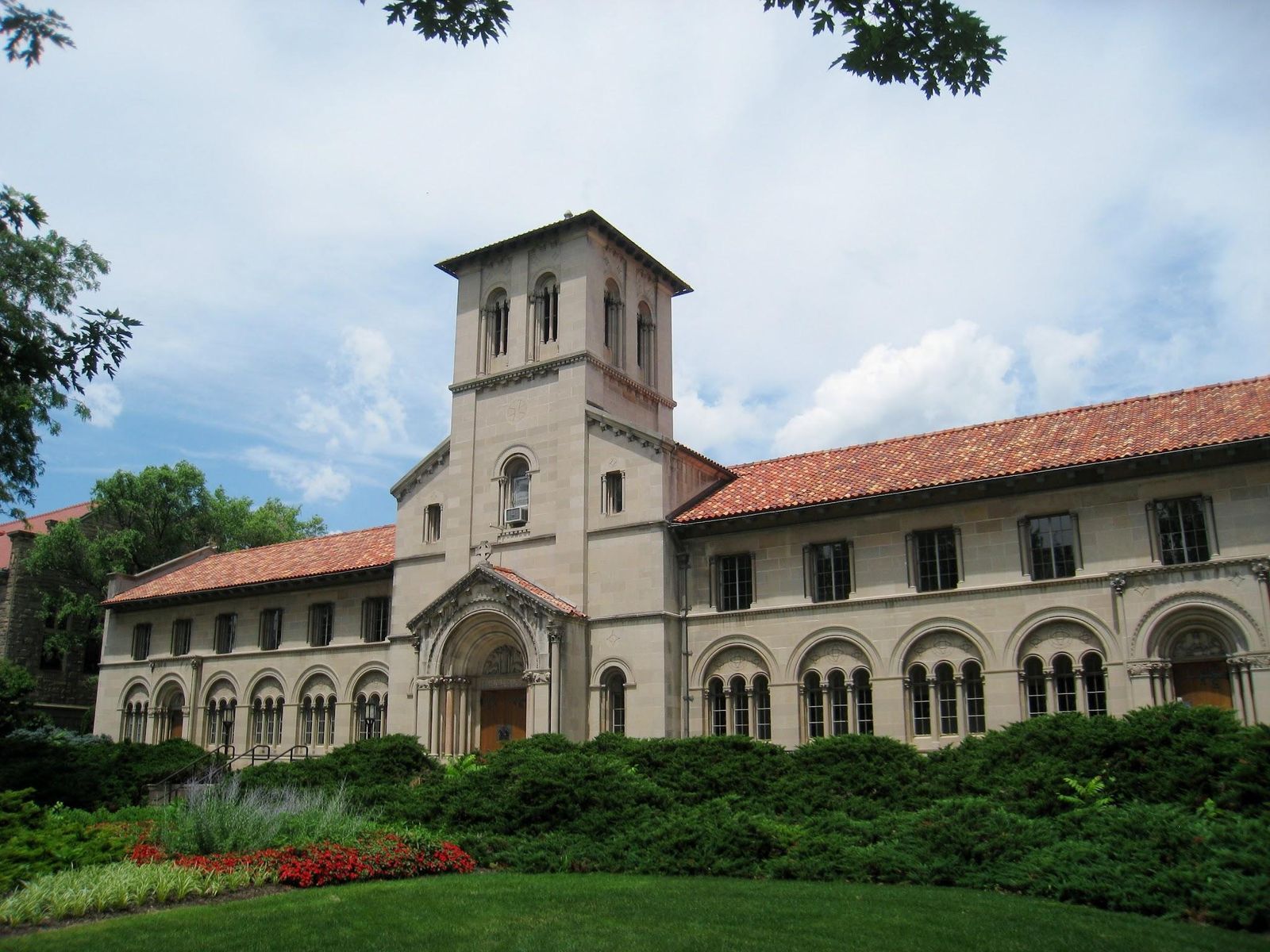
Image: Daderot, Public domain, via Wikimedia Commons

The desegregation of education was a key element in the fight for civil rights, and Oberlin College, in Ohio, was a pioneer. In 1835, the college made history by enrolling Black students, decades before other major institutions . Besides this, Oberlin was the first to enroll women in 1833 and to admit them to bachelor's degree programs in 1837.

8
Unable to swim? Unable to graduate
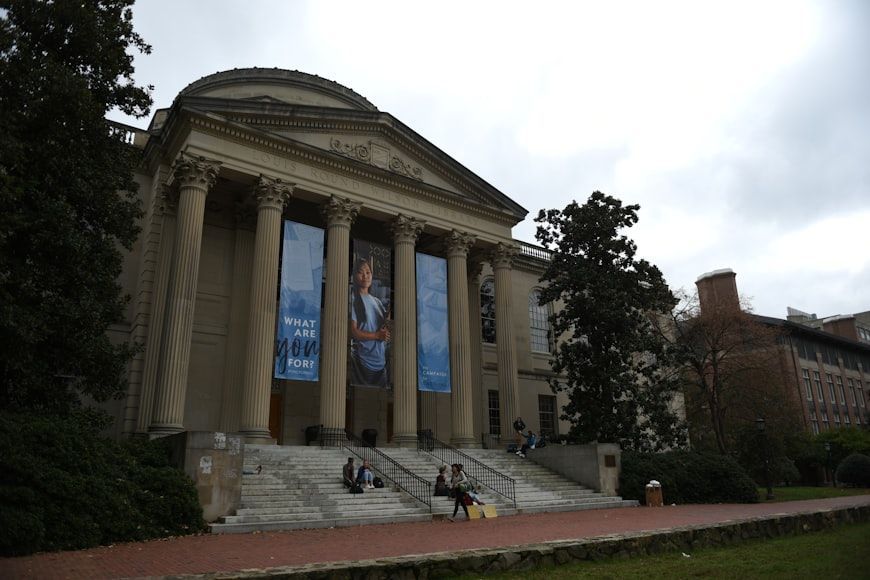
Image: Colin Rowley

Up until recently, students at the University of North Carolina at Chapel Hill had to fulfill a strange requirement in order to graduate. They had to pass a mandatory swimming test , consisting of diving in the deep end, swimming 50 yards, and treading water or floating for 5 minutes. During WWII, the university was used as a training center, and the swimming test was mandatory for recruits. Eventually, this requirement became extensive for all students and was not abolished until 2006.

9
Computer science pioneers
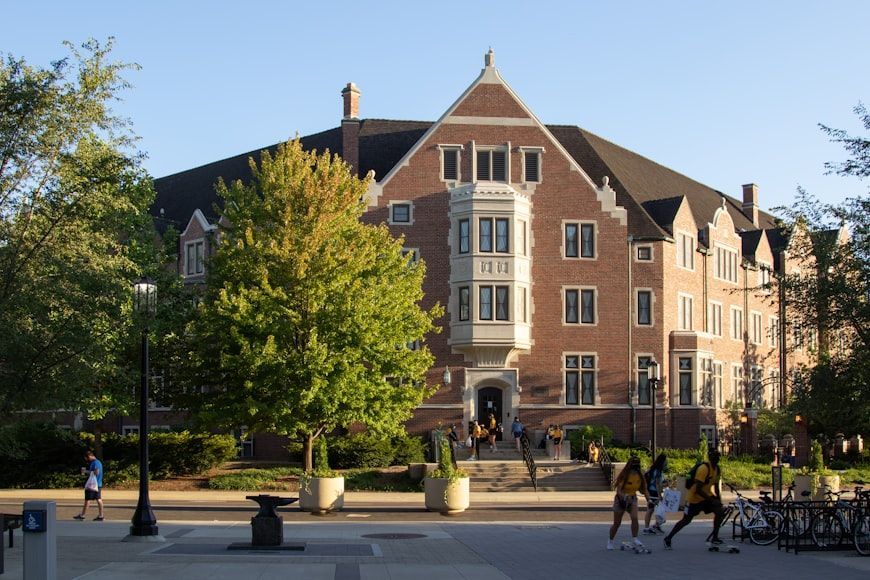
Image: Cole Parsons

A modern university offering a computer science program is nothing strange, unless they’re doing it a mere two decades after the invention of the first modern electronic computer. In 1962, Purdue University in Indiana was the first to establish a department of computer sciences , pioneering academic research in the field. More than 50 years later, Purdue University remains one of the leaders in computer science research.

10
The largest student body
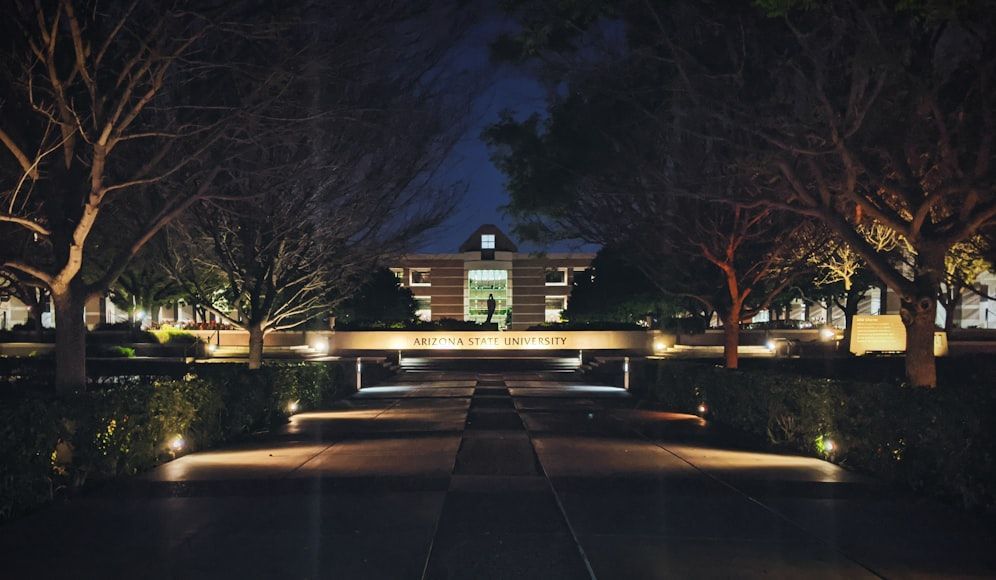
Image: Avi Waxman

Other institutions might boast about being the oldest or the most sought-after university, but Arizona State University leads the rankings when it comes to enrollment . With nearly 80,000 in-person students across the Phoenix metropolitan area campuses and nearly the same number of online attendees, it surpasses all American institutions in terms of student body size. In comparison, Deep Springs College, in California, sits at the opposite end of the spectrum, with a student body restricted to 26 undergraduates.
General General 4 min read

Which tradition is your favorite?

From Groundhog Day to roadkill cookoff: 12 weird traditions in America

Image: fietzfotos

America is known for its bold personality, and that spirit shows up in some quirky traditions. From competitive eating contests to cherry pit spitting, and those perfectly posed (and sometimes hilariously awkward) holiday family cards, there's no shortage of ways people across the country celebrate and have fun. Do you participate in any of these 13 traditions?

1
Competitive eating

Image: Gigi

Nathan’s Famous claims to have hosted its first Fourth of July hot dog-eating contest in 1916 at Coney Island. According to legend, four immigrants took part to prove who was the most patriotic . The winner, an Irishman, downed 13 hot dogs to claim the title.

Though this origin story was likely an invention for publicity, this quirky event has grown into the beginnings of what would become a long-standing American tradition.

2
Turkey pardoning

Image: Tyler Donaghy

The tradition of pardoning a turkey dates back to 1863, when President Abraham Lincoln reportedly spared a bird after his son Tad begged for its life . Originally meant for Christmas dinner, the turkey was saved thanks to Tad’s compassion.

While a few later presidents, including Harry Truman and John F. Kennedy, also chose to spare turkeys, it wasn’t until 1989 that President George H.W. Bush made the turkey pardon an official White House tradition.

3
Groundhog Day

Image: Camerauthor Photos

Groundhog Day centers around a groundhog named Punxsutawney Phil , who is said to predict the weather each February 2nd . If Phil sees his shadow, it signals six more weeks of winter; if not, spring is supposedly on its way.

The tradition began when newspaper editor Clymer Freas pitched the idea to the Punxsutawney Groundhog Club in the late 1800s. Despite its popularity, Phil’s weather predictions have only been accurate about 39% of the time, according to the National Climatic Data Center.

4
Pickle-shaped ornaments on Christmas trees

Image: Drew Geraets

The Christmas pickle tradition is believed to have started as a clever marketing move by Woolworths. After receiving a large stock of pickle-shaped ornaments , the store invented a festive game to help sell them.

They encouraged families to hide the pickle in their Christmas tree, with a small prize going to whoever found it first. What began as a sales tactic eventually became a quirky holiday tradition in many American homes.

5
Alaska's Nenana Ice Classic

Image: Ariane Frei

The tradition began in 1917, when a group of railroad engineers placed bets on when the ice on Alaska’s Nenana River would break . They wagered a total of $800, trying to predict the exact date, hour, and minute of the thaw.

What started as a friendly bet turned into an annual event known as the Nenana Ice Classic. Today, it’s a major Alaskan tradition that draws thousands of participants each year—and offers a jackpot that can exceed $300,000.

6
Cherry pit spitting

Image: Quaritsch Photography

During cherry season, cherry pit spitting contests pop up across the U.S., inviting participants to launch pits as far as they can —or even try to hit specific targets. These contests are famously held at events like the International Cherry Pit Spitting Championship in Eau Claire, Michigan, which began in 1974.

It’s a lighthearted test of skill that draws crowds in search of classic summer fun.

7
Tailgate parties

Image: Zachary Keimig

For many American sports fans—especially at football games—just attending isn’t enough. Hours before kickoff, parking lots fill with fans decked out in team colors , grilling food , and enjoying drinks as part of the pregame ritual known as tailgating.

Some tailgaters go all out, bringing TVs, sound systems, and even satellite dishes to create the ultimate game-day setup.

8
Black Friday shopping spree

Image: Erik Mclean

Just hours after Thanksgiving feasts wrap up, millions of Americans shift into shopping mode for Black Friday. This massive retail event kicks off a weekend spree that also includes Small Business Saturday and Cyber Monday—newer traditions that have quickly gained traction.

9
Holiday family cards

Image: Community Archives of Belleville and Hastings County

One beloved holiday tradition in the U.S. is sending and receiving festive family photo cards . These often feature coordinated outfits and include a short update on the family’s highlights from the past year—even from people you may barely remember.

10
Ostrich racing

Image: Dominic Yegon

Ostriches were introduced to the U.S. in the 1880s, and it didn’t take long for people to start racing them. These unusual competitions sprang up in several states and quickly gained attention for their novelty.

Today, the most well-known event is the Chandler Ostrich Festival in Arizona , which has been running for decades. As of 2024, it marked its 36th year, continuing the quirky tradition with a modern twist.

11
Roadkill cook-off

Image: Christoph Wick

With abundant wildlife and countless vehicles on American roads, animal collisions are an unfortunate reality. But in Marlinton, West Virginia, locals have found a unique way to turn that misfortune into a celebration.

Every September, the town hosts the Roadkill Cook-off, where adventurous eaters can sample dishes like squirrel gravy on biscuits, teriyaki bear, or deer sausage —all made from animals legally collected after road accidents.

12
Pumpkin chucking

Image: Marius Ciocirlan

In America, pumpkins aren’t just for pies and lattes—they’re also launched through the air in a tradition known as pumpkin chucking.

The largest and original event, Punkin Chunkin, originated in Delaware, where teams use contraptions like trebuchets, catapults, and air cannons to hurl pumpkins as far as possible .

History History 4 min read

Olympic legacy

United States at the Olympics: Gold, Glory and Greatness

Image: Anna Shvets

Team USA has dominated the Olympics for over a century. Our athletes have racked up medals, broken records, and hosted the most events. From teen champions (do you know how old the youngest athlete was?) to historic gold medal sweeps, American athletes have made their mark. From swimmers to gymnasts to track stars, they have brought speed, skill, and power to the Olympic Games. We're here to explore some of the coolest records and achievements that make the US an Olympic powerhouse!

1
The US: The ultimate Olympic host

Image: Obed Hernández

If hosting the Olympics were a sport, the US would take home the gold medal, as America has welcomed the Games eight times —more than any other country.

The Summer Olympics have taken place in St. Louis (1904), Los Angeles (1932, 1984), and Atlanta (1996), while the Winter Olympics have been held in Lake Placid (1932, 1980), Squaw Valley (1960), and Salt Lake City (2002).

And that’s not the end—Los Angeles is gearing up for 2028, so it’s safe to say the torch never stays away for too long!

2
Winning more medals than anyone else

Image: Ethan Wilkinson

If there’s one thing Team USA knows how to do, it’s win medals—a lot of them. As of 2024, the US has claimed a staggering 2,765 Summer Olympic medals (including 1,105 golds) and 330 Winter Olympic medals . No other country even comes close.

Whether on the track, in the pool, or on the ice, American athletes have consistently outperformed the competition.

3
Dominating track, field, and the pool

Image: Austris Augusts

Certain sports just seem to bring out the best in American athletes . From Jesse Owens on the track to Katie Ledecky in the pool to Carl Lewis soaring through the air, American athletes have rewritten the record books time and time again.

In track and field, for example, the US holds the record for the most gold medals, with over 400.

When it comes to swimming, Team USA has made an even bigger splash, earning more than 570 total Olympic medals—the most in any single sport.

4
Michael Phelps: The GOAT of the Olympics

Image: Braden Egli

Speaking of rewriting the record books, we need to talk about Michael Phelps—the most decorated Olympian of all time.

With 28 medals (23 gold, 3 silver, 2 bronze) , the legendary swimmer dominated the pool across five Olympic Games. His eight gold medals at Beijing 2008 were a record-breaking feat, proving that when it comes to Olympic greatness, no one comes close. Phelps didn’t just set records—he shattered them, leaving behind a legacy that may never be topped.

5
Winter Games greatness: Apolo Ohno’s record run

Image: Filip

While the Summer Olympics have clearly brought in the most medals, the US has had its fair share of Winter Olympic heroes.

The most decorated of them all? Apolo Ohno , the short-track speed skating sensation. Ohno raced to eight Olympic medals, cementing his place as America’s greatest Winter Olympian. You simply had to watch him dodge crashes, make last-second moves, and celebrate with his signature goatee.

6
When the US brought home 83 golds in one year

Image: Viktor Forgacs

The 1984 Los Angeles Olympics marked a golden era for Team USA—and we mean that quite literally.

With the Soviet Union and several other countries boycotting the Games, American athletes dominated, winning 83 gold medals —the most ever at a single Summer Olympics.

7
The only time the US won just one gold

Image: Matthew Fournier

But it wasn’t always like that—there were times when the story went differently for Team USA. While 1984 was all about collecting golds, 1980 was a different story.

That year, Team USA won only one gold medal… but what a gold it was! The US men’s hockey team, made up of young college players, pulled off the famous "Miracle on Ice , " defeating the heavily favored Soviet team before going on to win gold. One gold medal? Sure. But it was one of the greatest moments in Olympic history.

8
A medal sweep like no other

Image: Mia de Jesus

The 1904 St. Louis Olympics were unlike any other—and not just because it was the first time the Games were held in the US.

Due to travel difficulties and a lack of international participation, Team USA won over 80% of all medals awarded . While it wasn’t exactly a fair fight, it still stands as the biggest medal sweep in Olympic history. Sometimes, just showing up is half the battle, you know?

9
Youngest US champion: A 13-year-old diving prodigy

Image: Austrian National Library

Most Olympic champions train for years before making their mark—but that wasn’t the case for Marjorie Gestring , who won a gold medal in diving at just 13 years and 268 days old at the 1936 Berlin Olympics. While most kids her age were just starting middle school, she was standing atop the Olympic podium. To this day, she remains the youngest US Olympic champion ever.

10
Simone Biles: The queen of US gymnastics

Image: Brian Wangenheim

When it comes to American gymnastics, Simone Biles is in a league of her own. With 11 Olympic medals (7 gold, 2 silver, 2 bronze), she is the most decorated US female gymnast in history.

Her powerful routines, gravity-defying skills, and unmatched mental toughness have made her an icon, inspiring future generations of gymnasts. Whether she’s flipping, twisting, or making history, Biles continues to raise the bar—literally.

Explore more American facts

Choose your favorite category!

General
General

As American as apple pie—the very best America has to offer!

Culture
Culture

Delve into the astounding richness of American lore.

Geography
Geography

Hop in and explore vast and diverse American landscapes.

History
History

Discover the key moments that shaped the United States.