History History 6 min read

Where did the cowboy really come from? 10 icons with surprising histories

Image: RDNE Stock project

When we think of classic American culture, certain images come to mind: a lone cowboy riding into a desert sunset, the neon glow of a fast-food hamburger sign, or fireworks lighting up the sky on the Fourth of July. These symbols are deeply woven into the fabric of the American identity; however, many of the items, songs, and traditions we consider quintessentially American were actually borrowed, adapted, or completely invented by other cultures long before they crossed the Atlantic. Here is the surprising history behind ten "All-American" staples that actually have deep roots abroad.

1
Cowboys
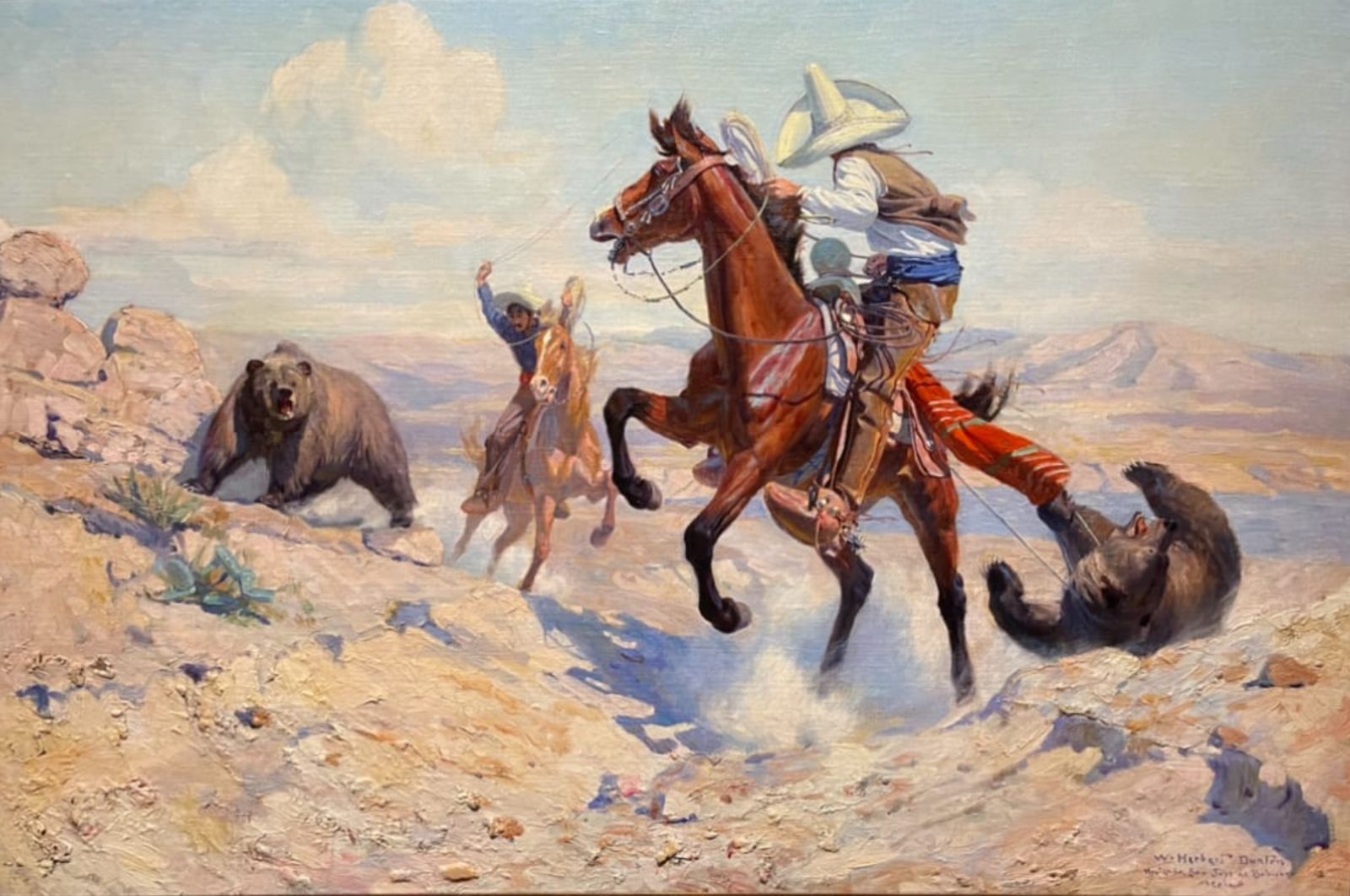
Image: W. Herbert Dunton, Public domain, via Wikimedia Commons

The image of the rugged cowboy is arguably the ultimate symbol of the American West, popularized by folklore and Hollywood westerns. Yet, the entire lifestyle and wardrobe of the classic cowboy were inherited from Mexican cattle herders, known as vaqueros.

When Anglo-American settlers moved into Texas and California in the 19th century, they encountered Spanish and Mexican ranching methods that had existed for generations. The settlers adopted these traditions immediately. The iconic cowboy hat evolved from the wide-brimmed sombrero; "chaps" came directly from the protective chaparreras; and the lasso was an adaptation of the reata. Even the language of the West reveals its origin: terms like rodeo, lariat, mustang, and buckaroo (a phonetic corruption of vaquero) are all borrowed from Spanish.

2
Skyscrapers
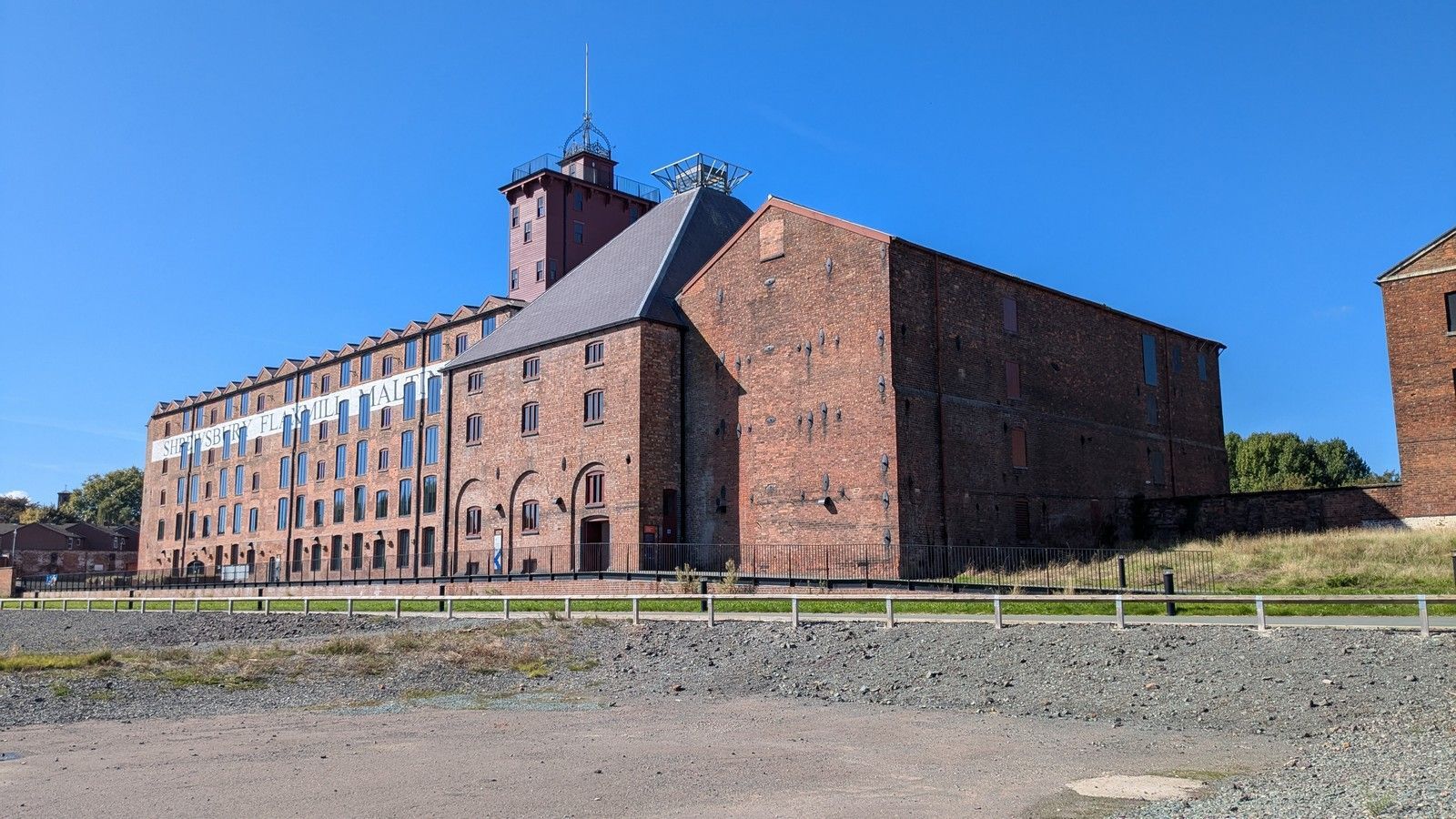
The towering skyscrapers of New York and Chicago defined 20th-century urban modernity and American architectural dominance. While American engineers perfected the high-rise and invented the safety elevator, the structural engineering that made skyscrapers possible belongs to Great Britain.

Before a building can safely scale dozens of stories, it requires an internal skeleton to support its weight. The world’s first iron-framed building was actually the Ditherington Flax Mill in Shropshire, England, constructed in 1797. British engineers pioneered the use of internal cast iron columns and beams to make textile mills fireproof. This exact framework was later adapted and upgraded to steel by American architects to create the modern skyline.

3
Hamburgers
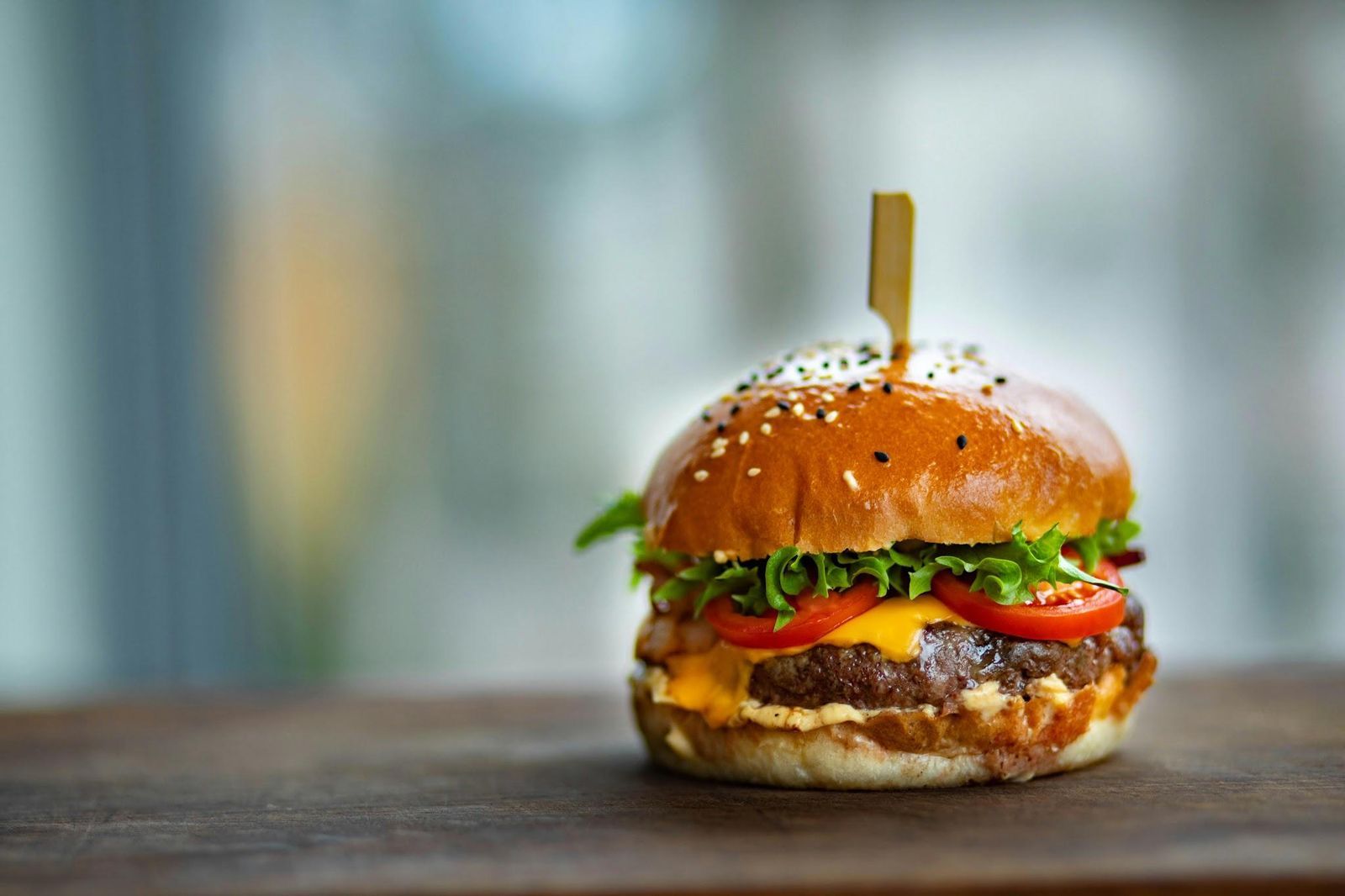
Image: Valeria Boltneva

Nothing says America like a juicy hamburger. While the fast food industry turned the burger into a multi-billion-dollar business, the dish is firmly rooted in European maritime history.

The clue is right there in the name: the hamburger originates from the port city of Hamburg, Germany. In the 19th century, Hamburg was a major transatlantic departure point. German immigrants travelling to the United States brought along a popular regional delicacy called the "Hamburg steak", a seasoned, minced beef patty that was grilled or fried. Once in America, creative food vendors realized that placing this German steak between two slices of bread made it the perfect portable meal for busy industrial workers.

4
The rocket takeoff countdown
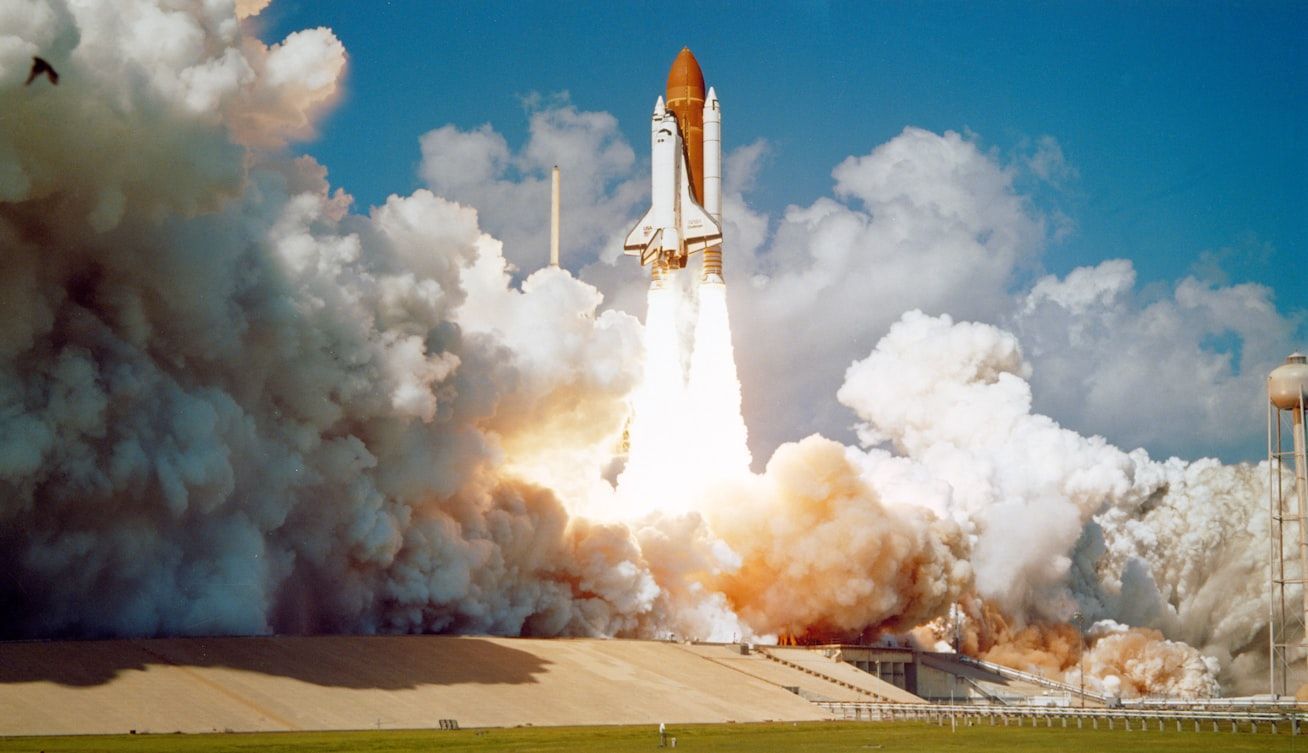
Image: NASA

The dramatic "T-minus ten seconds and counting" ritual heard during NASA launches feels like a product of pure Cold War American aerospace engineering. However, counting backward to build suspense wasn’t invented by scientists, but by a German filmmaker.

Director Fritz Lang introduced the concept of the countdown in his 1929 silent science fiction masterpiece, Woman in the Moon . During the film’s rocket launch scene, Lang realized that counting forward felt anticlimactic. To maximize dramatic tension, he decided to count down to zero instead. Years later, when German rocket scientists immigrated to the U.S. to help build the American space program, they brought this technique into real-life mission control rooms.

5
The song "My Way"
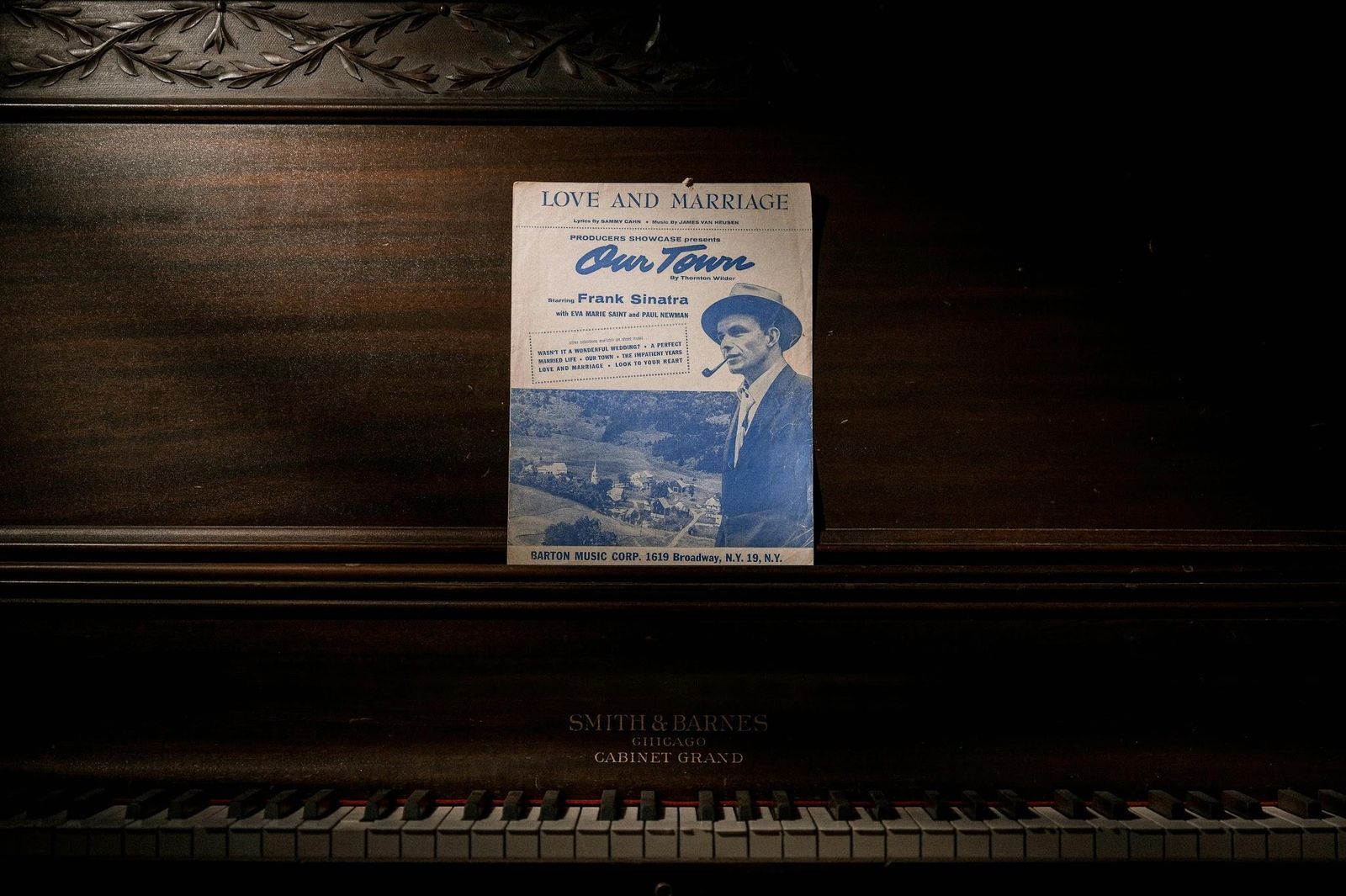
Image: Brett Sayles

Frank Sinatra’s legendary 1969 hit "My Way" is considered the ultimate anthem of the self-made American man. But before Ol’ Blue Eyes put his spin on it, the melody belonged to a melancholy French pop song.

The original tune, titled "Comme d'habitude" ("As Usual"), was composed by Jacques Revaux and Gilles Thibaut, and released by French pop star Claude François in 1967. The original French lyrics tell a depressing story about the mundane, daily routine of a married couple whose love has completely died out. Singer-songwriter Paul Anka heard the track while vacationing in the South of France, bought the rights, and wrote entirely new lyrics tailored specifically to Sinatra’s persona.

6
American cheese
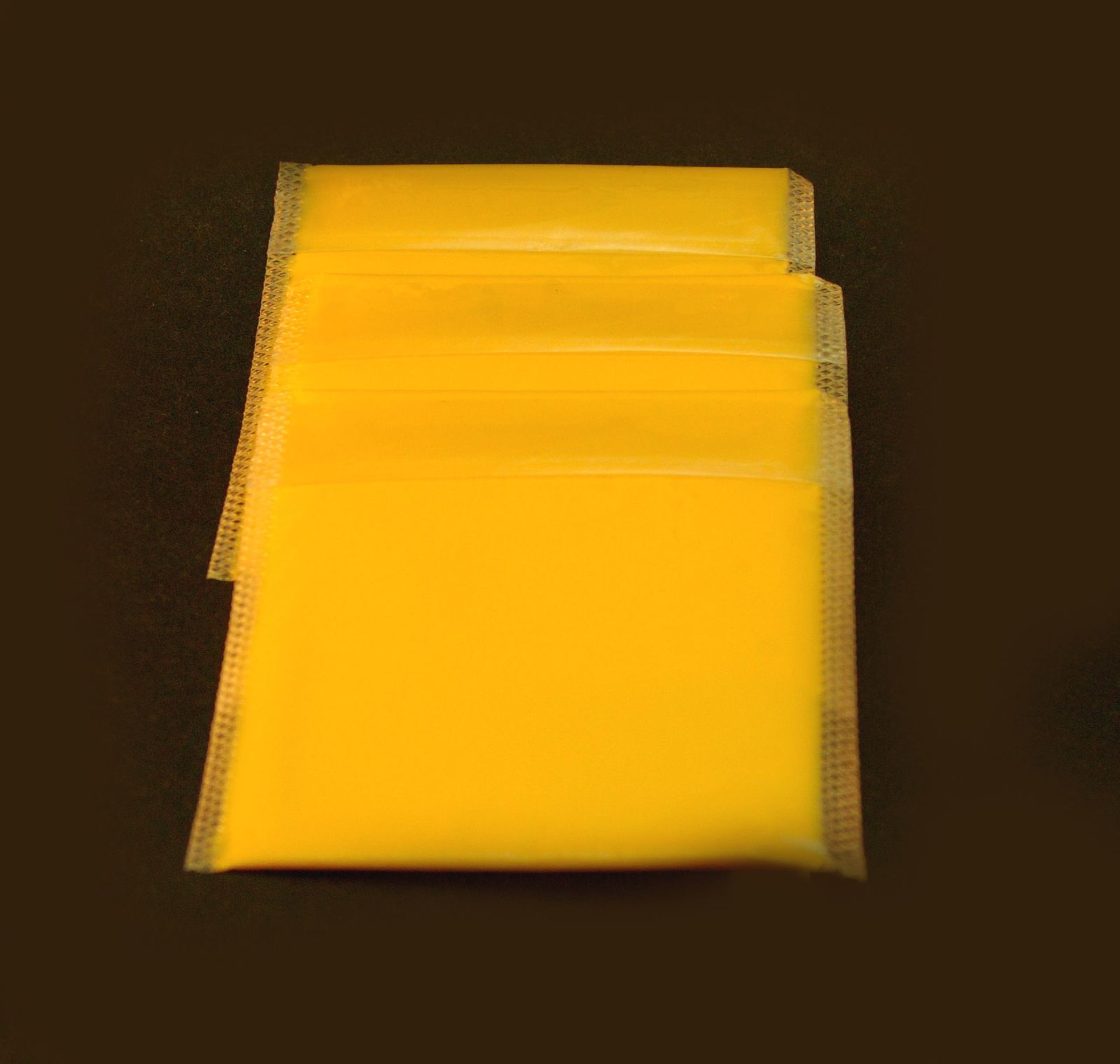
Image: Steve Spring (Attribution or Attribution), via Wikimedia Commons

Although it is a staple of grilled sandwiches and burgers, the technology to create meltable processed American cheese was actually pioneered in the Alpine valleys of Switzerland.

In 1922, Swiss food scientists were looking for a way to stop regional cheeses like Emmentaler from spoiling during long export journeys to warm climates. They discovered that by shredding the cheese, heating it up, and adding sodium citrate, the dairy fats would emulsify. This prevented the cheese from separating into an oily mess when melted and allowed it to cool back down into a uniform, stable block. A few years later, American businessman James L. Kraft patented a similar process using cheddar cheese.

7
The Star Spangled Banner
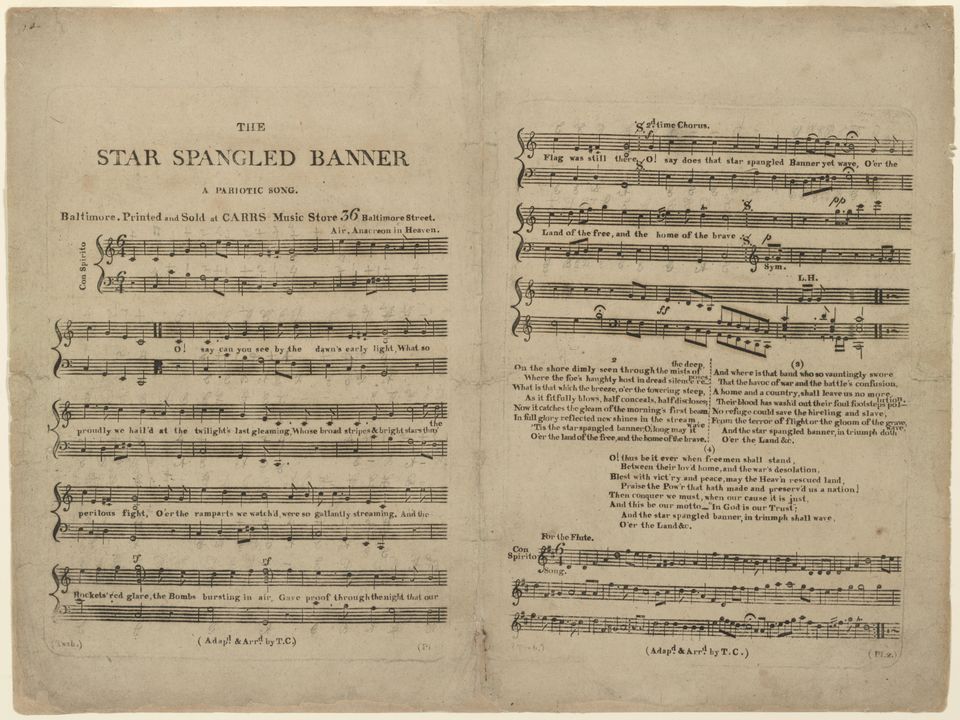
Image: Thomas Carr (arranger), Public domain, via Wikimedia Commons

The United States National Anthem tells the story of the 1814 bombardment of Fort McHenry. While Francis Scott Key penned the patriotic lyrics, the music belongs to a popular British club song.

Key wrote his poem to fit the exact cadence of a melody titled "To Anacreon in Heaven". Composed by John Stafford Smith around 1780, this tune served as the official anthem for an exclusive gentlemen’s amateur music club in London.

8
Cars
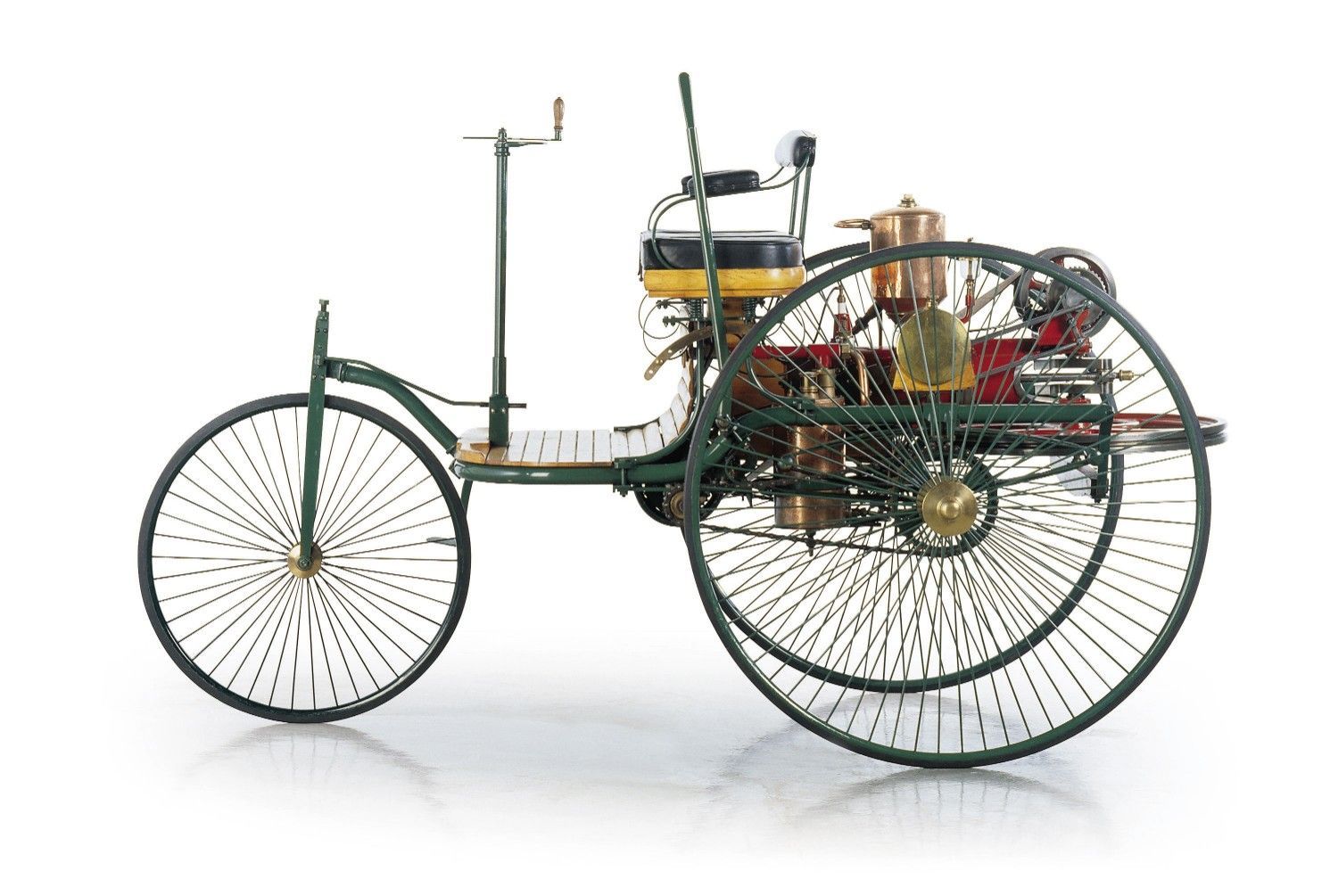
Image: DaimlerChrysler AG, CC BY-SA 3.0, via Wikimedia Commons

Car culture is deeply embedded in American life. Yet, the invention of the automobile belongs across the Atlantic, to one of the fathers of Mercedes-Benz.

German engineer Karl Benz patented the Benz Patent-Motorwagen in 1886, widely recognized as the world's first modern gasoline-powered automobile. At the same time, French innovators like Panhard and Levassor pioneered the modern automotive layout, including placing the engine in the front and using a rear-wheel-drive system. Henry Ford undeniably revolutionized the world by using the assembly line to make cars affordable for the masses, but the machine itself was a European invention.

9
Peanut butter
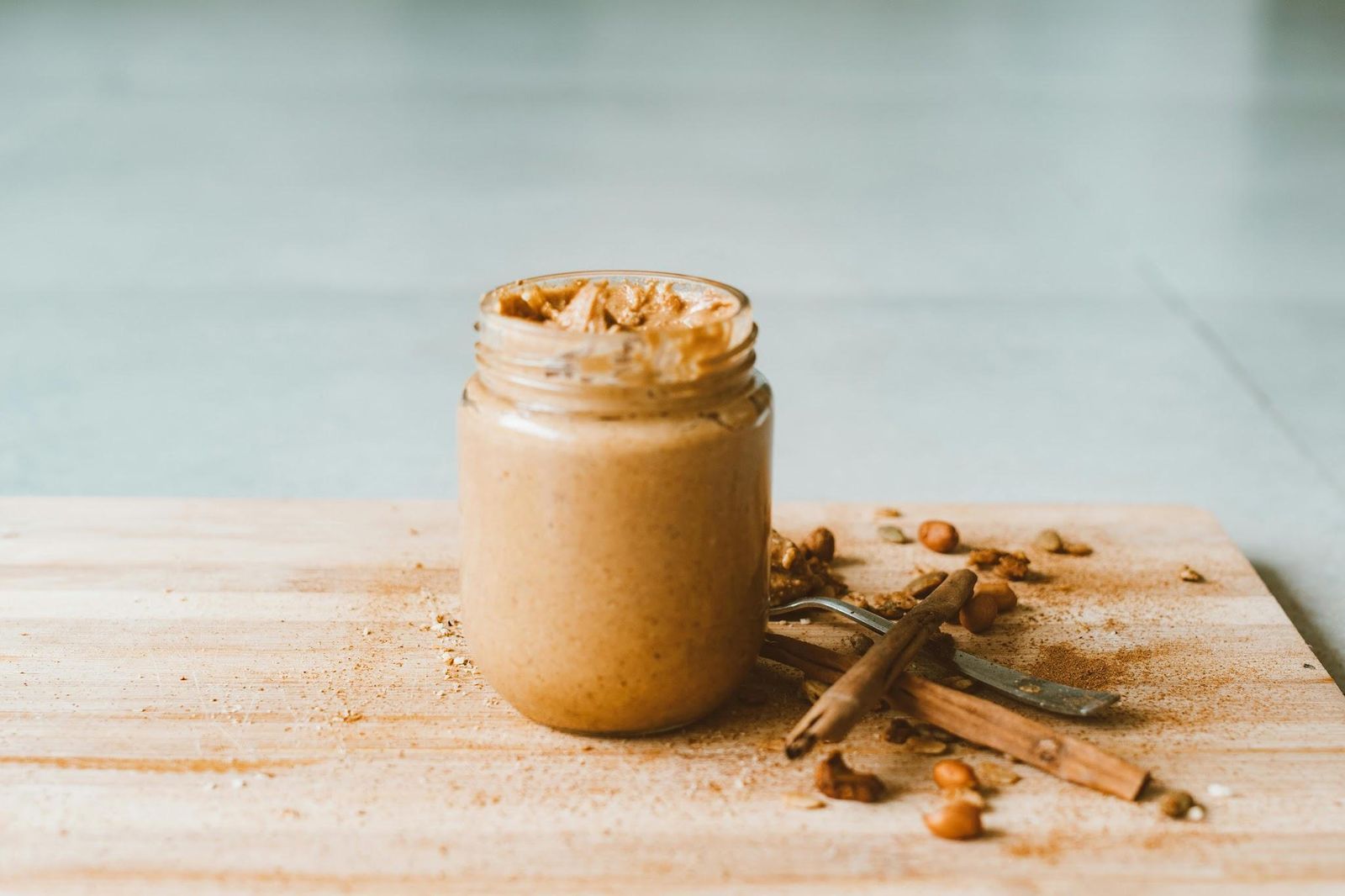
Image: ROMAN ODINTSOV

Peanut butter is an irreplaceable childhood comfort food in the United States, present in millions of lunchboxes every day. While American innovators like Dr. John Harvey Kellogg and George Washington Carver popularized and refined it, they didn't invent it.

The practice of roasting peanuts and mashing them into a smooth paste dates back thousands of years to the ancient Aztec and Inca civilizations, who used it for nutritional and medicinal purposes. Furthermore, the first modern patent for peanut paste wasn't American at all; it was granted to a Canadian chemist named Marcellus Gilmore Edson in 1884.

10
Fireworks

Image: Holger Wulschlaeger

No American Independence Day celebration is complete without a massive fireworks display. However, this tradition predates the founding of the United States by more than a millennium.

Fireworks were invented in ancient China, tracing back as far as the Han Dynasty around the 2nd century BCE. The technology eventually traveled west via the Silk Road, long before making its way to the New World.
General General 3 min read

Speakeasies and other secrets

Doctors did what? 10 shocking Prohibition facts they didn't tell you!

Image: Mister Mister

With the passage of the 18th Amendment in 1919, the Prohibition era began, lasting a long 13 years. It was a time when just about everything happened... but all in secret! Beyond the now-famous speakeasies, there are plenty of surprising events from this chapter of our history that you might not know! So, without further ado, let's uncover these 10 incredible facts about Prohibition!

1
The doctor said so

Image: Vinicius Amano

It's not news that alcohol was completely banned across the country from 1920 to 1933. But, you know, every law has its loophole. It's said that during Prohibition, some doctors took advantage of their authority to prescribe a peculiar medicine: whiskey! Well, if the doctor prescribed it, what could the cops possibly argue?

2
The queen

Image: Daniel Vogel

Women also played an important role during Prohibition on both sides of the law! One of the most notorious was Cleo Lythgoe, a.k.a. the "Queen of the Bootleggers." As her nickname suggests, she was one of the most successful bootleggers of those years. That's right! She built an empire, running a major underground operation that supplied alcohol to secret bars.

3
Clever marketing

Image: April Klein

Although they feel like something recent, marketing strategies have been around for a long time. In fact, even during Prohibition, clever sales tactics flourished by exploiting the nation's circumstances. This was the case with the so‑called "grape bricks," blocks of concentrated grape juice that came with some rather peculiar warnings, such as "NOT to dissolve in water, add yeast and store in a cool place for 21 days, or it may ferment and turn into wine."

4
NASCAR

Image: Simon Hurry

Although it may seem like nonsense, NASCAR's origins are closely related to bootlegging during the Prohibition era. The "moonshiners" were those who transported illegal alcohol. These drivers were skilled, relying on speed and sharp maneuvers to outrun the law. Those same driving techniques later helped give rise to stock car racing.

5
Sacramental

Image: Rey Proenza

Prohibition was full of loopholes. But undoubtedly, one of the most obvious ones was the allowance for sacramental wine. Since wine used in church masses was permitted, it led to more people attending certain services, and even the rise of some pseudo-religions!

6
A payment issue

Image: Mackenzie Marco

Prohibition agents were in charge of enforcing the dry law. However, there was one big problem the authorities overlooked: these agents were poorly paid. That small detail helped the illegal liquor trade thrive. Since agents weren't well paid, bootleggers found them easy to bribe.

7
Risky times

Image: Nick Fewings

The fight against alcohol sales was far from easy, and historical records suggest that, as a result, the authorities took some drastic measures. One of them was the decision to add highly toxic chemicals to the alcoholic beverages circulating at the time! But here's the most surprising part: many people knew -or at least suspected- and still drank their gin and tonic anyway!

8
A lot

Image: Sérgio Alves Santos

We know that Prohibition gave rise to the famous speakeasies, and we know there were a lot of them, but how many? Well, because they operated in secret, it's hard to know exactly how many speakeasies existed across the country. Still, one fact gives us a clear picture of that time: Speakeasies actually outnumbered the bars that existed before Prohibition.

9
The man in the green hat

Image: JOSHUA COLEMAN

Bootleggers were everywhere, even where you'd least expect them. During the Prohibition years, there was one man who operated as the main bootlegger of Congress. He was nicknamed "The man in the green hat" as a reference to his trademark green fedora.

10
After sunset

Image: Anna Asryan

In Detroit, the Police Department grew tired of constantly chasing smugglers down the Detroit River. As these chases were extremely risky and often ended in accidents, the Detroit Police Department adopted an unofficial policy: "No active chases after sunset." As you can imagine, this gave smugglers a lapse of time each night to move without worry.

Culture Culture 3 min read

What’s on the menu?

American cuisine: 10 regional dishes to try

Image: Louis Hansel

America’s regional cuisine is as varied as the country itself, a result of more than two centuries of different influences coming together and creating new traditions. When we think about regional dishes, some fan favorites come to mind: Philly cheesesteak, Texas BBQ, different pizza styles, gumbo, and many more. But some dishes, no matter how popular and representative of their region, seem to be less talked about. Here are 10 regional favorites that are worth a try.

1
Cioppino

Image: James Wei

A not-so-talked-about product of the Italian influence in America, cioppino is an underrated representative from San Francisco. A tomato-based seafood stew (or a soup, depending on who you ask), it started as a struggle meal made with whatever was caught that day, and it is now a beloved dish that reflects the city’s history.

2
Fry bread

Image: Immo Wegmann

When thousands of Navajo people were forcefully displaced from Arizona to New Mexico, they were provided with meager rations for the 300-mile journey: flour, water, salt, and lard. From these scarce provisions, they created a fried dough, chewy on the inside and crispy on the outside. Originally eaten on its own, it is nowadays paired with all kinds of toppings.

3
Poi

Image: Daniel Dan

Made from steamed and mashed taro root, this Hawaiian dish can be enjoyed in several ways. Although sweeter when freshly made, it is often paired with other savory dishes. It can also be left to ferment, which gives it a more sour taste. Highly nutritious, poi has been a staple in Hawaiian and Polynesian cuisines for centuries.

4
Étouffée

Image: Stephanie Moody

Gumbo and jambalaya might be what first come to mind when thinking about Louisiana, but étouffée (meaning ‘smothered’) should not be overlooked. Thicker than gumbo —though sharing many of its ingredients—, étouffée delivers what its name promises: a rich, gravy-like, shellfish stew that smothers the accompanying rice. Depending on whether you are having a Creole or a Cajun étouffée, it may or may not contain tomatoes.

5
Crab cakes

Image: Girish Dalvi

This dish can be found all along the Atlantic coast, but its most famous iteration is associated with Chesapeake Bay, Maryland. With a history that goes back to Native Americans, modern crab cakes can be enjoyed sautéed, baked, grilled, deep-fried, or broiled, and are most of the time made with blue crab, though other crab meats can be used.

6
Clam chowder

Image: henry perks

A New England staple, this dish draws influence from British, French, and Nova Scotian traditions. Although it was not dairy-based in its origins, modern clam chowder gets its rich texture from milk or cream, and features butter, potatoes, pork, and, of course, clams. Other famous variations differ mainly in the soup base, such as the Manhattan clam chowder (made with tomato) or the Rhode Island clam chowder (made with a clear broth).

7
Hush puppies

Image: Abhijit Biswas

A Southern classic, these cornmeal fritters became popular during the Civil War because they were affordable and versatile. Usually made plain to serve as a side dish, they can also have cheese, jalapenos, whole corn grains, and other fillings added.

8
Marionberry pie

Image: Amanda Hortiz

Oregon's signature dessert, this pie filling features marionberries, a blackberry hybrid developed in the 20th century. Compared with regular blackberries, marionberries have a deeper, more complex flavor, resulting in a sweeter and sharper pie filling. A summer staple, it is often served alongside vanilla ice cream.

9
Runza

Image: Kelsey Todd

Food from the Midwest is sometimes reduced to casserole dishes and jello salads, but it is more varied than some might think. Runza, a sandwich-hot pocket hybrid filled with beef, cabbage, and onions, is an example of how midwesterners transformed immigrant food traditions into something new. Originating in Nebraska, runzas are derived from German and Eastern European pirogs , a baked, filled dough.

10
Akutaq

Image: Adam Chang

Though this Alaskan delicacy is technically an ice cream, don’t expect it to be like the ice creams you are used to. Made from reindeer fat, seal oil, fresh snow, berries, and sometimes, ground fish, akutaq is a dessert, a snack, a spread, and a main dish all in one. Developed as a way to preserve fruits and animal fats, this nutrient-dense dish has everything you need to face the harsh Alaskan winters.

Explore more American facts

Choose your favorite category!

General
General

As American as apple pie—the very best America has to offer!

Culture
Culture

Delve into the astounding richness of American lore.

Geography
Geography

Hop in and explore vast and diverse American landscapes.

History
History

Discover the key moments that shaped the United States.