Culture Culture 6 min read

Barking a way to fame

Walk down the Paws of Fame: which of these furry stars is the best?

Image: InspiredImages

Who doesn’t love a good dog story? Dogs have been our loyal companions for centuries, but a few have carved out their own slice of fame in American culture. We bet you’re already thinking of someone, right? From Hollywood stars to real-life heroes, these special dogs have stayed in people’s hearts across generations. So, today, we’re taking a walk down memory lane to honor some of the most famous canines to grace our screens and, in some cases, change our lives: Lassie, Balto, Scooby-Doo, and more! Each of these dogs has a unique tale, so let's dig into these stories that show us how much dogs bring to our lives!

1
Lassie: TV’s Most Loyal Friend

Image: Kanashi

Lassie is the ultimate hero in a fur coat. The famous Rough Collie first appeared in a 1938 short story before becoming the star of her own TV show. Week after week, Lassie showed audiences how a dog’s loyalty and bravery could save the day.

Maybe she was alerting her family to danger or helping strangers; in any case, she was always there to lend a paw. Lassie’s adventures inspired generations of viewers and cemented her place as a true American icon. She was a devoted friend with a loving nature and a natural instinct to know when to act. She became more than just a dog; she became a family member to millions.

2
Rin Tin Tin: From Battlefield to Box Office

Image: Christoph Schmid

Rin Tin Tin’s journey is one for the history books. He was rescued by a soldier during World War I. This German Shepherd was brought to America and became a Hollywood sensation in no time.

With his expressive eyes and fearless nature , Rin Tin Tin starred in over 25 silent films, performing stunts that left audiences in awe—can you believe that? He helped shape the early days of cinema and became a household name of its own.

Rin Tin Tin was more than a movie star, he was a hero in his own right, and that is what guaranteed his name is still popular today.

3
Toto: The Little Dog with a Big Heart

Image: Paul Cuoco

Toto, Dorothy’s loyal companion in The Wizard of Oz , may have been small, but he was packed with personality. A Cairn Terrier named Terry actually played Toto in the iconic 1939 film, winning hearts with her expressive face and boundless courage.

Toto stuck by Dorothy through all of her Oz adventures. Regardless of his small size, his impact was completely the opposite! And we’re not just talking about the movie. Of course, in each scene, Toto showed loyalty and an instinct for getting into and out of trouble, much like our own beloved pets. But his bond with Dorothy was genuine, and fans could feel that connection. Toto’s spirit made him unforgettable, and he’s still celebrated as one of America’s favorite movie dogs.

4
Old Yeller: The Ultimate Frontier Hero

Image: Caleb Fisher

Only a few dogs stuck and became part of America’s identity like Old Yeller. Set in the rugged Texas frontier, his story was all about bravery, family, and love in a world that was nothing but harsh.

The big, yellow dog feared nothing. He didn’t back down from protecting his family from wild animals, sickness, and any threat that came their way. He taught the family he lived with about sacrifice and courage. And we all learned that too!

When you think of Old Yeller, you think of resilience, even though his tale is bittersweet. Even decades later, people remember Old Yeller as a classic story of love and loss.

5
Balto: The Husky that saved a village

Image: Chalo Gallardo

If a dog has a statue, he certainly must have earned it, right? Balto for sure did. His heroic journey is as inspiring as it is legendary.

Back in 1925, a diphtheria outbreak in Nome, Alaska, needed urgent medicine, and Balto led the sled dog team through snow and freezing temperatures to deliver it. This brave Siberian Husky’s courage in the face of life-threatening conditions not only saved lives but also made him a hero.

Naturally, his success story spread across America, and New York’s Central Park even built a statue in his honor. Balto became the face of courage and teamwork, and his story has been immortalized in books, movies, and history.

6
Benji: Hollywood’s Lovable Underdog

Image: Johannes W

Has your heart melted already? We certainly have, like two dogs ago, but let’s keep it going with the next one on our list: enter Benji.

Benji charmed his way into American hearts in the 1970s with his scruffy, humble looks and sharp problem-solving skills . This mixed-breed dog starred in a series of movies where he often found himself rescuing people or outsmarting bad guys.

Benji wasn’t big or flashy, but he didn’t need that. He made up for it with his resourcefulness and charm. Viewers loved his quiet bravery and knack for getting out of sticky situations. And of course, that little charming face of him, duh!

7
Eddie: Frasier’s scene-stealing sidekick

Image: Egor Gordeev

Regardless of the director’s intention, dogs will always find a way to become the star of the show. Eddie is an example of that! The Jack Russell Terrier from the hit sitcom Frasier stole scenes with his hilarious antics and unforgettable stares.

In the series, Eddie kept Frasier on his toes, and audiences couldn’t get enough of him. His expressions were worth a thousand words, bringing both humor and heart to the show. The show was a hit, but this character made it relatable. Who hasn’t experienced the mischief of a furry friend? For such a small dog, Eddie made a huge impact and is still fondly remembered.

8
Hachiko: Loyalty That Knows No Boundaries

Image: Oskar Kadaksoo

Hachiko’s story isn’t just famous in Japan; it resonated deeply with American audiences, too. An Akita known for waiting for his owner each day at a train station, Hachiko continued his routine for years after his owner’s passing. How moving is that?

His loyalty became legendary and eventually inspired the American film Hachi: A Dog’s Tale , which introduced his story to US viewers.

If there was any doubt concerning the kind of bonds formed between a human and a dog, Hachiko got rid of all of them! Even in America, Hachiko is celebrated as a symbol of unwavering dedication.

9
Buddy: America’s first guide dog

Image: Brands&People

Speaking of special bonds, Buddy, a German Shepherd, changed countless lives in the 1920s by becoming America’s first official guide dog.

Her owner, Morris Frank, helped establish guide dog schools across the country, proving the incredible help dogs could offer to the visually impaired. Buddy’s intelligence and dedication paved the way for service dogs, and her influence continues to shape assistance programs today.

Her gentle guidance provided not only hope but also independence to many people with disabilities. Buddy’s groundbreaking work showed what dogs could do beyond companionship, which was an invaluable gift in itself!

10
Scooby-Doo: The Detective dog

Image: Dinu J Nair

America has more than just 10 beloved dogs, and the ones we’ve mentioned so far were all real-life dogs. But let’s not forget that cartoon dogs also hold a special place in America’s heart. Take Scooby-Doo, for example.

Scooby-Doo is a fun-loving Great Dane who has been solving mysteries with his human friends since the 1960s. Yes, he was a detective. And yes, he was also very much afraid all the time!

Scooby has become a cartoon favorite and has starred in countless TV shows, movies, and comic books. With his human friend Shaggy by his side, Scooby always stumbled upon clues that saved the day—usually with a few treats along the way. Scooby-Doo’s legacy as a cartoon icon endures, and he has lots of fans around the globe!

History History 5 min read

EXPLORING OUR ICONS

Did you Know These 10 Facts about the Statue of Liberty?

Image: Gautam Krishnan

The Statue of Liberty, a symbol of freedom and democracy, has stood proudly in New York Harbor since 1885. This monumental statue was gifted by France to the United States and it is so much more than just an impressive landmark! It is a beacon of hope and an emblem of friendship between two nations.

Beyond its symbolic significance, the Statue of Liberty is steeped in fascinating history and intriguing details that many people might not know, like how long it took to arrive or what her real name is.

This article will explore ten interesting facts about the symbolism behind this iconic national figure so that you can deepen your appreciation for this significant Statue.

1
Her Real Name

Image: Gautam Krishnan

You might have always known it as the Statue of Liberty, and you wouldn’t be wrong. After all, that is, in fact, her name. However, that is not her only name.

Her official name is "La Liberté éclairant le monde", which is French for "Liberty Englightning the World."

The meaning is clear and it was a name given by its designers and builders. The nickname "Statue of Liberty" has become widely and universally popular, but the full title highlights the deeper meaning and global significance of this monument.

2
The Tallest Structure of America

Image: Annie Spratt

Back in 1886, after the statue was finally completed, it didn’t just become a symbol of democracy, it was an engineering marvel that claimed the title of tallest structure in the United States. Standing at an impressive 151 feet, 1 inch tall, Lady Liberty dominated the skyline.

If you’ve never been able to fully grasp how tall it is, imagine a 15-story building. Now, add the pedestal and you’ll get the towering presence it embodies in New York today.

How was this possible? Thanks to the innovative use of iron framework and copper sheathing and the brains of Frederic Auguste Bartholdi and Gustave Eiffel. Yes, you got the latter right, and here comes our third fact.

3
It was designed by Gustave Eiffel

Image: Dmitrii Eliuseev

The genius behind the Statue of Liberty is the same behind the Eiffel Tower, in Paris. Talk about a creative mind, huh?

Eiffel designed the statue’s "spine" , an internal framework that supports the entire structure. Inside the statue, four massive iron columns form the backbone, holding up the intricate metal frame that supports the thin copper skin. This innovative design not only provided the necessary stability for the statue but also allowed it to withstand strong winds and harsh weather conditions.

Naturally, Eiffel’s expertise in structural engineering was pivotal in bringing Lady Liberty to life, ensuring she would stand tall for centuries to come.

4
Red or Green? Actually, Both

Image: Oleg Chursin

When the Statue of Liberty was unveiled**, it wasn’t the green-blue color we know and love today**. Instead, it gleamed with a shiny reddish-brown hue, much like a newly American penny. Made entirely of copper, the statue initially dazzled spectators with its vibrant metallic sheen.

Then, over the course of the next two decades, Lady Liberty underwent a dramatic transformation. The Statue gradually turned green as the copper oxidized and formed a protective layer known as patina . Considering this is the natural weathering process of copper, this was hardly a surprise, but the visual change was nonetheless striking. The patina not only gives the statue its iconic color, it also works as a protective coat from further corrosion.

5
Motherly Inspiration

Image: Tory Bishop

The Statue, designed also by the French sculptor Auguste Bartholdi, carries a touching personal tribute within its grand design. Bartholdi modeled the face of Lady Liberty after his mother, Charlotte.

This heartfelt gesture essentially makes the Statue of Liberty one of the most monumental Mother’s Day gifts ever. By immortalizing his mother’s likeness in such an iconic figure, Bartholdi not only honored her but also ensured that her image would forever be associated with the ideals of freedom and hope. Can you top that?

6
One-way Ticket to America

Image: ALEJANDRO POHLENZ

We all know this American landmark was a gift from the French to the Americans, right? Now, the gift took over a year to get where it is today.

The Statue was completed and presented to the U.S. ambassador in France on July 4th, 1884. But it didn’t get to America until a year later, in 1885. It was then disassembled into 300 pieces, carefully packed into 214 crates, and shipped across the Atlantic Ocean to be put together again.

The voyage took a week longer than expected, and the vessel carrying the one-ton statue nearly sank during a fierce storm. Despite the challenges, Lady Liberty safely arrived in New York, where it was reassembled and unveiled to the public, marking the beginning of its iconic presence in American history.

7
The Lady’s Tablet

Image: Koushalya Karthikeyan

One of the most distinctive features of the Statue of Liberty is the tablet she holds in her left hand. This tablet is not just a symbolic object, it carries a significant inscription that connects the statue to the core of American history . Crafted from copper, the tablet bears the inscription "JULY IV MDCCLXXVI," the Roman version of July 4, 1776.

This is of course the date that marks the adoption of the American Declaration of Independence, so the inscription serves as a constant reminder of the nation’s fight for independence and the values of democracy.

Is there a reason this is a tablet? Yes, it symbolizes the lay and the founding principles.

8
Changes in the Torch

Image: Mateus Maia

The Statue of Liberty wasn’t only a symbolic figure, in the beginning, it also served a practical purpose: It was a lighthouse. This was its original intent. Off to a rocky start, and considering how new the electrical systems were, the lighthouse only became operational by the end of 1886.

Between 1886 and 1901, the torch would guide ships safely into New York Harbor. However, the lighthouse function was short-lived as it was deemed "useless for navigation purposes." Despite the noble intentions behind the initiative, control of the Lighthouse was given to the War Board, and, by 1902, the Lighthouse became extinguished.

Today, the torch is nothing less than a 24K gold flame standing tall and iconic.

9
Seven Spikes

Image: Erik Lindgren

Have you ever noticed the crown? Of course, you have, but have you ever considered that the seven spikes were intentional ? Not a single thing in the design of the Statue of Liberty was random.

These seven spikes have a profound meaning: they represent the seven seas in the world. Now, even if this was a gift to America for its independence, the Statue represents universal freedom. Therefore, the welcoming aura of the crown and the seven spikes stand for a global search for liberty, freedom, and equality.

10
One Step in the Path of Freedom

Image: A n v e s h

If you pay close attention to the Lady’s feet, you will notice that her right foot is raised. Now, if we could lift the dress just a tad, we would notice that she walks among broken shackles and chains.

This powerful imagery symbolizes the statue’s message of moving forward from oppression and toward freedom. The broken chains also represent the end of servitude, highlighting the statue’s role as a beacon of hope for those seeking a new beginning. She is not standing still, she is taking a step forward, always in a continuous journey. Quite a picture to welcome the visitors, right?

General General 5 min read

10 most nostalgic sounds we grew up hearing — but don't hear anymore

Image: Pressmaster

Few things can trigger nostalgia as much as a sound. The bell of the ice cream truck coming around the corner or the long-gone ringing and dialing of a rotary phone can bring childhood rushing back. Technology wasn’t nearly as advanced, so we had other doodads that filled our everyday lives with their chimes and beeps. Here are 10 sounds etched into our memory that we rarely hear these days — or at all.

1
The rotary phone ring and dialing

Image: C-R-V

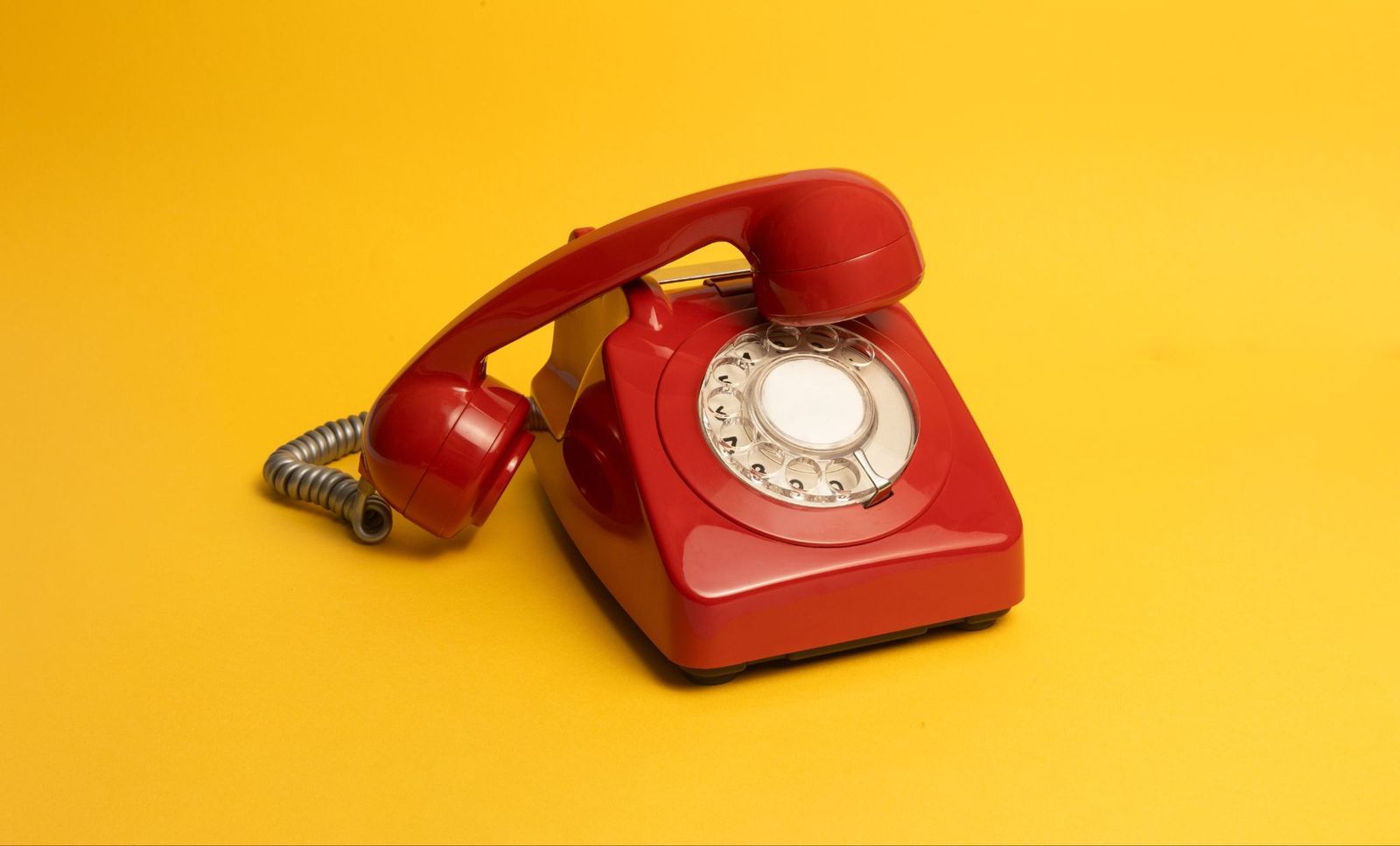
For much of the 20th century, rotary phones were a common sight in homes. Anyone who had one can probably still remember the unmistakable loud "_BRRING_… _BRRING_…" sound of the mechanical ringer inside the phone. And the clicking of the rotary dial snapping back into place was another sound you’d hear in just about every household. Calling someone was definitely a whole different experience from the smooth, easy calls we make today.

2
The NBC chimes

Image: ChicagoPhotographer

Three simple notes (G-E-C) could tell an entire generation that they were tuned to NBC. The NBC Chimes are an audio trademark already ingrained in the collective imagination, and you knew an announcement or some other important cue was coming. Interestingly, NBC actually trademarked the three-note sequence in 1950.

The chimes were originally used by the staff to communicate with each other, and the audience could hear them around 16 times a day, though they’re now used purely as a branding audio logo and are not nearly as frequent.

3
The ice cream truck bell

Image: Kirkam

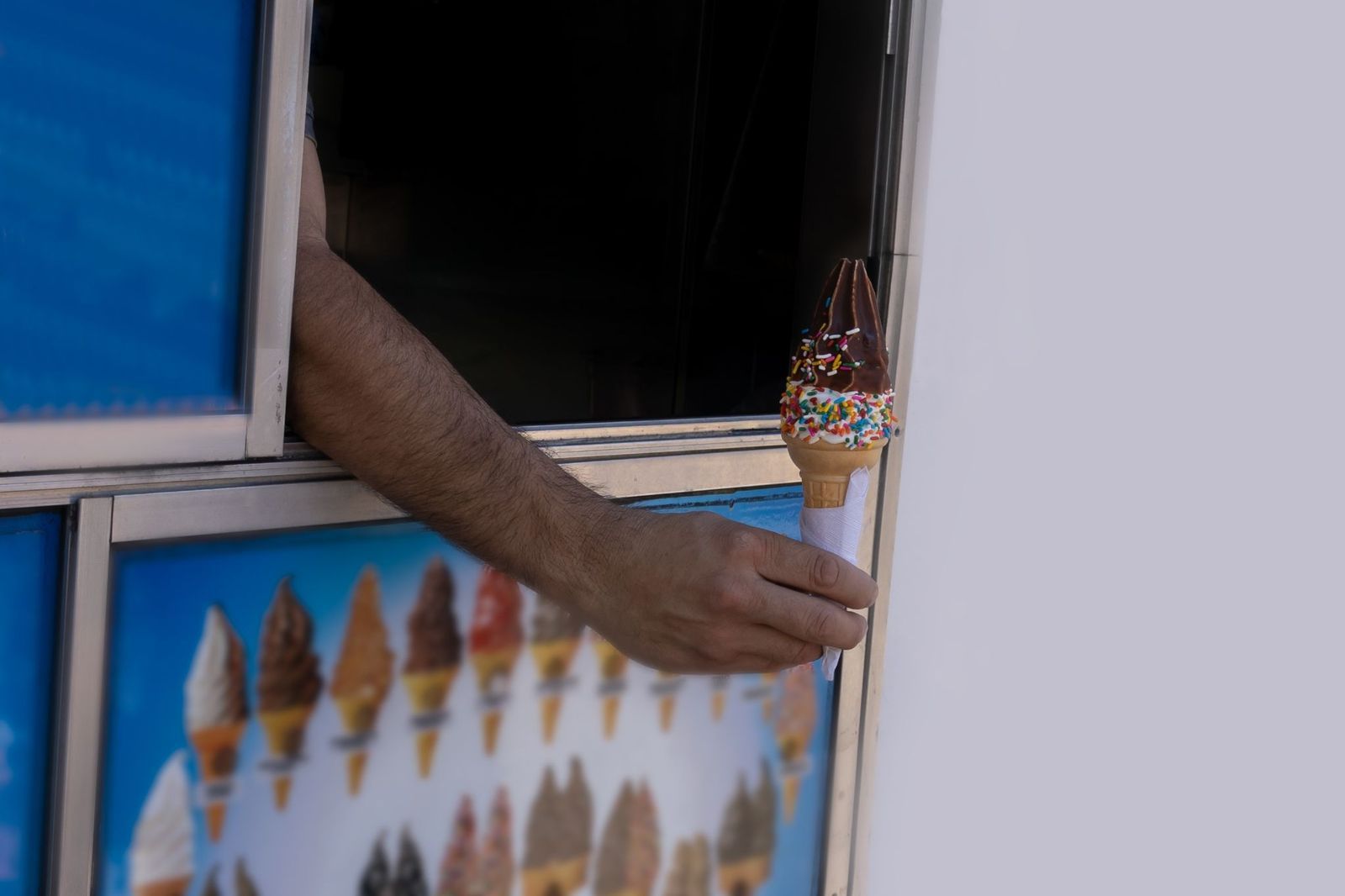
As a kid, the ice cream truck bell was the sound of happiness. It didn’t matter what we were up to; we’d rush toward it the second we heard the bell and beg our parents to "please, please" buy us an ice cream. It was during the 1950s and ‘60s that ice cream trucks became a familiar sight in neighborhoods and later evolved into a tradition of American summer life . Ice cream trucks still maintain a strong presence in places like NYC, Chicago, and Los Angeles, but they’re not as common as they used to be.

4
The school bell

Image: studiomiracle

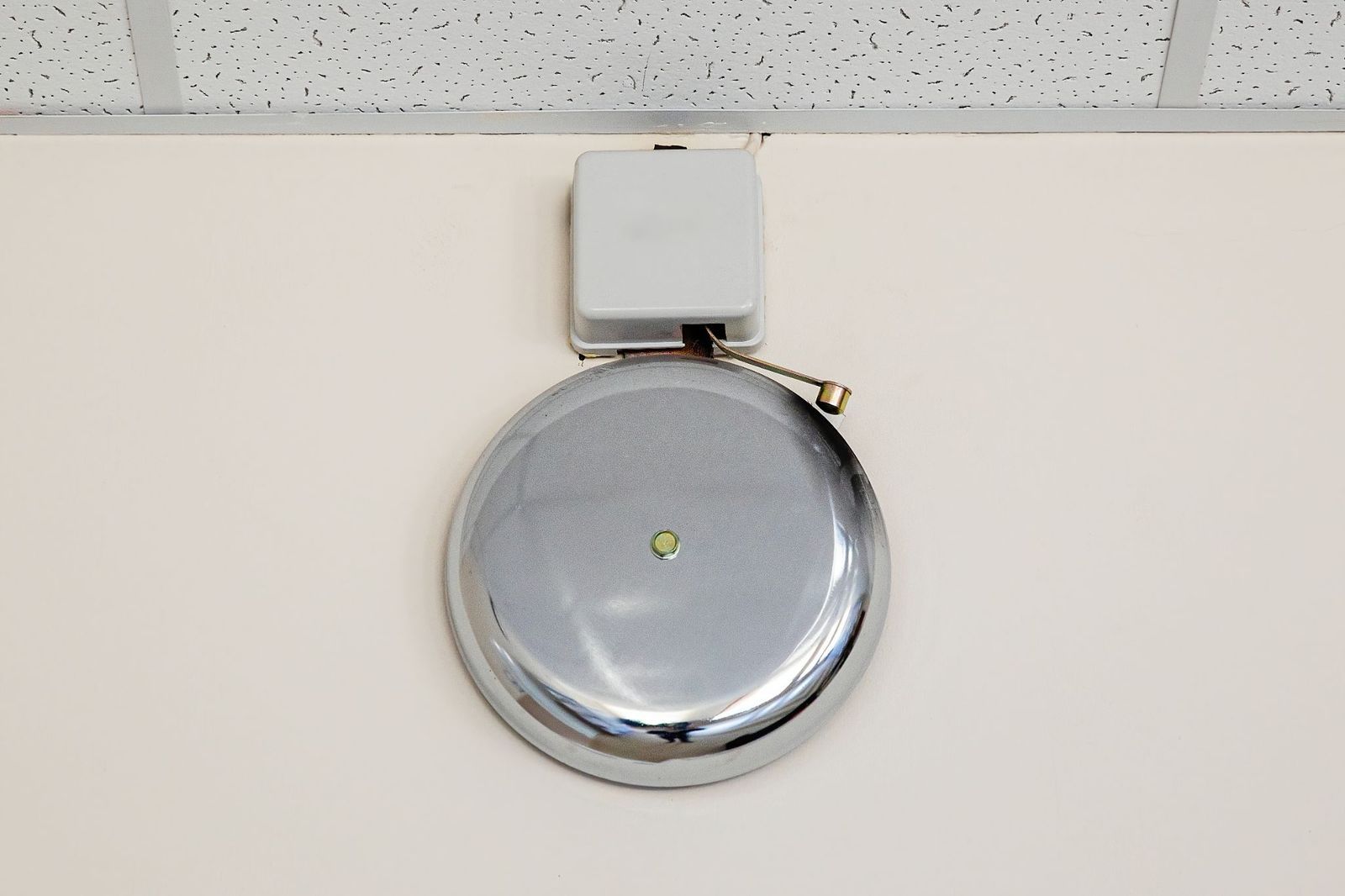
How could the exact same sound mean excitement or disappointment? The loud metal bell basically ran our entire school day: whether it was classes, lunch, recess, or the end of the school day, we’d hear that jarring "brrriiinnnggg " cut through the hallway, and we knew immediately what we had to do.

School bells have stuck around, but those old mechanical bells we grew up with have mostly given way to electronic bells or buzzers.

5
The dial-up modem

Image: StanR Studio

The early days of home internet are pretty funny to explain to younger generations. In the 1990s and early 2000s, before broadband became a common thing, if you wanted to use the internet, of course, you had to give up your phone line. But the real kicker was the sequence of beeps, screeches, clicks, and static-like sounds the modem made to connect to the internet.

The modem wasn’t constantly connected to the internet ; it connected only for those brief moments when you needed to use it for things like sending emails and basic web browsing.

6
The typewriter clacking

Image: Denis Klimov 3000

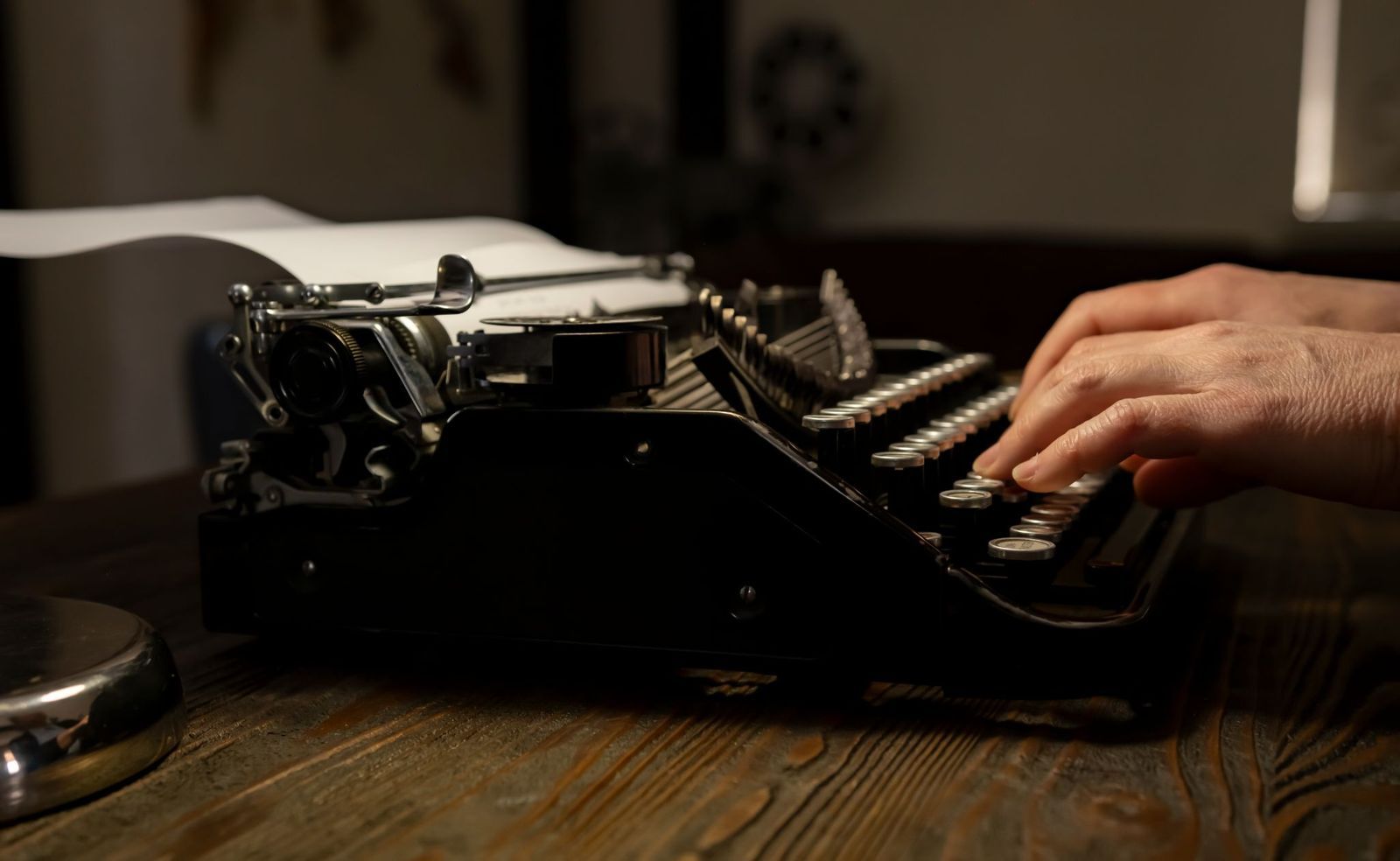
Computer keyboards do make noise, but it’s nothing compared to the clacking and dinging of typewriters. For most of the 20th century, typewriters were the norm: iconic novels and other works were written on one of these, and the " clack, clack, clack… ding !" could be heard in every office across the country.

Almost everything you did with a typewriter made noise: typing, returning the carriage, and even correcting mistakes made a series of sounds.

7
The record needle dropping

Image: Serhii Yushkov

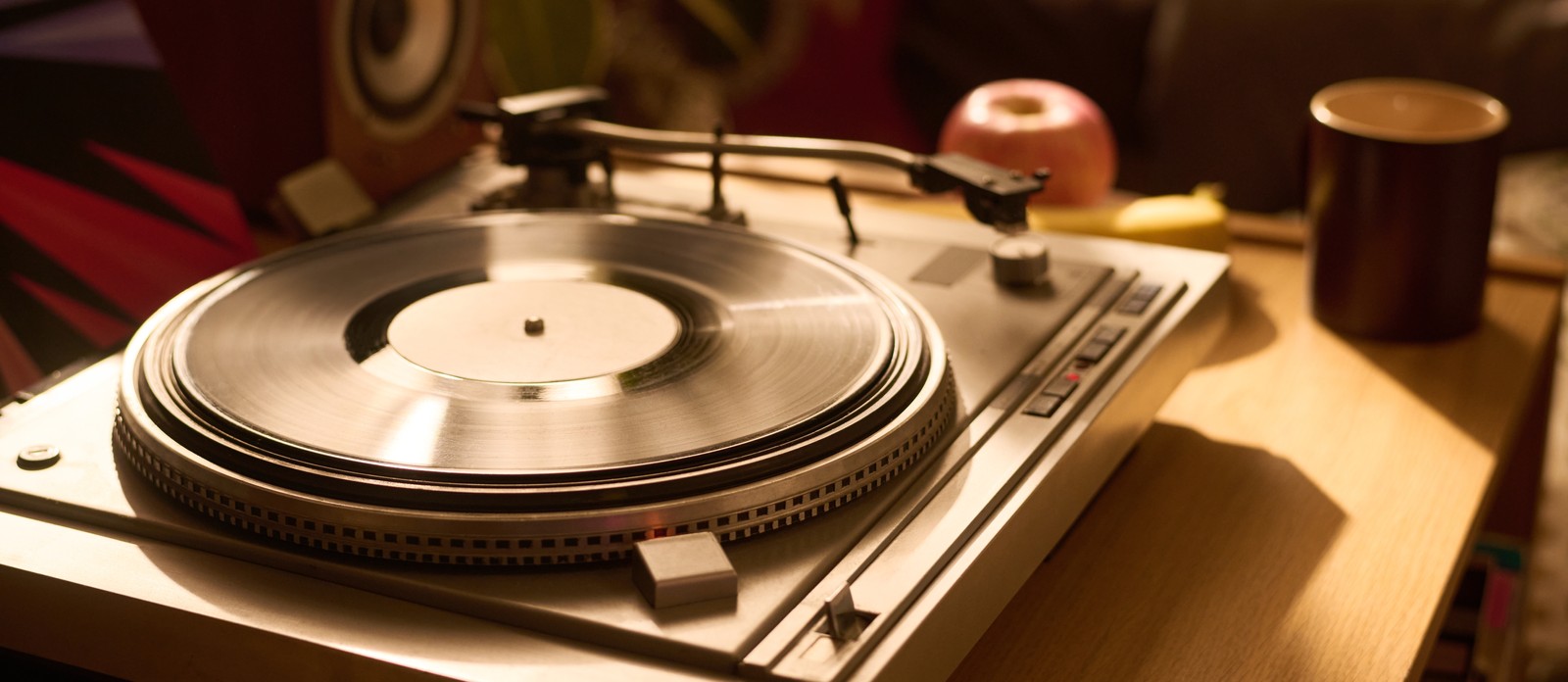
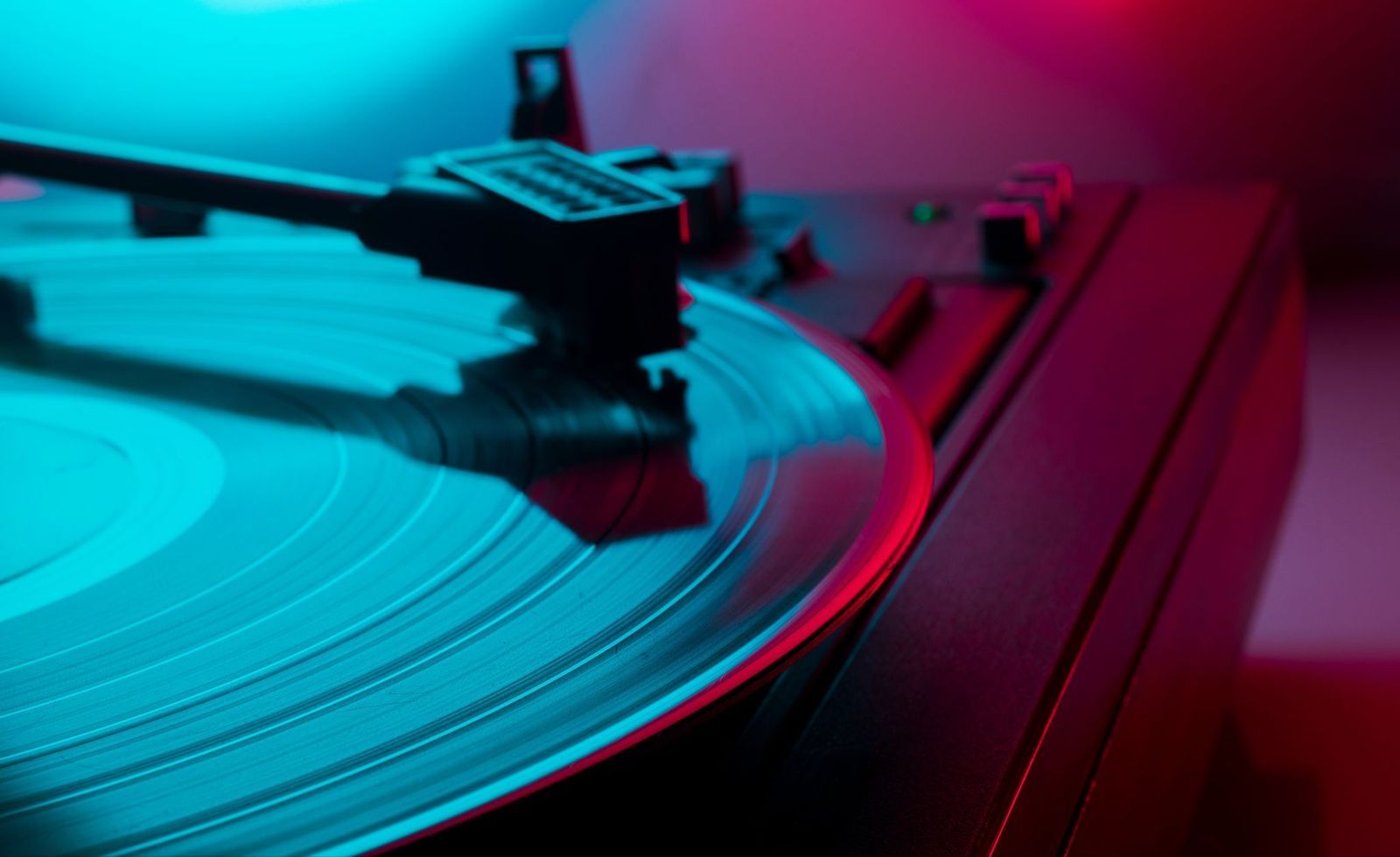
How can something as simple as the sound of a needle hitting a record inspire a nostalgic smile? The brief, scratchy hiss and crackle it made before the music started is so memorable that it became a staple of an era — a fundamental part of the experience of listening to music at home.

Before streaming platforms like Spotify and Apple Music, vinyl records ruled the mid-20th century through the 1980s and then slowly gave way to cassettes and CDs. A time when listening to music meant taking the record out of its sleeve, placing it on the turntable, and lowering the tonearm for the magic to happen. Interestingly, vinyl record sales have made a comeback over the last two decades, growing from less than a million units in 2006 to over 48 million units in 2025.

8
The car horn from the driveway

Image: PeopleImages

Nowadays, you’d likely get a text message from your friend letting you know he’s outside to pick you up or an alert on your phone telling you the Uber is waiting for you. But not so long ago, that was the car horn’s job.

Today you can even share your live location with someone, and they can know exactly when you are arriving. But in the past, you had to listen for that short beep that meant " I’m here ."

9
The cash register "ka-ching"

Image: OsiecK

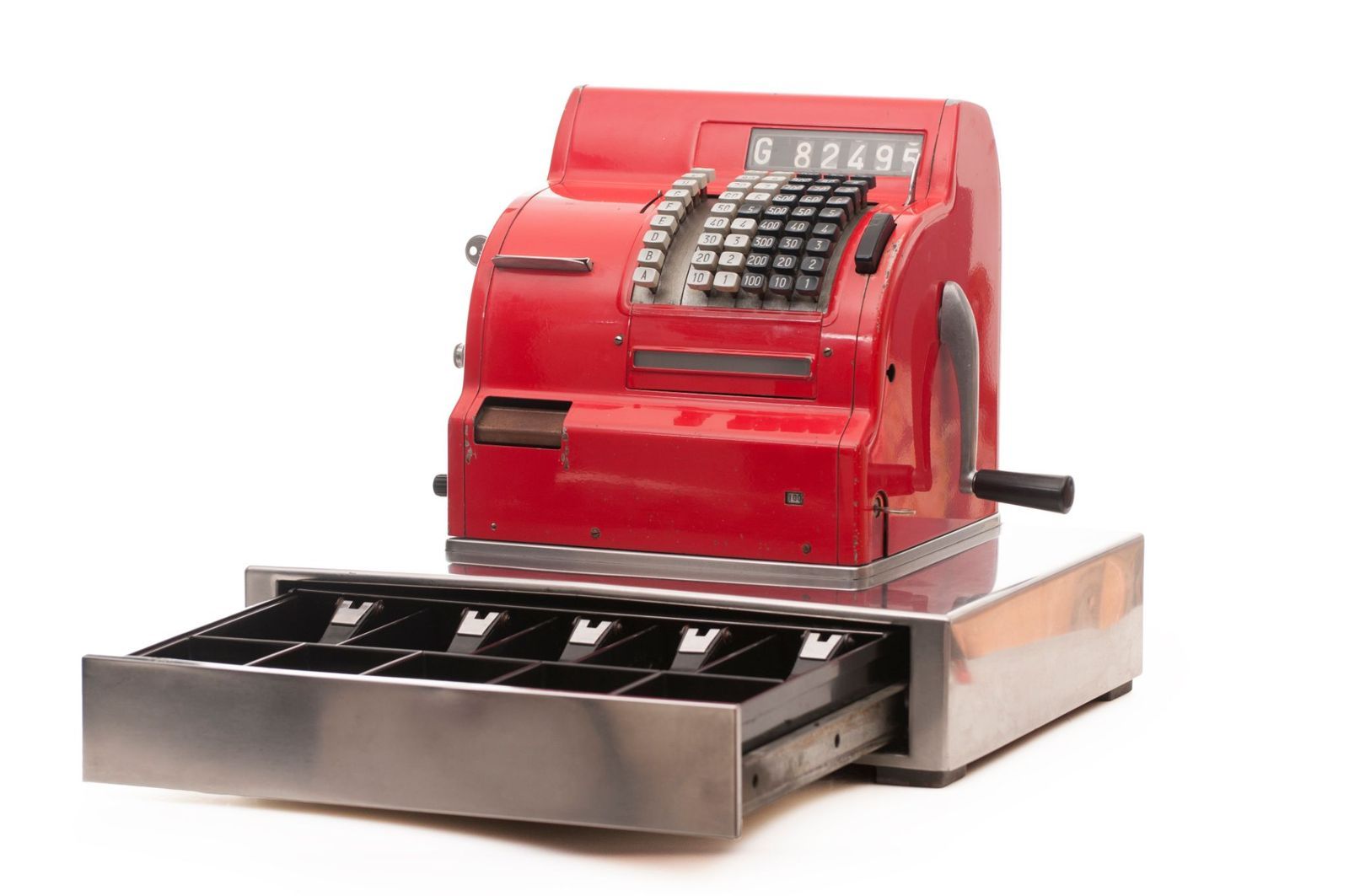
These days, when the only sound you may hear is the chime of your Apple Pay or the POS terminal processing the payment, the classic " ka-ching" of the cash register is long gone. But almost every store you went to had one of these mechanical registers for much of the 20th century.

It was a symphony of noises: keys clicking, a drawer opening, and the bell-like "ding" that meant the sale was completed. The term " ka-ching " became slang to imitate the sound of money being made.

10
The TV going off the air

Image: New Africa

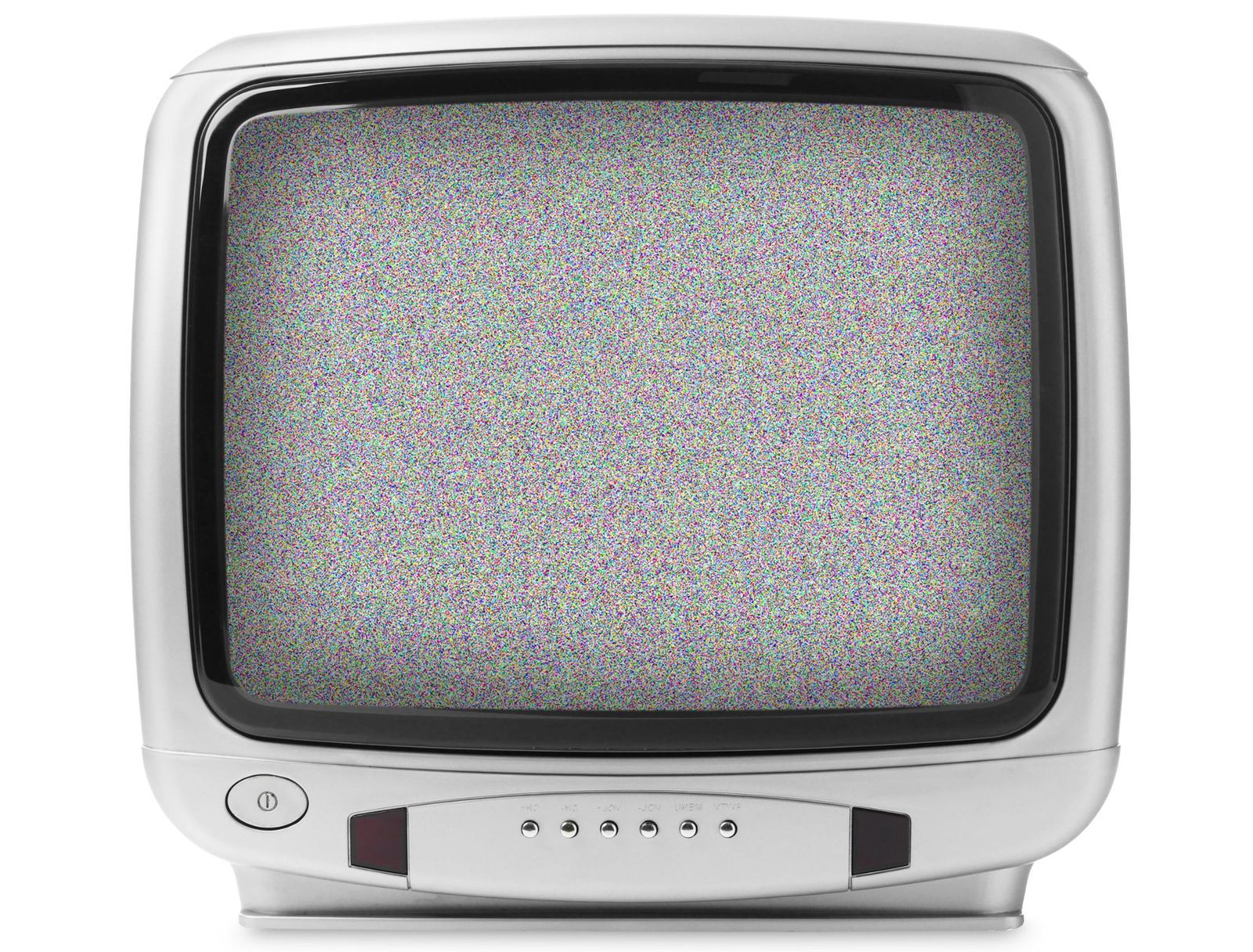
Television didn’t always have 24-hour transmissions. There was a time when a station would sign off for the night after a closing announcement, and you’d be left with a test pattern or static on the screen until it resumed broadcasting the next day. As crazy as it may sound today, television had a beginning and an end, and this sound told you it was time to go to bed.

Starting in the 1980s, especially with the advent of cable TV, many stations began 24-hour broadcasting, and the sign-off slowly became rarer to see.

Explore more American facts

Choose your favorite category!

General
General

As American as apple pie—the very best America has to offer!

Culture
Culture

Delve into the astounding richness of American lore.

Geography
Geography

Hop in and explore vast and diverse American landscapes.

History
History

Discover the key moments that shaped the United States.