History History 7 min read

Can you believe this happened?

When was sliced bread banned in America?
Image: Jametlene Reskp

When was sliced bread banned in America, and why? Can a natural disaster be caused by molasses? What crop was brought to trial and declared innocent? In its more than two centuries of history, the United States has been the scene of many bizarre events , from a pig war to spy cats and snow in July. Here are 10 times American history was frankly bizarre.

1
The Battle of Los Angeles (1942)
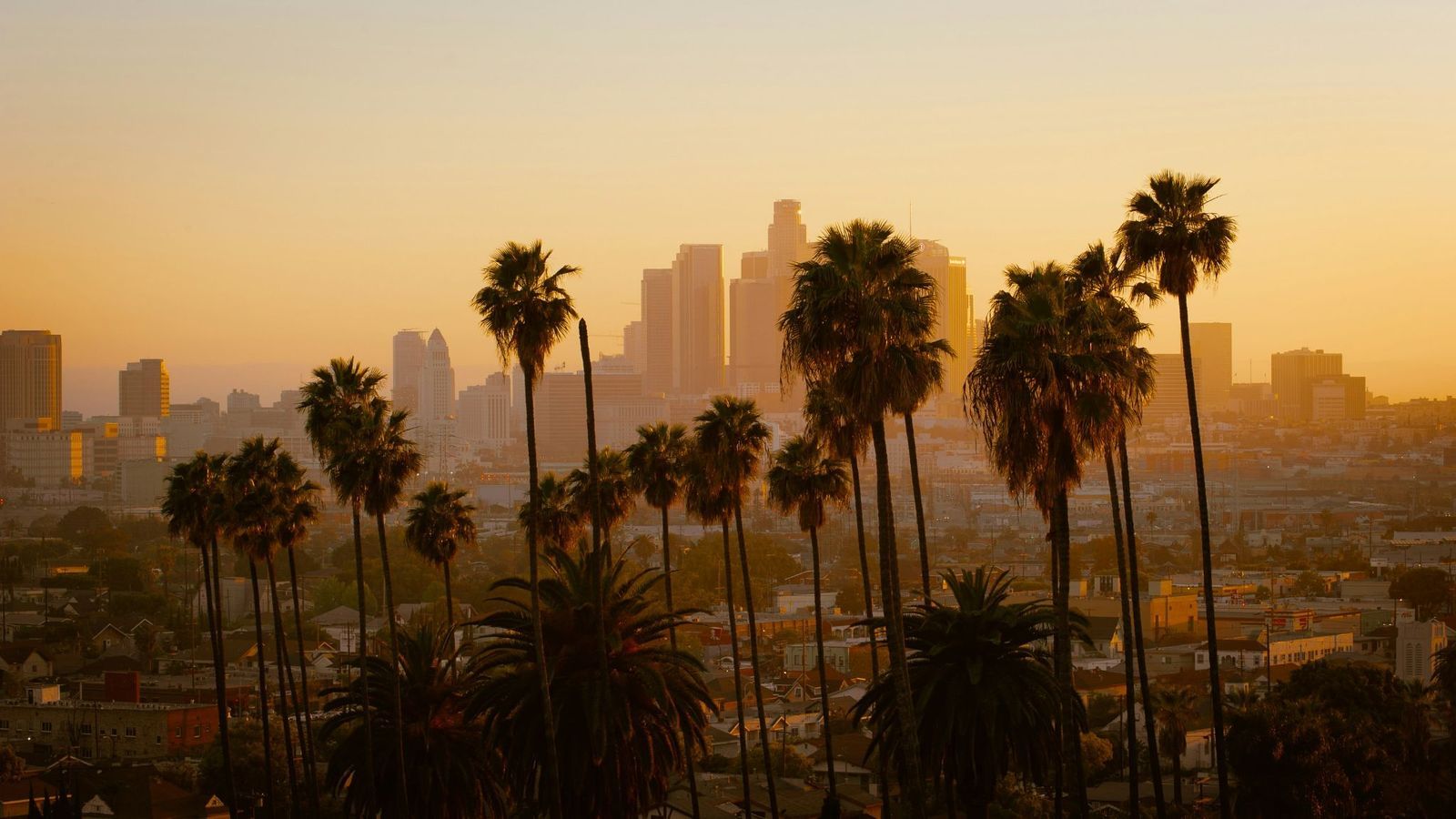
Image: Cedric Letsch

On the night of February 24th, 1942, a few months after the Pearl Harbor attack, sentinels identified what they thought was an aircraft near Culver City, which prompted them to fire over 1,440 anti-aircraft shells into the sky.

The enemy was never identified, and no bombs were dropped, although the chaos caused by the shooting resulted in five civilian casualties. The event was later reported as a false alarm, but to this day no one knows what caused the uproar , though some theories suggest it was a weather balloon, a tray bird, or a weather phenomenon.

2
The Great Molasses Flood (1919)
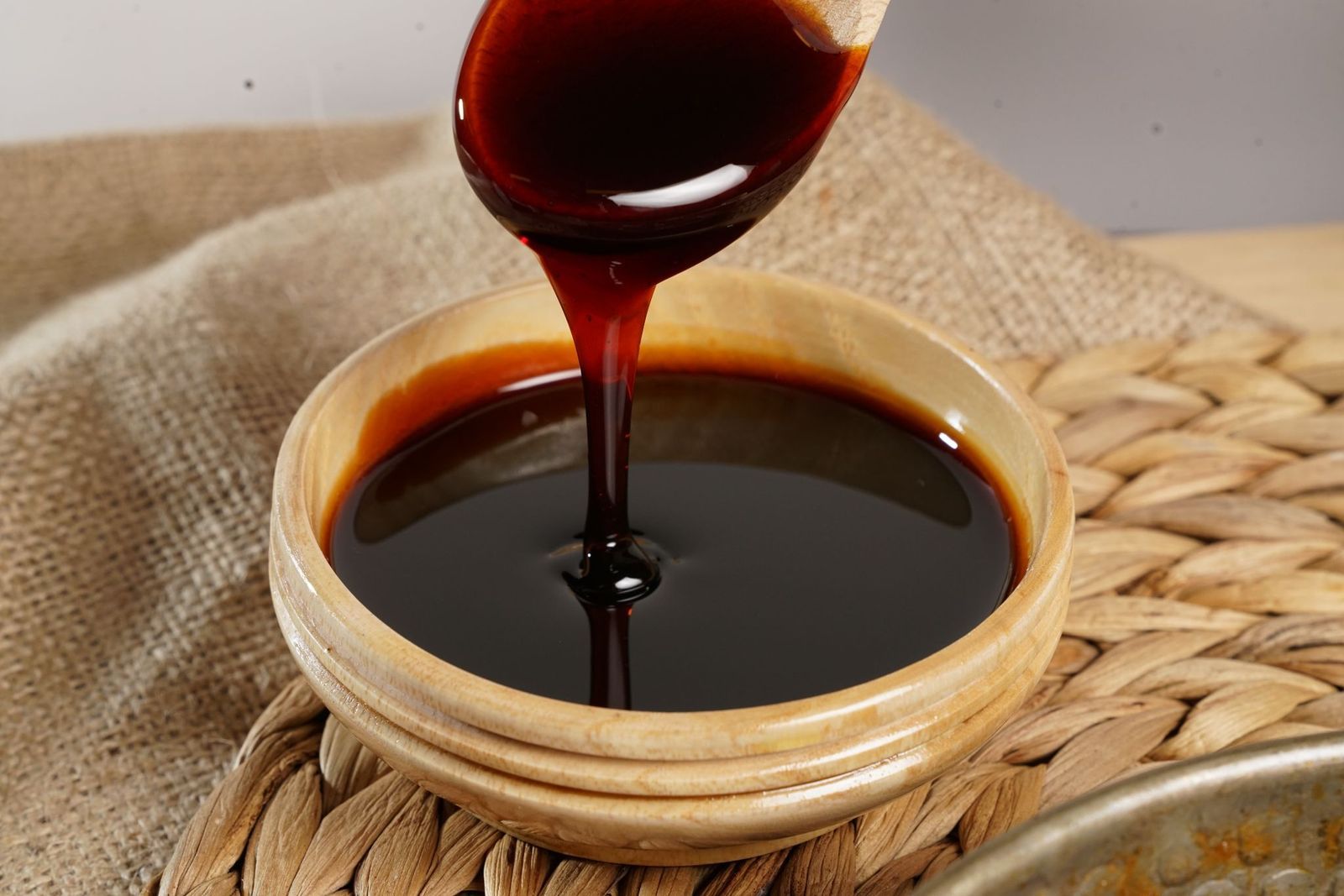
Image: Labebe

We’ve heard about disasters caused by heavy rains, overflowing rivers, and mudslides, but how often are they caused by syrup? For Bostonians, it was at least once, on January 15, 1919. A 50-foot-tall and 90-foot-wide steel tank owned by the United States Industrial Alcohol Company burst , releasing 2.3 million gallons of molasses into the streets.

A wave of molasses from 25 to 40 feet high swept through Boston's North End, toppling buildings and infrastructure , taking the lives of 21 people and several animals, and injuring at least 150 people. The cleaning efforts took weeks to remove the residue from the street, and a lawsuit against the company resulted in reforms in engineering, building codes, and safety certification.

3
The sliced bread ban (1943)

Image: Jude Infantini

Pre-sliced bread is one of the comforts of modern life we take for granted now, but there was a time when it was banned as part of the war effort. On January 18, 1943, the American government decided to ban the sale of sliced bread to reduce the use of steel (used for slicing machines) and wax paper (used for wrapping the bread).

The measure was not only unpopular but also ineffective, as it didn’t make a real difference in wax paper and steel savings . The seemingly easy task of slicing bread by hand caused an uproar across the country, and bread sales dropped, forcing the government to lift the ban only two months after.

4
The Ohio "Toledo War" (1835)
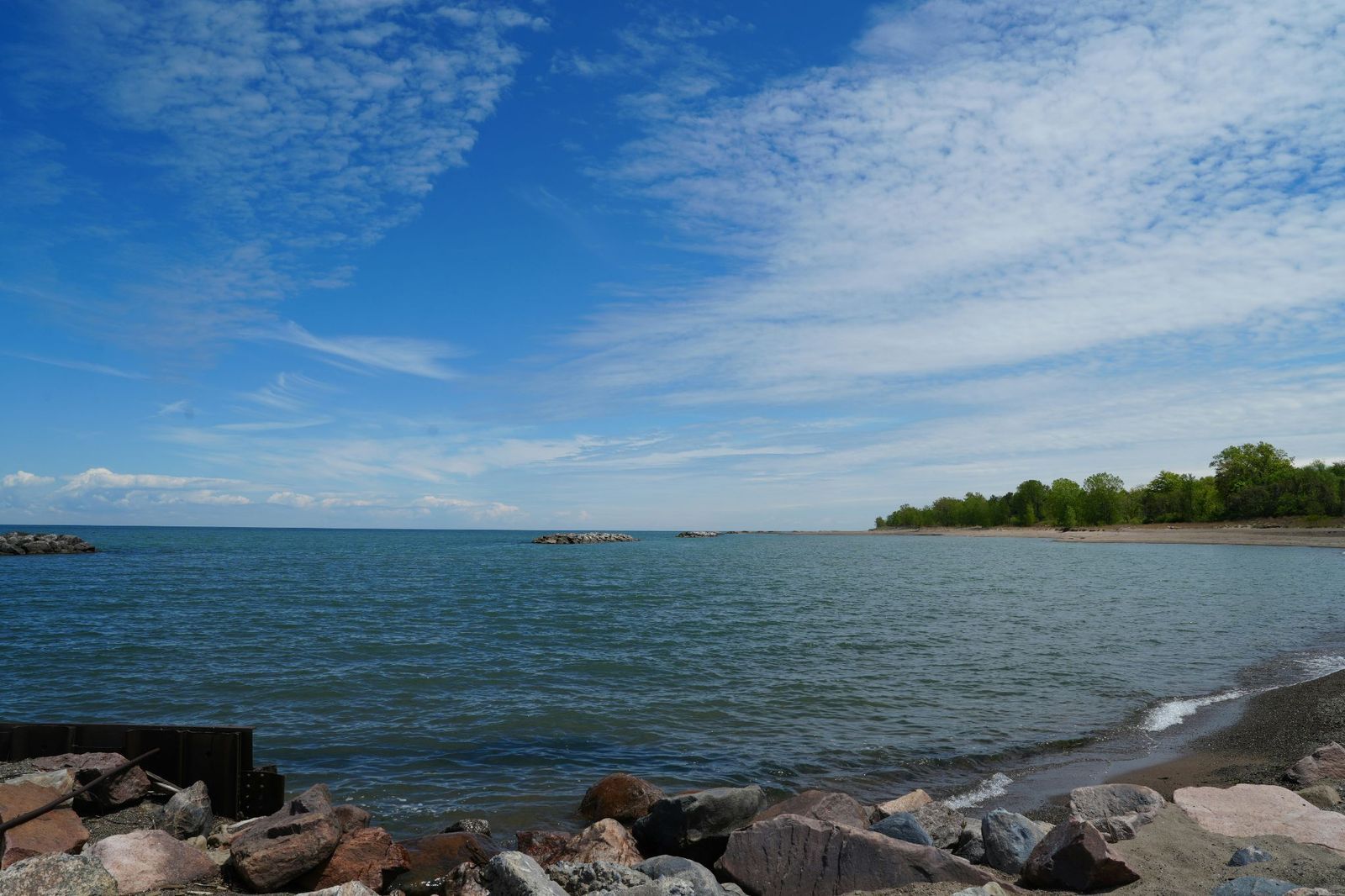
Image: zhendong wang

Border disputes among states are not uncommon in American history, usually settled in court and unlikely to result in a military standoff. But sometimes they do, as in 1835, when Ohio and Michigan (then still a territory) quarreled over the Toledo Strip, a 468-square-mile piece of land with critical access to Lake Erie . Official boundary demarcations were vague, so control over the area was asserted by constructing roads and collecting taxes in the case of Michigan, and by involving Congress and creating demarcation lines in the case of Ohio.

National intervention proved necessary when both governors mobilized their militias, and President Jackson mediated in the dispute. The Toledo Strip was given to Ohio, but in turn, Michigan was granted statehood , and the Upper Peninsula was added to its territory. While the conflict was luckily bloodless, it’s at the root of the historic rivalry between Michigan and Ohio.

5
The Salem tomato trials (1820)
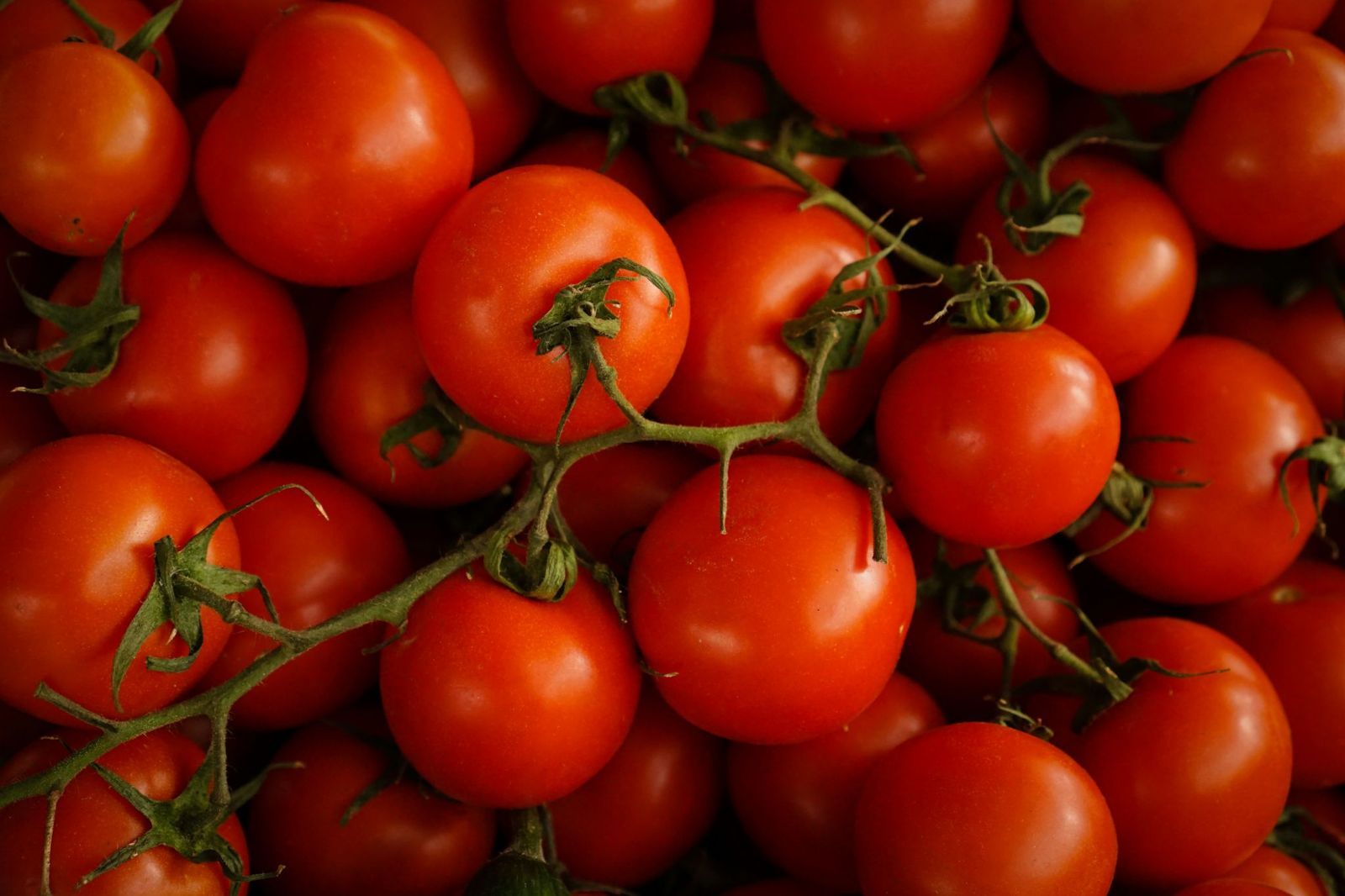
Image: Tom Hermans

Although Salem, Massachusetts, is famous for its witch trials, this particular case takes us to Salem, New Jersey. In 1820, tomatoes had already been popularized worldwide, but some people still had reservations because they were rumored to be poisonous . Robert Gibbon Johnson, a wealthy local farmer, decided to dispel the stigma and sponsored competitions for the largest tomato grown, which sparked an uproar and drew in the local courts.

According to the story, Johnson arrived at court with a basket full of tomatoes and proceeded to eat them all in front of the crowd. As he didn’t die or become violently ill, it was proven that tomatoes were safe for consumption.

6
The Battle of Athens (1946)
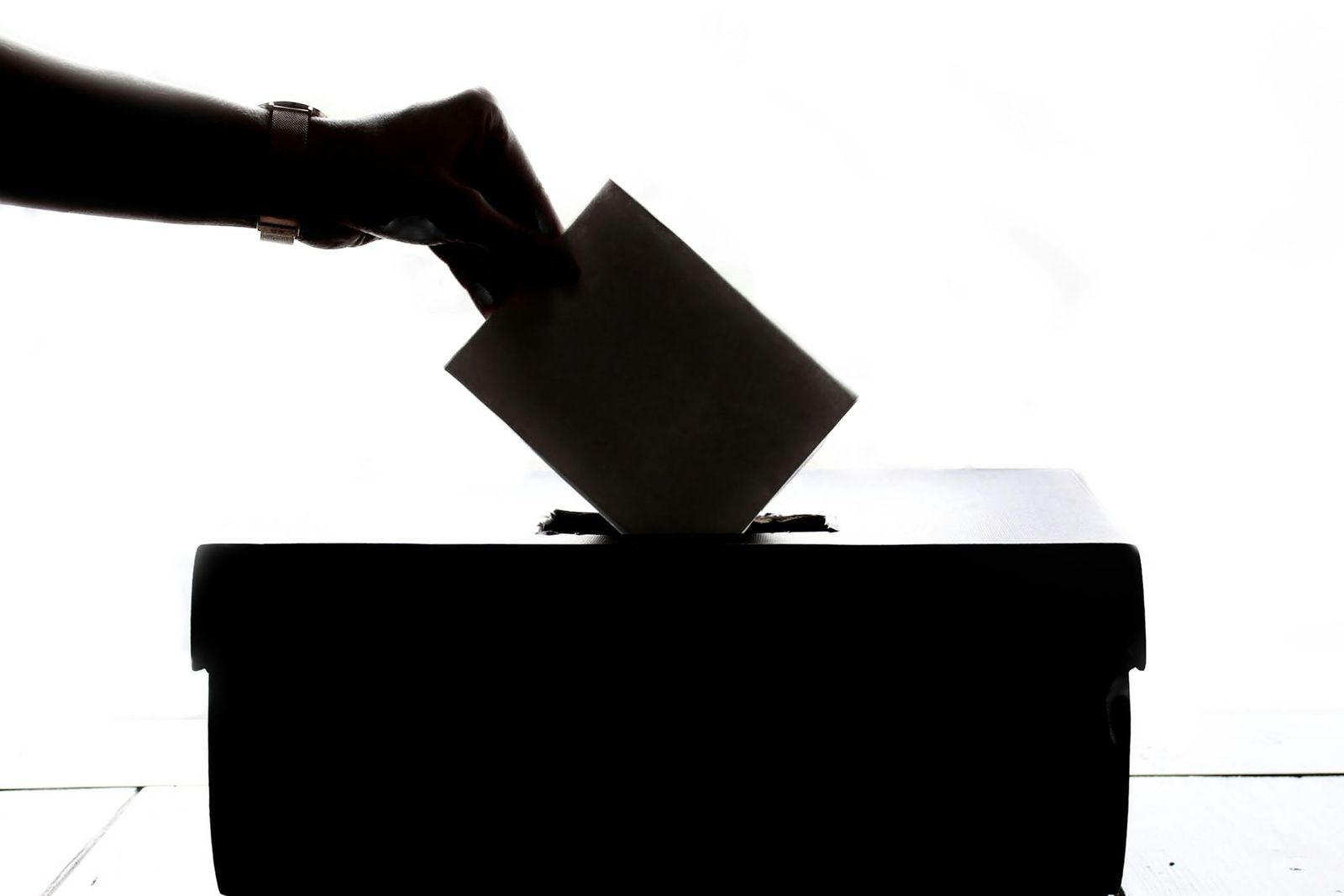
Image: Element5 Digital

The Greek city of Athens claims to be the birthplace of democracy, but Athens, Tennessee, has also done its part to ensure the safeguarding of democratic values. In the 1940s, McMinn County in Tennessee was part of a criminal network involving politicians and law enforcement, who randomly detained citizens under false charges to collect fines. The system was dependent on rigged elections, so when armed deputies locked themselves with the ballot boxes in the county jail during the August 1, 1946 elections, the people of Athens and Etowah took matters into their hands.

Around 200 veterans, recently returned from WWII, raided the National Guard Armory for guns and ammunition, and laid siege to the jail. After a gunfight that lasted through the night, they breached the entry using dynamite and secured the ballot boxes , which were then counted in public, resulting in a landslide victory for the opposition. All the firearms were then cleaned and quickly returned to the armory, and no criminal charges were raised against the veterans on account of their righteous intentions.

7
The pig war (1859)
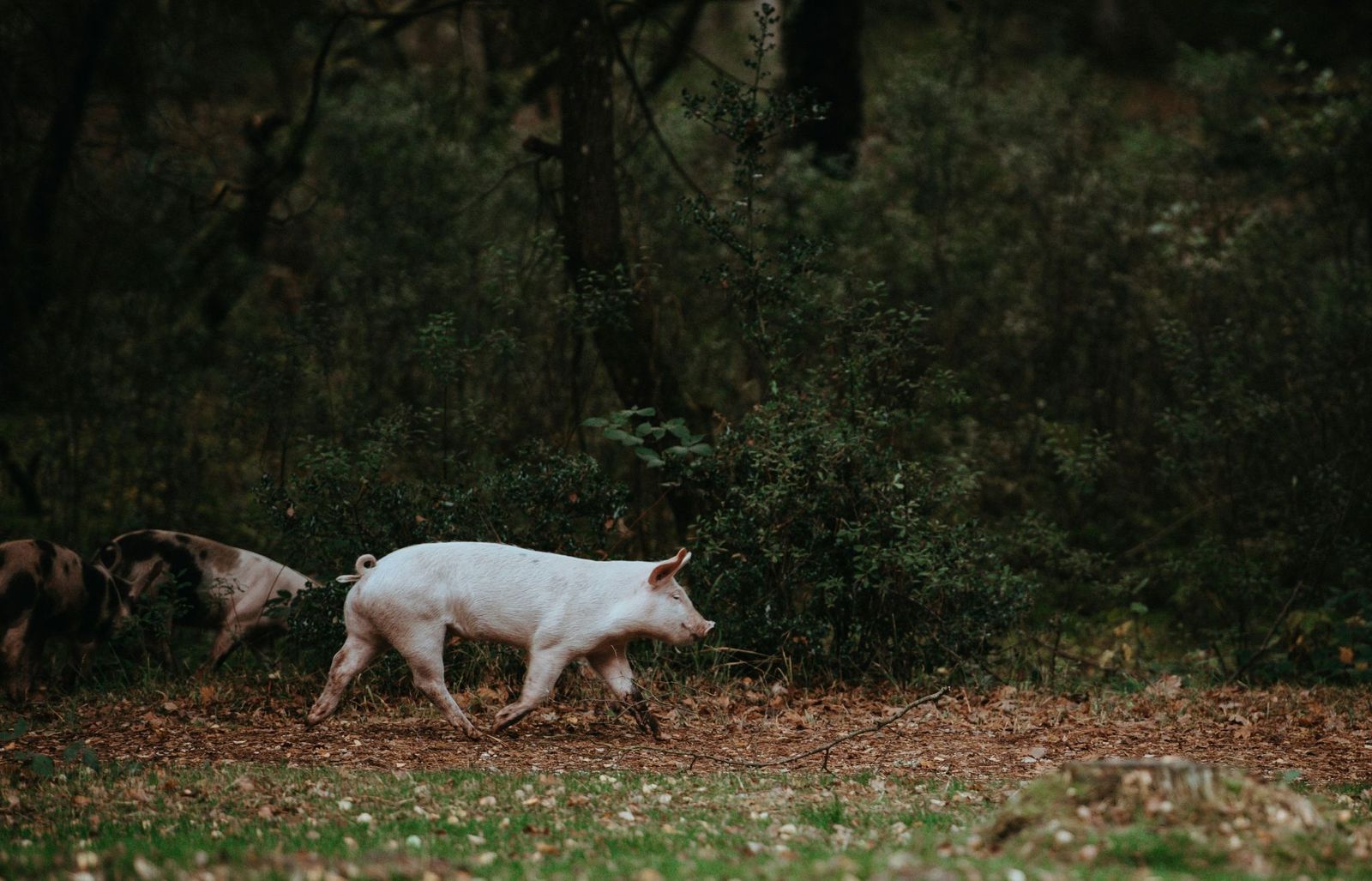
Image: Annie Spratt

The U.S. and the U.K. have gone to war more than once, but only one time was a pig the cause of the conflict. In 1859, the San Juan Islands (now part of Washington state) were a disputed territory between America and the U.K. as a result of vague wording in the 1846 Oregon Treaty. The diplomatic dispute quickly turned into real conflict when an American farmer in one of the islands shot a pig that regularly dug into his garden.

As it turned out, the pig belonged to an employee of the British Hudson's Bay Company. Although the farmer offered to pay for the animal , its owner demanded higher compensation, and British authorities threatened to arrest the farmer . This caused the American settlers to petition for military protection, and both countries mobilized troops into the area. The conflict was resolved through international mediation 12 years later in favor of the United States, with the pig as the only casualty.

8
The child mailing system (1913)
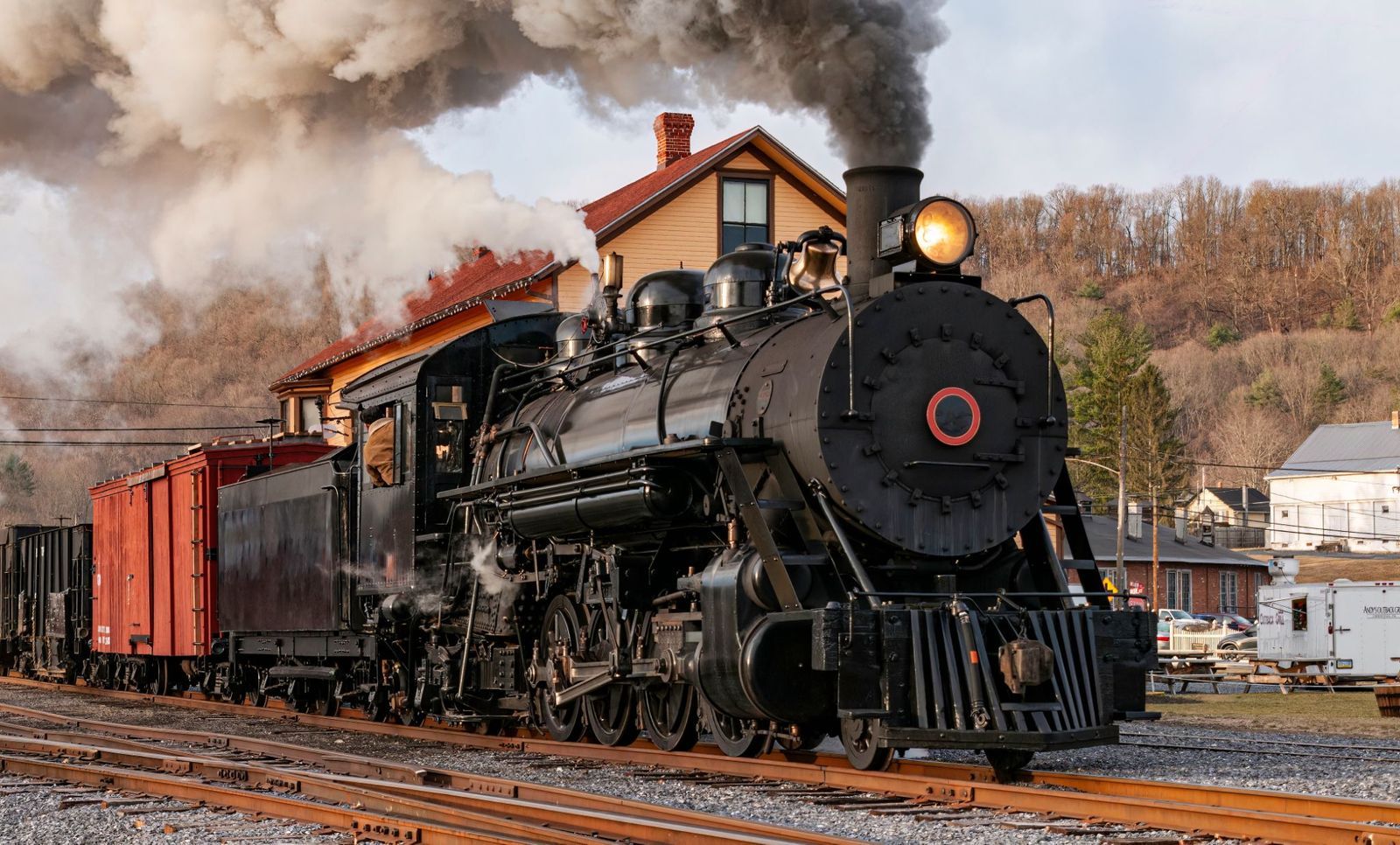
Image: Greg Kelton

The railroad and the establishment of a national postal system did wonders for communication in America, but sometimes it led to controversial and potentially dangerous situations, such as the child mailing system. In 1913, the U.S. Post Office Department launched a parcel post service for packages up to 11 pounds. The content of the parcels was not clearly delimited, and people started using it to send for small children , as it was cheaper than paying for a train ticket.

Children as small as 8-month-olds were mailed (although unwrapped) with postage stamps attached to their clothes and under the care of railroad workers. The system was short-lived, as the Postmaster General banned the mailing of children as soon as he learned about it, claiming they didn’t count as "harmless live animals".

9
Project Acoustic Kitty (1960s)

Image: Manja Vitolic

At the height of the Cold War, espionage had turned into an art form, with agencies on both sides of the conflict resorting to all kinds of methods to gather sensitive information, including the development of technological gadgets and the recruitment of non-human agents . "Project Acoustic Kitty" was one of the CIA’s attempts, aiming to infiltrate the Kremlin and the Soviet embassies with the help of surgically modified cats.

The cats underwent surgery to implant a microphone into their ear canal and a transmitter into their body, allowing them to record and transmit sound from their surroundings. The cats would then be released near the target location, hoping to pick up conversations between Soviet diplomats and office workers. According to some sources, the first mission ended abruptly when the cat in question was struck by a taxi, but CIA former officials claim that the project never prospered due to the difficulty in training the cats.

10
The Year Without a Summer (1816)

Image: Alexander Sinn

In 1816, North America (as well as part of Europe) experienced freezing cold temperatures during Spring and Summer, all thanks to an Indonesian volcano. In April 1815, the Indonesian Mount Tambora experienced a massive volcanic explosion, releasing millions of tons of ash, dust, and sulfur dioxide across the world , which created a shield in the stratosphere, blocking sunlight.

In America, the event manifested as a fog that was not dispersed by rain or wind, and the lack of sunlight resulted in frost and snow during late Spring and early Summer, especially across New England. While the low temperatures themselves were not as taxing on the population, they were detrimental to the crops and livestock, creating food shortages and causing thousands of families to relocate to different regions of the country to escape famine and poverty.

History History 4 min read

American athletic history

Who did America defeat in "The Miracle on Ice"?

Image: Fredrick Lee

Sports have a remarkable way of keeping us on the edge of our seats during an exciting game, filling our hearts with joy when we see our country claim victory. With that in mind, the sports moments we’ve selected are among the most iconic American wins in history. However, we’re putting a twist on this: While we undoubtedly celebrate the incredible Americans behind these achievements, we’ve decided to highlight those who were defeated by the United States in these legendary contests.

Can you remember the teams and athletes who fell to America in these unforgettable moments? Let’s find out! You’ll find the answers at the end of this quiz, so keep reading!

1
The Miracle on Ice

Image: Jerry Yu

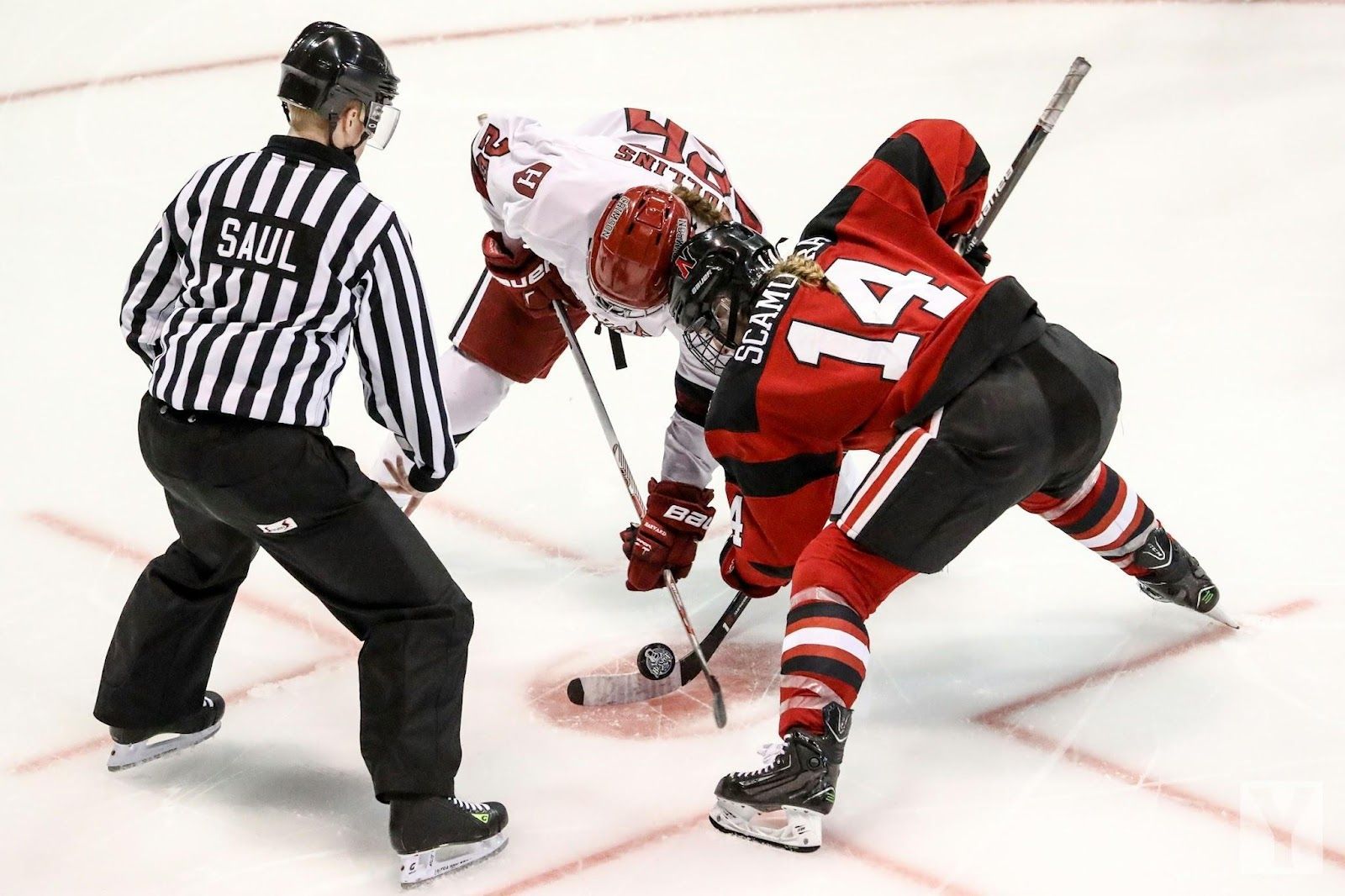
We begin with an unforgettable underdog story. At the 1980 Winter Olympics in Lake Placid , New York , the United States faced what many considered a leviathan in ice hockey history. Adding to the challenge, the American team was composed mostly of 21-year-olds, making it the youngest U.S. squad in Olympic history . Yet, against all odds, these determined players triumphed over a heavily favored opponent in what became known as the " Miracle on Ice ."

Do you remember which formidable rival they defeated?

2
Rumble in the Jungle

Image: Attentie Attentie

Many sports historians consider " The Rumble in the Jungle " to be the greatest boxing match in history. Held in 1974 in what is now the Democratic Republic of the Congo, this legendary bout cemented Muhammad Ali’s place in boxing history. Even more impressively, Ali’s victory came against an undisputed and undefeated heavyweight champion, whom he knocked out in the eighth round.

Though he is not as widely remembered as "The Greatest," this American boxer is still regarded as one of the best fighters of his generation. Can you guess his name?

3
Michael Jordan’s Last Shot

Image: Mike Von

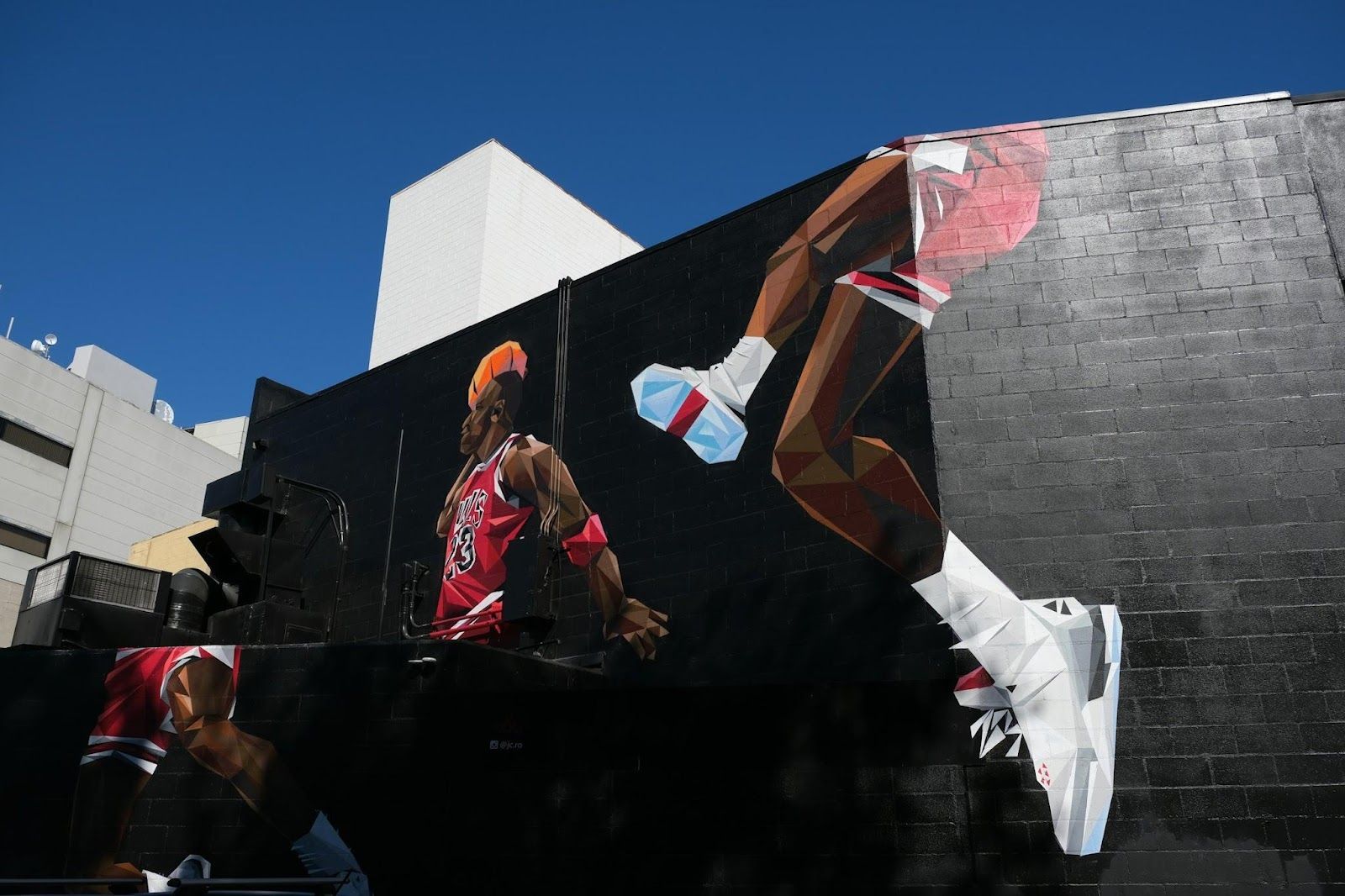
It’s no exaggeration to say that Michael Jordan completely revolutionized basketball worldwide. Over his 15-season career , he delivered countless jaw-dropping moments. As you’d expect, choosing just one was no easy task, but we ultimately selected what is now known as Michael’s "Last Shot."

In the final seconds of the 1998 NBA Finals against the Utah Jazz , Jordan sank a game-winning shot that secured the Bulls’ victory. While you already know which team he scored against, there’s a certain player who is always featured in retellings of this iconic moment. Do you know who we’re talking about?

4
Serena Williams’ Golden Medal in London

Image: Josephine Gasser

What can be said about Serena Williams that hasn’t already been said? Arguably the greatest American tennis player in history, Williams’s career is a collection of remarkable achievements. However, we’ve chosen to highlight one of her later triumphs—her dominant performance at the 2012 London Olympics , where she became only the second woman to complete a career Golden Slam in singles.

Even more impressive was the way she secured her victory, defeating her opponent 6-0, 6-1 to claim the gold medal. Do you know who she faced in that historic match?

5
Michael Phelps's record-breaking achievements in Beijing 2008

Image: Gentrit Sylejmani

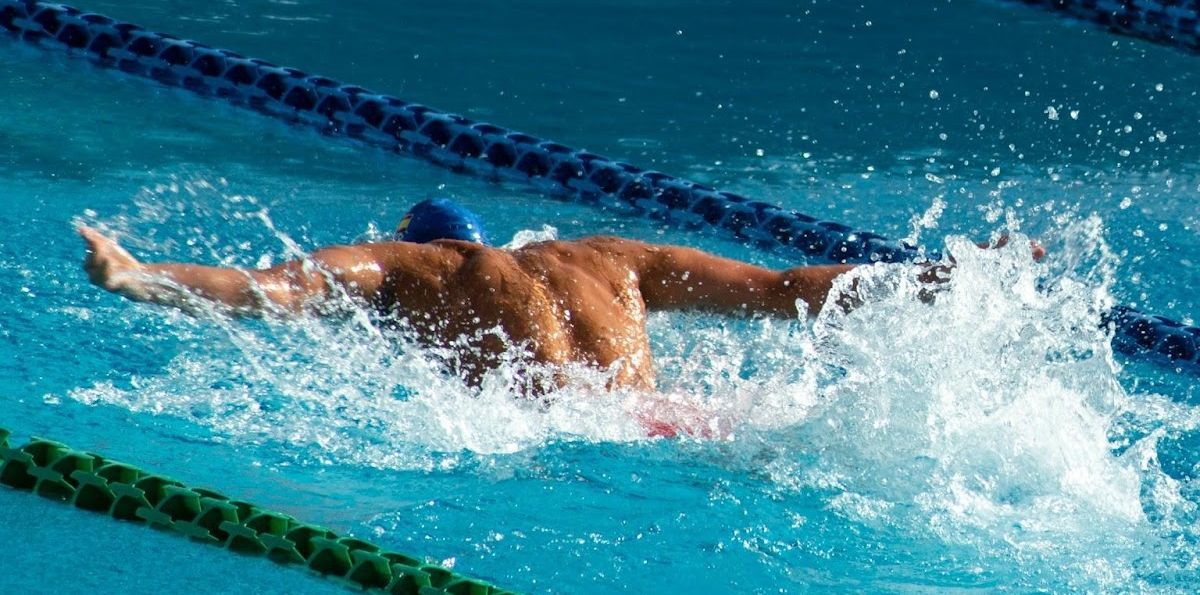
During the 2008 Beijing Olympics, the world was introduced to Michael Phelps , an affable kid from Baltimore who achieved the impossible: breaking seven world records and earning eight gold medals —the first step in his journey to becoming the most decorated Olympian of all time.

Phelps’s incredible feats often overshadow his competitors, so we thought we’d take a moment to recognize the swimmers who came close but couldn’t overcome " The Baltimore Bullet ." Do you remember them?

Answers:

6
Miracle on Ice - Soviet Union

Image: Markus Spiske

If you guessed that the Soviet Union was the Goliath defeated by the American team at the Winter Olympics, you were right! At the time of the match, the Soviet team was a four-time defending gold medalist and the heavy favorite to win. Although the United States pulled off a legendary upset, the victory didn’t come easily . The game was a thrilling showdown , with the American team scoring the decisive goal exactly 10 minutes before the final buzzer.

7
Rumble in the Jungle - George Foreman

Image: Johann Walter Bantz

Known as " Big George ," Texas-born boxer George Foreman was defeated by Muhammad Ali in the legendary "Rumble in the Jungle." As mentioned earlier, Ali’s victory was even more remarkable given Foreman’s dominance in the sport—he was a two-time world heavyweight champion , an Olympic gold medalist , and the favorite to win the match. Today, Foreman is remembered not only for his boxing achievements but also for his entrepreneurial success: Since 1994, his iconic George Foreman Grill has sold over 100 million units.

8
Last shot - Bryon Russell

Image: Markus Spiske

The play that would become known as " The Last Shot " began when Michael Jordan stole the ball from Karl Malone and raced down the court. Before taking the shot, he swiftly dodged Utah Jazz defender Bryon Russell , causing him to trip and fall. By the time Russell got back on his feet, the ball was already soaring through the air, swishing through the net and sealing victory for the Bulls.

9
Serena Williams’ Golden Medal - Maria Sharapova

Image: Valentin Balan

Throughout their careers, Serena Williams and Maria Sharapova maintained a high-profile rivalry as two of the biggest names in women’s tennis. Fortunately for tennis lovers everywhere, the 2012 Olympics brought these titans head-to-head, and while Serena dominated the match , it was far from the end of Sharapova’s career—she continued to showcase her talent until retiring in 2020.

10
Michael Phelps - László Cseh and Milorad Čavić

Image: Serena Repice Lentini

As mentioned earlier, Michael Phelps' historic victories at the 2008 Beijing Olympics were unprecedented, and narrowing it down to just one of his competitors wouldn't do justice to the event. Instead, we’d like to highlight a few remarkable runner-ups. Hungarian swimmer László Cseh secured multiple silver medals, often finishing just fractions of a second behind Phelps . Meanwhile, Serbian swimmer Milorad Čavić lost the 100m butterfly by an astonishing one-hundredth of a second —though he still managed to break the European record in the process.

History History 6 min read

10 American milestones that didn't happen where you think

Image: DS stories

When we think of the great milestones of American history, we often think of the obvious: the signing of the Declaration of Independence in Philadelphia, the Wright brothers’ flight in North Carolina, or the Gold Rush in California. However, the fabric of modern American life was woven all over the map. Many of the conveniences we take for granted today didn’t originate in massive tech hubs or political capitals. Instead, they were born in quiet college towns, military outposts, and colonial settlements. Here are ten unexpected "firsts" from across the United States.

1
Alabama: The first 911 call

Image: Anna

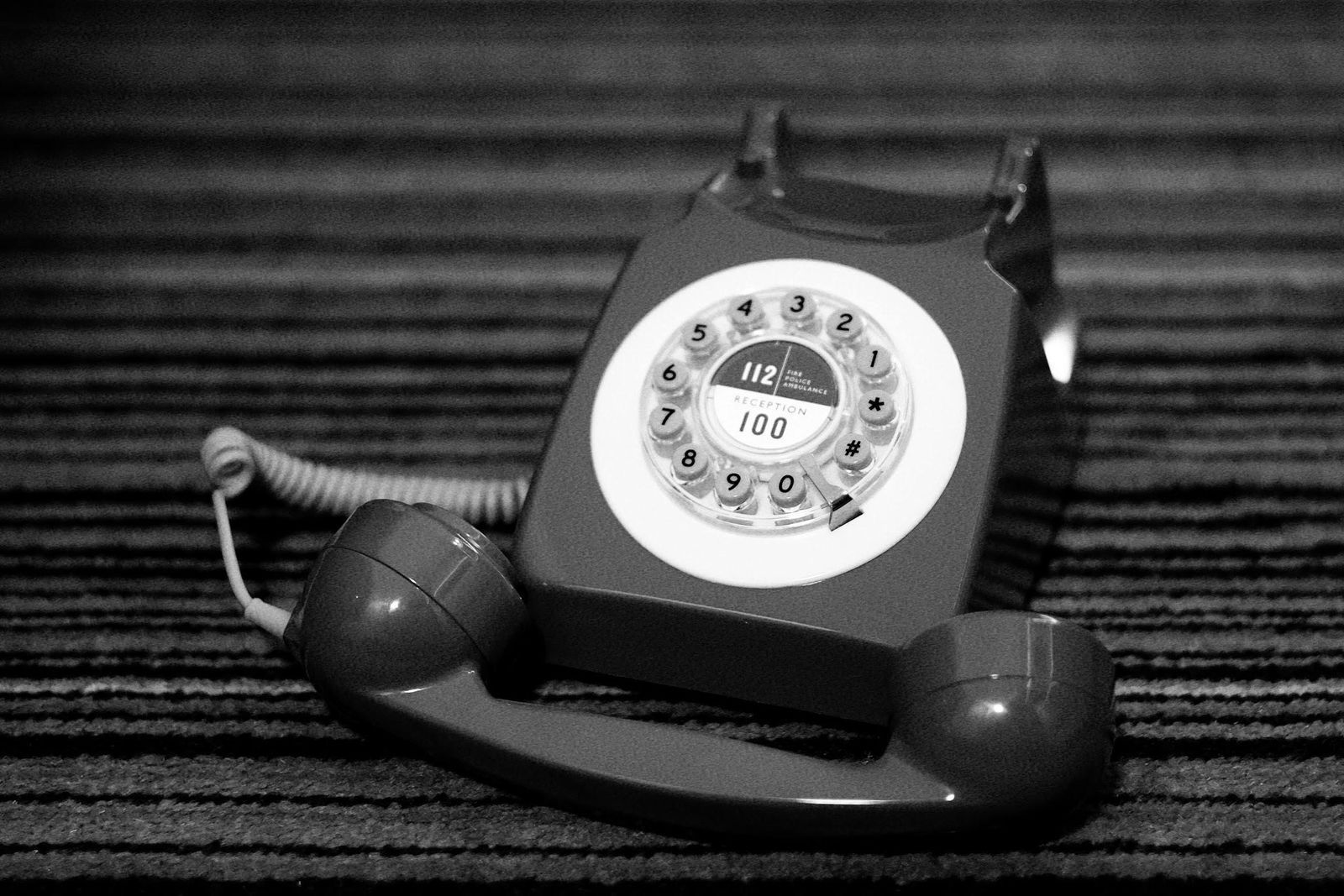
Today, the number 911 is synonymous with emergency assistance. Yet, before 1968, there was no universal number to call for help. In fact, citizens had to remember specific ten-digit numbers for their local police, fire department, or ambulance service.

Contrary to what you may think, the first 911 call didn’t take place in a metropolis like New York or Los Angeles. The Alabama Telephone Company developed the system to prove that a universal emergency number was a good idea. So, on February 16, 1968, Alabama Speaker of the House, Rankin Fite, made the inaugural call from the mayor’s office in the small town of Haleyville.

2
Florida: The first sunscreen

Image: www.kaboompics.com

Florida is famously known as the Sunshine State, so it’s no wonder that it’s the birthplace of the world’s first effective sunscreen. That said, the invention wasn’t driven by beachgoers looking for a tan, but by the war.

In 1944, during World War II, a Florida pharmacist named Benjamin Green was concerned about the severe sunburns suffered by soldiers stationed in the Pacific. So, he developed a substance known as "red vet pet", a thick, red, petroleum product. While it was sticky and messy, it worked by physically blocking UV rays. After the war, Green refined the formula, added coconut oil and cocoa butter, and eventually founded the world-famous Coppertone brand.

3
Iowa: The first electronic digital computer

Image: See page for author, Public domain, via Wikimedia Commons

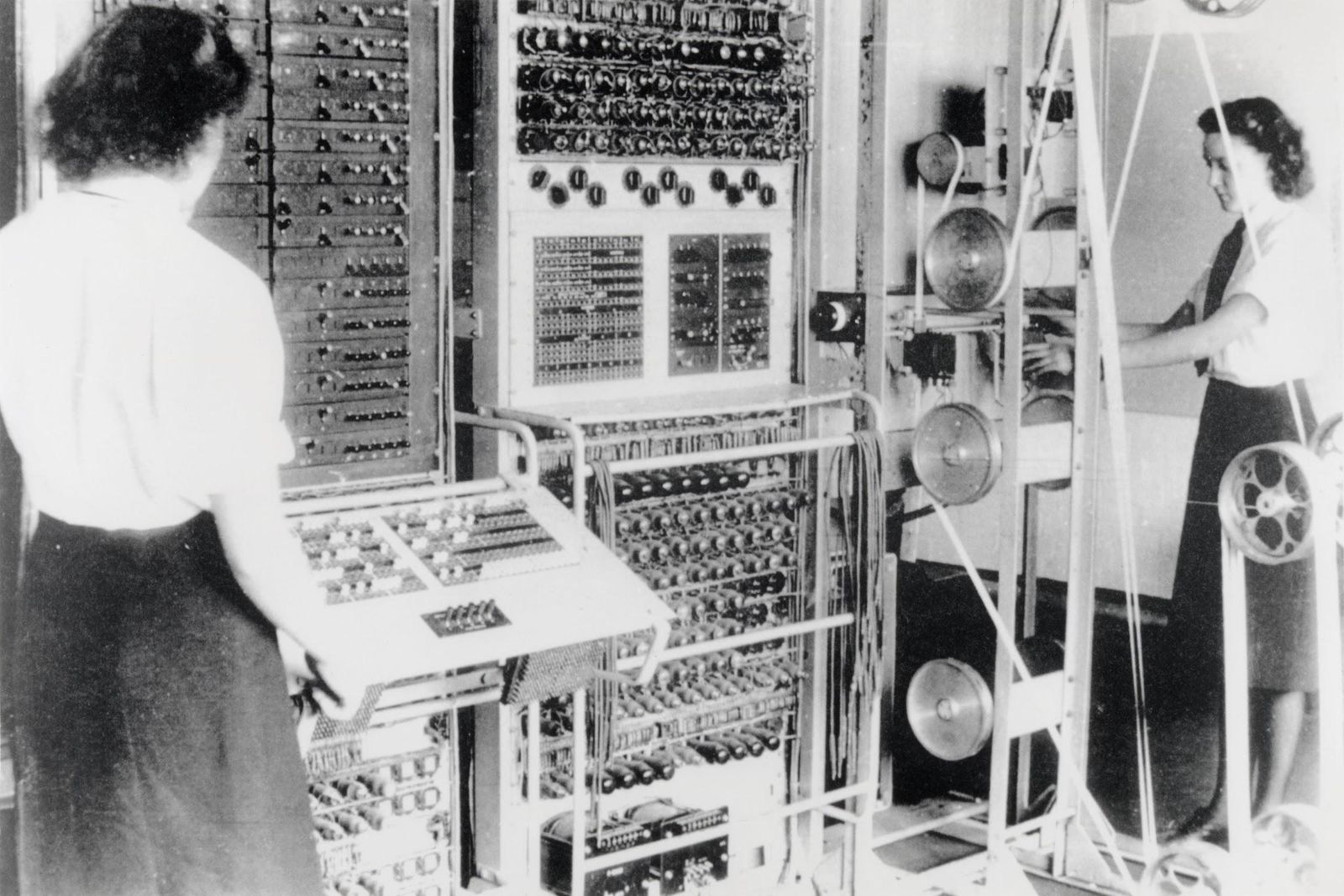
If you think of the birth of computers, the first thing that comes to mind is probably Silicon Valley or the ENIAC machine in Pennsylvania. However, the world’s first electronic digital computer was built in the basement of the physics building at Iowa State University.

Between 1937 and 1942, Professor John Vincent Atanasoff and graduate student Clifford Berry developed the Atanasoff-Berry Computer (ABC). Unlike previous mechanical calculators, the ABC used vacuum tubes and binary math, and it was the first to separate the memory from the processor.

4
New York: The first commercial brewery

Image: Vladimir Kudinov madbyte, CC0, via Wikimedia Commons

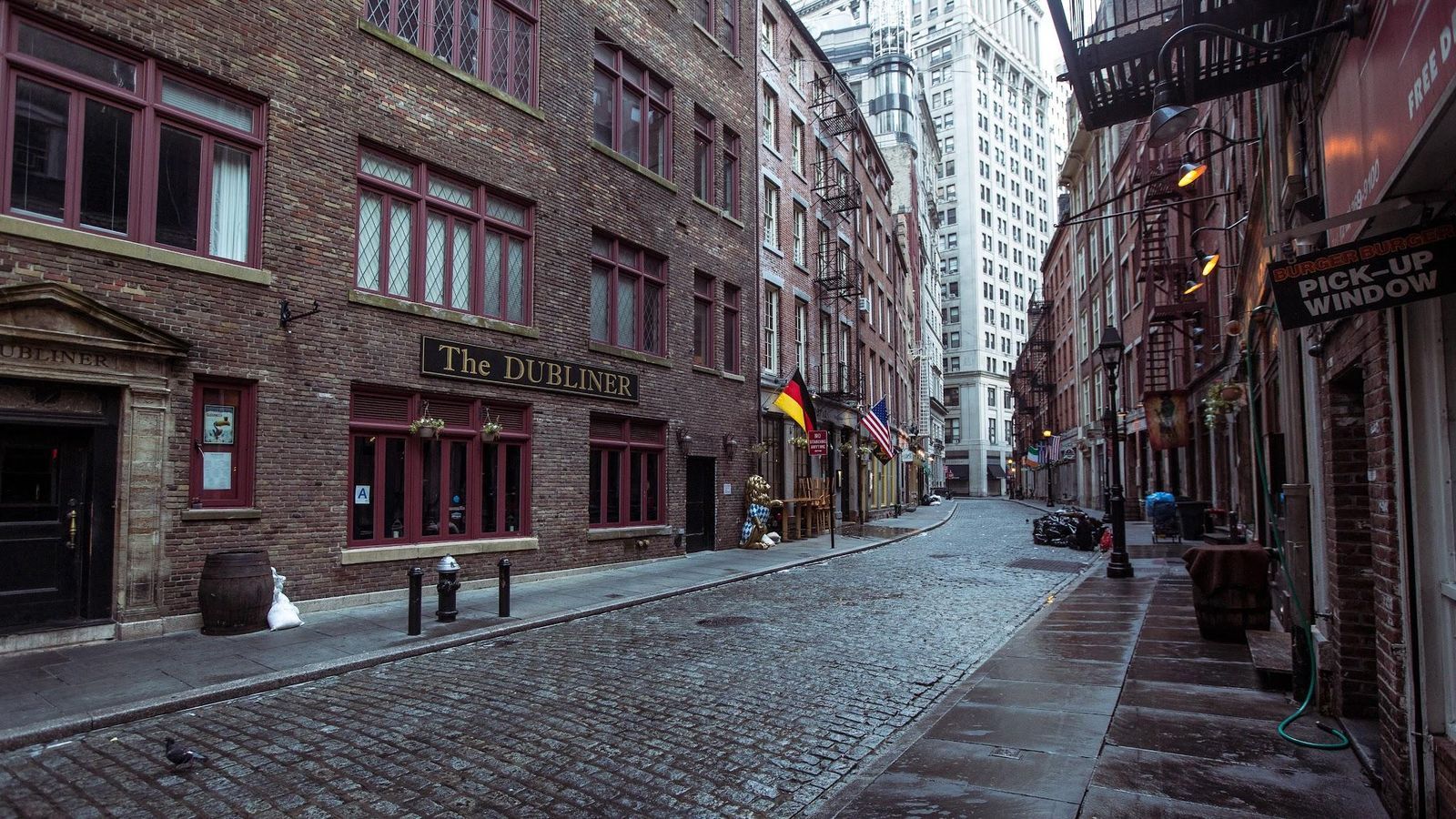
New York City may be the mecca of finance, but in the 1600s, its primary concern was refreshment. Long before the craft beer craze, the first commercial brewery in the New World was established in New Amsterdam (now Manhattan) in 1632.

The brewery was built by the Dutch West India Company on what is now named Stone Street, near Wall Street. At a time when water was often unsafe to drink, beer was a dietary staple for both adults and children. This early industry laid the foundation for New York’s long relationship with brewing, which would eventually make the state a global powerhouse for beer production in the 19th century.

5
South Carolina: The first opera performance

Image: Leo Heisenberg

While the high arts are typically associated with the Northeast, the first opera performed in the American colonies took place in Charleston, South Carolina.

In the colonial era, Charleston was a wealthy, culturally vibrant port city, and its citizens loved European entertainment. So, on February 18, 1735, the British ballad opera Flora premiered at a makeshift theater built in a courtroom. Needless to say, this performance predated the formal theaters of Philadelphia and New York.

6
Maryland: The first dental school

Image: Scranton Postoffice, Public domain, via Wikimedia Commons

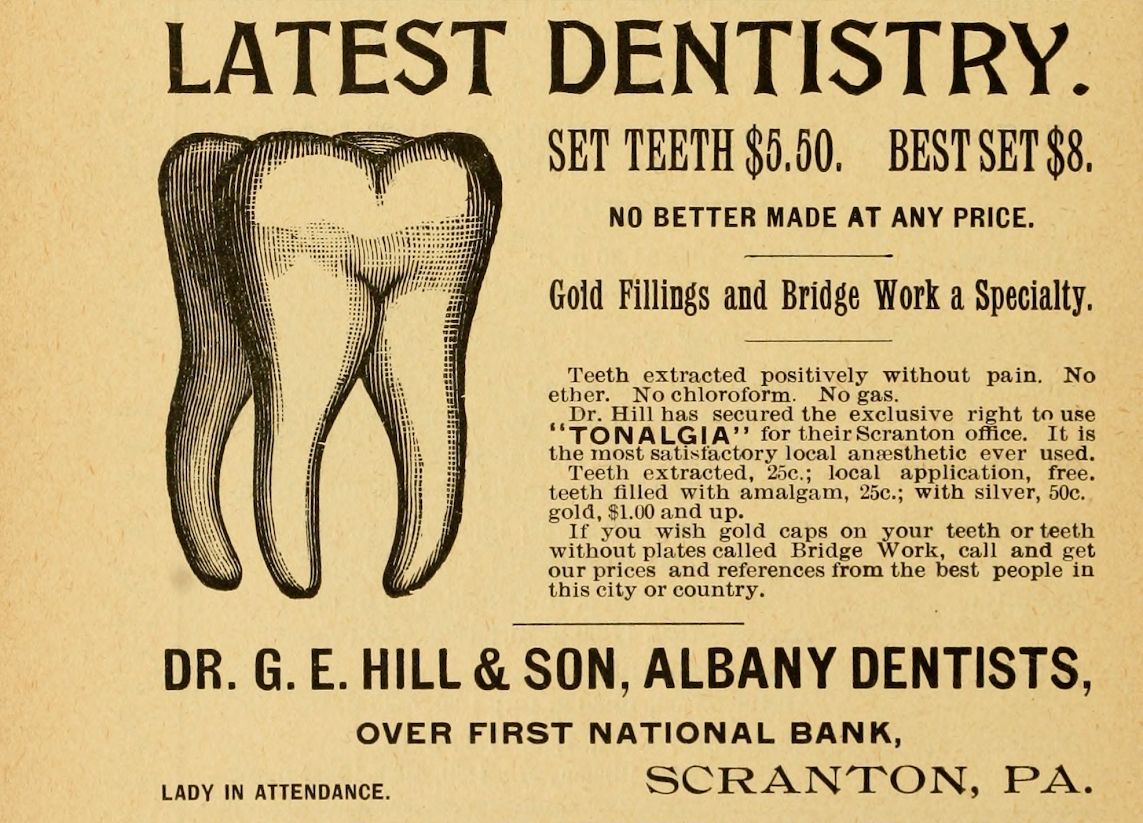
For centuries, dentistry was a trade practiced by blacksmiths and barbers who had no formal medical training. This changed in 1840 in Baltimore, Maryland, with the founding of the Baltimore College of Dental Surgery.

Established by dentist Horace Henry Hayden and doctor Chapin A. Harris, it was the first school in the world to offer a formal degree in dental surgery. The founders had initially approached the University of Maryland’s medical school to include dental instruction, but they were dismissed by physicians who claimed dentistry wasn’t that important. They didn’t give up and eventually started their own college, which still exists today as the University of Maryland School of Dentistry.

7
Maine: The first city

Image: Kerani

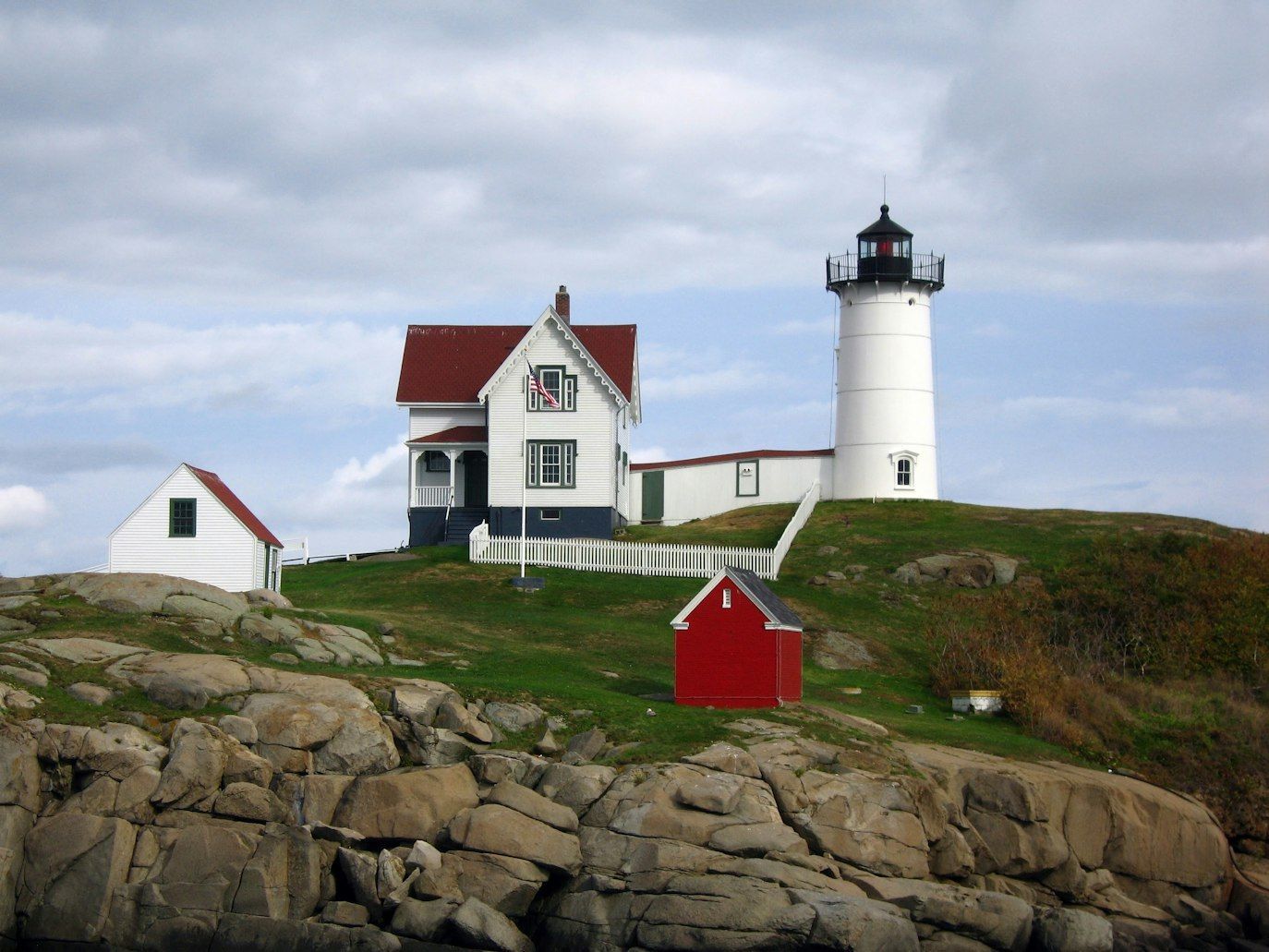
There are many really old cities in America. However, the first place to be officially chartered as a city in the English colonies was located in what is now York, Maine. In 1642, English military commander and proprietor of the Province of Maine, Sir Ferdinando Gorges, granted a charter to a settlement then known as Gorgeana. He even envisioned it as a grand capital for his new territory. While the city’s status was eventually revoked when the Massachusetts Bay Colony took control of the area, the charter remains the first of its kind in American history.

8
Michigan: The first paved road

Image: Curt Teich & Co., Chicago., Public domain, via Wikimedia Commons

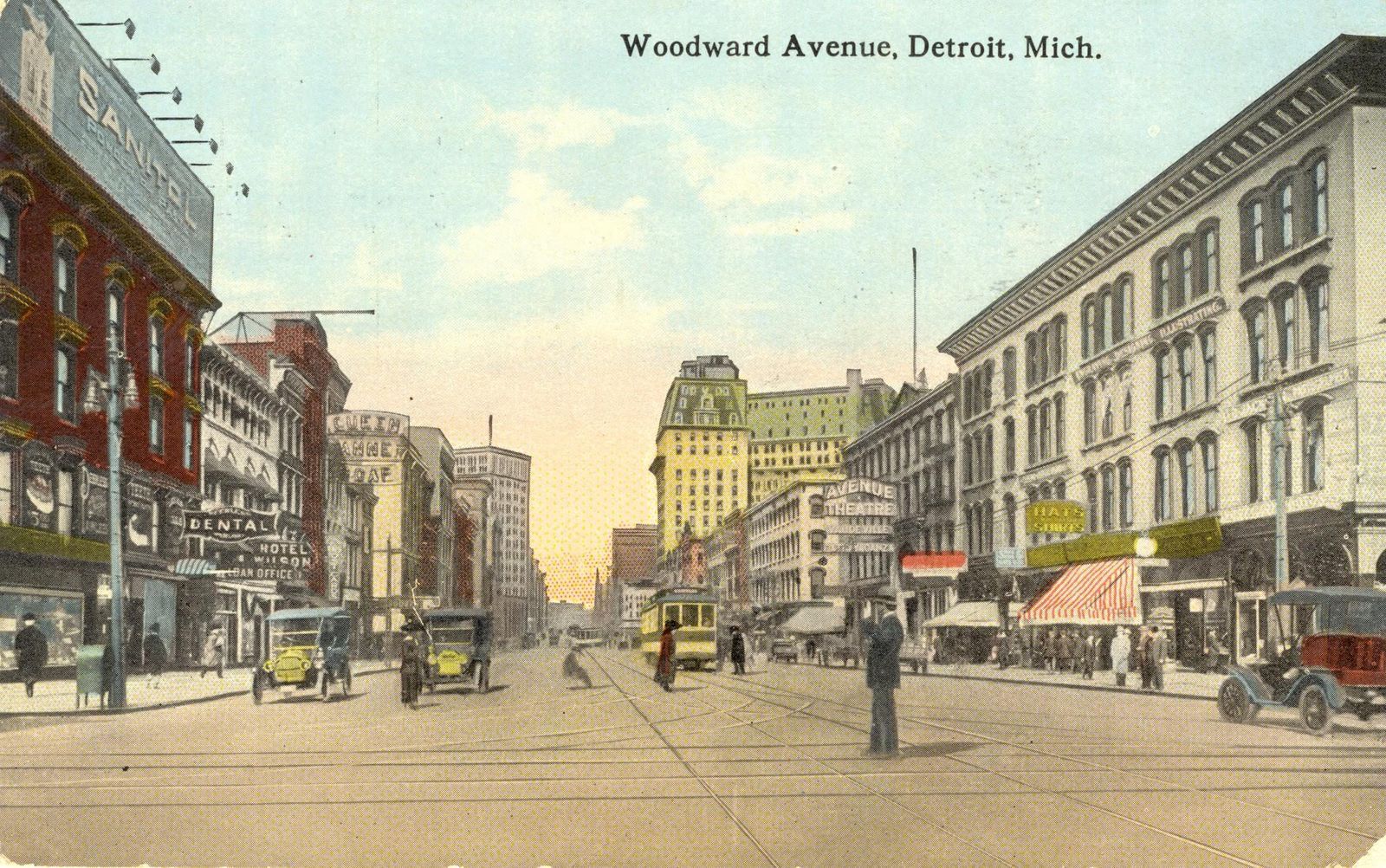
As the home of the American automotive industry, it is only fitting that Michigan would be the birthplace of the modern road. Before the beginning of the 20th century, most American roads were made of dirt, gravel, or bricks, which were ill-suited for the weight and speed of the newly invented automobile.

In 1909, the Wayne County Road Commission paved a one-mile stretch of Woodward Avenue in Detroit with concrete. It was the first time cement had been used to create a long-distance road surface. The experiment was so successful—costing less to maintain and providing a smoother ride—that it became the global standard for road construction.

9
Minnesota: The first shopping mall

Image: Hennepin County Library, Public domain, via Wikimedia Commons

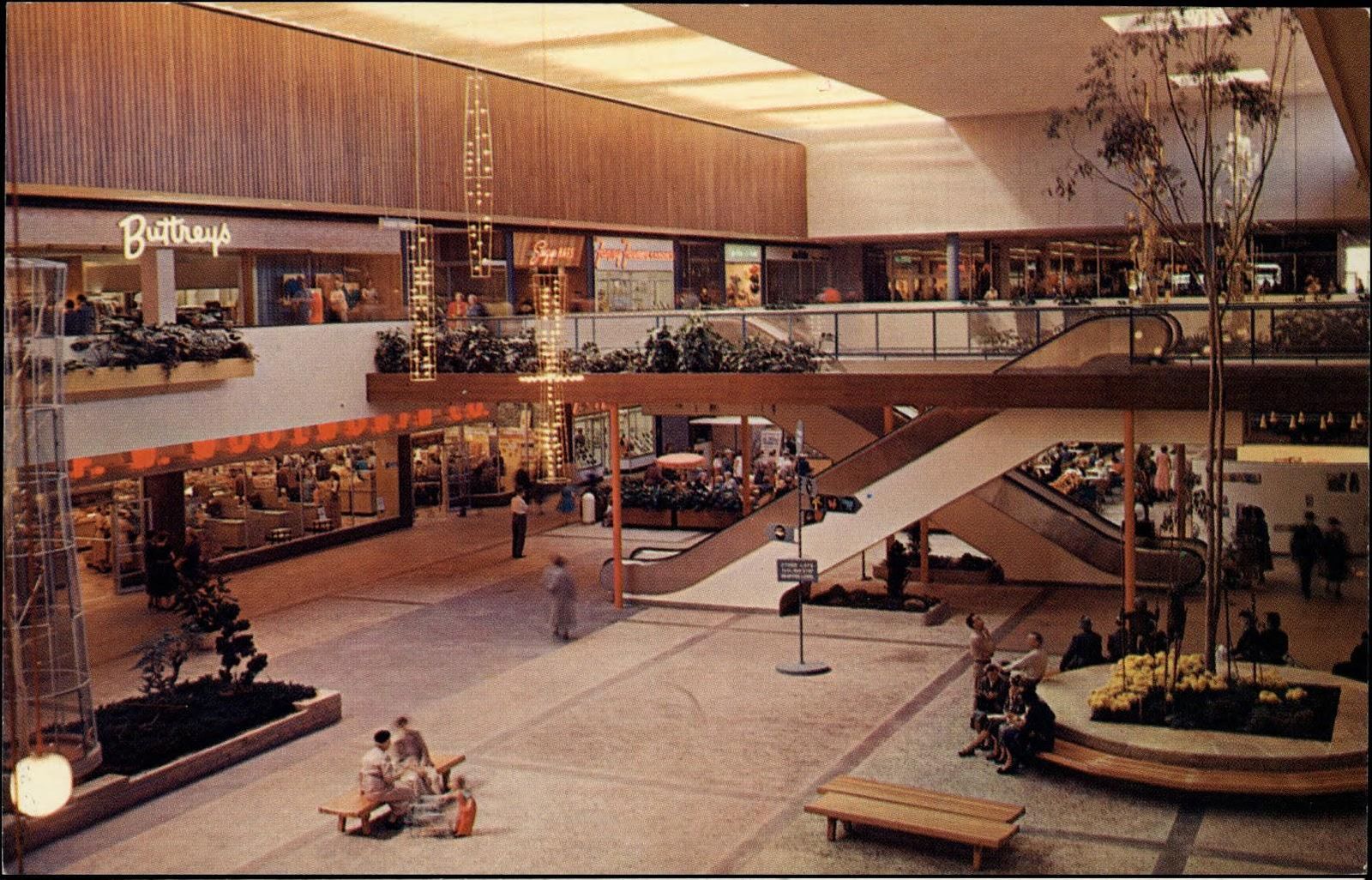
The American shopping mall is a cultural icon, but did you know it was born of a desire to escape the brutal winters of the Midwest? In 1956, the Southdale Center opened in the Minneapolis suburb of Edina, Minnesota, becoming the first fully enclosed, climate-controlled shopping mall in the U.S.

The mall was intended to be a town square that would foster community interaction regardless of the weather outside. It featured two levels of shops and a central atrium. The design was so revolutionary that it served as the blueprint for thousands of malls across the globe. Fun fact: Minnesota is also home to the largest shopping mall in the world, the Mall of America, which opened in 1992 in Bloomington.

10
Arizona: The first McDonald’s drive-thru

Image: Macarena Ollarzú

The drive-thru is a staple of fast food culture. Yet, contrary to what you may think, the first one wasn’t created for convenience but for military compliance. In 1975, a McDonald’s in Sierra Vista, Arizona, installed a service window to feed soldiers from the nearby Fort Huachuca.

At the time, soldiers were forbidden from wearing their military uniforms in public establishments. However, they were allowed to remain in their vehicles while in uniform. To capture the business of the hungry soldiers who couldn’t legally walk inside the restaurant, the owner installed a sliding window in the wall. The concept was an immediate success, quickly adopted by the rest of the venues.

Explore more American facts

Choose your favorite category!

General
General

As American as apple pie—the very best America has to offer!

Culture
Culture

Delve into the astounding richness of American lore.

Geography
Geography

Hop in and explore vast and diverse American landscapes.

History
History

Discover the key moments that shaped the United States.