General General 4 min read

Legendary meals

What's the most iconic meal in your state? Find out if people agree!

Image: Alena Shekhovtcova

Surely, if you traveled to Florida, someone would urge you to try their Key Lime Pie. Just as they would recommend that you don’t leave Rhode Island without having their trademark Calamari. Do you know what dish you would encourage all visitors of your state to try? Here, we discuss 12 meals that several Americans selected as most unmissable per state –and you must try them!

1
Florida - Key Lime Pie

Image: Delfina Iacub

Let’s open with a classic: This tangy and refreshing treat is a true Sunshine State main character.

Imagine sinking your fork into a creamy, tart filling nestled in a graham cracker crust. It’s often topped with a fluffy meringue or whipped cream. The key limes, smaller and more tart than regular limes, give this pie its signature flavor.

2
Arkansas - Chili Cheeseburger

Image: René Roa

Pure Americana, hearty and satisfying meal. The Arkansas chili cheeseburger takes a juicy beef patty and smothers it in a savory, meaty chili .

Of course, melted cheddar cheese and diced onions are included. Chili cheeseburgers have been a staple in Arkansas diners and drive-ins since at least the 1950s.

3
Kentucky - Kentucky Fried Chicken

Image: Erik Mclean

Nothing like the crispy, golden goodness of Kentucky Fried Chicken when you are hungry. This finger-lickin' good dish, featuring Colonel Sanders' secret blend of 11 herbs and spices, has been a Kentucky staple (and a national favorite) since the 1930s.

Whether you prefer the original recipe, extra crispy, or those tasty chicken tenders, KFC is a true Kentucky comfort food classic.

4
Delaware - Thrashers French Fries

Image: Louis Hansel

In Delaware, Thrasher’s French Fries reign supreme. These crispy, golden fries are cooked in peanut oil and served piping hot in a paper cone, with a generous shake of salt and a side of apple cider vinegar for dipping. Forget ketchup or mayonnaise!

The Thrasher’s bucket has been a Delaware tradition since 1929, and it’s now a must-have snack for any beach day.

5
Indiana - Hoosier Pie

Image: Corleto Peanut butter

A delicious and comforting dessert that's perfect for sharing (or not): Indiana's Hoosier Pie, a.k.a. the sugar cream pie , features a flaky crust with a creamy, custard-like filling that tastes like butter and vanilla.

This pie is believed to have been a popular treat in Indiana farmhouses in the 19th century.

6
Illinois - Deep-Dish Pizza

Image: Chenyu Guan

Chicago-style deep-dish pizza has its naysayers, but it also has its fans. A hearty pizza with a thick, buttery crust filled with layers of cheese, chunky tomato sauce, plus toppings.

Some argue it’s not a pizza as much as a cheese pie . But it can be both, and it’s unarguably delicious. Whether you prefer it with pepperoni, sausage, or veggies, this is a must-try iconic Illinois treat.

7
Georgia - Peaches

Image: NisonCo PR and SEO

Simple as that! Georgia, the Peach State, lives up to its name with its juicy and flavorful peaches, and its citizens voted this as an unmissable treat.

Whether you enjoy them cold, baked in a cobbler, or preserved in a jar, Georgia peaches are a true Southern delight. But locals suggest you try them fresh off the tree .

8
New Hampshire - Maple Waffles

Image: nabil boukala

A breakfast that's sure to satisfy a sweet tooth. New Hampshire's maple waffles are fluffy, golden, and drizzled with pure maple syrup , made from the sap of the state’s maple trees.

The state's long history of maple sugaring dates back to the Native Americans, and today, New Hampshire maple syrup is prized for its flavor and quality. You can enjoy your waffles plain or topped with fresh fruit and whipped cream.

9
Pennsylvania - Philly Cheesesteak

Image: Snappr

The Philly cheesesteak is a sandwich legend, born and bred in the City of Brotherly Love. It features thinly sliced ribeye steak, sautéed with onions and melted cheese (usually provolone or Cheez Whiz), all piled high on a soft hoagie roll .

The story goes that this sandwich was invented in the 1930s by Pat and Harry Olivieri, hot dog vendors who decided to try something new.

10
New York - Lox and Cream Cheese Bagel

Image: Nancy Ingersoll

New York City's lox and cream cheese bagel is a classic deli staple that's perfect for breakfast or lunch!

A chewy bagel topped with thinly sliced smoked salmon (lox) , creamy schmear, and often some capers, onions, and tomatoes. It’s a New York City icon enjoyed by locals and tourists alike.

11
North Carolina - Krispy Kreme Donut

Image: leannk

What's amazing about North Carolina's Krispy Kreme donuts is that people prefer their original version: light and airy donuts with a signature glaze .

The company was founded in the 1930s in Winston-Salem, North Carolina, and their "Hot Now" sign became a beacon for donut lovers everywhere. Of course, they offer many versions nowadays, like chocolate-iced or jelly-filled ones.

12
Rhode Island - Calamari

Image: Bart ter Haar

Rhode Island's calamari is a seafood lover's dream. This dish features tender squid, lightly breaded and fried to a golden crisp , often served with marinara sauce or a spicy aioli.

With its long coastline and rich fishing tradition, Rhode Island is known for its fresh seafood, and calamari is a local favorite.
General General 3 min read

Pets for the adventurous

Sloths, kangaroos, and other exotic pets that you could have in the U.S.

Image: Ashish Upadhyay

When looking for a pet, people usually decide on a cat, a dog, a rabbit, or, if they are feeling adventurous, maybe a lizard. But some might want to push the boundaries of what is considered a "normal" pet and choose something more exotic.

However, not all exotic pets are created equal, and not all states allow you to own the pet of your choosing. Here are some unusual pets you might be able to have, depending on which state you live in.

1
Sloth

Image: Zorawar Bhangoo

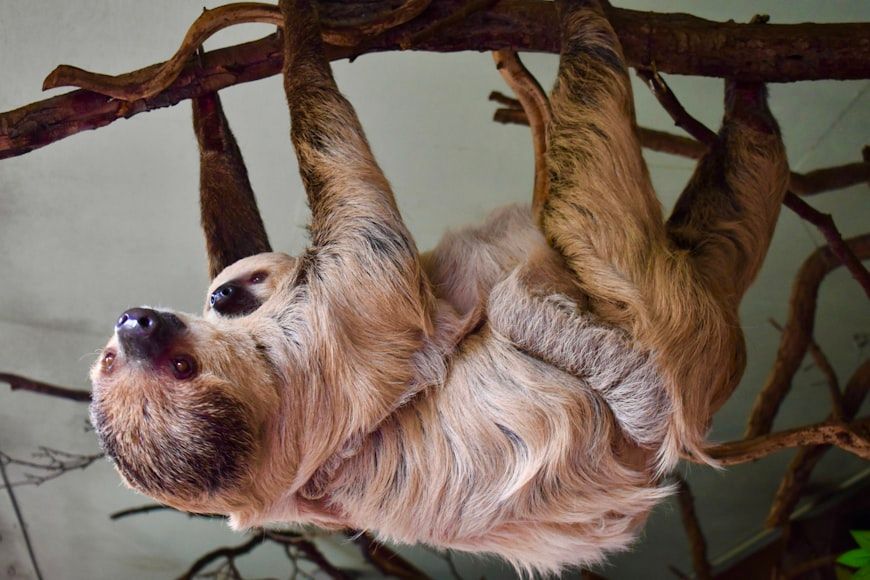
Two-toed sloths are the species most commonly allowed as pets in the U.S. However, they require special care, a suitable environment, and—since they can live up to 30 years—a committed owner. Alabama, Indiana, Iowa, Kansas, Minnesota, Michigan, Mississippi, Montana, New York, Nevada, North Carolina, Oregon, and Texas allow ownership of two-toed sloths without a permit. Other states may require a license.

2
Caiman

Image: Gaetano Cessati

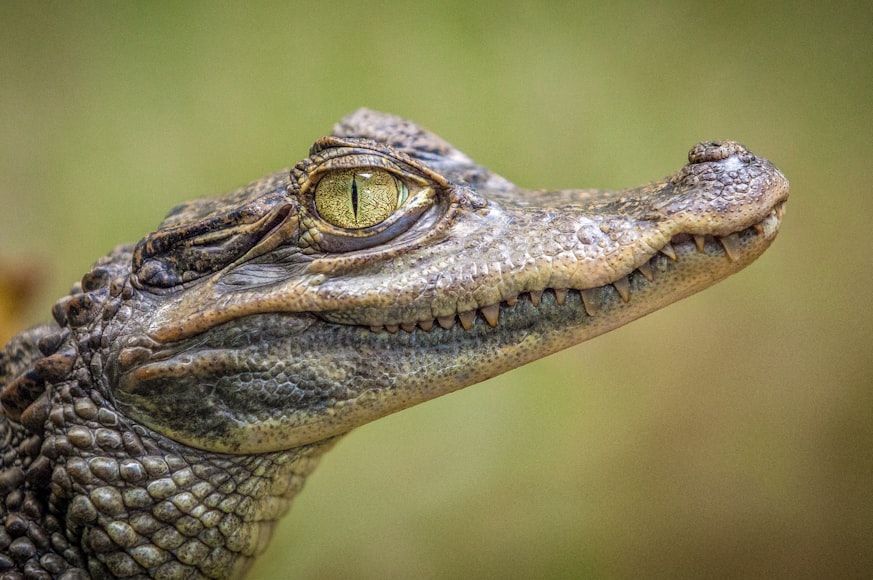
One would think that Caiman Central (commonly known as Florida) might allow its residents to own caimans as pets, but it’s actually the contrary: they are considered invasive and dangerous, so depending on the species, they are either illegal to own or require a permit. However, the state of Tennessee allows ownership of dwarf caimans without a permit.

3
Elk

Image: Meredith Fontana

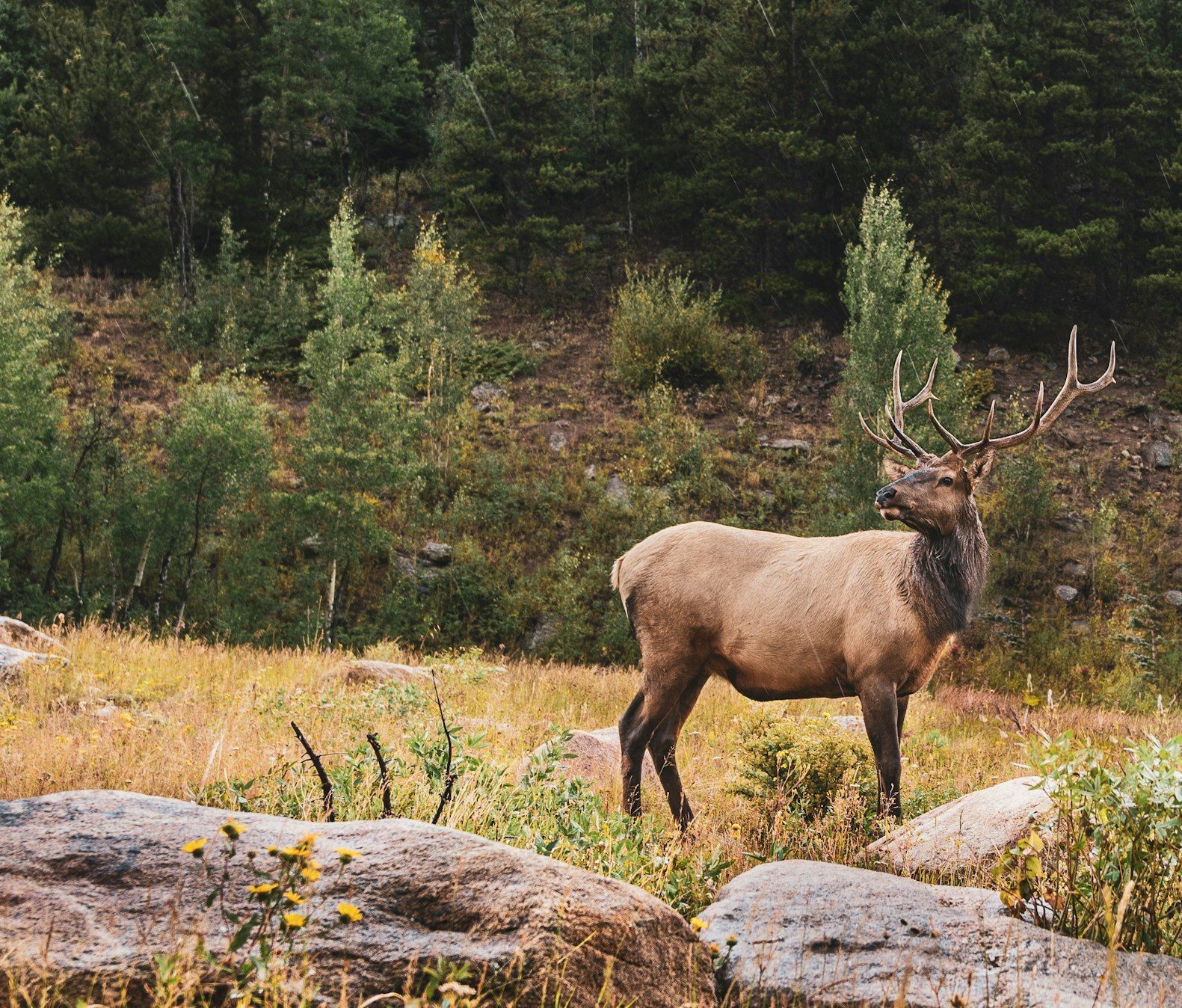
The United States has a large elk population across many states, both wild and domesticated, and many states will allow you to own them as livestock with a proper license. If you’ve always dreamed of having a pet elk, there’s good news: in Alaska, you can legally own a domesticated elk, as long as it was not captured from the wild.

4
Bison

Image: Jonathan Mast

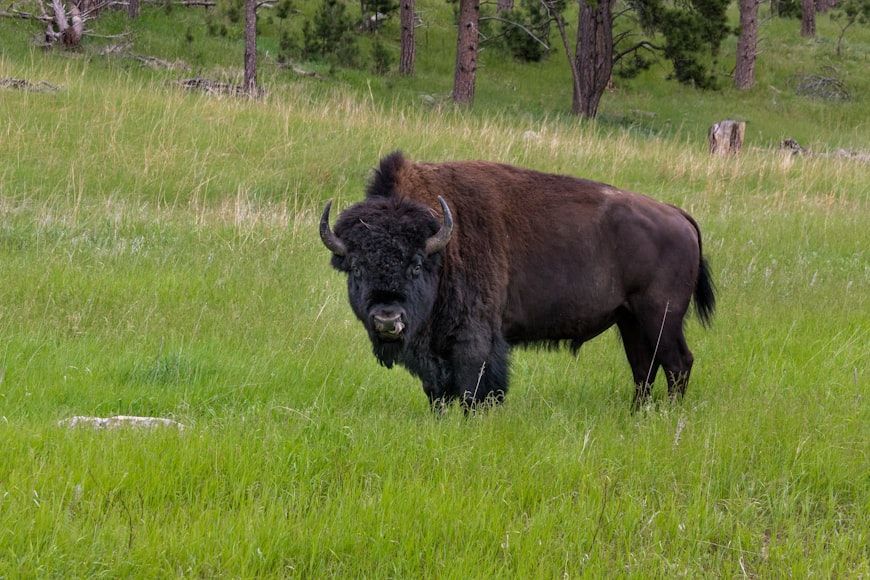
Bison can be found across all 50 states, either in the wild or raised as livestock on ranches. However, not all states permit private ownership of them. In most states, some sort of permit is required to raise bison as cattle, with varying degrees of difficulty. Once again, Alaska offers a solution for bison enthusiasts: like elk, bison can be kept as pets, provided they are domesticated and not captured from the wild.

5
Sugar Glider

Image: Henry Lai

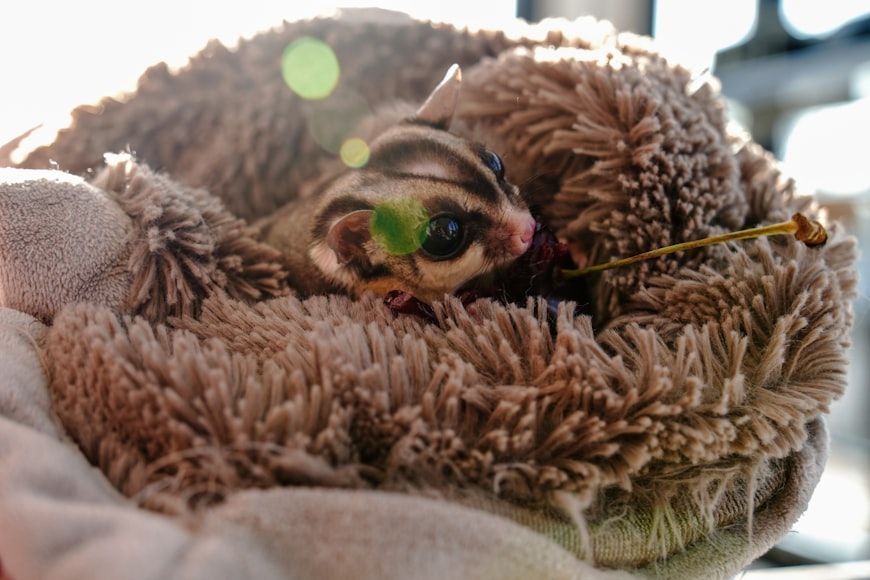
These small possums make good pets because they are social, playful, cuddly, and form strong bonds with their owners. However, they are exotic pets and require specialized care, a specific diet, and proper maintenance. Most states allow sugar gliders to be owned without a permit, but Georgia, New Mexico, and parts of New York require a license. In Hawaii, California, and Alaska, owning a sugar glider is illegal.

6
Kangaroo

Image: Anthony Rae

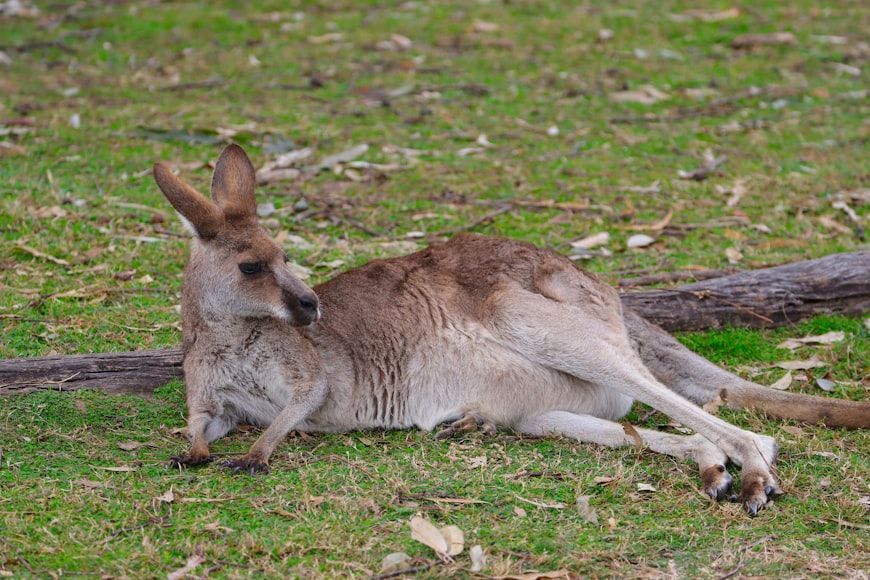
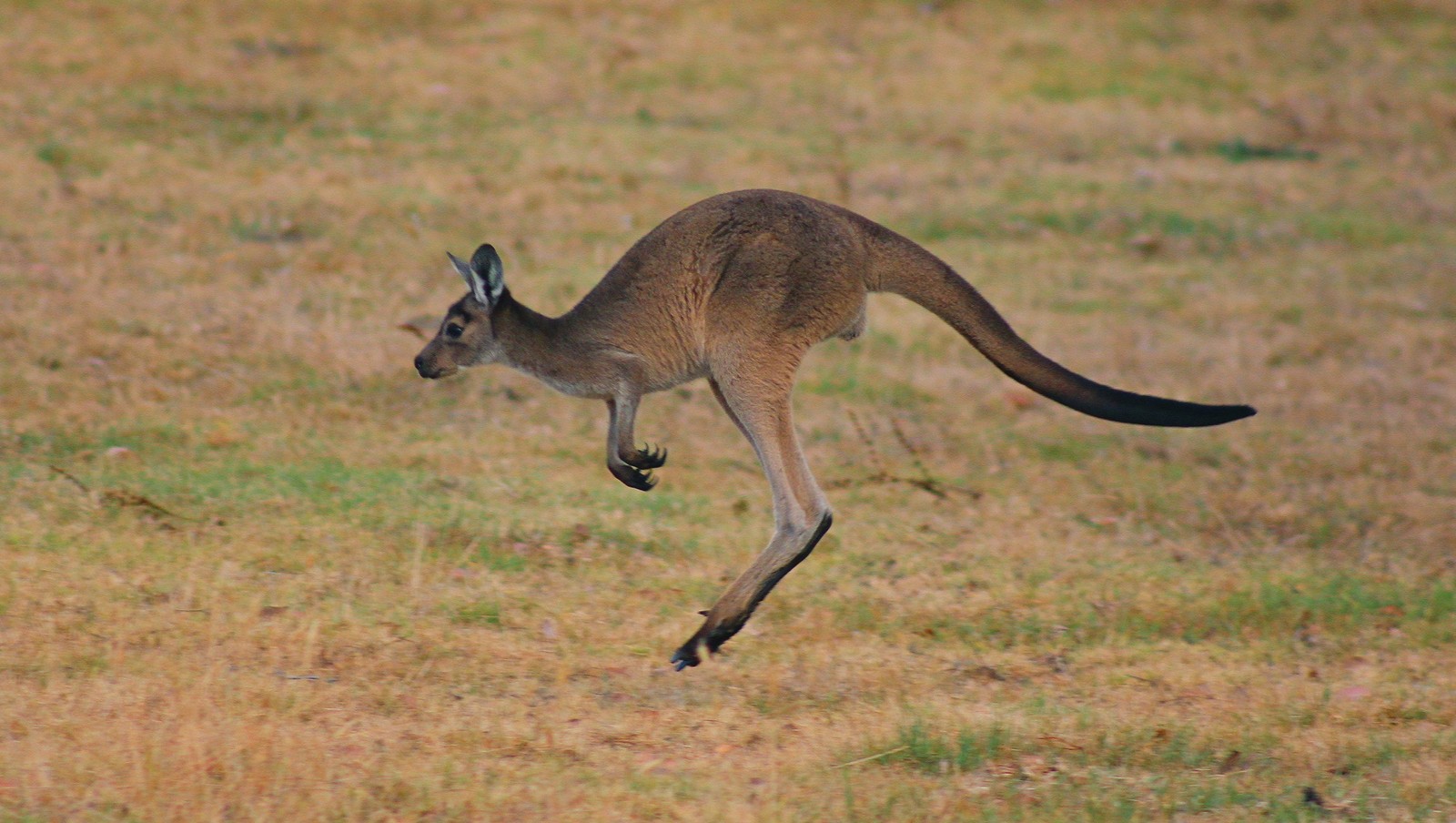
Surprisingly, many states allow kangaroos and wallabies as pets. Some states may require a license, but Arizona, Colorado, Oklahoma, and Oregon classify them as "uncontrolled" exotics, so no permit is needed. Kangaroos and wallabies are completely banned as pets in Connecticut, Georgia, Maine, and New Hampshire.

7
Fennec Fox

Image: Fei zhou

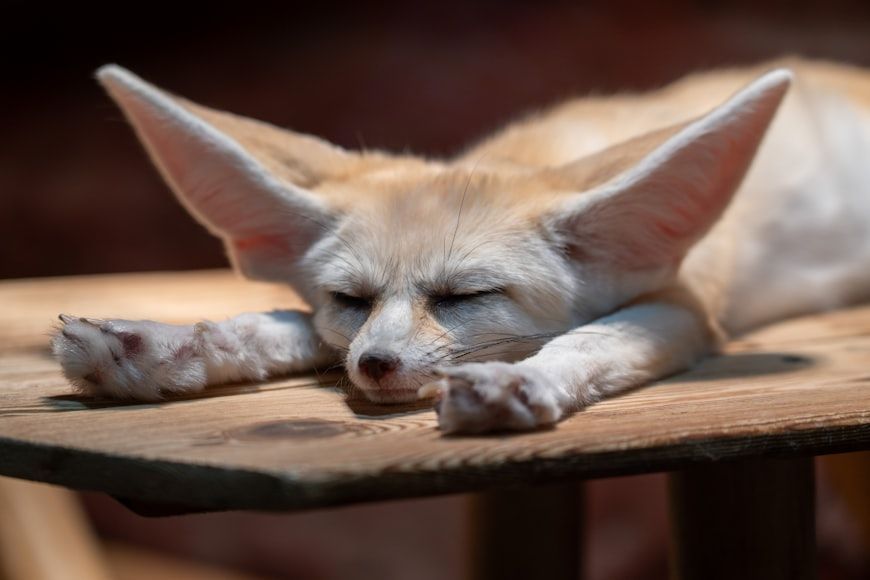
Native to North African deserts, fennec foxes are the smallest fox species, characterized by their large ears. You can legally own them without a permit in Arkansas, Illinois, Indiana, Louisiana, Michigan, Mississippi, Nebraska, Ohio, Oklahoma, Tennessee, and New York (though not in New York City). The rest of the states either require a permit or deem it illegal.

8
Kinkajou

Image: Aramburu Carlos, CC0, via Wikimedia Commons

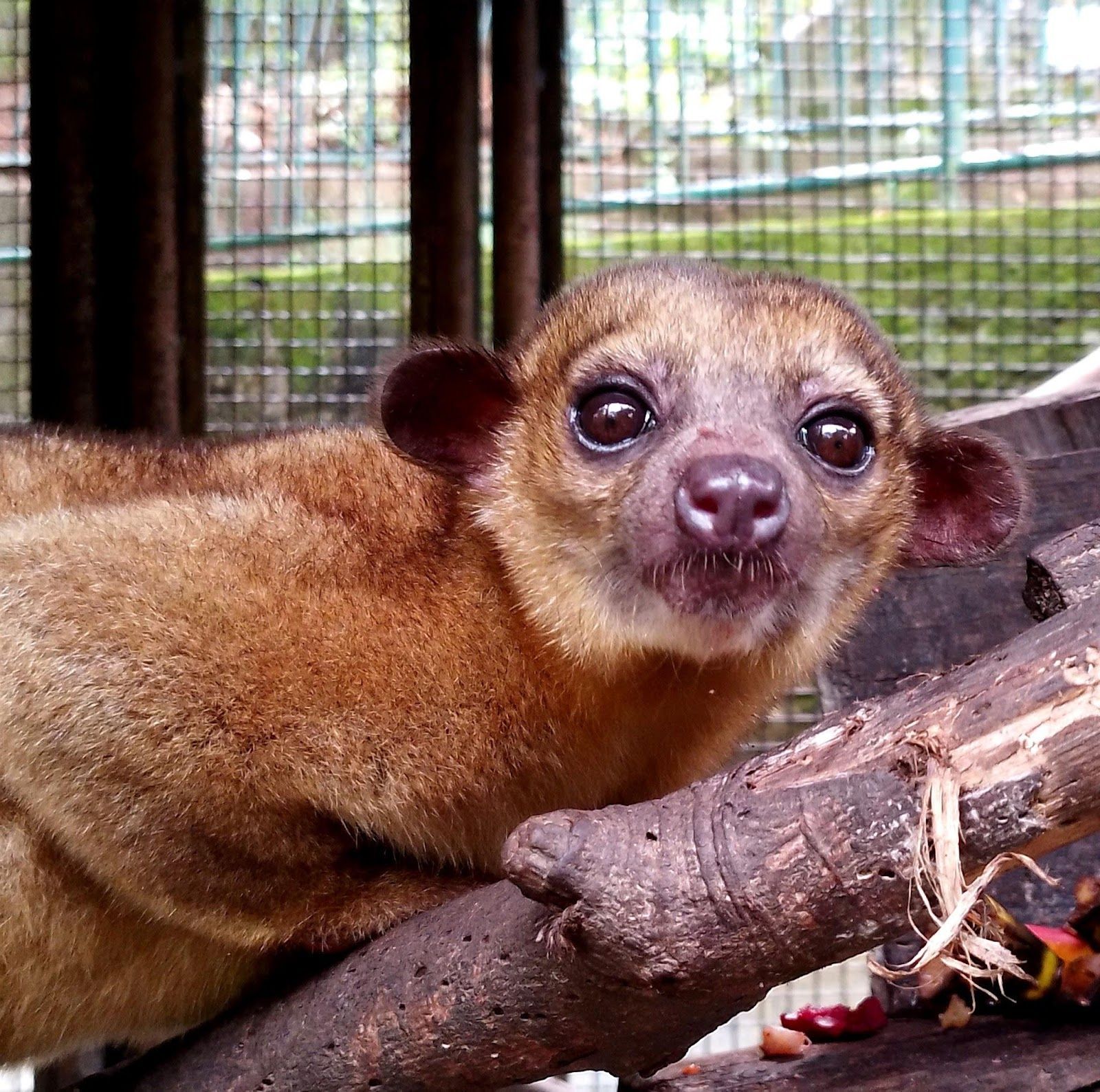
These adorable mammals, also known as honey bears, are related to raccoons and coatis. There are no federal laws restricting kinkajou ownership, but several states either prohibit them or require a permit. States that allow ownership without a permit include Arizona, Kansas, Michigan, Nevada, New York, North Carolina, Oregon, Texas, and Virginia.

9
Python

Image: sipa

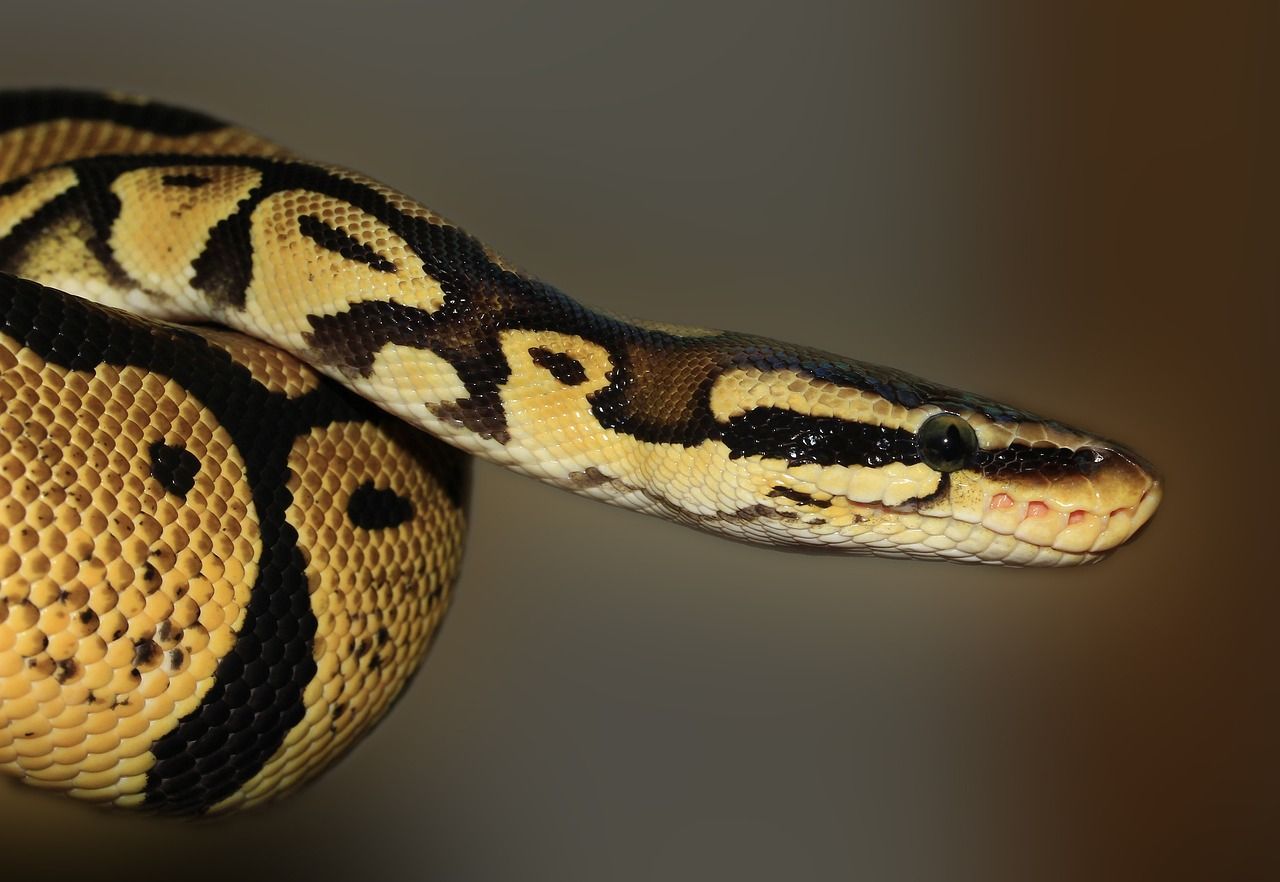
When it comes to permits, not all snakes are treated the same. Regulations depend on how dangerous a species might be and the potential impact on local ecosystems if released. Following this logic, not all pythons are equally restricted: species such as the Burmese or Indian python are illegal in many states, while others, like the Ball python, are legal without a permit in Arizona, Arkansas, Illinois, Massachusetts, Montana, Oregon, Rhode Island, and Vermont.

10
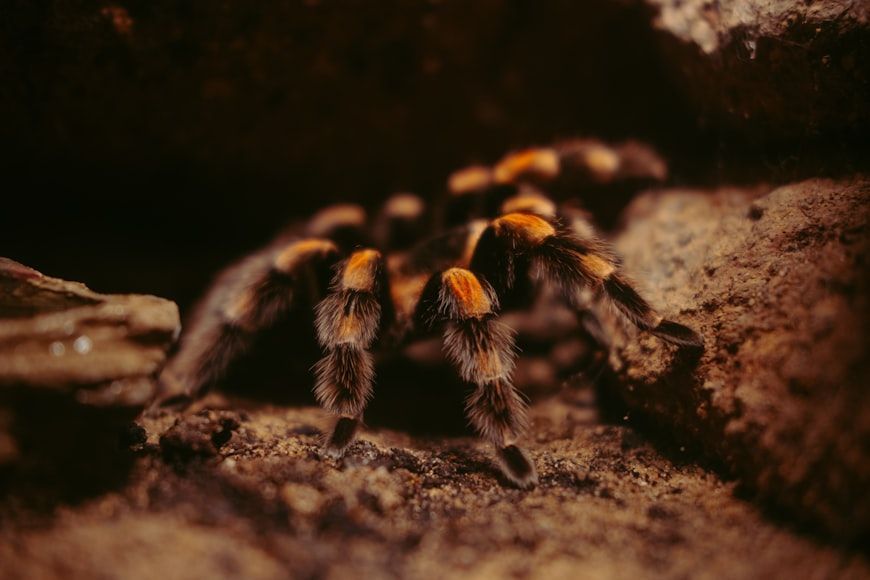
Tarantula

Image: Thomas Oldenburger

Tarantulas are not banned in any state, but some species might be restricted and require a special permit, in particular those considered an endangered species or potentially invasive. So, if you dream of having a pet spider, check your state laws first to ensure your desired species will not cause you legal problems in the future.

History History 5 min read

History time

Did you know Georgia was founded as a social experiment?

Image: Kaboompics.com

The 13 original British colonies along the East Coast of what is now the United States were the building blocks of a new nation. At the same time, they were lively, complex, and filled with unique stories. Founded for reasons ranging from religious freedom to economic gain, each colony brought its own flavor to the mix. While they eventually united to resist British rule, their individual histories remain captivating. Let’s explore 13 interesting facts about these foundational colonies and uncover the tales that make them unforgettable.

1
New Hampshire: Constitution and potatoes

Image: Spenser Sembrat

New Hampshire was a pioneer in colonial America: They were the first colony to establish its own constitutional government. But its tastiest contribution? Potatoes!

In 1719, Scotch-Irish immigrants near Londonderry planted the first permanent potato crops. The tubers quickly became a staple and spread across the colonies, only to become the most consumed vegetable in the country. Plus, New Hampshire even declared the potato its official state vegetable in 2013. Who knew potatoes had such historical roots?

2
Massachusetts: Named after the original inhabitants

Image: Wei Zeng

When English settlers arrived on the Mayflower in 1620, they weren’t stepping onto empty land. Indigenous peoples had called the area home for thousands of years.

The colony’s name, Massachusetts, honors the Massachusett tribe. Derived from the Algonquian word Massa-adchu-es-et , it translates to "great hill-small place." Even as history tells a more complicated story about their interactions with the settlers, it’s a nice tribute to the land's original inhabitants.

3
Connecticut’s secret tree

Image: Christopher Luther

Connecticut’s colonial history has a touch of mystery and rebellion . In 1662, the colony was granted a royal charter ensuring its right to self-govern by King Charles II. After his death, in 1686, King James II tried to revoke it.

Legend has it that, during a heated debate, the charter was spirited away during a momentary blackout and hidden in the hollow trunk of a white oak tree. The "Charter Oak" became a symbol of freedom and self-determination, and it’s now honored as Connecticut’s official state tree.

4
Rhode Island: Refuge for the rejected

Image: Demure Storyteller

The colonies were revolutionary, but some views were too progressive for the era. That is why Roger Williams, Rhode Island’s founder, was banished from Massachusetts . He had progressive views on religious freedom, and so he found sanctuary in what later became Rhode Island.

In 1636, he purchased land from the Narragansett people and founded a colony based on the separation of church and state. It became a haven for minority religious groups like Baptists, Quakers, and Jews.

5
New York: From New Netherland to a global capital

Image: Benjamín Gremler

Before it was New York, it was New Netherland, a bustling Dutch colony founded in 1624. The Dutch established New Amsterdam on Manhattan Island, but in 1664, the English seized the territory and renamed it after the Duke of York.

New York grew rapidly, eventually becoming the first capital of the United States after the Revolutionary War. It’s amazing to think this vibrant city started as a modest Dutch trading post.

6
New Jersey’s devilish legend

Image: Benjamin Ashton

The Pine Barrens of New Jersey are home to one of America’s oldest and creepiest legends : the Jersey Devil. Do you know how it goes?

According to folklore, a woman named Mother Leeds cursed her 13th child, who was born as a monstrous creature, and fled into the forest. The tale, rooted in both colonial superstition and Indigenous folklore, has been passed down for centuries, keeping imaginations alive and visitors on edge in the Garden State.

7
Pennsylvania: The King’s debt becomes a colony

Image: The Body

Pennsylvania owes its existence to a royal, and quite big, IOU. King Charles II granted William Penn the land in 1681 as payment for a debt owed to Penn’s father.

Penn established the colony as a safe haven for Quakers, emphasizing religious tolerance and fair dealings with Indigenous peoples. Pennsylvania, clearly named after the family’s name, became a model of diversity and coexistence, attracting settlers of all faiths and backgrounds.

8
Delaware: The First to Declare Independence

Image: Demure Storyteller

Independence from Britain? They all did that, but Delaware took it a step further! Though initially governed as part of Pennsylvania, Delaware established its own legislature in 1704.

On June 15, 1776, this colony declared independence not just from Britain but also from Pennsylvania, making it the first colony to break away formally . Known as the "First State" for ratifying the US Constitution in 1787, Delaware’s pioneering spirit is woven into its history.

9
Maryland: A pirate colony?

Image: Luisa Frassier

Maryland’s early days weren’t all peaceful. William Claiborne , a man of the Virginia Council, refused to accept that his settlement on Kent Island was part of Maryland after the colony’s charter was granted in 1632.

Claiborne launched pirate raids on Maryland’s trading posts, leading to charges of piracy and murder. While he eventually lost his claim, Claiborne’s defiance adds a plot twist to Maryland’s story.

10
Virginia: Witch trials in the South

Image: Henry Deng

Did you think witch trials only happened in Salem? Think again. Virginia held about two dozen trials between 1626 and 1730, including the infamous case of Grace Sherwood. If that name doesn’t ring a bell, maybe "The Witch of Pungo" does.

While we’re not going to get into the details of how they proved she "was a witch," she was convicted of witchcraft and spent several years in jail before she was released.

11
North Carolina: The Mystery of Roanoke

Image: Gene Gallin

North Carolina’s Roanoke Colony remains one of America’s greatest mysteries. In 1587, over 100 settlers vanished without a trace , leaving behind only the word "Croatoan" carved into a tree.

As you can imagine, there are plenty of theories surrounding this event: Did they join local Indigenous tribes, or succumb to the harsh environment? While we may never know, the "Lost Colony" keeps historians and treasure hunters quite captivated.

12
South Carolina’s "Blue Gold" boom

Image: Omri D. Cohen

South Carolina’s indigo trade, led by Eliza Lucas Pinckney in the 1730s, turned the colony into an economic powerhouse. This vibrant blue dye, vital for textiles, was so lucrative it earned the nickname "blue gold."

Despite the challenges, which included sabotage by rivals, the crop’s success transformed South Carolina’s economy. However, its growth came at the cost of enslaved labor, a sobering reality of the colony’s prosperity.

13
Georgia: A colony for a cause

Image: Diane Picchiottino

Founded in 1732 by James Oglethorpe, a prison reformer, Georgia was established as a social experiment . It was designed to provide a fresh start for England’s "worthy poor," and to that end, the colony outlawed slavery and large landholdings.

However, settlers soon pushed back, and by 1751, many of the original restrictions were lifted. Despite its challenges, Georgia’s idealistic beginnings make it a unique addition to the 13 colonies.

Explore more American facts

Choose your favorite category!

General
General

As American as apple pie—the very best America has to offer!

Culture
Culture

Delve into the astounding richness of American lore.

Geography
Geography

Hop in and explore vast and diverse American landscapes.

History
History

Discover the key moments that shaped the United States.