General General 6 min read

Hidden from the public

What's hidden beneath the National Mall? It's not what you think
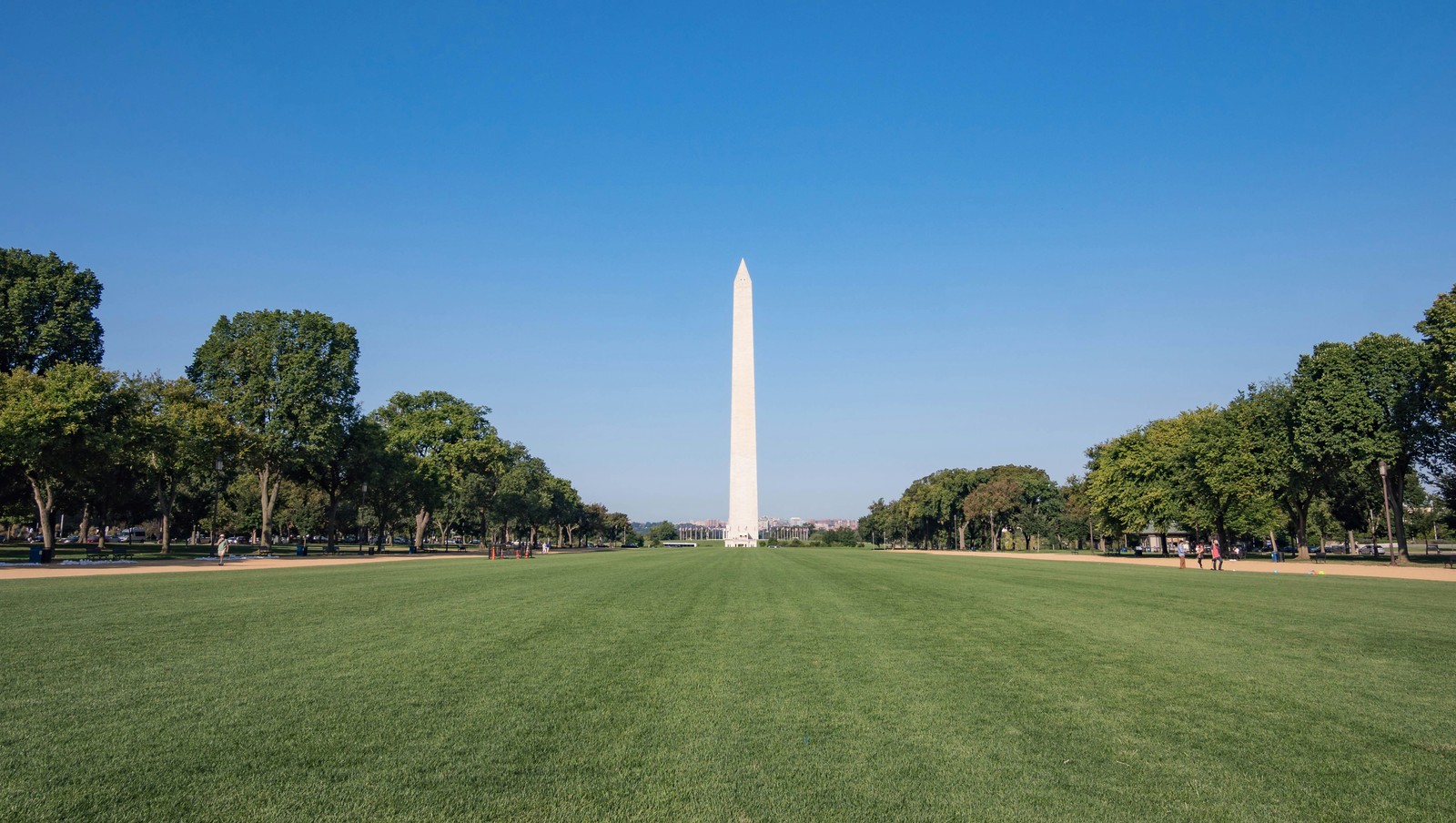
Image: Sonder Quest

Cities like Washington, DC, Philadelphia, and Boston feel so famous that it’s easy to think there’s nothing left to discover in them. But with centuries of history behind them, they’re full of secrets most people never learn about. From underground tunnels linking iconic buildings to hidden rooms inside famous landmarks, today we’re uncovering 10 hidden spots and historical secrets of the cities you thought you knew.

1
National Mall’s hidden tunnel (Washington, DC)
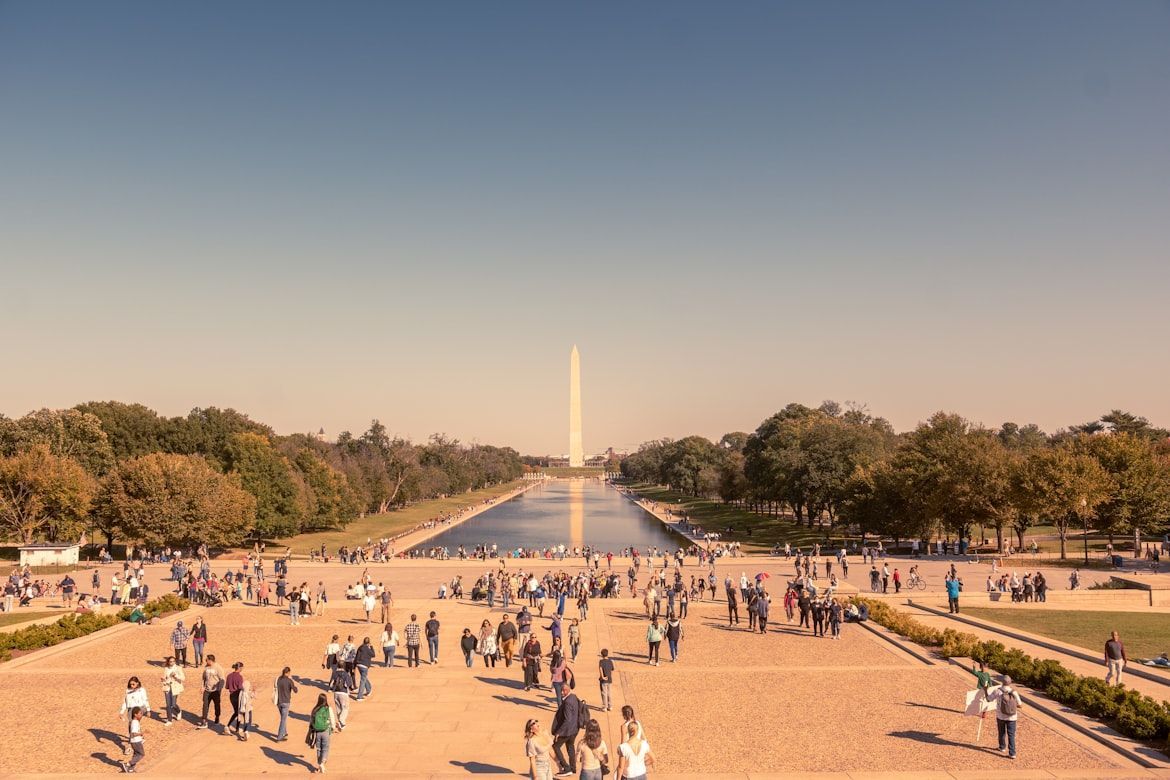
Image: Samuel Girven

The National Mall landscape in Washington, DC, is so familiar that it’s hard to imagine anything hidden beneath it, but there is more going on below the surface than most visitors realize.

Beneath parts of the Mall, a network of underground tunnels connects buildings like the Smithsonian Institution Building, a.k.a "The Castle", with other Smithsonian facilities, including the National Museum of Natural History. They’re mainly used for utilities, secure staff access, and behind-the-scenes operations that keep the museums running smoothly.

2
Mount Rushmore’s secret chamber (Keystone, SD)
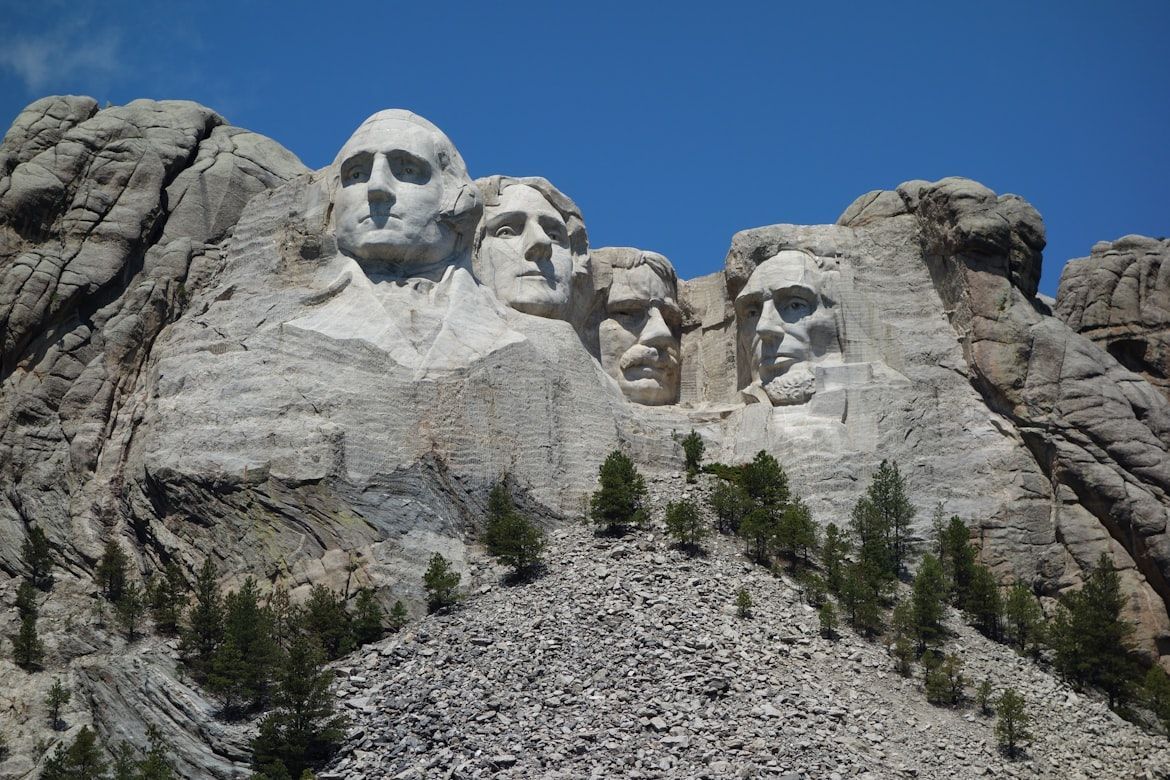
Image: Uniq Trek

When you look at Mount Rushmore, the first thing you notice is the four faces of George Washington, Thomas Jefferson, Theodore Roosevelt, and Abraham Lincoln, but there’s more than meets the eye. Hidden behind Lincoln’s head is a secret chamber known as the "Hall of Records," a place visitors have rarely ever seen. It was the idea of sculptor Gutzon Borglum, who imagined it as a grand room to hold important US documents and tell our story as a country. Construction began with that goal, but the project was never completed. Today, the chamber remains unfinished, but it's there, waiting to be visited someday.

3
The Las Vegas sign is in another city (technically, Paradise, NV)
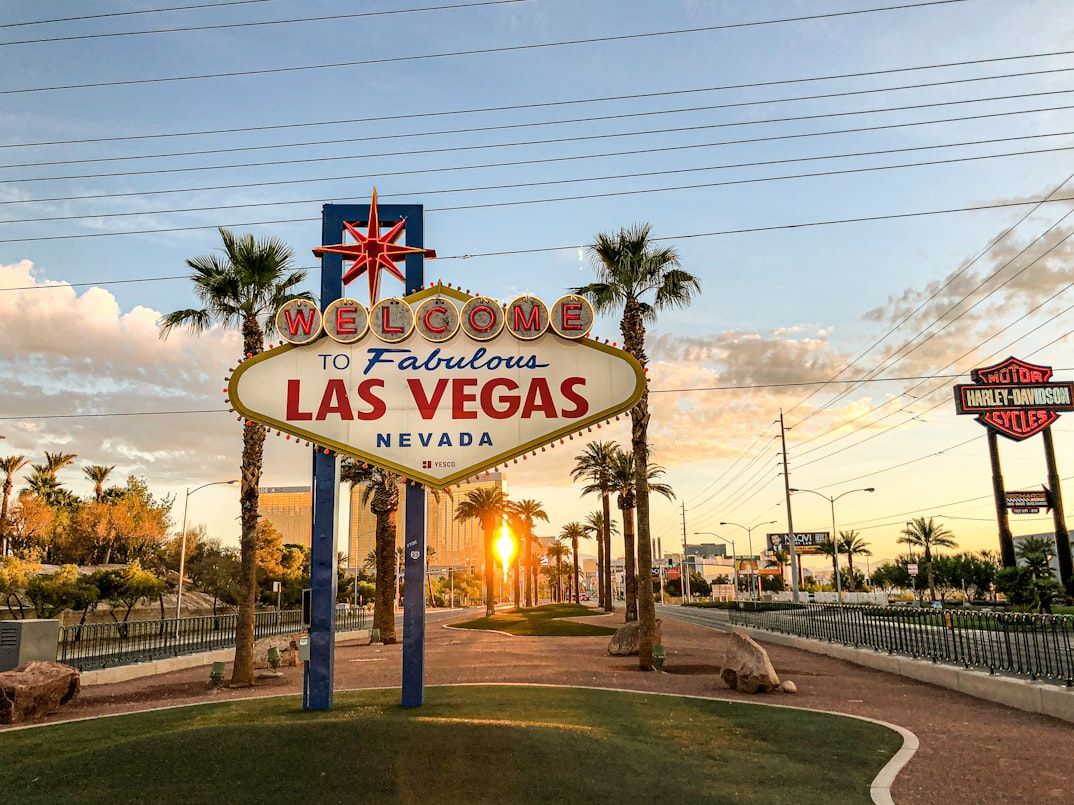
Image: Sung Shin

Do you have the classic picture in front of the iconic "Welcome to Fabulous Las Vegas" sign? If you snapped it and then drove to another city, we hate to break it to you, but you weren’t in Las Vegas.

The famous sign, installed in 1959, actually sits a couple of miles outside the city limits. In fact, the sign and most of the Strip are technically located in the towns of Paradise and Winchester, unincorporated communities in Clark County, Nevada, not within Las Vegas itself. And that’s no accident: much of the Strip and its casinos were originally developed outside the city in the 1950s to avoid municipal taxes and regulations.

4
Fragments of the Antarctic ice sheets (Denver, CO)
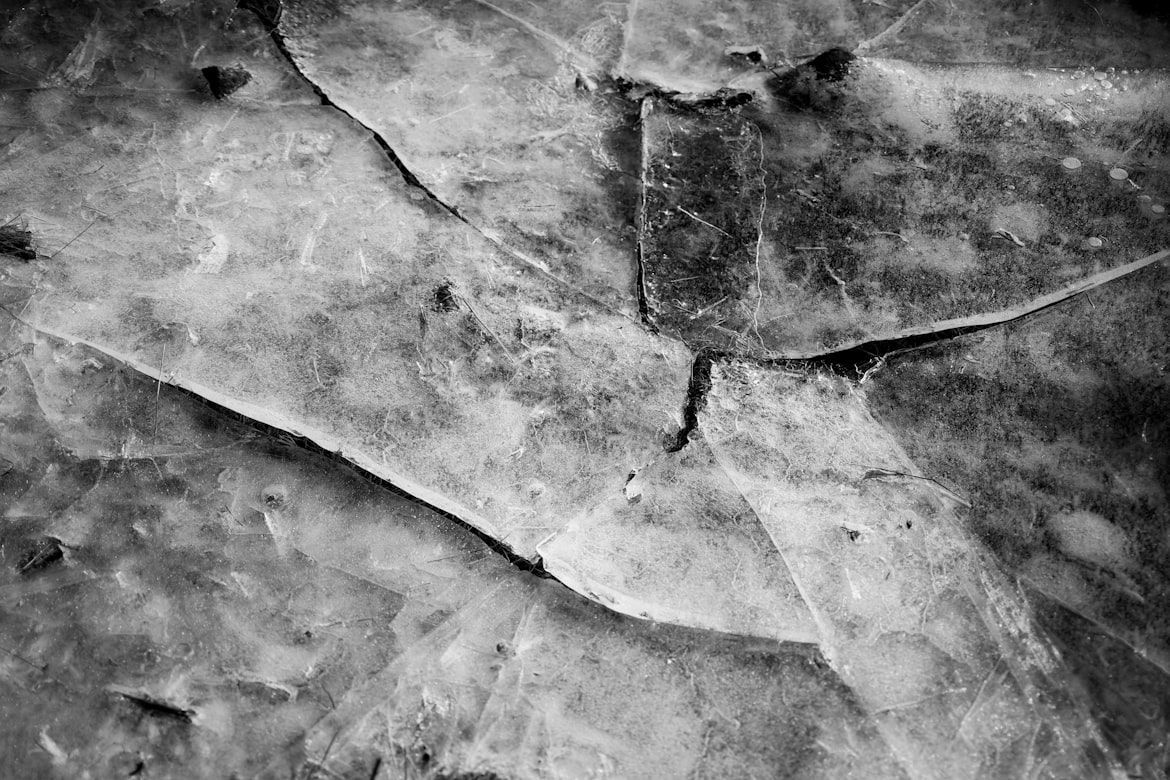
Image: Marco Bianchetti

Did you know that the Mile High City stores miles of ice from Greenland and Antarctica? Ok, but how?

At Denver’s National Ice Core Laboratory, part of the Federal Science Center, the ice is kept at around -32.8°F. Researchers study it not just to understand Antarctica itself, but also to inspect Earth’s history. Some of these blocks of ice are hundreds of thousands of years old, and from them, scientists can reconstruct ancient temperatures, track greenhouse gas levels, and even identify major volcanic eruptions preserved in the layers.

5
The hatch at the top of City Hall Tower (Philadelphia, PA)
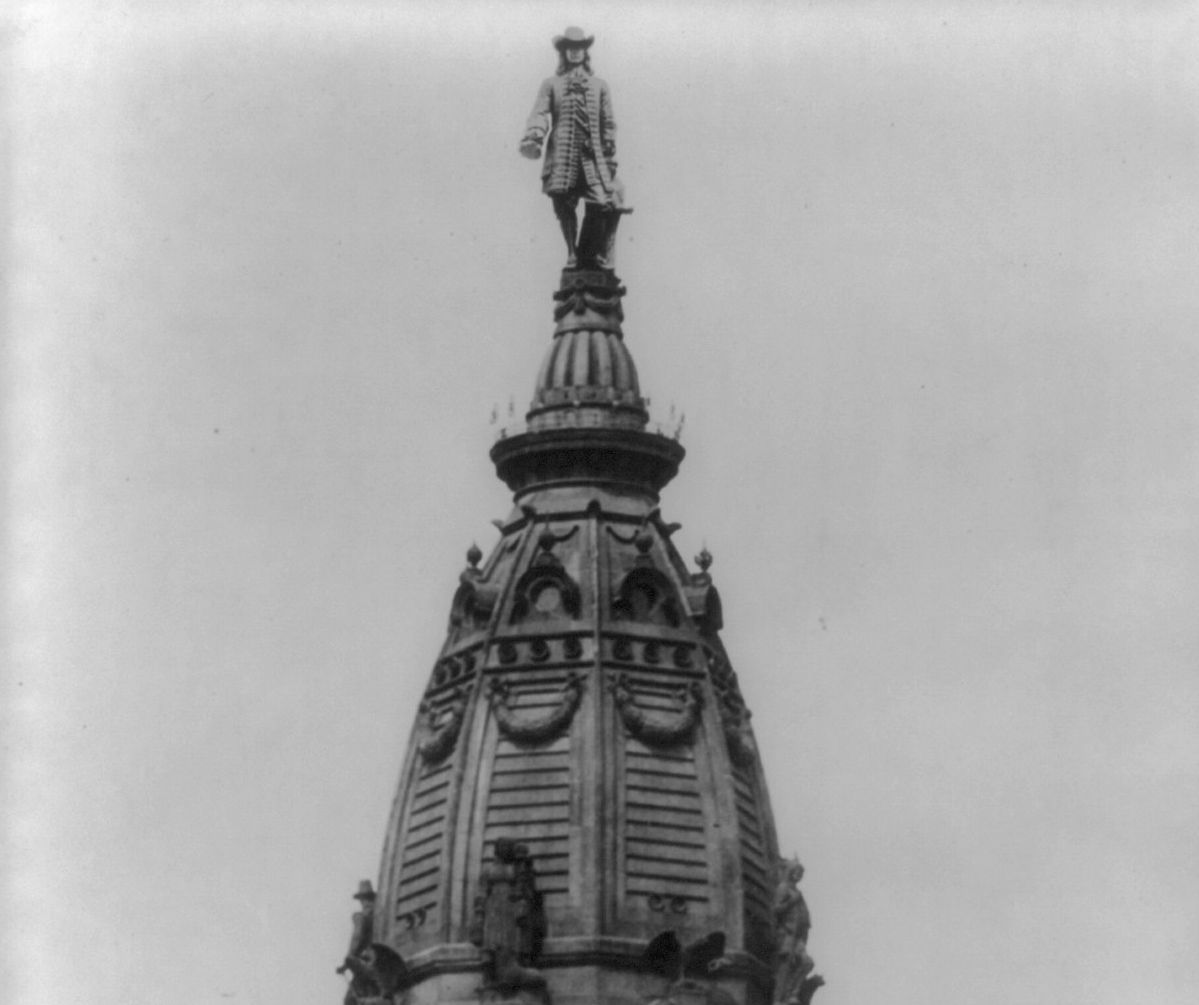
Image: Miscellaneous Items in High Demand, PPOC, Library of Congress, Public domain, via Wikimedia Commons

Counting the statue of William Penn at its summit, the tower of Philadelphia City Hall rises about 548 feet, making it the tallest municipal building in the United States. But hidden high above the street, the statue conceals a little-known secret.

At its base is a small hatch, originally built to give workers access for maintenance. It offers an incredible vantage point over the city, but getting there isn’t easy. To reach it, you have to climb narrow stairways and walk through tight, elevated passageways. Would you dare give it a try?

6
A 112,544 square-foot underground bunker (White Sulphur Springs, WV)
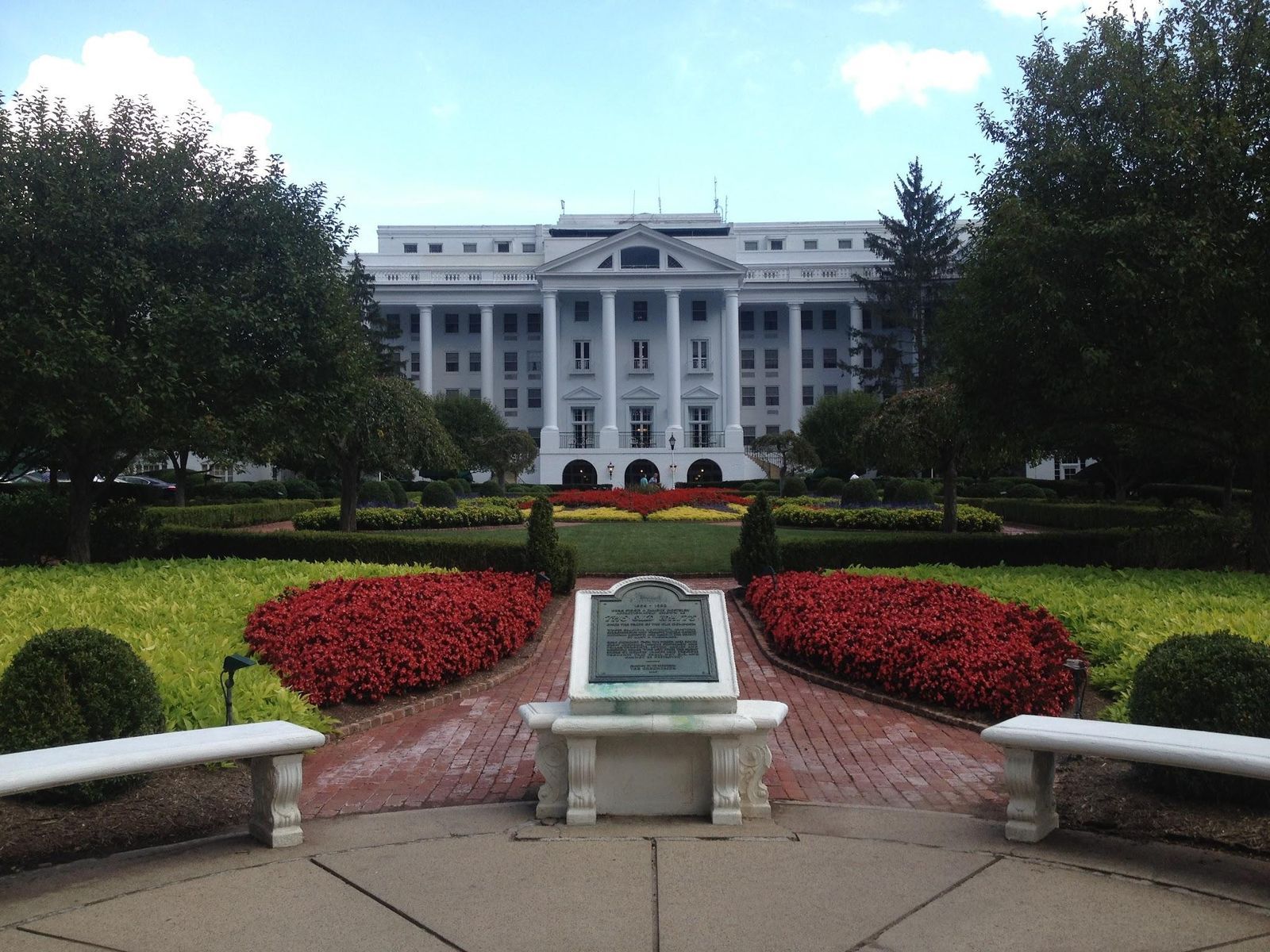
Image: Kberg115, CC BY-SA 3.0, via Wikimedia Commons

The tense atmosphere and threats of the Cold War led to the construction of thousands of underground bunkers across the US. And one of the most impressive is right beneath the Greenbrier Resort in White Sulphur Springs, West Virginia.

Buried 720 feet into the hillside, this 112,544-square-foot bunker was created to shelter all 535 members of the US Congress in the event of a nuclear attack. Built between 1958 and 1961, it was sealed behind a 25-ton blast door, and it remained a protected secret for more than 30 years.

7
Catacombs underneath City Market (Indianapolis, IN)
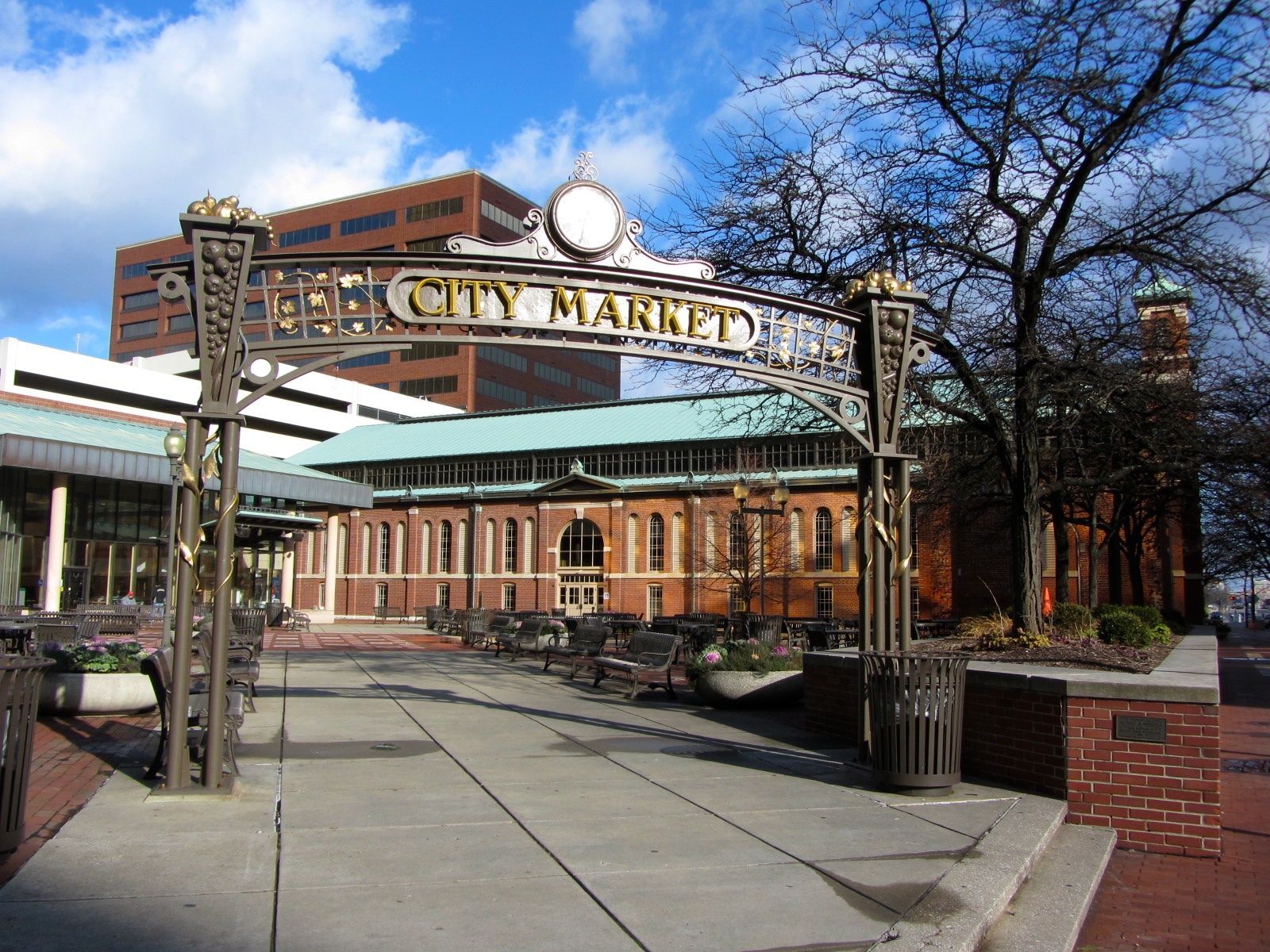
Image: Richie Diesterheft, CC BY-SA 2.0, via Wikimedia Commons

In downtown Indianapolis, the City Market has been a gathering place since 1886, filled with local vendors, cafés, and shops. But there’s more to it than what you see above ground. Beneath the market lies a network known as the City Market’s "catacombs."

Despite the name, the reality isn't quite so macabre; they’re a series of brick archways that once supported Tomlinson Hall, a huge market building demolished in the mid-20th century. Today, this underground space remains as a hidden piece of the city’s past, but unlike many places on this list, it’s occasionally open for guided tours.

8
One of history's biggest art heists (Boston, MA)
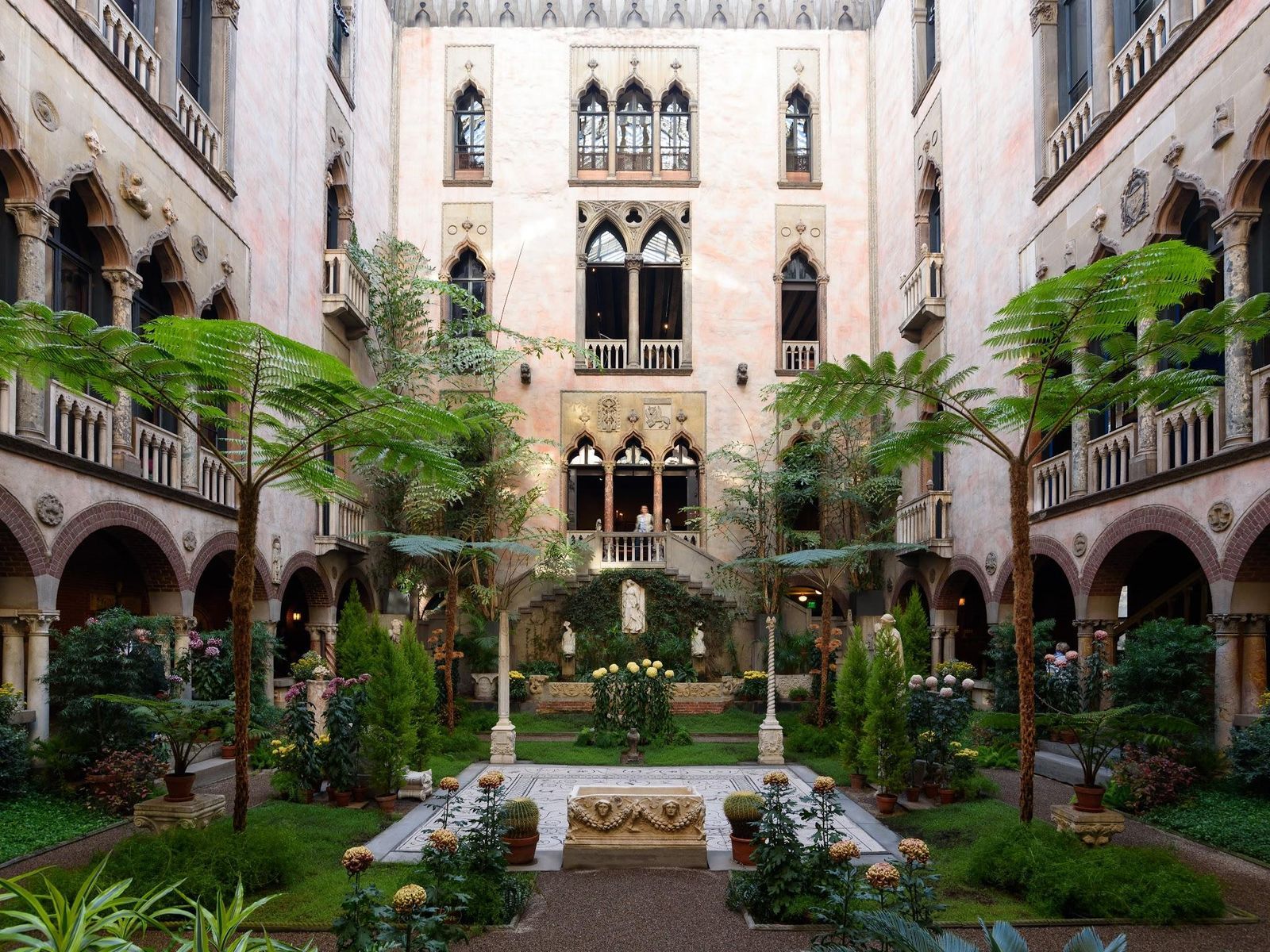
Image: King of Hearts, CC BY-SA 4.0, via Wikimedia Commons

We all know Boston as the "birthplace of the American Revolution," home to events like the Boston Massacre and the Boston Tea Party. But there’s another chapter of its history you don’t hear about as often.

Just over 30 years ago, Boston was the scene of one of the biggest art heists in history. In the early hours of March 18, 1990, two men disguised as police officers entered the Isabella Stewart Gardner Museum, overpowered the guards, and stole 13 invaluable works of art, including pieces by Vermeer, Degas, Rembrandt, and Manet. To this day, the case remains unsolved, and a multi-million-dollar reward is still offered for information.

9
One of the quietest places on Earth (Minneapolis, MN)
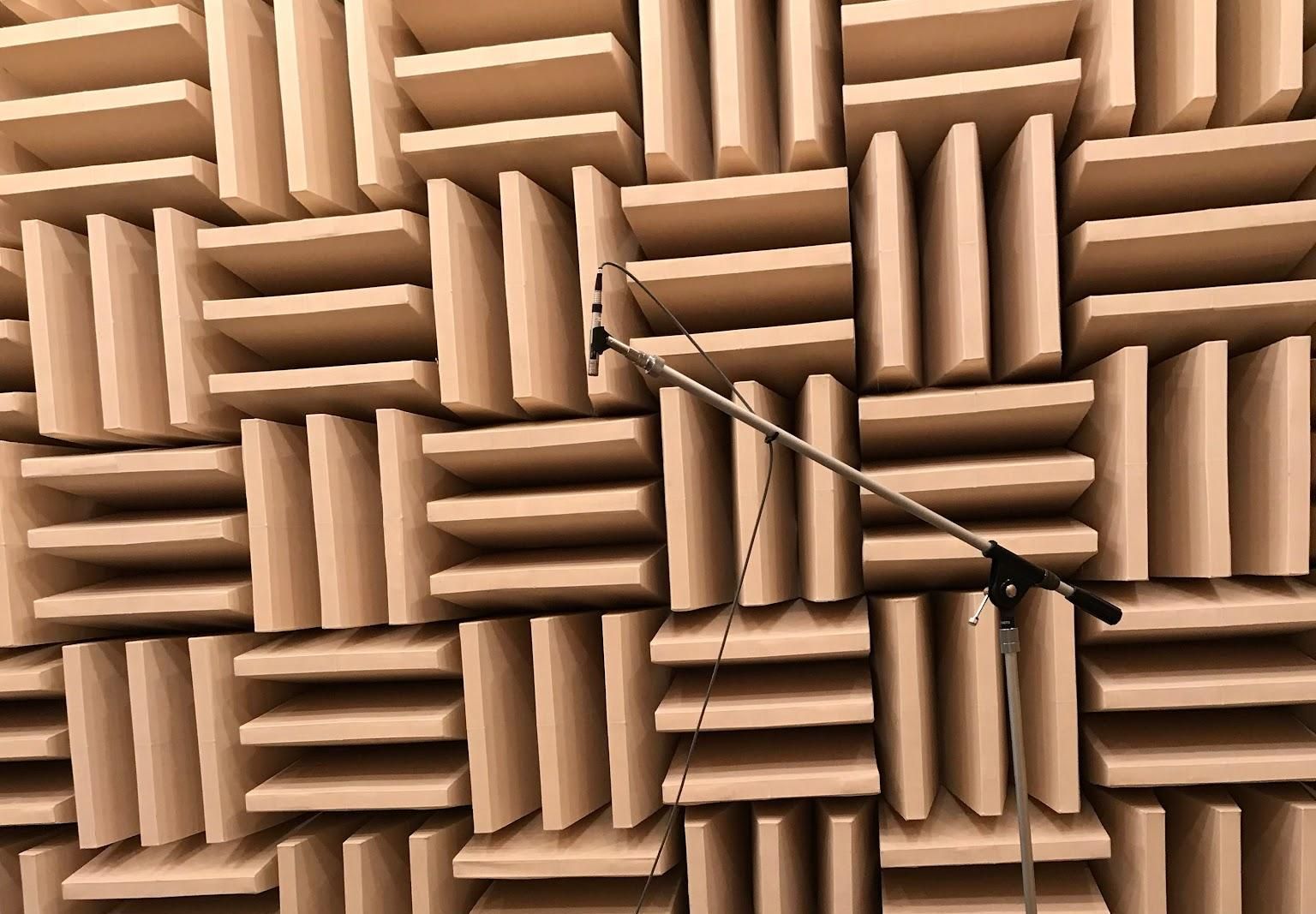
Image: Togabi, CC BY-SA 4.0, via Wikimedia Commons

Where do you think the quietest places on Earth are? You might imagine remote landscapes far from civilization, but one of them is actually right in Minneapolis, Minnesota.

Inside Orfield Laboratories, there’s a room with no windows or natural light, an anechoic chamber that absorbs nearly all sound. That’s right: it blocks almost every noise, making the space even quieter than a vacuum. Visitors say the silence is so intense that you can hear your own heartbeat and even the faintest movements of your body. Simply incredible.

10
A strange law (Los Angeles, CA)
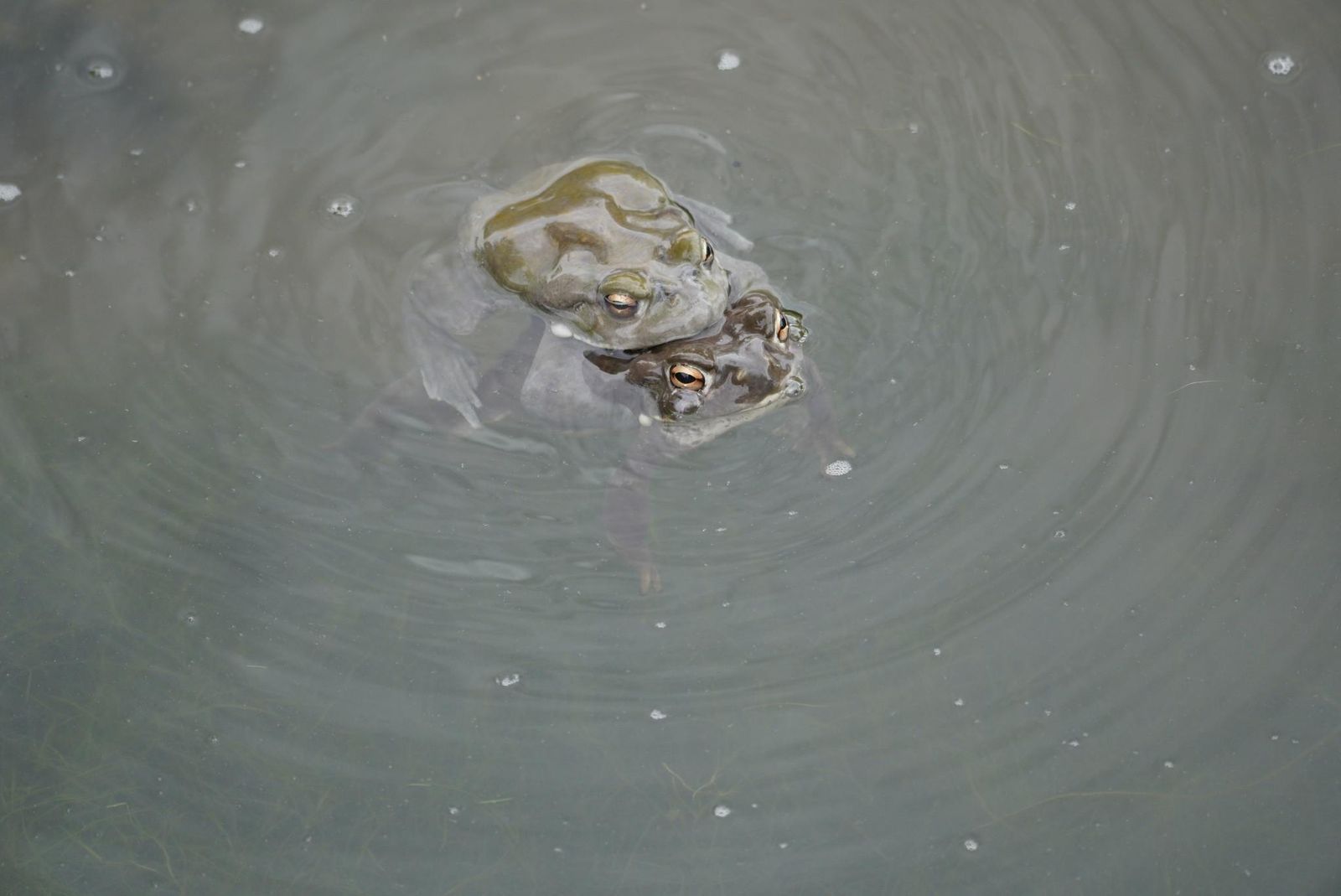
Image: Sean Krieg, CC BY 4.0, via Wikimedia Commons

Why would a city actually pass an ordinance saying that licking toads is a bad idea? That’s Los Angeles, a place full of quirks, some charming, some downright strange. Even its laws can be unusual.

The Colorado River toad, found in parts of California, secretes chemicals that can have powerful psychoactive effects on humans. Because of the risks, both possession and use of this substance are illegal statewide. In 1994, cases occurred, including a teacher who was arrested for possessing the toad substance. But Los Angeles went a step further, passing an ordinance that specifically bans licking these amphibians. And let’s be honest, the poor toad probably doesn’t enjoy it either.
Culture Culture 5 min read

Obsolete occupations

12 forgotten jobs that once existed and became obsolete

Image: Igor Saikin

At various points in history, people earned a living performing jobs that sound downright strange today. Folks once knocked on windows to wake strangers for work. Others spent their days resetting bowling pins by hand, lighting streetlamps at dusk, or harvesting ice from frozen rivers. Machines have certainly made life easier in many ways, but they have replaced the livelihood of many. Here’s a small handful of some forgotten jobs that were once fundamental to everyday life in America and elsewhere in the world.

1
Town crier

Image: Birmingham Museums Trust

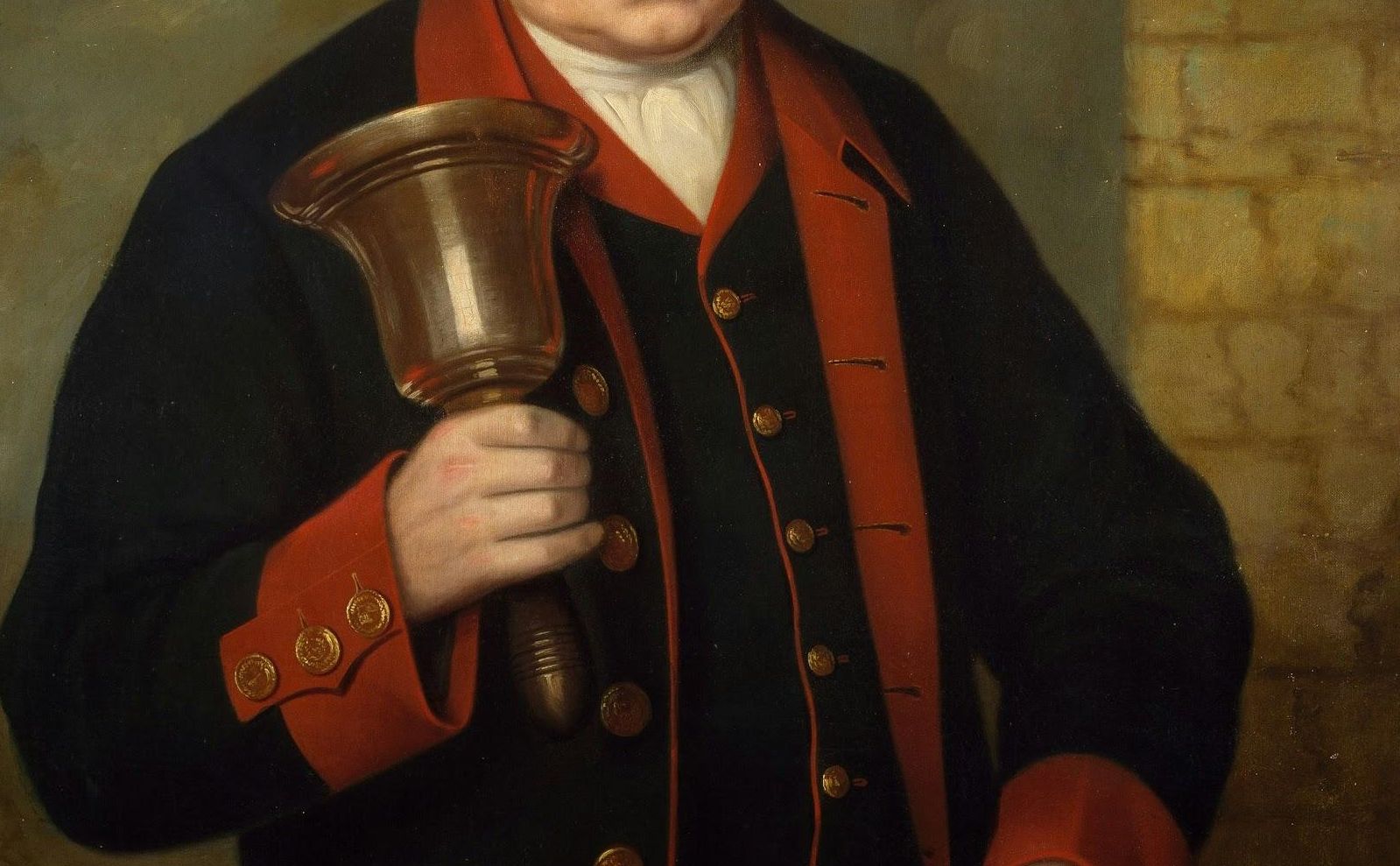
In early American towns (and elsewhere in the world), before printed media and mass communication were the norm, news didn’t arrive through newspapers or broadcasts: it arrived by voice. Town criers walked streets ringing bells and loudly announcing public notices, laws, and important events . They were essential in communities where literacy was limited, and information traveled slowly.

2
Factory lectors

Image: Amsterdam City Archives

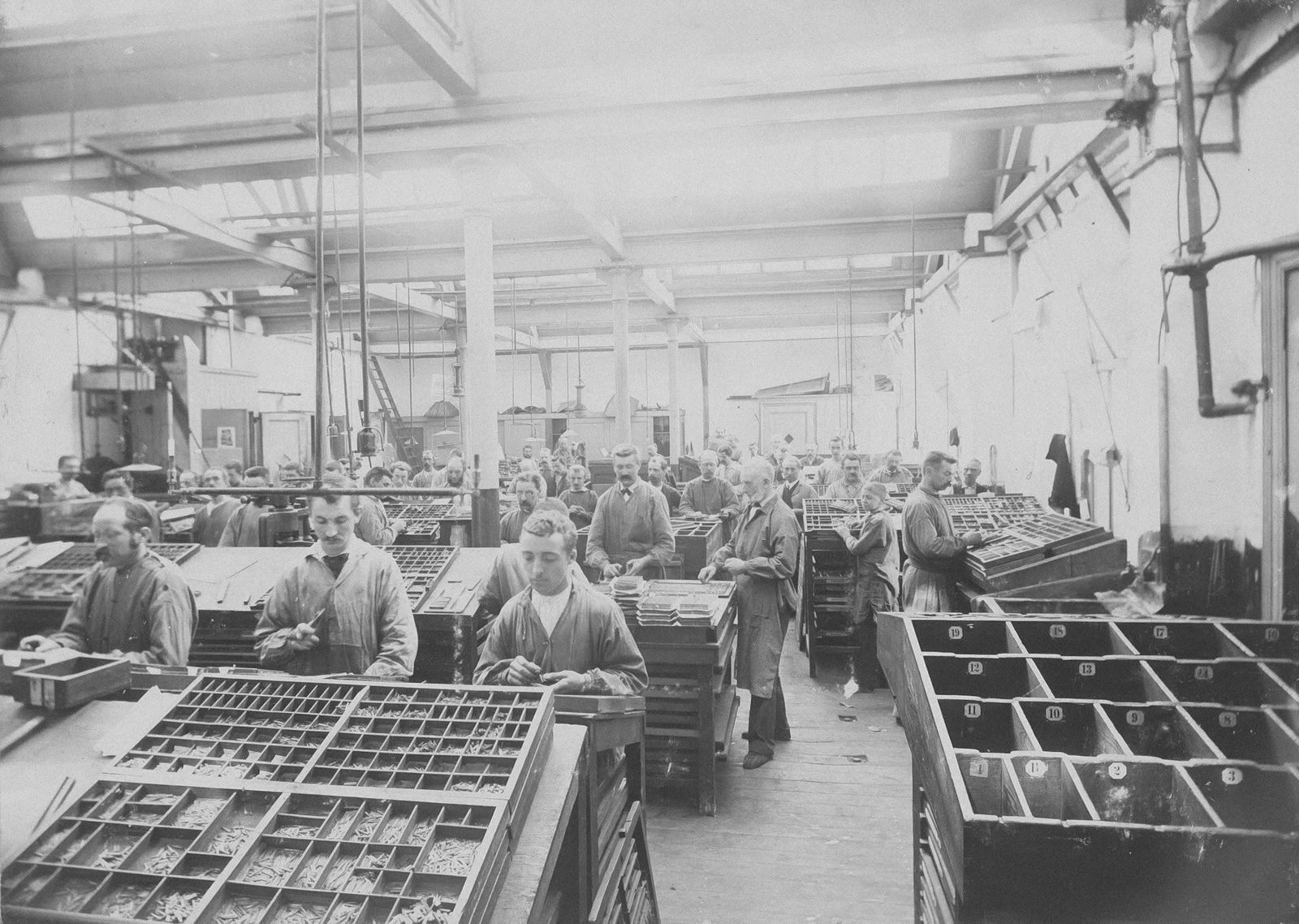
Nowadays, when you have some manual, boring labor to do, you can turn on the radio, listen to some music, or a podcast. Of course, that wasn’t an option once upon a time. In some factories, workers hired a lector to read aloud while they worked .

Starting in the mid 1800s and into the beginning of the 1900s, lectors in factories shared newspapers, novels, and political texts, keeping workers informed and entertained during long hours.

3
Elevator operator

Image: Possessed Photography

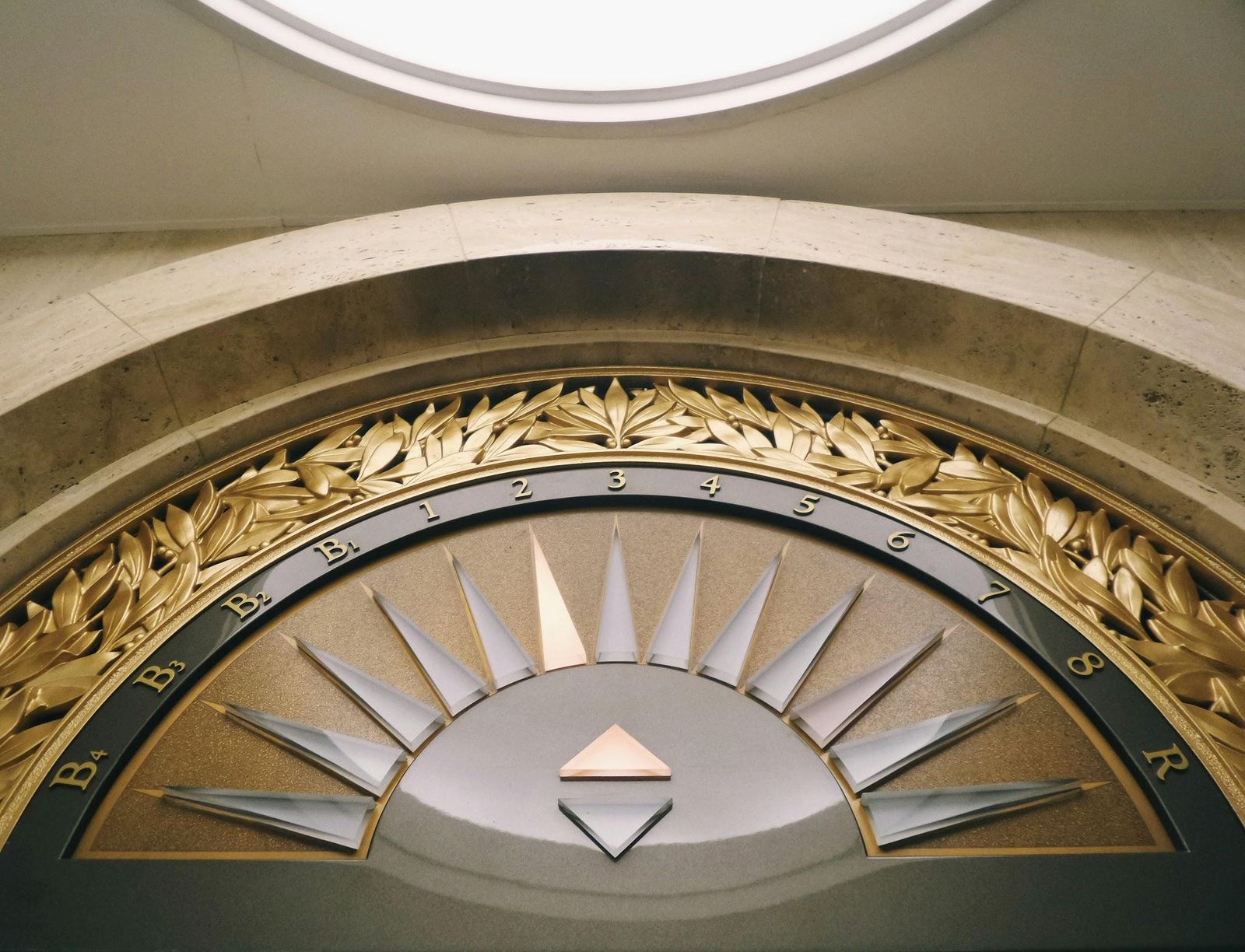
Using an elevator seems easy enough today, but for decades, elevators didn’t run themselves. Operators manually controlled speed, direction, and stopping points using levers and switches , while also greeting passengers and announcing floors.

In luxury hotels and department stores, a skilled, often uniformed operator was part of the experience, expected to be polite, precise, and calm under pressure. The job peaked in the early 20th century, especially in big cities like New York and Chicago.

4
Switchboard operator

Image: Matt Benson

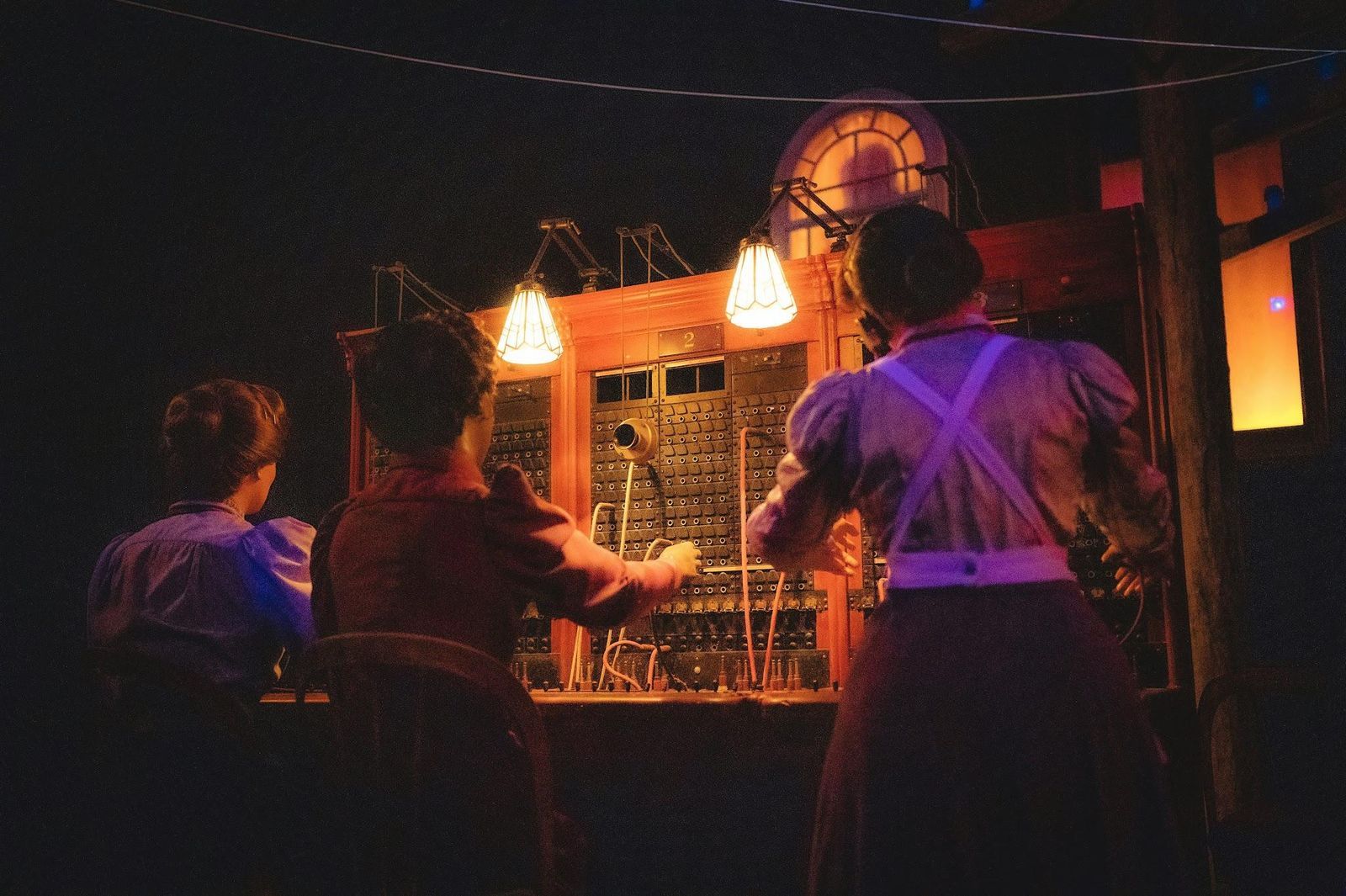
For early telephone calls, switchboard operators had to manually plug cords into panels to link callers together . The occupation rose shortly after Alexander Graham Bell patented the telephone in the 1870s, and became a fundamental job until the middle of the following century, when direct dialing was introduced.

Most operators were women, chosen for their calm voices, speed, and courtesy. They often memorized local names, numbers, and even callers’ personal habits and routines.

5
Bowling pinsetter

Image: engin akyurt

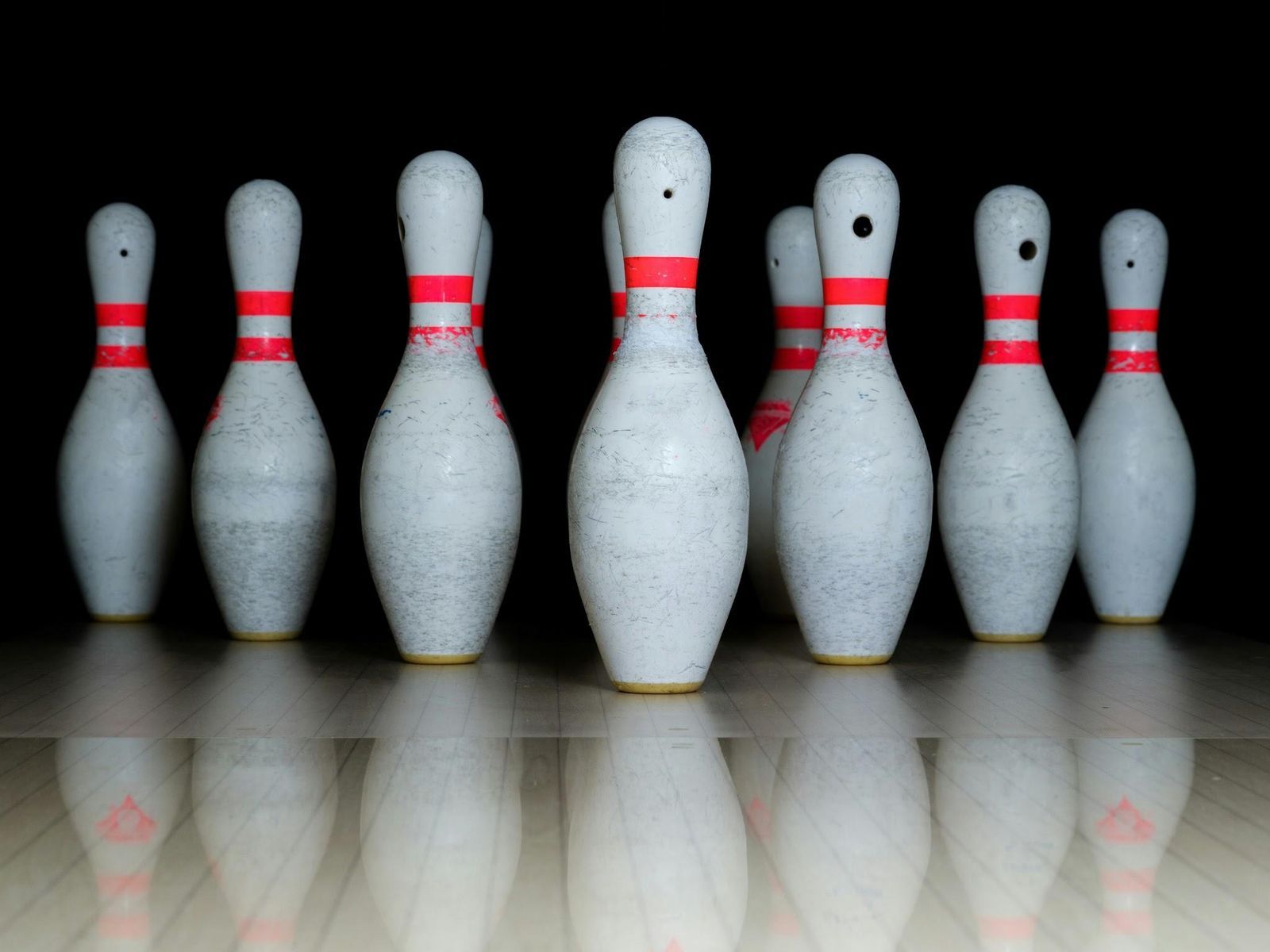
In early bowling alleys, pins did not magically reset themselves via machines. Pinsetters stood behind the lanes, manually rearranging pins after every roll.

It was noisy, repetitive, and sometimes dangerous work, often done by teenagers . It was only in the 1950s that automatic pinsetting machines were introduced.

6
Lamplighter

Image: Jason Peter

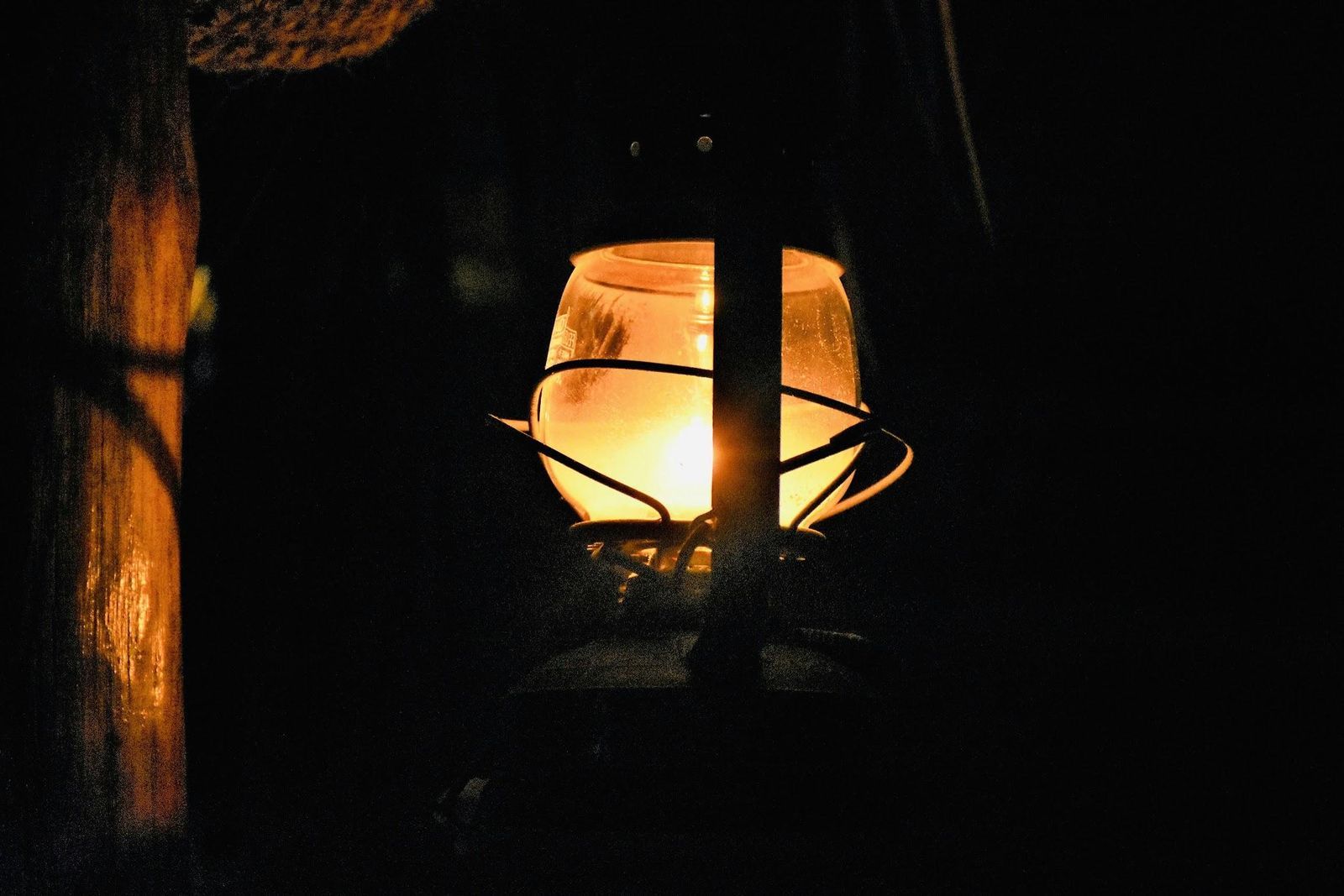
Since the beginning of the 19th century, every evening, lamplighters walked city blocks, lighting gas lamps one by one . At dawn, they returned to extinguish them. This job was vital for public safety because the lights helped prevent crime and accidents in dark streets.

It wasn’t until the 1880s that the first electric streetlights were introduced in some cities, but they weren’t the norm until the 1950s. At that point, the cost of maintaining gas pipes had become too high compared to electricity, so the last gas lamps were removed.

7
Milkman

Image: Nationaal Archief

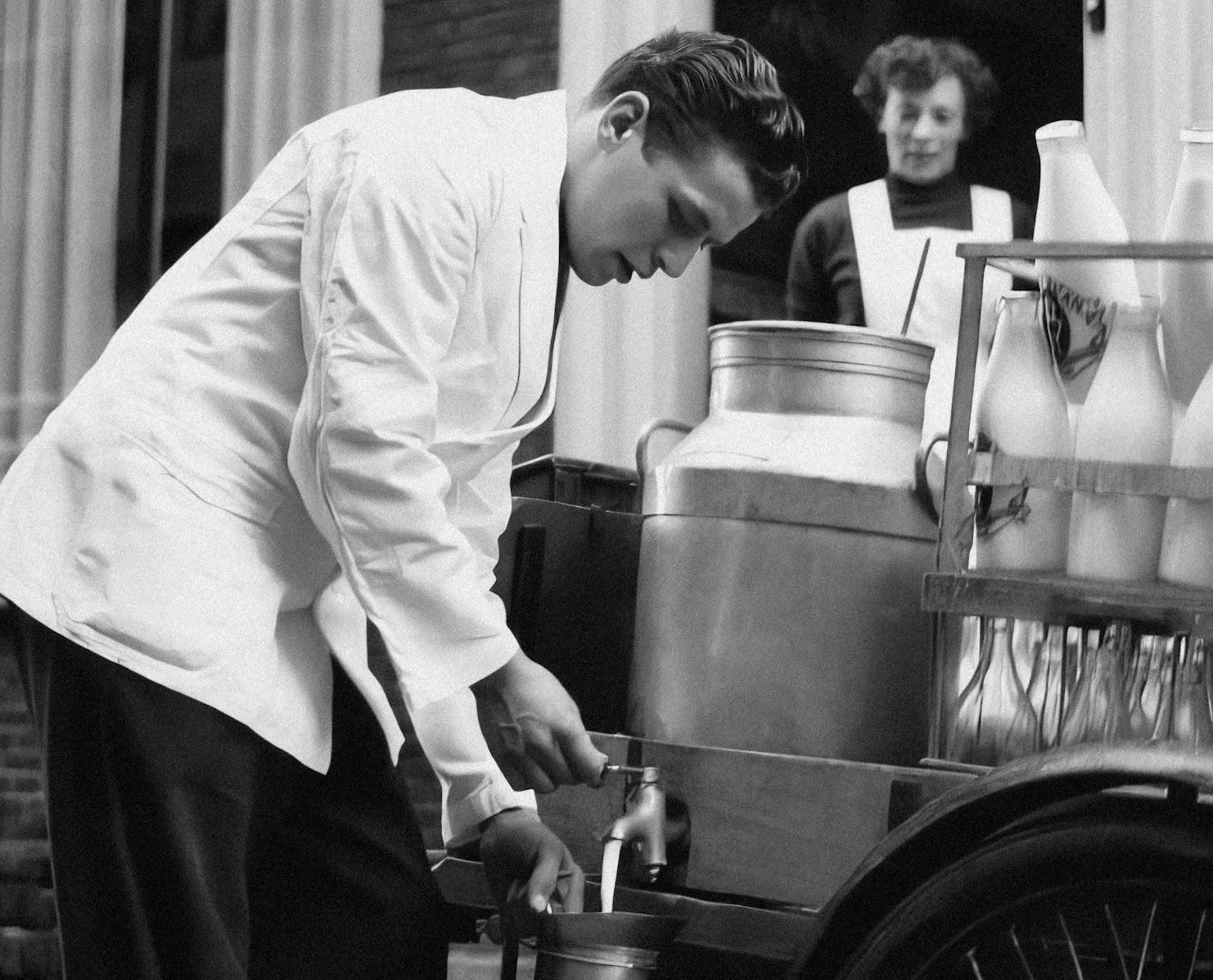
For the first half of the 20th century, the milkman was a familiar sight on American streets. He delivered fresh milk in glass bottles, leaving them in insulated boxes by the door. Many families depended on daily or near-daily deliveries, since refrigeration was limited or unreliable. By the 1940s, however, most American homes owned a refrigerator and the role of milkmen slowly faded.

8
Typist

Image: Denise Jans

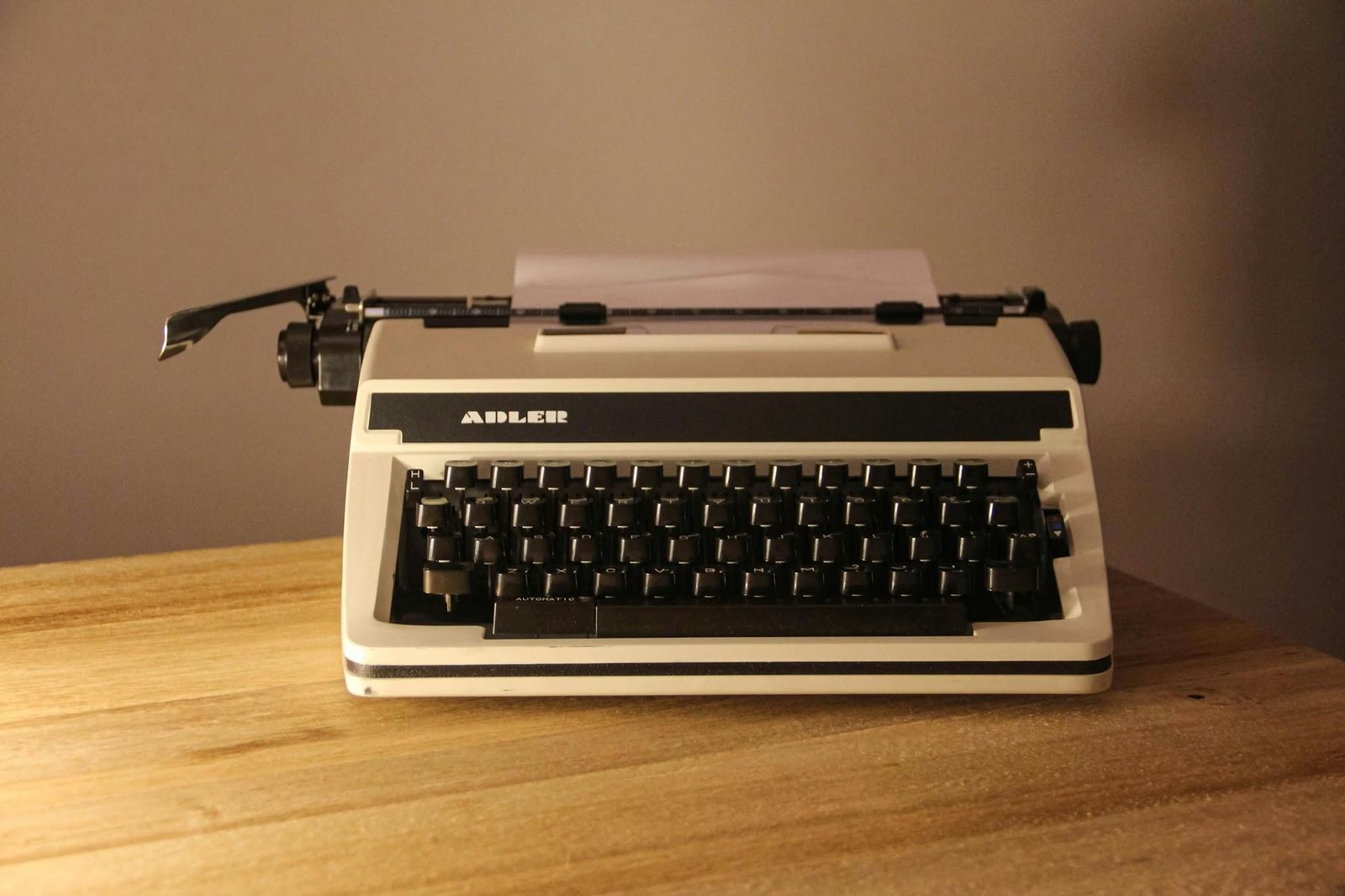
There was a time, before computers, autocorrect, and AI, when offices relied on professional typists to produce everything from letters to legal documents. Many large companies employed entire "typing pools," rooms filled with workers trained to type quickly and accurately on typewriters. Precision mattered more than you may think; unlike today, mistakes on paper (rather than the screen) sometimes meant starting the document over.

9
Human computer

Image: Roman Mager

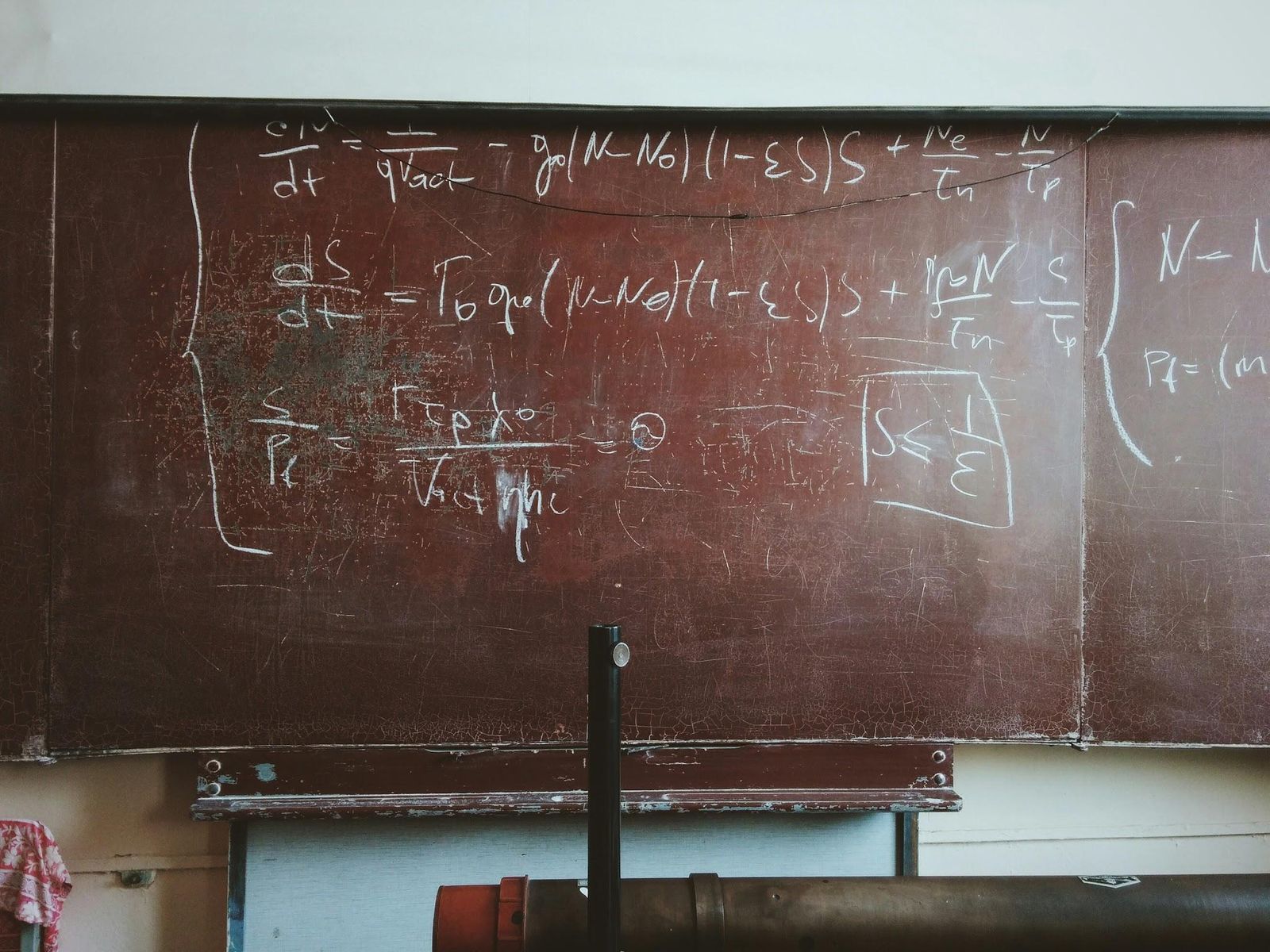
There was also a time when "computers" were people; their occupation was first mentioned in texts from 1613. Their role was to develop complex mathematical calculations by hand for scientific research, engineering projects, and more. Astronomers during the Renaissance, navigators during the Age of Exploration, and NASA space missions all relied on human computing for their operations.

Imagine that: teams worked through equations for hours or days, checking each other’s math for accuracy. During World War II and the early Cold War, this work was vital to national defense.

10
Knocker-upper

Image: Annie Spratt

Before the Industrial Revolution, most people woke up with the sun. However, by the early 1800s, when factory systems took hold of big cities, being even five minutes late ceased to be an option for workers. To avoid oversleeping, which could mean lost wages, they paid a person to wake them up.

Knocker-uppers walked neighborhoods early in the morning, tapping on windows with long poles or shooting dried peas through blowpipes . Eventually, alarm clocks were introduced in the late 1800s, and the need for this occupation started declining.

11
Telegraph operator

Image: Amsterdam City Archives

A case in which the occupation disappeared along with the technology. Before phones and instant messaging, the telegraph, which was invented in 1837, was the fastest way to send information across long distances.

Telegraph operators translated messages into Morse code , sending dots and dashes through wires that spanned the country. Speed and accuracy were critical, especially for news, business, and wartime communication. With the introduction of radio transmissions and telephones in the late 1800s, the service became more and more obsolete, although Western Union, the major telegraph service in the US, continued to operate until 2006.

12
Iceman

Image: Joy Ru

Finally, there were the icemen. Before refrigerators became household staples, the iceman was an essential figure in American daily life. He delivered massive blocks of ice straight to people’s homes .

These blocks kept food fresh and milk cold in an era before electric cooling. Ice was harvested from frozen lakes in winter, stored in insulated warehouses, and rationed carefully during warmer months.

General General 4 min read

Behind the scenes

Can you really buy an Oscar for a dollar? Little-known facts about awards

Image: RDNE Stock project

America must really love handing out awards if we have a full season devoted to it. You’ve watched it on your TV a thousand times, but did you know the winners can sell their Oscars? And what about the fact that the Golden Globes are not actually a hundred percent gold? Here’s all we know about award season . Put that dress and suit on, and walk down the red carpet of our site to get all the details!

1
The Golden Globe: Lighter than it looks

Image: MUILLU

Despite its prestigious reputation, the Golden Globe is one of the lightest major awards, it weighs just 7.8 pounds. That’s about the same as a small bag of sugar. Not exactly a workout for the winners, right?

While it may not be as heavy as an Oscar or a SAG Award, it’s still one of the most recognizable trophies in Hollywood.

2
A golden glow-up in 2009

Image: Kier in Sight Archives

The Golden Globe has been around since 1944, but in 2009, the award got a makeover . Its base was updated and they reinforced the top for a more durable design.

The refresh made sure this little trophy could withstand the excitement (and maybe the occasional after-party mishap). The new design kept its classic golden charm while making it sturdier for future winners.

3
Golden Globe: What’s it made of?

Image: Zlaťáky.cz

Now, let’s talk materials: Did you think the Golden Globe is all gold? Not quite! Up to 2019, the trophy was coated in 24-carat gold , sitting on an exotic marble base. However, the new design is made of zinc, brass, and bronze. Goodbye, marble!

That mix of materials makes it both elegant and solid, though it’s still one of the lighter awards out there.

4
The SAG Award: Hollywood’s heaviest trophy

Image: Venti Views

If you’ve ever bowled a strike, you’ve lifted something as heavy as a SAG Award. This trophy called "The Actor" is the bulkiest of the bunch, with a hefty 12 pounds .

Contrary to Golden Globe winners, SAG Award winners need a little arm strength to hoist it up for their acceptance speeches. But hey, considering how much actors work out for movie roles, a little extra weight shouldn’t be a problem!

5
A trophy with a military past

Image: Scott Webb

The SAG Award isn’t just heavy, it’s made of solid bronze originally developed for the US Navy.

The same material used in World War II for ship propellers and shell casings is now used to honor Hollywood’s finest, how about that?

6
The SAG Award: The baby of the group

Image: Tim Wildsmith

Compared to other long-standing awards, The Actor is still the new kid on the awards block. The SAG Awards are only 30 years old , they are the youngest of the major Hollywood trophies.

However, they’ve quickly become one of the most respected honors in the industry. They acknowledge and reward actors and crews from TV shows and they are highly valued among artists.

7
The Grammy’s original name: The Eddie?

Image: Clem Onojeghuo

The Grammy Award almost had a very different name. Originally, the National Academy of Recording Arts and Sciences considered calling it "The Eddie," after Thomas Edison, the inventor of the phonograph.

That’s clever, but eventually, they settled on "Grammy," inspired by the gramophone, an early record player.

8
Handcrafted with care in Colorado

Image: Randy Fath

Unlike mass-produced trophies, each Grammy is handmade by John Billings and his small team in Ridgeway, Colorado.

It takes 15 hours to craft just one , making each award a true work of art. With only a few people in charge of making them, and only a few people in the world who can win it, there’s a special touch to every trophy.

9
Why the Grammys use fake trophies on stage

Image: Markus Spiske

Ever noticed how winners don’t immediately have their names on their Grammy Awards? That’s because they’re handed blank fake trophies during the ceremony!

After the show, Billings’ wife, Robin Meiklejohn, carefully engraves the real nameplates . That way, winners get their correctly labeled awards without any last-minute surprises. We bet you’ll be double-checking next time you watch it!

10
Oscar nameplates: Everyone gets one, just in case

Image: Serge Le Strat

Unlike the Grammy Awards, where nameplates are engraved after the winners are announced, the Academy Awards prepare nameplates for every nominee ahead of time. That means each nominee’s name is already printed and waiting backstage, ready to be attached. The losers’ nameplates? Well, let’s just say they don’t make it onto the trophies

11
The Oscar: More gold than any other award

Image: Samuel Ramos

Hollywood’s most coveted trophy isn’t just tall, it’s loaded with gold . The Academy Award has more gold than any other major trophy. So, to keep it shiny, the polishing work will require a little time!

It takes an hour of careful work to make sure each Oscar gleams on awards night. Because let’s face it, under those bright Hollywood lights, who wants a dull statue?

12
What’s with the Oscar’s base?

Image: Carol Highsmith's America

Have you ever wondered why the Oscar statue has a unique look? The base is designed as a five-section film reel , representing the Academy’s five core branches: actors, writers, directors, producers, and technicians.

It’s a nod to the many different talents that make a great film possible. A meaningful detail on Hollywood’s biggest prize, don’t you think?

13
Why you can’t sell an Oscar for more than $1

Image: Ilya Chunin

Think an Oscar could get one a fortune? Think again! Since 1950, every Oscar winner must agree to offer the trophy back to the Academy for just $1 before selling it.

This rule prevents an underground market for Hollywood’s highest honor, naturally. So if you’re dreaming of buying one, you might need to win it the old-fashioned way: By making a great movie!

14
Why is it called "Oscar"?

Image: Mirko Fabian

The name "Oscar" has a fun origin story. Legend has it that Margaret Herrick, a former Academy librarian, thought the statue looked like her Uncle Oscar , and the name just stuck! Maybe that’s not the real story, but it’s certainly better than calling it "The Academy Award of Merit."

Explore more American facts

Choose your favorite category!

General
General

As American as apple pie—the very best America has to offer!

Culture
Culture

Delve into the astounding richness of American lore.

Geography
Geography

Hop in and explore vast and diverse American landscapes.

History
History

Discover the key moments that shaped the United States.