History History 7 min read

The history before the history

What were the thirteen colonies named after?
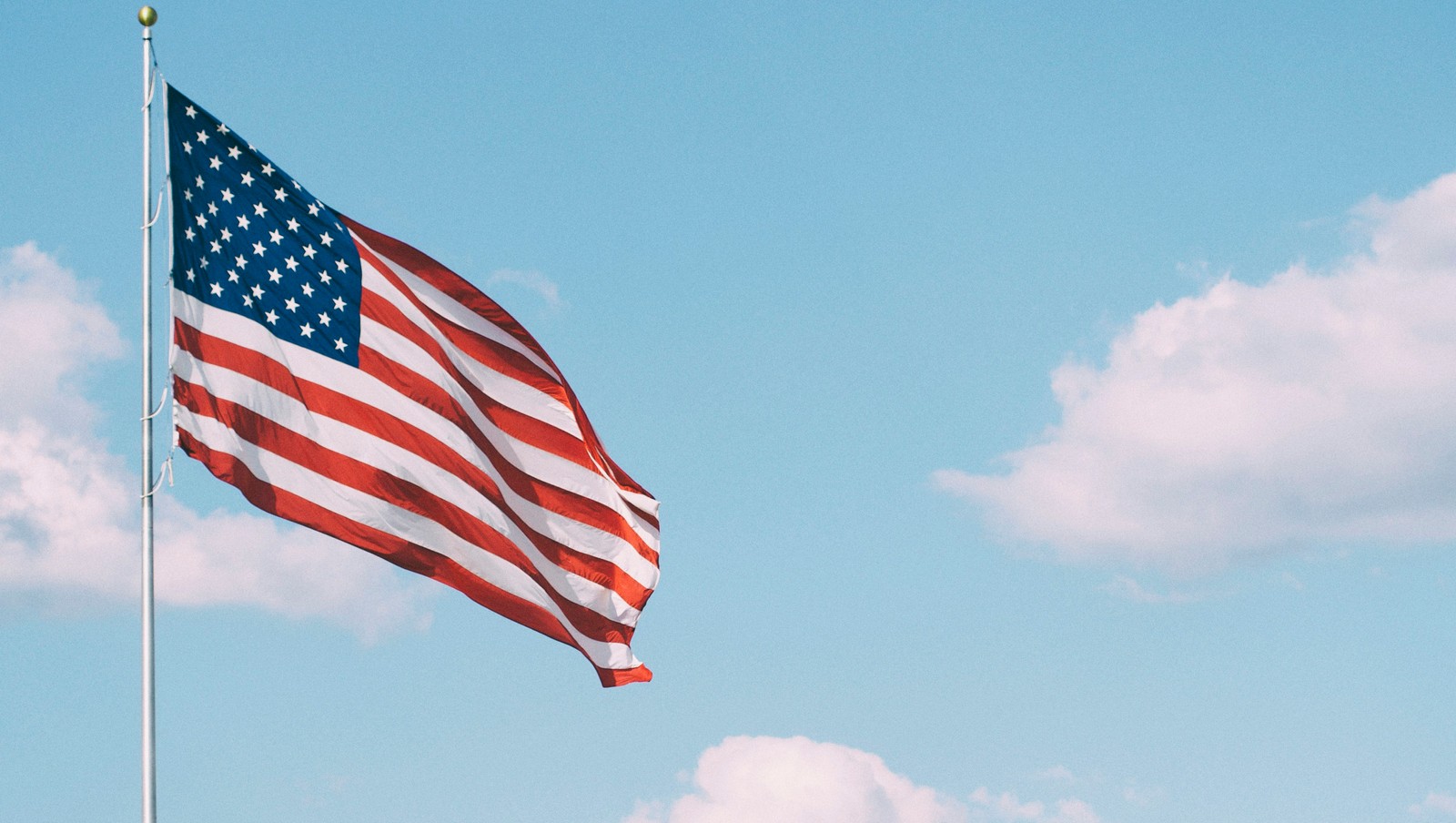
Image: Aaron Burden

The thirteen original colonies are the birthplace of America as a free country, but their history started way before 1776 . Did you know that there were actually only twelve proper colonies? Or that not all colonies were originally settled by the British? How did they come to be? What is the origin of their names? Let’s explore all these questions and more!

1
Virginia (1607)
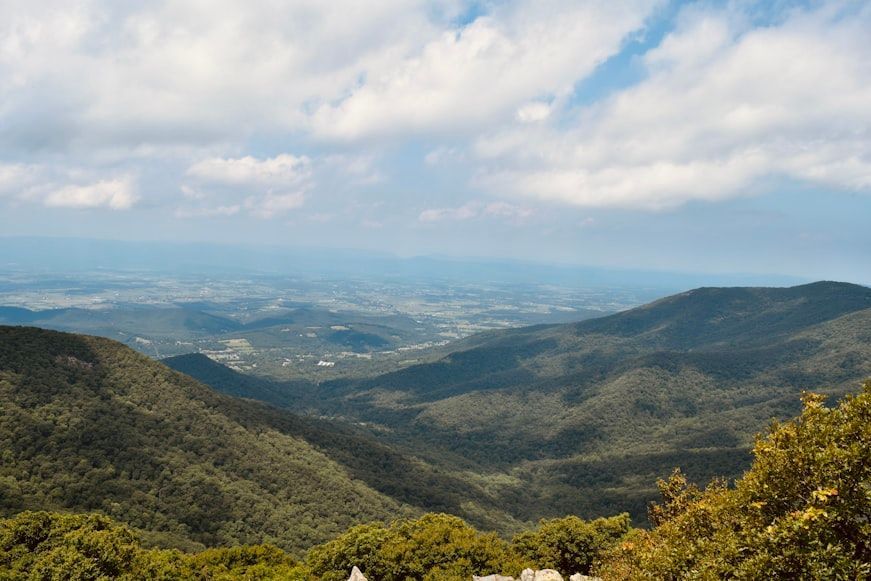
Image: Praswin Prakashan

Before being an established colony, the entirety of England’s territories in North America was referred to as Virginia. While it is commonly accepted that Sir Walter Raleigh named it after Elizabeth I, the Virgin Queen , some historians have suggested that it is the European rendering of Wingina , the name of that region’s native ruler.

The first two English settlements (in modern-day Newfoundland and North Carolina) were not successful. The third one, Jamestown, was settled by the Virginia Company as a charter (a sovereign’s permission to establish a colony). Eventually returned to the crown’s authority, it was officially known as the Virginia Colony. After the English Civil War, Charles II conferred on it the title of "Old Dominion" as a token of gratitude, a name that survives as the state’s current nickname.

2
Massachusetts (1620)
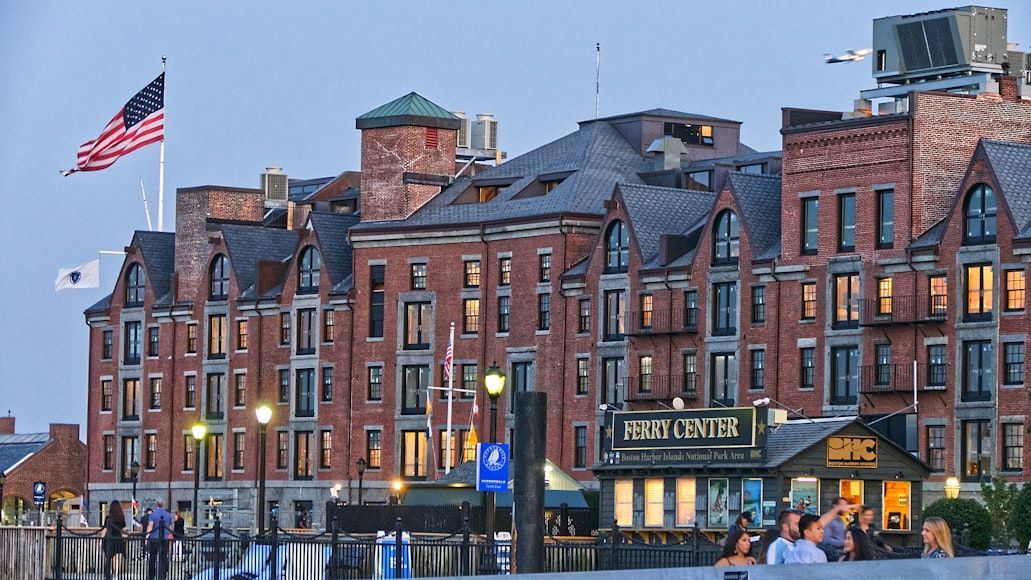
Image: Pascal Bernardon

Also established by charter, the Massachusetts Bay Colony was not only created for trading purposes, like other settlements. It was also intended as a safe haven for English Puritans who desired to escape persecution . Its charter and name changed several times due to the Civil War and political unrest. Eventually, several colonies were merged into the Dominion of New England and later into the Province of Massachusetts Bay.

The name Massachusetts was taken from the indigenous population of the region, an Algonquian tribe called the Massachusett or Muhsachuweesut . It is believed that the name means ‘by the great hills’ or ' at the range of hills’, in reference to the Blue Hills.

3
New Hampshire (1623)
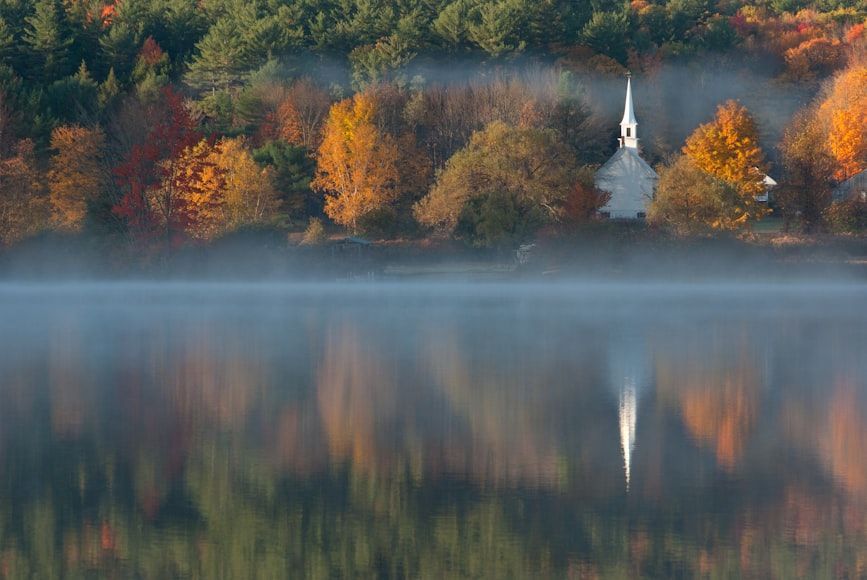
Image: Peter Lewis

The first settlements in New Hampshire were the result of land being granted to John Mason and Sir Ferdinando Gorges , neither of whom ever traveled to the region. Additional settlements in the area were established by colonists from Massachusetts Bay, who were unhappy with the strict Puritan rule of the colony.

Although John Mason had been born in Norfolk, he had ties to Hampshire County in South East England, after whom he decided to name his newly granted land . After Mason’s death, the region lacked a proper authority, and the settlers voted to be part of the Massachusetts Bay Colony. After the Civil War, the Province of New Hampshire was established by Charles II.

4
Maryland (1634)
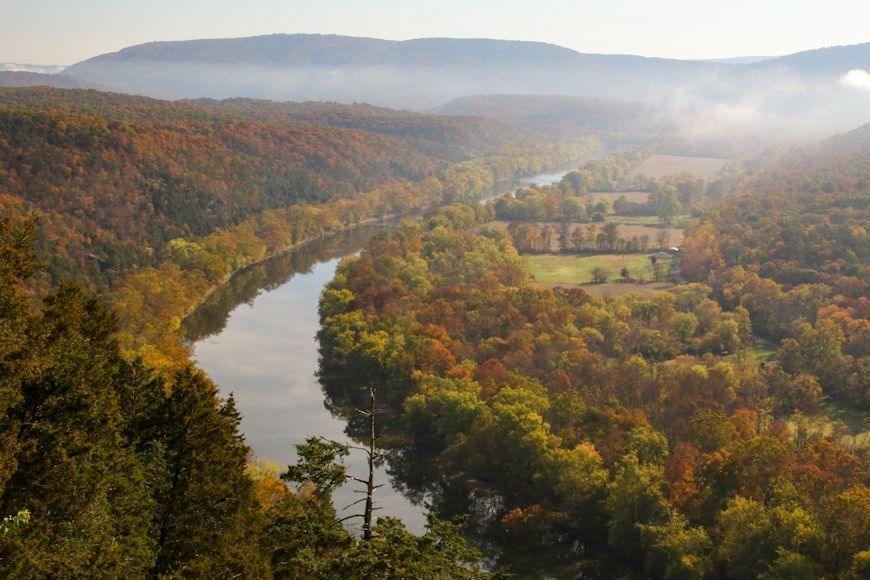
Image: Liz Guertin

A similar situation to the Massachusetts colony, Maryland was also established as a refuge from religious persecution, this time for Roman Catholics . With this purpose in mind, George Calvert, 1st Baron Baltimore, secured a land grant from Charles I. Despite several religious conflicts, Maryland remained one of the most tolerant colonies.

Maryland was named after Charles I’s wife, Henrietta Maria , who was a devout Catholic. Lord Baltimore had initially intended to use the name Crescentia (or ‘the land of growth’), but he decided to let the King choose the name. Charles named it Terra Mariae (Maria’s land), although the English version quickly became more widely used.

5
Connecticut (1636)
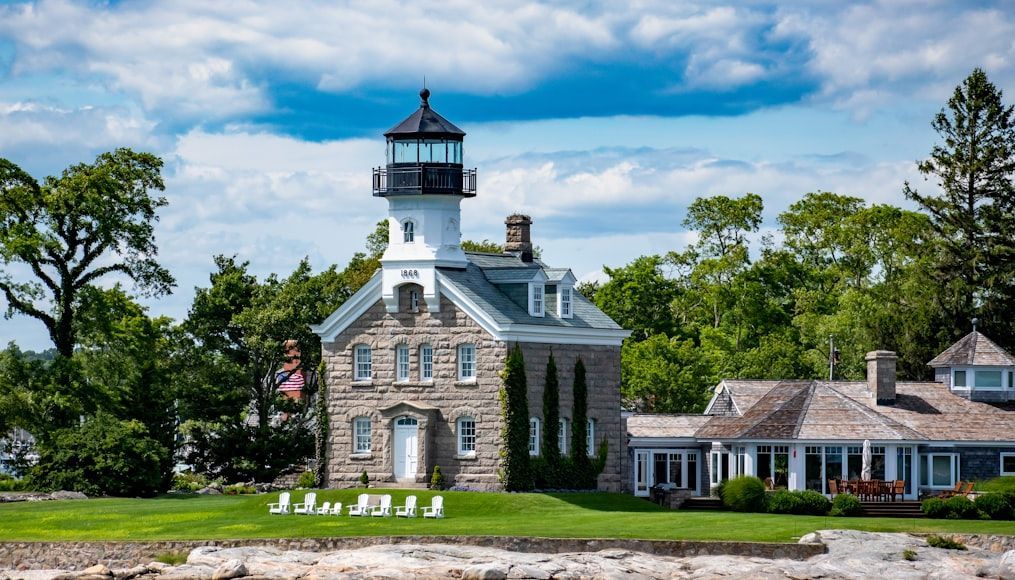
Image: Rusty Watson

The first settlements in the area were established by Dutch explorers, but English settlers soon arrived from the Plymouth colony in Massachusetts. The colony took its name from the Connecticut River , a corrupted form of the native words quinetucket and kwinitekw , meaning ‘beside the long, tidal river’.

Connecticut's current nickname, ‘the Constitution State’, is a reference to the Colony’s constitution, the Fundamental Orders of Connecticut , one of the earliest constitutions in modern history.

6
Rhode Island (1636)
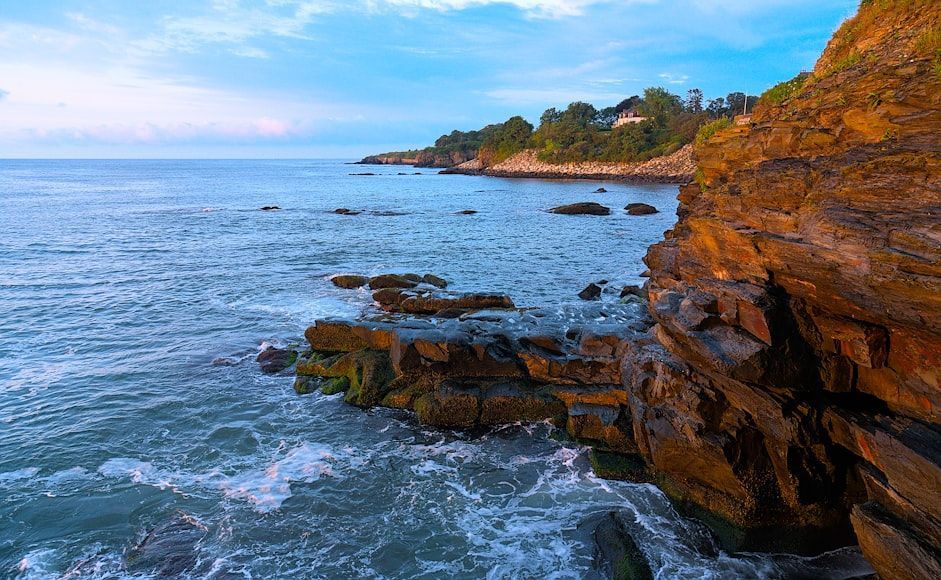
Image: Steve Anton

Founded by a Puritan minister who had been expelled from the Massachusetts Colony, Rhode Island was initially named Providence Plantations . Committed to ensuring religious freedom, it became a refuge for religious dissenters who found it difficult to live in the strict Puritan colonies. Later on, it merged with several other settlements —among them, Aquidneck Island, also known as Rhode Island— and took the name of the Colony of Rhode Island and Providence Plantations.

It’s uncertain where the name Rhode Island came from, but the two most likely theories cite either a connection with the Greek island of Rhodes or the Dutch phrase "een rodlich eylande" (‘a reddish island’) . All three names (Rhode Island, Island of Rhodes, and Red Island) are used in 17th-century documents.

7
North and South Carolina (1663)
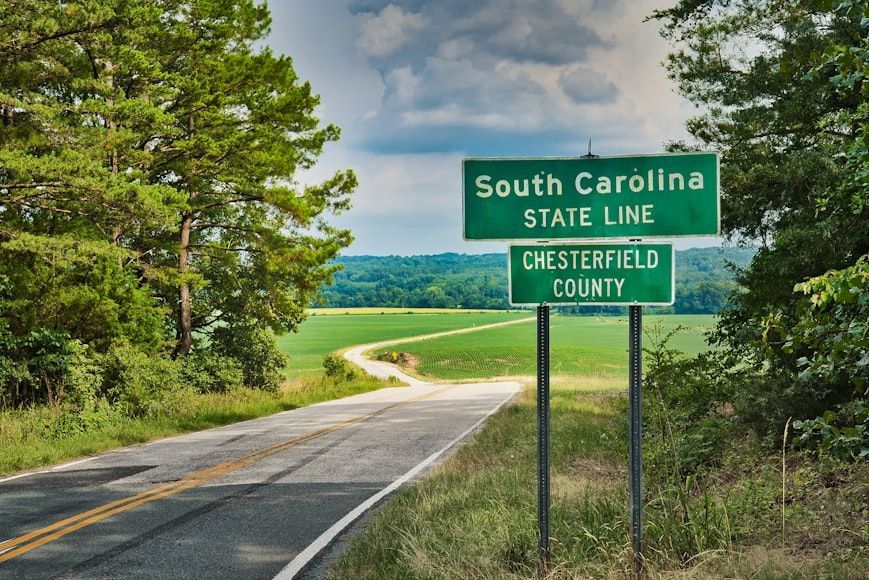
Image: Clint Patterson

Before there was a North and a South Carolina, there was just Carolina . The land of both colonies had been granted to various nobles as a reward for their role in the restoration of the monarchy. The charter granting the lands —which included areas from present-day North Carolina, Tennessee, South Carolina, Georgia, Alabama, Mississippi, and Florida— named them Carolina (from the Latin Carolus ) after King Charles I .

The area covered by the province of Carolina was divided into two distinct parts, and communication and transportation between the two proved difficult. A deputy governor for the northern region was initially appointed, but the noble proprietors eventually decided to divide the province into two , North Carolina and South Carolina.

8
New York (1664)
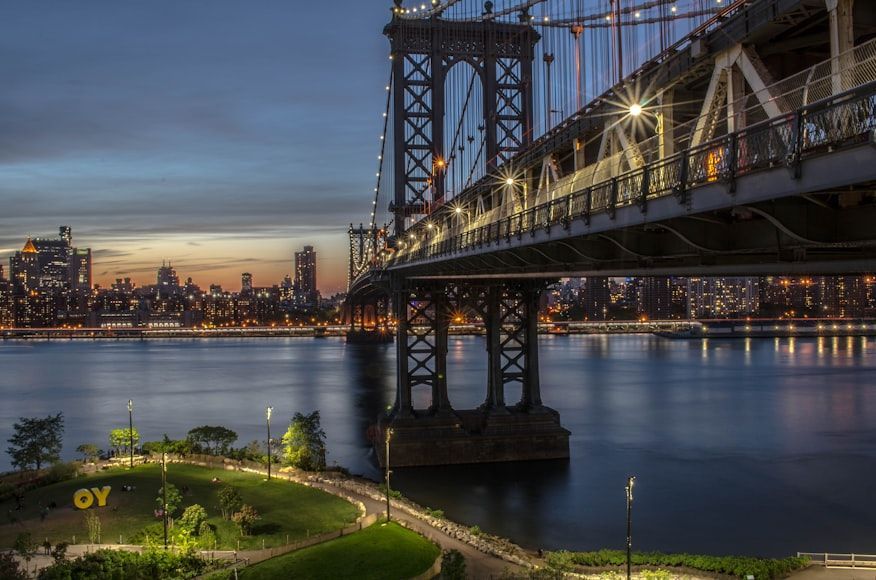
Image: Matthias Kinsella

It is a widely known fact that modern-day New York was initially colonized by Dutch settlers under the name ‘New Netherland’, with ‘New Amsterdam’ as its capital city . In 1664, King Charles II and his brother, the Duke of York, gathered a fleet to seize the New Netherland territories, a conquest disputed by the Dutch West India Company, the colony administrator.

The Duke of York was made proprietor of the territory, now renamed ‘New York’. In the following decade, the ownership of the territory was disputed, and the Dutch made several attempts to recover it. Eventually, the Treaty of Westminster was signed in 1674, where the Dutch forfeited the New York territories in exchange for the Suriname colony in South America.

9
Delaware (1664)
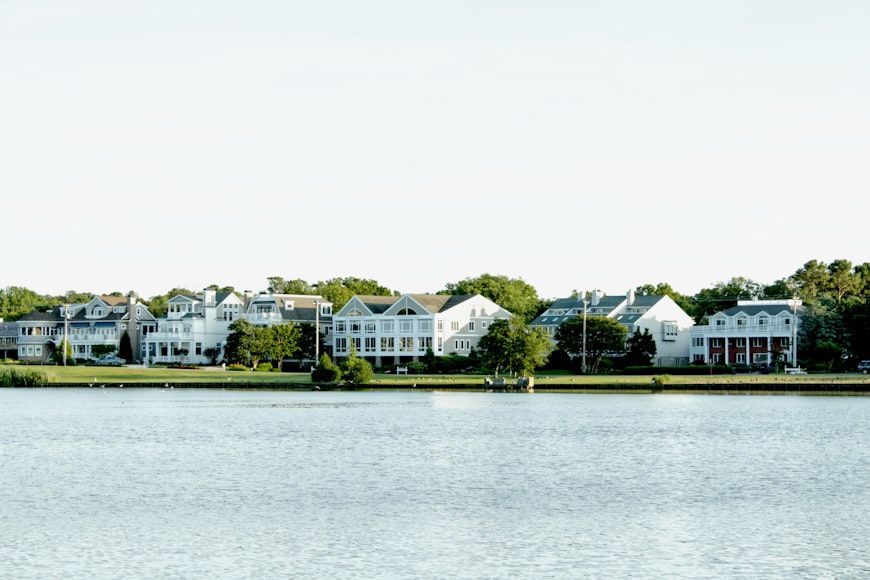
Image: Gökhan Kara

The territory of Delaware was originally part of New Netherland, which made it part of the New York Province after British conquest, but it was never effectively controlled by the New York government. These counties had taken their name from the neighboring Delaware River , which in turn had been named after Thomas West, 3rd Baron De La Warr, governor of Virginia at the time the English gained control of that territory.

While they were never a colony of their own, the Delaware counties had an independent legislature and functioned as a de facto colony. Later included in the land granted to William Penn, they refused to merge with the Pennsylvania government and were eventually granted their own assembly. At the start of the Revolutionary War, the Delaware assembly voted for separation from Britain, thus creating the state of Delaware.

10
New Jersey (1665)
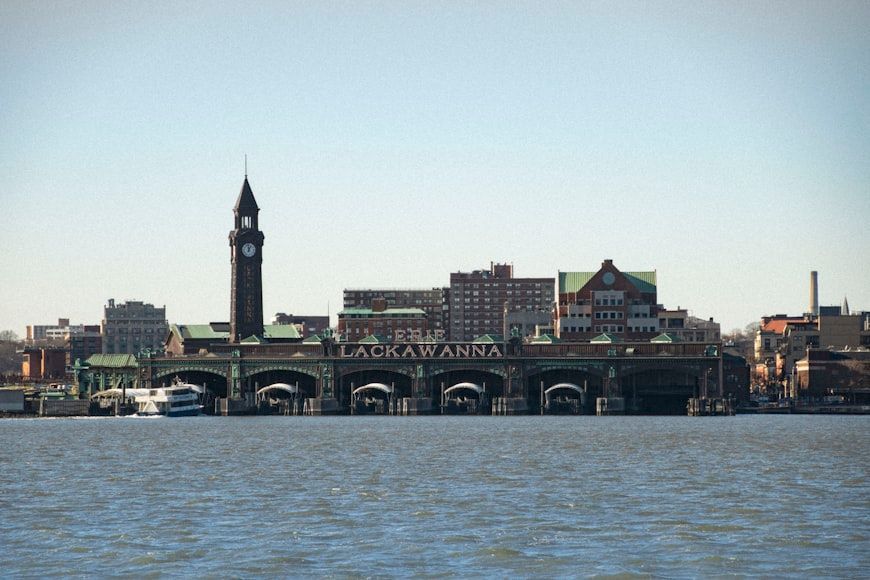
Image: R

Originally part of the New Netherland territory, half of the New Jersey territory was conferred by the Duke of York to Sir George Carteret as a reward, while the other half was sold to Lord Berkeley of Stratton. The territory was named after Carteret’s homeland, the island of Jersey .

A few years later, New Jersey was divided into two provinces, East and West Jersey , with their respective governors and constitutions, which were eventually incorporated into the New England Dominion, alongside the province of New York. However, the Dominion was dissolved after a few years, and the East and West Jersey territories were unified as the Province of New Jersey.

11
Pennsylvania (1681)
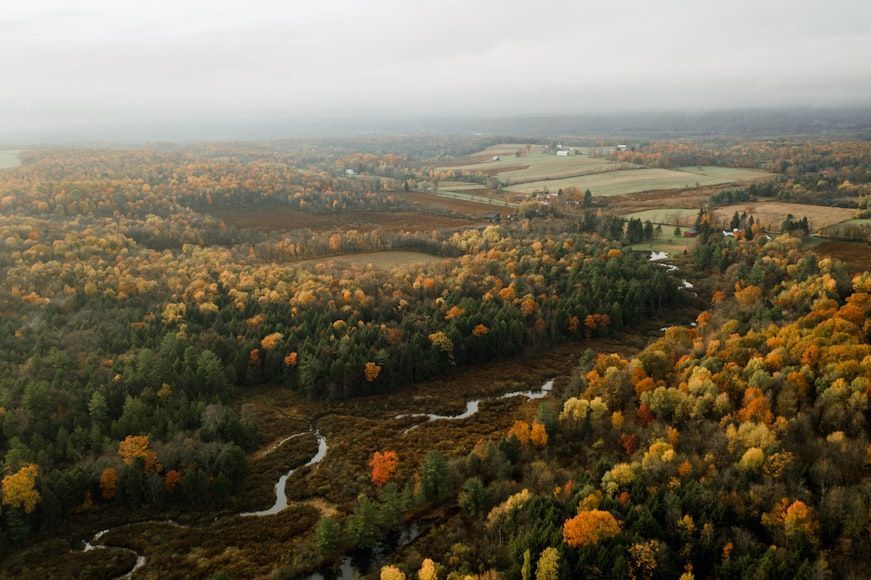
Image: Donnie Rosie

Pennsylvania, alongside Carolina, is one of the two major Restoration colonies, chartered by Charles II to reward loyal subjects after the war. In this case, it was conferred on William Penn, an influential Quaker thinker, to settle a debt owed to his father. Penn and his associates had already purchased most of the New Jersey territory to establish a Quaker haven, but religious tensions in England made him propose a mass emigration of Quakers to the King.

The king conferred Penn a large territory —which made him the largest private non-royal landowner— with almost absolute rights. While Penn intended to name the colony either ‘New Wales’ or ‘Sylvania’ (Latin for ‘forests’), the king named it Pennsylvania after Penn’s father . Penn personally travelled to the territory to establish the first settlements, signed treaties with the Lenape tribes of the area, and established a proto-constitution which guaranteed freedom of religion, elections, and trials by jury.

12
Georgia (1732)
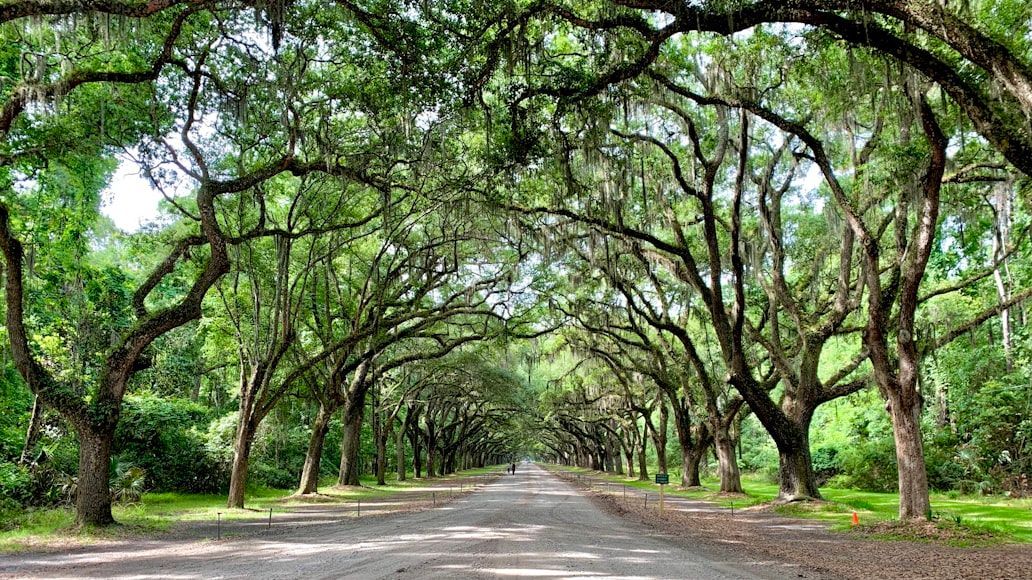
Image: Jacob Mathers

The last colony to be established, Georgia was chartered to James Oglethorpe by King George II, after whom it was named . A social reformer, Oglethorpe, wanted to establish the territory as a haven for debtors and poor people, and implemented measures such as the banning of alcohol and slavery. He also disliked the large plantation system, favoring smallholdings.

The colony was also intended to be a ‘buffer’ between the British colonies and the Spanish territories in Florida. Despite Oglethorpe’s well-intentioned designs, the colony was difficult to manage, and it was returned to the crown two decades later. Upon becoming a royal colony, Oglethorpe’s measures against slavery and the plantation system were overturned.
General General 3 min read

They have rules too

The president can’t open the White House windows? Here’s why!

Image: Fine Photographics

Being the president of a nation might seem glamorous, and while it comes with a couple of nice benefits, the role is also full of obligations, strict protocols, and surprising restrictions . From accepting luxurious gifts to buying a smartphone or taking a simple walk, here are all the "don’ts" of being a US president!

1
Open the windows

Image: Braden Burson

Yes, you read that right. A sitting US president can’t just get up and open the windows of the White House to enjoy a beautiful day. While there’s no law against it, the protocols state that any action that could pose a security risk to the commander-in-chief must be carefully reviewed and approved by the staff.

2
Go to the cinema

Image: Krists Luhaers

Going to the movies is one of life’s simple pleasures. Unfortunately, if you’re the president, it’s not one of your options. While it’s not officially forbidden, crowded and dark spaces like movie theaters represent serious security risks. Luckily, the White House has its own private screening room, so the president and his family can still enjoy movie night at home.

3
Attend their children’s events

Image: Sincerely Media

You’ll rarely see a president at their kids’ school plays or sporting events. And it’s not because they’re bad parents; it’s because regulations discourage them from attending. With so many people, children, and things happening at the same time, keeping the commander-in-chief safe in those settings is nearly impossible.

4
Buy their own tech devices

Image: appshunter.io

When a new iPhone hits the market, many rush to buy it, but presidents can’t make this decision on their own. Any electronic device, like a smartphone or tablet, could be vulnerable to hacking or espionage. So while presidents can use cell phones, theirs must be secure, vetted, and government-approved.

5
Block people on social media

Image: Julian

And that isn’t the only restriction on cell phones. Presidents who use their social media accounts for official communications are advised not to block people in their official POTUS account, since doing so could be seen as suppressing free speech. On the other hand, they can block users on personal accounts.

6
Go out alone

Image: Warren K. Leffler, Public domain, via Wikimedia Commons

The US president can’t just grab the keys and head out for a walk. Sure, strolls around the White House gardens are fine, but stepping beyond the gates is a different story. Anytime the president leaves the White House, even for a quick walk around the block, the Secret Service must secure the area, plan the route, and provide constant protection. Sounds a little overwhelming, right? But when you’re the commander in chief, safety always comes first!

7
Drive

Image: Jerry Kavan

Ever felt the urge to hop in your car and drive somewhere spontaneously? Well, if you’re the President of the United States, that’s off-limits. Security measures strongly recommend that presidents must always travel in a secure vehicle with a driver and a full security detail. In fact, the last president known to drive alone on the open road was Lyndon B. Johnson (1963-1969).

8
Fly on commercial airlines

Image: The White House, Public domain, via Wikimedia Commons

Just as security protocols strongly discourage the president from driving alone on open roads, flying on commercial airlines is also off-limits. Imagine being hundreds of feet in the air, locked in with strangers; it could be extremely unsafe when you’re the president of the United States. Implementing proper security measures would be too complicated, and with a large presidential staff, there might not even be enough seats for everyone.

9
Accept expensive gifts

Image: Ayana Ames

Presidents receive many, many letters and gifts from the public, but not all of them can be accepted. The US Constitution and federal law require presidents to decline overly expensive gifts, whether they come from foreign leaders or everyday citizens, to prevent any appearance of conflict of interest or corruption.

10
Discard official mail

Image: Wolfgang Vrede

Although it may seem like a harmless, ordinary task, the president can’t just start cleaning out their office or email inbox. All presidential correspondence, physical or digital (even spam!), is considered official government property. It must be processed or archived according to federal records regulations, and discarding anything requires a strict review process.

Geography Geography 6 min read

Secret landscapes

A "hell" in California? Discover 10 secret natural wonders of America!

Image: Jamie Street

Many Americans—as well as people from around the world—have already had the chance to visit iconic US landmarks , such as the Grand Canyon or Niagara Falls. But beyond these famous landscapes, our country is home to many other spectacular natural wonders that have been overlooked for years. Have you ever heard of Thor's Well, Lost River Cave, or Turnip Rock? Whether you're familiar with them or not, you're going to find some surprises in this article about 10 of America's hidden natural treasures!

1
Thor's Well, Oregon

Image: Eric Muhr

Imagine there is a huge, circular hole in the sea where water seems to fall endlessly into an abyss. Spooky, right? Well, this is what you'll see if you look at the incredible Thor's Well, located on the Oregon coast.

Despite its name, it's not a well but a large, bowl-shaped sinkhole situated on the rocky shore. When you see it, it gives the impression that the ocean is being drained away! The ocean waves flow in and out of the hole, creating a dancing water spectacle. But that's not all; the site is surrounded by rugged volcanic rock that becomes slippery and hazardous when wet. It feels almost like stepping into a scene from a fantasy movie.

2
Devil's Den, Florida

Image: Michael Behrens

When it comes to spooky names, Devil's Den stands out. While its name might not sound very inviting—unless you’re a horror fan—this is actually an incredibly beautiful place with a charm that is hard to match.

Devil's Den is a prehistoric underground spring and cave system. Picture yourself walking through the state of Florida when suddenly you find a big, mysterious hole in the ground. When you look down, you discover a cave with a bright blue body of water inside. Scientists believe that the roof of an underground river collapsed here, exposing the water surface and creating what we now know as Devil's Den Spring.

If you haven't visited this spot yet, this is your invitation; you won't regret it!

3
Bisti/De-Na-Zin Wilderness, New Mexico

Image: John Fowler

Bisti/De-Na-Zin Wilderness is an incredible landscape filled with reddish-purple rock formations on eroded terrain . The site has amazing geological structures sculpted from sedimentary rock.

While this scene looks like something out of a science fiction movie set on some distant planet, this extraordinary place is not only on Earth but also right here in northwestern New Mexico.

Want to know what its name means? Bisti and De-Na-Zin are Navajo words that can be translated to "a large area of shale hills" and "standing rock," respectively.

4
Bumpass Hell, California

Image: Quentin Burgess

Lassen Volcanic National Park in northeastern California has something to surprise visitors: a geothermal basin.

We're talking about Bumpass Hell, a place with a name that has an interesting history. This spot owes its name to Kern Bumpass, a miner who, in the 19th century, was one of the first to explore this little-known wonder. Bumpass suffered injuries and burns due to the geothermal activity, which gave rise to the ingenious name that the area has today.

What you see upon arrival is a series of steam vents reaching temperatures of up to 200°F , rising from bubbling hot springs. And as if all this weren't enough, Bumpass Hell is framed by the beautiful Cascade Mountains.

5
Havasu Falls, Arizona

Image: Cara Fuller

While the Grand Canyon in northern Arizona is one of our country's best-known natural landmarks, it also holds a special spot that many overlook. Although a permit is required and access is a bit tricky, the effort is well worth it to find the beautiful Havasu Falls. The most common way to reach Havasu Falls is by hiking , but you can also get there by helicopter.

The waterfall is an impressive 100 feet high and splashes against the unique rocky backdrop. This spot is mesmerizing, and this fact is reflected in its name: Havasu translates to "blue-green water" in the Havasupai language.

6
Turnip Rock, Michigan

Image: Cody Doherty

The Great Lakes are well-known for their beauty and size, but there's a hidden gem among them that has been overlooked for a long time.

Picture yourself standing on the shore of a lake and suddenly spotting a large rock formation that appears to be balancing on the water. If you experience this, you're probably in the state of Michigan, precisely standing by Lake Huron, witnessing the incredible formation called Turnip Rock.

Its name comes from its strange shape: over the years, the action of the waves has eroded the base of the rock, making it narrow while leaving the top wide. As a result, the rock now resembles a giant turnip. The best way to reach this site is by kayak, so if you like that activity, Michigan is the perfect place for you!

7
Apostle Islands Sea Caves, Wisconsin

Image: Spencer Fitzgerald

Wisconsin boasts some of the most beautiful natural areas and holds unexpected scenery.

If you enjoy museums and art, don't miss Apostle Islands Sea Caves in Wisconsin. Here, nature is the main work of art, with water as the star sculptor!

In this spot, the water has drastically affected the cliffs, carving out wonderful rock formations with incredible shapes. However, all of this becomes even more amazing in winter when the site is covered with ice water and adorned with icicles hanging like spikes!

8
Craters of the Moon National Monument, Idaho

Image: Chris Bair

If you are someone who has always dreamed of traveling to space and stepping foot on the moon , this place might become your new favorite spot.

While it's not actually in outer space, Craters of the Moon National Monument in Idaho makes you feel as if you were there. As the name suggests, the landscape here resembles lunar craters. These pits and fissures in the dark, hardened ground are the result of volcanic activity that has occurred in the area over the past 15,000 years.

If you enjoy hiking, exploring caves, and taking in spectacular views, don’t miss the chance to visit this remarkable place!

9
Lost River Cave, Kentucky

Image: Bruno van der Kraan

As if descending into the dark depths of a cave weren’t enough, imagine the sensation of navigating an underground river! If you're not afraid of that scenario, then you can visit Lost River Cave in Kentucky.

After passing through a dramatic entrance, you'll enter the cave system, a mysterious world adorned with stalactites and stalagmites that decorate the entire space. But the highlight is the river flowing through it. Visitors can experience this adventure by taking a boat ride along the underground river with other guests. It’s an experience you definitely won't want to miss!

10
Providence Canyon, Georgia

Image: Shelby Cohron

Yes, the Grand Canyon is absolutely impressive and beautiful, but it's not the only canyon in our country. Right here in the US, we also have the Providence Canyon, located in southwestern Georgia.

Sometimes called "Georgia's Grand Canyon," this stunning place is approximately 120 miles southwest of Atlanta and covers about 1,000 acres. The rock formations here delight visitors with a varied color palette, ranging from pink to red, orange, and even purple.

In addition, the canyon's depth ranges from 15 to 50 feet, offering magnificent views to enjoy during the hike. If you love to explore, make sure to visit Georgia!

Explore more American facts

Choose your favorite category!

General
General

As American as apple pie—the very best America has to offer!

Culture
Culture

Delve into the astounding richness of American lore.

Geography
Geography

Hop in and explore vast and diverse American landscapes.

History
History

Discover the key moments that shaped the United States.