Culture Culture 5 min read

The styles that shaped the last 100 years

What was in style for American women, decade by decade

Image: Documerica

Fashion is more than what we wear; it’s a reflection of who we are, how we see ourselves, and the times we live in. Over the past 100 years, American women’s fashion has evolved from the rebellious flapper styles of the 1920s to the comfort and personal expression of the 2020s. Every decade brought its own looks and style icons, shaped by popular culture, changing lifestyles, and social attitudes. Take a journey through the decades to see how American women dressed, and how fashion reflected the spirit of each era.

1
The 1920s: Flappers and a new sense of freedom

Image: Gera Ceja

The 1920s brought a new sense of independence and modernity to American women, and fashion reflected that changing attitude. After centuries of restrictive styles, women embraced clothes that allowed greater freedom of movement and a more youthful appearance.

Flapper dresses, bobbed hair, cloche hats, Mary Jane shoes, and long strands of pearls became signatures of the decade. The rebellious flapper embodied this new attitude, with silent film star Louise Brooks becoming one of the era's most recognizable style icons.

2
The 1930s: Hollywood glamour

Image: cottonbro studio

The hardships of the Great Depression contrasted sharply with the glamorous world presented on the silver screen. Hollywood offered an escape, and movie stars became powerful influences on how American women wanted to look. Fashion was elegant and feminine, with clothing designed to create a long, graceful silhouette.

Bias-cut dresses, fitted gowns, wide-leg trousers, fur-trimmed coats, and chic hats were popular, while satin and silk added a touch of luxury. Jean Harlow, known for her platinum-blonde hair and glamorous gowns, was one of the decade’s most celebrated style icons, alongside other actresses such as Carole Lombard.

3
The 1940s: Fashion during wartime

Image: Erik Holmén, Nordiska museet, CC BY 4.0, via Wikimedia Commons

World War II brought practicality to the forefront. With fabric rationed and millions of women entering the workforce, clothing had to be functional, durable, and economical without completely sacrificing style.

Tailored suits, shorter skirts, button-up blouses, trousers, sturdy shoes, and simple dresses became everyday staples. The iconic image of Rosie the Riveter, with her work shirt, rolled-up sleeves, and headscarf, came to symbolize the capable working woman of wartime America.

4
The 1950s: The feminine silhouette returns

Image: Los Angeles Times, CC BY 4.0, via Wikimedia Commons

The postwar years ushered in a very different mood. As prosperity grew, fashion celebrated femininity, polish, and carefully put-together appearances. The hourglass figure became the decade's ideal silhouette.

Full skirts, cinched waists, fitted sweaters, gloves, pearls, and tailored dresses dominated women's wardrobes. Hollywood stars reinforced the look: Marilyn Monroe represented glamorous, voluptuous femininity, while Grace Kelly became synonymous with restrained, sophisticated style.

5
The 1960s: Mini skirts and mod style

Image: U. A. Saarinen, CC BY 4.0, via Wikimedia Commons

The 1960s belonged to youth culture. Younger women were challenging traditional ideas about fashion and society , and clothing became a way to express independence and a willingness to break the rules.

Mini skirts, shift dresses, go-go boots, bold geometric prints, colorful tights, and bright colors gave the decade its unmistakable look. British designer Mary Quant became closely associated with the mini skirt, while First Lady Jackie Kennedy influenced millions of women with her polished dresses, pillbox hats, and timeless elegance.

6
The 1970s: From hippie to disco

Image: Edu Bastidas

Individuality was the name of the game in the 1970s. The decade's fashion reflected everything from the counterculture and growing women's movement to the glamorous nightlife of the disco era.

Early on, bell-bottom jeans, flowing maxi dresses, peasant blouses, fringe, denim, suede, and platform shoes dominated. Later, sequined dresses, jumpsuits, halter tops, and metallic fabrics took over the dance floor. Diana Ross was one of the era's standout style icons, effortlessly embodying its glamorous side.

7
The 1980s: Big shoulders and bigger statements

Image: Josue Velasquez

Confidence, and plenty of it, defined the 1980s. As more women entered professional and corporate environments, clothing became a way to project ambition and authority , while pop culture encouraged an equally bold approach outside the office.

Power suits, shoulder pads, oversized blazers, leggings, bright colors, statement jewelry, and wide belts captured the decade's love of excess. Madonna influenced a younger generation with lace, layered jewelry, leggings, and rebellious accessories, while Dynasty’s Joan Collins represented the decade's polished glamour.

8
The 1990s: Casual becomes fashionable

Image: Beyzaa Yurtkuran

After the extravagance of the 1980s, fashion took a more relaxed turn. The idea that clothes could be stylish without looking overly polished gained ground, and casualwear moved firmly into the mainstream. Grunge also made its mark, bringing a deliberately undone attitude to everyday fashion.

Straight-leg jeans, flannel shirts, slip dresses, simple T-shirts, sneakers, and minimalist dresses became staples. Inspired by the grunge scene, many women embraced layered, oversized, and thrift-store-inspired looks. Princess Diana was a major style influence, particularly for her effortlessly chic casual outfits, while supermodel Kate Moss represented an edgy, minimalist glamour.

9
The 2000s: Low-rise jeans and celebrity style

Image: Giorgio Montersino, CC BY-SA 2.0, via Wikimedia Commons

Early-2000s fashion was playful, youthful, and heavily influenced by celebrities. Low-rise jeans, cropped tops, velour tracksuits, tiny handbags, platform sandals, and logo-covered clothing were everywhere. Matching sets and highly coordinated outfits were also popular, creating some of the decade’s most recognizable looks.

Celebrities became fashion trendsetters on an unprecedented scale. Jennifer Lopez, Britney Spears, and Paris Hilton were among the decade’s most recognizable style icons, with their outfits frequently appearing in magazines, celebrity news shows, and online. For many women, keeping up with the latest celebrity looks became almost as important as following traditional fashion trends.

10
The 2010s: Social media changes fashion

Image: Nicole Alexander, CC BY 3.0, via Wikimedia Commons

The 2010s ushered fashion into a new digital era. Instagram, fashion blogs, and social media changed how women discovered trends, while celebrities, influencers, and even everyday users could become style authorities. What people wore could suddenly reach millions of people with a single post.

Skinny jeans, leggings, statement necklaces, jumpsuits, sneakers, and athleisure became everyday favorites. Women increasingly mixed casual pieces with more polished ones, creating looks that worked just as well for running errands as they did for going out. Kim Kardashian became one of the decade’s most influential style figures, while fast fashion made it easier than ever to follow new trends.

11
The 2020s: Comfort meets personal style

Image: Vitaly Gariev

The 2020s have brought a more flexible approach to fashion. Comfort has become a major priority, with wide-leg pants, oversized shirts, relaxed denim, sneakers, matching sets, and other comfortable basics becoming everyday favorites. At the same time, women have more freedom to decide what feels stylish and authentic to them.

Rather than following one dominant look, women today can mix styles from different decades, combining vintage dresses with modern sneakers or classic pieces with contemporary trends. The biggest trend of the 2020s so far may simply be personal expression.

General General 4 min read

Meet your local fauna

Which animals can only be found in North America? 11 native species

Image: Tracy Jentzsch

In today’s globalized world, we sometimes forget that many animal species are native to a specific region , despite having been introduced to other habitats. Some of these species seamlessly adapt to their new environments with minimal to no negative impact, but many become invasive, disrupting ecosystems and preying on native fauna and flora. North America’s ecosystems have their fair share of native species that have become so familiar worldwide that their origins are often overlooked. Here are 11 species that originated in North America!

1
American Alligator

Image: Joshua J. Cotten

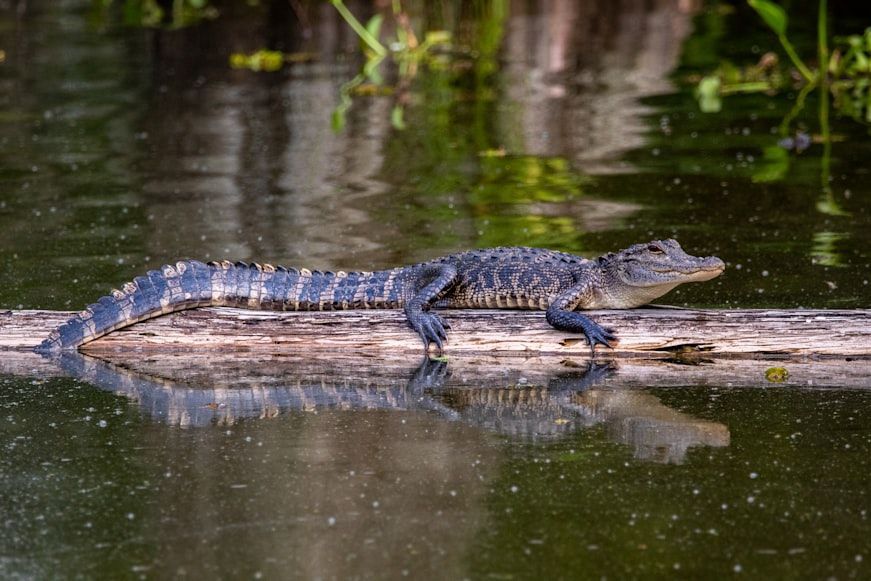
Did you know that American alligators are one of only two alligator species in the whole world ? China is the only other place with an alligator species, the Chinese alligator. Often confused with their relatives, the crocodiles and the caimans, alligators can be differentiated by the shape of their teeth, their round snouts, their darker color, and their preference for freshwater habitats. An inhabitant of tropical and subtropical wetlands, the American alligator can be found throughout the Southeastern U.S.

2
Nene

Image: Lyle Wilkinson

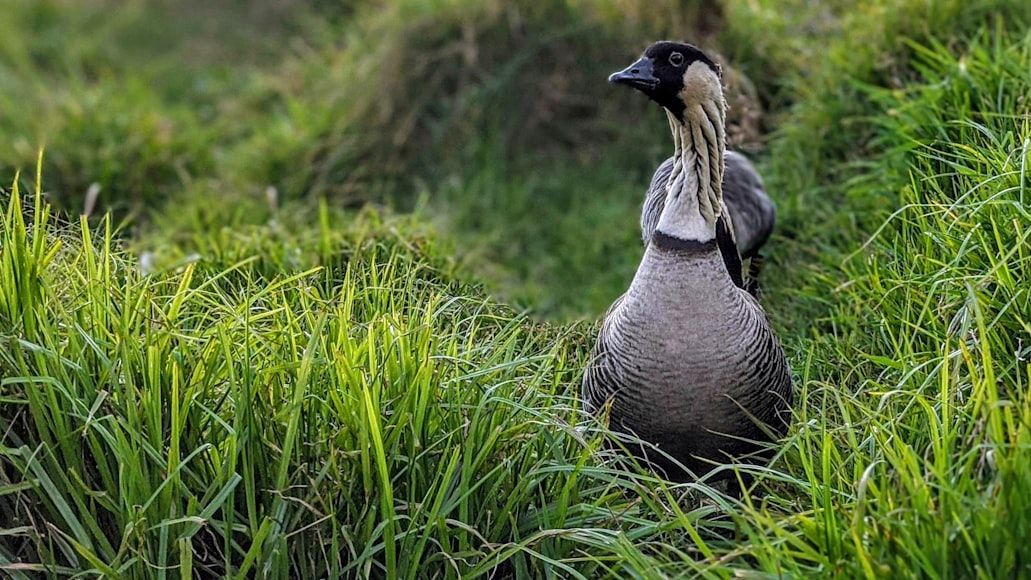
Also known as the Hawaiian goose, this bird can only be found in its wild state across the islands of Maui, Kauaʻi, Molokai, and Hawaiʻi . Believed to be distantly related to the Canada goose, the nēnē is considered the rarest goose species in the world and is a protected species. Thanks to successful conservation efforts, it has been reclassified from endangered to near threatened. It has also been designated as the official state bird of Hawaiʻi.

3
Common Raccoon

Image: Chris Ensminger

If you are asked to describe a raccoon, the common raccoon, native to North America, will most likely come to mind. The other two species of raccoon—also native to the Americas—present marked differences in color and size. Their name is derived from the Algonquian aroughcoune , meaning ‘he who scratches with his hands.’ The unusual shape of their thumbs, combined with their cleverness, allows them to open closed containers to access food and trash, which has earned them the nickname of "trash pandas." Due to human intervention, they have become a highly invasive species in European and Asian ecosystems.

4
Monarch Butterfly

Image: Alex Guillaume

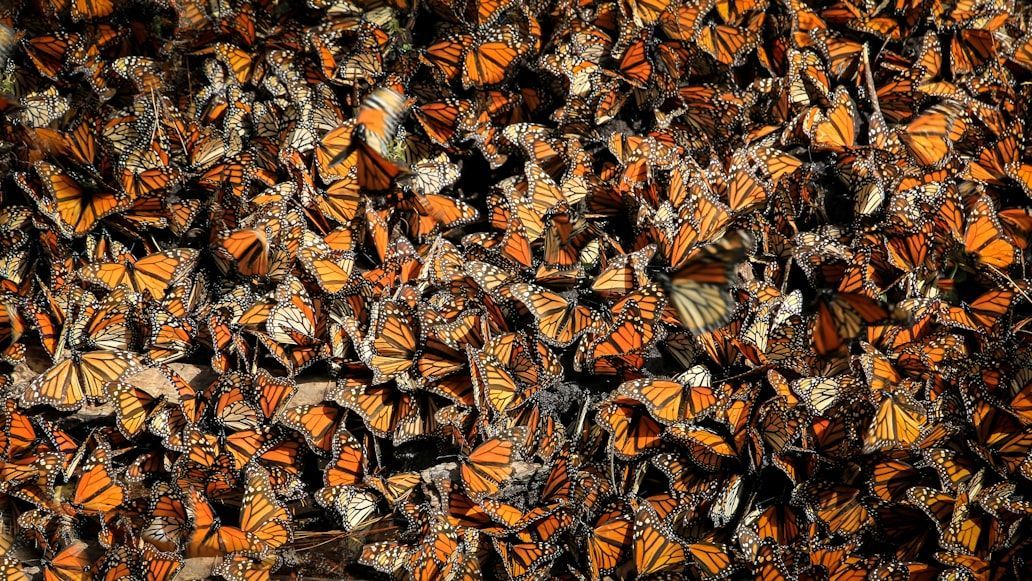
One of the most recognizable butterfly species, the Monarch can be identified by its orange and black wings with white spots . Monarch subspecies can be found across the Americas, but the North American monarch is especially known for its remarkable migratory behavior. As winter approaches, monarch butterflies in the northern United States travel thousands of miles to overwintering sites in California and central Mexico. In spring, they will return home in time for summer.

5
North American Beaver

Image: Tim Umphreys

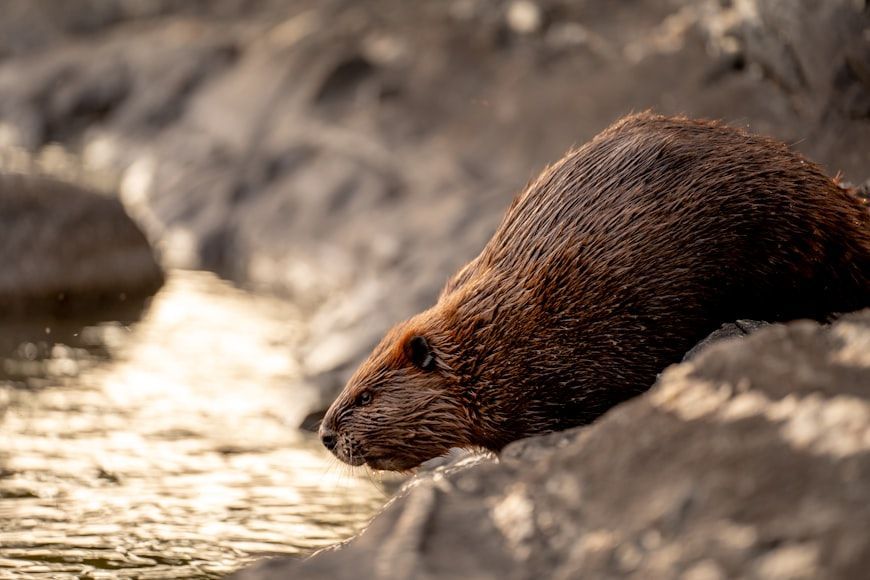
Though North American beavers are related to those found in Asia and Europe, their genetics are so different that they are unable to mix. North American beavers are generally larger and darker than their Eurasian counterparts , and they have a broader and longer tail. They are a widespread species across the Continental U.S., Canada, and northern Mexico and have been chosen as the official state mammal of Oregon and New York.

6
Bald Eagle

Image: Mathew Schwartz

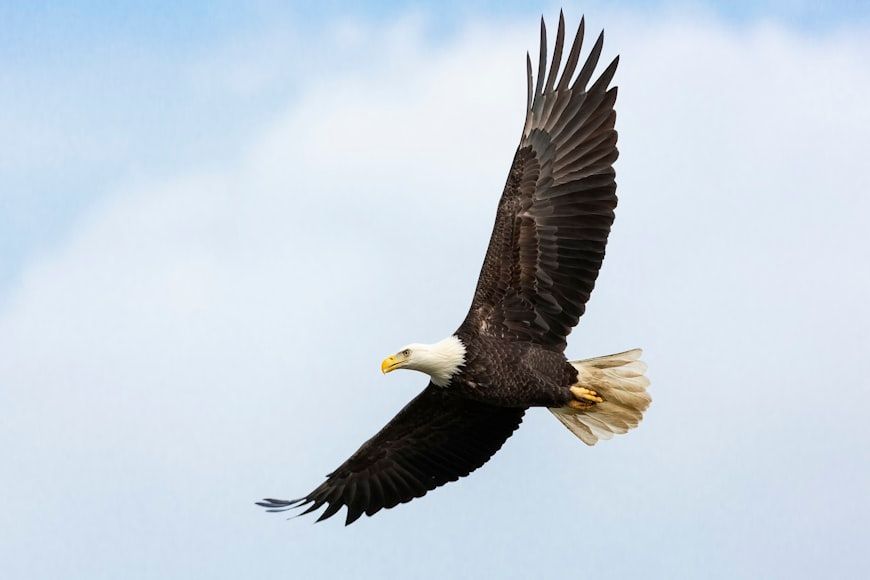
Widely recognized as a national U.S. symbol and featured in multiple official imagery , the bald eagle came close to extinction in the late 20th century. Found across most of North America, it favors habitats near large bodies of water. Fun fact: bald eagles were named after the color of their head feathers, as the word ‘bald’ was anciently used for ‘having a white head.’

7
Alligator Snapping Turtle

Image: U.S. Fish and Wildlife Service Southeast Region, Public domain, via Wikimedia Commons

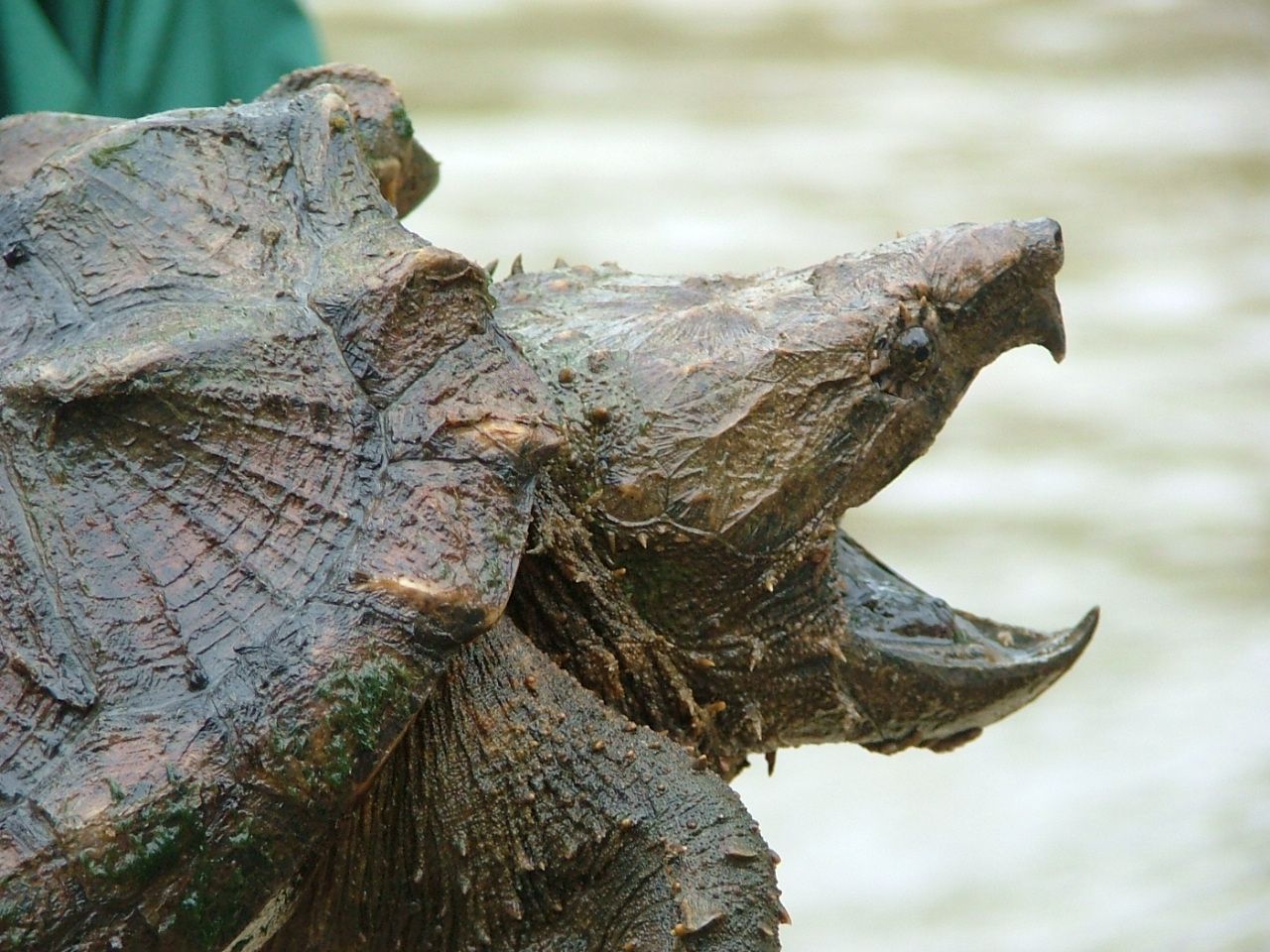
Like the reptile it takes its name from, this pointy reptile is only found in freshwater habitats across the U.S. The spiky ridges on its shell give it an armored tank appearance, but these will flatten as the turtle ages. They have an extremely powerful bite , and they have been known for biting human fingers off, which makes them a dangerous animal that should be approached with caution.

8
Texas Blind Salamander

Image: Ryan Hagerty/USFWS, Public domain, via Wikimedia Commons

Unlike other entries on this list, this amphibian can only be found in a very specific place: San Marcos, Texas . Considered to be a critically endangered species, the Texas blind salamander lives in underground caves and streams and is highly sensitive to water pollution and droughts.

9
Coyote

Image: Dylan Ferreira

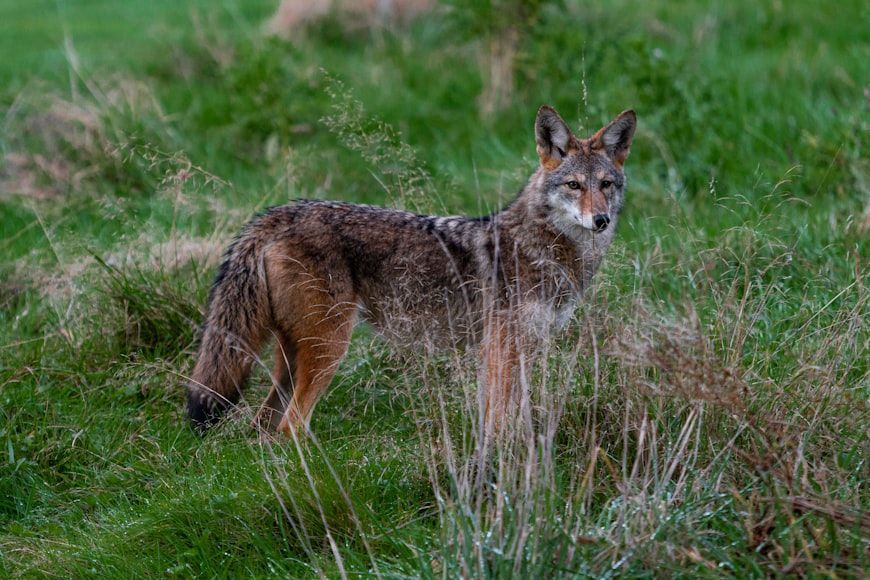
Also known as the American jackal or prairie wolf, the coyote fulfills a key role in North American ecosystems by helping regulate the population of smaller animals and consuming carrion that could otherwise spread disease. Somewhat friendly toward humans, coyotes play an important role in Native American folklore, and there are recorded cases of domesticated coyotes.

10
Giant Kangaroo Rat

Image: Harrison, George, Public domain, via Wikimedia Commons

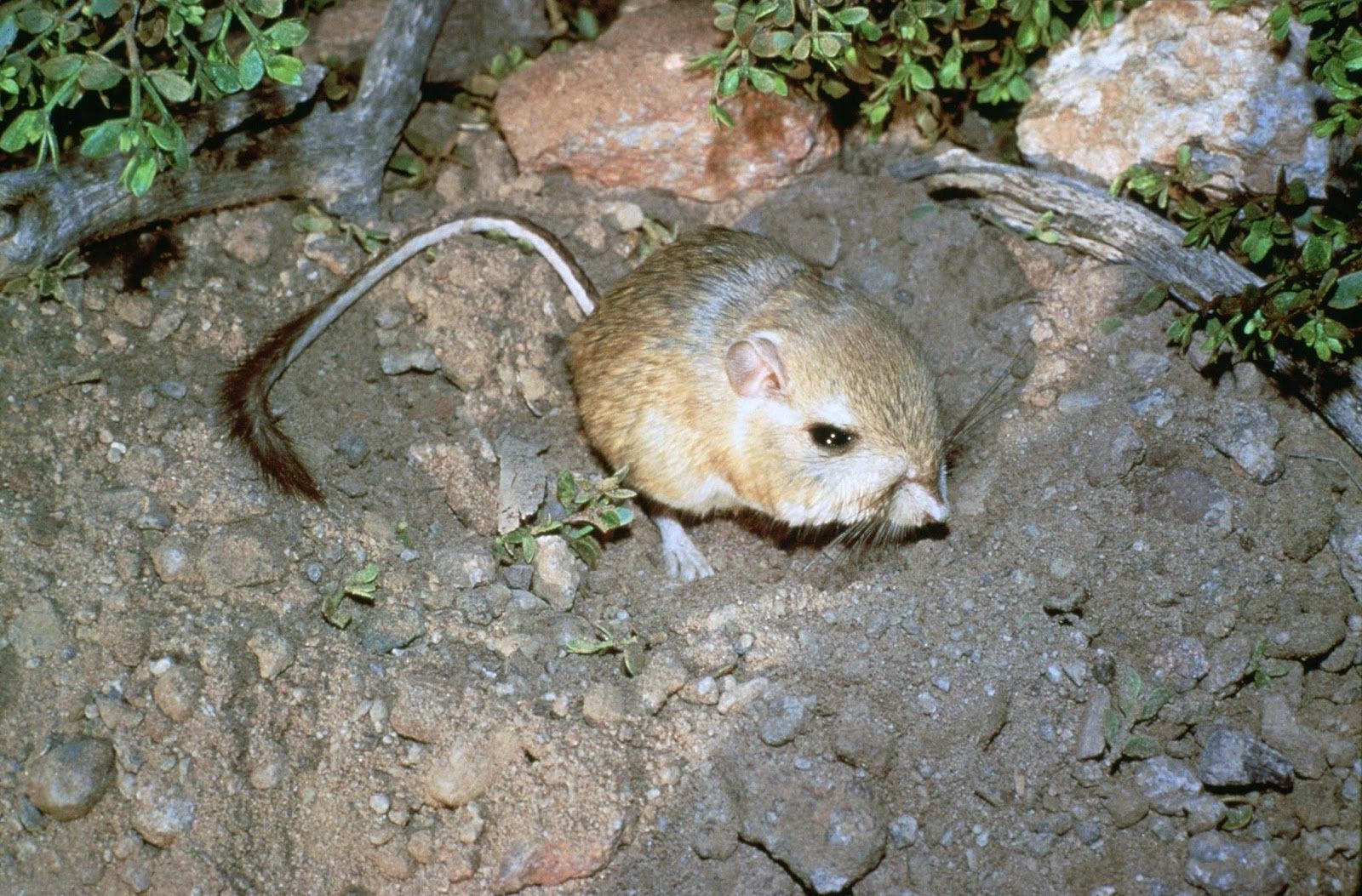
Although kangaroos are native to Australia, giant kangaroo rats are found only in California . Preferring dry, sandy habitats that allow them to dig burrows, these rodents are known for using foot stomps as a way of communicating. Due to habitat loss caused by agriculture, the giant kangaroo rat has been classified as an endangered species.

11
American Mink

Image: Alexandre Daoust

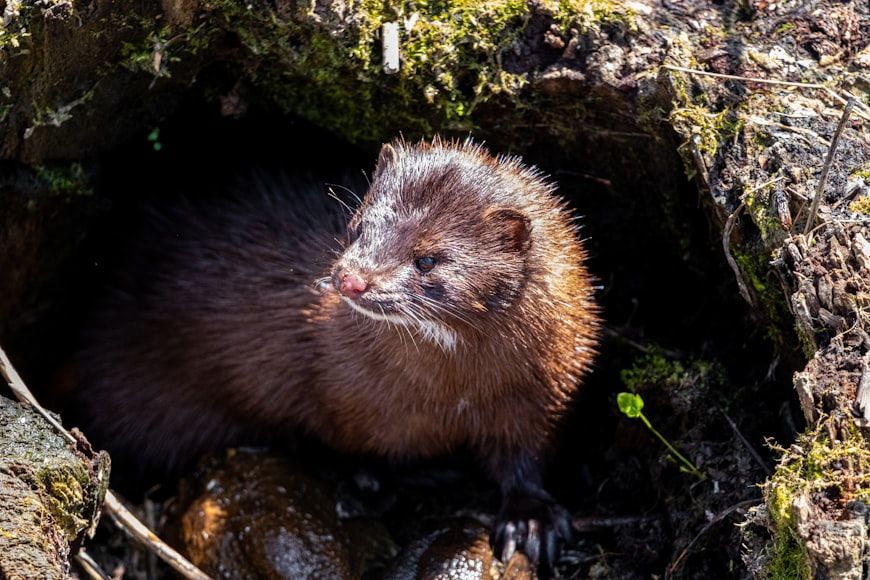
American minks can be found across Alaska, Canada, and the northern and central United States, both in the wild and on farms. Although they are not specifically bred to be tame, they are officially considered suitable to be pets if trained from a young age. Their introduction to many parts of Europe, Asia, and South America has harmed native species, and they have been classified as invasive in many of these regions.

Geography Geography 4 min read

Blue for miles

Can you guess which states have the longest coastlines? Yes, Alaska's one

Image: Nick Perez

Probably all of us know that Alaska is the state with the longest coastline —featuring a whopping 33,904 miles of water sights , including tidal inlets. But can you name the state with the second-longest coastline, or the third? Let’s explore the 13 states with the longest coastlines and their highlights—you might just decide on a future vacation there!

1
Hawaii (1,052 miles)

Image: Karsten Winegeart

Over 1,052 miles of volcanic islands, a unique blend of black sand beaches, lush rainforests, and vibrant coral reefs await.

Snorkel with sea turtles in Hanauma Bay on Oahu, or learn to surf on the legendary waves of Waikiki Beach. You could also visit the dramatic cliffs of Kauai, featured in film sagas like Jurassic Park and Pirates of the Caribbean.

2
Oregon (1,410 miles)

Image: Dave Hoefler

You might remember seeing Haystack Rock featured in the film The Goonies , or glimpses of the charming town of Astoria , where the classic Free Willy was filmed.

These are just two of the many jewels of Oregon's Pacific coastline. Dramatic sea stacks, hidden coves, and beautiful towns like Cannon Beach also await.

3
New York (2,625 miles)

Image: Tommy Kwak

New York's coastline offers a mix of bustling beaches, charming towns, and iconic landmarks. There’s the famous Coney Island boardwalk , as well as the historic lighthouses and sandy shores of Long Island.

If you’ve seen the romantic drama Eternal Sunshine of the Spotless Mind , surely you’ve felt curious about visiting the remote, nostalgic beaches of Montauk.

4
Washington (3,026 miles)

Image: Jennifer Arlem Molina

Rugged beaches, dramatic cliffs, and waterfront cities line the 3,026 miles of Washington's coastline. You can visit Pike Place Market in Seattle, or take a ferry to the Olympic Peninsula to hike through rainforests and explore tide pools.

The Washington State Ferries system can also take you to the San Juan Islands archipelago, famous for its forest waterfalls and whale-watching tours.

5
Virginia (3,315 miles)

Image: Steve Adams

Virginia ranks among the 10 states with the longest coastlines. Its sandy beaches and wide shores are also home to many historical landmarks .

You can explore Colonial Williamsburg, the Virginia Beach Boardwalk, as well as Mount Vernon by the Potomac River.

6
Texas (3,359 miles)

Image: Thomas Park

On Texas's Gulf Coast, you'll find Padre Island, the longest barrier island in the world , with pristine beaches and a haven for wildlife. There’s also Galveston Island, which blends history and entertainment with its Victorian architecture, museums, and family-friendly attractions like Moody Gardens.

7
North Carolina (3,375 miles)

Image: Joe Dudeck

The iconic Cape Hatteras Lighthouse is just one of the stunning views along North Carolina's Outer Banks. This state is famous for its Outer Banks , a chain of barrier islands with windswept beaches.

A notable attraction is the shipwreck-littered Graveyard of the Atlantic, a stretch of treacherous waters that fascinates many and features its own museum. And we can’t forget the historic Kitty Hawk, where the Wright brothers made their first flight.

8
Michigan (3,288 miles)

Image: John Schaidler

With over 3,000 miles of Great Lakes coastline, Michigan offers some of the most diverse shoreline experiences in the US.

You can explore the Sleeping Bear Dunes National Lakeshore along Lake Michigan, or step back in time on Mackinac Island, known for its Victorian charm and car-free roads . Another gem is the Pictured Rocks National Lakeshore on Lake Superior, with its dramatic cliffs.

9
Maine (3,478 miles)

Image: Rachel C

Maine's rugged coastline is a haven for outdoor enthusiasts, featuring cliffs, picturesque fishing villages, and abundant wildlife.

If you love animals in their natural habitat, you can visit seals and puffins in Bar Harbour. If you like hiking to stunning views, you can visit Acadia National Park and make it to the top of Cadillac Mountain .

10
California (3,427 miles)

Image: Meriç Dağlı

The Golden Coast must be included, of course! California's iconic coastline is a dream for beach lovers. Surfers can catch waves in Huntington Beach, a.k.a. "Surf City USA."

Other must-see spots include the Golden Gate Recreation Area, San Diego’s La Jolla, and, of course, Santa Monica’s colorful and bustling pier and boardwalk .

11
Louisiana (7,721 miles)

Image: Brent Woods

Louisiana's bayous and wetlands make its coastline unique. The Mississippi River Delta is an ecological treasure, home to abundant birdlife and fisheries, while the Atchafalaya Basin boasts the largest wetland and swamp in the US.

Of course, New Orleans is the cultural heart of this state, where jazz, gumbo, and beignets summon tourists from all over the world.

12
Florida (8,436 miles)

Image: Lance Asper

Florida! Sun-kissed beaches year-round and magnetic turquoise waters make this state’s coastline one of the most visited in the country.

The Florida Keys offer coral reefs perfect for diving, especially in John Pennekamp Coral Reef State Park. One should explore Miami Beach’s Art Deco District, the Everglades that spill into Florida Bay, and of course, the dreamy sights along Key West.

13
Alaska (33,904 miles)

Image: jesse orrico

Finally, with over 33,904 miles of coastline, there’s Alaska—a treasure trove of natural wonders like the ice formations of Glacier Bay National Park and the playful otters of Kenai Fjords National Park.

In Juneau, the state capital, you can witness humpback whales breaching in Auke Bay. So, if you don’t mind the cold or the long journey, you might want to visit and experience the breathtaking scenery!

Explore more American facts

Choose your favorite category!

General
General

As American as apple pie—the very best America has to offer!

Culture
Culture

Delve into the astounding richness of American lore.

Geography
Geography

Hop in and explore vast and diverse American landscapes.

History
History

Discover the key moments that shaped the United States.