General General 6 min read

From the battlefield to everyday life

What the military doesn't tell you about your GPS and microwave
Image: Shutterstock

So many things that were born on the battlefield ended up in our kitchens, our cars, and our living room. Before becoming common technologies and devices we take for granted today, they were created to meet critical wartime needs. Here are 10 military innovations that found second lives far from the battlefield.

1
GPS
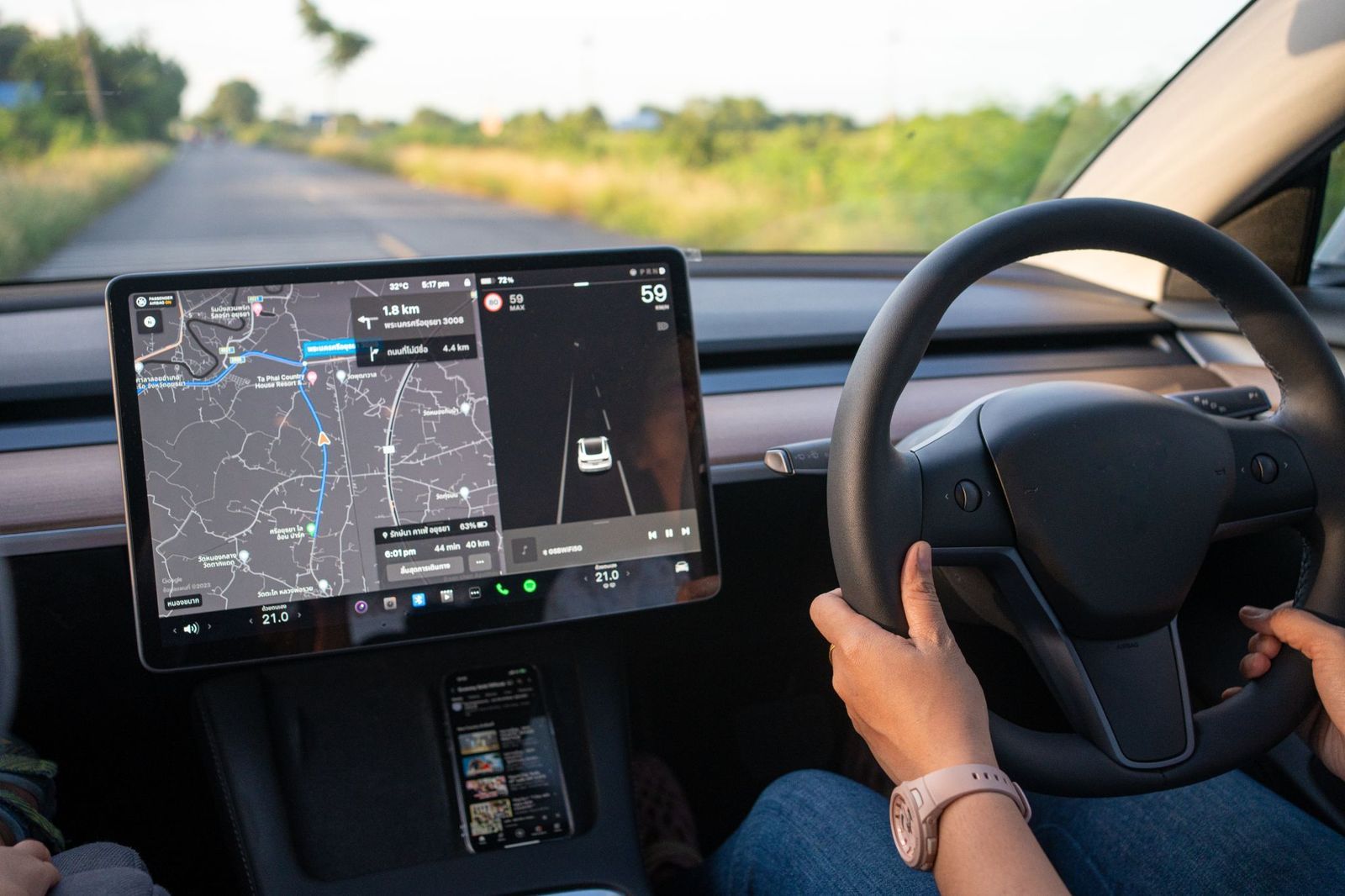
Image: Shutterstock

Today, GPS warns you about police checkpoints, your speed, and every possible route you could take to destinations near and very far. But GPS had a different purpose before it became available to everyone.

The U.S. Department of Defense needed a way to guide ships, aircraft, missiles, and troops. In 1973, U.S. Air Force Colonel and aerospace engineer Bradford Parkinson led a program to develop a precise navigation system. The first Navstar GPS satellite was launched in 1978, and the technology proved successful. President Ronald Reagan then opened GPS to civilian aviation in 1983, but receivers were costly and less accurate until the 2000s. Now GPS navigation systems are installed in Garmin devices, smartphones, and cars for everyday use.

2
The Internet

Image: Shutterstock

Could computers in different cities share information over a single network? That was the problem the Advanced Research Projects Agency, ARPA, an office of the U.S. Department of Defense, faced in 1968. So ARPA hired engineers at the Massachusetts tech company Bolt Beranek and Newman to build devices to route information between computers. The result was the connection of four universities through ARPANET the following year.

ARPA computer scientists wanted more, so they created a set of rules that allowed different networks to "talk" to one another. ARPANET adopted this system in 1983, but then shut it down in 1990 as the Internet grew far beyond that original network. Soon, services such as CompuServe and AOL brought internet access into our homes.

3
Military drones
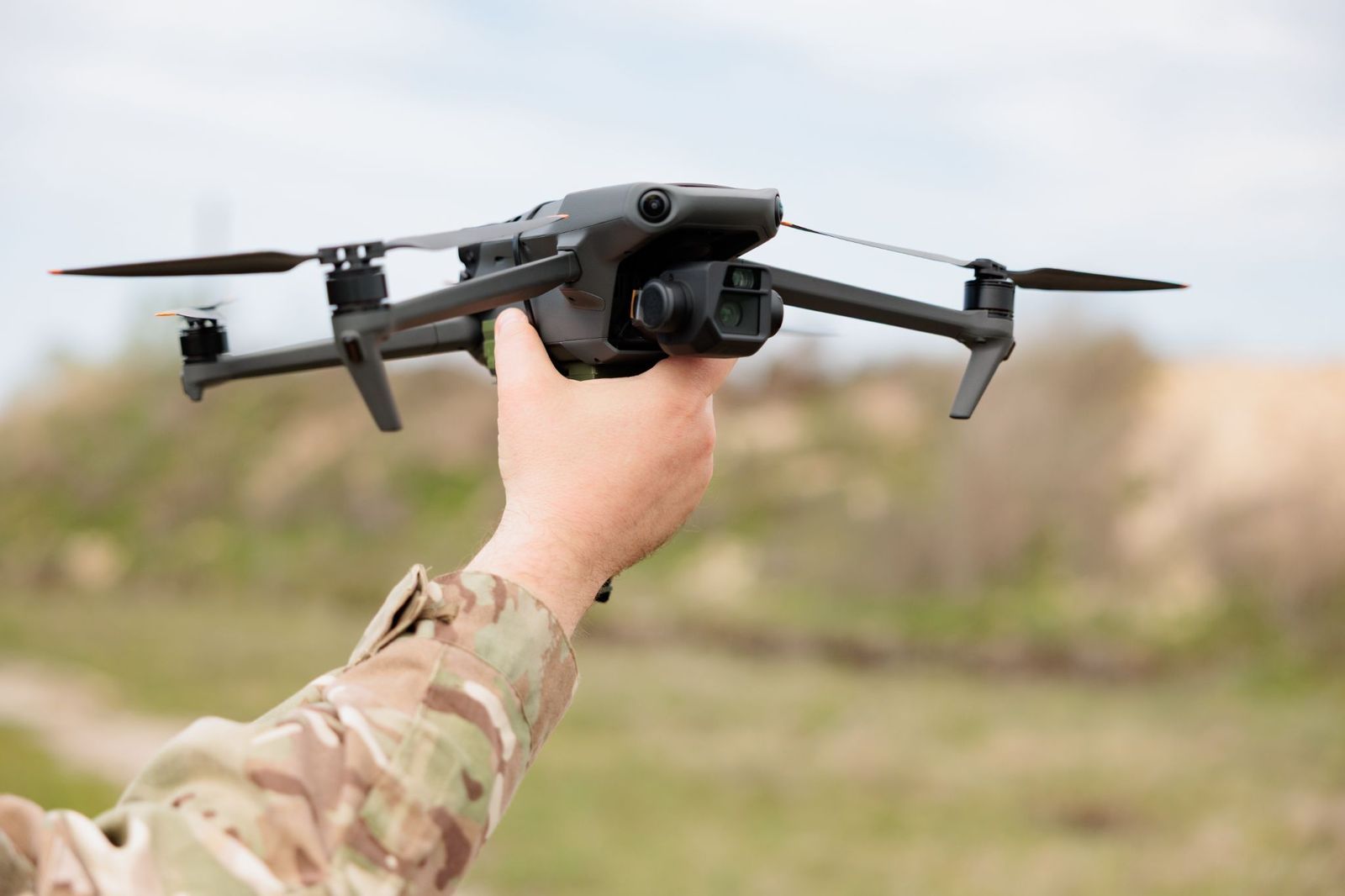
Image: Shutterstock

Drones are used today to film everything from real estate listings to personal vacations to sweeping landscapes in movies, TV, and social media clips. Aerospace engineer Abraham Karem built the original prototype in his garage back in the 1980s for a U.S. Air Force solicitation. This new device flew long missions over dangerous combat zones, streaming back live video without putting a human pilot at risk.

Almost 30 years later, Chinese and American companies like Parrots and DJI developed new models that made drones easier for civilian use. From there, drones became part of everyday life and essential tools for filming major productions. The 2012 James Bond movie Skyfall is credited as the first major film to use remote-controlled drones for professional aerial shots.

4
Microwave
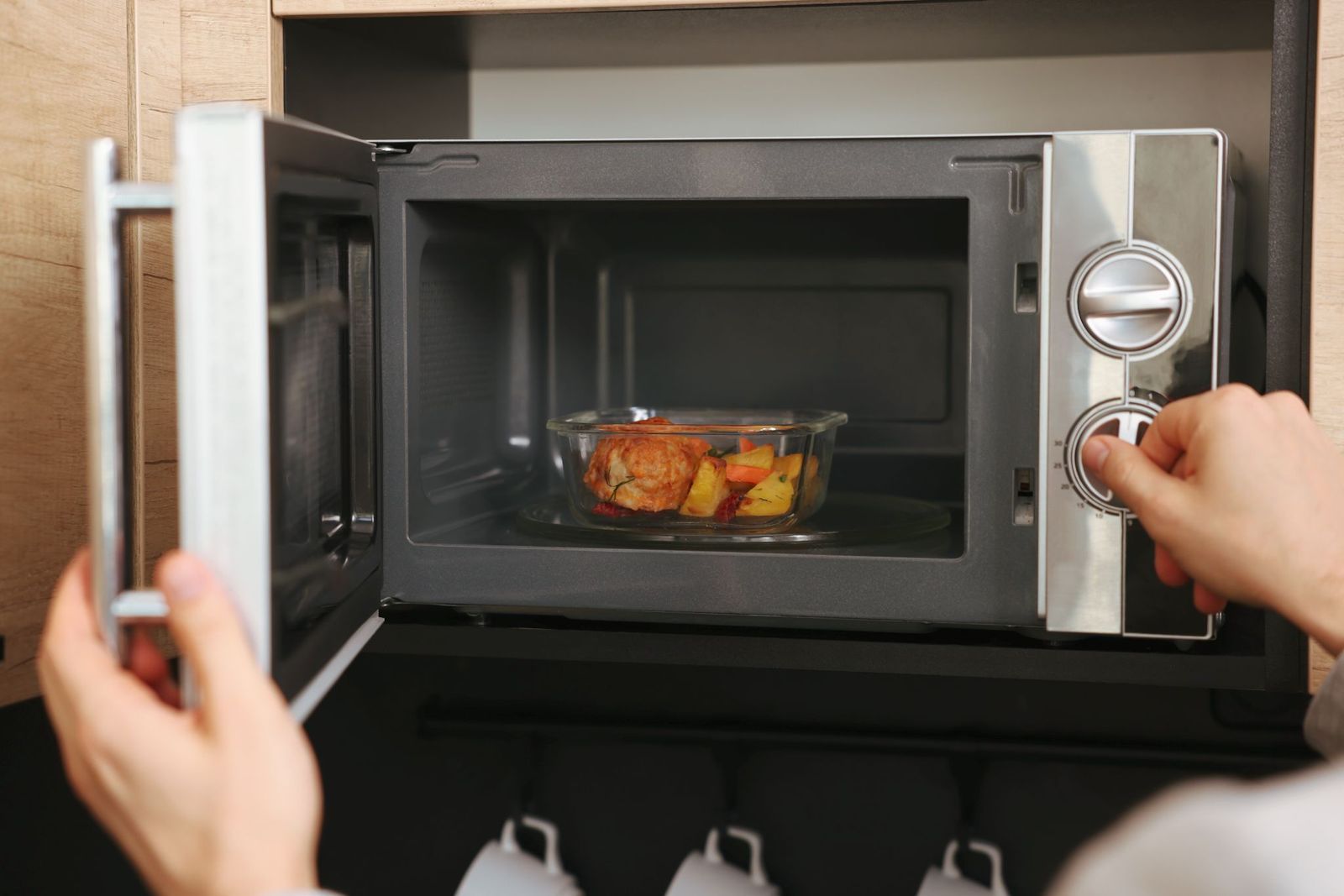
Image: Shutterstock

While testing magnetron vacuum tubes for military radar arrays in 1945, engineer Percy Spencer noticed something unexpected. He worked for the Raytheon Company, a defense contractor developing advanced detection hardware for the U.S. Navy. The magnetron tubes emitted short radio waves to spot enemy aircraft, but when Spencer stood near an active unit, the high-frequency radar waves quickly melted a candy bar in his pocket.

Spencer then tested it with popcorn kernels and an egg, proving radar waves cook food rapidly from the inside out. Raytheon commercialized the discovery in 1947 with the 750-pound "Radarange" for commercial ships, but microwave technology truly made its big entrance into home kitchens in 1967 through Raytheon's Amana division. Amana ran nationwide television spots showing how homemakers could bake a potato in four minutes, changing dinner across the country for good.

5
Night-Vision Technology
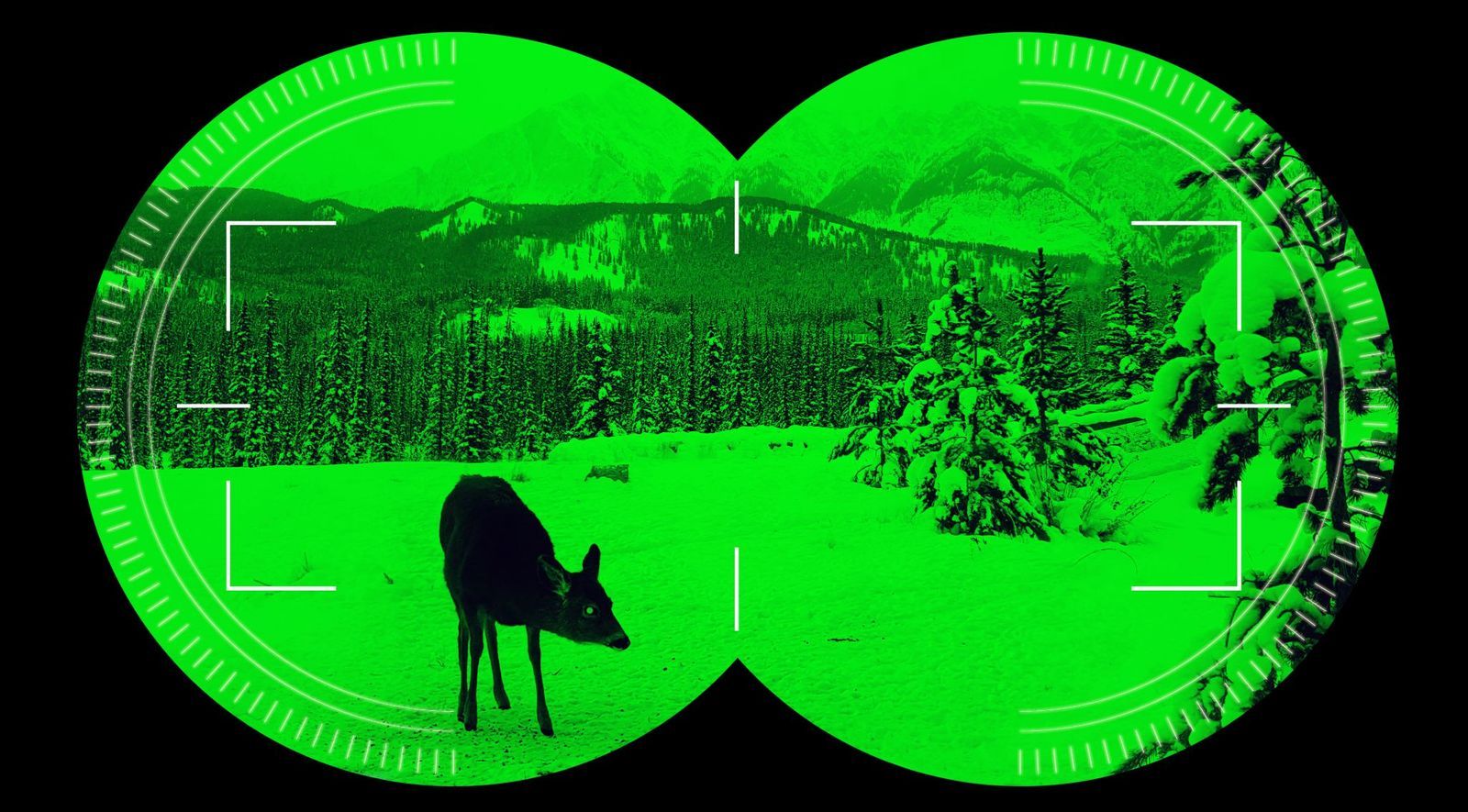
Image: Shutterstock

Seeing in the dark once felt like a superpower. And for wartime, this could surely be a major advantage. During World War II, military laboratories tested devices that used infrared light to reveal hidden targets. But the first models were heavy, and they had to be mounted on rifles. So the U.S. Army opened its Night Vision Laboratory, and by the Vietnam War , soldiers were using improved night-vision goggles to move and observe their surroundings after dark.

By the late 1980s, security companies replaced those heavy tubes with small infrared sensors to guard business warehouses after dark. Companies like Honeywell and Sony brought that same night vision right into our homes with infrared security cameras. And nowadays, whenever someone wanders onto the driveway, your home camera automatically flips to crisp black-and-white night mode to catch every move.

6
ENIAC to Modern Computers
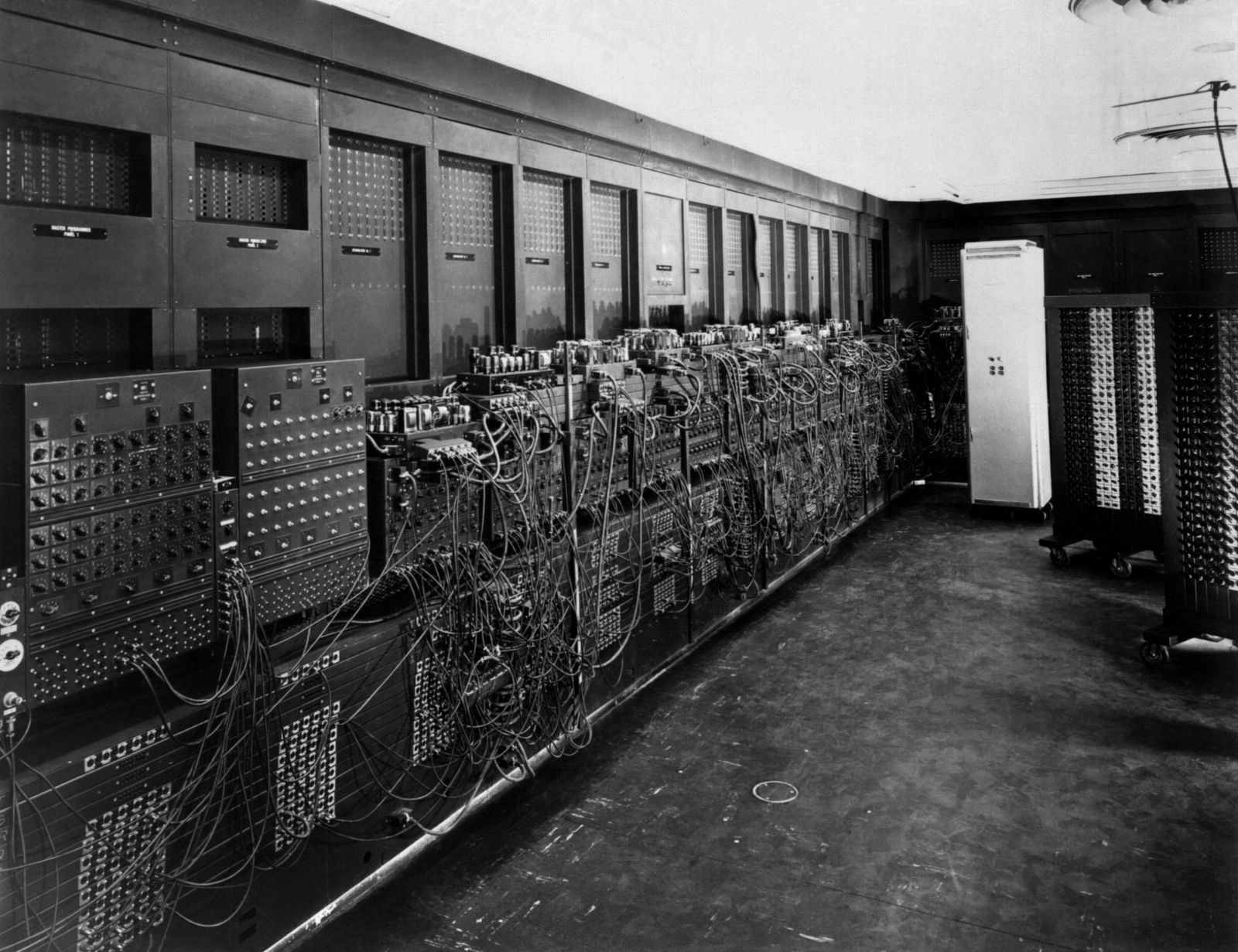
Image: Shutterstock

During World War II, calculating a single artillery table by hand could take a trained person many hours, and the Army’s Ballistic Research Laboratory didn’t have much time. To solve this problem, physicists at the University of Pennsylvania’s Moore School of Electrical Engineering began to work on ENIAC, the Electronic Numerical Integrator and Computer. It was completed in 1945, but it was too late, as the war was reaching its end.

Instead, it was used for work related to nuclear weapons and weather forecasting. In 1951, the UNIVAC I, Universal Automatic Computer I , became the first commercial computer for civilians. IBM later helped bring computers into offices and homes with its first personal computer, introduced in 1981 . ENIAC didn’t arrive in time to prepare artillery tables, but thanks to it, computers now solve countless other tasks in seconds.

7
Jet Engines
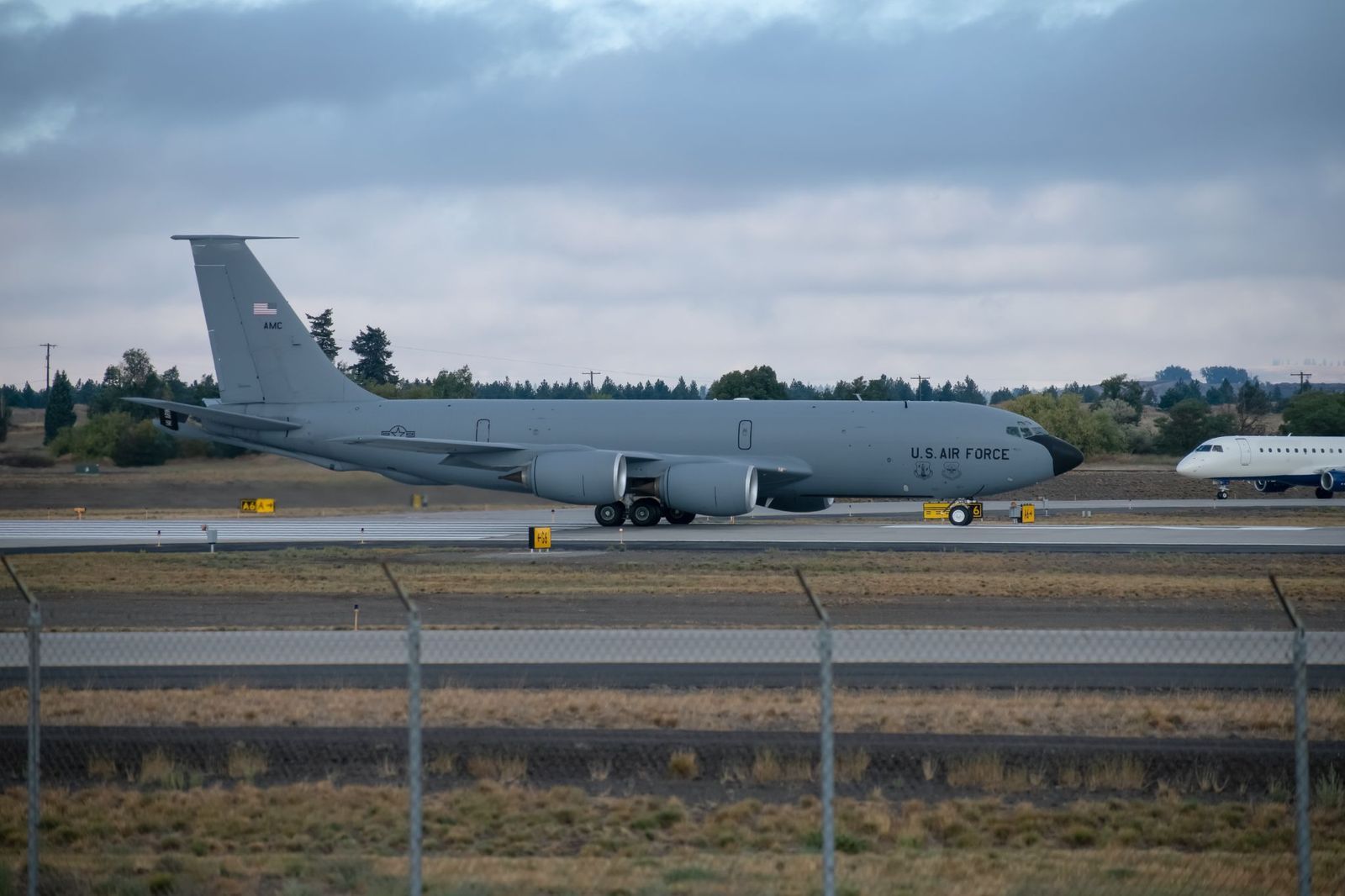
Image: Shutterstock

The first jet engine design was developed by the British Royal Air Force and the Power Jets company. At the same time, the aircraft company Heinkel flew the first jet-powered airplane in 1939. During World War II, the U.S. Army Air Forces asked General Electric to build an American engine based on the British design.

American jet fighters showed up too late for the war, but they proved that planes could fly faster and higher than propeller aircraft — so the technology was adapted for passenger travel. In 1958, Boeing Aerospace introduced the 707, and Pan American World Airways put it into transatlantic service that October, beginning what is known as the Jet Age and making air travel much more accessible.

8
Weather Radar
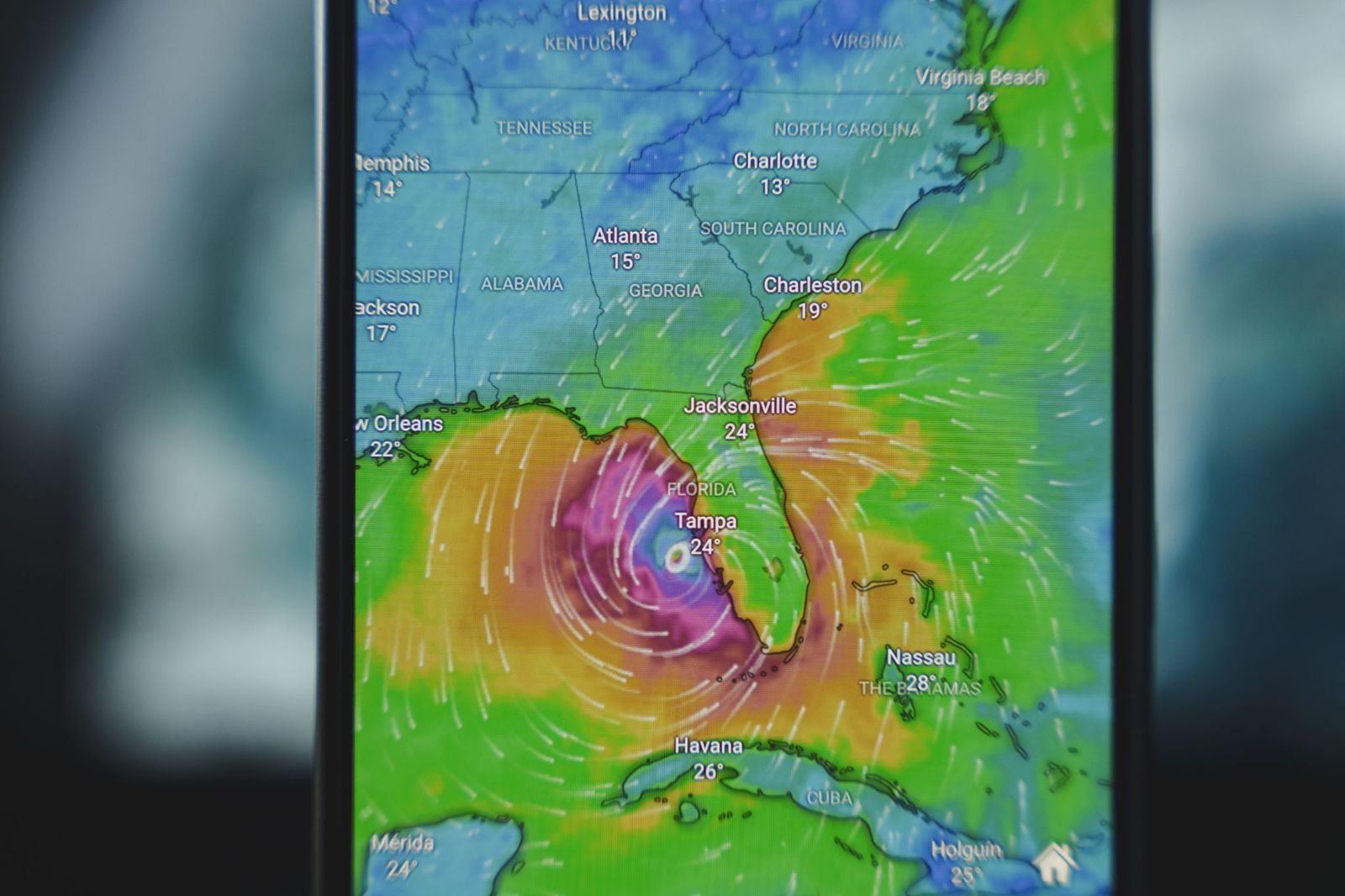
Image: Shutterstock

Local evening news broadcasts weather radar on television, showing storm signals and warning viewers about nearby tornadoes, severe thunderstorms, and other meteorological events. But before weathermen and women learned to read these signals, they were just a nuisance. During World War II, storms and cloud banks showed up as annoying interference on coastal radar displays during naval patrol flights.

Meteorologist David Atlas served as an officer in the U.S. Army Air Forces and studied these clutter patterns. He realized radar beams could actually map approaching rainstorms and severe fronts. When military bases decommissioned radar equipment after the war, the Weather Bureau acquired the stations for the country's first national storm-warning network.

9
The EpiPen
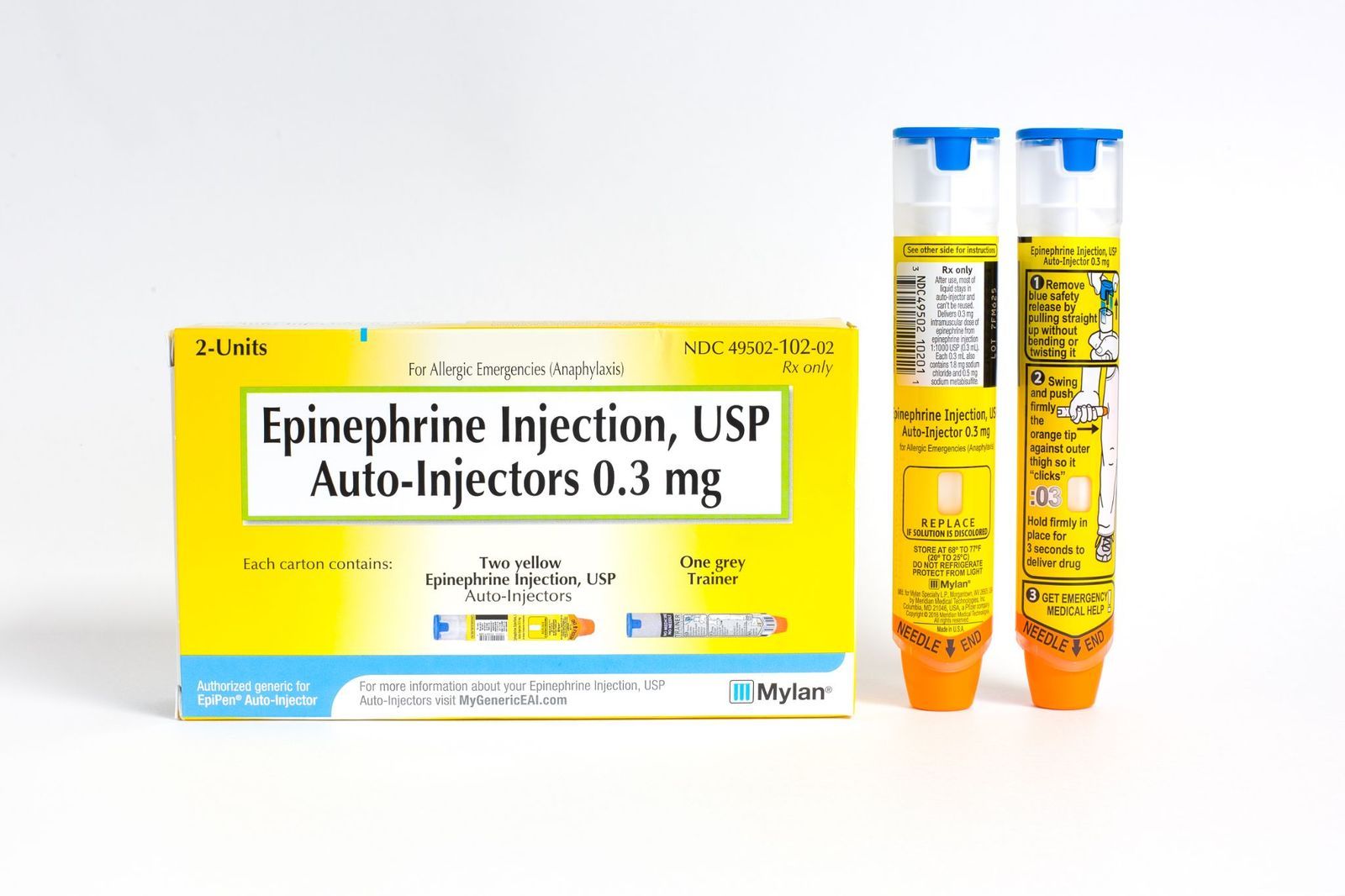
Image: Shutterstock

Soldiers facing chemical warfare needed a fast way to inject an antidote right through heavy protective suits. Medical supplier Survival Technology accepted the challenge and invented the ComboPen. This spring-loaded tube fired a clean needle and a dose of nerve-gas medicine deep into the soldier's muscle.

The ComboPen functioned perfectly, giving soldiers a practical way to save their own lives in combat. Kaplan then realized the same design could help people suffering life-threatening allergic reactions, too. In 1987, the device could be bought at neighborhood pharmacies as the EpiPen, and ever since, it has been a reliable solution for allergy-related emergencies.

10
Kevlar
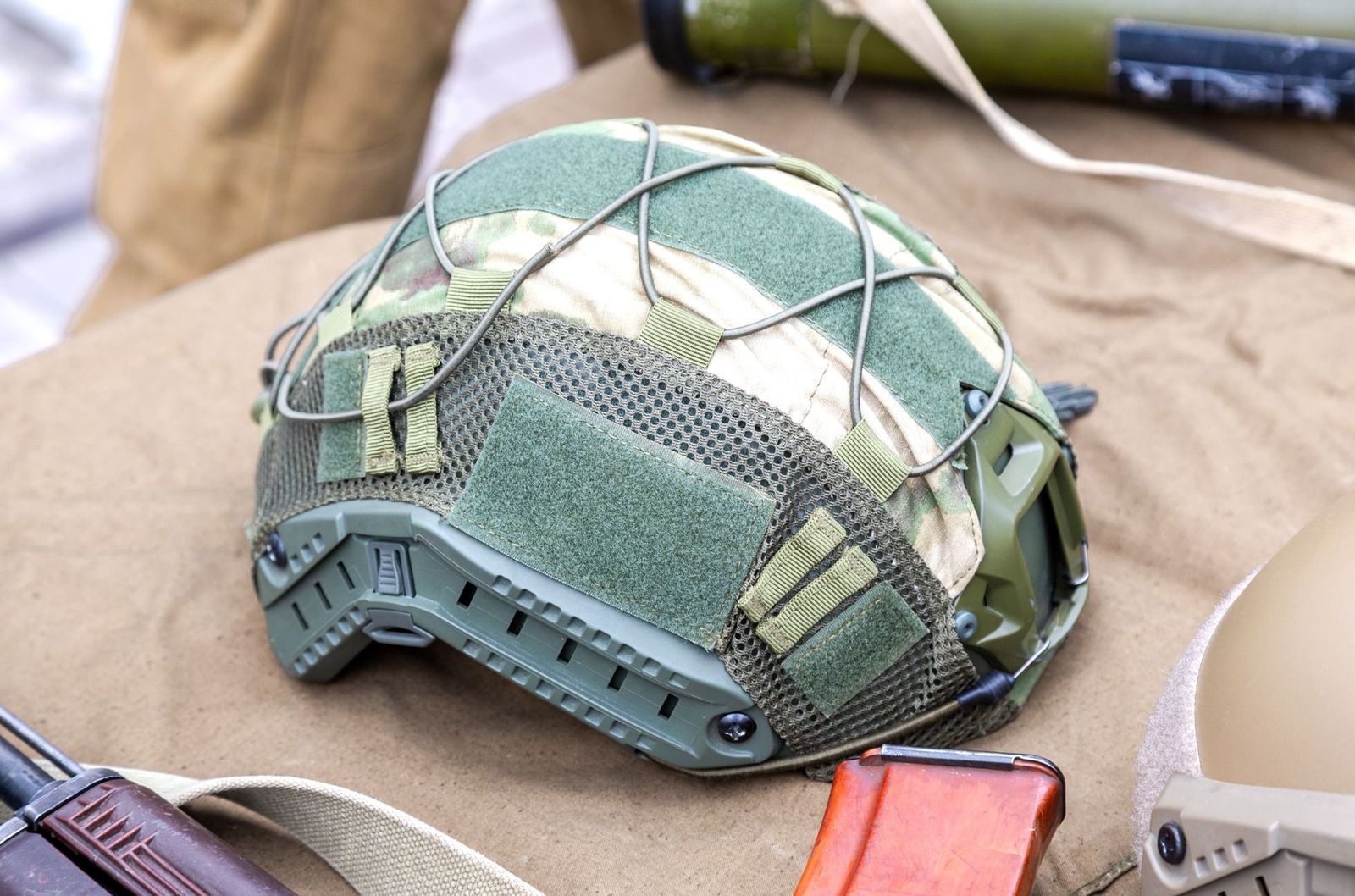
Image: Shutterstock

Chemist Stephanie Kwolek was working in a DuPont laboratory in Massachusetts in 1965, searching for a lightweight material to save fuel on military vehicles. DuPont asked him for a super-strong synthetic fiber to replace the heavy steel wires inside military truck tires. So Kwolek spun a cloudy liquid into a featherweight fiber called Kevlar, which turned out to be five times stronger than an equal weight of steel.

The material worked even better than expected, and the U.S. Army quickly hired DuPont to use it for troops' bulletproof vests and helmets. In the 1980s, it was already being used in civilian life for cut-proof work gloves, hockey sticks, and car tires, among others.
Geography Geography 5 min read

Extraordinary secrets about the capitals of the United States

The only state capital without a McDonald's and 11 other fun facts

Image: AmericanBenchCraft

Can you guess which is the only U.S. capital built on top of an extinct volcano? What about which is the oldest state capital, the least populated, or the one with the coldest temperature? If you're dying to know the answers to these questions, read on to discover 12 fun facts about our state capitals that you probably didn't know!

1
Jackson, Mississippi

Image: Engineers' office, department of Tennessee, Public domain, via Wikimedia Commons

Did you know Jackson, Mississippi, is named after the 7th U.S. President, Andrew Jackson? It is one of the four state capitals named after American presidents —the other three are Jefferson City (Missouri), Lincoln (Nebraska), and Madison (Wisconsin).

Jackson is the only U.S. capital built on top of an extinct volcano. Interestingly, during the Civil War, the city was burned by Union troops, giving it the nickname "Chimneyville". In addition, Jackson is best known for being the center of the civil rights movement during the 1950s and 1960s.

2
Santa Fe, New Mexico

Image: Wendy Shervington

Founded by Spanish colonists in 1610 as the capital of the colony of New Mexico, Santa Fe is the oldest U.S. city that still functions as a state capital today.

But that's not the only peculiarity of this quaint city with a temperate climate and a unique historical and cultural richness. At 7,000 feet above sea level, Santa Fe is also the highest U.S. capital.

3
Honolulu, Hawaii

Image: Daniel Lee

Known for its spectacular beaches and rich cultural heritage, Honolulu is the only state capital not on the North American mainland. Considered the birthplace of modern surfing, it also has the highest average annual temperature of any U.S. state capital.

But those aren't the only interesting facts about Hawaii's capital. Here are a few equally (or more) crazy ones: it hosts the only royal palace in the United States (Iolani Palace), the island is made up of volcanic soil, and it houses the world's largest open-air shopping mall (Ala Moana Center).

4
Annapolis, Maryland

Image: Terry Granger

Annapolis is a historic city on the shores of the Chesapeake Bay, known for its colonial architecture, nautical tradition, and academic value. But did you know it is also the smallest U.S. capital by land area? Just 6.7 square miles!

Annapolis was also one of the nine capitals the United States has had throughout its history. For nine months during the Revolutionary War, Maryland's current state capital served as the seat of the Confederation Congress.

5
Bismarck, North Dakota

Image: NASA Astronaut, Public domain, via Wikimedia Commons

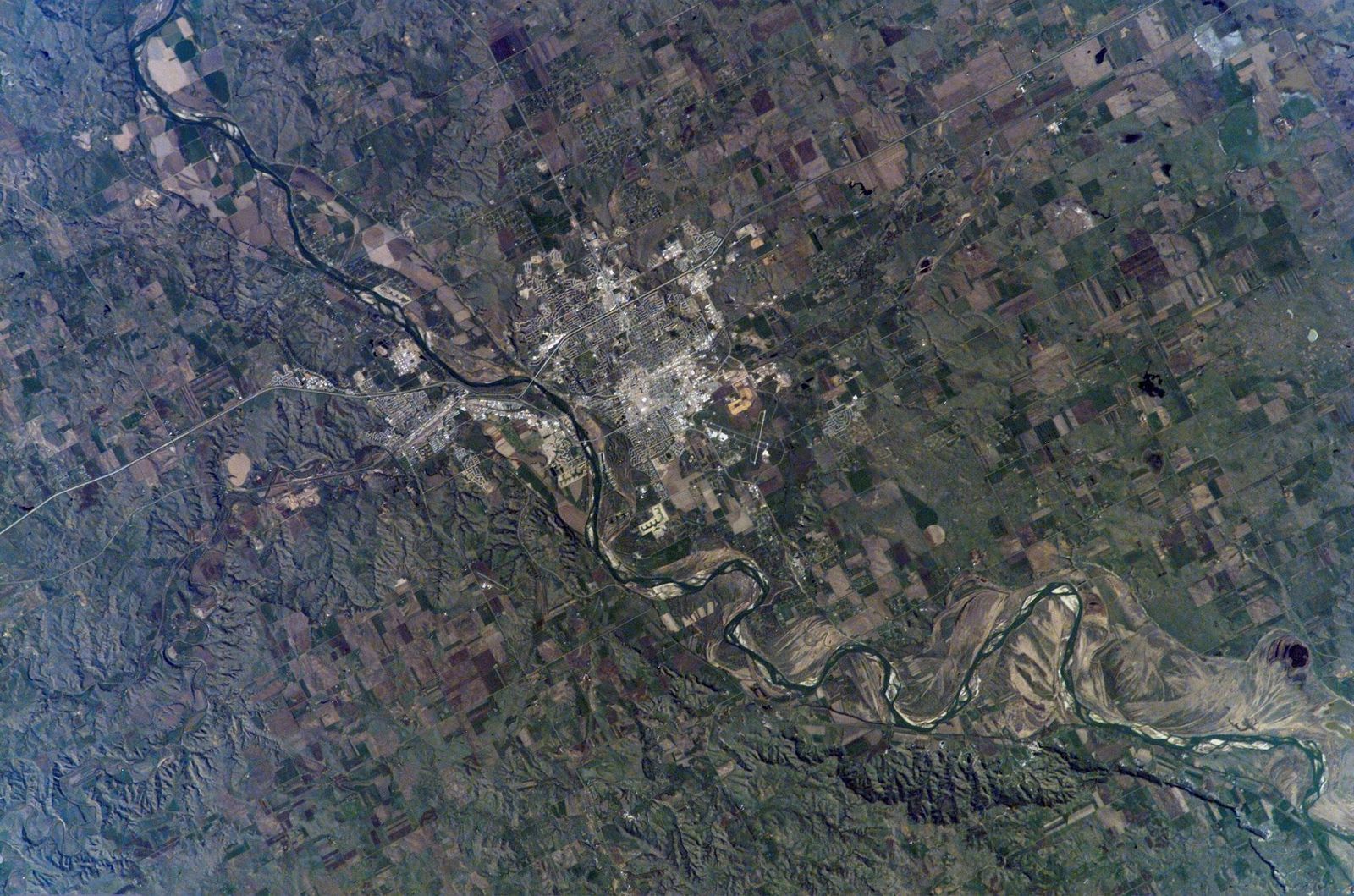
If you thought Juneau, Alaska, had the lowest average winter temperature of all state capitals, think again! It's actually Bismarck, North Dakota, where the coldest temperature ever recorded was -45°F. Imagine that!

Bismarck was founded in 1872 on the banks of the Missouri River. The city was named after Otto von Bismarck, the chancellor of Germany, to attract German investors. Another fun fact? In 1930, Bismarck and Fargo had a dispute, known as the "Capitol Tower War," over which city should be the state capital.

6
Charleston, West Virginia

Image: Carol M. Highsmith, Public domain, via Wikimedia Commons

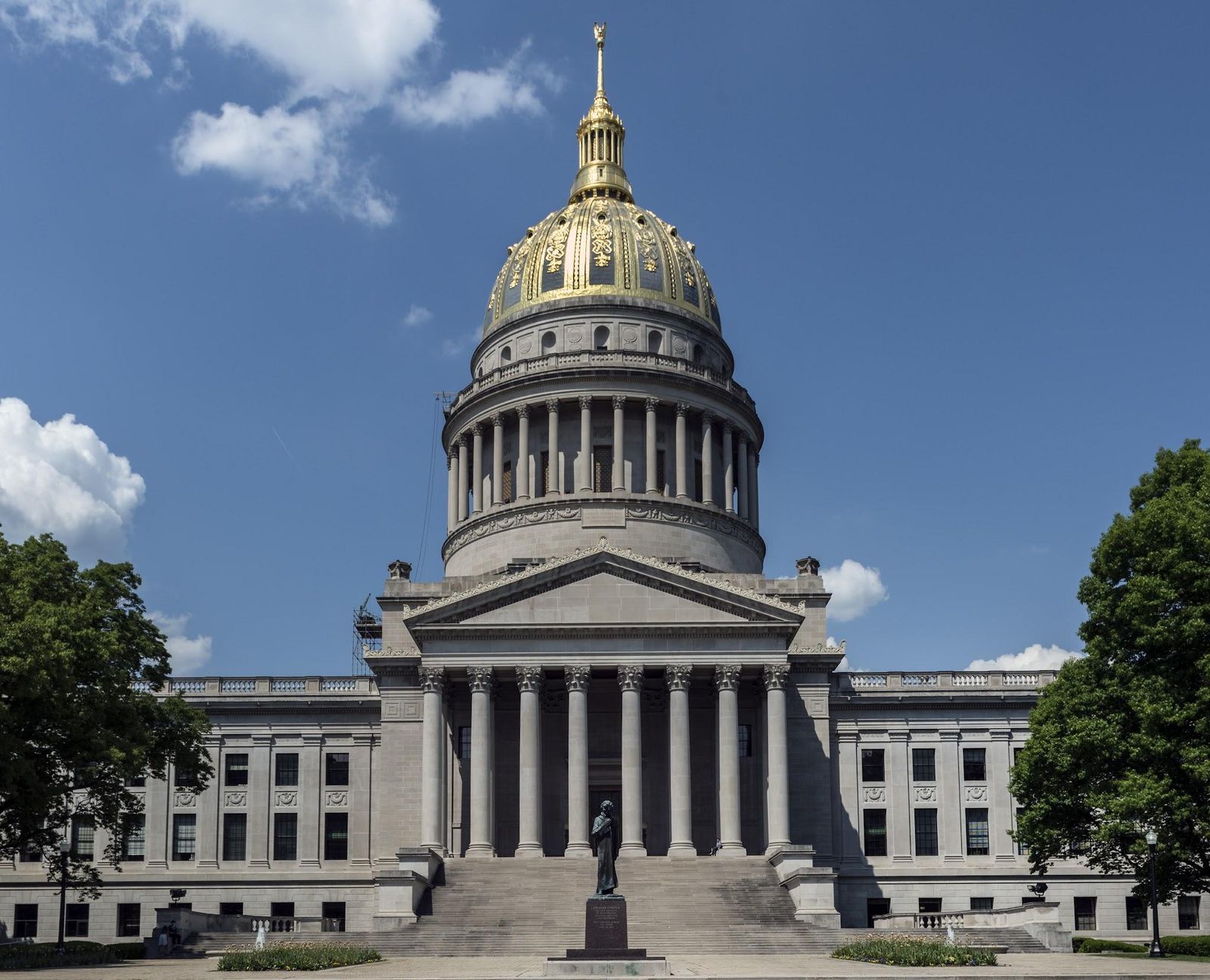
Did you know that the original name of West Virginia's capital was Charles Town in honor of the father of Colonel George Clendenin, one of the first settlers?

Charleston is best known for offering a unique combination of history, culture, and outdoor adventure.

7
Hartford, Connecticut

Image: Balazs Busznyak

Founded in 1635, Connecticut's capital is one of the oldest cities in the U.S. Hartford is known for being a key cultural center in New England. It was the home of writer Mark Twain and is home to historic sites such as the State Capitol, the Harriet Beecher Stowe House, and Bushnell Park, the oldest public park in the country.

Hartford is also called the "insurance capital of the world" due to the presence of major insurance companies. But the city's most curious fact is that it was where Teddy Roosevelt, aboard the Columbia Electric Victoria Phaeton, took the first presidential automobile ride in history!

8
Harrisburg, Pennsylvania

Image: Katherine McAdoo

Pennsylvania's capital city is best known for its role in the Civil War and the Underground Railroad. Located on the banks of the Susquehanna River, Harrisburg has been an important center of transportation and commerce. Today, it is known for its historic architecture, museums, and special events.

Harrisburg is also home to the longest stone arch bridge in the world, the Rockville Bridge, built in 1902. Oh, and in 1979, it came close to a nuclear disaster due to the accident at the Three Mile Island plant, the worst in U.S. history —but that's a longer story for another article!

9
Olympia, Washington

Image: Peter Robbins

Located at the southern tip of Puget Sound, Washington's state capital is known for its natural beauty and vibrant culture. But did you know Olympia is the northernmost state capital in the contiguous U.S.?

Oh, and it's also a great place to try some of the best craft beer in the country.

10
Salt Lake City, Utah

Image: Cong Wang

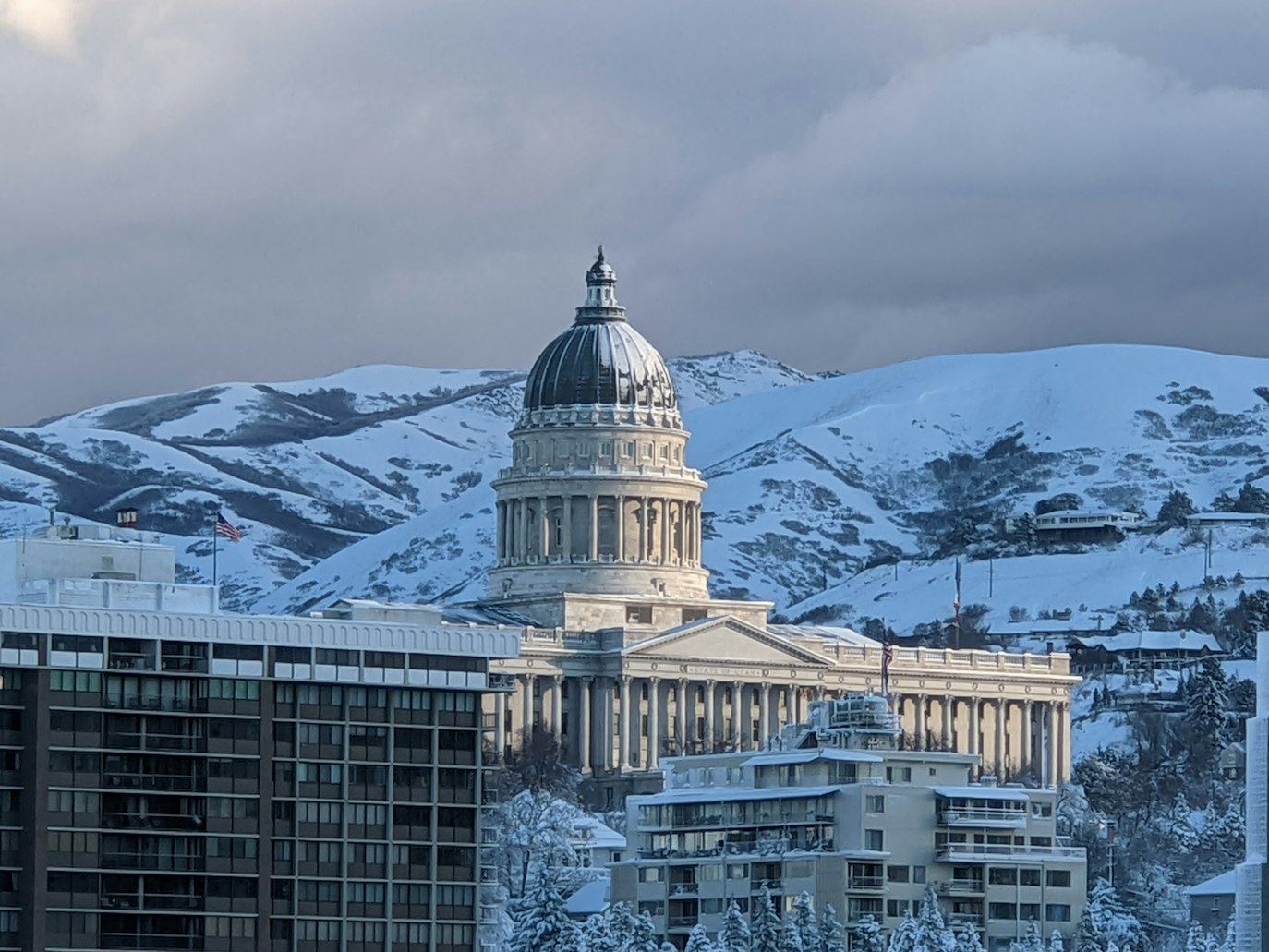
Utah's state capital is popular for being one of the best places to ski in the United States. But that's not all! Salt Lake City is also the only state capital with three words in its name. Have you ever thought about that?

It has the largest Mormon population in the country and is the world headquarters of the Church of Jesus Christ of Latter-day Saints. Another fun fact? Salt Lake City is home to more plastic surgeons per capita than any other state capital!

11
Montpelier, Vermont

Image: John Holm

Named after the French city of the same name, Montpelier is the least populated state capital, with a population of just 7,900. Probably for that reason, Vermont's capital prides itself on its small local businesses: it is the only state capital that doesn't have a McDonald's or a Starbucks. Could you live without these fast food chains? It doesn't have a Walmart store either!

12
Topeka, Kansas

Image: Nils Huenerfuerst

Topeka, Kansas’s state capital, has several interesting tidbits. For example, did you know its name, of Native American origin, means "a good place to dig potatoes"? Interesting, don’t you think?

In 2010, Topeka temporarily changed its name to "Google, Kansas" to attract the attention of the internet giant and become the capital city of fiber optics. Frivolous facts aside, Topeka was also very important in the history of the civil rights movement.

General General 3 min read

Behind the columns

White House tea: Did you know Madison moved out and never came back?

Image: Nils Huenerfuerst

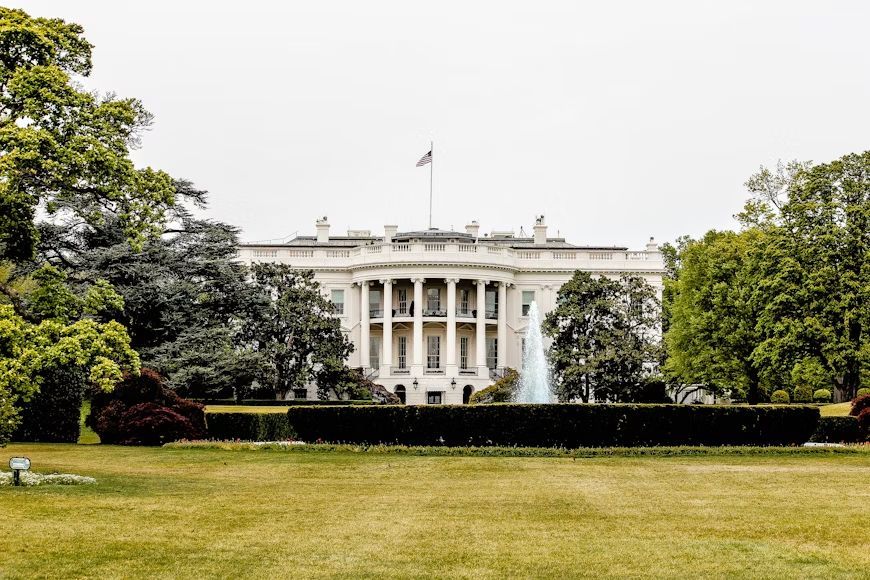
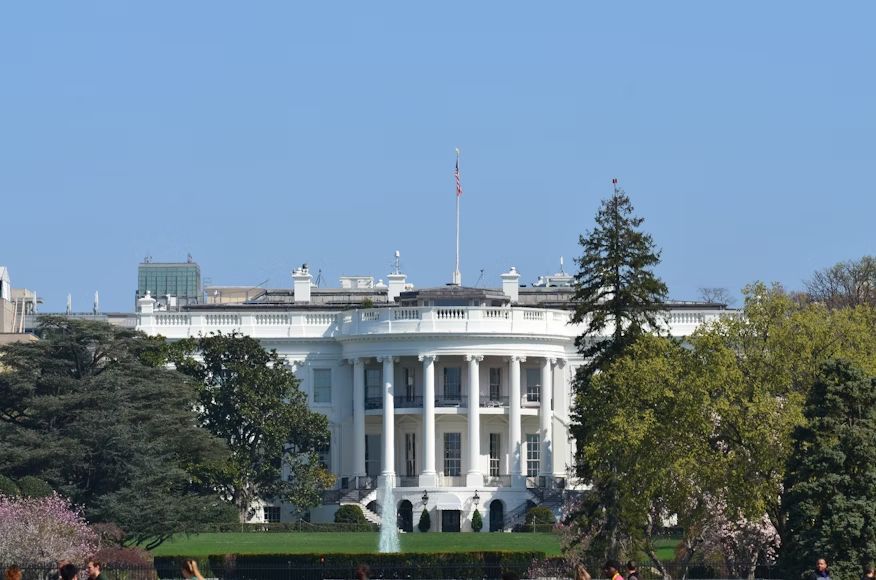
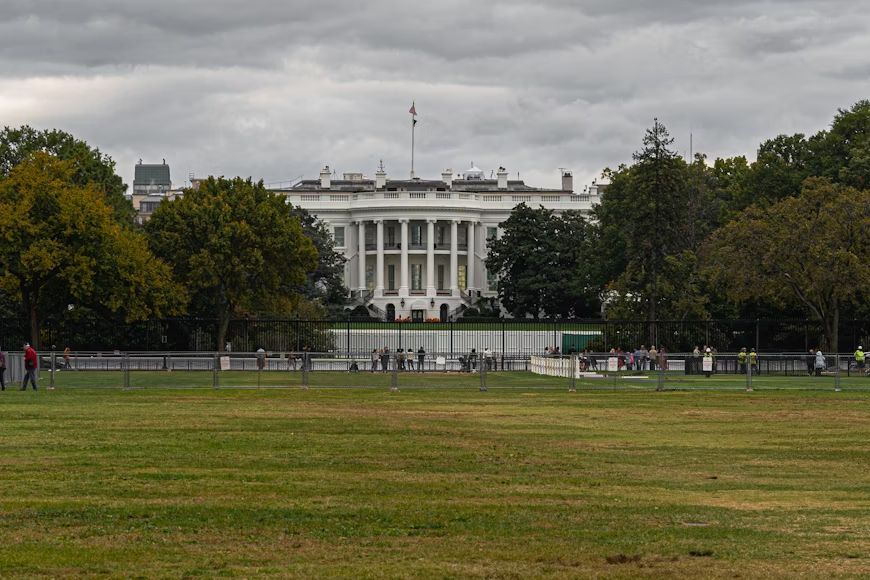
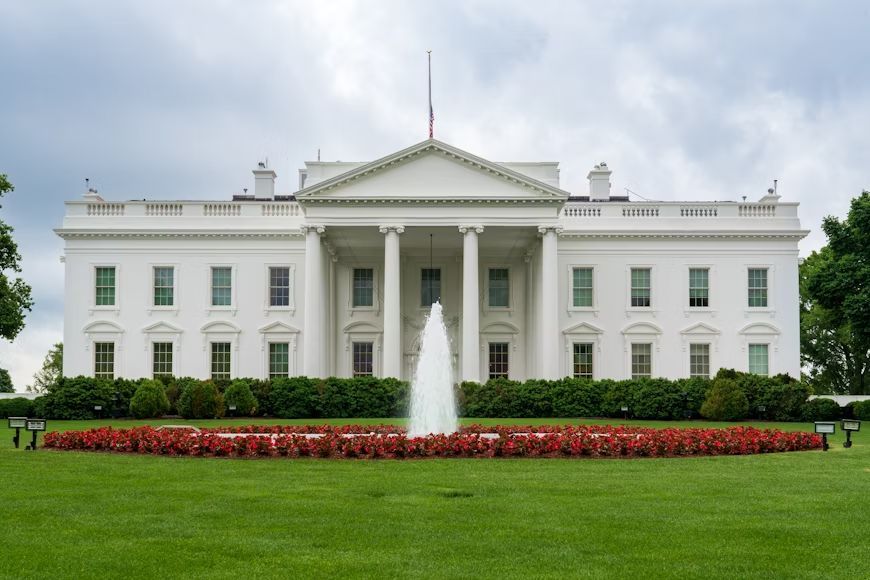
The White House may be the most famous home in America, but even if you’ve toured it or seen it in dozens of movies, there’s still plenty you probably haven’t heard. Tucked behind those white columns and sprawling lawns are fascinating facts, quiet quirks, and little-known stories that go beyond the textbooks. Whether you're a history buff, a trivia lover, or just curious, these 12 facts about the White House might just surprise you.

1
Rebuilt from the ashes

Image: Edward Kucherenko

When the British set fire to the White House in 1814, it didn’t just singe a few curtains; it gutted the place. Enter James Hoban, the original architect, who was brought back to restore what had been lost. It was a second chance for the home he first designed, and he saw it through with grit and style.

2
Madison moved out and never came back

Image: Carlos Derecichei

You might have worried about the house. But what about the people inside? Well, after the fire, President James Madison packed up and never returned to the rebuilt White House. By the time it was ready again, he was on his way out of office. The next tenant, James Monroe, received the keys to the newly renovated executive mansion.

3
Once the biggest house in America

Image: René DeAnda

Believe it or not, the White House was once the largest home in the entire country. That might sound quaint now, we know, but back in the early 1800s, a residence with 132 rooms was as grand as it got. It’s safe to say the neighbors were impressed.

4
This place is no modest cottage

Image: Michael Schofield

In case you’re wondering just how big the White House really is, it stretches roughly 168 feet long and 85 feet wide. On the south side, it rises 70 feet tall; on the north, 60 feet and change. A serious house for serious business.

5
It sits on a whole lot of lawn

Image: J. Amill Santiago

The next time you're mowing the yard and feeling proud of your quarter acre, consider this: the White House grounds cover a whopping 18 acres. That’s plenty of room for garden parties, Easter egg rolls, and even the occasional helicopter landing.

6
Truman’s big job

Image: Milivoj Kuhar

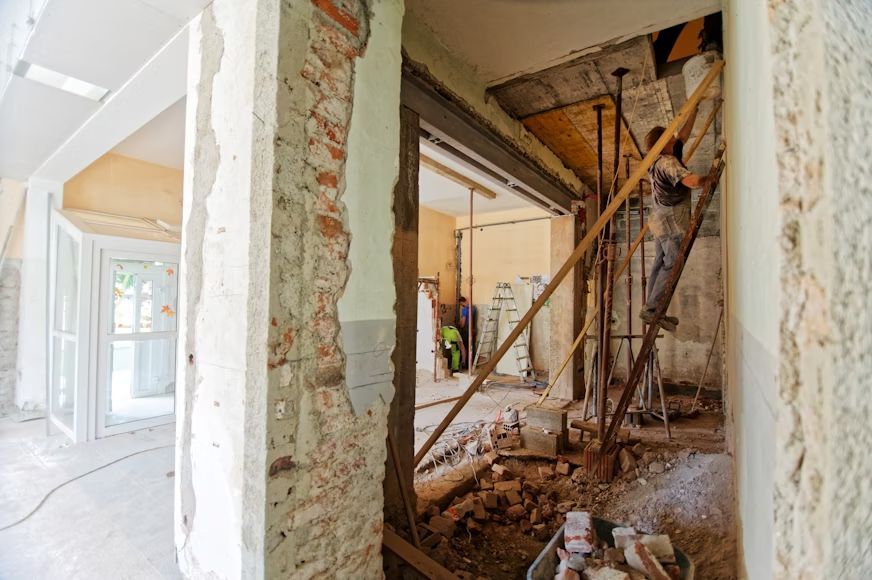
By the late 1940s, the White House was falling apart—you know, creaking floors, sagging beams, and some serious plumbing problems. President Harry S. Truman had the entire interior ripped out and rebuilt. The exterior stayed the same, but inside? It was practically a brand-new house hidden behind historic walls.

7
There’s a bunker down below

Image: Lukáš Lehotský

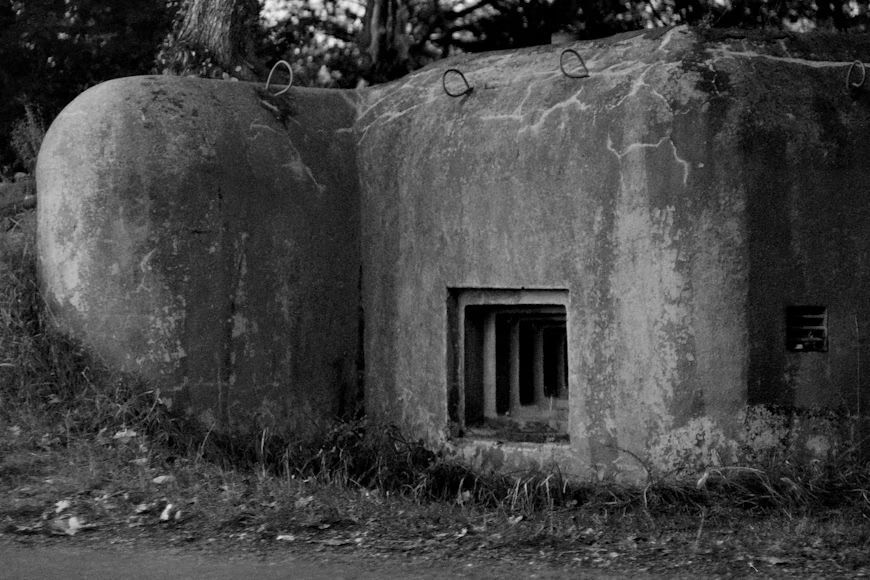
Tucked underneath the East Wing is the Presidential Emergency Operations Center, or PEOC. Built during WWII, it's the secure location presidents go to in times of crisis. It’s strictly off-limits to the public—and no, it’s not a James Bond villain lair, but it’s movie-worthy for sure!

8
There’s a secret Oval Office exit

Image: Donghun Shin

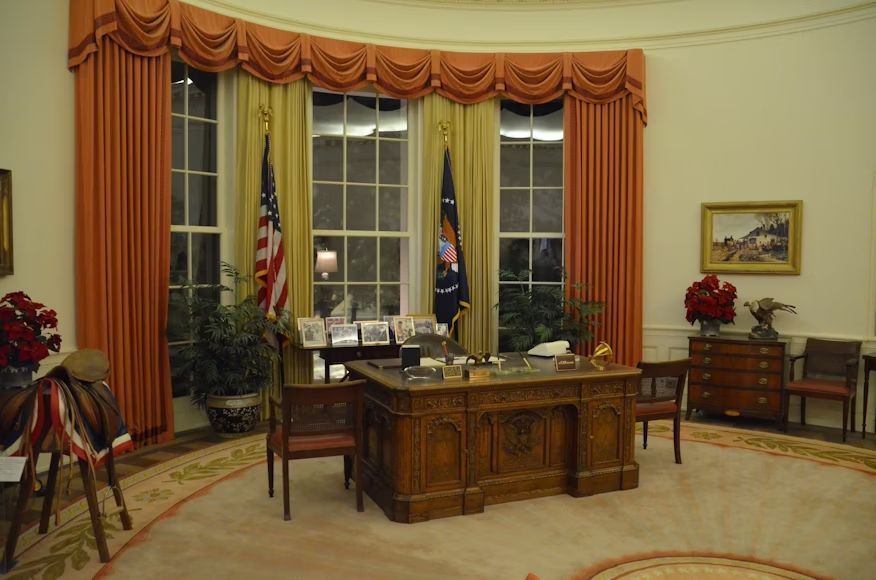
Behind what looks like just another panel in the Oval Office, there is a secret door that leads to a private hallway. President Franklin D. Roosevelt used this discreet passage to come and go without fanfare. We don’t know about you, but oh, the money we would pay to take a look at it!

9
Lincoln’s ghost still makes the rounds

Image: Girma Nigusse

You may not believe in ghosts, but plenty of people (including presidents and White House staff) have said they’ve seen or felt Abraham Lincoln’s presence in the White House. His old bedroom seems to be the hot spot. Some say he’s still keeping an eye on the place.

10
A hidden treasure trove of gifts

Image: Tomasz Zielonka

Foreign leaders bring all sorts of gifts when they visit the White House—from art and artifacts to, back in the day, even exotic animals. Many of these items end up tucked away inside the residence, far from public view. It’s like a museum without the tour guide.

Explore more American facts

Choose your favorite category!

General
General

As American as apple pie—the very best America has to offer!

Culture
Culture

Delve into the astounding richness of American lore.

Geography
Geography

Hop in and explore vast and diverse American landscapes.

History
History

Discover the key moments that shaped the United States.