History History 5 min read

Geographical history

What is the most important city in American history?
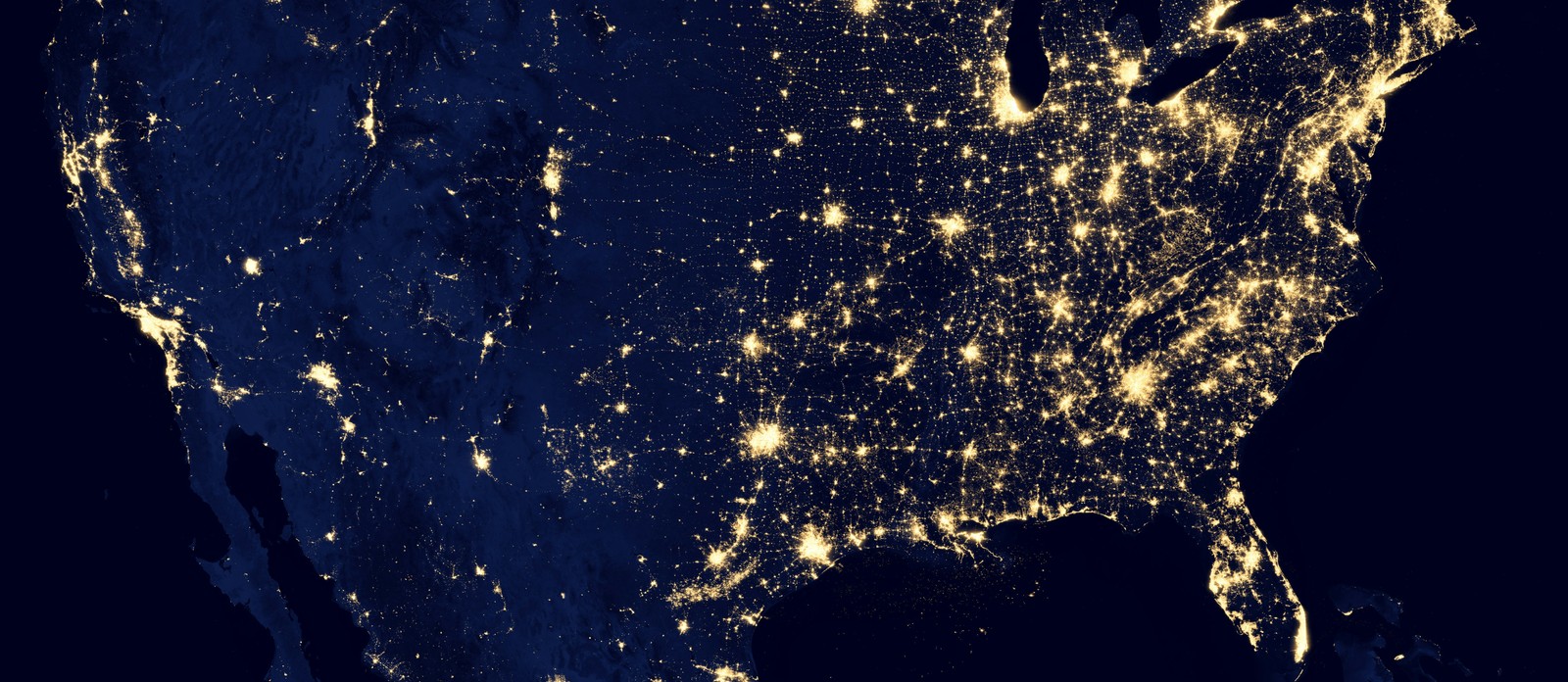
Image: NASA

What is the most important city in American history? Is it New York City, an economic and cultural powerhouse? Washington, D.C., its political core? Or maybe Boston or Philadelphia, the birthplace of America’s birth as a nation? The third-largest country in the world and its 250 years of history cannot be reduced to a single place , but choosing ten of its most important cities can give us a glimpse into this extensive and diverse nation. Here are 10 cities that played an important role in U.S. history.

1
Philadelphia, Pennsylvania
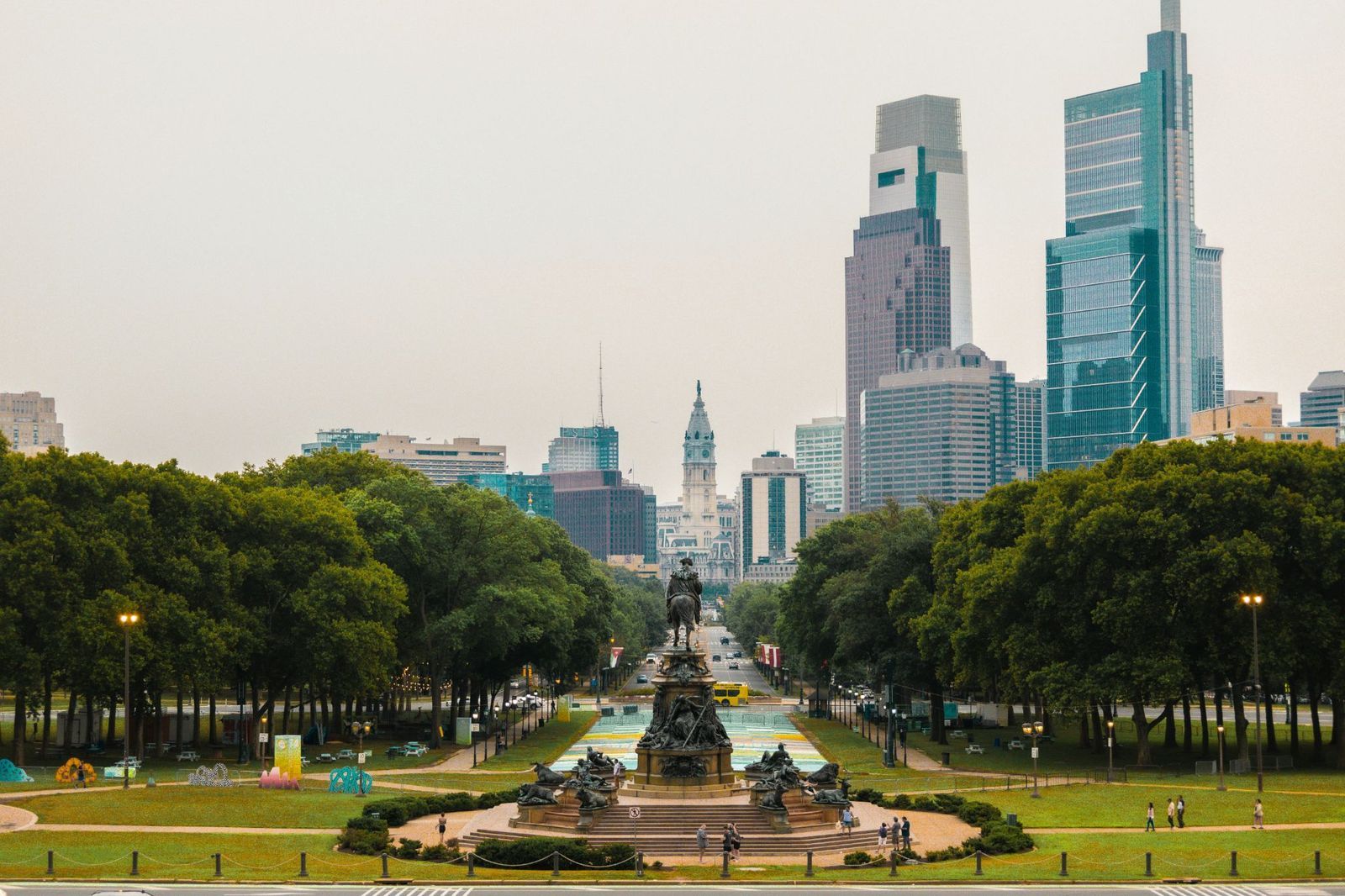
Image: Jonathan Gong

Founded in 1682 as the capital of the Province of Pennsylvania, Philadelphia was, from the start, a center for philosophical debates, science, and trade. Due to its central location among the Thirteen Colonies, it played a key role in the American Revolution , hosting the First and Second Continental Congresses in 1774 and 1776, and as the birthplace of the United States with the signing of the Declaration of Independence. After the war, it also hosted the 1787 Constitutional Convention, where the Constitution was drafted and signed. Philadelphia also served as the temporary U.S. capital during the construction of Washington, D.C., from 1790 to 1800.

2
Boston, Massachusetts
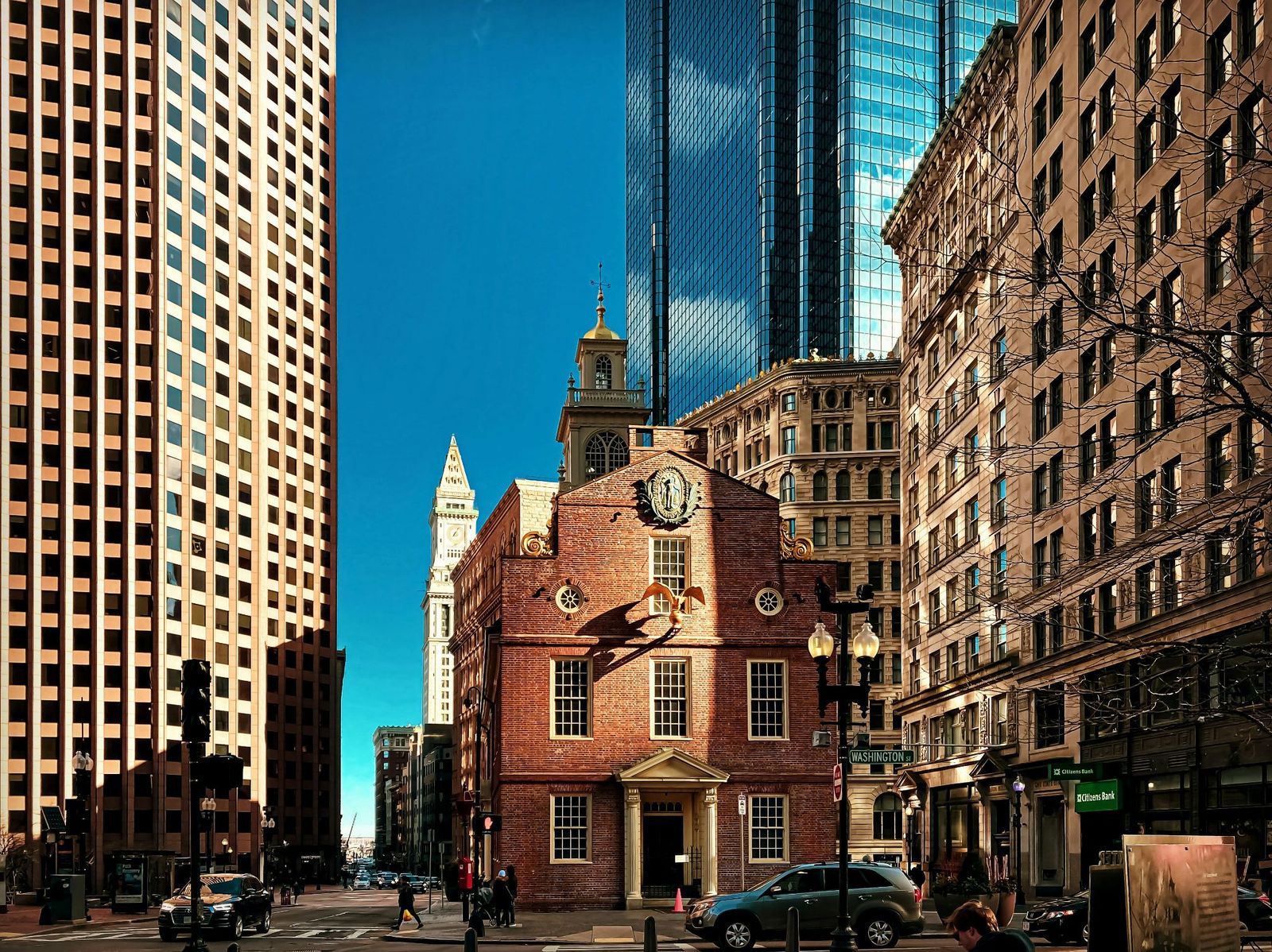
Image: Leo Heisenberg

Established in 1630 by English Puritans, the city of Boston was crucial in accelerating the start of the American Revolutionary War . Among the rising tensions caused by new taxes imposed by the British Parliament, the 1770 confrontation between soldiers and colonists known as the "Boston Massacre" was the initial spark that led to the 1773 Boston Tea Party and later on to the 1775 Battles of Lexington and Concord, the first battles of the Revolutionary War. One of the main American ports, Boston has unfortunately suffered several natural and man-made disasters in its history, such as the Great Molasses Flood in 1919 and the New England Hurricane of 1938.

3
New York City, New York
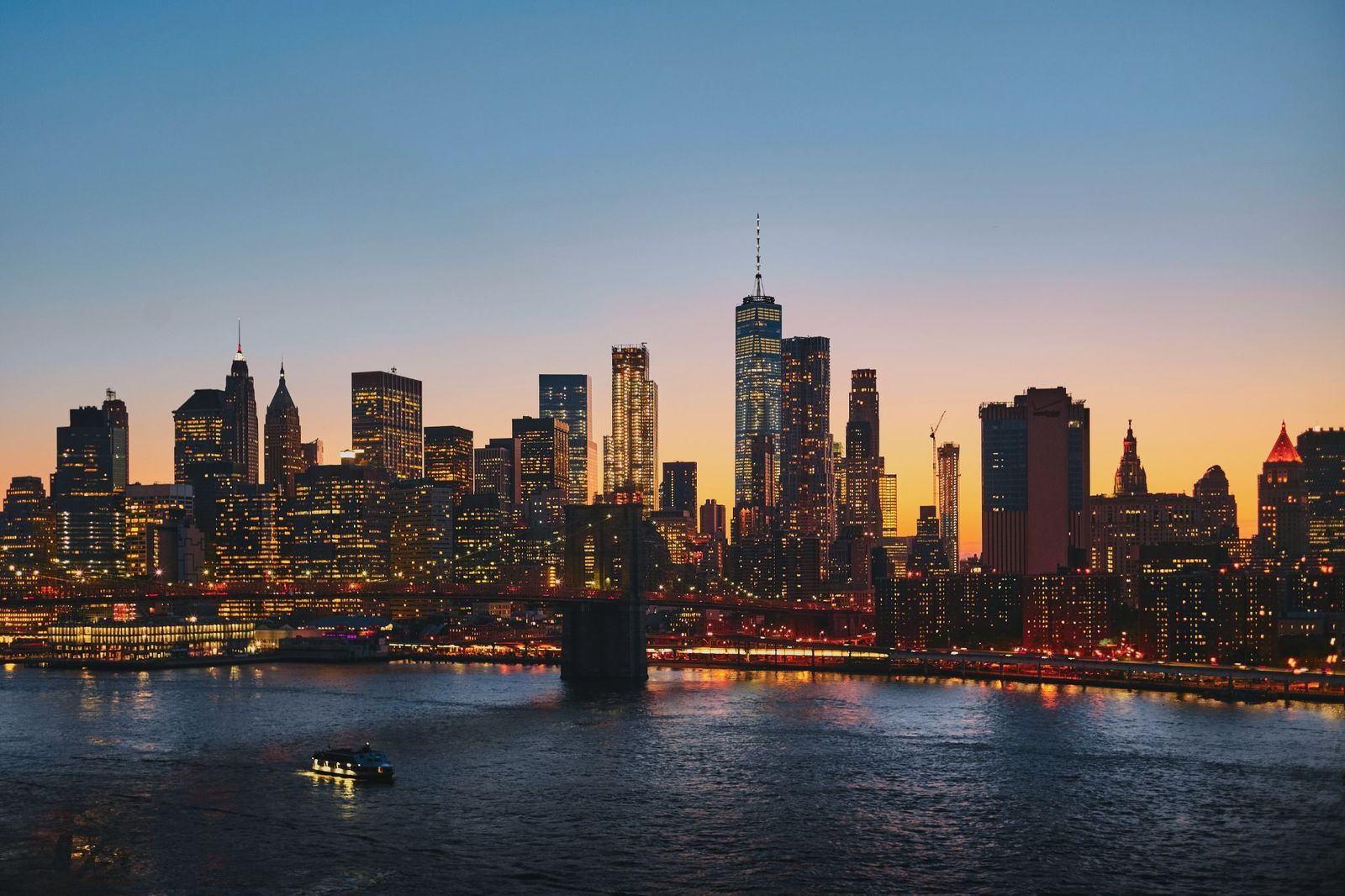
Image: Luca Bravo

Originally a Dutch settlement, New York City is currently the most populous city in the U.S. and one of the cultural and economic capitals of the world, but it also played a central role in the beginning of American history. Occupied by British forces during most of the American Revolution, it later served as the first capital of the U.S., with George Washington being sworn in as the first American president at Federal Hall. During the 19th and early-20th centuries, New York City became the gateway to America through Ellis Island , the busiest immigration inspection station between 1892 and 1954, which served as the entry point for more than 12 million immigrants.

4
Washington, D.C.
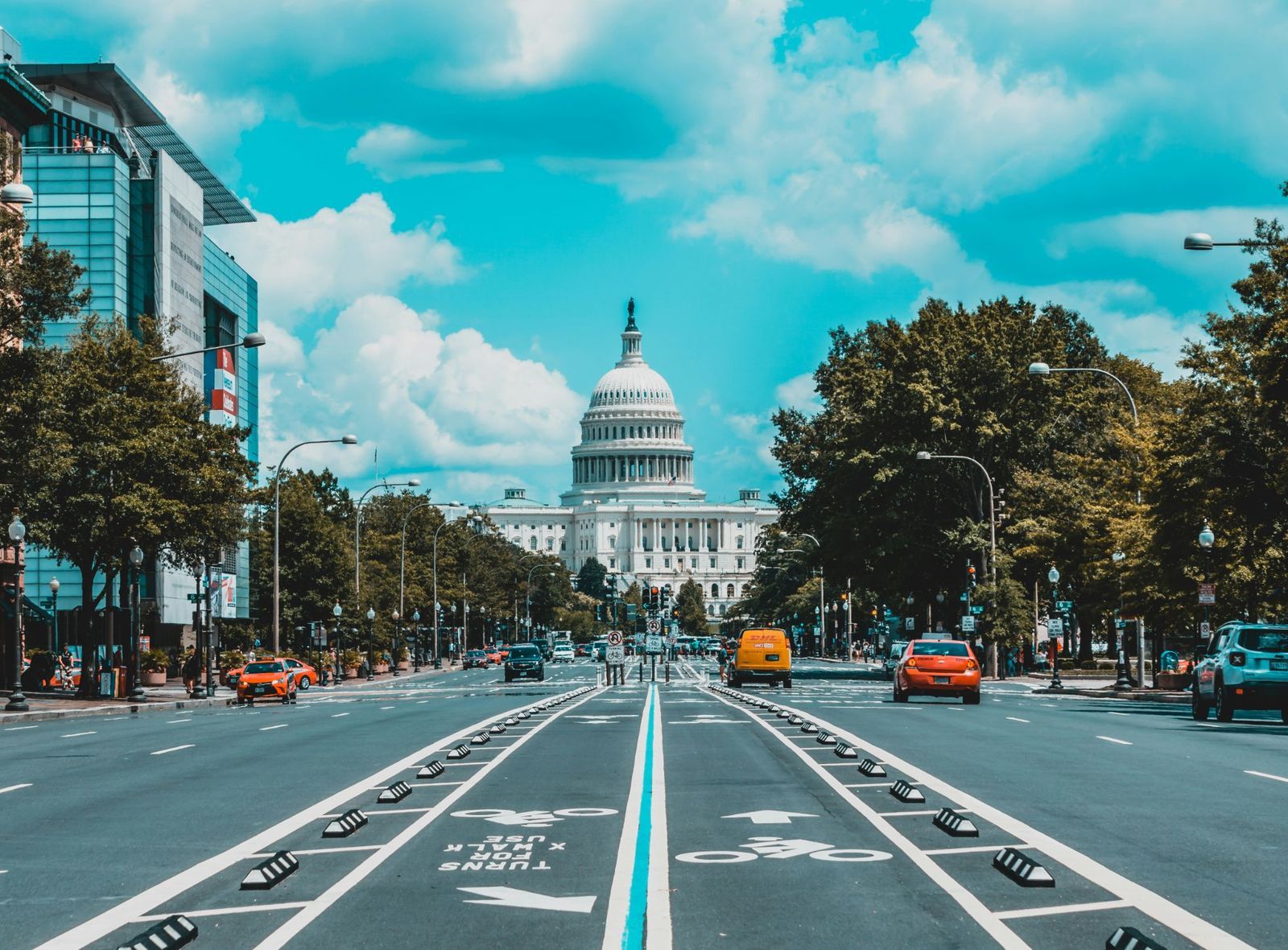
Image: Jorge Alcala

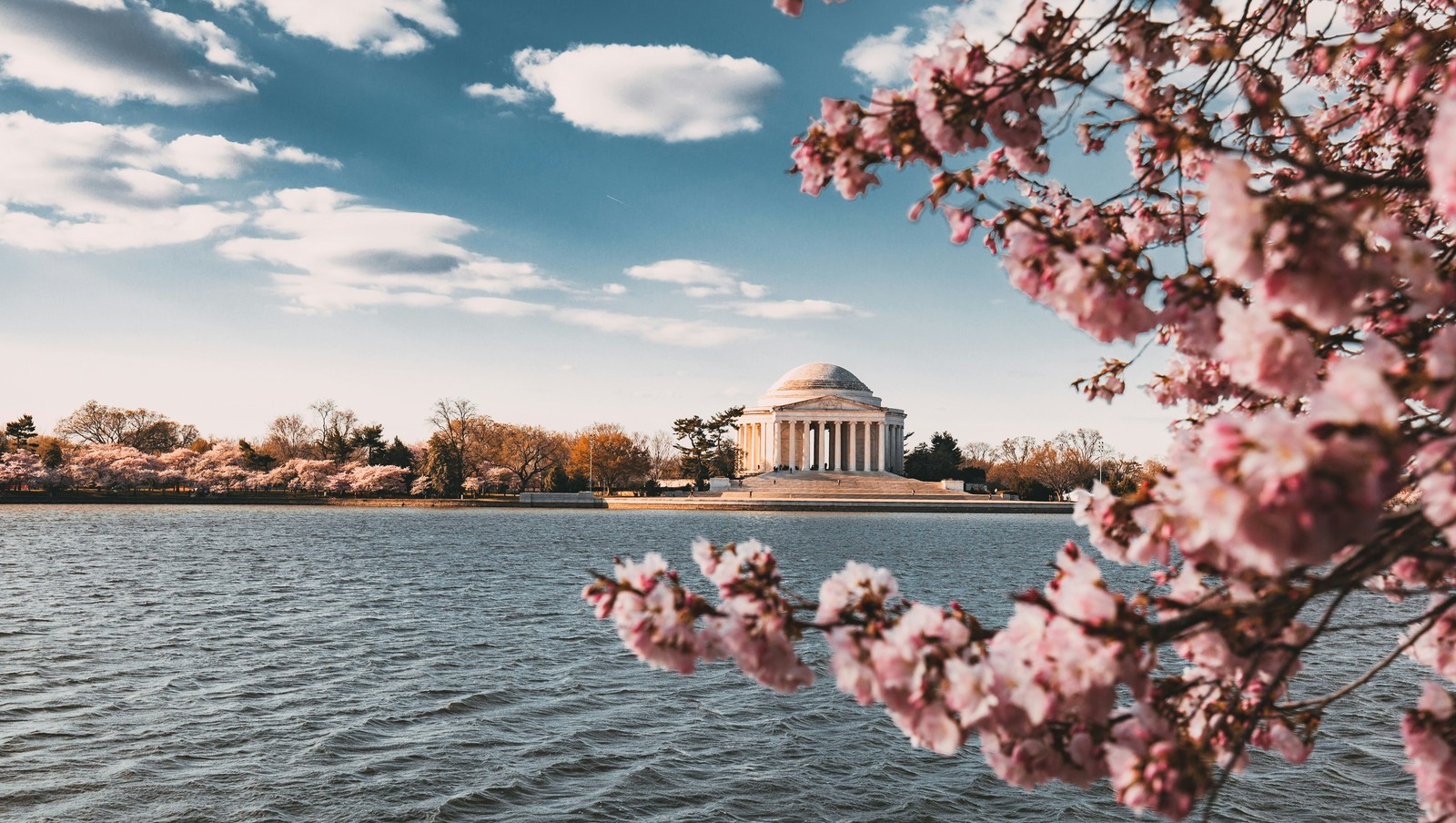
Conceived in 1789 as the national capital under the exclusive jurisdiction of the U.S. Congress, the location of Washington, D.C. on the banks of the Potomac was chosen by George Washington himself, although the entirety of his time in office happened in Philadelphia. Established as the seat of government in 1800, the city was set on fire by British troops in 1814. As the political core of America, Washington, D.C. has been the location of many crucial events in American history , such as the 1865 assassination of Abraham Lincoln, the 1963 March on Washington, and the 1960s protests against the Vietnam War.

5
Atlanta, Georgia
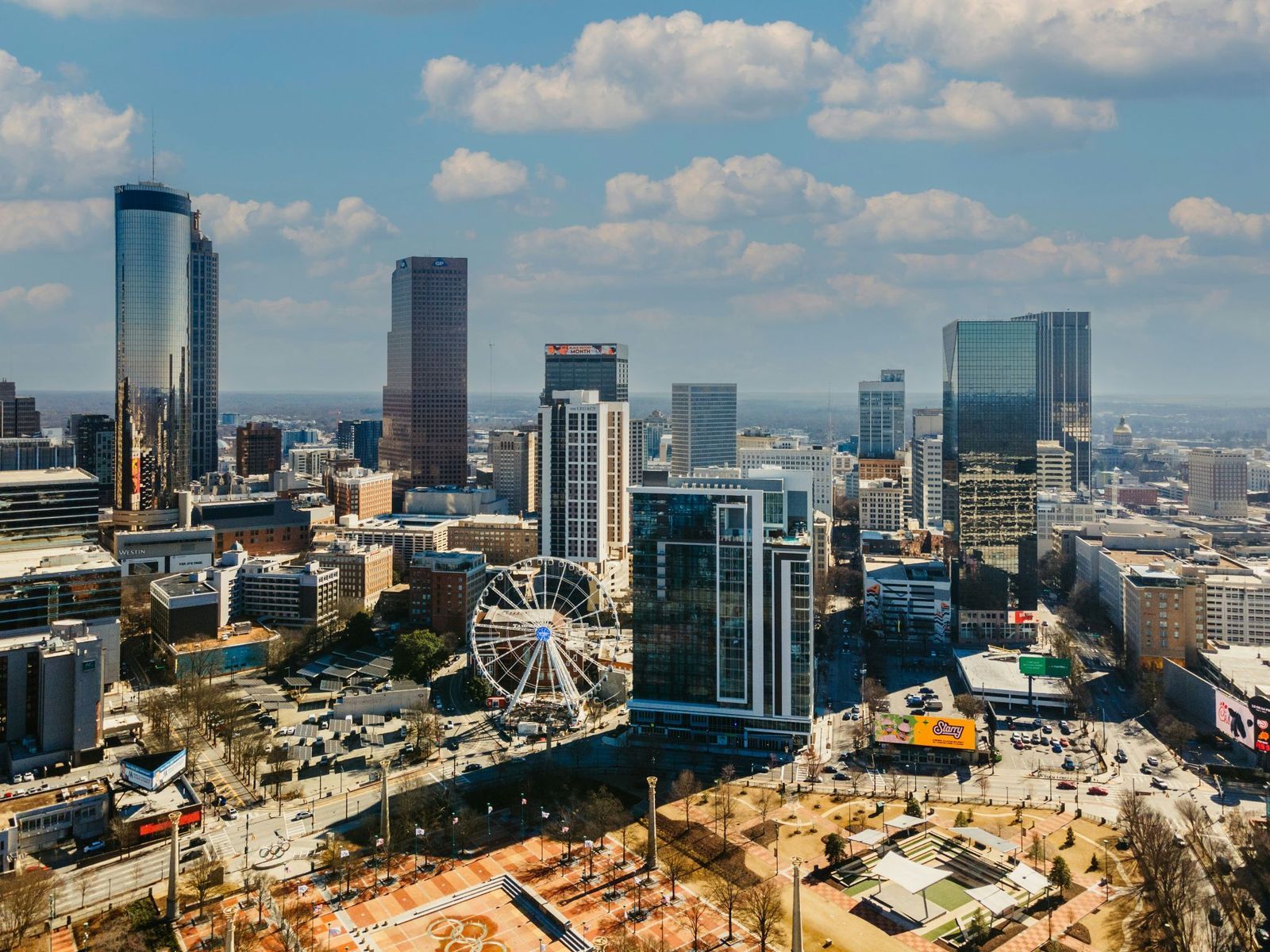
Image: Nils Huenerfuerst

A railroad end station in its origins, Atlanta rose to prominence shortly after the Civil War as the new capital of Georgia, quickly becoming an industrial hub and one of the unofficial capitals of the South. Considered one of the powerhouses of African-American wealth, a fact that clashed with the strong enforcement of Jim Crow laws, it is not surprising that Atlanta became the birthplace of the Civil Rights Movement and of one of its leaders, Martin Luther King, Jr. From boycotts, desegregation lawsuits, student movements, and powerful public demonstrations, Atlanta was one of the epicenters of social change that culminated in the Civil Rights Act of 1964 and the Voting Rights Act of 1965.

6
Chicago, Illinois
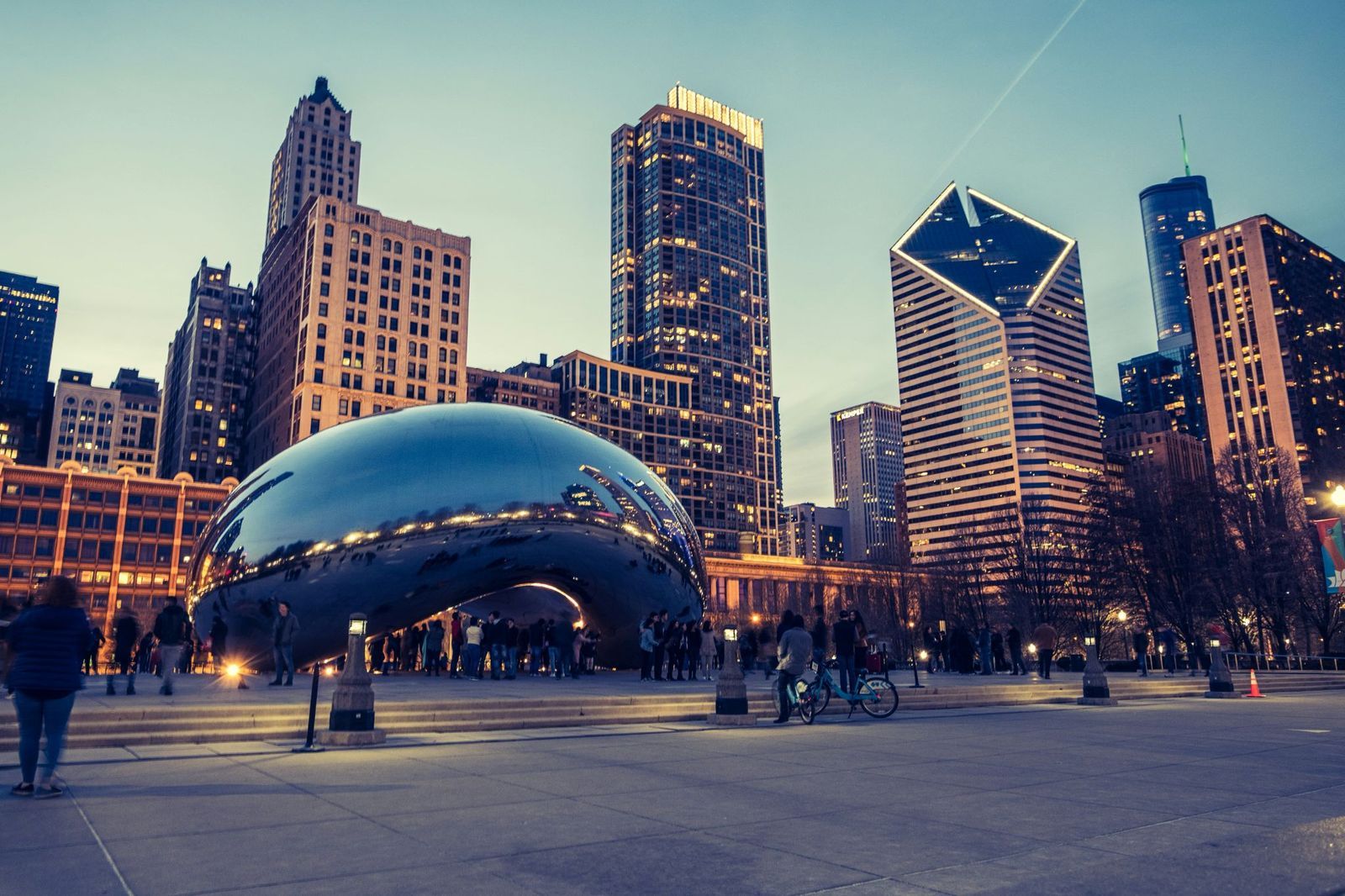
Image: Lance Anderson

The most populous city in the state of Illinois, Chicago was at the center of the American Labor Movement . Destroyed in the 1871 Chicago Fire, its reconstruction followed strict building codes and became a benchmark for urban fire safety. In 1886, a peaceful rally in support of the eight-hour workday turned catastrophic when a bomb sparked a confrontation between protestors and the police, an event that kickstarted the Labor Movement and that was the origin of the May 1st International Workers’ Day.

7
San Francisco, California
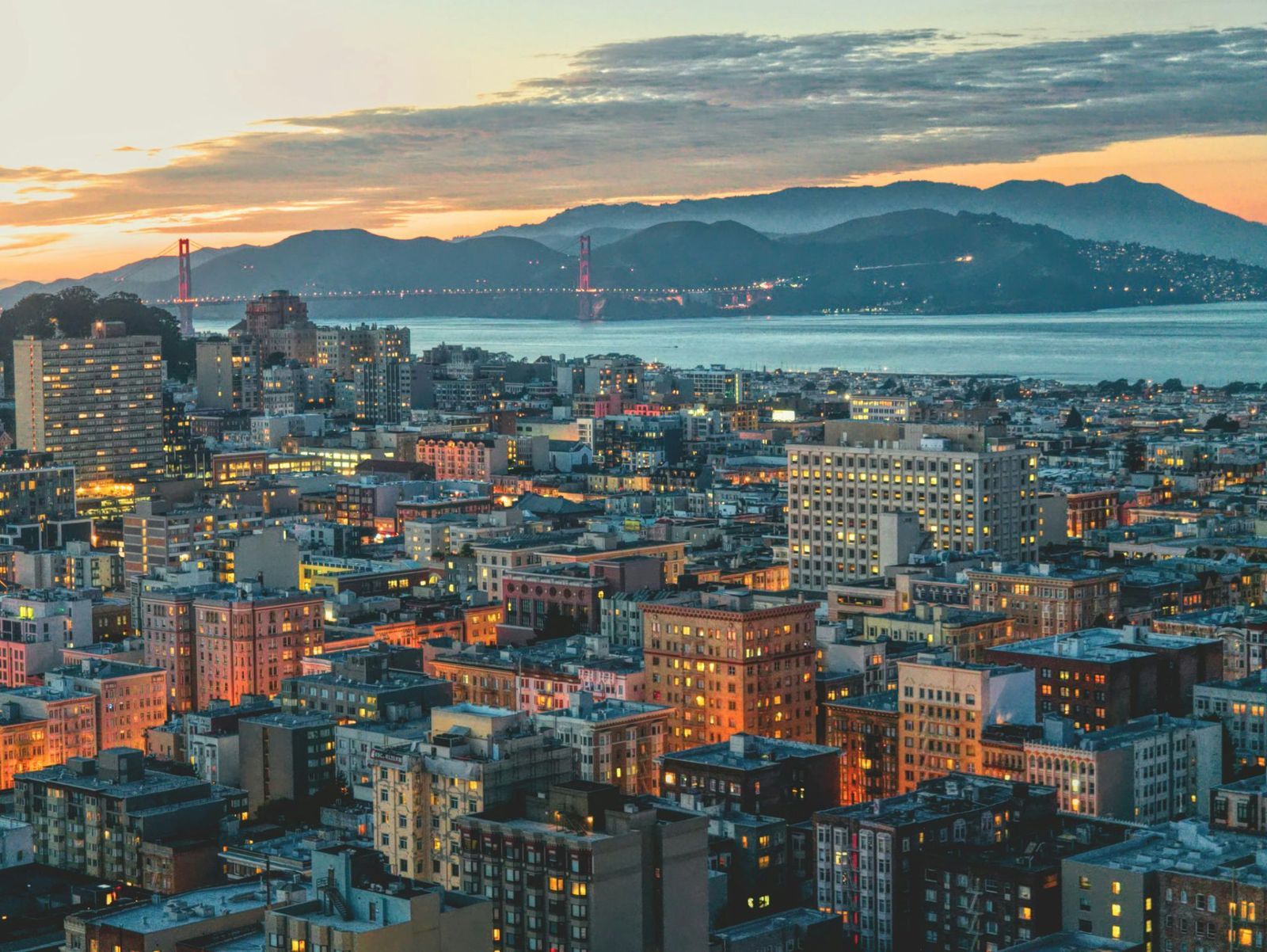
Image: Matthias Mullie

Established by the Spanish as the San Francisco Mission, and later part of Mexico under the name Yerba Buena, San Francisco became American territory in 1846 and transitioned into a bustling city during the 1849 Gold Rush. The birthplace of the United Nations in 1945, it was the epicenter of the Beat Generation in the 1950s and the hippie movement in the 1960s, as well as the backdrop of the tech boom thanks to its proximity to Silicon Valley.

8
New Orleans, Louisiana
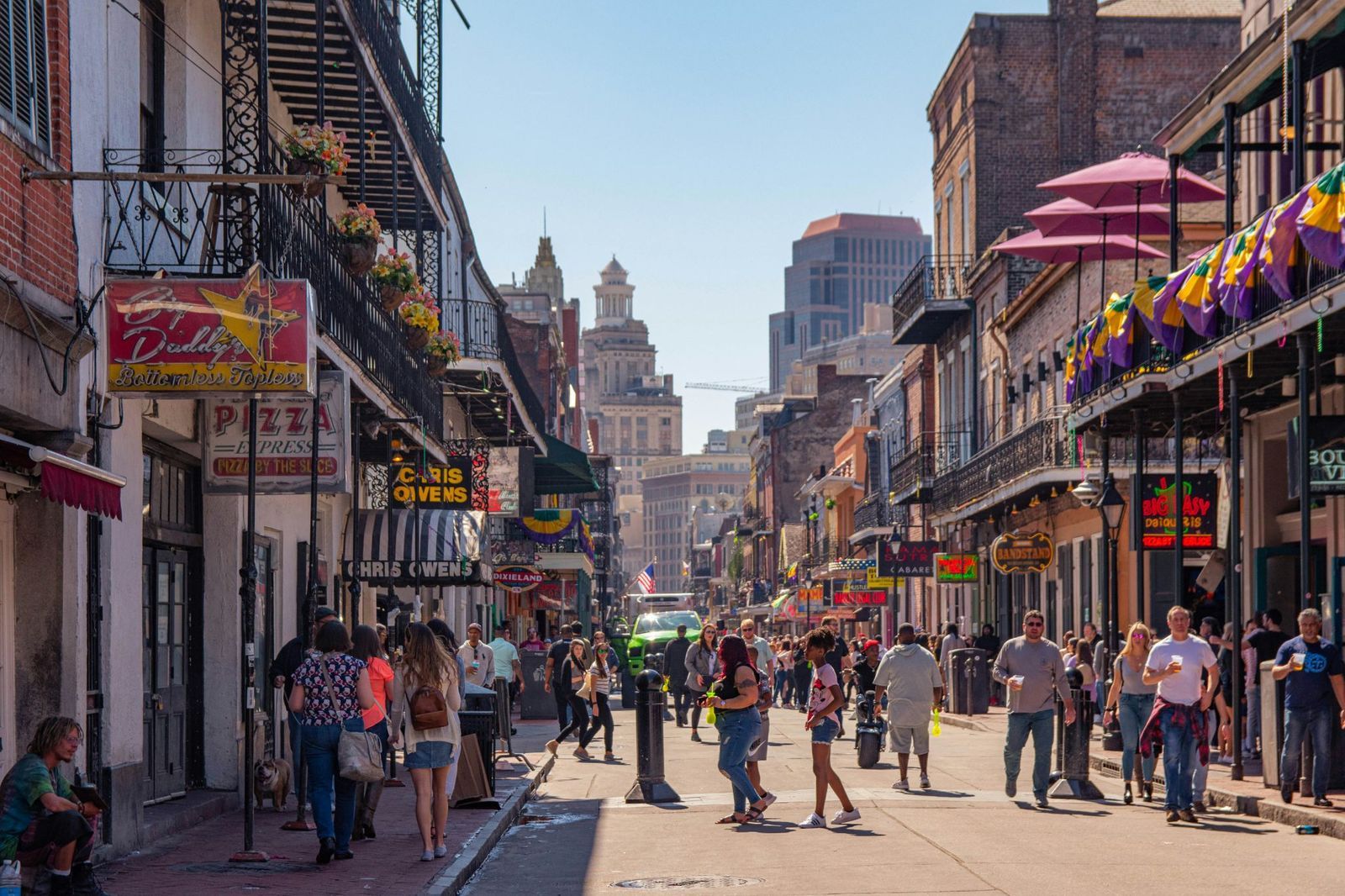
Image: Kristina Volgenau

The 1803 Louisiana Purchase doubled the size of the United States overnight, but did you know that Jefferson’s original intent was only to acquire New Orleans? Westward expansion was a byproduct of France’s offer to sell its entire Louisiana Territory, but this would not have happened without New Orleans. By acquiring its port, America gained control over the Mississippi River, which ended any threat of foreign interference in agricultural or commercial affairs, and opened the American South to international trade. The strategic importance of the city came into play during the Civil War, when its capture by Union Admiral David Farragut depleted the Confederate finances and allowed Union forces to split and isolate Southern territories.

9
Detroit, Michigan
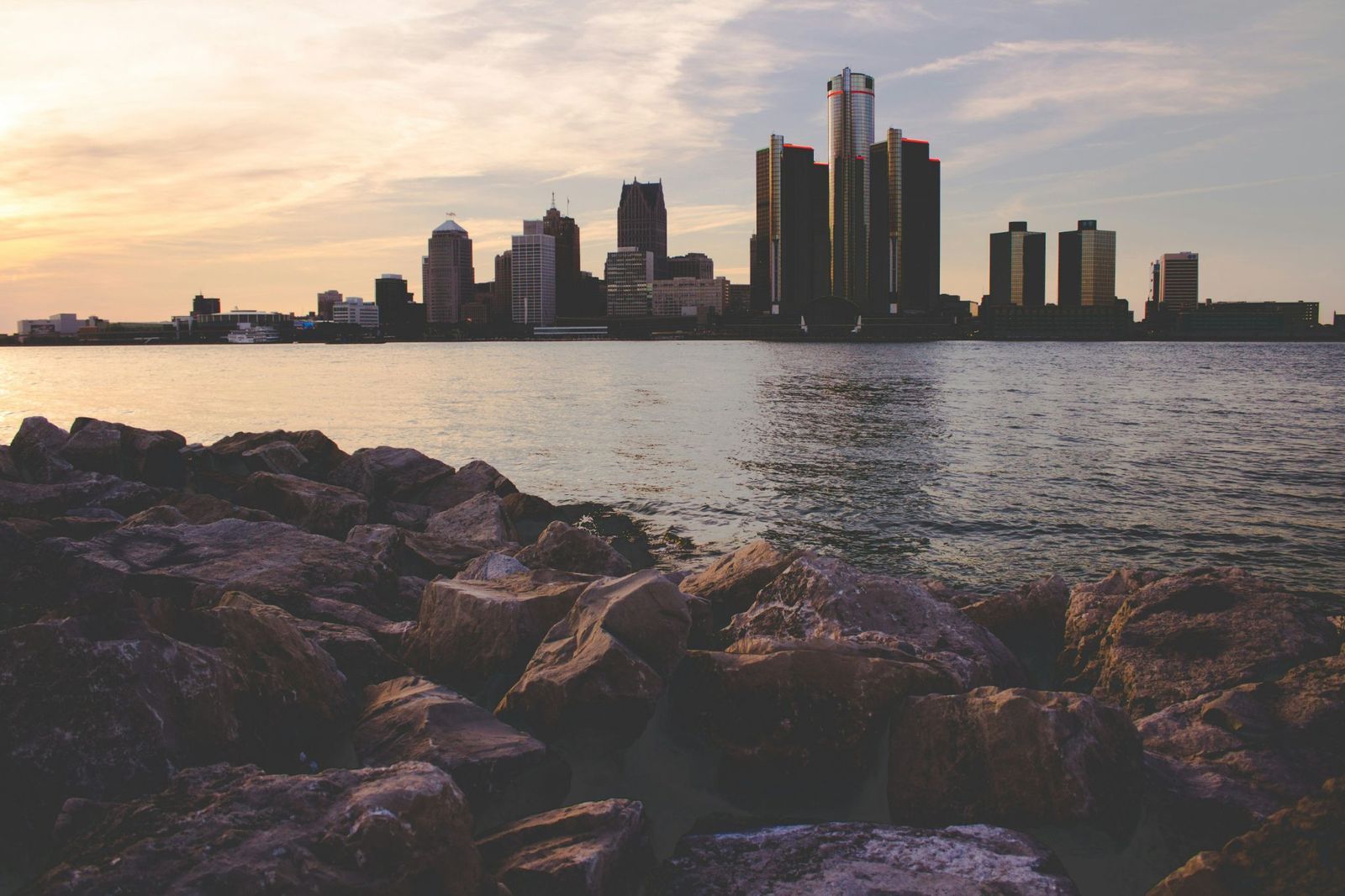
Image: Nadine E

Established by French settlers in 1701, it passed into British hands a few decades later, before being handed over to the U.S. under the 1796 Jay's Treaty. A bustling port thanks to its connection with the Great Lakes through the Detroit River, the city became an industrial powerhouse in the early 20th century thanks to the motor industry. This earned it the Motown nickname, and it was the site of crucial innovations such as Ford’s moving assembly line in 1913 and the implementation of the $5 workday circa 1914.

10
St. Augustine, Florida
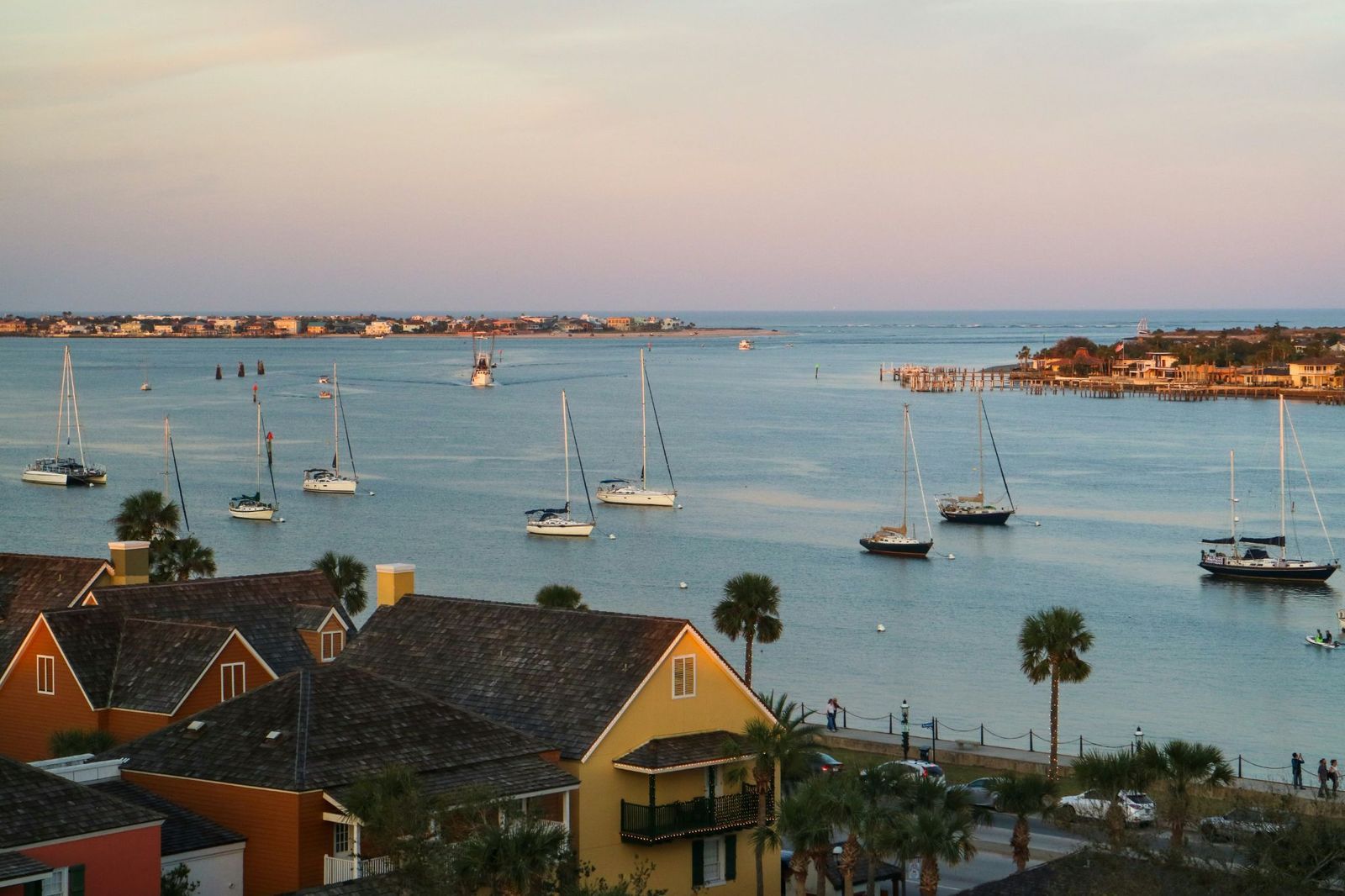
Image: Kristin Wilson

The city of St. Augustine is not the first to come to mind when thinking about historically important cities in America, but many forget that it predates Jamestown by nearly half a century, making it the oldest inhabited European settlement on U.S. soil (without accounting for U.S. territories, in which case San Juan would be the oldest). Founded by the Spanish in 1565 and acquired by the U.S. in 1821, St. Augustine became a tourist resort for wealthy merchants and oil tycoons in the late 19th century. However, the city played a key role in the 1960s Civil Rights Movement, as it became one of the battlegrounds for the protests and demonstrations against segregation.
Geography Geography 2 min read

Must stops

Why everyone stops here: The sights that made Route 66 famous

Image: Mateusz Szerszyński

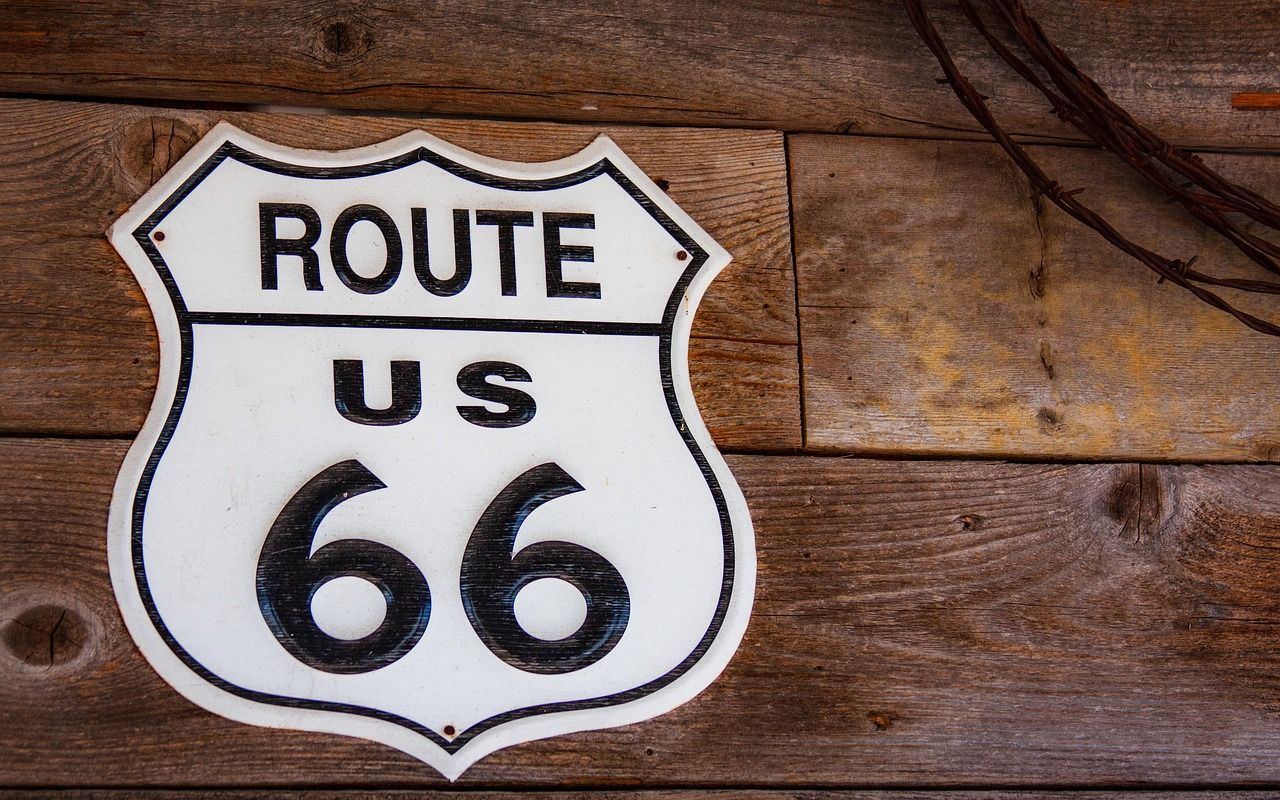
If you’ve ever dreamed about driving the whole Route 66 , or if you ever have, you’ve probably heard about all of these spots. Midpoint Café, Cadillac Ranch, all the way to the Santa Monica Pier… Let’s take a virtual tour from Chicago to Santa Monica, exploring the popular stops along the way!

1
Chicago highlights

Image: Walter Martin

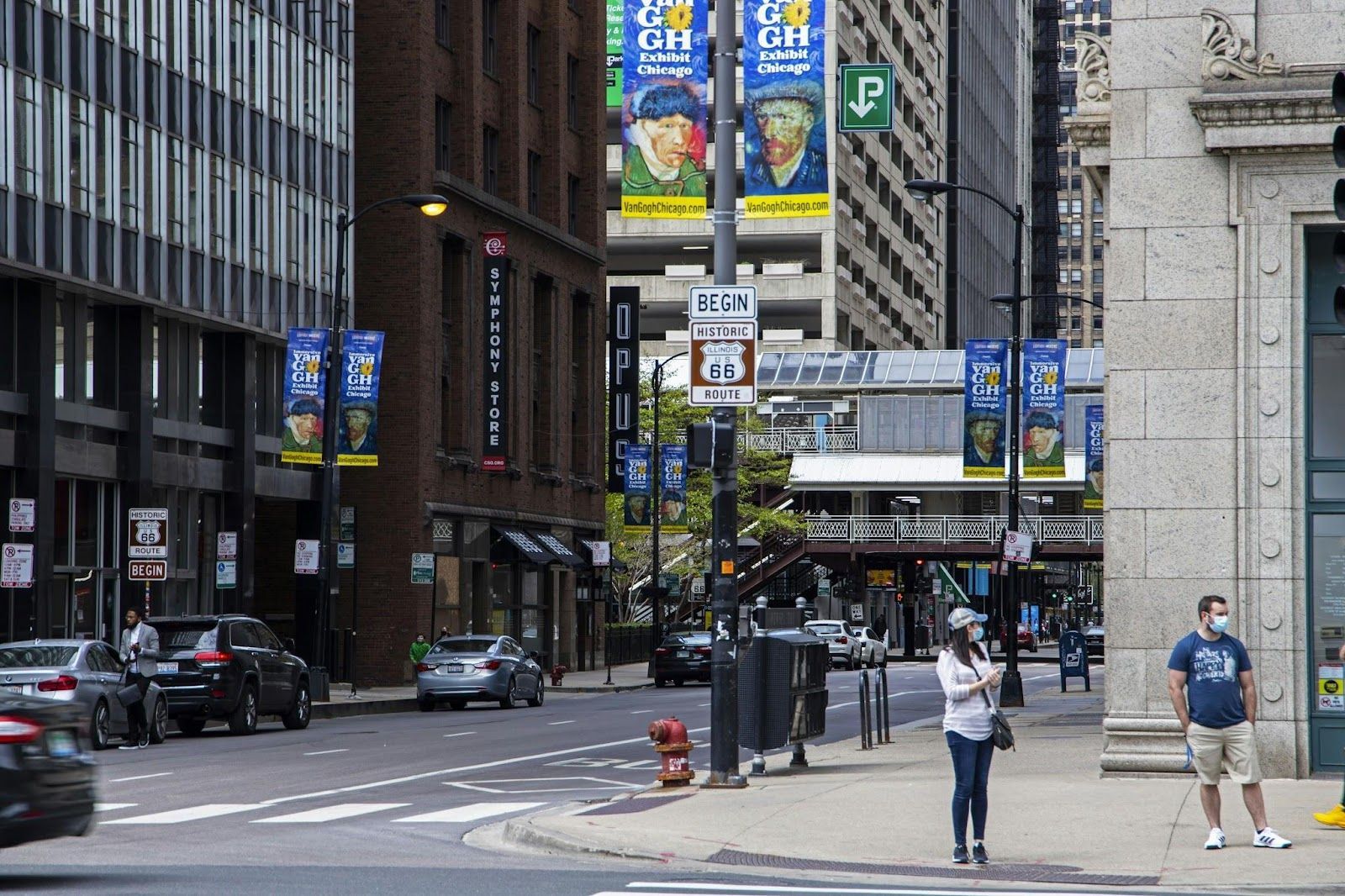
Route 66 begins in Chicago, the traditional starting point for east-to-west Route 66 trips; visitors often photograph the "begin" signs and explore nearby city landmarks before hitting the open road.

2
The Gemini Giant

Image: Steppinstars

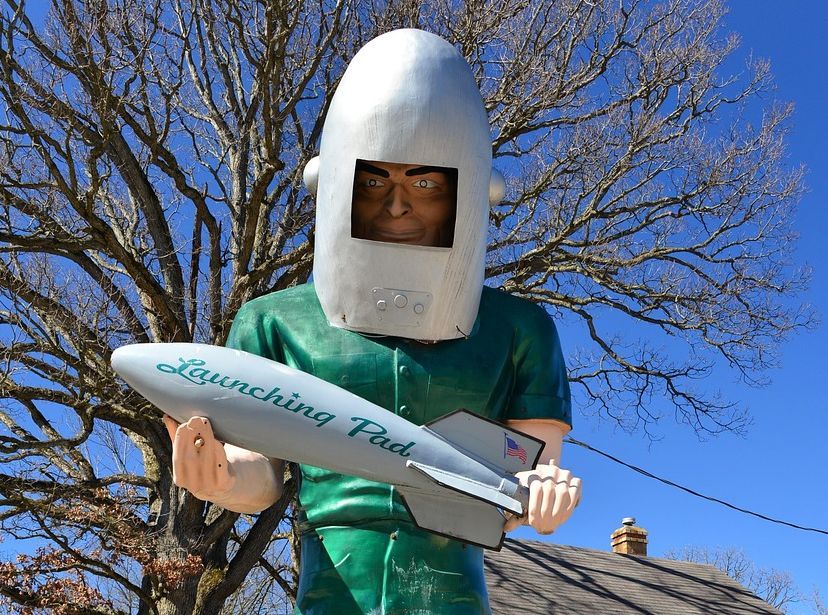
In Wilmington, or the Chain O’ Lakes, you can find another classic. The "Muffler Men" statues, the Gemini Giant towers over a diner and is a favorite selfie station for travelers heading out of Chicago.

3
Pontiac Route 66 Hall of Fame & Murals

Image: Alexas_Fotos

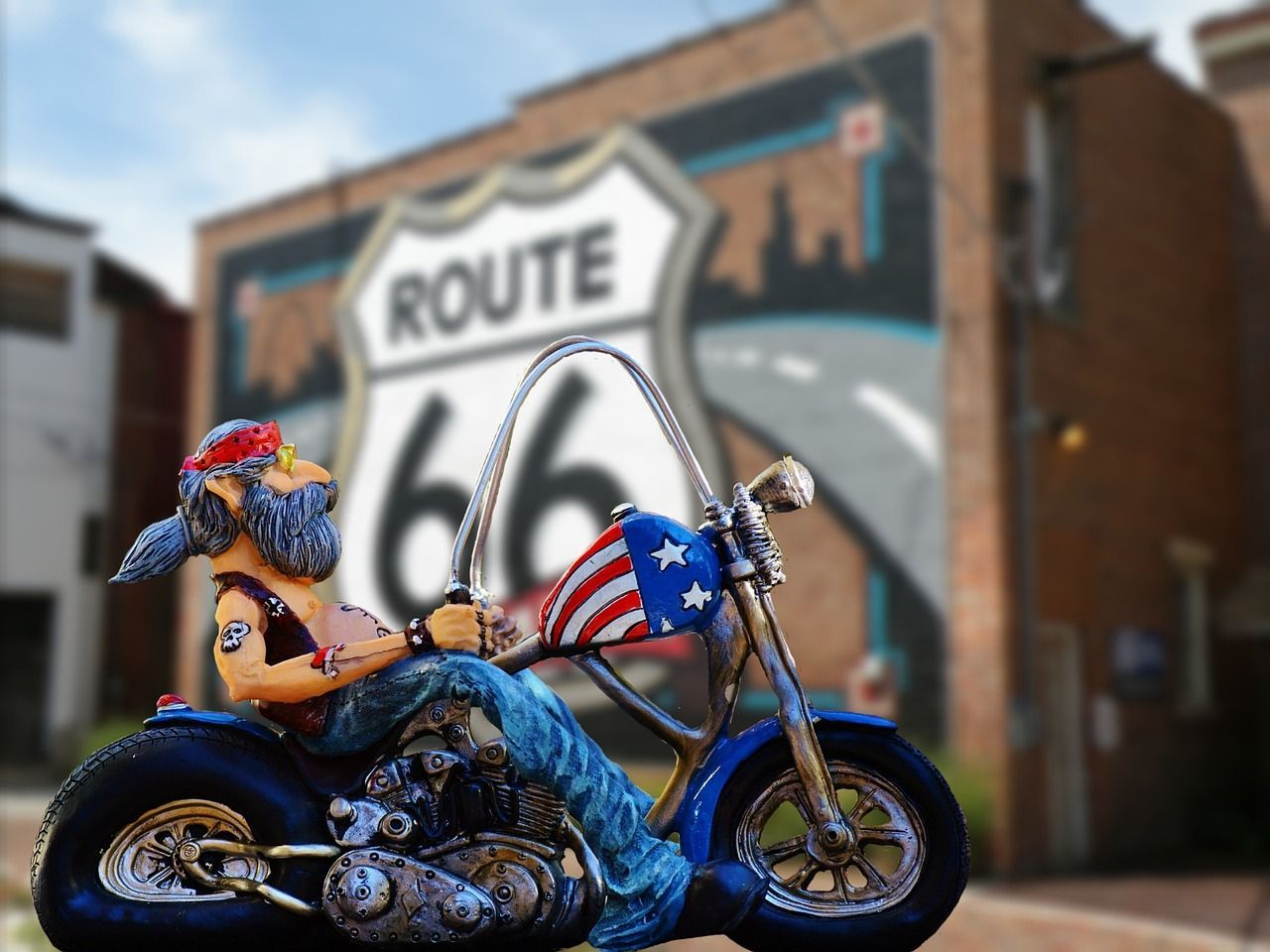
In Illinois, Pontiac is a Route 66 museum-and-mural town: murals, classic car collections, and a Route 66 Hall of Fame make it a major cultural stop on the Illinois stretch.

4
Meramec Caverns

Image: nelcathy

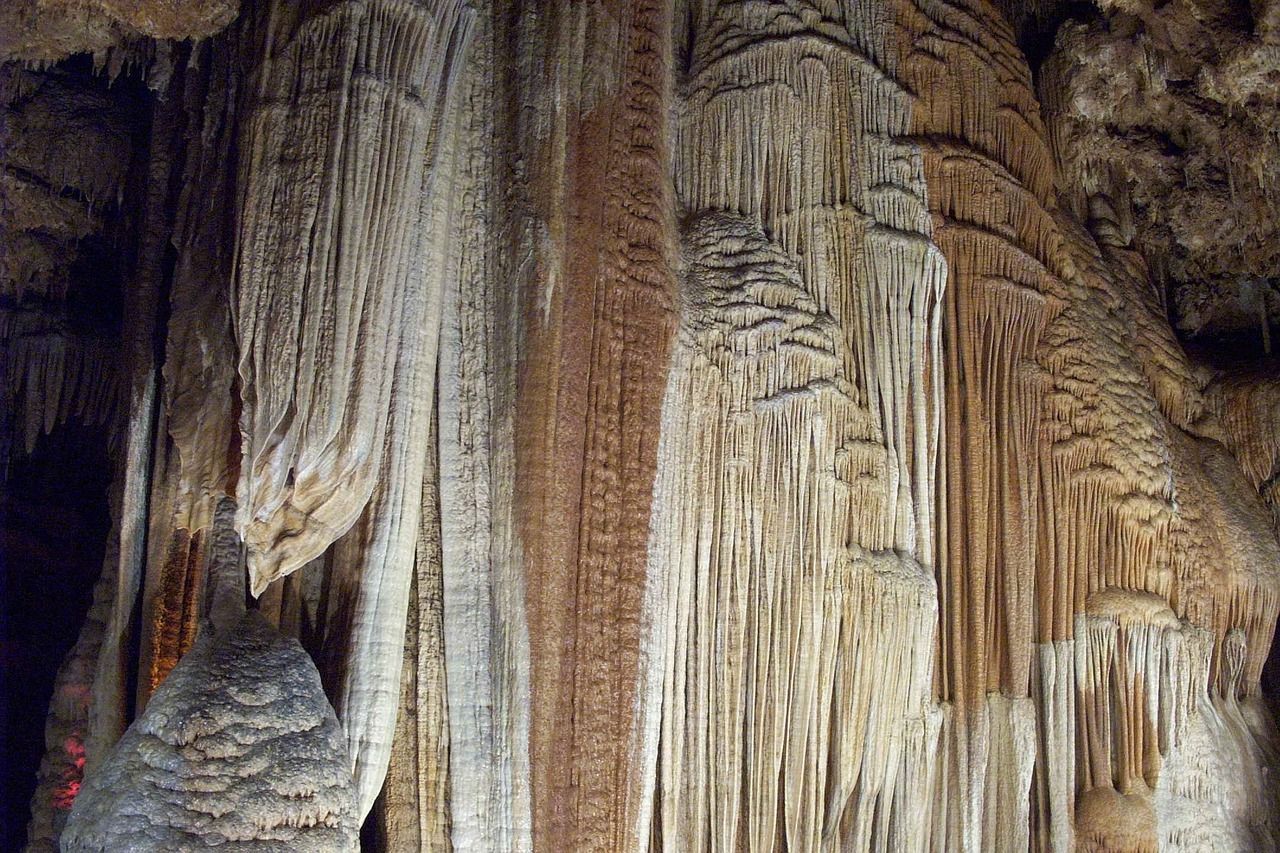
Next is Stanton, Missouri: An enormous cave system promoted for decades as a Route 66 attraction; its guided tours and dramatic caverns make it a long-standing draw.

5
Gateway Arch

Image: Chris Hardy

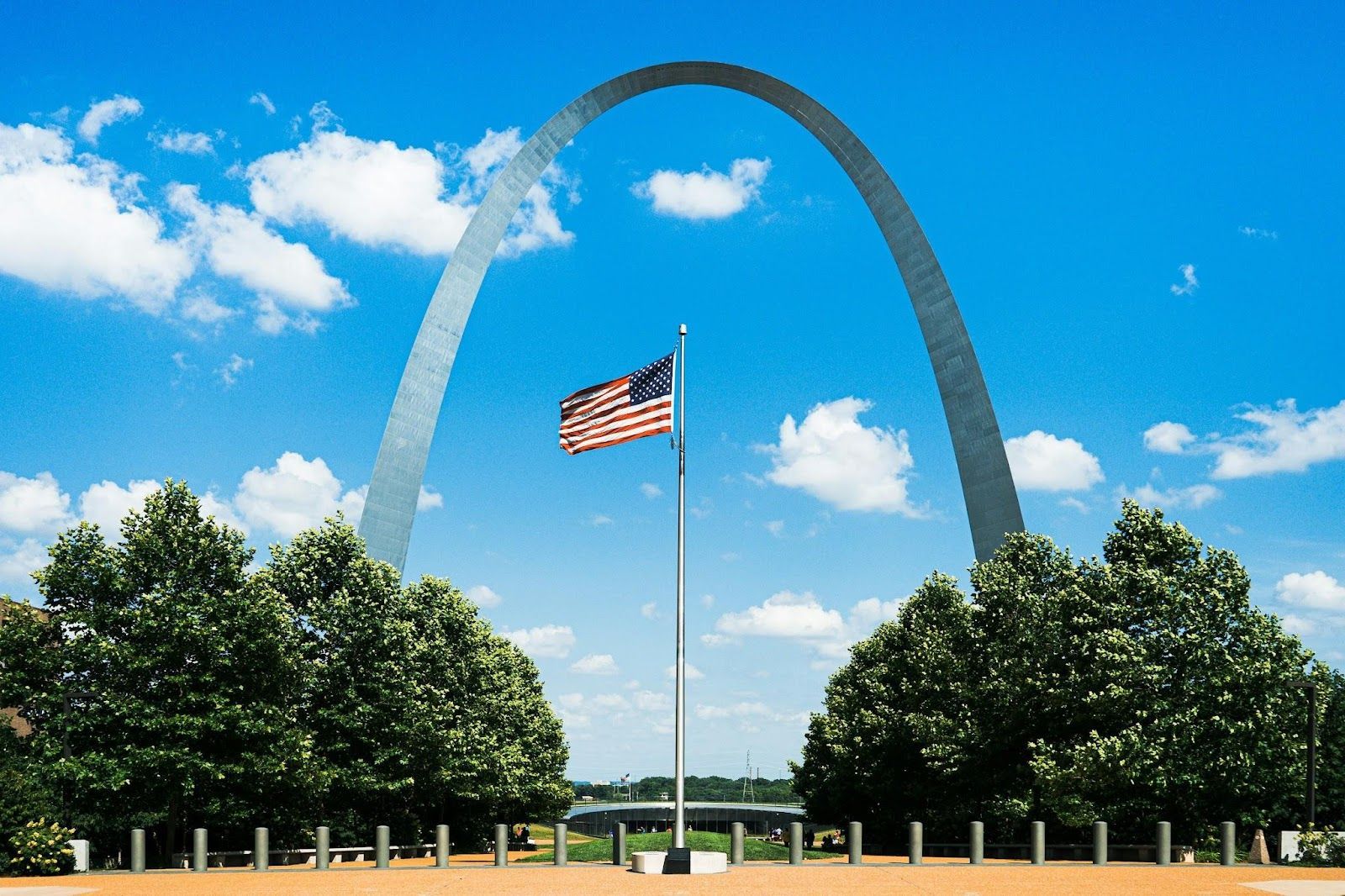
Of course, there’s the Gateway Arch at St. Louis! The same city provides both the monumental (the Arch) and the kitsch (the famed Ted Drewes custard stands), both popular stops for Route 66 travelers.

6
The Midpoint Café

Image: MrRick

The official midpoint of Route 66 (halfway between Chicago and Santa Monica) is this Texas diner, "Midpoint," with its famous sign and pies, which are obligatory stops for many road-trippers.

7
Cadillac Ranch

Image: Paul Hart

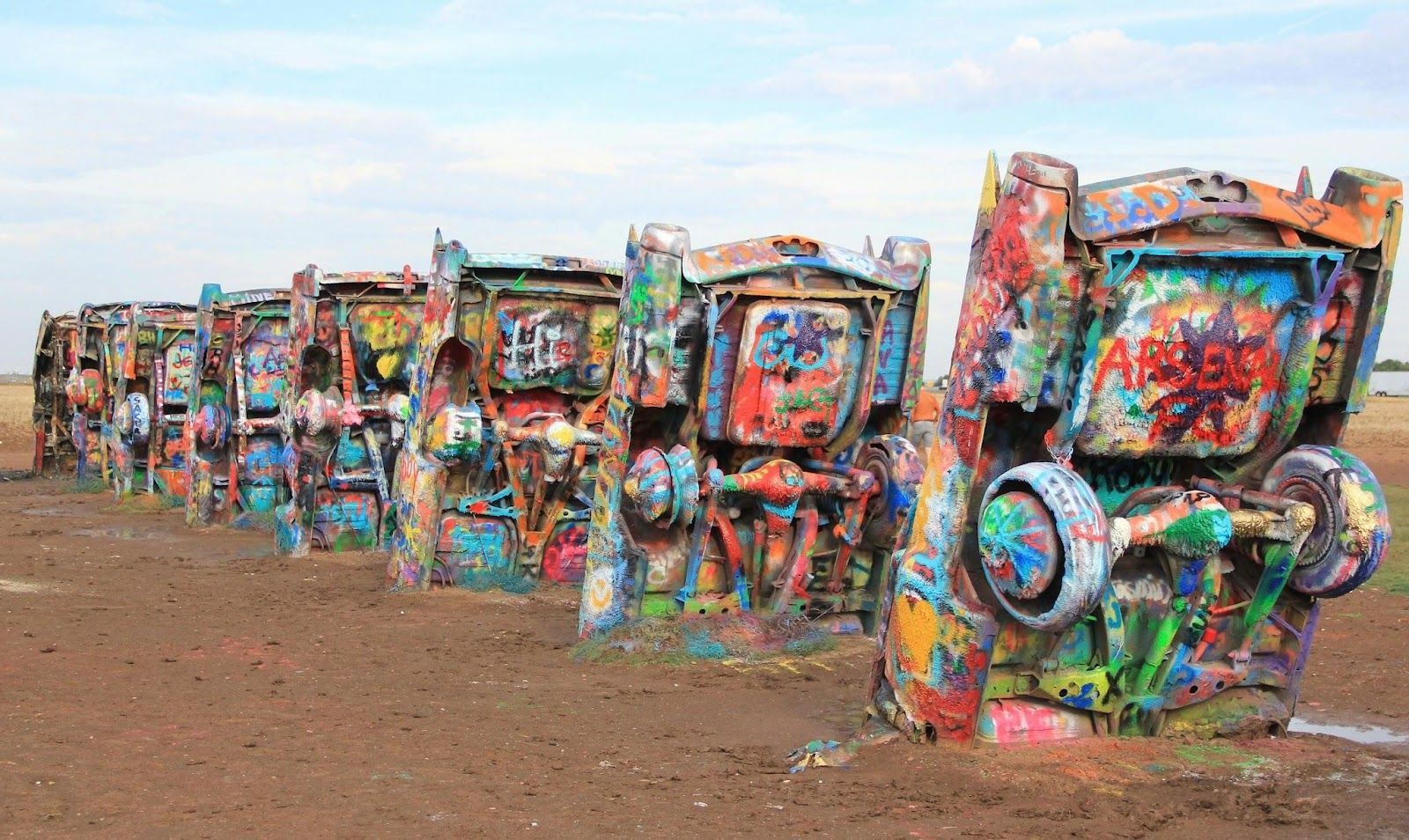
Found in Amarillo, Texas. Ten Cadillacs half-buried nose-first in the dirt, a public, spray-paint-friendly art piece that travelers love to photograph and tag. Interactive, colorful, and instantly iconic.

8
Tucumcari

Image: Earl Wilcox

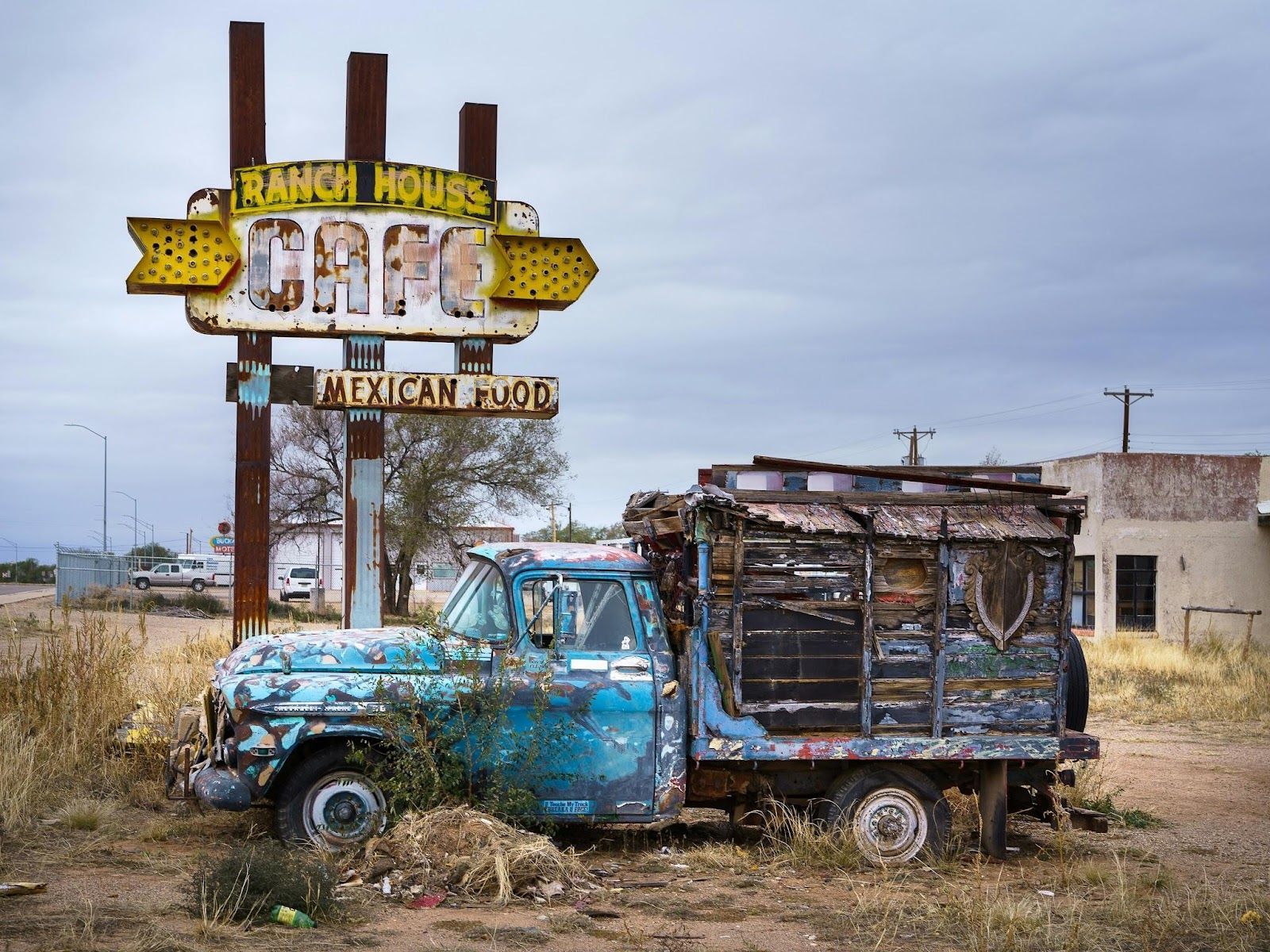
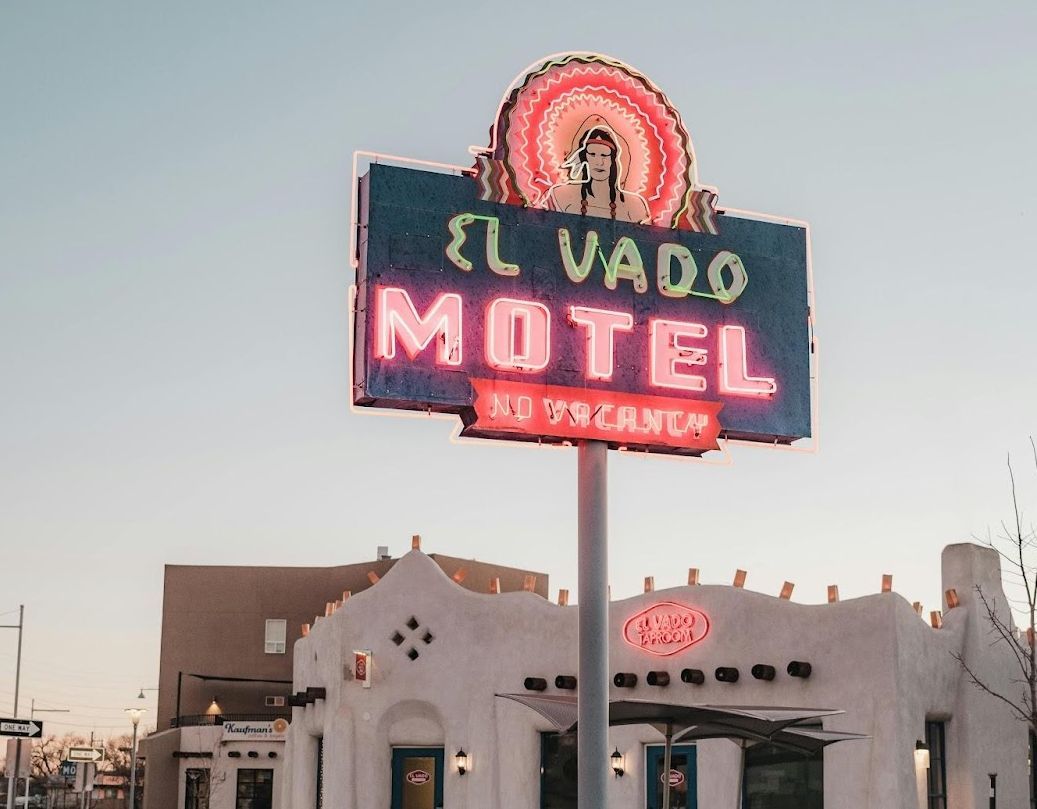
In New Mexico, you’ll find Tucumcari, famous for neon-lit motels, classic signs, and a lively downtown that celebrates Route 66 nostalgia; photographers and retro lovers linger here for sunsets and signs.

9

10
Albuquerque

Image: Airam Dato-on

A major stopping city with historic Old Town, neon motels, and cultural attractions that pair well with a Route 66 itinerary.

11
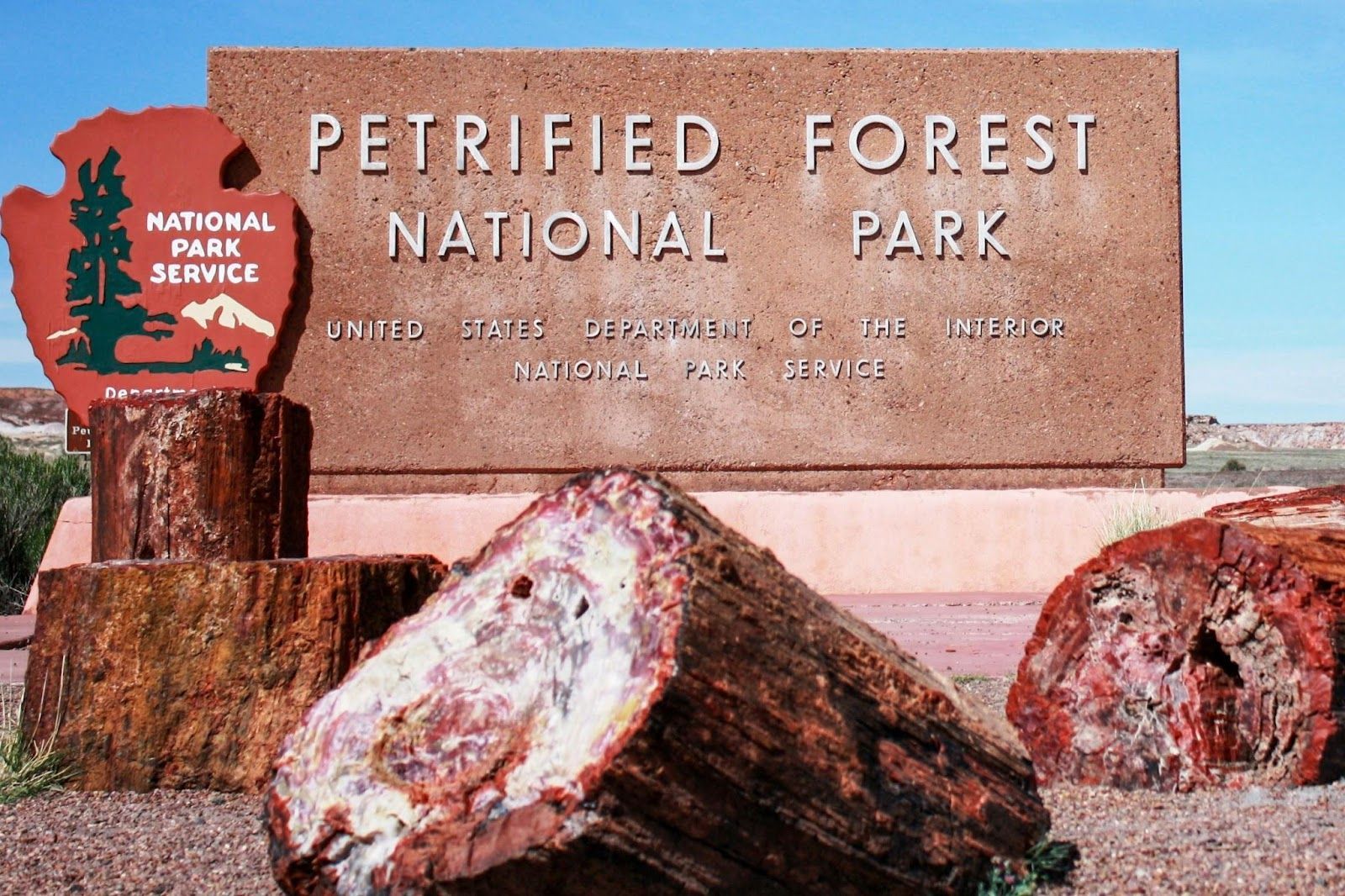
Petrified Forest National Park & Painted Desert

Image: Zain Creations

Not strictly "roadside kitsch," but these Arizona spots are one of the most spectacular natural detours on Route 66: colorful badlands, fossilized wood, and landscape views tourists remember.

12
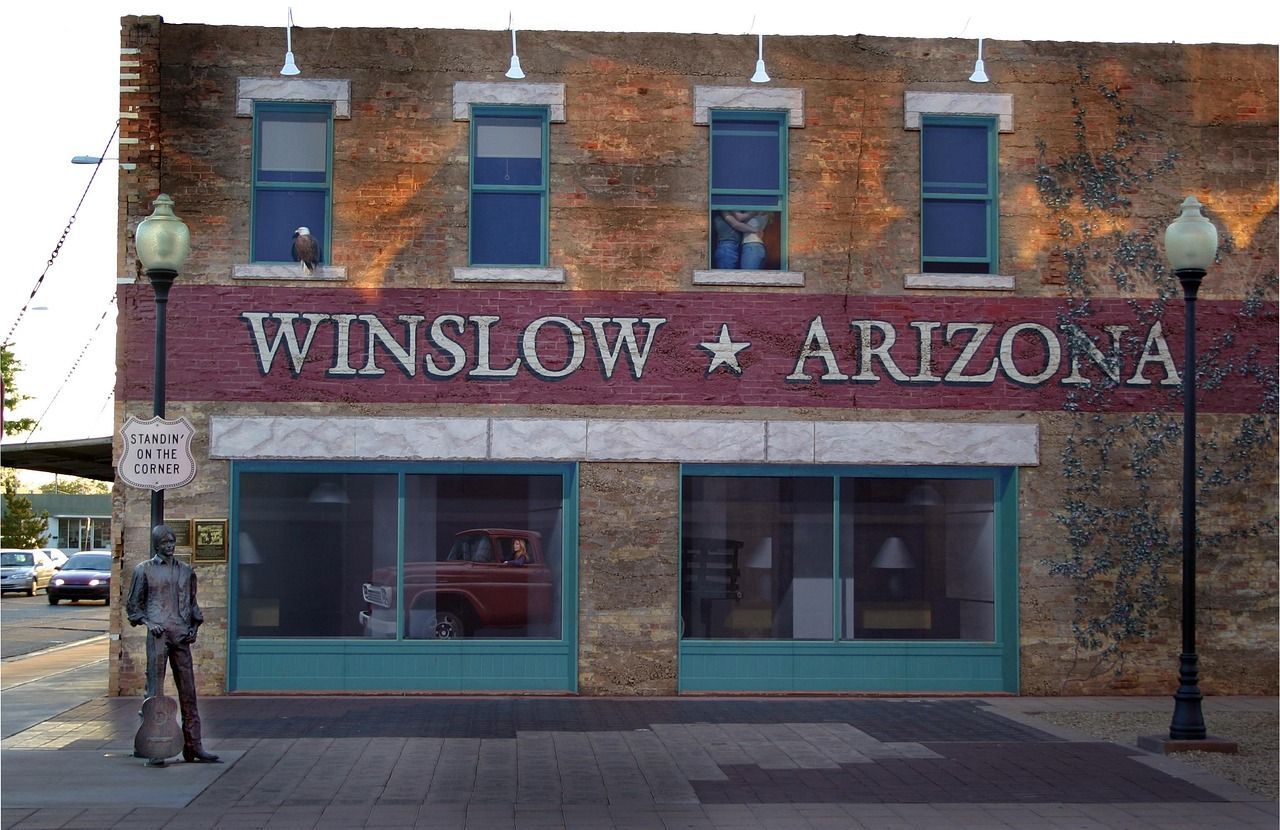
Winslow

Image: mattcaz

The Eagles’ song (" Standin’ on the Corner ") turned Winslow’s little corner into a pilgrimage spot; the small park and downtown murals draw fans and photographers.

13
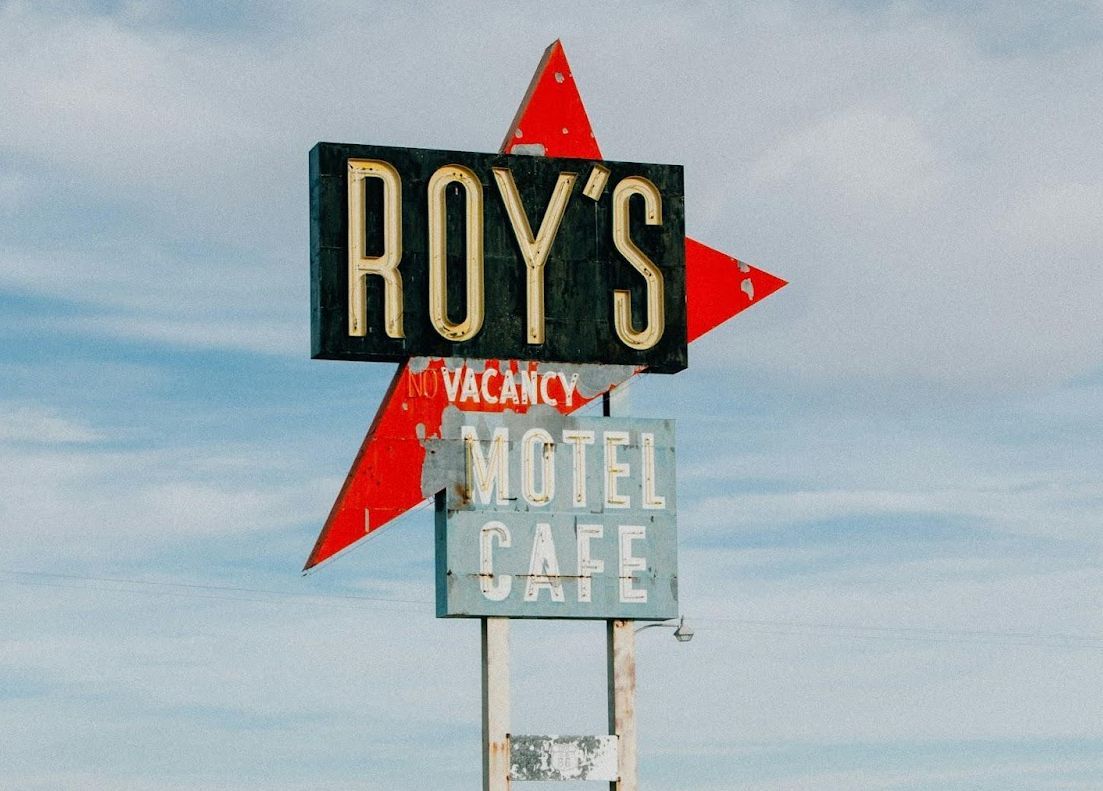
Roy’s Motel & Café

Image: Jannes Glas

The vast Mojave Desert backdrop , plus the preserved mid-century motel and neon sign, make Amboy, California, one of the most atmospheric stops on the California stretch of Route 66.

14
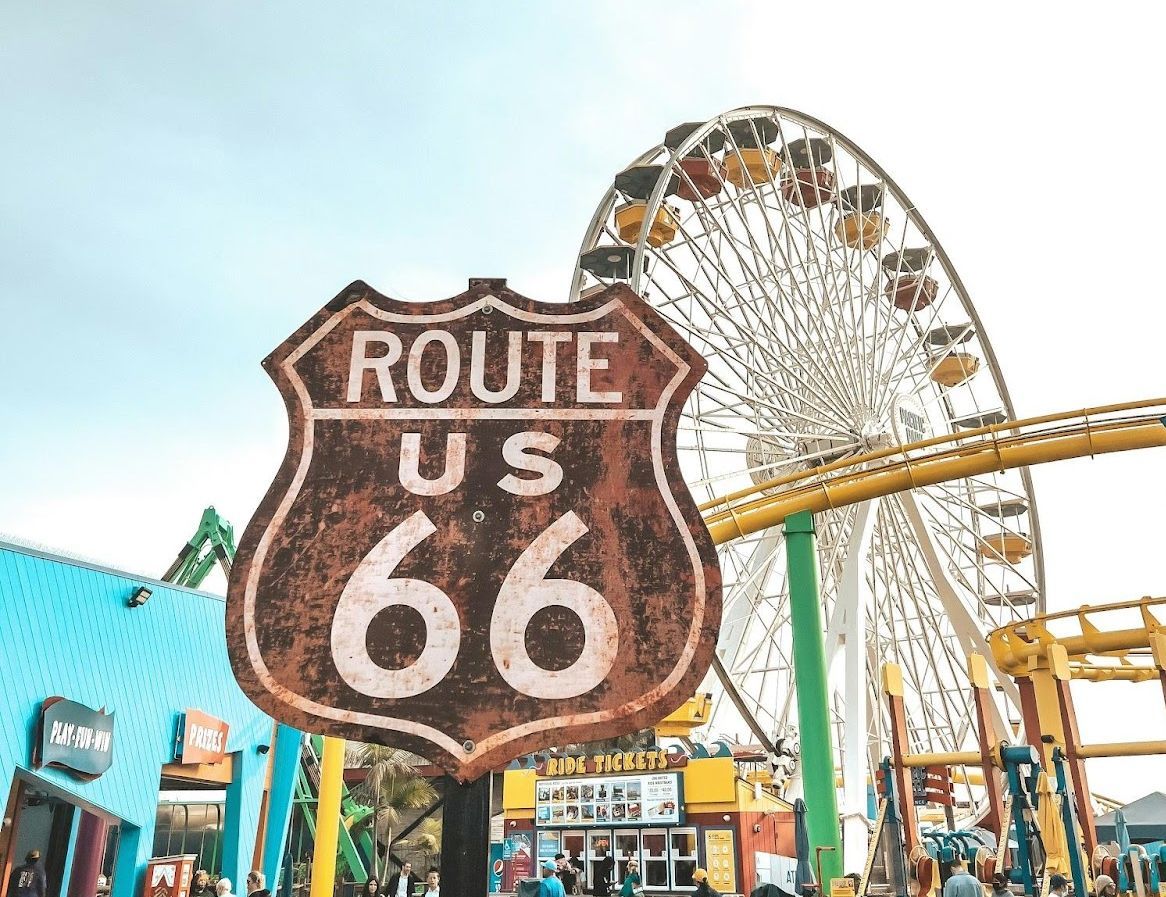
Santa Monica Pier

Image: Jorge Salazar

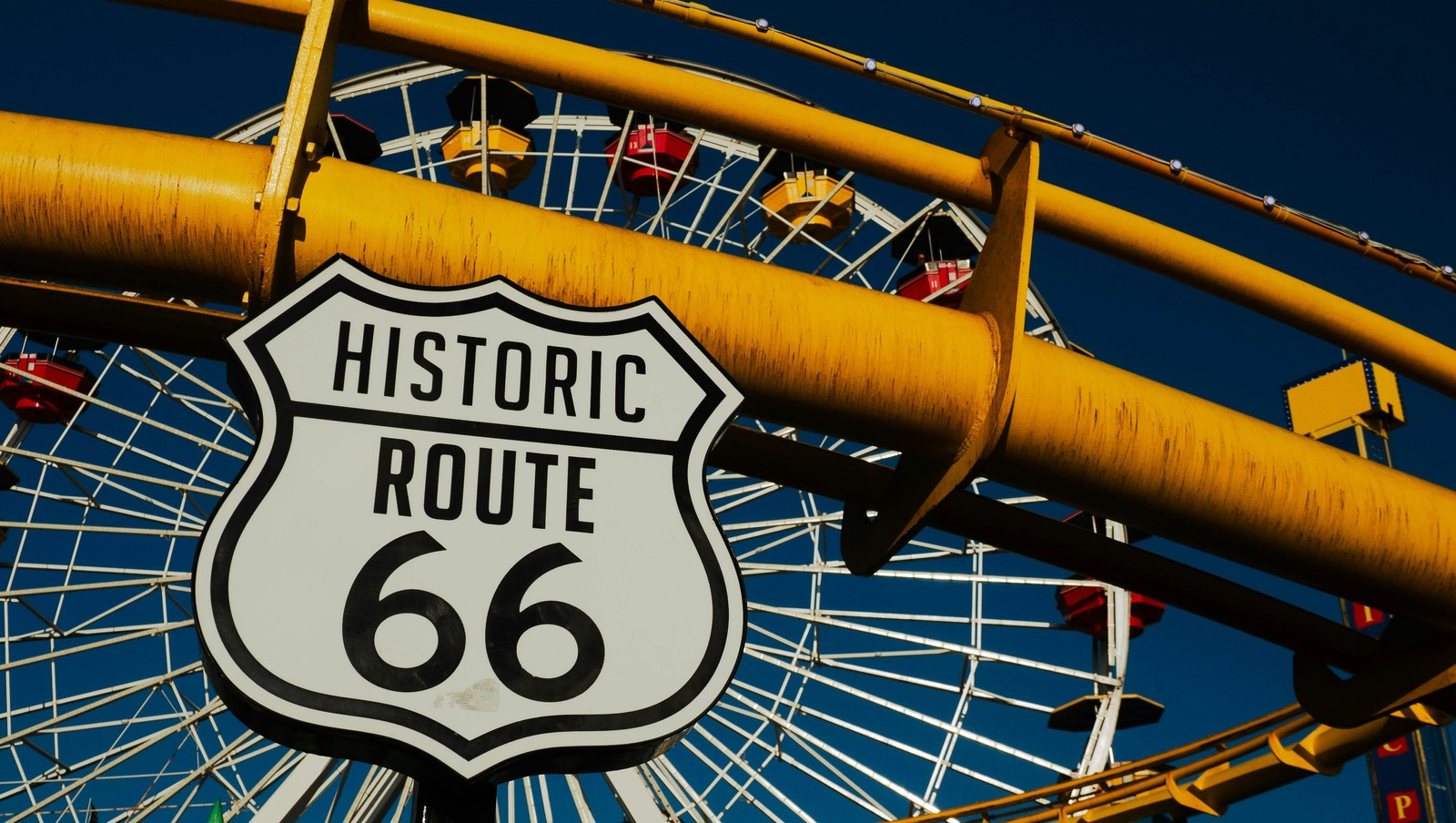
Finally, the symbolic end point of Route 66: the famous "End of the Trail" sign and the busy pier make for the classic finish-line photo. It’s touristy, joyful, and unavoidable if you’re completing the westbound route.

Geography Geography 4 min read

Smalltown, USA

Is your state’s capital one of the smallest in the country?

Image: John Holm

Not every state capital is a huge city packed with high-rises and traffic. Some of them are closer to small towns, where you can stroll from the government buildings to local diners in just a few minutes. These modest capitals still handle big jobs, from passing budgets to signing laws. Take a look at 12 of America’s smallest state capitals and see if your state made the list.

1
Montpellier, Vermont

Image: Craig Tidball

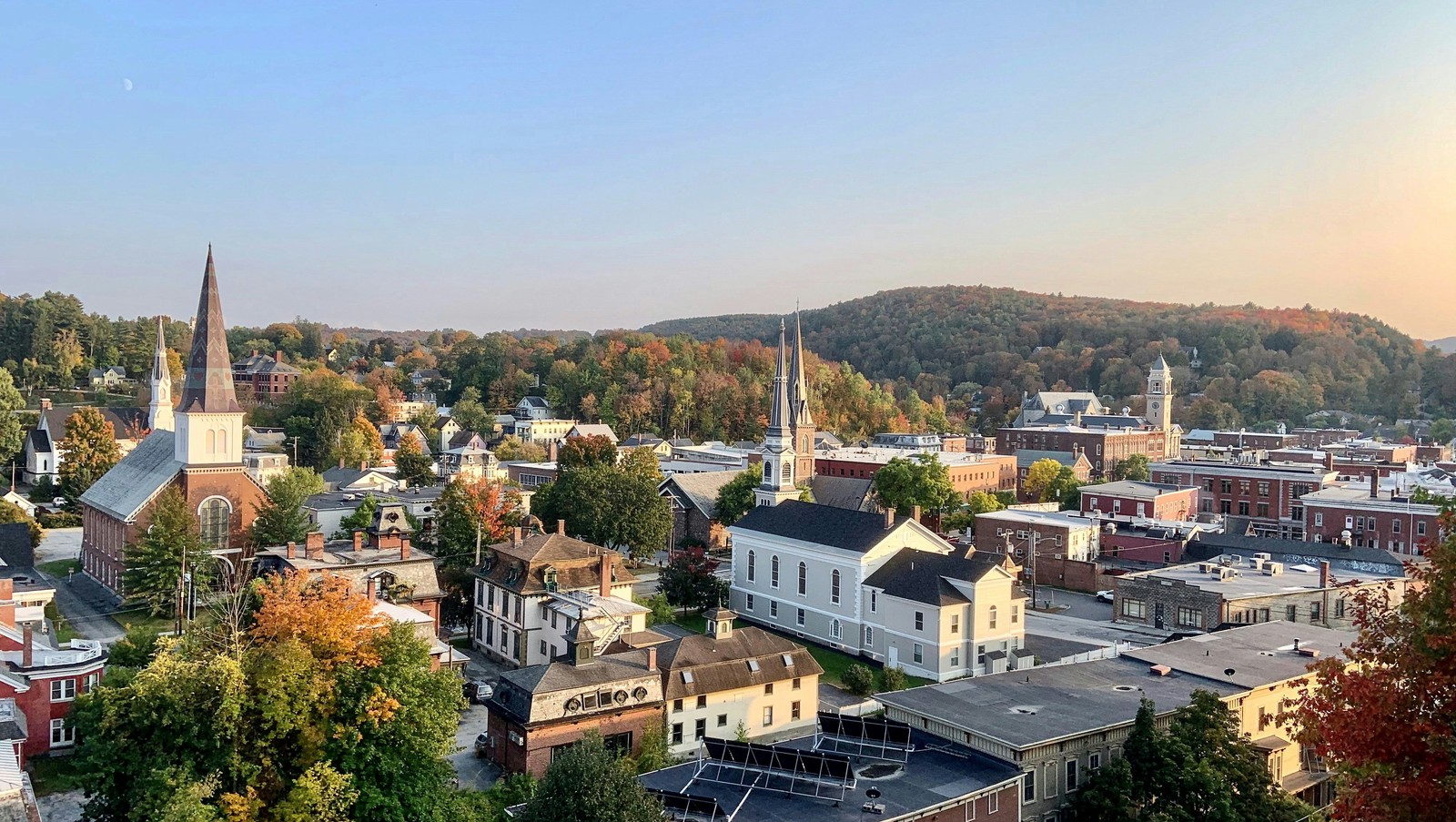
Montpellier is the smallest state capital in the United States, with only about 8,000 residents along the Winooski River. Instead of traffic jams and towers, you get shops, quiet streets, and a gold-domed Capitol rising above the roofs .

Founded in the late 1700s and named after a city in France, Montpellier still feels more like a New England village than the seat of power that it is.

2
Pierre, South Dakota

Image: Jon Sailer

Pierre, South Dakota’s capital, is one of the quietest capitals in America , with only around 14,000 residents. It sits high on the bluffs of the Missouri River, where prairie hills roll into wide water and sunsets.

Life here runs at a slower pace than in most capital cities. Government buildings share streets with modest homes, fishing spots, and family-run shops.

3
Augusta, Maine

Image: Keith Luke

Maine’s capital is a compact city on the banks of the Kennebec River. With a population well under 20,000 , it trades towering skylines for church steeples, brick storefronts, and a tidy state house.

The city’s roots go back to colonial trading days, and that history shows in its older neighborhoods and riverside mills. Museums, offices, and small coffee shops occupy most of the city’s center.

4
Frankfort, Kentucky

Image: Tolga Ahmetler

Frankfort, the capital of Kentucky, sits in a river valley surrounded by grass hills. With only 28,000 inhabitants, it’s smaller than many nearby college towns , and keeps a relaxed pace even while housing the ornate state capitol and many of the state’s main offices.

Old brick buildings, historic bourbon distilleries, and close neighborhoods give Frankfort a cozy, walkable feel. On workdays, lawmakers and staff share streets with locals grabbing lunch.

5
Helena, Montana

Image: Steven Cordes

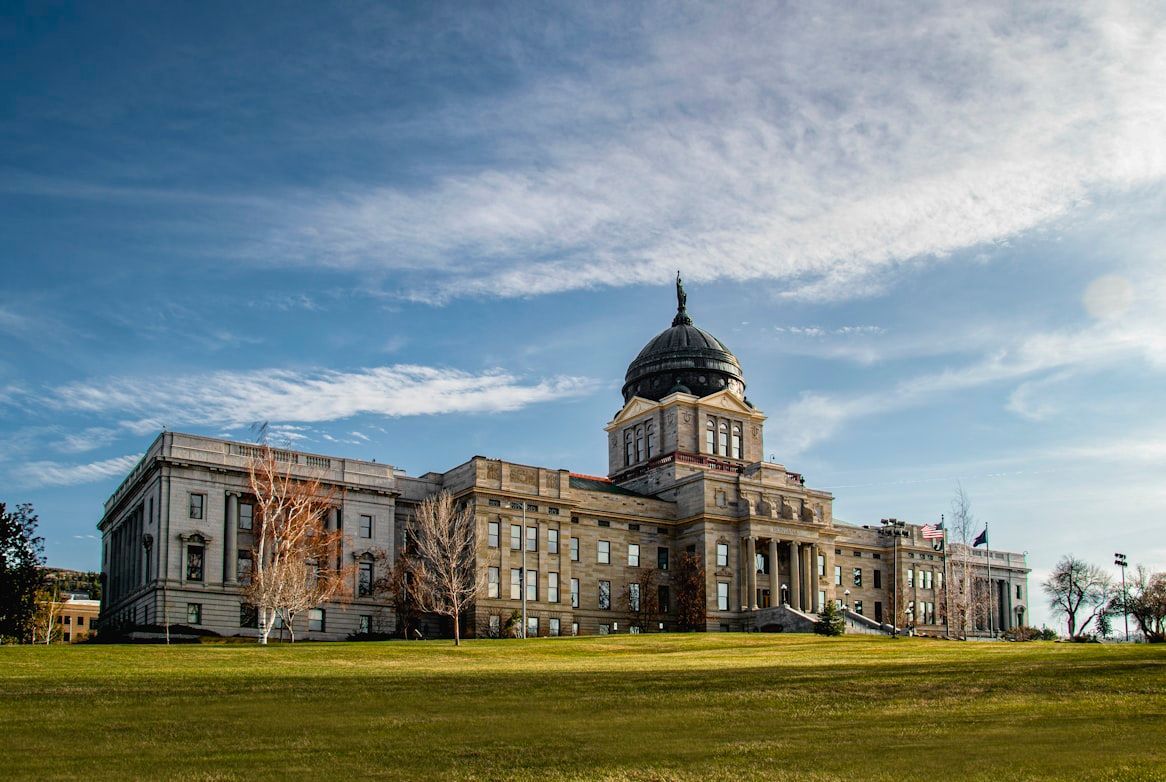
Montana’s capital began as a gold rush camp in the 1860s and never became a huge metropolis . Today, it remains a mid-sized mountain town, with 33,000 inhabitants, historic brick blocks, steep hills, and the state capitol dome.

Trails and open land sit only minutes away from government buildings, so hikers and cyclists mix with office workers at day’s end.

6
Juneau, Alaska

Image: Marco Tjokro

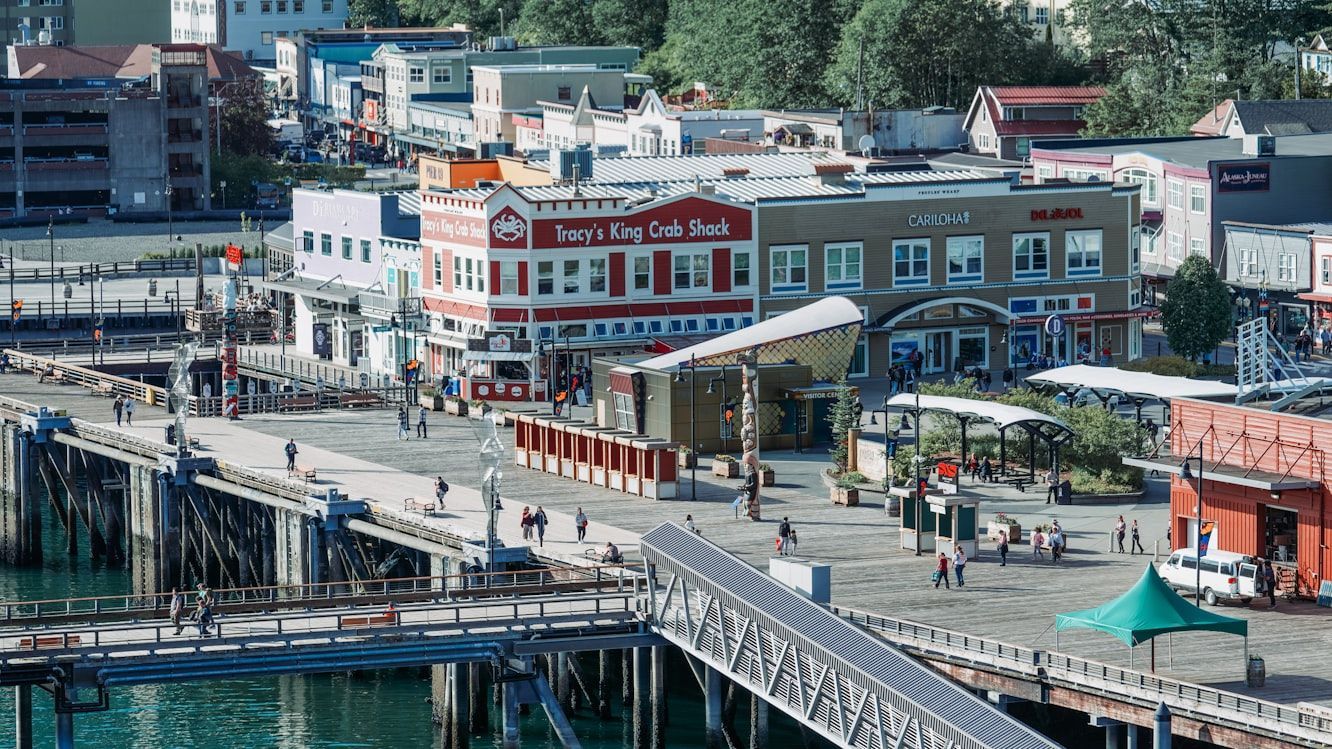
The remote capital of Alaska is one of the few state capitals that you cannot reach by road . It can only be reached by air or sea. Wedged between steep mountains and icy waterways, it remains relatively small, with a population of 31,000 individuals.

Cruise ships, fishing boats, and floatplanes share the waterfront with government offices and houses on the hillsides. Glaciers, forests, and whales are never far away, making this capital city an incredible place to live.

7
Dover, Delaware

Image: Library of Congress

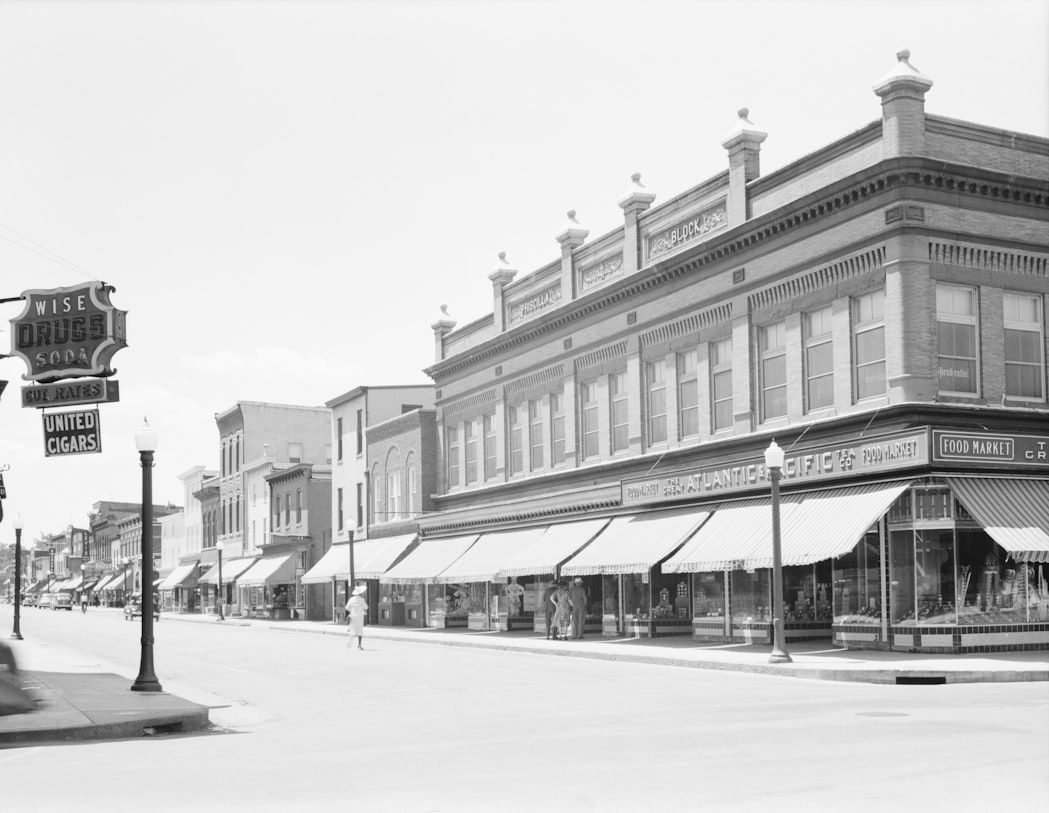
With a population of around 39,000, Delaware’s capital keeps the feel of a small colonial town even as it manages modern state business . Streets near the Capitol Square are lined with brick homes, churches, and public buildings that date back to the American Revolution.

Instead of a dense downtown, Dover offers broad streets, open lawns, and local shops that serve residents more than tourists.

8
Annapolis, Maryland

Image: Wen Zhu

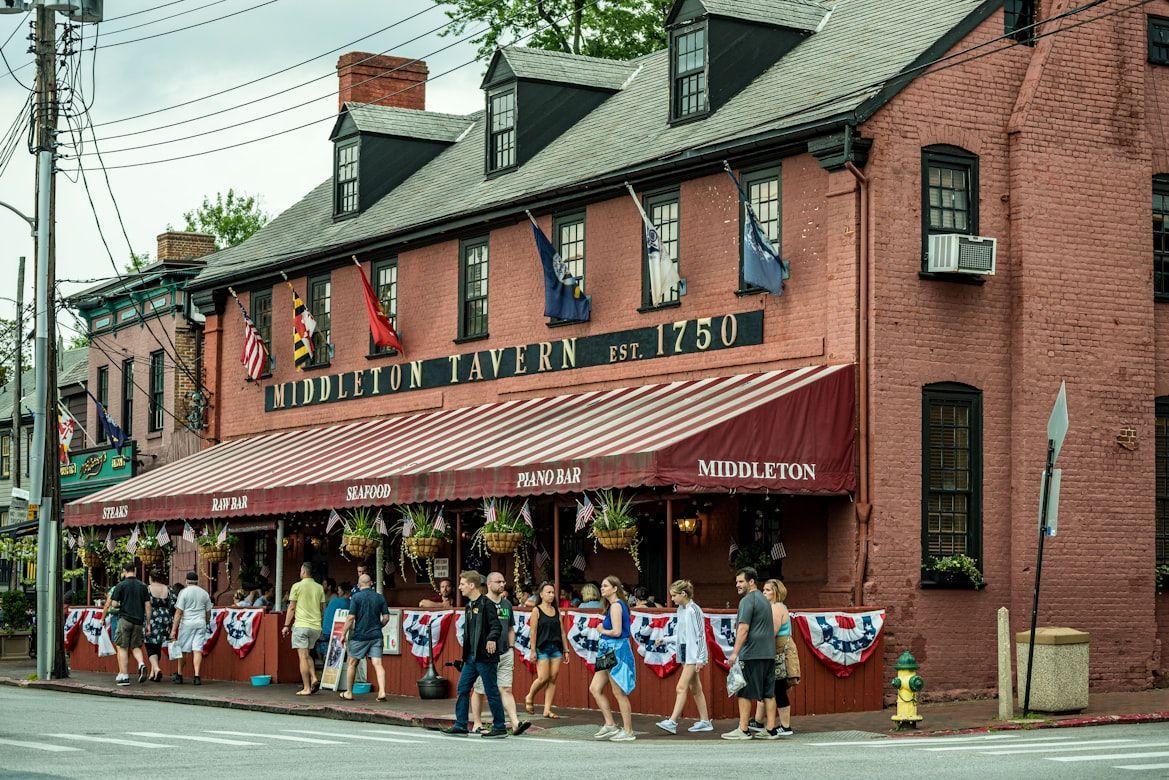
With 40,000 individuals, Annapolis, Maryland’s capital, proves that a city can be small in size and big in history . Narrow streets wind past eighteenth-century houses, brick taverns, and the domed state house that once served as the nation’s capital.

Its harbor holds sailboats, crab boats, and U.S. Naval Academy midshipmen more often than commuters. Coffee houses, galleries, and waterfront benches make Annapolis feel more like a relaxed resort town than a state capital.

9
Jefferson City, Missouri

Image: Samantha Sheppard

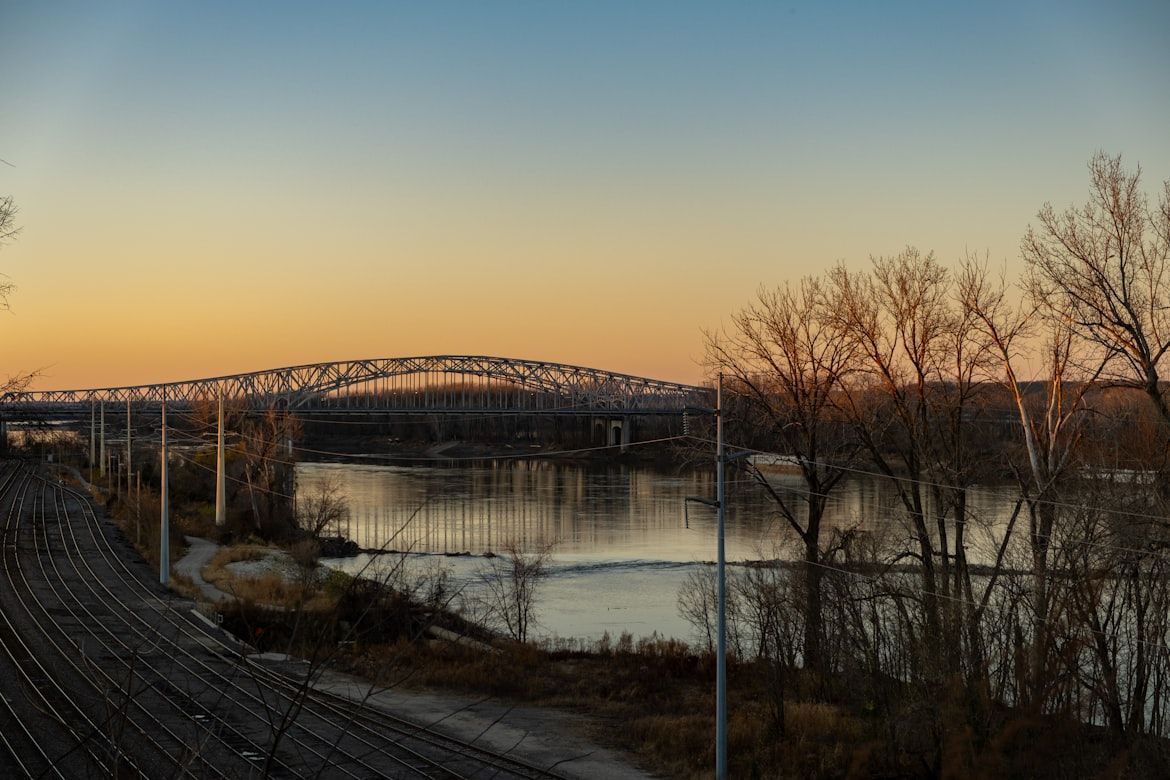
The capital city of Missouri sits above a bend in the Missouri River. Smaller than many of the state’s other cities, it is the home of 42,000 individuals. It trades sprawl for tidy neighborhoods, a compact downtown, and a tall capitol overlooking the water .

Named for President Thomas Jefferson, the city balances government workdays with a slower Midwestern rhythm.

10
Concord, New Hampshire

Image: Nils Huenerfuerst

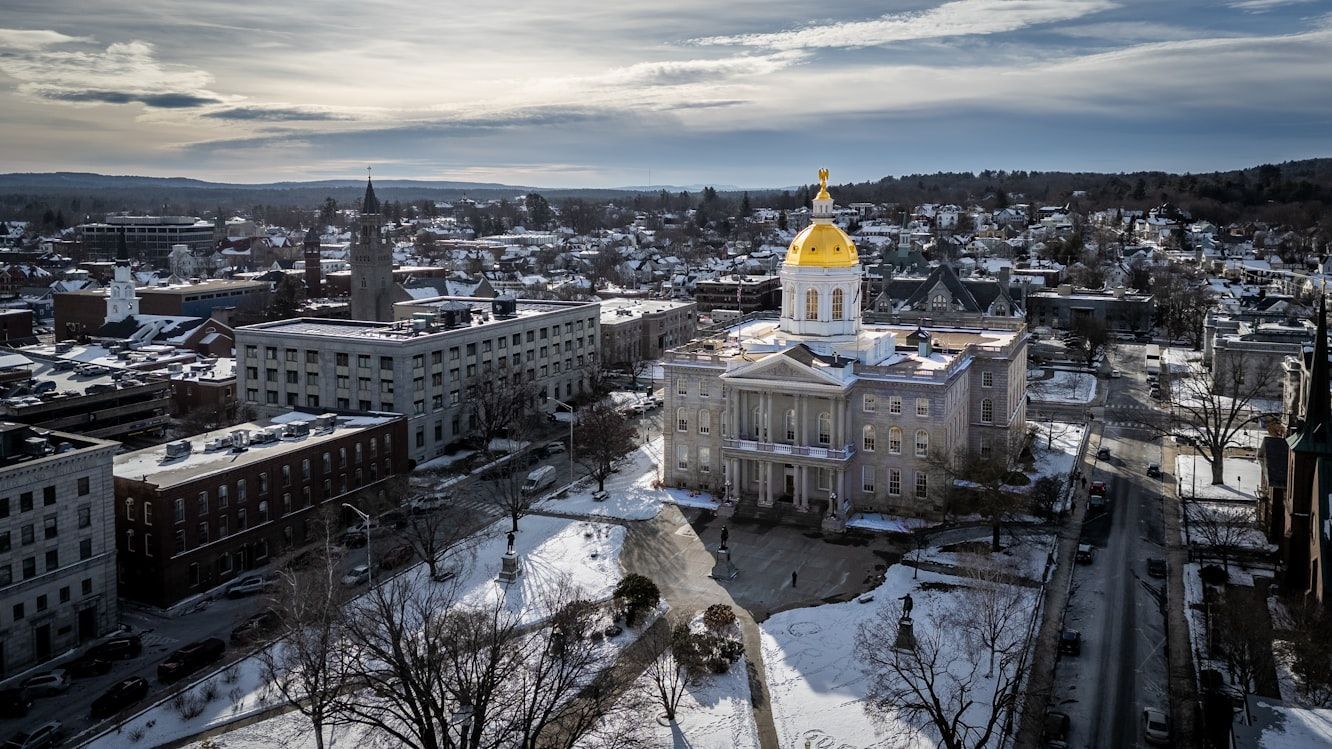
New Hampshire’s capital is a modest New England city where church steeples and a granite state house rise above low-rise streets. With a population of 44,000, it’s smaller than many capitals, and it keeps rush hour brief and downtown walkable.

The city’s history stretches back to colonial days, and older buildings still frame the main streets. Concord also hosts civic events, shops, and offices that keep it lively, mixing a hometown feeling with the grandeur of a state capital.

11
Charleston, West Virginia

Image: Documerica

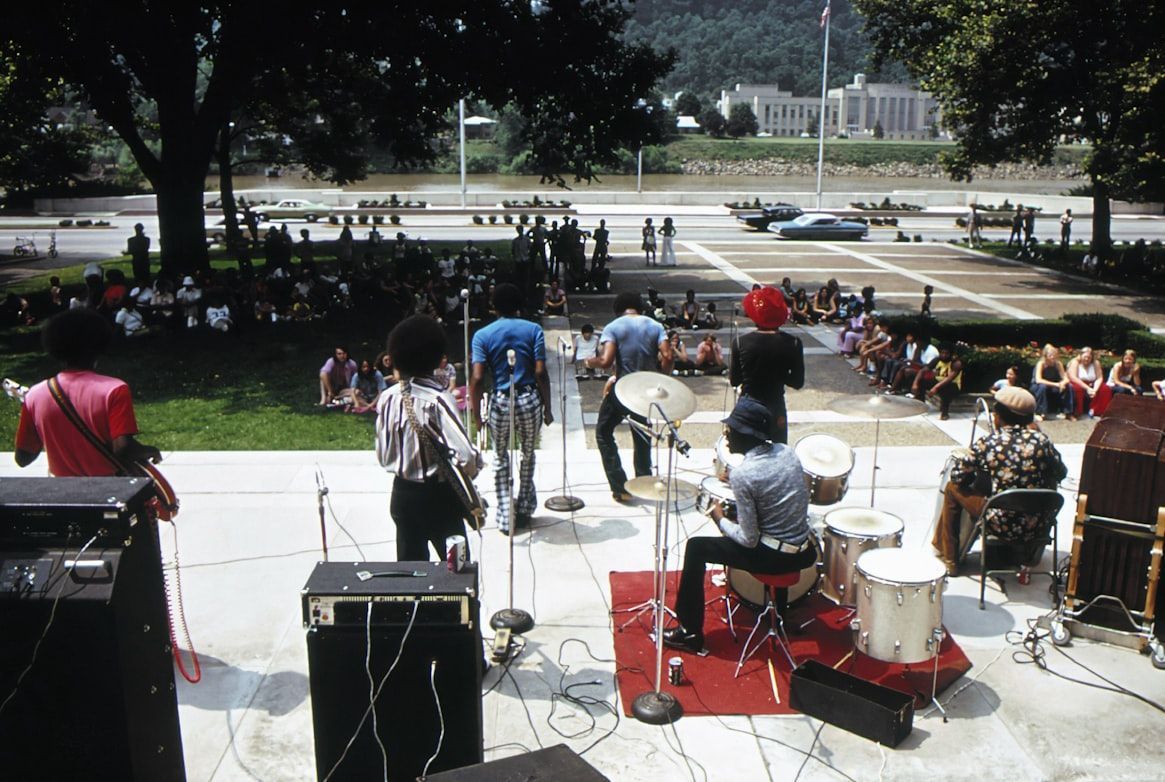
West Virginia’s capital sits where the Elk and Kanawha Rivers meet, backed by lush green hills. With 45,000 individuals calling it home, it is smaller than many people expect , with neighborhoods climbing the slopes and a gold-domed Capitol reflecting in the water below.

Coal country history, riverfront parks, and a modest downtown give Charlestown a charming regional flavor. Commuters share roads with barge workers and weekend fishermen, and the city’s size makes government feel close to everyday life.

12
Harrisburg, Pennsylvania

Image: Andre Frueh

The capital of Pennsylvania is modest in population compared with its big neighbors, like Philadelphia and Pittsburgh . It "only" has about 50,000 inhabitants. Its green-domed Capitol can be seen from afar, in the skyline of mid-rise offices and row houses along the wide Susquehanna River.

Once a major transportation crossroads, Harrisburg still feels more manageable than many urban centers. Riverfront walkways, historic districts, and nearby small towns keep this capital’s rhythm comfortable.

Explore more American facts

Choose your favorite category!

General
General

As American as apple pie—the very best America has to offer!

Culture
Culture

Delve into the astounding richness of American lore.

Geography
Geography

Hop in and explore vast and diverse American landscapes.

History
History

Discover the key moments that shaped the United States.