History History 6 min read

Nicknames with lore

What did Delaware do to be called 'The First State'?
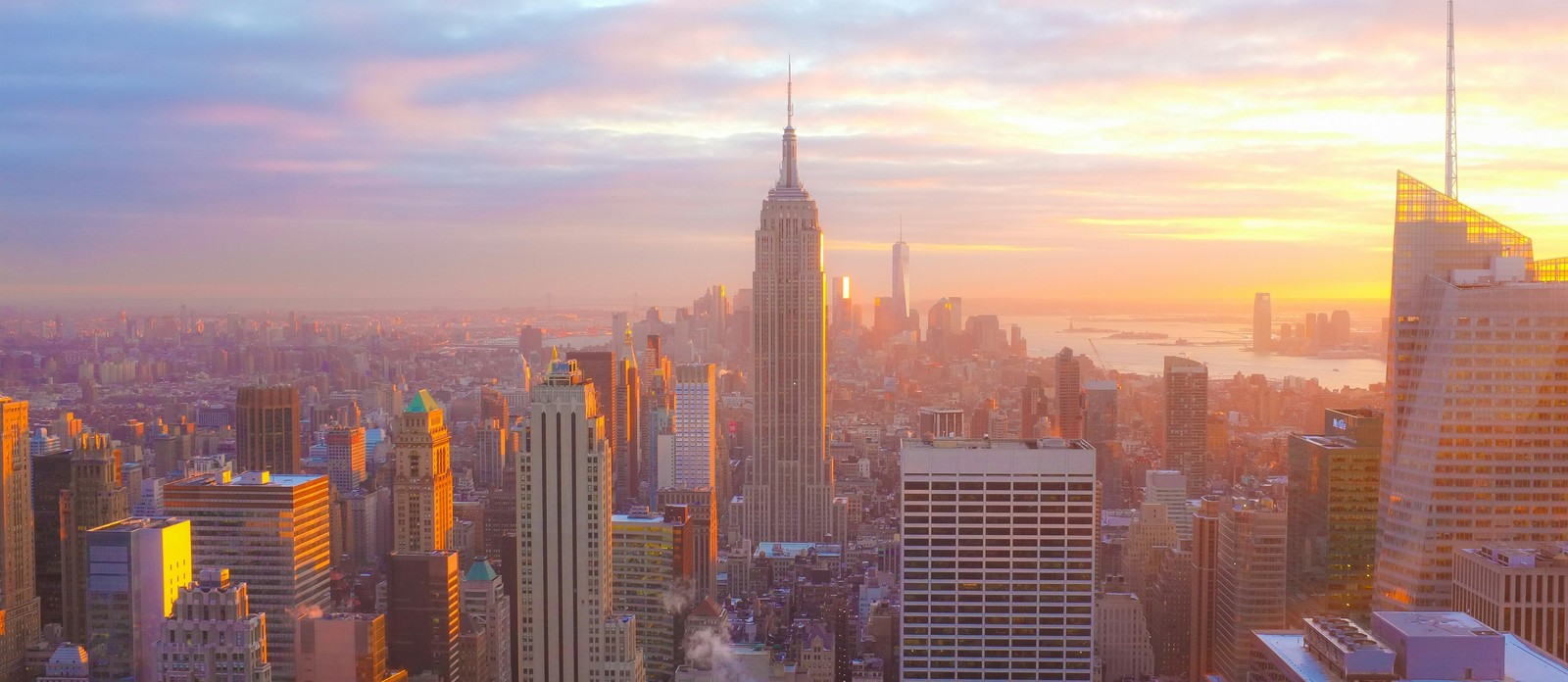
Image: Emiliano Bar

U.S states often have more than one nickname, be it those officially adopted or those bestowed on the state by their neighbors (or their adversaries). Some are used as advertisements for their resources and attractions, some are a result of a unique quality of the territory and its people, and some are related to the state’s history and traditions. Here is the history behind 10 state nicknames you have certainly heard of, but never knew how they came to be.

1
New York, The Empire State
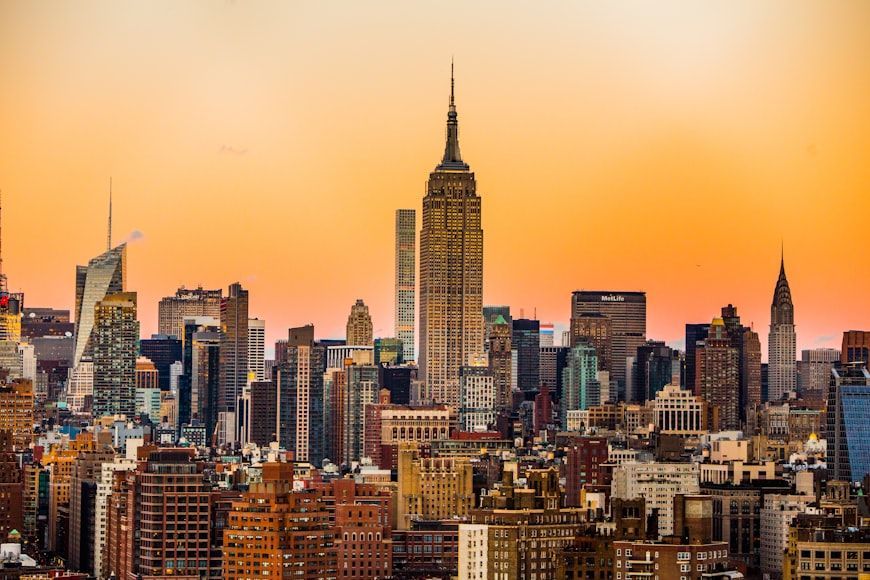
Image: Michael Discenza

Probably the most famous and recognizable state nickname, no one really knows who was the first to call New York State the "Empire State", but everyone agrees on the reason for the nickname. The state of New York has always been one of the richest, most developed, and strategically important territories in America , a powerhouse akin to an empire. George Washington himself had described it as "the seat of the Empire" in 1785, and many believe that these words were the source of the nickname.

2
Indiana, The Hoosier State
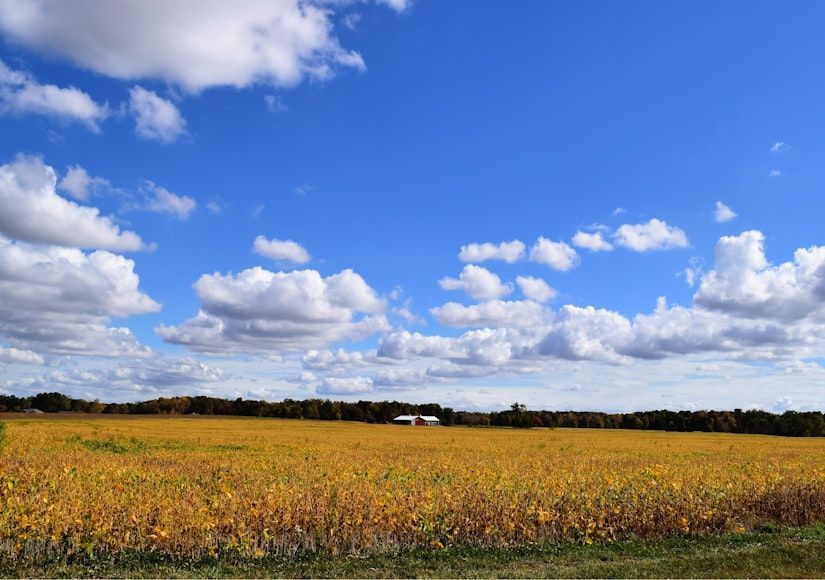
Image: Ginger Jordan

Another instantly recognisable nickname, the origin of the term ‘Hoosier’ is also widely debated. Believed to have emerged in the 1830s, some say that it is a deformation of the phrase "Who's here?". No matter its actual origin, the term was popularized by John Finley's 1833 poem "The Hoosier's Nest" , a description of rugged but welcoming Indiana pioneers, and it became a source of pride for the state, so much so that ‘Hoosier’ was officially adopted as a demonym by the state of Indiana in 2017.

3
Delaware, The First State
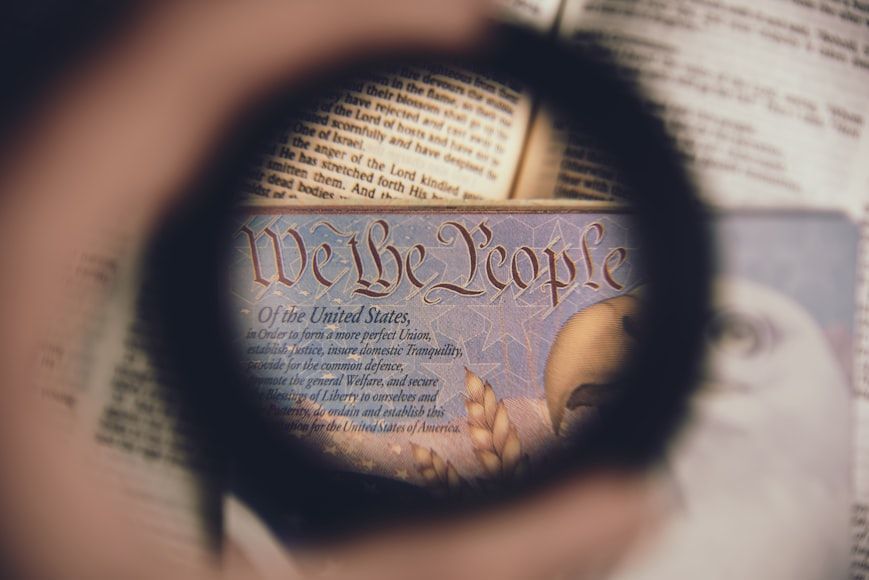
Image: Anthony Garand

Delaware was not the first colony to exist or to become a state. In fact, Delaware wasn’t even a colony: it was technically part of Pennsylvania. The ‘first’ referenced in the nickname alludes to Delaware’s role in the ratification of the U.S. Constitution , a task that took time and political compromise, as several states had concerns about the document and its articles. But while it took nearly two years for all the states to ratify the Constitution, it took less than three months for Delaware to do so unanimously, setting a precedent for other states.

4
Virginia, The Old Dominion
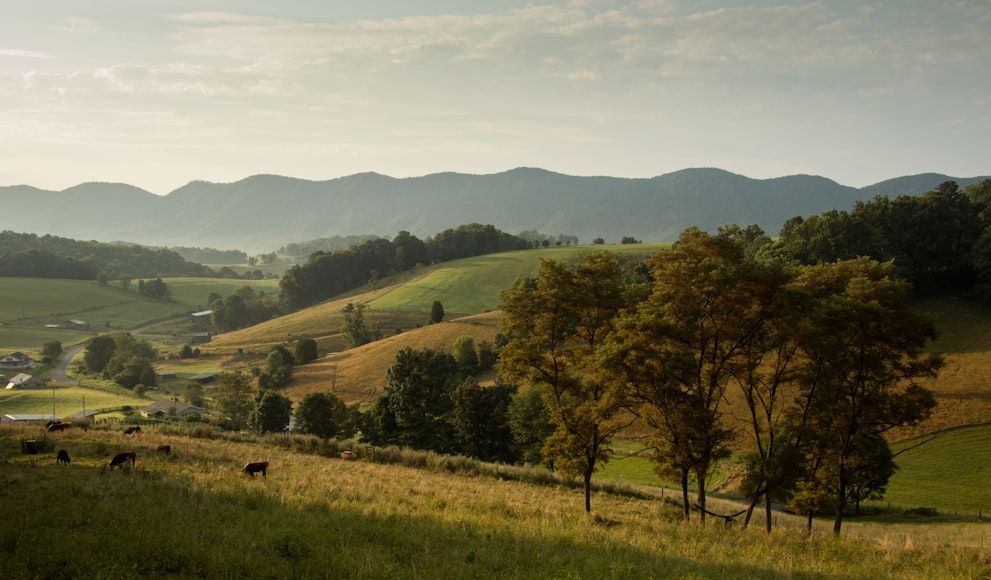
Image: Matthew Lancaster

Probably the oldest state nickname still in use, Virginia’s ‘Old Dominion’ nickname has existed for more than 400 years. The first English colony in America, Virginia was also the main colony to remain faithful to the monarchy during the English Civil War , supporting the exiled King, inviting him to take refuge in their territory, and resisting the siege from the Parliamentary fleet for a long time. After the restoration, King Charles II conferred the colony the title of ‘dominion’ —similar to a kingdom in rank— and affectionately called it "the most Ancient Colloney and Dominion."

5
Oklahoma, The Sooner State
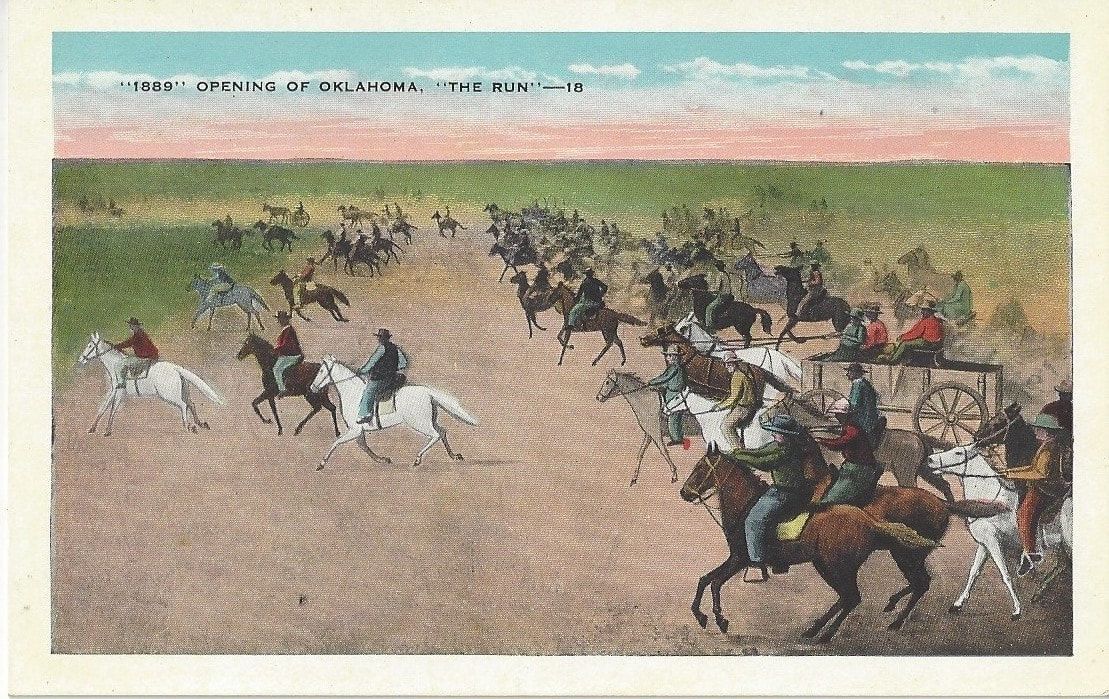
Image: See page for author, Public domain, via Wikimedia Commons

Although it is now used as a symbol of a competitive and pioneering attitude, the term ‘Sooner’ was not always seen as positive. During the Land Rush of April 22, 1889, the U.S. government opened a territory —freed by the forced displacement of thousands on ative Americans— for pioneers to take. At noon, a bugle would signal that settlers could enter and claim areas of land. However, several pioneers broke the rules, entering the territory ‘sooner’ , before the signal. Initially a pejorative nickname, the people of Oklahoma eventually owned the term as a symbol of their ‘can-do’ attitude.

6
Connecticut, The Constitution State
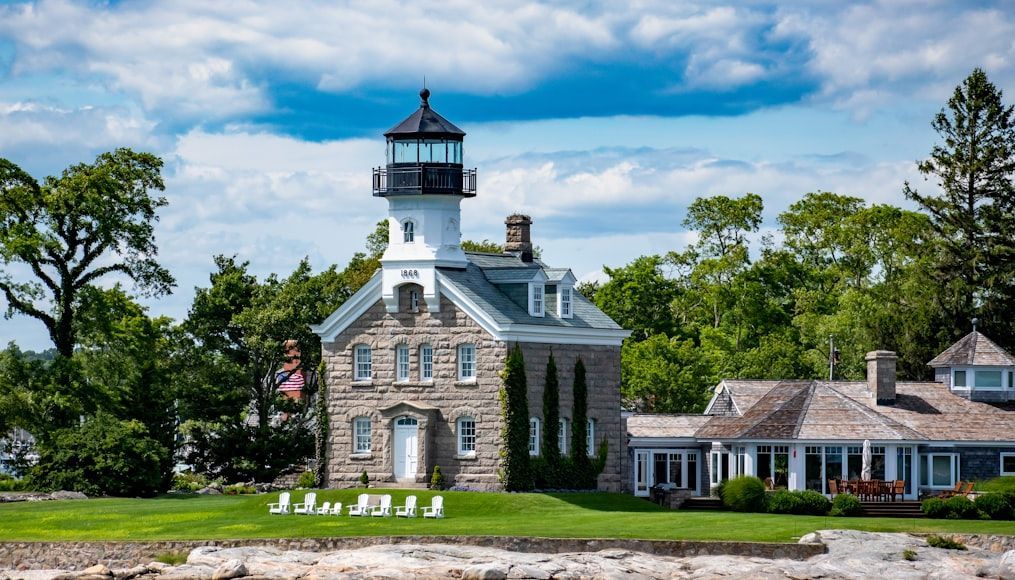
Image: Rusty Watson

Unlike what many people think, Connecticut’s nickname is not related to the U.S. Constitution. In fact, the ‘constitution’ referenced in it predates the American Constitution by more than a century. Unlike other colonies, established by royal charters, the Connecticut Colony was established through The Fundamental Orders , a document delineating a representative government based on "the free consent of the people". The Fundamental Orders are considered to be the first written constitution in Western modern history, a fact that gave Connecticut its nickname.

7
Tennessee, The Volunteer State
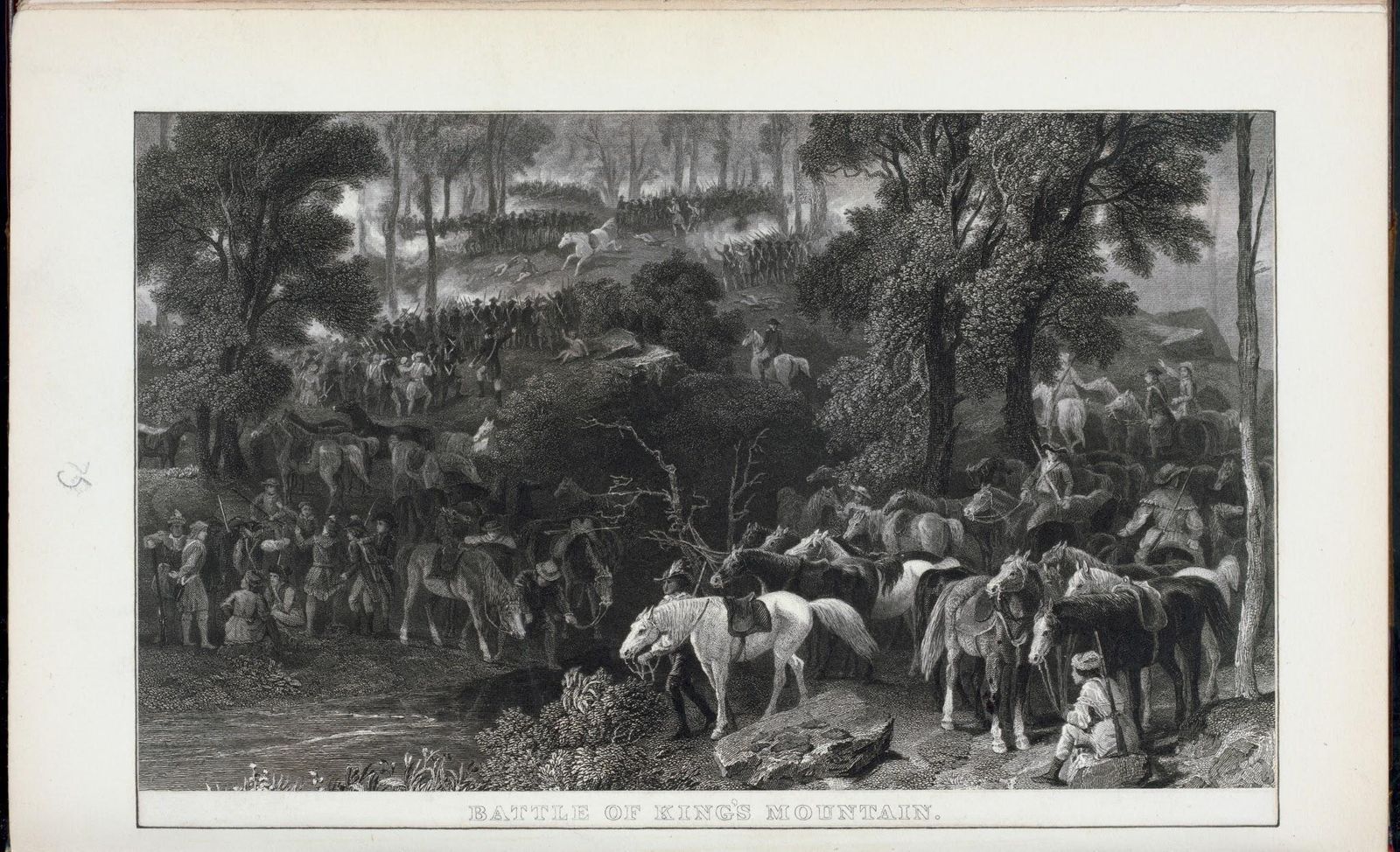
Image: Scan by NYPL, Public domain, via Wikimedia Commons

Out of the many things that showcase Tennessee’s patriotism, none is as old or as well-documented as its volunteer vocation. Starting during the Revolutionary War, with the Appalachian Overmountain men volunteering to fight during the Battle of King's Mountain, Tennessee’s men's willingness to volunteer as soldiers became known during the War of 1812 , with hundreds fighting under Andrew Jackson’s command and earning Tennessee the name of the Volunteer State. To further solidify it, when President James K. Polk asked Tennessee for 2,800 volunteers during the Mexican-American War of 1846, the state responded to the call by sending 30,000 volunteer troops.

8
Vermont, The Brave Little State
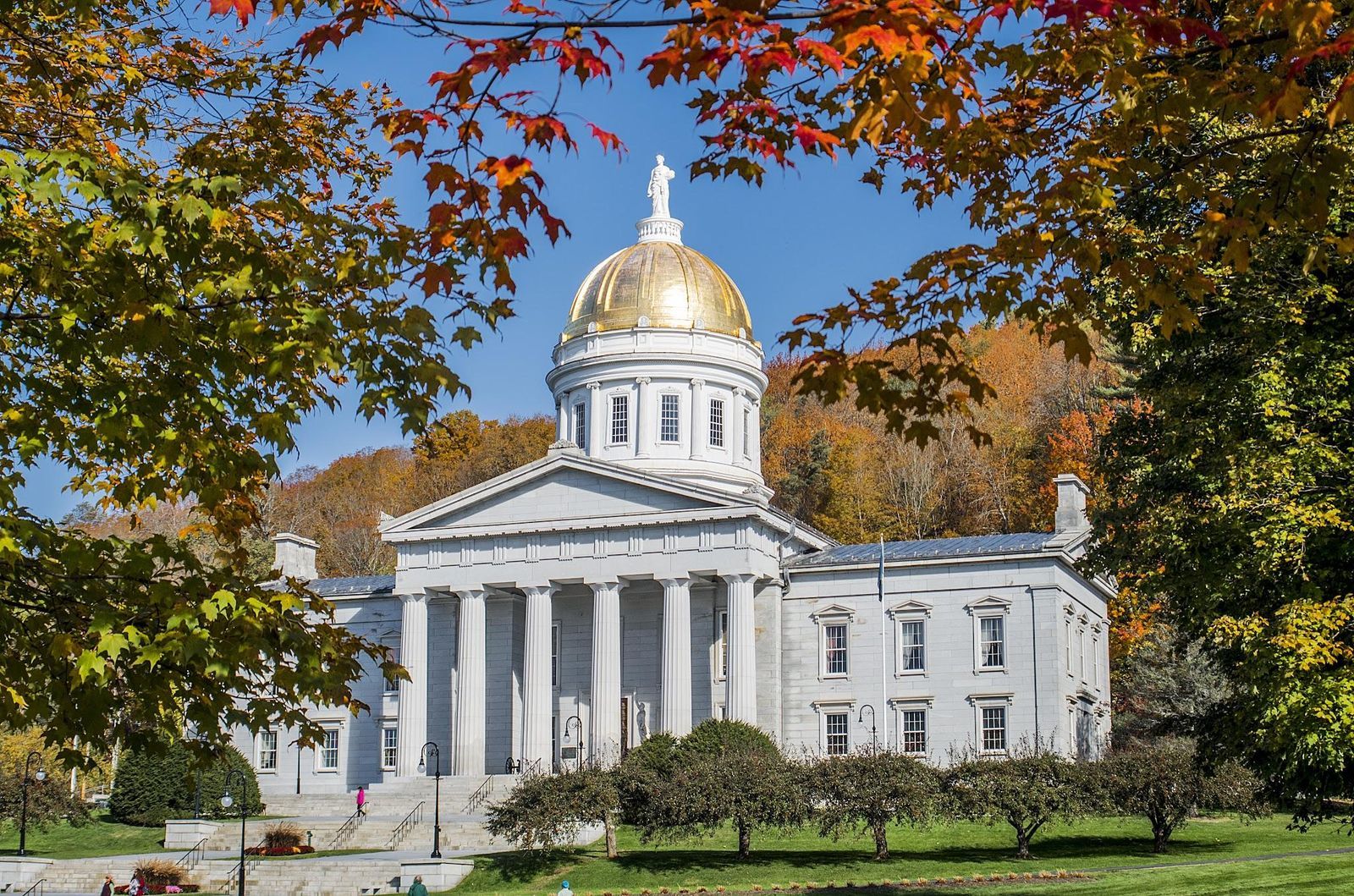
Image: Bob P. B., CC BY 2.0, via Wikimedia Commons

A relatively more recent nickname than others in this list, the description of Vermont as a ‘brave little state’ dates back to 1928. After a flood in 1927 resulted in nearly 100 casualties and millions of dollars in damages, President Coolidge, a Vermont native, visited the state to assess the situation. Coolidge, often seen as calm and taciturn, gave an emotional speech praising the efforts and the resilience of his fellow Vermonters , and their ties to a land that gave them sustenance but posed the hazard of natural disasters. Coolidge ended his speech by acknowledging the generosity of the people of "this brave little state of Vermont", a phrase that became so popular that it was later inscribed in the Vermont State House and became a common nickname for the state.

9
Wisconsin, The Badger State
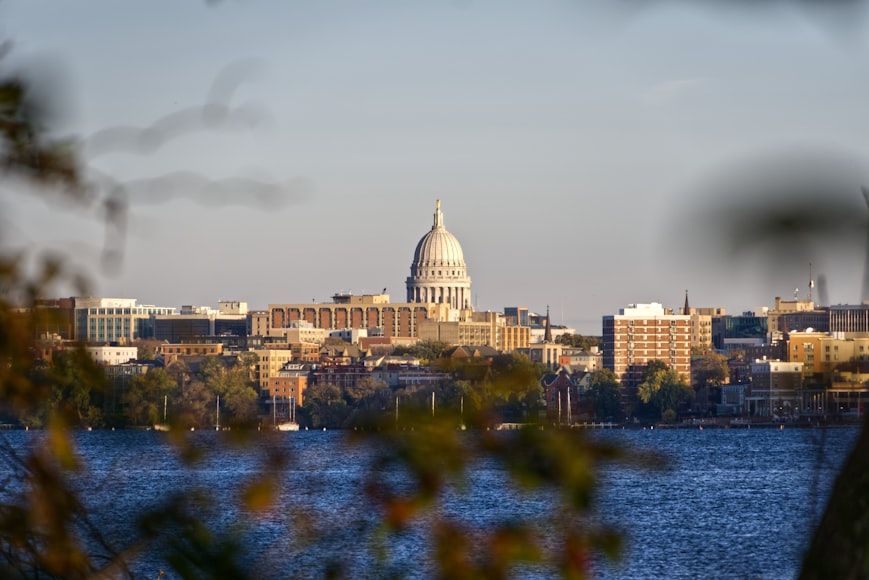
Image: Neil Bates

Though badgers can be found across Wisconsin, they are far less common than one would think, especially considering the state’s nickname. But this nickname has little to do with real badgers and much to do with people behaving like a badger. In the 1820s, prospectors all over America travelled to Wisconsin to look for lead ore. Working all day in the mines and lacking proper housing, the miners usually ended up living in the mines or digging holes in the hillsides to serve as shelter , which led people to compare them with burrowing badgers. Eventually, the ‘badger’ nickname became a symbol of the tenacity of the miners, and a point of pride for all Wisconsinites, who campaigned in 1957 to officially adopt the badger as their state animal.

10
Nebraska, The Cornhusker State
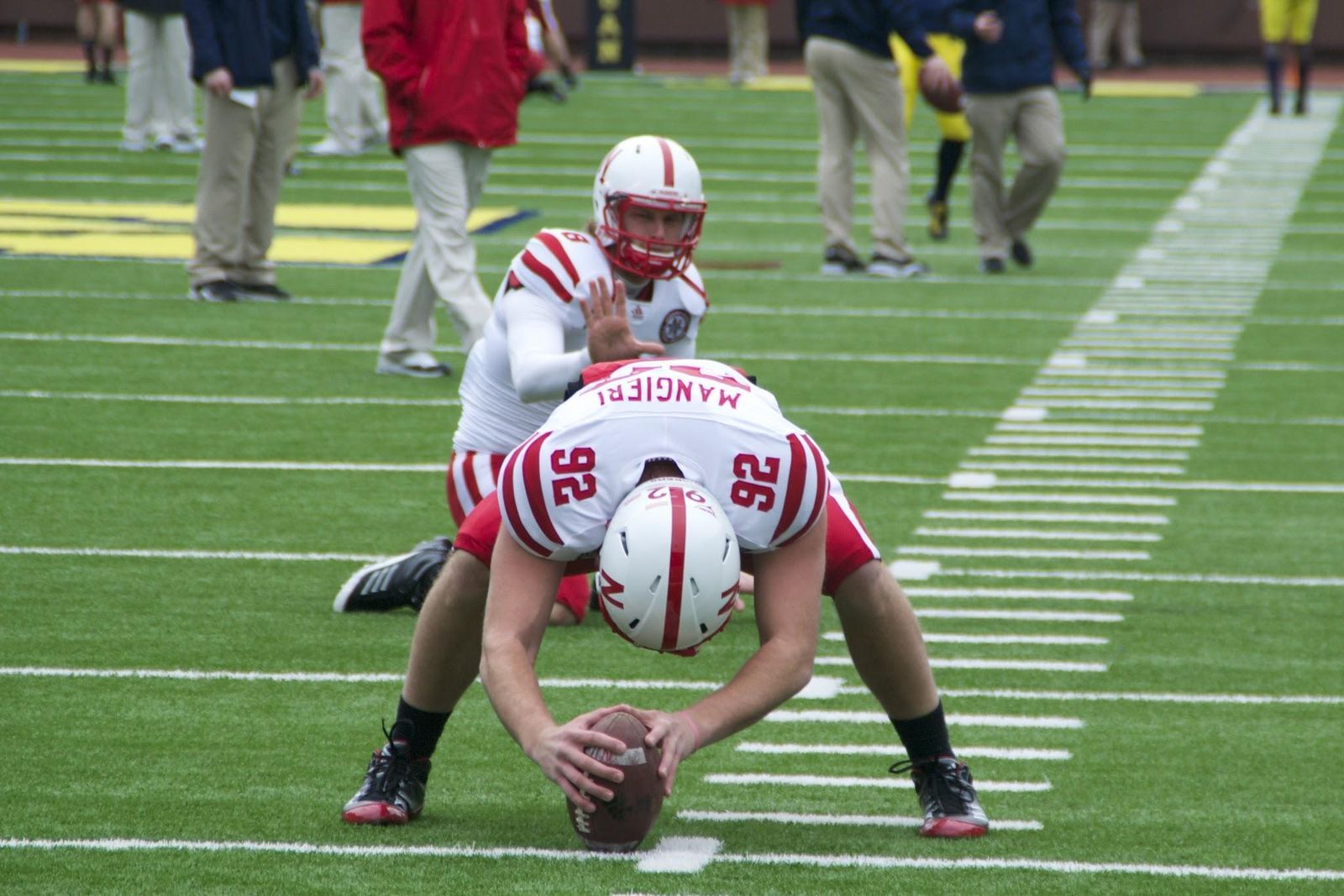
Image: Maize & Blue Nation, CC BY 2.0, via Wikimedia Commons

Though this famous nickname for Nebraska has ties with the agricultural identity of the state, it actually originated in the world of college football. Before 1900, the University of Nebraska football team had used several nicknames, such as Bugeaters, Tree Planters, or Rattlesnake Boys. Following a rough patch and wanting to give the team a new direction, sportswriter Charles Sherman suggested the nickname ‘cornhusker’ as a homage to the traditional corn husking done by hand by the Nebraska settlers . The name caught on and was eventually made extensive to all Nebraskans, being officially adopted by the state in 1945.

General General 5 min read

NATURE'S WARRIORS

Discover The Top 10 Fierce Animals Roaming America

As much as we love animals, it's important to remember one thing: some of them are best admired from a distance. While any wild creature can be a bit scary, a few stand out, particularly for their intimidating traits. With dangerous claws , sharp teeth, or horns that wouldn't fit inside your car, America's fauna has an incredible range of characteristics that could surprise many. Let's discover the names and features of the top 10 fierce animals roaming America; you won't believe the last one!

1
American Alligator

Image: Joshua J. Cotten

Let's start with a powerful one. While they say not to judge by appearances, only one look at an American alligator's face can confirm it might not be the friendliest creature around.

Populating freshwater habitats in the southeastern U.S., males can grow up to 15 feet long. In addition to their impressive size, they have incredibly strong jaws , one of the most powerful in the animal kingdom.

American alligators are also excellent hunters, as they know how to blend into their surroundings while waiting for prey to approach. Clever tactics!

2
Western Diamondback Rattlesnake

Image: Amber Wolfe

The American alligator is not the only reptile on this list. We also have the stellar presence of the impressive Western diamondback rattlesnake. With a name like that, how could it possibly go unnoticed? But believe us, its name is not the only surprising thing about it.

This reptile has particularly large fangs compared to other snakes, and what's even more fascinating is that they are quickly replaced if one breaks or gets damaged. When this carnivorous predator confronts its prey —generally rodents, birds, or some other reptiles— it uses those fangs to inject its venom , a toxin capable of hindering coagulation and even causing tissue damage.

3
Grizzly bear

Image: Becca

This huge creature is far from a cuddly care bear. We are talking about the fearsome grizzly bear, a giant that can weigh up to 1,500 pounds and reach 10 feet tall when standing on its hind legs.

And as if its size were not enough, the great strength of this beast and its territorial nature make it a threat to other species. In addition, despite being omnivores, their sharp claws and large teeth make them tough predators.

One more scary detail: Don't be fooled by its size; grizzly bears can reach speeds of up to 35 miles per hour!

4
Cougar

Image: Robert Sachowski

"Cougar" is a nicer name for the creature also known as a mountain lion, an impressive feline that ranks as the second-largest cat in the Americas, just behind the jaguar.

The cougar can weigh up to 220 pounds and measure up to 8 feet long. Can you imagine a kitten that size? With its claws, teeth, and pointed ears! Despite its name, the mountain lion can adapt to different environments: cold mountains, forests, and even deserts.

But what truly distinguishes this animal is its stealthiness. This solitary creature is an intelligent and cautious predator, approaching its prey slowly and quietly until it's time to attack.

5
American bison

Image: Leslie Driskill

If you got shocked by the 220 pounds of the cougar or the 1,500 pounds of the grizzly bear, just wait until you hear how much the American bison can weigh.

Males of this imposing animal can reach 2,000 pounds! In addition, some specimens reach 6.5 feet from hoof to shoulders. Despite its size and strength, the American bison is an herbivore , which means it doesn't attack other animals for food.

But wait, if this beautiful animal gets angry, its defense can be truly intimidating; just picture a horned creature of that size approaching. It can also run at a speed of up to 35 miles per hour! Definitely an incredible animal.

6
Black widow spider

Image: Jared Subia

The black widow is not only a comic book character but also one of the most feared creatures on this list. This arthropod lives throughout the southern and western United States, as it prefers warm, dry climates.

Unlike other animals, the black widow is a threat to other species and also to its own. This spider's name comes from its notorious behavior: sometimes, the female devours the male.

In addition to this creepy detail, its appearance is also spooky. It has a shiny black body with a bright red marking on its abdomen. But that's not all; this spider also has potent venom used to immobilize its prey. Fortunately, experts say it typically only bites in self-defense.

7
Great white shark

Image: Gerald Schömbs

5,000 pounds , 20 feet long, and several rows of sharp teeth capable of delivering a bite force of up to 4,000 pounds per square inch; this is the impressive great white shark.

Despite its size, it can swim agilely with a speed of up to 25 miles per hour. This fearsome predator, found along both the Pacific and Atlantic coasts of the United States, uses all its advantages to attack its prey quickly and surprisingly.

While their visibility is low, they rely on their ability to perceive the electromagnetic fields of other creatures! Looks like an invincible predator, doesn't it?

8
Black bear

Image: Greg Johnson

While slightly smaller than the grizzly bear, the black bear is still intimidating. With an average weight of 450 pounds , it's a large animal, equipped with sharp claws and teeth that can quickly appear if it or its cubs feel threatened.

In addition to their speed of up to 30 mph, these agile animals can also climb trees! And yes, the myth is true: they do love honey (who wouldn't, right?).

Here's another fun fact: despite their name, black bears can have black, brown, or blond fur.

9
Coral snake

Image: MART PRODUCTION

The rattlesnake isn't the only snake making this list. The coral snake definitely earned its spot, too.

Famed and feared worldwide, this snake species possesses a potent venom that can immobilize and cause respiratory failure in its prey. In addition, its small size (about 2 to 3 feet in length) helps it go unnoticed by other animals before it bites them.

Found in the southeastern United States, the coral snake is known for its impressive appearance but is generally not very aggressive unless provoked. Did you know other snakes mimic the coral snake's colors to appear more intimidating and keep predators away? You know, nature is wise.

10
Fire ants

Image: oktavianus mulyadi

This list isn't just about huge horns, sharp teeth, and hefty bodies; there are also creatures the size of a rice grain.

We're talking about fire ants, tiny but strong insects with a fearsome reputation. Why is the aggressiveness of such a small creature so scary? Well, because their stings are really painful , something that no animal species would want to experience. But that's not all; fire ants have the ability to sting and bite at the same time, causing pain, itching, and burning.

Like all ants, they have a very organized society . Every time they perceive their colony threatened, they launch a chemical alarm and start defending their home like an army!

History History 3 min read

Lesser-known tales

California's Grizzly is extinct? 10 stories behind American symbols

Image: Fr. Daniel Ciucci

It’s one thing to be acquainted with American symbols, but it’s another to learn—years later—the unexpected, hidden stories behind them! Did you know that California’s subspecies of grizzly bear (yes, the one on the flag) has been extinct for over a hundred years ? Or that Texas’s state dish was allegedly invented by prisoners? Maybe you know some of the facts listed here—but we’re sure you don’t know them all!

1
California’s state animal is extinct

Image: Levi Meir Clancy

The California grizzly bear adorns the state flag, but you won’t find one in the wild anymore. Once abundant throughout the region, this was a subspecies of Grizzly also known as "California golden bear."

By the 1920s, this majestic animal had disappeared from the wild, but it has remained a powerful symbol of the state, featured on the flag since the Bear Flag Republic’s short-lived attempt to break from Mexico in 1846.

2
The American flag was (probably) designed by a teenager

Image: Sharefaith

In 1958, around the time Alaska and Hawaii were being added to the Union, an Ohio high schooler named Robert Heft stitched a 50-star flag for a class project . His teacher gave it a B–, scoffing that the brand-new design "lacked imagination."

However, not long after, Heft’s design was selected from thousands of submissions sent to President Eisenhower to determine the official flag. That teacher later changed the grade to an A.

3
Texas’s state dish may have been invented by prisoners

Image: Zak Chapman

Chili con carne is the Lone Star State’s official dish. While its exact origins are uncertain, some say that Texan prisoners in the 1800s were the minds who concocted the dish. According to this version, the stew—made with beans, thin strips of beef, and chili peppers—was the local equivalent of bread and water: a kind of Texan gruel .

4
Alabama's state nut was once a life-saver

Image: Antoni Shkraba

Pecans aren’t just Alabama’s official nut—they’re also symbols of resilience from the Depression era. When cotton crops failed in the 1930s, families turned to harvesting pecans to survive. The nuts became a form of currency , traded for goods, and even used to make mortgage payments. Today, Alabama produces over 30 million pounds annually.

5
The Star-Spangled Banner was once a drinking song

Image: JosephHershMedia

You may know that America’s anthem has a boozy British past. The melody originated as "To Anacreon in Heaven," a raucous 18th-century tavern tune sung by a London gentlemen’s club. A relative of Francis Scott Key noticed that his poem fit perfectly with the melody—and thus, the anthem as we know it was born.

6
The Great Seal almost had a turkey

Image: Roman Manshin

Can you imagine if the Great Seal of the United States featured not a mighty eagle, but a turkey? It was none other than Benjamin Franklin who proposed the turkey as America’s symbol, calling it " a bird of courage ."

Instead, he dismissed the bald eagle as "a lazy scavenger." Congress ultimately overruled him, but Franklin did have a point: turkeys are known to be fiercely protective.

7
The flag’s colors weren’t meant to mean anything—at first

Image: Jon Tyson

Red, white, and blue may seem deeply symbolic today, but in 1775, the Continental Navy chose them simply to match the British flag’s palette. A rebellious decision, if you think about it. The "valor, purity, justice" meanings were tacked on later by poets and politicians.

8
Is South Carolina’s flag really what it seems?

Image: Jaden Dessureault

South Carolina’s flag features a blue background with a palmetto tree and what appears to be a crescent moon. But there are stories that sustain that the silver symbol isn’t a moon at all —it’s a gorget, the curved neck armor worn by 18th-century soldiers. Historians have searched for records to back this theory, but no nods to gorgets have officially been found.

9
Colorado’s flag was once a confusing disaster

Image: Olga Kovalski

When Colorado unveiled its bold "C" design in 1911, it forgot one crucial detail: specifying which shade of blue to use for the background. For 26 chaotic years, flags fluttered in everything from pale sky blue to deep navy—until officials finally standardized the hue in 1937.

10
One of Illinois’ state symbols was chosen by… kids

Image: Peter Schad

Illinois’ state snack was chosen by the most powerful lobbyists of all: children. When a group of fourth graders learned their state produced a large portion of America’s popcorn , they launched a 2003 campaign so persuasive that lawmakers had no choice but to make it official.

Explore more American facts

Choose your favorite category!

General
General

As American as apple pie—the very best America has to offer!

Culture
Culture

Delve into the astounding richness of American lore.

Geography
Geography

Hop in and explore vast and diverse American landscapes.

History
History

Discover the key moments that shaped the United States.