History History 3 min read

The Westward expansion

Was the Wild West really wild? 10 myths debunked
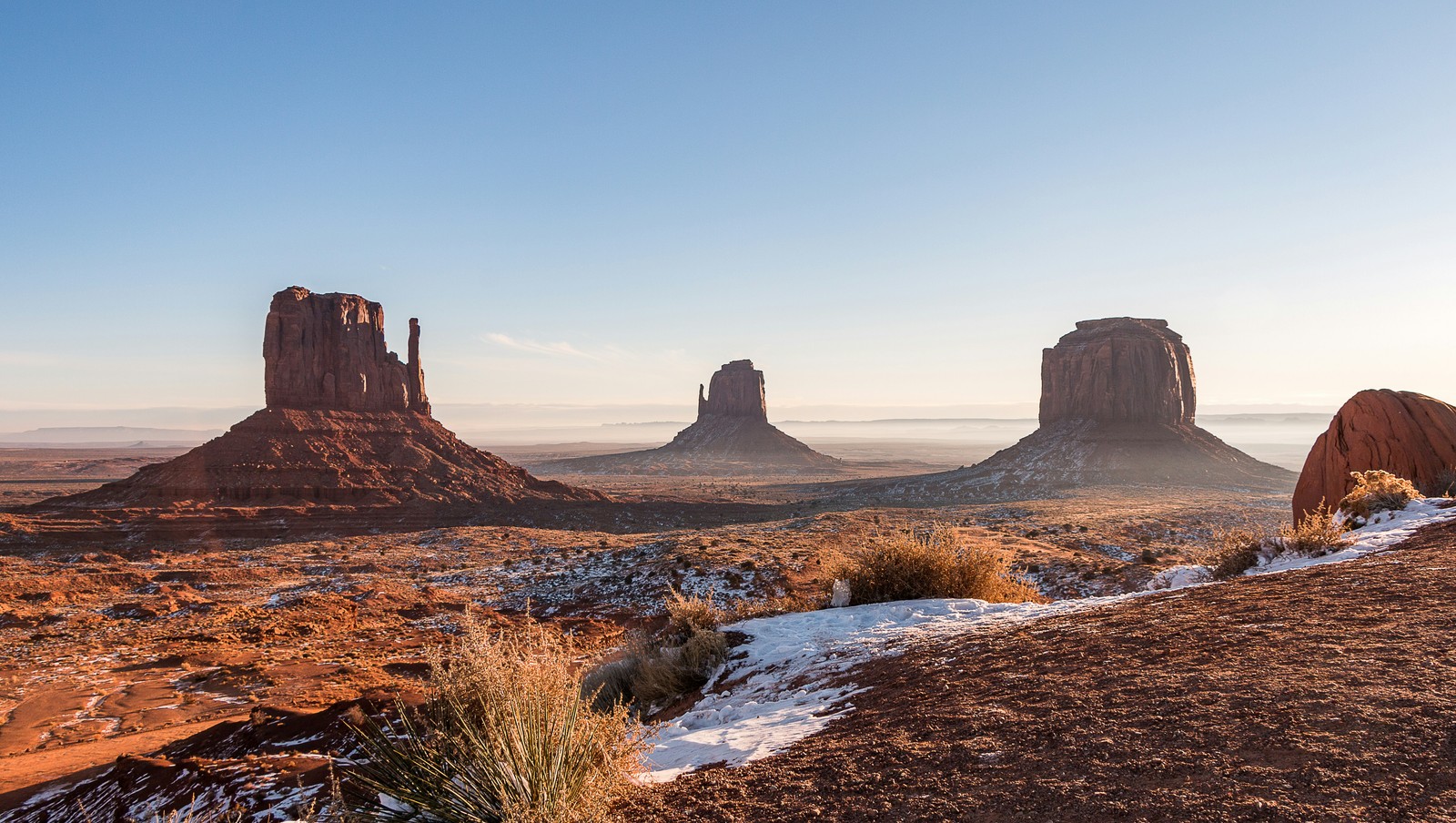
Image: Cayetano Gil

The American West has been so romanticized and misrepresented in movies, TV shows, books, and pop culture that we might not realize what’s truth and what’s myth. We have come to think of it as a place of both opportunity and chaos , with robbers running rampant and settlers constantly fighting with Native Americans. But was this true? Is all we know about the Wild West a tall tale? Let’s find out!

1
The Wild West was wild
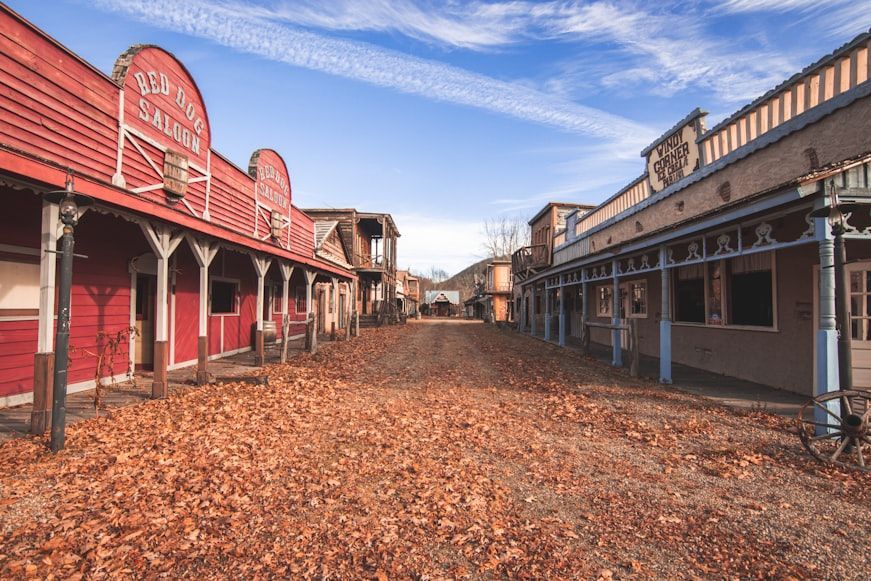
Image: Dominique Hicks

Life in the West certainly wasn’t as chaotic and unruly as Hollywood would have us believe. Most of the challenges experienced by the people were those of any settler in a distant place: hard labor, harsh weather conditions, loneliness, petty thefts, and uncertainty. Dangerous conflicts certainly arose, but they were not a daily occurrence.

2
Gold was easily found
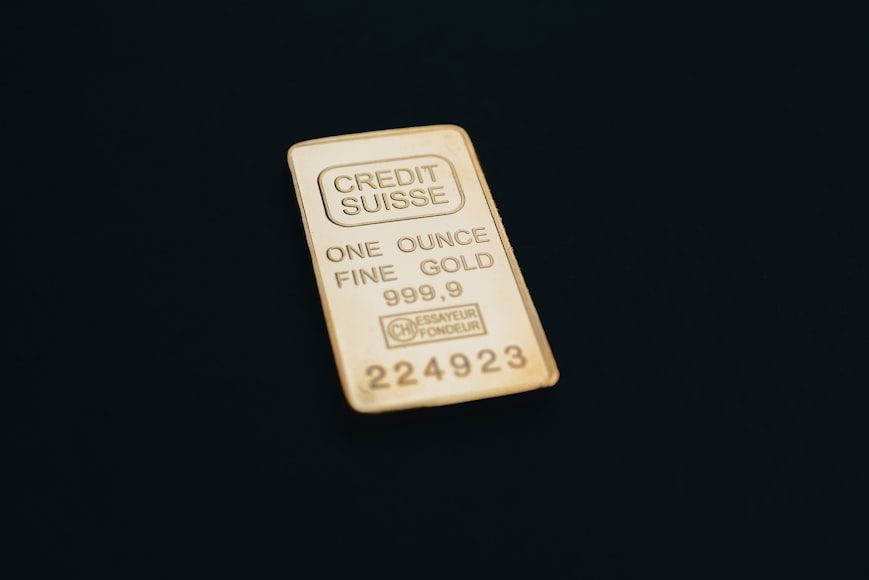
Image: rc.xyz NFT gallery

Beginning in the year 1848, gold discoveries inspired a series of rushes that contributed to the Westward expansion, but fewer people actually became rich from the so-called boom. Gold in large quantities was rare to come by , and the overpopulation of prospectors diminished the chances of gathering enough gold to make the labor worth it. In addition to this, shopkeepers demanded outrageous food prices, which consumed the little wealth that prospectors managed to gather.

3
Wild West towns were lawless
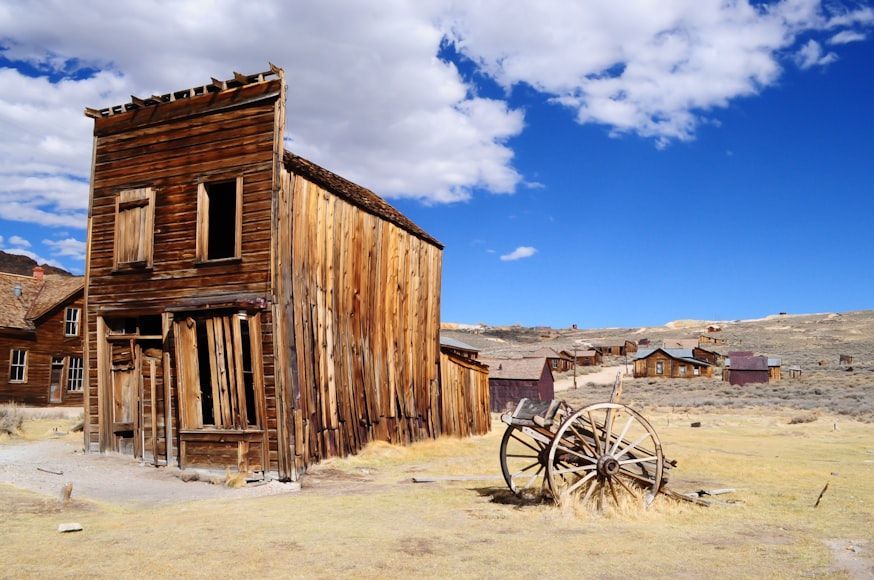
Image: Sarah Lachise

While they had their fair share of gunmen and robbers, towns in the Wild West had lower violence rates than big cities . Following the law was essential for the new settlements to thrive, and public order was maintained through the joint effort of marshals, sheriffs, Army soldiers, and private citizens. While the bad reputation of some towns was justified, they were the exception rather than the norm.

4
There was endless free land for the taking
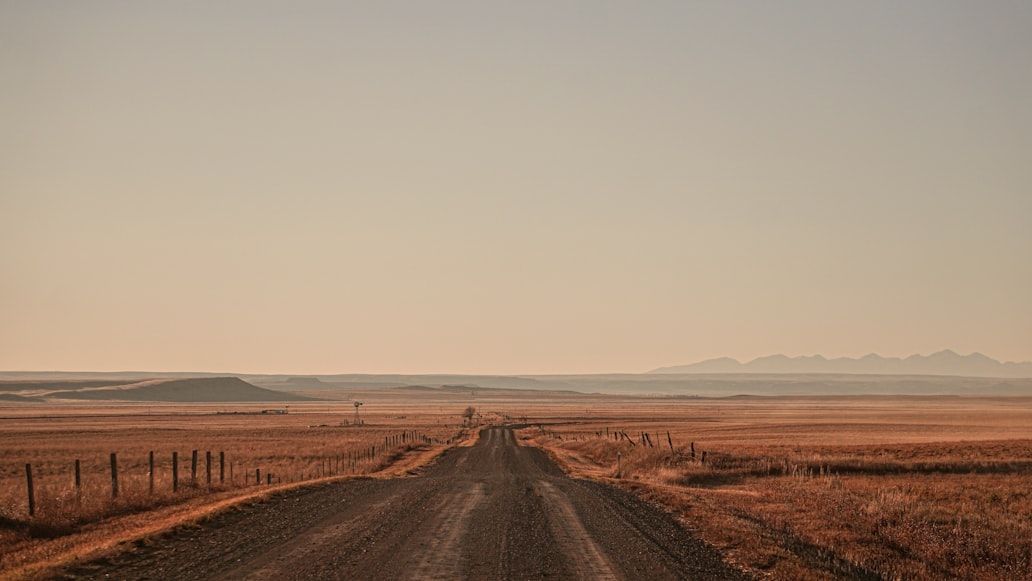
Image: Thomas Bush IV

The West was vast, but it was certainly occupied . Thousands of Native Americans were forcefully displaced, confined to reservations, or forced to assimilate to make way for those arriving. Many settlers were not aware of, nor complicit in this injustice —especially immigrants coming from afar— but others believed they were entitled to the land, even at the cost of native lives.

5
Everyone owned a gun

Image: Luis Domenech

Pistols and rifles have become synonymous with the Wild West, but they weren’t as common as one might think. While they were a useful protection on the range or while travelling, they were usually forbidden in town , so cowboys and travellers had to check them in the sheriff’s office upon arrival.

6
Settlers and Native Americans fought constantly

Image: Jon Sailer

Native Americans who were not displaced or confined to reservations were not necessarily hostile towards settlers. In fact, many of them were open to coexistence and trade with communities that didn’t pose a threat . The majority of their confrontations were with government forces, usually as a result of broken treaties and empty promises.

7
Cowboy hats were the norm

Image: Olivier Piquer

Stetsons, or cowboy hats, might be the quintessential headgear of the modern cowboy, but they were not the standard in the Wild West. Bowler hats, Army caps, and Mexican-style sombreros were far more common choices at the time. In fact, the Stetson brand wasn’t established until 1865.

8
Violence was the main cause of death
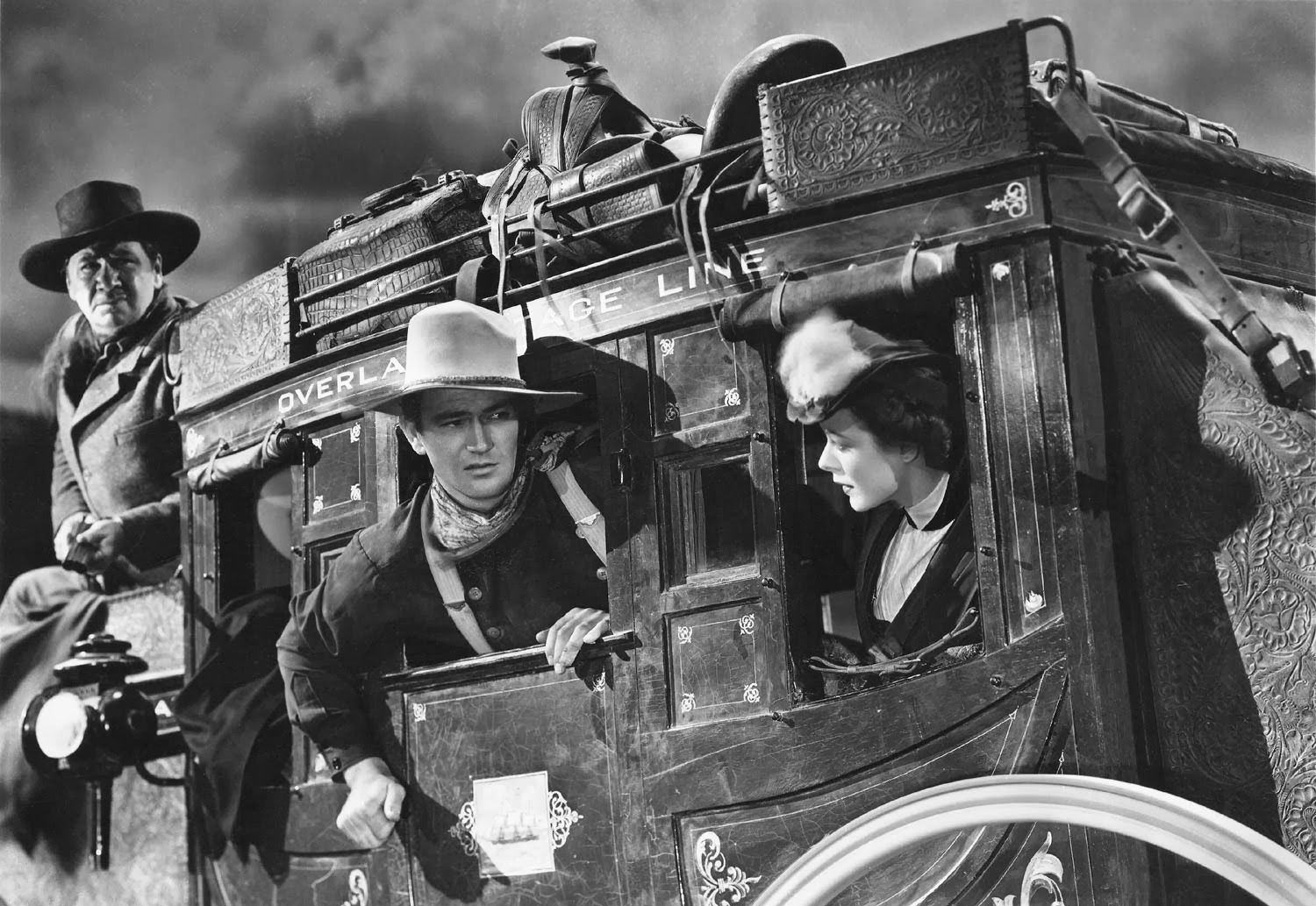
Image: United Artists, Public domain, via Wikimedia Commons

The Wild West was not as unruly as it is portrayed, and the chances of dying in a duel or a highway robbery were not as high as one would imagine. The main cause of death was disease , either caused by the harsh circumstances, the lack of sanitary conditions, or the spread of viruses and infections before the advent of modern medicine.

9
The Pony Express was the main communication service
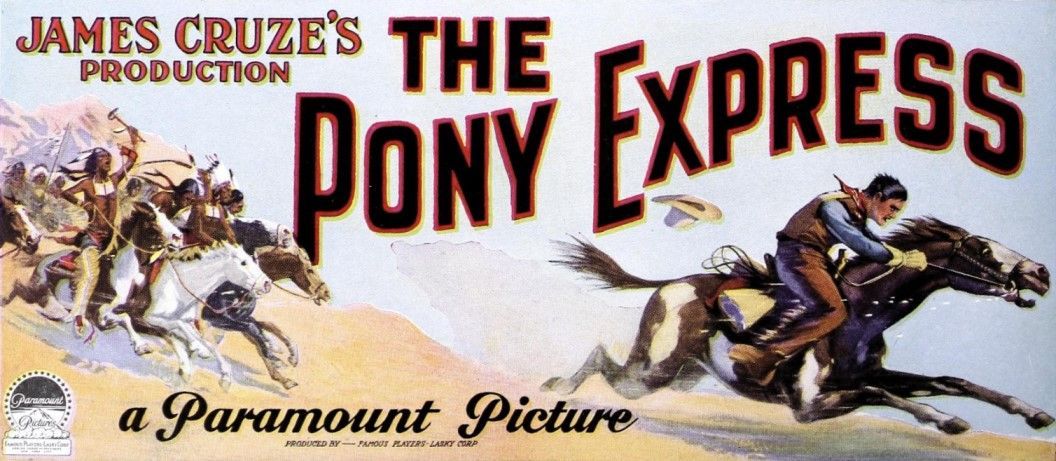
Image: Paramount Pictures, Public domain, via Wikimedia Commons

The Pony Express and its riders revolutionized communication in the Wild West. Beginning operations in 1860, it reduced the travel time of messages between the East and West coasts to about ten days . However, its existence was short-lived: After merely 18 months of operations, the company went bankrupt when a telegraph line was established.

10
Banks in the Wild West were easy targets for robbers
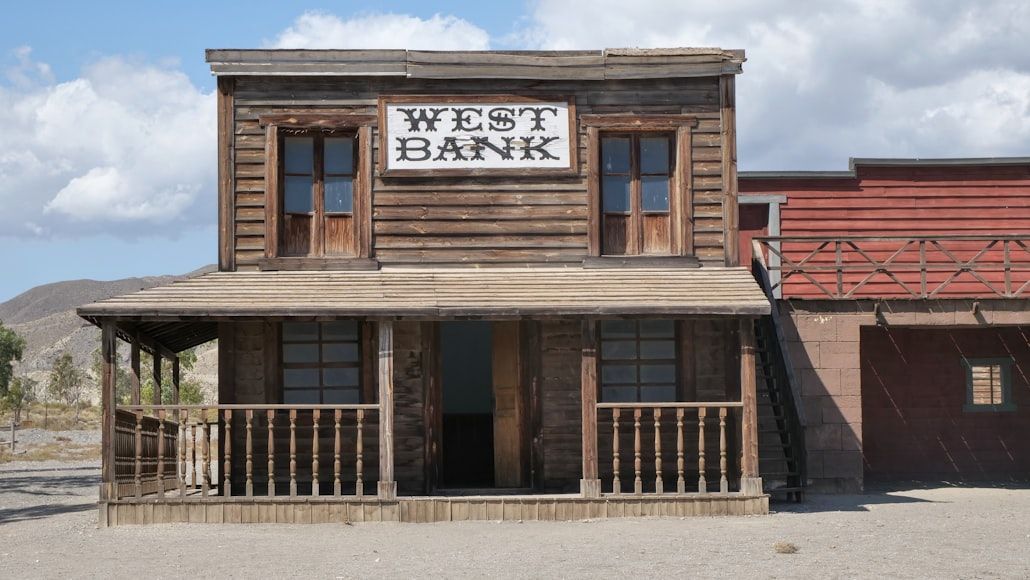
Image: Stefan Münz

Movie westerns would have us believe that bank robberies were a daily occurrence in the Wild West, but nothing could be further from the truth. Though there were heists carried out by famous outlaws, bank robberies were far from common , and train and stagecoach robberies were more likely to happen.
History History 5 min read

Origin stories

This U.S. state shares a name with a mythical island rich in gold

Image: Nico Smit

Twenty-six of our 50 states were once Spanish or French territory, or both. So it’s no wonder that Spanish and French culture permeates American traditions, food, customs — and state names, too. Here are 10 state names with French or Spanish origins.

1
California

Image: Gustavo Zambelli

All across the Americas, we can find places named after fictional and mythical locations, a result of the arrival of European explorers on the unknown continents. In 1533, Hernán Cortés arrived in what is now Baja California, Mexico. Mistakenly believing that the peninsula was an island, coupled with the arid landscape and the rumor of abundant gold, he named it after an island from the book Las Sergas de Esplandián (The Adventures of Esplandián).

This novel, written by Garci Rodríguez de Montalvo in 1510, features the island of California , governed by the queen Calafia (a play on the Arab calipha , a title given to leaders and rulers). The fictional California is rich in gold and is described as a terrestrial paradise near the Indies, so, despite not being an island, the real California was aptly named.

2
Louisiana

Image: Mick Haupt

Before being the name of a state, Louisiana designated all the French territories west of the Mississippi River , covering either the whole or part of 15 current U.S. states, including Arkansas, Iowa, Nebraska, Oklahoma, and Missouri, among others. Originally named La Louisiane (‘the land of Louis’), the name was given to the Mississippi basin by the French explorer René-Robert Cavelier in 1682.

Who was Louis? Sixteen kings of France had the name Louis, but this territory was named after Louis XIV, also known as "The Sun King" . During his 72-year-long reign, still the longest of any monarch in history, France greatly expanded its colonial territories, among which was Louisiana. After the Louisiana Purchase in 1803, the anglicized name remained, but only for a much smaller portion of land, which gained statehood in 1812.

3
Florida

Image: Julius Hildebrandt

One of the European strategies for naming territories was to reference the day of arrival, a practice often used by the Spanish , and evidenced by the many places named after Catholic saints. Florida is an example of this custom.

Spanish explorer Juan Ponce de León arrived in the territory around the time of Easter while looking for the mythical fountain of youth. In Spanish, Easter is sometimes called La Pascua florida (‘the flowery Easter’) because it usually falls in spring, which led Ponce de León to name the territory La Florida .

4
Maine

Image: Mercedes Mehling

There is more than one theory for the origin of Maine, and there is no certain answer. While many claim that ‘Maine’ is derived from ‘main land’, there is another widely supported theory that makes a connection with a French province, and that is backed up by the enormous influence of Acadian French people in the state of Maine .

According to this theory, the Maine territory was named after a French province of the same name —nowadays the region of Sarthe and Mayenne— in turn named after the ancient Cenomani Gaulish tribe.

5
Vermont

Image: Jeffrey Clayton

Although the Vermont territory was initially explored by the French, it might come as a surprise to know that its French name was given by an English-speaking American . In 1777, the territory declared independence from Britain and constituted a new republic. At first called ‘New Connecticut’, it adopted the name ‘Vermont’ by suggestion of physician and scholar Thomas Young.

Young came up with the name, meaning ‘green mountains’, inspired by a local militia known as ‘the Green Mountain Boys’. However, be it ignorance or poetry, the translation was made into a correct but archaic French. While Vermont does mean ‘green mountain’, the most accurate translation would have been montagne verte .

6
Colorado

Image: Mike Scheid

Originally, Colorado referred to the Colorado River, named by the Spanish during the 16th century. The area under that name was acquired by the U.S. in the Louisiana Purchase and through the Treaty of Guadalupe Hidalgo , with the Territory of Colorado officially established in 1861 and named after the river.

Why was the river named this way? In Spanish, colorado means ‘red colored’ or ‘ruddy colored’. During the spring thaw, the melted mountain snow would mix with reddish-brown silt , giving the river a red hue.

7
Montana

Image: Nic Y-C

This one is another case of a name chosen by English speakers. The word ‘Montana’ is an anglicized version of the Spanish montaña, ‘mountain’. But while there certainly are mountains in Montana, part of the territory consists of plains. Why name it so, then?

The Spanish had named the western mountainous region Montaña del Norte (Northern Mountain). When the Montana Territory was created in 1864, the name was suggested as a tribute to the Rocky Mountains . Some complaints arose in defense of the plains, and the alternative name ‘Jefferson’ was proposed, but Montana won in the end.

8
Nevada

Image: Abhi Verma

The majestic Sierra Nevada mountain range is one of the natural wonders of the Western United States, so it makes sense that a territory would be named in its honor. Named Sierra Nevada or ‘snowy peak’ by the Spanish, the first record of the name dates back to 1776 , and was most likely inspired by a Spanish range of the same name.

In 1861, the Territory of Nevada was officially established, and most sources agree that it was named after the mountain range. However, the main part of the Sierra Nevada range belongs to California, with only the Carson Range being in the Nevada territory.

9
Arizona

Image: Cayetano Gil

The origin of ‘Arizona’ is disputed, with theories pointing towards it being the Spanish version of a Native American name. However, other theories disagree, claiming that it is a Basque name, haritz ona , meaning ‘good oak, given by Spanish settlers who came from the Basque region.

There is a final theory which, although heavily disputed, is supported by popular stories. This theory claims that the original name was Árida zona (‘arid zone’) , a description of the desert climate.

10
Oregon

Image: Peter Robbins

No one really knows what ‘Oregon’ means, but everyone has a theory. Although there are stories that link it to Native American names or spelling errors, the first record of the name is from a 1598 Spanish chronicle, which refers to the territory as ‘_Orejón_’ (‘big-eared’) . Whose ears were being described is unclear.

An alternate theory links the name to French instead of Spanish, based on a 1765 petition by a British explorer that calls the area ‘ Ouragon’, a possible corruption of the French ouragan , ‘hurricane ’, in reference to the turbulent waters of the Columbia River.

General General 4 min read

Musical trip across the US

These 10 song titles prove US states rock! Is your favorite on the list?

Image: obBilder

From flowers and birds to tasty dishes and unique mottos, every state has its own identity. And sometimes, what best represents a state is a song. Think of Georgia, and suddenly "Georgia on My Mind" starts playing in your head. Or if someone mentions a trip to Alabama, chances are you'll be singing Lynyrd Skynyrd's hit song all day. Let's explore these and eight other unforgettable songs that proudly feature a state in their title!

1
Sweet Home Alabama

Image: Uwe Conrad

First things first: when it comes to songs that mention states, "Sweet Home Alabama" by Lynyrd Skynyrd immediately comes to mind. While its catchy chorus will have you repeating the state's name all day, the song also features spectacular musical elements, such as its iconic guitar riffs.

2
Georgia on My Mind

Image: Ashley Knedler

Among the ballads, " Georgia on My Mind" stands out. Written in 1930 by Hoagy Carmichael and Stuart Gorrell, the song later became deeply associated with Ray Charles, whose iconic 1960 version transformed it into a hit everywhere and eventually became the official state song of Georgia.

3
New York State of Mind

Image: Redd Francisco

Georgia isn't the only state on people's minds; New York is too. While the iconic "New York State of Mind" focuses primarily on the electric energy of New York City , its spirit reflects a wider love for the Empire State. Written and performed by Billy Joel, the song became an anthem not just for New Yorkers but for anyone who connects with the place's energy.

4
Kentucky Rain

Image: Noah Silliman

Yes, the King is definitely on this list! Elvis Presley also sang the name of a state with his legendary "Kentucky Rain." Written by celebrated country singer and songwriter Eddie Rabbitt, along with Dick Heard, the song stands out as one of the most memorable tracks from the later years of Elvis’s career, thanks to its heartfelt storytelling and memorable delivery.

5
The Devil Went Down to Georgia

Image: Diane Picchiottino

When you head down to Georgia, remember: The devil went there, too! At least according to Charlie Daniels Band, although the devil didn't fare well in the Peach State . "The Devil Went Down to Georgia" was released in 1979, blending country, bluegrass, and Southern rock. It tells the story of a fiddle showdown between a young man named Johnny and the devil himself!

6
California Dreamin'

Image: Maarten van den Heuvel

Although countless songs name–drop California in their titles and choruses, "California Dreamin'" is a classic that we all know and love. It just had to make this list, no matter what. First released in 1965, this folk-rock gem by The Mamas & The Papas became an anthem that helped define the decade.

7
Mississippi Queen

Image: Mike Beaumont

As a Southern rock anthem, "Mississippi Queen" couldn't be left off this list. Released in 1970 by the band Mountain, it became their biggest hit and has since been covered by many artists. With its powerful guitar riffs and unmistakable cowbell intro, it’s hailed as a rock classic.

8
California Girls

Image: Drew Farwell

As expected, California makes another appearance on this list, this time thanks to The Beach Boys. Released in 1965, "California Girls" became one of the decade's defining tracks and one of the band's most beloved hits. Its orchestral intro and summer vibe earned it a spot on Rolling Stone 's list of the 500 Greatest Songs of All Time.

9
Mary Queen of Arkansas

Image: Jametlene Reskp

If there's ever been a singer-songwriter who embodies the true American spirit, it's Bruce Springsteen, not just for hits like Born in the USA, but also for deeper tracks like "Mary Queen of Arkansas." Released in 1973 on his debut album Greetings from Asbury Park, N.J. , this slow, soulful song is an early example of Springsteen's talent for songwriting and storytelling.

10
Texas Flood

Image: Pete Alexopoulos

The Lone Star State couldn't be left off this list, and neither could the blues! "Texas Flood" was originally recorded by Larry Davis in 1958, but it was Stevie Ray Vaughan's powerhouse 1983 cover that turned it into a hit and helped revive blues rock in the 1980s. Heartbreak hits differently with this powerful song!

Explore more American facts

Choose your favorite category!

General
General

As American as apple pie—the very best America has to offer!

Culture
Culture

Delve into the astounding richness of American lore.

Geography
Geography

Hop in and explore vast and diverse American landscapes.

History
History

Discover the key moments that shaped the United States.