General General 7 min read

Was it Humphrey Bogart or Elizabeth Taylor? The true story of Gerber Baby
Image: Mel Rebesco

Remember waiting by the TV on Saturday morning, bowl in hand, while Cap’n Crunch sailed the Sea of Milk and Lucky the Leprechaun dodged another gang of kids? Those familiar faces hide some genuinely surprising stories. One mascot has a secret name that most don’t know. Another was almost named after a rat. A baby food company kept its most famous face a secret for 50 years. Here are 12 old friends in a whole new light.

1
The Gerber Baby - Gerber Baby Food

Image: Robson90

For decades, parents opening a jar of Gerber baby food saw the same sweet, sketched baby face staring back. But almost nobody knew who that baby was.

In 1928, the Fremont Canning Company, later Gerber, held a contest for a new advertising image. While most artists submitted elaborate paintings, Dorothy Hope Smith entered a simple charcoal sketch of her four-month-old neighbor, Ann Turner Cook. The judges loved the sketch exactly as it was and told Smith not to finish it. Because model releases weren’t standard at the time, rumors about the baby’s identity spread for years, with names ranging from Elizabeth Taylor to Humphrey Bogart. Cook stayed quiet for decades, partly to avoid attention, before revealing the truth around the sketch’s 50th anniversary in 1978. She later became a teacher and a mystery novelist. She remained remarkably private despite being one of America’s most recognizable advertising (baby) faces.

2
The Trix Rabbit - Trix Cereal

Image: PJ McDonnell

Every Saturday-morning kid knew the routine: the Trix Rabbit would create some ridiculous disguise, get dangerously close to the cereal, and then hear those four familiar words: "Silly rabbit, Trix is for kids." But the rabbit wasn’t even Trix’s first mascot.

When the cereal launched in 1954, a flamingo appeared on the box. The rabbit arrived five years later as a hand puppet created by writer Joe Harris, who also came up with the famous slogan. For years, General Mills deliberately kept the rabbit from eating Trix, believing it sent the wrong message about instant gratification. An astonishing 99 percent said the rabbit deserved a bowl, so he finally got his taste in 1980, although it has remained a rare event. In 2016, the company held a nationwide search for a real rabbit to appear on limited edition boxes. A two-pound Holland Lop bunny from Houston named Cinnabun won the honor.

3
Chuck E. Cheese - Chuck E. Cheese

Image: Erman Gunes

The next time a Chuck E. Cheese birthday brings back memories of flashing arcade lights and tokens, remember that the restaurant almost had a much stranger name.

Nolan Bushnell, who co-founded Atari, wanted a family restaurant where people could eat pizza and play arcade games. For his mascot, he thought he had ordered a coyote costume — but got a rat costume instead. Bushnell embraced the mix-up and initially planned to call the chain "Rick Rat’s Pizza." Fortunately, his business partners stepped in and vetoed the idea, pointing out that marketing a rat-themed restaurant wasn't the best way to sell pizza to families. He settled on Chuck E. Cheese, partly because the alliteration reminded him of names like Mickey Mouse. The first Chuck E. Cheese’s Pizza Time Theatre opened in San Jose, California, on May 17, 1977. After filing for bankruptcy in 1984, the company merged with rival ShowBiz Pizza Place, creating the chain that is beloved today.

4
Cap’n Crunch (a.k.a. Horatio Magellan Crunch) - Quaker Oats

Image: PJ McDonnell

Back in the 1960s, a TV commercial showed a bowl of cereal waiting, and a cartoon ship called S. S. Guppy sailing across the screen, commanded by a captain with a giant jaw. That’s Captain Horatio Magellan Crunch.

Quaker Oats hired the animation studio behind Rocky and Bullwinkle to draw a mascot in 1963, and writer Allan Burns, who later went on to co-create The Mary Tyler Moore Show , based the captain on the fictional British naval hero Horatio Hornblower. But the name came from a much simpler place: Quaker wanted a cereal that stayed crunchy even in milk. More interestingly, the Cap’n’s crew, young sailors named Alfie, Brunhilde, Carlyle, and Dave, were named using the first four letters of the alphabet so kids could remember them easily. And here’s the twist: even though he’s a Captain, his uniform only has three stripes, which technically makes him a Commander. In any case, 60 years later, he hasn’t earned a fourth stripe, but has gained America’s love.

5
Charlie the Tuna - StarKist

Image: Billy F Blume Jr

If you hear "Sorry, Charlie" and think of a cartoon tuna desperately trying to get canned, you’re not alone.

In 1961, copywriter Tom Rogers created Charlie for StarKist, basing the character’s beatnik personality, beret, and thick glasses on his real-life friend Henry Nemo, a musician known for his hip style and slang. In TV commercials, Charly was always trying to prove he had "good taste." He painted pictures, dressed like an intellectual, and offered cultured opinions to get StarKist’s attention. Instead, a hook would appear with a sign saying "Sorry, Charlie," because StarKist wanted tuna that tasted good, not tuna with good taste. The joke became part of everyday language. Charlie’s distinctive Brooklyn voice came from actor Herschel Bernardi, who played him for more than two decades. Though the character faded from advertising in the 1980s, StarKist brought him back in 1999.

6
Lucky the Leprechaun - Lucky Charms

Image: Sheila Fitzgerald

If you grew up pouring a bowl of Lucky Charms, you probably remember chasing down every last marshmallow shape before the oats disappeared. That cereal, and its green top-hatted mascot, came from a fairly ordinary lunch break.

In 1963, General Mills product developer John Holahan was looking for a new use for the company’s cereal lines. Inspired by his own favorite candy, Circus Peanut, he chopped some up and mixed them into Cheerios. The result became Lucky Charms, and on St. Patrick’s Day 1964, an animated leprechaun originally called L.C. Leprechaun introduced the cereal to the country in a splashy, expensive ad campaign. But the mascot’s reign wasn't entirely uninterrupted. In 1975, General Mills tested swapping him for a gentle, absent-minded wizard named Waldo, hoping a friendlier character would appeal to kids. Although Waldo tested well with focus groups, he couldn't match the leprechaun's charisma, and General Mills scrapped the national rollout to let Lucky reclaim his pot for good.

7
Woodsy Owl - U.S. Forest Service

Image: Forest Service Photography, Public domain, via Wikimedia Commons

If an elementary school assembly in the 1970s included a lesson about littering, Woodsy Owl may have been part of the show. Created by the U.S. Forest Service with artist Harold Bell, Woodsy emerged from the environmental movement surrounding the first Earth Day in 1970.

He officially debuted on September 15, 1971, when Agriculture Secretary Clifford Hardin introduced him in Washington, D.C. His famous message, "Give a hoot, don’t pollute," became so recognizable that Congress passed the Woodsy Owl Act in 1974 to protect his name and image from misuse. Over time, Woodsy’s message expanded beyond littering to conservation and environmental responsibility, eventually becoming "Lend a hand, care for the land." Alongside Smokey Bear, he remains one of America’s best-known government-created characters, with more than five decades of classroom posters, songs, and public-service campaigns behind him.

8
The Quaker Man ("Larry") - Quaker Oats

Image: Jeppe Gustafsson

The round-faced man wearing a wide-brimmed hat on a Quaker Oats canister has been around for generations. Many assume he is William Penn, the Quaker who founded Pennsylvania. He isn’t.

Quaker Oats registered its trademark in 1877, describing it simply as "a figure of a man in Quaker garb." The company chose the image because Quakers were associated with honesty, integrity, and purity, qualities the brand wanted attached to its oats. Officially, the man never had a name. Unofficially, people inside the company have reportedly called him Larry for years, although nobody seems to know exactly where the nickname came from. He has also had several faces over the decades.

9
Slats, Jackie and Leo the Lions - MGM Studios

Image: Alex Millauer

Anyone who has watched a classic MGM movie knows that roar. But the famous lion mascot actually began with a college connection.

In 1916, advertising executive Howard Dietz needed a symbol for Goldwyn Pictures, a studio that would eventually become part of MGM. Dietz had attended Columbia University, whose mascot was a lion and whose fight song included the words, "Roar, Lion, Roar." He borrowed the idea. The first MGM lion, Slats, appeared in 1924, but there was a funny problem: movies were still silent. Slats never actually roared for audiences. That changed in 1928 when Jackie became the first MGM lion whose roar could be heard on film after synchronized sound arrived. Since then, seven different lions have played the role. The most familiar, simply called Leo, debuted in 1957 and remained MGM’s symbol for more than six decades, making him one of the longest-running mascots in entertainment history.

10
The Burger King - Burger King

Image: frankieleon, CC BY 2.0, via Wikimedia Commons

Long before the unsettling Burger King mascot began appearing in commercials, the character was simply a cheerful drawing sitting above a restaurant sign.

The first version appeared in 1955 above Burger King's original Miami location, seated on what the company called a "burger throne." He remained mostly decorative until the early 1970s, when an animated version began appearing in children's commercials. Then came the strange version many longtime viewers remember. In 2003, an advertising agency reportedly found an oversized Burger King helium-balloon head for sale on eBay. That discovery helped inspire the silent, giant-headed King who suddenly appeared beside beds , in doorways, and even around celebrities. In 2015, he joined Floyd Mayweather’s boxing entourage in a stunt reportedly costing Burger King $1 million. The company officially retired that version of the King in March 2026, ending a bizarre chapter of the brand’s mascot.

History History 4 min read

History speaking

Want a challenge? Play a little presidential guessing game with us!

Image: Sean Foster

Yeah, you know movie quotes by heart. You can list proverbs and complete idioms, no problem. But have you ever tested your memory of presidential quotes? Throughout history, American presidents have left us many memorable lines, some inspiring, some comforting, and some we might prefer to forget. Here’s a game for you: we’ll give you six quotes and a bit of context; can you guess which president said it? Check it out and see how many you get right!

1
"Do your best, history will do the rest."

Image: Sincerely Media

This line is attributed to a leader who preferred plain talk over fancy speeches. Yes, this quote is simple, but the message behind it is quite powerful! He grew up in the Midwest, worked on a farm, and often said that good work speaks for itself. His steady outlook carried the country through the final stretch of a world conflict and the anxious years just after. Who is it?

2
"A smooth sea never made a skilled sailor."

Image: Maël BALLAND

We love this quote! Why? Well, because it is as simple as it is true. That was this President’s goal: to use simple images to make big ideas feel close to home. He guided the nation through economic trouble and global war, often mentioning topics like patience, courage, and hope. Even from his wheelchair, he painted pictures of strength. A true American leader, right, but who is he?

3
"Perseverance and spirit have done wonders in all ages."

Image: Brett Jordan

This next quote came from a leader whose early years were marked by hard travel, long campaigns, and delicate diplomacy. He had a calm way of encouraging people without raising his voice. His belief in steady character helped shape the country in its very first chapter. Please stand up for this one!

4
"The best way to predict your future is to create it."

Image: Hadija

These words are those of a tall, thoughtful president from Illinois who knew the sting of loss more than once. Books were his teachers, and ambition kept him moving. He often reminded people that life answers to those who keep trying, even when the odds look unfriendly. Do you know the answer already?

5
"A man may die, nations may rise and fall, but an idea lives on."

Image: Mika Baumeister

This line came from a young president who brought a burst of energy to the White House. His speeches felt crisp and hopeful, reflecting the spirit of the early space age. He believed in bold thinking and often told Americans that imagination could outlast fear, conflict, and even time.

6
"Do what you can, with what you have, where you are."

Image: Marija Zaric

Here we have a quote from a president known for his childhood struggles and his later love of adventure. He boxed, hiked, studied wildlife, and charged into politics with the same energy. He liked practical advice, especially the kind that encouraged people to begin where they stood. If you haven’t figured it out yet, keep reading, and you’ll find all the answers below!

7
Harry S. Truman

Image: Volodymyr Hryshchenko

Truman is often quoted as saying, "Do your best, history will do the rest," as a reminder that results are not always immediate. He took office during the final months of World War II and faced monumental decisions regarding postwar rebuilding, peacekeeping, and the early Cold War. His plainspoken manner matched his no-nonsense style.

8
Franklin Delano Roosevelt

Image: Jason Leung

FDR often used sea imagery, including the quote above. He leaned on this message during the Great Depression and again in wartime. It helped people feel braver in moments when the country needed every bit of steady leadership.

9
George Washington

Image: Hrayr Movsisyan

Washington’s line, "Perseverance and spirit have done wonders in all ages," came in the context of the Revolutionary War. Supplies were thin, the weather was brutal, and morale often wavered. He used words like these to keep soldiers and citizens believing in the long fight ahead. Big thanks are in order!

10
Abraham Lincoln

Image: Fine Photographics

Lincoln is often credited with the thought, "The best way to predict your future is to create it." His whole life story reflected that idea. He rose from frontier poverty to the presidency by reading constantly, working hard, and following his own path one determined step at a time. Perhaps we should just do what he said, right?

11
John F. Kennedy

Image: Lucrezia Carnelos

Kennedy’s quote, "A man may die, nations may rise and fall, but an idea lives on," represents his love of big thinking. He shared it during speeches that encouraged Americans to look beyond fear and aim for progress, whether that meant civil rights, science, or world cooperation. Do you agree with him?

12
Theodore Roosevelt

Image: Nils Huenerfuerst

Roosevelt often told people, "Do what you can, with what you have, where you are." He practiced this philosophy in public service, conservation efforts, and his personal life. He believed action beats hesitation and that results grow from simple beginnings. It really makes you think!

General General 6 min read

Do you agree or disagree?

Forget the past: 12 reasons life is better today

Image: The New York Public Library

Nostalgia has a merciful and funny way of editing out the inconvenient parts. Sure, the past had cheaper movie tickets, fewer passwords, and less screen time. But it also had deadlier cars, smokier rooms, and a lot more waiting around. From air travel to emergency calls, these 12 everyday things have improved so dramatically that even the most nostalgic among us would have trouble arguing otherwise.

1
Cars are dramatically safer

Image: Alexandria Gilliott

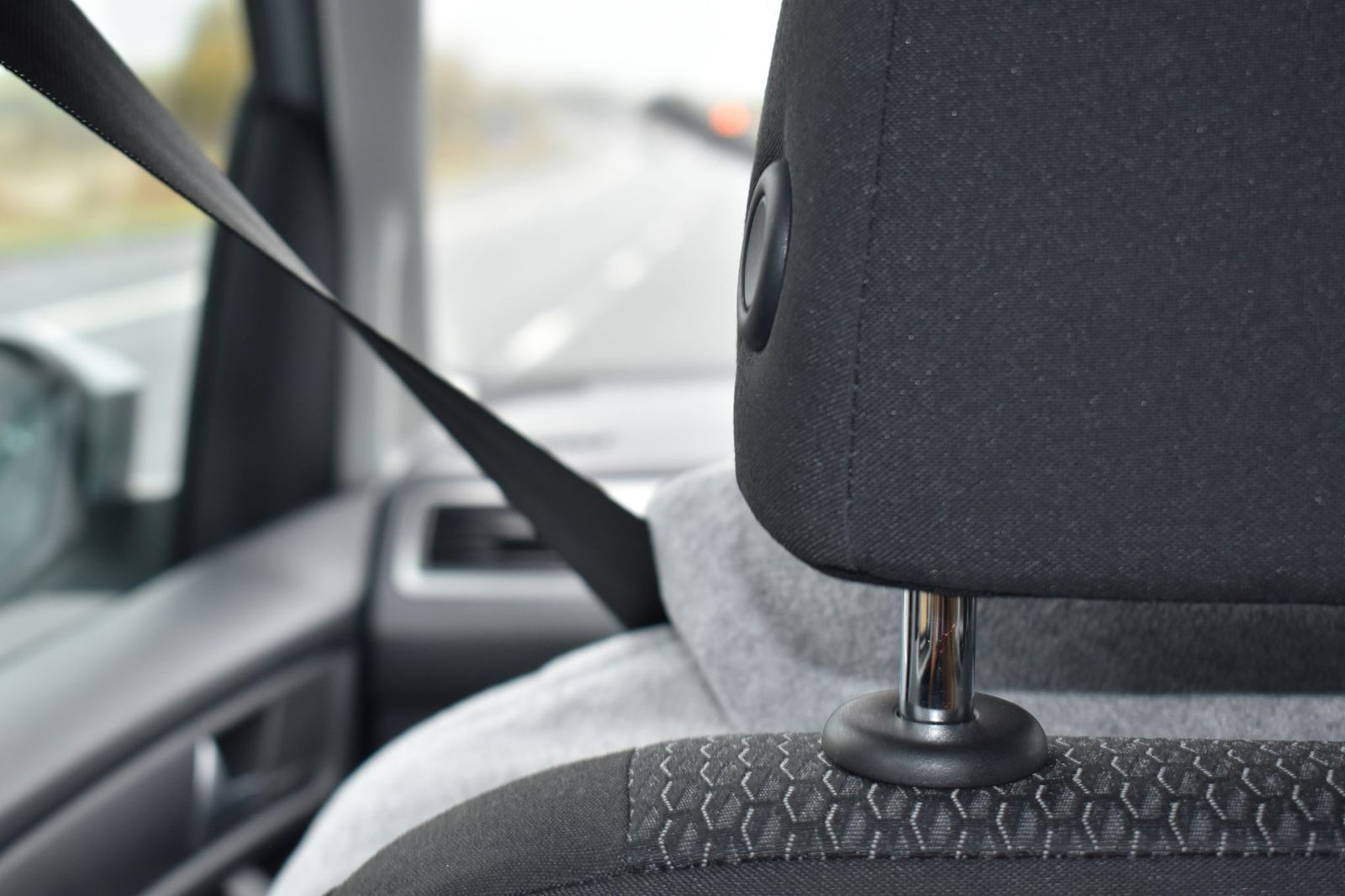
Those enormous old cars may look indestructible, but appearances are deceiving. According to the National Highway Traffic Safety Administration, the average vehicle on the road in 2012 posed a 56% lower fatality risk to its occupants than the average vehicle of the late 1950s .

Seat belts, airbags, improved crash structures, electronic stability control, child restraints, and other innovations transformed driving. NHTSA estimates that vehicle safety technologies saved more than 600,000 lives between 1960 and 2012. We may love a beautiful classic car, but we'd rather crash in a modern one.

2
The air is cleaner

Image: Franck V.

If you could travel back a few decades, one difference might hit you in the nose before anything else. Cigarette smoke was once commonplace in restaurants, offices, airplanes, and countless other public spaces. In 1965, an astonishing 42.4% of American adults smoked cigarettes. By 2022, that figure had fallen to 11.6%.

Outdoor air has improved, too. The Environmental Protection Agency reports that combined emissions of six major air pollutants dropped 79% between 1970 and 2024, even as the population, economy, and number of miles driven increased enormously . Whatever stylish old ads tell us, America literally breathes cleaner air today.

3
Medicine saves far more lives

Image: Father - Studio

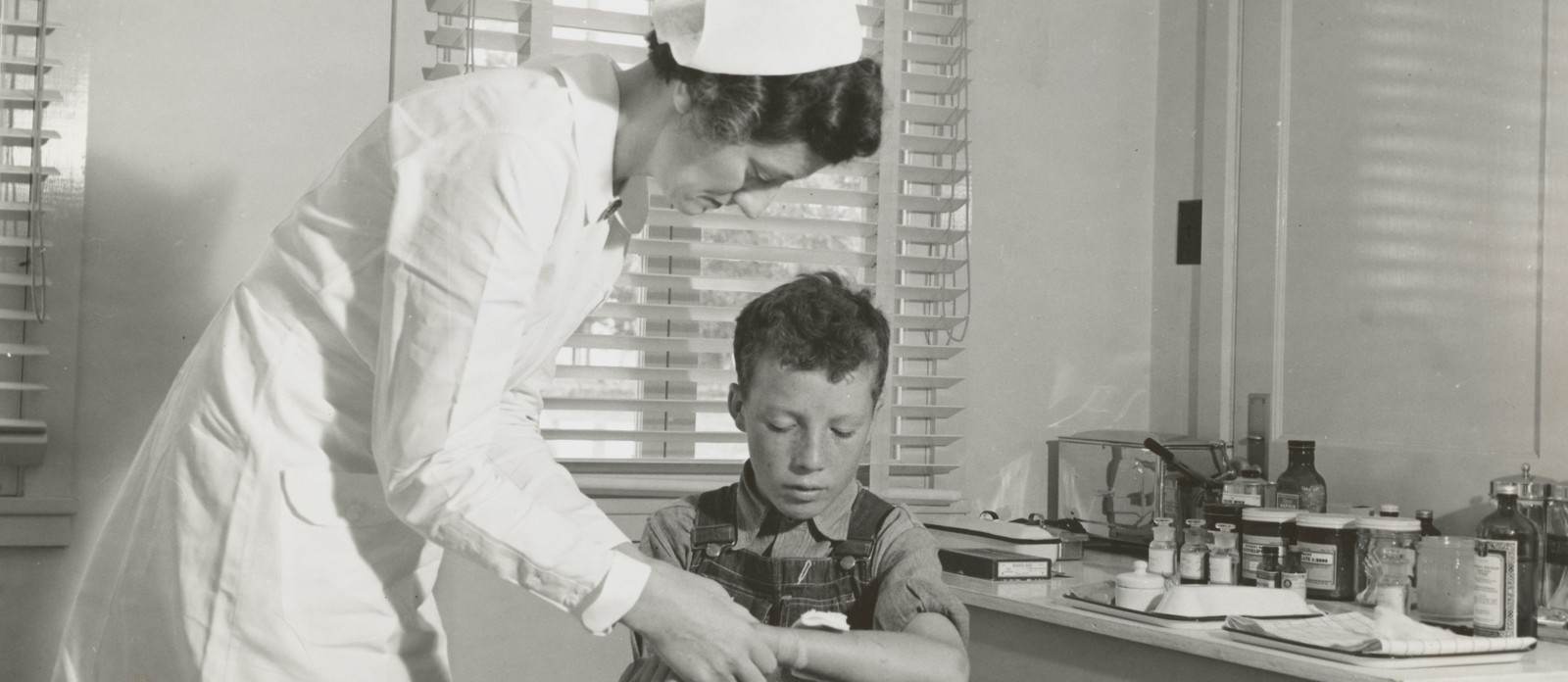
Modern medicine isn't perfect, but compared with the not-so-distant past, its achievements can seem almost miraculous. In 1900, more than 30% of all American deaths occurred among children under five. Infectious diseases such as tuberculosis, pneumonia, diarrhea, and diphtheria were among the country's leading killers.

Vaccines, antibiotics, sanitation, diagnostics, surgery, and modern drugs changed that landscape. Cardiovascular death rates fell by roughly 60% between 1950 and the end of the 20th century , while treatments transformed diseases such as HIV. Today, the five-year survival rate across all cancers is approximately 70%, up from 20-25% in 1950.

4
Finding information takes seconds

Image: Jonas Leupe

Remember having to actually look something up in an encyclopedia? Before the internet, answering a simple question might involve a trip to the library, a telephone call, searching through reference books, or accepting that you simply weren't going to know the answer.

Today, most of humanity's accumulated knowledge is sitting inside the device in your pocket . By 2023, 95% of American adults were using the internet. A historical date, recipe, translation, weather forecast, repair manual, or explanation can appear within seconds.

5
Getting lost is no longer an option

Image: henry perks

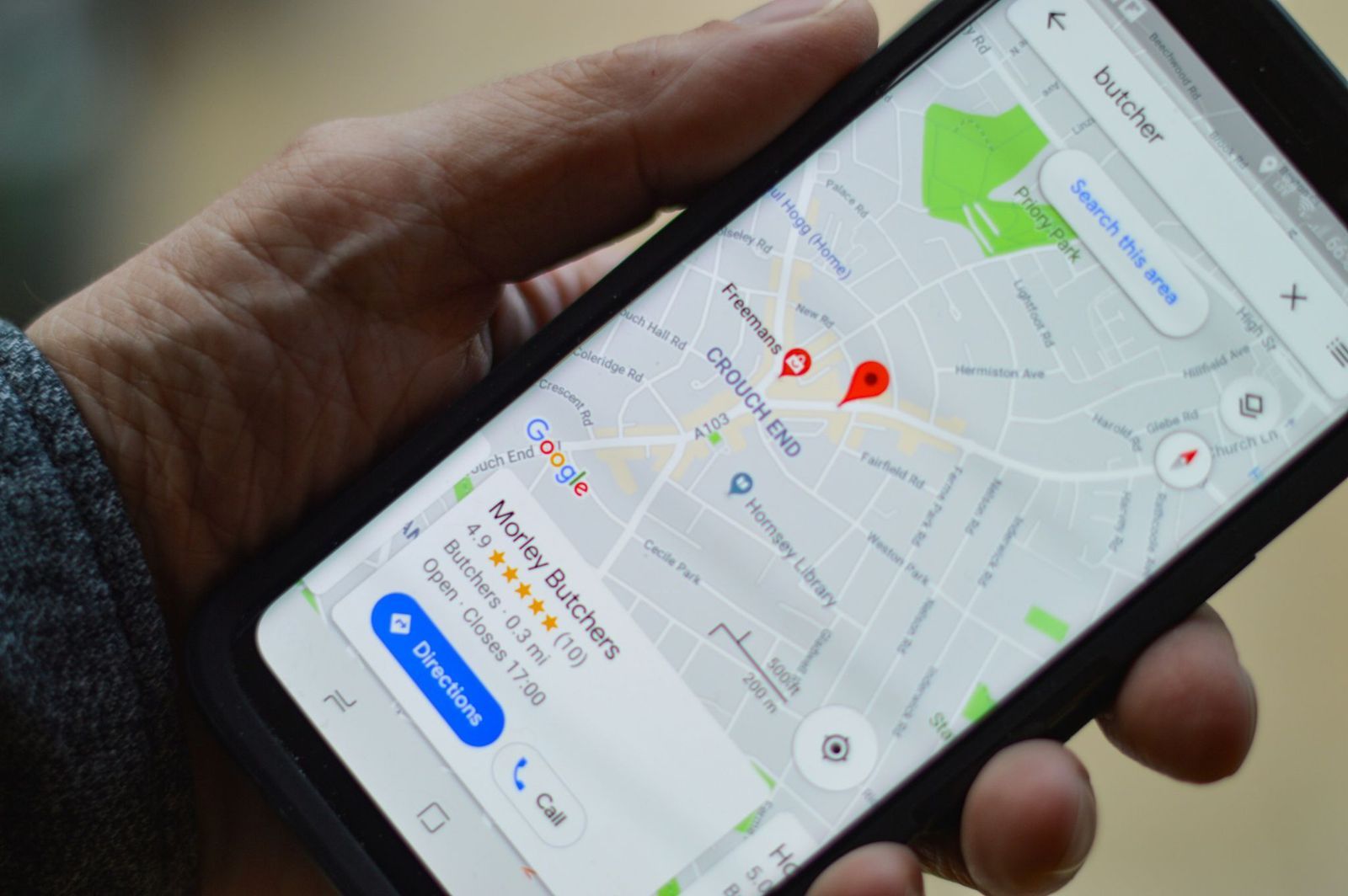
Paper maps worked perfectly well: provided you knew where you were. Miss a highway exit, misunderstand someone's handwritten directions, or take one wrong turn in an unfamiliar city, and suddenly you might be pulling into a gas station to ask a stranger for help.

GPS changed all that. A breakthrough came in May 2000, when the U.S. government stopped deliberately degrading civilian GPS accuracy . Navigation eventually migrated into smartphones, adding turn-by-turn instructions, traffic conditions, alternate routes, and arrival estimates. Getting lost hasn't disappeared, but you almost have to work at it now.

6
Banking is almost instant

Image: rupixen

Banking once involved an impressive amount of paper. Checks had to physically move between financial institutions, deposits took time to clear, and many everyday transactions depended on whether your local bank happened to be open.

The transformation happened remarkably quickly. When Check 21 took effect in 2004, 100% of checks processed by Federal Reserve Banks were still handled as paper. By 2010, almost 99% were processed as electronic images. Today, online banking lets customers move money, pay bills, deposit checks, and monitor accounts without visiting a branch . FedNow even allows participating institutions to process payments around the clock, 365 days a year.

7
Buying almost anything is easier

Image: Christian Wiediger

Shopping used to depend heavily on geography. If the stores in your town didn't stock something, your options might involve a catalog, a long drive, a special order, or simply doing without it. Comparing prices could mean physically visiting several stores.

Online shopping demolished many of those limitations. In the first quarter of 2026 alone, Americans spent an estimated $326.7 billion through e-commerce, representing 16.9% of all retail sales. Consumers can now compare prices, hunt down obscure replacement parts, buy products from across the world, and have groceries delivered without putting on their shoes . Whether that's always good for us is another question.

8
Emergency Response is more capable

Image: camilo jimenez

This country didn't even have a universal emergency telephone number until the late 1960s. The first American 911 call was placed in Haleyville, Alabama, in 1968. Early systems did little more than connect callers with an emergency answering point.

Today's systems can automatically provide callback and location information, helping responders find callers who may not even know exactly where they are . Next Generation 911 is expanding those capabilities further, allowing networks to handle digital data, text, and multimedia. Emergency response still varies enormously from place to place, but the technology available to find, understand, and help someone in trouble is worlds ahead of its predecessors.

9
Commercial flying is safer

Image: Josue Isai Ramos Figueroa

Older air travel certainly had glamour: spacious seats, elaborate meals, and passengers dressed for the occasion. It also lacked decades' worth of safety lessons accumulated through engineering, regulation, training, maintenance, and painstaking accident investigations.

The results are dramatic. The Federal Aviation Administration reported that U.S. commercial aviation fatalities fell 95% per 100 million passengers over the two decades it examined . Worldwide, recent statistics put fatal airline accidents at roughly one per several million flights. Modern flying can still be uncomfortable, delayed, and frustrating, but the important part, arriving alive, has become astonishingly reliable.

10
Homes are more efficient, comfortable, and safe

Image: Garun .Prdt

A charming old house can be wonderful, until you discover the drafty windows, questionable wiring, terrible insulation, and complete absence of air conditioning. Nearly 90% of American households were using air conditioning by 2020 , something earlier generations could only have dreamed of during a sweltering summer.

Safety improved as well. Smoke alarms went from relative novelties to standard household equipment, and the death rate in reported home fires is about 60% lower when working alarms are present . Reported U.S. home fires themselves fell from roughly 734,000 in 1980 to about 363,000 four decades later.

11
Communicating with anyone is effortless

Image: Timur Repin

Not long ago, calling someone meant calling a place. If nobody was home, you tried again later. Long-distance calls could be expensive, international communication even more so, and letters might spend days traveling across the country.

Now the person travels with the telephone. Smartphone ownership among American adults climbed from just 35% in 2011 to 91% in 2025. A single pocket-sized device can make calls, send photographs, exchange messages, deliver email, host group conversations, and conduct live video calls across the planet .

12
Entertainment is available whenever you want it

Image: My Agency

Once upon a time, if your favorite television show aired at 8 p.m. on Thursday, you had better be sitting in front of the television at 8 p.m. on Thursday. Miss it, and you might wait weeks, or months, for another chance.

Recording devices began loosening television's grip on the clock, but streaming demolished it. Movies, television series, music, podcasts, games, audiobooks, and decades of archived entertainment are now available almost instantly . By 2026, the U.S. had roughly 593 million online-video subscriptions.

Explore more American facts

Choose your favorite category!

General
General

As American as apple pie—the very best America has to offer!

Culture
Culture

Delve into the astounding richness of American lore.

Geography
Geography

Hop in and explore vast and diverse American landscapes.

History
History

Discover the key moments that shaped the United States.