History History 6 min read

Space Race

The bra makers who secretly built the Apollo spacesuits
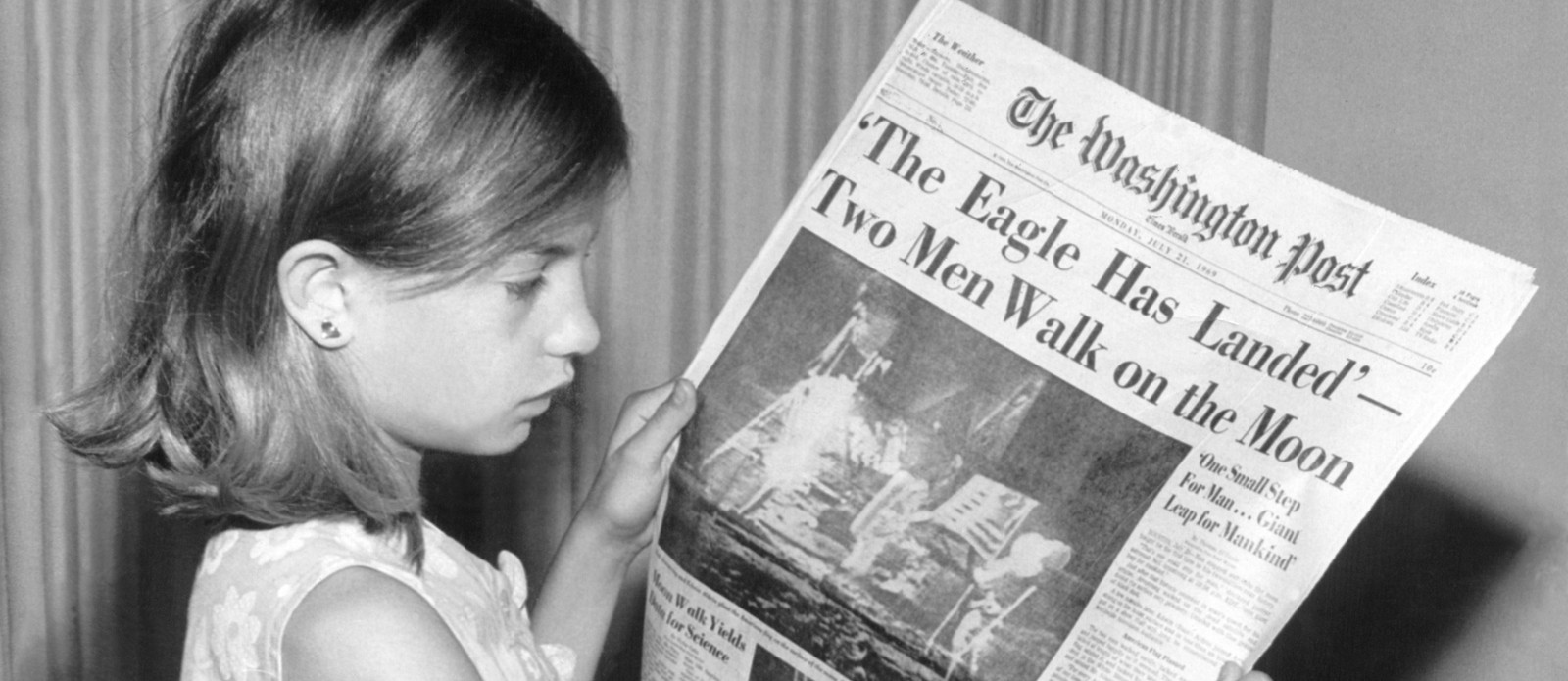
Image: Jack Weir (1928-2005), Public domain, via Wikimedia Commons

Did you know that Apollo 11 had just 25 seconds of fuel to spare when it made its historic 1969 moon landing? Or that a chimpanzee named Ham flew to space first to prove it was safe for humans? Behind the Apollo 11 flag, the spacesuits, and that giant leap sits a decade of secrets, near misses, and stories NASA never advertised. Here are 10 true stories from the Space Race that will change how you see those famous photographs.

1
Apollo 11 touched down with roughly 30 seconds of reserve fuel
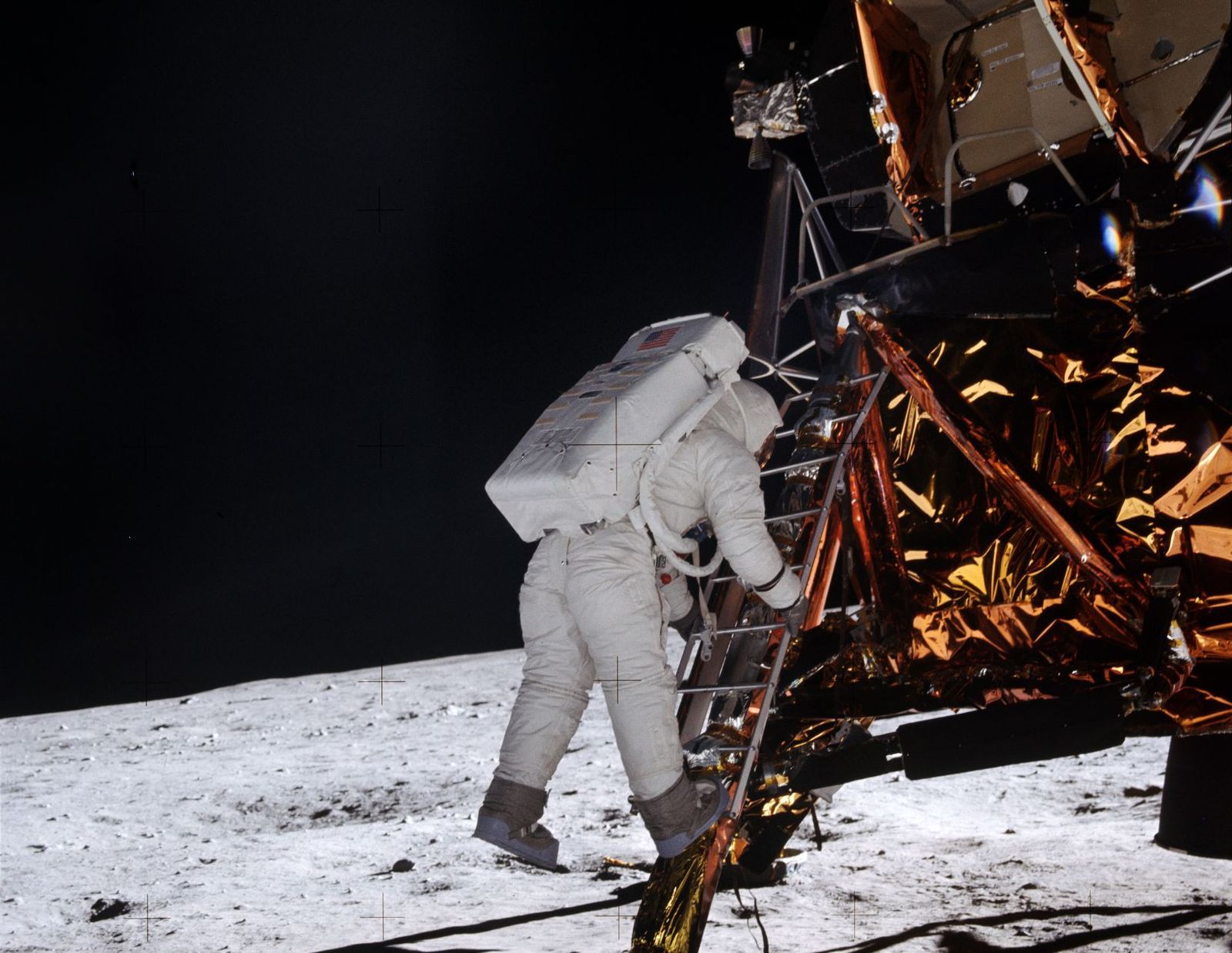
Image: Neil A. Armstrong, Public domain, via Wikimedia Commons

As Eagle descended toward the Sea of Tranquility on July 20, 1969, Neil Armstrong looked out the window and realized the computer was guiding them straight into a field of car-sized boulders.

He took semi-manual control, tilting the module forward to search for a clearer patch of ground while Mission Control in Houston counted down the remaining fuel out loud . Sixty seconds. Then 30. Buzz Aldrin called out altitude and speed as dust kicked up by the engine made it nearly impossible to judge distance. Armstrong finally set Eagle down with somewhere between 20 and 25 seconds of fuel left before an automatic abort would have kicked in, a margin thinner than most people realize watching the calm broadcast years later.

2
The iconic lunar flag was an altered five-dollar store-bought banner
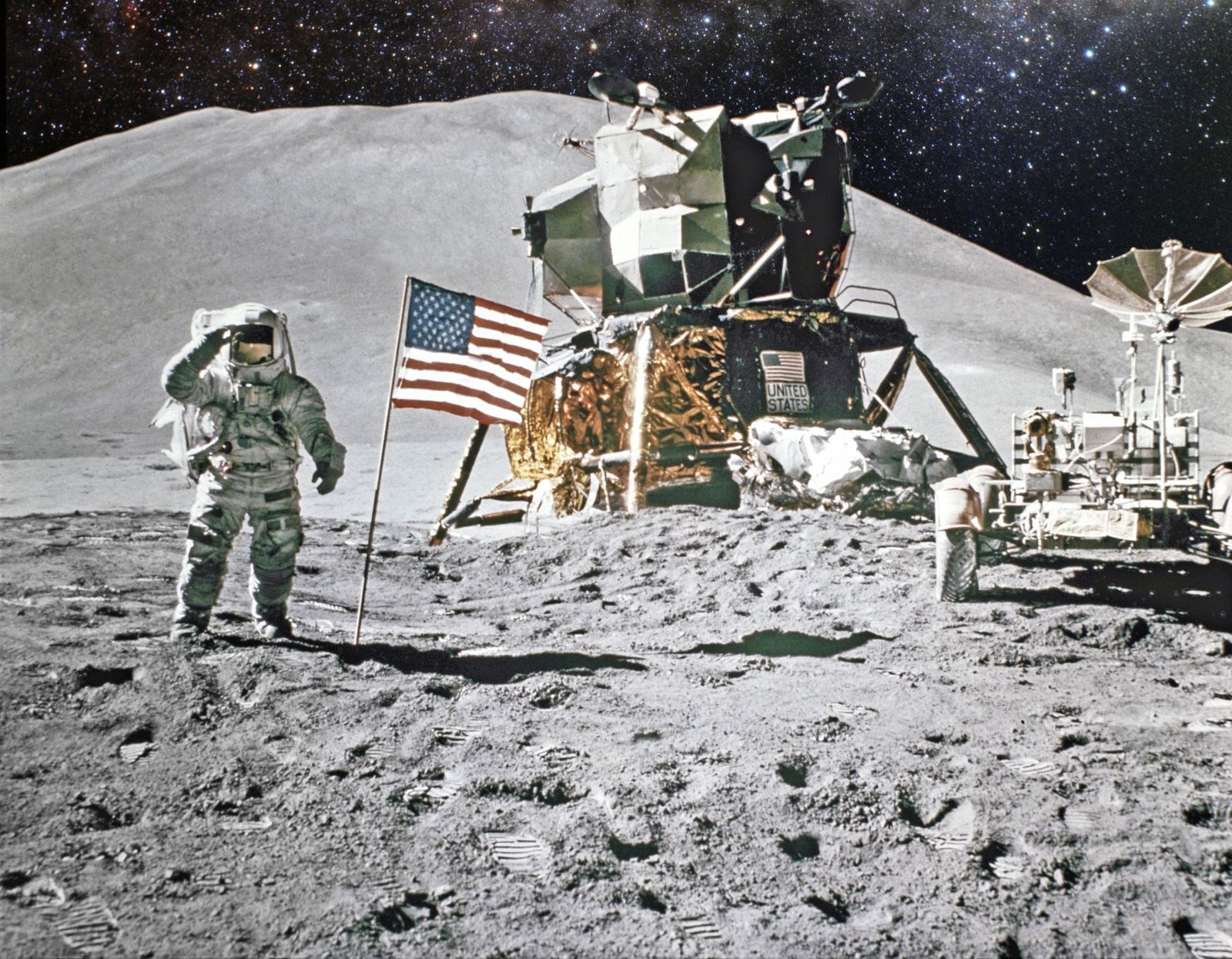
Image: Castleski

With less than three months before launch, NASA engineer Jack Kinzler was handed an unusual assignment: figure out how to make a flag look like it was flying on a world with no wind.

Kinzler, known around the Manned Spacecraft Center as Mr. Fix It, remembered watching his mother hang curtains as a child and sketched a horizontal rod that would run through the top of an ordinary nylon flag , letting it hang stiff instead of drooping.

3
Playtex seamstresses hand-stitched the Apollo spacesuits
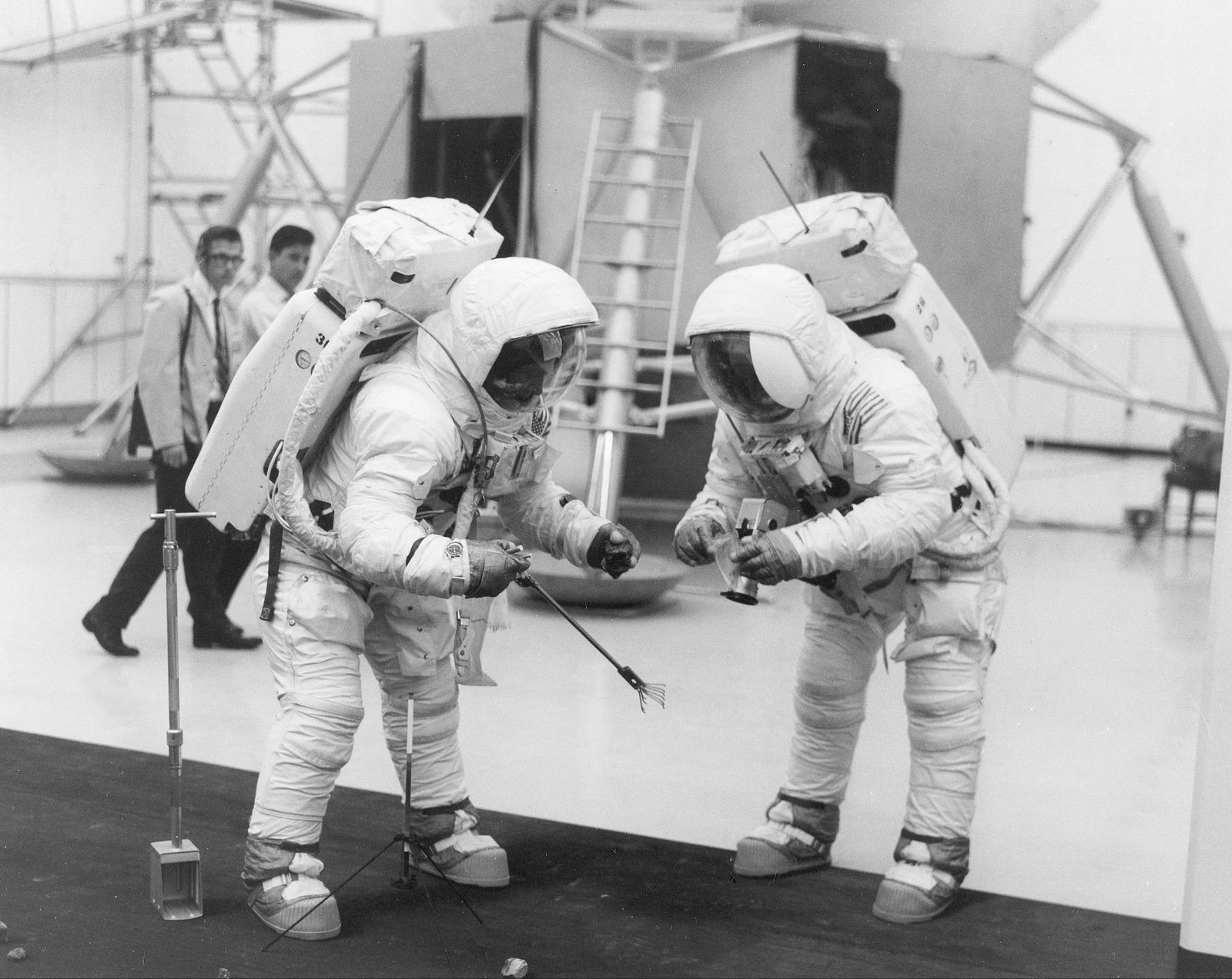
Image: Project Apollo Archive, Public domain, via Wikimedia Commons

In a former girdle factory in Dover, Delaware, women who had spent years sewing Playtex bras and girdles found themselves building the suit that would keep Neil Armstrong alive on the Moon.

NASA had tried stiff, engineered suits from aerospace contractors first, but nothing offered the mobility required for a human body. The International Latex Corporation, the company behind Playtex, won the contract instead, and its seamstresses stitched together 21 layers of nylon, Teflon-coated fabric, and rubber by hand, working to a tolerance of one 64th of an inch on ordinary Singer machines. No automated equipment could be trusted with a mistake that meant the difference between life and death in a vacuum, so the same hands that once sewed Cross Your Heart bras sewed history instead.

4
Ham the Astrochimp completed a suborbital flight in 1961
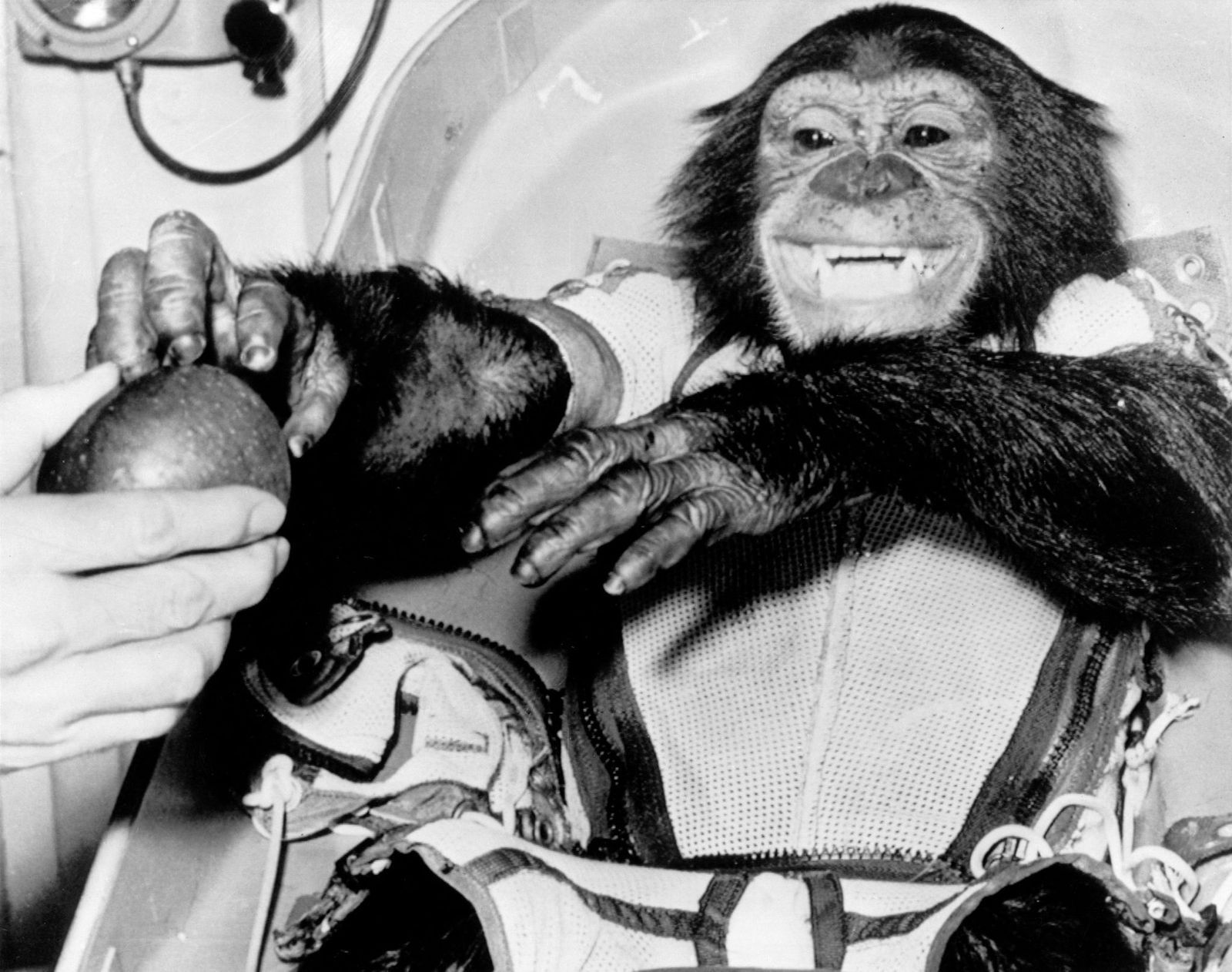
Image: NASA, Public domain, via Wikimedia Commons

Three weeks of training at Holloman Air Force Base in New Mexico came down to one morning: January 31, 1961.

A three-and-a-half-year-old chimpanzee, known to engineers simply as Number 65, was strapped into a Mercury capsule atop a Redstone rocket that launched from Cape Canaveral, Florida. His job was to pull levers in response to lights, proving an astronaut's mind could still function under the crushing forces of launch. A malfunction pushed the flight higher and faster than planned, reaching 157 miles and landing far off course in the Atlantic. He survived, tired and dehydrated but unharmed , and only afterward was given the name Ham, for the lab that trained him. Three months later, Alan Shepard became the first American in space.

5
Michael Collins became the most isolated person in human history
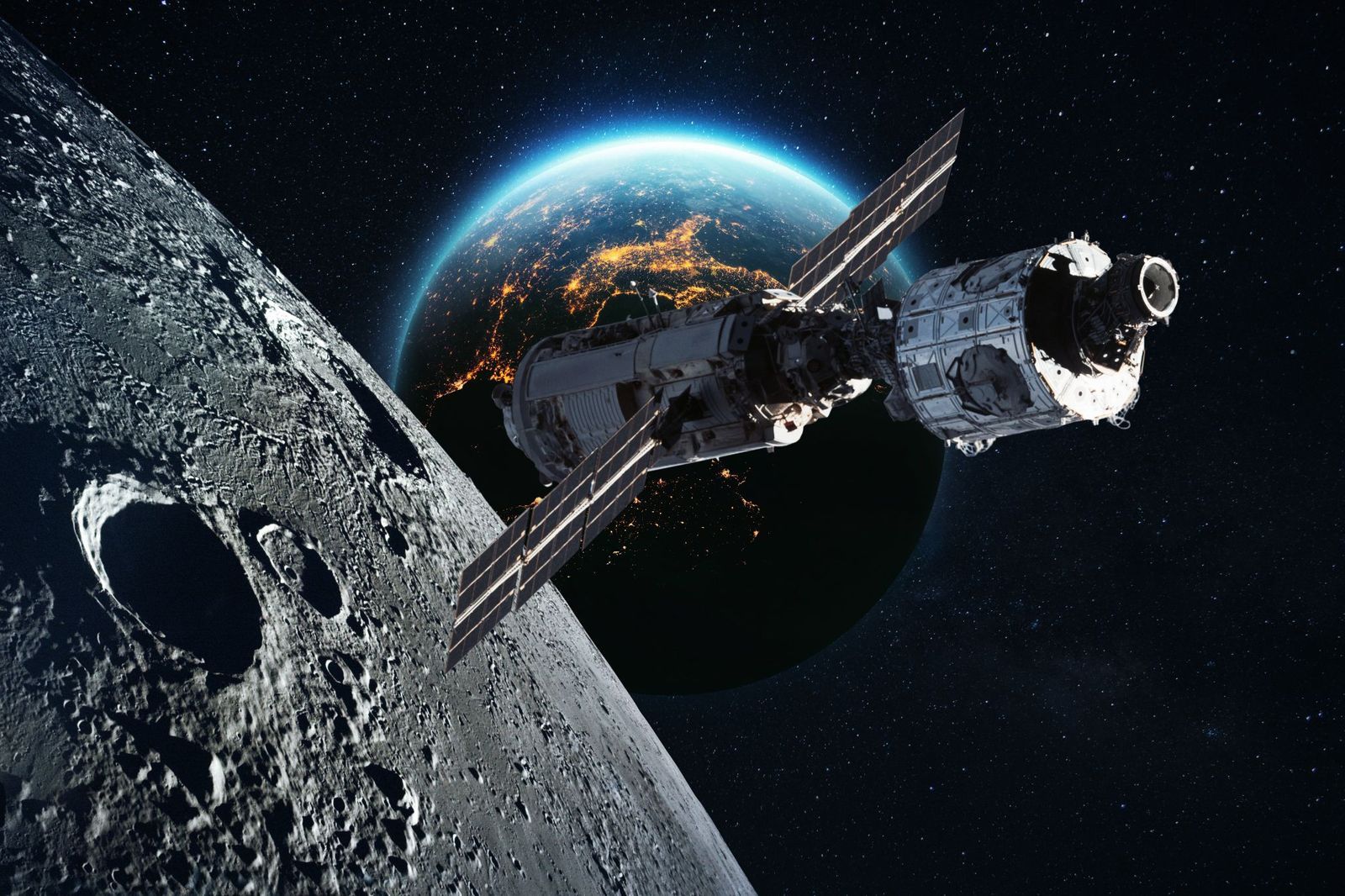
Image: Alones

While Neil Armstrong and Buzz Aldrin walked on the lunar surface, their crewmate Michael Collins circled overhead alone in the command module Columbia.

For roughly 47 minutes of every two-hour orbit, the entire body of the Moon passed between Columbia and Earth, cutting off every radio signal from Mission Control and from his two crewmates below. Flight commentator Charlie Duke described it on the air: "not since Adam has any human known such solitude." Collins later wrote that he never actually felt lonely during those blackout stretches, only quietly aware that he was, by any physical measure, the single most isolated human being who had ever lived, with three billion people on one side of the Moon and just himself on the other.

6
The Soviet Union made the first lunar impact in 1959
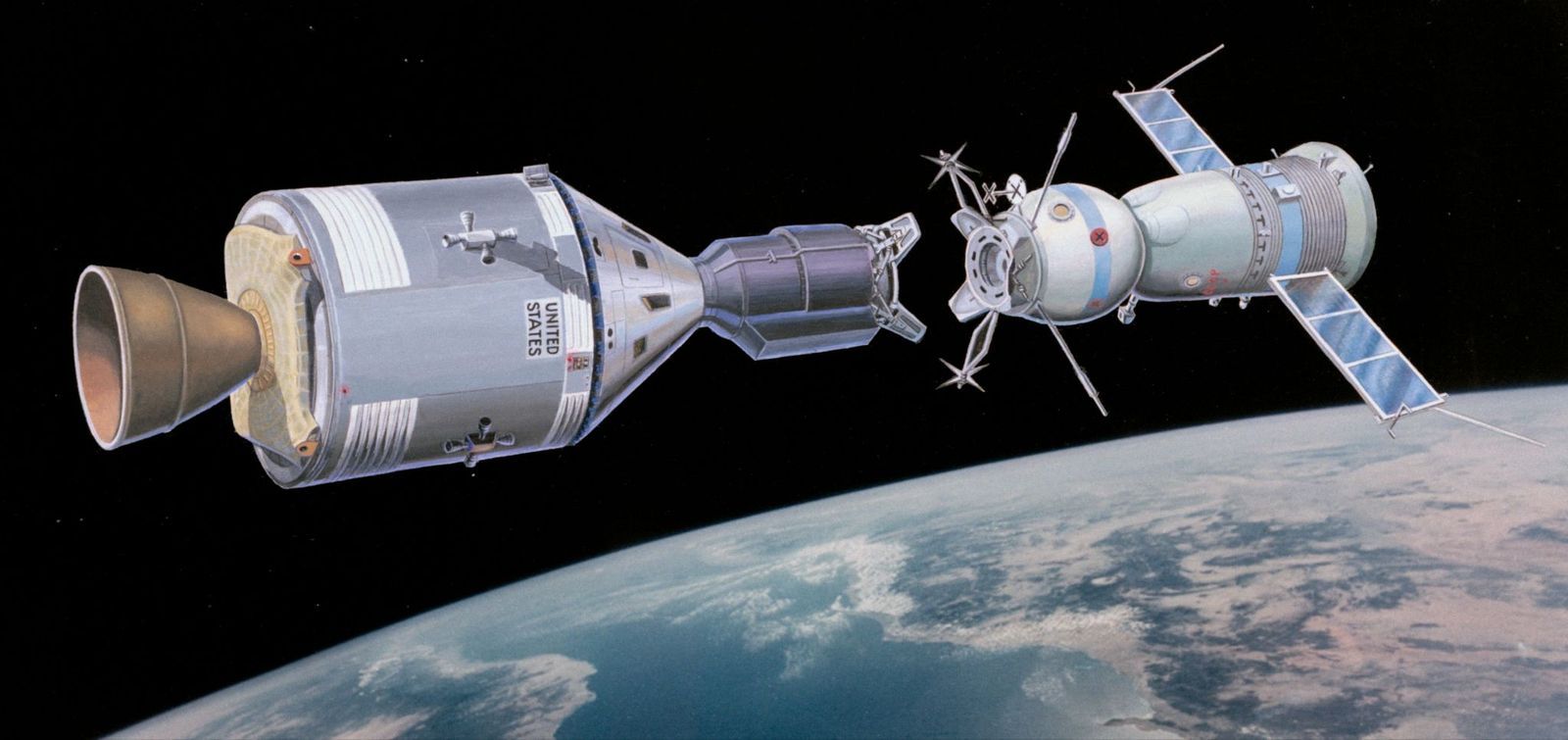
Image: R. Bruneau, Public domain, via Wikimedia Commons

On September 12, 1959, a Soviet spacecraft the size of a large beach ball lifted off from Baikonur, deep in the Kazakh steppe. Two days later, Luna 2 slammed into the Moon near the craters Aristillus and Autolycus , becoming the first human-made object to ever touch another world.

Engineers in Moscow had built in a strange detail: the probe carried small metal pennants stamped with the hammer and sickle, meant to scatter across the lunar surface on impact. The timing stung in Washington. Soviet premier Nikita Khrushchev arrived in the United States for a state visit just days later, carrying a replica pennant as a gift for President Eisenhower, a not-so-subtle reminder of who had reached the Moon first.

7
Apollo 11 concluded the initial Space Race
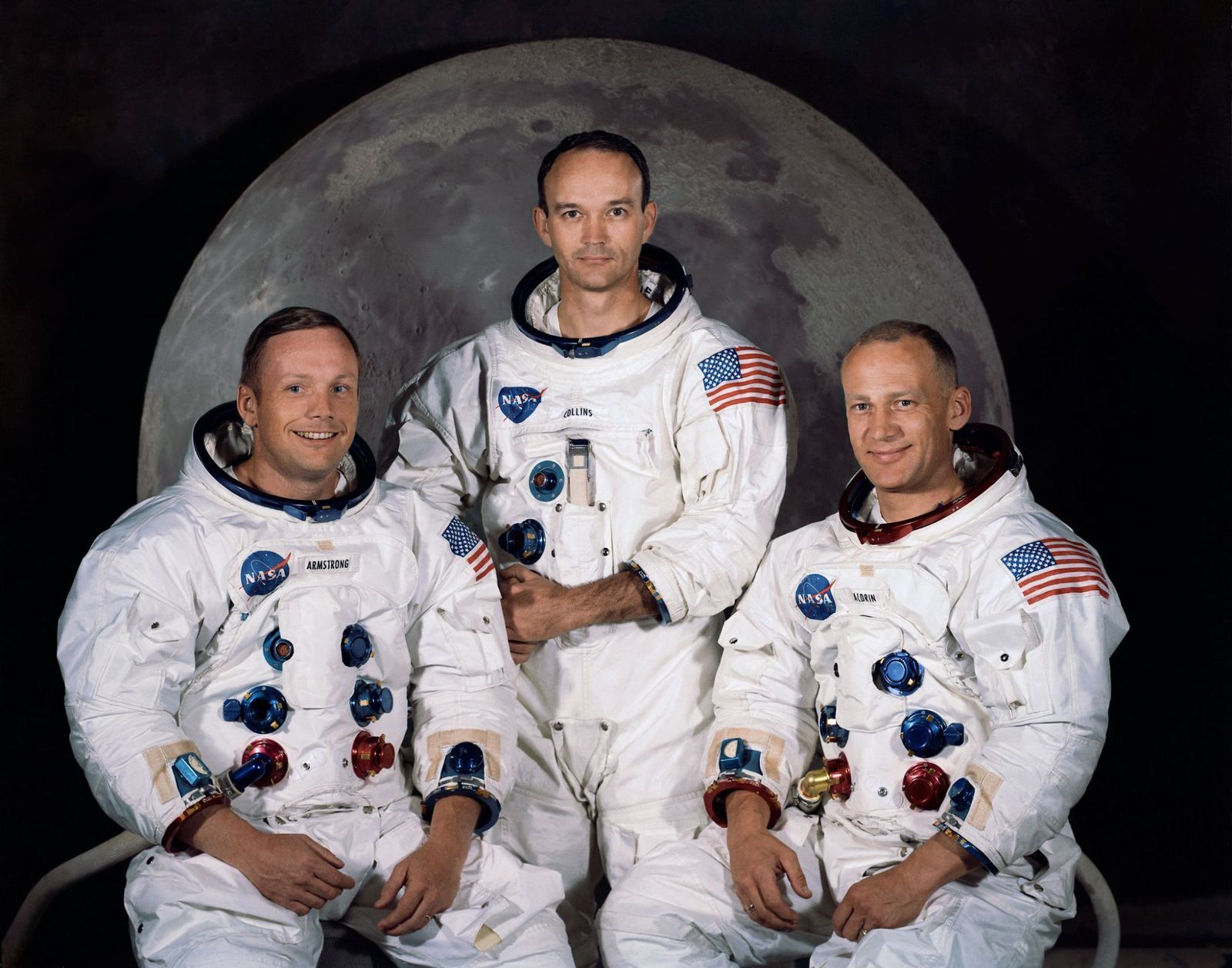
Image: NASA, Public domain, via Wikimedia Commons

In May 1961, President John F. Kennedy stood before Congress and made a promise that sounded impossible: the U.S. would land a man on the Moon and bring him home safely before the decade was out.

Eight years, several deaths, and one nearly disastrous fire later, Neil Armstrong stepped off the ladder of the lunar module Eagle on July 20, 1969 , and told millions watching on television that it was one small step for a man. Buzz Aldrin followed him down minutes later while Michael Collins orbited above in the command module. The landing settled a technological race that had begun with Sputnik in 1957, and for the United States, it closed the gap the Soviets had opened years earlier.

8
The lunar module was built without seats
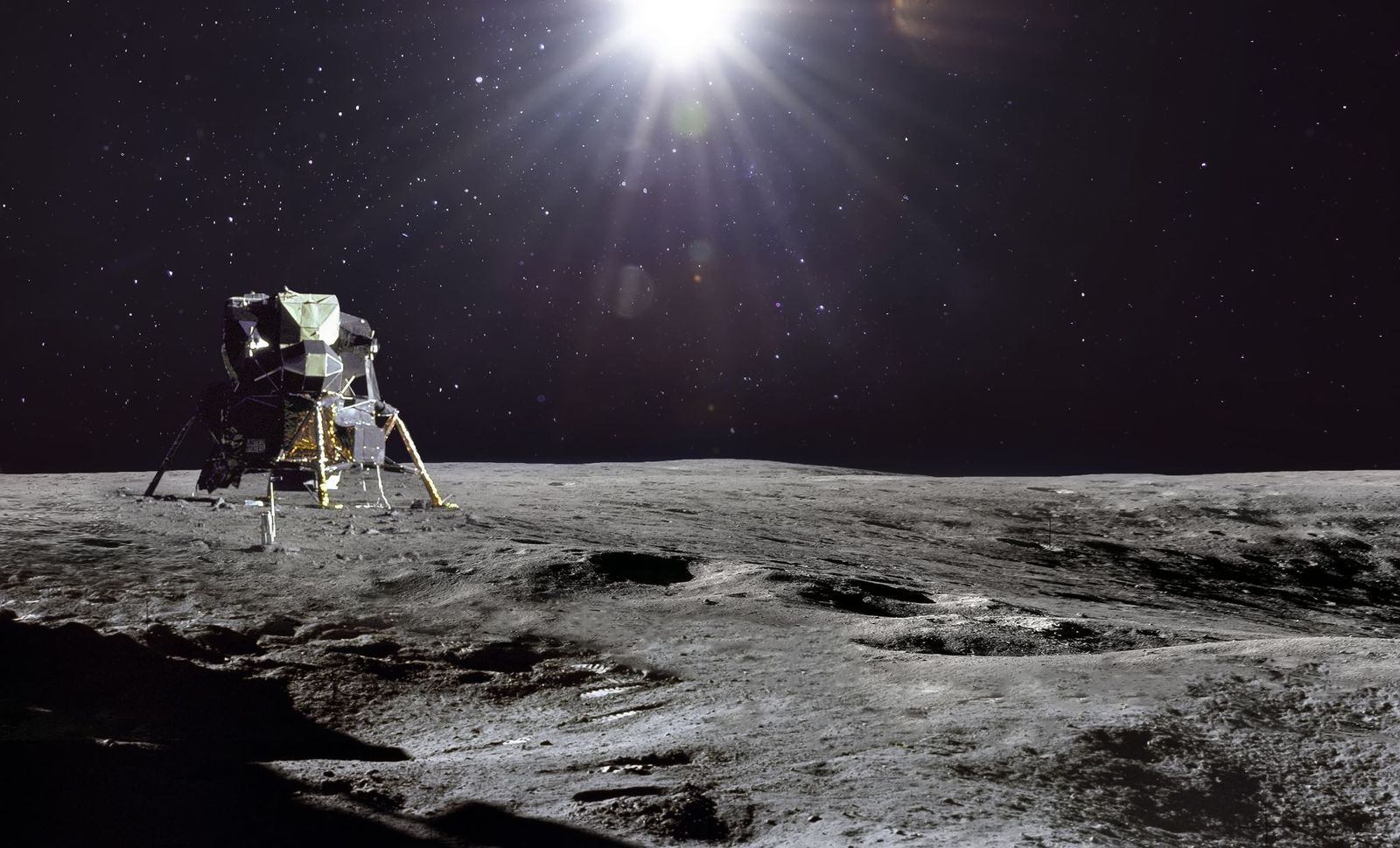
Image: Dima Zel

Every extra pound sent to the Moon meant thousands of extra pounds of fuel needed to get it there, so NASA engineers stripped the lunar module Eagle down to its bare essentials, cutting anything that was not strictly necessary for survival.

One of the first things to go was seating. Neil Armstrong and Buzz Aldrin flew their roughly 60-mile descent to the lunar surface standing up , held in place by cables and foot restraints, much like subway commuters gripping a pole during rush hour. Standing also gave the astronauts a clearer view out the small triangular windows, which mattered enormously once Armstrong realized the automatic system was steering them toward a boulder field. The decision made purely for weight savings ended up helping save the landing itself.

9
Apollo 11 astronauts signed an official customs declaration upon return
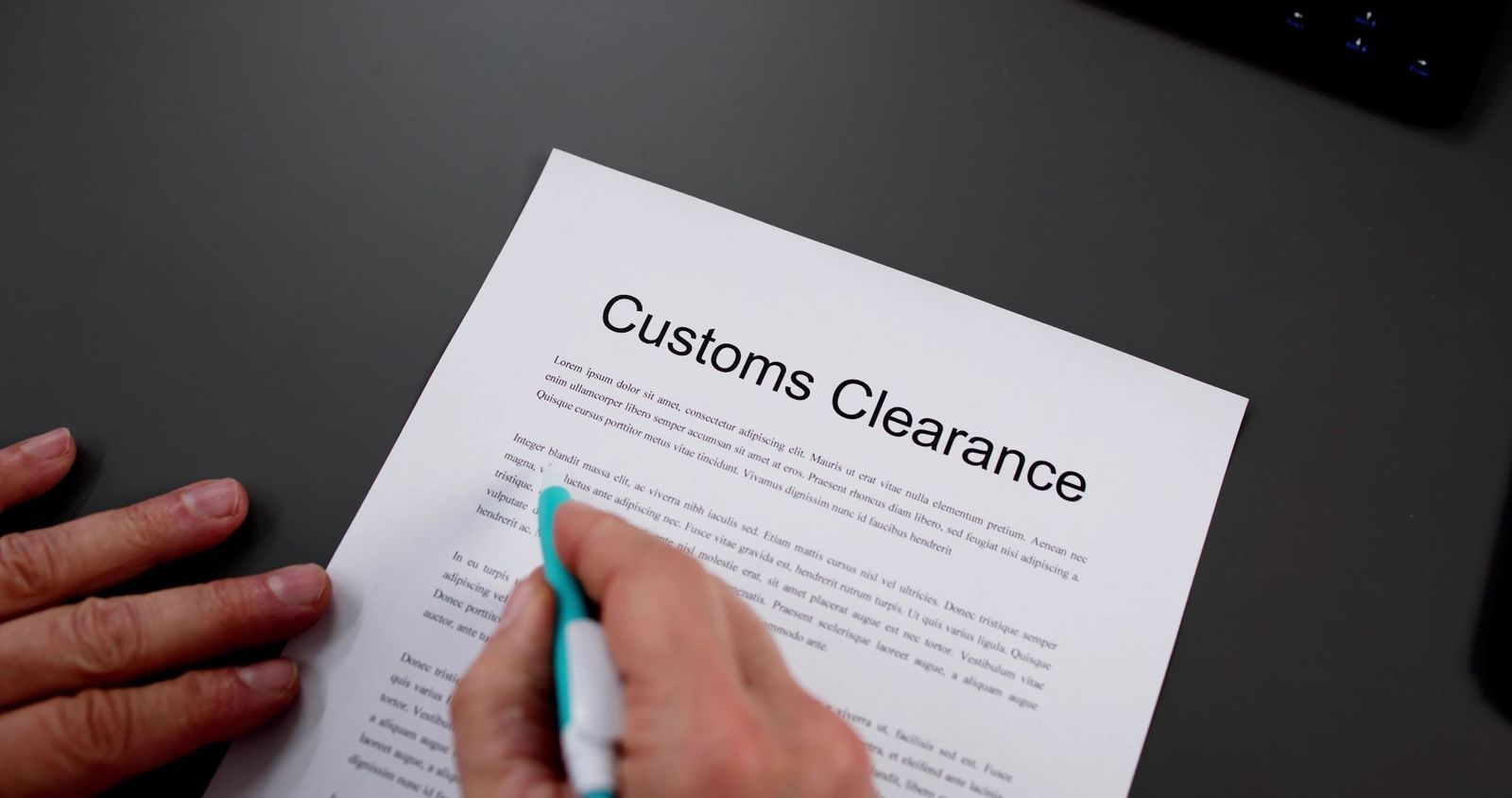
Image: Andrey_Popov

After traveling nearly half a million miles round trip, the crew of Apollo 11 still had one more piece of paperwork waiting for them back on Earth.

On July 24, 1969, the day their capsule splashed down in the Pacific near Hawaii, Neil Armstrong, Buzz Aldrin, and Michael Collins signed a standard United States Customs form filed at Honolulu Airport. Under departure point, the document read simply Moon. Arrival was listed as Honolulu, Hawaii. In the cargo section, the astronauts declared moon rock and moon dust samples, treating a piece of another world the same way any traveler might declare a bottle of duty-free perfume. The form even asked about any condition on board that could spread disease, and the honest answer at the time was simply to be determined.

10
Apollo 8 astronauts captured the "Earthrise" photograph
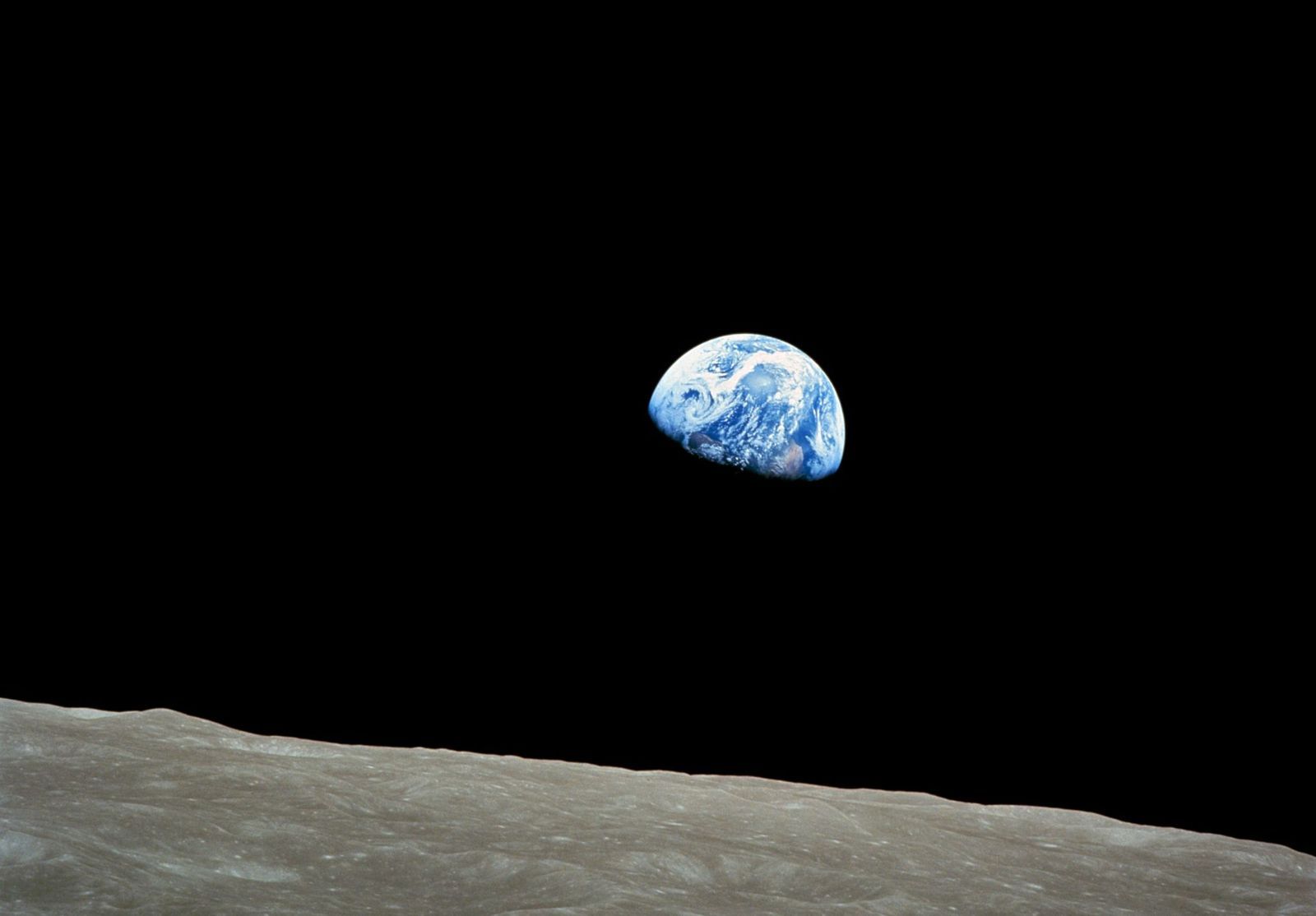
Image: National Aeronautics and Space Administration, Public domain, via Wikimedia Commons

On Christmas Eve of 1968, astronaut Bill Anders was aiming his camera at the gray, cratered surface below when something in the window caught his eye. Earth, blue and impossibly small, was rising over the lunar horizon.

Anders, Frank Borman, and Jim Lovell had just become the first humans to orbit the Moon, and none of NASA's flight plans had accounted for this moment. Anders grabbed a color film magazine and fired off the shot in a matter of seconds, later admitting the photo was never on the schedule. Back on Earth, the image ran in newspapers worldwide and is widely credited with helping launch the modern environmental movement, giving people their first real look at how fragile and alone their home planet truly is.
General General 3 min read

What’s in a nickname?

Did you know the stories behind the nicknames of these Americans?

Image: Capitol Records (File No. 3860-25)

Nicknames can be affectionate, teasing, intriguing—or all of these at once. Who comes up with the labels that remarkable people end up carrying forever, and what makes them stick? Here, we explore a list of quirky stories behind some of the most colorful nicknames in American history.

1
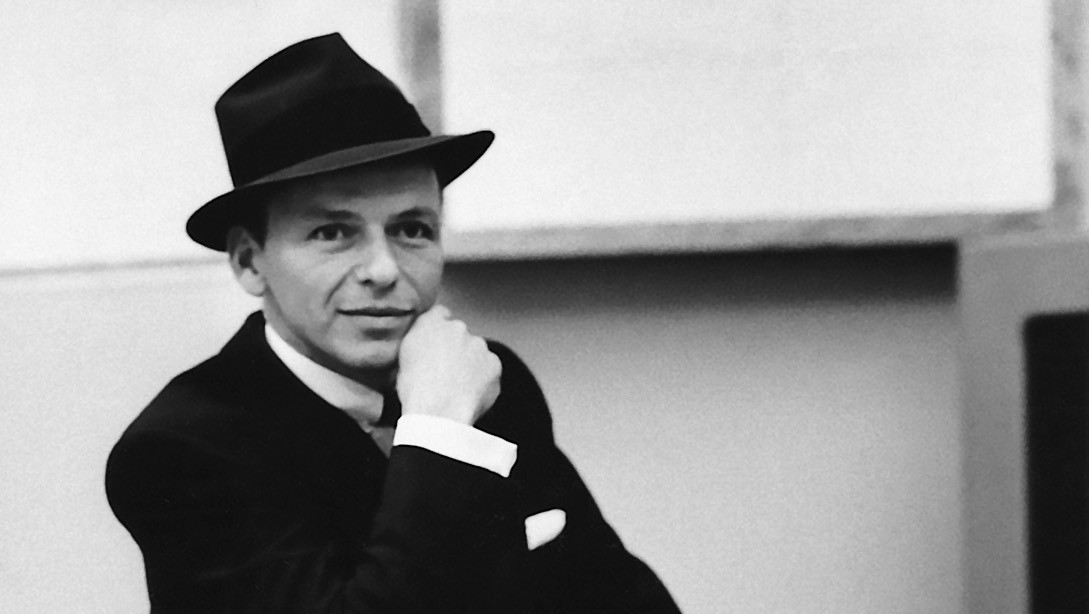
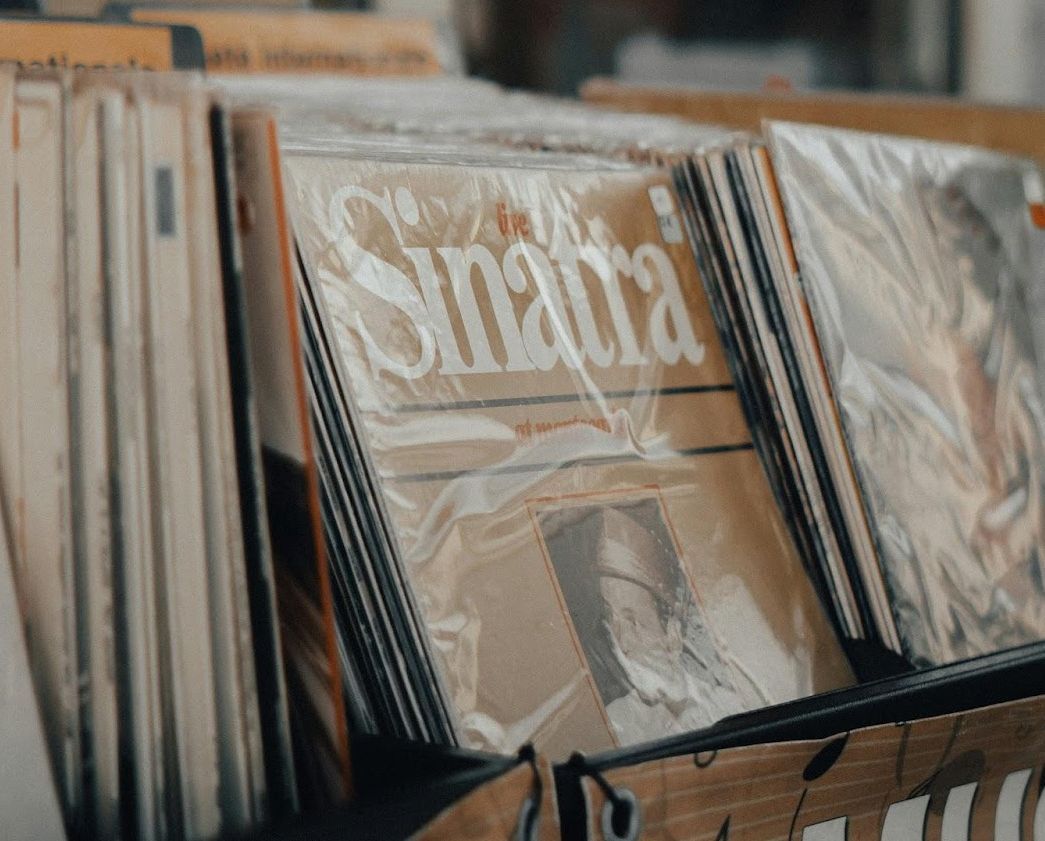
"The Chairman of the Board" – Frank Sinatra

Image: Ethan Rougon

Frank Sinatra co-founded Reprise Records in 1960, giving him full creative control over his music. The nickname "Chairman of the Board" was first used by radio host William B. Williams and quickly caught on. Although Sinatra didn’t particularly love it, the nickname came to symbolize his power and influence in the music industry.

2
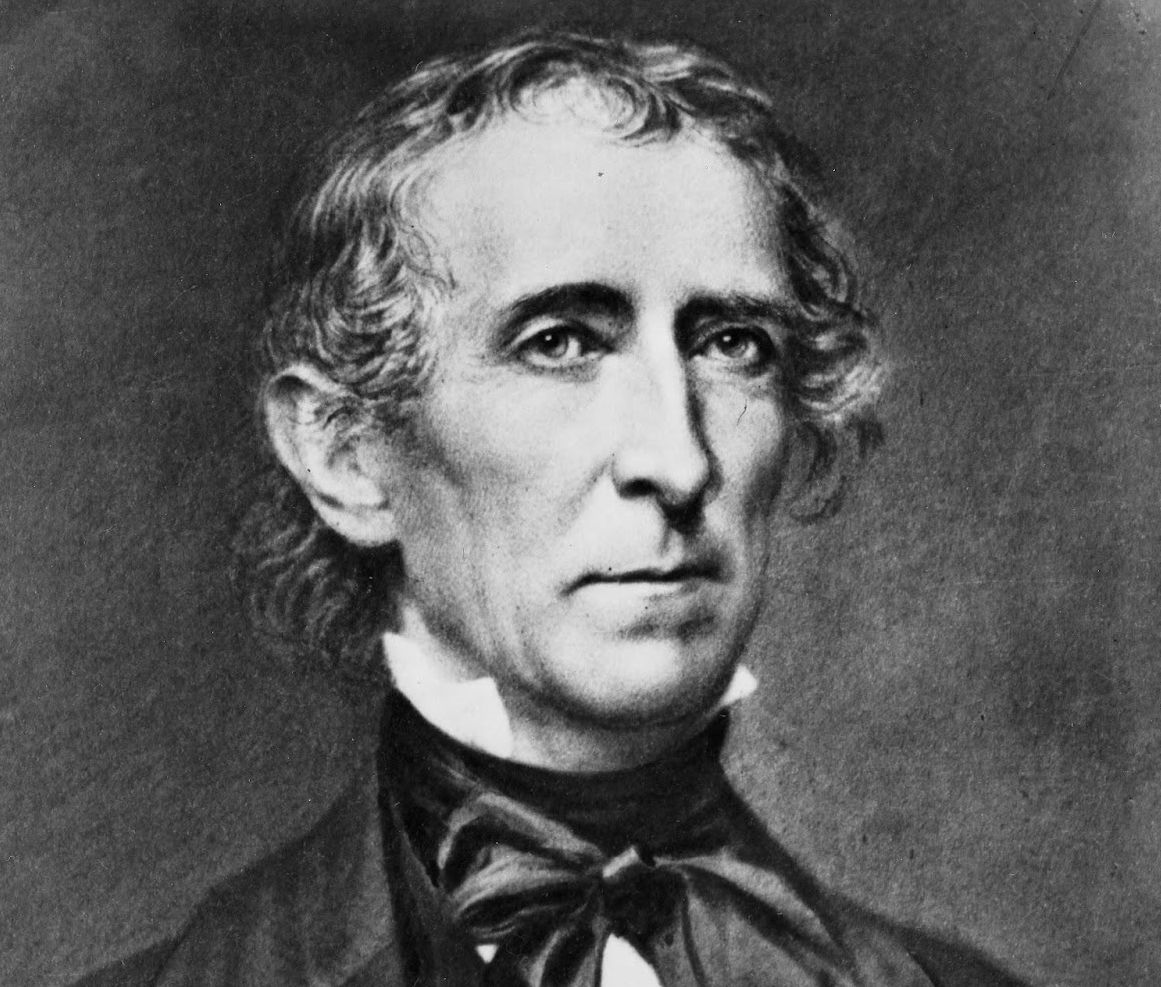
"His Accidency" – John Tyler

Image: Library of Congress

The 10th U.S. president earned this snarky nickname after unexpectedly taking office in 1841, when William Henry Harrison died just one month into his term.

It was the first time a vice president had assumed the presidency due to a president’s death, and many questioned the legitimacy of his authority. His critics called him "His Accidency," a somewhat unfriendly pun that stuck.

3
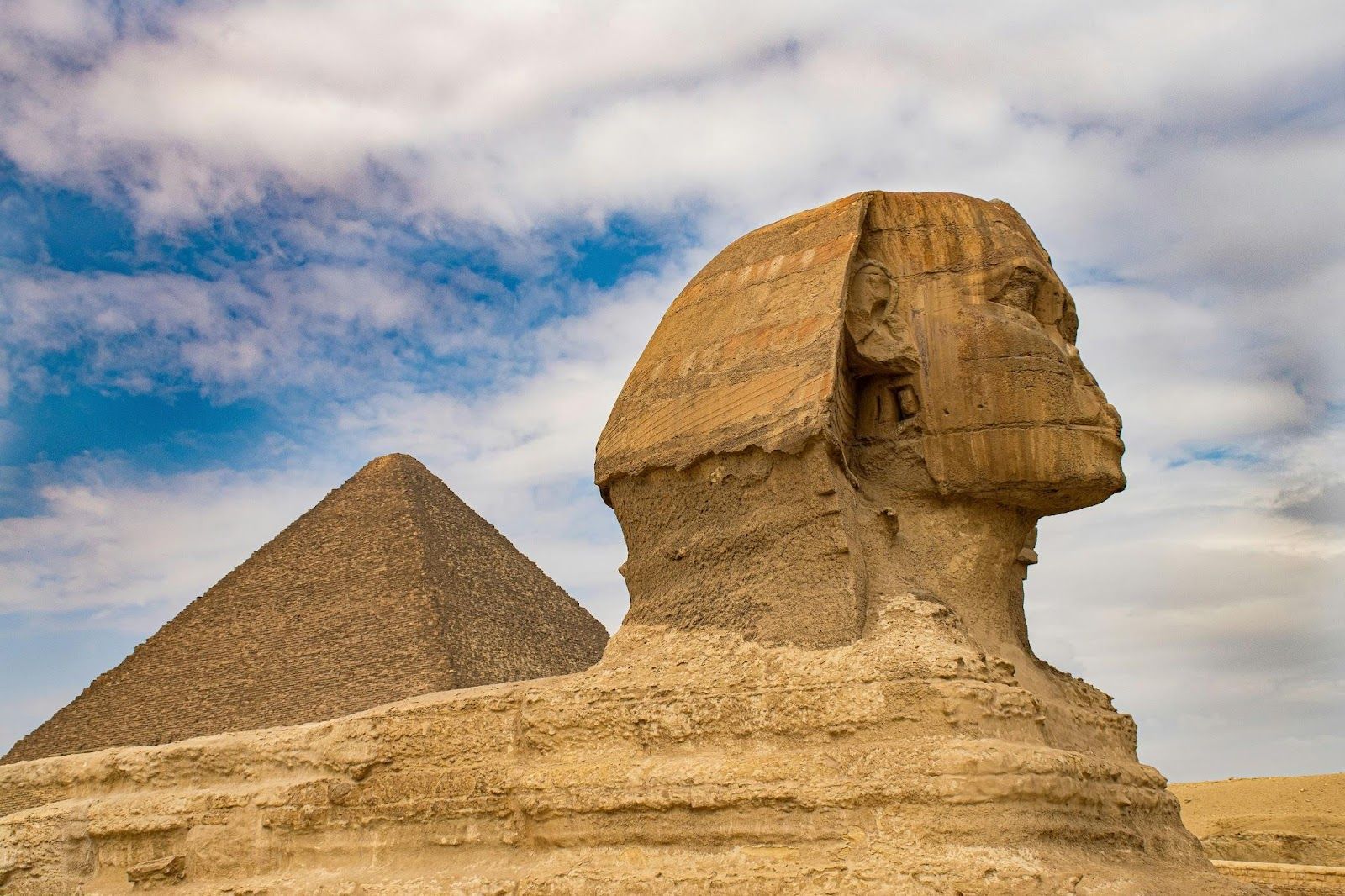
"The Sphinx of the Potomac" – Calvin Coolidge

Image: Lea Kobal

President from 1923 to 1929, Coolidge was notoriously silent and stoic. His reluctance to speak in public and his poker-faced demeanor earned him the nickname "The Sphinx of the Potomac," a nod to the famous Egyptian statue and his Washington, D.C. post. One oft-repeated anecdote claims he once remarked, "I have nothing to say."

4
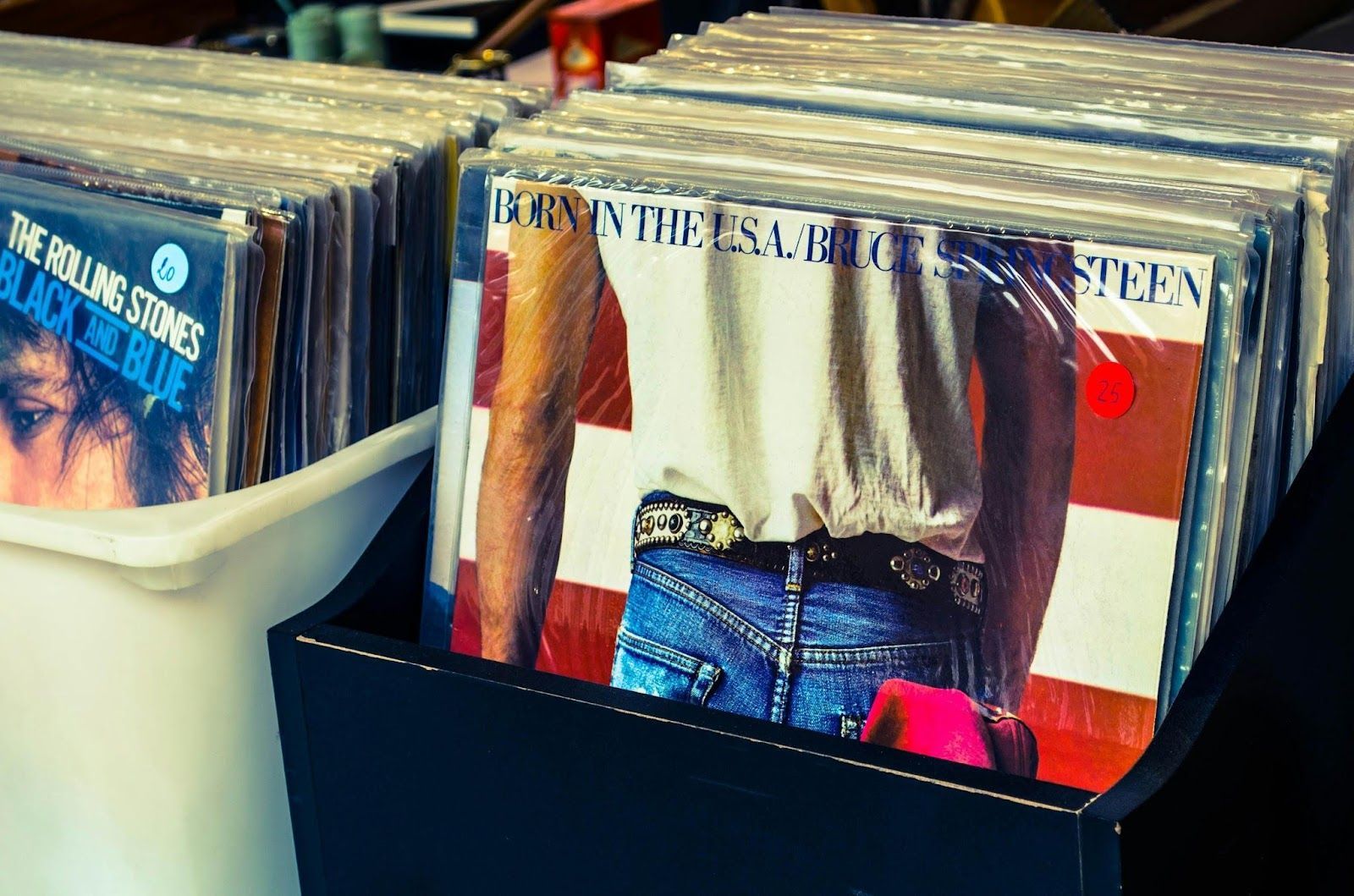
"The Boss" – Bruce Springsteen

Image: Jose Antonio Gallego Vázquez

Bruce Springsteen earned this nickname in the early days of playing Jersey Shore clubs, where he was responsible for collecting and distributing gig money to his band. Originally an internal nickname within the group, it quickly caught on with the media. Ironically, Springsteen has admitted that he’s never really liked being called "The Boss."

5
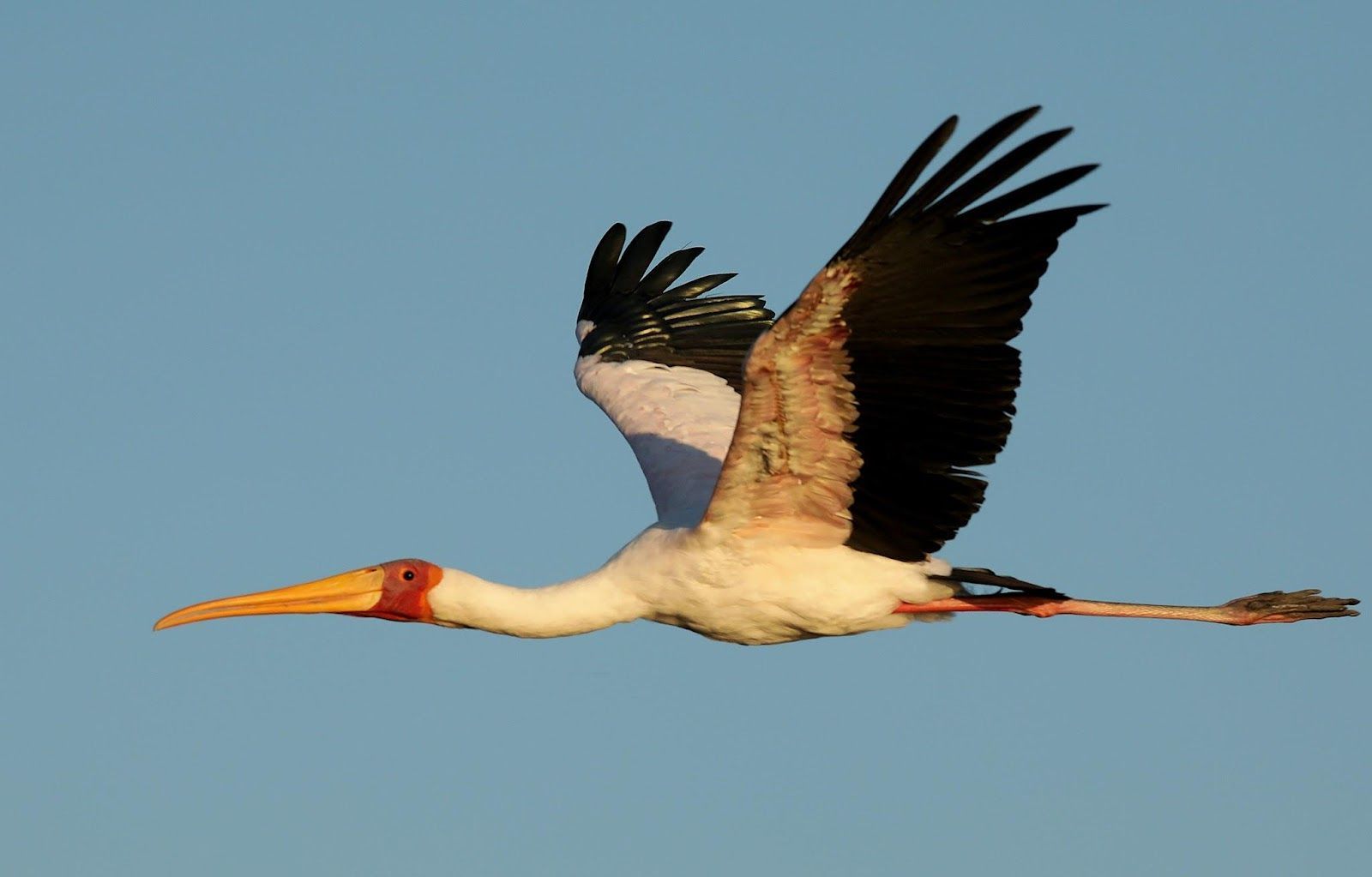
"The Mad Stork" – Ted Hendricks

Image: Wynand Uys

This Hall of Fame linebacker for the Raiders stood 6’7" and had a long, lanky build. His towering figure and unpredictable style of play earned him the nickname "The Mad Stork." Despite the unusual moniker, he was a feared and legendary player in the NFL.

6
"The Snake" – Ken Stabler

Image: Timothy Dykes

Another Raiders legend, quarterback Ken Stabler, earned the nickname "The Snake" from his college coach after a long, twisting touchdown run. The name stuck because he became known for his slippery, cool-headed play under pressure.

7
"Jane the Grabber" – Hester Jane Haskins

Image: sombre

A dark figure in 19th-century New York, Hester Jane Haskins was a "procuress," luring women with promises of work and then forcing them into brothels. Her nickname, "Jane the Grabber," became infamous in the press.

8
"The Black Swallow of Death" – Eugene Bullard

Image: Heather Wilde

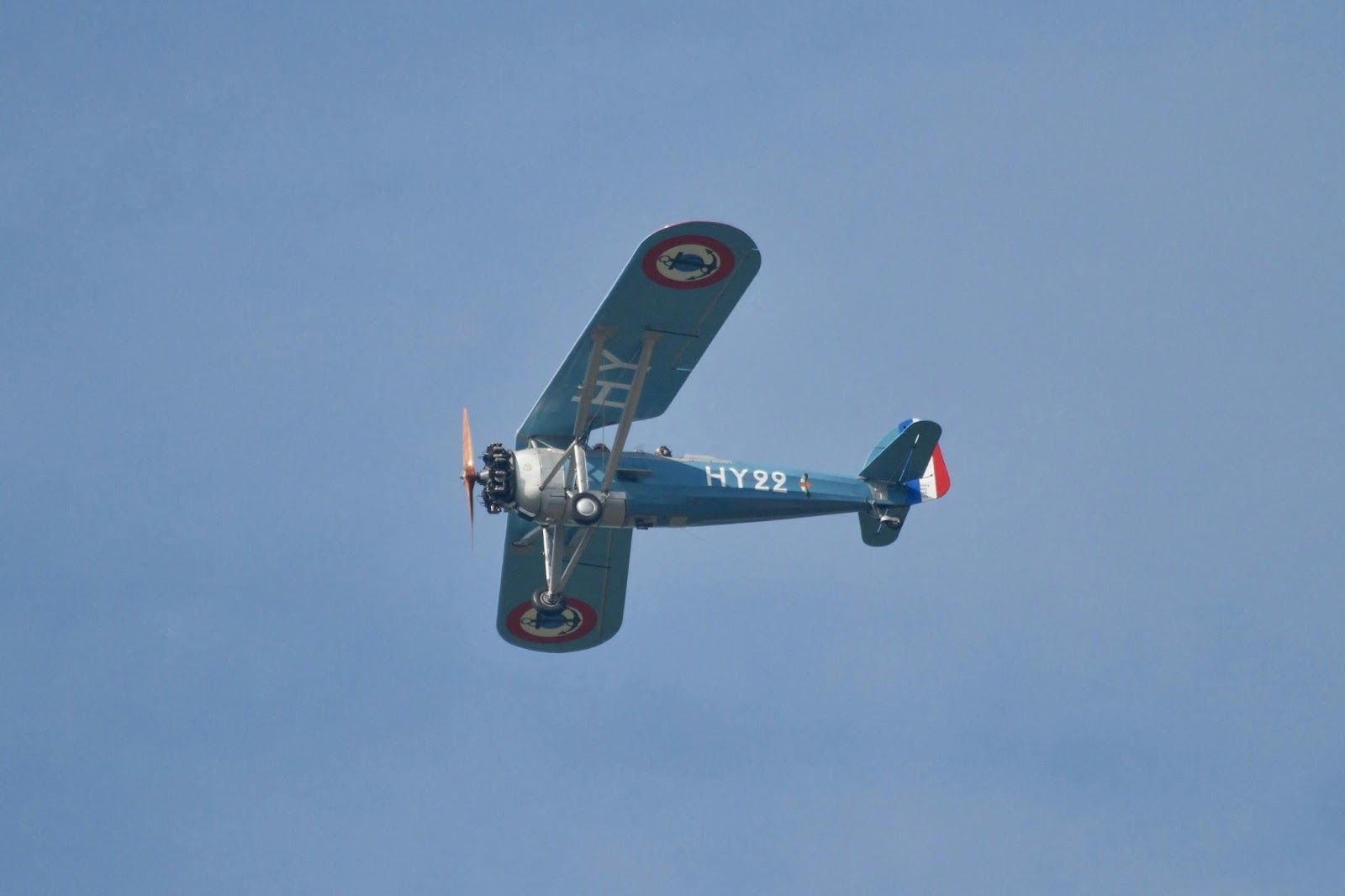
Born in Georgia and later a French WWI pilot, Eugene Bullard was the first African American military pilot. He earned the nickname "The Black Swallow of Death" for his fearless flying and deadly accuracy. Despite his heroism, he still faced racial discrimination upon returning to the U.S.

9
"Little Miss Sure Shot" – Annie Oakley

Image: Jp Valery

Annie Oakley was a folk heroine and a famed sharpshooter from an early age. She earned the nickname "Little Miss Sure Shot" from the Native American leader Sitting Bull, who bestowed it after watching her flawless shooting in Buffalo Bill’s Wild West show.

10
"Kid Gloves" – Benjamin Harrison

Image: Aaron Lefler

Benjamin Harrison, the 23rd president, frequently wore soft kid-leather gloves in public due to hand ailments. Political opponents seized the opportunity to mock his stiff demeanor and perceived elitism, dubbing him "Kid Gloves." The nickname pointed not only to his physical appearance but also to his aloof attitude.

History History 5 min read

Female pioneers

Did you know a First Lady once ran the U.S. after her husband's stroke?

Image: FDR Presidential Library & Museum, CC BY 2.0, via Wikimedia Commons

Not all First Ladies were content to simply smile and wave. Some of them shaped American history in ways we still feel today: one redecorated the White House and captivated the world, another quietly ran the country after her husband’s stroke, and yet another one went public about deeply personal issues at a time when no one dared. Here’s a look at ten of the most impactful women to ever call the White House home.

1
Jackie Kennedy (1961–1963)

Image: The U.S. National Archives, Public domain, via Wikimedia Commons

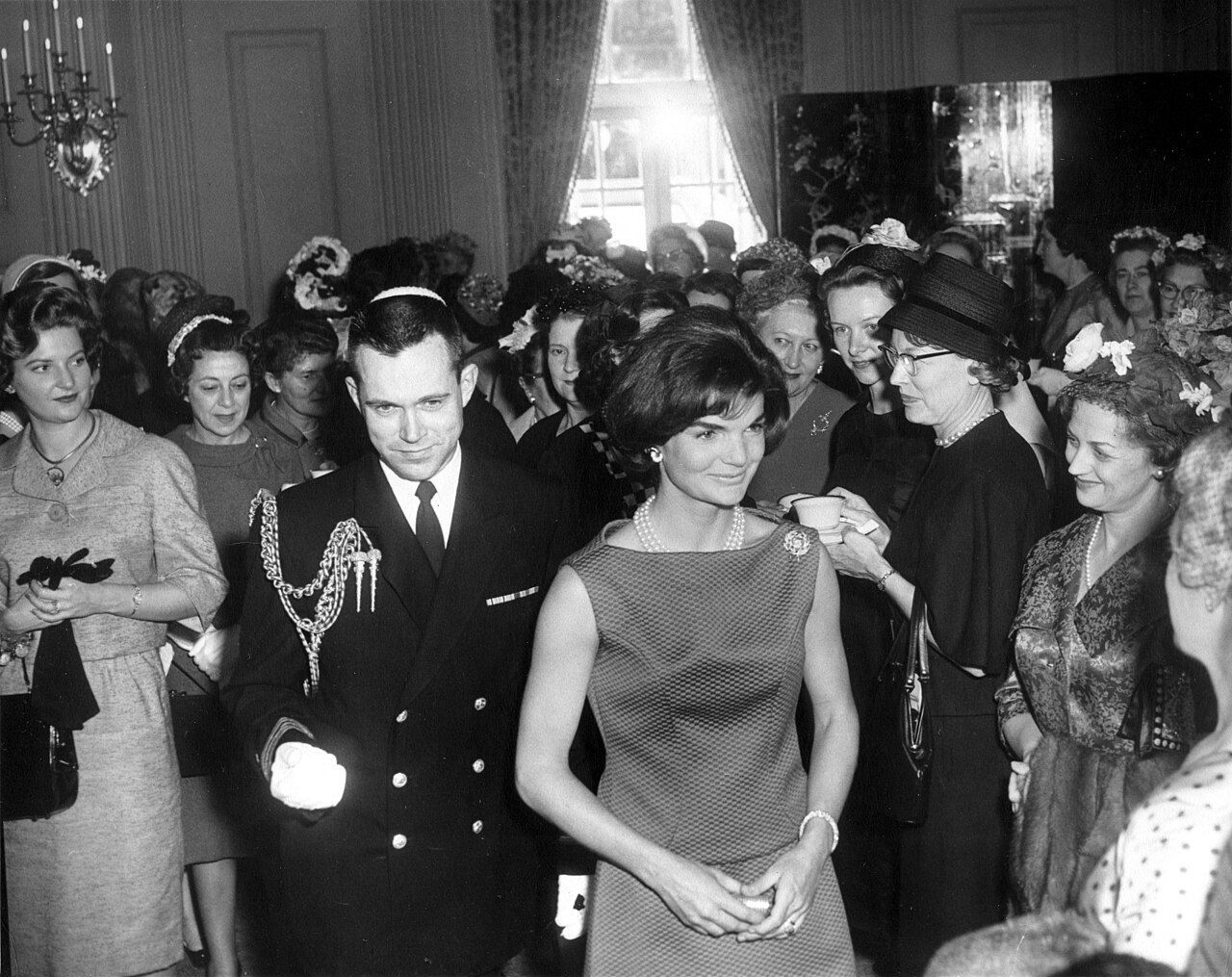
Jackie Kennedy brought elegance, culture, and a whole lot of style to the White House. But she was much more than a fashion icon : She led a historic restoration of the White House and made sure Americans saw it as a true national treasure through a famous televised tour in 1962.

Her poise during the devastating days following her husband’s assassination gave the country something to hold onto in a time of profound national grief.

2
Eleanor Roosevelt (1933–1945)

Image: FDR Presidential Library & Museum, CC BY 2.0, via Wikimedia Commons

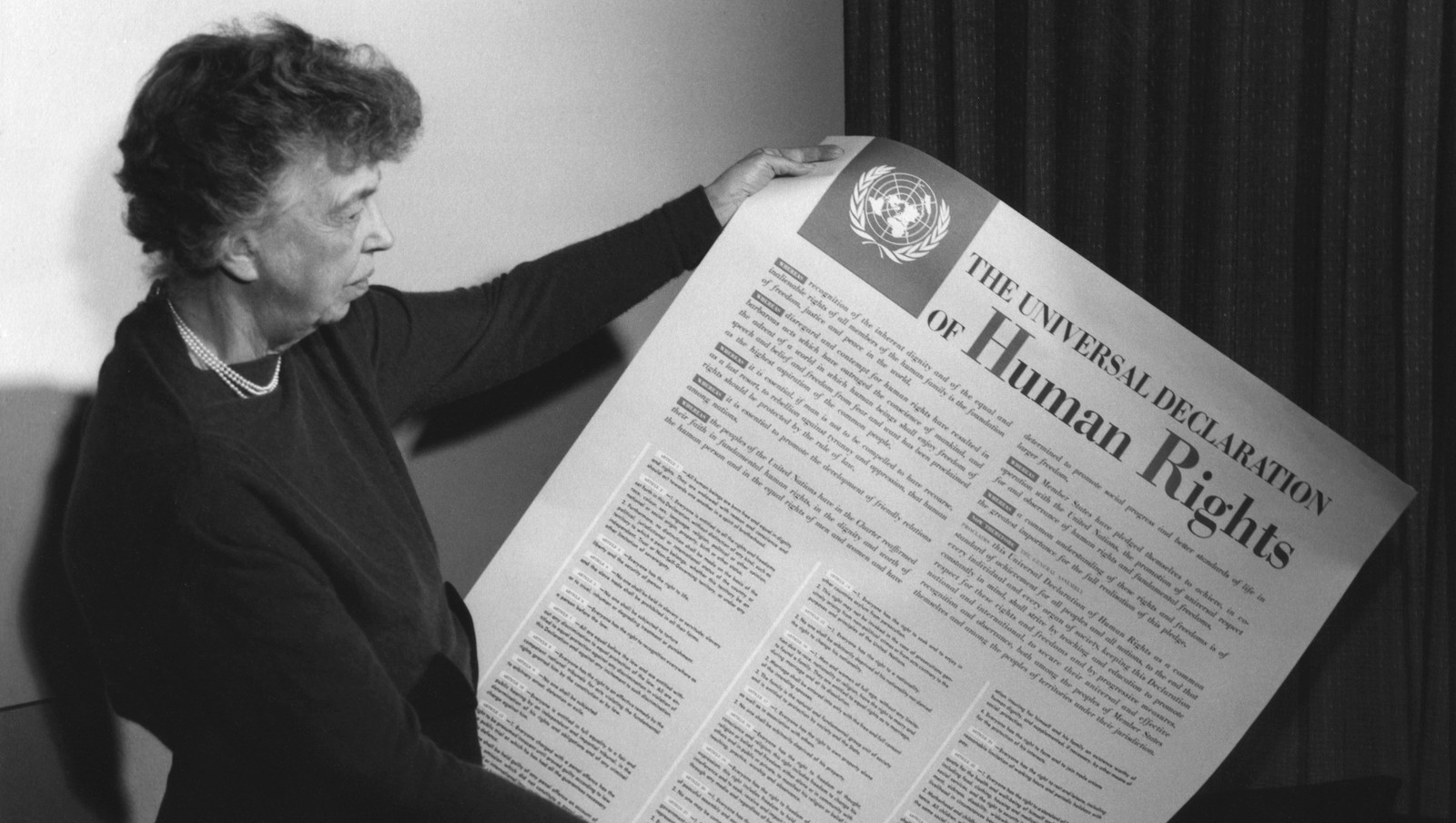
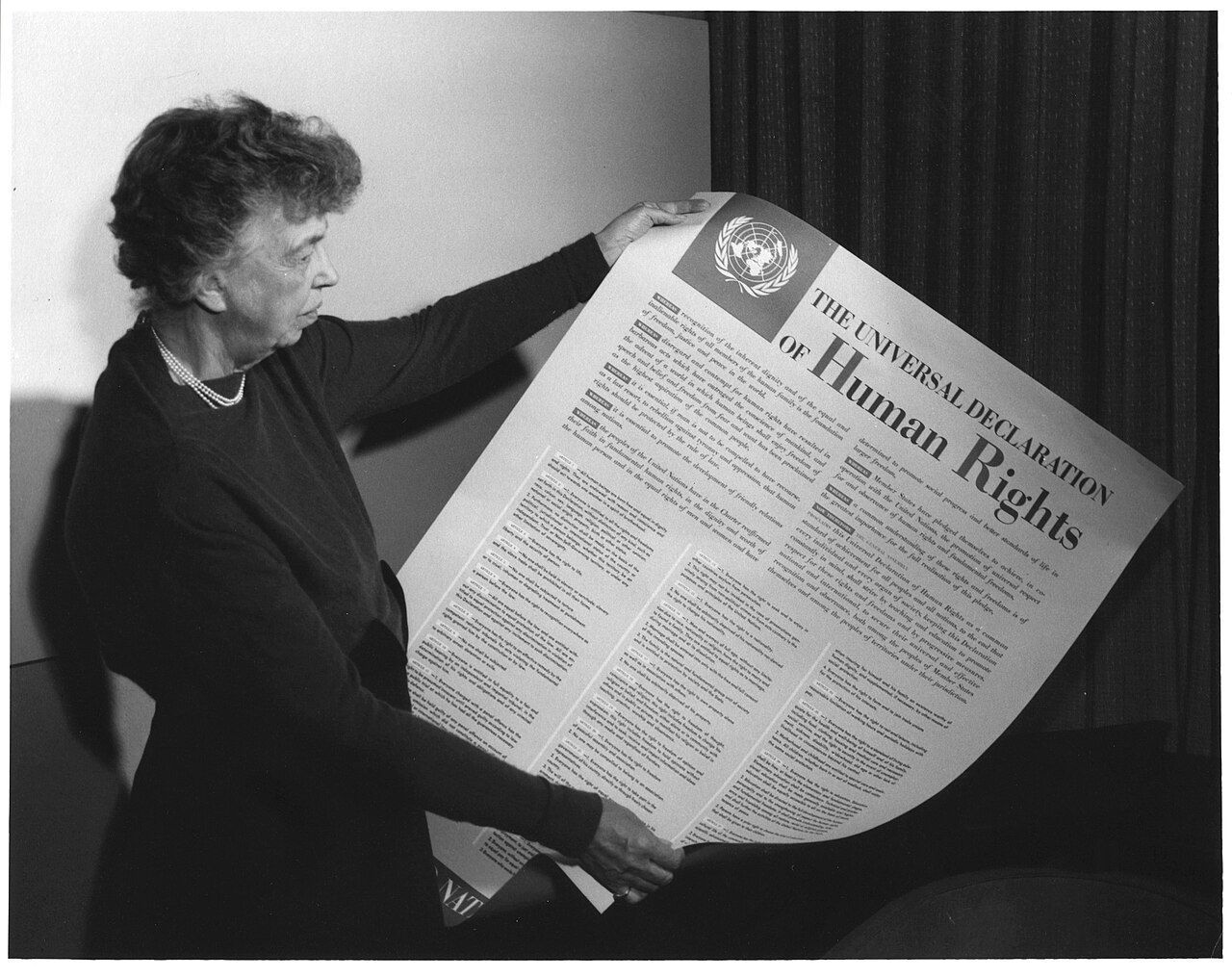
Eleanor Roosevelt completely redefined what a First Lady could be . She held press conferences, wrote a daily newspaper column, traveled the country during the Great Depression, and pushed her husband, Franklin Delano Roosevelt, hard on civil rights.

After President Franklin died, she kept going, serving as a U.S. delegate to the United Nations and helping to draft the Universal Declaration of Human Rights. Simply put, she is the gold standard of First Ladies.

3
Betty Ford (1974–1977)

Image: Courtesy Gerald R. Ford Library, Public domain, via Wikimedia Commons

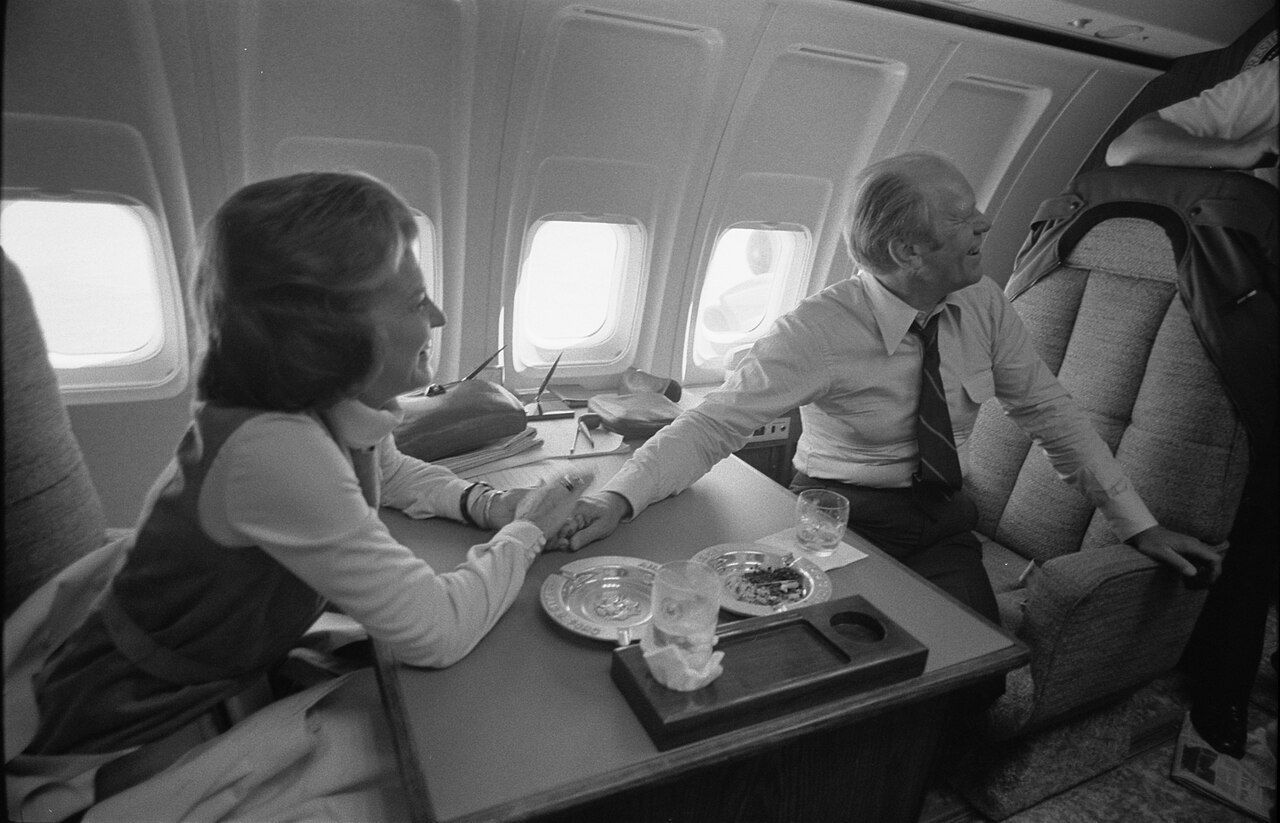
Betty Ford was refreshingly honest for a First Lady. She spoke openly about her breast cancer diagnosis at a time when people barely dared to whisper the word, and her candor is credited with encouraging countless women to get mammograms.

After leaving the White House, she went public about her struggles with substance abuse and founded the Betty Ford Center, which has helped thousands of people get sober over the years. She turned personal hardship into public good .

4
Dolley Madison (1809–1817)

Image: Ryan Ritter, Public domain, via Wikimedia Commons

Dolley Madison turned the White House into a lively gathering place. She also used her dinner parties to help James Madison smooth over political feuds that might otherwise have blown up.

Her most famous moment was when the British invaded in 1814 and set the White House on fire, and Dolley stayed behind just long enough to save a portrait of George Washington .

5
Edith Wilson (1915–1921)

Image: Woodrow Wilson Presidential Library Archives from Staunton, VA, No restrictions, via Wikimedia Commons

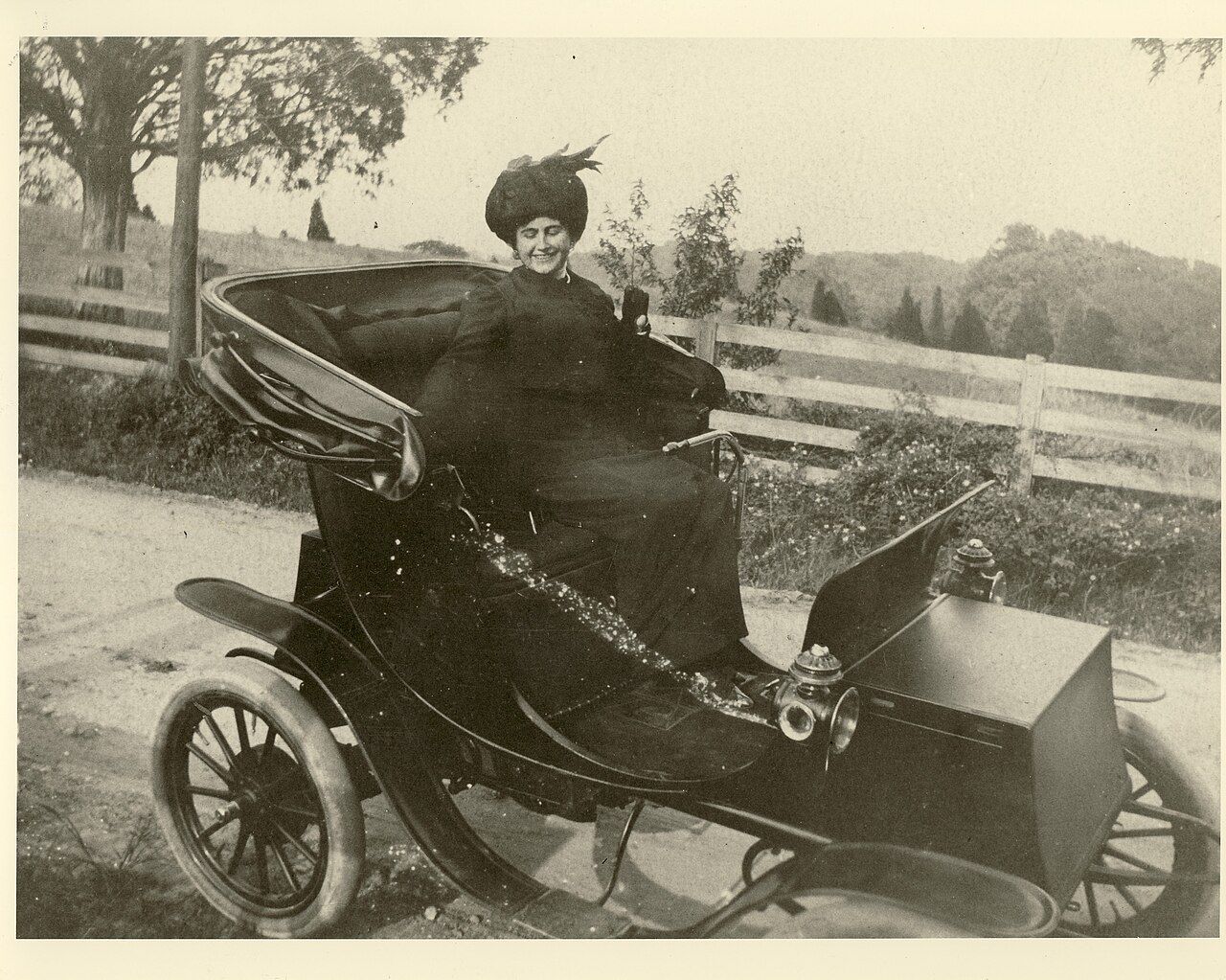
When President Woodrow Wilson suffered a severe stroke in 1919, Edith didn't just stand by his side: she basically ran the show . She controlled who could see the president, filtered his communications, and made key decisions about what information reached him. In a time when women couldn't even vote yet, Edith Wilson played a key role in keeping the nation afloat during her husband's sickness.

6
Mary Todd Lincoln (1861–1865)

Image: Adam Jones from Kelowna, BC, Canada, CC BY-SA 2.0, via Wikimedia Commons

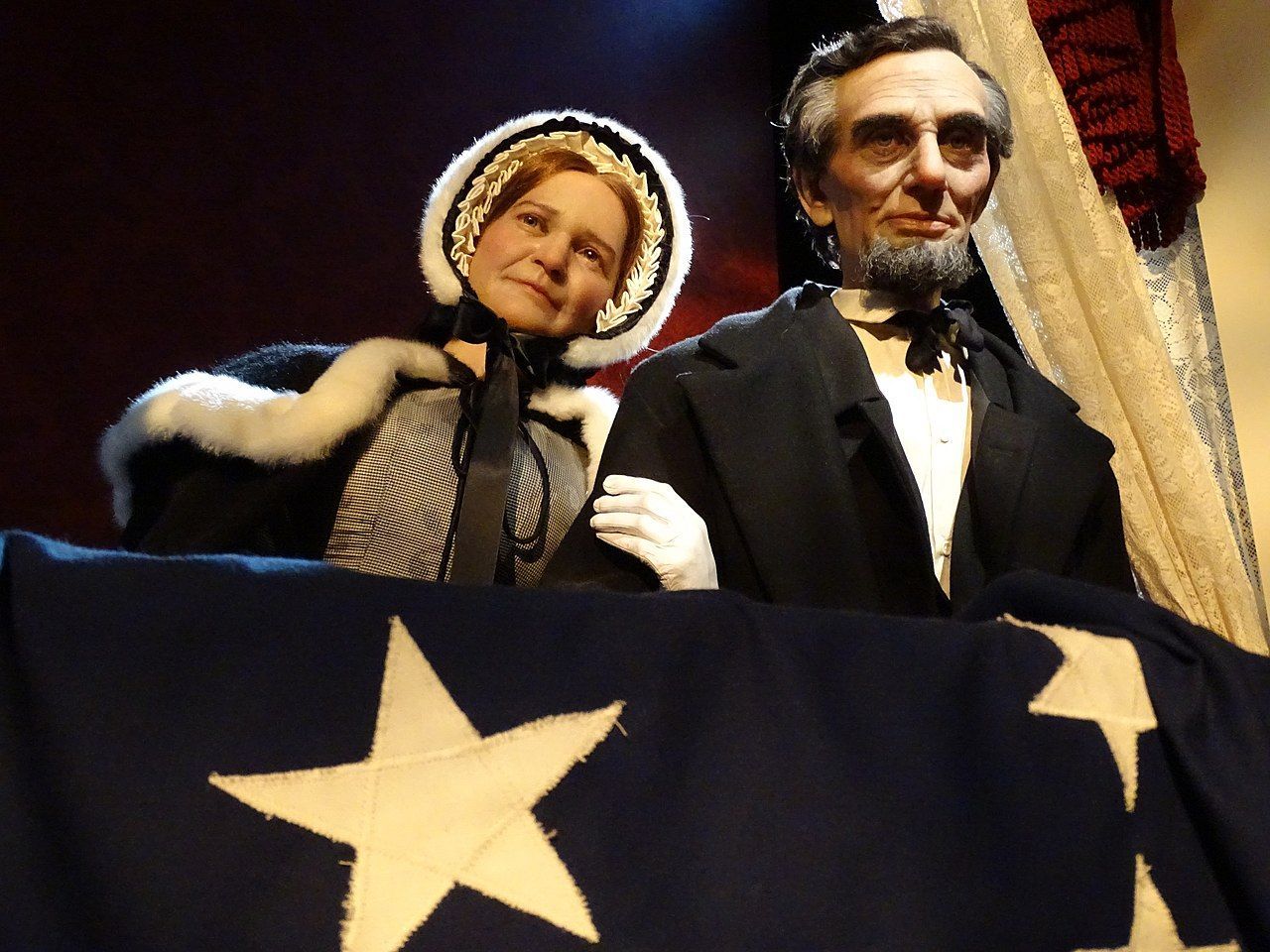
Mary Todd Lincoln had one of the hardest roles any First Lady has ever faced: supporting a president through the Civil War while grieving the death of their son. She was sharp, opinionated, and deeply involved in her husband Abraham's presidency.

While she was often criticized during her time by political opponents, history has been kinder to her, recognizing that she was a complex, intelligent woman navigating an almost impossible situation.

7
Lou Henry Hoover

Image: ShenandoahNPS, Public domain, via Wikimedia Commons

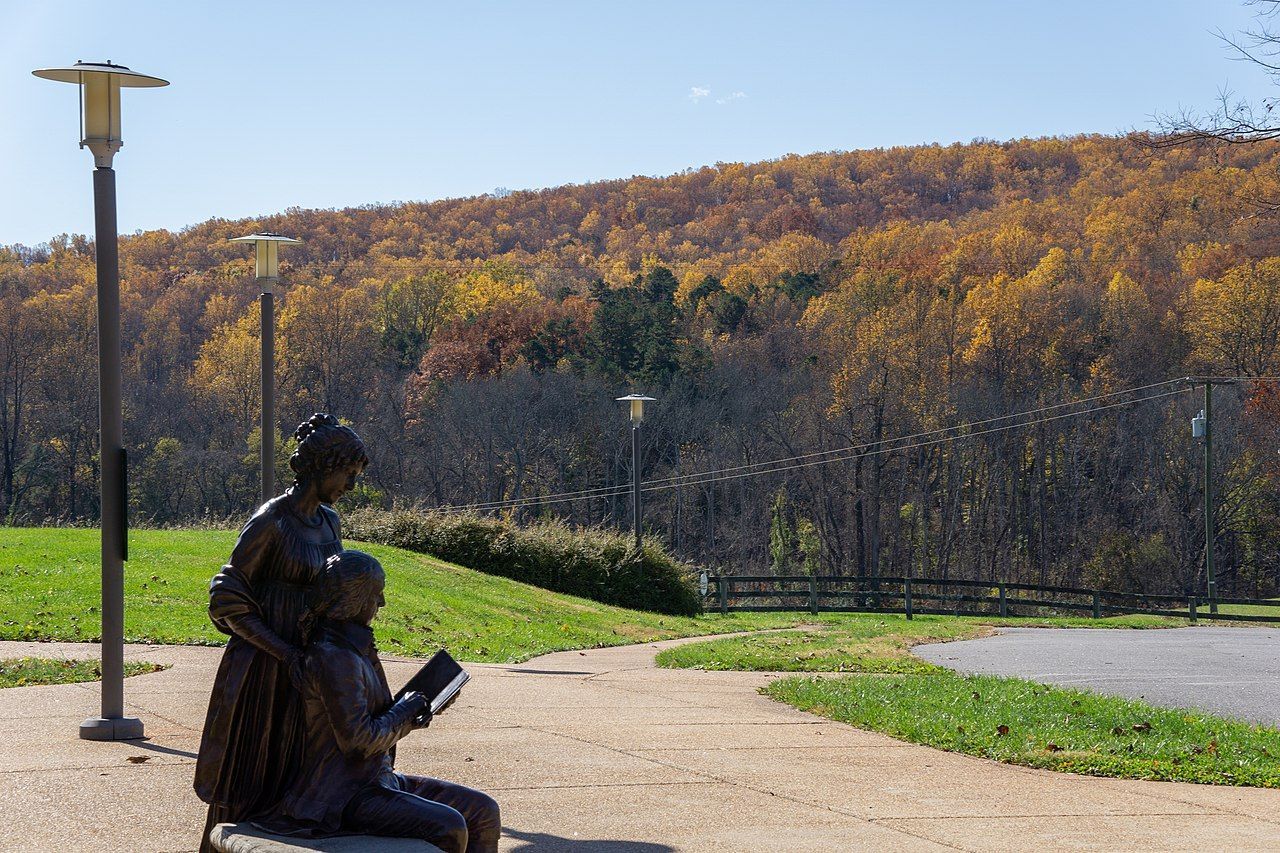
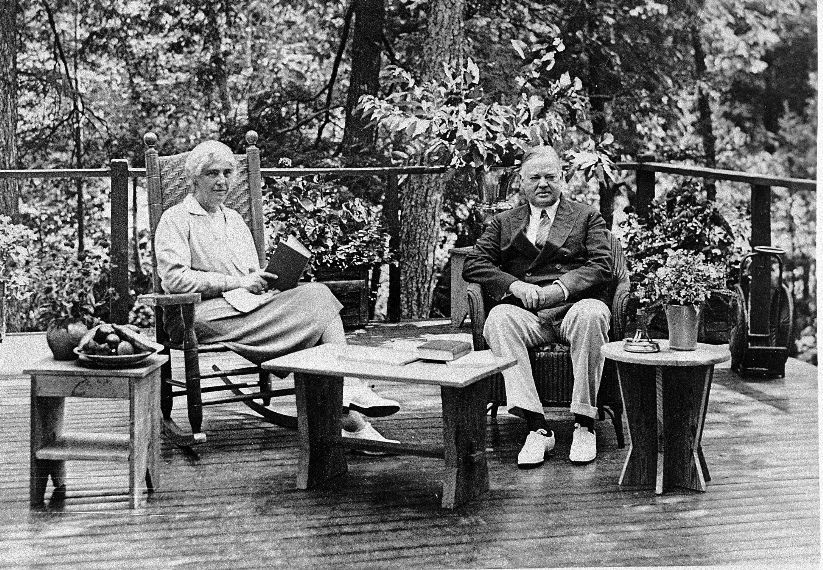
Lou Henry Hoover brought an intellect to the White House unlike almost any First Lady before her during Herbert Hoover's presidency (1929-1933). A Stanford-educated geologist who spoke five languages, she was an accomplished woman in her own right at a time when that was genuinely rare . When the Great Depression hit, she used her own personal funds to quietly help White House staff and struggling families, often anonymously.

Her most lasting legacy was her passionate dedication to the Girl Scouts of America. She championed the idea that young women deserved the same opportunities for outdoor education and leadership development as young men, and she funded troops in underserved communities. In 1933, she became the first First Lady to deliver a solo nationwide radio broadcast, using the platform to call on Americans to support their neighbors during the crushing hardships of the Depression.

8
Lady Bird Johnson (1963–1969)

Image: Frank Wolfe, Public domain, via Wikimedia Commons

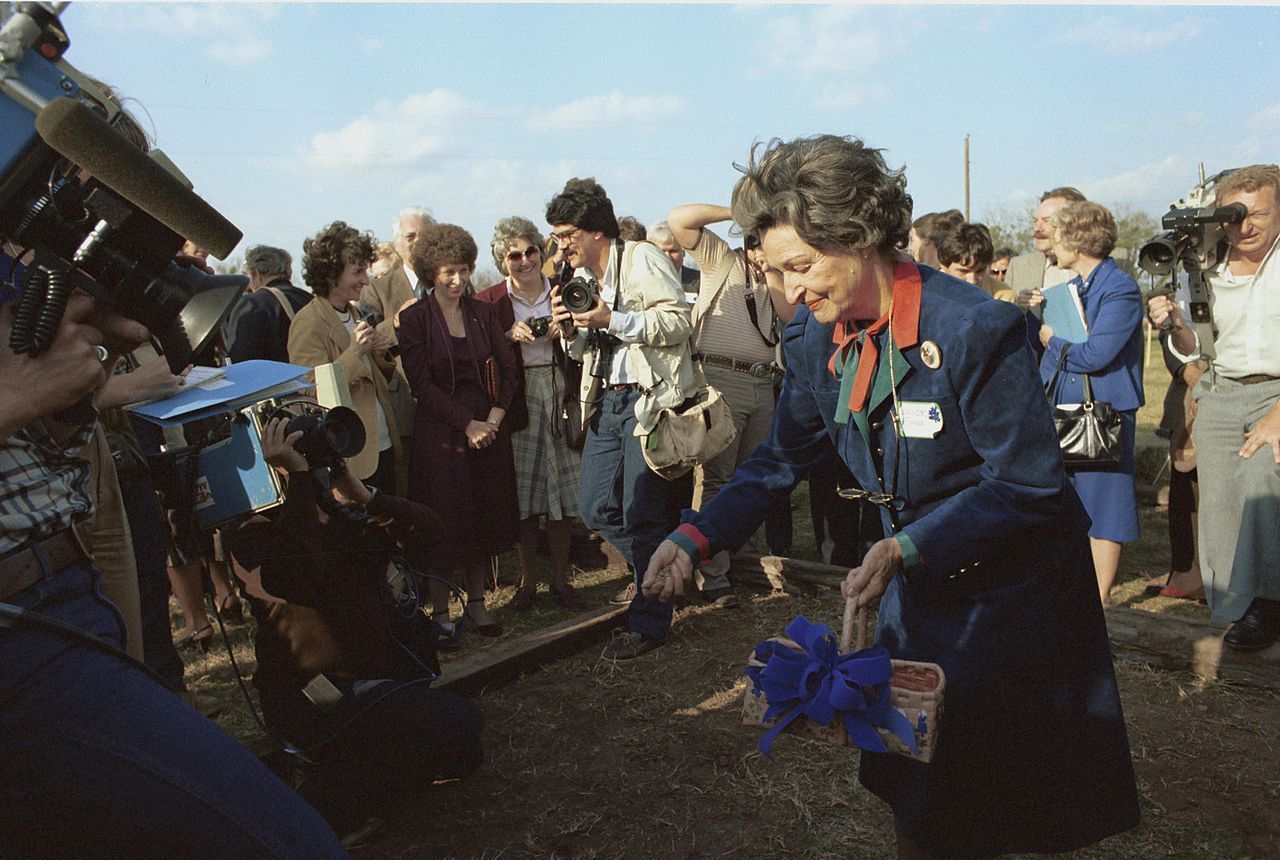
Lady Bird Johnson championed the Highway Beautification Act of 1965 , a landmark piece of legislation that regulated billboards and junkyards along federal highways and promoted the planting of native wildflowers across the country. She worked closely with the National Park Service , helped establish or improve numerous parks and green spaces, and brought conservation to the center of the national conversation at a time when few politicians were willing to do so.

She also ran the White House with great skill and was a key behind-the-scenes supporter of Lyndon B. Johnson’s ambitious Great Society programs.

9
Abigail Adams (1797-1801)

Image: Christian Schussele, Public domain, via Wikimedia Commons

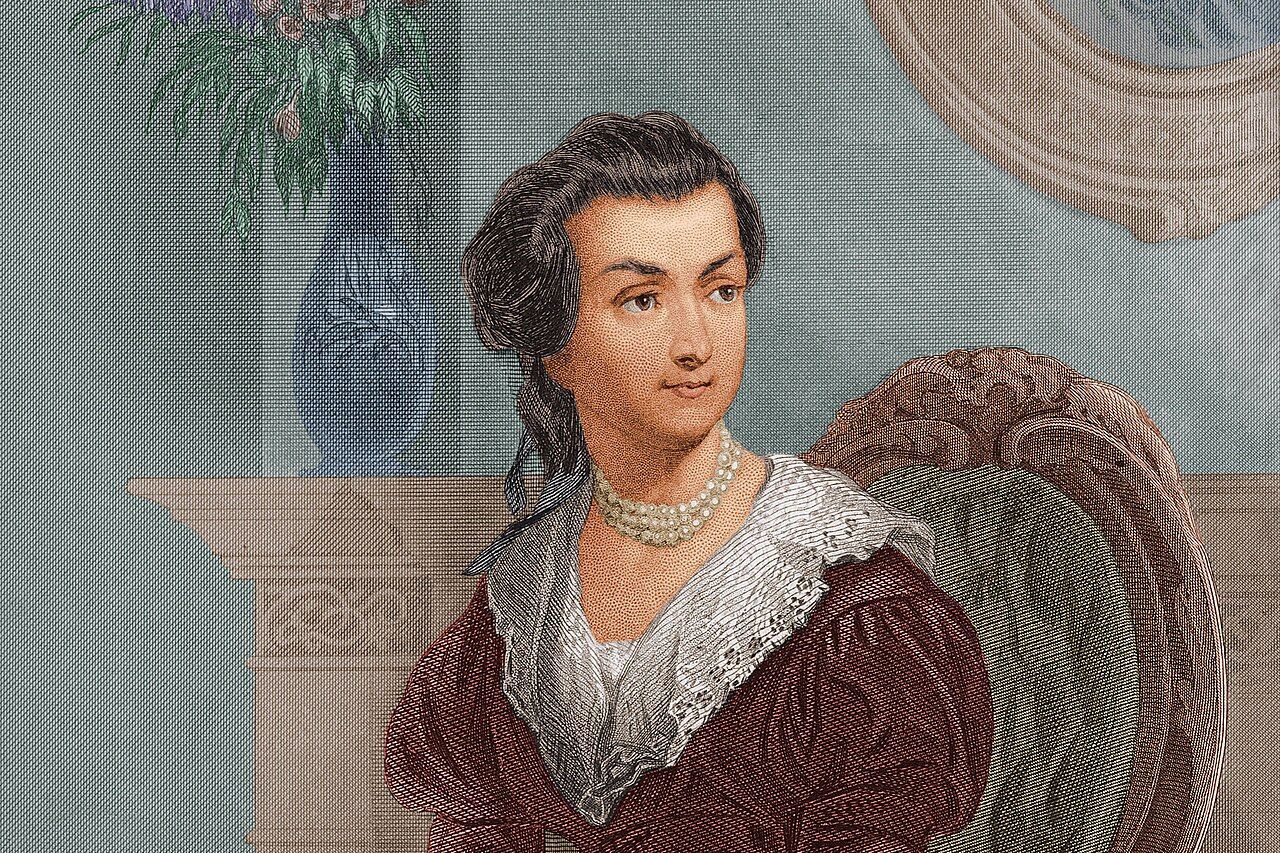
Long before women had the right to vote, Abigail Adams was already telling her husband to "remember the ladies", and she meant it. She was one of the most politically engaged women of her era, writing sharp, witty letters to John that were basically unofficial policy memos.

She's often considered America's first truly political First Lady, and she was ahead of her time by about 150 years .

10
Edith Roosevelt

Image: The Library of Congress, Public domain, via Wikimedia Commons

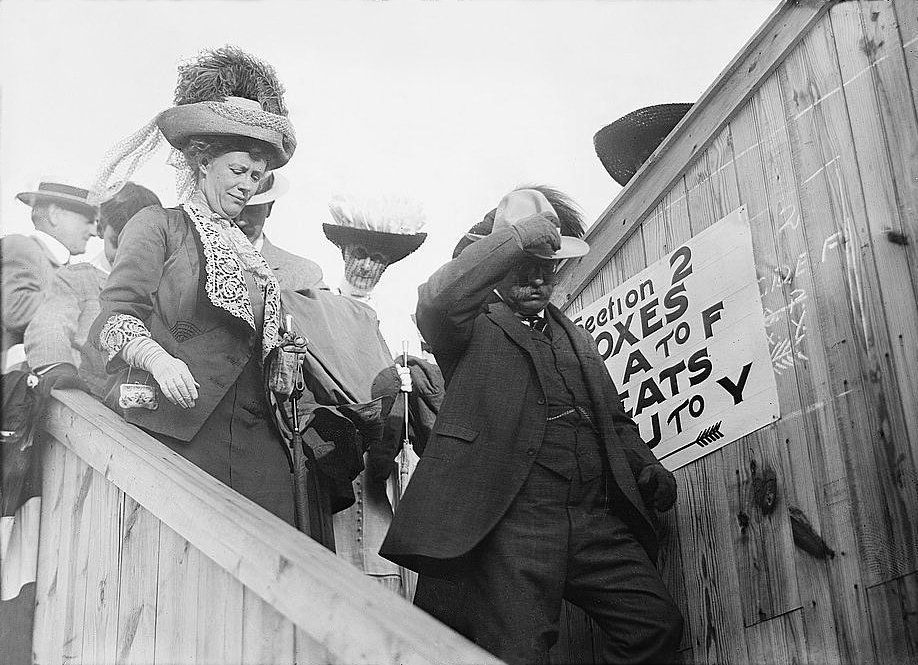
Edith Roosevelt transformed the role of First Lady during Theodore Roosevelt's presidency (1901–1909), turning it into something closer to what we recognize today. Edith created a formal staff, managed the White House's finances, and oversaw its major renovation in 1902 , which gave the building its now-iconic East and West Wings.

She was also a master of image control , carefully curating which photographs of her family reached the press and keeping the famously boisterous Roosevelt children from becoming a public relations liability. Behind closed doors, she was one of her husband Theodore's most trusted advisors, and many historians believe her steady judgment was a quiet but powerful force throughout his presidency.

Explore more American facts

Choose your favorite category!

General
General

As American as apple pie—the very best America has to offer!

Culture
Culture

Delve into the astounding richness of American lore.

Geography
Geography

Hop in and explore vast and diverse American landscapes.

History
History

Discover the key moments that shaped the United States.