History History 4 min read

Stories of Hollywoodland

12 things you didn't know about the Hollywood Sign
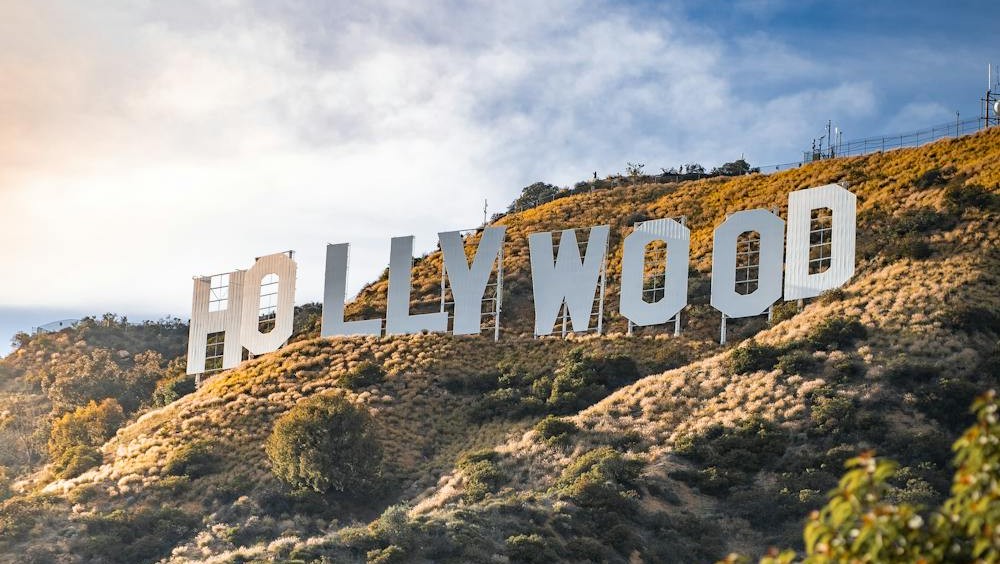
Image: Clément Proust

The Hollywood Sign is full of history, sponsorships, drama, and reinventions. Did you know that it was originally not only a longer word but also physically larger? And like the Eiffel Tower, it was originally intended to be a temporary structure. Read on to learn more interesting facts about LA’s most famous backdrop !

1
It was originally an advertisement

Image: Emma Timmers

Have you ever wondered why the sign exists at all? After all, not many cities display neighborhood names on a nearby hill . When the sign was first erected in 1923, it was simply a billboard promoting a real estate development, and it was supposed to stand for only about 18 months.

2
It used to be longer

Image: Sarah Sheedy

The sign originally read "Hollywoodland" , the name of a new housing development that promised wealthy buyers unique views of the sunny hills of Los Angeles. So, they stuck a gigantic sign on Mount Lee. Just temporary , they said. Just for marketing .

Over 20 years later, the district had become more culturally relevant than the housing development, but people had grown used to the sight by then. So, they decided to let go of four letters. Each cost a fortune to maintain anyway.

3
It used to be bigger

Image: Eliot

The original "Hollywoodland" sign was massive. Each letter stood 43 feet tall and stretched 30 feet across. They were made from thin metal panels slapped onto wooden frames and held up by telephone poles.

It dazzled from afar, but up close, it was a wobbly mess . The construction was so flimsy that by the 1930s, some of the letters were already tilting, cracking, or sliding out of place.

4
It’s appeared in more movies than most actors

Image: Ramaz Bluashvili

Doesn’t that fact make you giggle? It’s not Bette Davis, and it’s not Anthony Hopkins—it’s the Hollywood Sign that has more movie credits .

Aliens have blown it up. Earthquakes have toppled it. Sharks have flown right through it. But it’s also been the backdrop for kisses, chases, and friendship montages. Directors love it because it screams "L.A." in three seconds flat.

5
Technically, it’s not in Hollywood

Image: RDNE Stock project

The Hollywood Sign doesn’t actually sit within the neighborhood of Hollywood—it stands atop Mount Lee, inside Griffith Park, which is managed by the City of Los Angeles . So while it may say Hollywood , it’s not technically in Hollywood.

6
It’s been rebuilt twice

Image: Gerald Schömbs

By the 1940s, the city stepped in and gave the sign a minor facelift. After the crumbling "LAND" was scrapped, the remaining letters were patched up.

But by 1978, the sign was in serious trouble again—rusted, leaning, and on the verge of collapse, it was deemed beyond repair. This time, Hollywood did what it does best: rebooted it entirely . A new sign was built from scratch, using steel beams and concrete foundations.

7
Celebrities "sponsored" letters

Image: Joseph Menjivar

When Hollywood cried for help in the late ’70s, it was Playboy founder Hugh Hefner who stepped in. The city didn’t have the funds to rebuild the sign, so Hefner threw a glitzy fundraiser to find sponsors for each of the nine letters, at $27,777 apiece.

And it worked. Alice Cooper funded the "O" in memory of Groucho Marx. Gene Autry sponsored the second "L." Even Warner Bros. chipped in.

8
No public trail leads directly to it

Image: Venti Views

Perhaps you’ve heard a disappointed tourist complain about this before: You can hike near it. You can pose below it. But actually walking up to the letters is a no-go. The trails in Griffith Park will get you close, with plenty of Instagram-worthy views. But conservation efforts mean you’ll never legally stand between the "L"s.

One reason is that decades ago, it was easier to reach the sign—and some fans even climbed the letters.

9
The land surrounding it was once nearly sold for development

Image: izayah ramos

In the early 2000s, developers had their eyes on the land behind the sign. The plan was to construct luxury homes in the hills with killer views. But the public response was pure outrage.

Enter Hugh Hefner (again), along with celebrities and conservation groups , who raised over $12 million to save the land. Today, those hills are permanently protected.

10
It has its own security team

Image: Lukas Geck

As mentioned earlier, you can’t get a selfie next to the "H" because the sign is off-limits to the public. It’s monitored 24/7 with infrared cameras, motion sensors, microphones, and regular patrols. Some hikers still try their luck, but trespassing can lead to citations, fines, and in some cases, arrest.

11
It’s copyrighted; you can’t just slap it on a T-shirt

Image: Simon Ray

Call a lawyer before you print the Hollywood Sign on your merch. Some trademark rights to the sign are owned by the Hollywood Chamber of Commerce. That means any commercial use—like shirts, mugs, or movie scenes— requires a license . Even photographers have to tread carefully.

12
Helicopters were used to move the letters
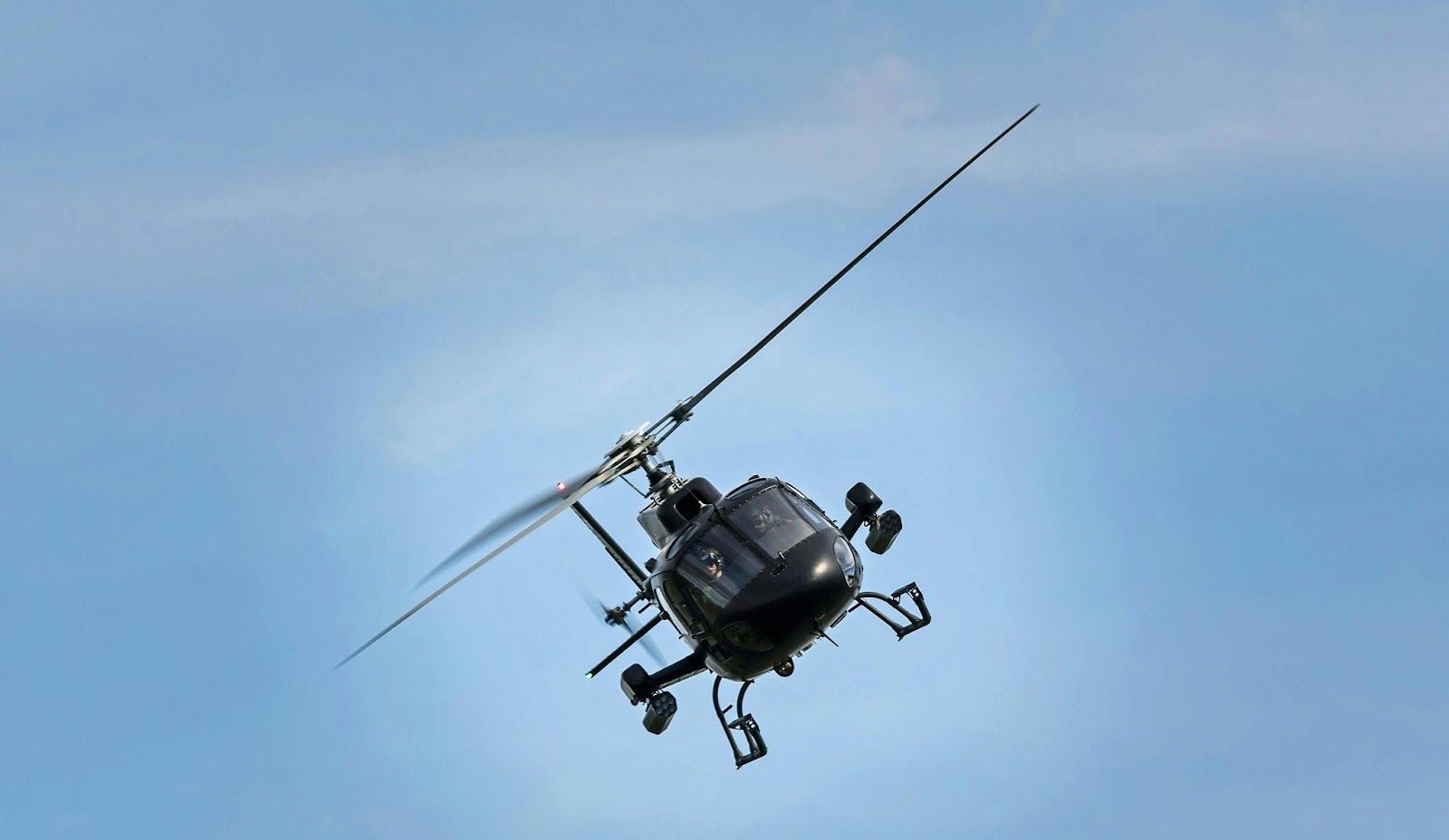
Image: Somchai Kongkamsri

The letters have been helicoptered off before. In 1978, when the new sign was being installed, the old, rusted letters had to go. But since you can’t exactly wheel 50-foot steel slabs down a hiking trail, helicopters came to the rescue.

One by one, the original letters were airlifted off the mountain in a strange, sky-high farewell. It was quite an event, and crowds gathered to watch.

Geography Geography 6 min read

Nicknames for miles

How many pelicans does it take? The stories behind 10 US state nicknames

Image: Pixabay

Who first called New York the "Empire State"? Does Minnesota actually have 10,000 lakes? And why is Florida the "Sunshine State," if Arizona boasts more sunny days a year? The nicknames that the U.S. states have cultivated over the decades are straightforward in some cases but very intriguing in others. What is a "Hoosier," and how many pelicans are there in Louisiana? Let’s explore the stories behind these license-plate monickers and whether others were considered for these 10 states.

1
The Show-Me State

Image: Chris Duan

Missouri’s license plates contain one of the strangest state nicknames in our list: The Show-Me State. Does that speak of residents with a no-nonsense, skeptical character? In part. This title can be traced back to 1899, when U.S. Congressman Willard Duncan Vandiver used the phrase in a speech, implying that Missourians aren't easily swayed by "frothy eloquence" and need proof, saying, "I am from Missouri. You have got to show me. "

Since then, though "Show-Me State" isn't an official legislative title, it has been recognized as part of the state’s identity. Beyond this nickname, Missouri also holds others such as "The Cave State" due to its large number of caves, and "The Mother of the West" because of its historical significance in westward expansion.

2
The Hoosier State

Image: Pixabay

Indiana is famously known as "The Hoosier State", though the origin of this monicker is one of the most debated topics in the state’s history. One popular theory attributes it to a canal contractor named Samuel Hoosier, who preferred to hire workers from Indiana. These laborers were known as "Hoosier’s men," which eventually shortened to "Hoosiers."

Others say it came from the frontier slang word hoozer , meaning "someone from a rural area". Whichever version is real, "Hoosier" gained popularity in the 1830s through a poem titled The Hoosier's Nest by John Finley, which celebrated Indiana’s rural charm. The "Hoosier Dome" (now the site of Lucas Oil Stadium) and companies like the Hoosier Bat Company embraced the nickname. Indiana is sometimes also known as the "Crossroads of America" for being a key geographical center for major highways.

3
The Beehive State

Image: David Hablützel

The nickname "Beehive State" has roots in Utah's founding by members of the Church of Jesus Christ of Latter-day Saints (LDS). When these settlers arrived in the Salt Lake Valley, they viewed the beehive as an emblem of industriousness, unity, connection, and hard work —qualities they wanted their new society to represent.

The other term used to reference all things Utah is "Deseret," with a similar story: the term appeared in the Book of Mormon standing for "honeybee." It’s also the reason why the state’s motto is "Industry", and features an illustration of a beehive in the center of the state’s flag.

4
The Land of 10,000 Lakes

Image: Josh Hild

Minnesota actually has around 11,842 lakes , excluding smaller ponds and wetlands. But calling it "The Land of Over 11,842 Lakes" would have been a nuisance. This nickname evokes the territory’s vast natural beauty: The catchy term was adopted as part of a strategic tourism campaign in the early 20th century, aiming to get more Americans to visit the state. With the automobile industry booming, Minnesota promoted itself as a destination for camping, boating, and fishing.

The slogan helped create a reputation for Minnesota as a water paradise and led to the formation of the Ten Thousand Lakes of Minnesota Association in 1917, which spread the message of the joys of lakeside vacations. Within a decade, Minnesota's lakes were drawing visitors from across the country. The state is also sometimes called "The North Star State" or L'Étoile du Nord for being the northernmost state in the contiguous U.S.

5
The Empire State

Image: Frederik Sørensen

The Empire State is New York's longstanding nickname. It’s hard to dispute: it stands for the state’s significant economic, cultural, and historical influence. Though the exact origin of the nickname remains unclear, it’s believed to have stemmed from a comment by George Washington in 1785, where he referred to New York as the "Seat of the Empire" in recognition of its central role in the post-Revolutionary War. With time, this expression grew into the nickname "Empire State".​

The famous Empire State Building is an example of the prevalence of the nickname: The iconic skyscraper was completed in 1931 and held the title of the world's tallest building for several decades. The Empire State Plaza in Albany, a government complex, is another example. New York also goes by other nicknames, including "The Excelsior State," referencing the state motto, "Excelsior," meaning "ever upward."

6
The Pelican State

Image: Zac Lois

How many pelicans does it take to earn a full state this nickname? It is said that early settlers were impressed not just by the amount of birds in the territory’s bayou, but by the nurturing character that the birds showed. The brown pelican eventually became the state’s official bird and prominent emblem. It was endangered in the '60s, but fortunately, thanks to the state’s efforts in banning the pesticides that harmed them, the population was restored.

Louisiana also has other descriptive nicknames. It’s known as "The Bayou State" for its lush marshlands, "The Creole State" for its unique culture, and "The Sportsman’s Paradise."

7
The Lone Star State

Image: Lucas Beck

The "Lone Star" reflects Texas's struggle for independence from Mexico , when Texas briefly became its own republic before joining the United States in 1845. This star stood as a symbol of pride and the determination for self-governance. Today, it still shines bright in the middle of Texas’ flag.

Texas has a few other nicknames, though they’re less well-known. In the 1960s, The New Yorker called it the "Super-American State". Texas has also been called "The Beef State" and "The Jumbo State".

8
The Golden State

Image: Elizabeth Iris

Is it because of the beautiful sunsets tainting the Pacific Coast in a golden light? Well, no. California’s nickname, "The Golden State," refers to multiple facets of its history. Most prominently, it alludes to the California Gold Rush of 1848-1855, a period that saw thousands flock to the state. Gold remains a powerful symbol in California, commemorated by the state’s official colors, blue and gold, representing the state’s skies, beaches, and mineral wealth.

The state also boasts an official fish, the California golden trout, and a butterfly, the California dogface butterfly, whose hues contribute to this golden theme. There are other unofficial names, such as "The Land of Milk and Honey" and "The Grape State."

9
The Sunshine State

Image: Nextvoyage

Who could dispute this nickname? Florida boasts an impressive average of 237 sunny days a year, so of course we would refer to it as "The Sunshine State." Florida's year-round pleasant weather has positioned it as a top destination for those seeking a break from colder regions, especially in winter. But technically, Florida isn’t the sunniest state —that title goes to Arizona .

Before settling on "The Sunshine State," Florida had other, less recognized nicknames, including the "Alligator State" and "Everglade State." Today, the "Sunshine State" nickname supports Florida’s brand as a sunny paradise, though it’s worth noting that its climate also includes frequent rain and thunderstorms, making it both sunny and tropically lush year-round.

10
The Natural State

Image: Jessica Garner

The state is renowned for its 52 state parks , lush forests, clear rivers, and diverse geography that includes everything from mountainous regions to bayous. Arkansas earned its official nickname, "The Natural State," in 1995, replacing "The Land of Opportunity." This new name aided in promoting it as a top destination for outdoor-enthusiast tourists.

Arkansas has had several other notable nicknames throughout its history. "The Bear State" was one of its earliest names, winking at the high number of black bears once found there. "The Wonder State" was adopted in the 1920s to highlight its natural wonders, and "The Land of Opportunity" came into use around the 1940s as part of an economic development initiative.​

General General 5 min read

Incredible creatures

You won't believe these 10 American animals' amazing traits and skills

Nature never ceases to amaze us. From mammals that can "glide" through the air to creatures that can twist their heads 180 degrees, America's wildlife is as diverse as it is impressive. While you probably recognize many of the animals in this article, they have some skills that could shock anyone. Join us to discover these 10 incredible American animals with amazing abilities and unique traits !

1
Blue jay

Image: Mark Olsen

The blue jay is a beautiful bird with –as its name suggests– striking blue plumage. It also has white feather details and a sort of black "collar" on its neck. But it is not just a pretty face; it also has wonderful abilities.

Blue jays are excellent mimics . They can imitate the calls of other birds, especially hawks, in order to frighten and scare away predators. Nature is wise!

In addition, these birds that live in family groups have a great memory . Blue jays have been seen storing nuts far from where they originally found them and then returning to those locations later without much effort.

2
Bald eagle

Image: Mathew Schwartz

As one of America's most iconic symbols, the bald eagle makes an imposing impression just with its presence. It is one of the largest birds in the world, with a wingspan ranging from 6 to 7.5 feet and weighing between 3 and 6.5 pounds.

One of its most outstanding traits is its vision , considered by many experts to be 4 to 5 times sharper than human eyesight. This bird has such precise vision that it can spot its prey from several miles away while flying!

In addition to that, its hunting skills are exceptional. Bald eagles rarely fail to catch a snack, thanks to their large and powerful talons. Their prey can be quite large, as their grip strength can reach 400 pounds per square inch.

3
Pronghorn antelope

Image: David Thielen

Despite its common name, the pronghorn is not an antelope. In fact, it belongs to another family called Antilocapridae , exclusive to North America. Yes, they only exist here!

Pronghorns have several characteristics that make them unique, including their iconic horns . First off, pronghorns shed their horns every year (because who doesn't want to renew their outfit?). And, unlike many other species, it's not just the males that have horns; the females do too.

But here's its best feature: the pronghorn is nothing less than the fastest land animal in America, capable of reaching speeds of over 50 mph. And that's not all; this animal can sustain its speed for very long distances. A true runner!

4
American alligator

Image: Joshua J. Cotten

The American alligator can measure between 13 and 15 feet long and weigh more than 900 pounds, making it one of the largest reptiles in the USA.

But its size is not the only thing that impresses. The American alligator, which inhabits the southeastern United States, has one of the fiercest and most powerful bites in the entire animal kingdom, reaching 2,980 pounds of pressure per square inch. Just picture that destructive power!

Biting so hard must have negative consequences for the teeth, right? True. But this is not a problem for the American alligator, as this reptile has the ability to regenerate its lost teeth more than 50 times in its lifetime!

5
Barn owl

Image: Bob Brewer

The barn owl is one of the several owl species found in America. Its most characteristic feature is its heart-shaped face. This distinctive quality is not only cute, but it also serves a purpose: it directs sound into the bird's ear cavities. The barn owl has exceptional hearing , allowing it to detect the smallest prey in the dark.

On the other hand, one of the most striking features of owls is their ability to rotate their heads about 180 degrees and, in some cases, even more. If you found The Exorcist disturbing, you don't want to watch videos of owls rotating their heads!

6
Wood frog

Image: Richie Bettencourt

The wood frog is a small amphibian native to the northeastern states, famous for the dark markings around its eyes. These markings are like a mask that extends, much like when someone's makeup smudges.

But this frog's appearance is not the only thing that distinguishes it. It also has an incredible skill: the ability to withstand freezing temperatures. And that's not all; during the winter, their bodies can actually freeze solid and then thaw out in the spring without sustaining serious damage. Amazing!

Although it is not Captain America, this ability allows the wood frog to adapt very well to temperatures as low as -10°F for several weeks.

7
Flying squirrel

Image: Saori Oya

Have you ever dreamed of flying through the sky like a superhero? Who wouldn't want that? There is a squirrel that has this advantage, which is why it is commonly called the flying squirrel.

Despite its funny name, the flying squirrel doesn't actually fly but glides through the trees. Even so, watching this small mammal deploy a membrane between its limbs to glide with great precision from the heights is impressive. In addition, they can perfectly regulate speed and direction during their ride through the air.

Have you ever seen one of these creatures?

8
Gila monster

Image: David Clode

There is only one venomous lizard in the U.S., and that title goes to the great Gila monster.

This lizard, naturally found in the southwestern regions of our country, has unique abilities that set it apart from other animals. The "monster" in its name is no coincidence: this lizard has a fearsome bite , capable of injecting painful venom. The Gila monster's venom is delivered through grooves in its teeth, something extremely rare for a lizard.

And there's more. This animal can go several months without eating! This is due to its slow metabolism , which allows it to survive even when food is scarce.

9
Eastern diamondback rattlesnake

Image: Leah Storme

The eastern diamondback rattlesnake is one of the largest rattlesnakes that inhabit our country, reaching 6 feet in length and weighing around 10 pounds. Its characteristic diamond-shaped pattern on its back is what gives it its iconic name.

Besides having one of the most potent venoms among rattlesnakes, this snake has another important advantage. The diamondback rattlesnake has thermo-detecting pits. But what is that? They are tiny orifices located between its eyes and nose, which allow it to detect the temperature of its warm-blooded prey even in the deepest darkness.

10
American beaver

Image: Tim Umphreys

Beavers are amazing animals. These rodents that inhabit freshwater environments are like the architects of the animal world. They have impressive building skills, with dams being their primary type of construction.

The dams that beavers build with sticks, logs, stones, mud, and other materials from nature are designed to protect their community and lodges. Beavers' lodges are perfectly engineered, featuring underwater entrances that keep them isolated and safe, just like a natural bunker!

They are also excellent swimmers . They have an affinity for water and use it in very creative ways. For example, they slap their flat tails against the water's surface to alert their families when danger is near.

Explore more American facts

Choose your favorite category!

General
General

As American as apple pie—the very best America has to offer!

Culture
Culture

Delve into the astounding richness of American lore.

Geography
Geography

Hop in and explore vast and diverse American landscapes.

History
History

Discover the key moments that shaped the United States.